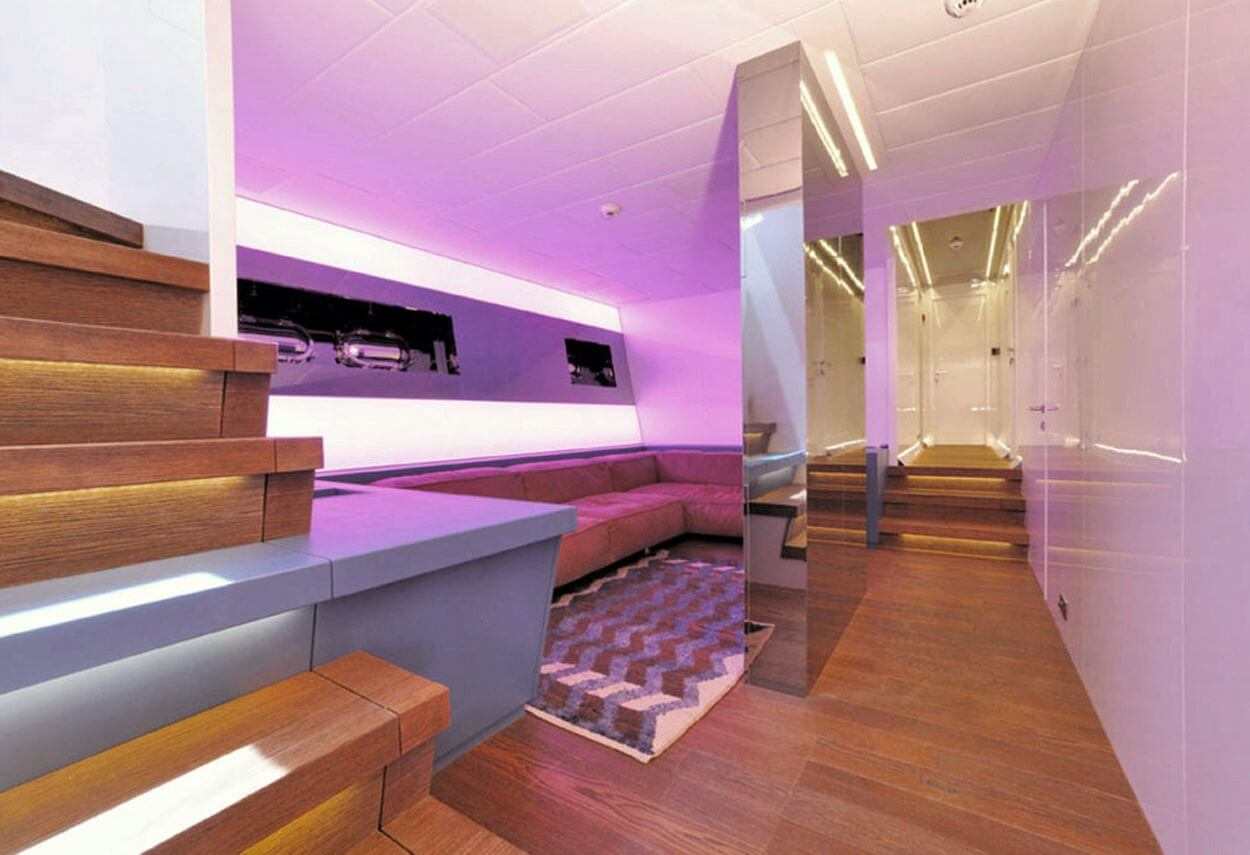
Lighting design is considered a compendium of art and science capable of illuminating the human environment. This is the premise of the current standard UNI 11630:2016 Light and illumination - Criteria for drafting the lighting project. This standard goes on to state that our knowledge of light, its tools, its control, and its manipulation have become extremely complex and multifaceted. It also reiterates that the impact of light on humans has many more ramifications than just the visual-perceptive aspect: mood, attention, and the perception of emotions are directly influenced by the way our living spaces and environments are illuminated.
For our part, recognizing the need to develop a lighting design capable of meeting the above requirements is crucial to ensuring added value to the architectural project. On the one hand, research into technological innovation, on the other, continuous experimentation, ensure that every project is always different; there are no fixed parameters. The idea itself is worthless, especially in the field of lighting, if it isn't addressed and engaged with the context and its specific function. For the design solution to be effective, it's necessary to adopt a position of constructive criticism without promoting preconceived ideas. The key to creating a good project lies in finding a complex balance and synthesis between reason—scientific knowledge—and the irrational—sensitivity and intuition, the ability to experience and convey emotions.

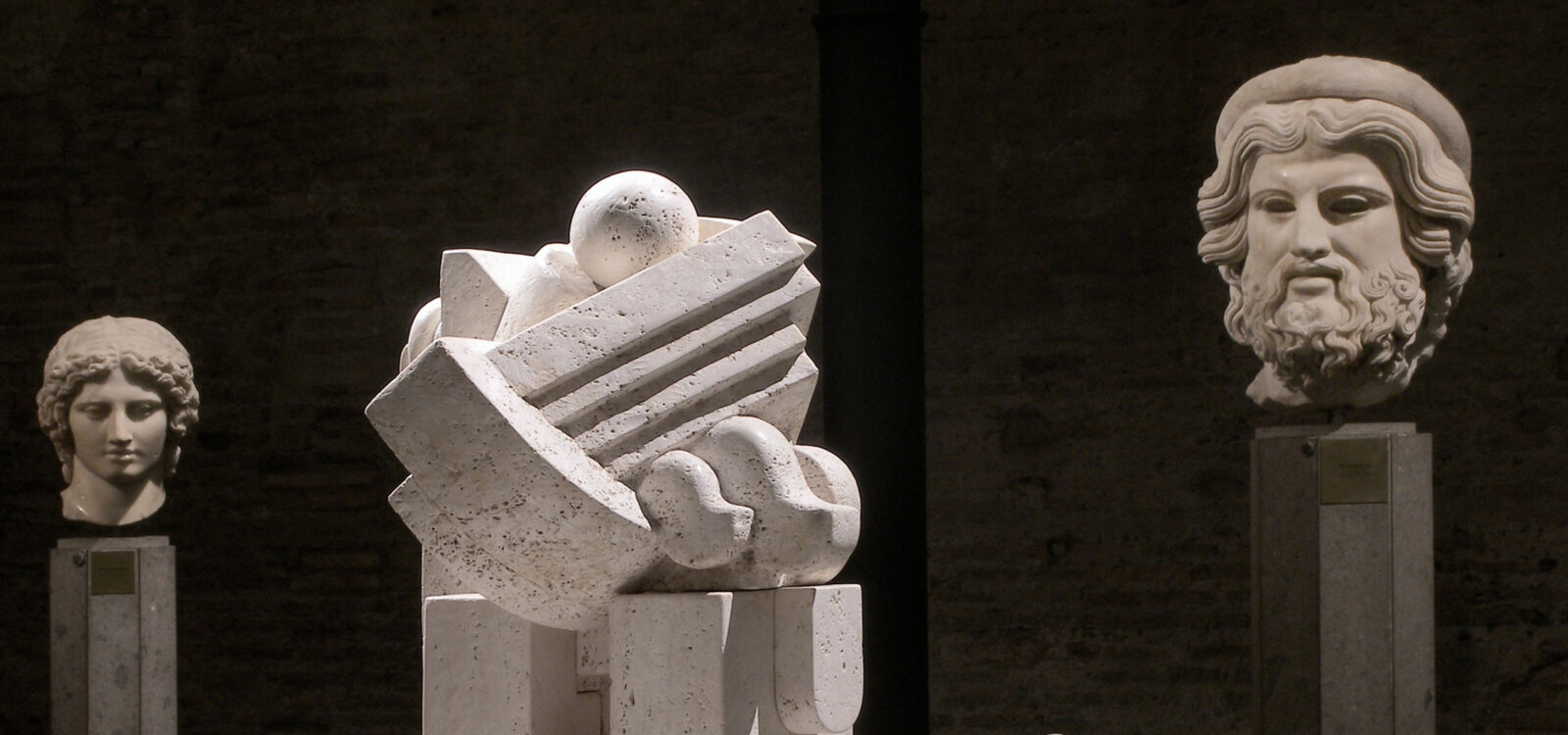
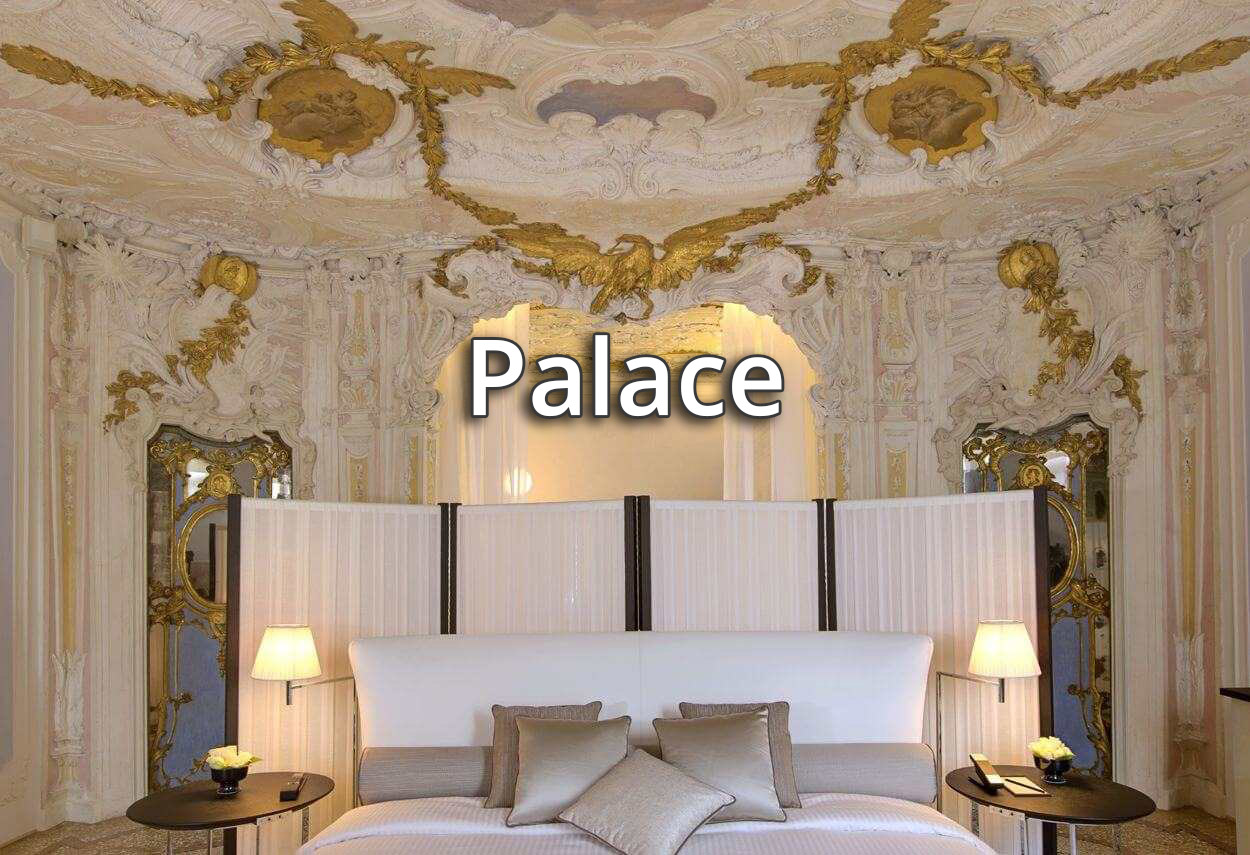
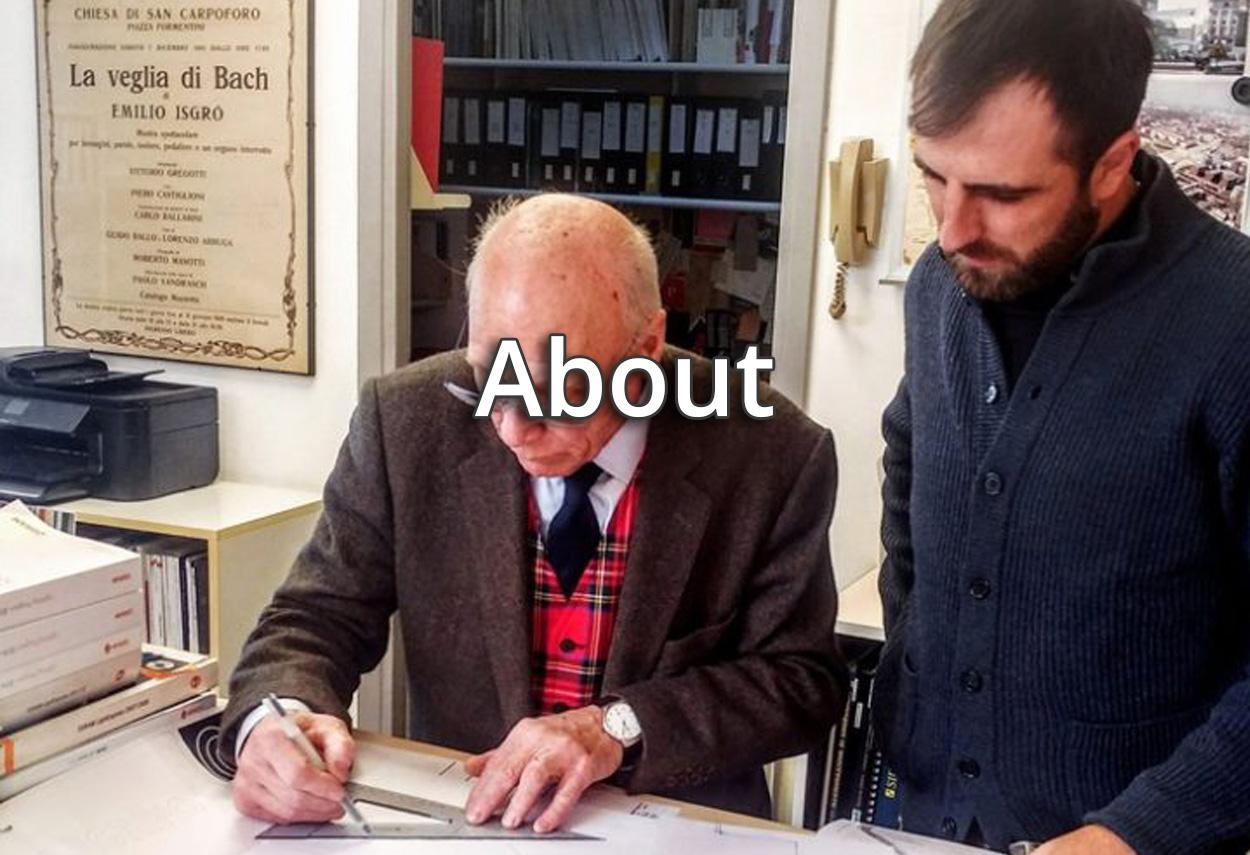
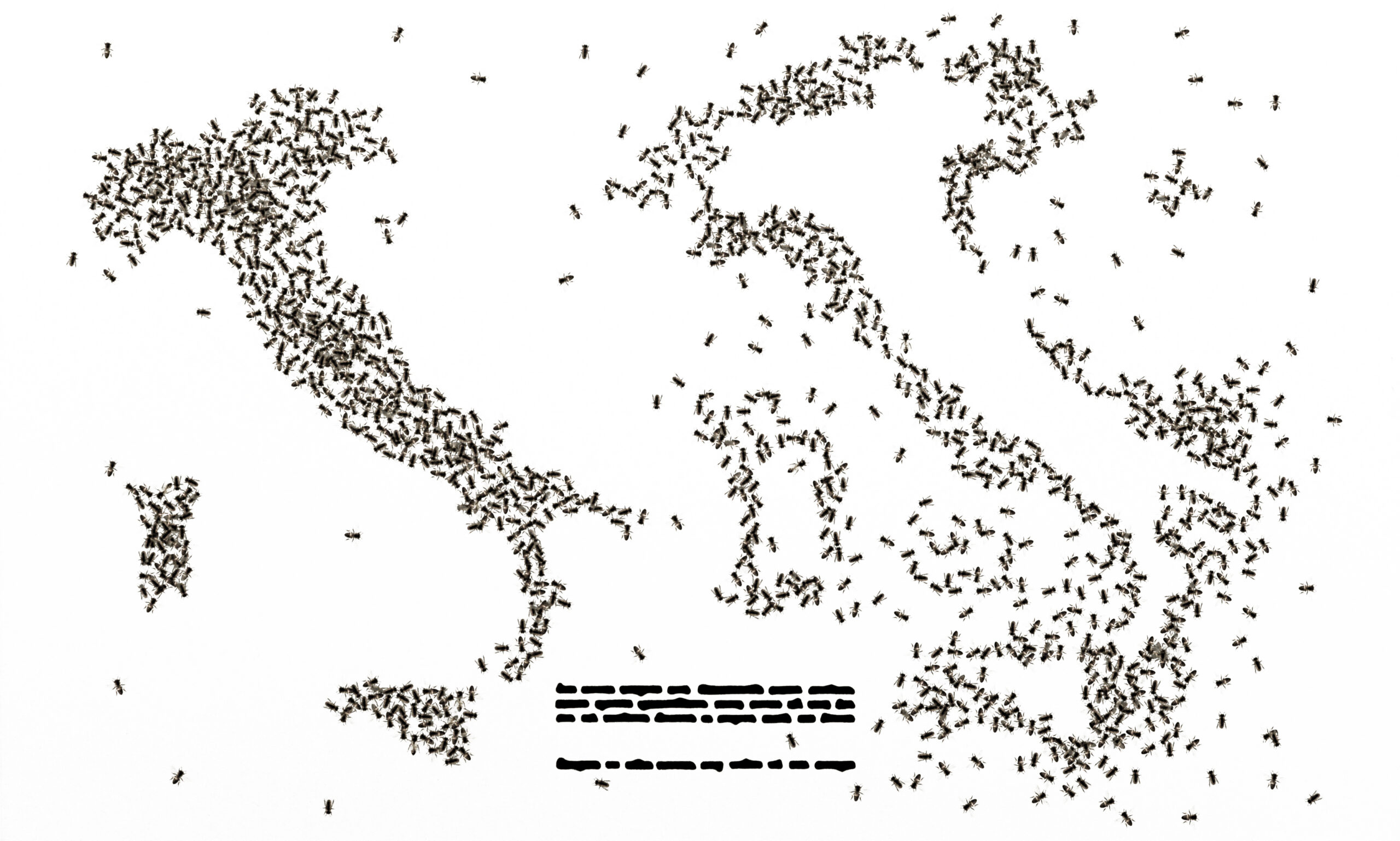
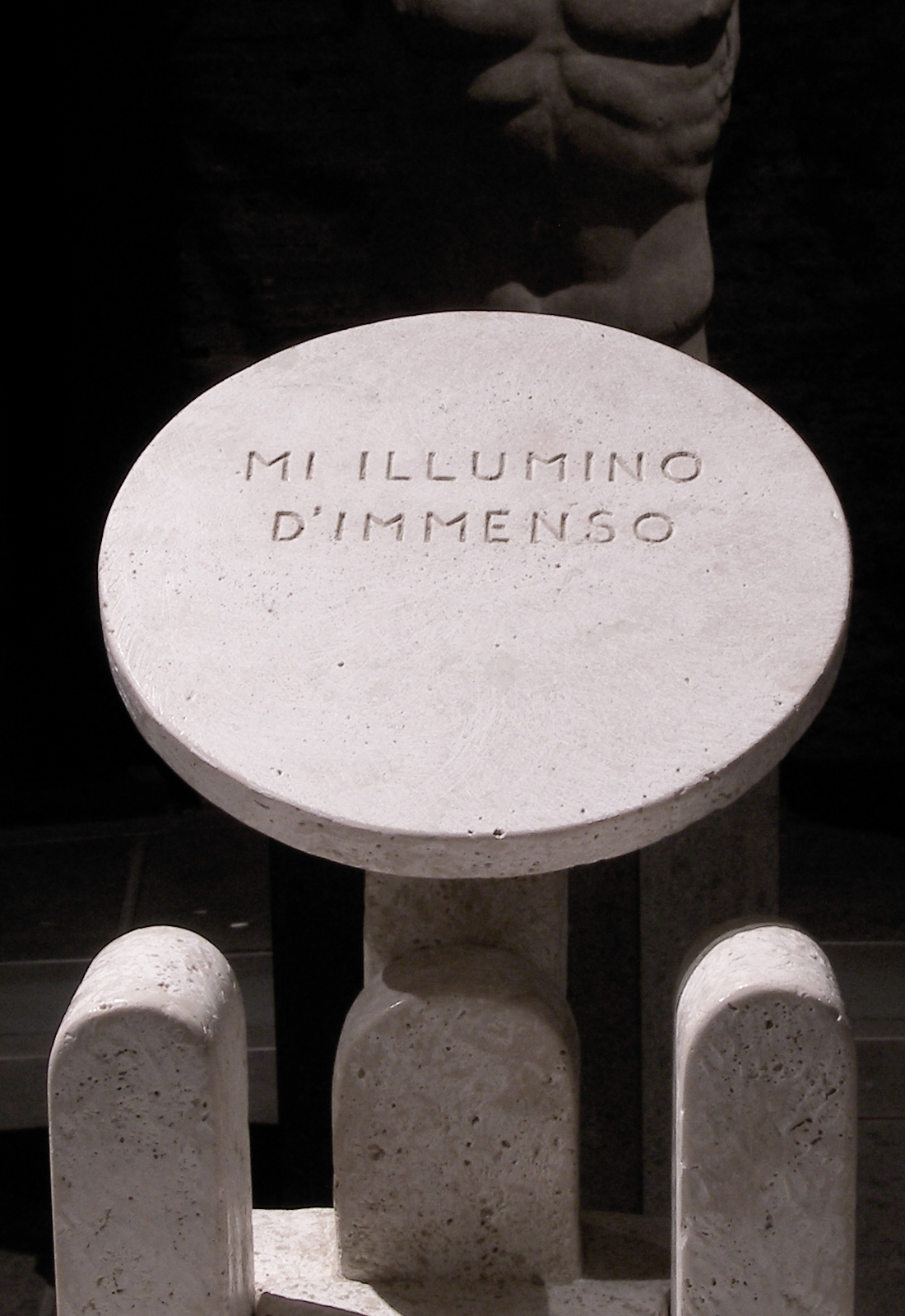
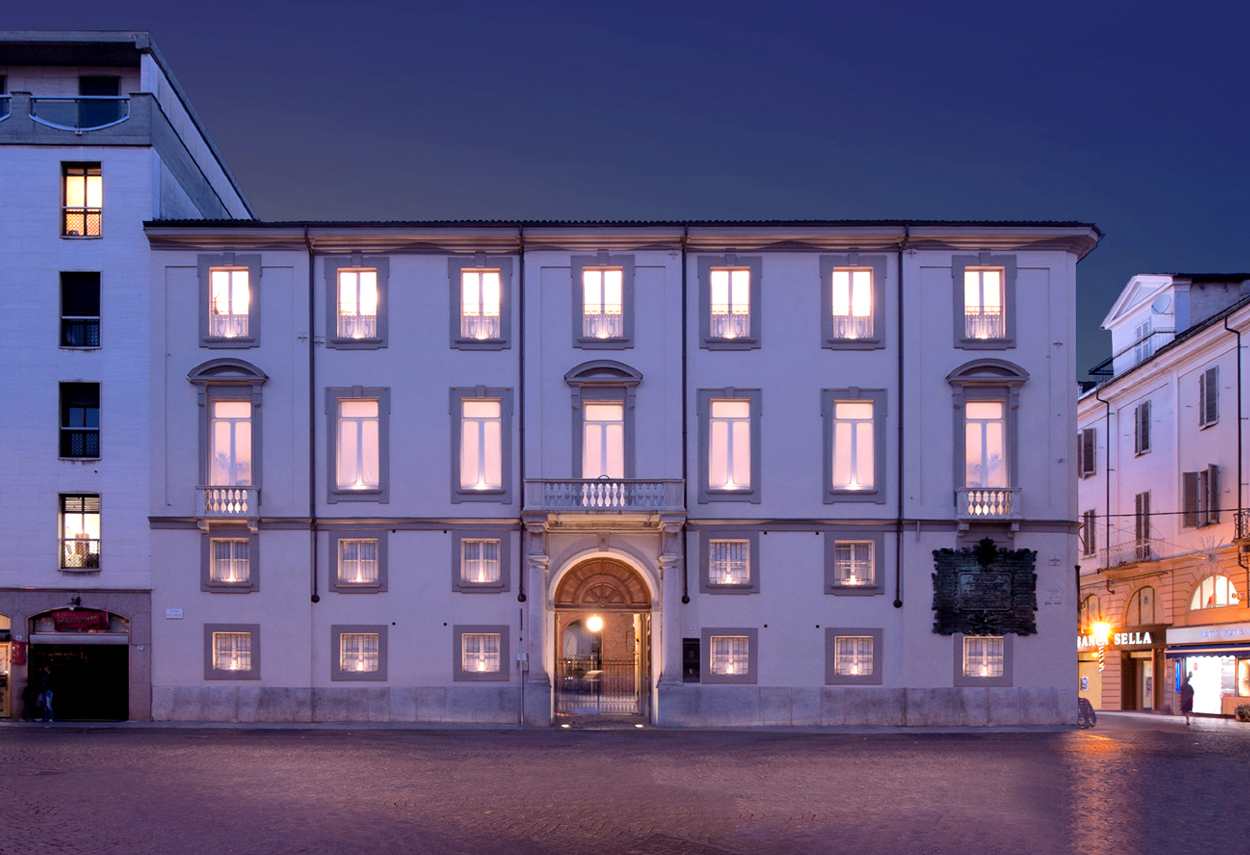
Based in Milan, he works on commission. Marco Petrucci, born in 1982, obtained a degree in Industrial Design from La Sapienza University of Rome and a first level Master's degree from the Polytechnic of Milan, in Design and Technologies of Lighting. Please write to info@petruccimarco.it or visit the Linkedin profile. Method: design the light, first what to do and then how to do it. Ours is an age built on action, rather than on the capacity for reflection. Reflection takes time, dedication, effort and discipline. The perception of the dominance of the instant and the exponential evolution of technological devices, for example, weaken the reasoning faculty. It is therefore clear that the mere illusion of progress is taking us away from our primary needs. A re-education of thought is therefore necessary aimed at returning to the "human measure", to the universality of human values. Technique and scientific knowledge alone are not able to provide answers to the world of design. Image: Emilio Isgrò Exhibition, Milan, Real Palace.
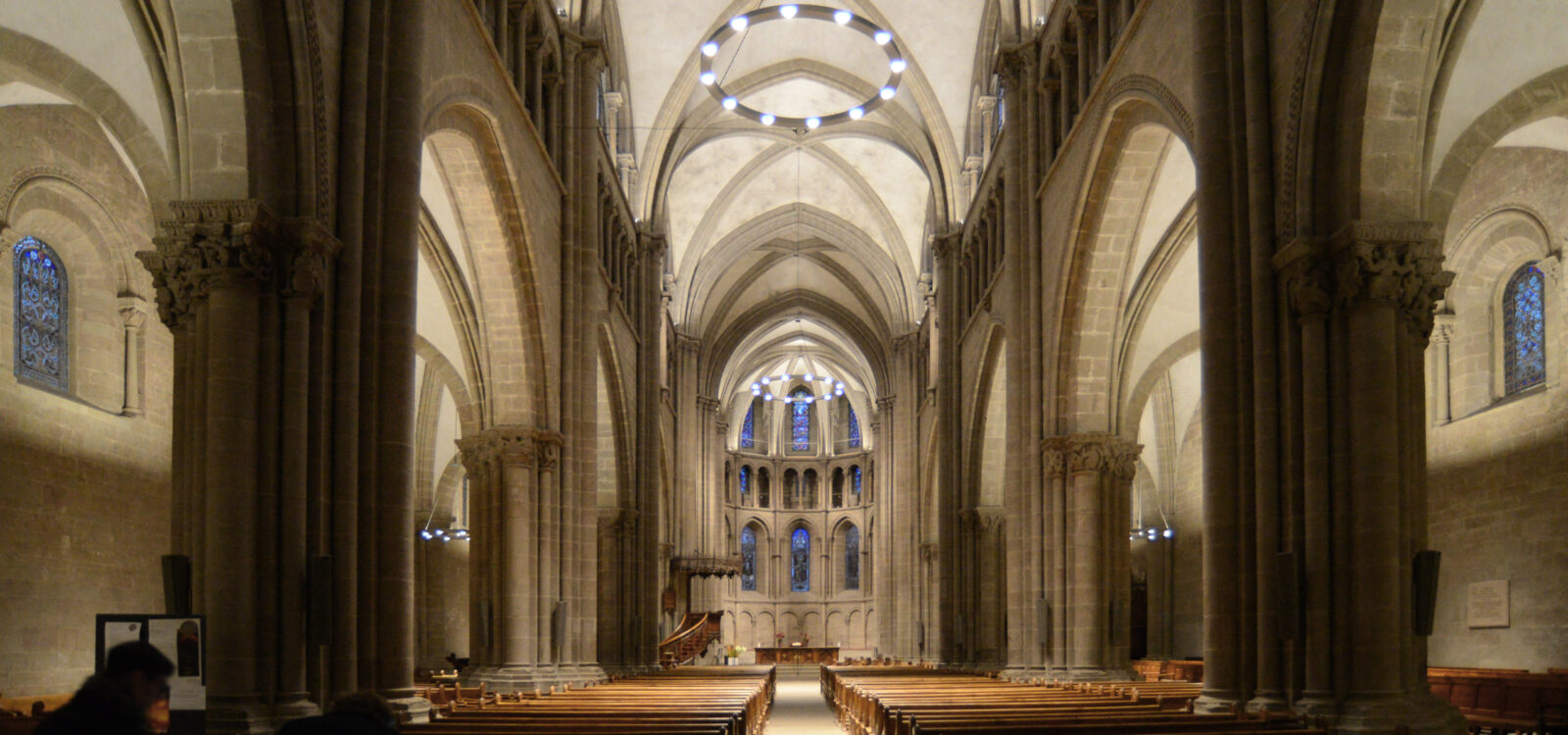
How do we design the lighting for our buildings? A lighting designer uses codes and standards that indicate how light should be, both in terms of lux and uniformity. This is how we create uniform illumination, in a regular grid of lamps. This doesn't mean we shouldn't consider lighting regulations; indeed, we should respect them, but with a critical eye. When developing lighting projects, lighting designers should seek to involve all stakeholders more closely. Can we truly connect people and projects? Lighting design for museums, exhibitions, headquarters, and retail spaces maintains a commitment to a lighting design that integrates with the architectural context and its functions.
Based in Milan, he works on commission. Marco Petrucci, born in 1982, obtained a degree in Industrial Design from La Sapienza University of Rome and a first level Master's degree from the Polytechnic of Milan, in Design and Technologies of Lighting. Please write to info@petruccimarco.it or visit the Linkedin profile. Image: Emilio Isgrò Exhibition, Milan, Real Palace.


How do we design the lighting for our buildings? A lighting designer uses codes and standards that indicate how light should be, both in terms of lux and uniformity. This is how we create uniform illumination, in a regular grid of lamps. This doesn't mean we shouldn't consider lighting regulations; indeed, we should respect them, but with a critical eye. When developing lighting projects, lighting designers should seek to involve all stakeholders more closely. Can we truly connect people and projects? Lighting design for museums, exhibitions, headquarters, and retail spaces maintains a commitment to a lighting design that integrates with the architectural context and its functions.
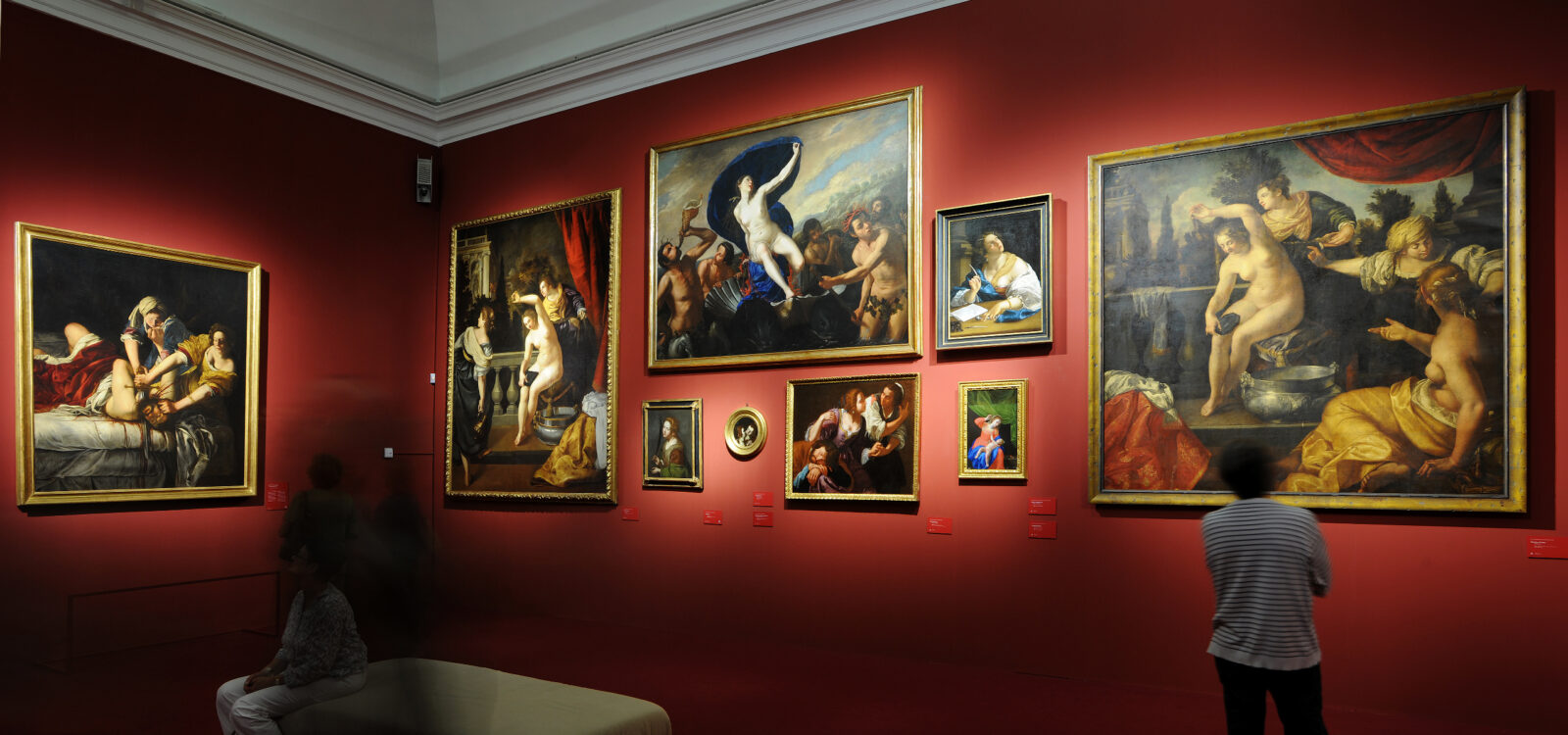
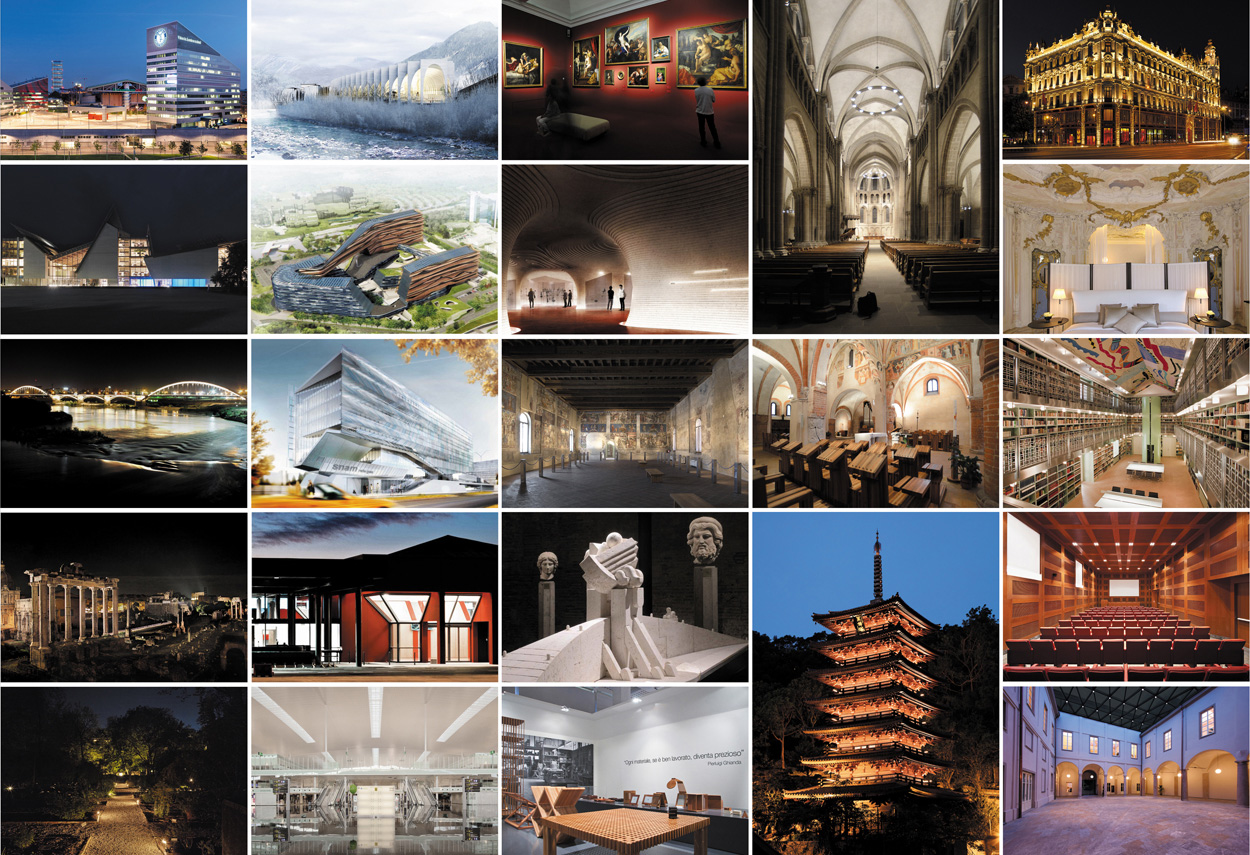
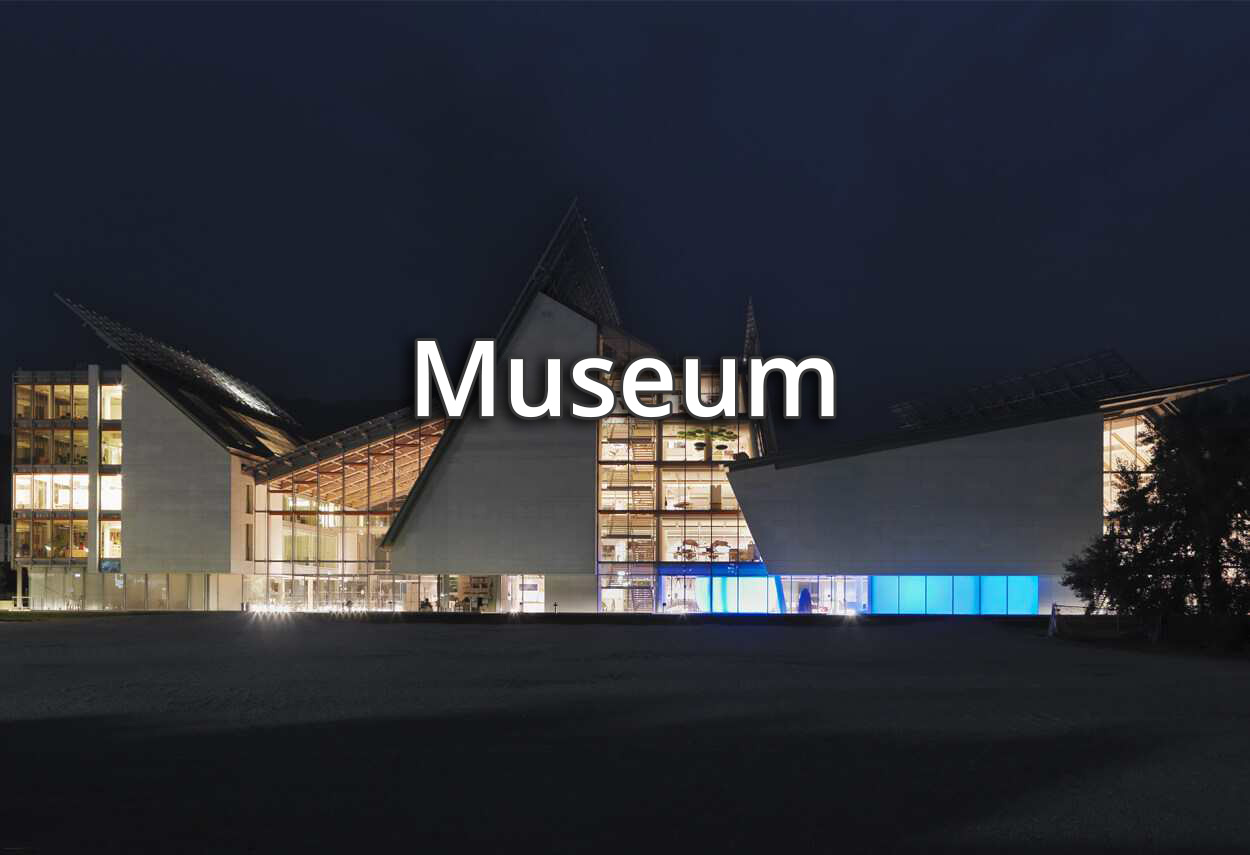
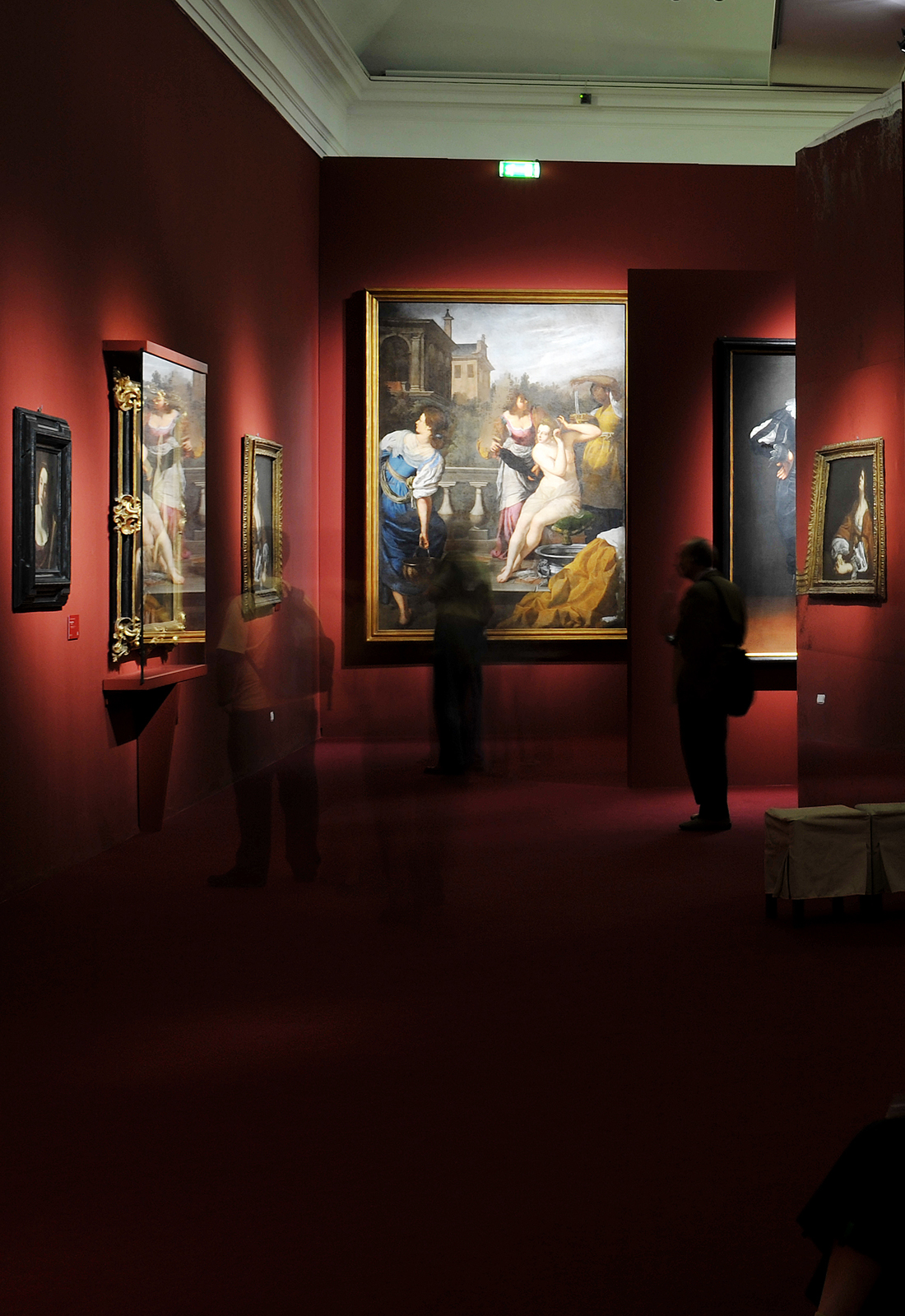
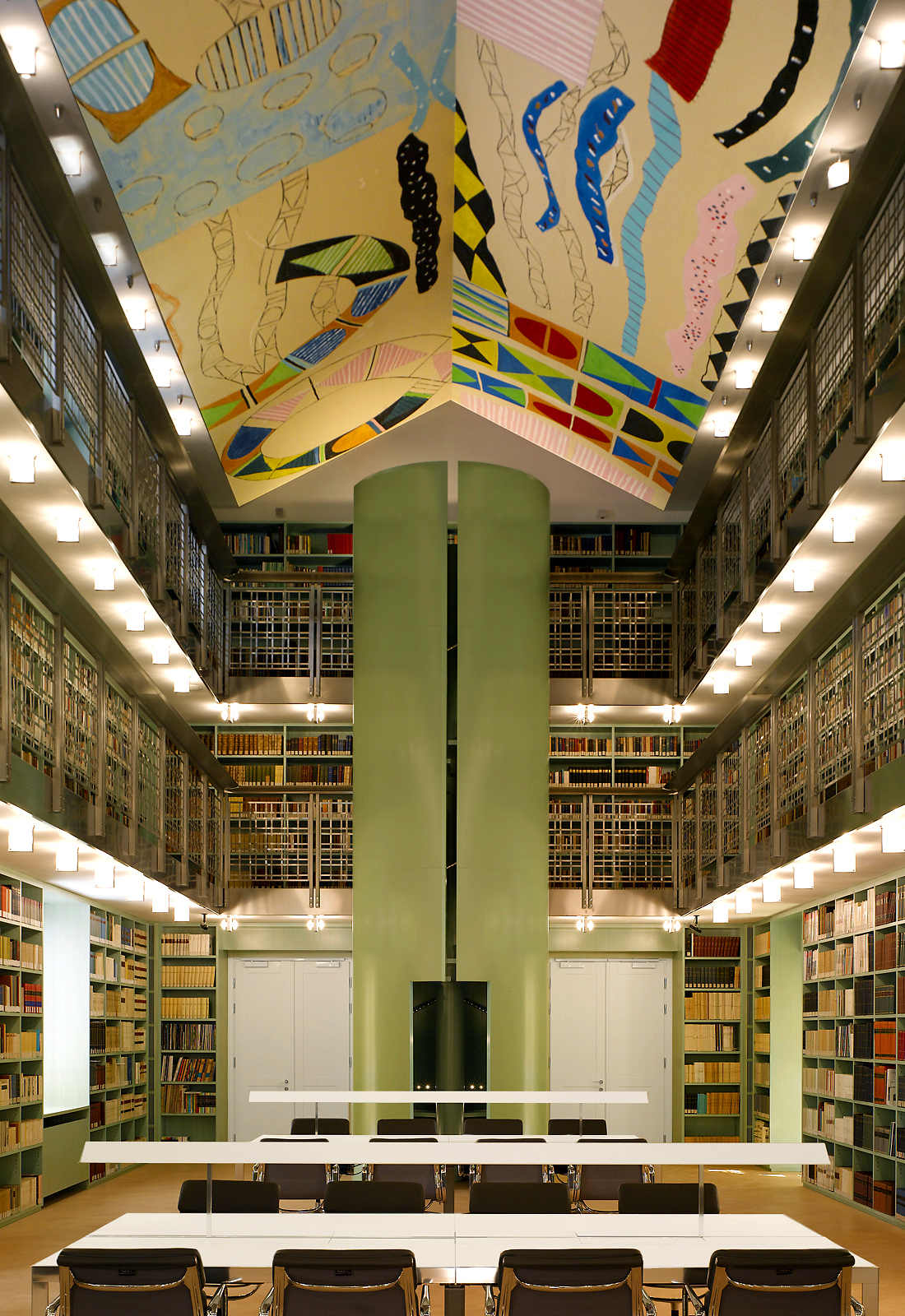
In a museum, the lighting design should favor the one and only protagonist: the work of art. The lighting designer carefully uses light as a tool to enhance the playfulness of shadow while accompanying the viewer in interpreting the work in the most faithful way possible. In these cases, the function of the lighting design is to enhance the details while maintaining the overall architectural view.
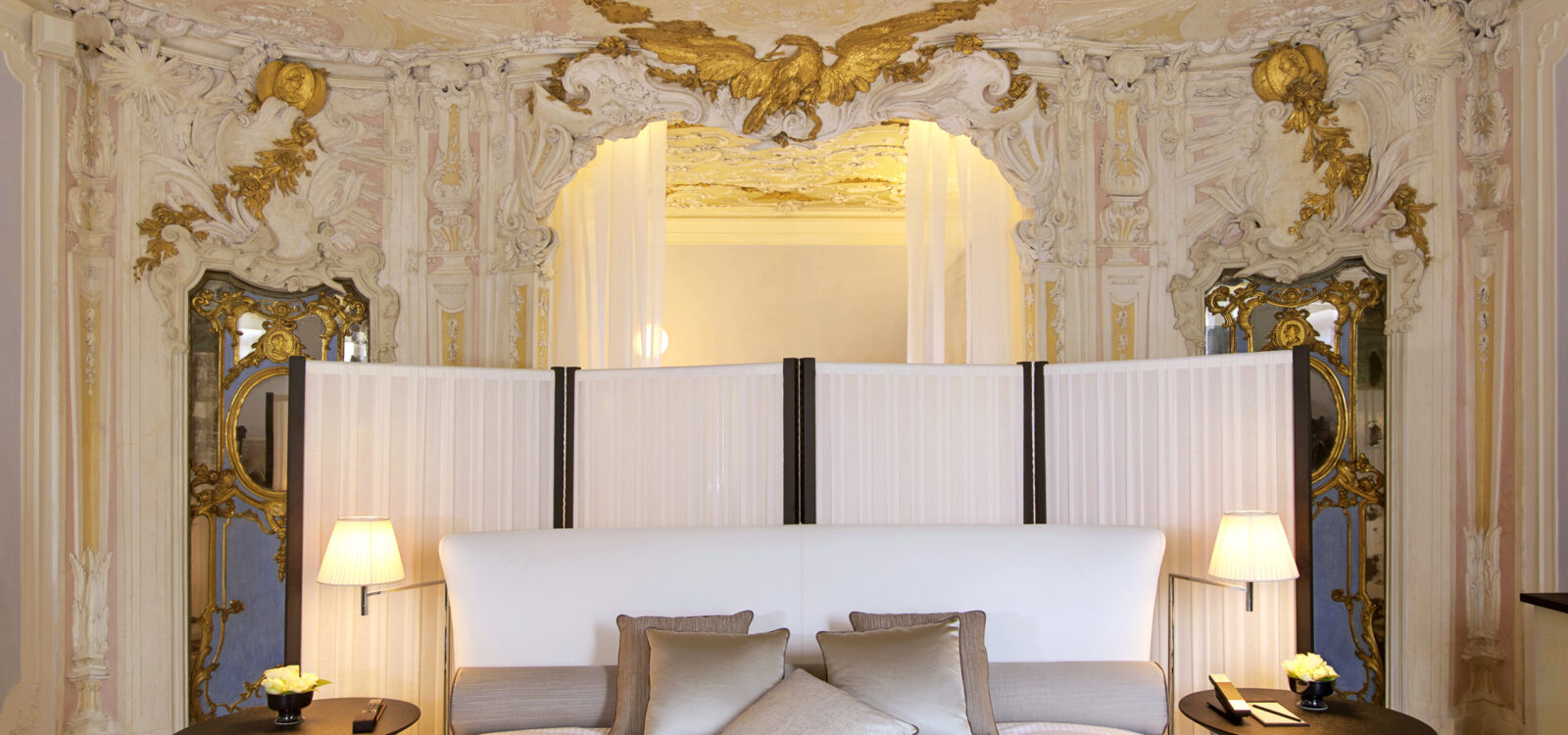
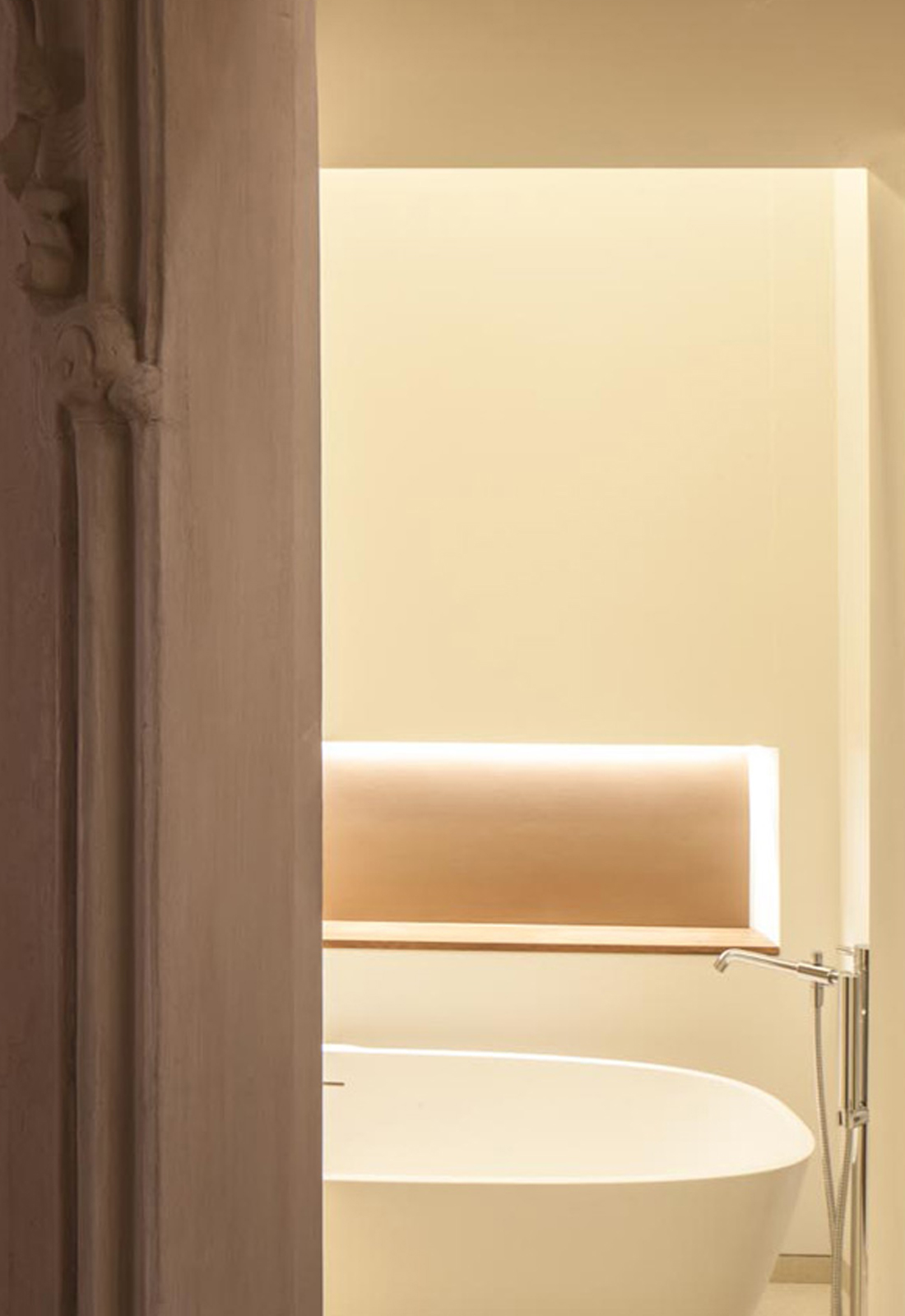
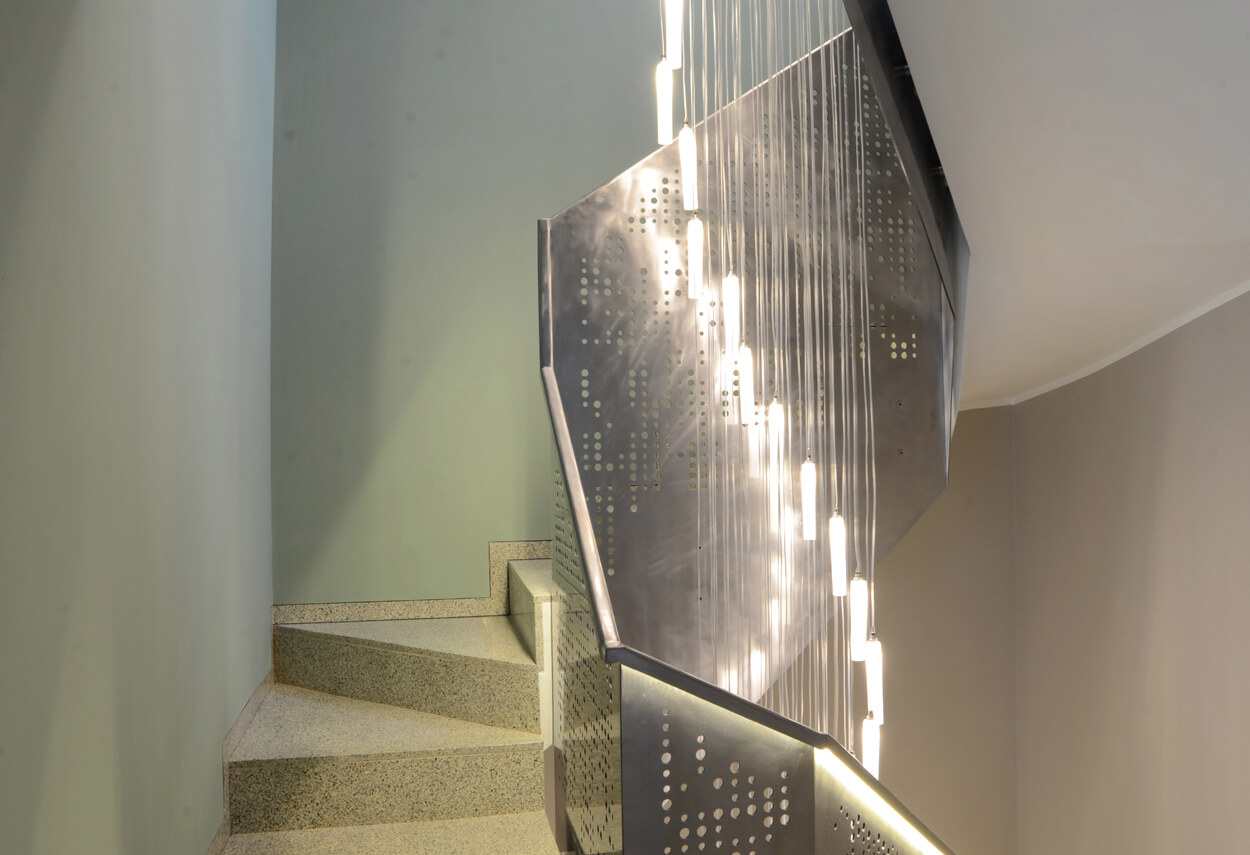
The increasing demand for high-performance LED sources has led to the meticulous design of lamps which improve comfort while saving energy. Innovative design merges classic and new generation materials in light fixtures, which have become an essential part of the architectural project. Careful use of halogen sources can become a valid alternative to more advanced technologies.
In a museum, the lighting design should favor the one and only protagonist: the work of art. The lighting designer carefully uses light as a tool to enhance the playfulness of shadow while accompanying the viewer in interpreting the work in the most faithful way possible. In these cases, the function of the lighting design is to enhance the details while maintaining the overall architectural view.
The increasing demand for high-performance LED sources has led to the meticulous design of lamps which improve comfort while saving energy. Innovative design merges classic and new generation materials in light fixtures, which have become an essential part of the architectural project. Careful use of halogen sources can become a valid alternative to more advanced technologies.
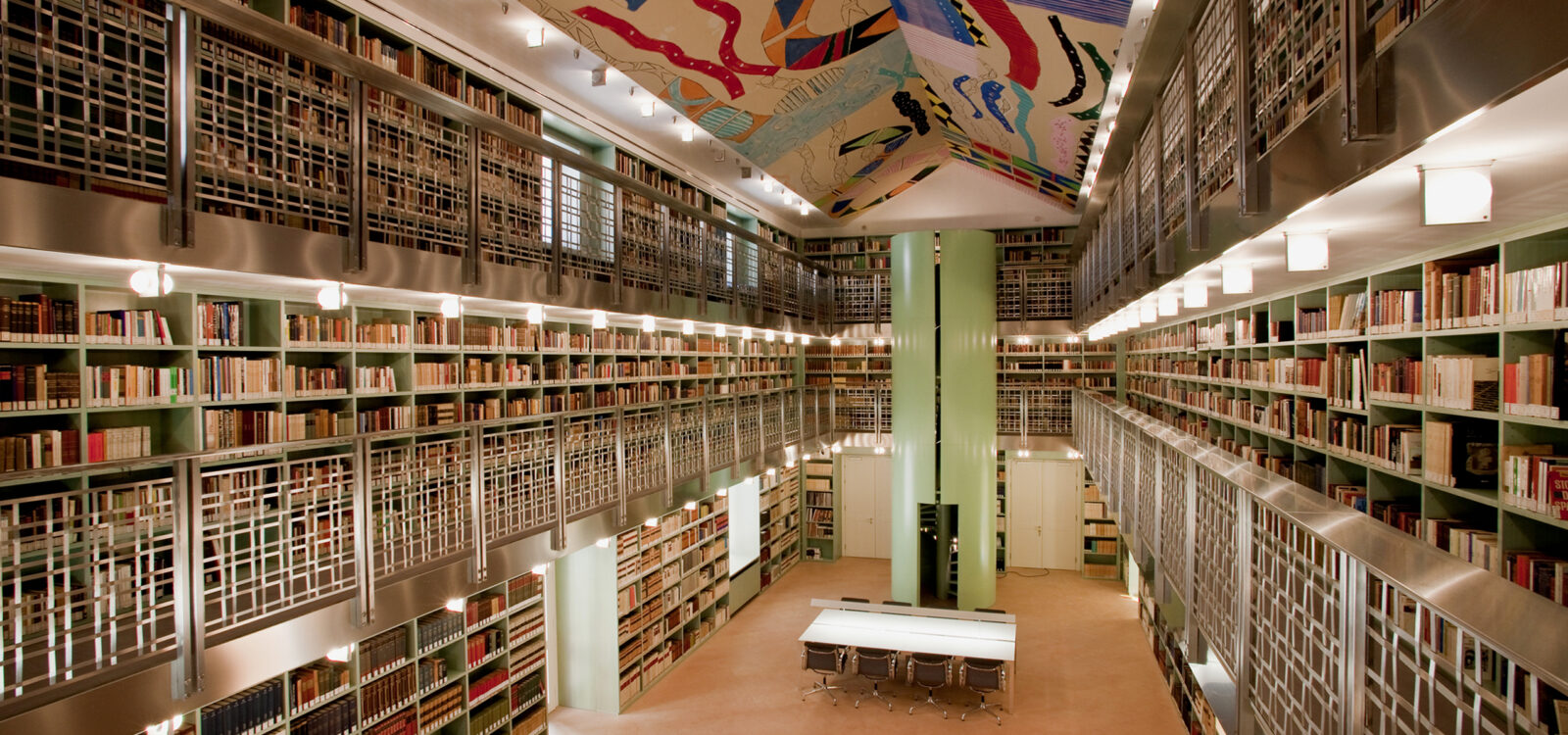
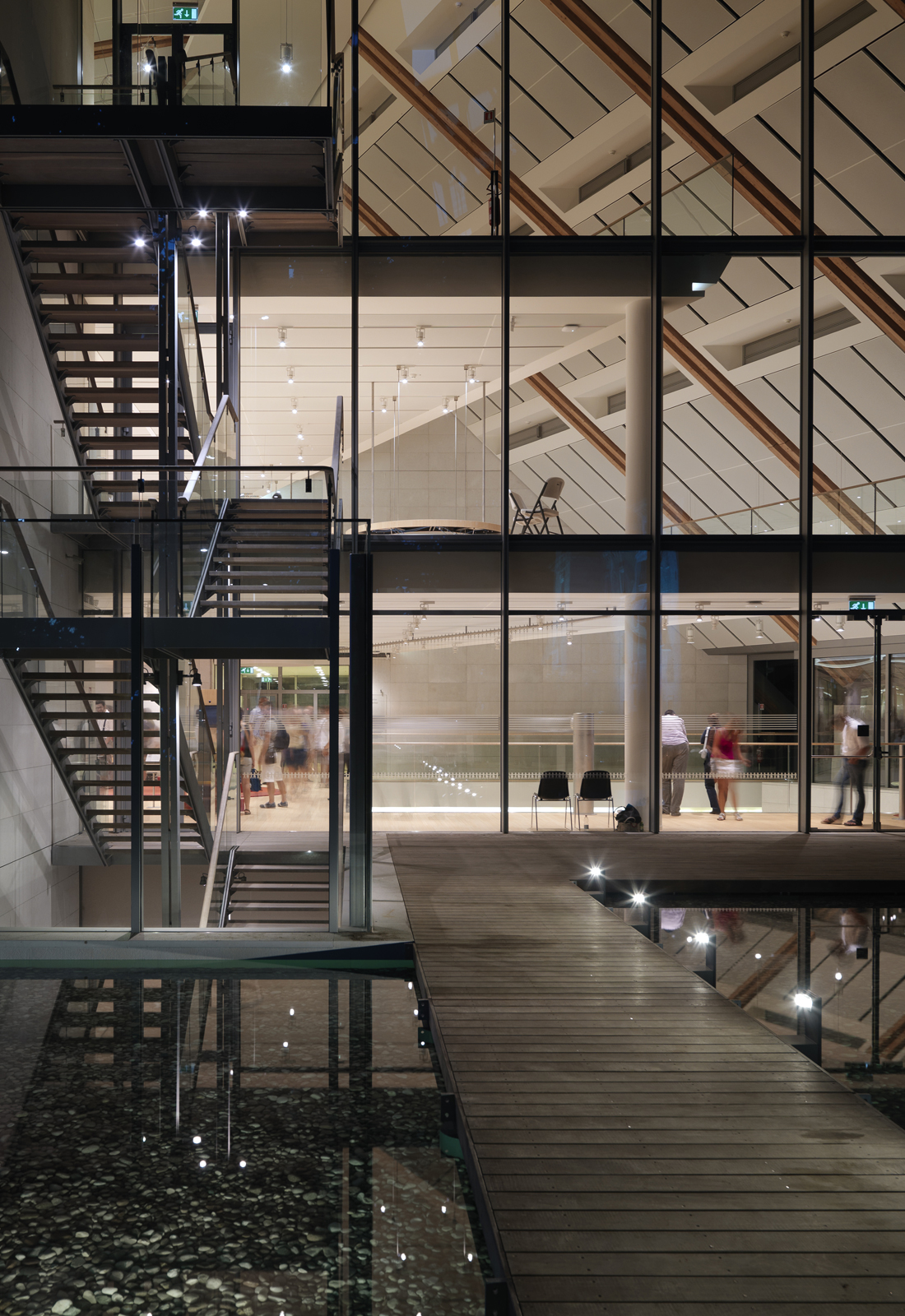
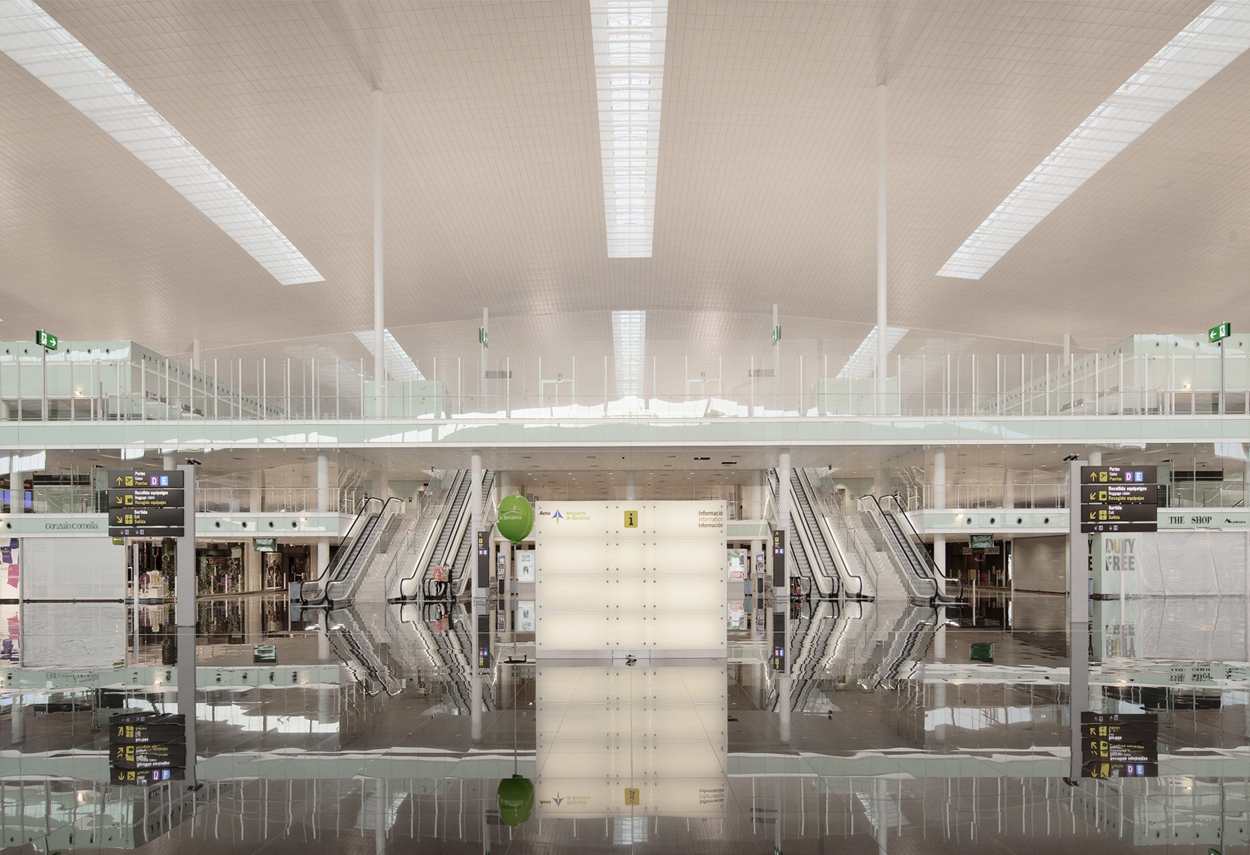
The combined use of natural and artificial light helps to harmonize and balance the spaces, whether for work or recreation. The architectural lighting design of a hall or meeting room requires a specific study to bring a specific function to life.Luminous intensity varies, connecting the independent spaces. An essential requirement in these projects is their compliance with LEED quality parameters.
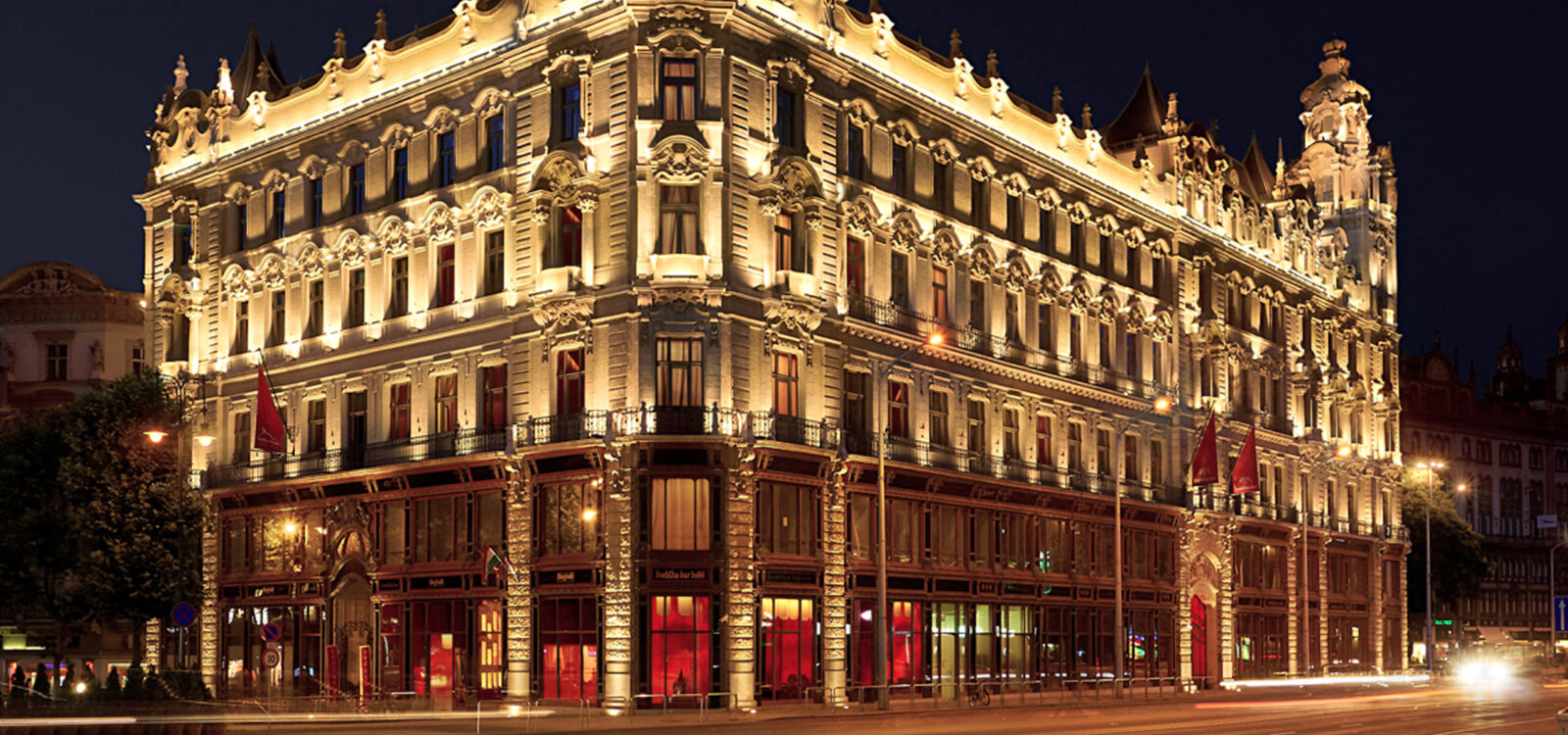
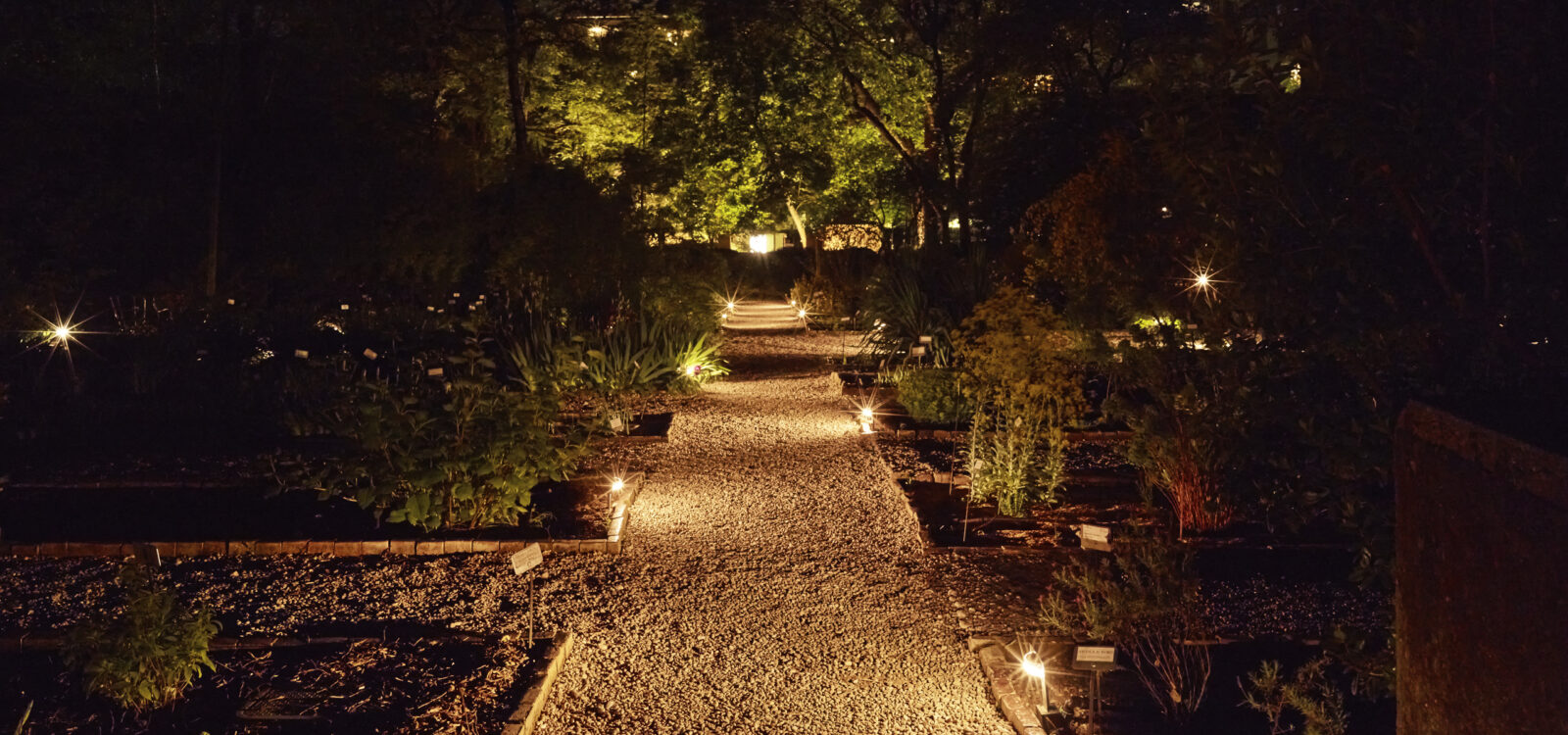
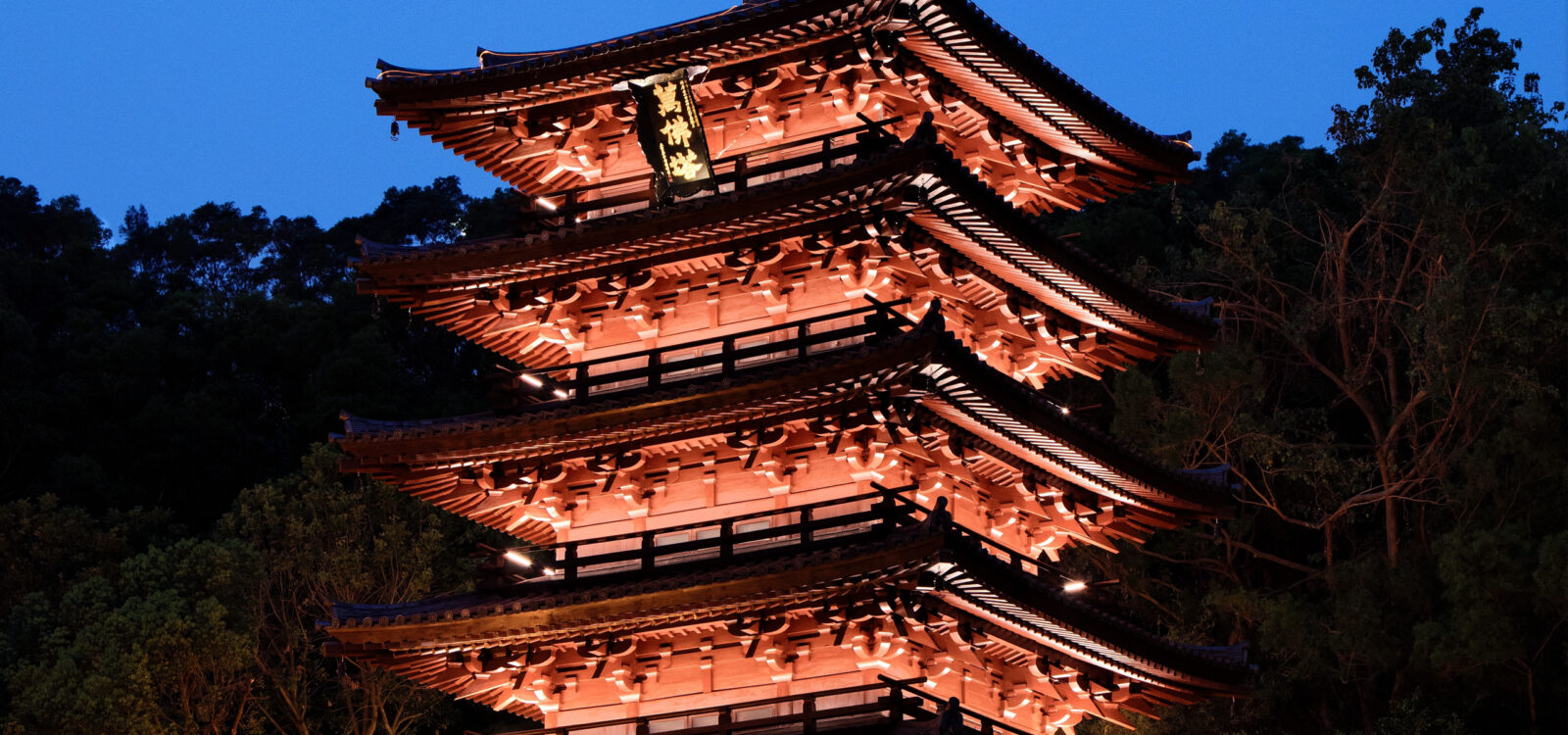
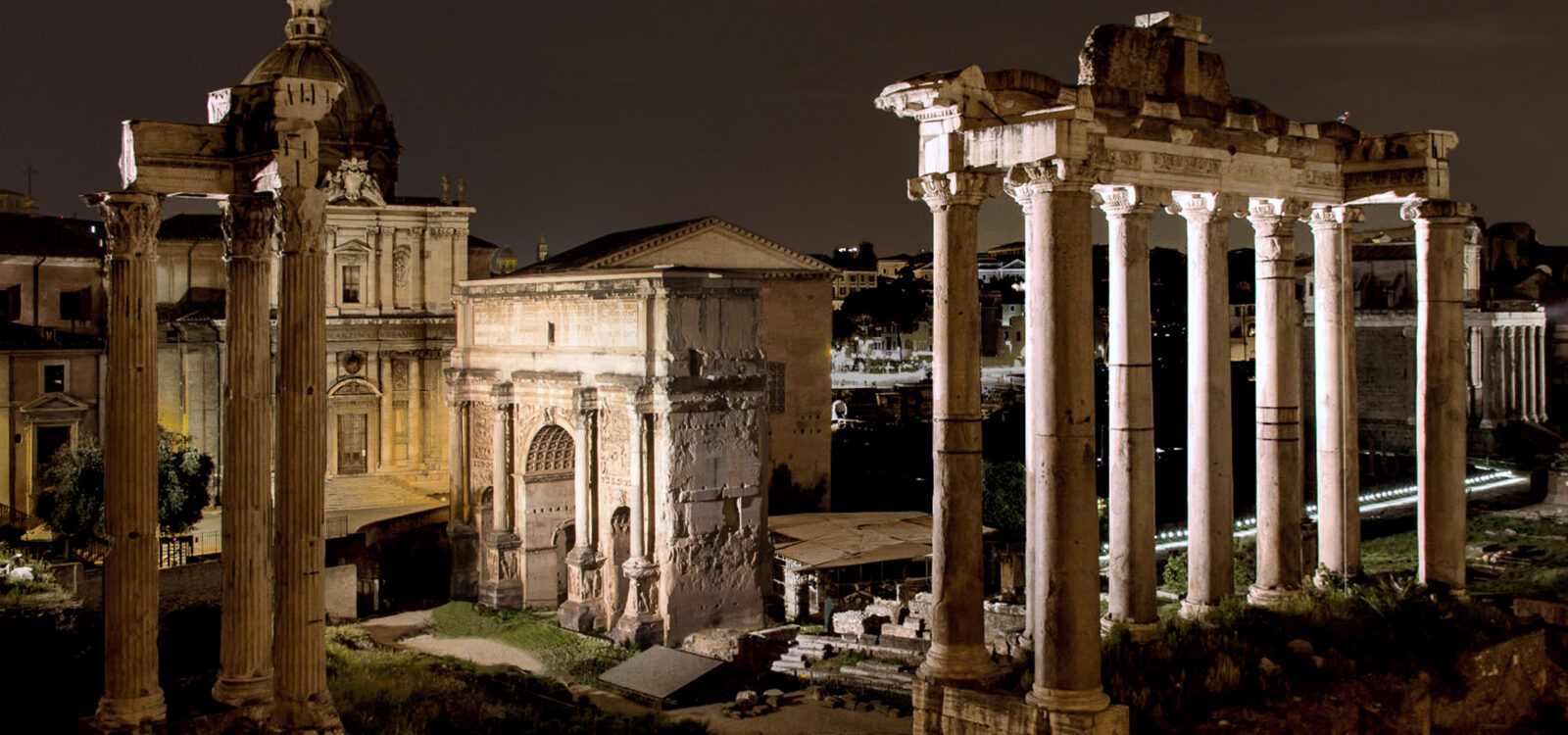
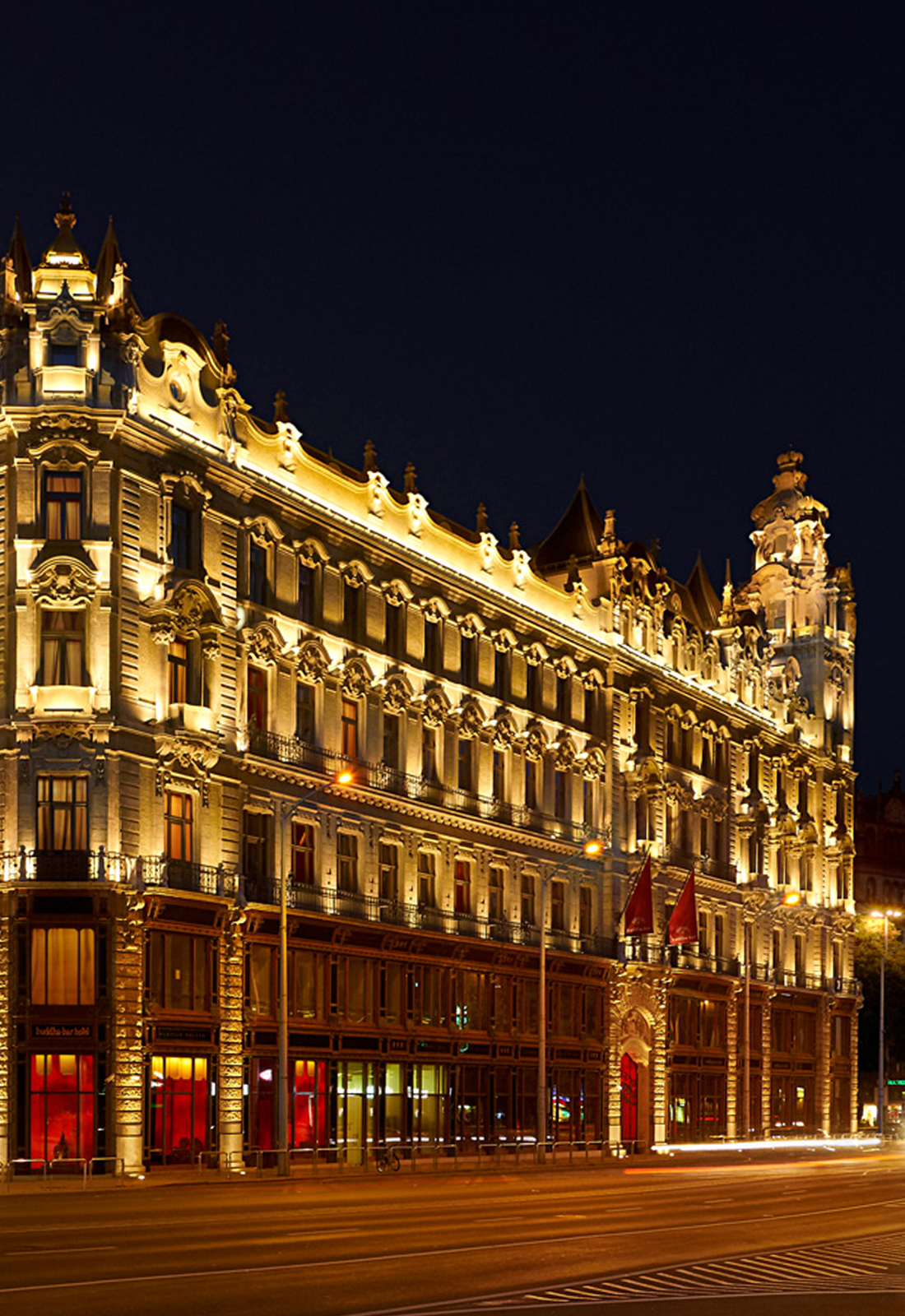
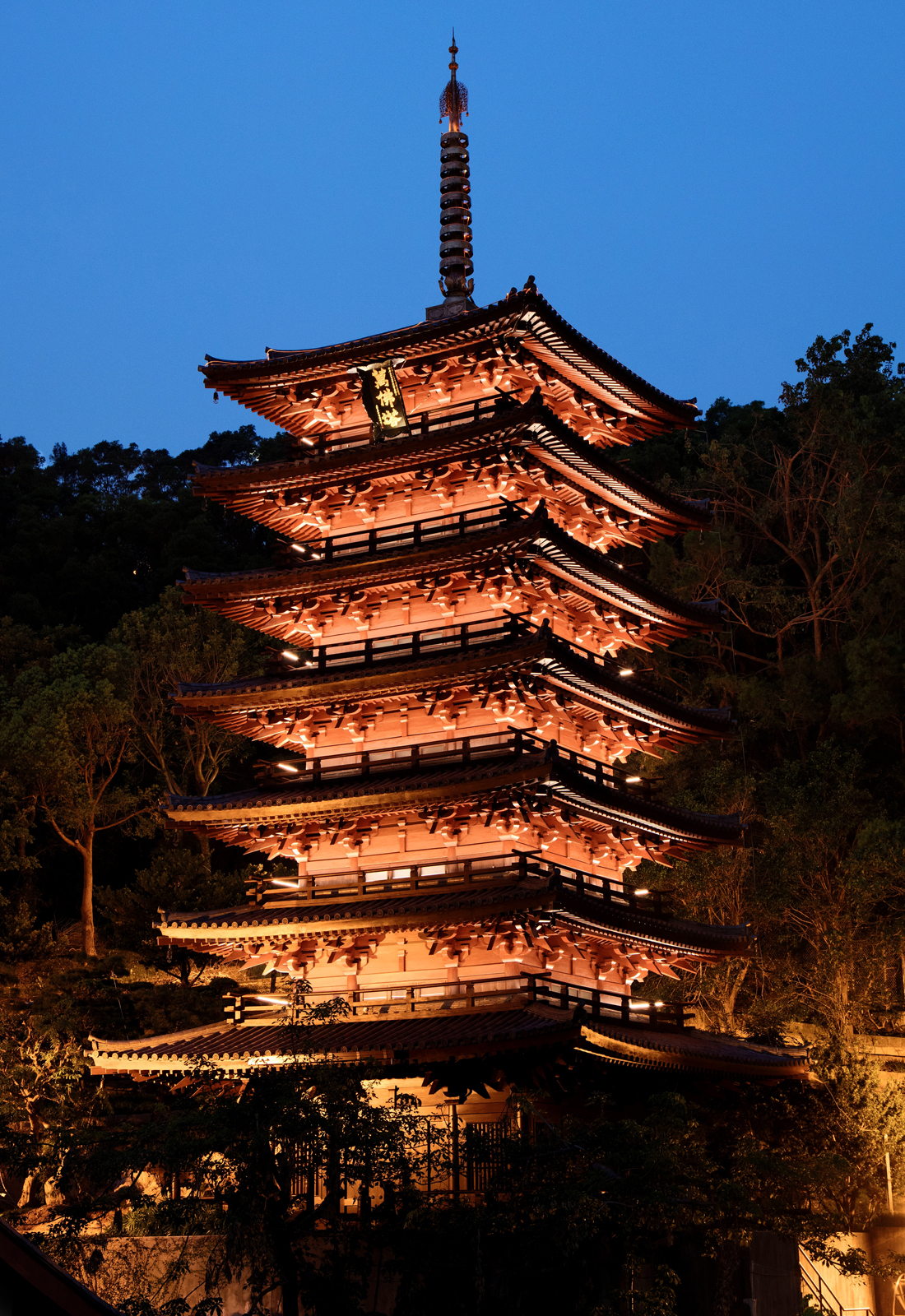
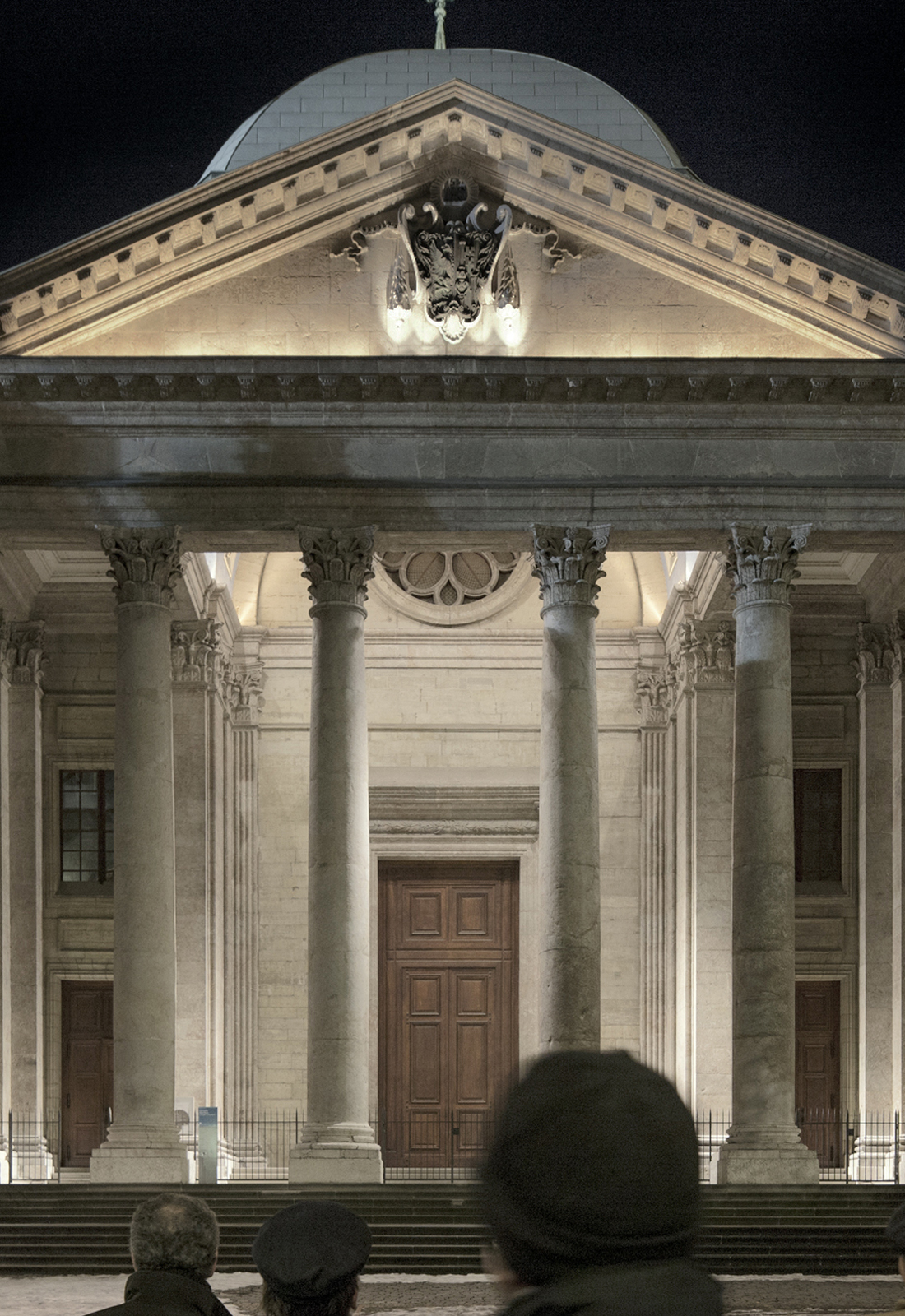
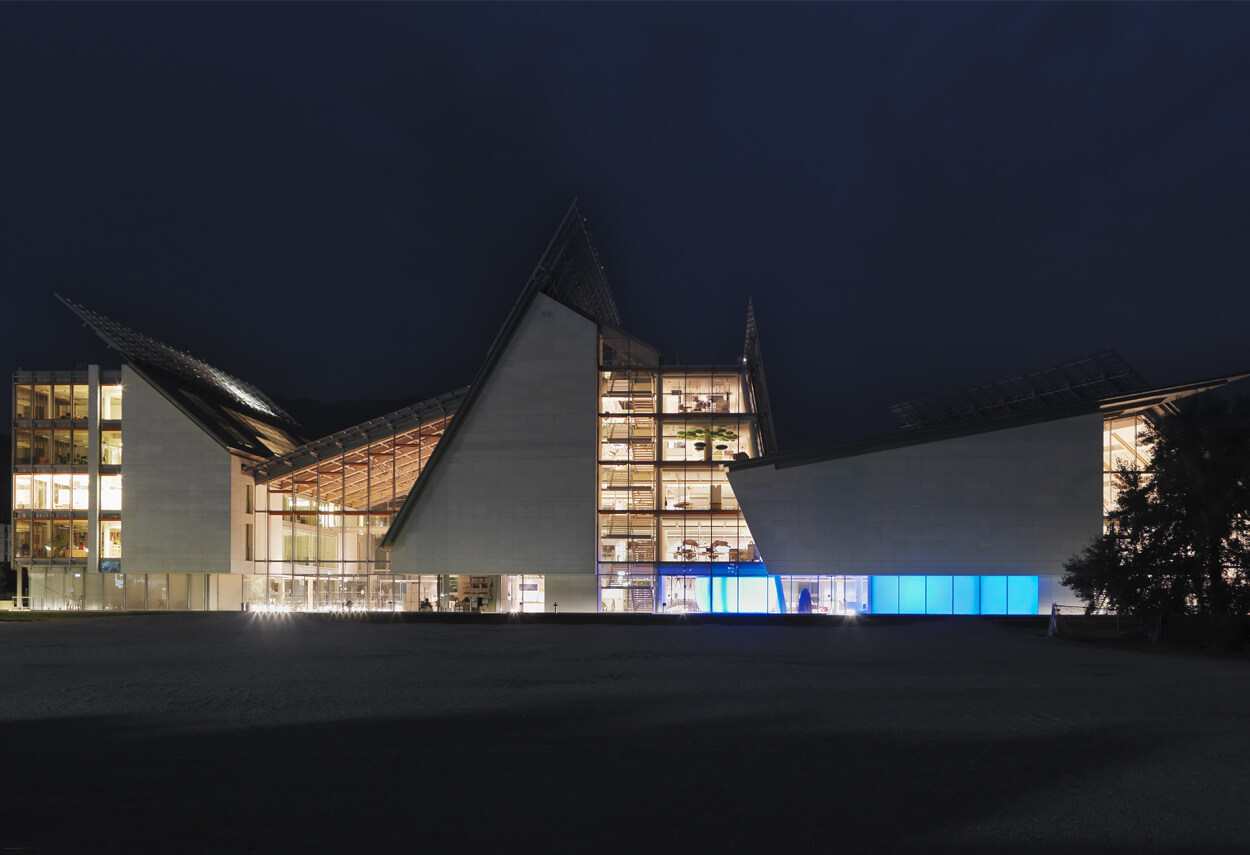
Architectural lighting design emphasizes the details of the elevations, shaping their volumes, enticing interest and amplifying emotions. The lighting design of a façade requires attentive analysis, which carefully considers, in some cases, cultural heritage constraints and the overall energy available, and in others, light pollution, etc., while maintaining an aesthetic sensitivity that adds value to the urban setting.

The lighting design of a showroom window display contributes decisively to capturing the attention of potential customers. Flexible modulation of light enables the free management of various configurations; the choice of color rendering enhances product materials and colors of products. The lighting designer’s work is fundamental for increasing sales and enhancing the culture of the brand.
The combined use of natural and artificial light helps to harmonize and balance the spaces, whether for work or recreation. The architectural lighting design of a hall or meeting room requires a specific study to bring a specific function to life.Luminous intensity varies, connecting the independent spaces. An essential requirement in these projects is their compliance with LEED quality parameters.
Architectural lighting design emphasizes the details of the elevations, shaping their volumes, enticing interest and amplifying emotions. The lighting design of a façade requires attentive analysis, which carefully considers, in some cases, cultural heritage constraints and the overall energy available, and in others, light pollution, etc., while maintaining an aesthetic sensitivity that adds value to the urban setting.

The lighting design of a showroom window display contributes decisively to capturing the attention of potential customers. Flexible modulation of light enables the free management of various configurations; the choice of color rendering enhances product materials and colors of products. The lighting designer’s work is fundamental for increasing sales and enhancing the culture of the brand.