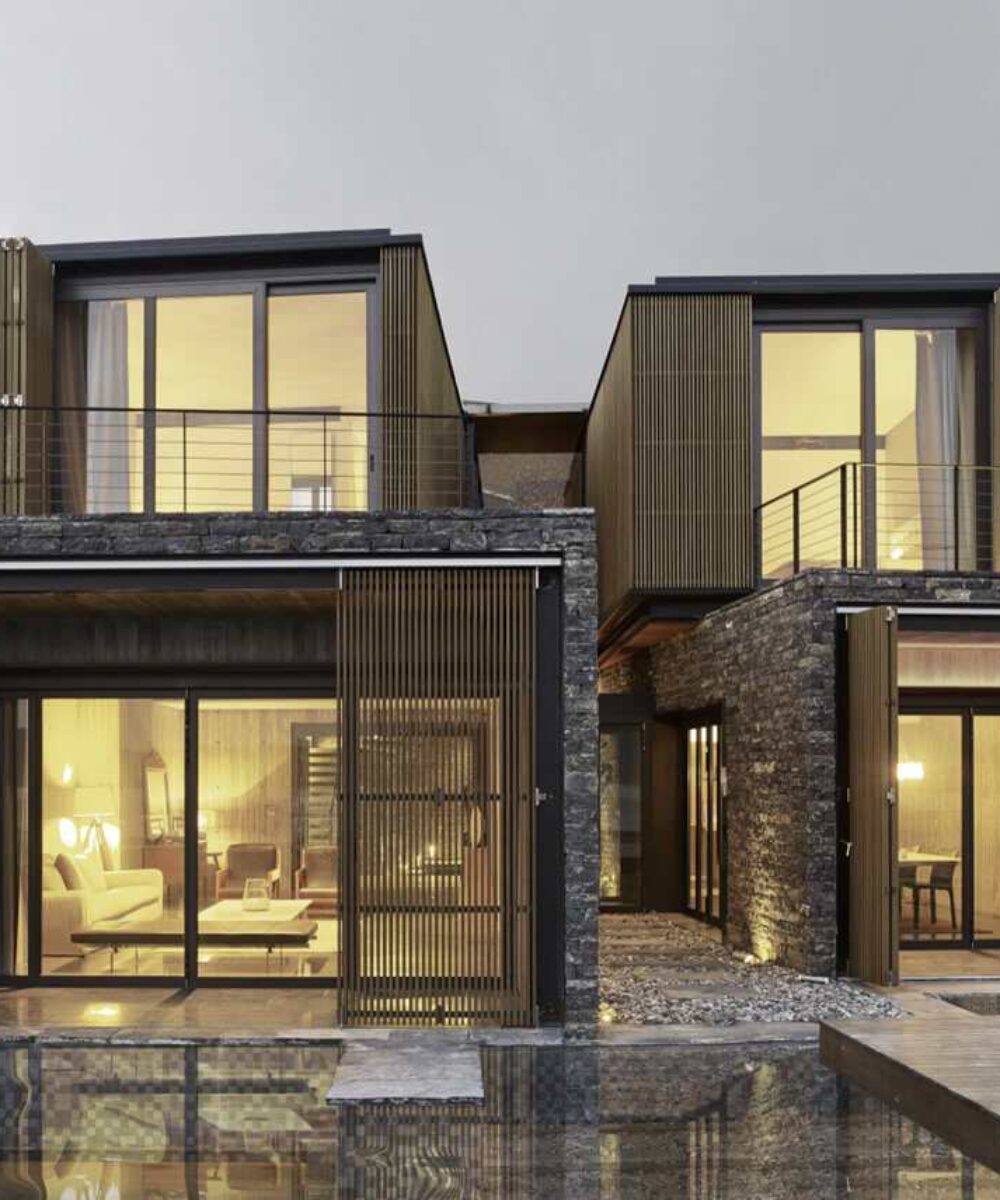
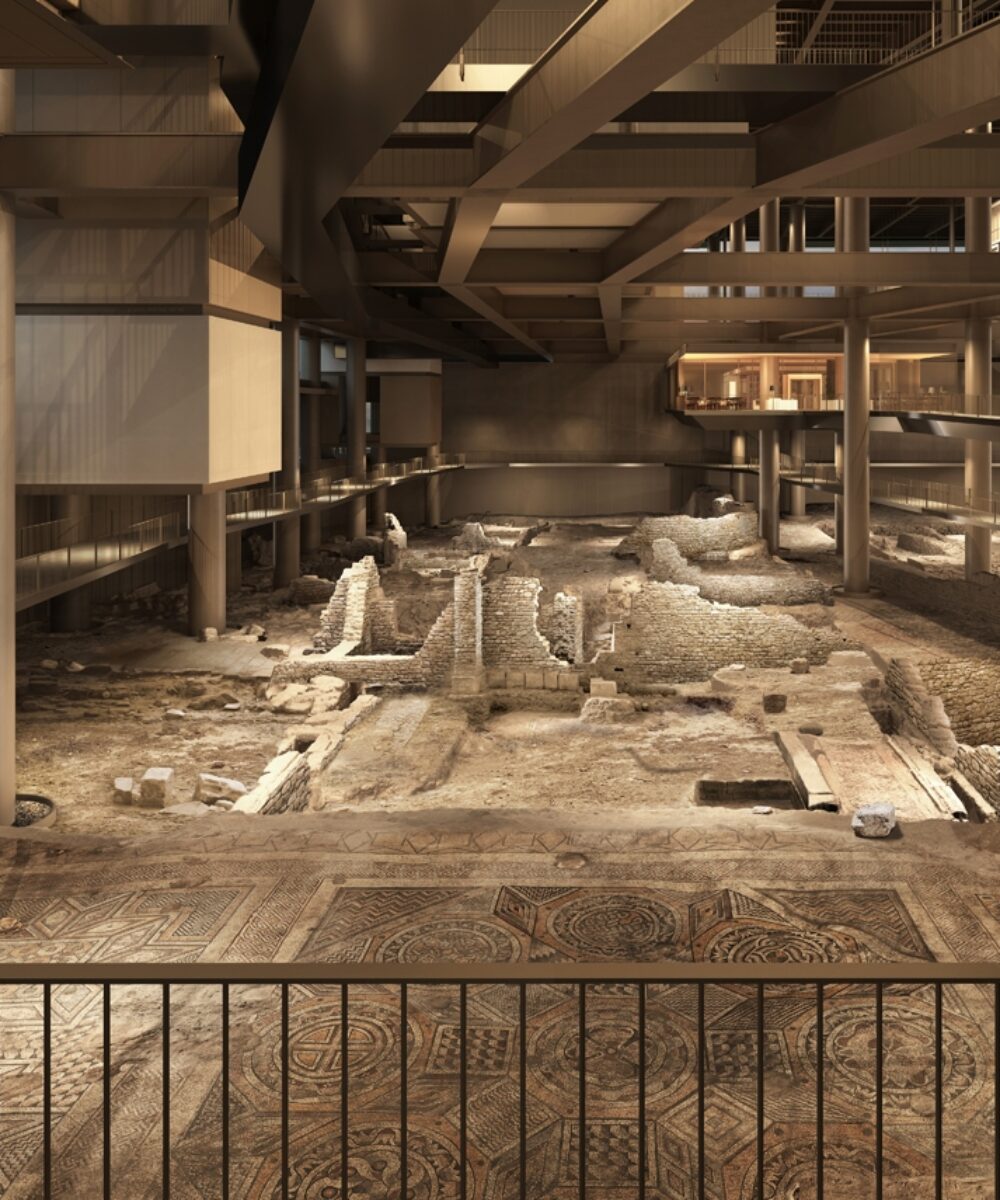
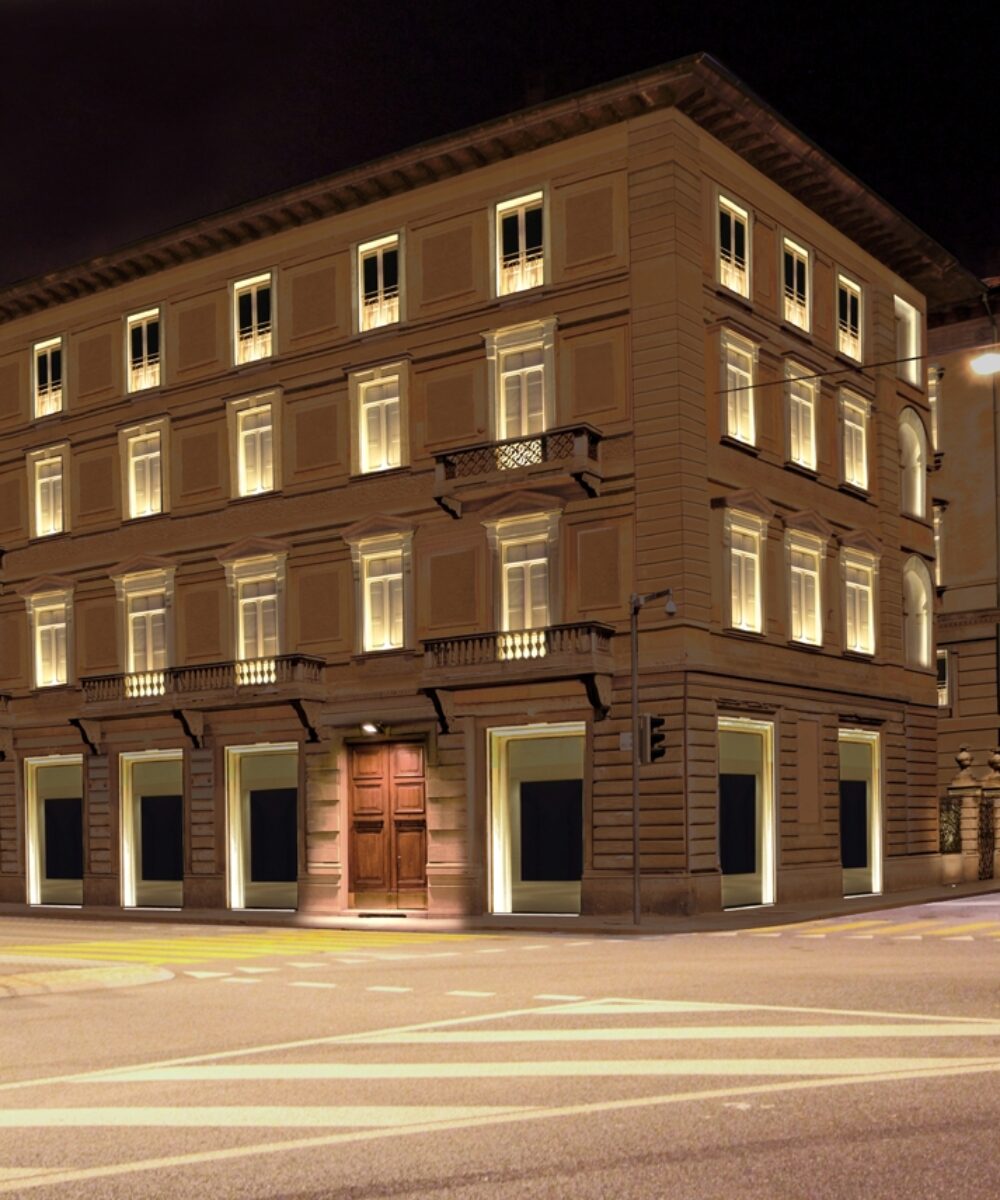
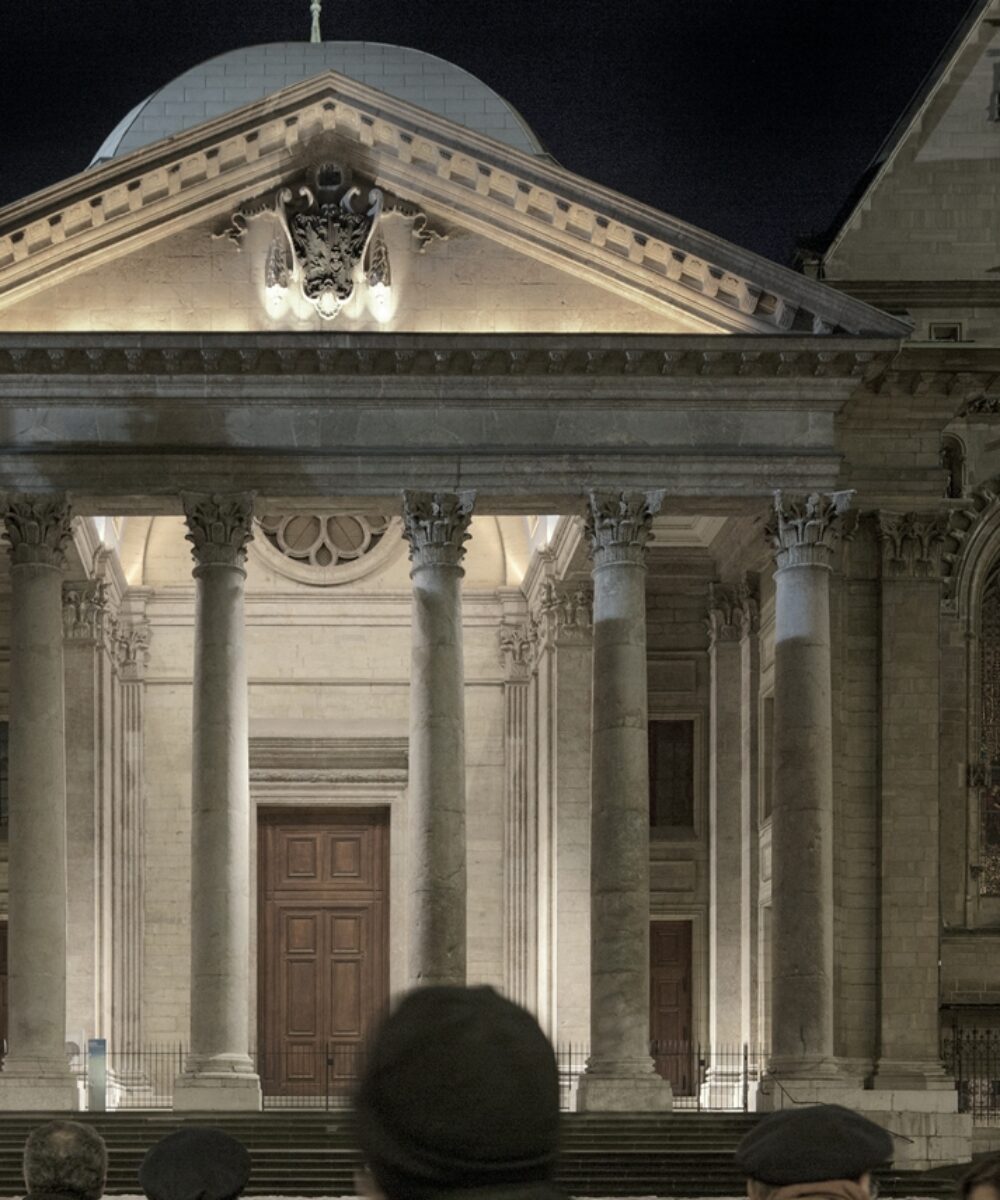
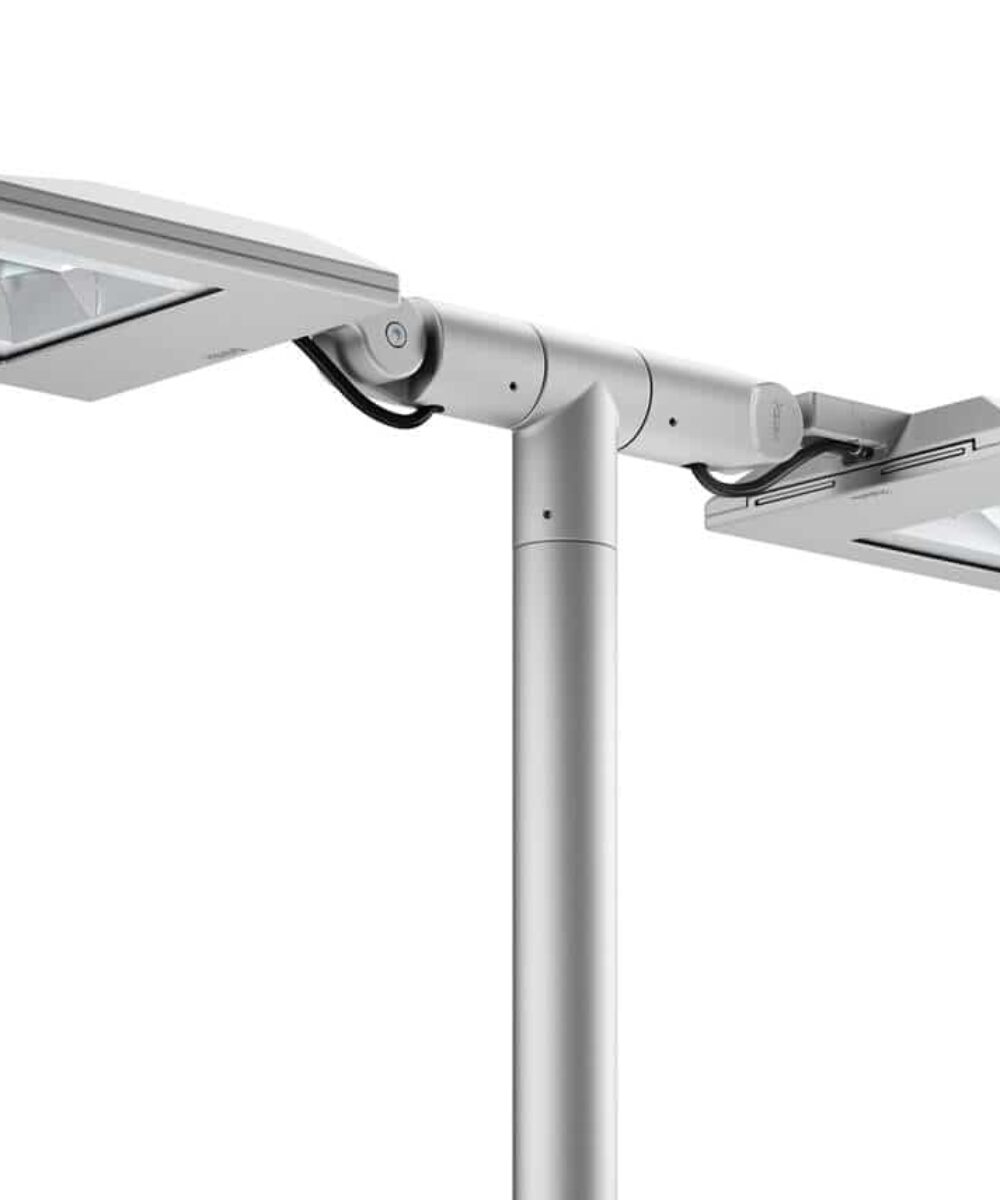
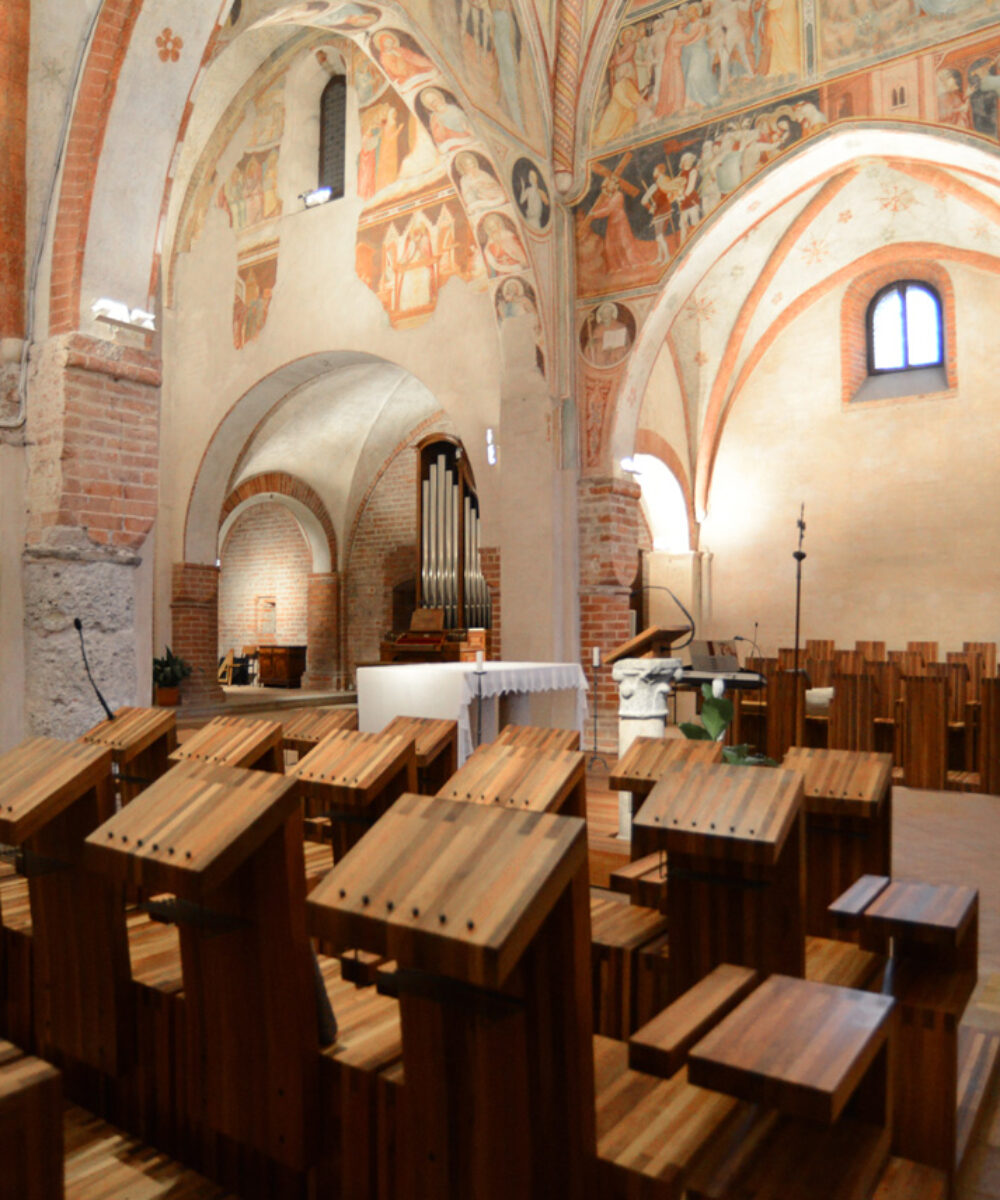
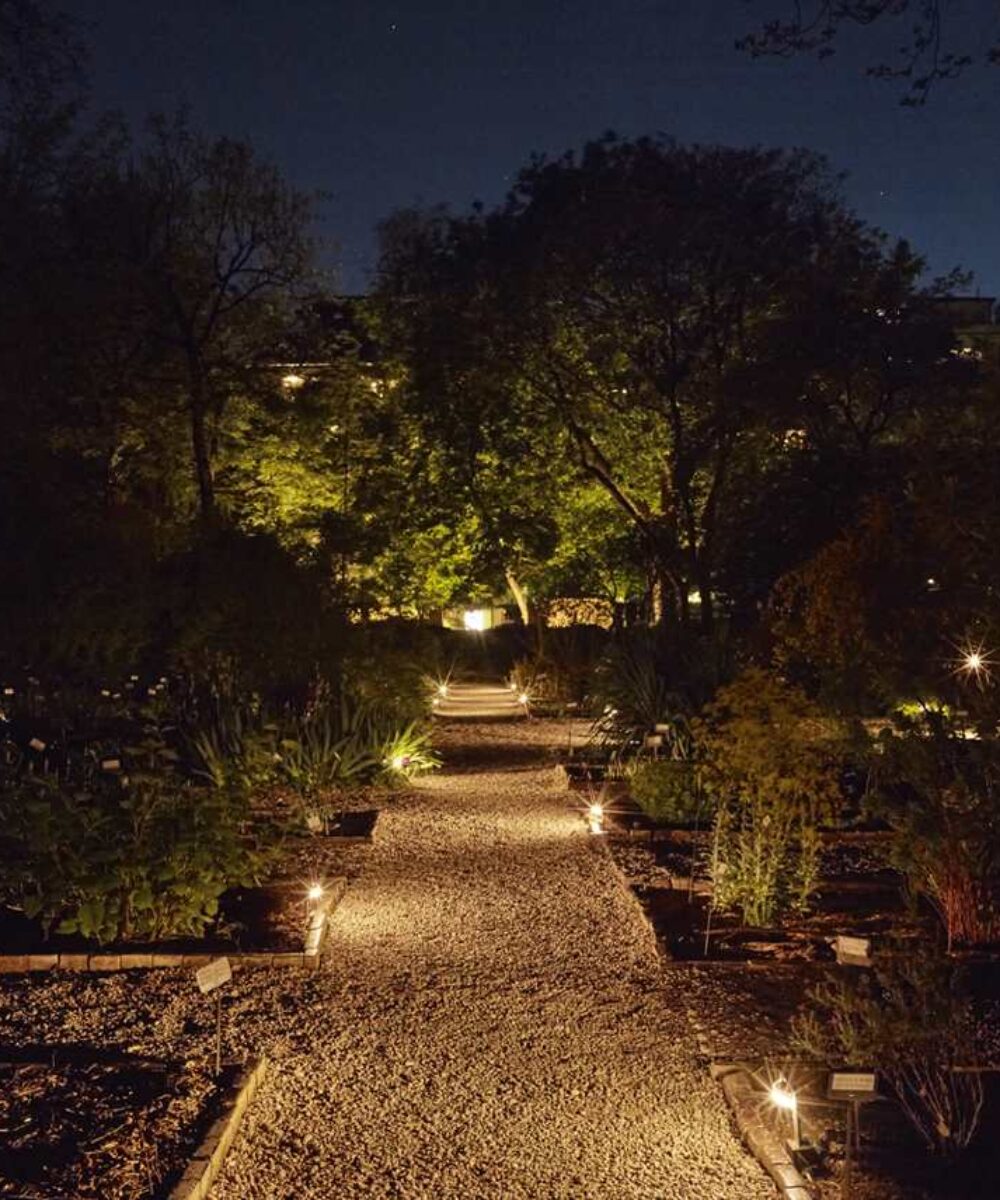
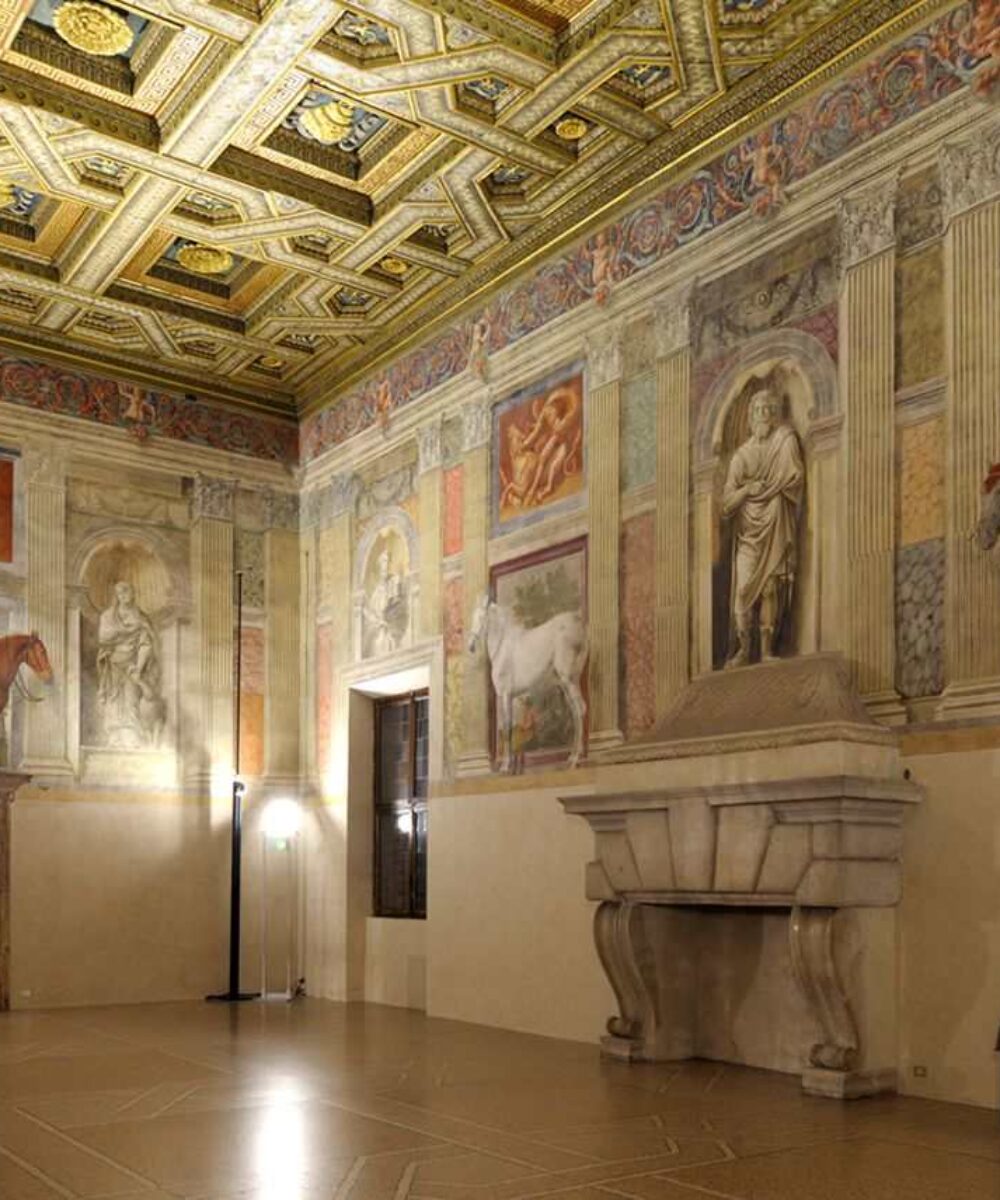
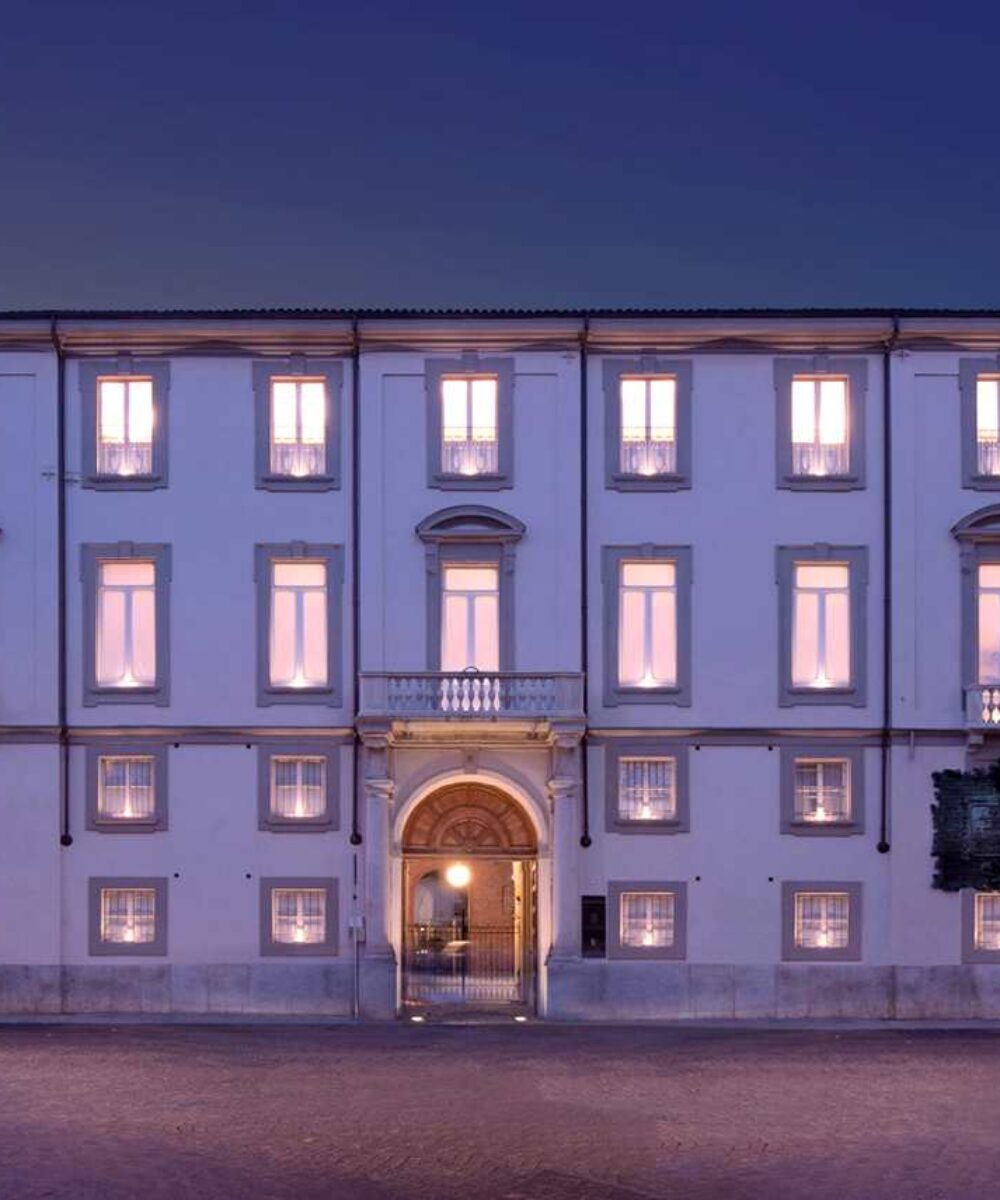
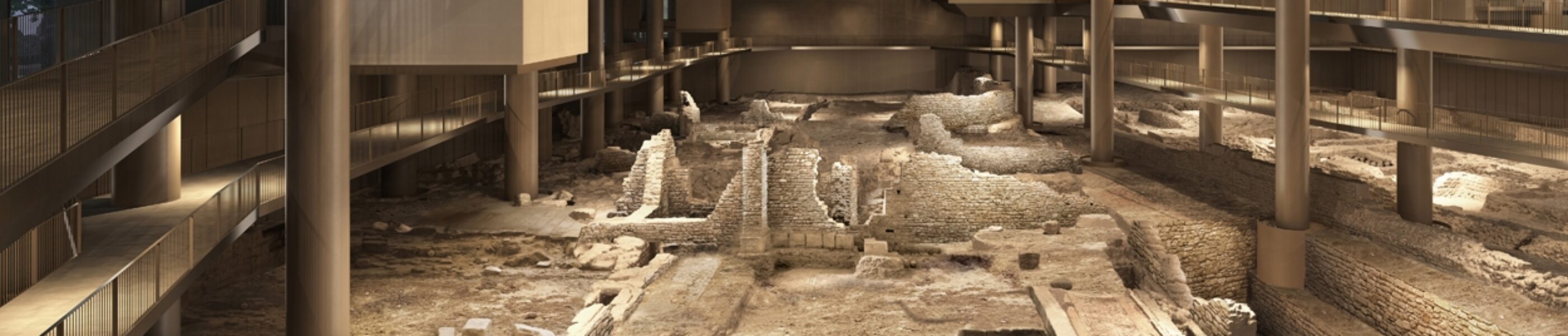
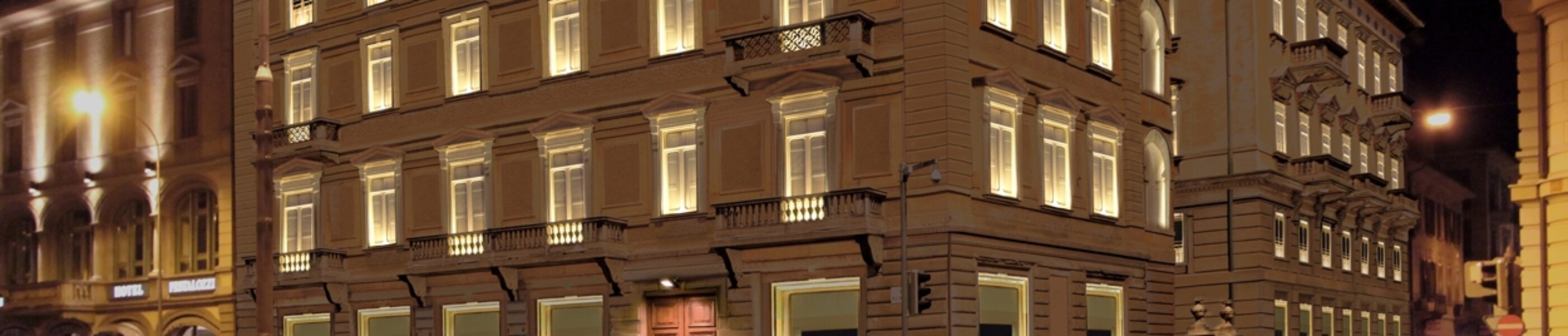
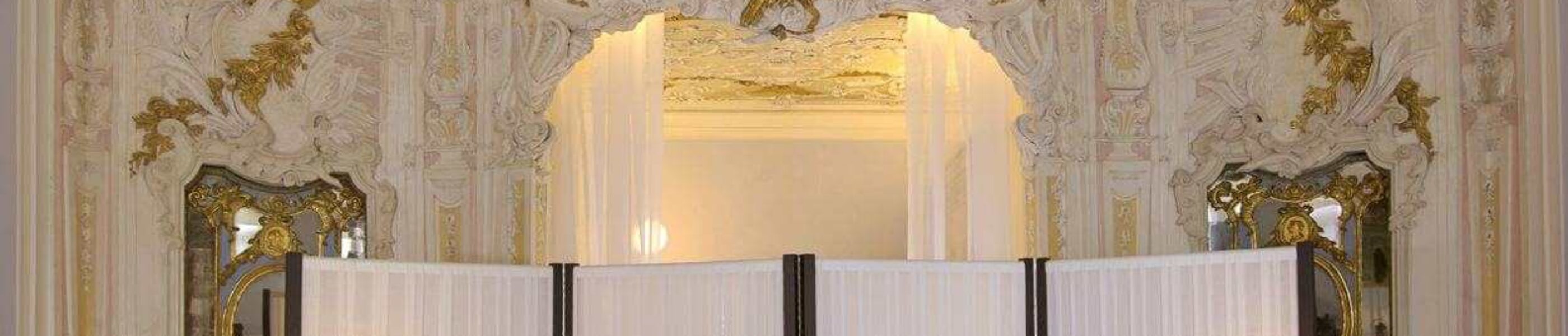
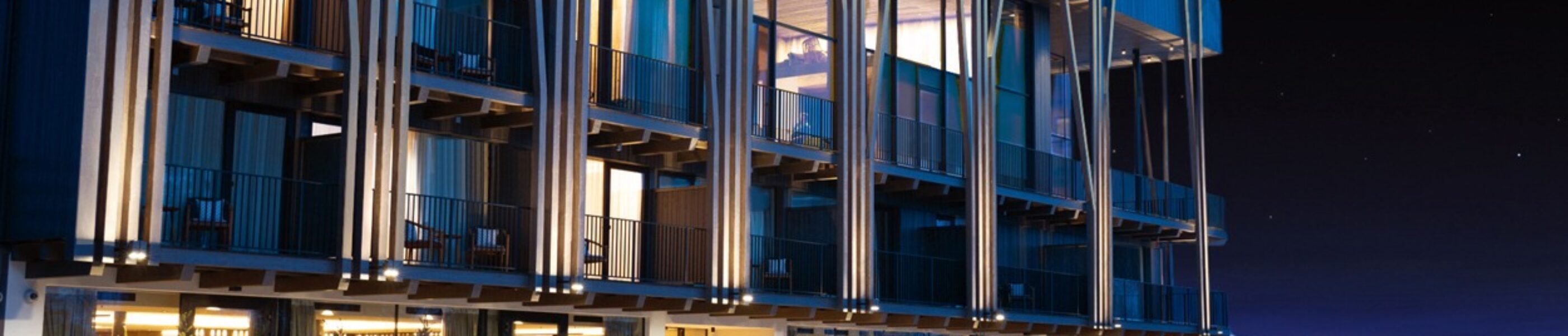
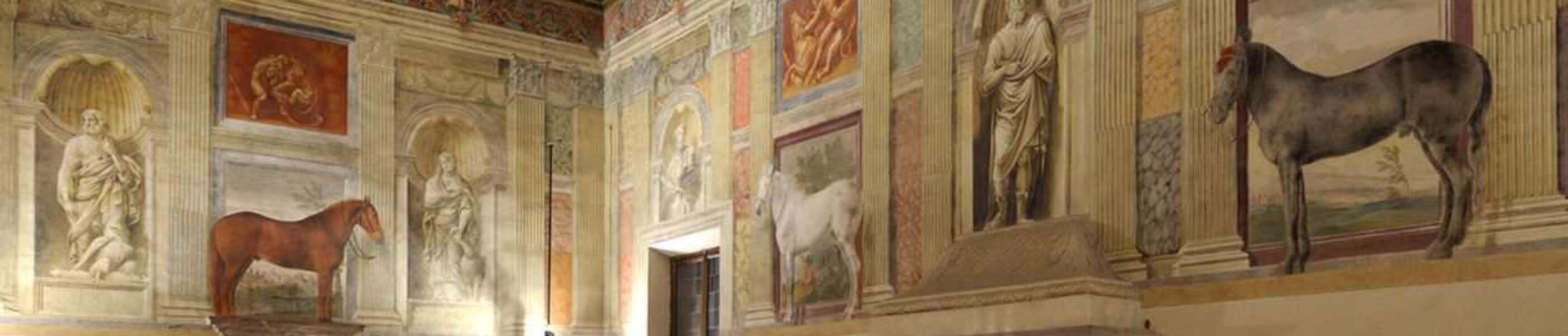
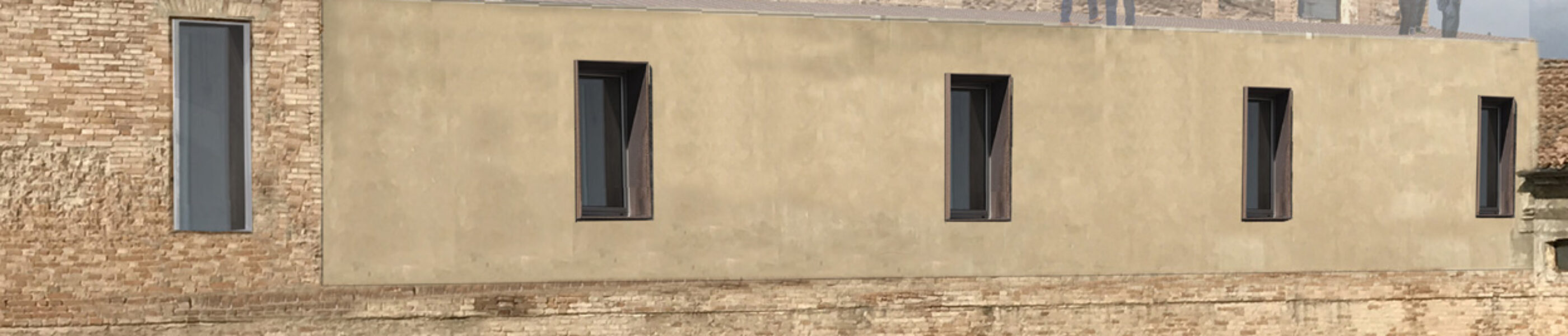
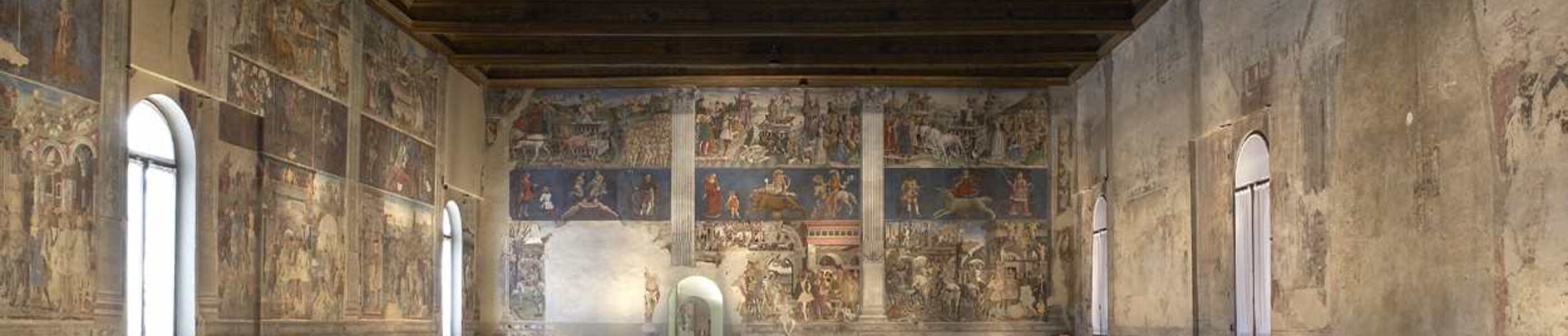
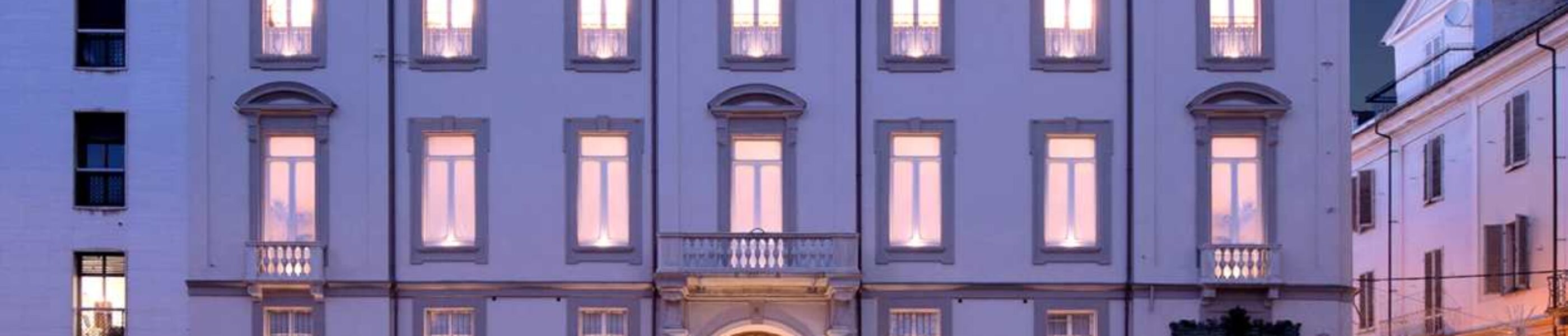
The entire archaeological area of the Imperial Forums on the Palatine is an open-air museum integrated into the urban fabric of the city. The complex conservation project was characterised by a new architectural lighting system designed to make the site visible from the Capitol and the walkway on Via dei Fori Imperiali, and to illuminate the walkways within the Via Sacra. The constraints of the project were defined as: respect for the integrity of the site and archaeological remains, and compliance with historical heritage, safety and environmental legislation. The lighting design concept leads to the following solution. The lighting stations were installed outside the archaeological sites with projecting lamp assemblies that control the optics, shape and shadows projected, glare and dispersion of the luminous flux, using sources of exceptional colour rendering. These remote luminaires are hidden from view as much as possible, pay particular attention to ease of operation and maintenance, and provide measured luminance values for each individual monument, lighting them in harmony with their archaeological environment. Cultural heritage consists of archaeological, architectural, landscape and movable assets. When they become the subject of a project, it is interesting to develop the lighting design for a place that did not originally have it. Like for example Papadopoli Palace in Venice, where hotel lighting fixtures dialogue with Giambattista Tiepolo's frescoes.
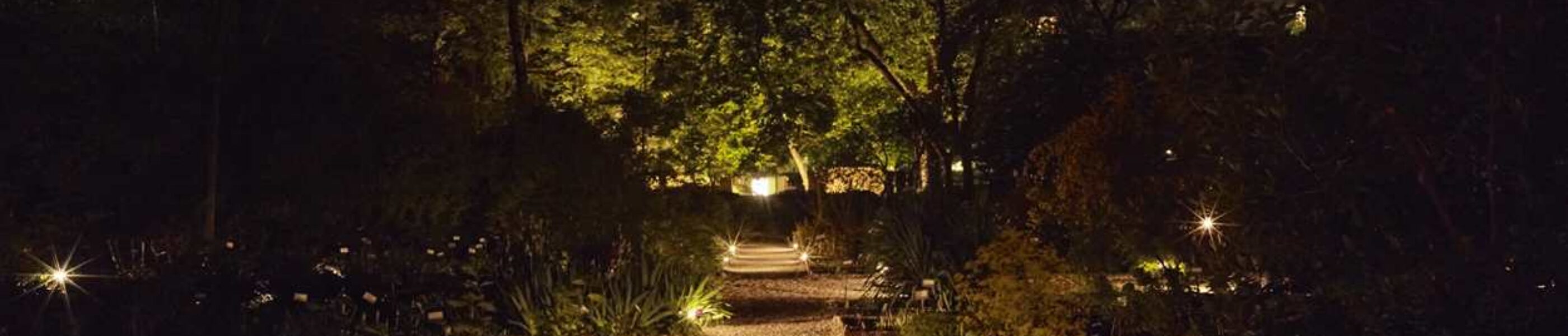
Out of absolute respect for the integrity of the site and the artefacts, no invasive fixtures are to be installed on the pre-existing architectural features or in the environment. Consequently, it is planned to provide accent lighting to the individual architectural remains by installing a number of projector groups outside the archaeological area and camouflaging them among the existing trees and tree roots on the site.
Client:
Piero Castiglioni
Collaborations:
Sovrintendenza Capitolina ai Beni Culturali
Astrapto Light Designers
iGuzzini Lighting
Photo Courtesy:
Alessandro Grassia Architect
Year:
2010 - 2012
The entire archaeological area of the Imperial Forums on the Palatine is an open-air museum integrated into the urban fabric of the city. The complex conservation project was characterised by a new architectural lighting system designed to make the site visible from the Capitol and the walkway on Via dei Fori Imperiali, and to illuminate the walkways within the Via Sacra. The constraints of the project were defined as: respect for the integrity of the site and archaeological remains, and compliance with historical heritage, safety and environmental legislation. The lighting design concept leads to the following solution. The lighting stations were installed outside the archaeological sites with projecting lamp assemblies that control the optics, shape and shadows projected, glare and dispersion of the luminous flux, using sources of exceptional colour rendering. These remote luminaires are hidden from view as much as possible, pay particular attention to ease of operation and maintenance, and provide measured luminance values for each individual monument, lighting them in harmony with their archaeological environment. Cultural heritage consists of archaeological, architectural, landscape and movable assets. When they become the subject of a project, it is interesting to develop the lighting design for a place that did not originally have it. Like for example Papadopoli Palace in Venice, where hotel lighting fixtures dialogue with Giambattista Tiepolo's frescoes.
Out of absolute respect for the integrity of the site and the artefacts, no invasive fixtures are to be installed on the pre-existing architectural features or in the environment. Consequently, it is planned to provide accent lighting to the individual architectural remains by installing a number of projector groups outside the archaeological area and camouflaging them among the existing trees and tree roots on the site.
Client:
Piero Castiglioni
Collaborations:
Sovrintendenza Capitolina ai Beni Culturali
Astrapto Light Designers
iGuzzini Lighting
Photo Courtesy:
Alessandro Grassia Architect
Year:
2010 - 2012
Other Projects
Other Projects
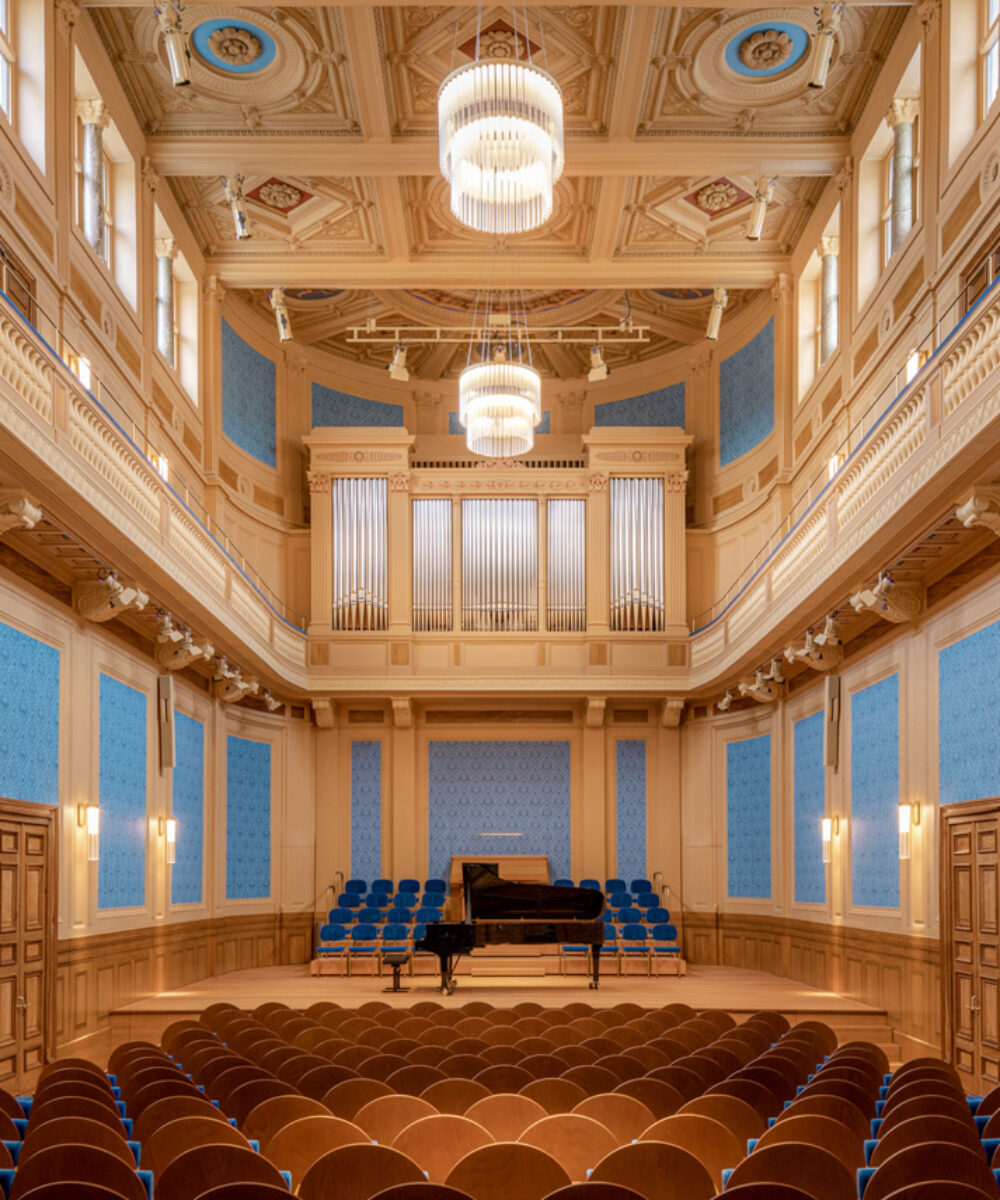
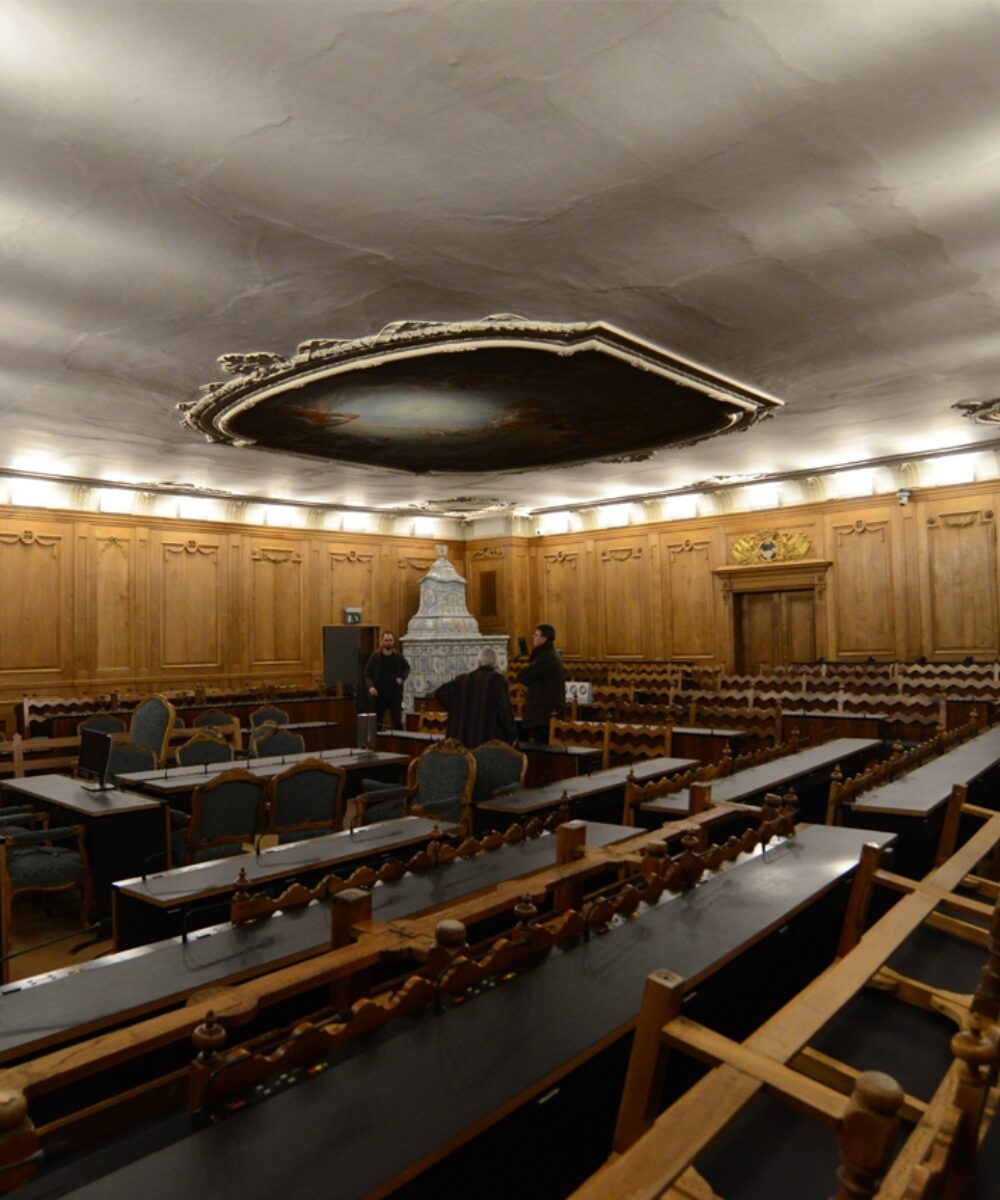
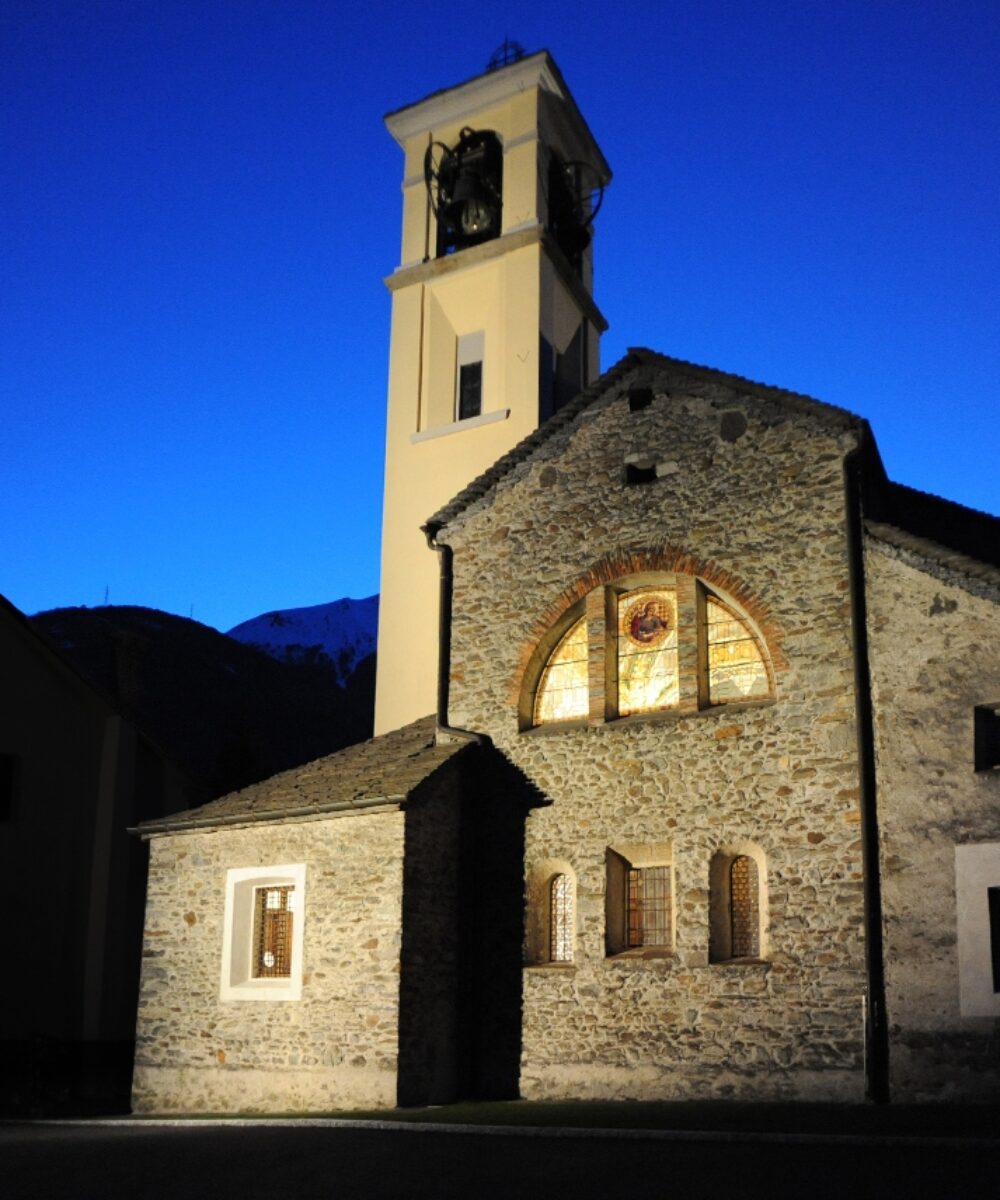
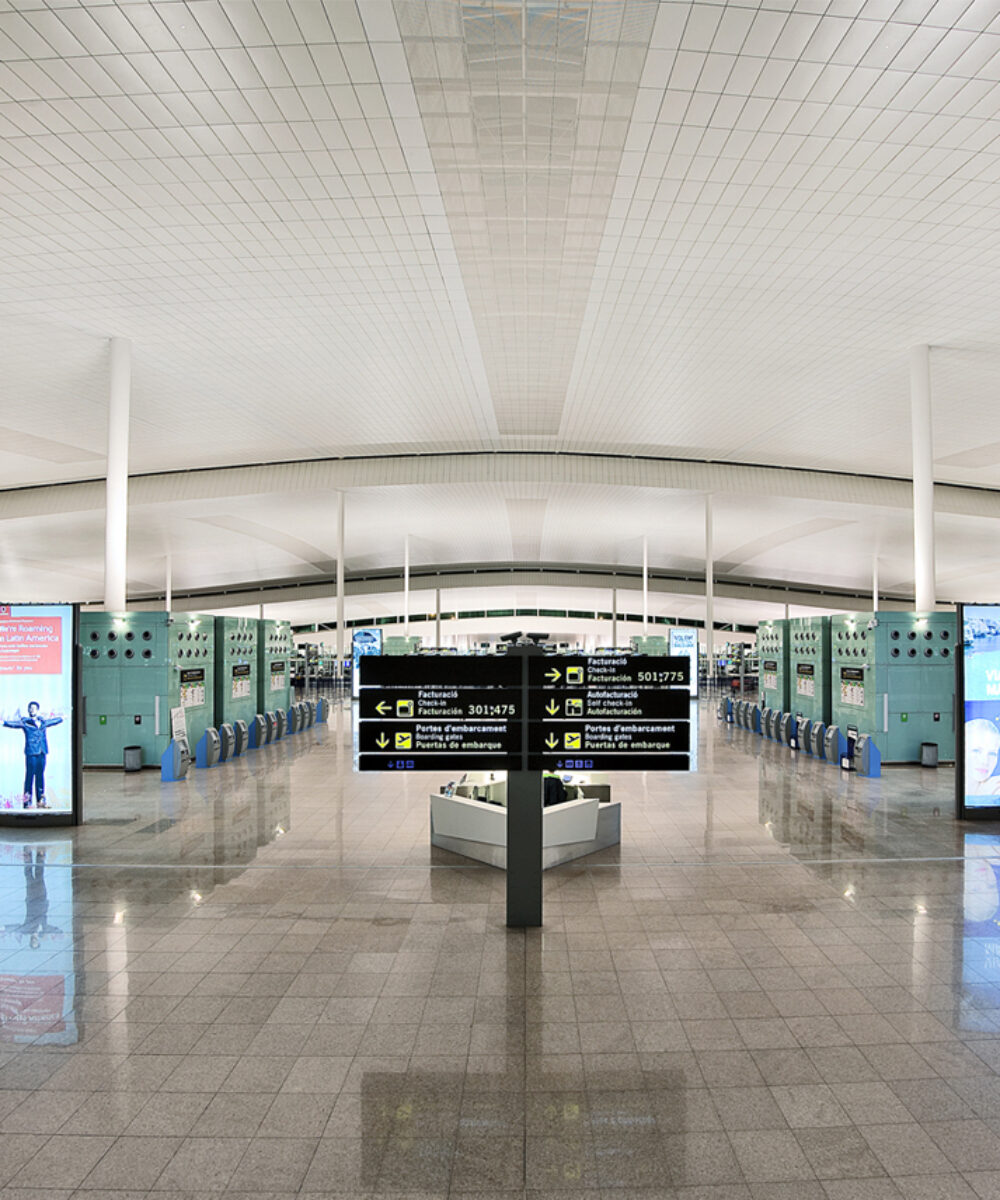
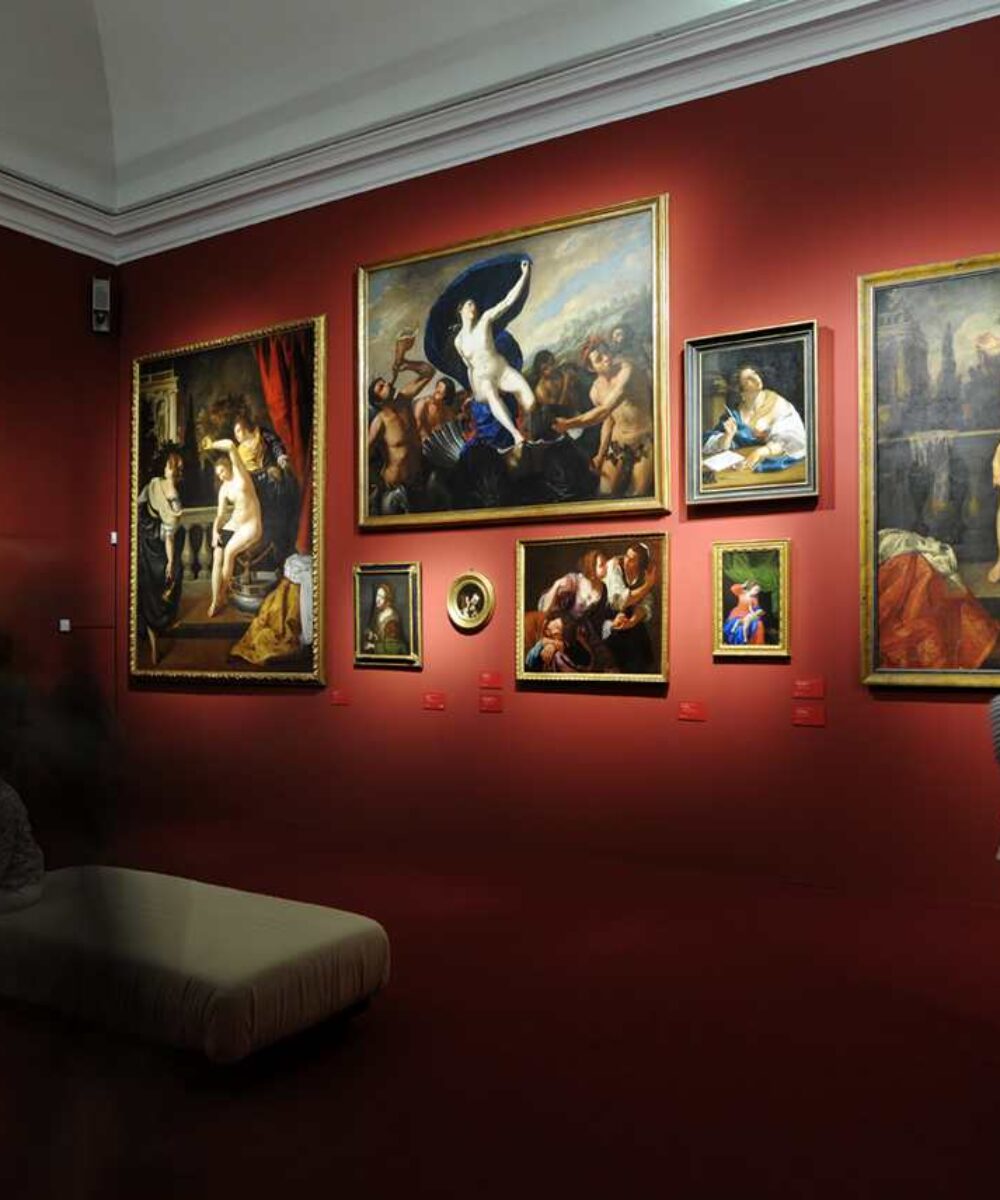
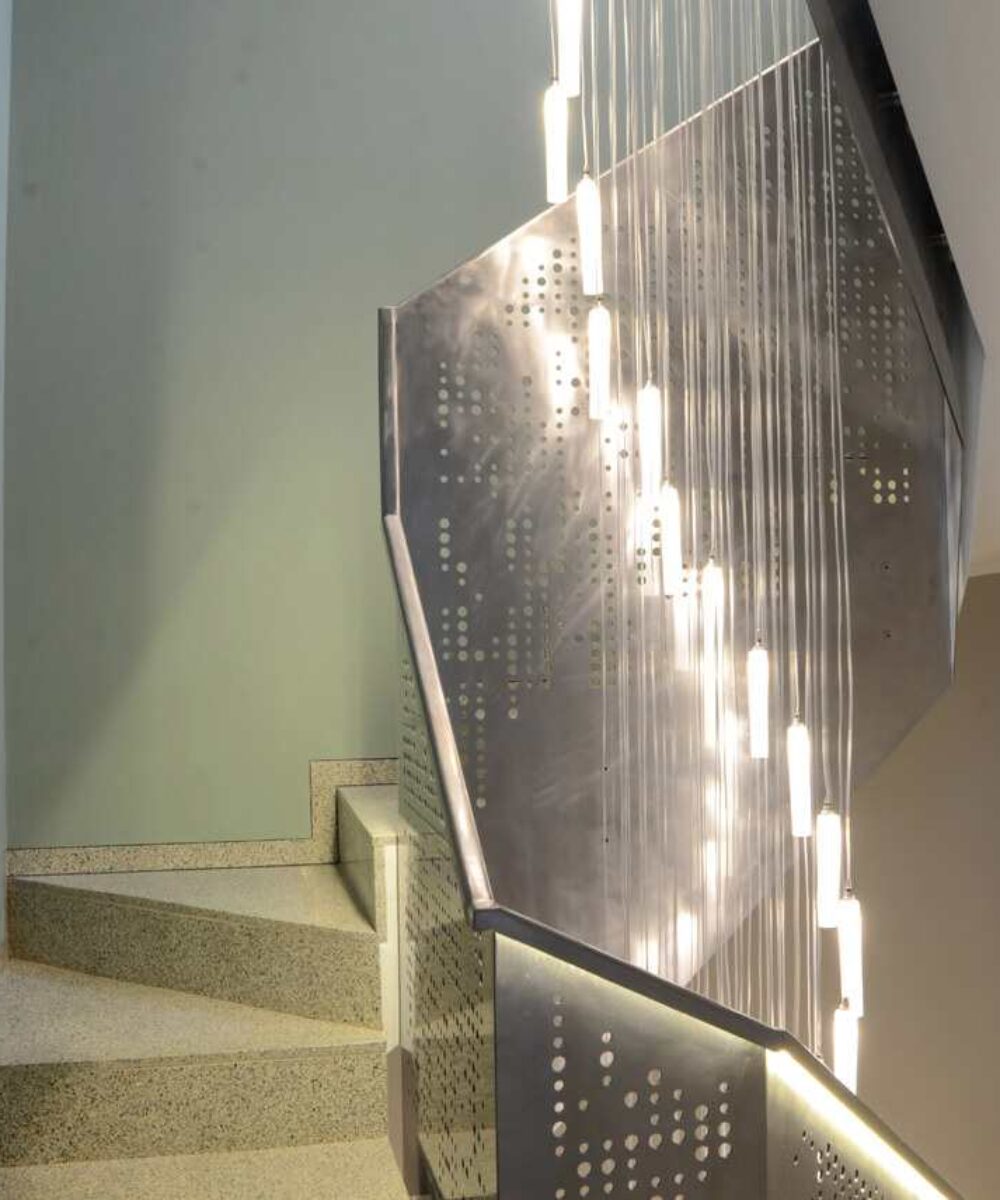
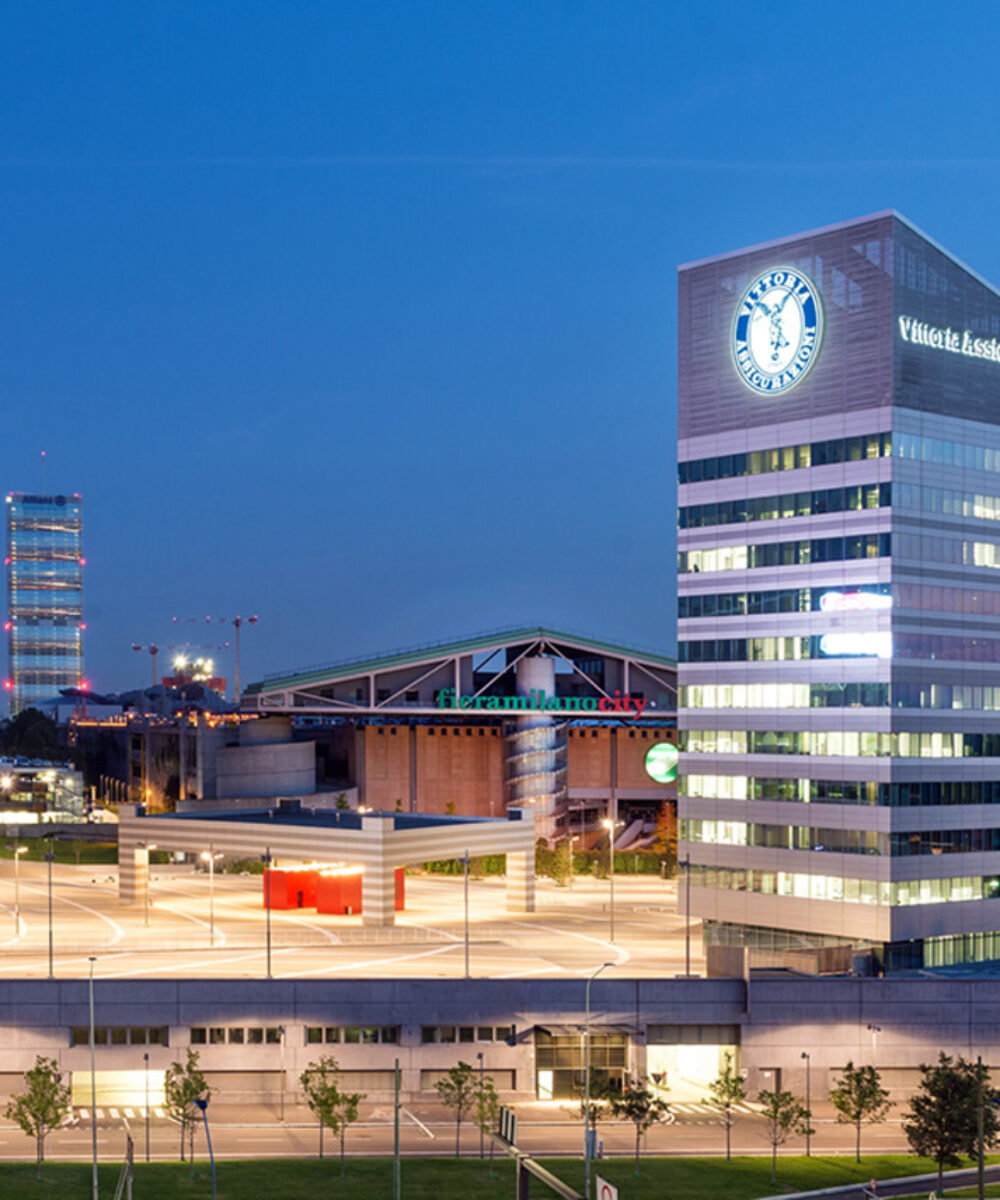
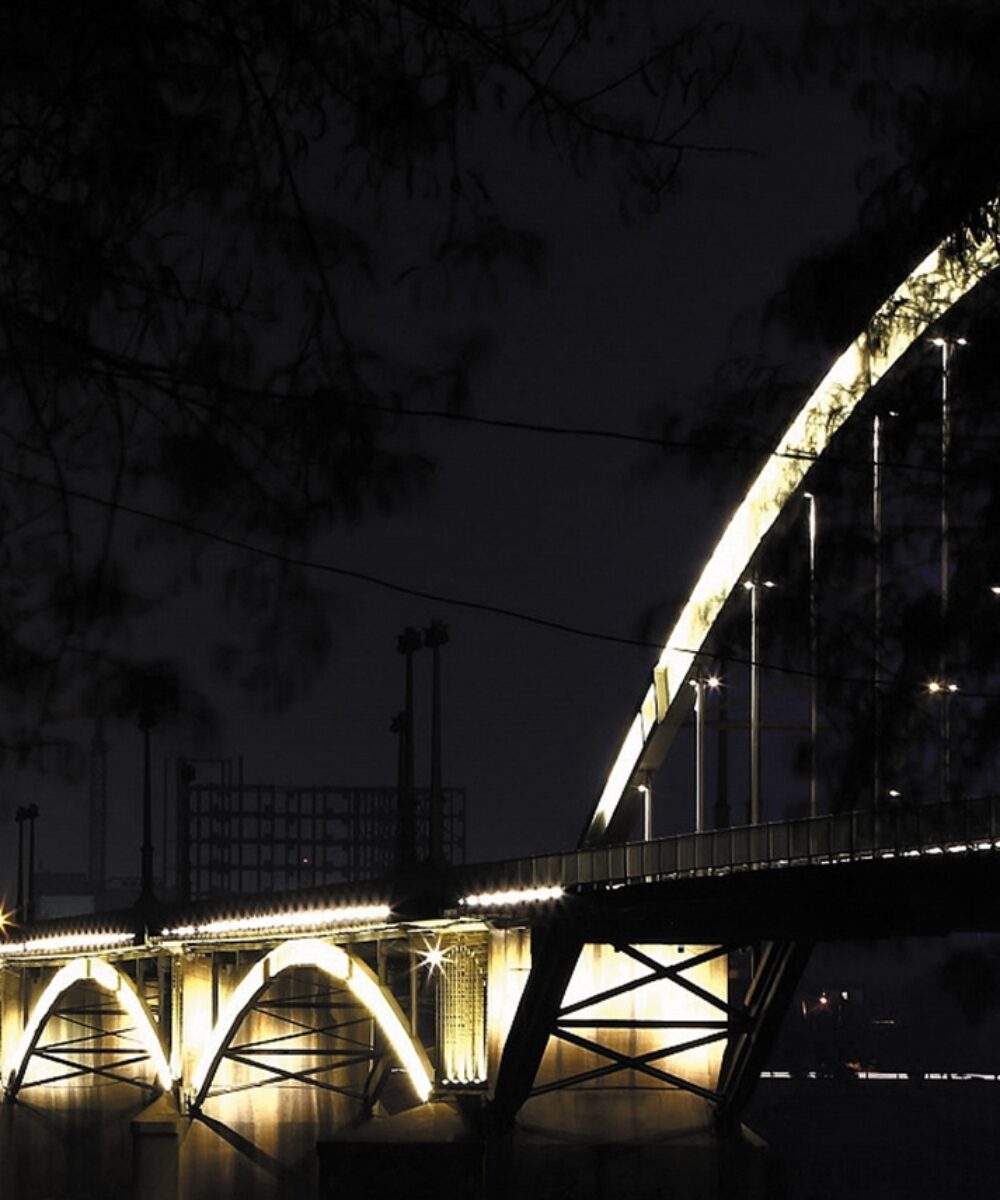
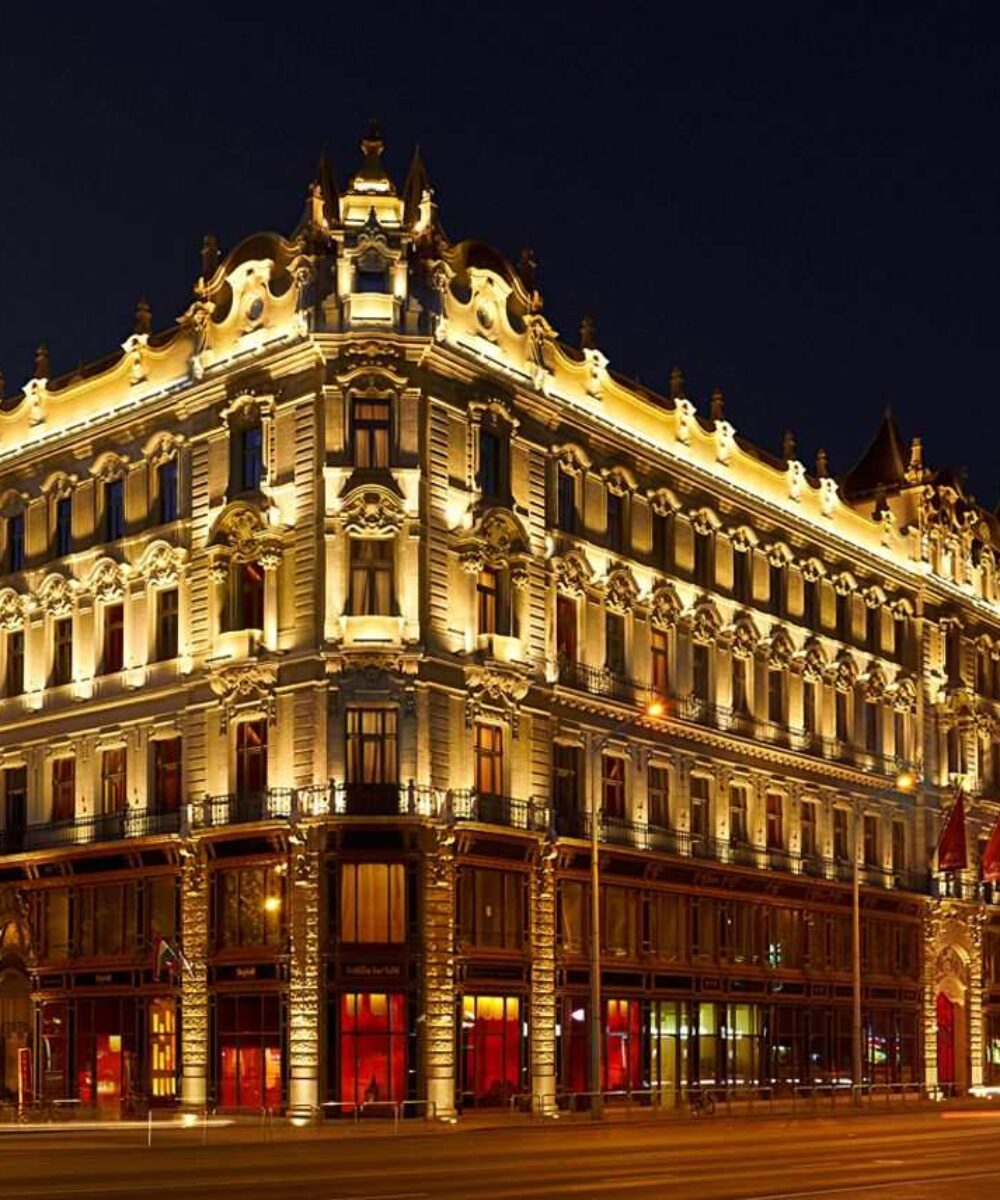
This section brings together a representative selection of lighting design projects in the architectural, museum, urban, cultural, retail, hospitality, and infrastructure sectors, both in Italy and abroad. The gallery documents projects of varying scale, function, and context, all sharing an approach to light as a tool for interpreting space, capable of engaging with architecture, artworks, landscape, and contemporary use.
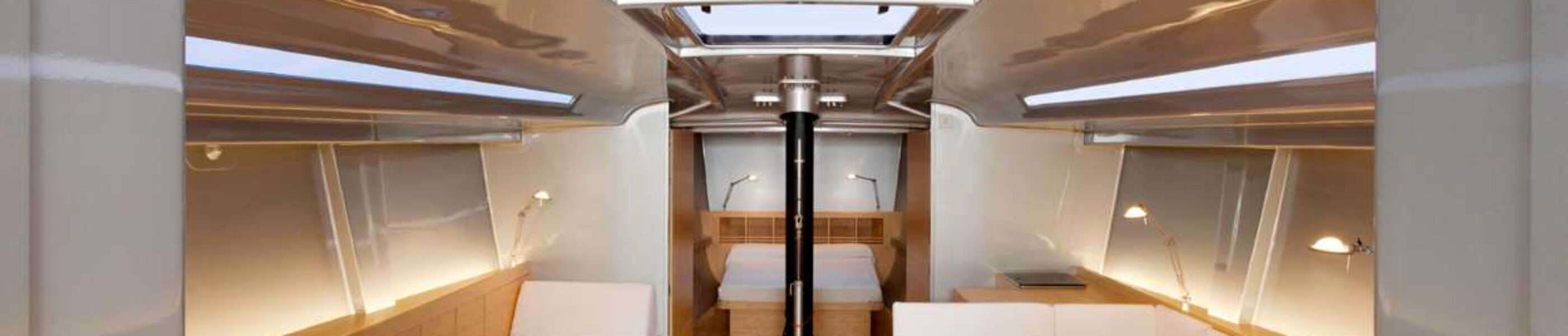
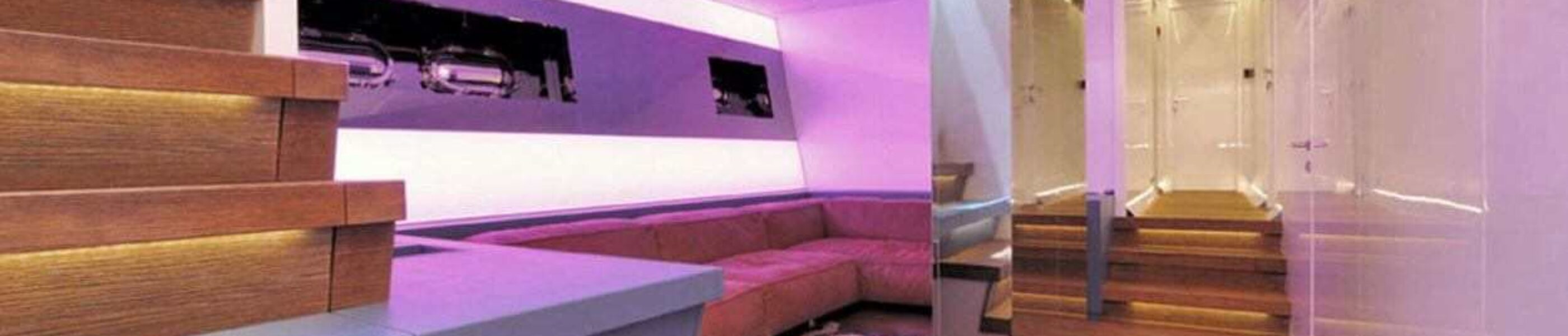
The projects presented range from museums, foundations, and temporary exhibitions to historic buildings, places of worship, public spaces, and urban complexes, including corporate headquarters, private residences, yachts, and lighting masterplans. In each project, light is designed as a controlled material, calibrated to the characteristics of the location, its functional needs, and the perceptual quality of the experience.
Taken together, the collected works convey a vision of lighting design as an integrated process, in which technical rigor, cultural sensitivity, and attention to context contribute to the construction of spatial identity, orientation, and value. The gallery thus takes the form of a design map, capable of demonstrating how light can take on different roles—discrete or declared—while always maintaining coherence, measure, and design awareness.
This section brings together a representative selection of lighting design projects in the architectural, museum, urban, cultural, retail, hospitality, and infrastructure sectors, both in Italy and abroad. The gallery documents projects of varying scale, function, and context, all sharing an approach to light as a tool for interpreting space, capable of engaging with architecture, artworks, landscape, and contemporary use.
The projects presented range from museums, foundations, and temporary exhibitions to historic buildings, places of worship, public spaces, and urban complexes, including corporate headquarters, private residences, yachts, and lighting masterplans. In each project, light is designed as a controlled material, calibrated to the characteristics of the location, its functional needs, and the perceptual quality of the experience.
Taken together, the collected works convey a vision of lighting design as an integrated process, in which technical rigor, cultural sensitivity, and attention to context contribute to the construction of spatial identity, orientation, and value. The gallery thus takes the form of a design map, capable of demonstrating how light can take on different roles—discrete or declared—while always maintaining coherence, measure, and design awareness.