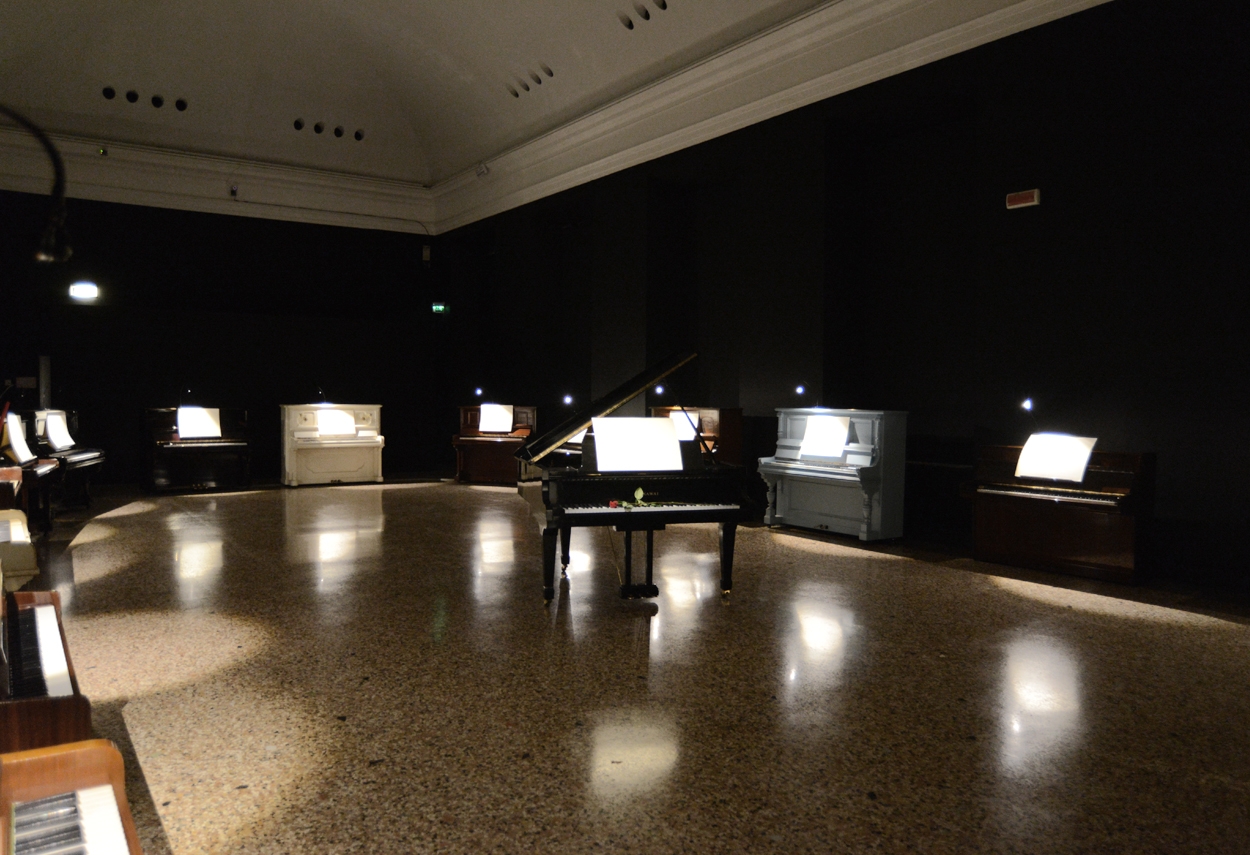
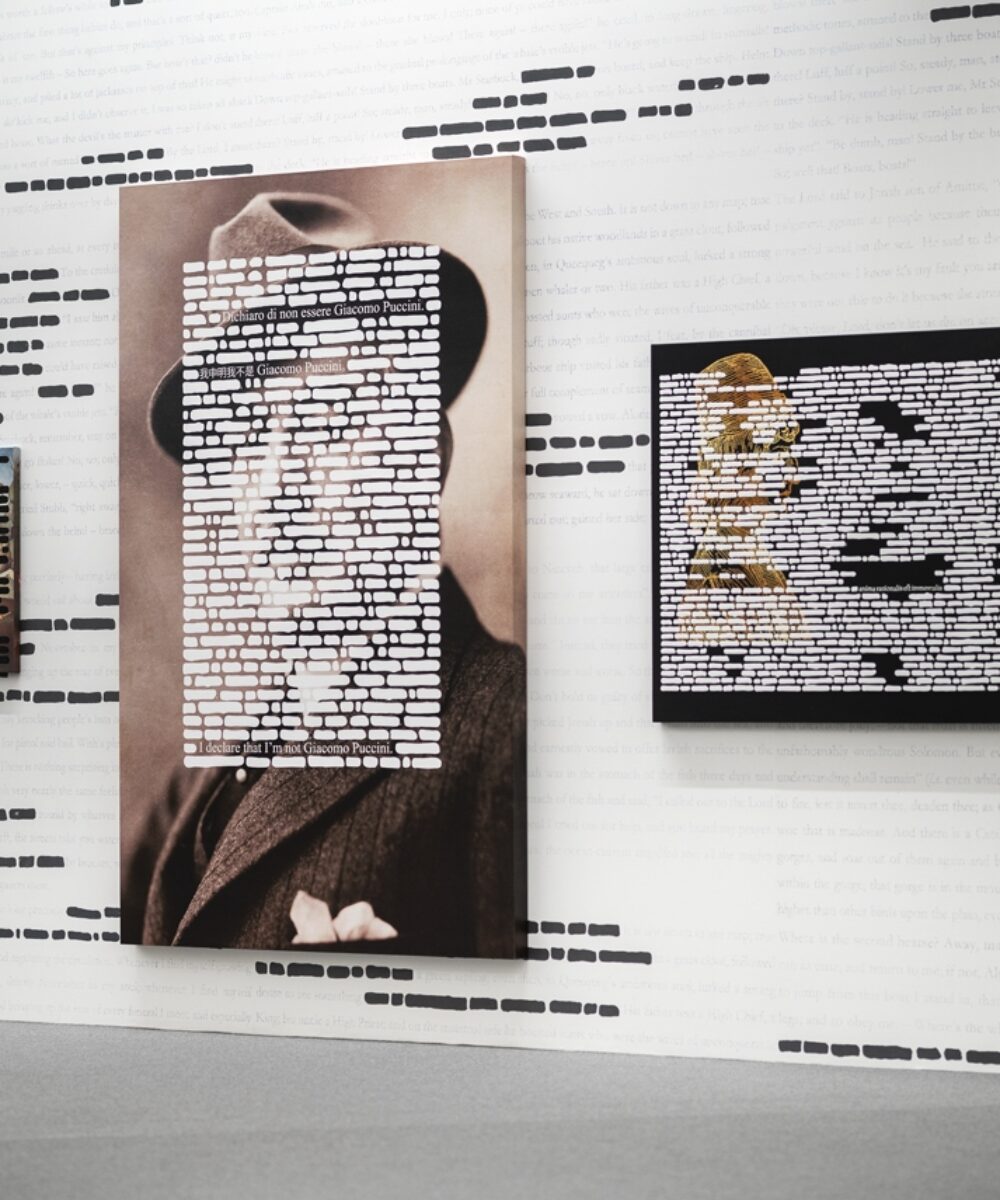
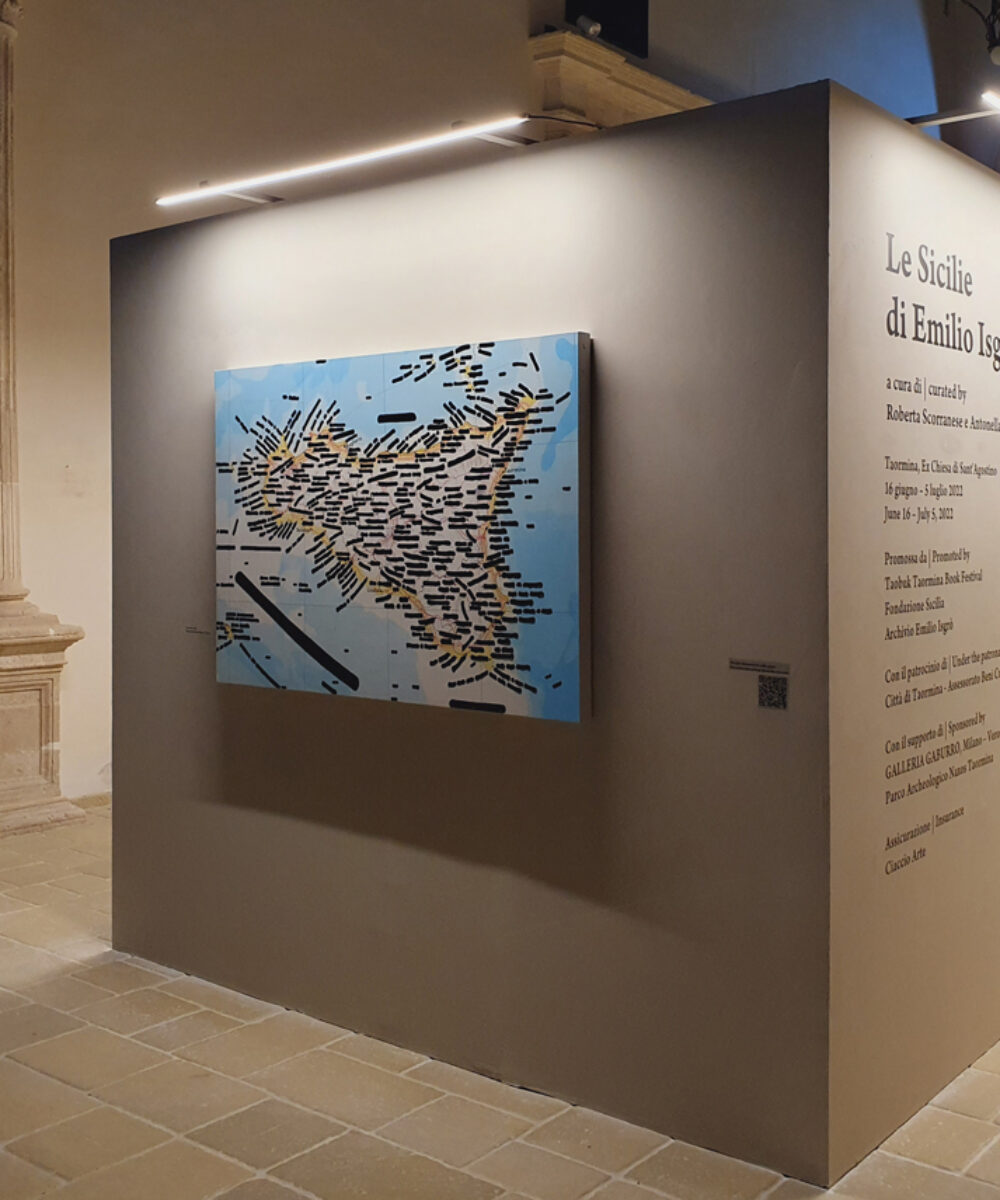
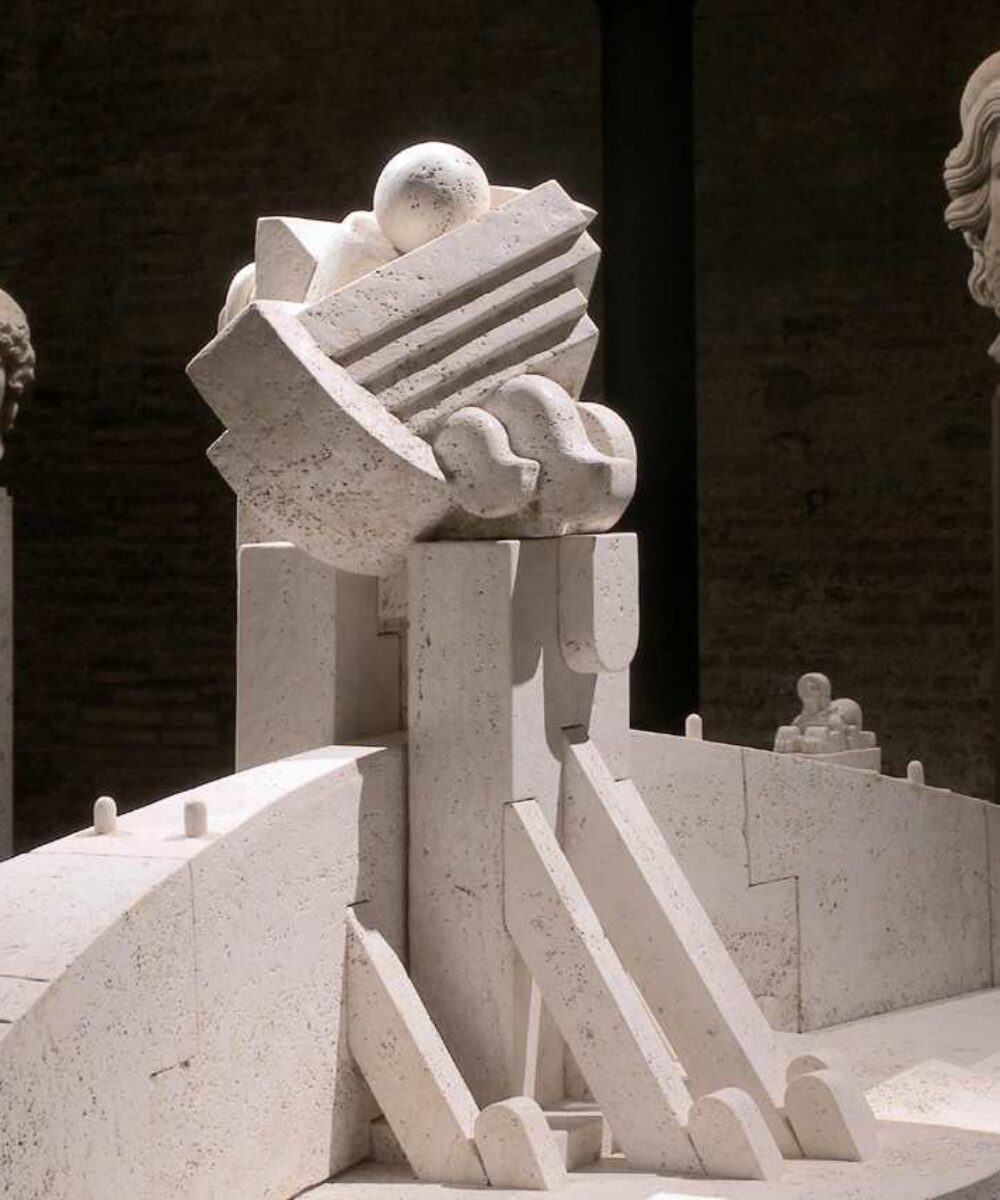
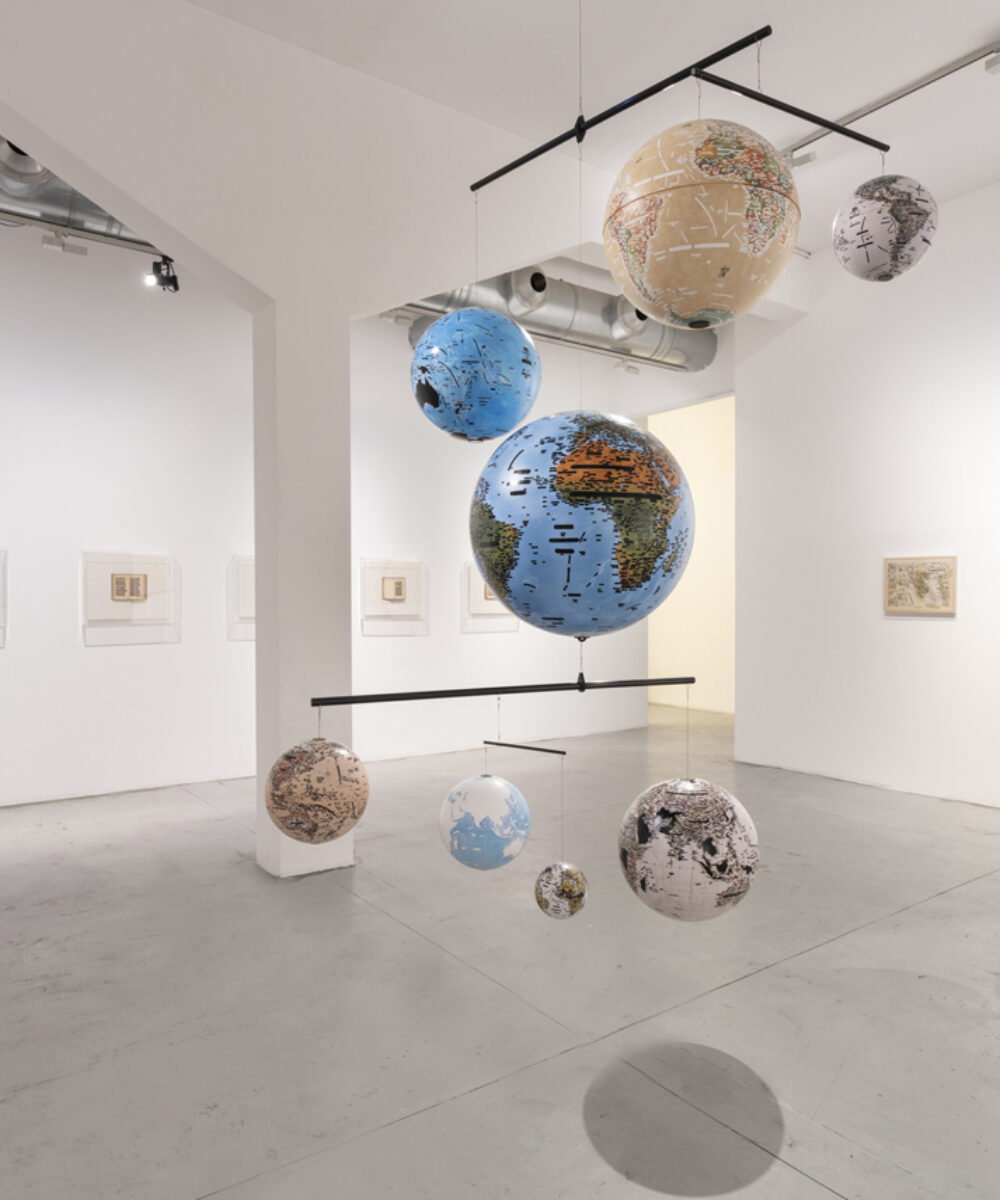
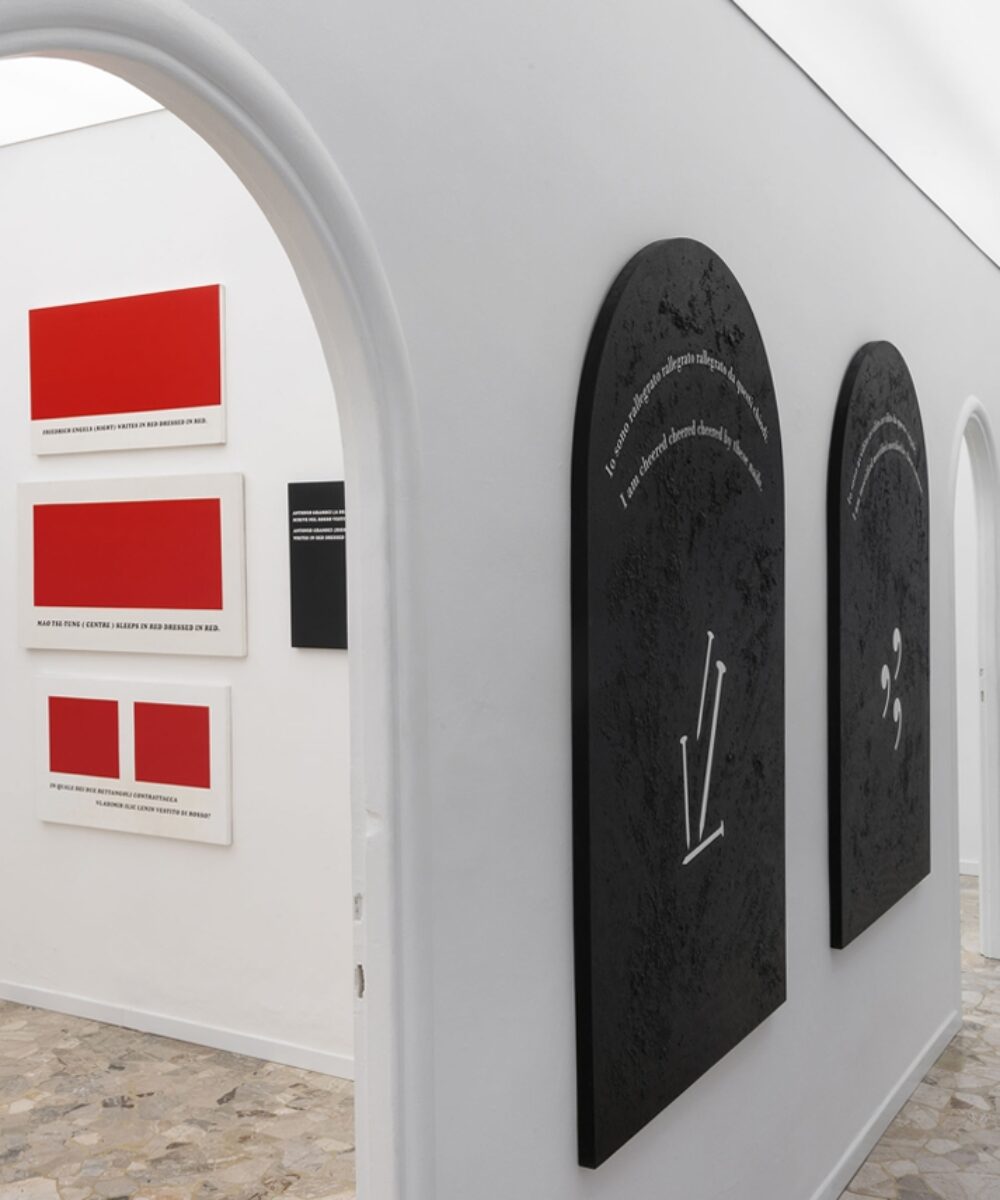
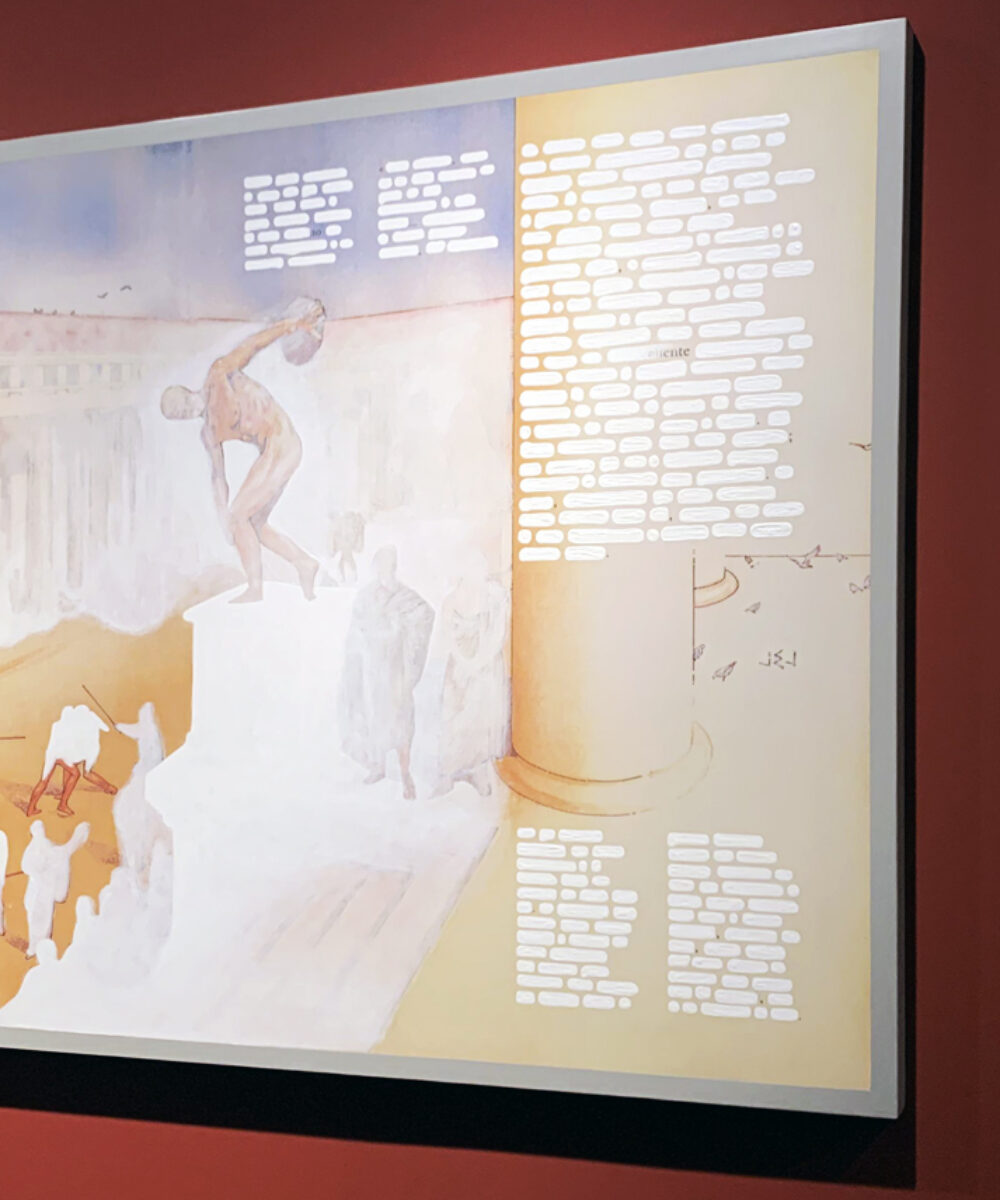
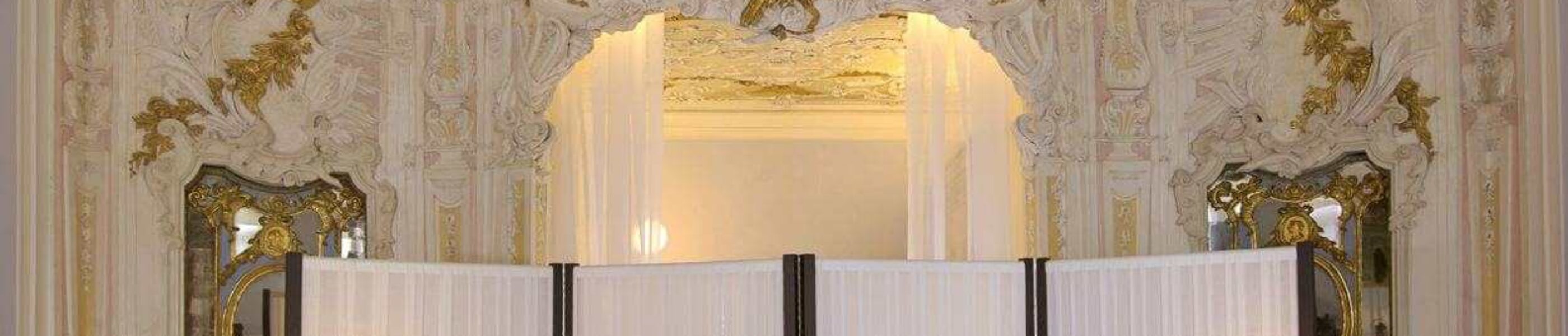
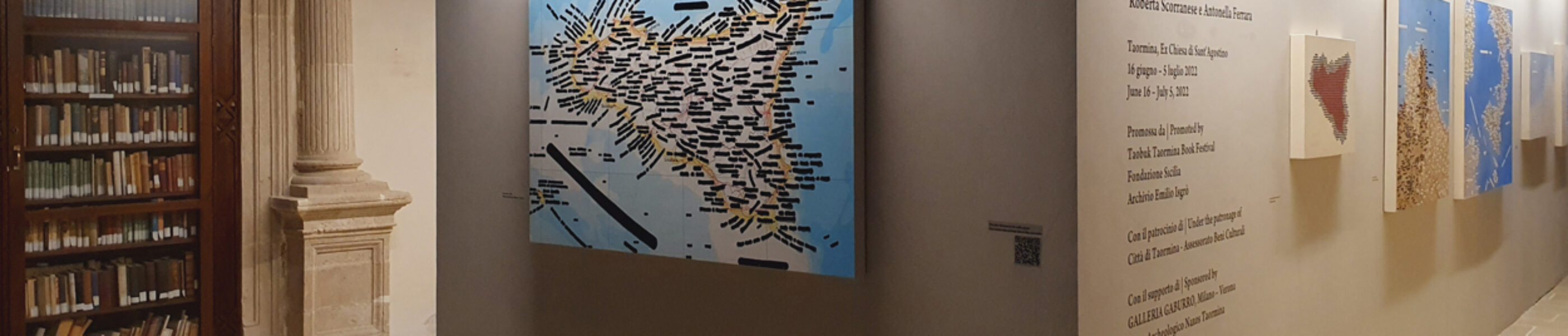
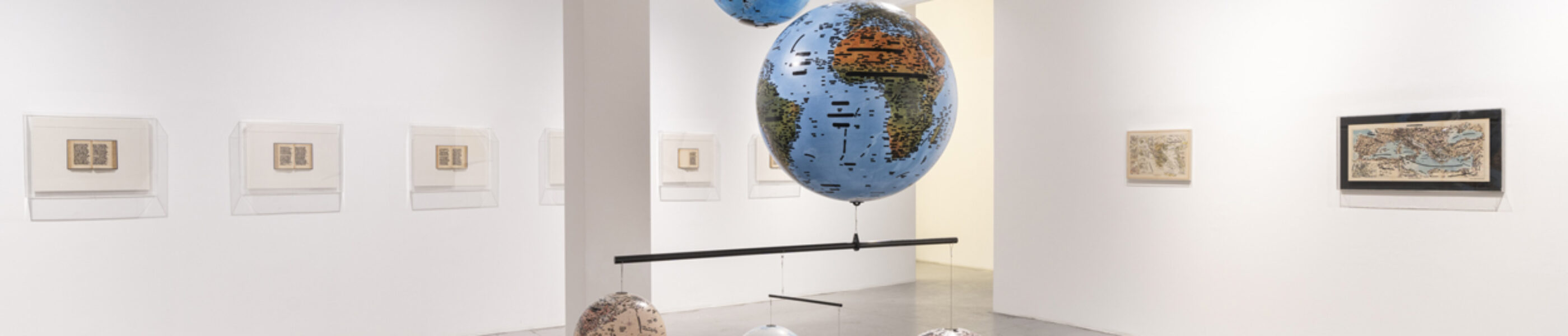
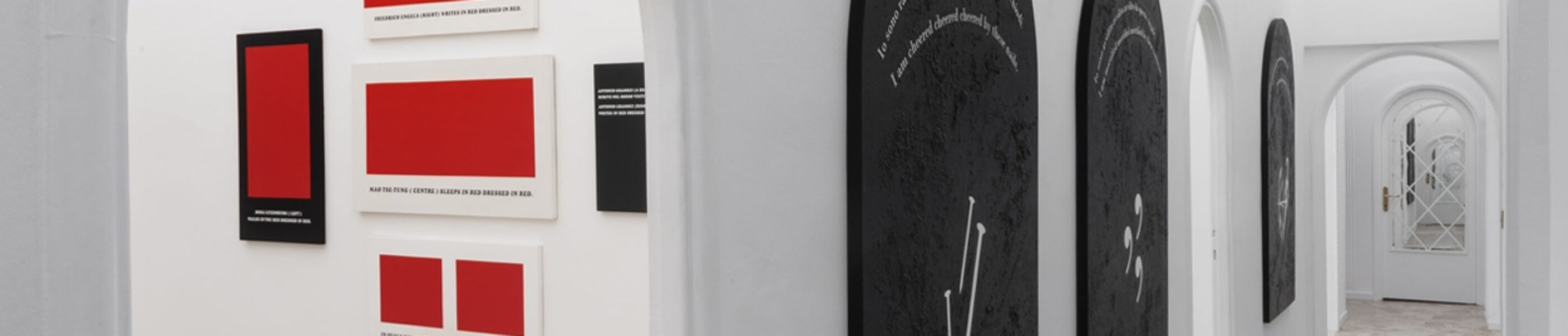
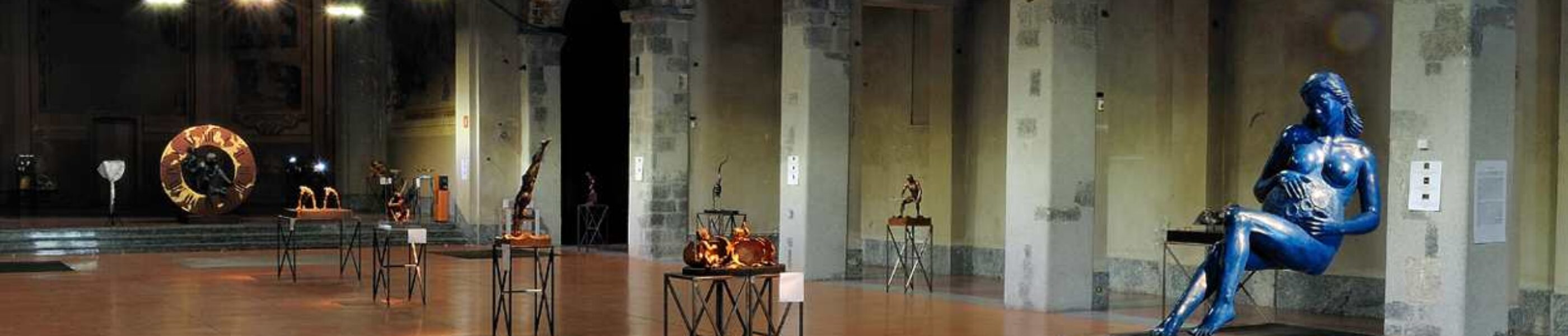
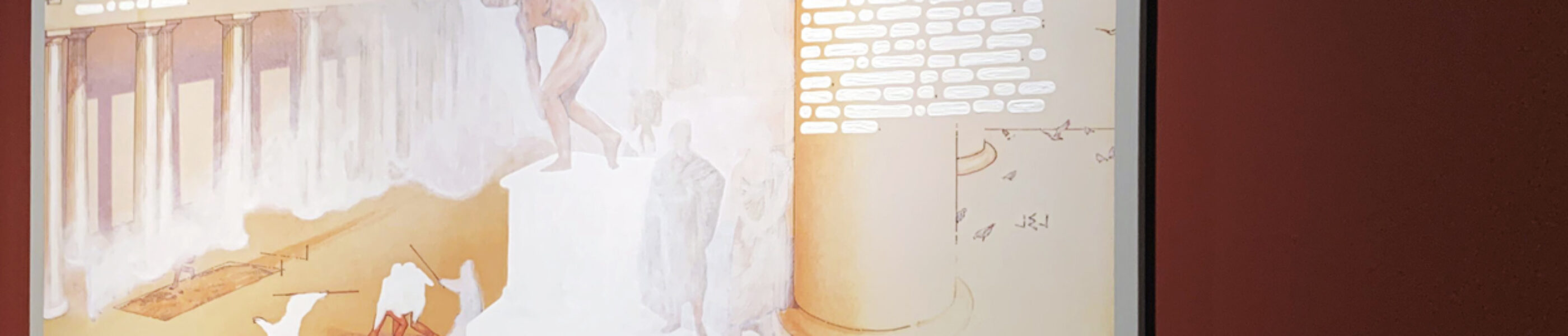
Emilio Isgrò, painter and poet, is one of the most famous and prestigious names of Italian art at international level. The artist states: "It is an anthropological and philosophical problem: will the word survive? Can the image survive? Or is everything destined to become virtual? I delete the word to save it: it is a form of mental hygiene of language that does not deny the text: but enhances it, drawing attention to what was there before". There are not only the erasures. There are also ants in some installations, "The most global insect that there is, represents the passage of time, but also human industriousness. Palazzo Reale will host a selection of historical works rich in over 200 works including deleted books, paintings and installations.
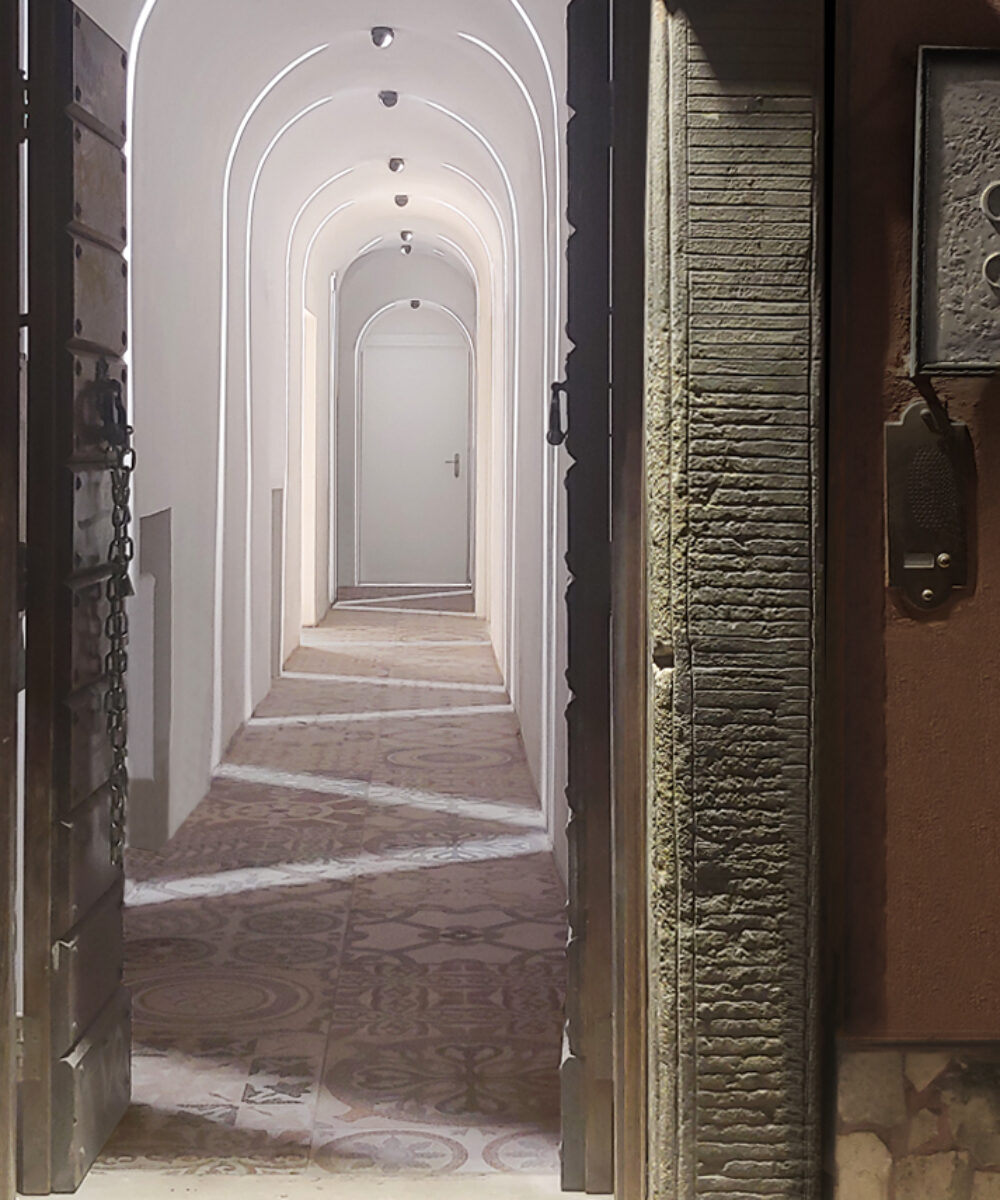
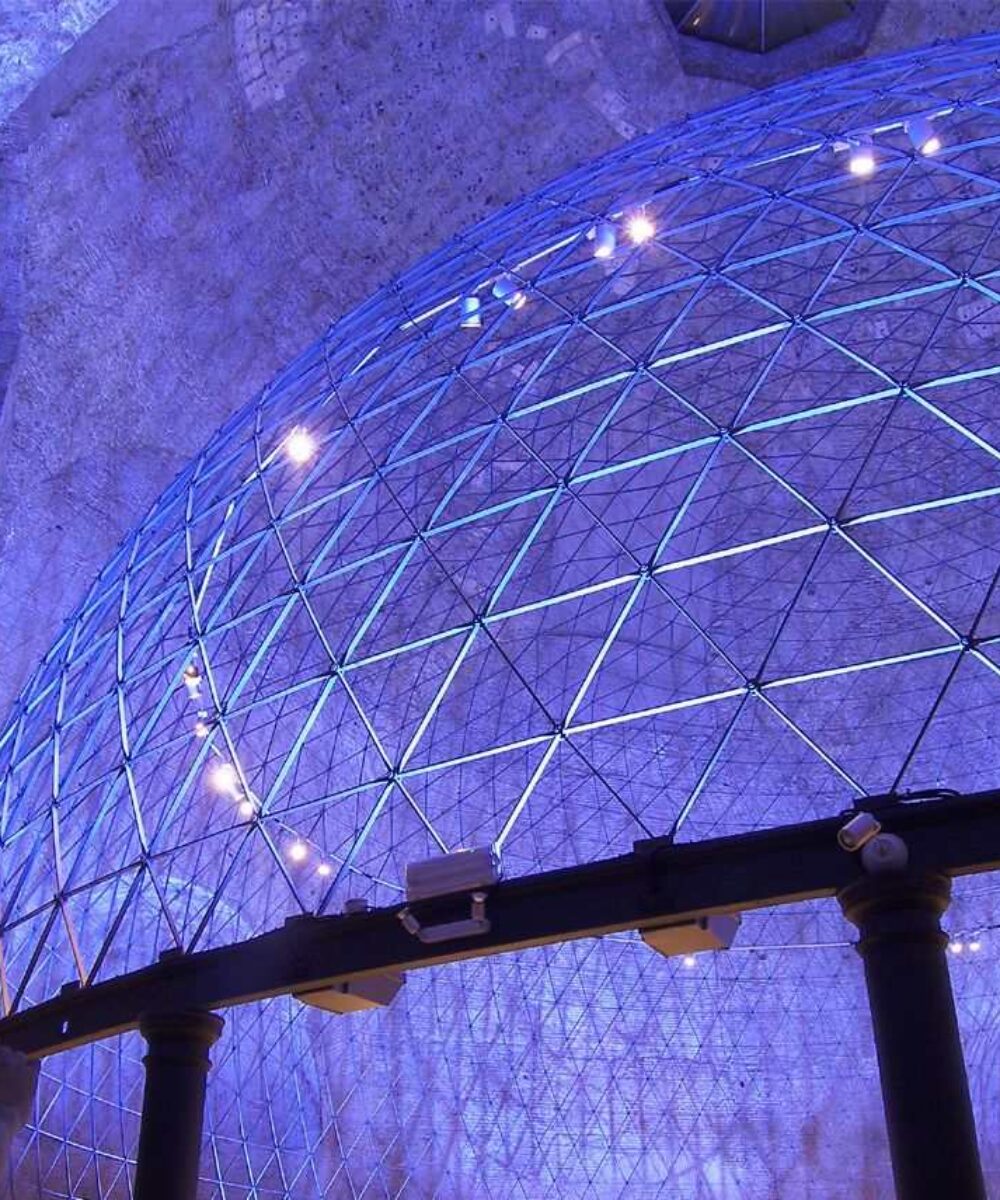
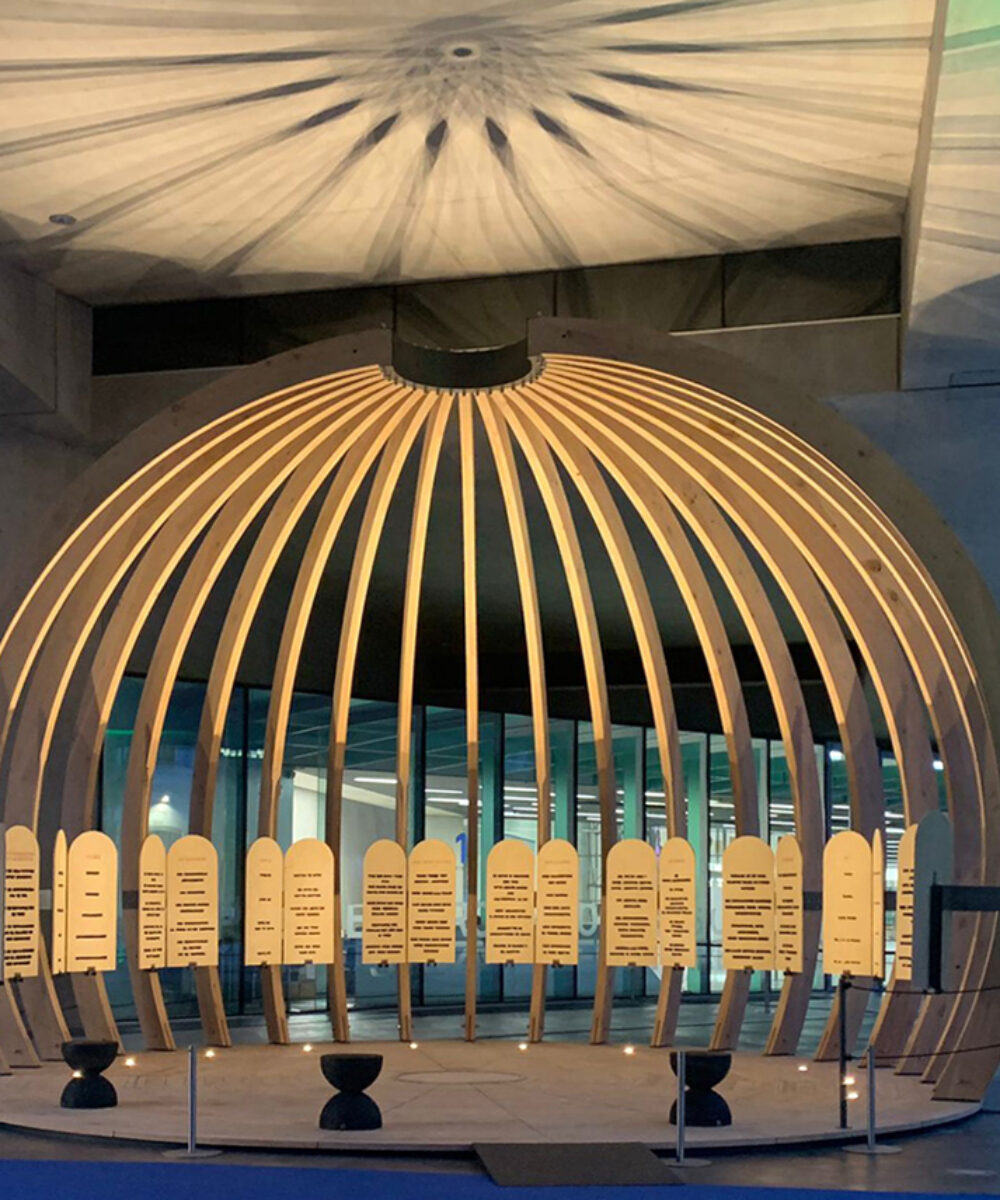
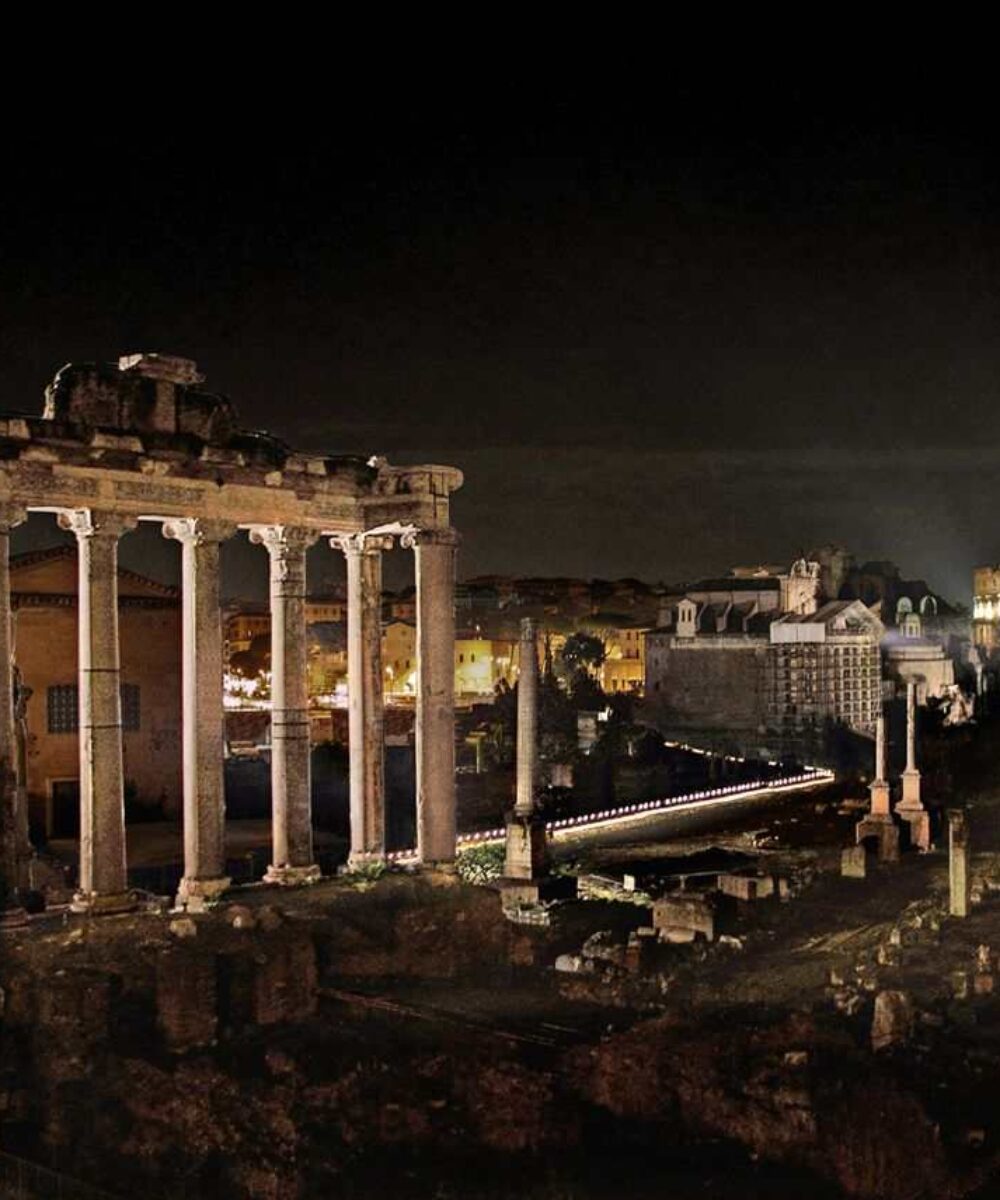
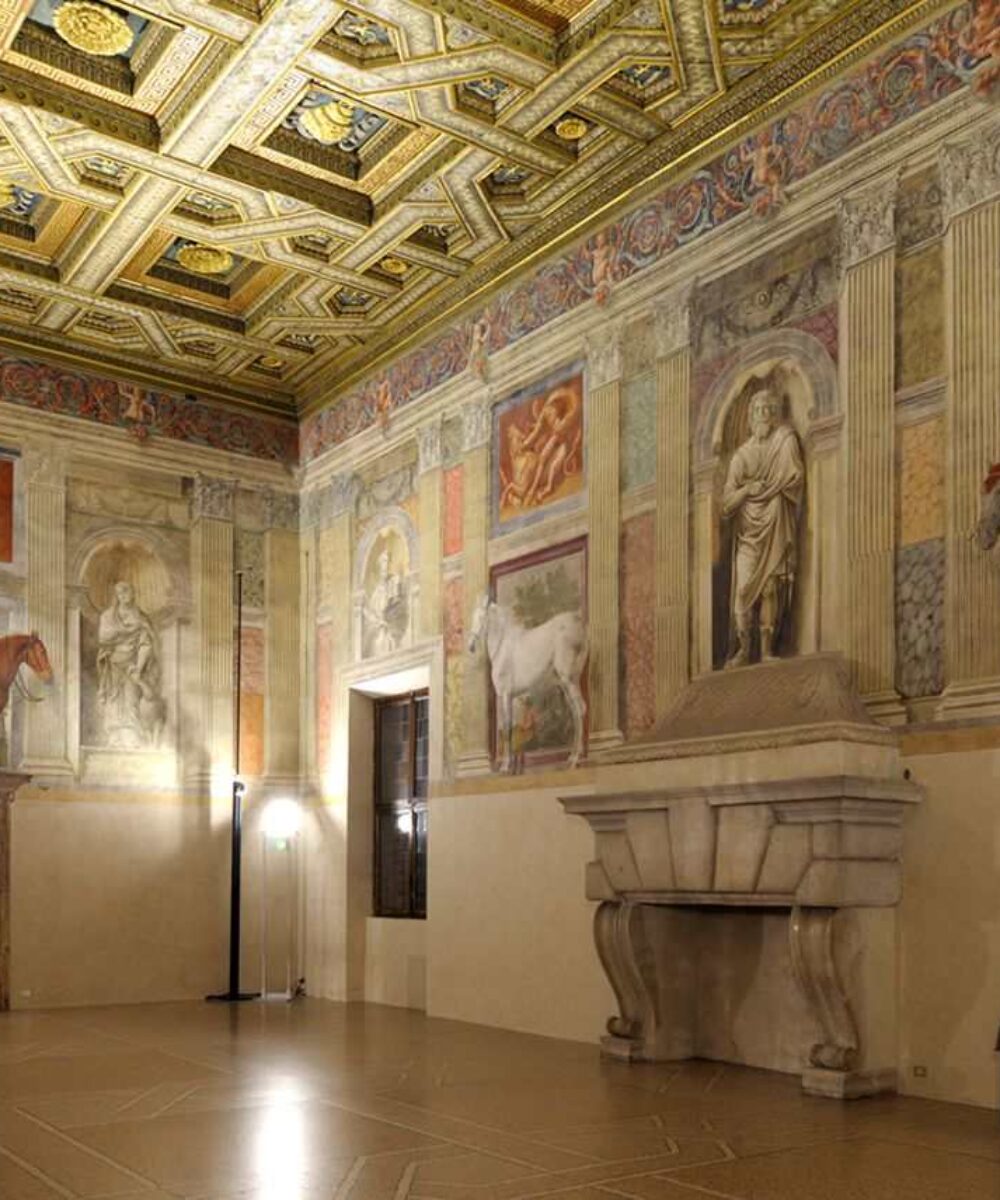
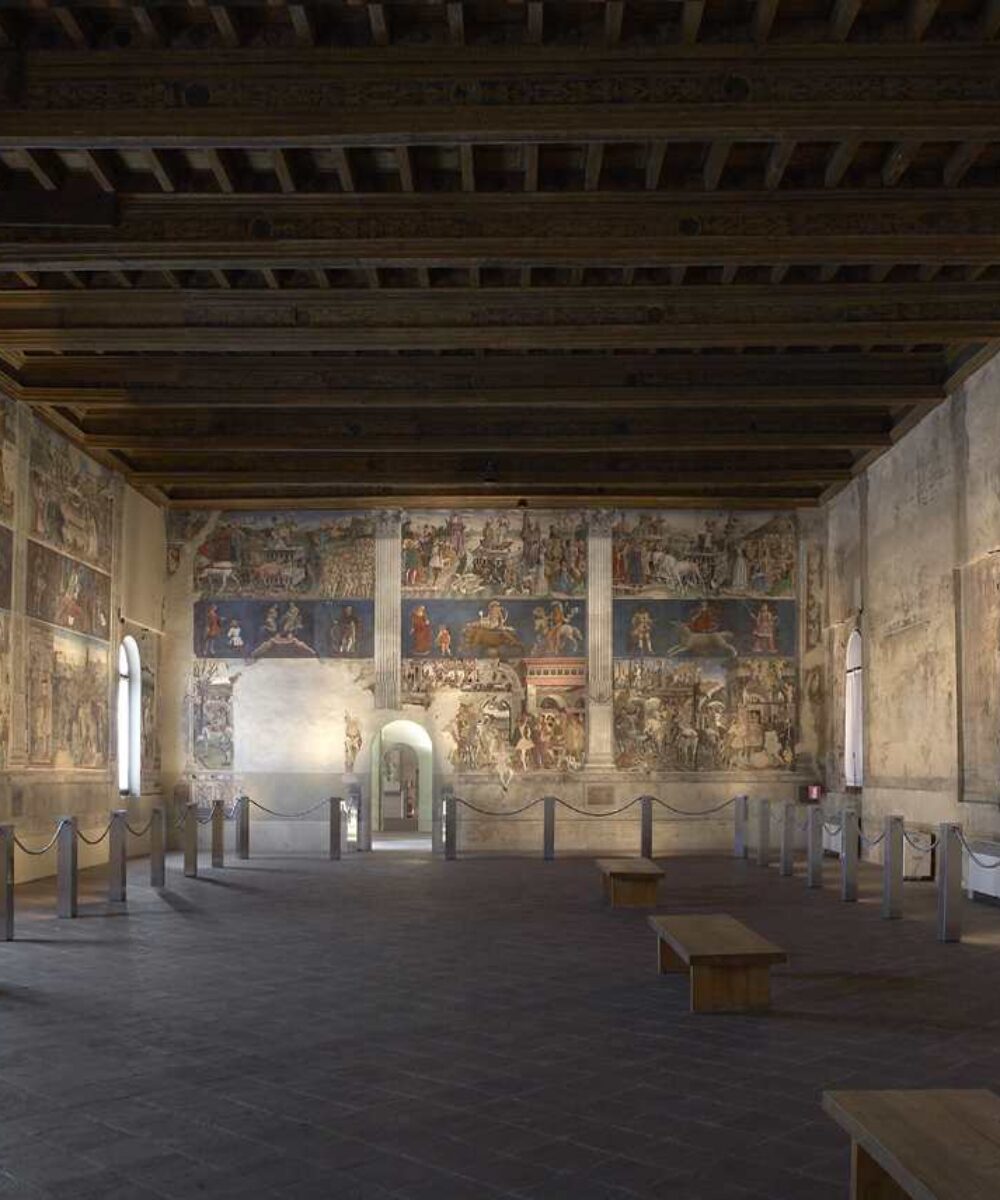
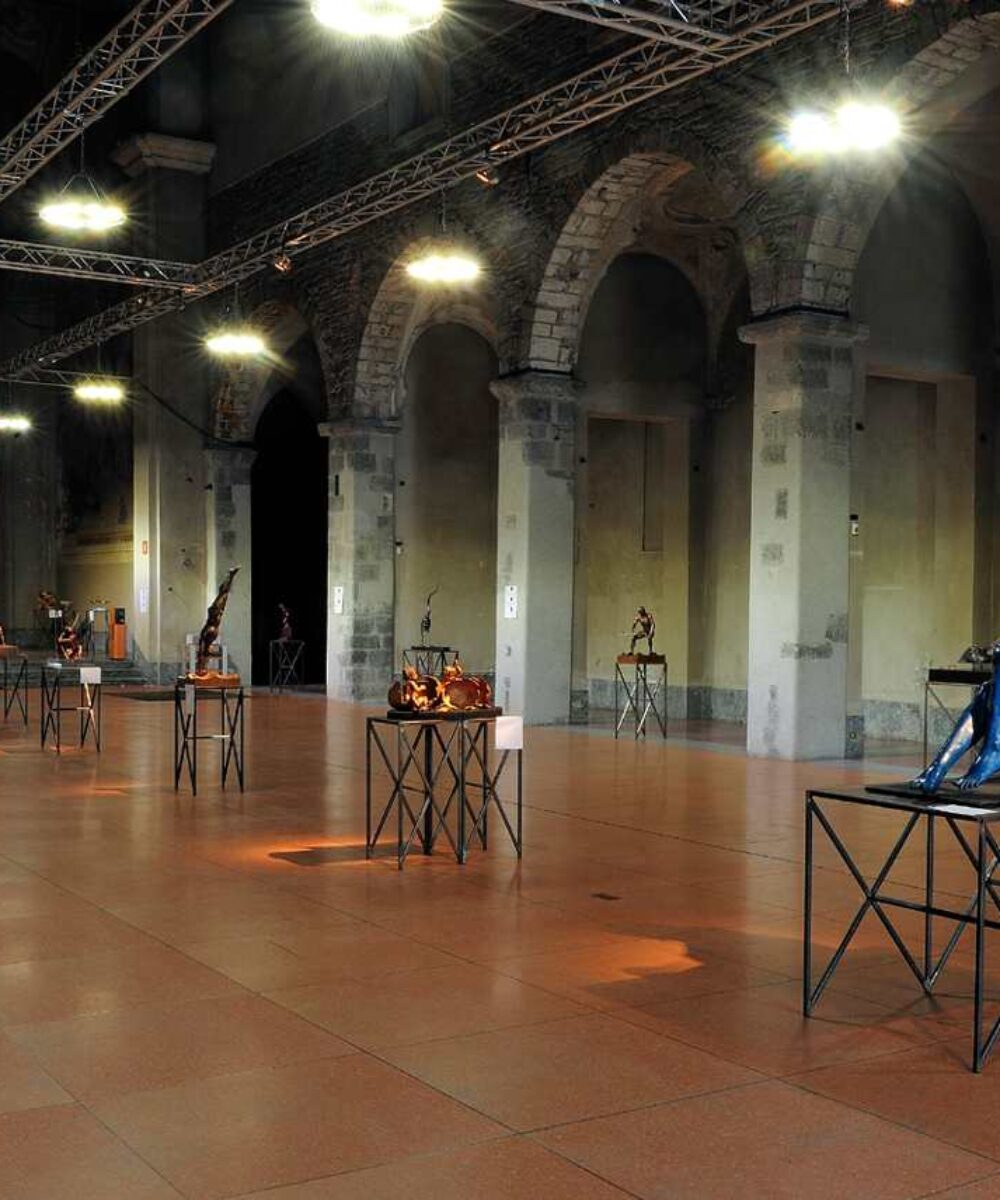
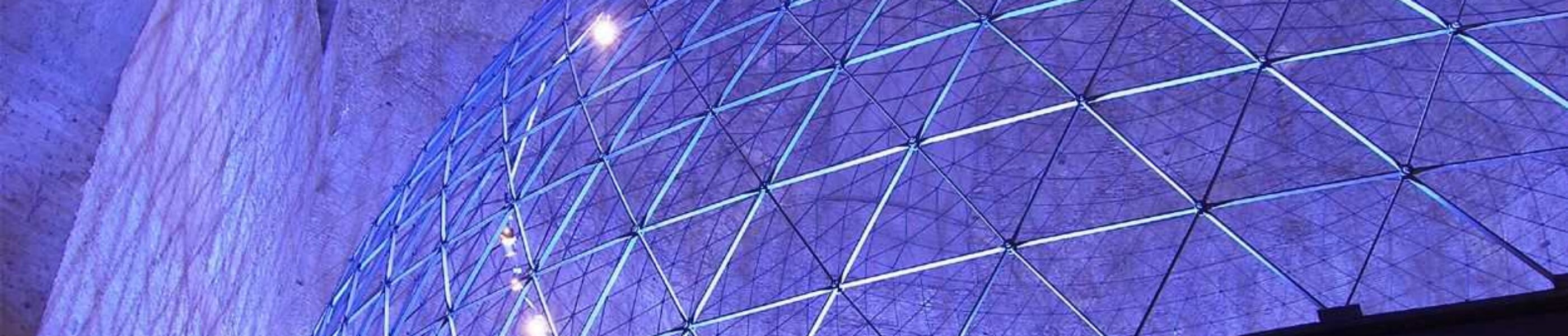
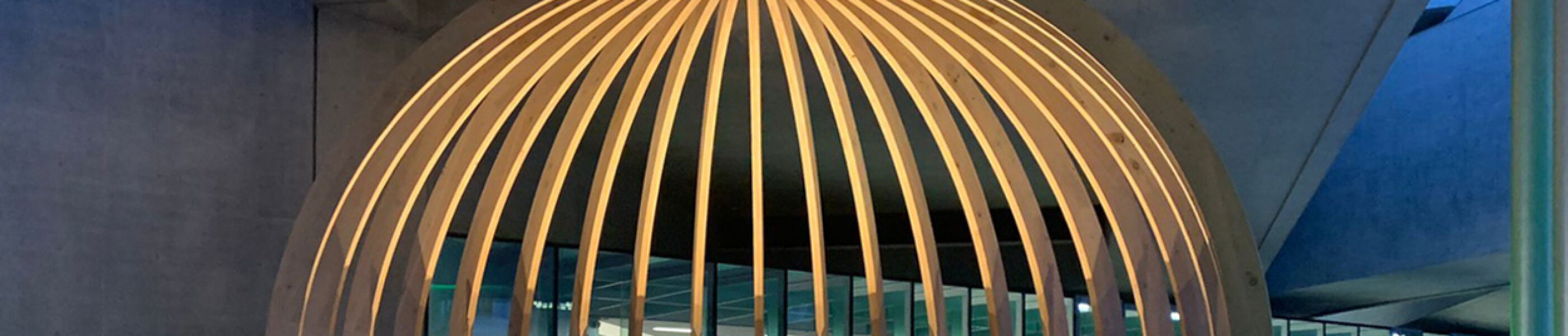
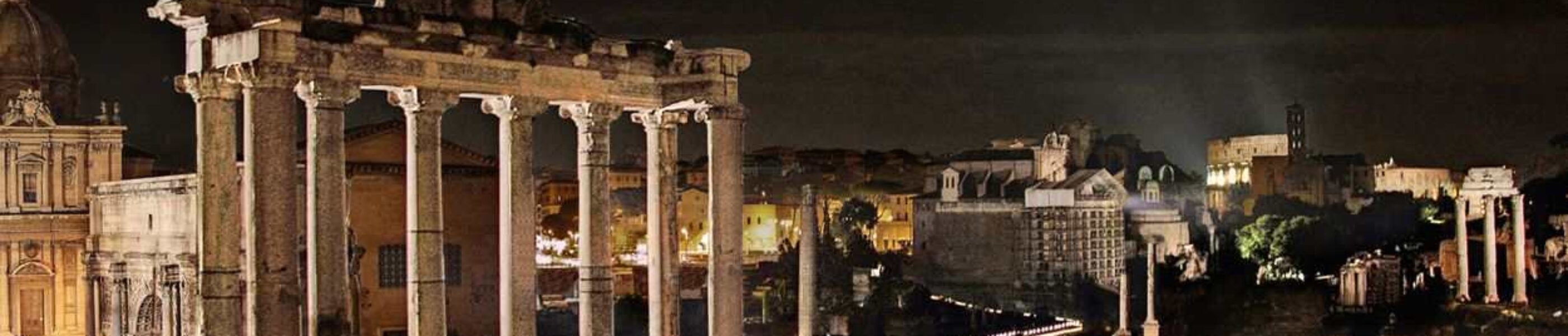
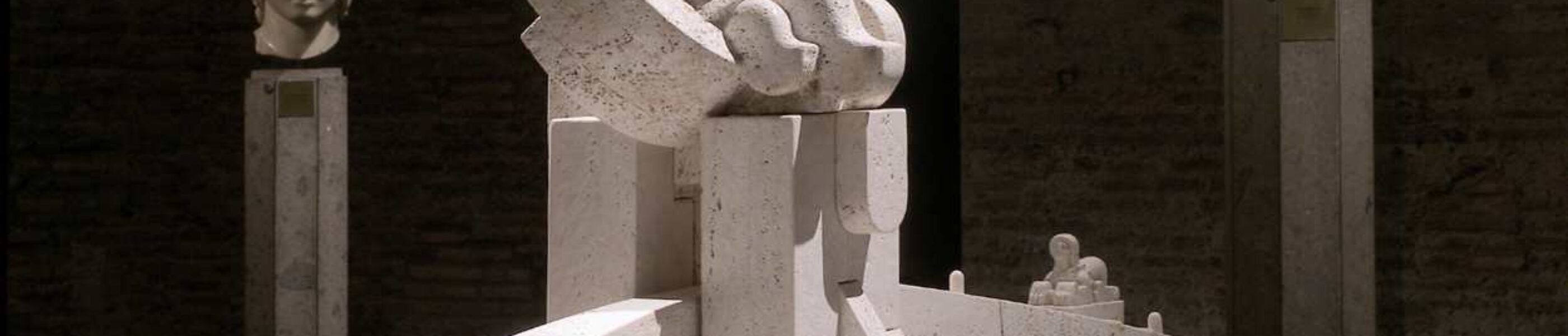
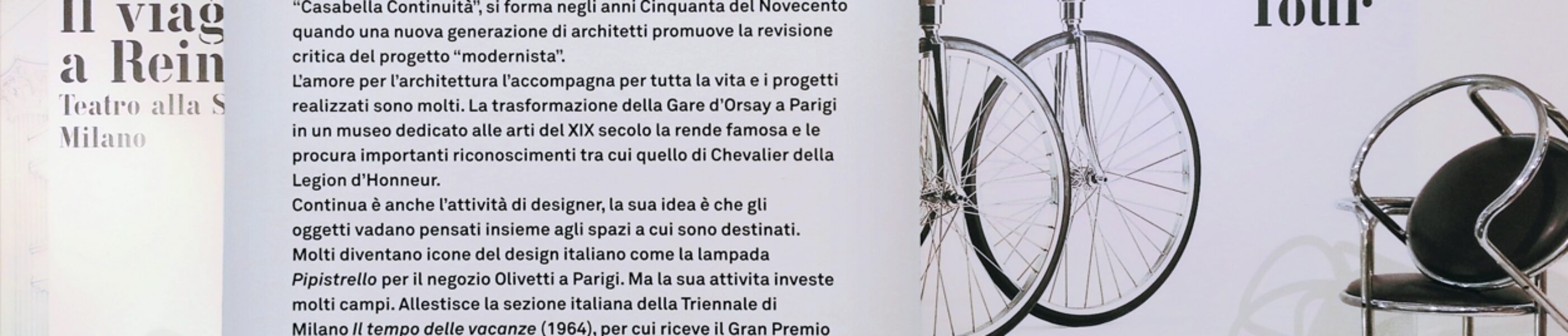
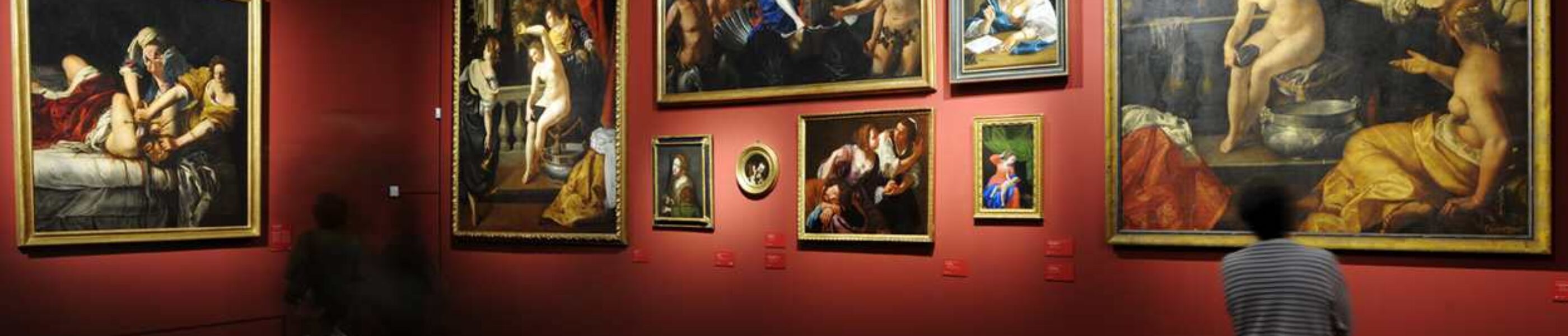
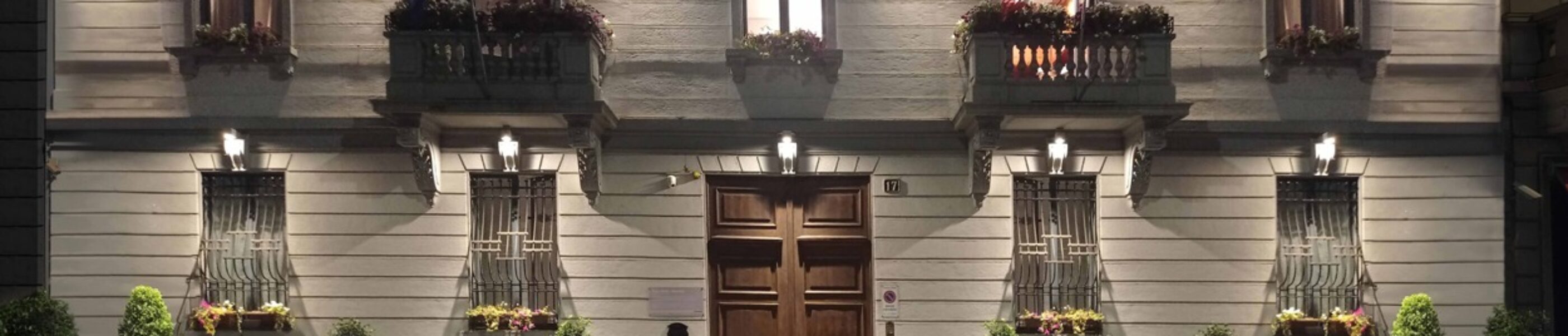
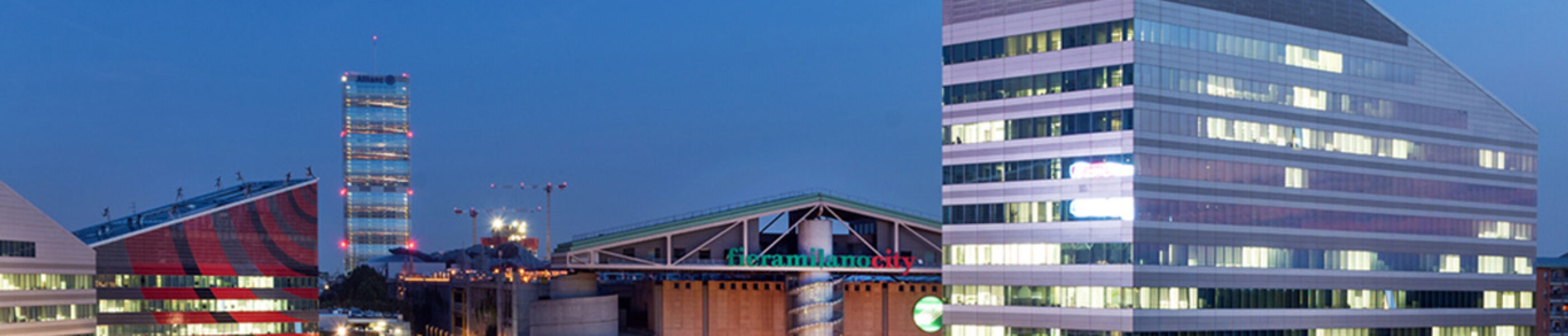
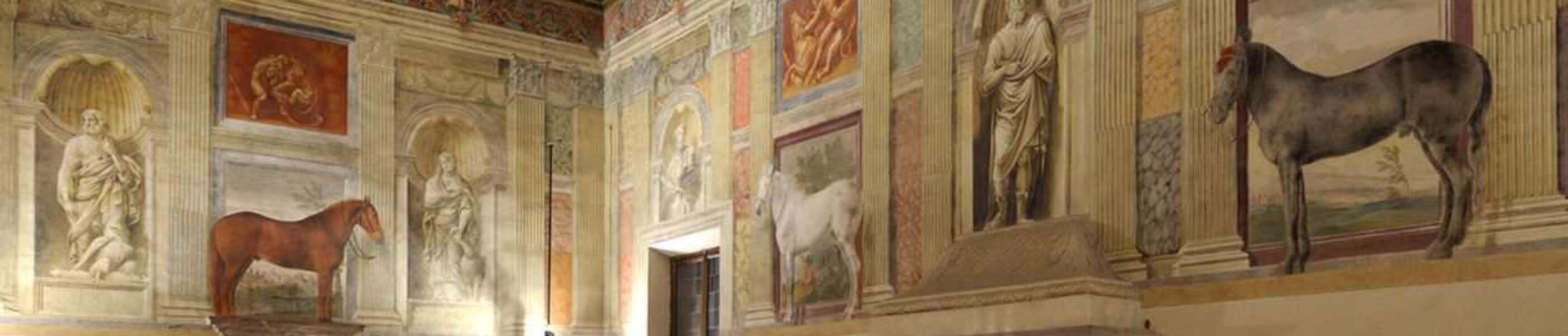
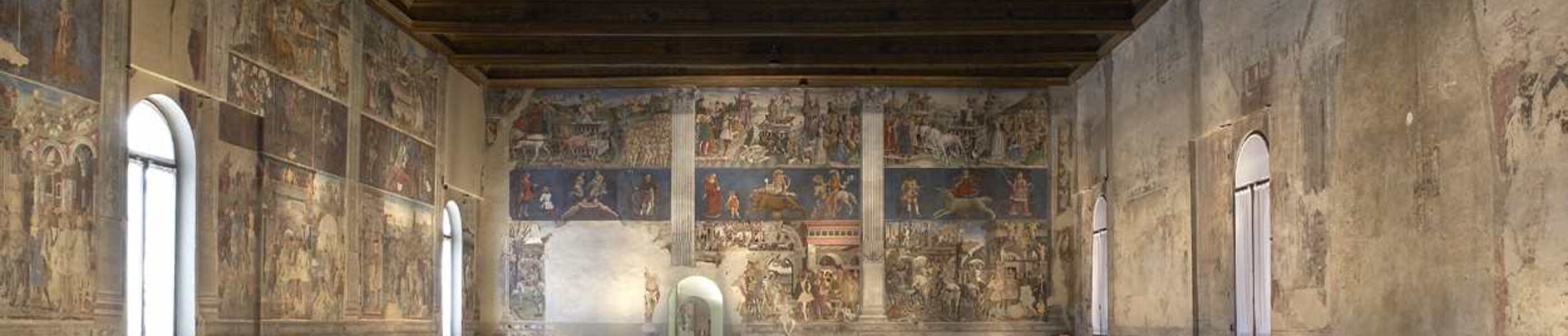
A great anthology at the same time set up in three prestigious location is the tribute that Milan done to Emilio Isgrò, an artist who devoted his life to the search of original languages and the creation of a unique style. The lighting project follow the set up edited by Marco Bazzini.
Client:
Piero Castiglioni
Collaborations:
Mondadori Electa
Marco Bazzini
Emilio Isgrò
Photo Courtesy:
Piero Castiglioni
Year:
2016
Emilio Isgrò, painter and poet, is one of the most famous and prestigious names of Italian art at international level. The artist states: "It is an anthropological and philosophical problem: will the word survive? Can the image survive? Or is everything destined to become virtual? I delete the word to save it: it is a form of mental hygiene of language that does not deny the text: but enhances it, drawing attention to what was there before". There are not only the erasures. There are also ants in some installations, "The most global insect that there is, represents the passage of time, but also human industriousness. Palazzo Reale will host a selection of historical works rich in over 200 works including deleted books, paintings and installations.
A great anthology at the same time set up in three prestigious location is the tribute that Milan done to Emilio Isgrò, an artist who devoted his life to the search of original languages and the creation of a unique style. The lighting project follow the set up edited by Marco Bazzini.
Client:
Piero Castiglioni
Collaborations:
Mondadori Electa
Marco Bazzini
Emilio Isgrò
Photo Courtesy:
Piero Castiglioni
Year:
2016
Other Projects
Other Projects
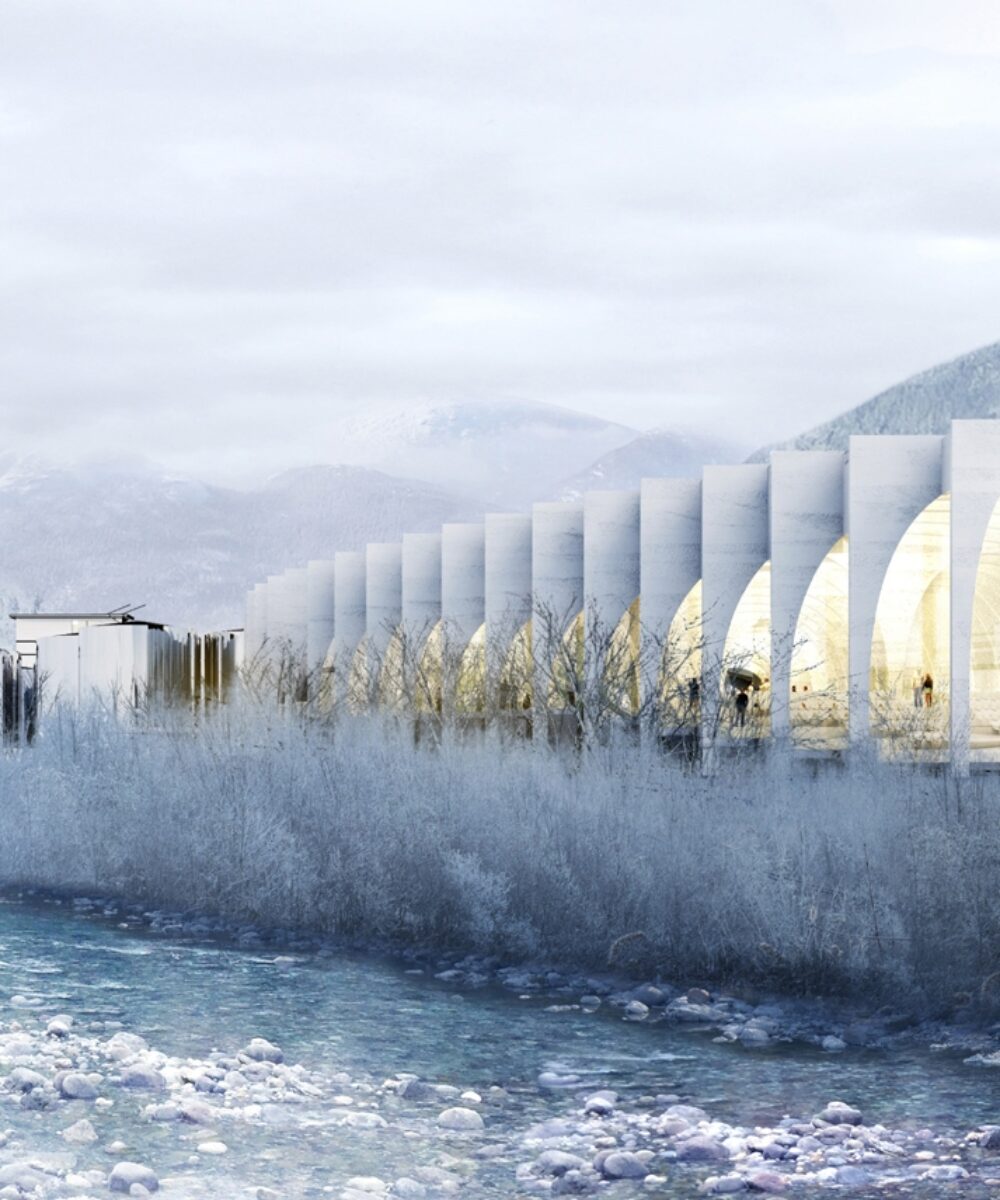
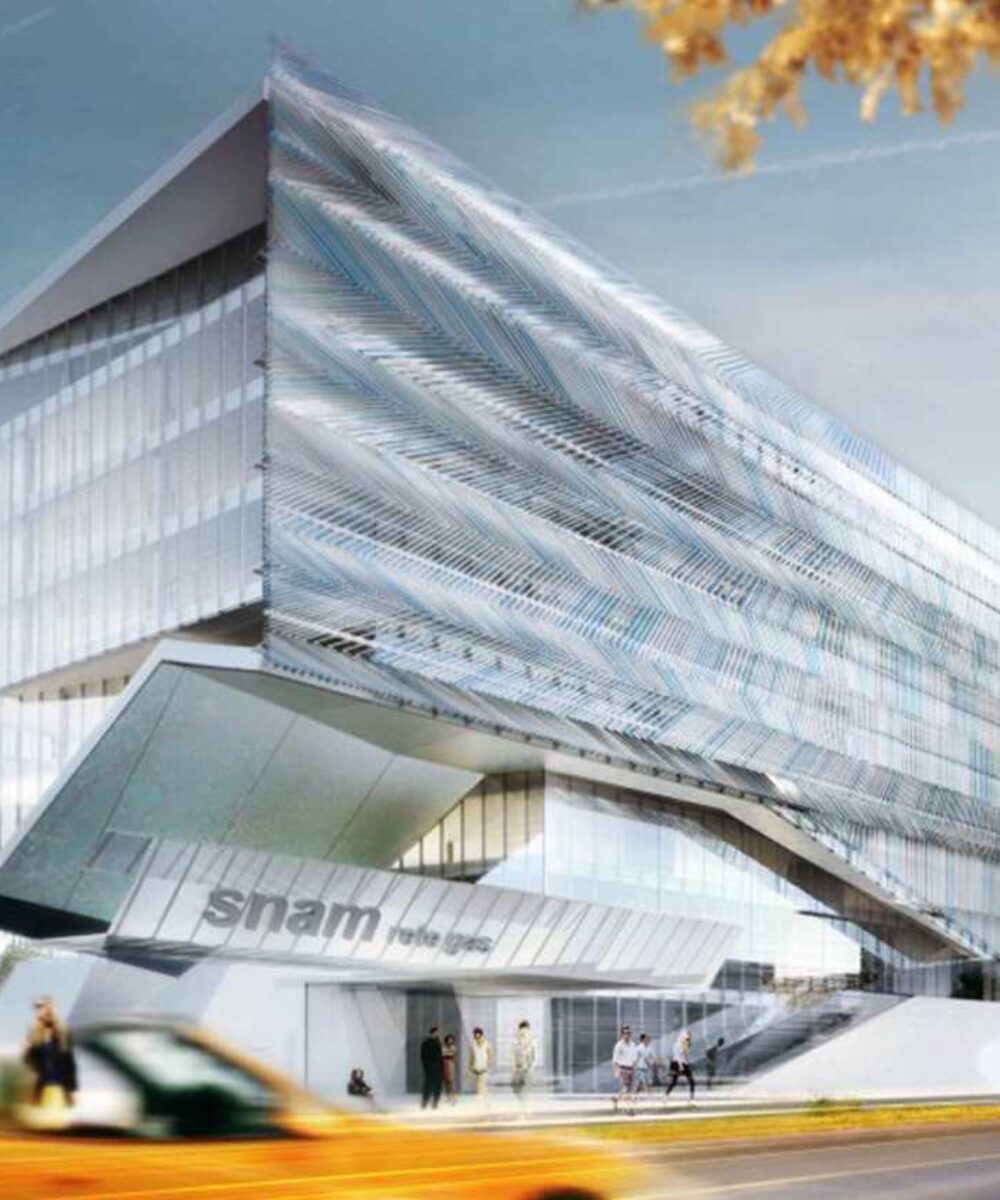
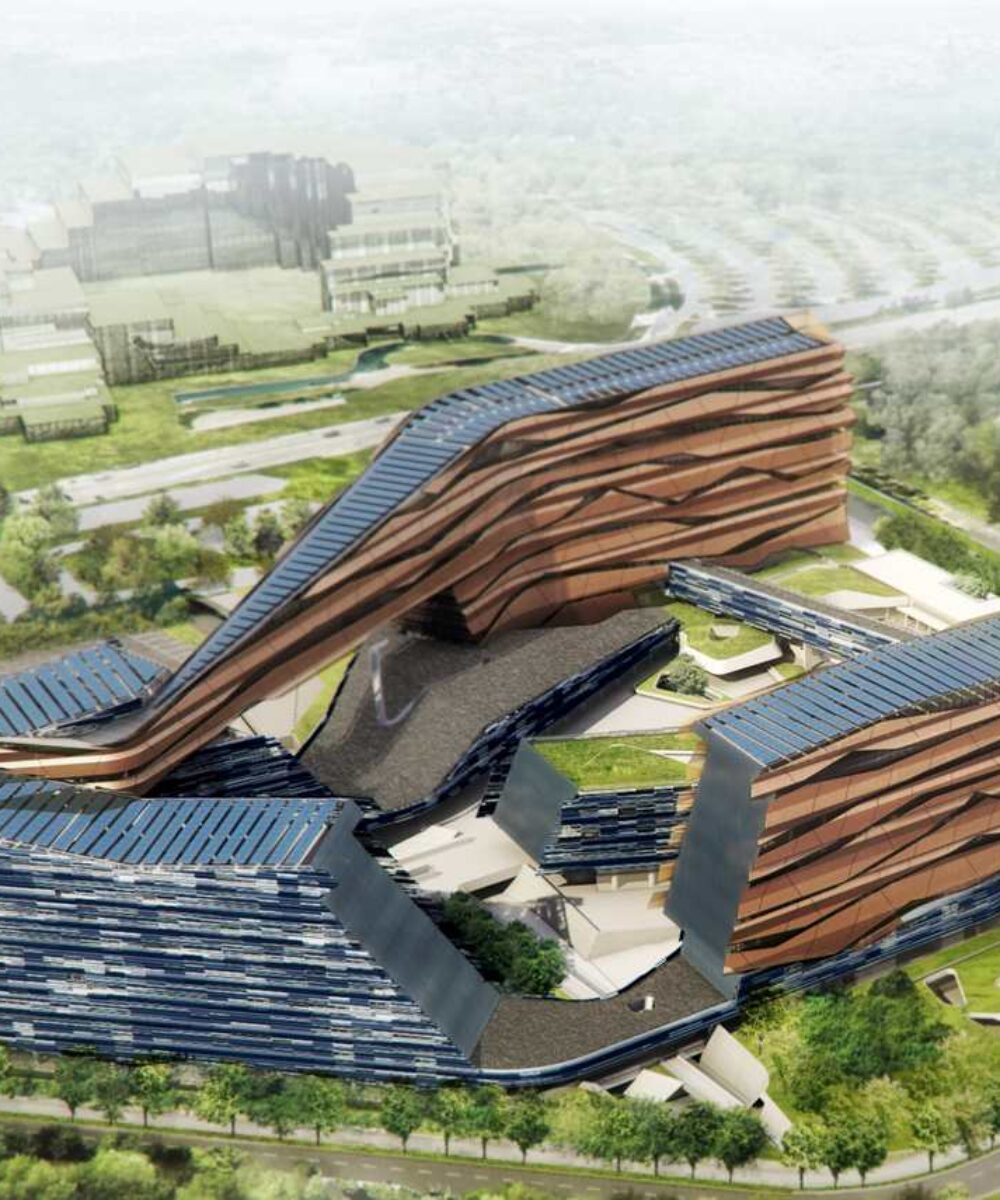
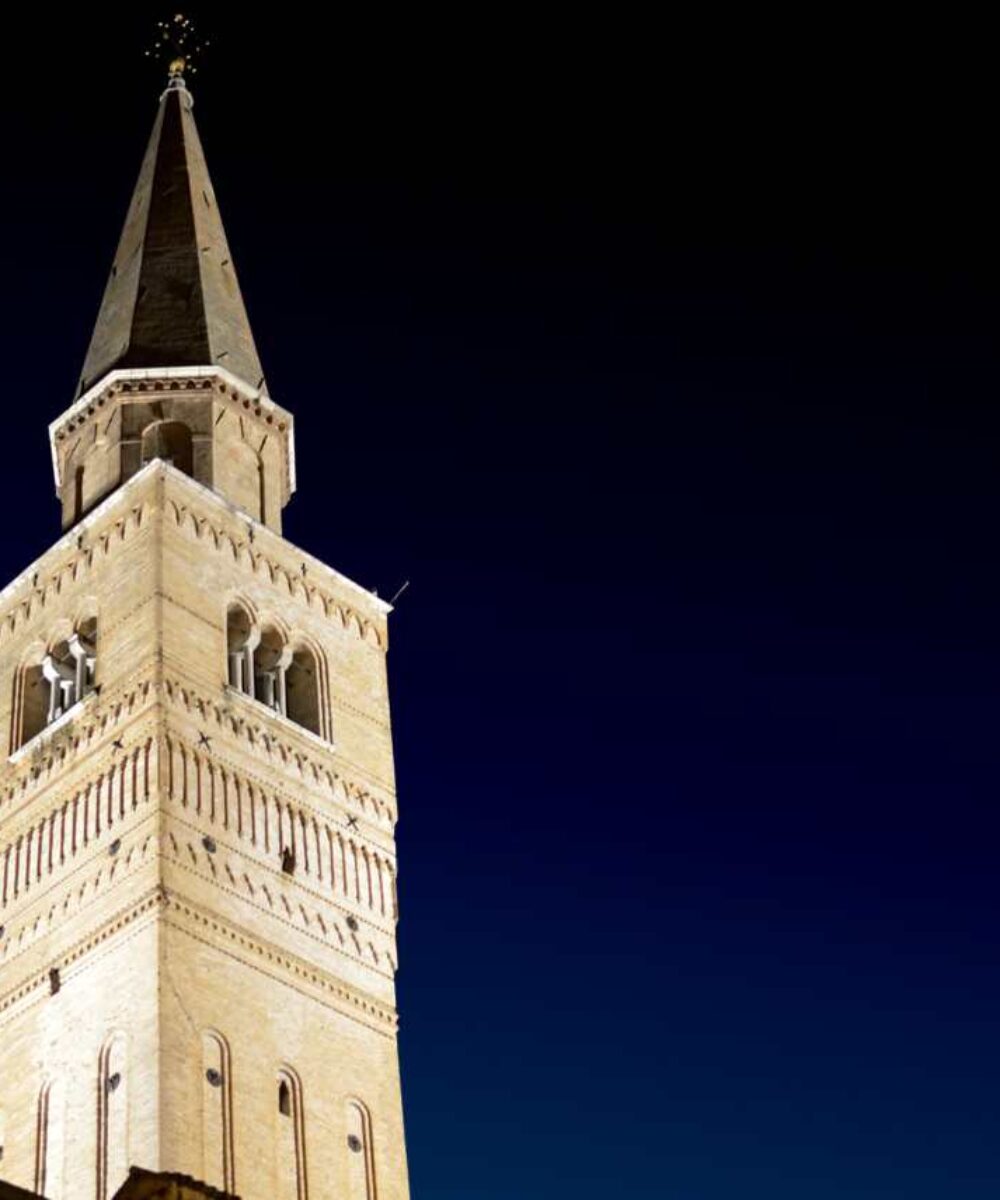
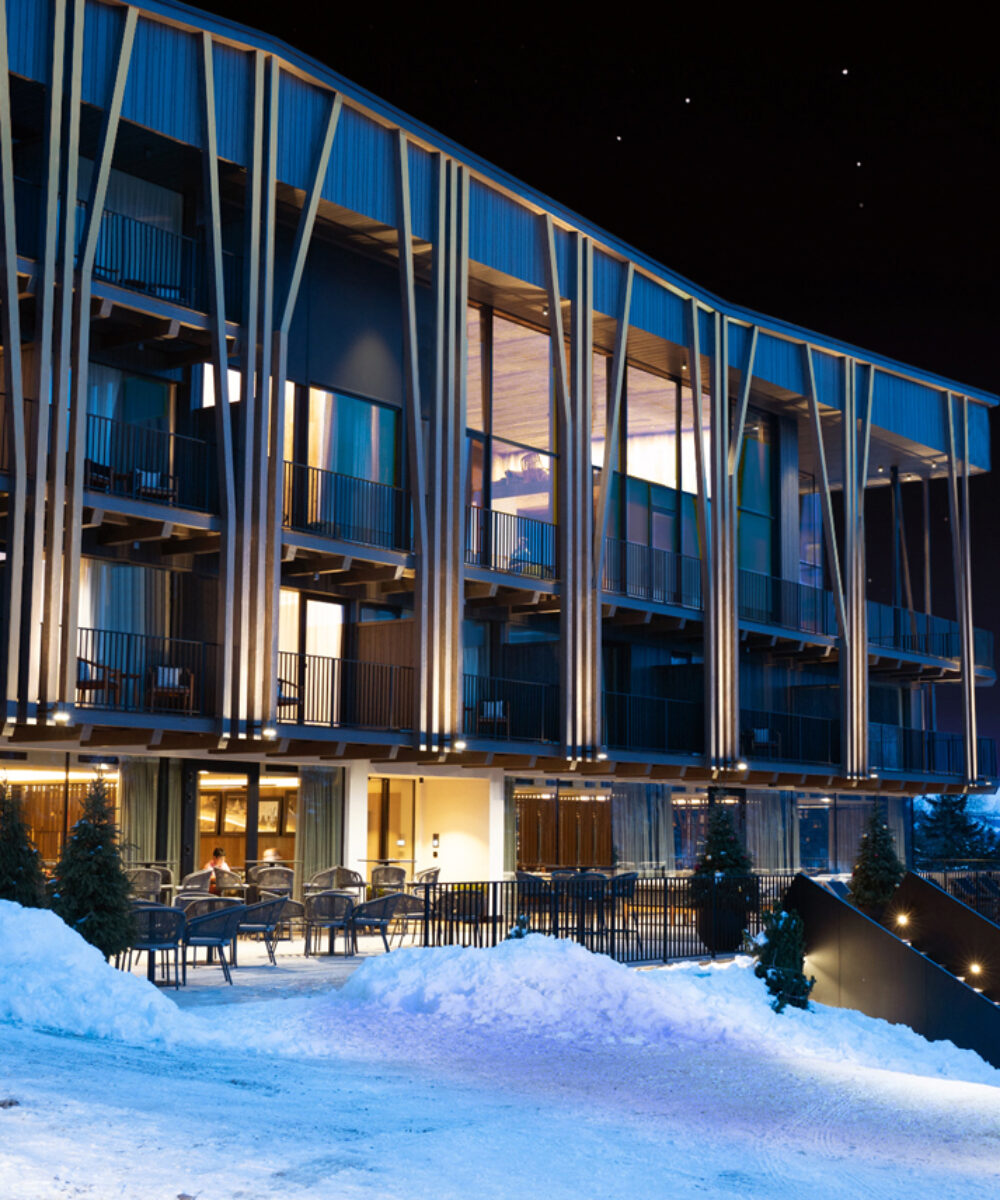
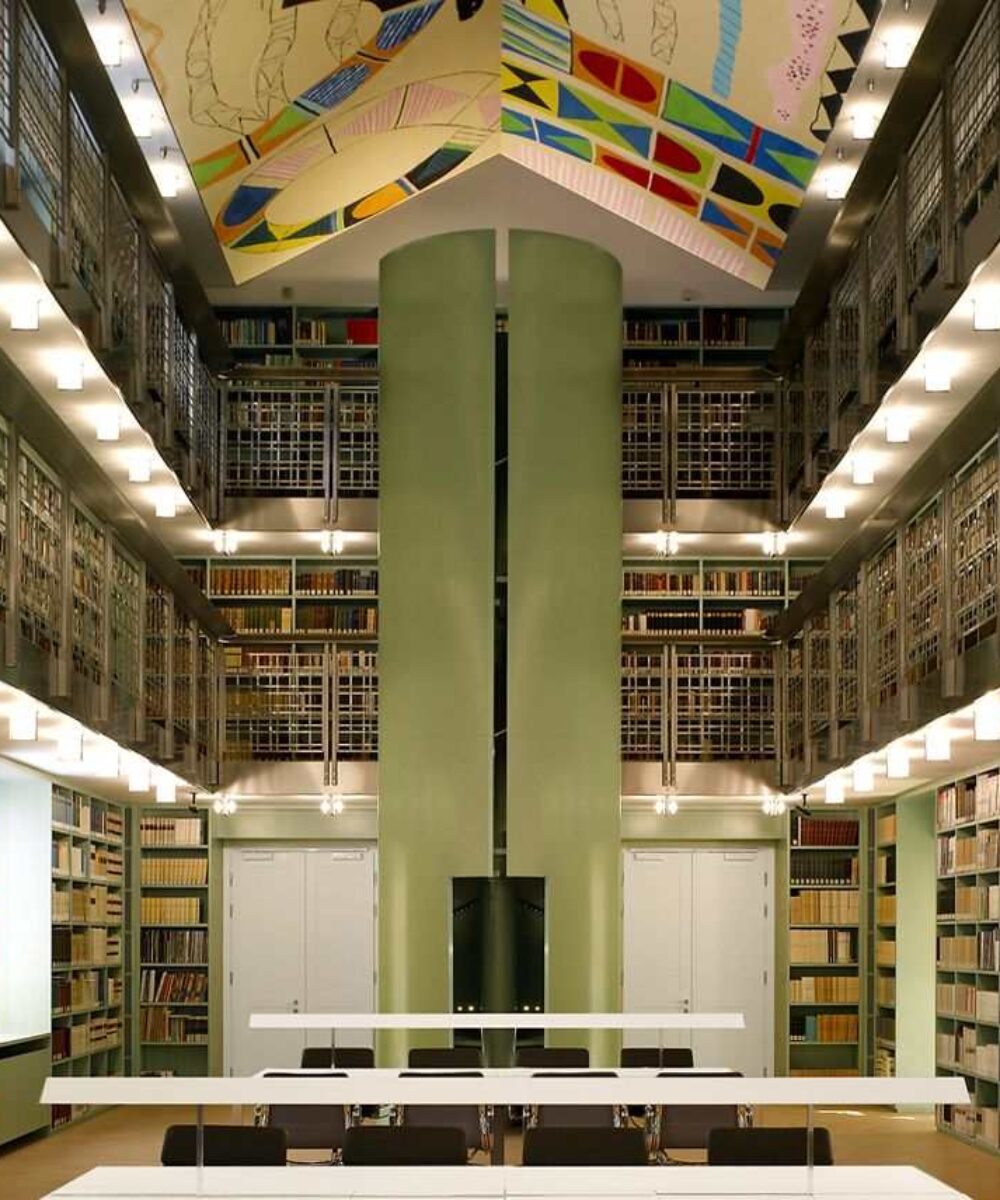
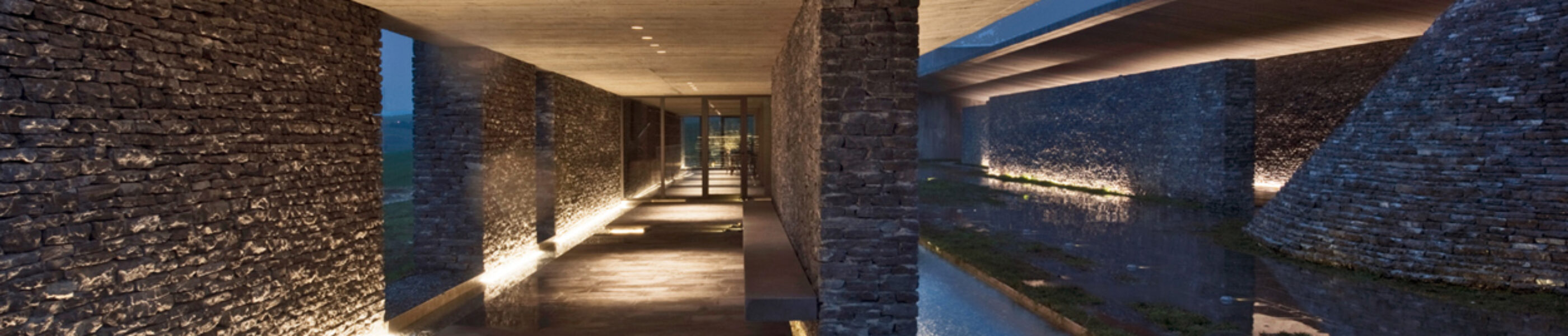
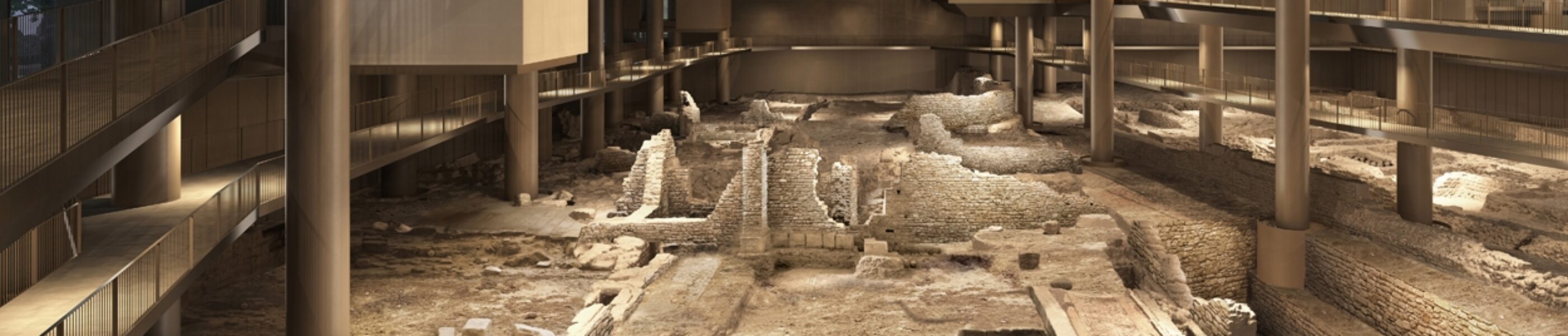
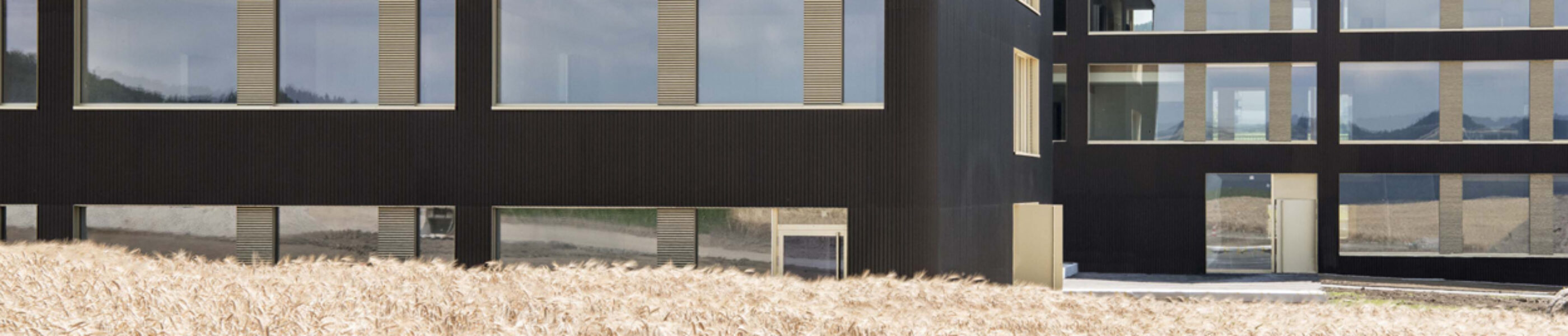
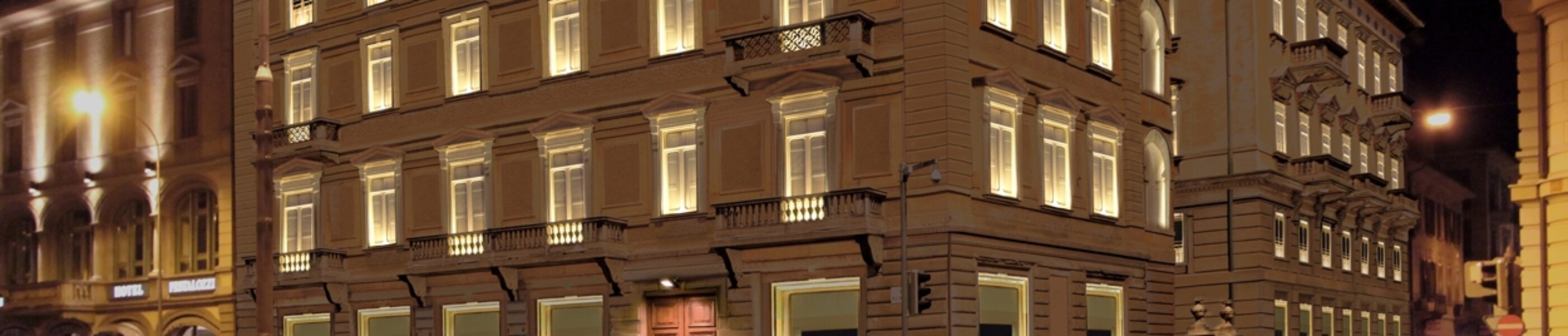
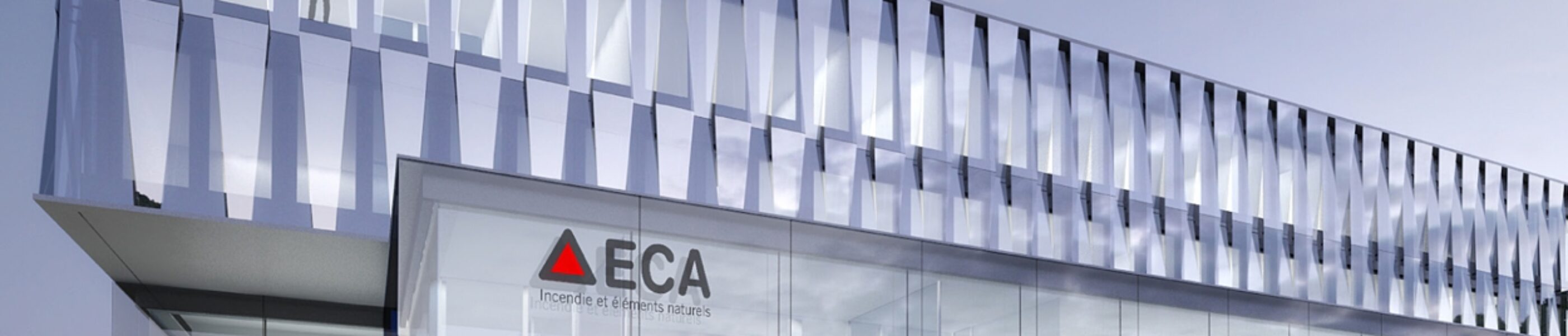
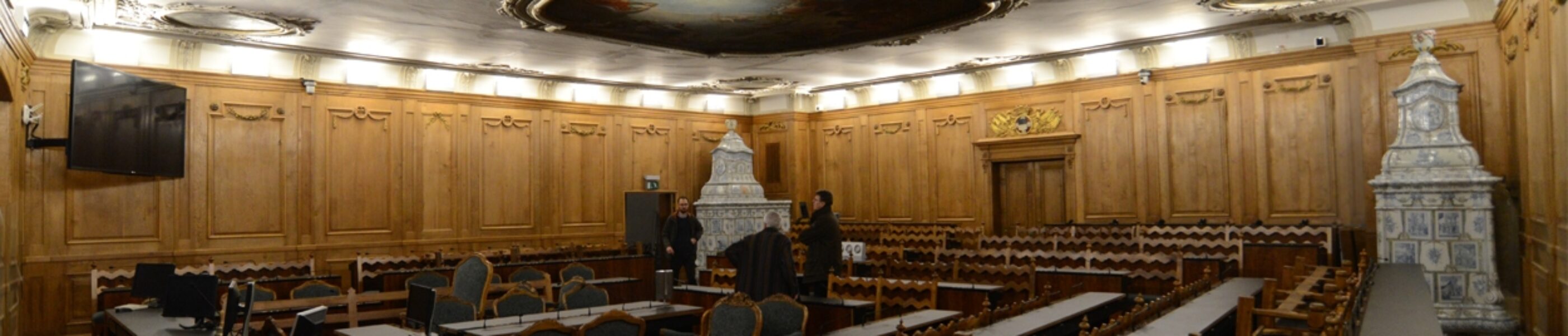
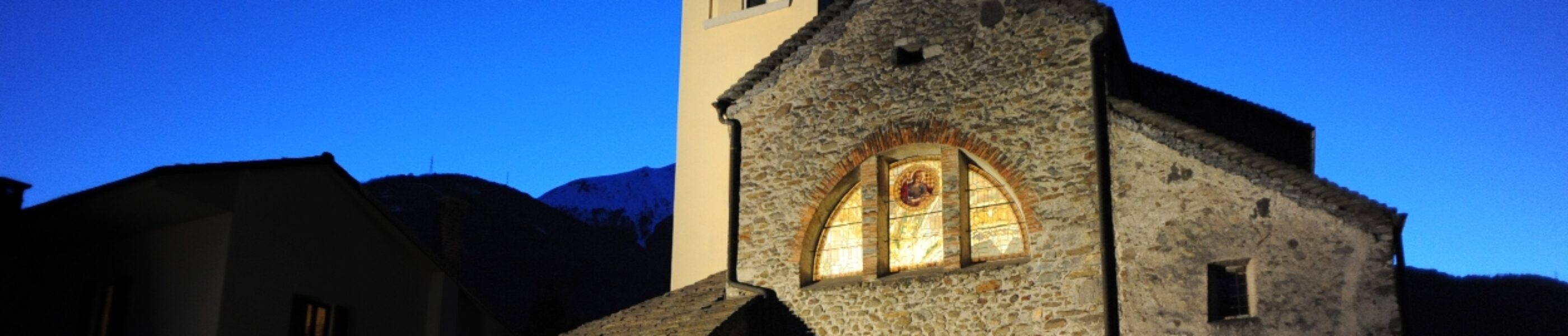
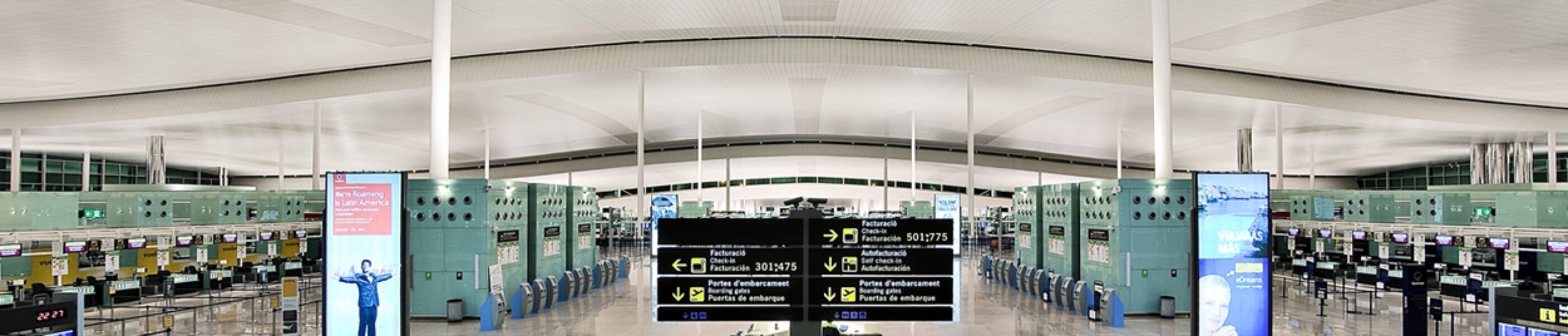
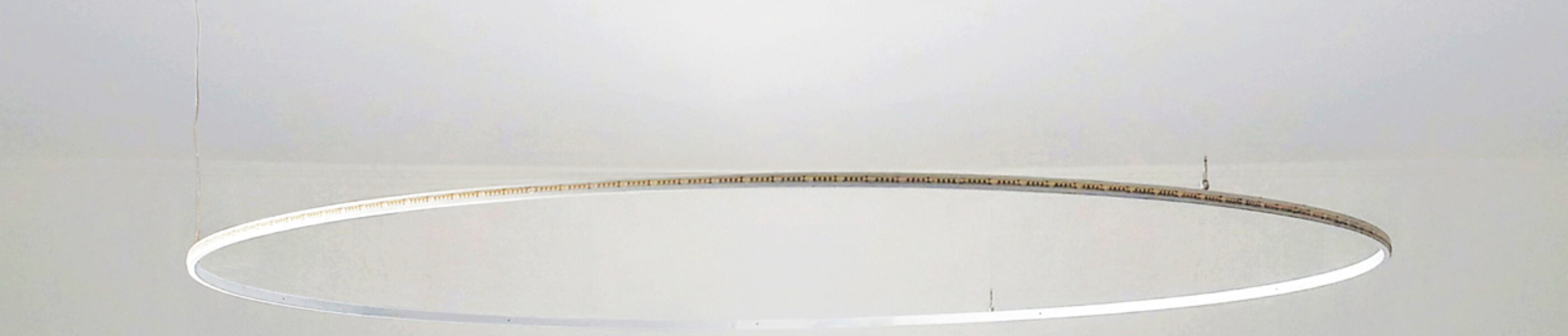
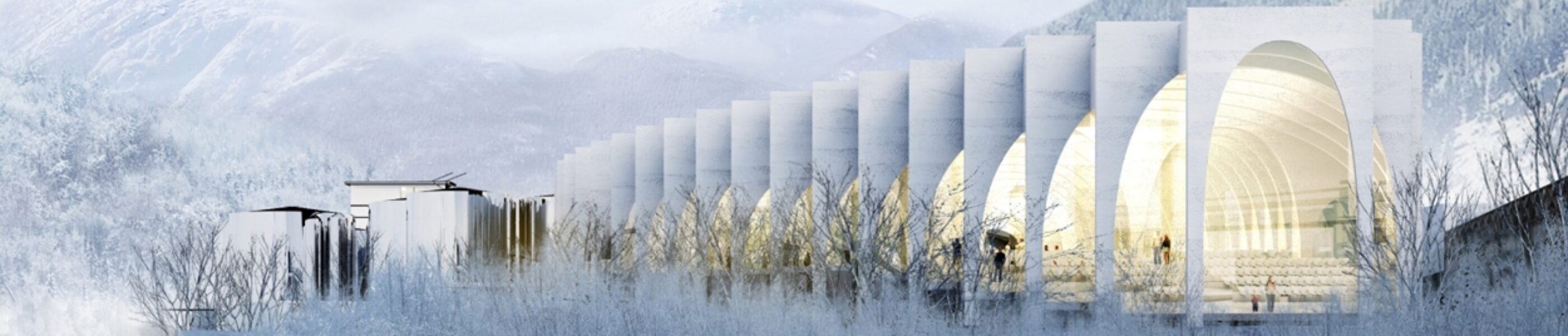
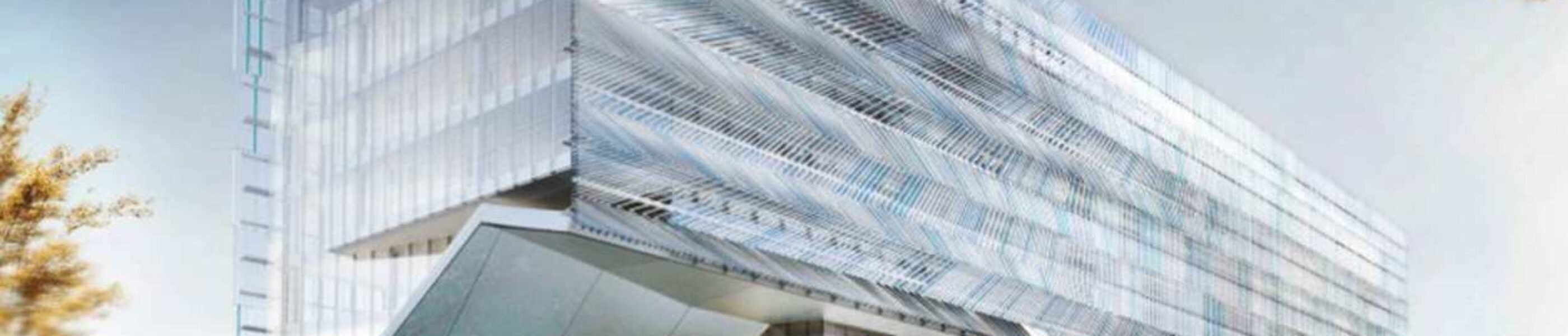
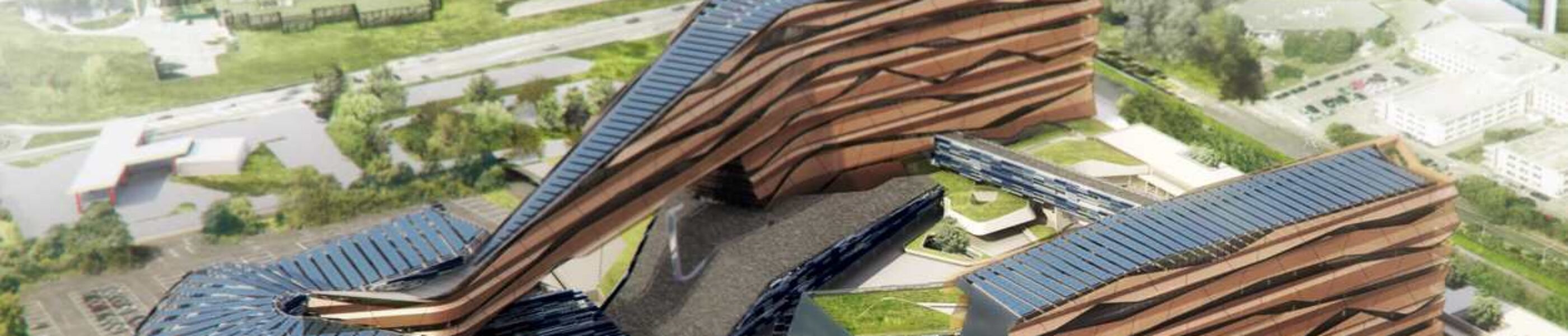
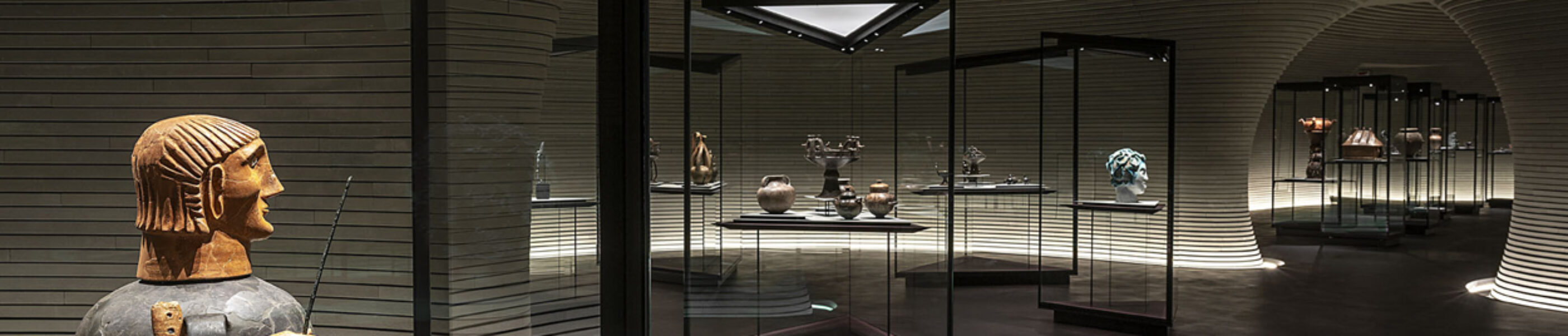
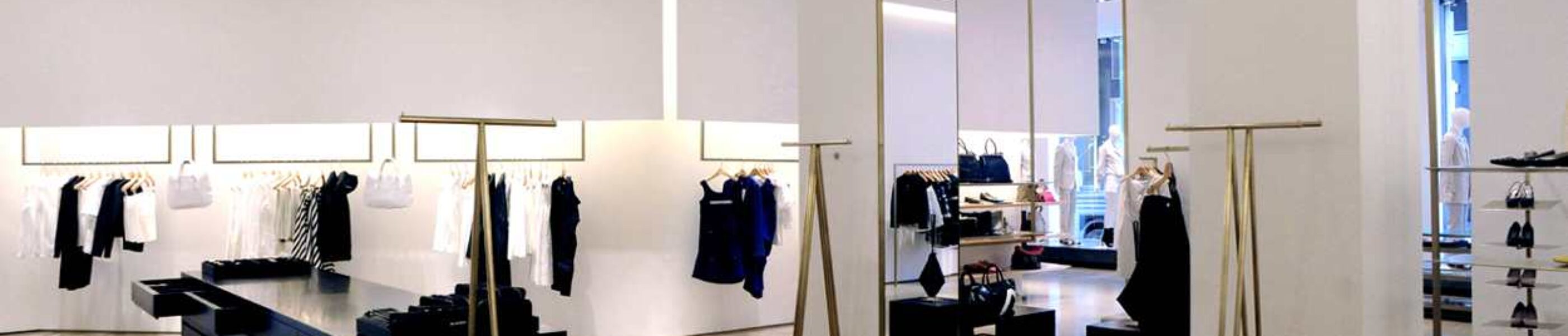
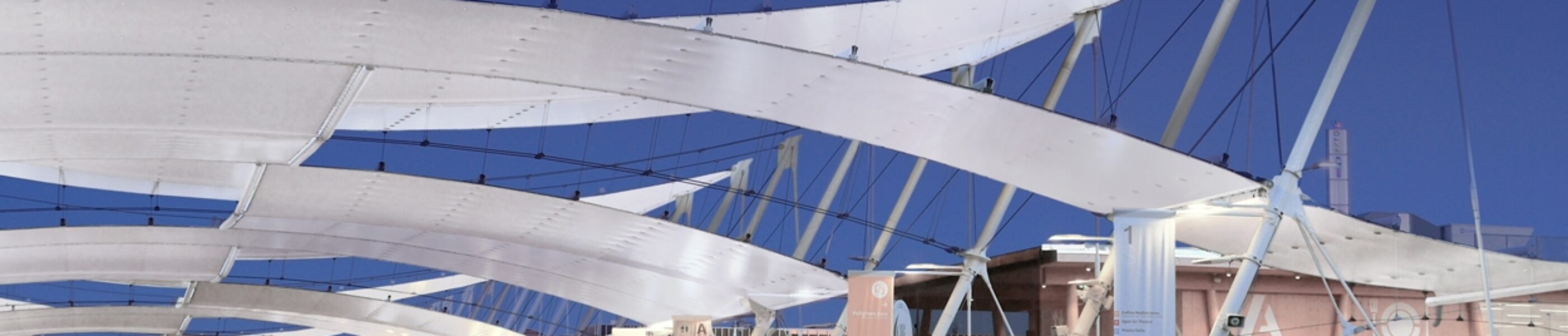
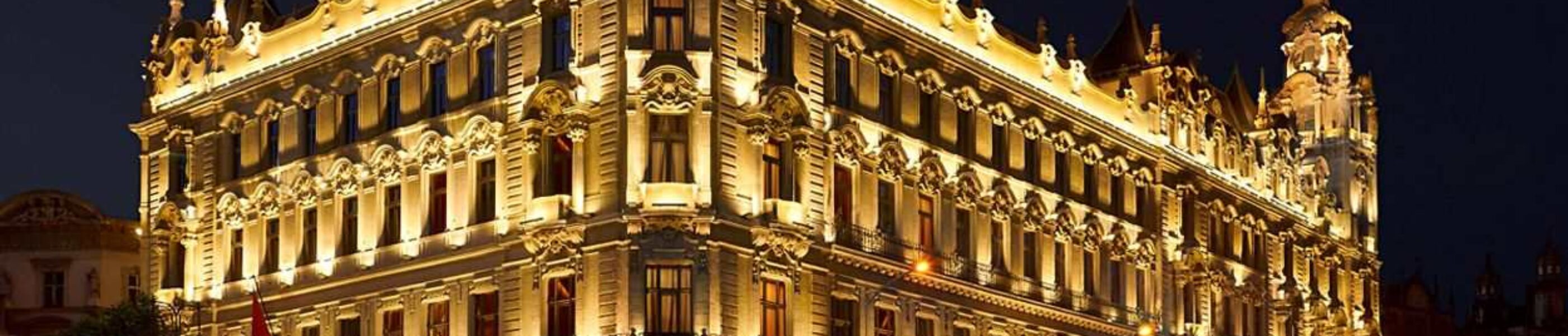
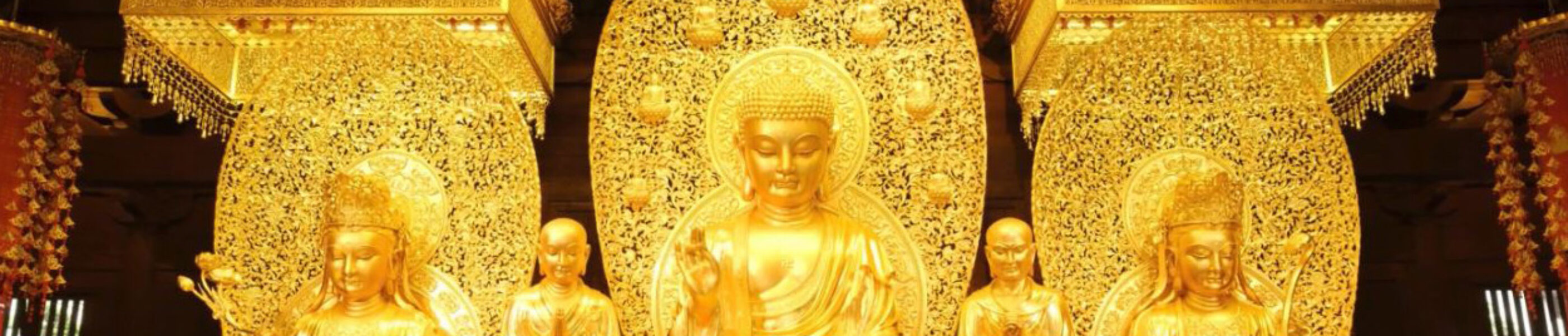
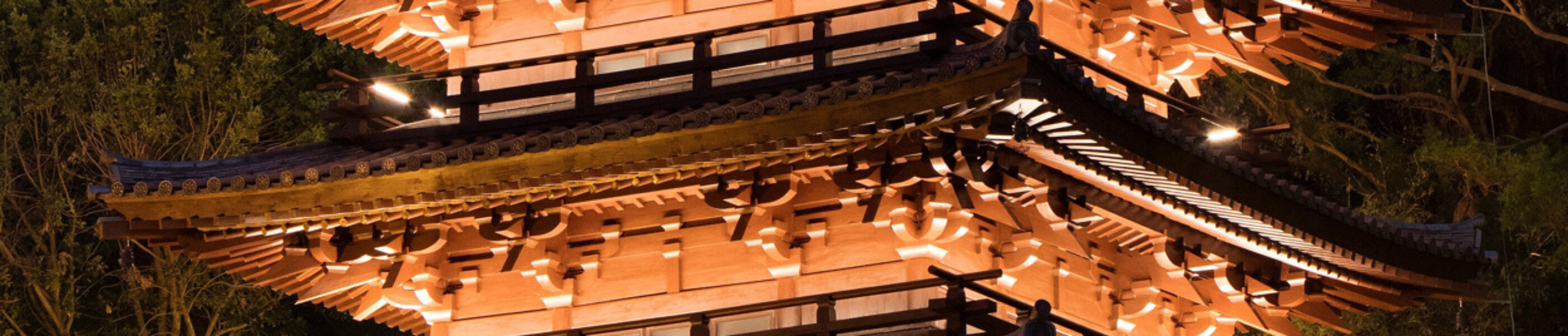
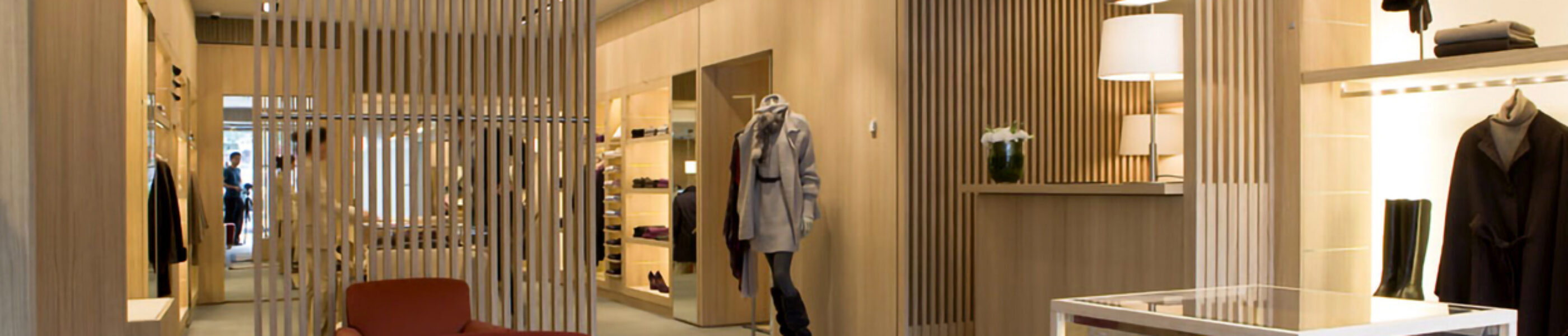
This section brings together a representative selection of lighting design projects in the architectural, museum, urban, cultural, retail, hospitality, and infrastructure sectors, both in Italy and abroad. The gallery documents projects of varying scale, function, and context, all sharing an approach to light as a tool for interpreting space, capable of engaging with architecture, artworks, landscape, and contemporary use.
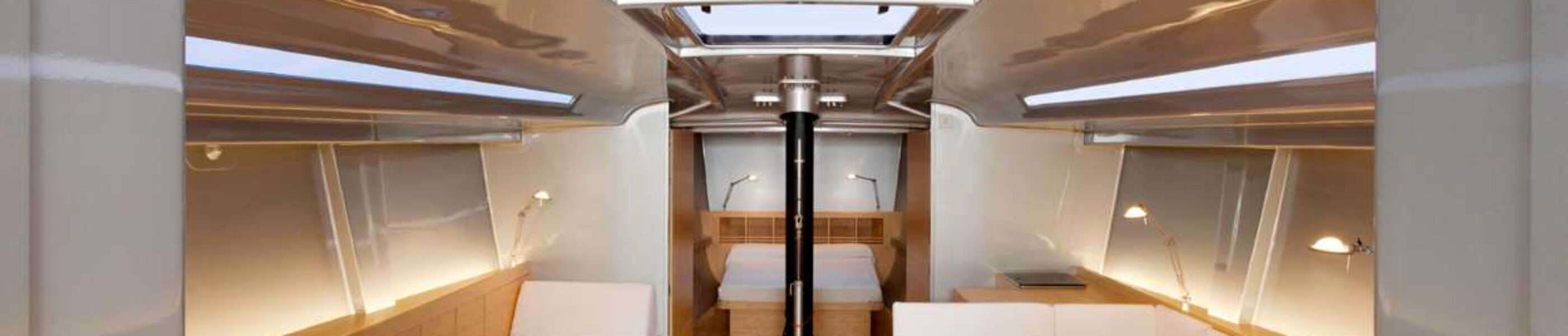
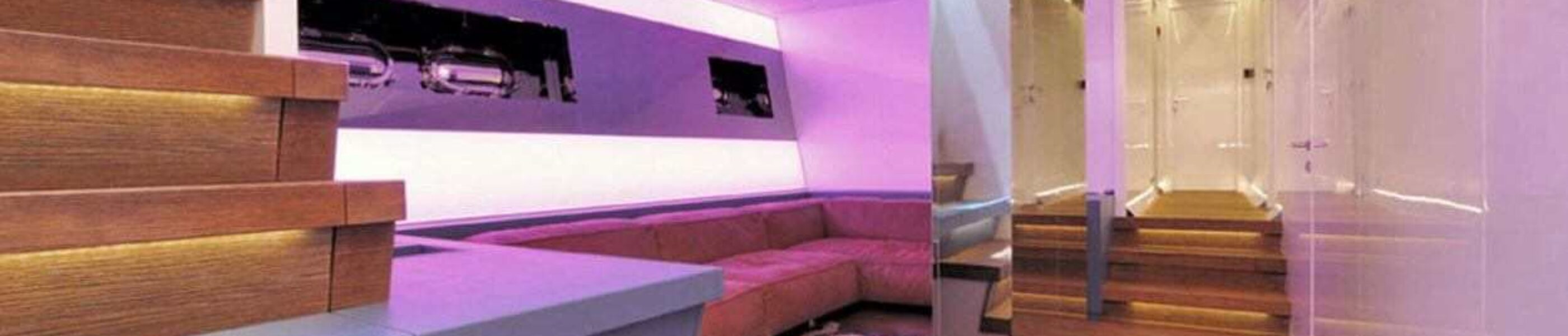
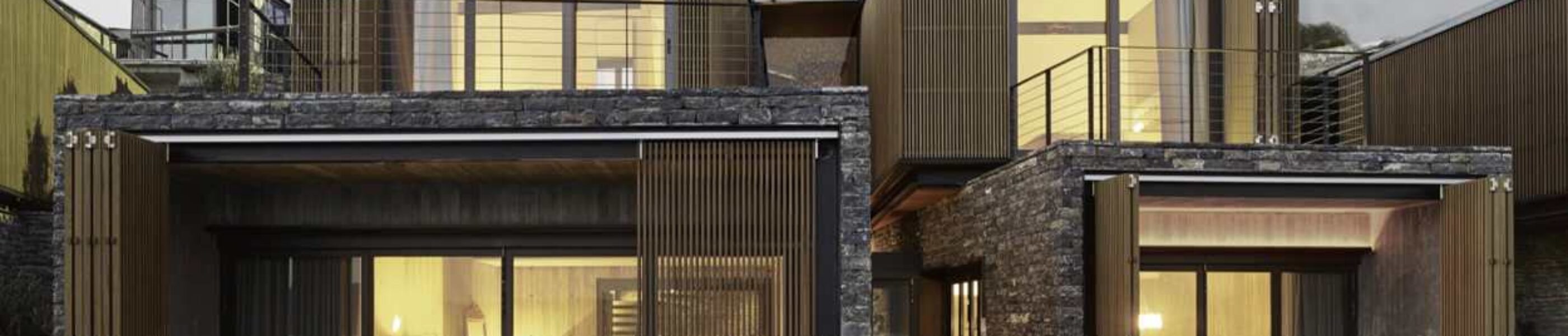
The projects presented range from museums, foundations, and temporary exhibitions to historic buildings, places of worship, public spaces, and urban complexes, including corporate headquarters, private residences, yachts, and lighting masterplans. In each project, light is designed as a controlled material, calibrated to the characteristics of the location, its functional needs, and the perceptual quality of the experience.
Taken together, the collected works convey a vision of lighting design as an integrated process, in which technical rigor, cultural sensitivity, and attention to context contribute to the construction of spatial identity, orientation, and value. The gallery thus takes the form of a design map, capable of demonstrating how light can take on different roles—discrete or declared—while always maintaining coherence, measure, and design awareness.
This section brings together a representative selection of lighting design projects in the architectural, museum, urban, cultural, retail, hospitality, and infrastructure sectors, both in Italy and abroad. The gallery documents projects of varying scale, function, and context, all sharing an approach to light as a tool for interpreting space, capable of engaging with architecture, artworks, landscape, and contemporary use.
The projects presented range from museums, foundations, and temporary exhibitions to historic buildings, places of worship, public spaces, and urban complexes, including corporate headquarters, private residences, yachts, and lighting masterplans. In each project, light is designed as a controlled material, calibrated to the characteristics of the location, its functional needs, and the perceptual quality of the experience.
Taken together, the collected works convey a vision of lighting design as an integrated process, in which technical rigor, cultural sensitivity, and attention to context contribute to the construction of spatial identity, orientation, and value. The gallery thus takes the form of a design map, capable of demonstrating how light can take on different roles—discrete or declared—while always maintaining coherence, measure, and design awareness.