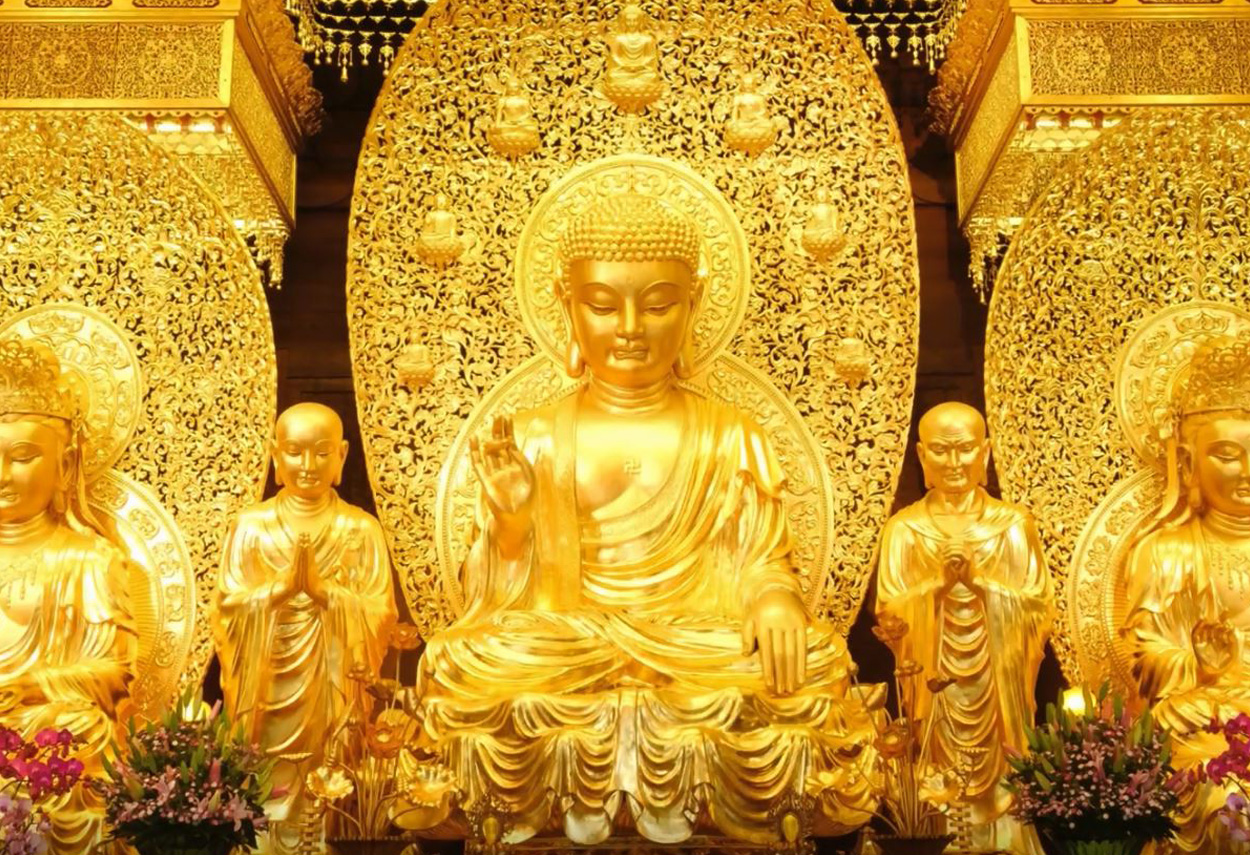
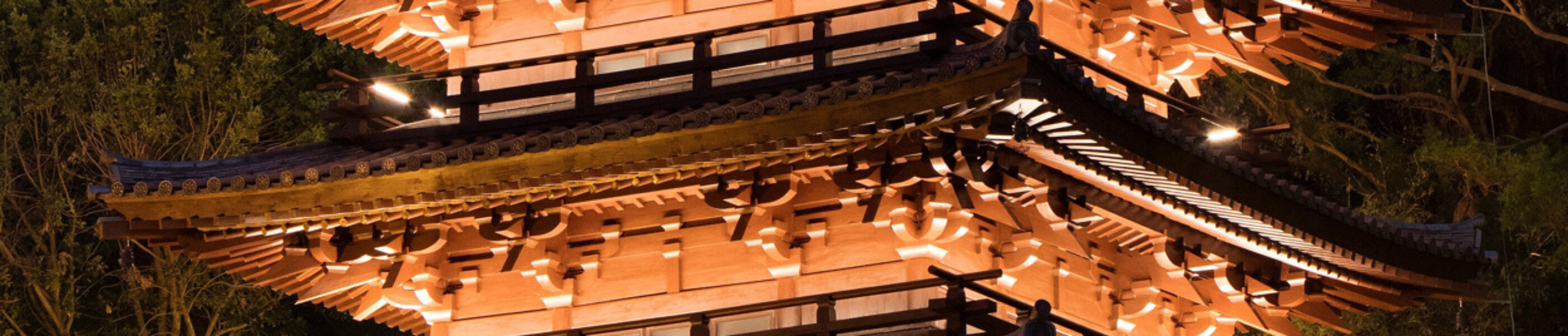
The main hall marks the furthest point where lay people may enter the nunnery, a place of worship housing golden statues of Buddha. Like the whole structure of the architectural complex, the Main Hall was built by interlocking all the wooden components without the use of nails to emphasize the harmony between mankind and nature. The concept followed this philosophy, making the work as least invasive as possible, concealing the lighting equipment from the eye of the observer. The project lighting provides for three scenarios.
1 – The frontal lighting of the statues. Track-mounted projectors used with 19-degree optics, whose composition of beams produces even lighting with high illuminance values, emphasizing the importance of the role of divinities in Buddhist worship.
2 – Lighting of the statues from above. To bring out and emphasize the facial features, with strip LEDs installed in the profile of the roof structures of each individual statue.
3 – General lighting. Dimmable recessed devices will be installed in the roof structure to allow the various functions to be carried out and make the different areas recognizable.
The technical features of the devices are the same as those of the projectors used for the statues, to maintain the uniformity of the visual field. The devices will exclusively use LED sources, with a high color rendering index, to ensure the best perception of the color output.
The client's request is to have a customisable lighting design, which can respond to all the functions taking place in this space. Different lighting scenarios are planned: one for cleaning, one for visiting tourists, one following religious events, one for moments of prayer, (...), emphasising the importance of the deities in the Buddhist cult. Through sources with colour rendering index the three-dimensionality of the statues is exalted, emphasising the features of their faces.
Client:
Studio Formandi
Collaborations:
Chi Lin Nunnery
Photo Courtesy:
Studio Formandi
Year:
2019
The main hall marks the furthest point where lay people may enter the nunnery, a place of worship housing golden statues of Buddha. Like the whole structure of the architectural complex, the Main Hall was built by interlocking all the wooden components without the use of nails to emphasize the harmony between mankind and nature. The concept followed this philosophy, making the work as least invasive as possible, concealing the lighting equipment from the eye of the observer. The project lighting provides for three scenarios.
1 – The frontal lighting of the statues. Track-mounted projectors used with 19-degree optics, whose composition of beams produces even lighting with high illuminance values, emphasizing the importance of the role of divinities in Buddhist worship.
2 – Lighting of the statues from above. To bring out and emphasize the facial features, with strip LEDs installed in the profile of the roof structures of each individual statue.
3 – General lighting. Dimmable recessed devices will be installed in the roof structure to allow the various functions to be carried out and make the different areas recognizable.
The technical features of the devices are the same as those of the projectors used for the statues, to maintain the uniformity of the visual field. The devices will exclusively use LED sources, with a high color rendering index, to ensure the best perception of the color output.
The client's request is to have a customisable lighting design, which can respond to all the functions taking place in this space. Different lighting scenarios are planned: one for cleaning, one for visiting tourists, one following religious events, one for moments of prayer, (...), emphasising the importance of the deities in the Buddhist cult. Through sources with colour rendering index the three-dimensionality of the statues is exalted, emphasising the features of their faces.
Client:
Studio Formandi
Collaborations:
Chi Lin Nunnery
Photo Courtesy:
Studio Formandi
Year:
2019
Other Projects
Other Projects
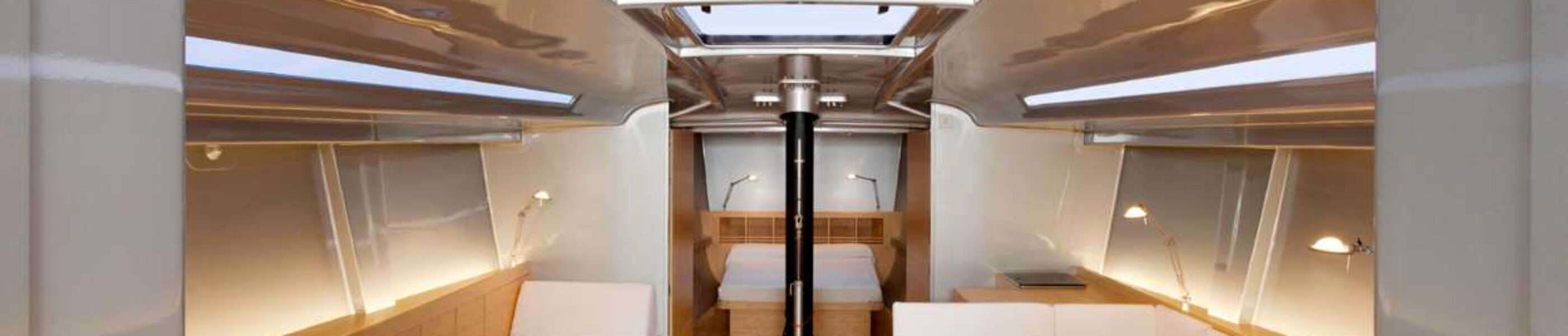
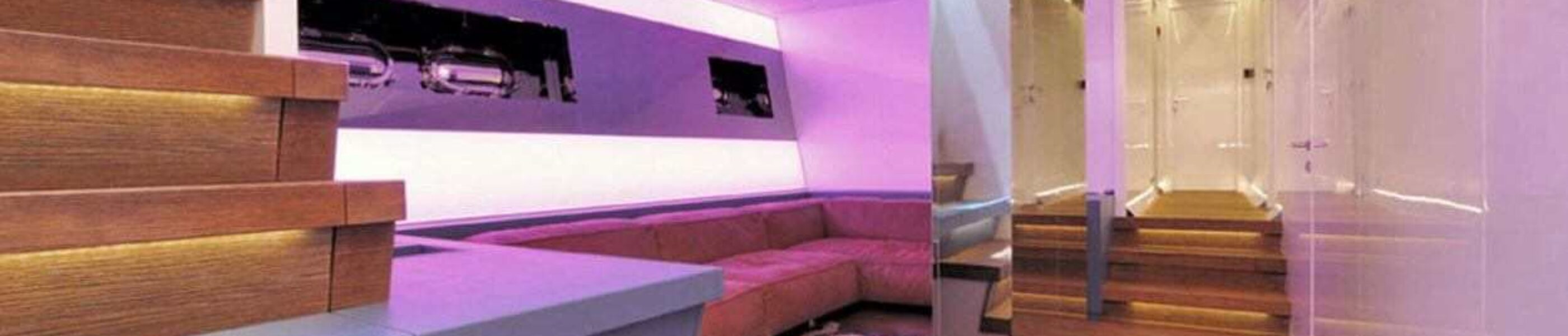
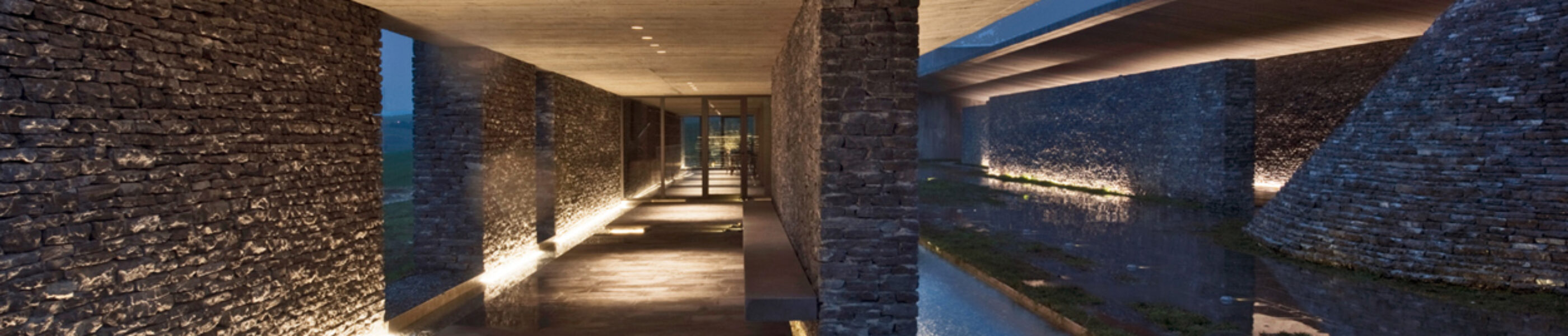
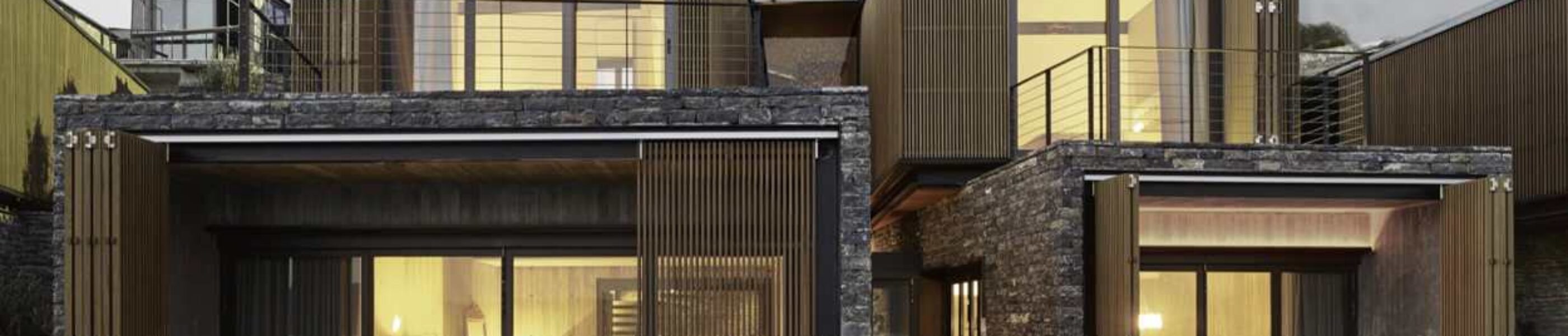
This section brings together a representative selection of lighting design projects in the architectural, museum, urban, cultural, retail, hospitality, and infrastructure sectors, both in Italy and abroad. The gallery documents projects of varying scale, function, and context, all sharing an approach to light as a tool for interpreting space, capable of engaging with architecture, artworks, landscape, and contemporary use.
The projects presented range from museums, foundations, and temporary exhibitions to historic buildings, places of worship, public spaces, and urban complexes, including corporate headquarters, private residences, yachts, and lighting masterplans. In each project, light is designed as a controlled material, calibrated to the characteristics of the location, its functional needs, and the perceptual quality of the experience.
Taken together, the collected works convey a vision of lighting design as an integrated process, in which technical rigor, cultural sensitivity, and attention to context contribute to the construction of spatial identity, orientation, and value. The gallery thus takes the form of a design map, capable of demonstrating how light can take on different roles—discrete or declared—while always maintaining coherence, measure, and design awareness.
This section brings together a representative selection of lighting design projects in the architectural, museum, urban, cultural, retail, hospitality, and infrastructure sectors, both in Italy and abroad. The gallery documents projects of varying scale, function, and context, all sharing an approach to light as a tool for interpreting space, capable of engaging with architecture, artworks, landscape, and contemporary use.
The projects presented range from museums, foundations, and temporary exhibitions to historic buildings, places of worship, public spaces, and urban complexes, including corporate headquarters, private residences, yachts, and lighting masterplans. In each project, light is designed as a controlled material, calibrated to the characteristics of the location, its functional needs, and the perceptual quality of the experience.
Taken together, the collected works convey a vision of lighting design as an integrated process, in which technical rigor, cultural sensitivity, and attention to context contribute to the construction of spatial identity, orientation, and value. The gallery thus takes the form of a design map, capable of demonstrating how light can take on different roles—discrete or declared—while always maintaining coherence, measure, and design awareness.