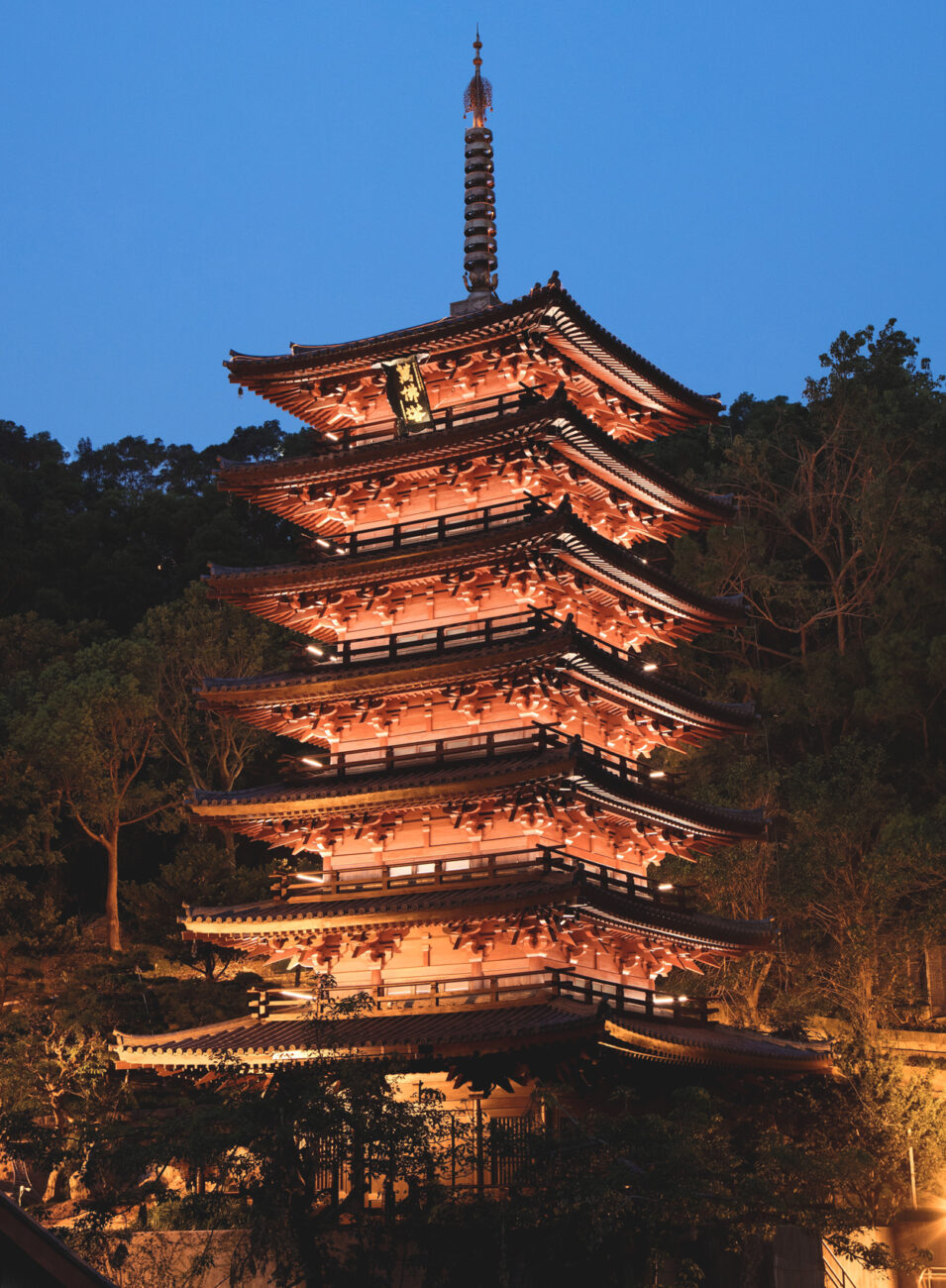
Nestled between majestic buildings on Diamond Hill in Kowloon, the Buddhist temple known as the Chi Lin Nunnery, founded in 1930, was completely rebuilt in 1998. The temple was designed according to the architectural tradition of the Tang Dynasty. The purpose of the architecture (consisting of wooden sections interconnected without a single nail) is to demonstrate the harmony of mankind with nature. In the midst of lotus ponds, bonsai tea trees, and bougainvillea, the silent nuns make fruit and rice offerings to Buddha, while Arhats (Buddhist disciples freed from the cycle of birth and death) recite behind carved screens. The project concerns an important part of the convent: the pagoda. The concept adheres to the design philosophy of the whole architectural complex, making the work as nonintrusive as possible. The lighting design will generate a “floating pagoda”, which appears to be detached from the ground and raised upwards, like the knowledge which, by nourishing our soul, raises us higher and higher, detaching us from material goods (philosophy of Buddhist thought). Small spotlights will be installed on the ground floor, recreating the “floating” effect, while a line of LEDs will be installed along the outer railing of each tier, creating even lighting on the walls. Spotlights on the roof will accent the long pillar (yasti), while the lower entrance stairs will be illuminated by strip LEDs placed in the handrail.
Client:
Studio Formandi
Collaborations:
Chi Lin Nunnery
Photo Courtesy:
Studio Formandi
Year:
2018
Nestled between majestic buildings on Diamond Hill in Kowloon, the Buddhist temple known as the Chi Lin Nunnery, founded in 1930, was completely rebuilt in 1998. The temple was designed according to the architectural tradition of the Tang Dynasty. The purpose of the architecture (consisting of wooden sections interconnected without a single nail) is to demonstrate the harmony of mankind with nature. In the midst of lotus ponds, bonsai tea trees, and bougainvillea, the silent nuns make fruit and rice offerings to Buddha, while Arhats (Buddhist disciples freed from the cycle of birth and death) recite behind carved screens. The project concerns an important part of the convent: the pagoda. The concept adheres to the design philosophy of the whole architectural complex, making the work as nonintrusive as possible. The lighting design will generate a “floating pagoda”, which appears to be detached from the ground and raised upwards, like the knowledge which, by nourishing our soul, raises us higher and higher, detaching us from material goods (philosophy of Buddhist thought). Small spotlights will be installed on the ground floor, recreating the “floating” effect, while a line of LEDs will be installed along the outer railing of each tier, creating even lighting on the walls. Spotlights on the roof will accent the long pillar (yasti), while the lower entrance stairs will be illuminated by strip LEDs placed in the handrail.
Client:
Studio Formandi
Collaborations:
Chi Lin Nunnery
Photo Courtesy:
Studio Formandi
Year:
2018
Other Projects
Other Projects
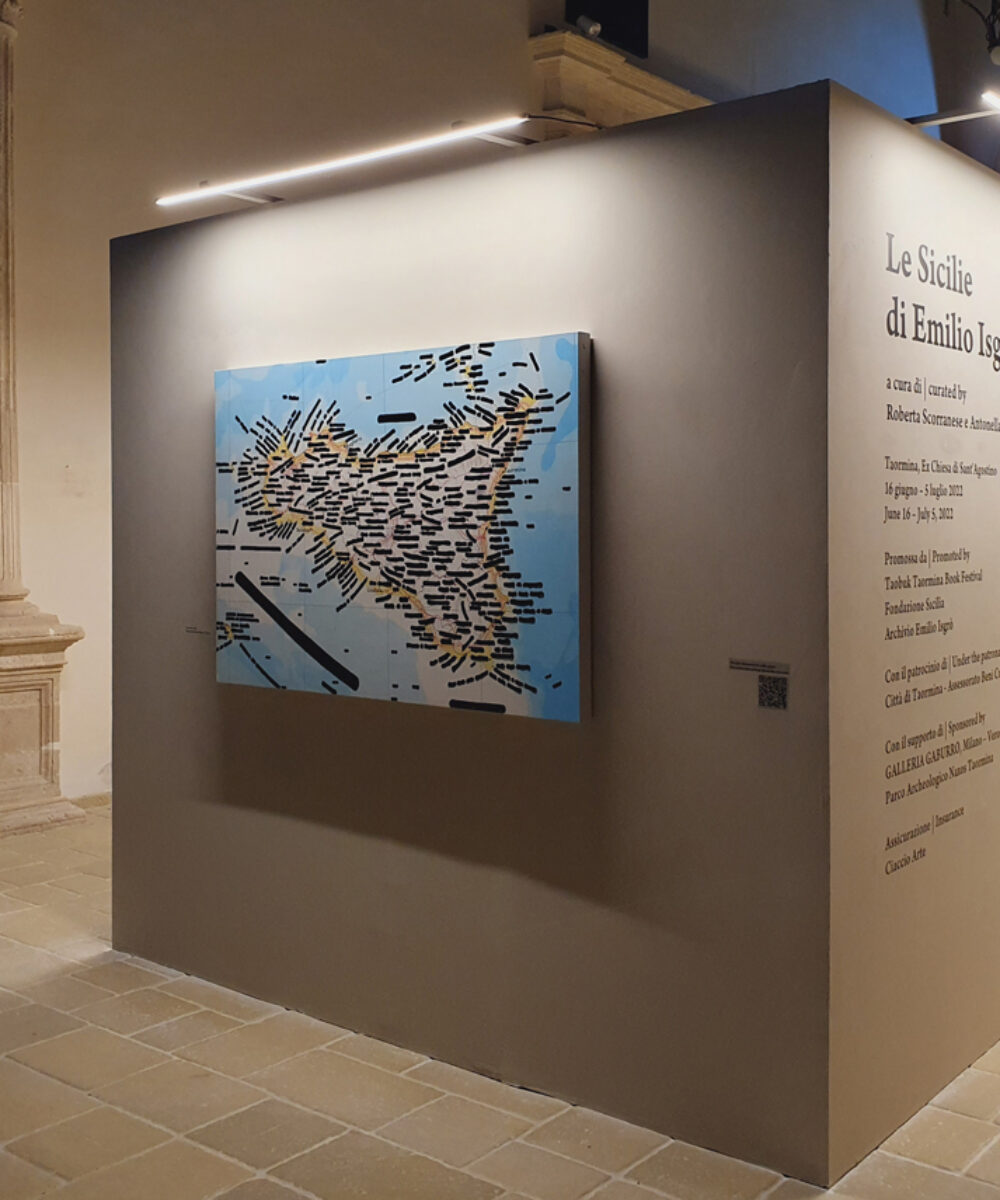
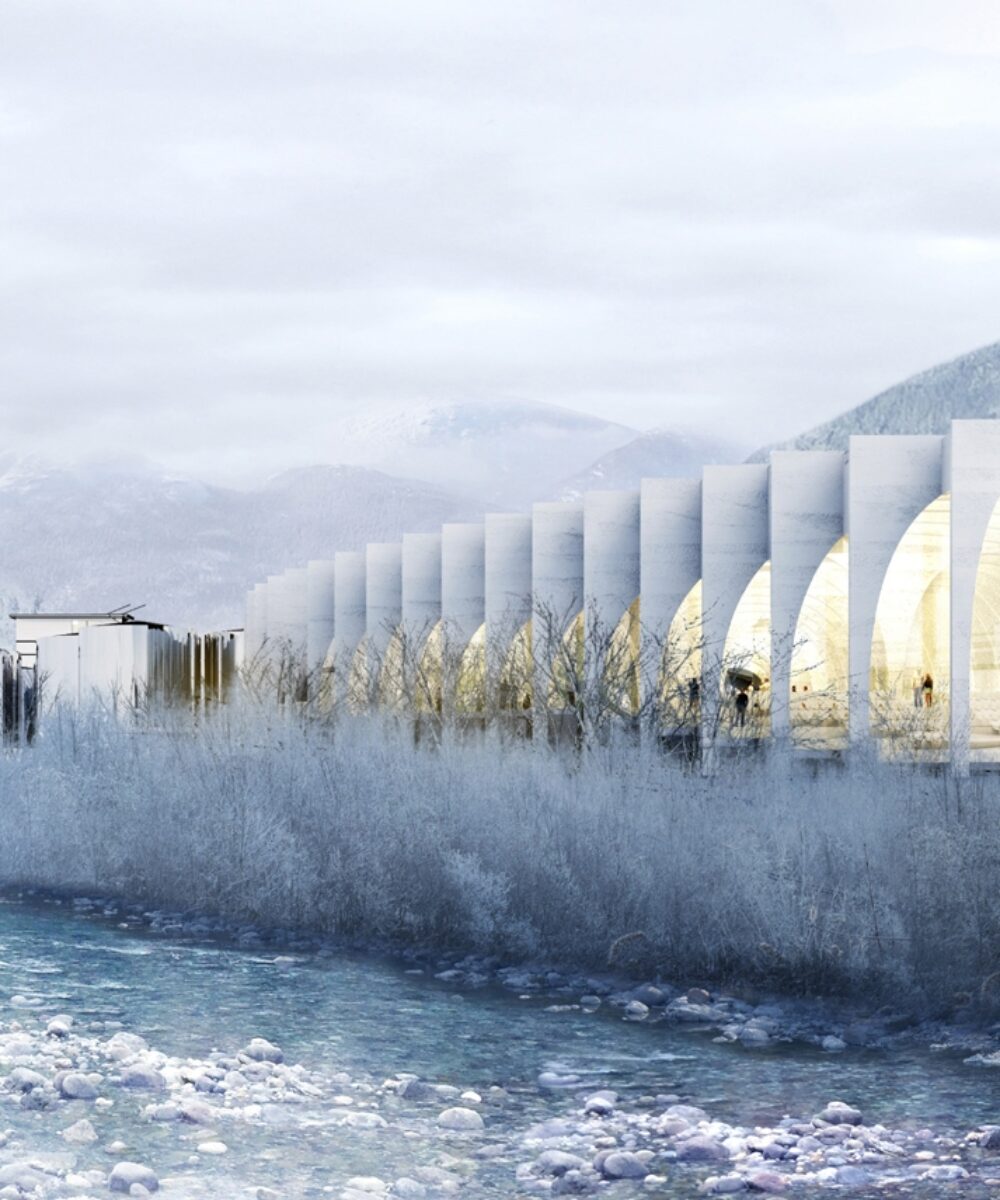
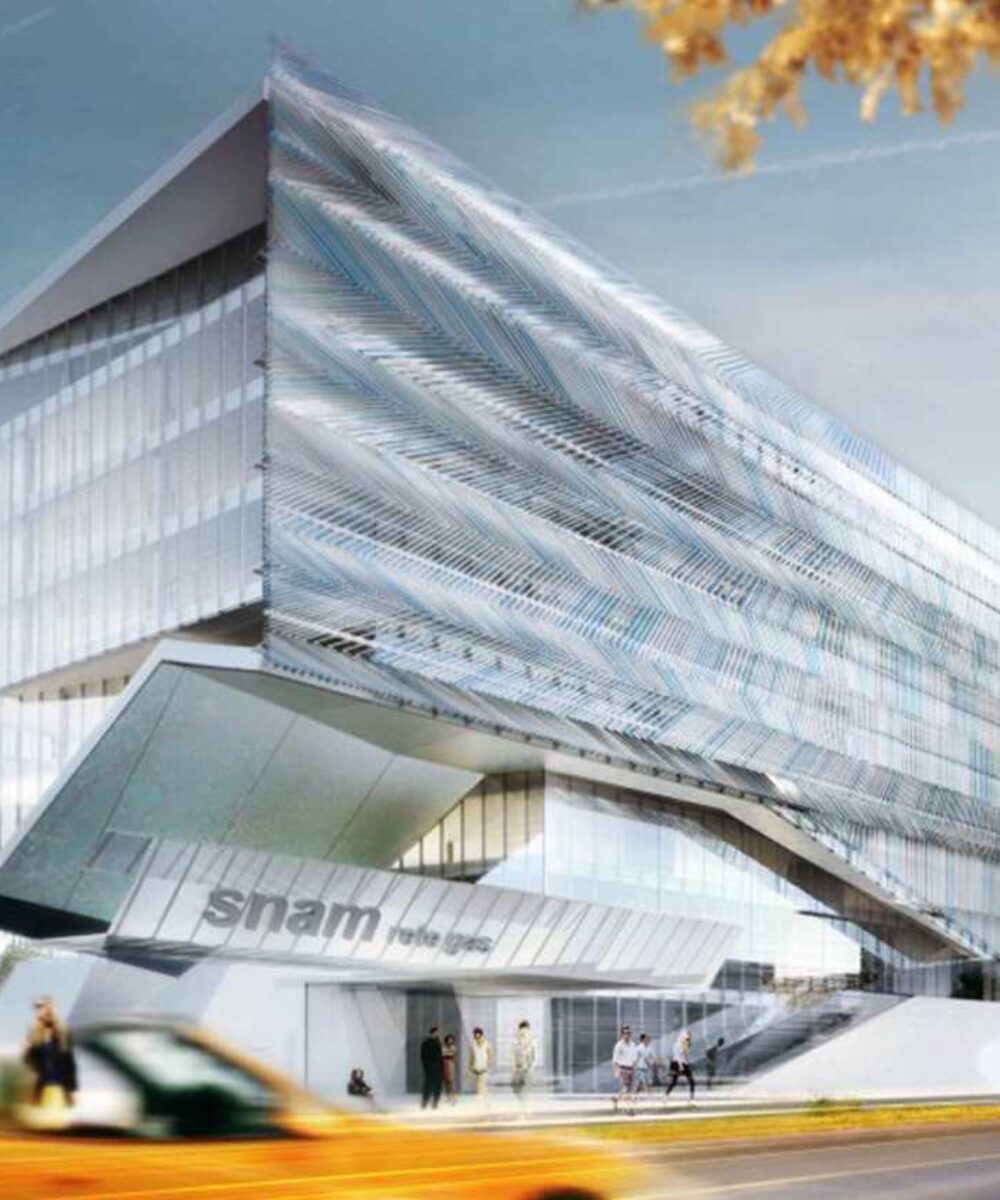
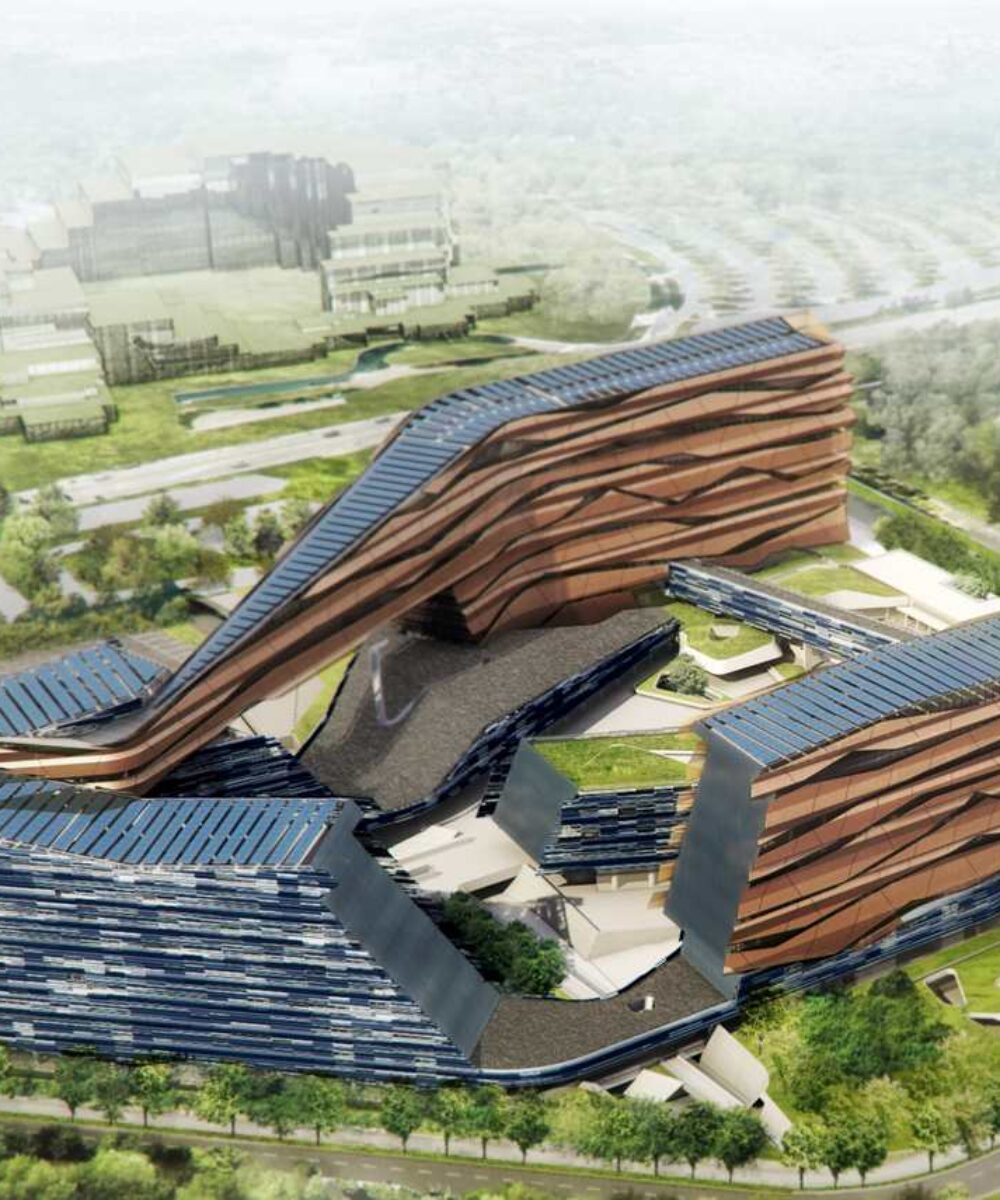
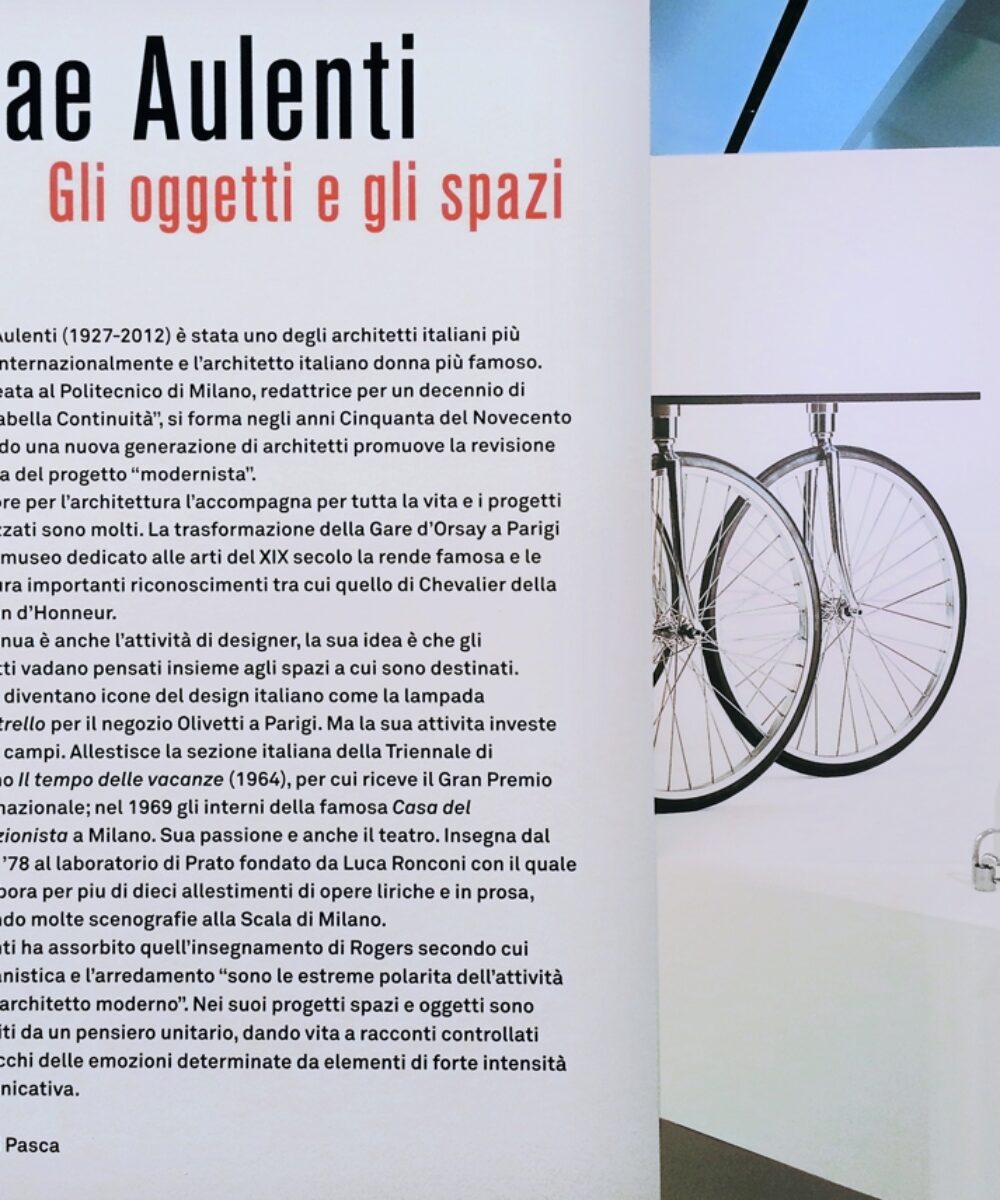
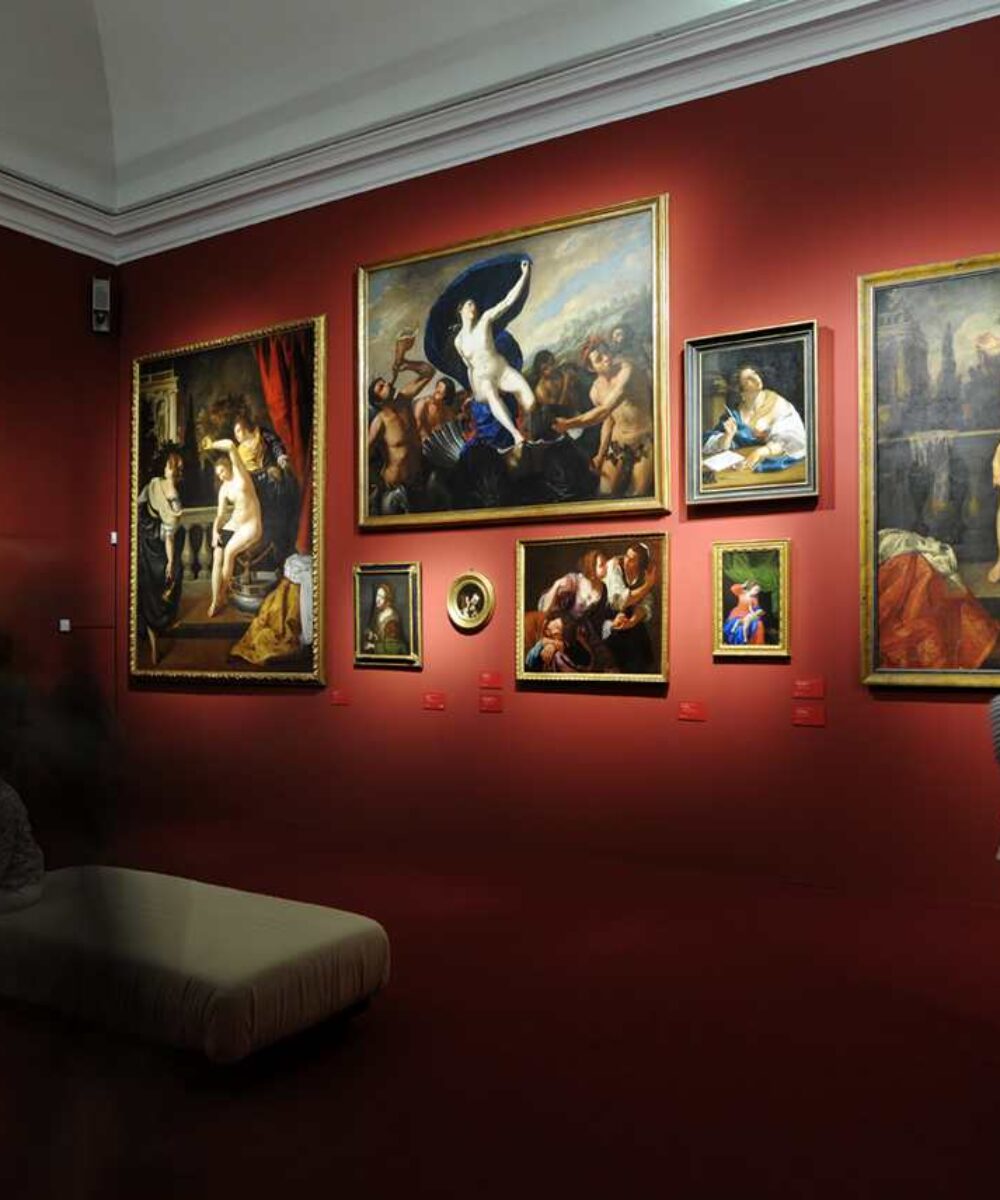
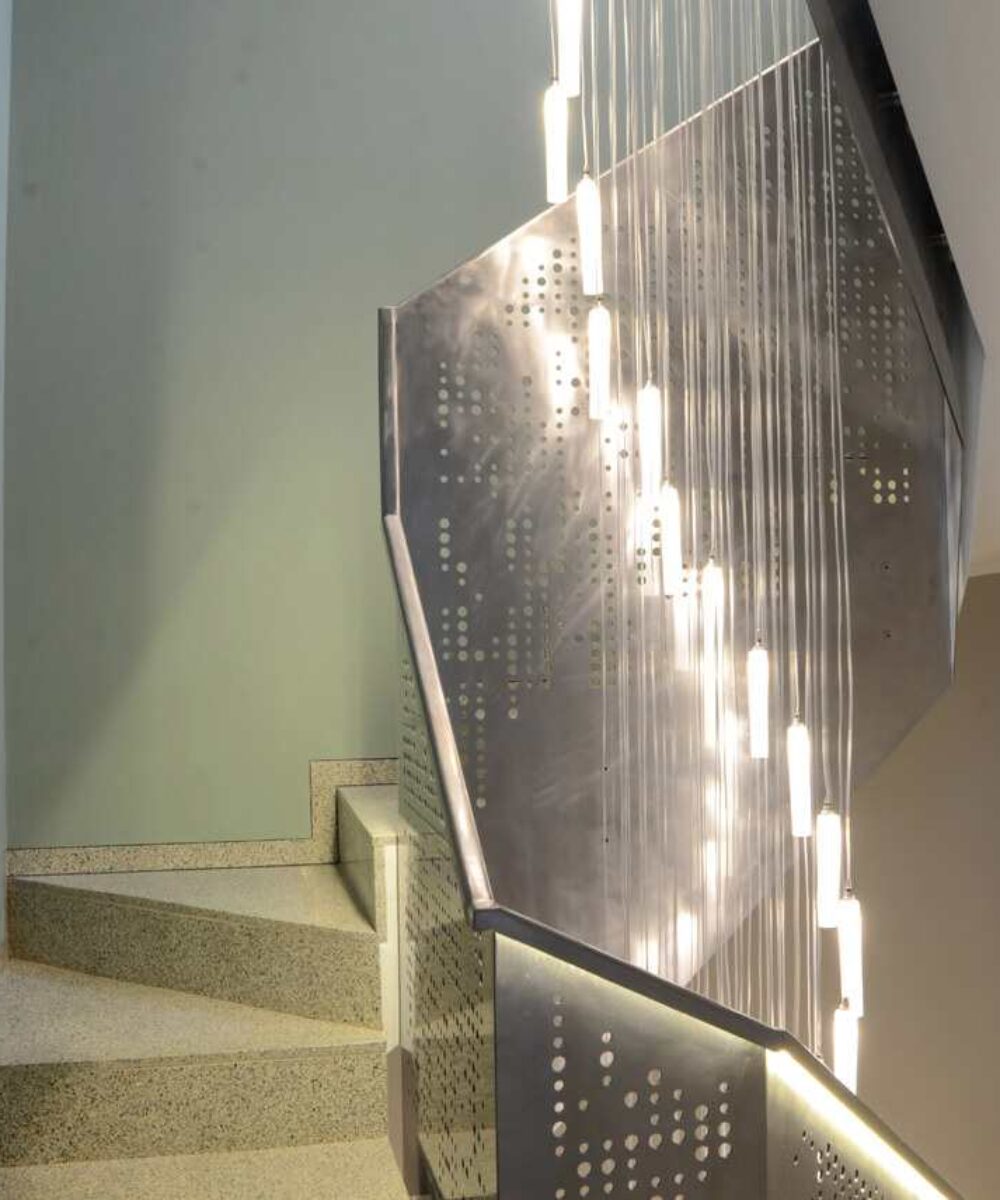
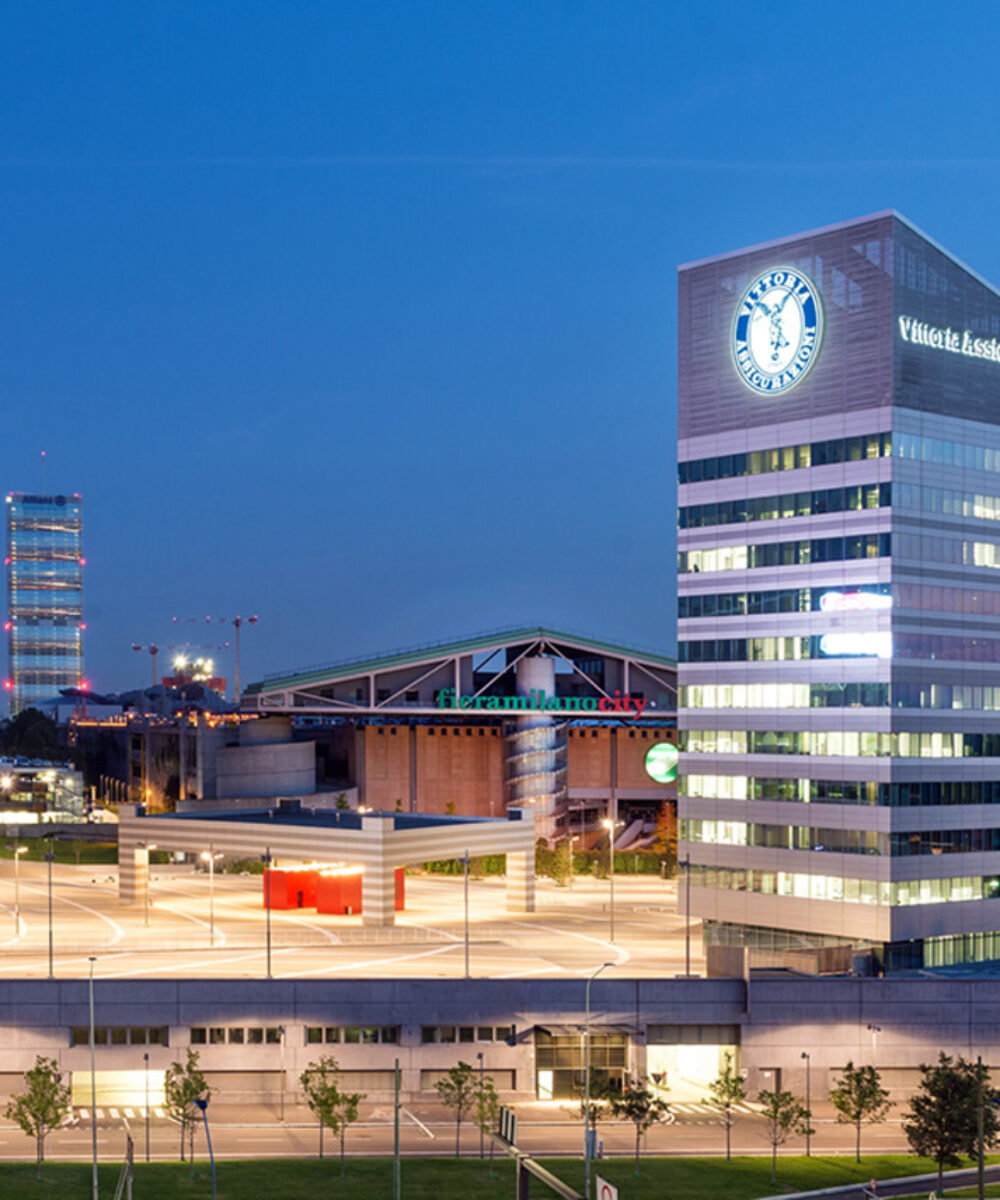
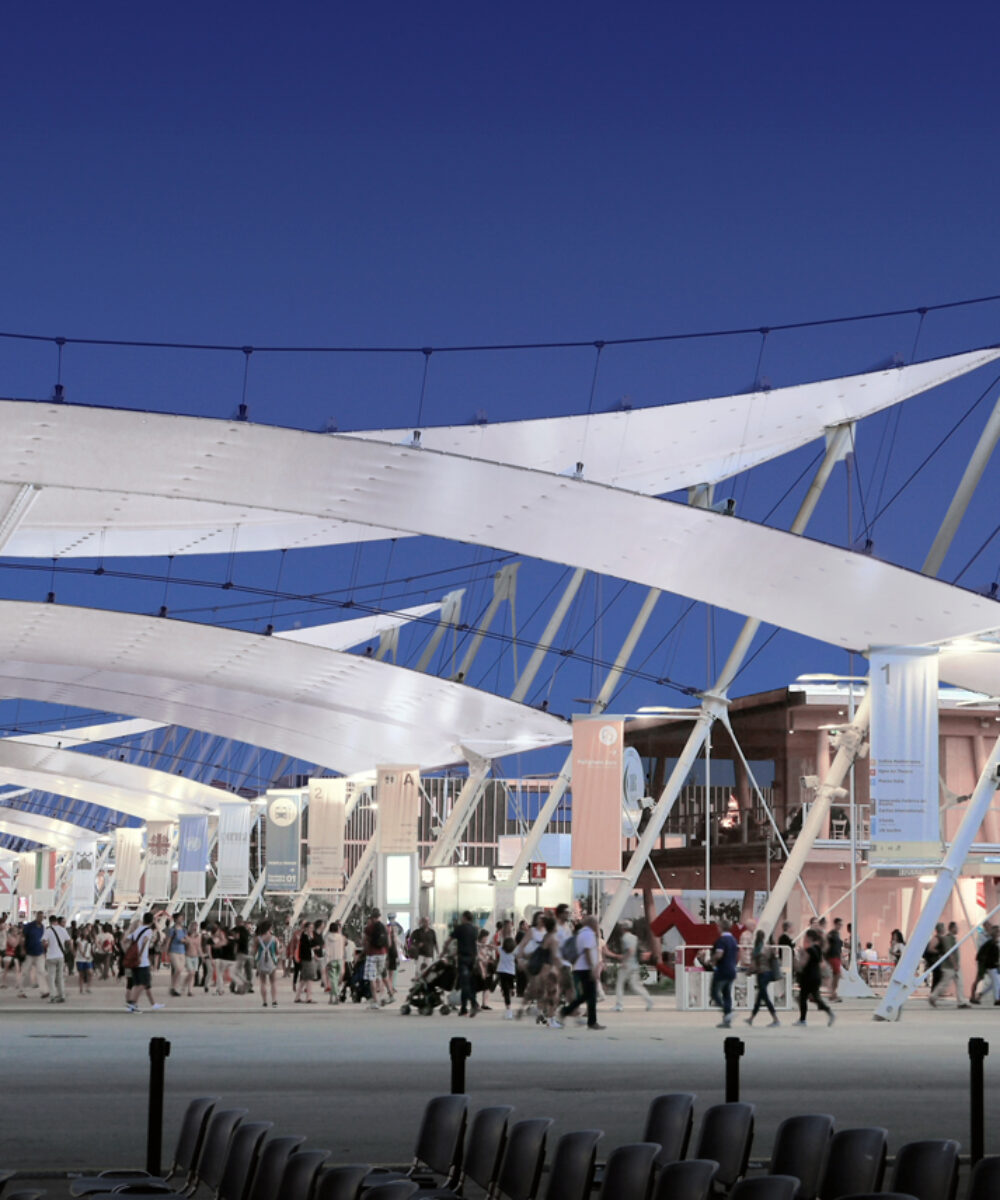
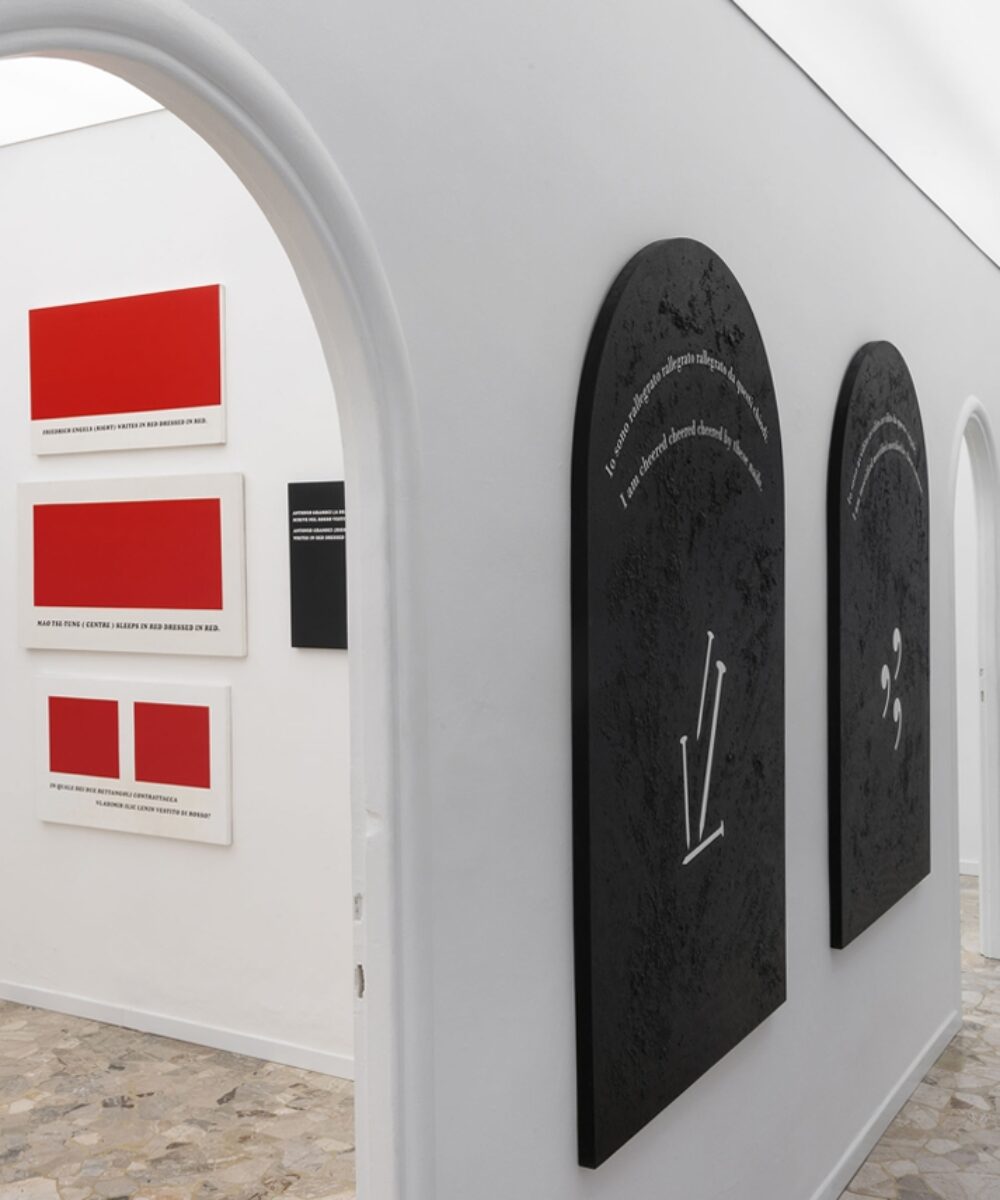
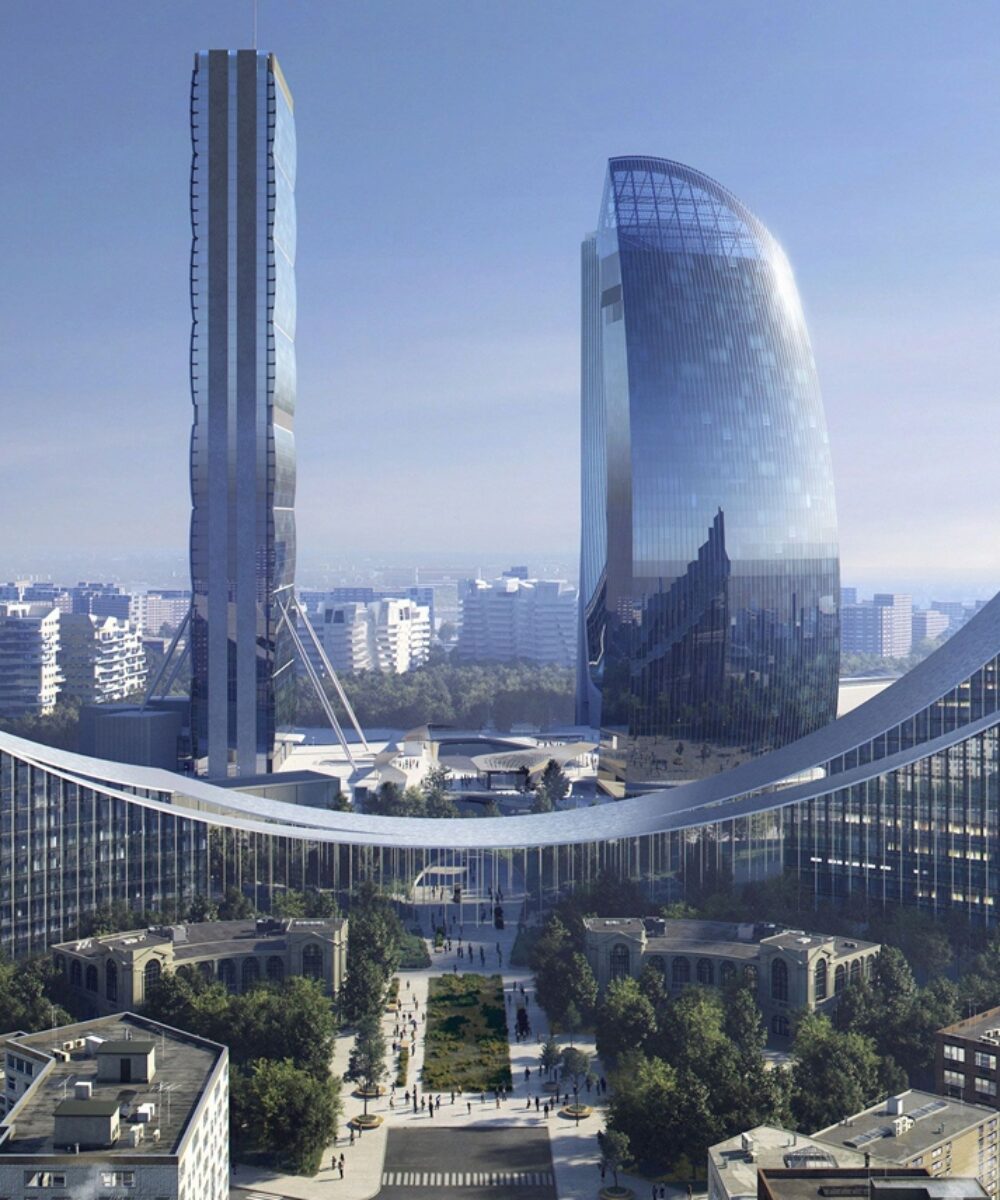
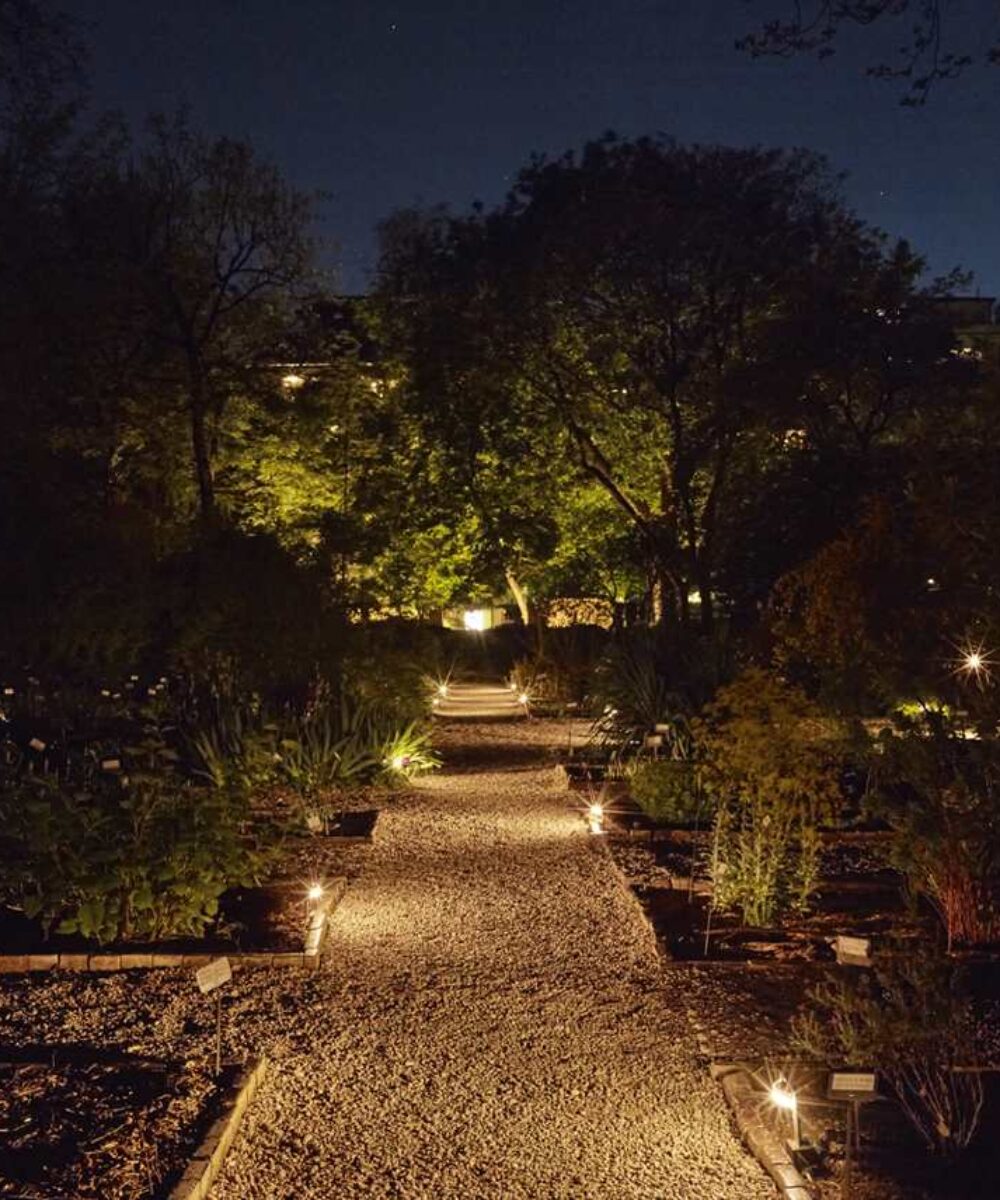
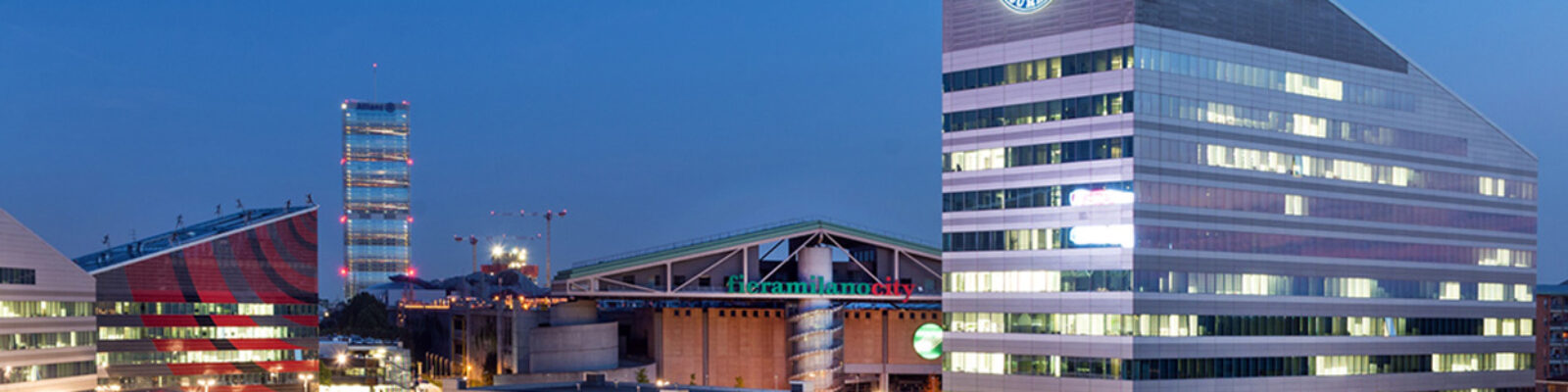
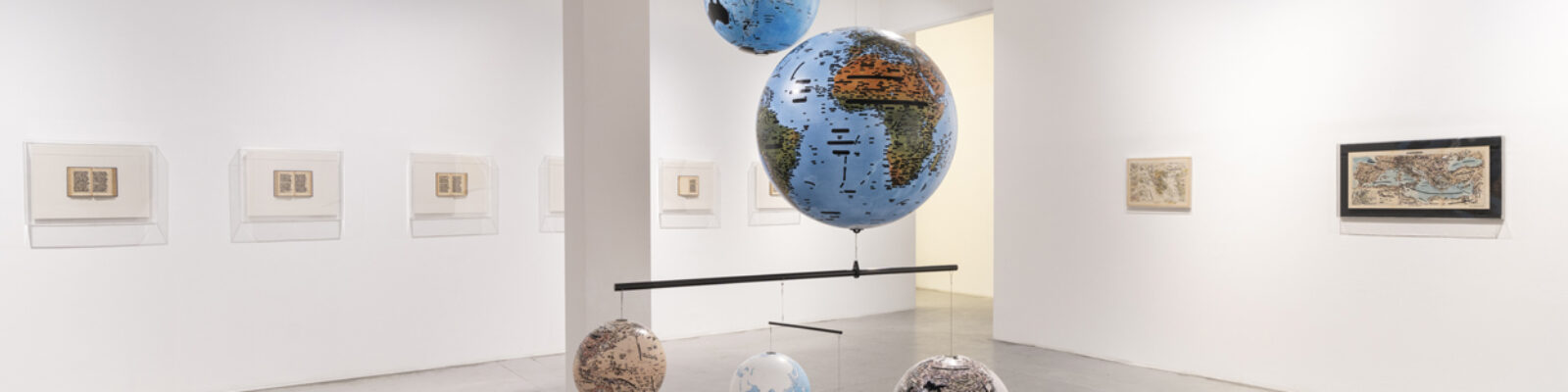
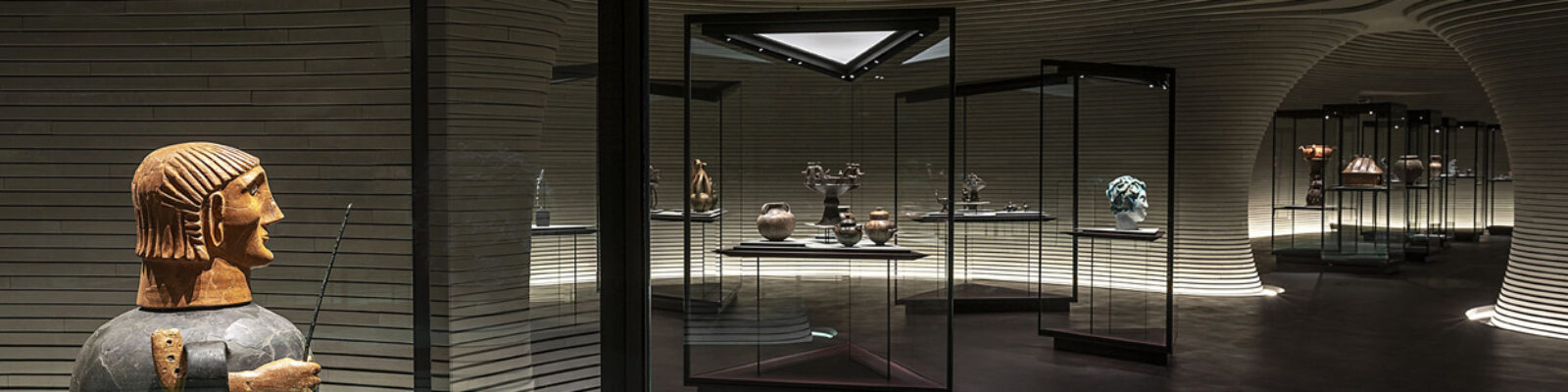
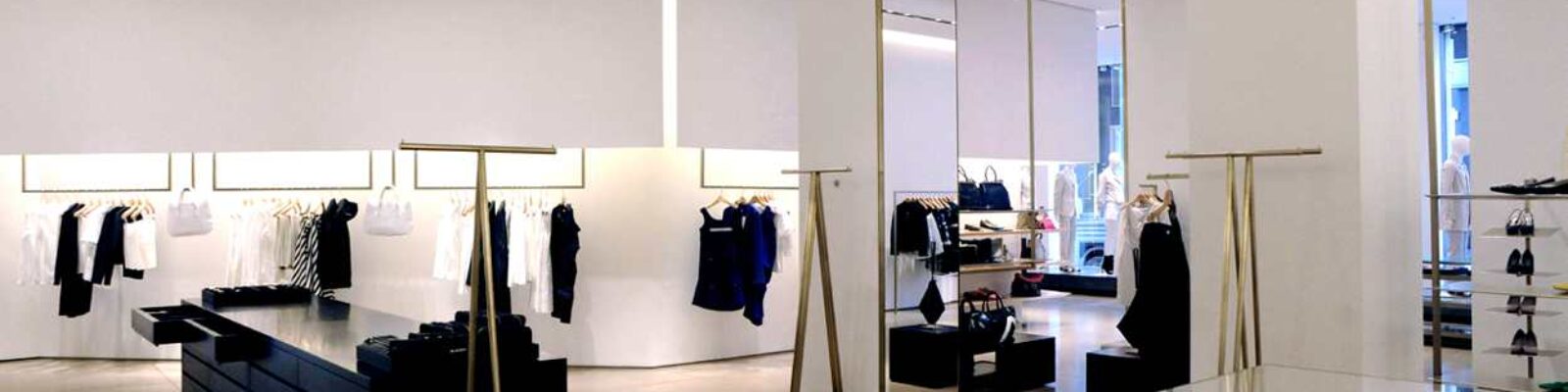
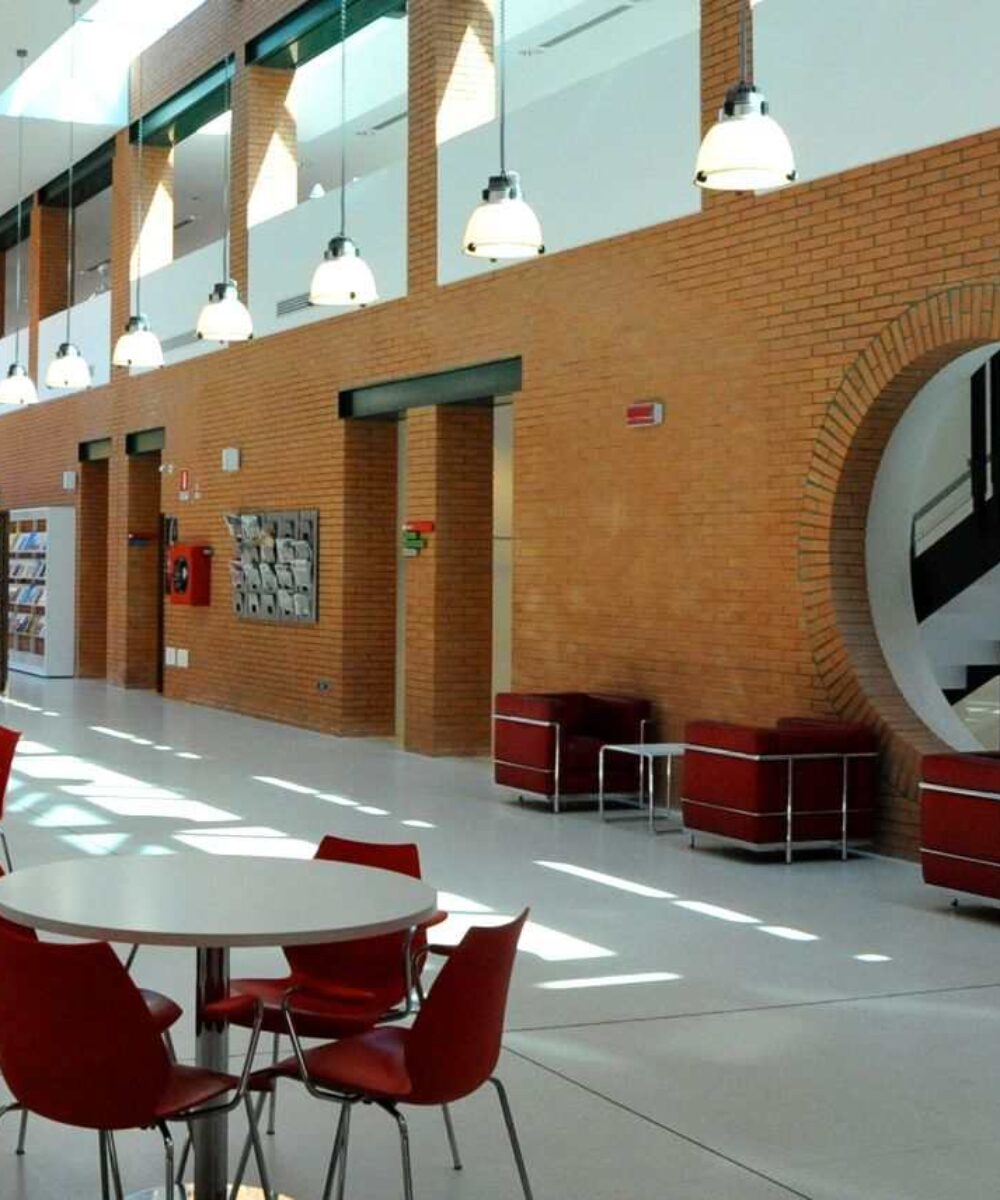
This section brings together a representative selection of lighting design projects in the architectural, museum, urban, cultural, retail, hospitality, and infrastructure sectors, both in Italy and abroad. The gallery documents projects of varying scale, function, and context, all sharing an approach to light as a tool for interpreting space, capable of engaging with architecture, artworks, landscape, and contemporary use.
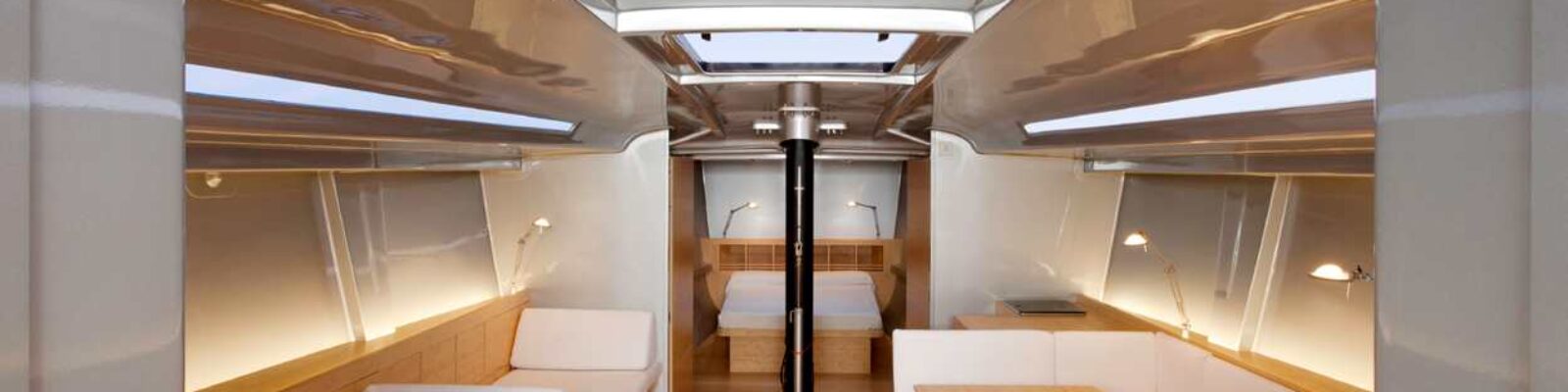
The projects presented range from museums, foundations, and temporary exhibitions to historic buildings, places of worship, public spaces, and urban complexes, including corporate headquarters, private residences, yachts, and lighting masterplans. In each project, light is designed as a controlled material, calibrated to the characteristics of the location, its functional needs, and the perceptual quality of the experience.
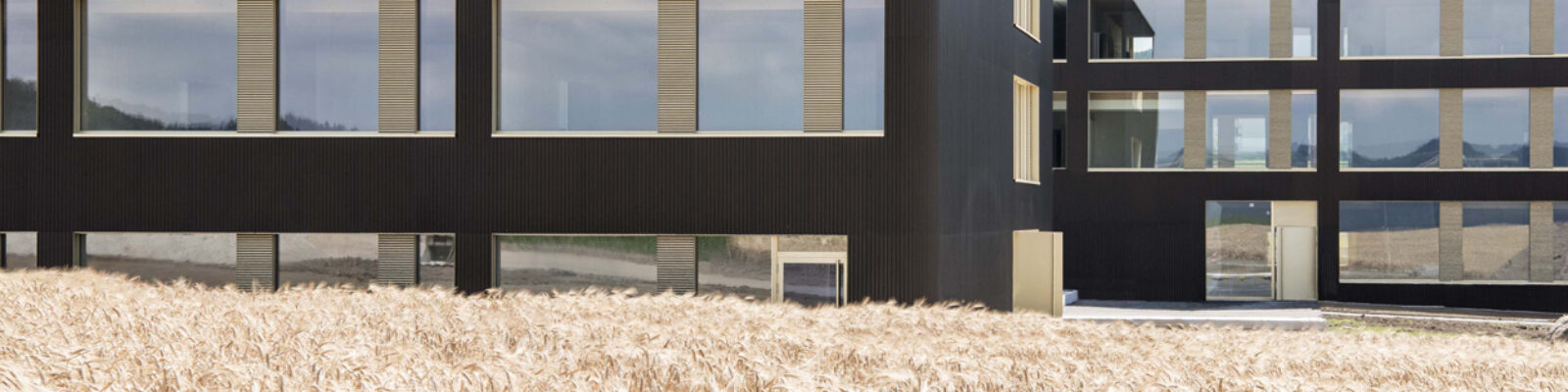
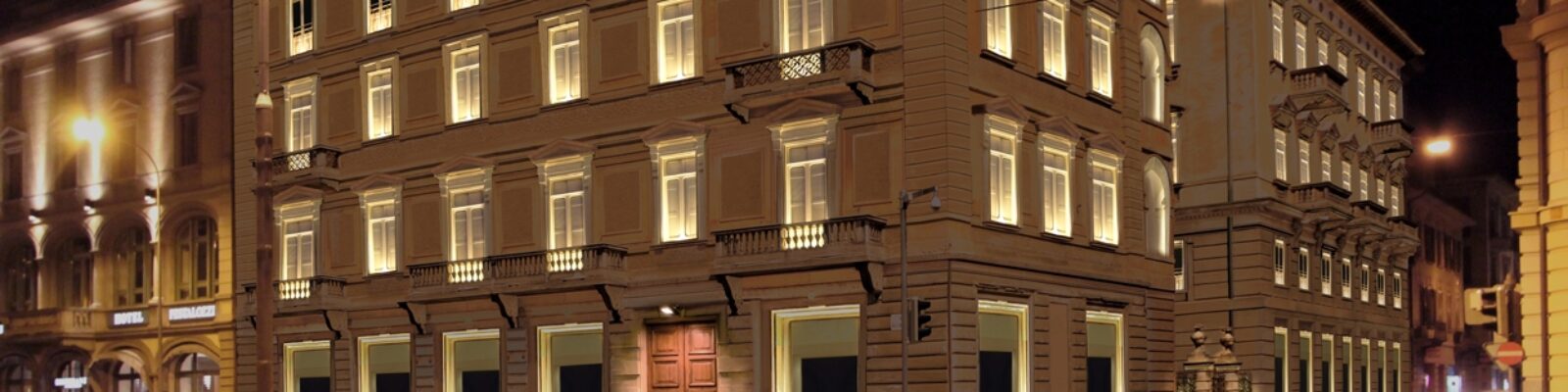
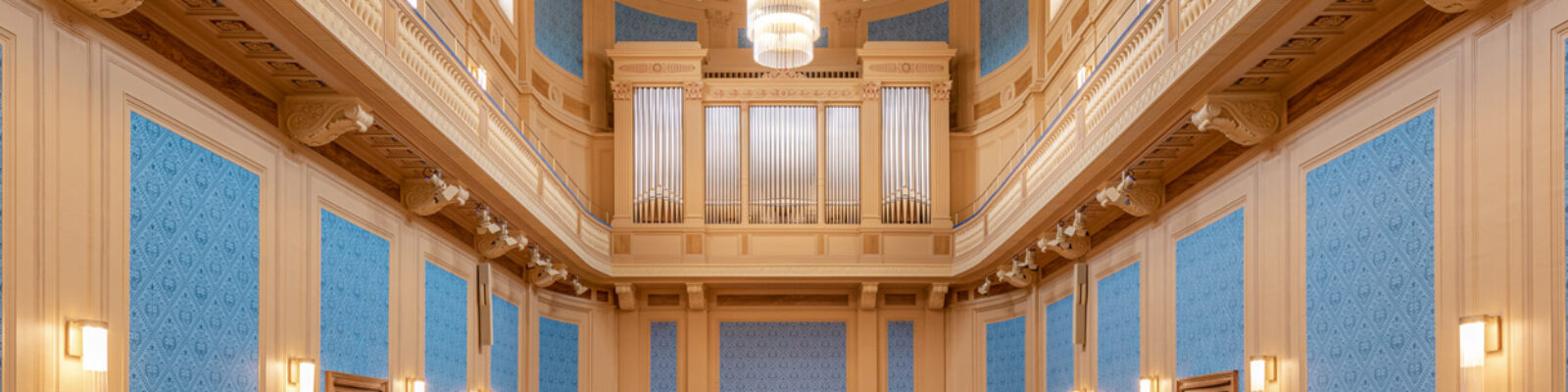
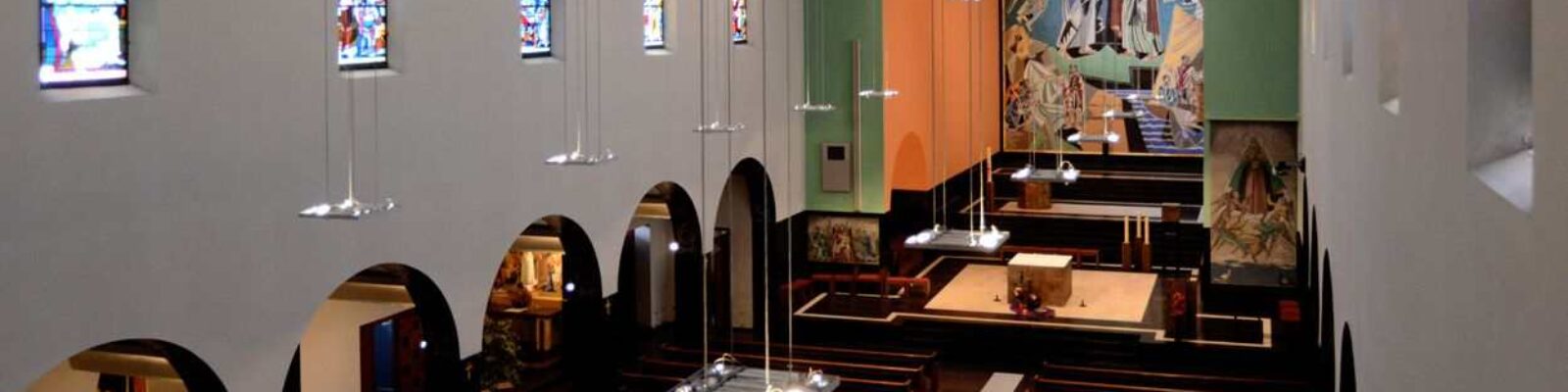
Taken together, the collected works convey a vision of lighting design as an integrated process, in which technical rigor, cultural sensitivity, and attention to context contribute to the construction of spatial identity, orientation, and value. The gallery thus takes the form of a design map, capable of demonstrating how light can take on different roles—discrete or declared—while always maintaining coherence, measure, and design awareness.
This section brings together a representative selection of lighting design projects in the architectural, museum, urban, cultural, retail, hospitality, and infrastructure sectors, both in Italy and abroad. The gallery documents projects of varying scale, function, and context, all sharing an approach to light as a tool for interpreting space, capable of engaging with architecture, artworks, landscape, and contemporary use.
The projects presented range from museums, foundations, and temporary exhibitions to historic buildings, places of worship, public spaces, and urban complexes, including corporate headquarters, private residences, yachts, and lighting masterplans. In each project, light is designed as a controlled material, calibrated to the characteristics of the location, its functional needs, and the perceptual quality of the experience.
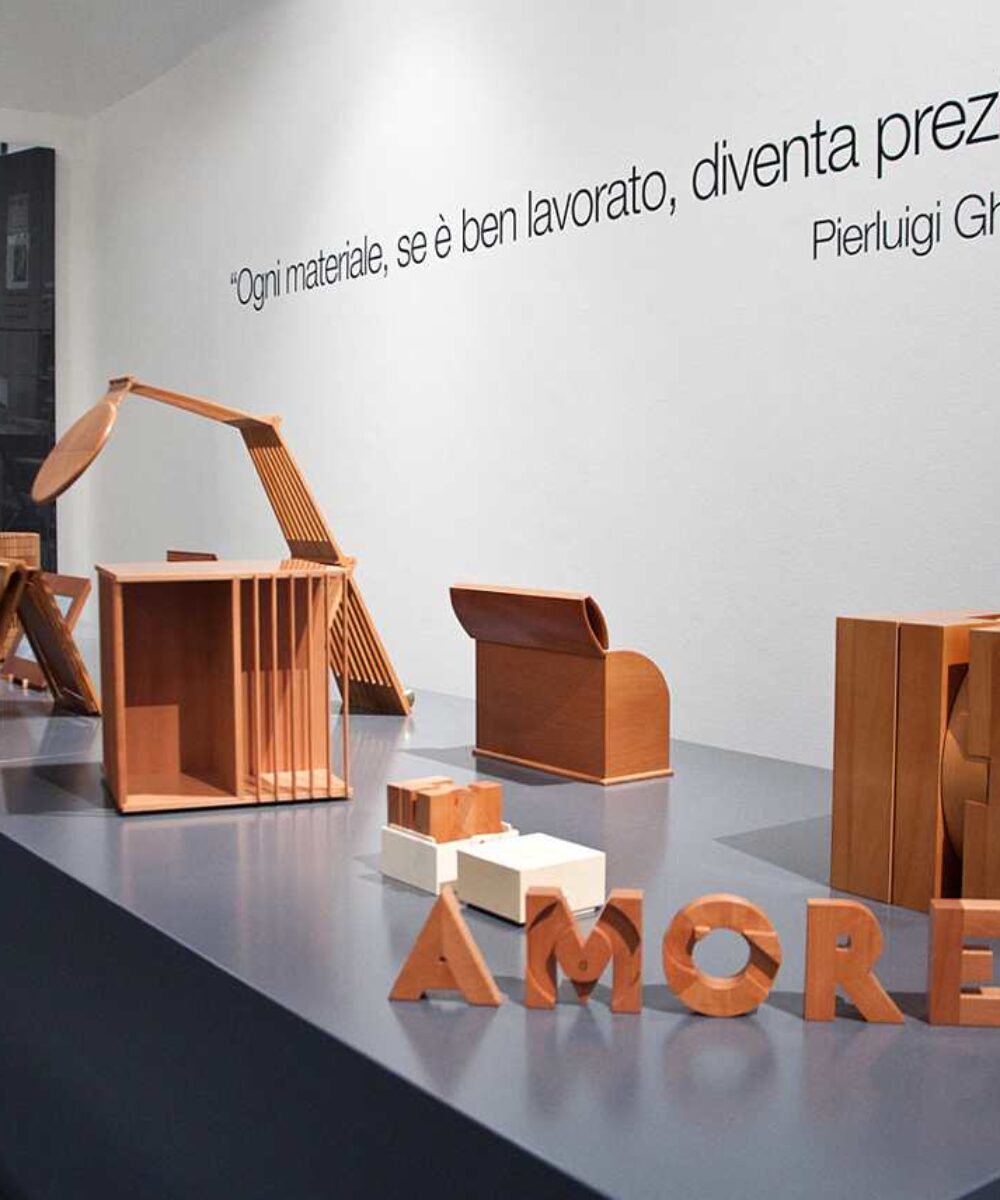
Taken together, the collected works convey a vision of lighting design as an integrated process, in which technical rigor, cultural sensitivity, and attention to context contribute to the construction of spatial identity, orientation, and value. The gallery thus takes the form of a design map, capable of demonstrating how light can take on different roles—discrete or declared—while always maintaining coherence, measure, and design awareness.