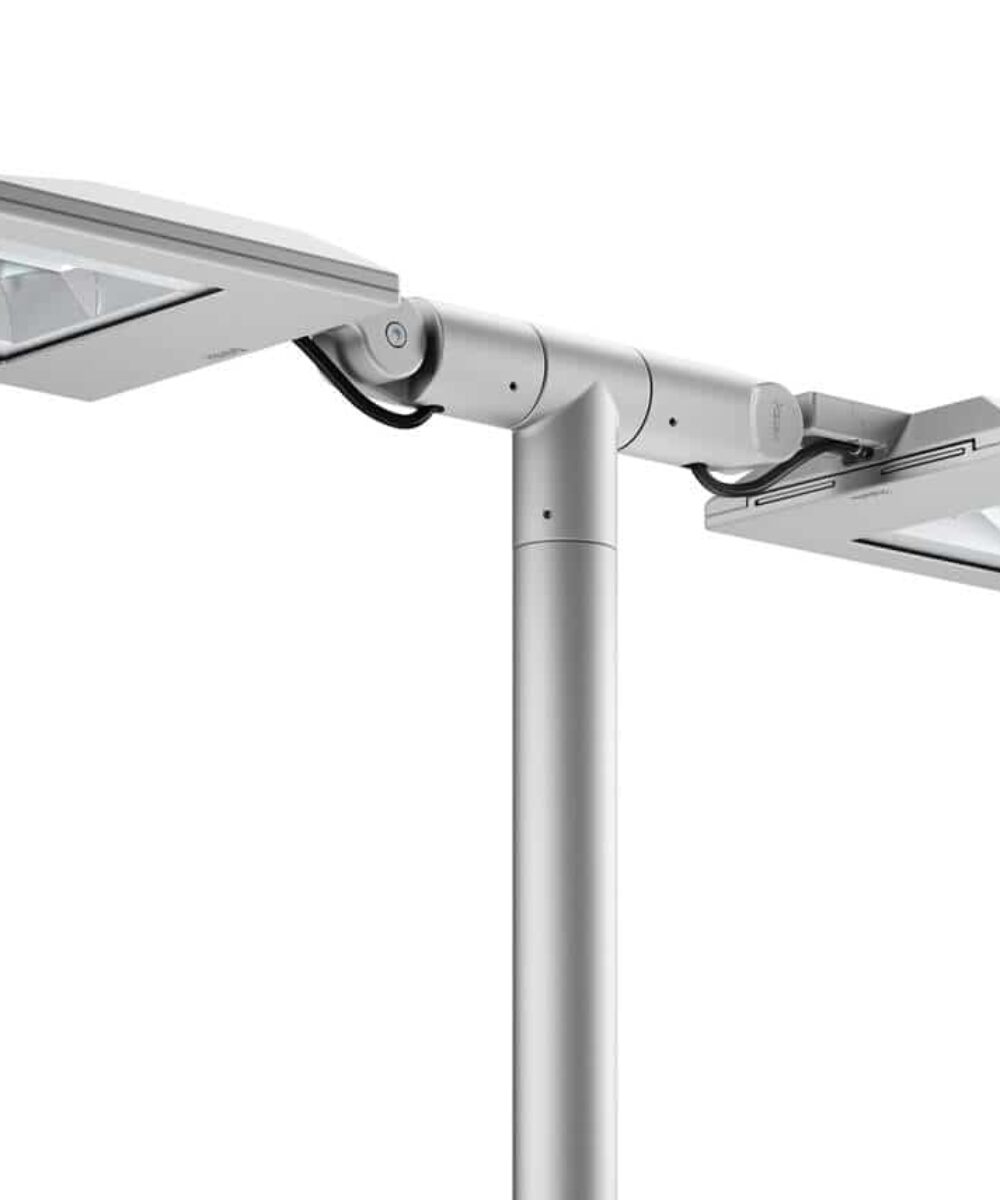
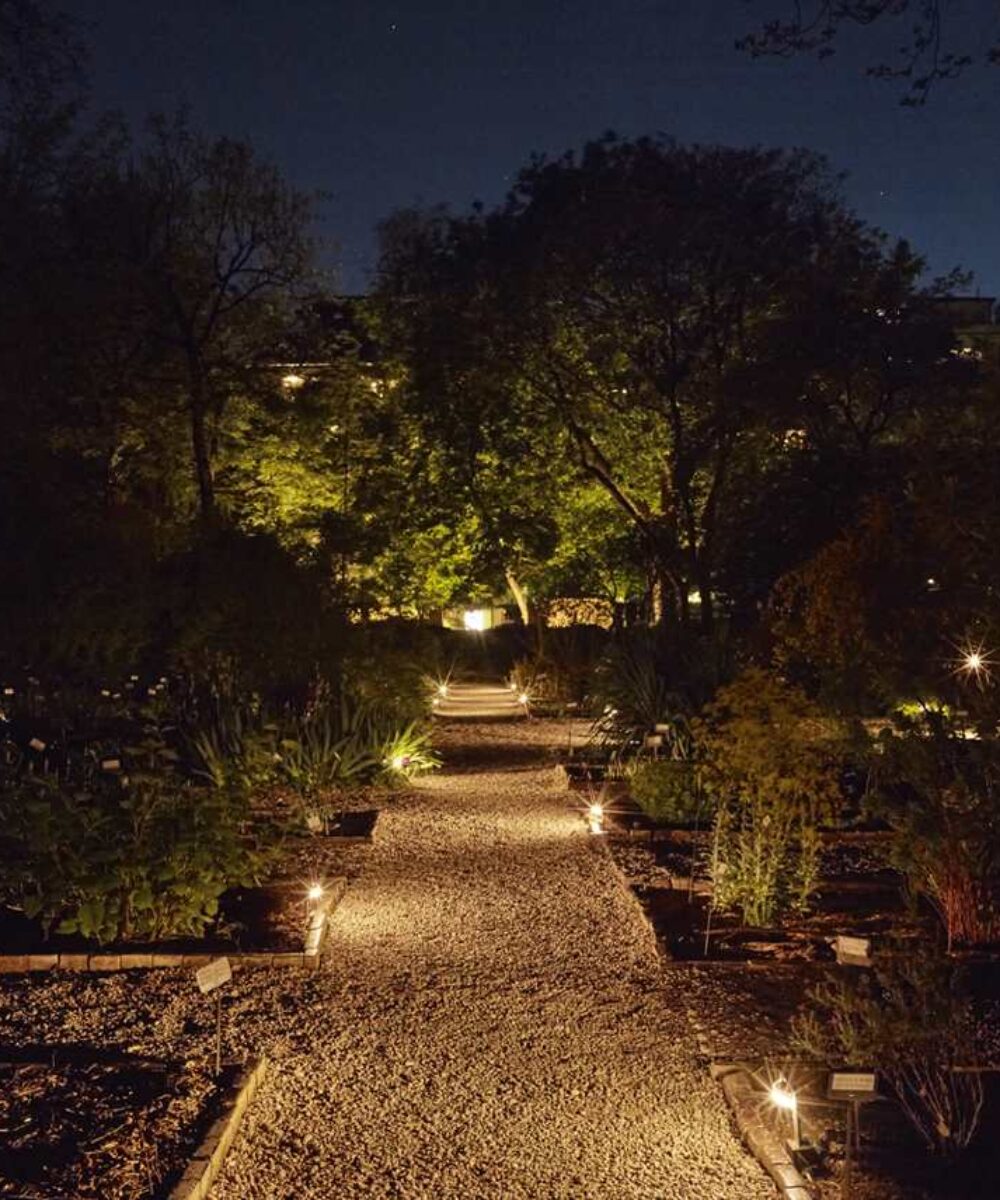
The lakeside promenade connects the pier to the historic center of Varenna. Respect for the landscape value of the walkway led to the choice of newly developed LED technology devices with high performance and a very limited visual impact. This ensures good luminous efficiency, minimum bulk, high-level impact protection, very low installed power, and reduced maintenance costs. The devices used are “glim-cubes”, produced by iGuzzini, specially designed to evenly illuminate walkway areas. Positioned on the railing pillars and separated by a minimum distance of 4.2 m at a height of 10 cm from the ground, they light up the walking surface and, by means of reflection, also ensure suitable illuminance values on the vertical planes. The distribution of light intensities within an angle of 180° rules out any risk of glare when viewing the lake landscape. 67 devices were installed in total. The power supply units were grouped separately from the devices, taking advantage of the recesses left vacant by the old lighting system, and protected by sealing components.
Client:
Piero Castiglioni
Collaborations:
iGuzzini Lighting
Photo courtesy:
iGuzzini Lighting
Year:
2006
The lakeside promenade connects the pier to the historic center of Varenna. Respect for the landscape value of the walkway led to the choice of newly developed LED technology devices with high performance and a very limited visual impact. This ensures good luminous efficiency, minimum bulk, high-level impact protection, very low installed power, and reduced maintenance costs. The devices used are “glim-cubes”, produced by iGuzzini, specially designed to evenly illuminate walkway areas. Positioned on the railing pillars and separated by a minimum distance of 4.2 m at a height of 10 cm from the ground, they light up the walking surface and, by means of reflection, also ensure suitable illuminance values on the vertical planes. The distribution of light intensities within an angle of 180° rules out any risk of glare when viewing the lake landscape. 67 devices were installed in total. The power supply units were grouped separately from the devices, taking advantage of the recesses left vacant by the old lighting system, and protected by sealing components.
Client:
Piero Castiglioni
Collaborations:
iGuzzini Lighting
Photo courtesy:
iGuzzini Lighting
Year:
2006
Other Projects
Other Projects
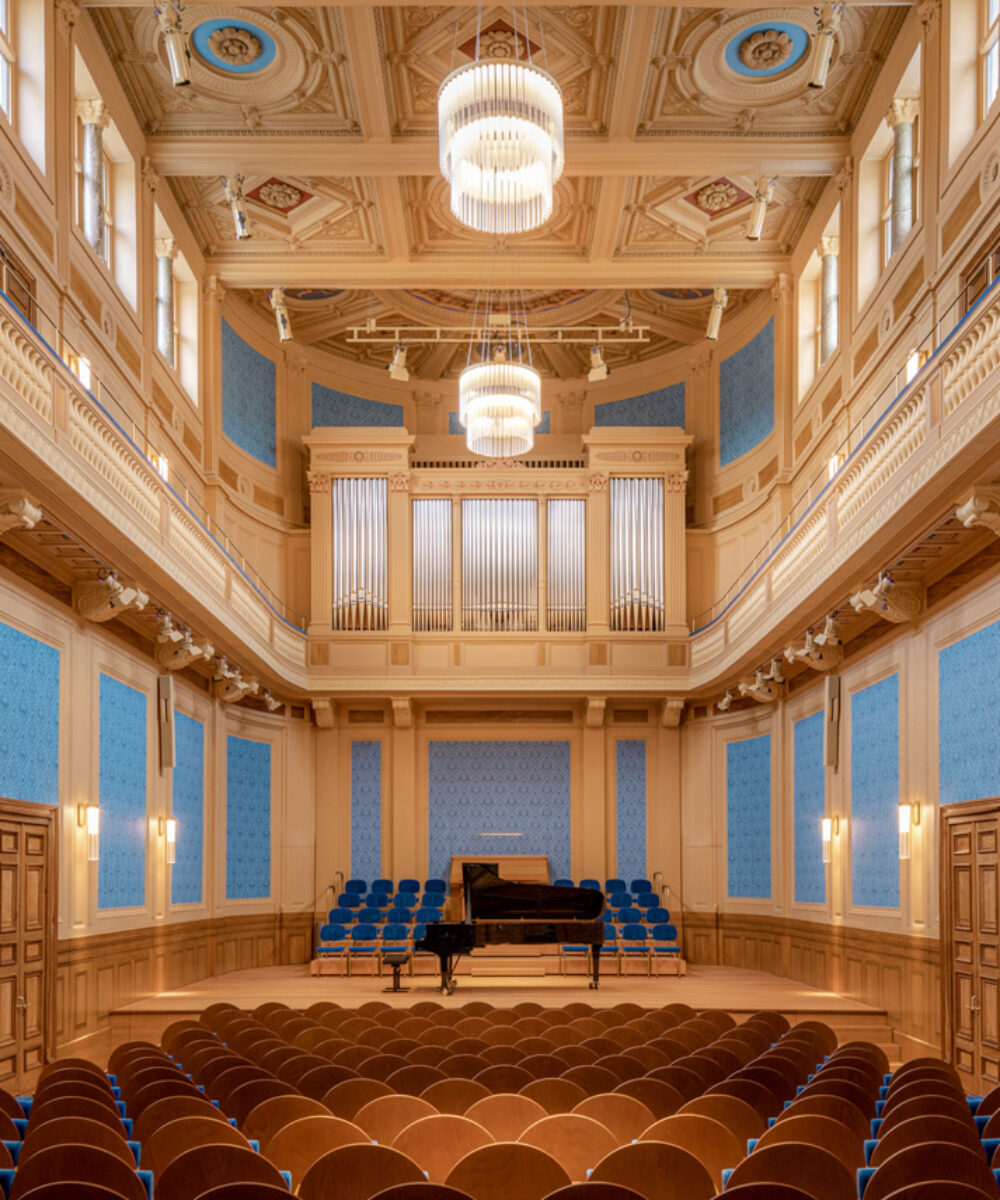
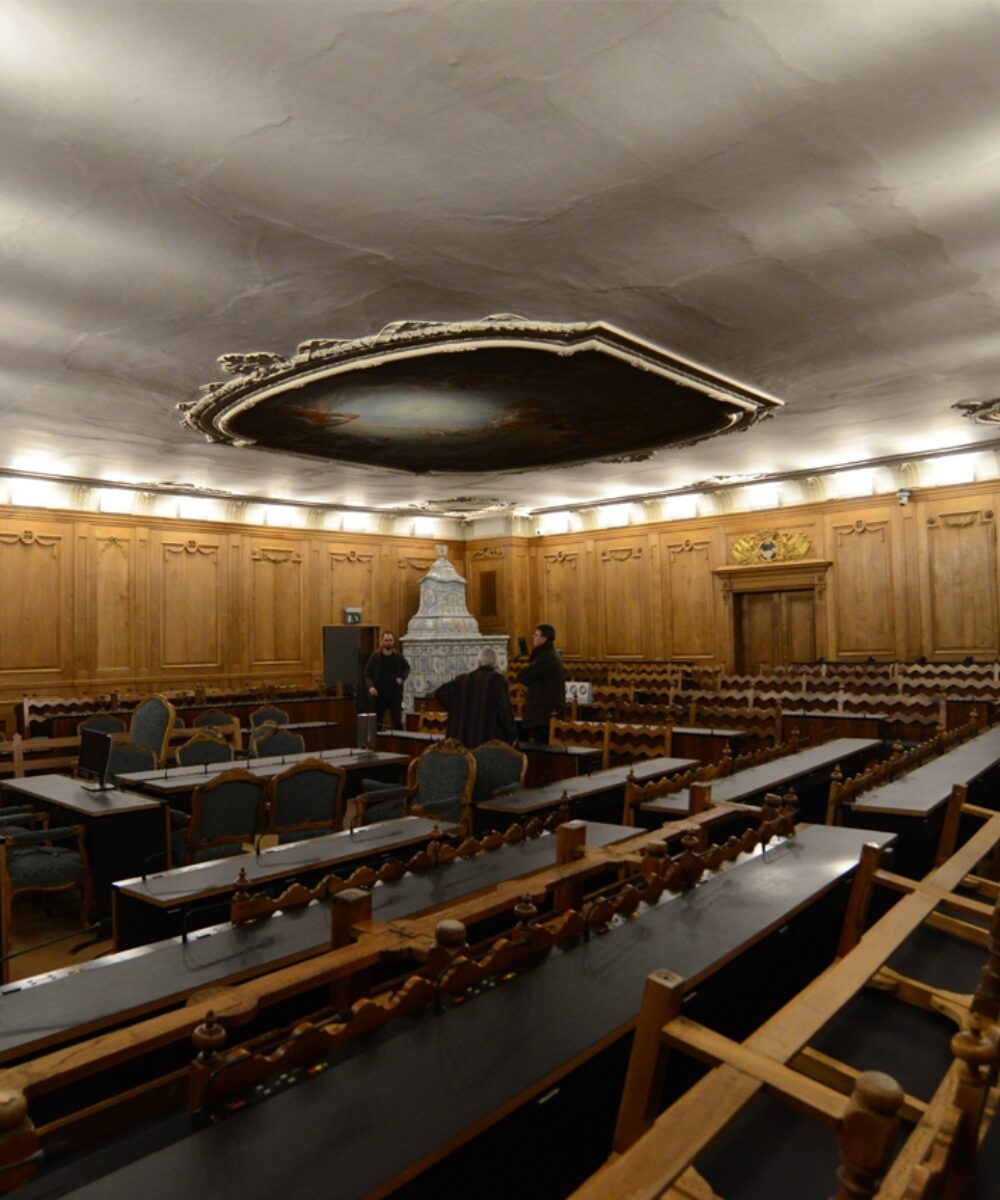
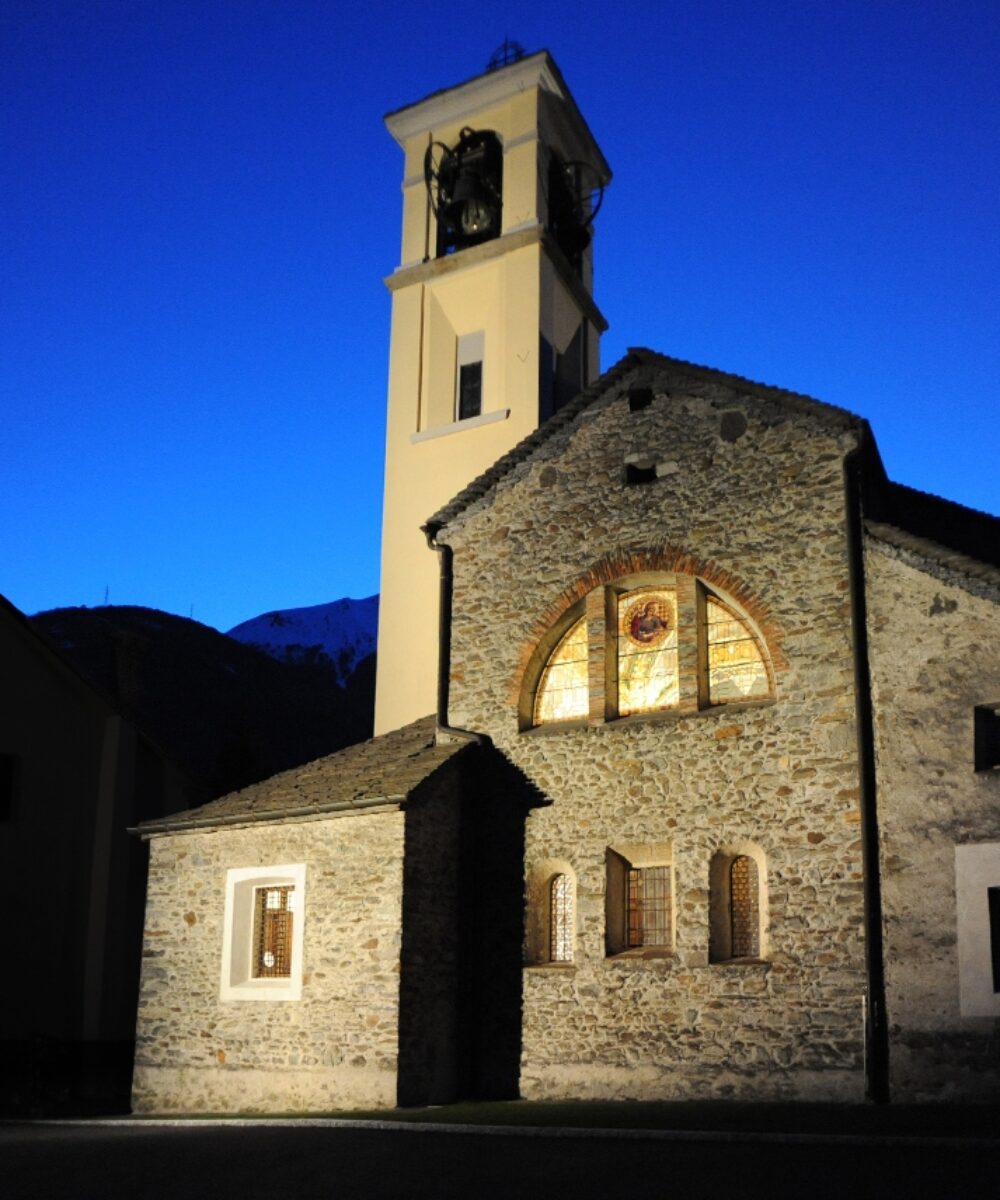
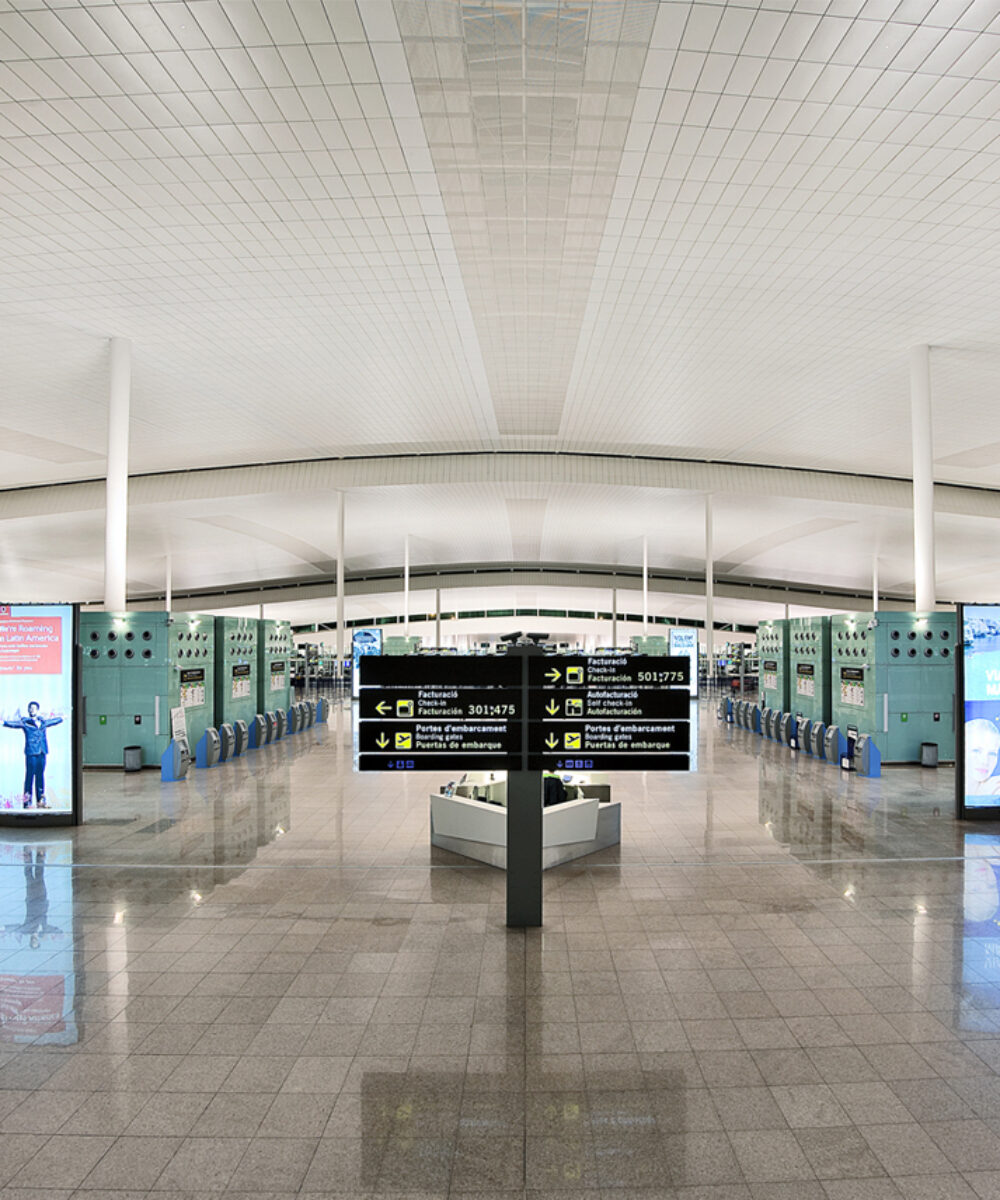
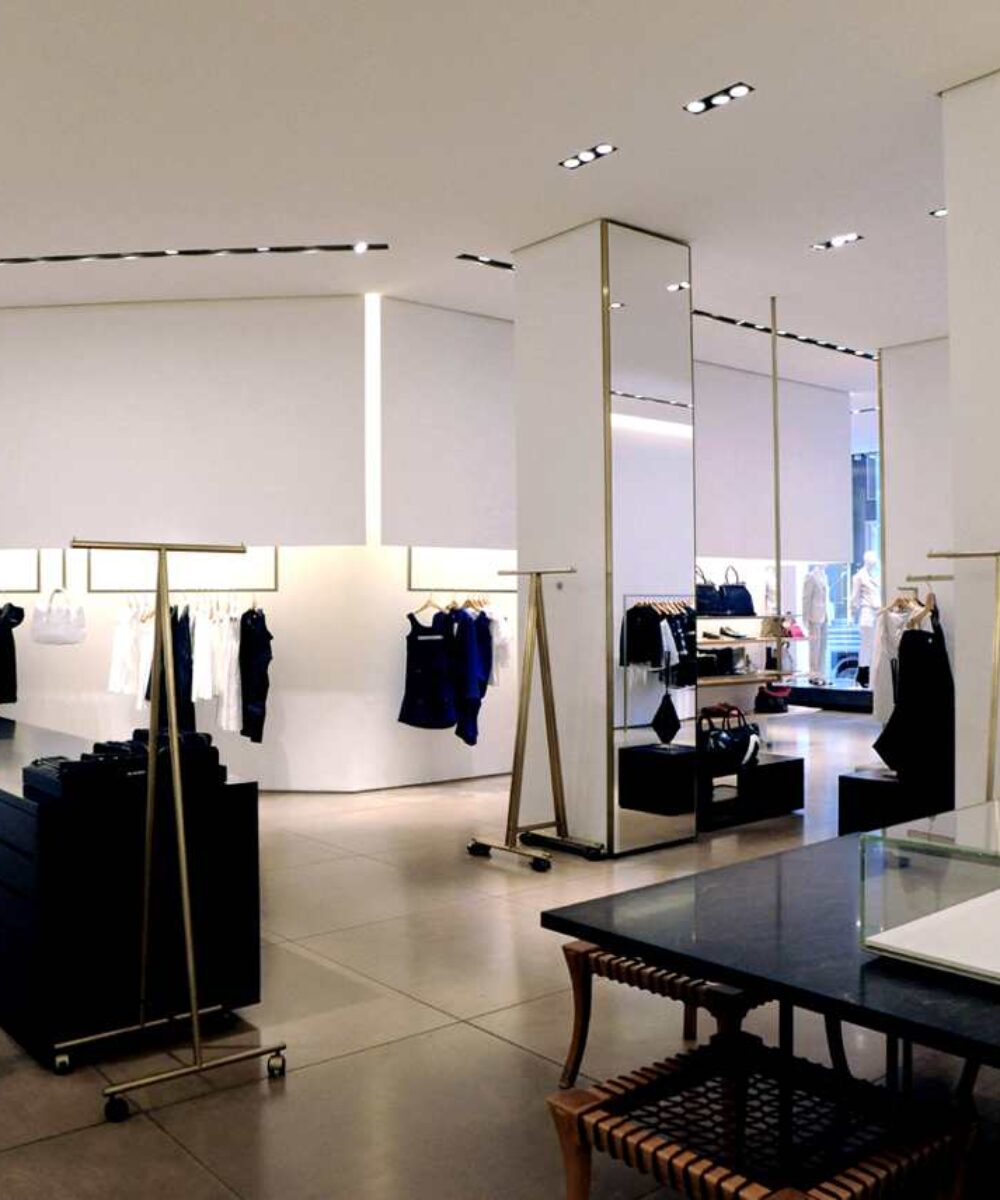
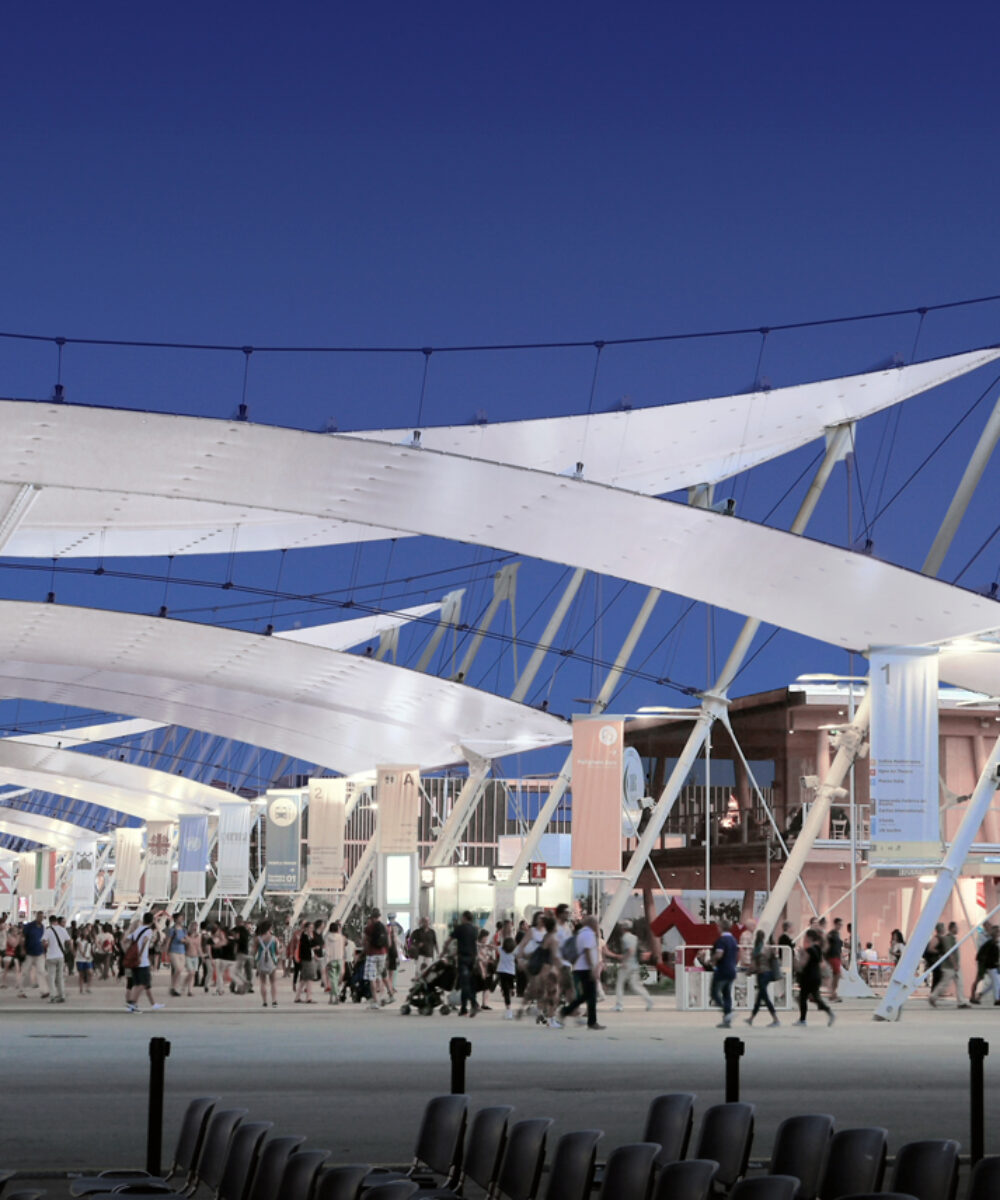
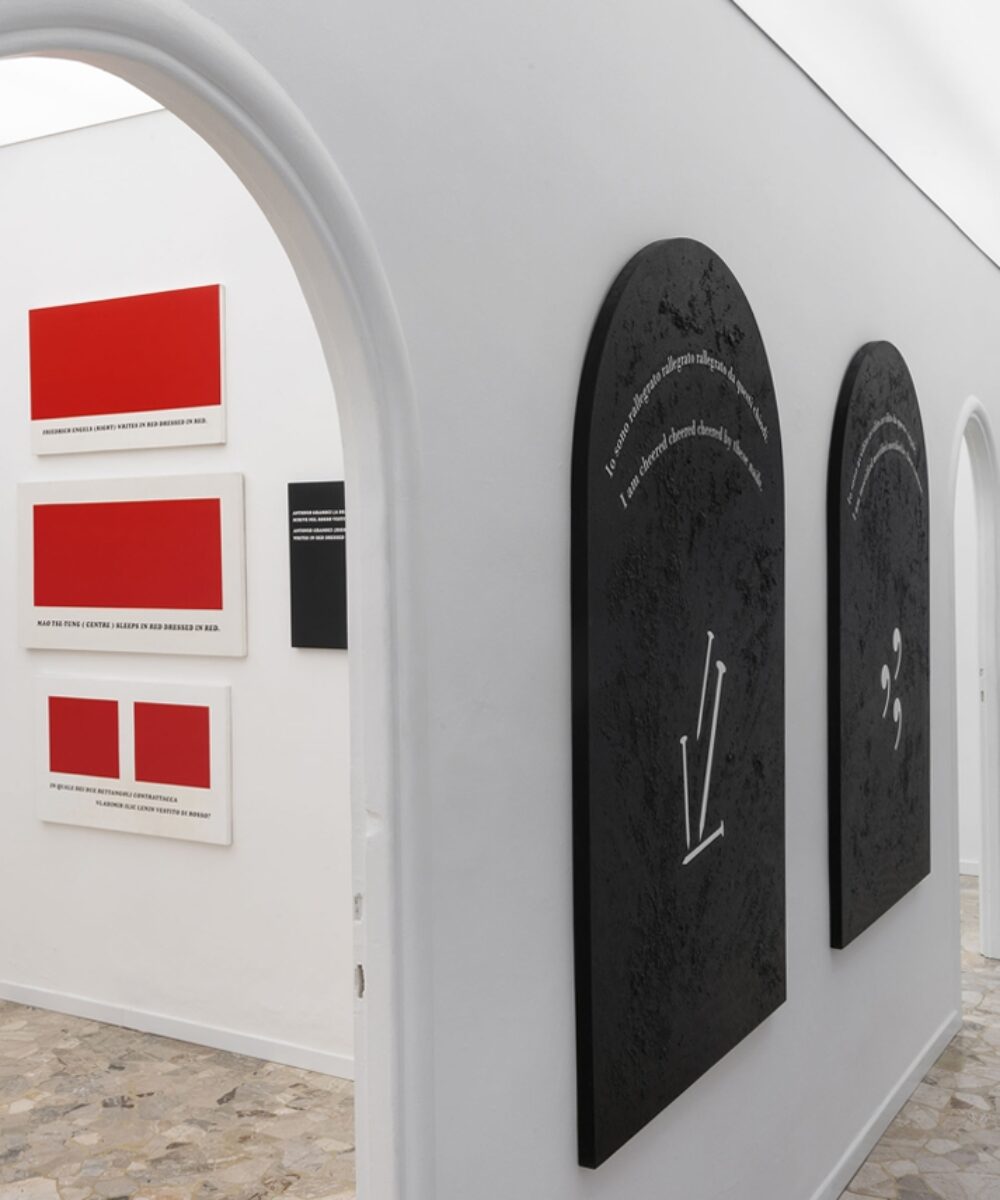
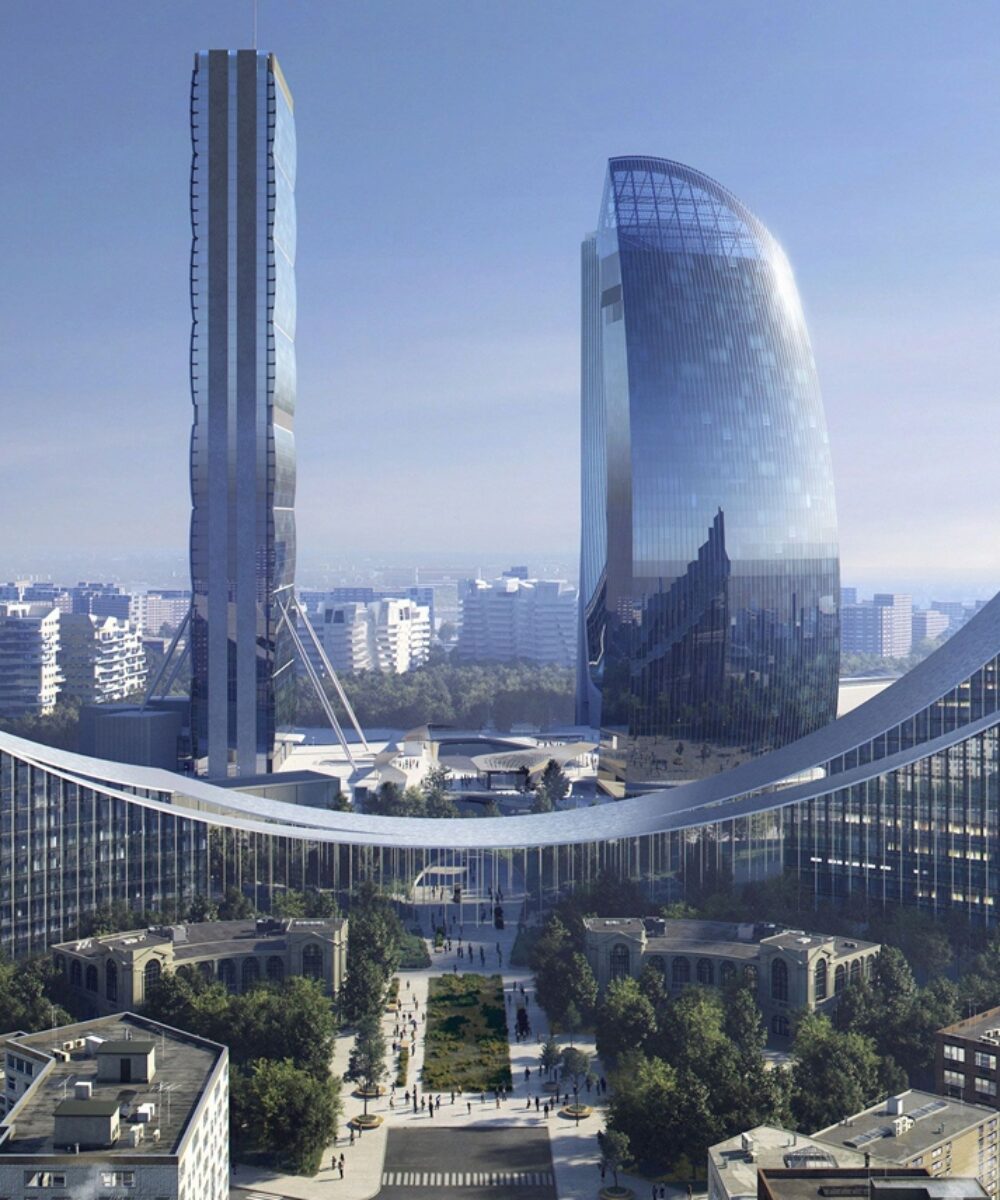
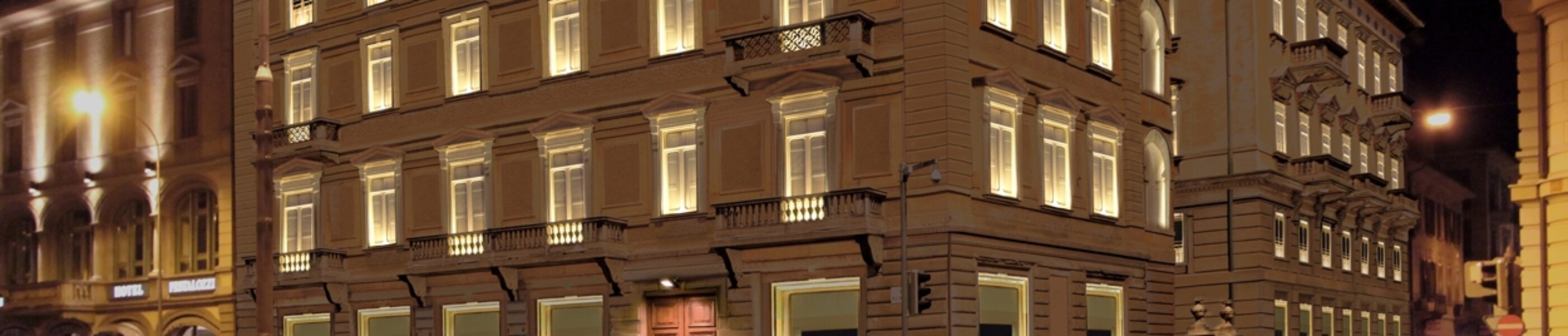
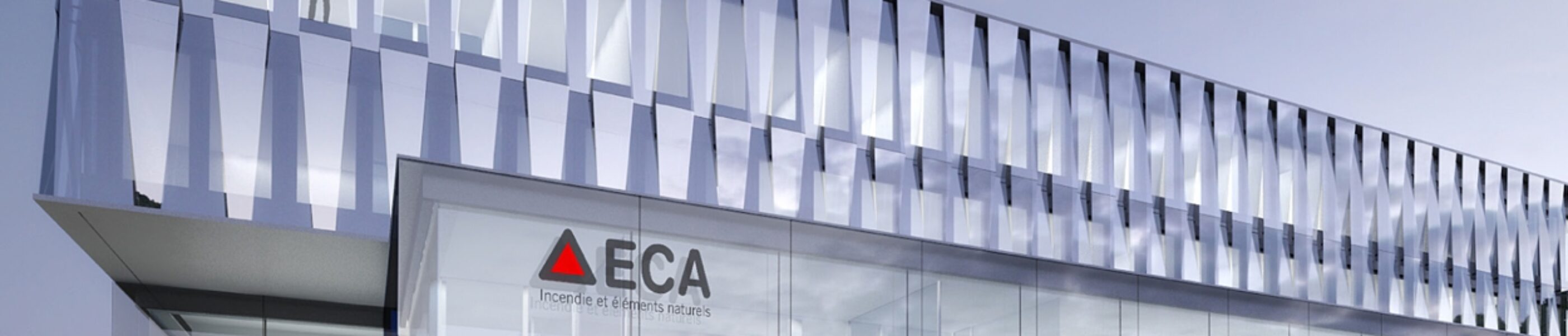
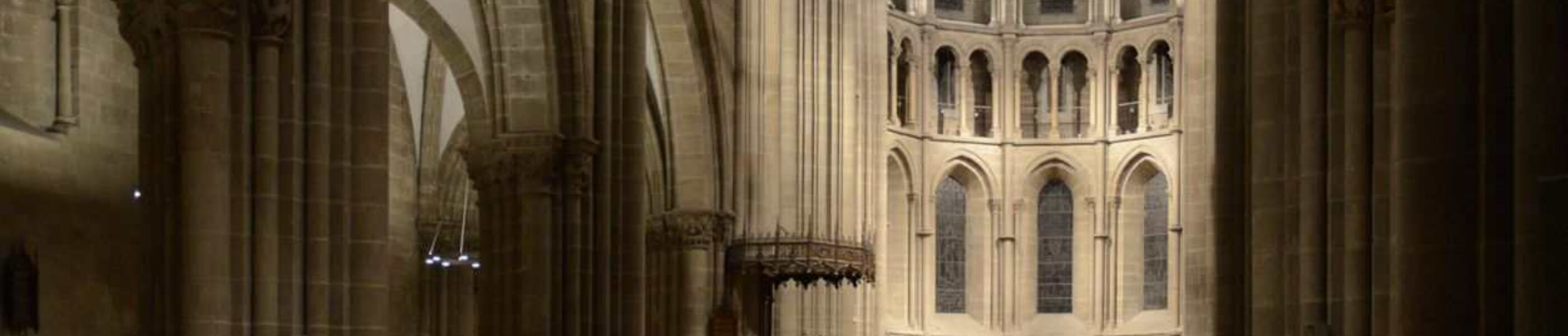
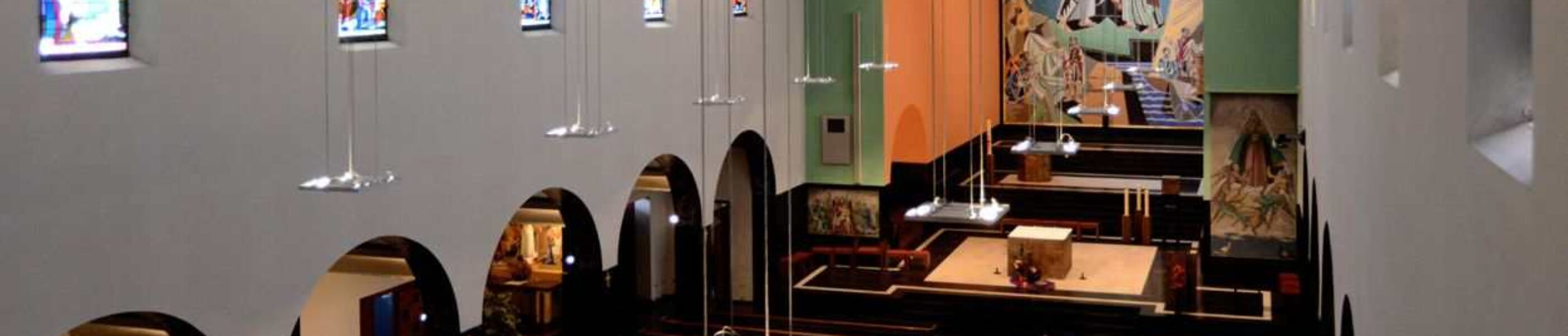
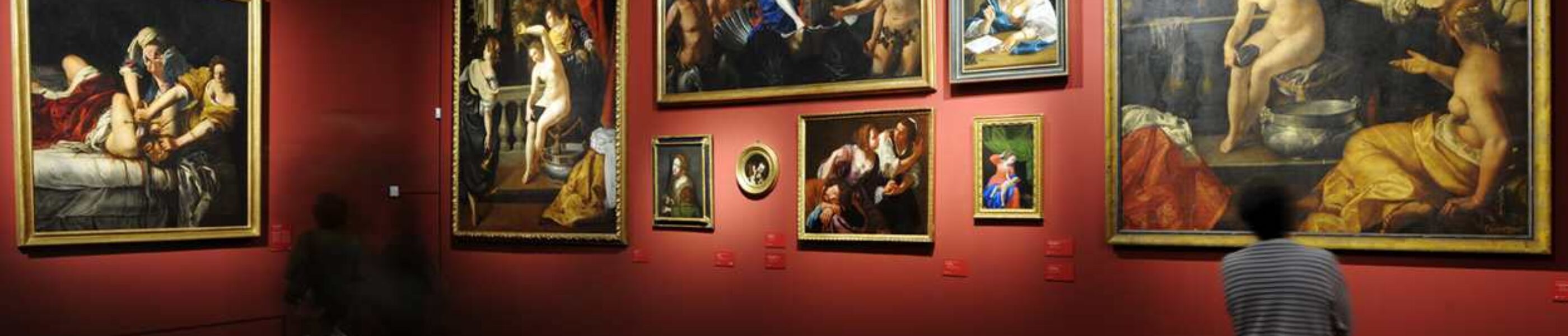
This section brings together a representative selection of lighting design projects in the architectural, museum, urban, cultural, retail, hospitality, and infrastructure sectors, both in Italy and abroad. The gallery documents projects of varying scale, function, and context, all sharing an approach to light as a tool for interpreting space, capable of engaging with architecture, artworks, landscape, and contemporary use.
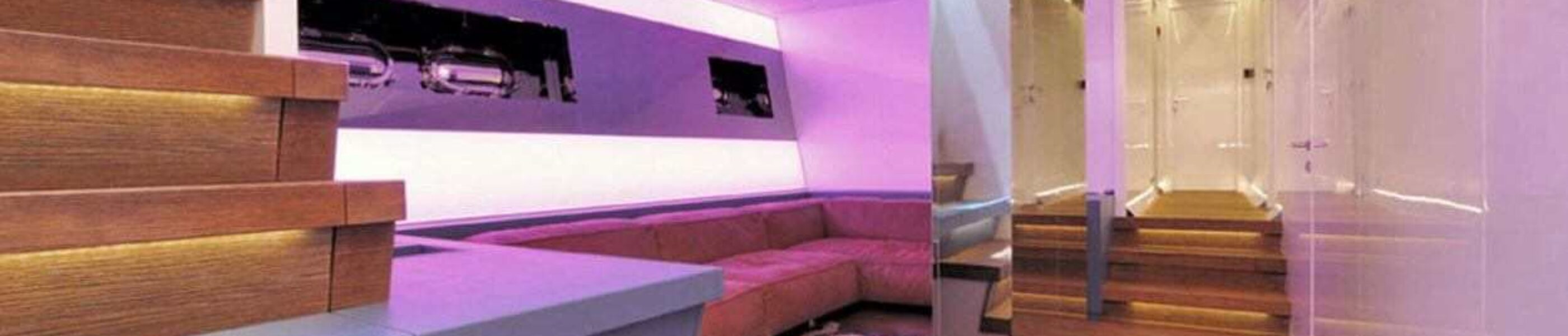
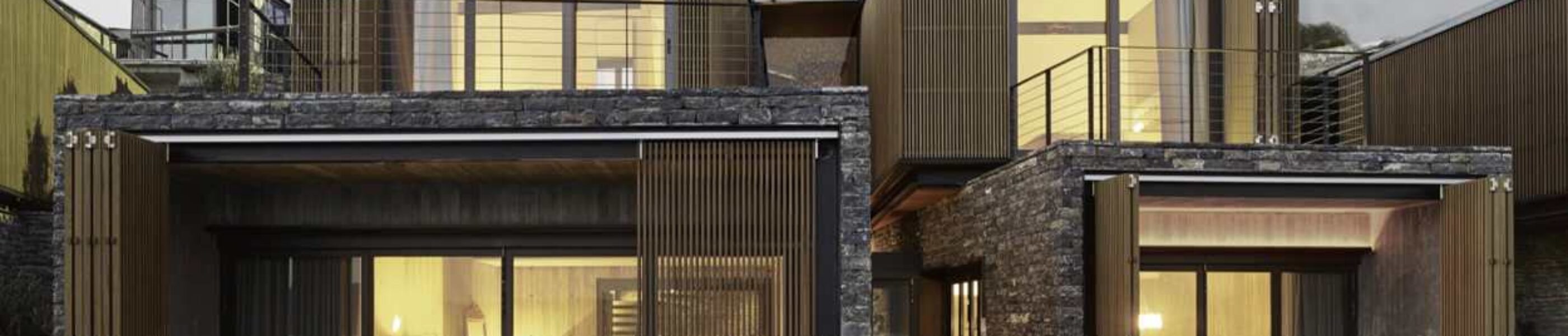
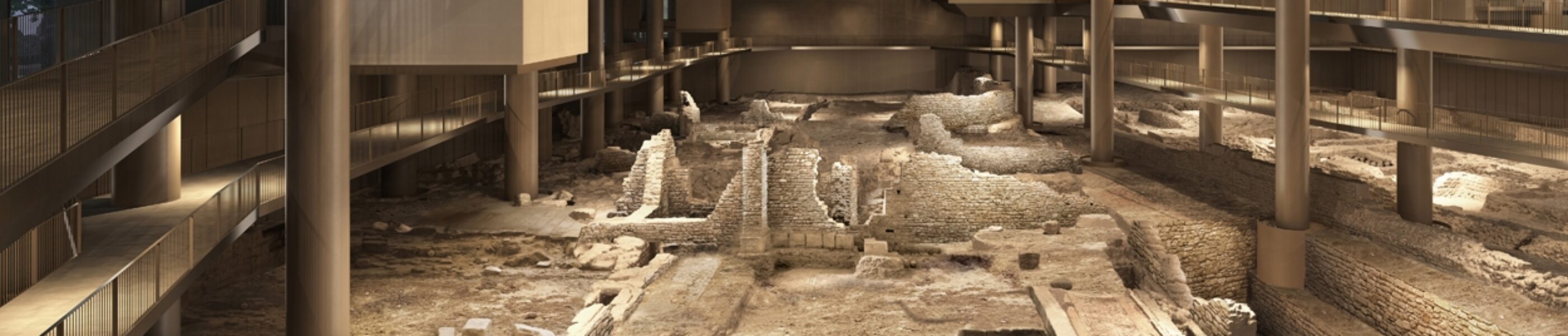
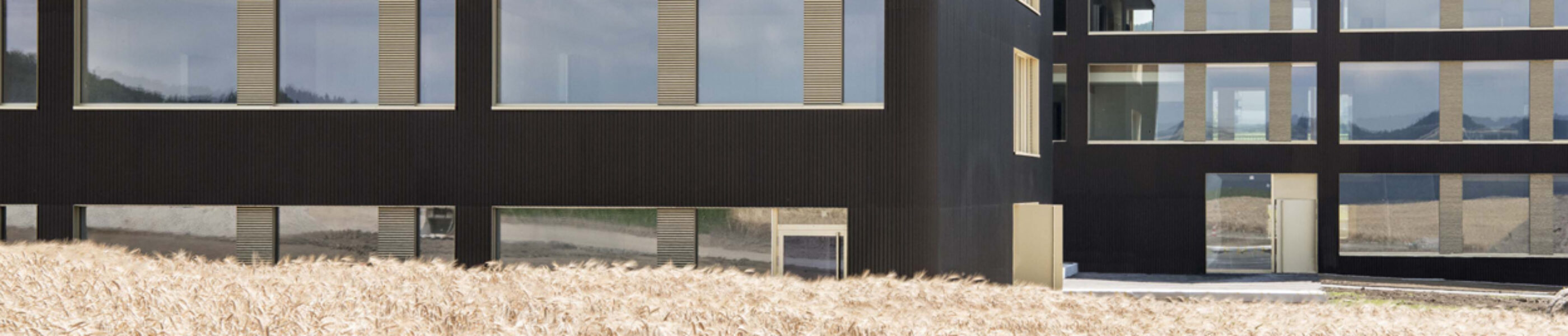
The projects presented range from museums, foundations, and temporary exhibitions to historic buildings, places of worship, public spaces, and urban complexes, including corporate headquarters, private residences, yachts, and lighting masterplans. In each project, light is designed as a controlled material, calibrated to the characteristics of the location, its functional needs, and the perceptual quality of the experience.
Taken together, the collected works convey a vision of lighting design as an integrated process, in which technical rigor, cultural sensitivity, and attention to context contribute to the construction of spatial identity, orientation, and value. The gallery thus takes the form of a design map, capable of demonstrating how light can take on different roles—discrete or declared—while always maintaining coherence, measure, and design awareness.
This section brings together a representative selection of lighting design projects in the architectural, museum, urban, cultural, retail, hospitality, and infrastructure sectors, both in Italy and abroad. The gallery documents projects of varying scale, function, and context, all sharing an approach to light as a tool for interpreting space, capable of engaging with architecture, artworks, landscape, and contemporary use.
The projects presented range from museums, foundations, and temporary exhibitions to historic buildings, places of worship, public spaces, and urban complexes, including corporate headquarters, private residences, yachts, and lighting masterplans. In each project, light is designed as a controlled material, calibrated to the characteristics of the location, its functional needs, and the perceptual quality of the experience.
Taken together, the collected works convey a vision of lighting design as an integrated process, in which technical rigor, cultural sensitivity, and attention to context contribute to the construction of spatial identity, orientation, and value. The gallery thus takes the form of a design map, capable of demonstrating how light can take on different roles—discrete or declared—while always maintaining coherence, measure, and design awareness.