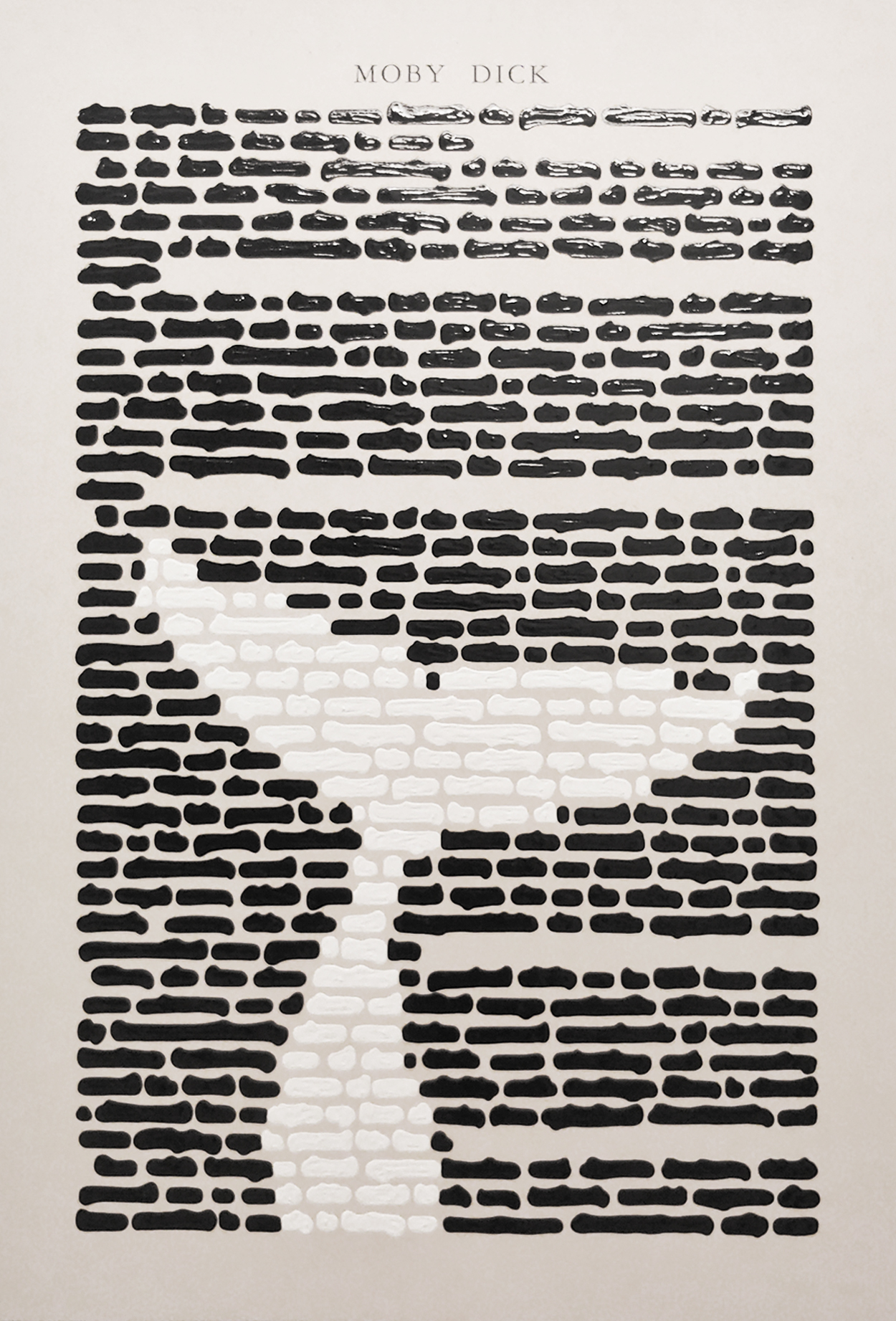
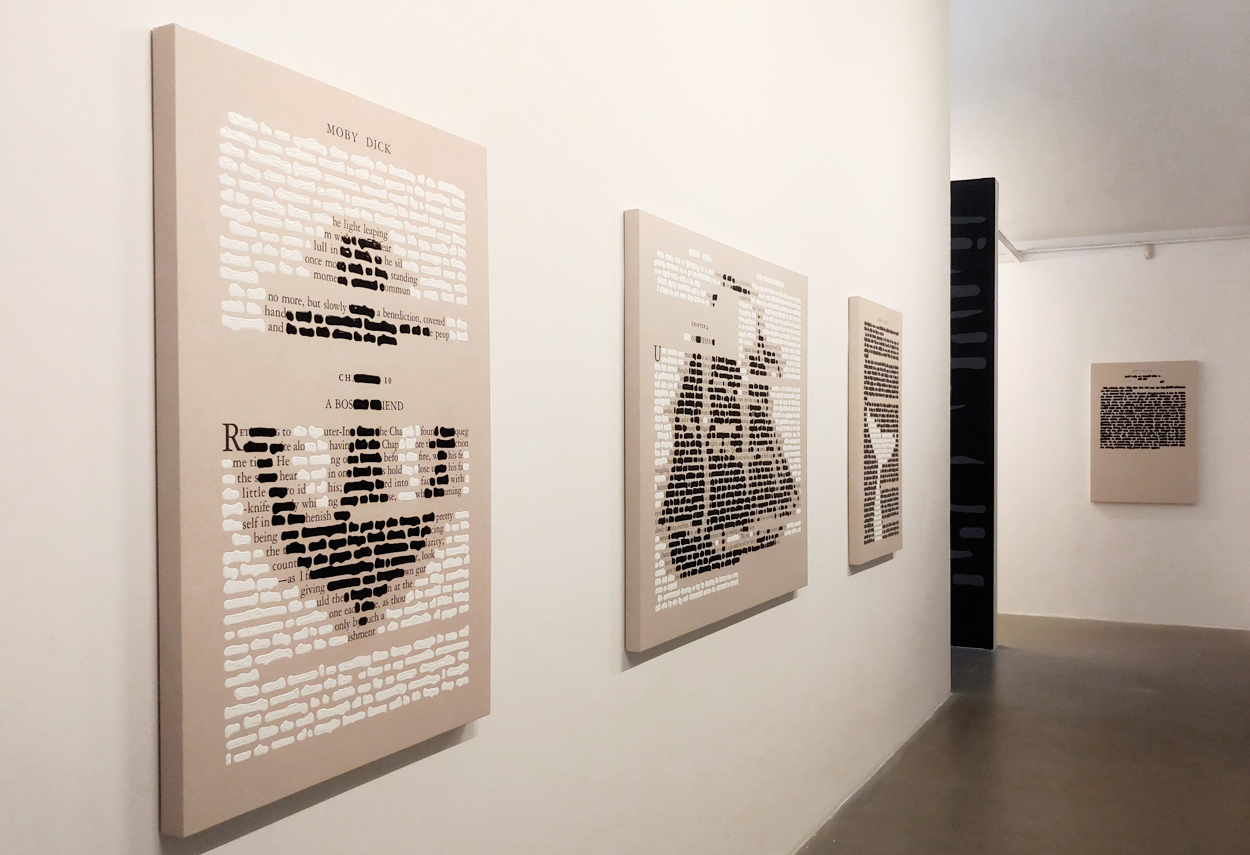
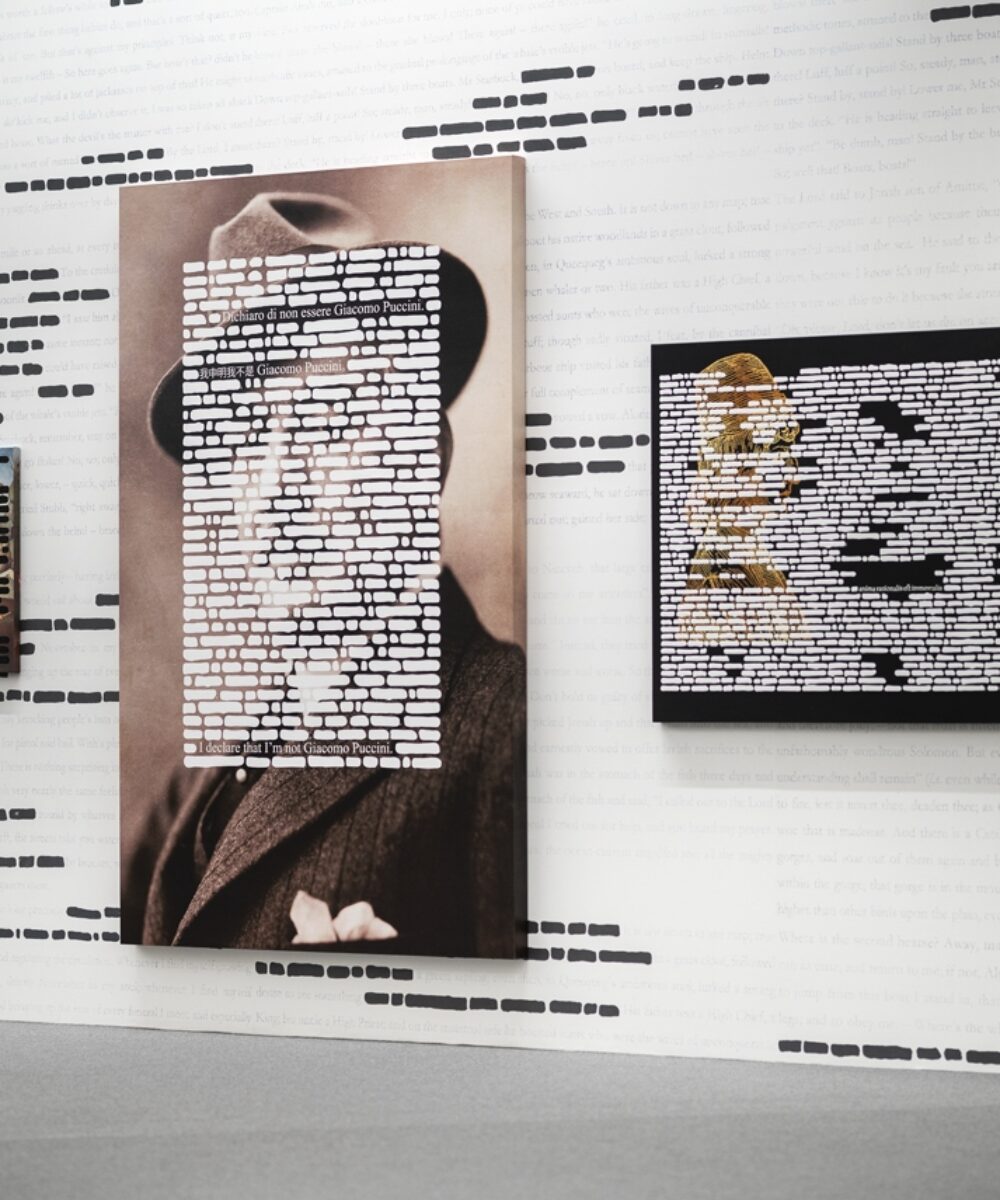
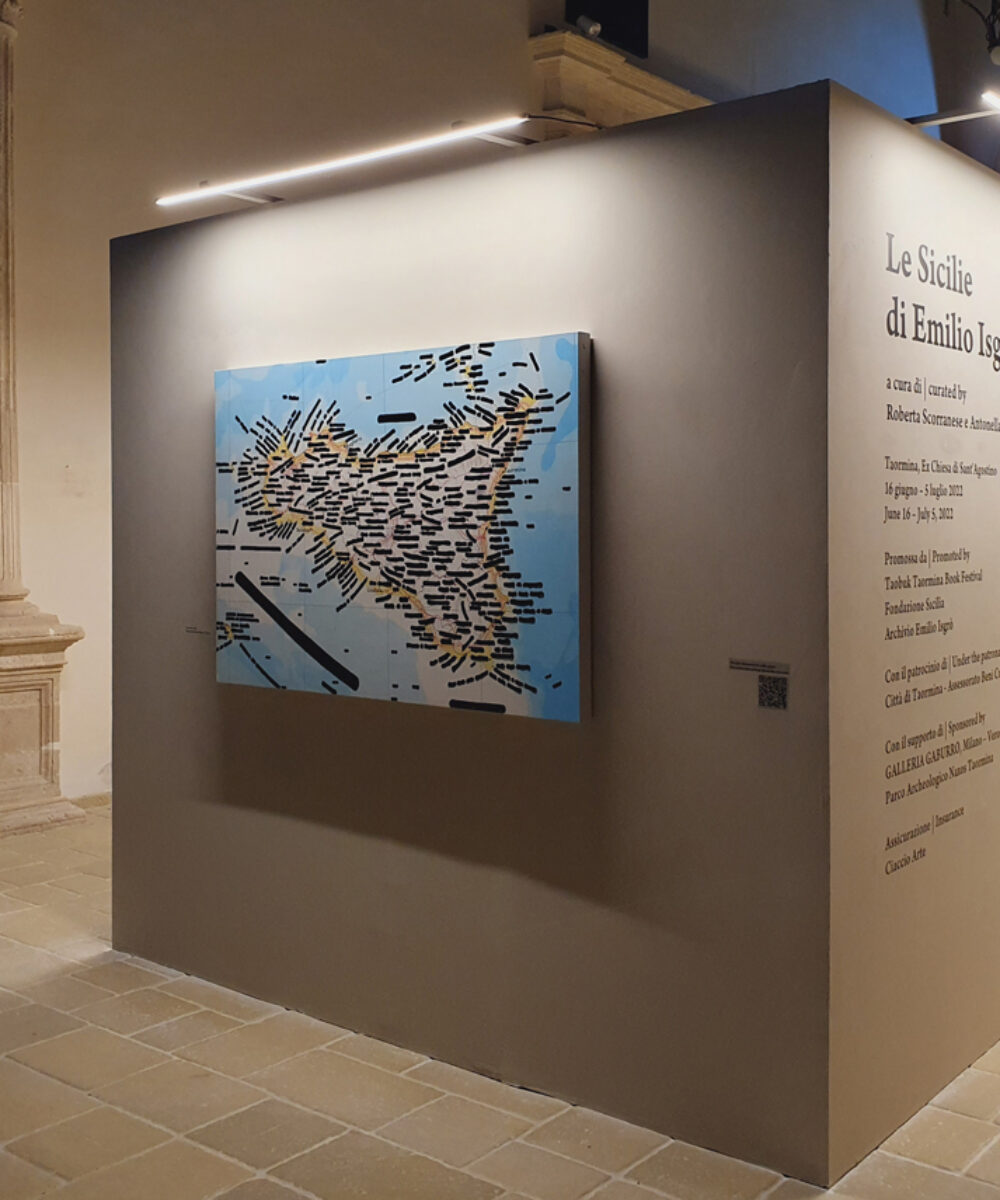
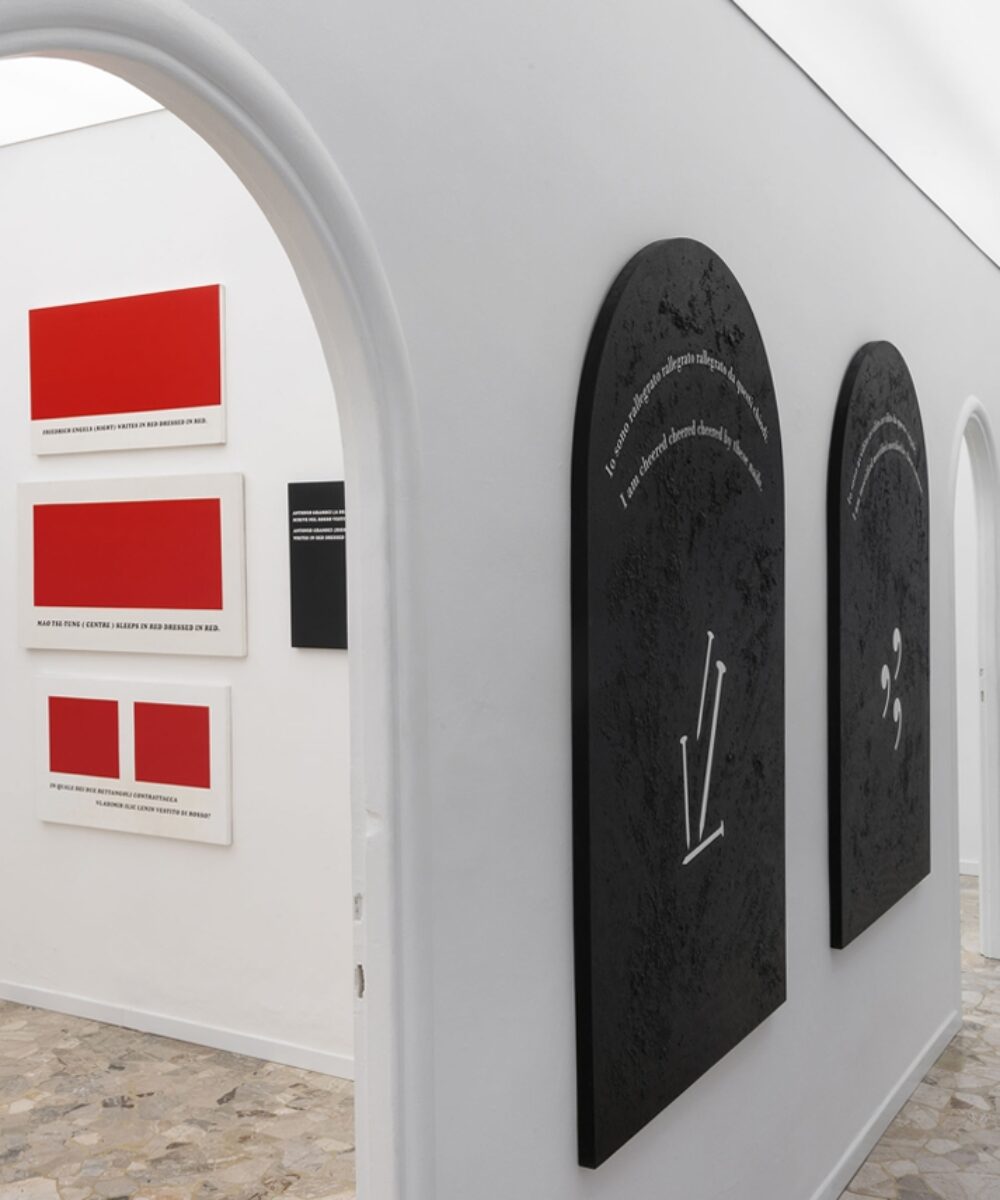
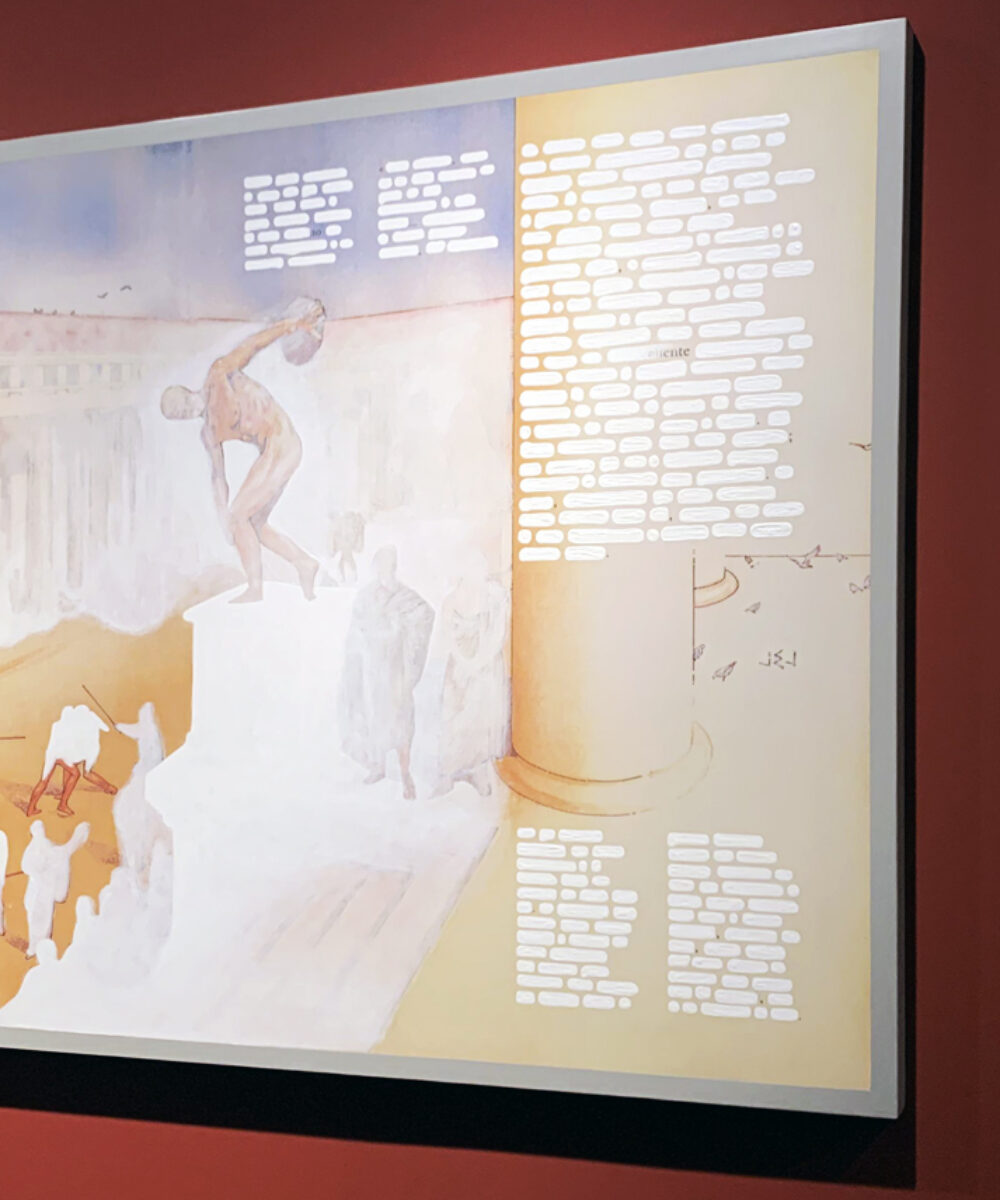
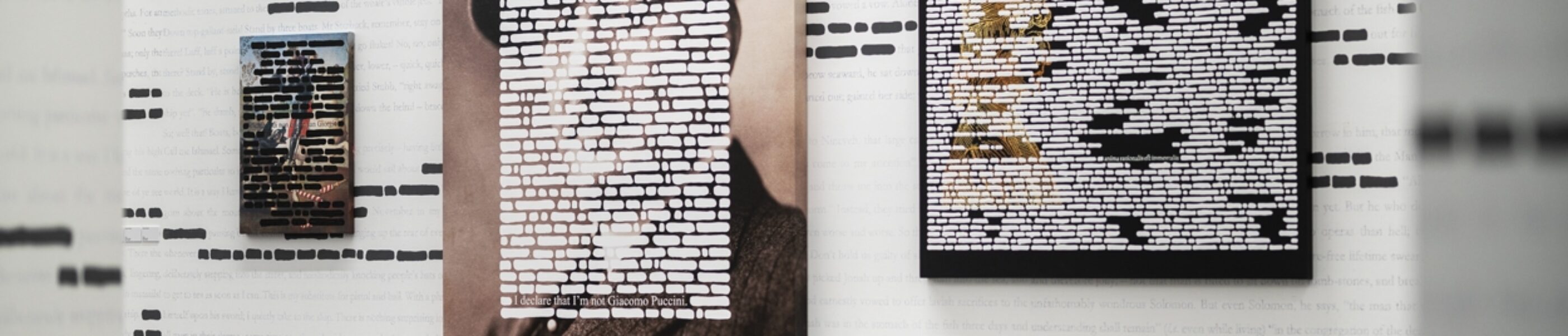
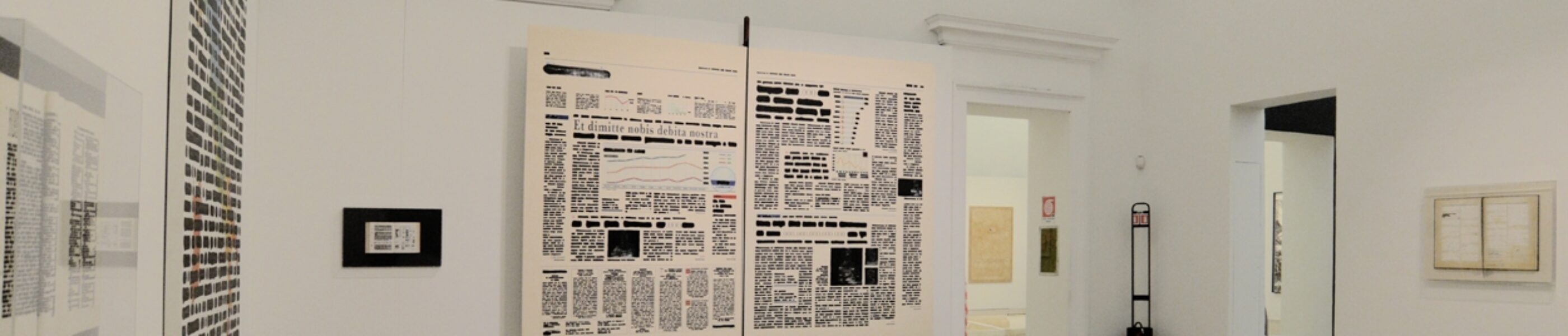
The theme of the "journey" is the common thread that surrounds ancient myths, legends and heroes that are mentioned in this exhibition. Maestro Isgrò presents works in which literature appears starting from the Greek universe, with the figure of the "multifaceted" Ulysses of the Homeric Odyssey arriving at Dante's Divine Comedy, where the hero is remembered as a symbol of the human thirst for knowledge. The route continues towards James Joyce and Herman Melville: Captain Ahab from Moby Dick becomes a modern Odysseus.
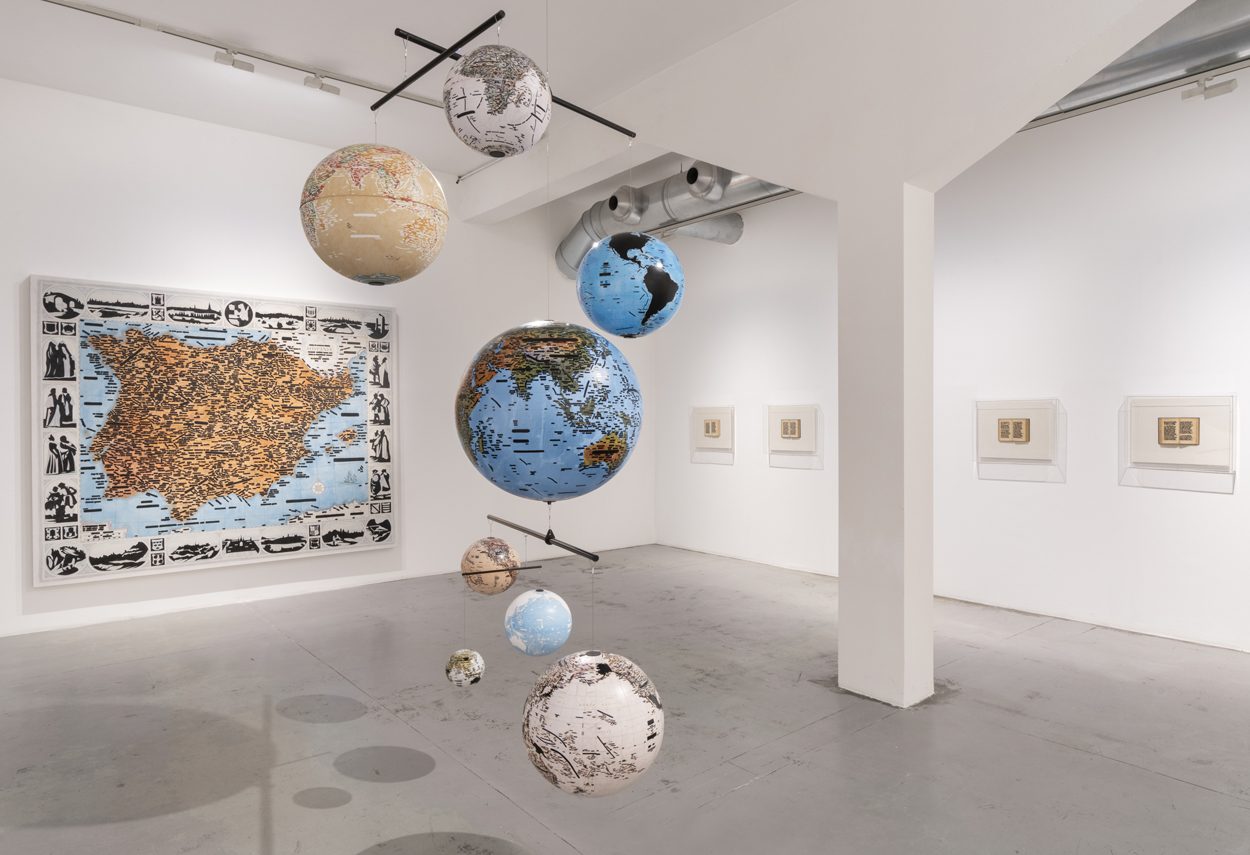
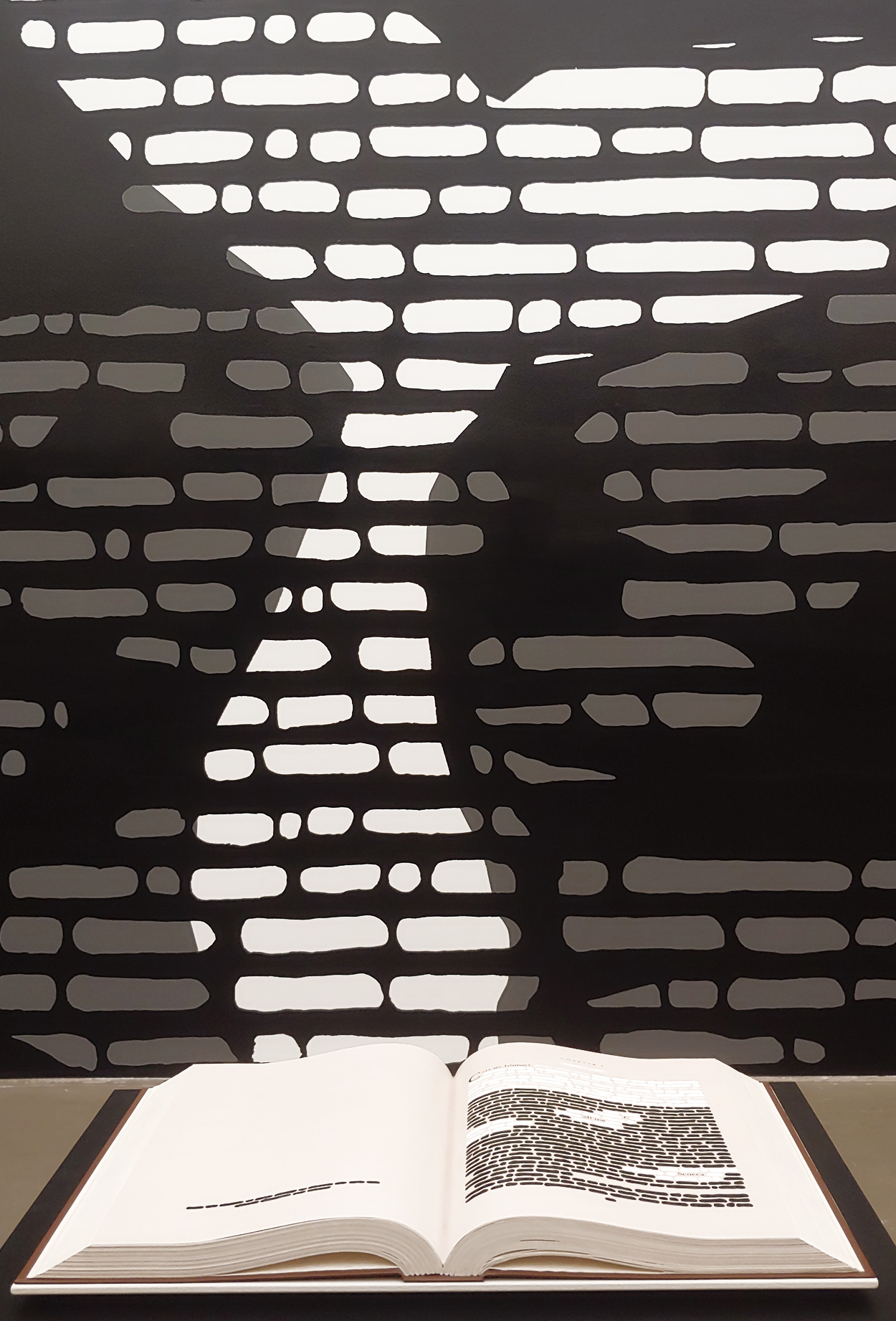
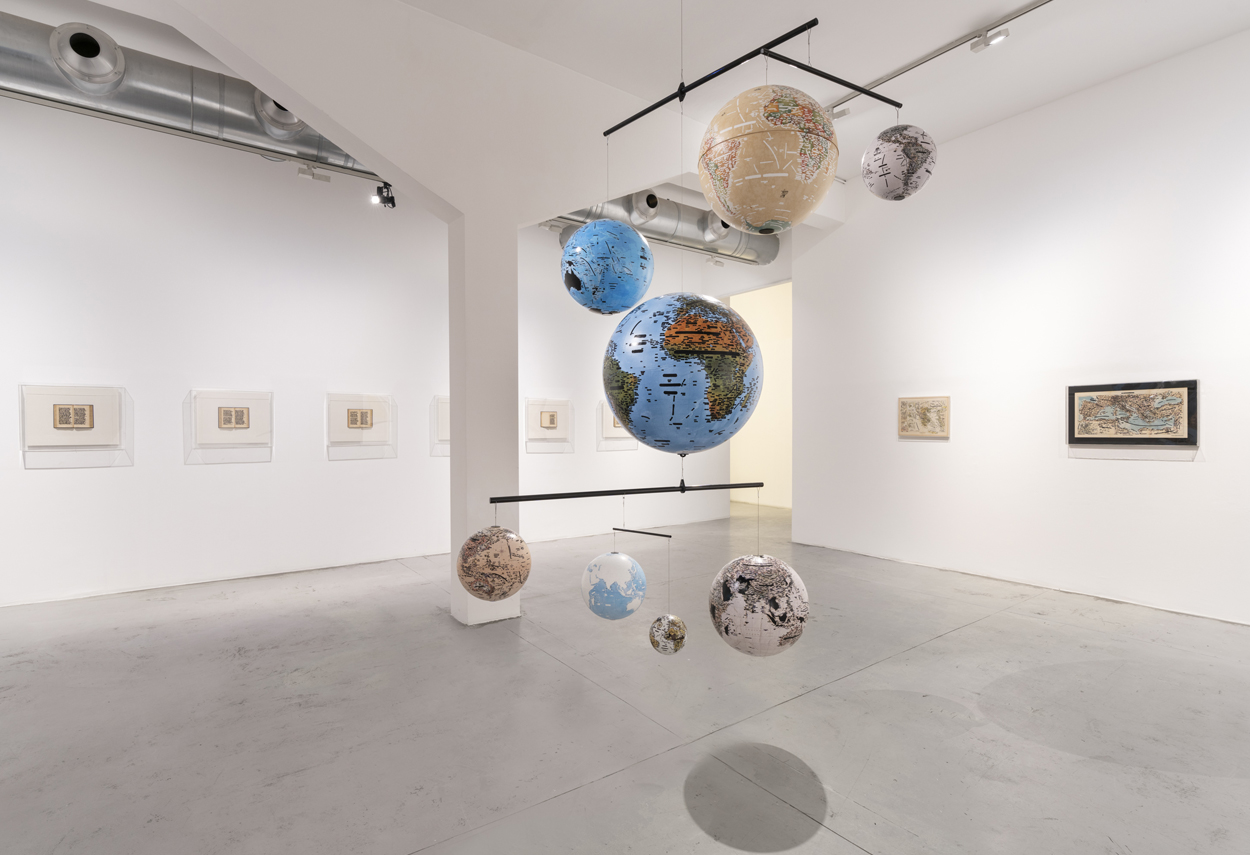
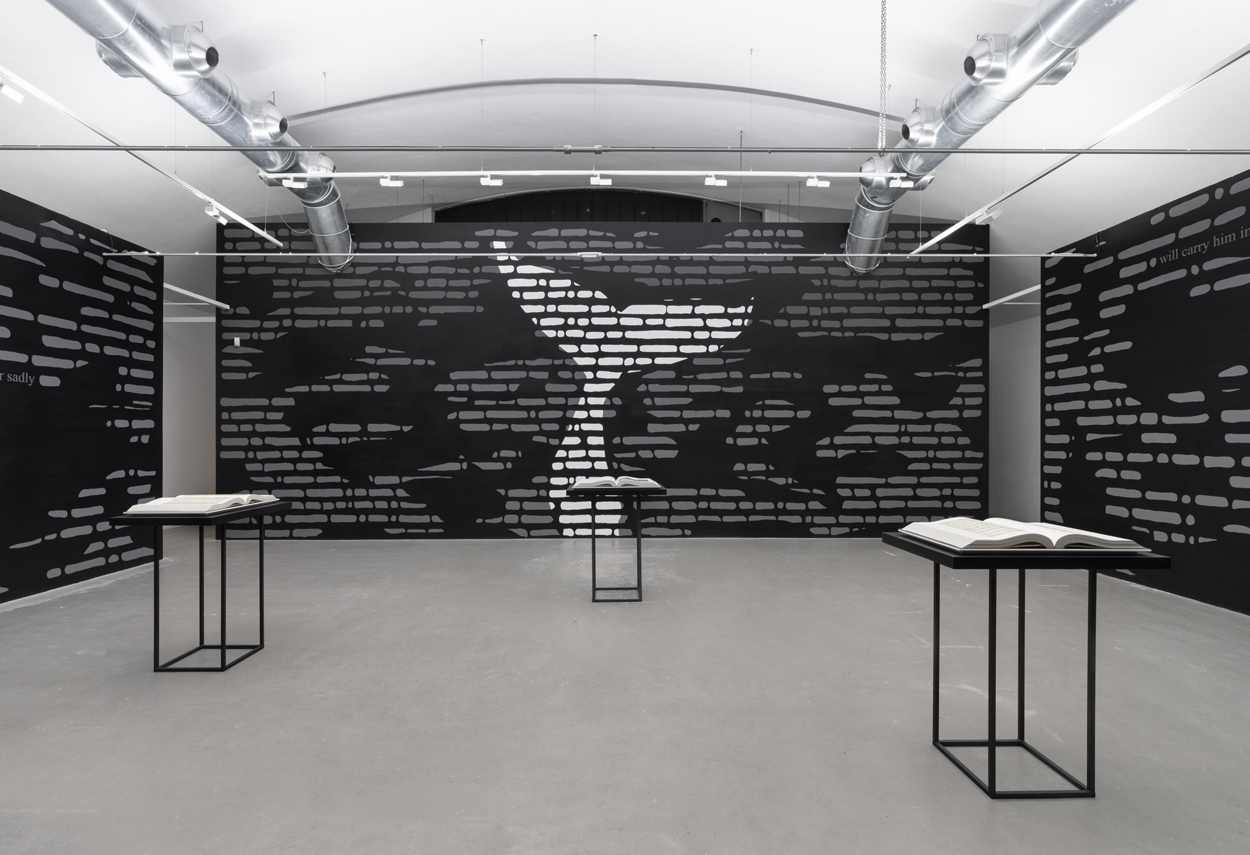
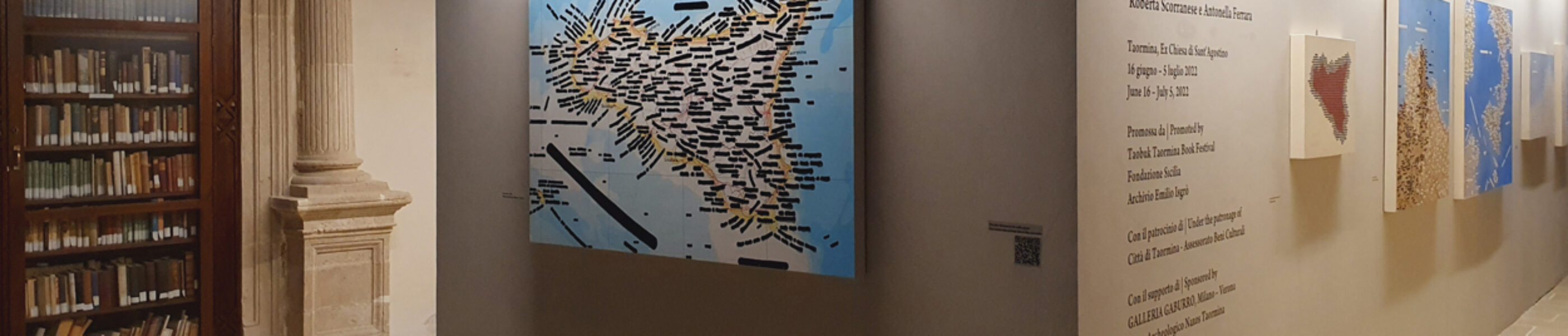
When visiting the exhibition which unfolds over two floors of the M77 Gallery, the spectator himself becomes the protagonist of a journey, initially among geographical maps placed on the walls and a planetarium hanging from the ceiling with eight globes: all rigorously erased. Then going up you are amazed by a site-specific work, a large erased pictogram from which the tail of the famous white whale emerges.
The word once again, first, stands out and becomes the spokesperson for a narrative that certainly develops through images but which has as its starting point human literary production, of great masterpieces that have shaped and still shape our world.
The museum lighting design is structured as follows:
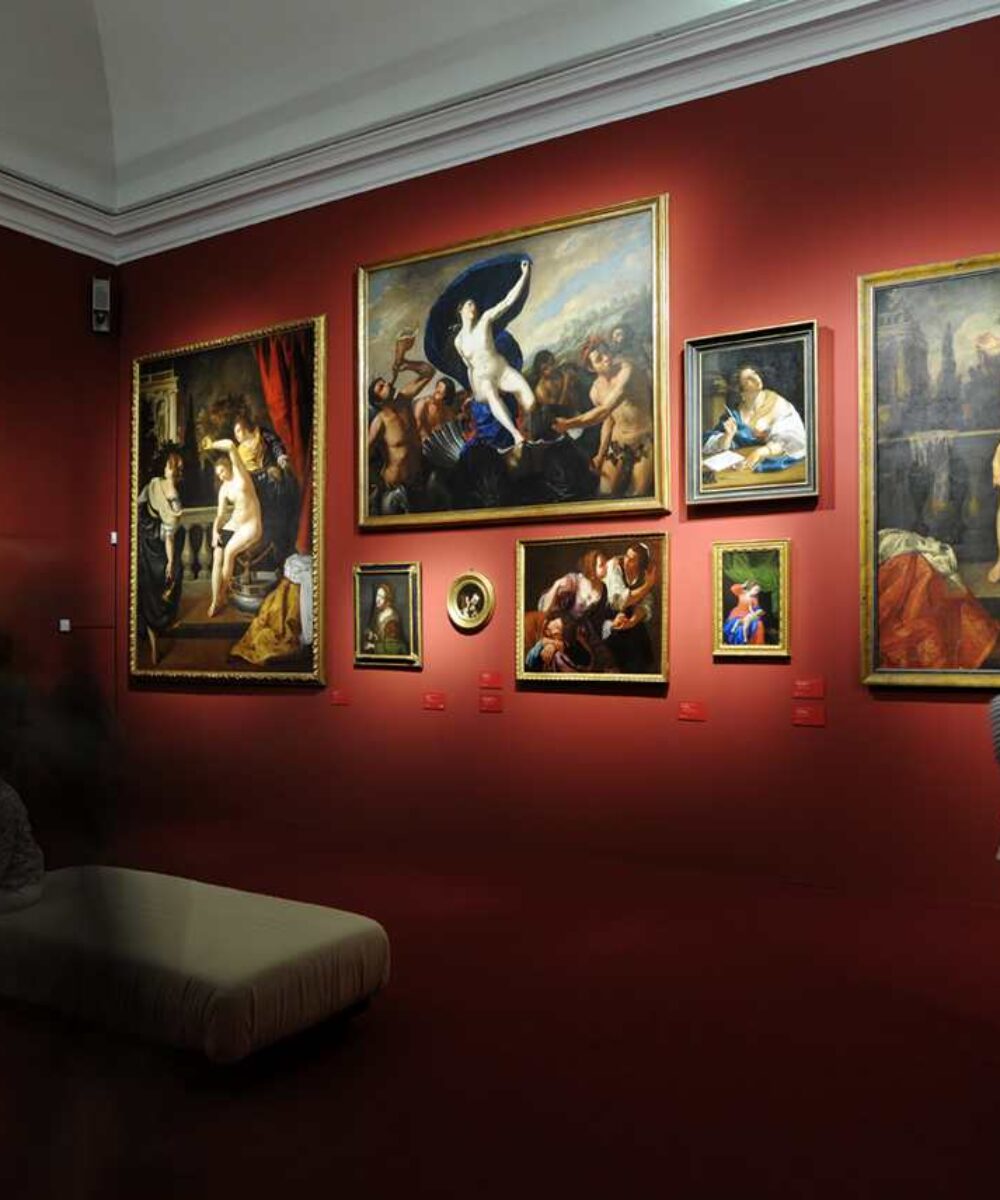
On the ground floor, track-mounted projectors with a controlled light beam emit limited lighting exclusively on the vertical planes. The perimeter walls are thus highlighted with particular attention to the areas where the works are displayed.
The restitution of the volumes of the globe installation suspended in the center of the space is shaped by two shapers placed in the corners to limit glare.
Average illuminance values on the works equal to 250 lux are reported.
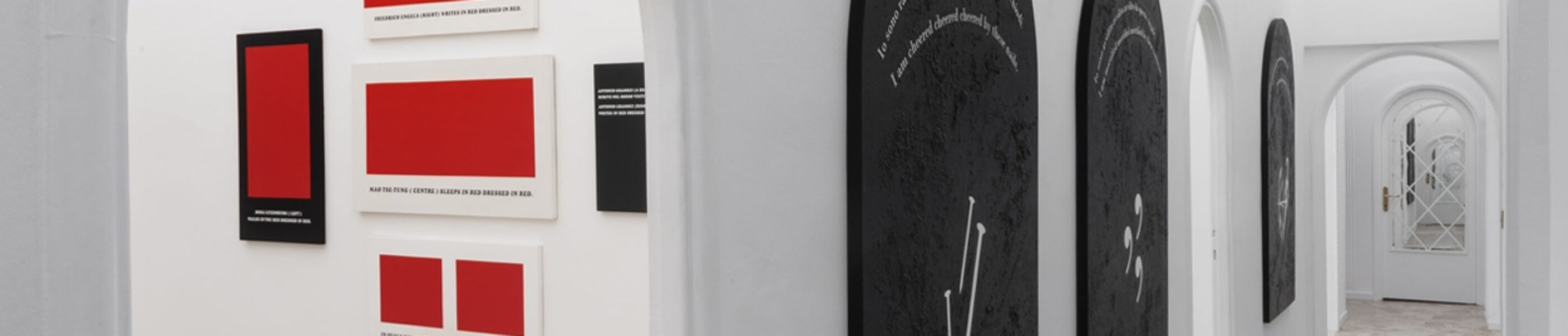
On the first floor, lines of LEDs installed on chains produce indirect and homogeneous lighting on the exhibition walls. The books displayed in the central part are illuminated by the general light produced by the environment. In the corridors adjacent to the central room, linear fixtures with diffused light help illuminate the works displayed on the walls.
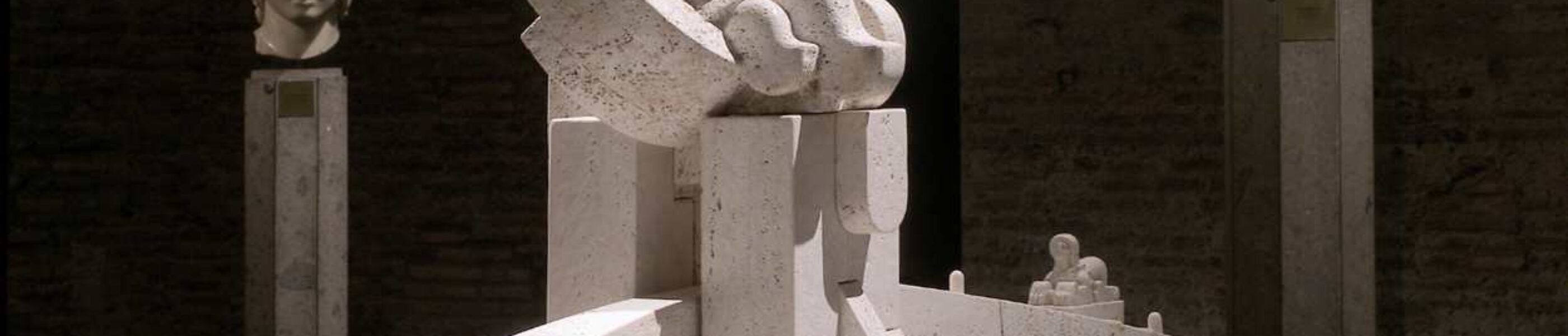
The lighting design of the temporary exhibition was carried out using the luminaires in the gallery. Through careful aiming of the projectors, the works become the protagonists of the space. Fundamental is the rendering of the three-dimensional objects. The light is designed to allow the volume of the globes to be rendered.
Client:
Piero Castiglioni
Collaborations:
Emilio Isgrò
Galleria M77
Claire Gilman
Photo Courtesy:
Emilio Isgrò
Year:
2023
The theme of the "journey" is the common thread that surrounds ancient myths, legends and heroes that are mentioned in this exhibition. Maestro Isgrò presents works in which literature appears starting from the Greek universe, with the figure of the "multifaceted" Ulysses of the Homeric Odyssey arriving at Dante's Divine Comedy, where the hero is remembered as a symbol of the human thirst for knowledge. The route continues towards James Joyce and Herman Melville: Captain Ahab from Moby Dick becomes a modern Odysseus.
When visiting the exhibition which unfolds over two floors of the M77 Gallery, the spectator himself becomes the protagonist of a journey, initially among geographical maps placed on the walls and a planetarium hanging from the ceiling with eight globes: all rigorously erased. Then going up you are amazed by a site-specific work, a large erased pictogram from which the tail of the famous white whale emerges.
The word once again, first, stands out and becomes the spokesperson for a narrative that certainly develops through images but which has as its starting point human literary production, of great masterpieces that have shaped and still shape our world.
The museum lighting design is structured as follows:
On the ground floor, track-mounted projectors with a controlled light beam emit limited lighting exclusively on the vertical planes. The perimeter walls are thus highlighted with particular attention to the areas where the works are displayed.
The restitution of the volumes of the globe installation suspended in the center of the space is shaped by two shapers placed in the corners to limit glare.
Average illuminance values on the works equal to 250 lux are reported.
On the first floor, lines of LEDs installed on chains produce indirect and homogeneous lighting on the exhibition walls. The books displayed in the central part are illuminated by the general light produced by the environment. In the corridors adjacent to the central room, linear fixtures with diffused light help illuminate the works displayed on the walls.
The lighting design of the temporary exhibition was carried out using the luminaires in the gallery. Through careful aiming of the projectors, the works become the protagonists of the space. Fundamental is the rendering of the three-dimensional objects. The light is designed to allow the volume of the globes to be rendered.
Client:
Piero Castiglioni
Collaborations:
Emilio Isgrò
Galleria M77
Claire Gilman
Photo Courtesy:
Emilio Isgrò
Year:
2023
Other Projects
Other Projects
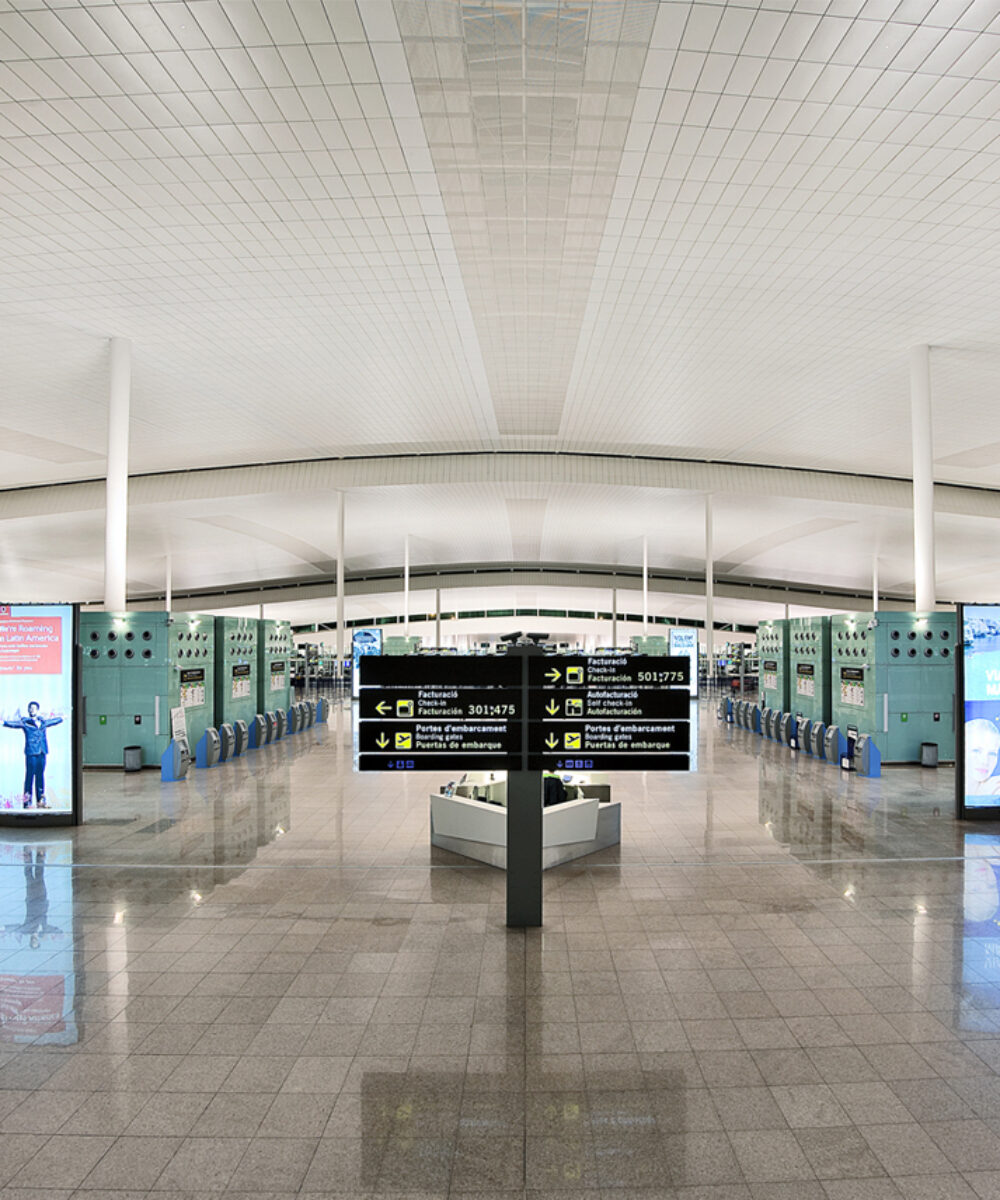
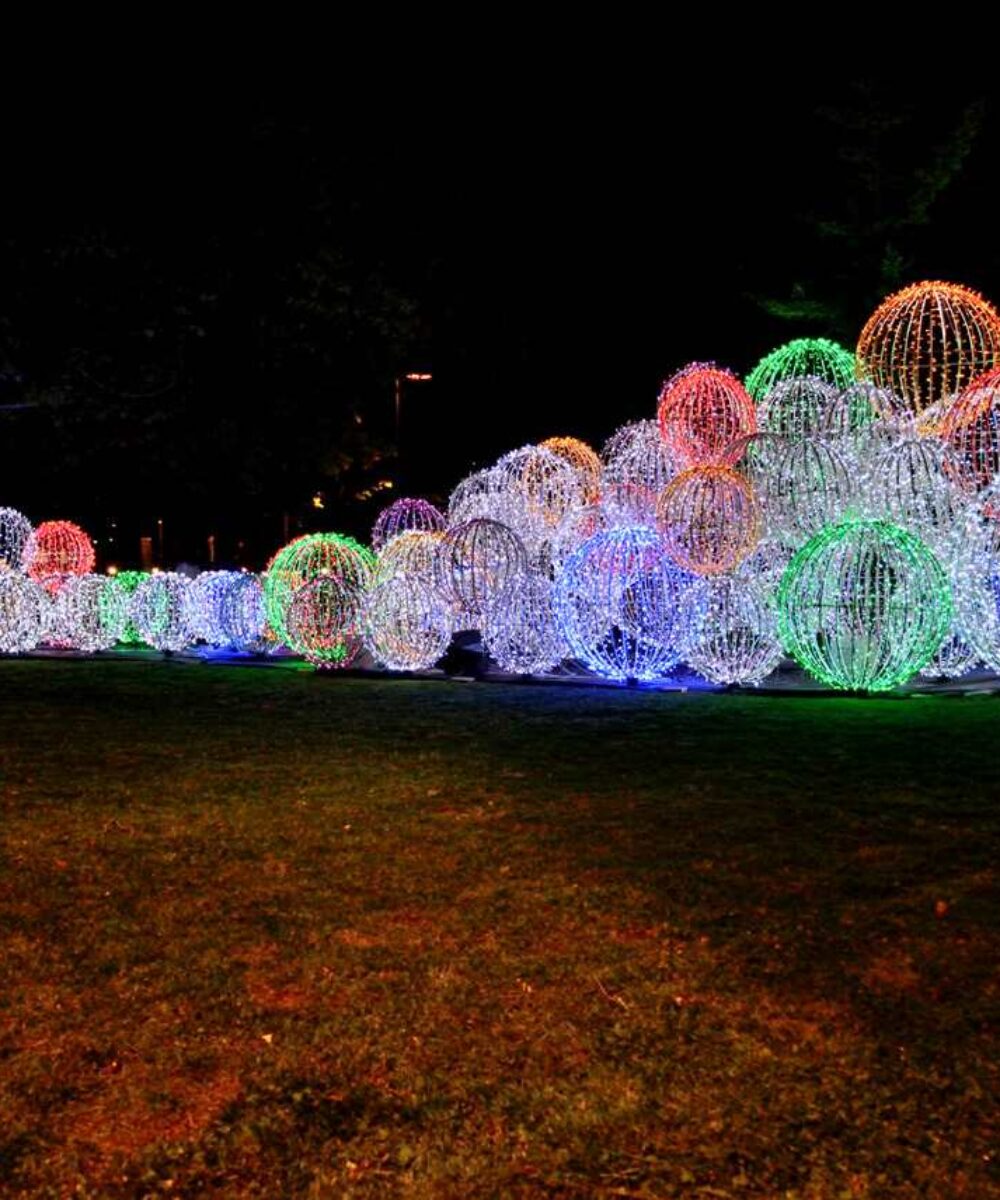
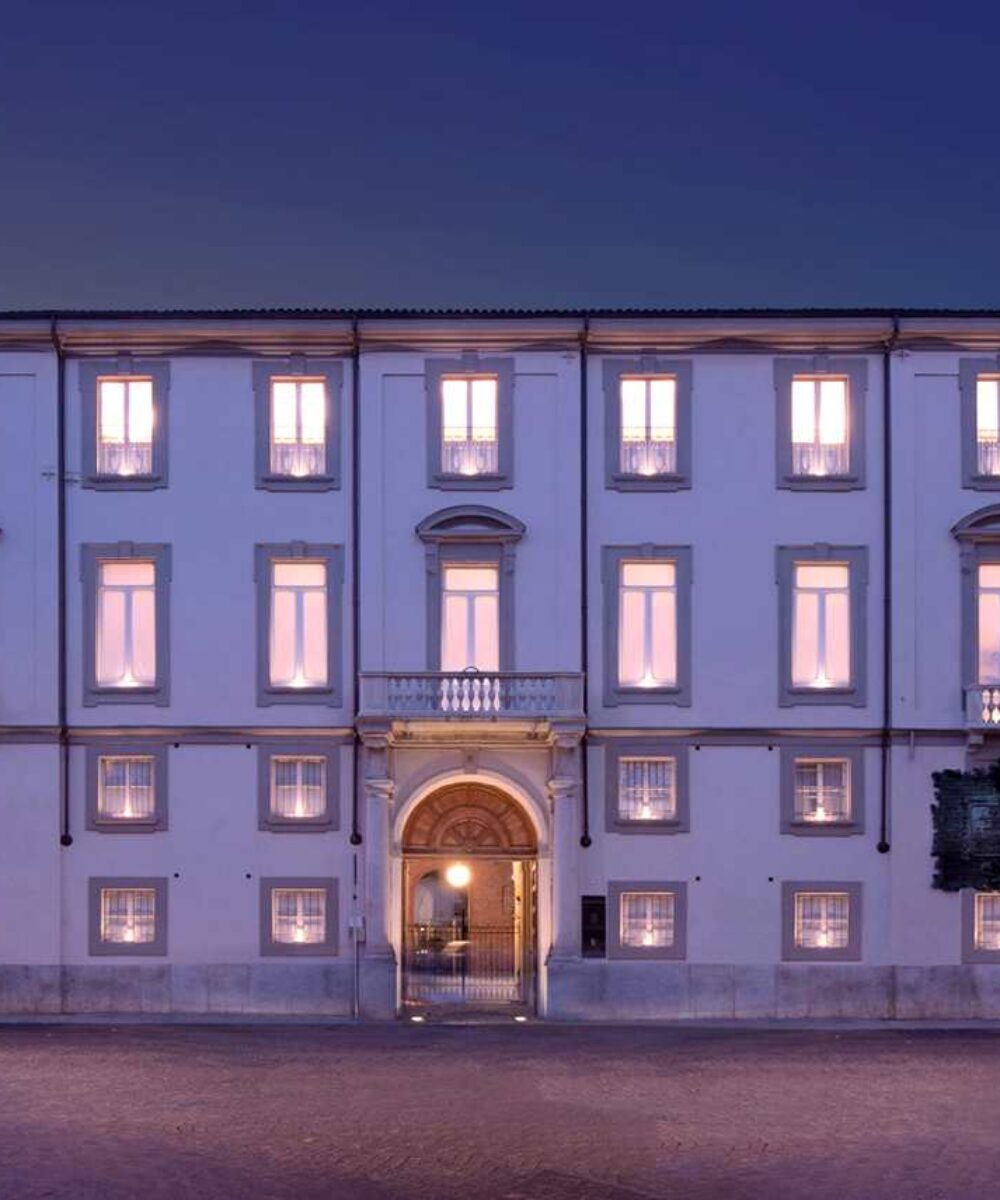
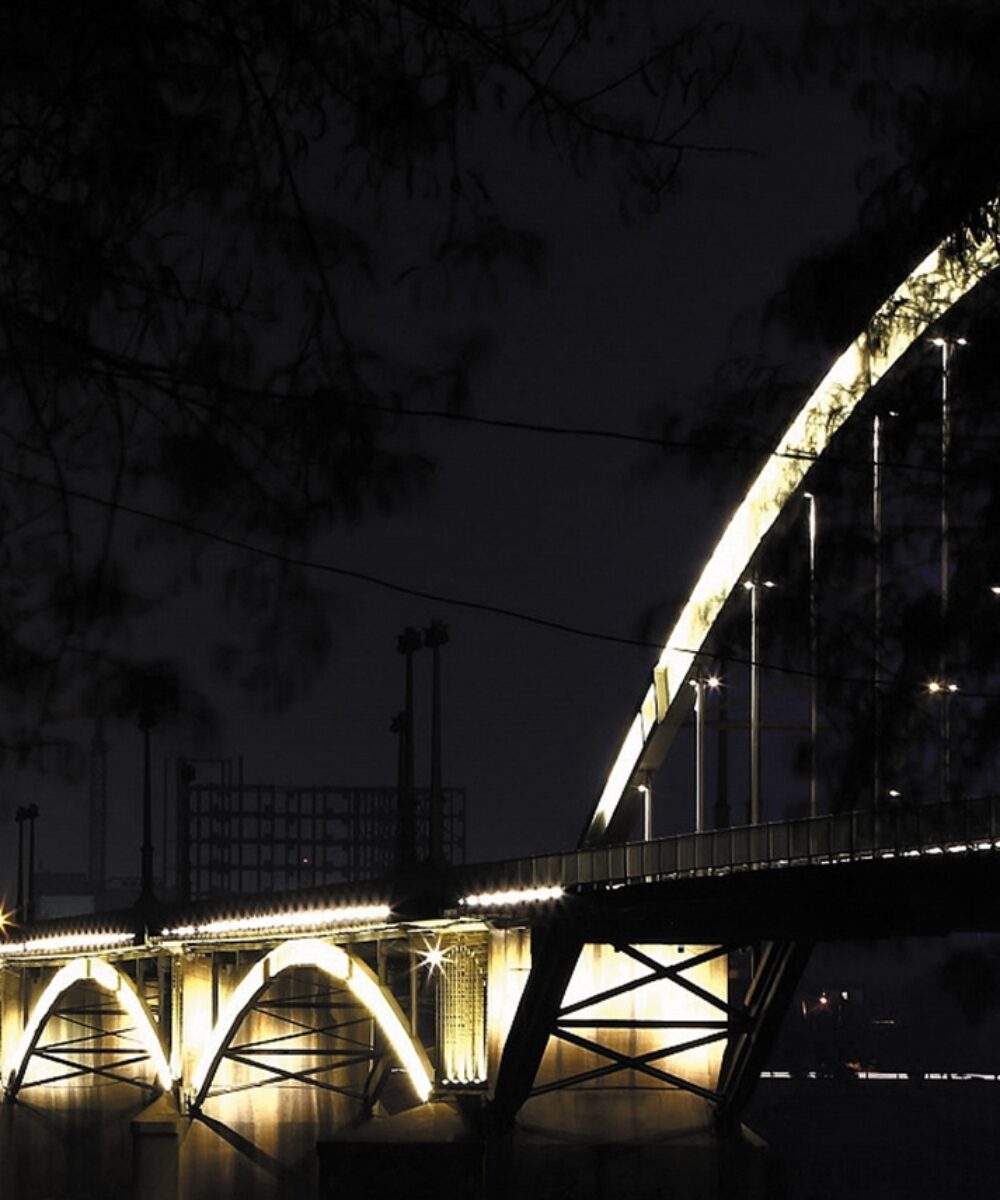
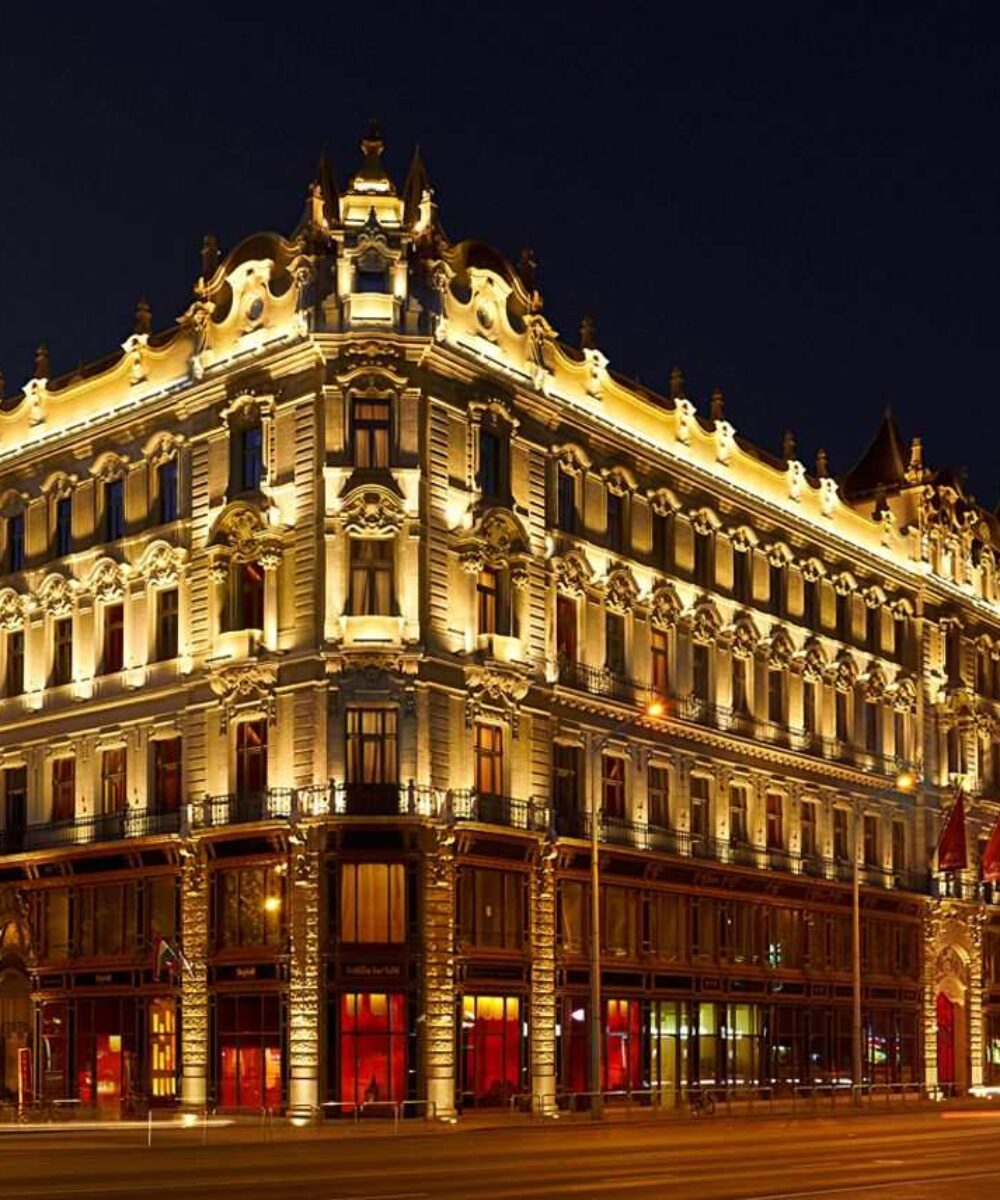
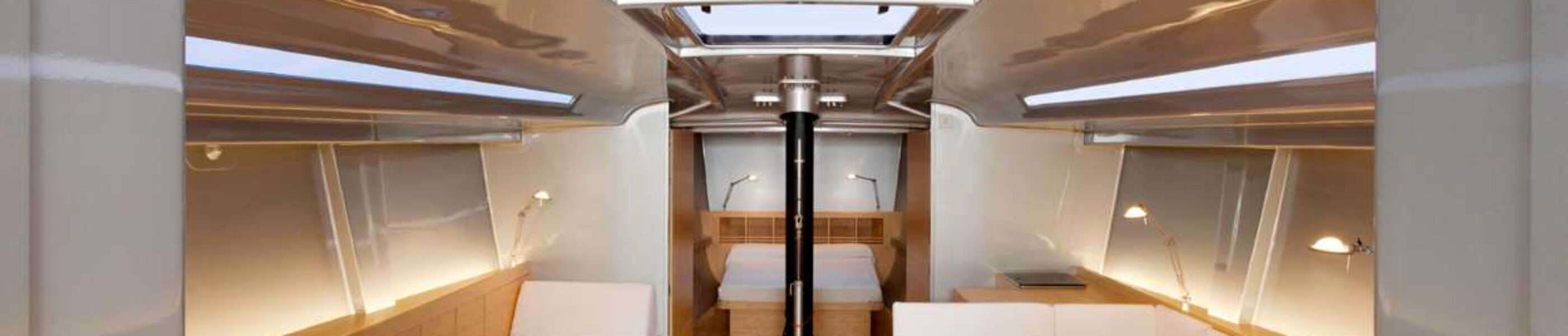
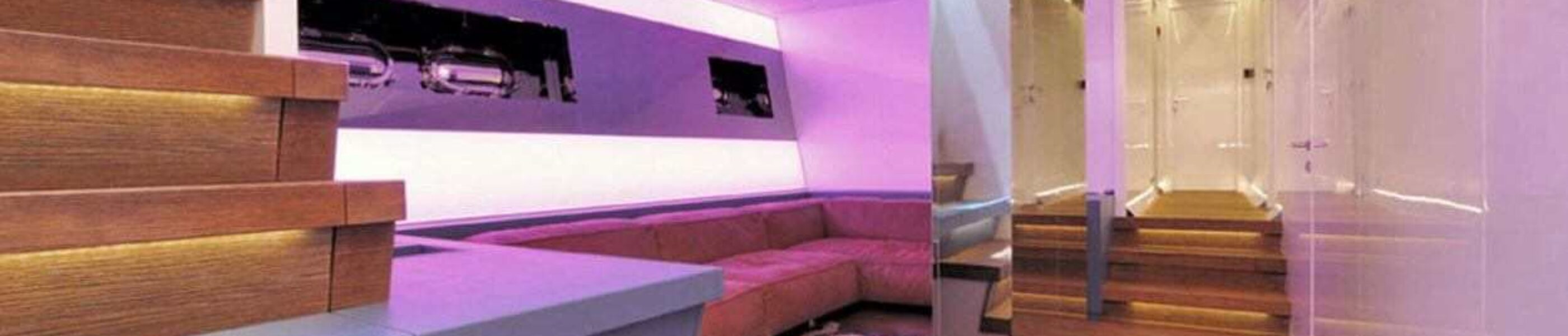
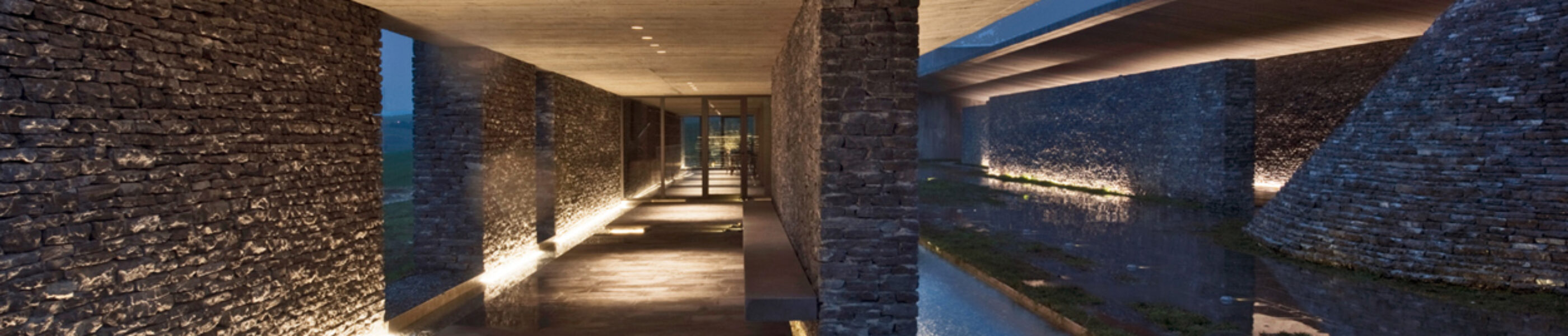
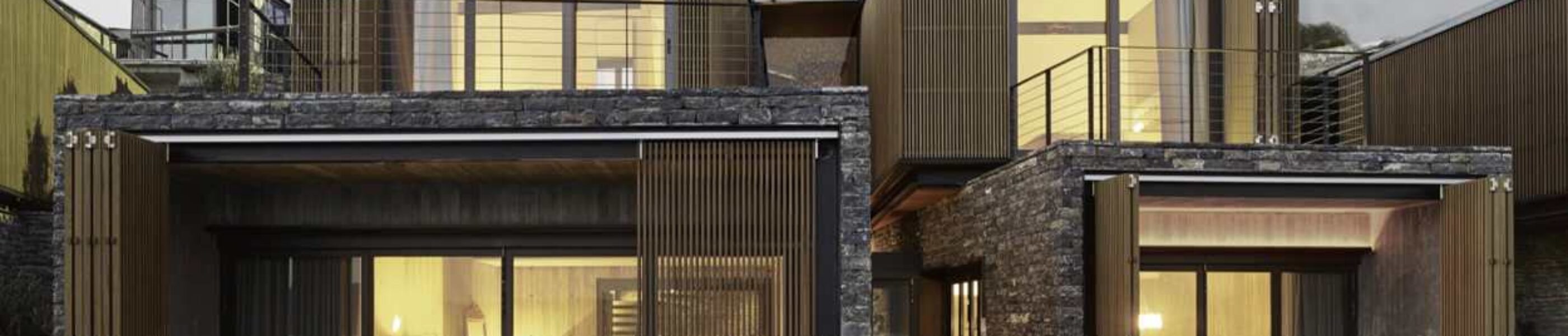
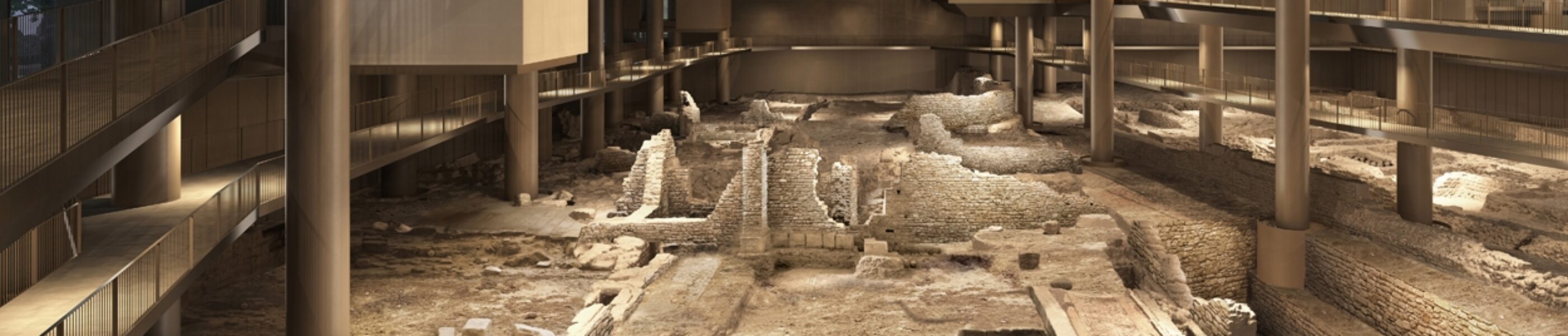
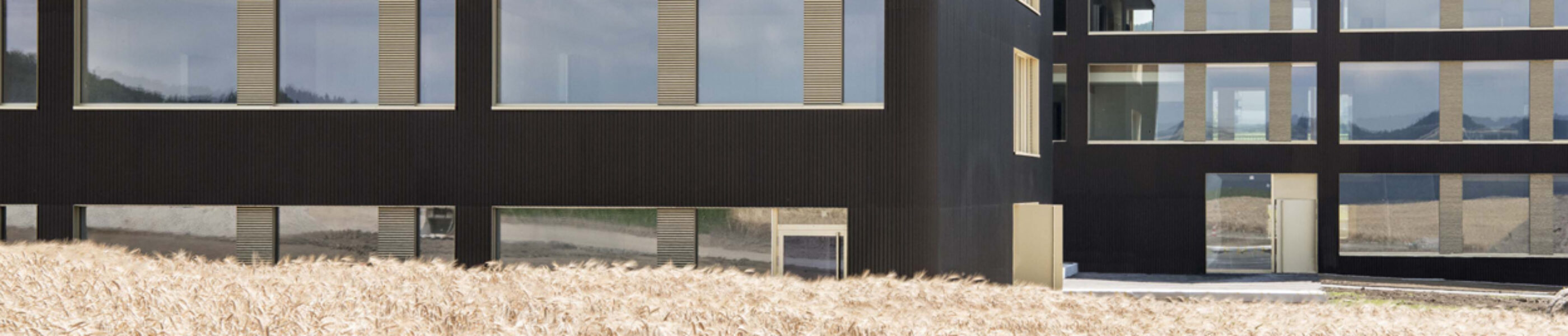
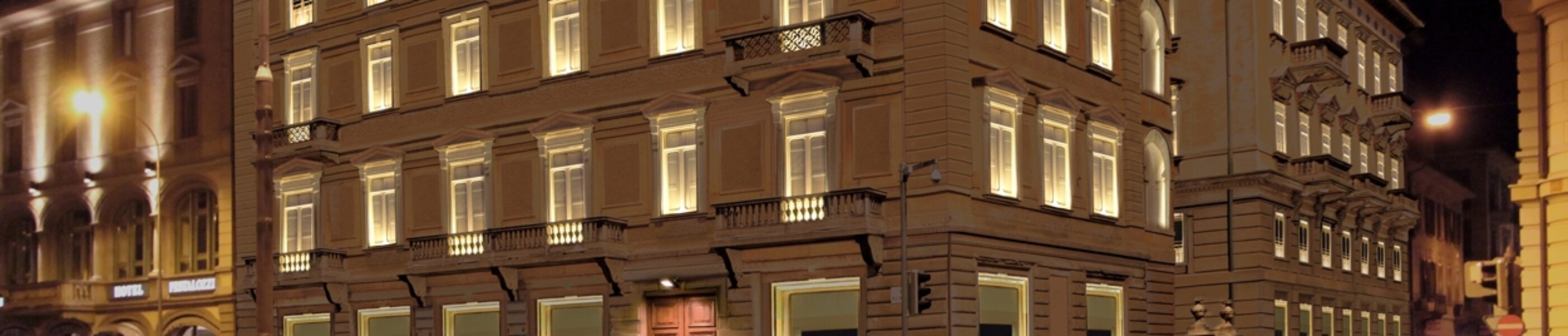
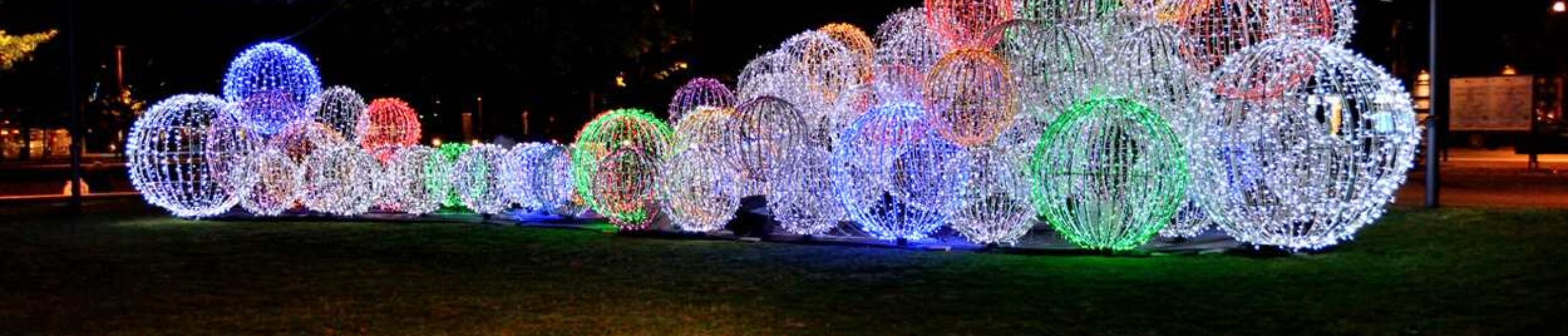
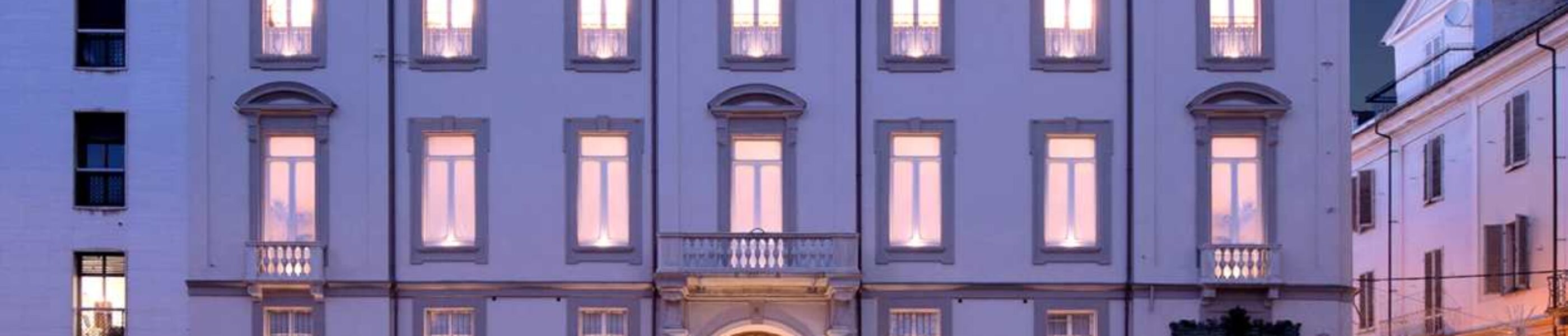
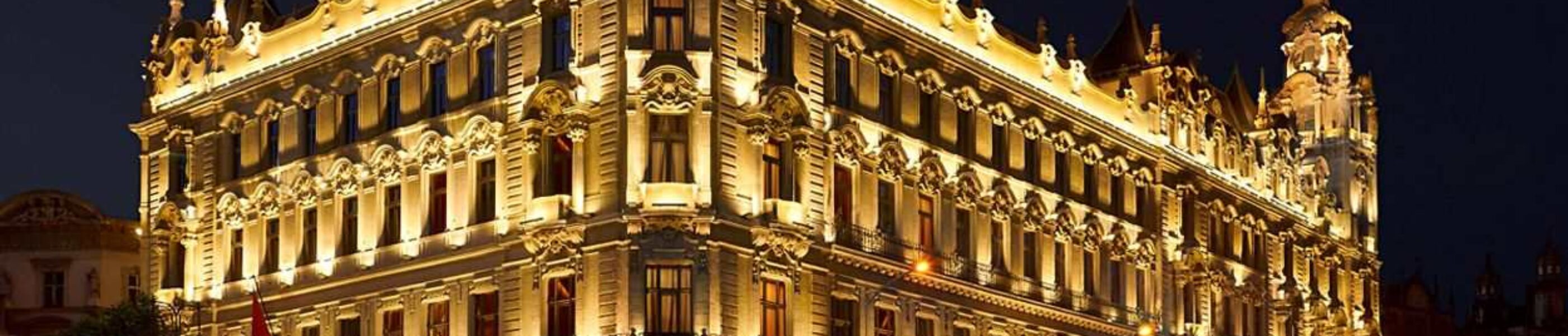
This section brings together a representative selection of lighting design projects in the architectural, museum, urban, cultural, retail, hospitality, and infrastructure sectors, both in Italy and abroad. The gallery documents projects of varying scale, function, and context, all sharing an approach to light as a tool for interpreting space, capable of engaging with architecture, artworks, landscape, and contemporary use.
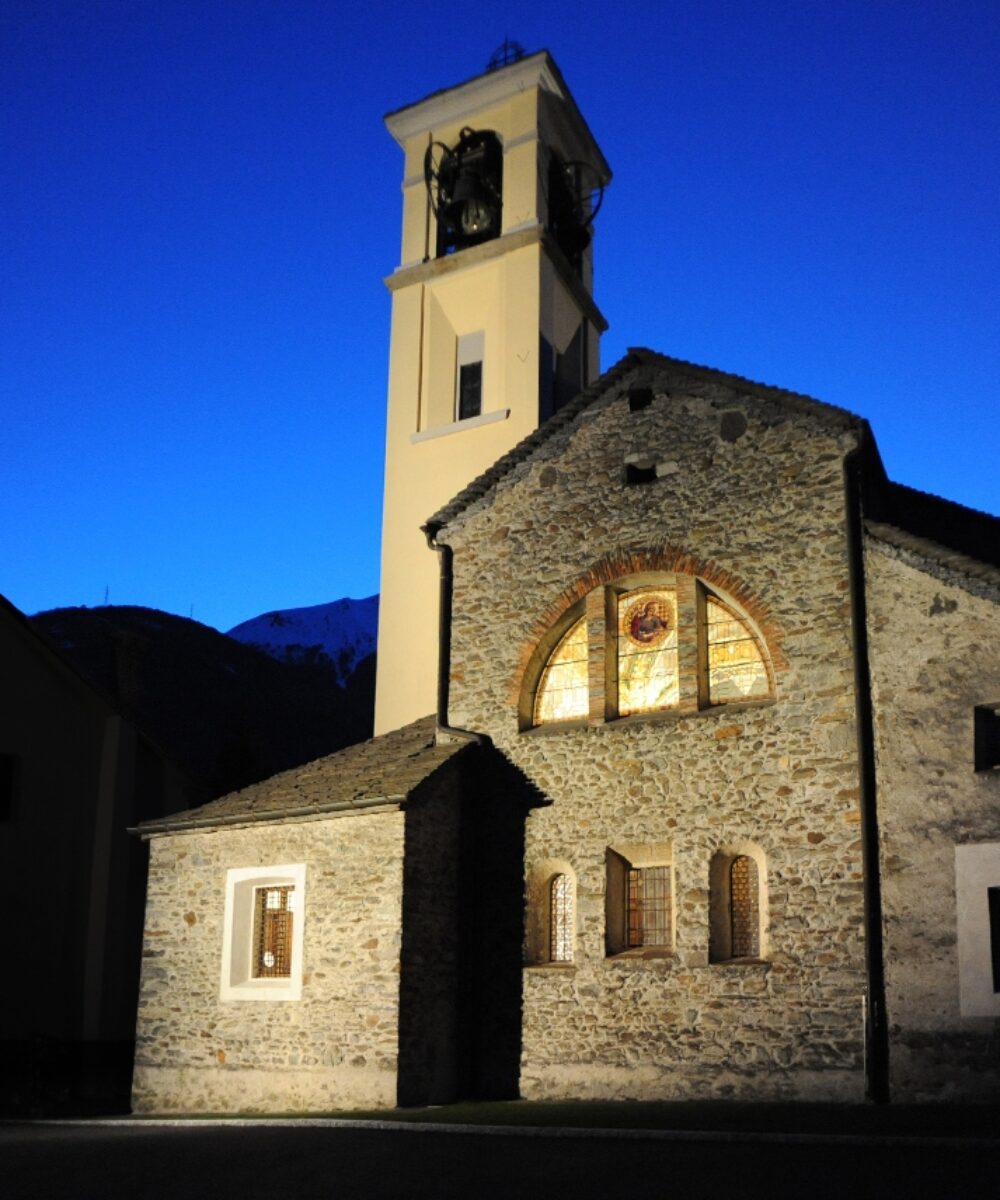
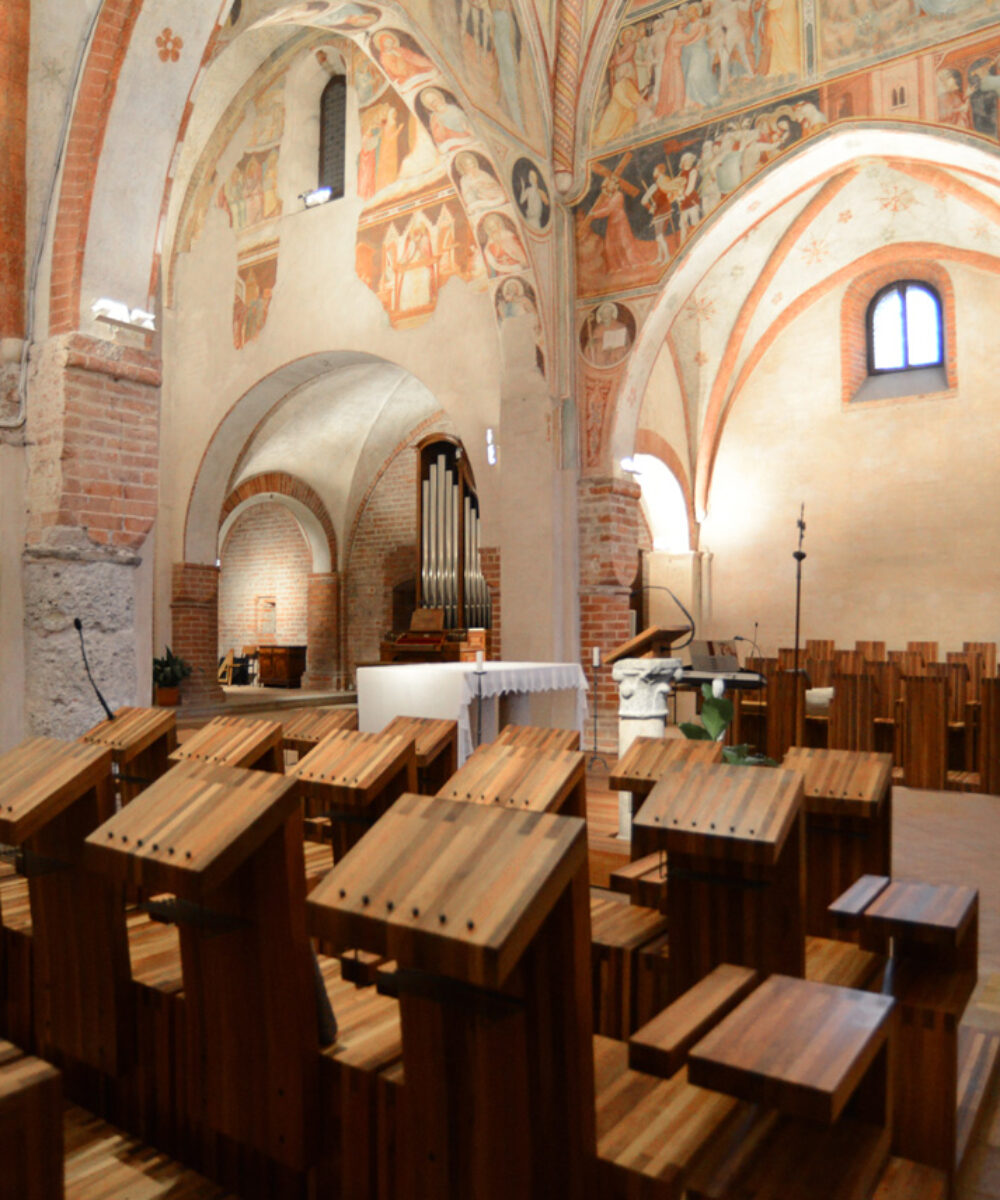
The projects presented range from museums, foundations, and temporary exhibitions to historic buildings, places of worship, public spaces, and urban complexes, including corporate headquarters, private residences, yachts, and lighting masterplans. In each project, light is designed as a controlled material, calibrated to the characteristics of the location, its functional needs, and the perceptual quality of the experience.
Taken together, the collected works convey a vision of lighting design as an integrated process, in which technical rigor, cultural sensitivity, and attention to context contribute to the construction of spatial identity, orientation, and value. The gallery thus takes the form of a design map, capable of demonstrating how light can take on different roles—discrete or declared—while always maintaining coherence, measure, and design awareness.
This section brings together a representative selection of lighting design projects in the architectural, museum, urban, cultural, retail, hospitality, and infrastructure sectors, both in Italy and abroad. The gallery documents projects of varying scale, function, and context, all sharing an approach to light as a tool for interpreting space, capable of engaging with architecture, artworks, landscape, and contemporary use.
The projects presented range from museums, foundations, and temporary exhibitions to historic buildings, places of worship, public spaces, and urban complexes, including corporate headquarters, private residences, yachts, and lighting masterplans. In each project, light is designed as a controlled material, calibrated to the characteristics of the location, its functional needs, and the perceptual quality of the experience.
Taken together, the collected works convey a vision of lighting design as an integrated process, in which technical rigor, cultural sensitivity, and attention to context contribute to the construction of spatial identity, orientation, and value. The gallery thus takes the form of a design map, capable of demonstrating how light can take on different roles—discrete or declared—while always maintaining coherence, measure, and design awareness.