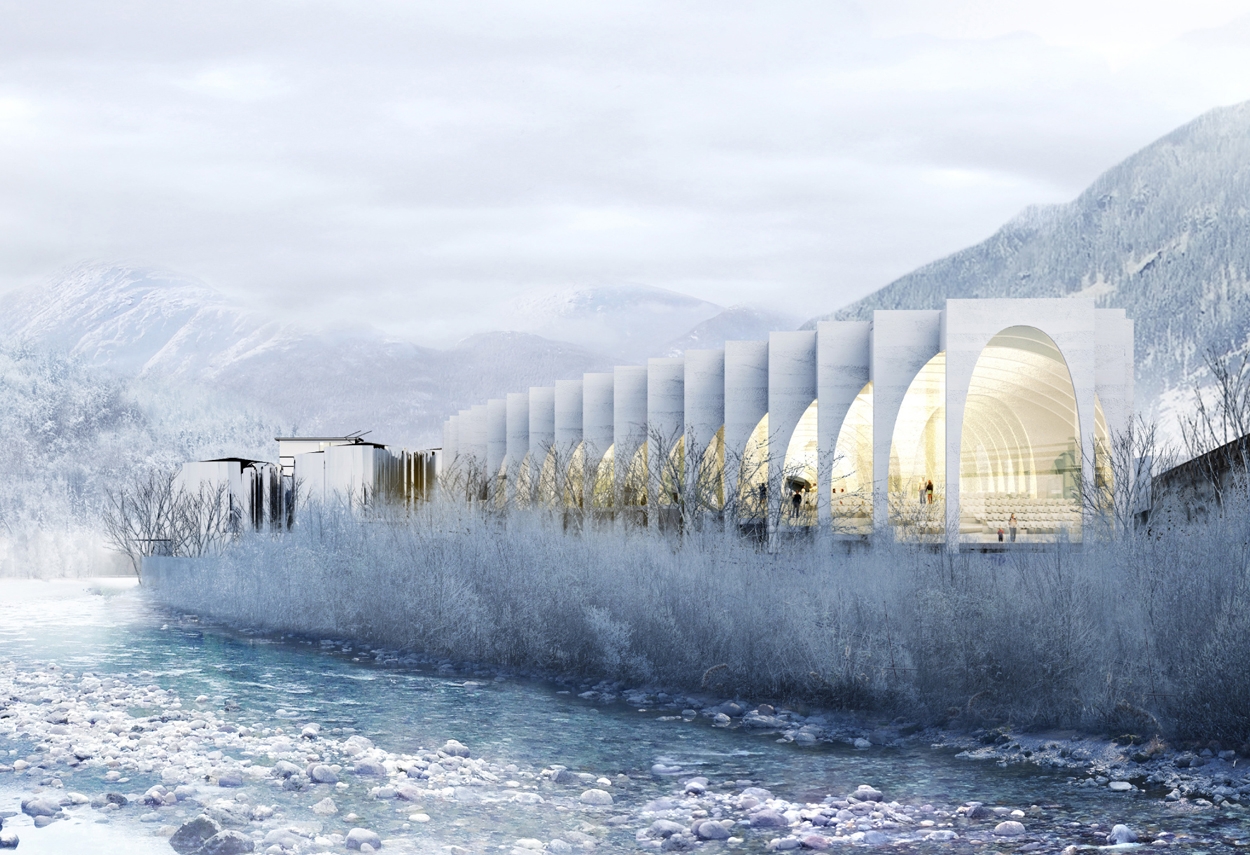
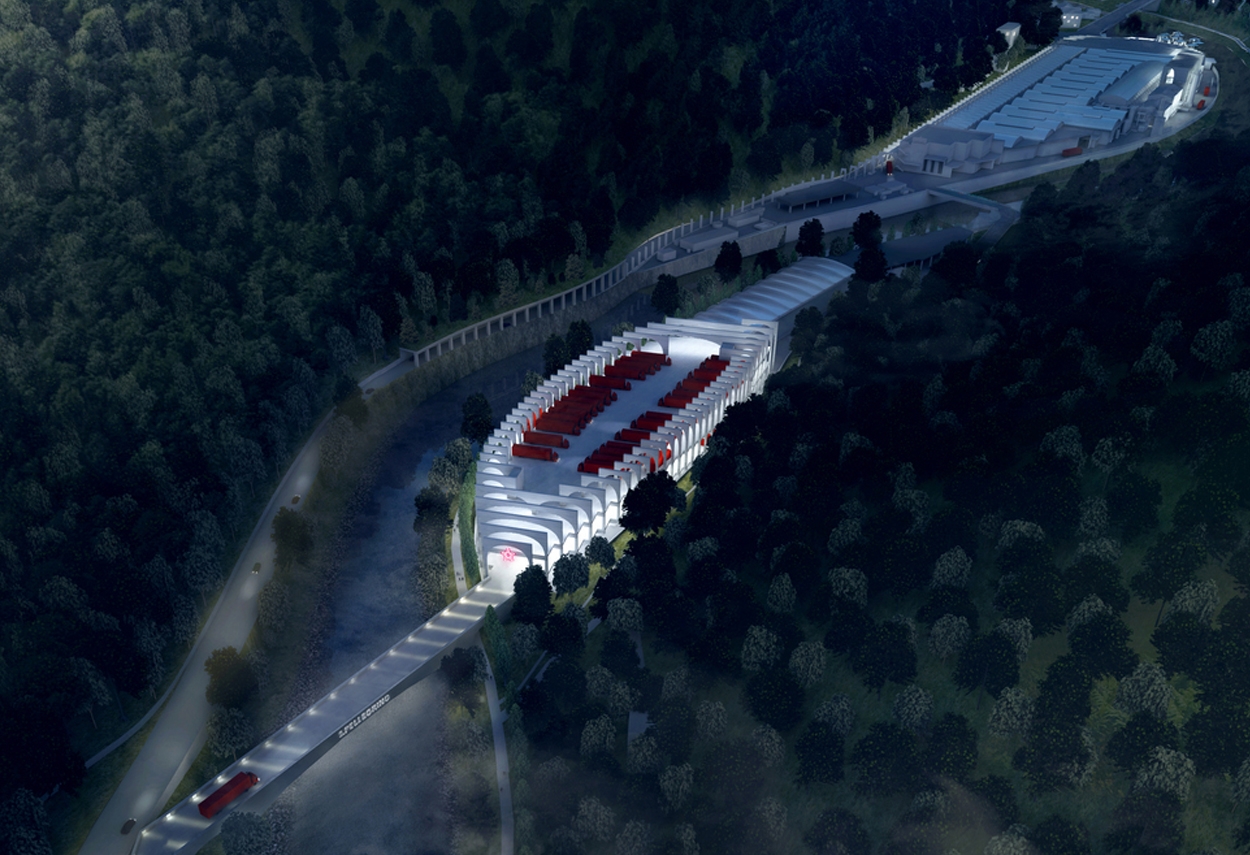
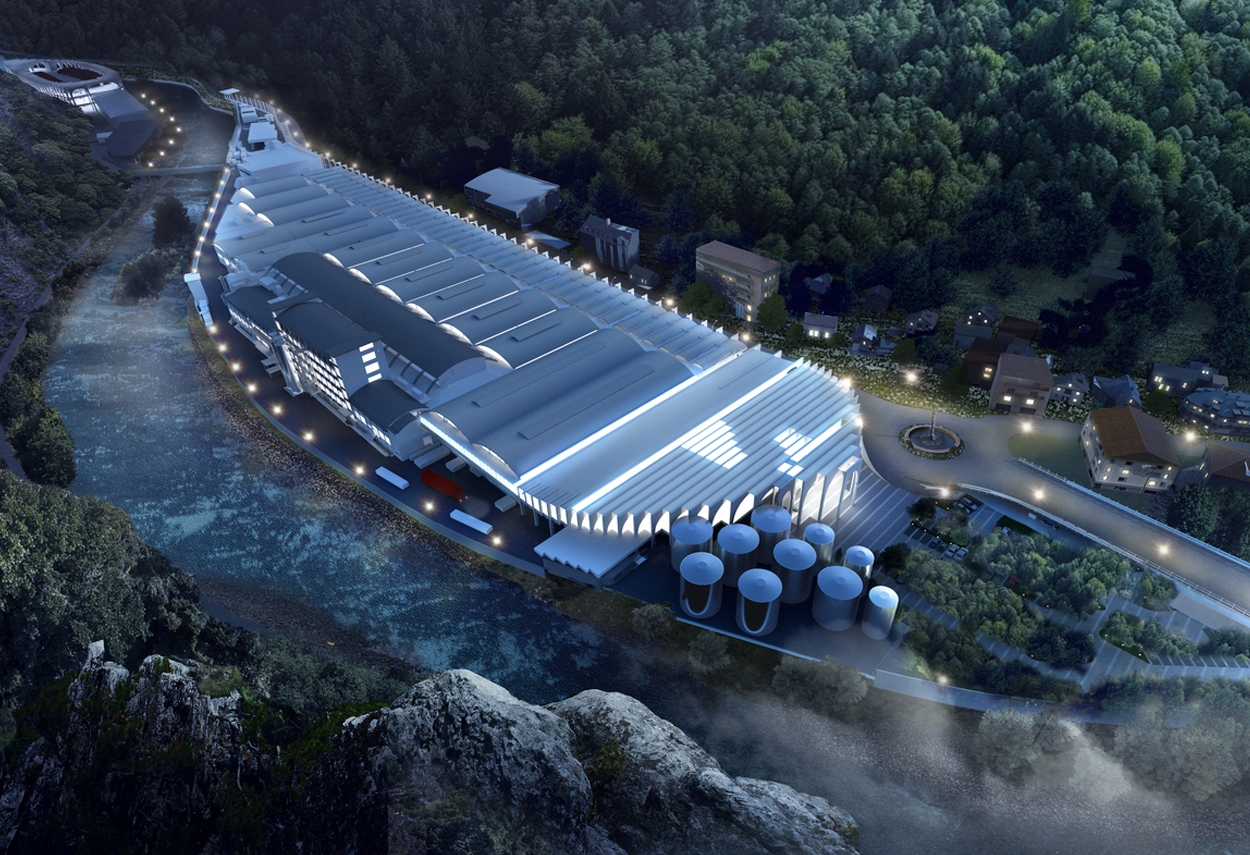
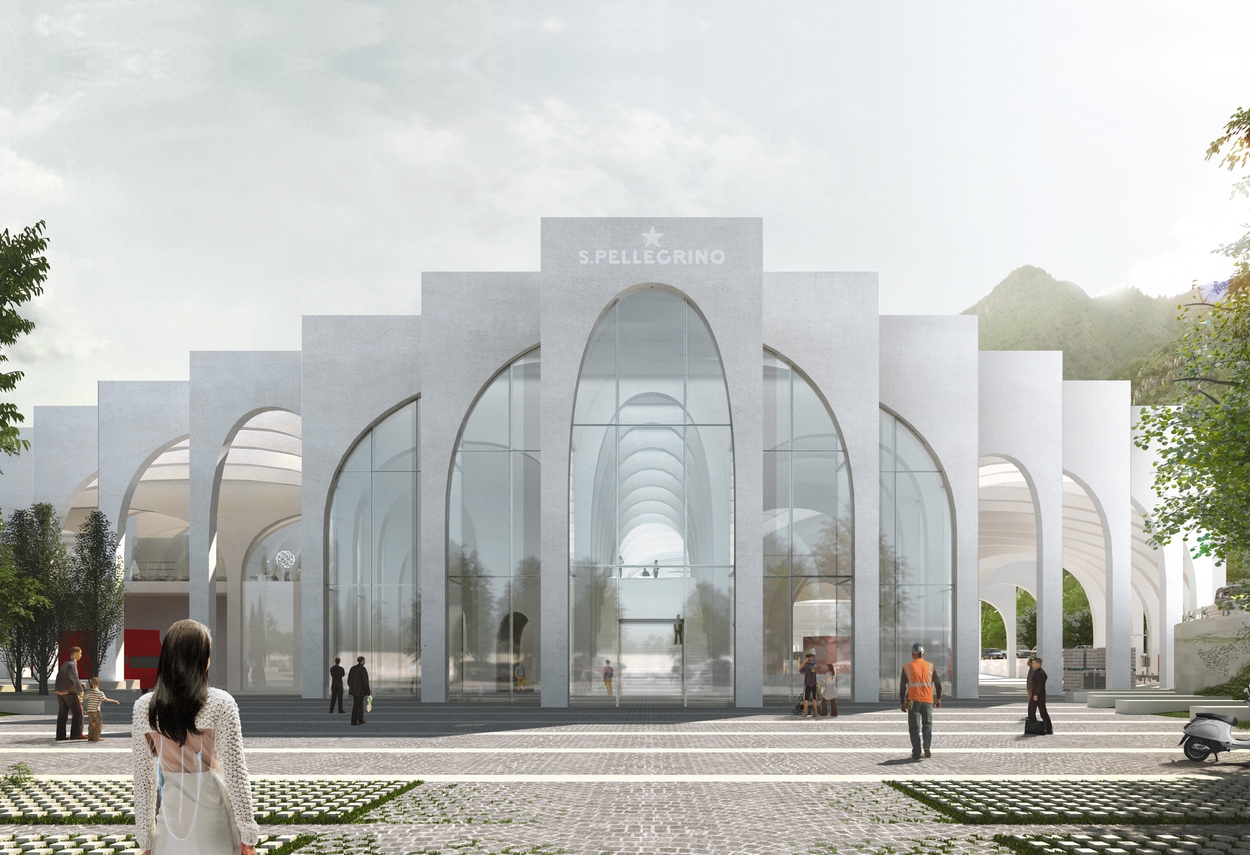
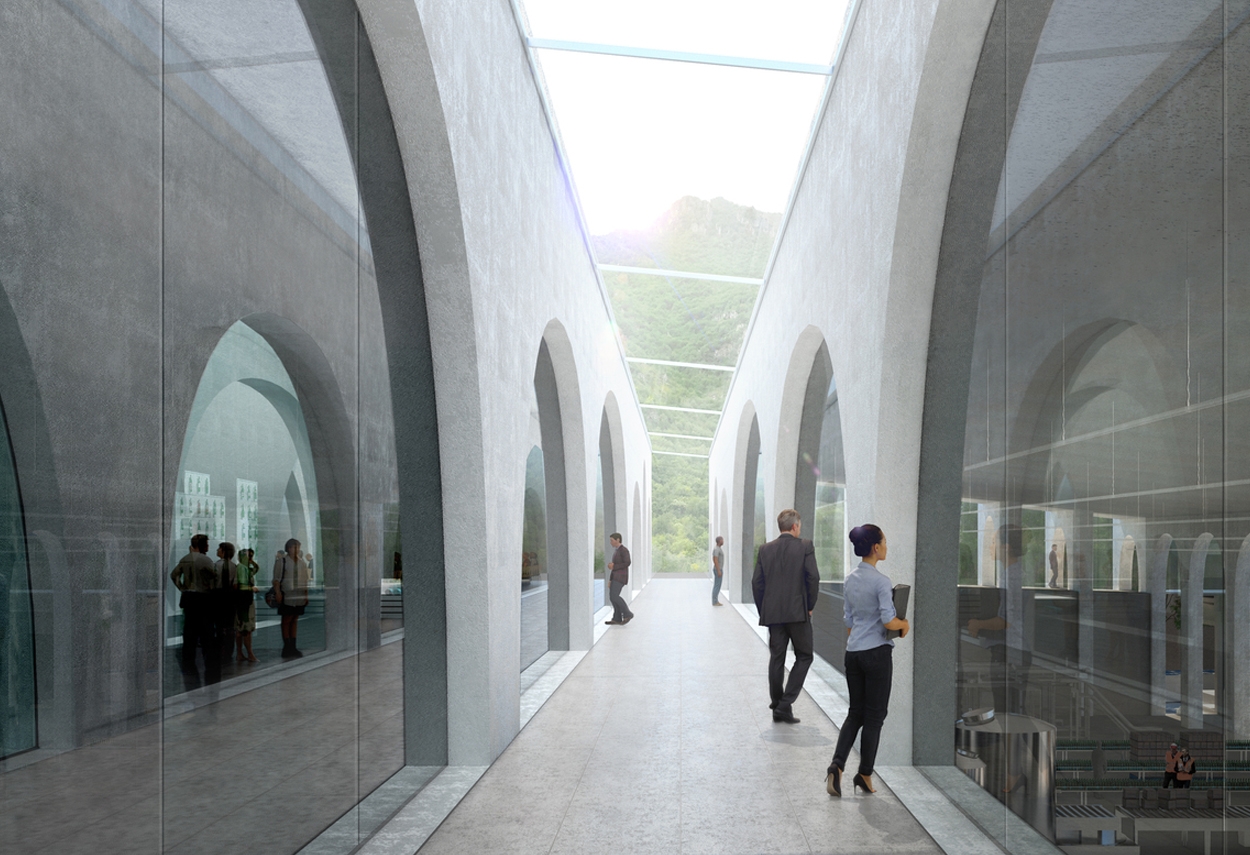
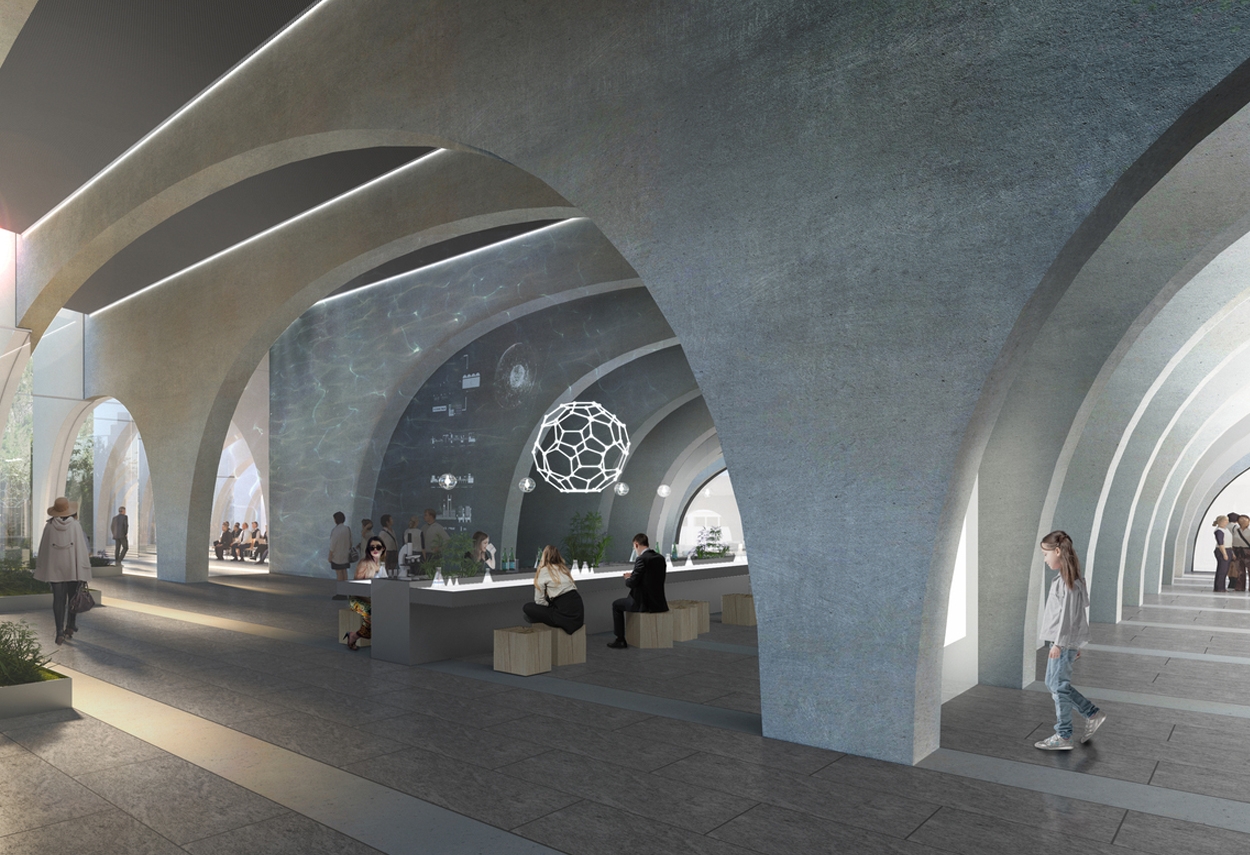
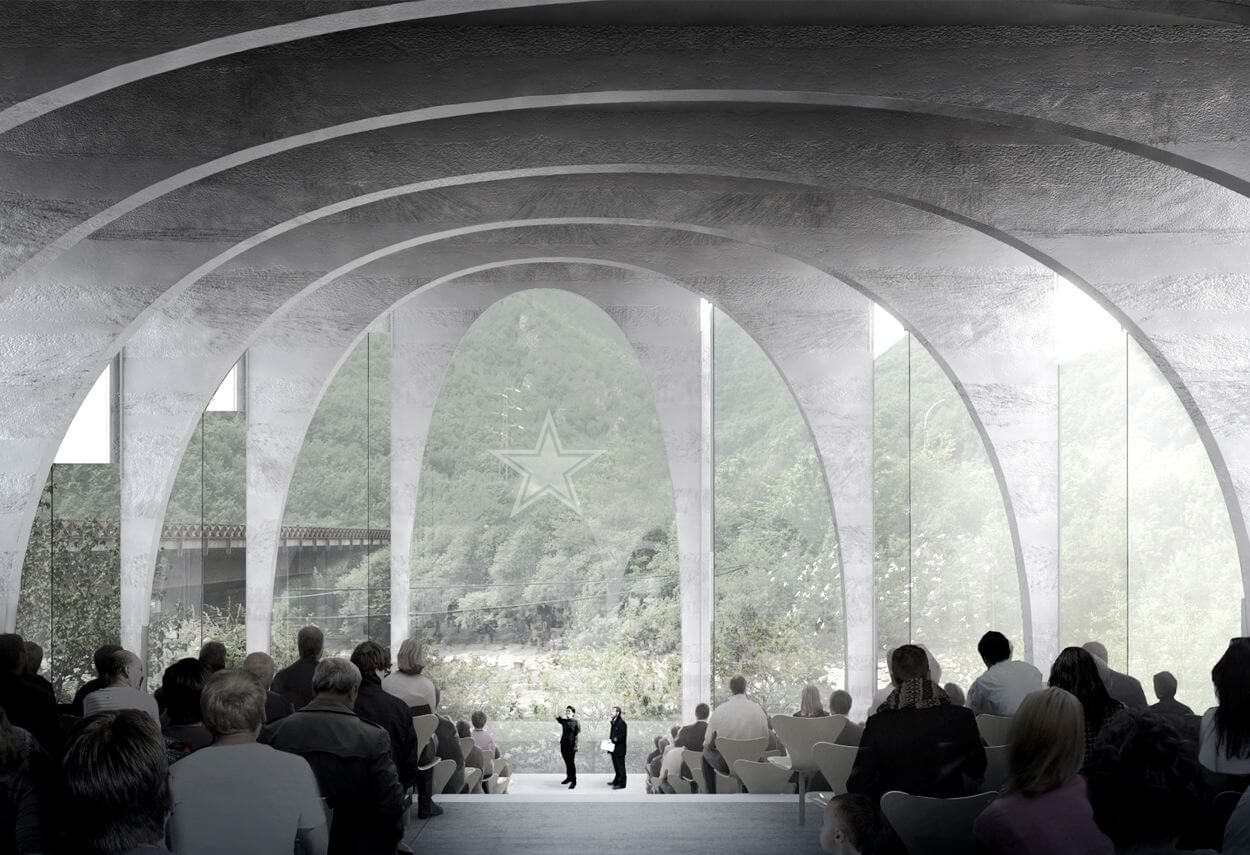
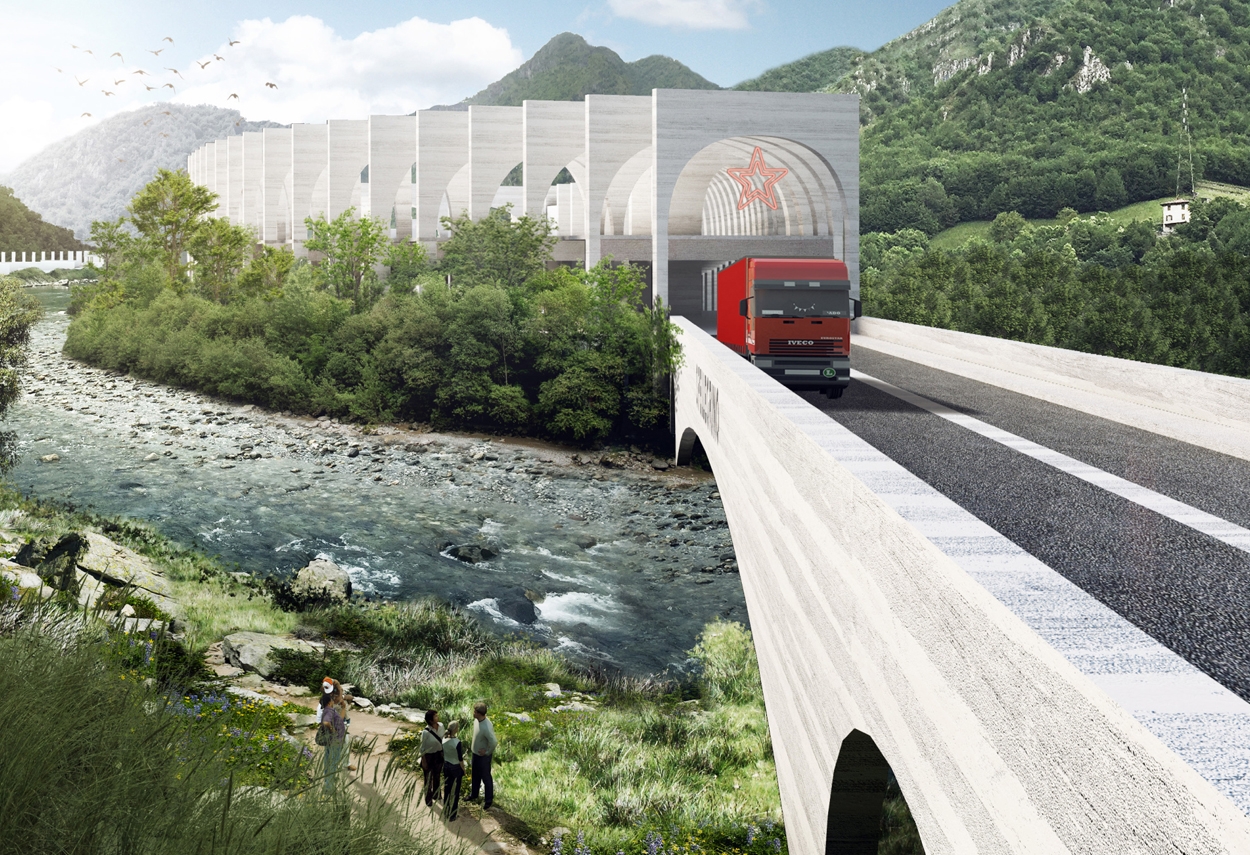
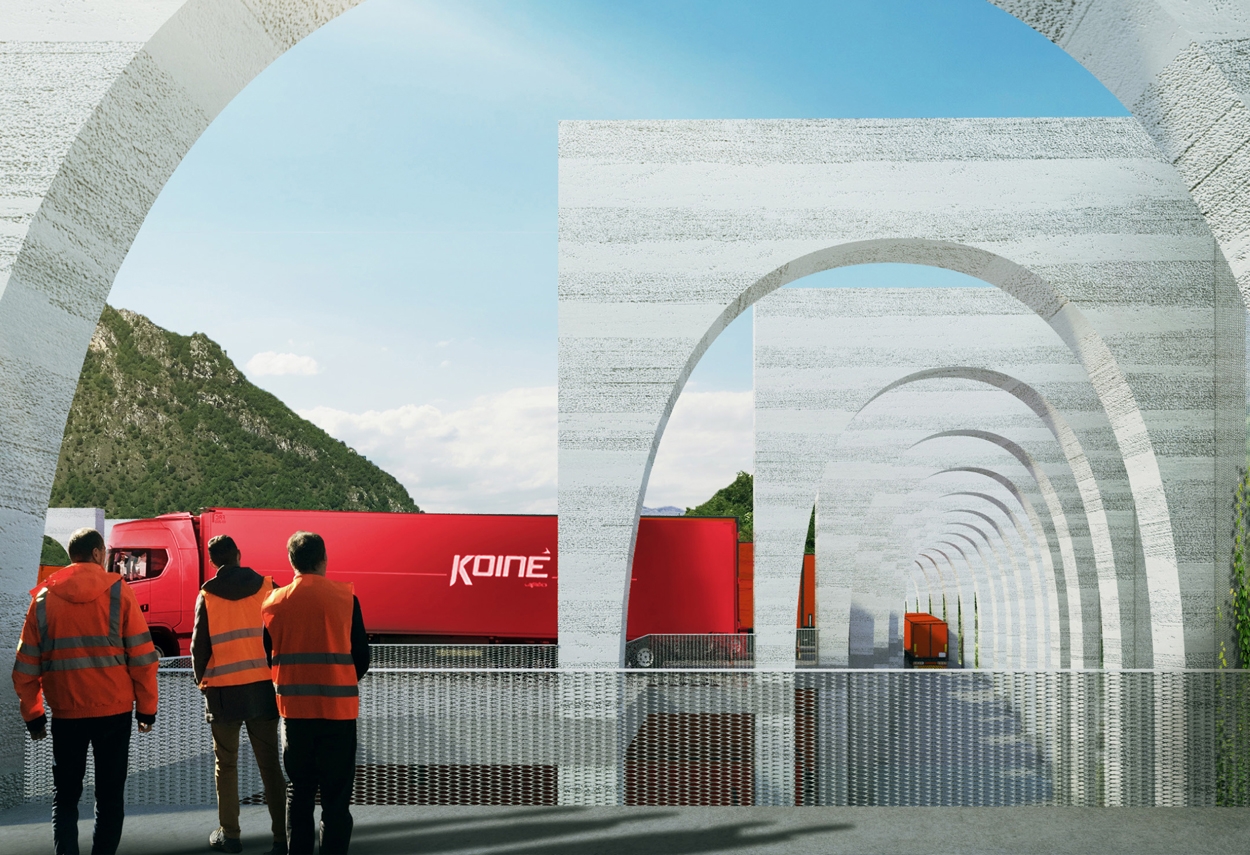
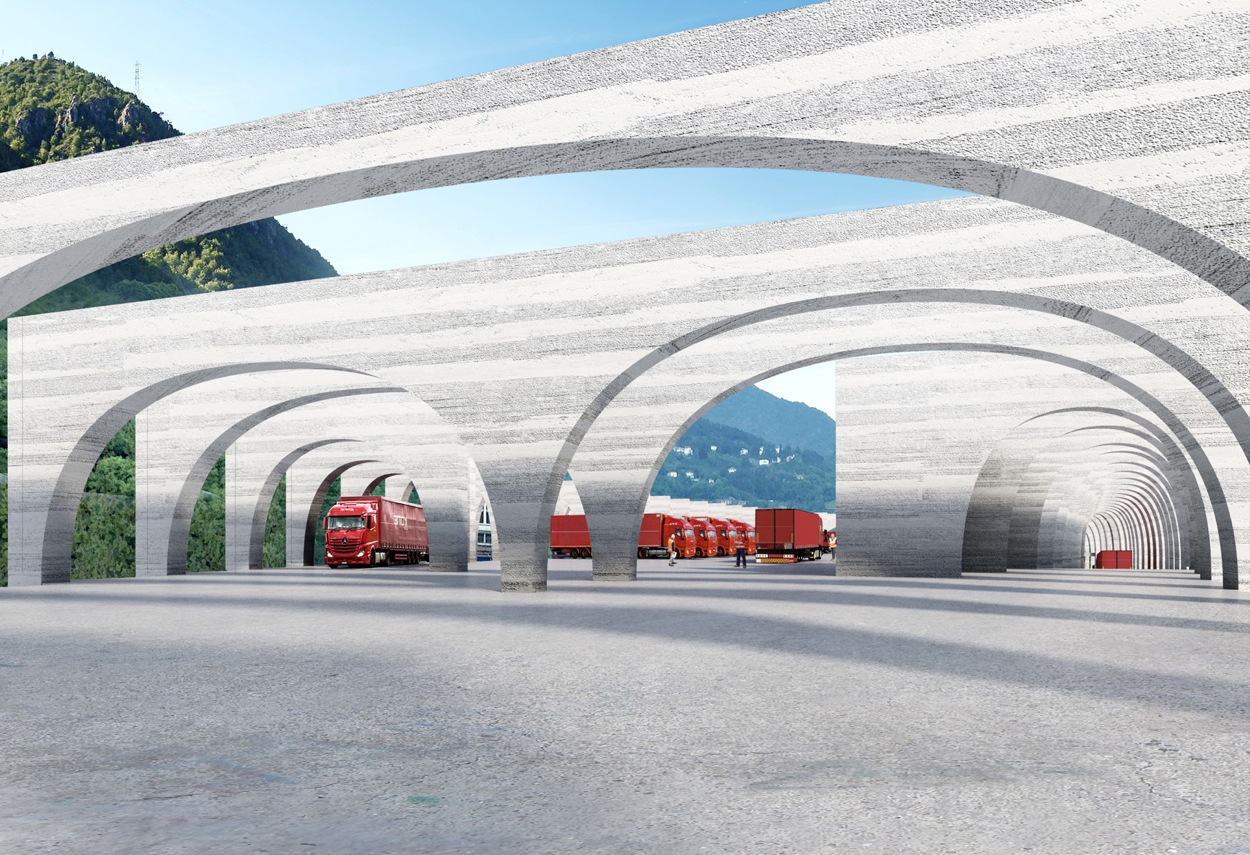
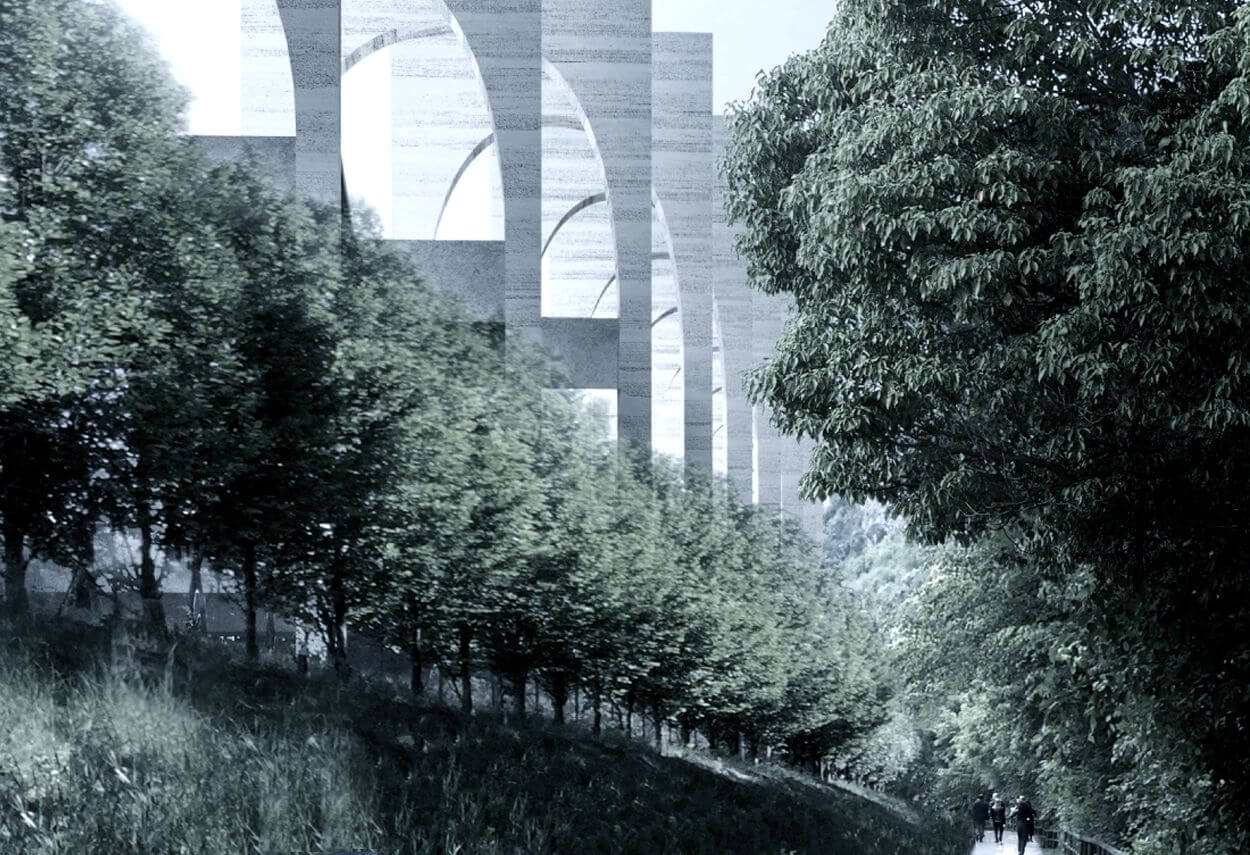
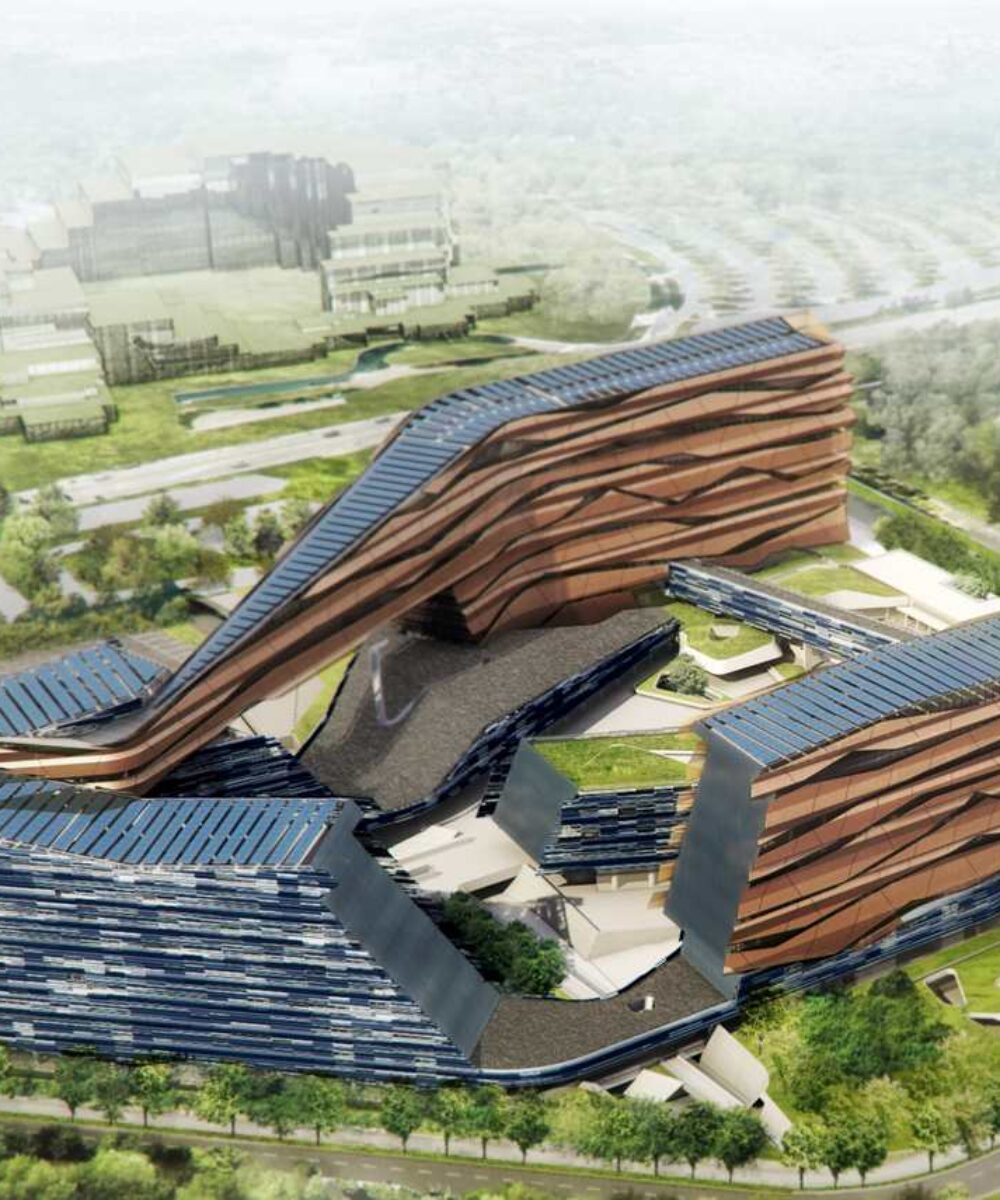
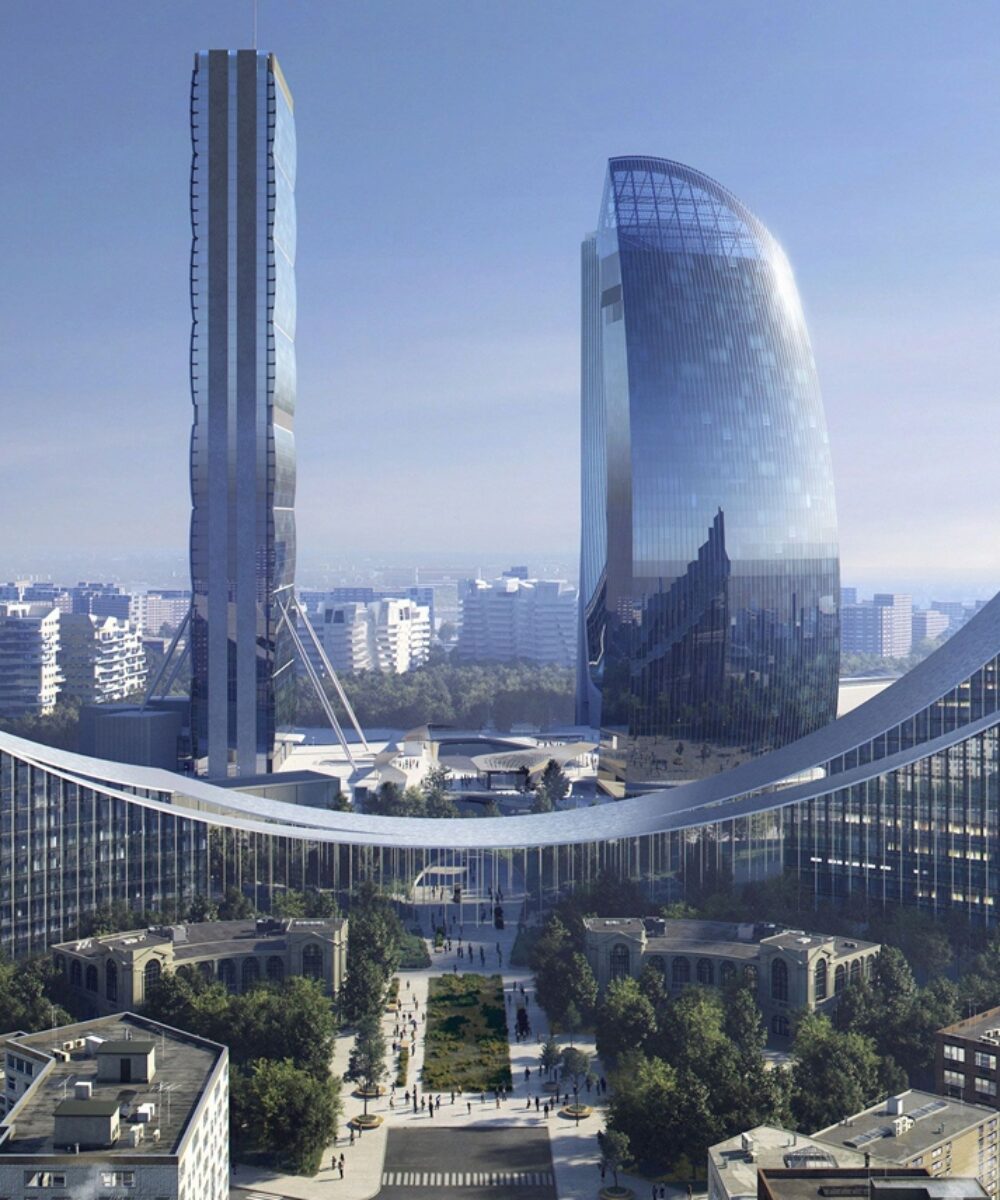
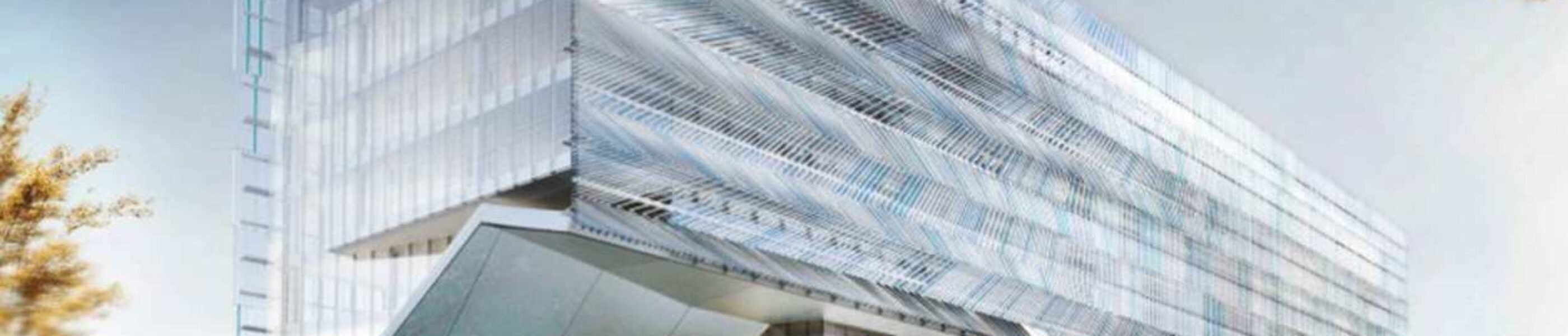
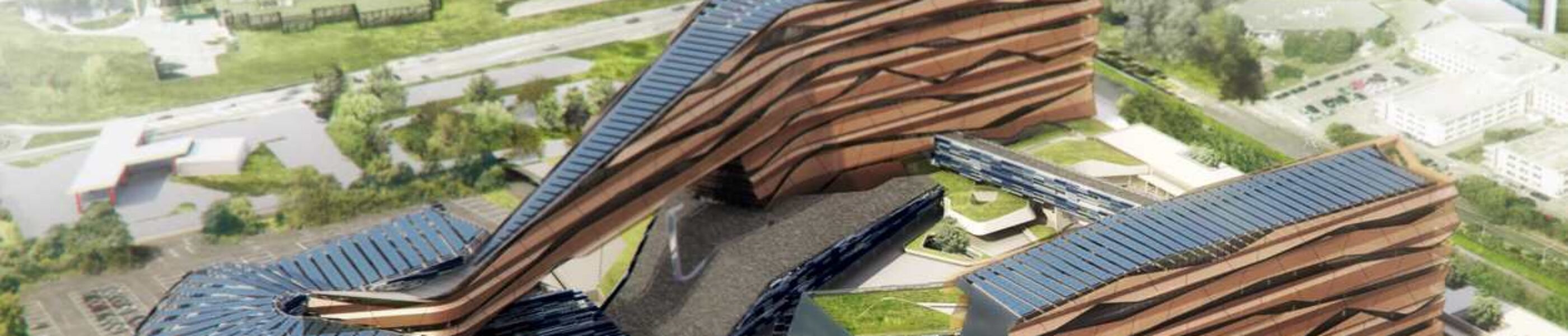
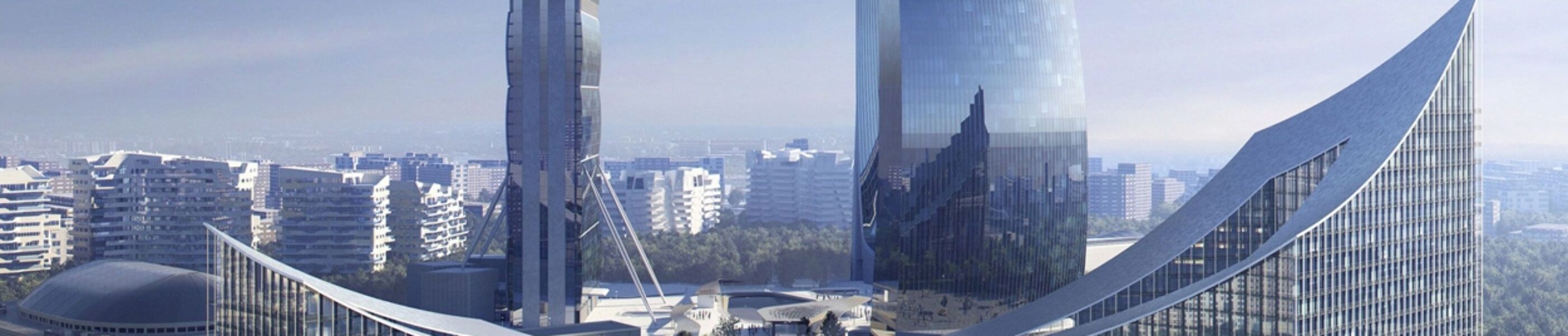
San Pellegrino plays an important role in the Italian historical and cultural heritage. Since its foundation in 1899 the Company has been listed on the Milan Stock Exchange. During the following year (1900), 35,343 bottles of San Pellegrino mineral water were produced, of which 5,562 were exported. A brand that in 2018 exceeded almost 1600 million bottles sold worldwide, this year celebrates 120 years of history. The project to expand the existing plant is a tribute to the classic elements of Italian architecture and urban planning: the portico, the avenue and the square.
"Our proposal does not aim to give the existing factory a new face, but rather to bring its identity to the surface: the new San Pellegrino Factory and Experience Lab will emerge from the natural environment just as the mineral water gushes from the spring. With the goal of creating continuity between production and consumption, we wanted to remove the traditional separation between production lines and offices typical of factories" - Bjarke Ingels.
Client:
Piero Castiglioni
Collaborations:
Bjarke Ingels Group
Atelier Vericale Architects
WEST8
CREW
FRONT
ARUP
GAD
Render Courtesy:
Bjarke Ingels Group
Year:
2017 - In progress
San Pellegrino plays an important role in the Italian historical and cultural heritage. Since its foundation in 1899 the Company has been listed on the Milan Stock Exchange. During the following year (1900), 35,343 bottles of San Pellegrino mineral water were produced, of which 5,562 were exported. A brand that in 2018 exceeded almost 1600 million bottles sold worldwide, this year celebrates 120 years of history. The project to expand the existing plant is a tribute to the classic elements of Italian architecture and urban planning: the portico, the avenue and the square.
"Our proposal does not aim to give the existing factory a new face, but rather to bring its identity to the surface: the new San Pellegrino Factory and Experience Lab will emerge from the natural environment just as the mineral water gushes from the spring. With the goal of creating continuity between production and consumption, we wanted to remove the traditional separation between production lines and offices typical of factories" - Bjarke Ingels.
Client:
Piero Castiglioni
Collaborations:
Bjarke Ingels Group
Atelier Vericale Architects
WEST8
CREW
FRONT
ARUP
GAD
Render Courtesy:
Bjarke Ingels Group
Year:
2017 - In progress
Other Projects
Other Projects
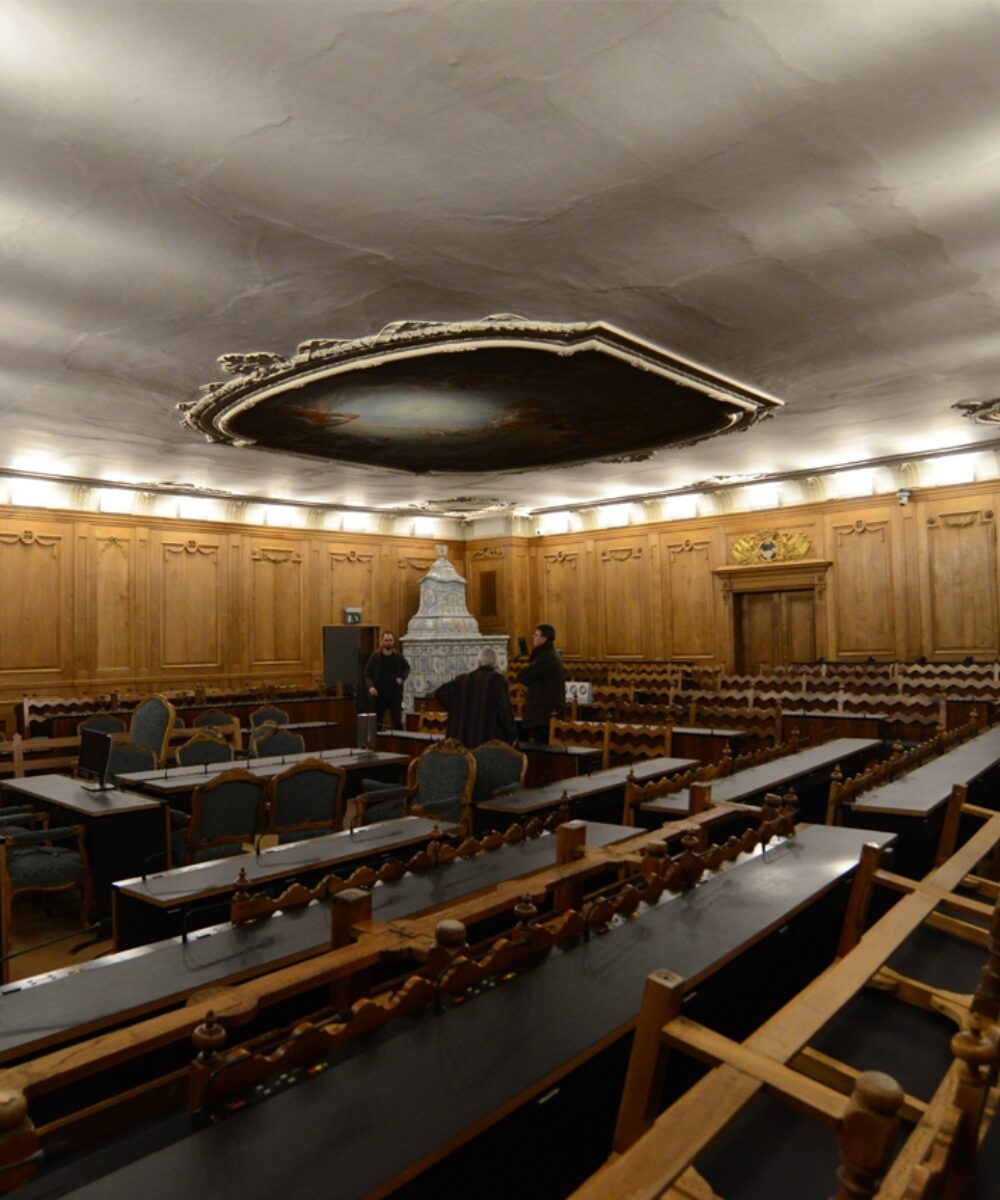
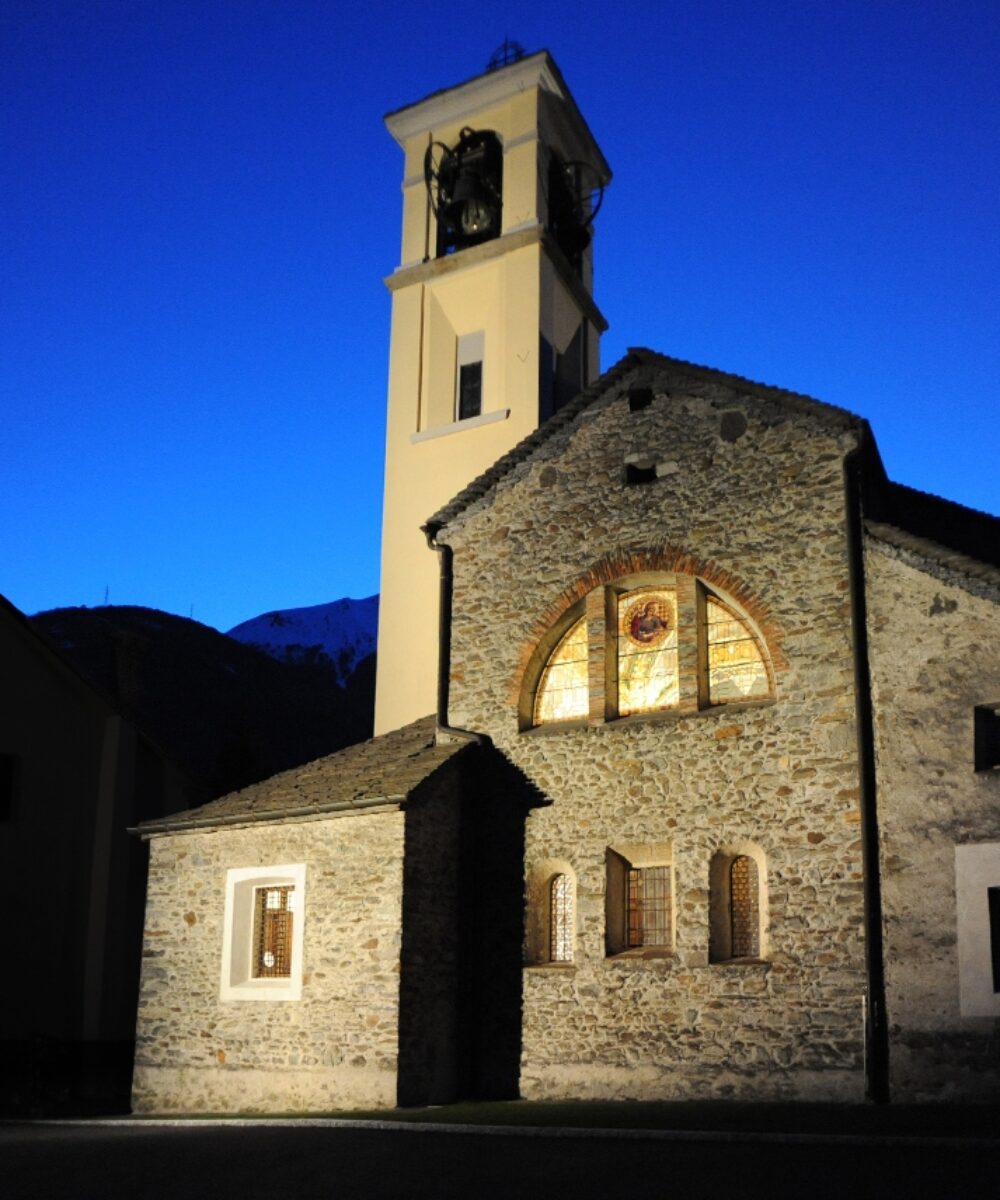
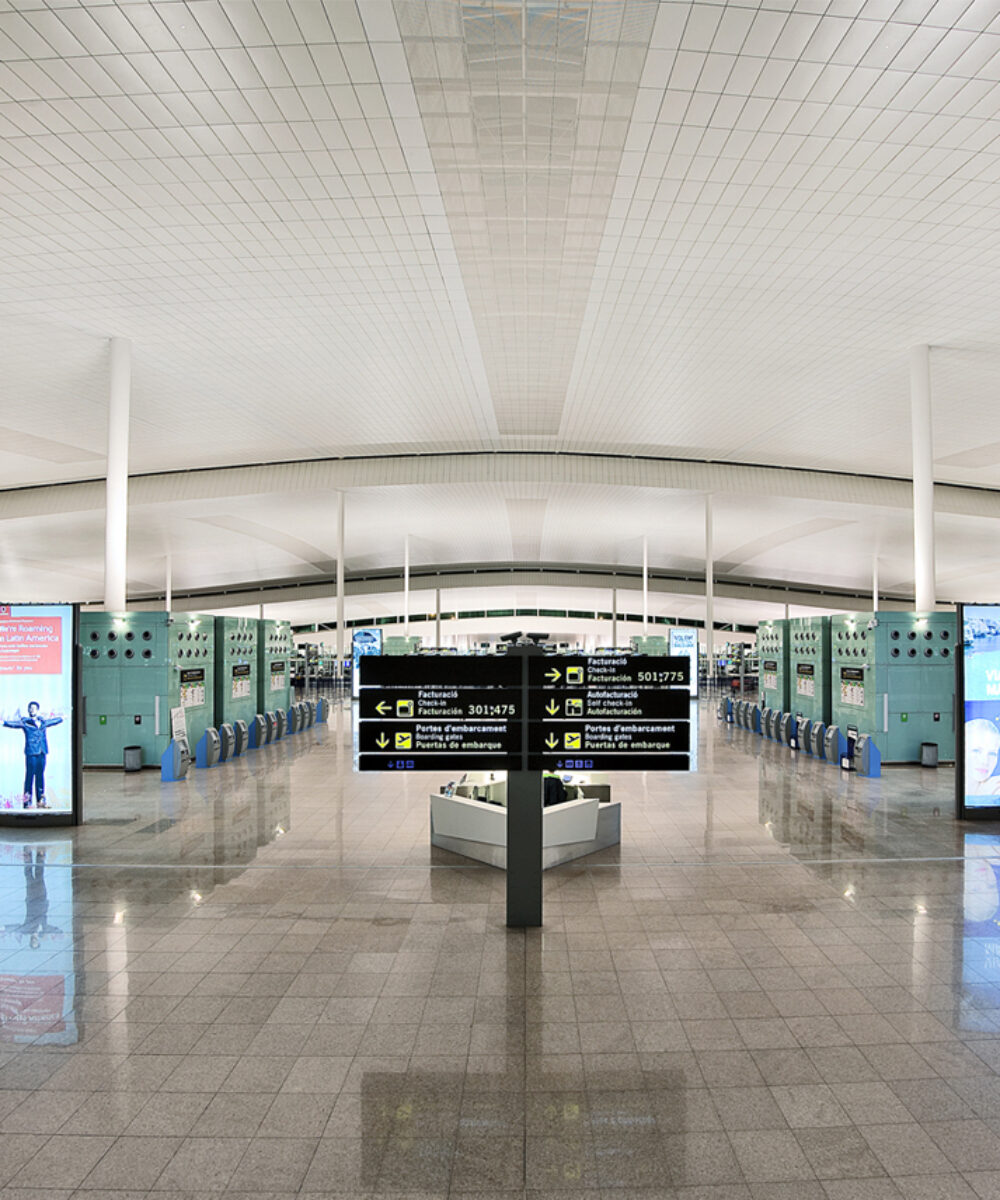
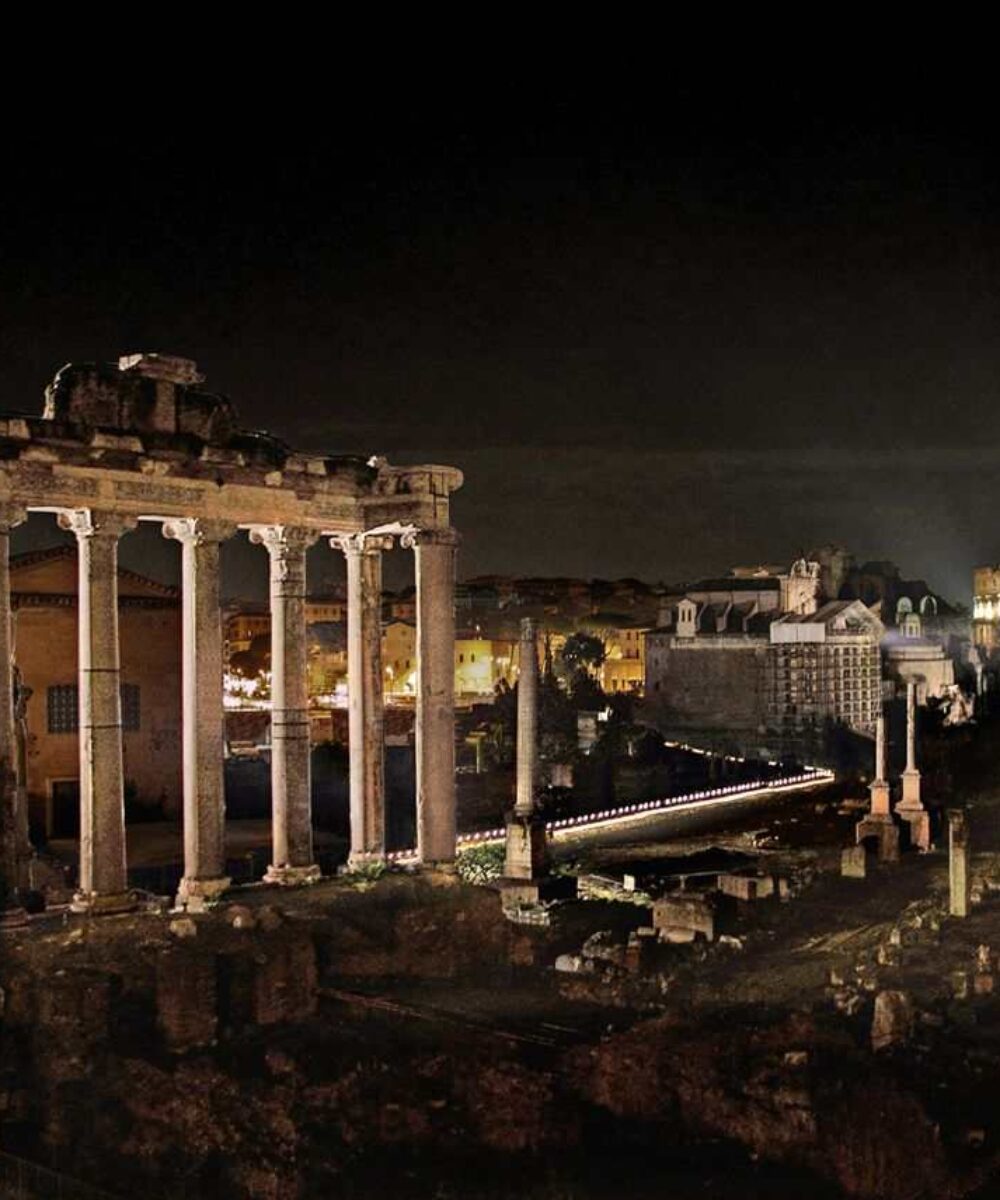
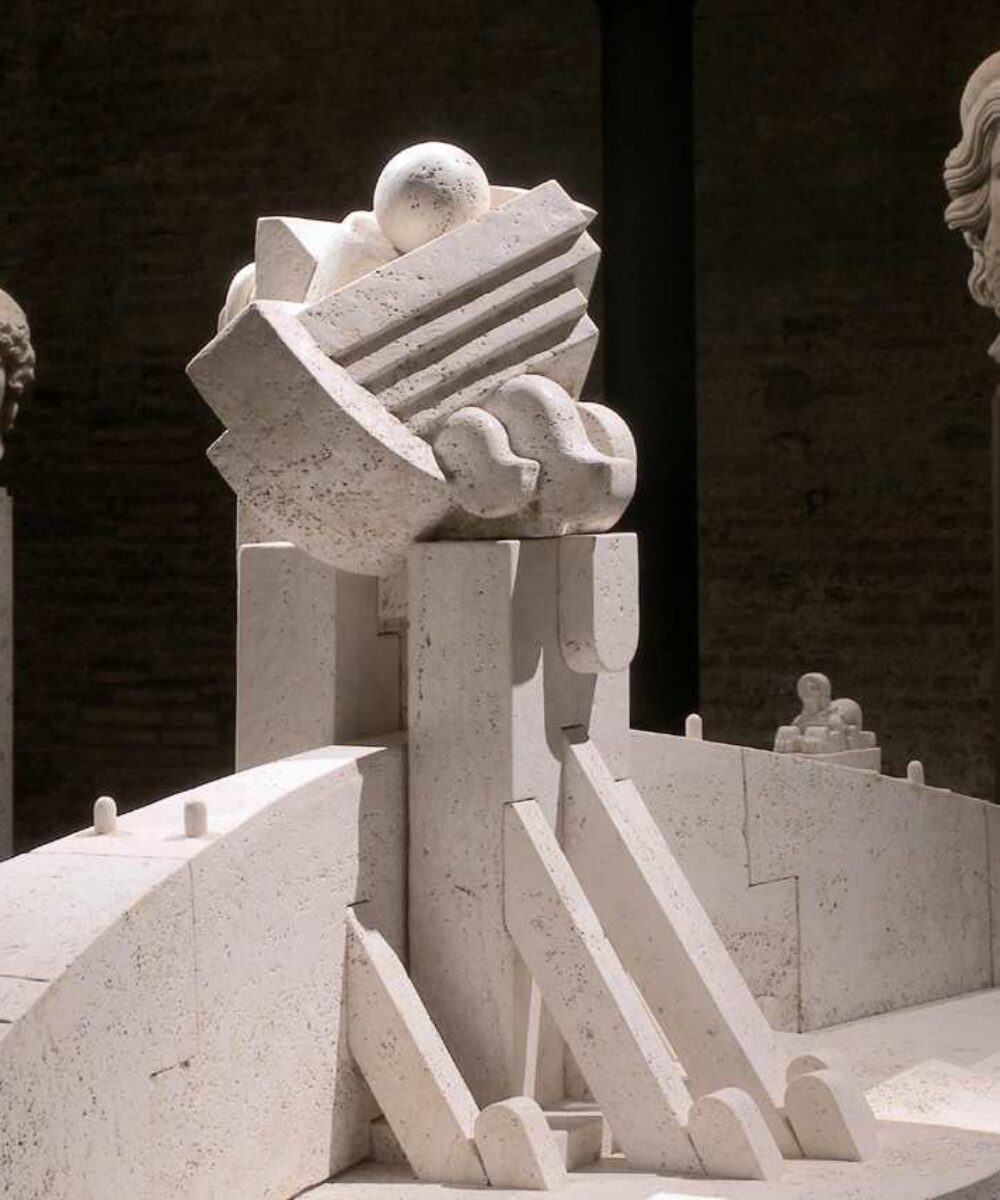
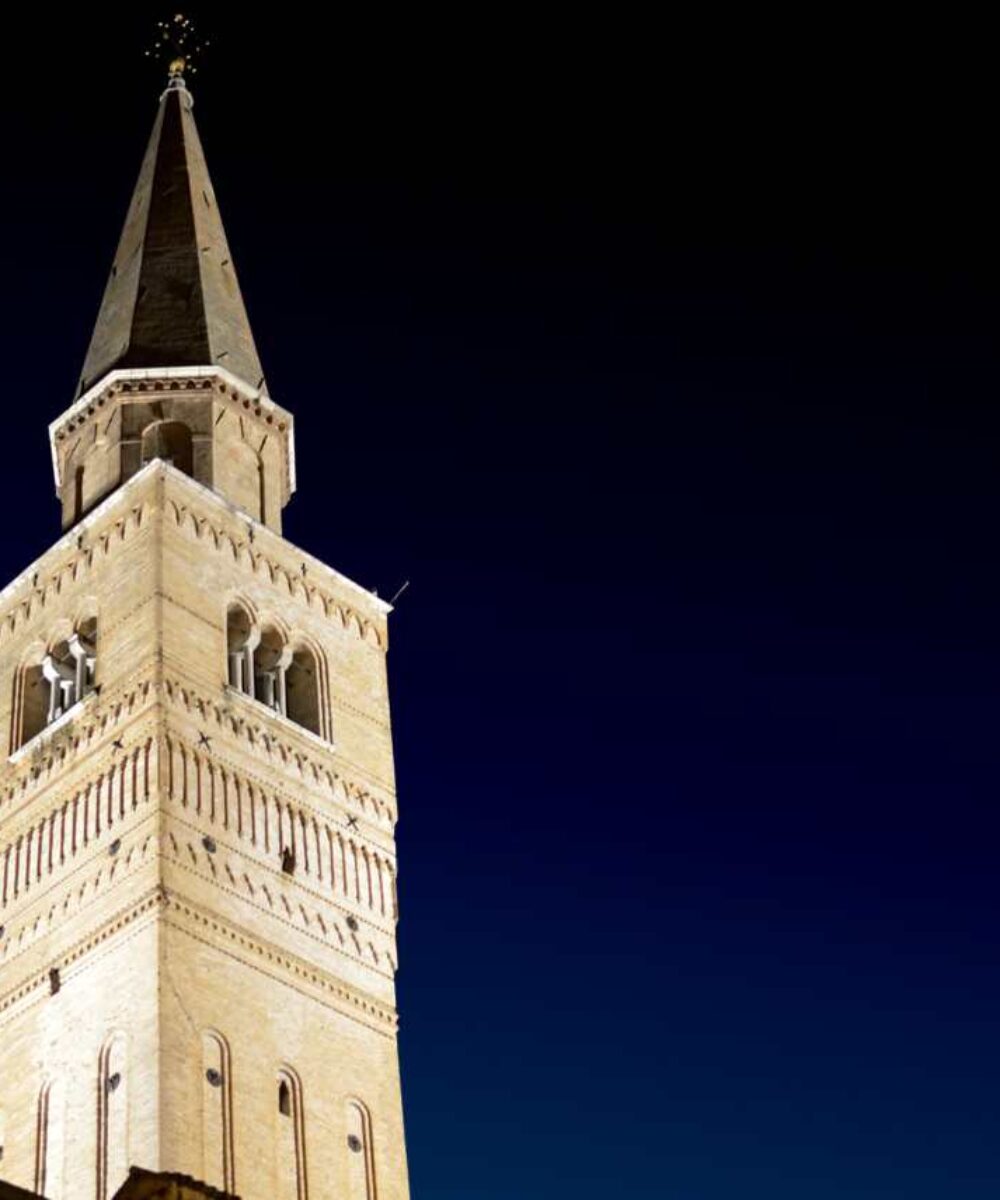
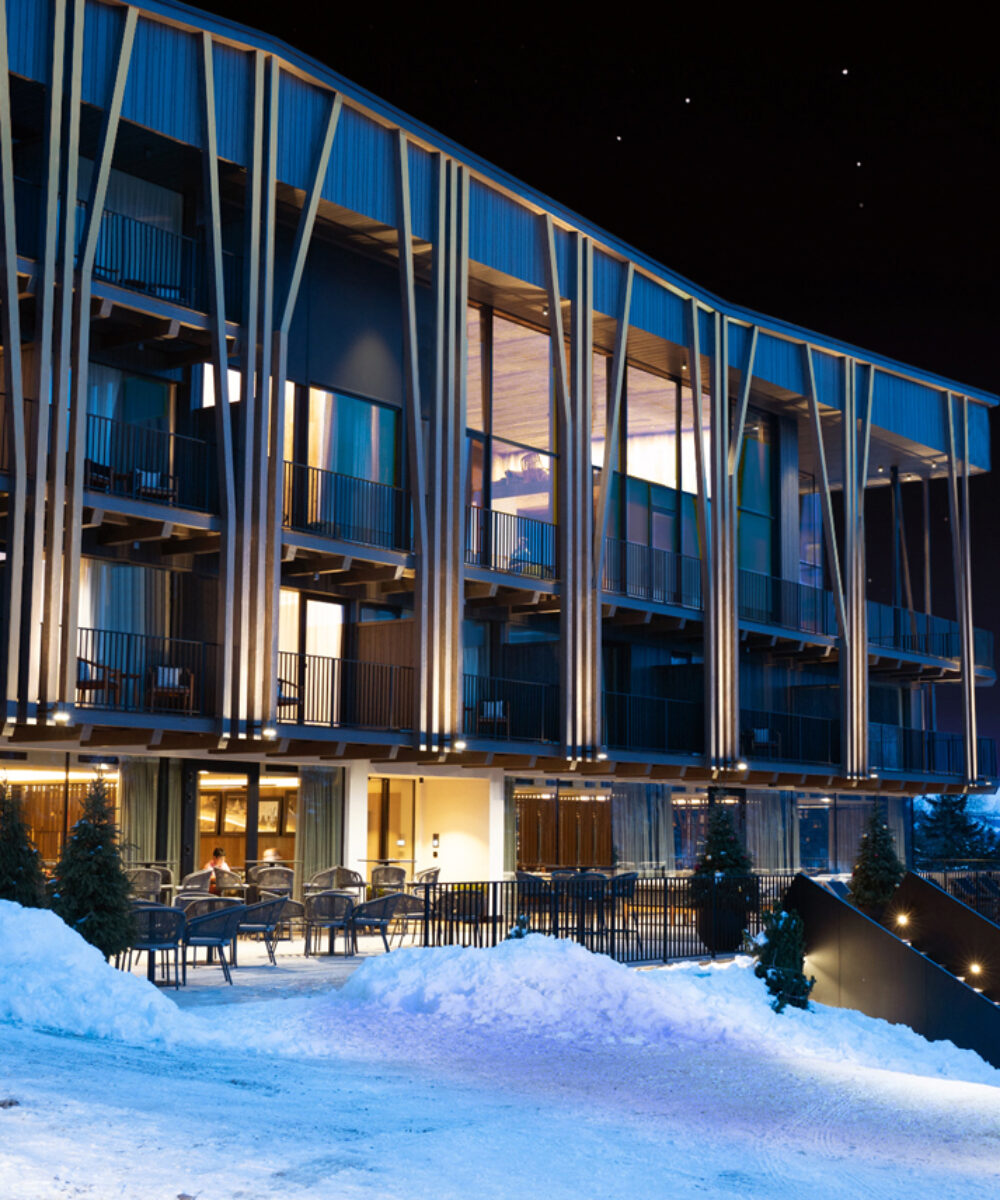
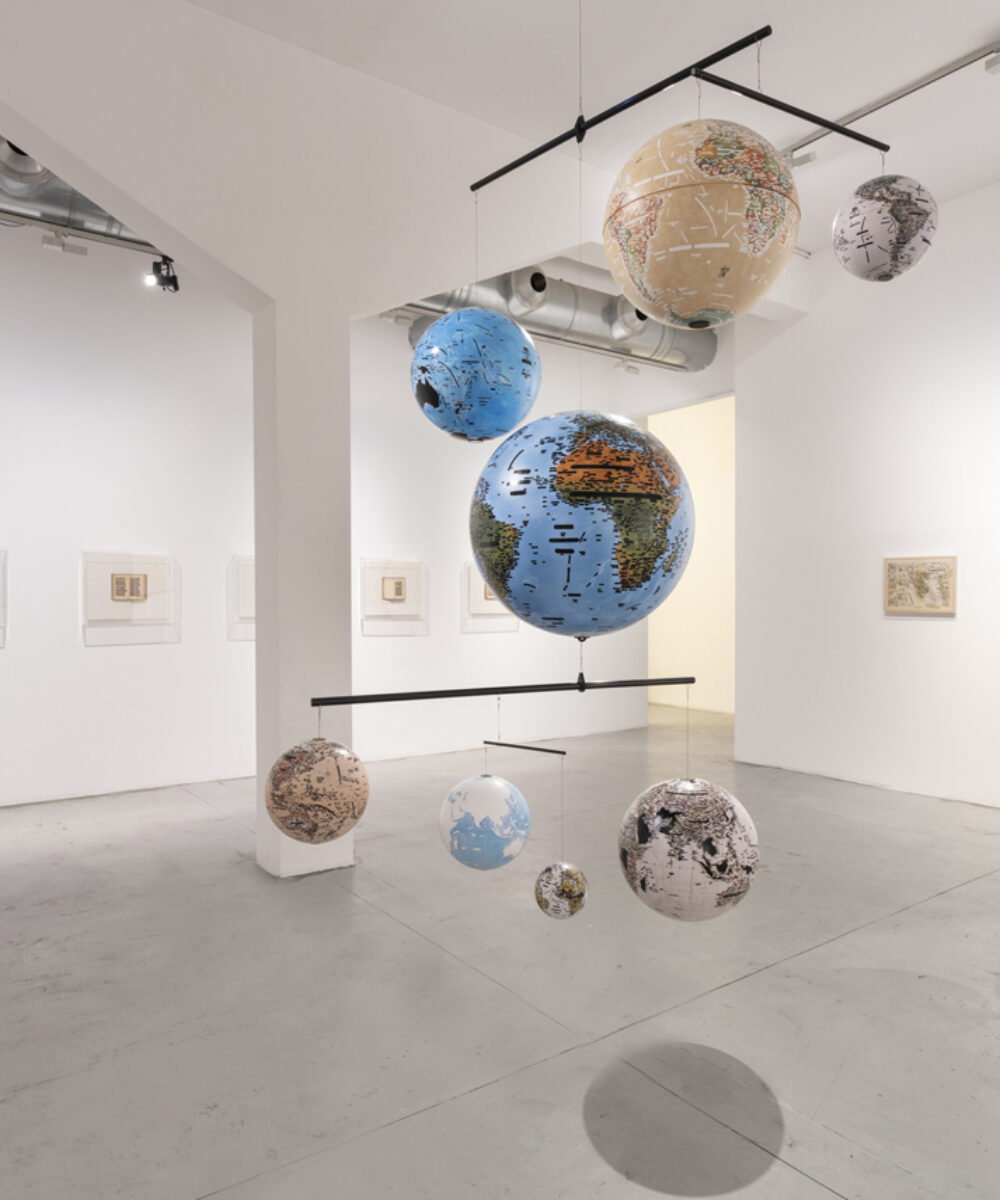
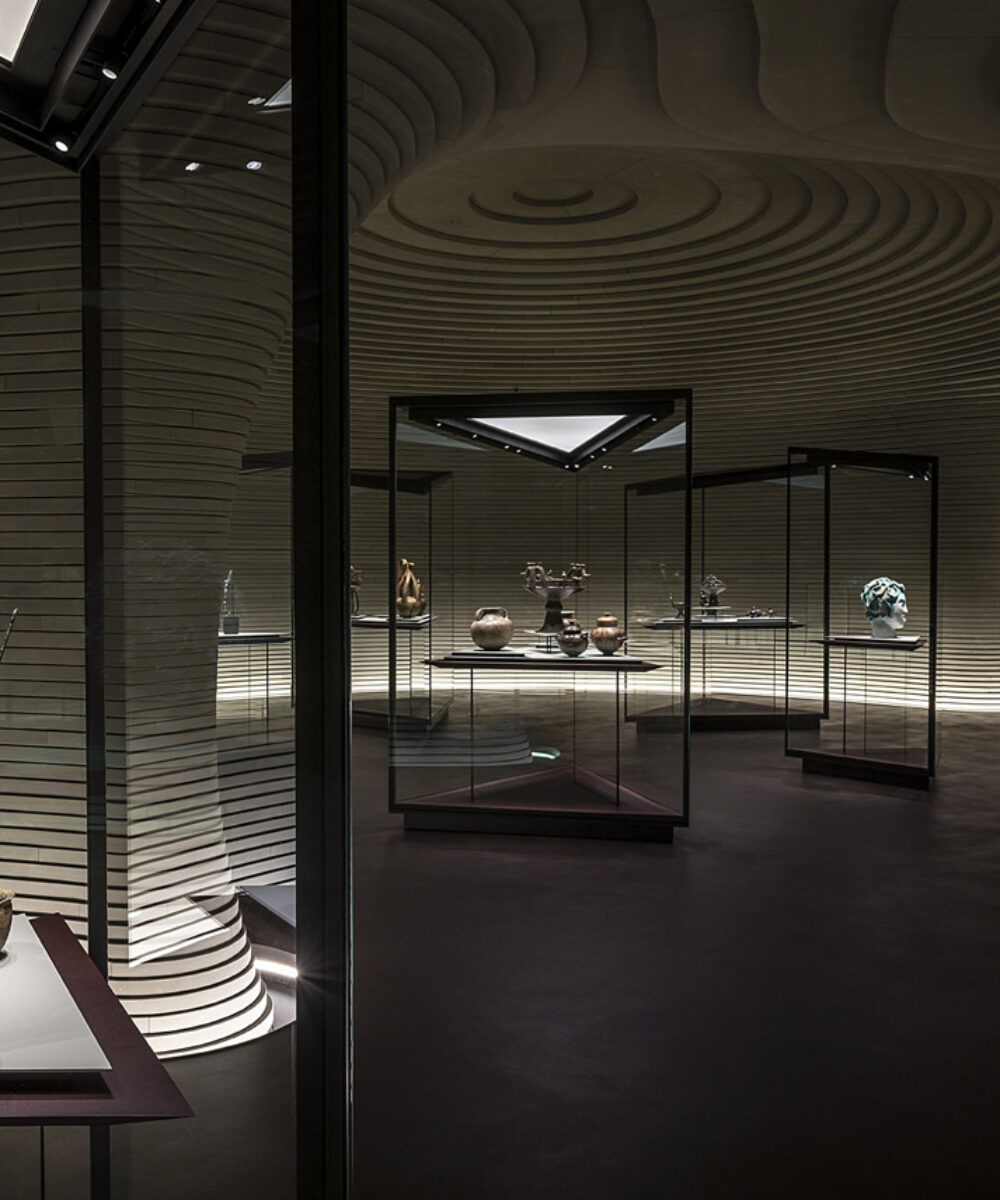
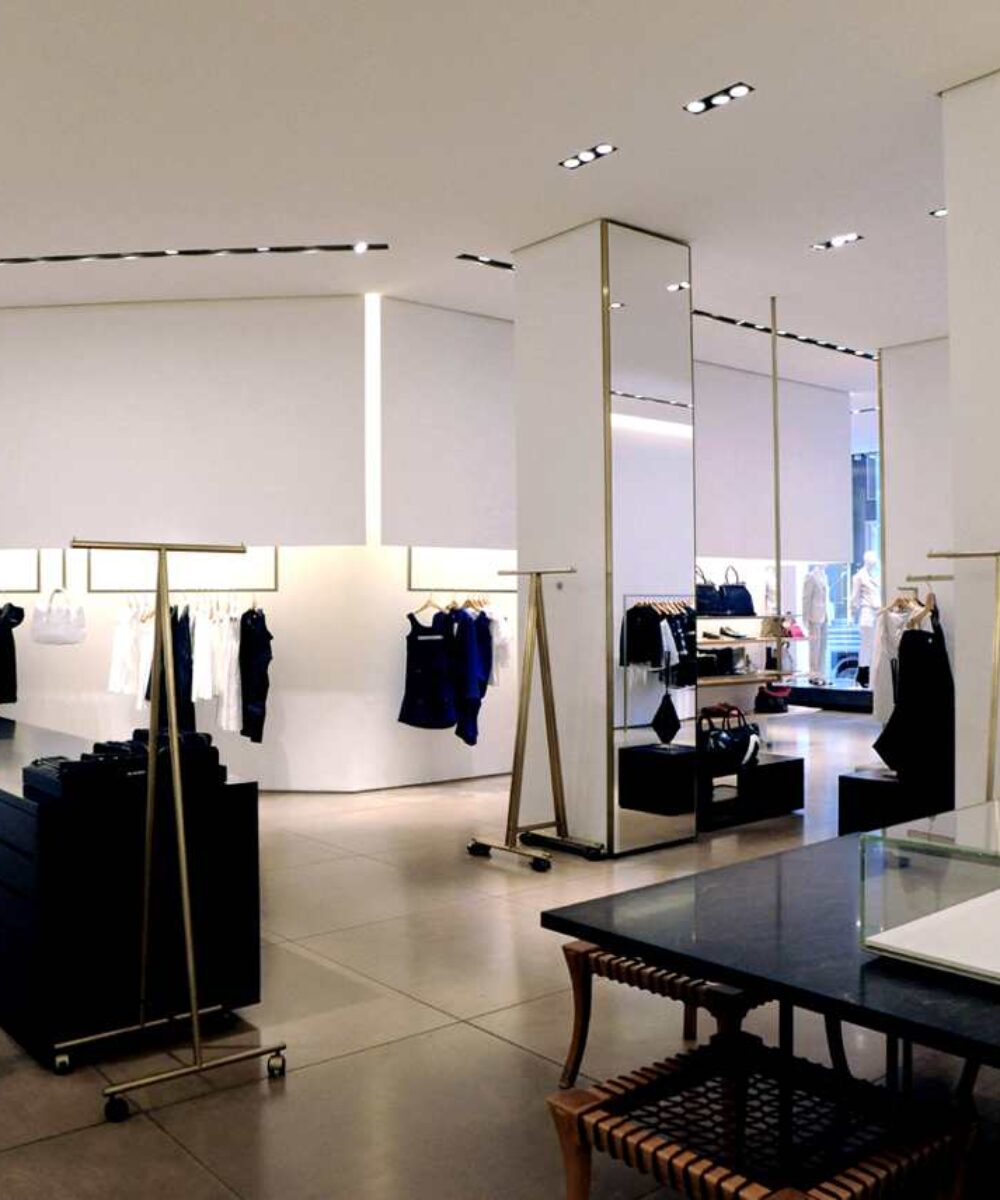
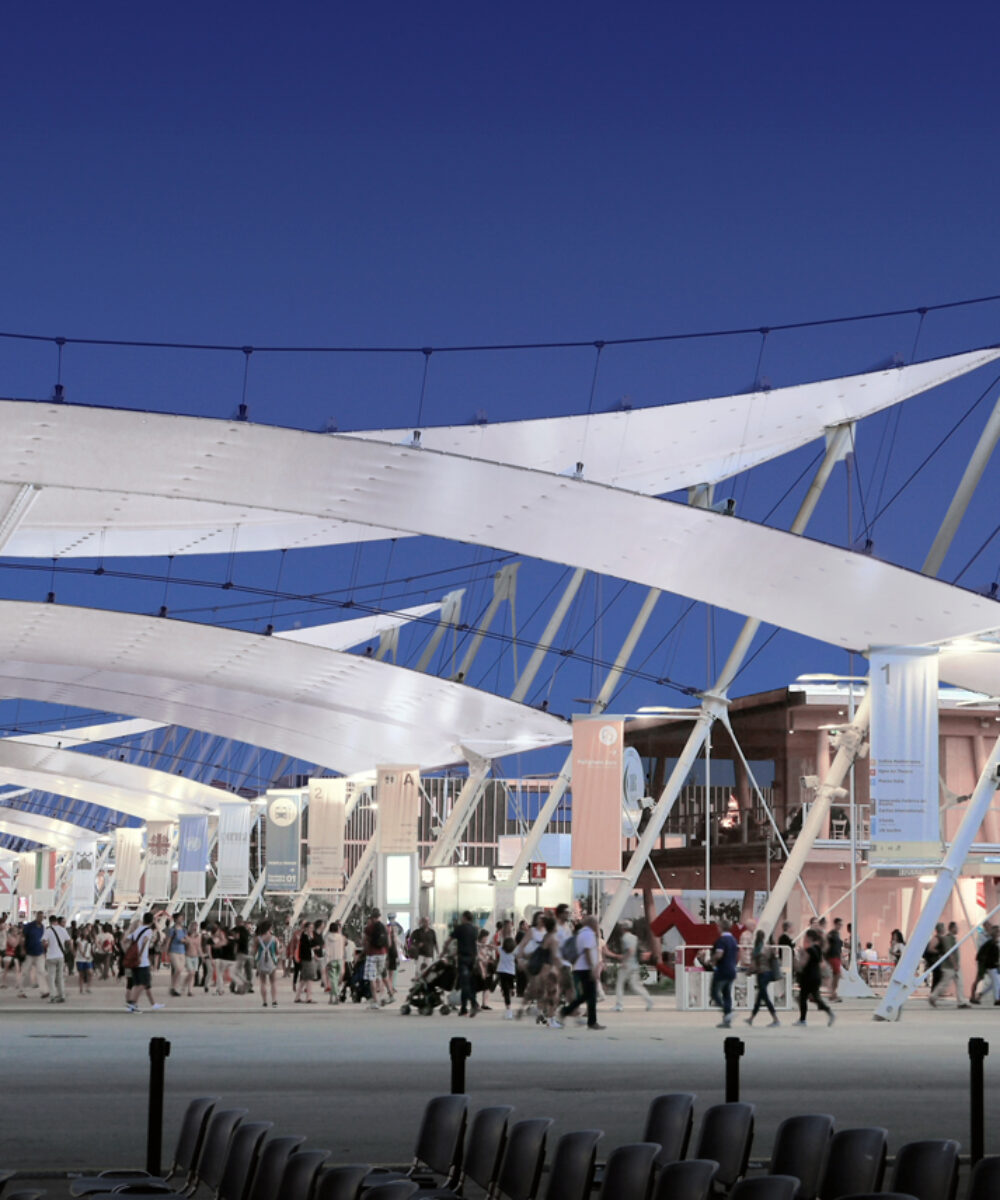
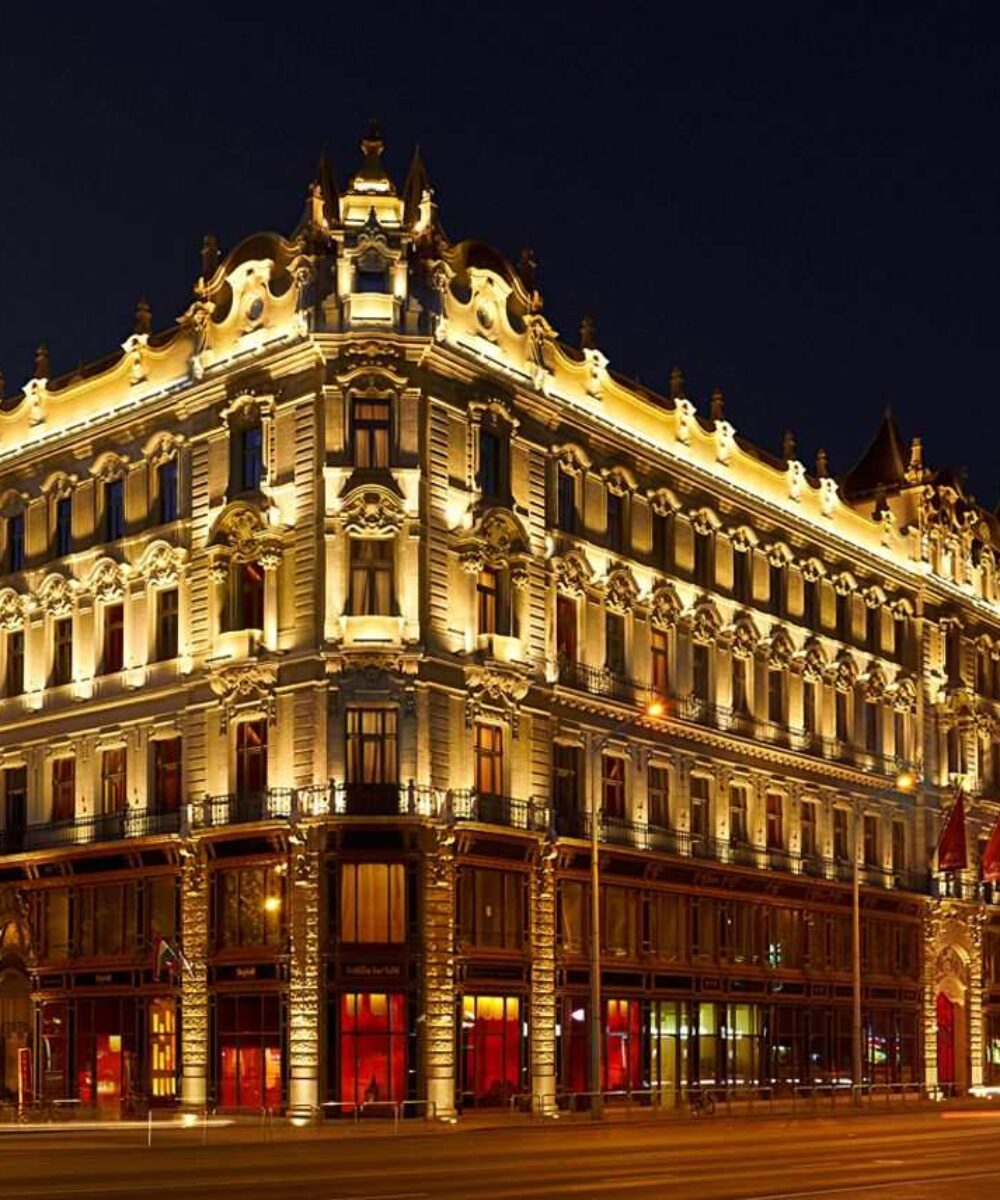
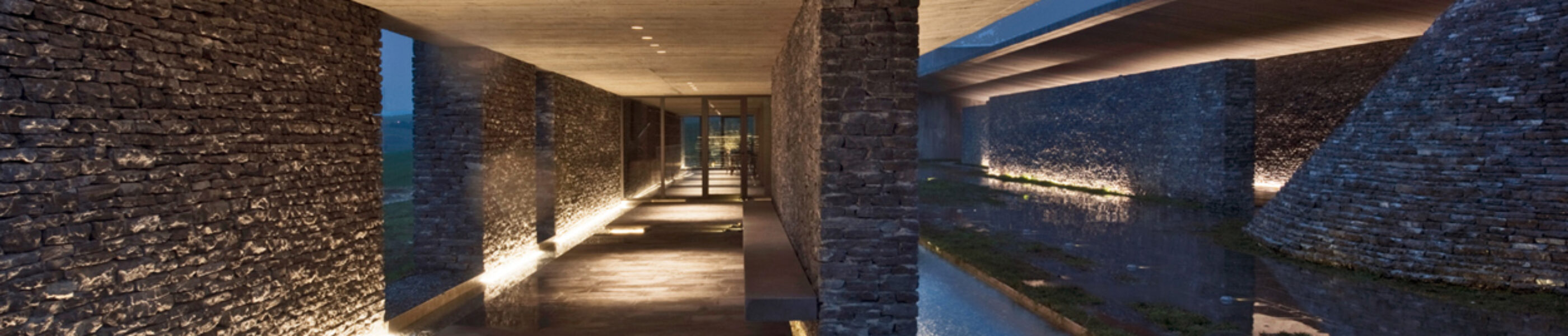
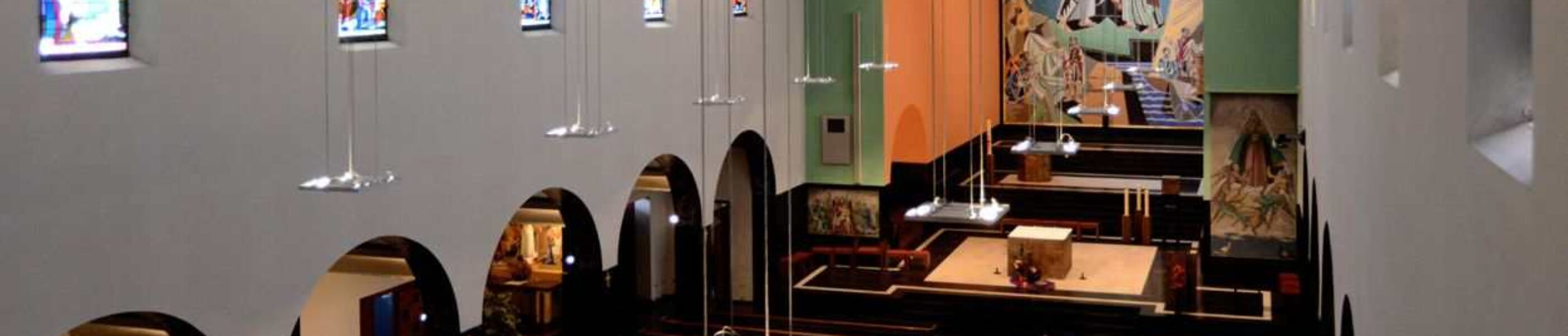
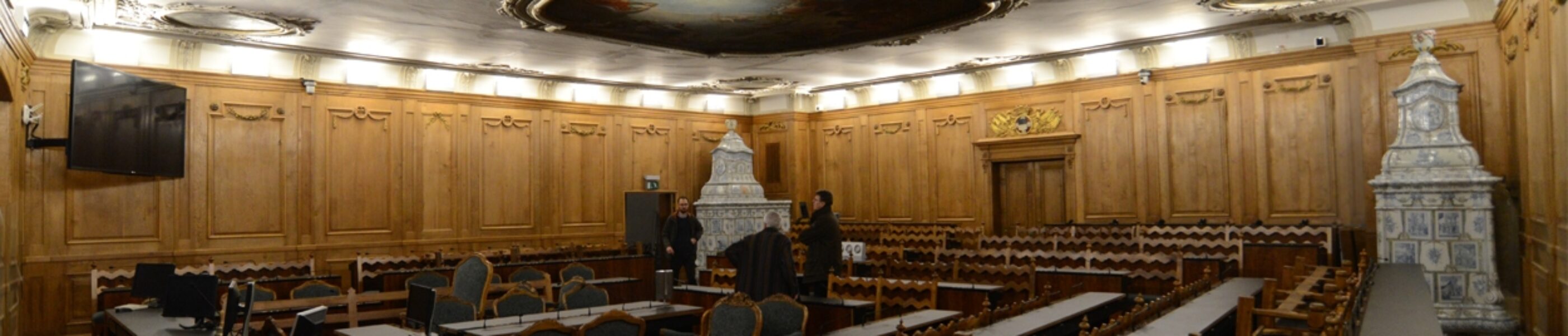
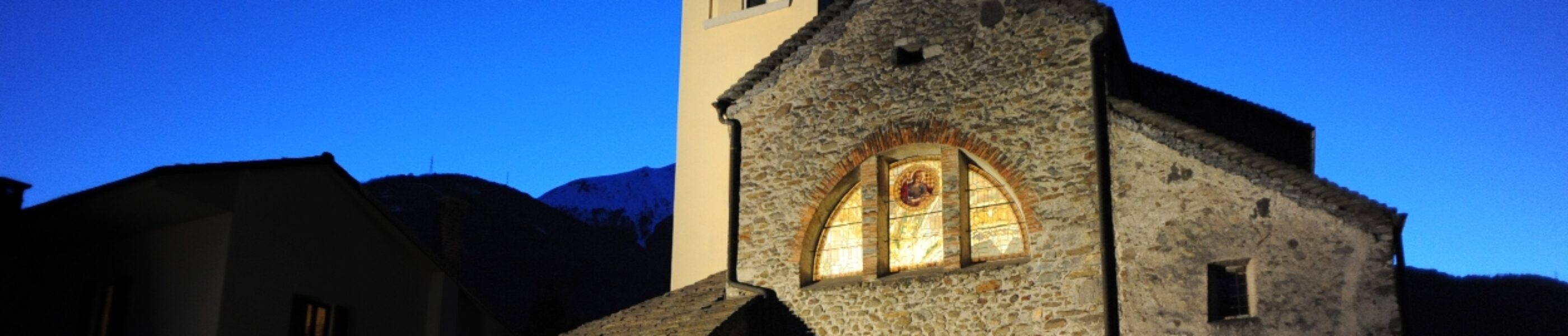
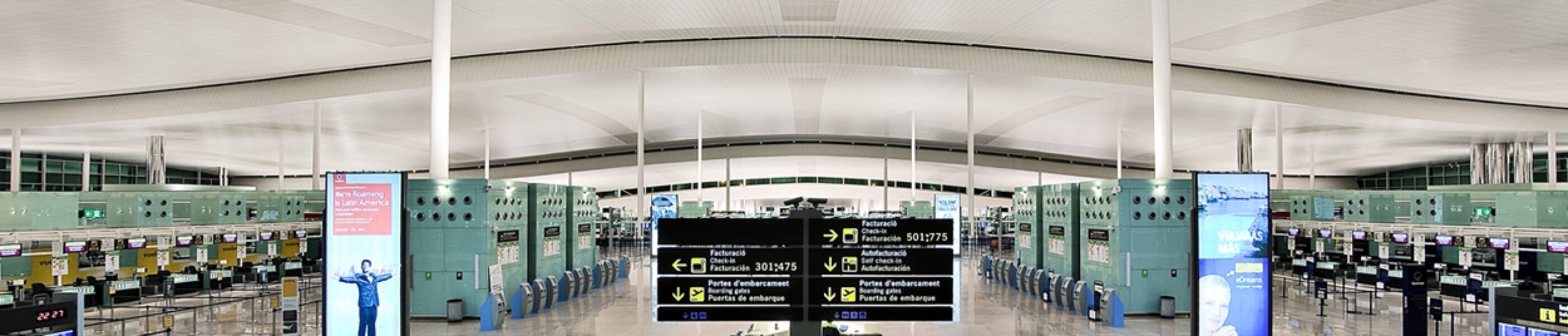
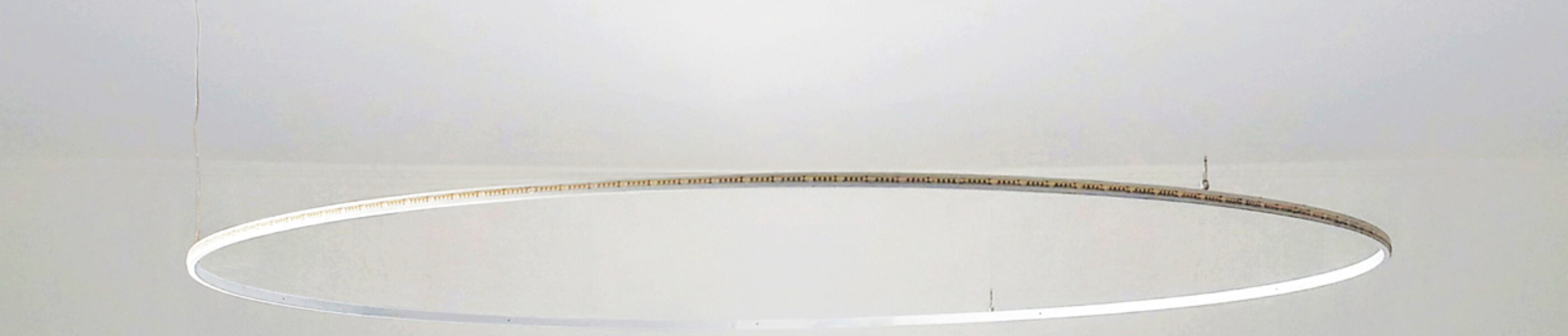
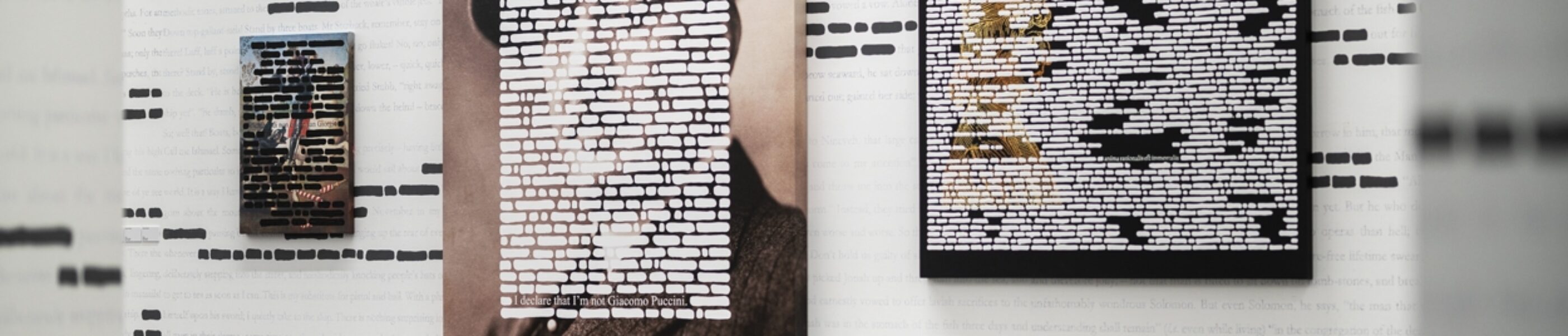
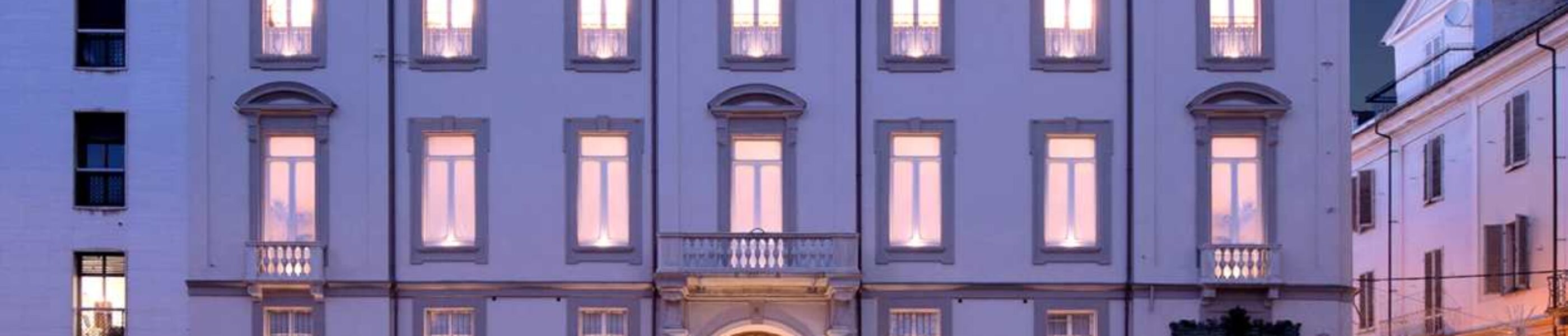
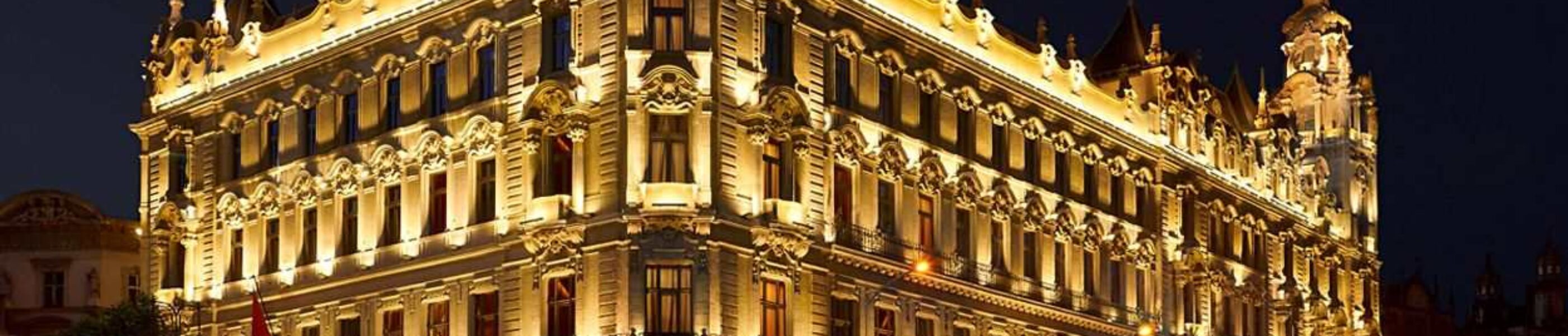
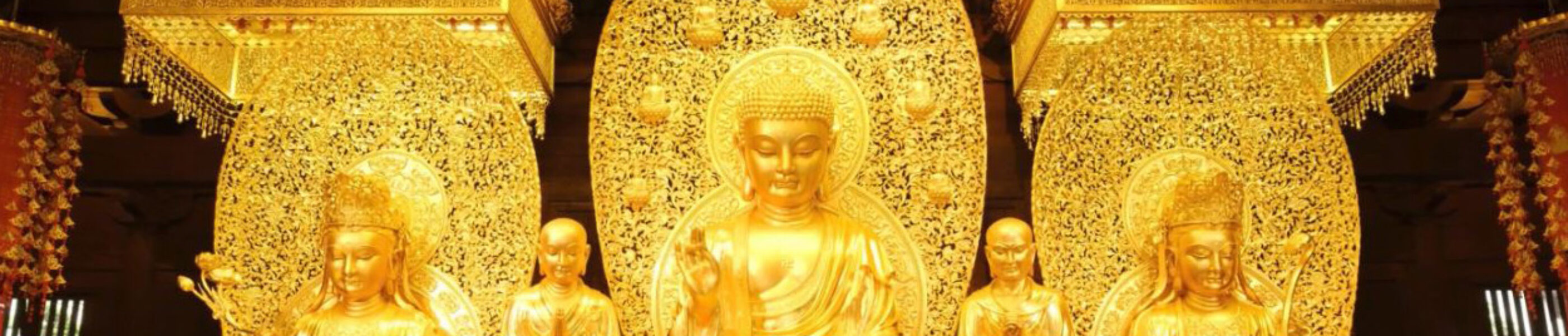
This section brings together a representative selection of lighting design projects in the architectural, museum, urban, cultural, retail, hospitality, and infrastructure sectors, both in Italy and abroad. The gallery documents projects of varying scale, function, and context, all sharing an approach to light as a tool for interpreting space, capable of engaging with architecture, artworks, landscape, and contemporary use.
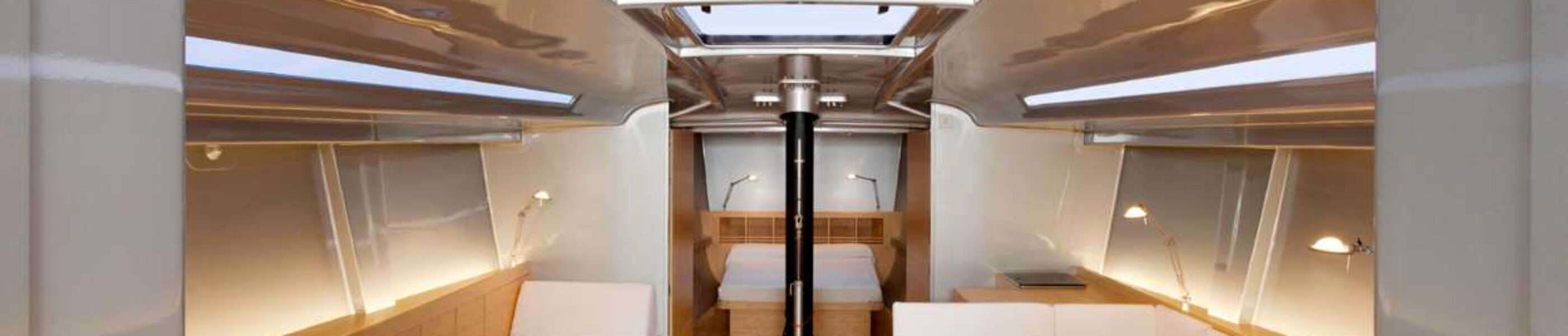
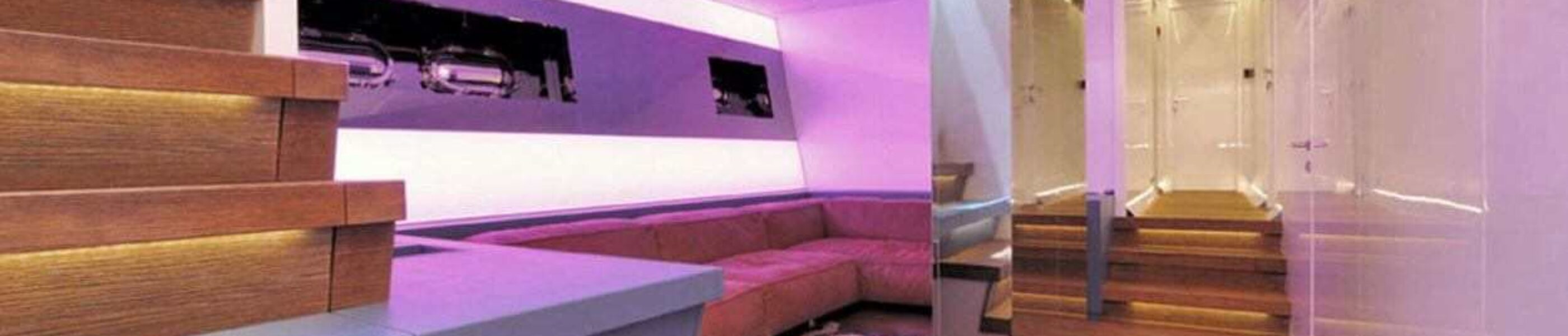
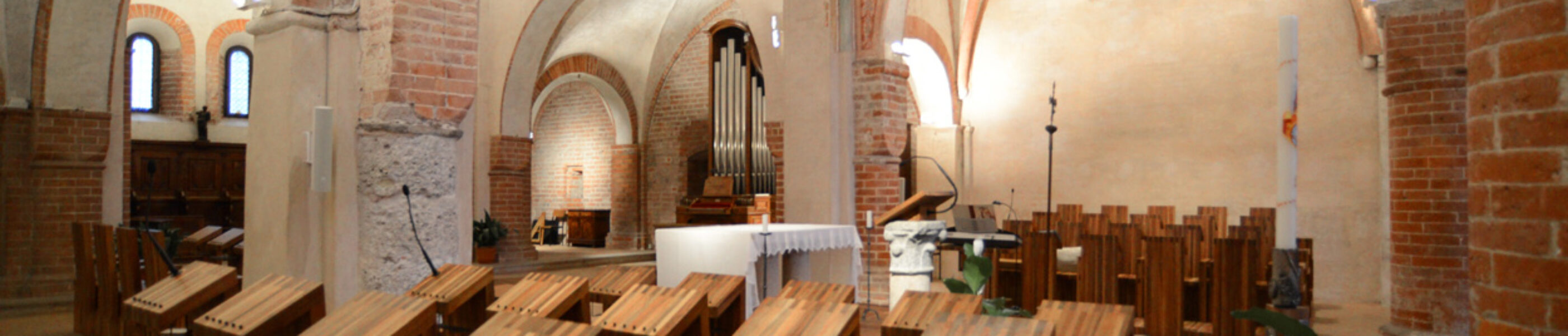
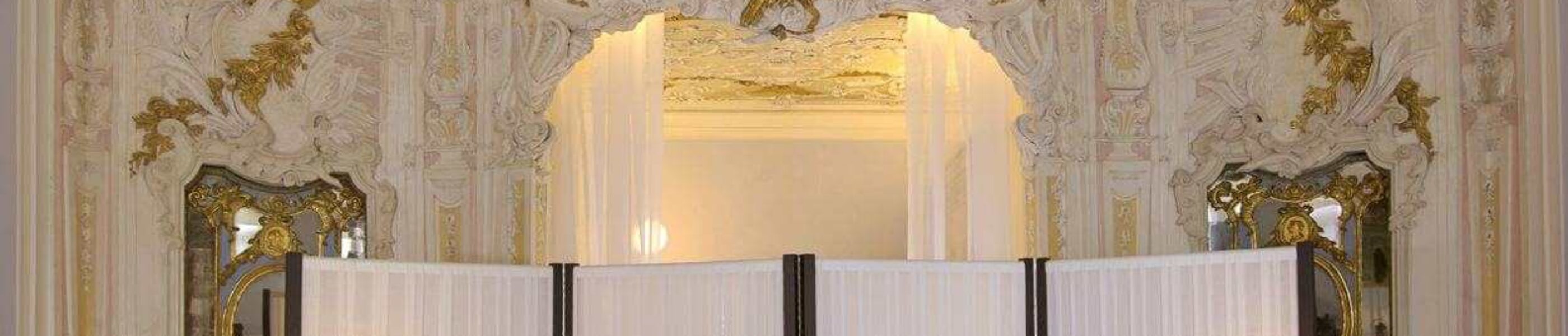
The projects presented range from museums, foundations, and temporary exhibitions to historic buildings, places of worship, public spaces, and urban complexes, including corporate headquarters, private residences, yachts, and lighting masterplans. In each project, light is designed as a controlled material, calibrated to the characteristics of the location, its functional needs, and the perceptual quality of the experience.
Taken together, the collected works convey a vision of lighting design as an integrated process, in which technical rigor, cultural sensitivity, and attention to context contribute to the construction of spatial identity, orientation, and value. The gallery thus takes the form of a design map, capable of demonstrating how light can take on different roles—discrete or declared—while always maintaining coherence, measure, and design awareness.
This section brings together a representative selection of lighting design projects in the architectural, museum, urban, cultural, retail, hospitality, and infrastructure sectors, both in Italy and abroad. The gallery documents projects of varying scale, function, and context, all sharing an approach to light as a tool for interpreting space, capable of engaging with architecture, artworks, landscape, and contemporary use.
The projects presented range from museums, foundations, and temporary exhibitions to historic buildings, places of worship, public spaces, and urban complexes, including corporate headquarters, private residences, yachts, and lighting masterplans. In each project, light is designed as a controlled material, calibrated to the characteristics of the location, its functional needs, and the perceptual quality of the experience.
Taken together, the collected works convey a vision of lighting design as an integrated process, in which technical rigor, cultural sensitivity, and attention to context contribute to the construction of spatial identity, orientation, and value. The gallery thus takes the form of a design map, capable of demonstrating how light can take on different roles—discrete or declared—while always maintaining coherence, measure, and design awareness.