“We chose this project because it embodies the future. We want it to be an iconic building, which represents the moment we live and can remain over time as a valid example of architecture and art" explained Aldo Mazzocco (AD Generali Real estate).
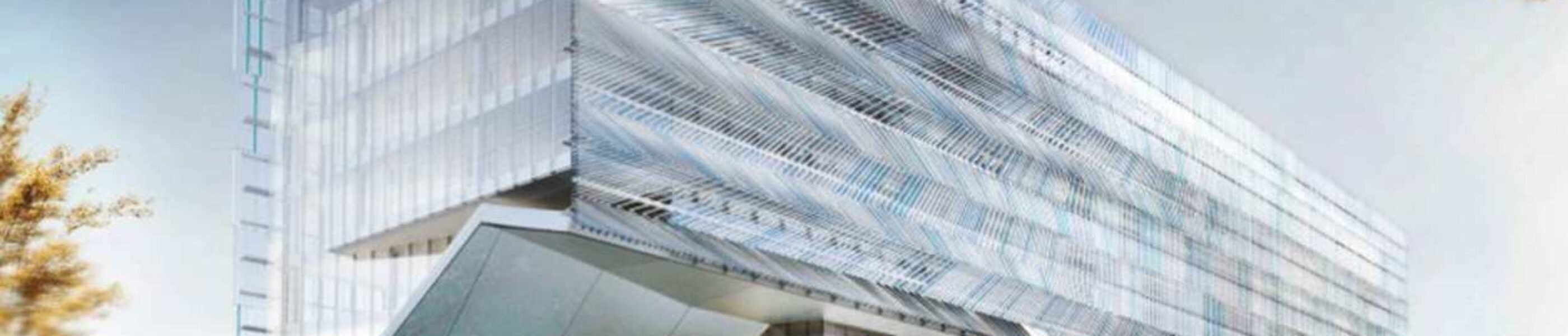
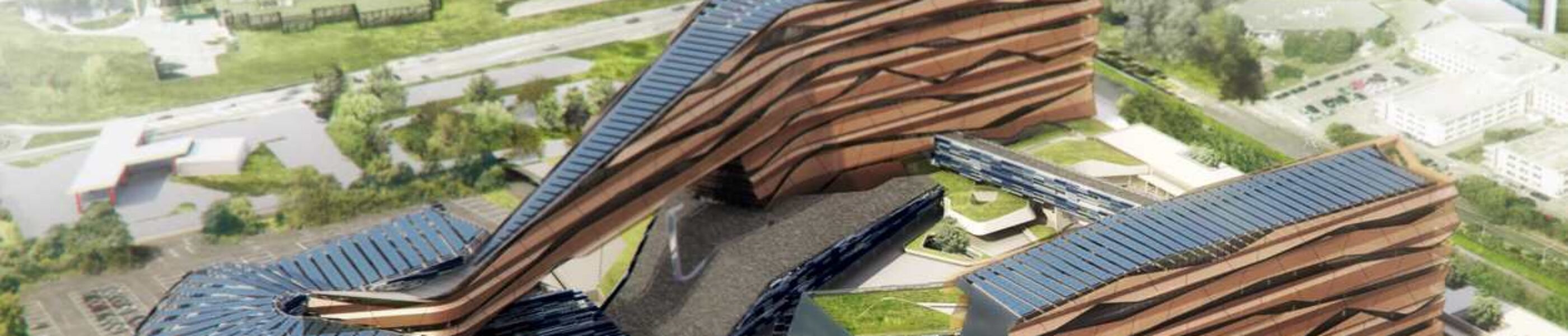
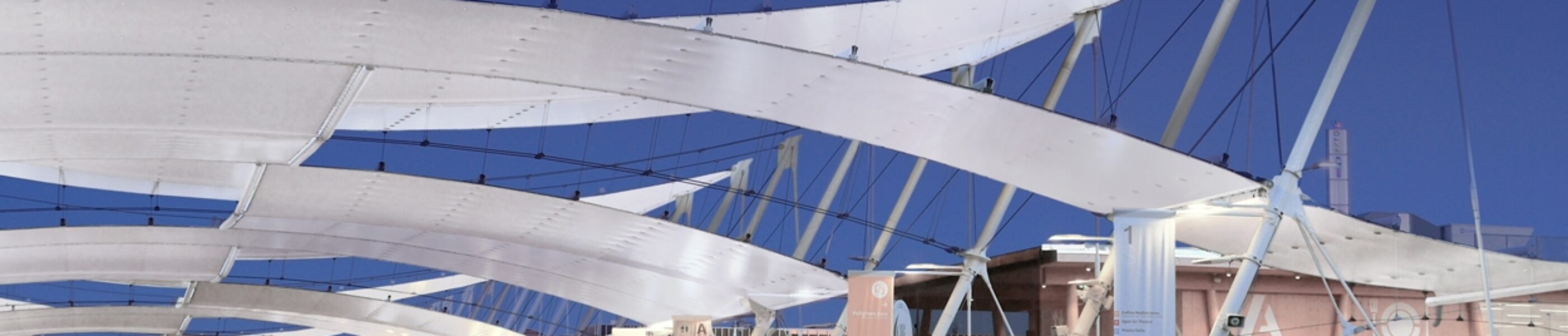
“We propose a portico created by a hanging structure. With a light roof and thin columns working in tension to prevent uplift, the building’s canopy serves as an inverse portico blurring the boundary public and private, indoor and outdoor. Throughout the urban history of Milan, as an axis traditionally is symbolized by a set of twin buildings and a gate. With CityLife, the twin building creates a new typology that blur between interior and exterior, creating both an entry and significant destination for Milan” Bjarke Ingels.
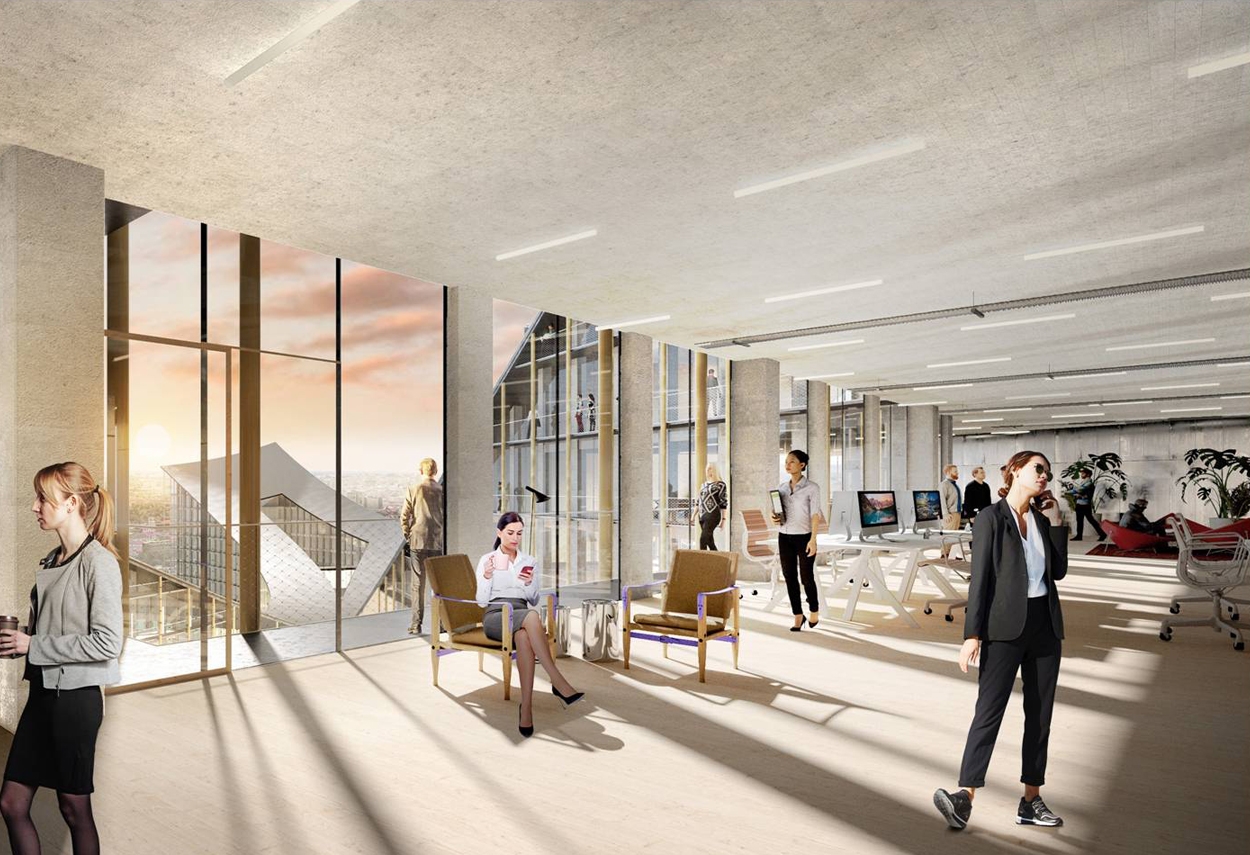
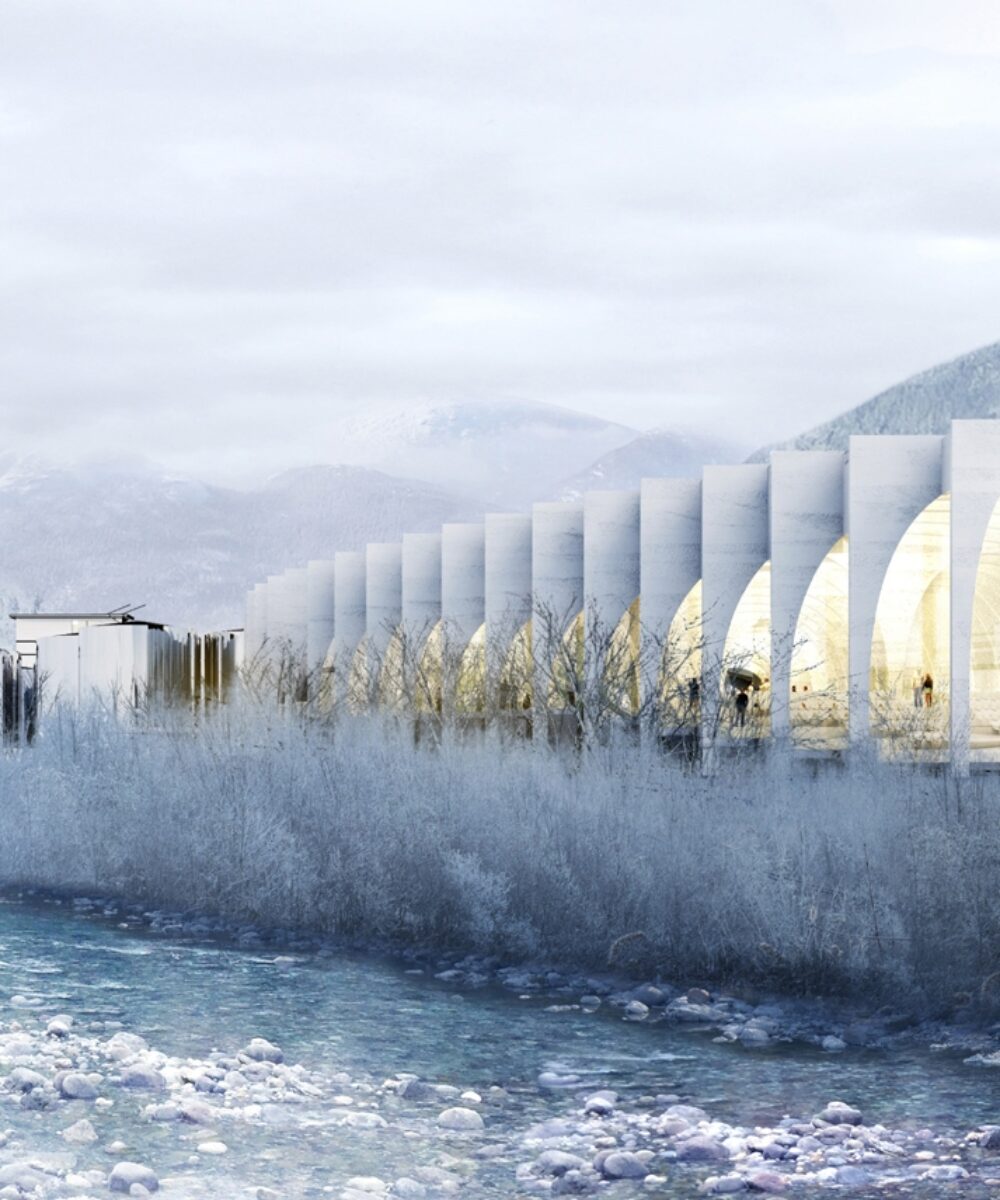
Like the San Pellegrino Flagship Factory project, the City Wave project is the winner of a competition by invitation with the participation of international studios. The design focuses on sustainability and the use of renewable energy, meeting the guidelines of the LEED, WELL and WiredScore certifications. The architectural lighting of office and work environments is increasingly attentive and sensitive to issues of wellbeing and visual comfort, where the design is based on attention to the user's view, lighting indoors and environmental sustainability and compliance with current regulations.
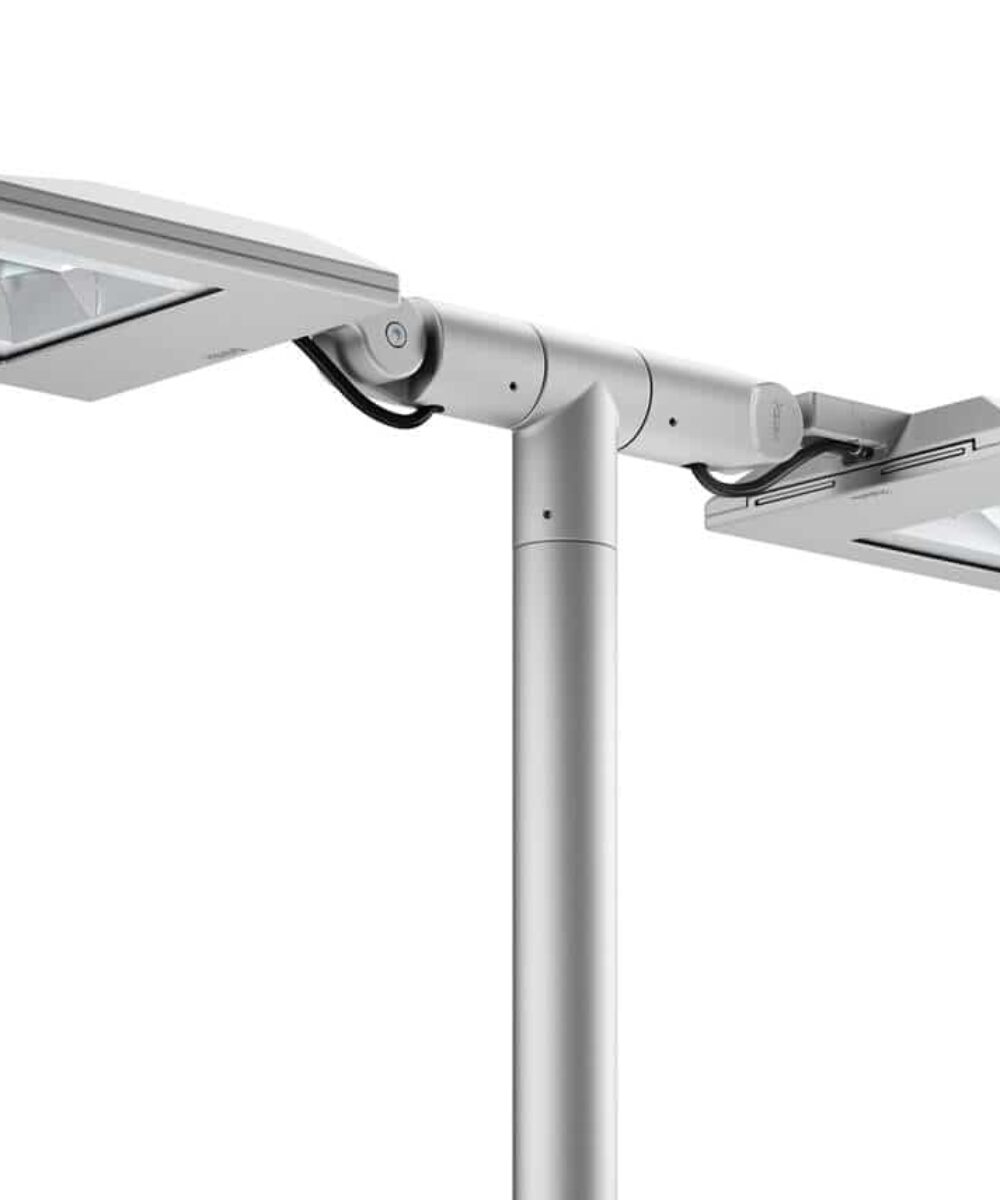
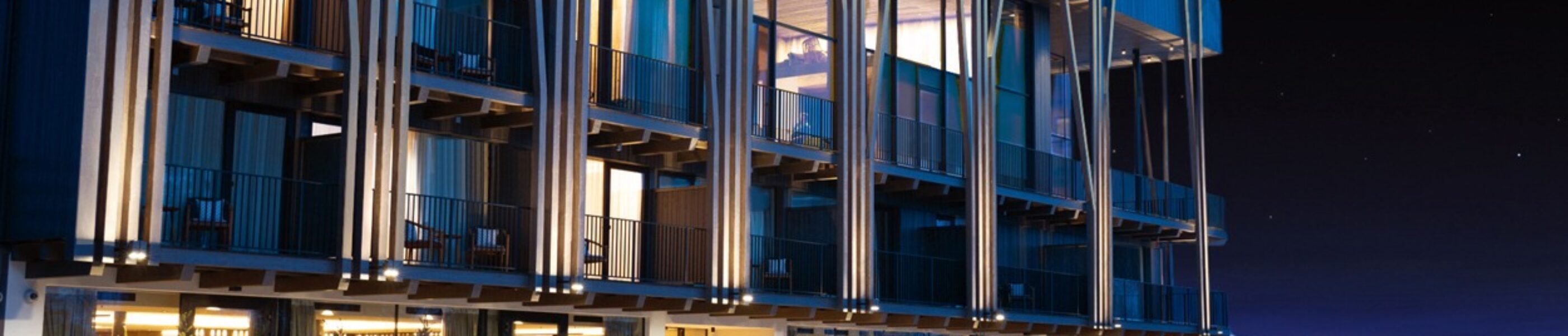
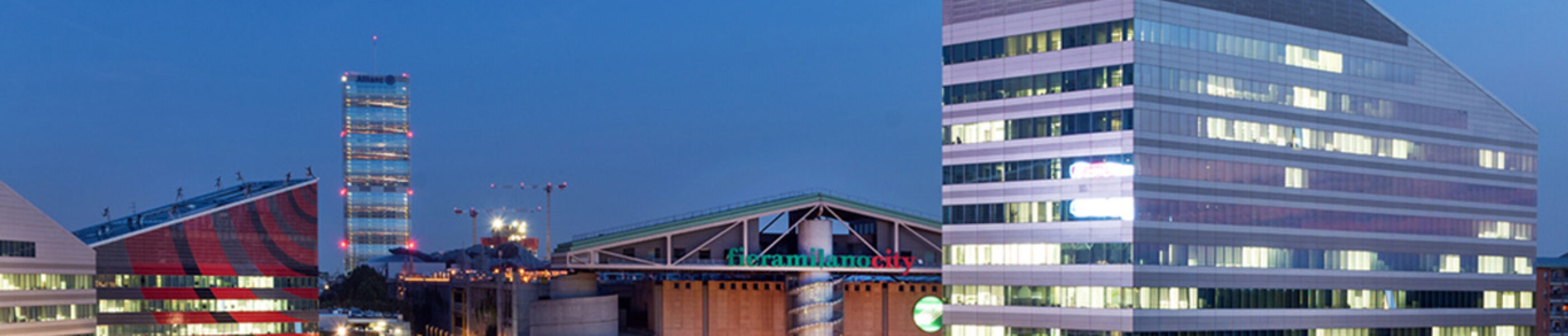
The building is transformed into a large light source, producing sufficient illuminance levels to light up the surrounding outdoor space, reproducing the moonlight in the night landscape. The pole-mounted luminaires, in line with the existing design of the area, will only be used for the public green routes, producing chiaroscuro and shadows similar to those produced by daylight. The light emitted outside by the large glass surfaces forms a kind of luminous base. It detaches the buildings from the ground, visually expanding the space of the portico, generating a floating building, like a luminous lantern that becomes the new reference and meeting point for citizens and city users.
Client:
Piero Castiglioni
Collaborations:
Bjarke Ingels Group
BIG Engineering
Atelier Verticale Architects
Manens-Tifs
GAD
Faces
Agep
Render Courtesy:
Bjarke Ingels Group
Year:
2020 - In progress
“We chose this project because it embodies the future. We want it to be an iconic building, which represents the moment we live and can remain over time as a valid example of architecture and art" explained Aldo Mazzocco (AD Generali Real estate).
“We propose a portico created by a hanging structure. With a light roof and thin columns working in tension to prevent uplift, the building’s canopy serves as an inverse portico blurring the boundary public and private, indoor and outdoor. Throughout the urban history of Milan, as an axis traditionally is symbolized by a set of twin buildings and a gate. With CityLife, the twin building creates a new typology that blur between interior and exterior, creating both an entry and significant destination for Milan” Bjarke Ingels.
Like the San Pellegrino Flagship Factory project, the City Wave project is the winner of a competition by invitation with the participation of international studios. The design focuses on sustainability and the use of renewable energy, meeting the guidelines of the LEED, WELL and WiredScore certifications. The architectural lighting of office and work environments is increasingly attentive and sensitive to issues of wellbeing and visual comfort, where the design is based on attention to the user's view, lighting indoors and environmental sustainability and compliance with current regulations.
The building is transformed into a large light source, producing sufficient illuminance levels to light up the surrounding outdoor space, reproducing the moonlight in the night landscape. The pole-mounted luminaires, in line with the existing design of the area, will only be used for the public green routes, producing chiaroscuro and shadows similar to those produced by daylight. The light emitted outside by the large glass surfaces forms a kind of luminous base. It detaches the buildings from the ground, visually expanding the space of the portico, generating a floating building, like a luminous lantern that becomes the new reference and meeting point for citizens and city users.
Client:
Piero Castiglioni
Collaborations:
Bjarke Ingels Group
BIG Engineering
Atelier Verticale Architects
Manens-Tifs
GAD
Faces
Agep
Render Courtesy:
Bjarke Ingels Group
Year:
2020 - In progress
Other Projects
Other Projects
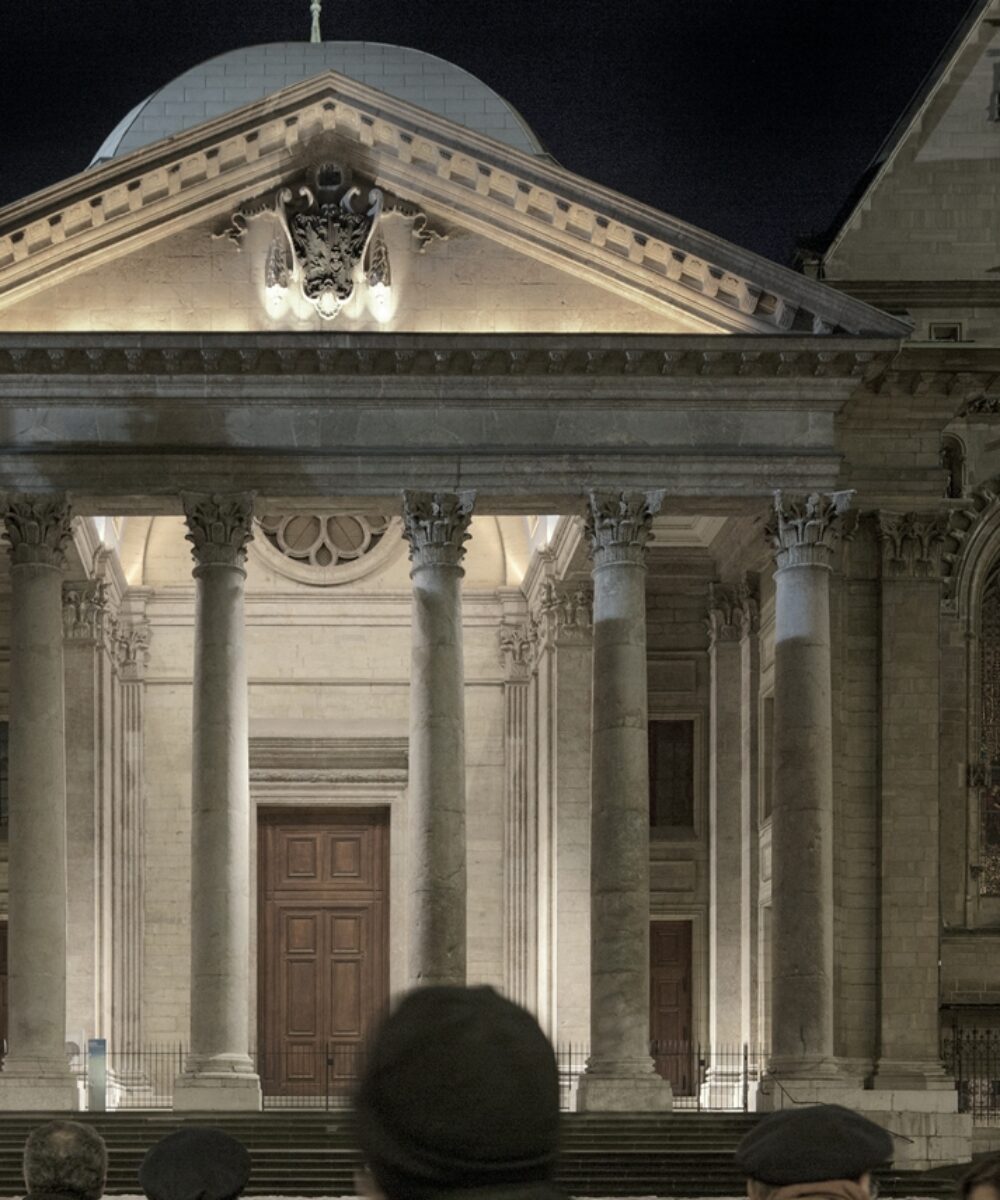
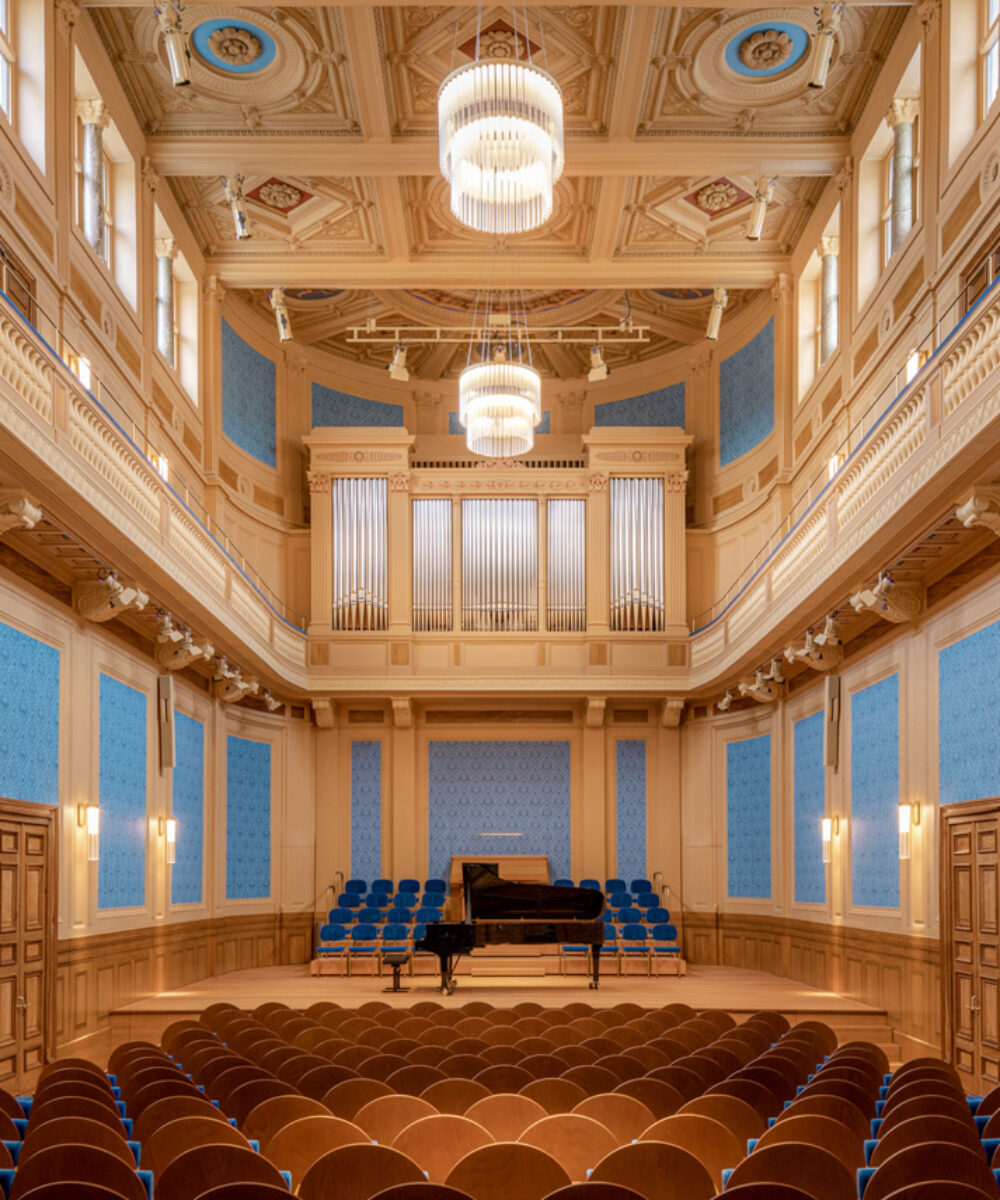
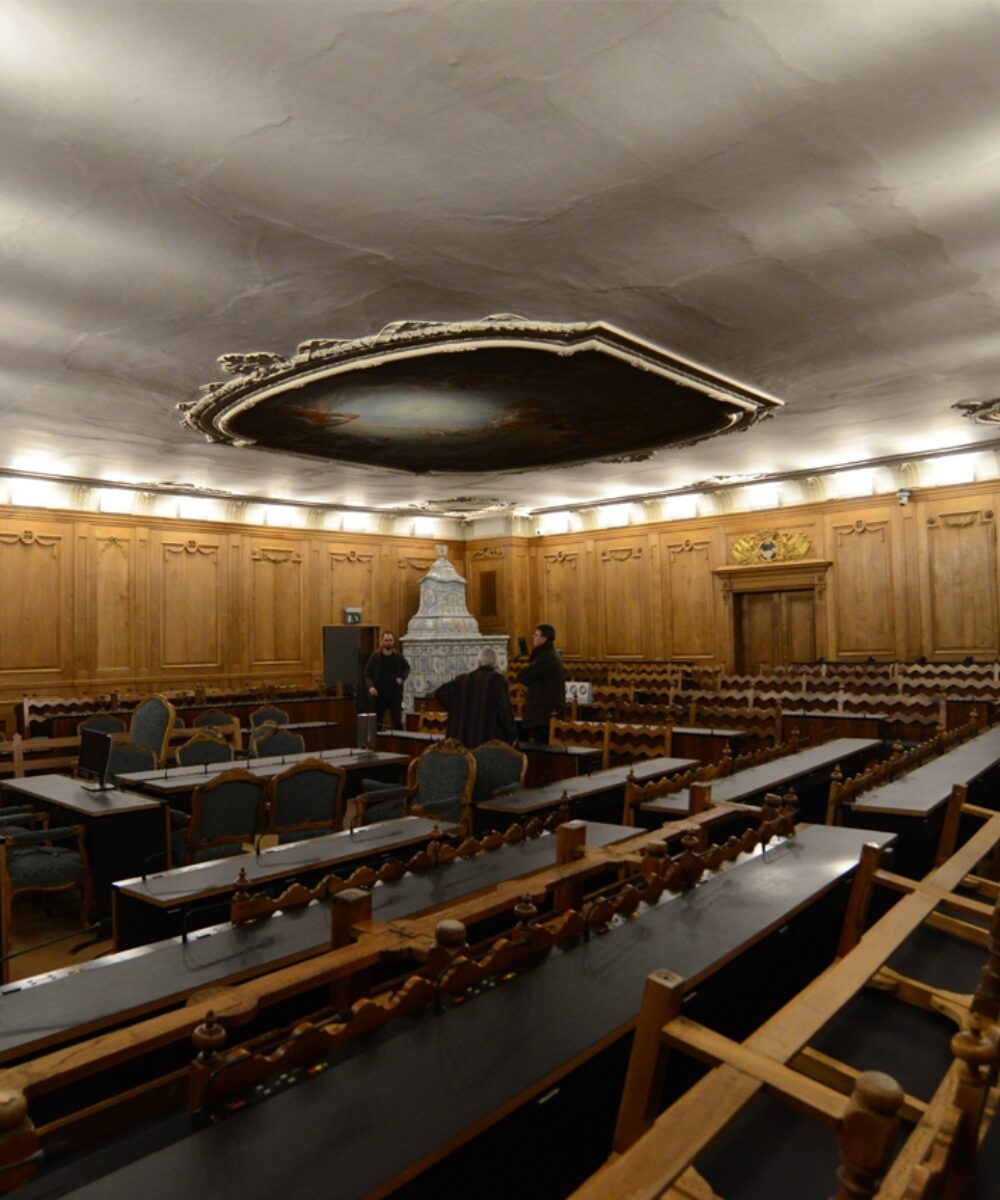
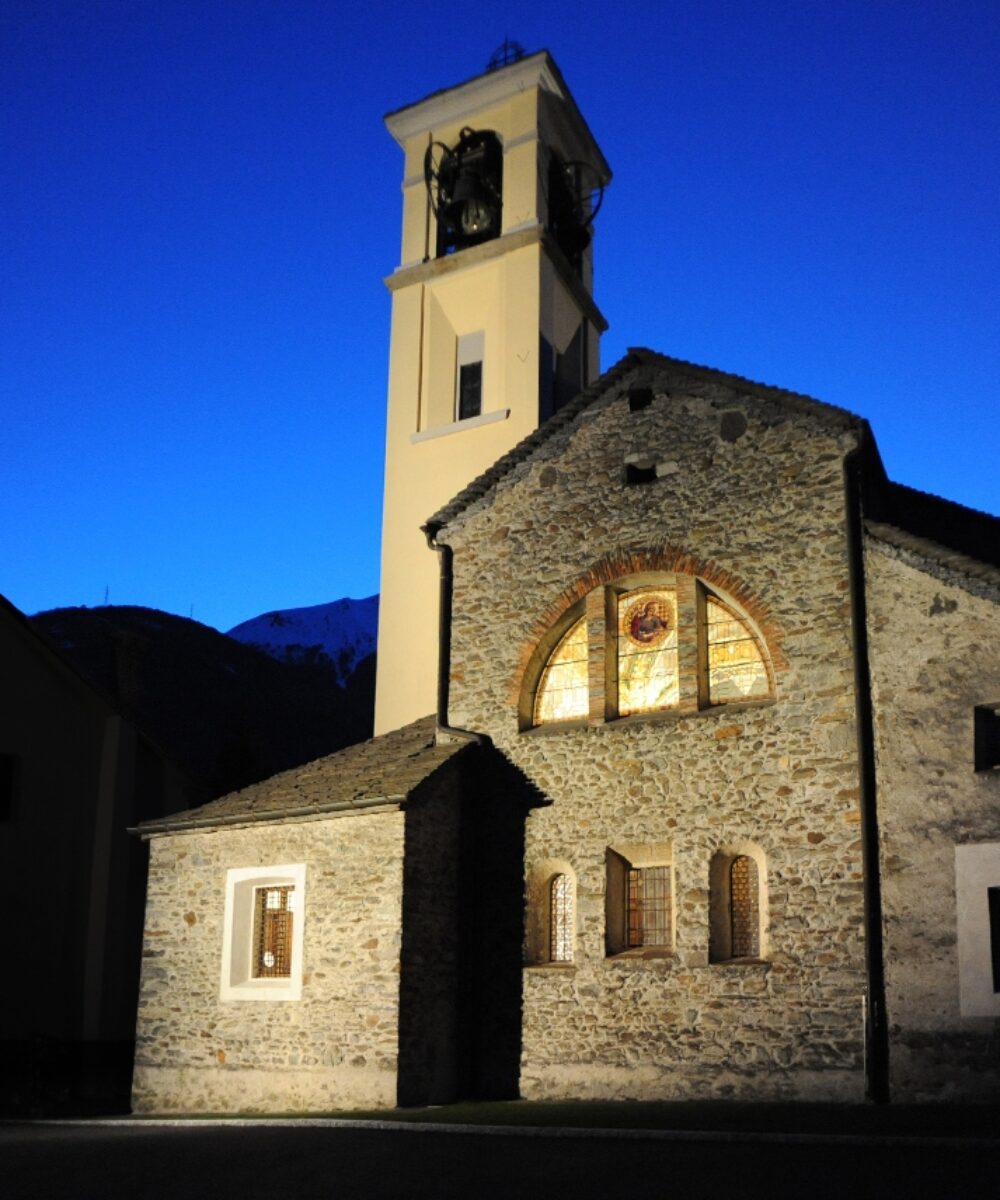
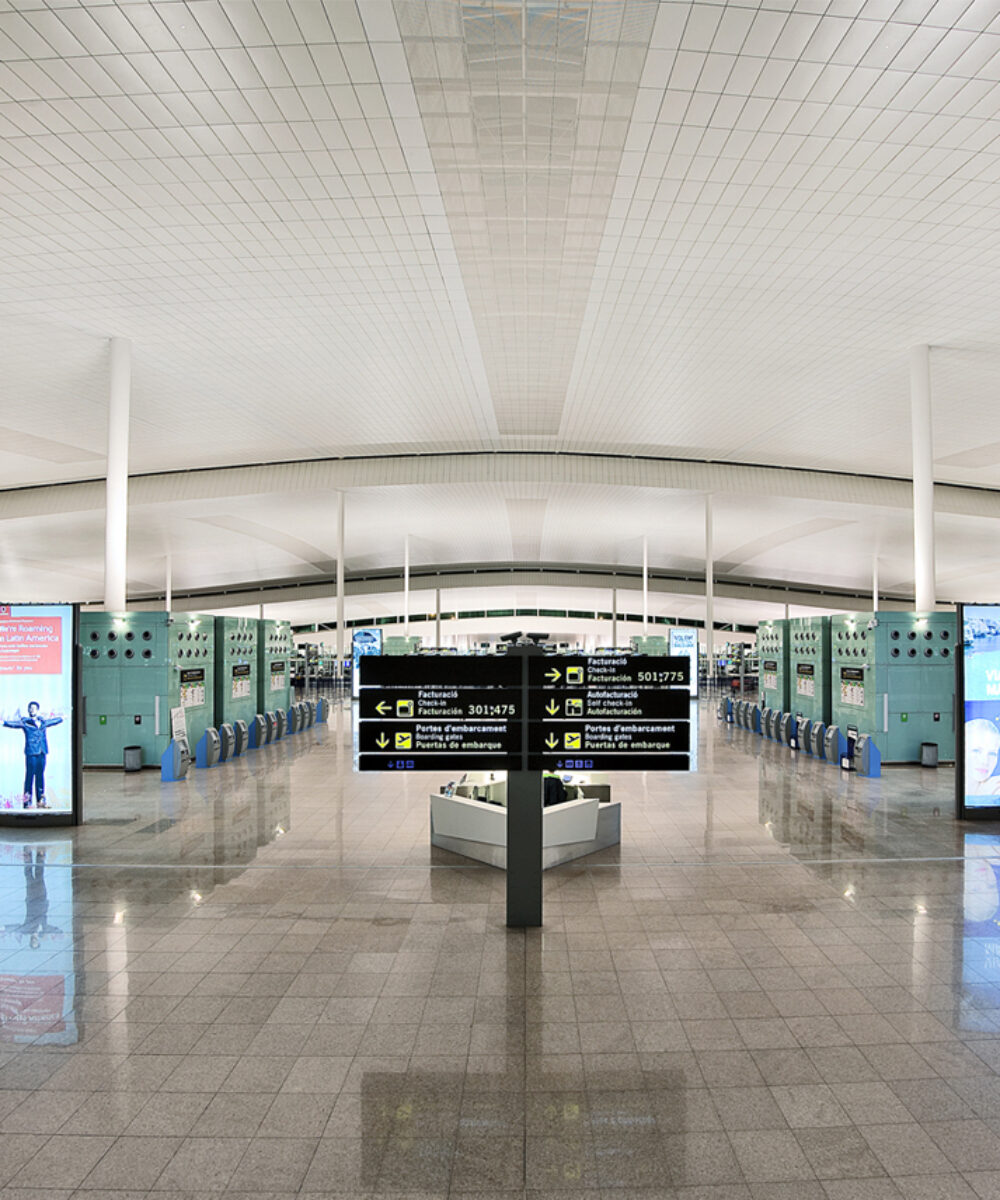
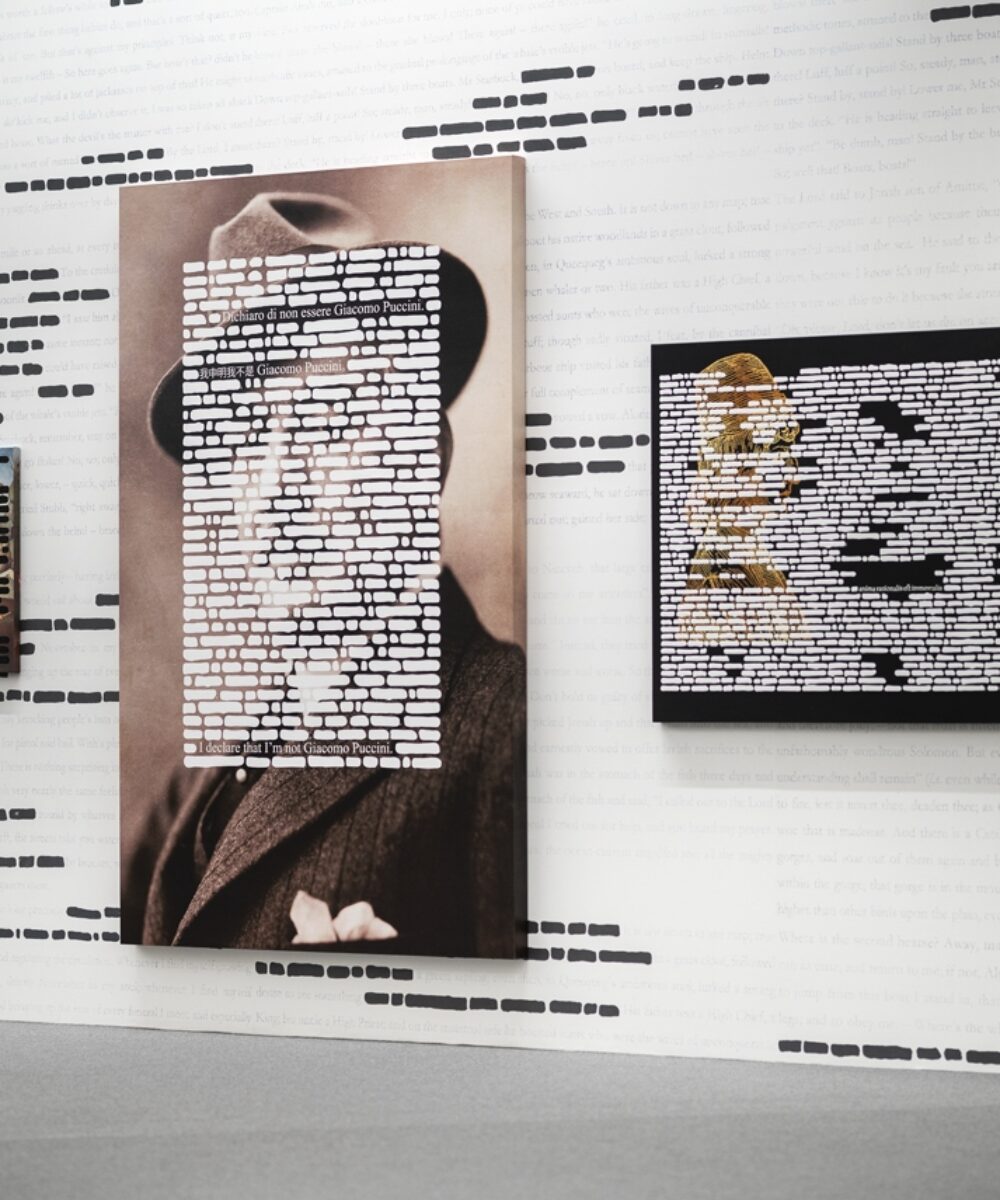
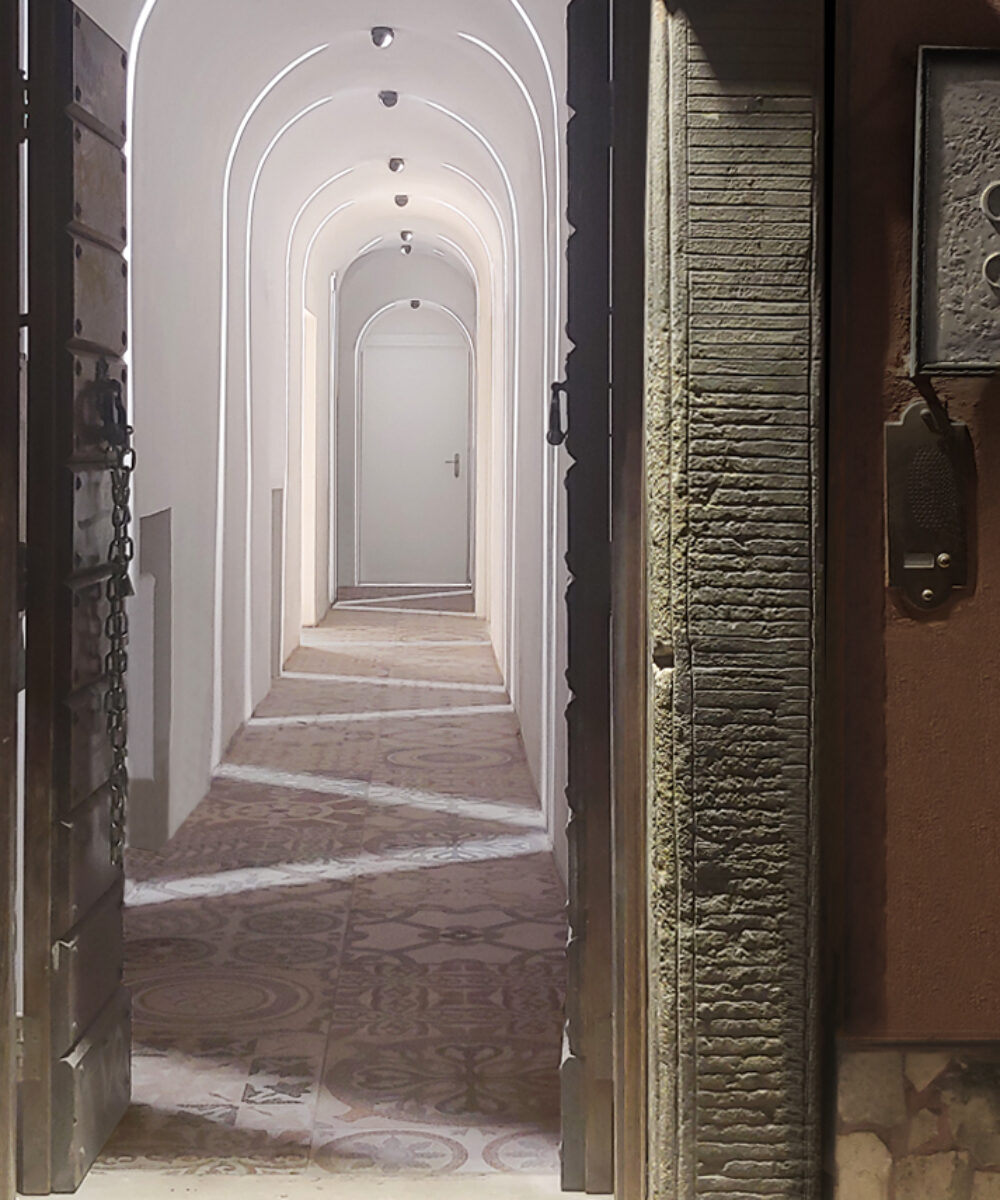
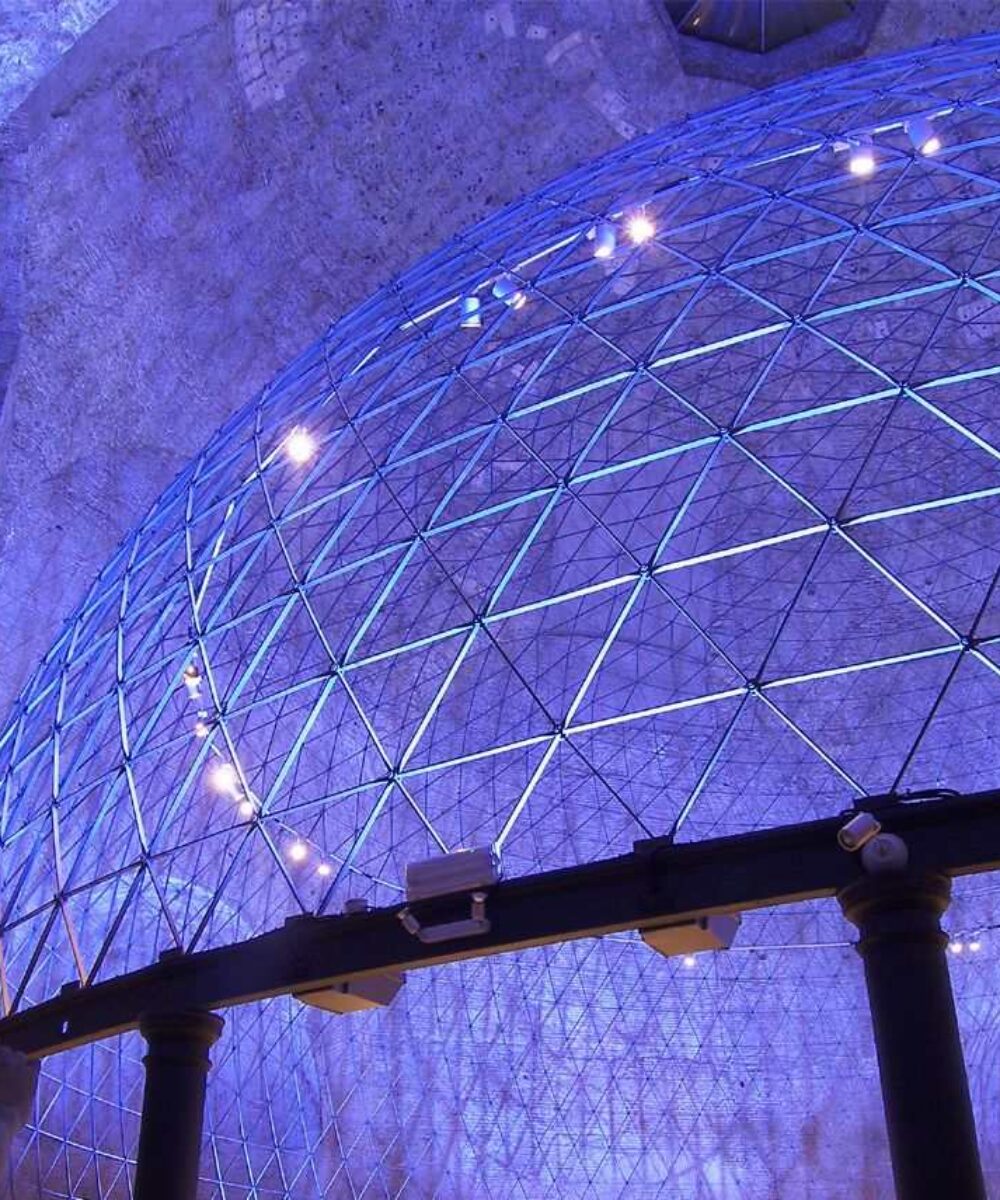
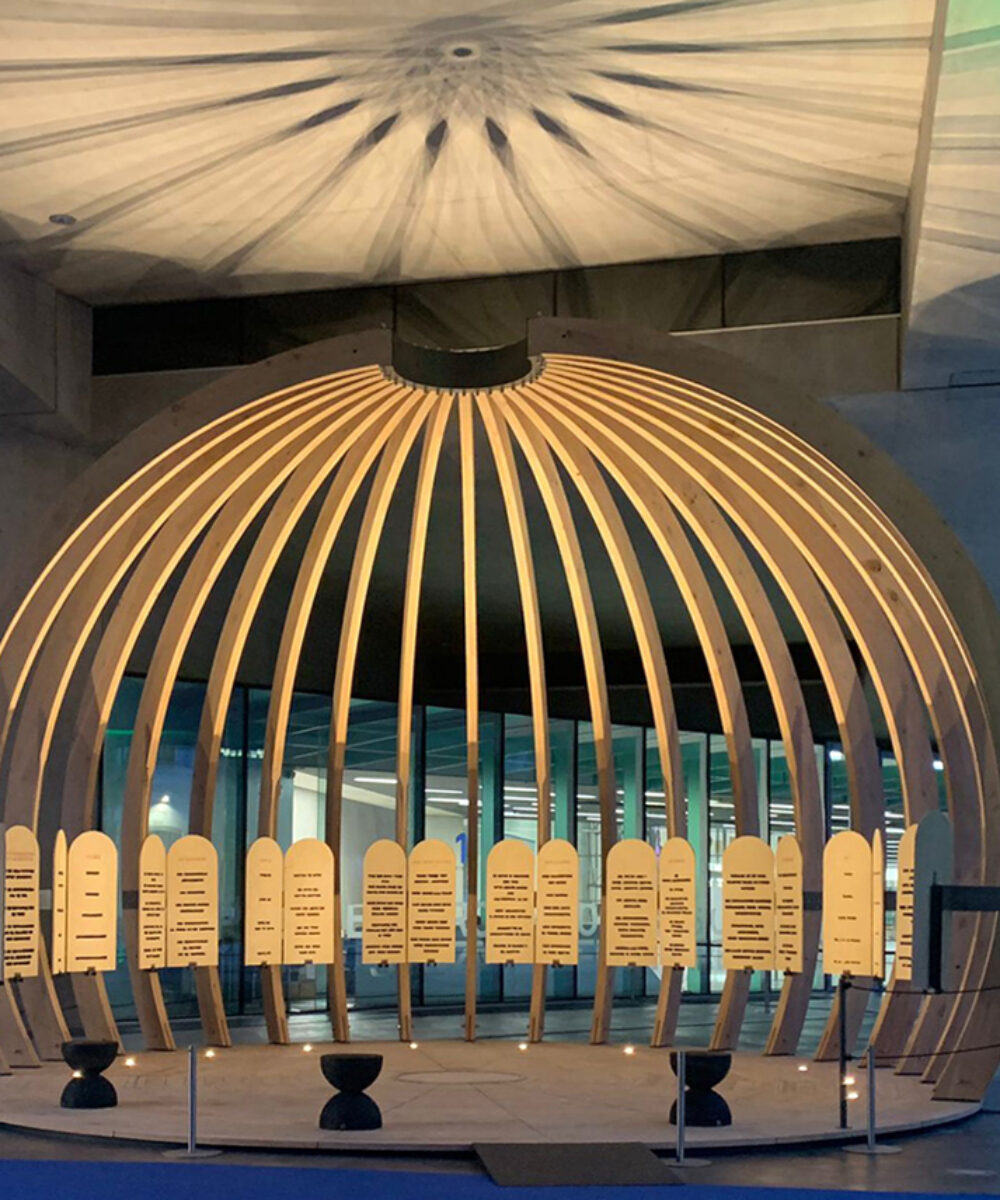
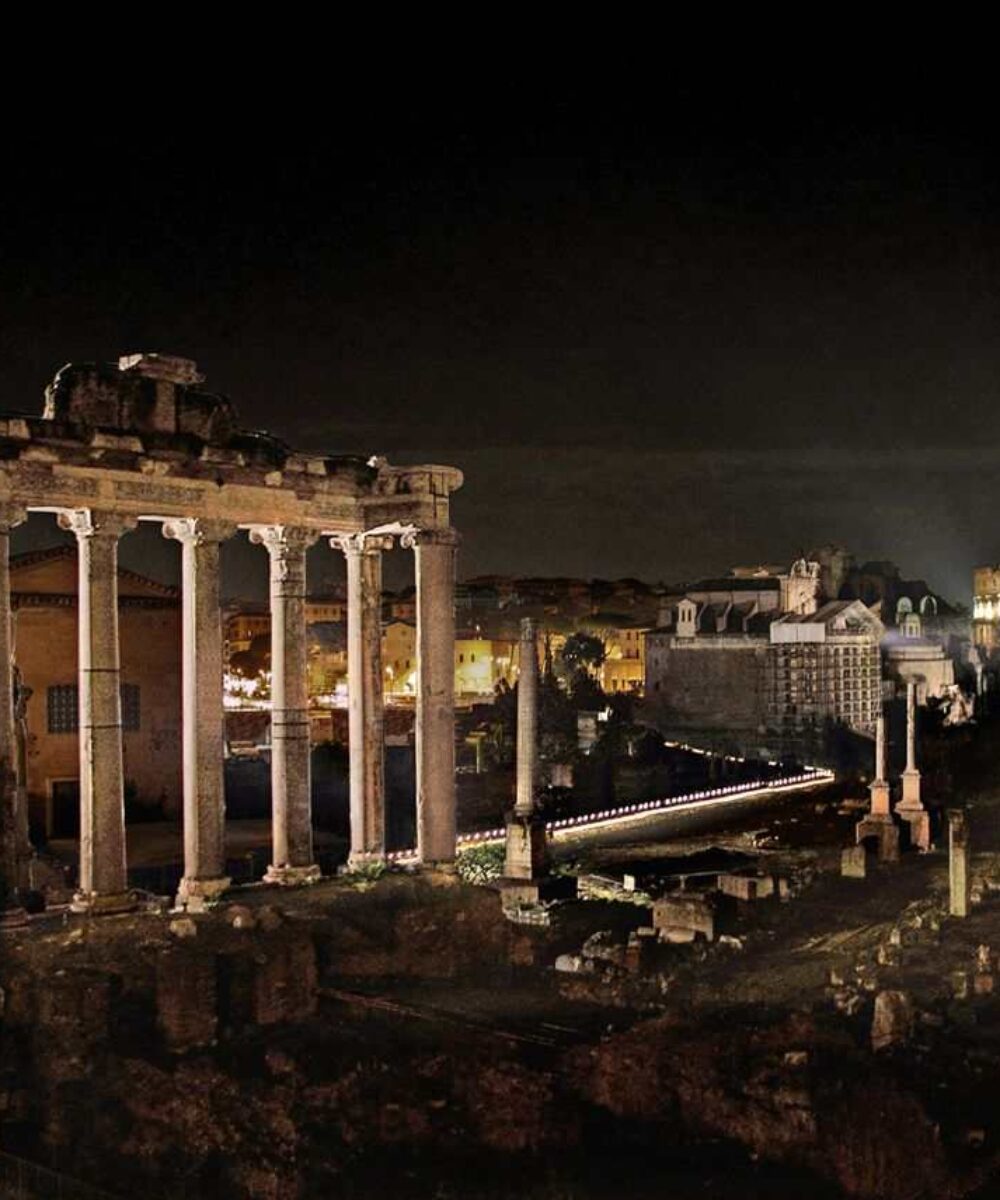
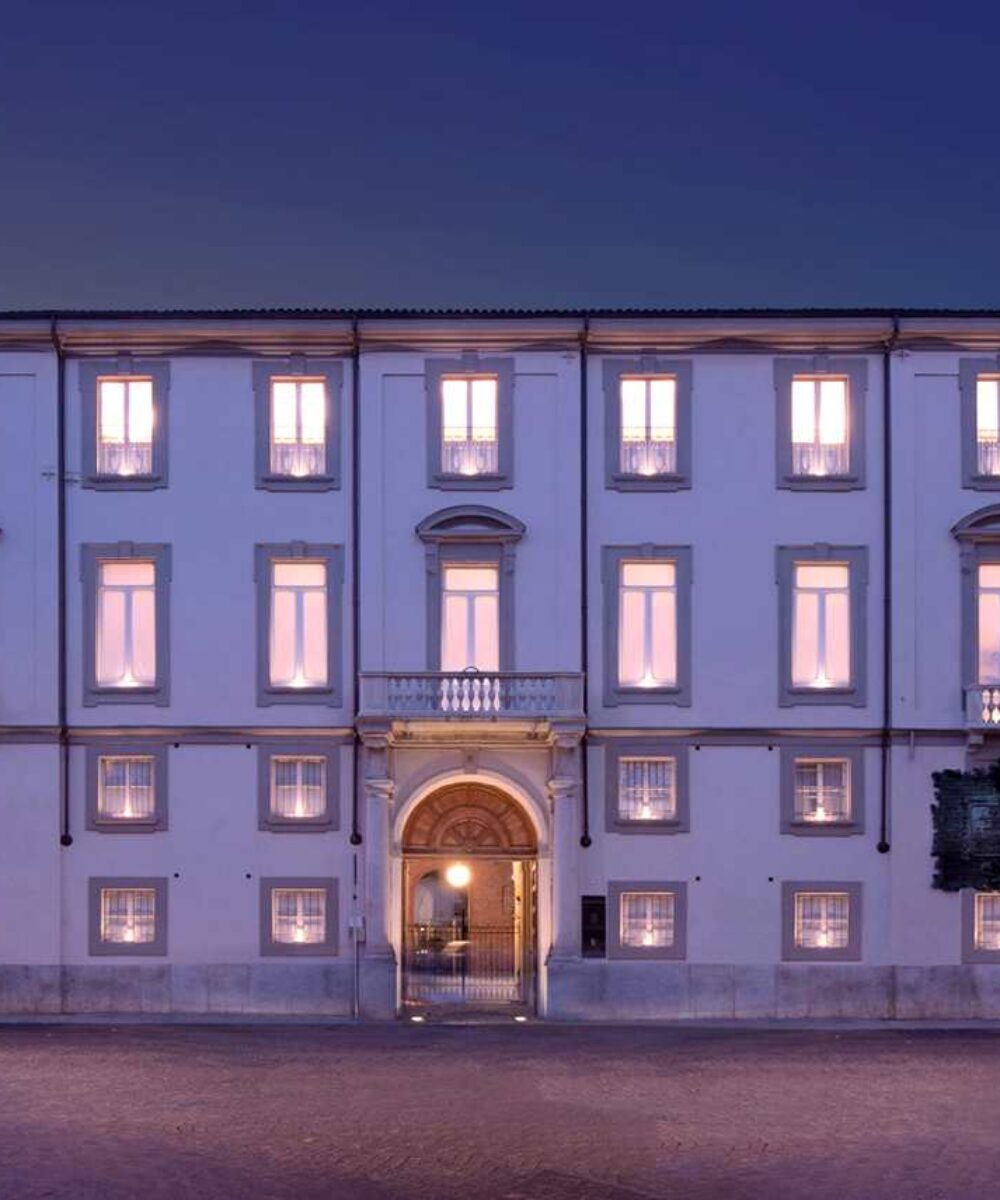
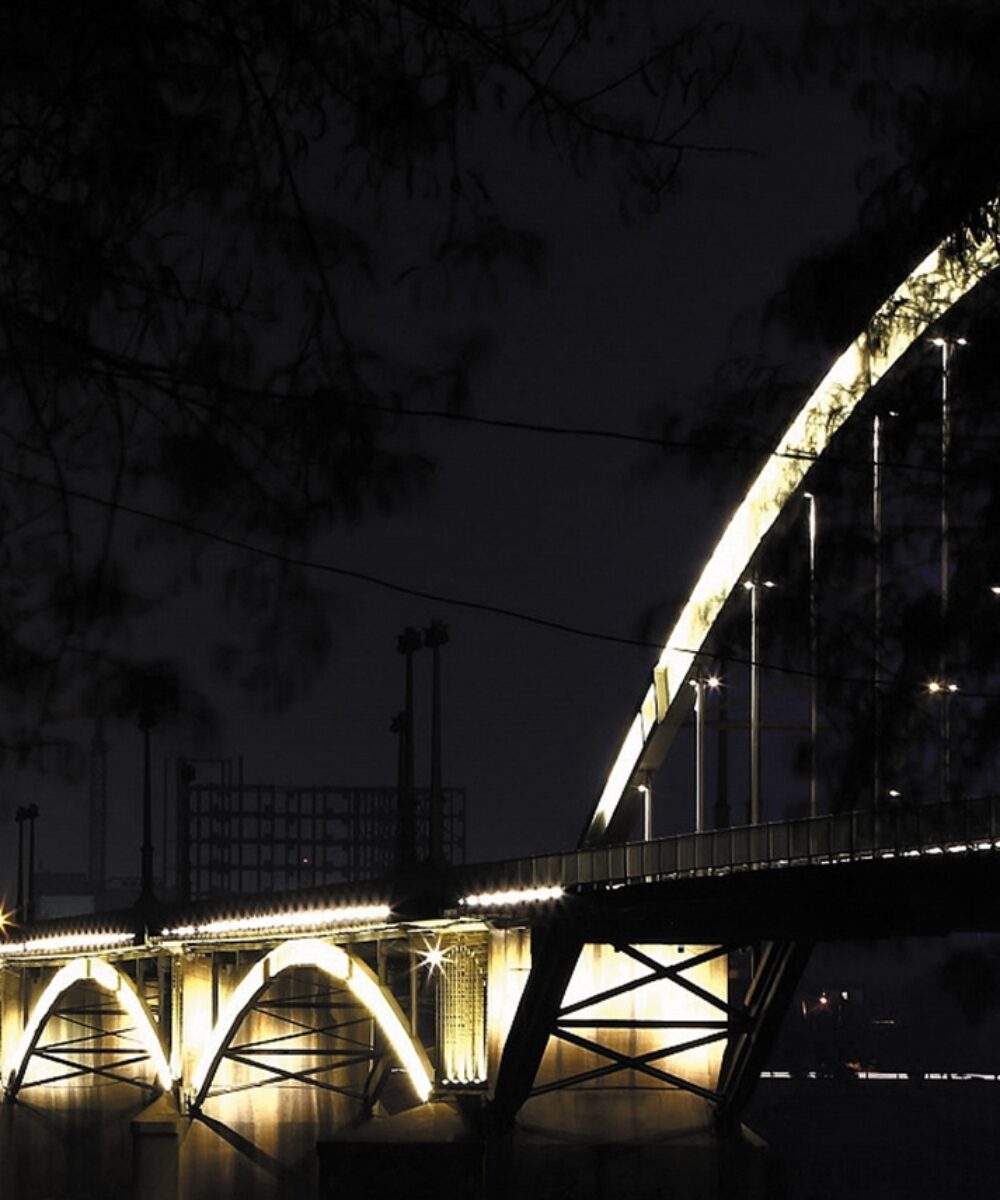
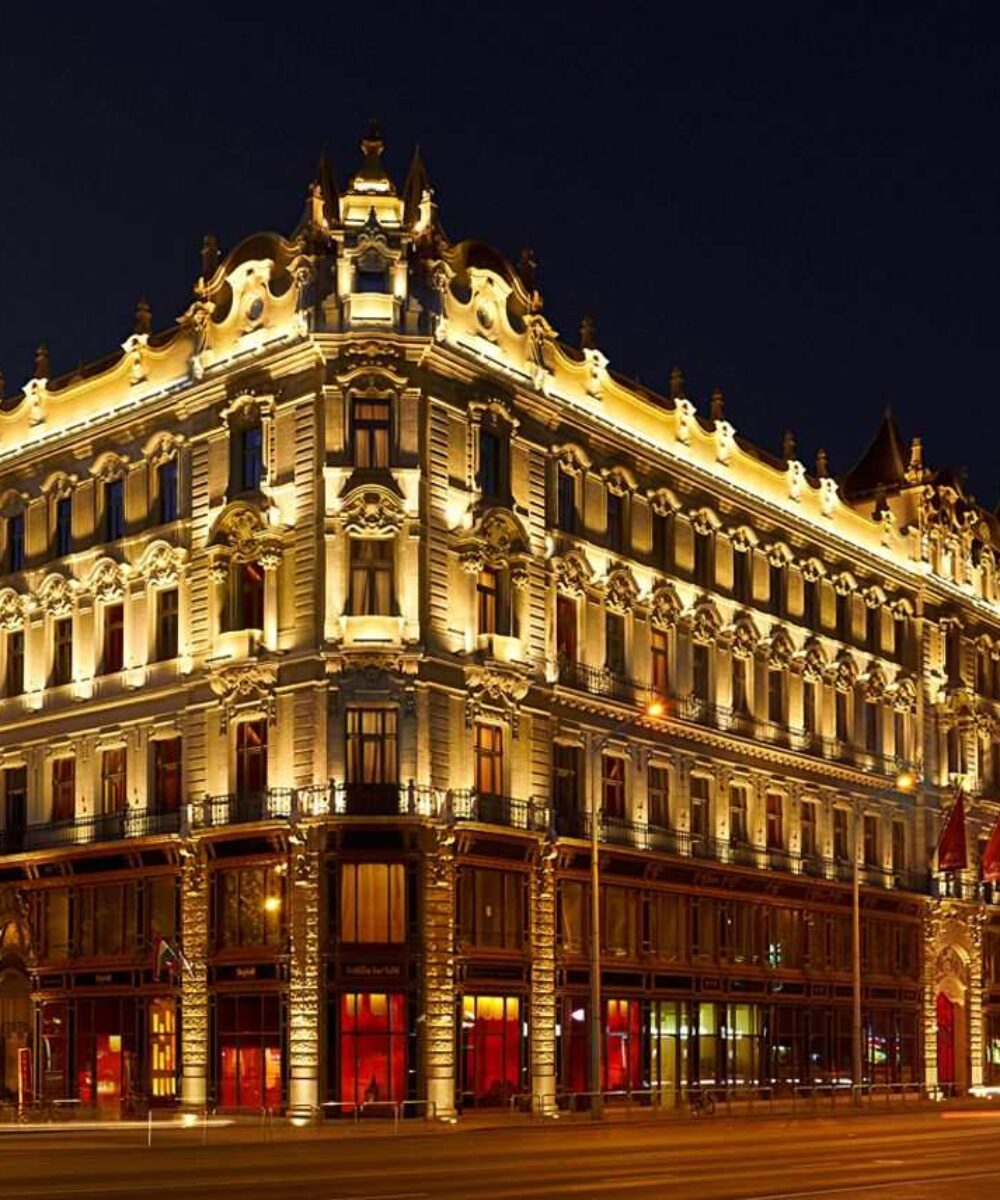
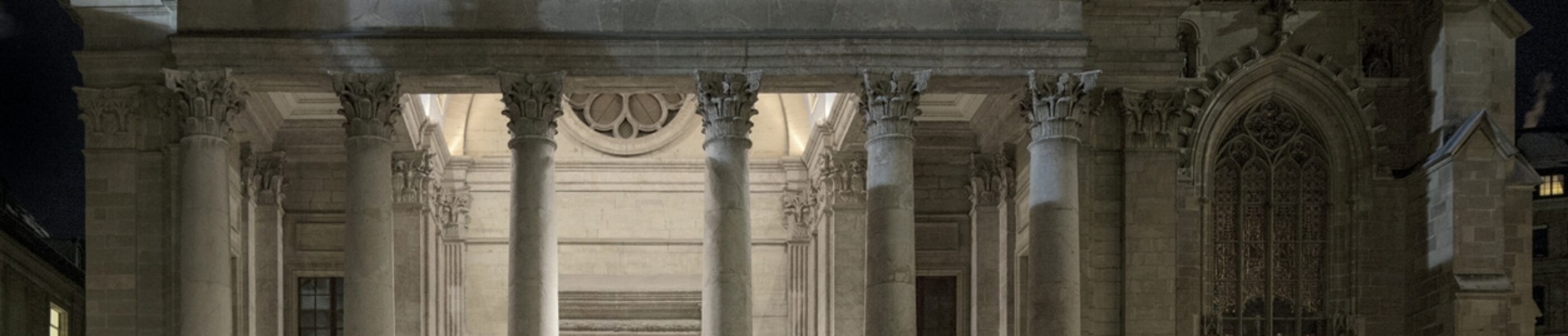
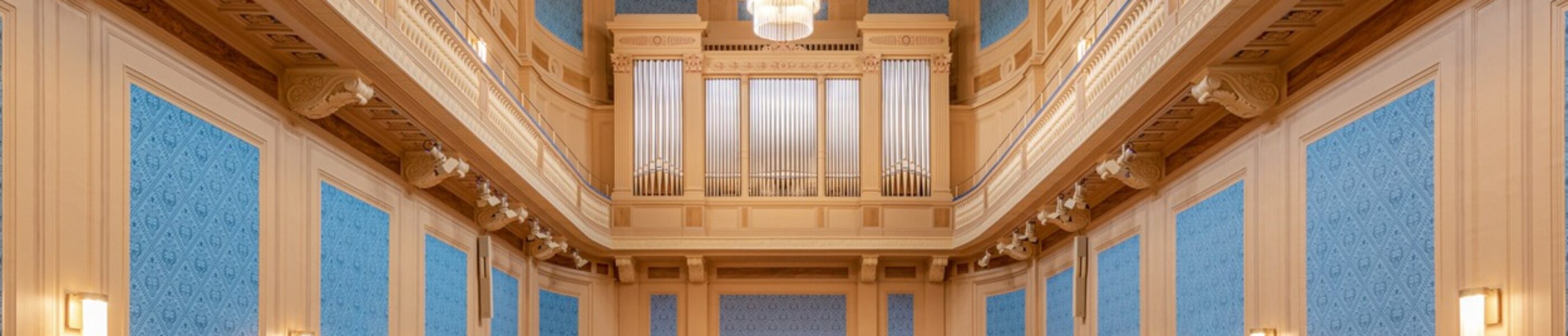
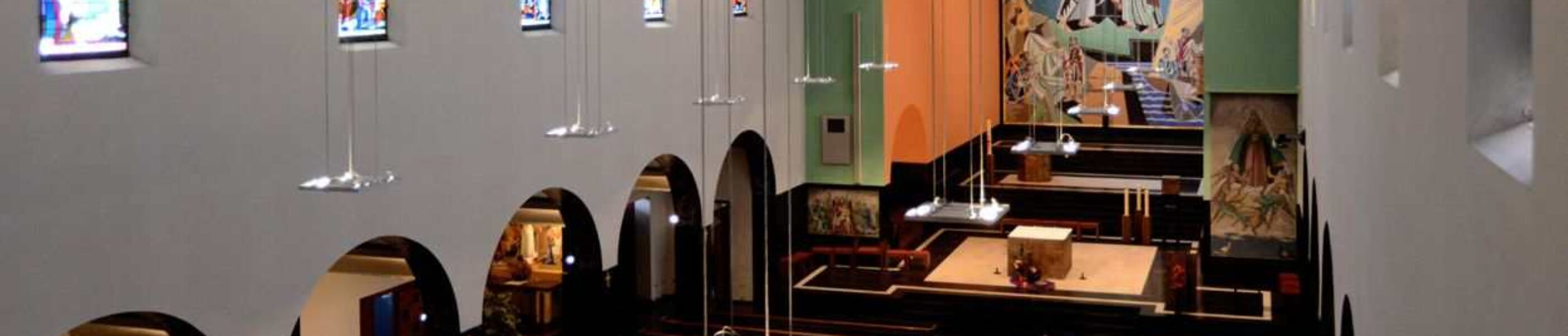
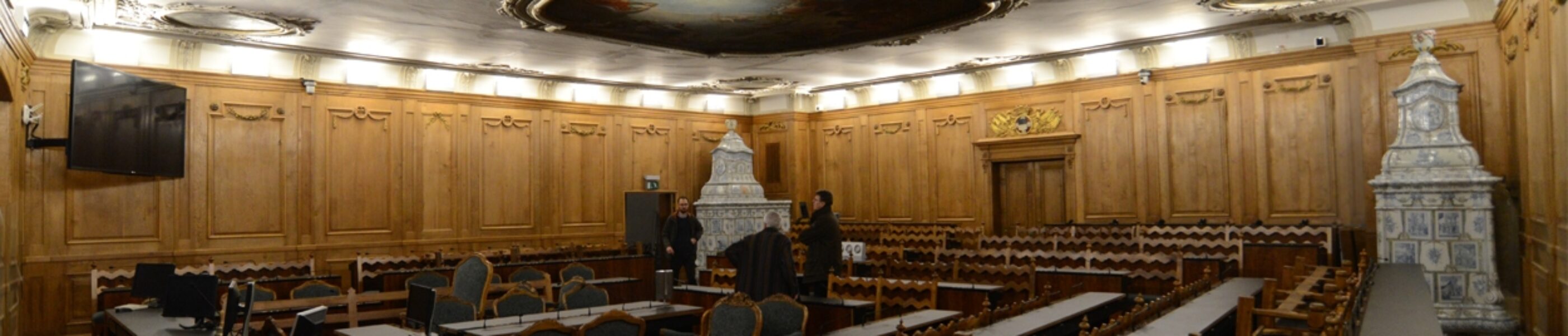
This section brings together a representative selection of lighting design projects in the architectural, museum, urban, cultural, retail, hospitality, and infrastructure sectors, both in Italy and abroad. The gallery documents projects of varying scale, function, and context, all sharing an approach to light as a tool for interpreting space, capable of engaging with architecture, artworks, landscape, and contemporary use.
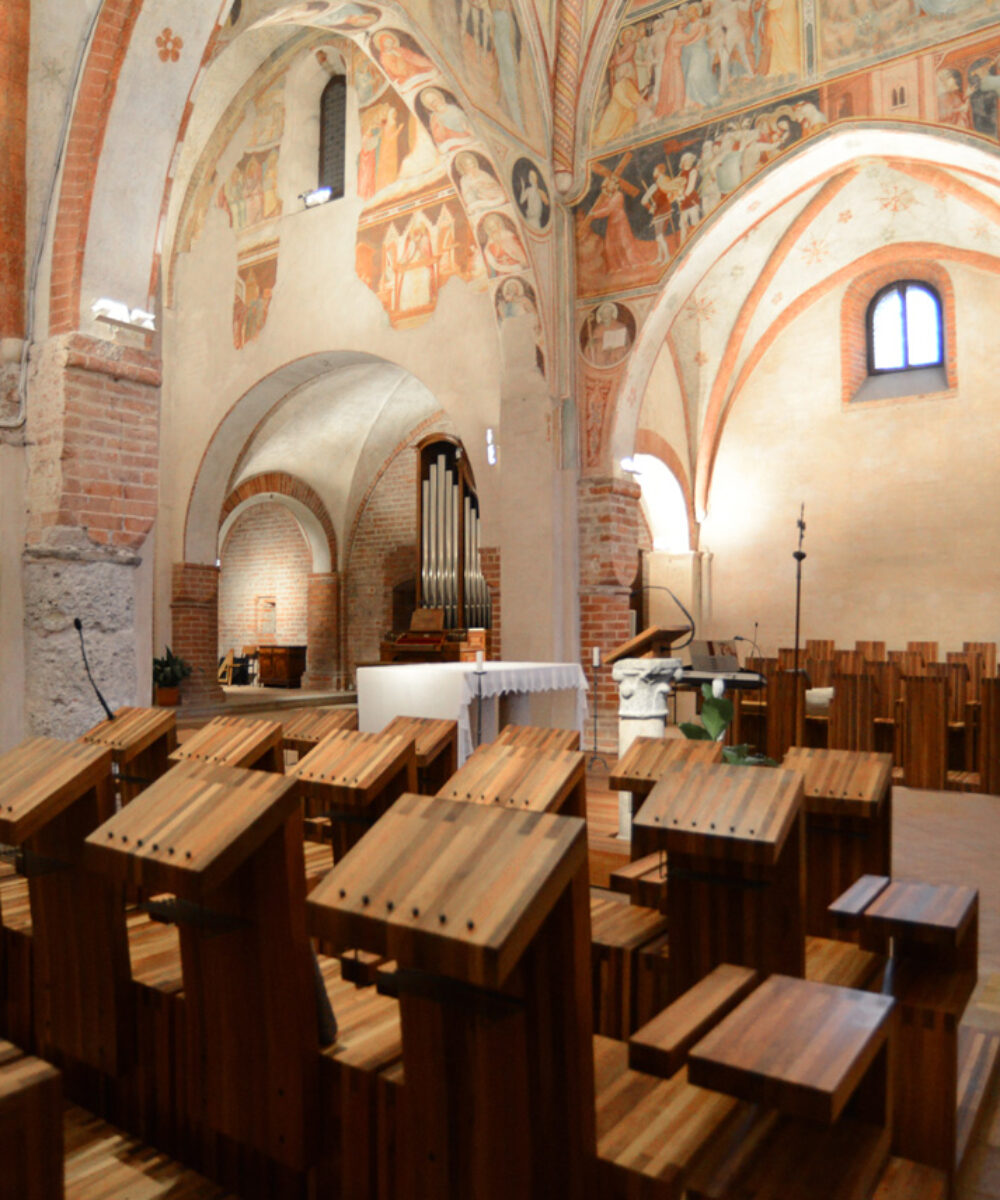
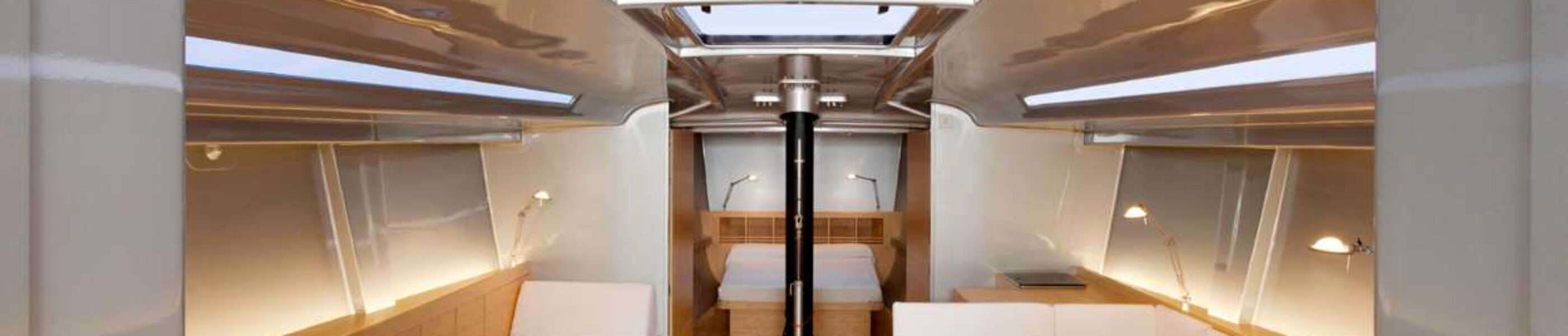
The projects presented range from museums, foundations, and temporary exhibitions to historic buildings, places of worship, public spaces, and urban complexes, including corporate headquarters, private residences, yachts, and lighting masterplans. In each project, light is designed as a controlled material, calibrated to the characteristics of the location, its functional needs, and the perceptual quality of the experience.
Taken together, the collected works convey a vision of lighting design as an integrated process, in which technical rigor, cultural sensitivity, and attention to context contribute to the construction of spatial identity, orientation, and value. The gallery thus takes the form of a design map, capable of demonstrating how light can take on different roles—discrete or declared—while always maintaining coherence, measure, and design awareness.
This section brings together a representative selection of lighting design projects in the architectural, museum, urban, cultural, retail, hospitality, and infrastructure sectors, both in Italy and abroad. The gallery documents projects of varying scale, function, and context, all sharing an approach to light as a tool for interpreting space, capable of engaging with architecture, artworks, landscape, and contemporary use.
The projects presented range from museums, foundations, and temporary exhibitions to historic buildings, places of worship, public spaces, and urban complexes, including corporate headquarters, private residences, yachts, and lighting masterplans. In each project, light is designed as a controlled material, calibrated to the characteristics of the location, its functional needs, and the perceptual quality of the experience.
Taken together, the collected works convey a vision of lighting design as an integrated process, in which technical rigor, cultural sensitivity, and attention to context contribute to the construction of spatial identity, orientation, and value. The gallery thus takes the form of a design map, capable of demonstrating how light can take on different roles—discrete or declared—while always maintaining coherence, measure, and design awareness.