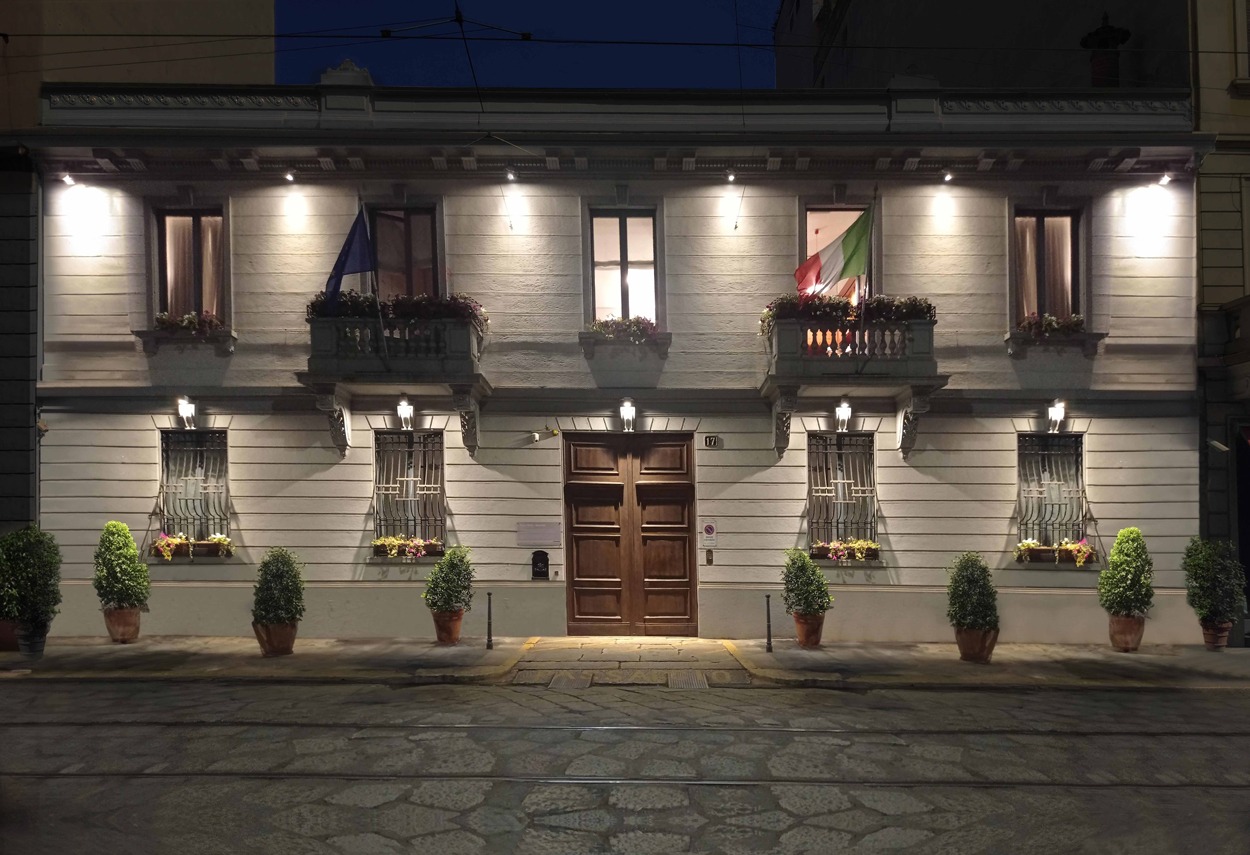
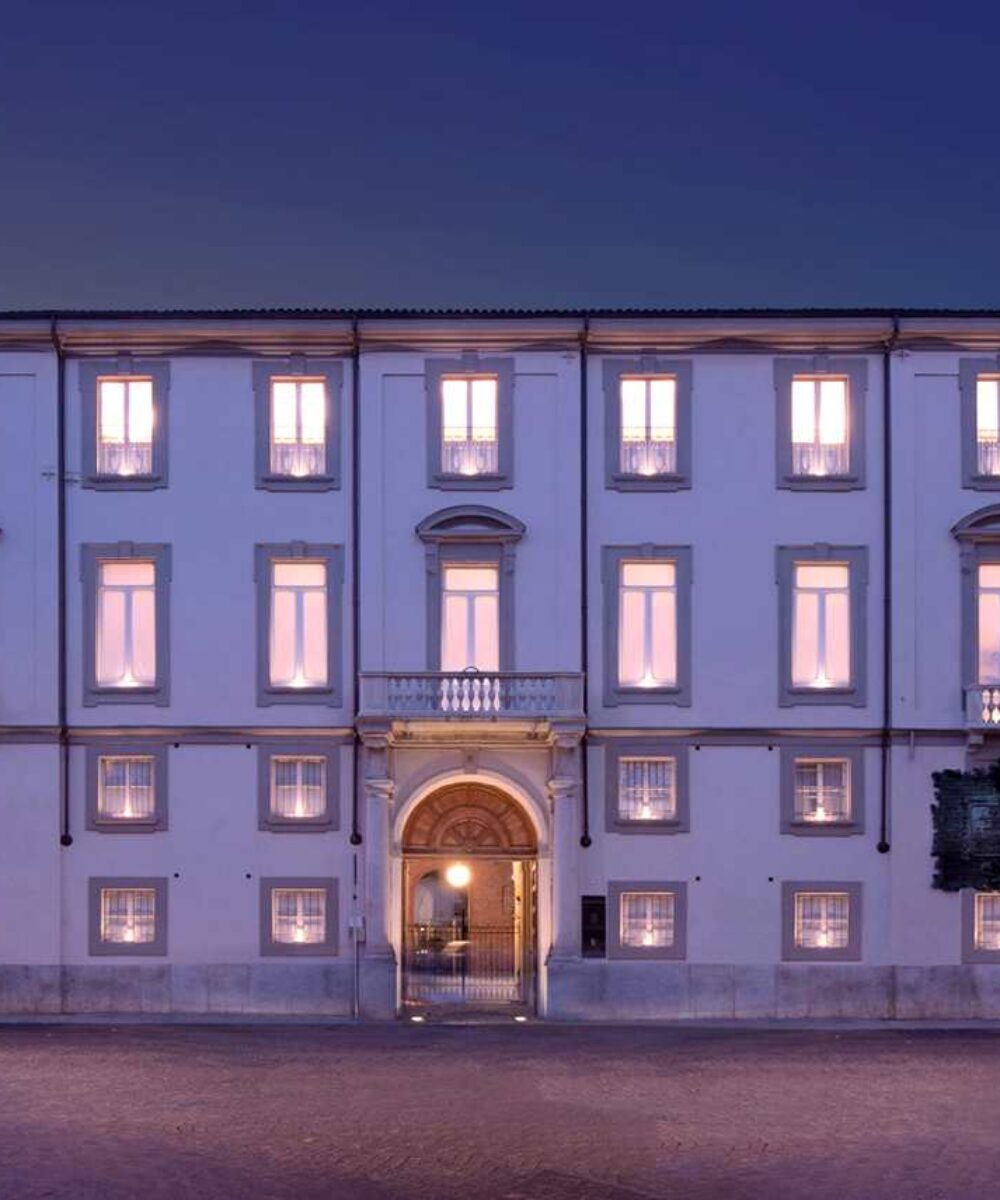
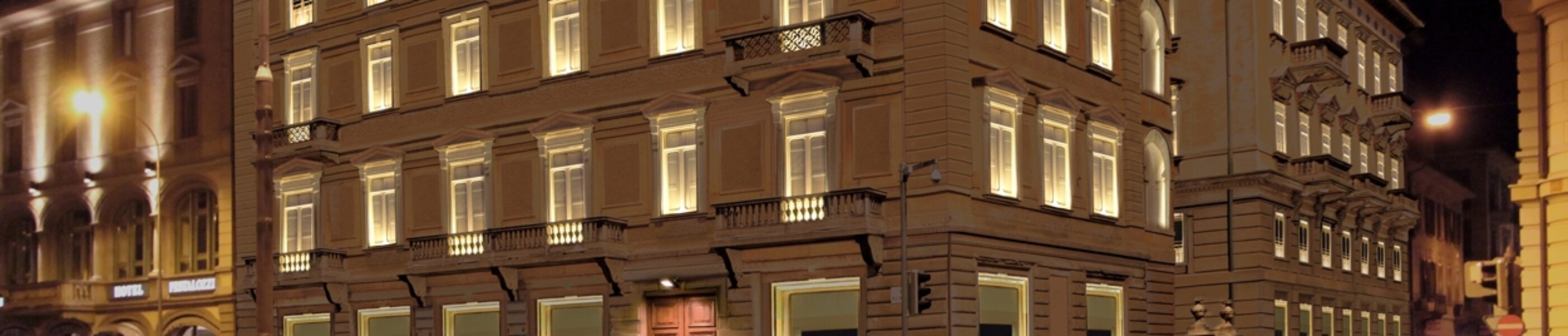
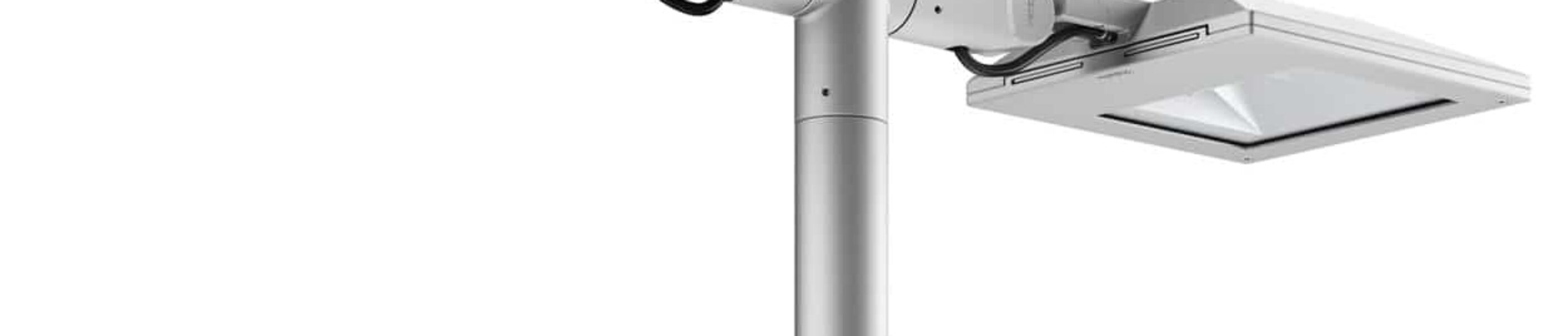
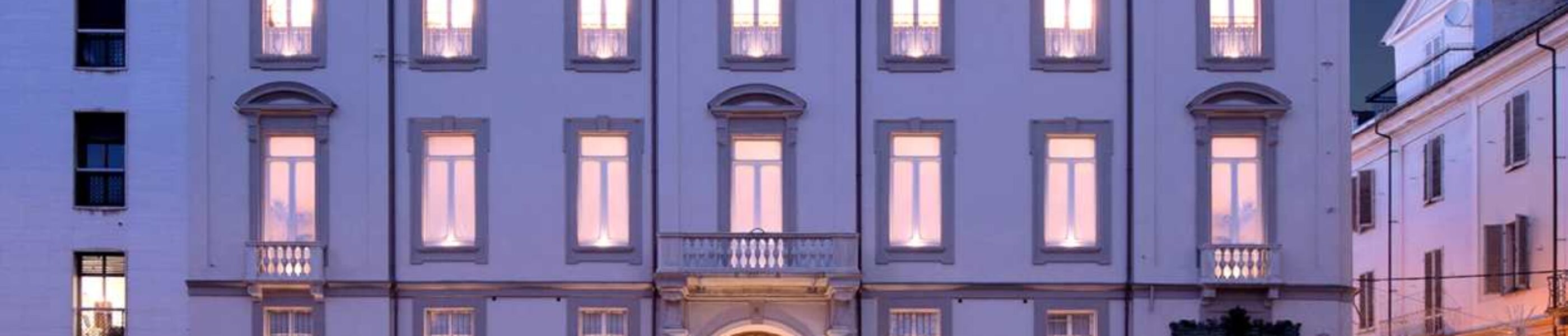
Palazzo Rota Gavazzi, located in an area of Milanese historical-cultural relevance and surrounded by places and points of interest, characterized by an elevation, with a classical style, composed of two levels, divided by a string-course cornice. The openings on the upper floor are decorated with raised cornices. The ground floor is distinguished from the first floor by the presence of medium ashlar cladding. On the first floor there are two balconies with balustrades composed by small columns, placed near the windows on either side of the entrance door. The architectural oudoor project lighting first compared itself with the urban context. The choice of downward elliptical beam luminaires results in even light distribution, slight shadows, and containment of the light beams to the relevant area only. For the realization of this design choice, the following is envisaged the use of LED source projectors of small size and controlled beam optics installed on the wall. Especially on the first floor, the projectors are installed in the space between openings will have elliptical optics, while the fixtures installed on the side, have spot optics with a narrow beam to contain the luminous flux to the elevations of adjacent buildings. While the lighting design of the façade on the ground floor includes floodlights above the openings (at the entrance door and above the windows) installed on the wall and ceiling at the two balconies. This creates different architectural lighting scenarios, with separate dedicated lightings. This composition of beams creates rhythm, dynamism to the facade without straining the eyes with inappropriate luminance ratios, ensuring visual comfort and recognizability in the night landscape lighting design.
Vertical architectural outdoor lighting makes the facade shine without distorting its architecture, restores the naturalness of the forms and makes visible the architectural composition that characterizes the elevation. Outdoor luminaires ensure that the luminous flux is not dispersed beyond the plane of the horizon.
Client:
Private
Collaborations:
Linea Light
Photo Courtesy:
Mauro Zani
Year:
2022
Palazzo Rota Gavazzi, located in an area of Milanese historical-cultural relevance and surrounded by places and points of interest, characterized by an elevation, with a classical style, composed of two levels, divided by a string-course cornice. The openings on the upper floor are decorated with raised cornices. The ground floor is distinguished from the first floor by the presence of medium ashlar cladding. On the first floor there are two balconies with balustrades composed by small columns, placed near the windows on either side of the entrance door. The architectural oudoor project lighting first compared itself with the urban context. The choice of downward elliptical beam luminaires results in even light distribution, slight shadows, and containment of the light beams to the relevant area only. For the realization of this design choice, the following is envisaged the use of LED source projectors of small size and controlled beam optics installed on the wall. Especially on the first floor, the projectors are installed in the space between openings will have elliptical optics, while the fixtures installed on the side, have spot optics with a narrow beam to contain the luminous flux to the elevations of adjacent buildings. While the lighting design of the façade on the ground floor includes floodlights above the openings (at the entrance door and above the windows) installed on the wall and ceiling at the two balconies. This creates different architectural lighting scenarios, with separate dedicated lightings. This composition of beams creates rhythm, dynamism to the facade without straining the eyes with inappropriate luminance ratios, ensuring visual comfort and recognizability in the night landscape lighting design.
Vertical architectural outdoor lighting makes the facade shine without distorting its architecture, restores the naturalness of the forms and makes visible the architectural composition that characterizes the elevation. Outdoor luminaires ensure that the luminous flux is not dispersed beyond the plane of the horizon.
Client:
Private
Collaborations:
Linea Light
Photo Courtesy:
Mauro Zani
Year:
2022
Other Projects
Other Projects
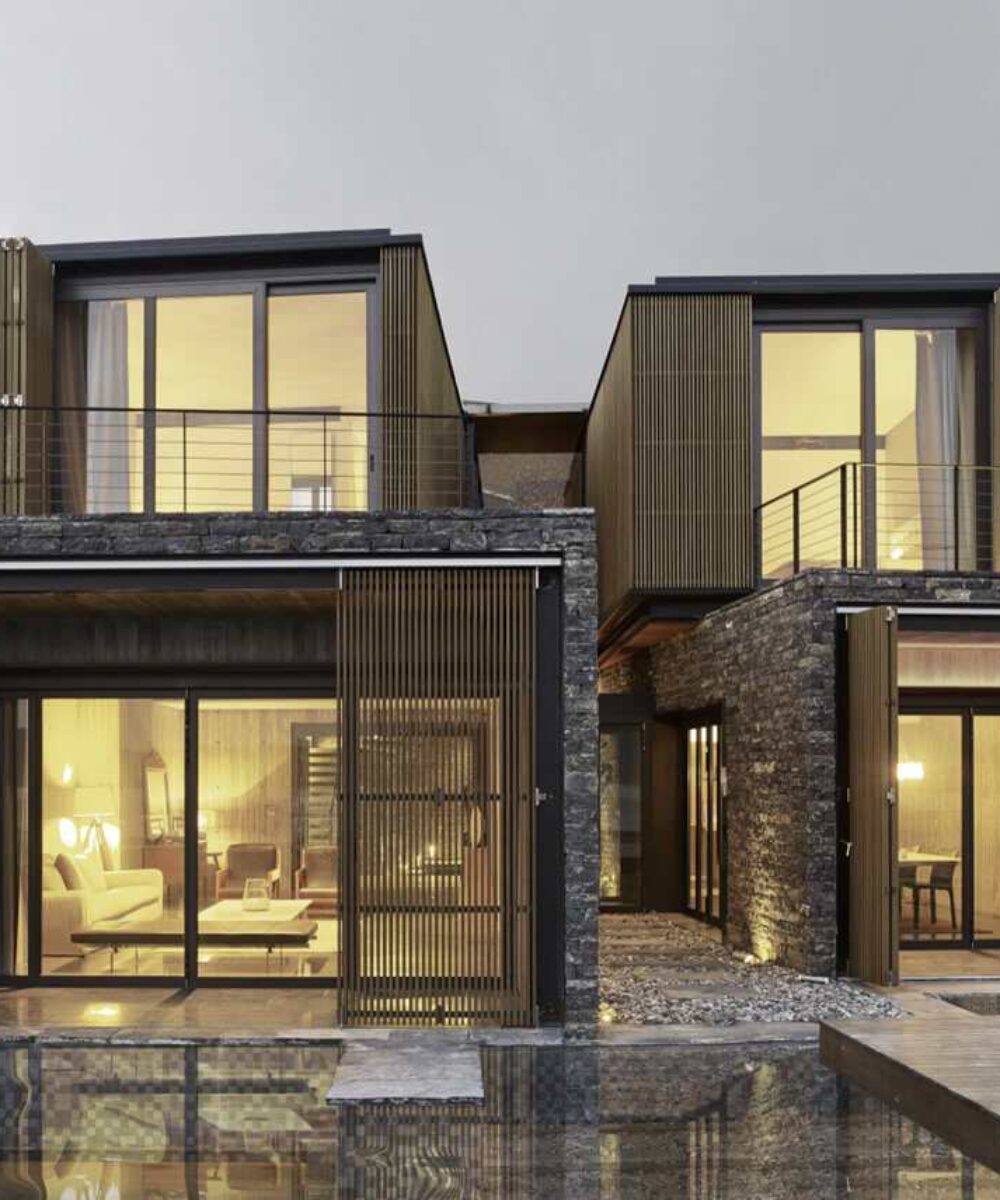
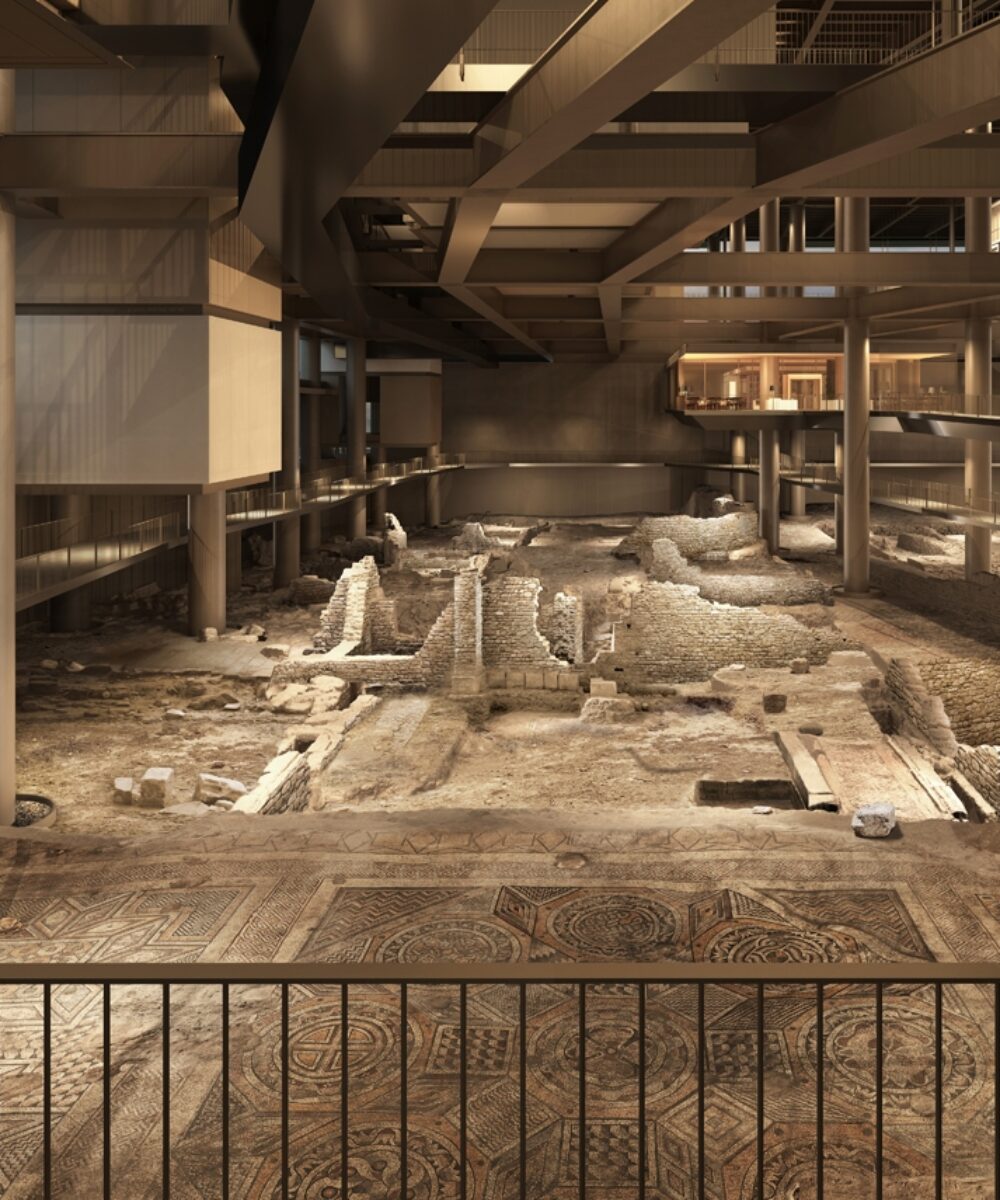
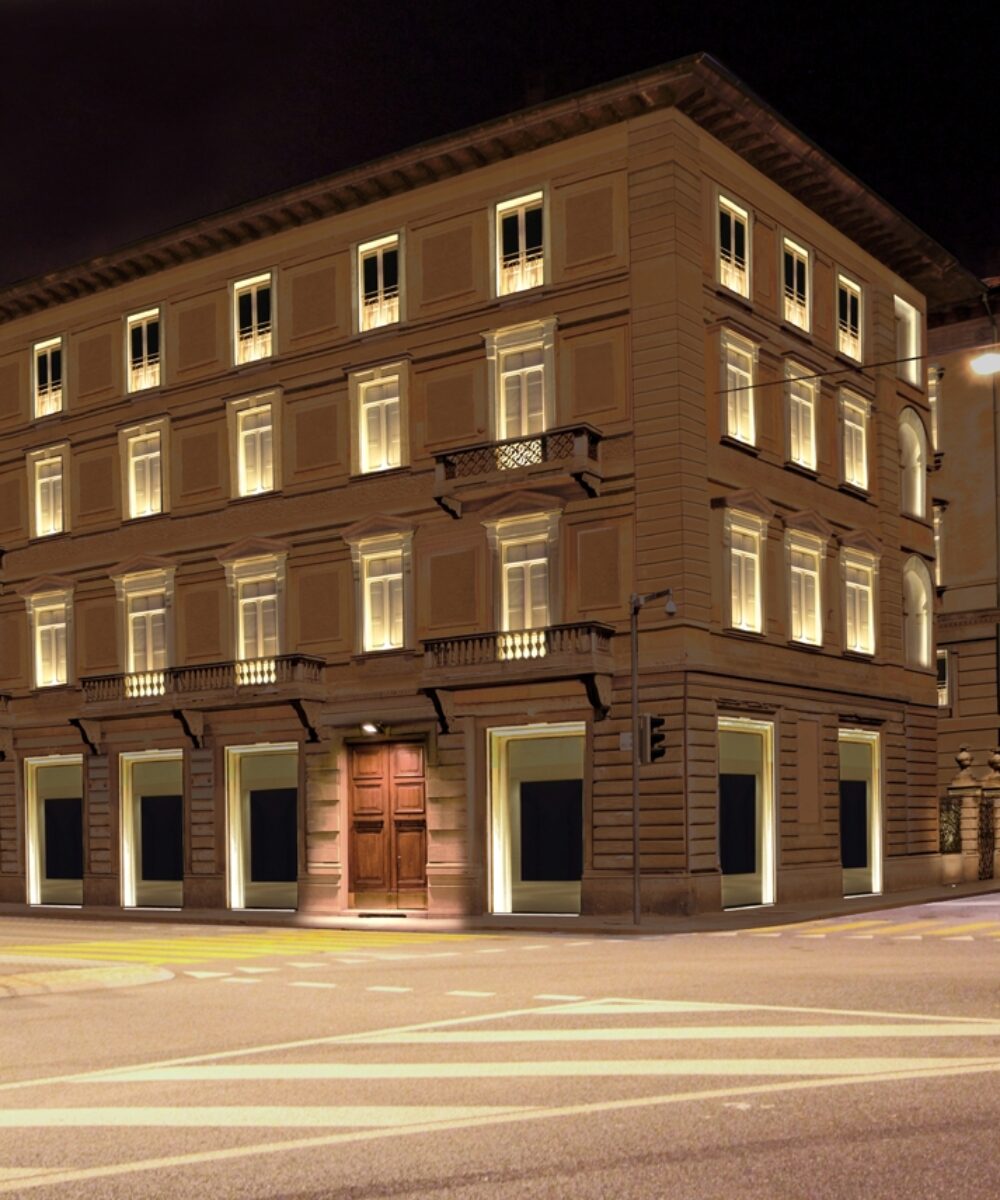
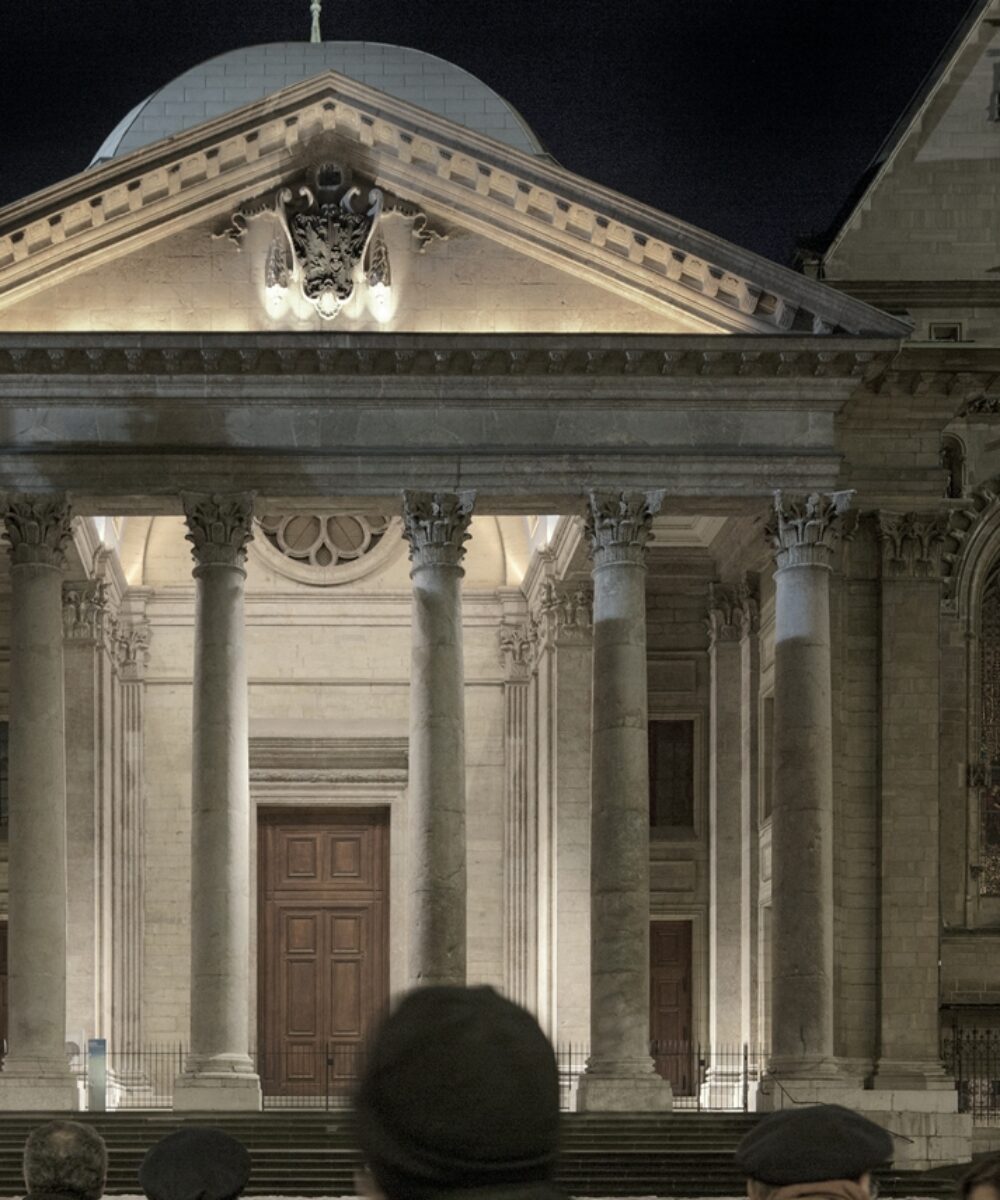
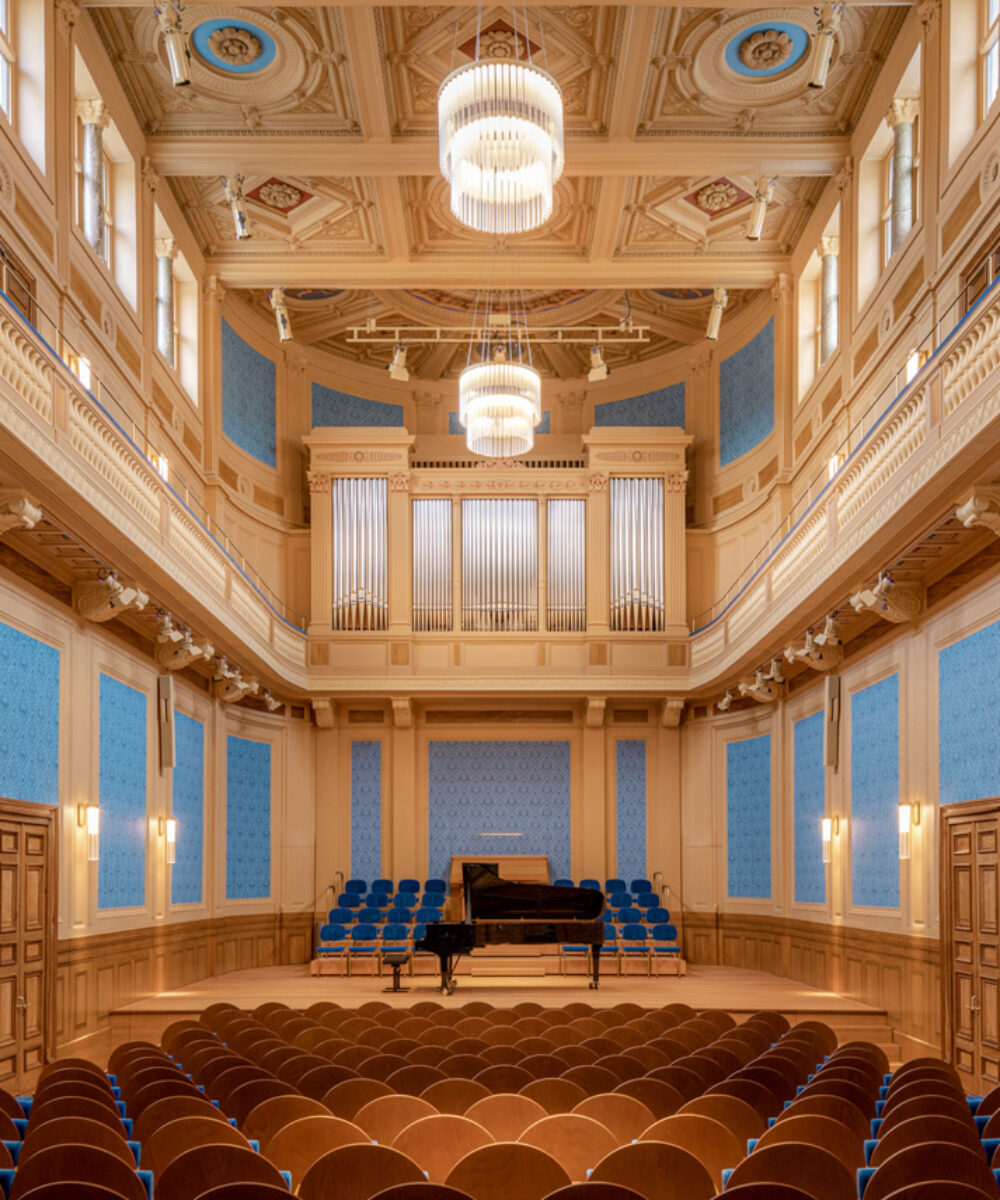
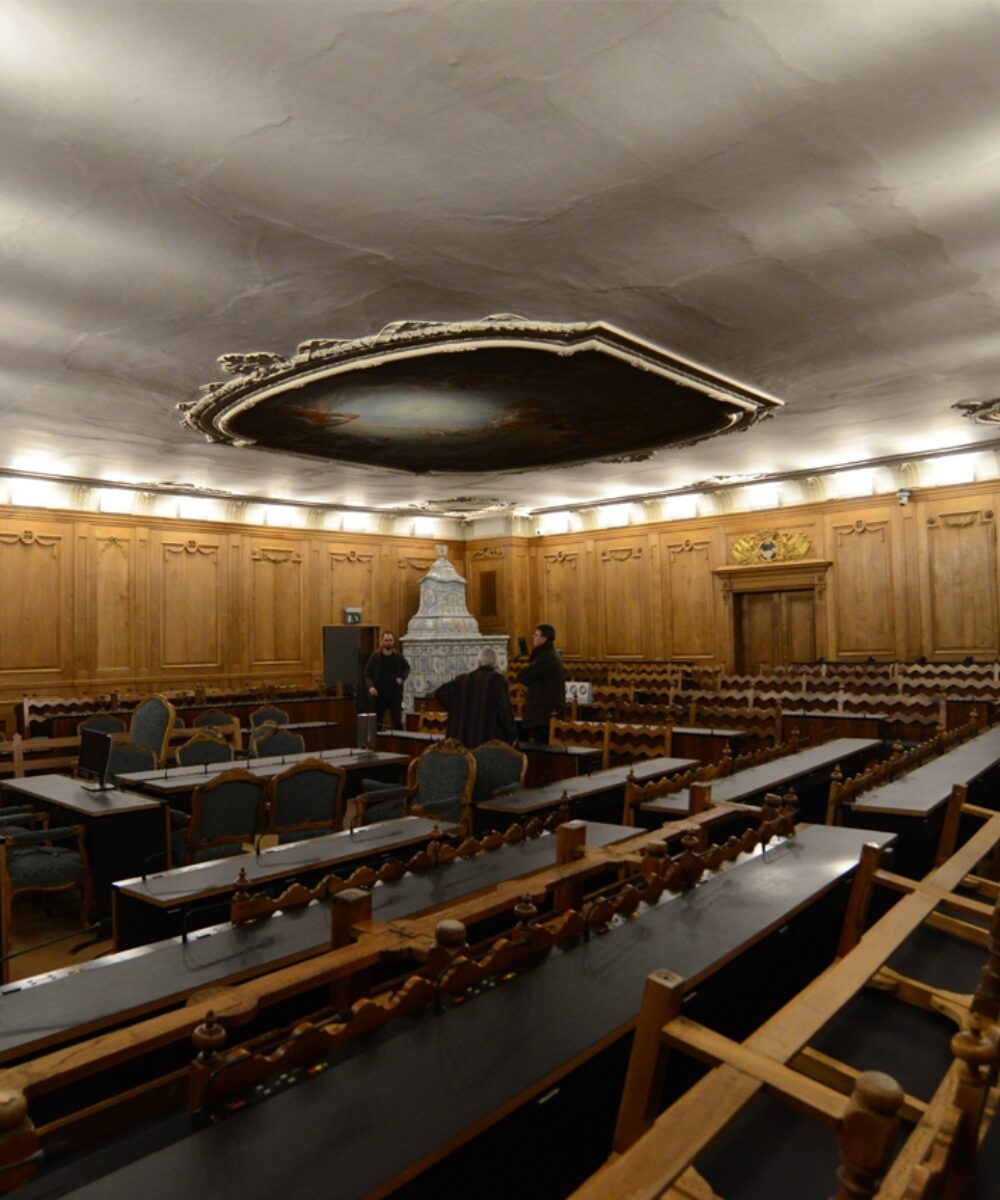
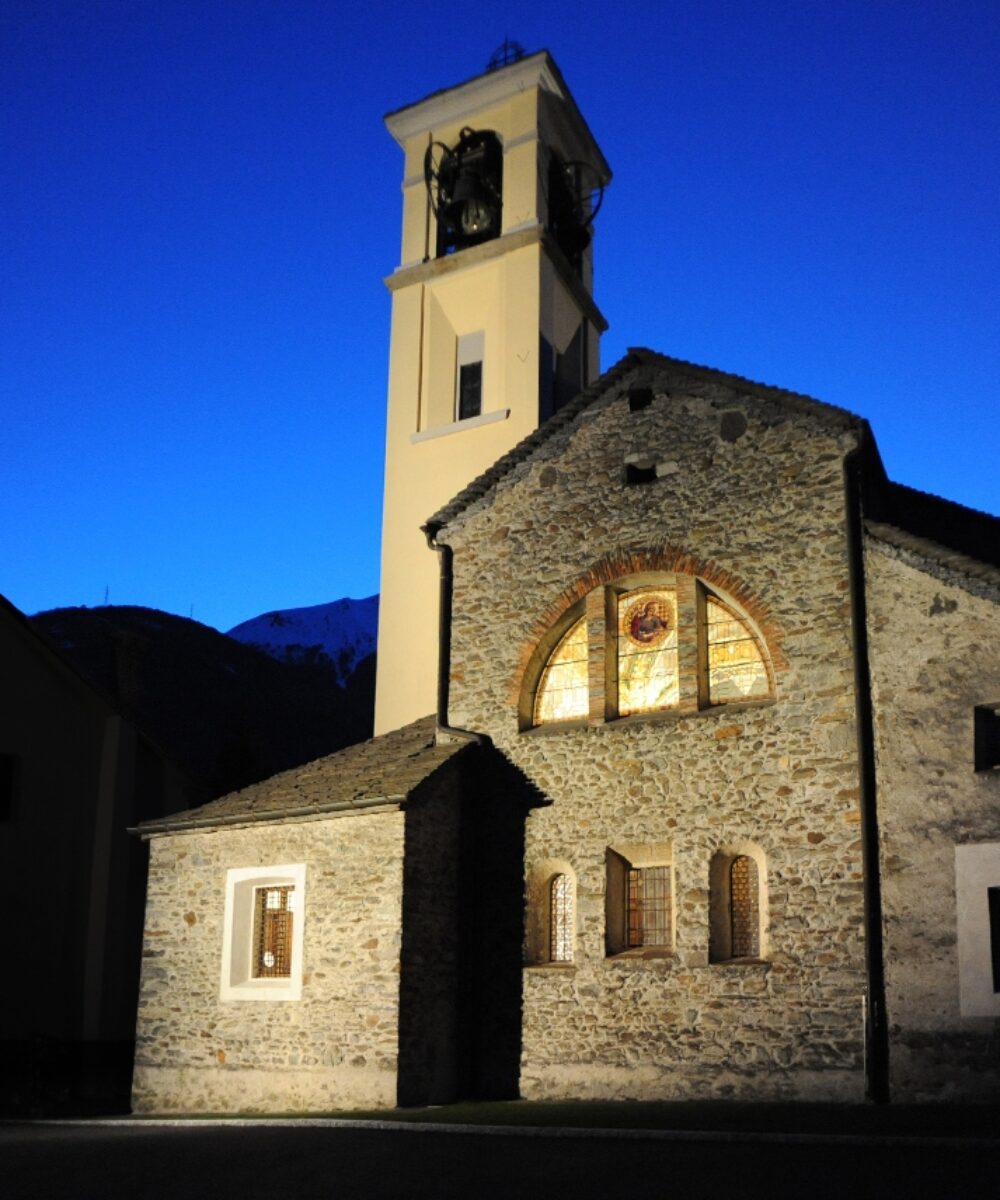
This section brings together a representative selection of lighting design projects in the architectural, museum, urban, cultural, retail, hospitality, and infrastructure sectors, both in Italy and abroad. The gallery documents projects of varying scale, function, and context, all sharing an approach to light as a tool for interpreting space, capable of engaging with architecture, artworks, landscape, and contemporary use.
The projects presented range from museums, foundations, and temporary exhibitions to historic buildings, places of worship, public spaces, and urban complexes, including corporate headquarters, private residences, yachts, and lighting masterplans. In each project, light is designed as a controlled material, calibrated to the characteristics of the location, its functional needs, and the perceptual quality of the experience.
Taken together, the collected works convey a vision of lighting design as an integrated process, in which technical rigor, cultural sensitivity, and attention to context contribute to the construction of spatial identity, orientation, and value. The gallery thus takes the form of a design map, capable of demonstrating how light can take on different roles—discrete or declared—while always maintaining coherence, measure, and design awareness.
This section brings together a representative selection of lighting design projects in the architectural, museum, urban, cultural, retail, hospitality, and infrastructure sectors, both in Italy and abroad. The gallery documents projects of varying scale, function, and context, all sharing an approach to light as a tool for interpreting space, capable of engaging with architecture, artworks, landscape, and contemporary use.
The projects presented range from museums, foundations, and temporary exhibitions to historic buildings, places of worship, public spaces, and urban complexes, including corporate headquarters, private residences, yachts, and lighting masterplans. In each project, light is designed as a controlled material, calibrated to the characteristics of the location, its functional needs, and the perceptual quality of the experience.
Taken together, the collected works convey a vision of lighting design as an integrated process, in which technical rigor, cultural sensitivity, and attention to context contribute to the construction of spatial identity, orientation, and value. The gallery thus takes the form of a design map, capable of demonstrating how light can take on different roles—discrete or declared—while always maintaining coherence, measure, and design awareness.