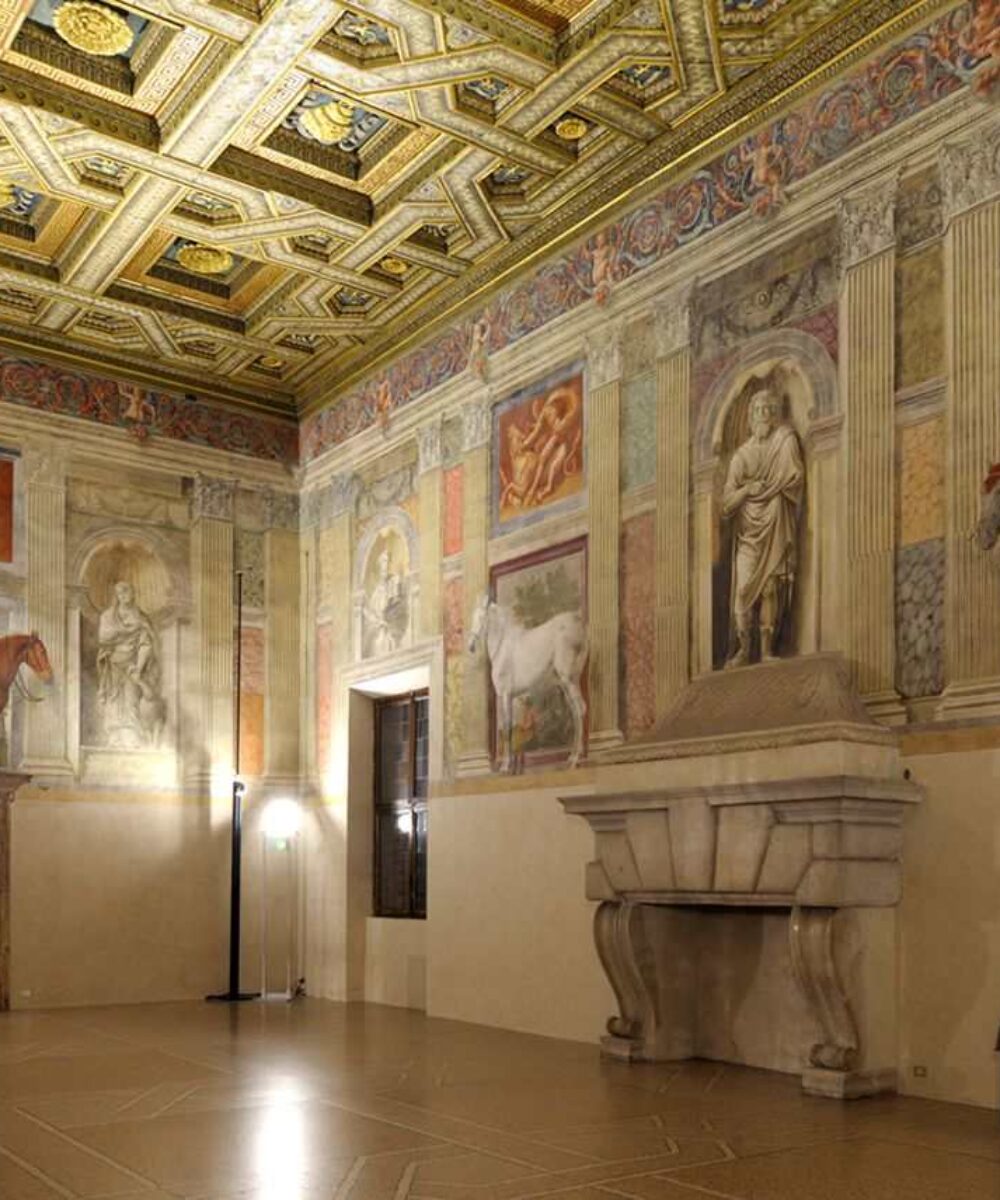
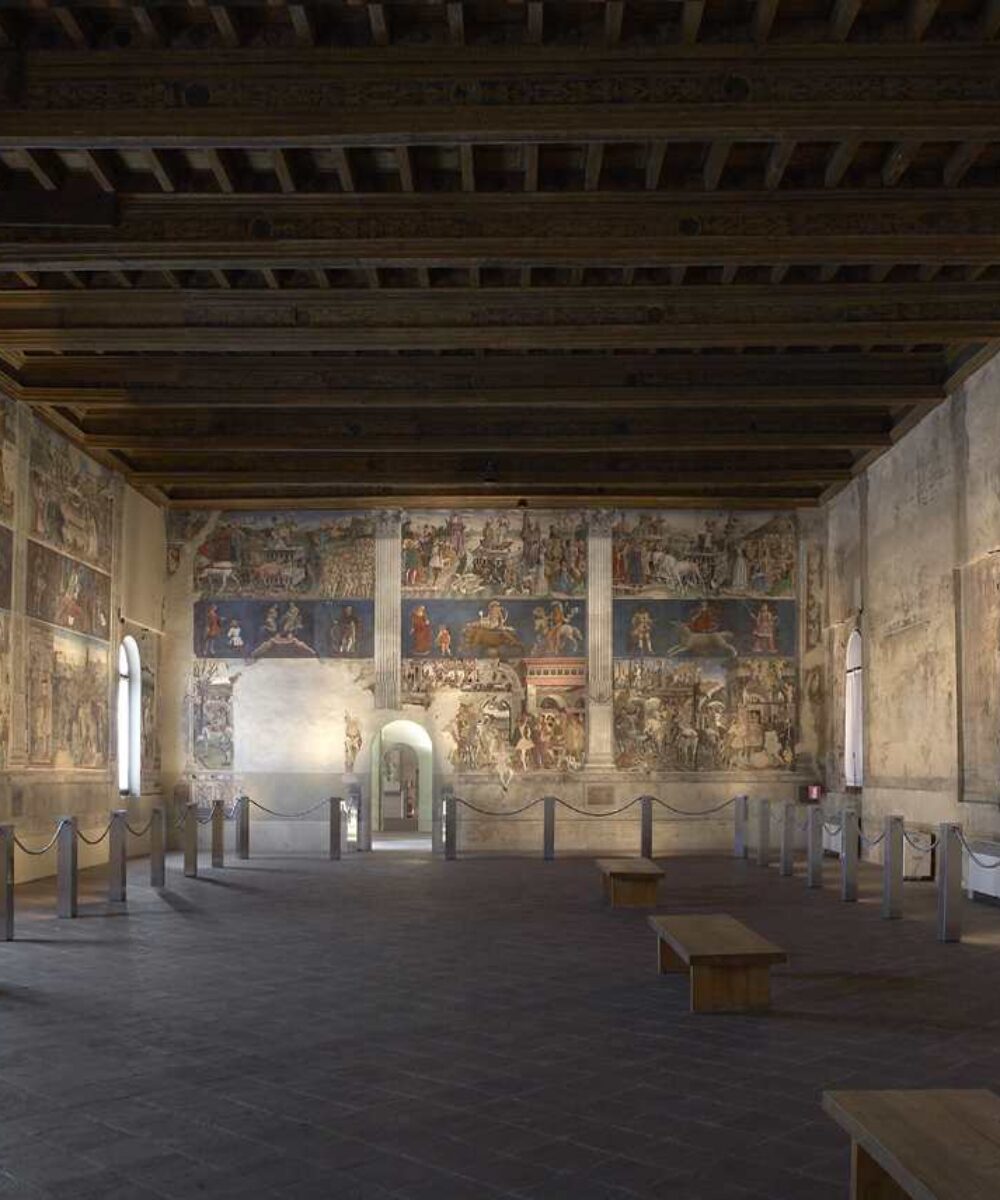
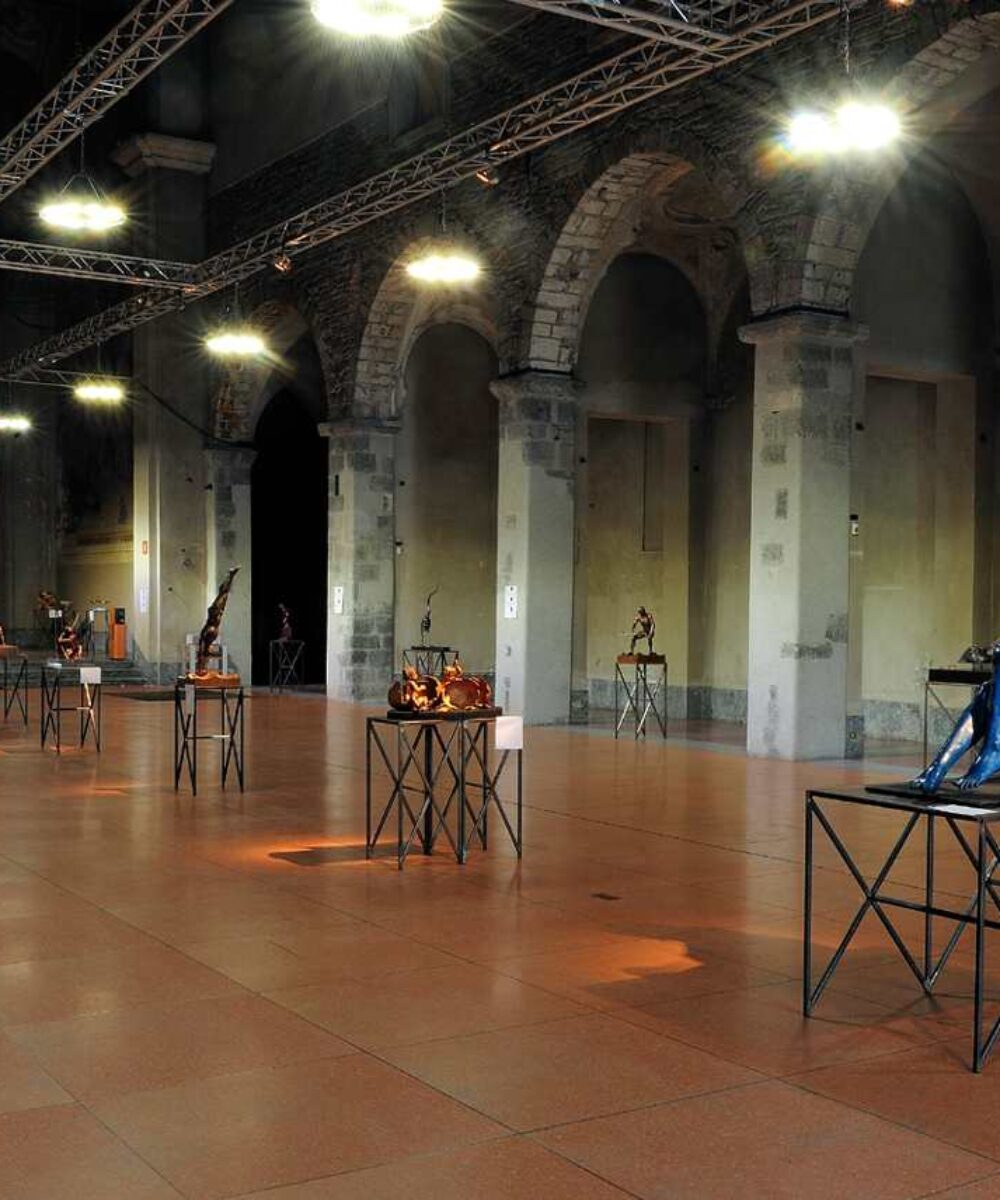
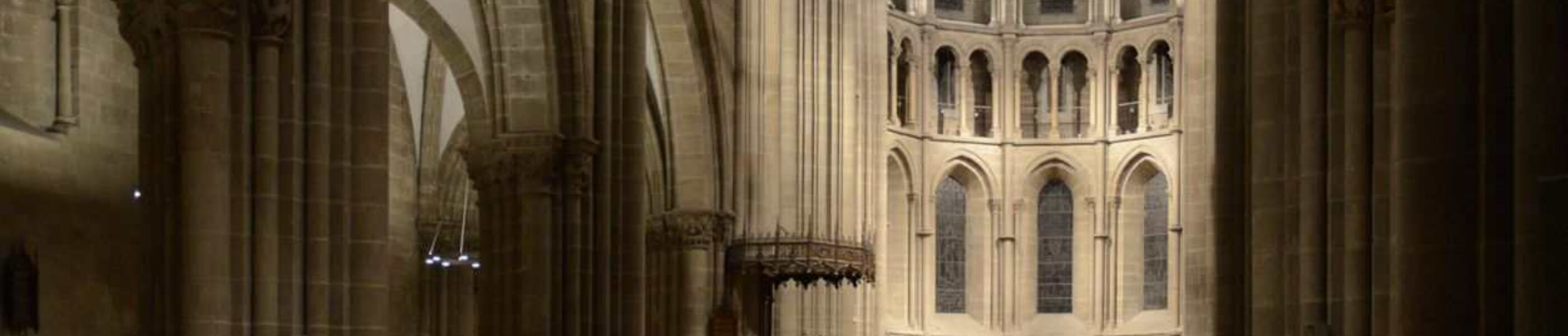
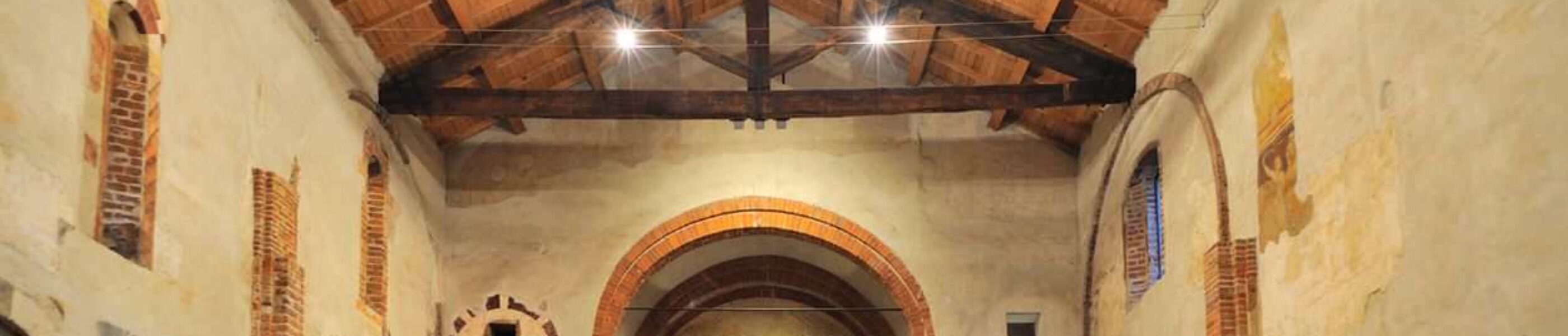
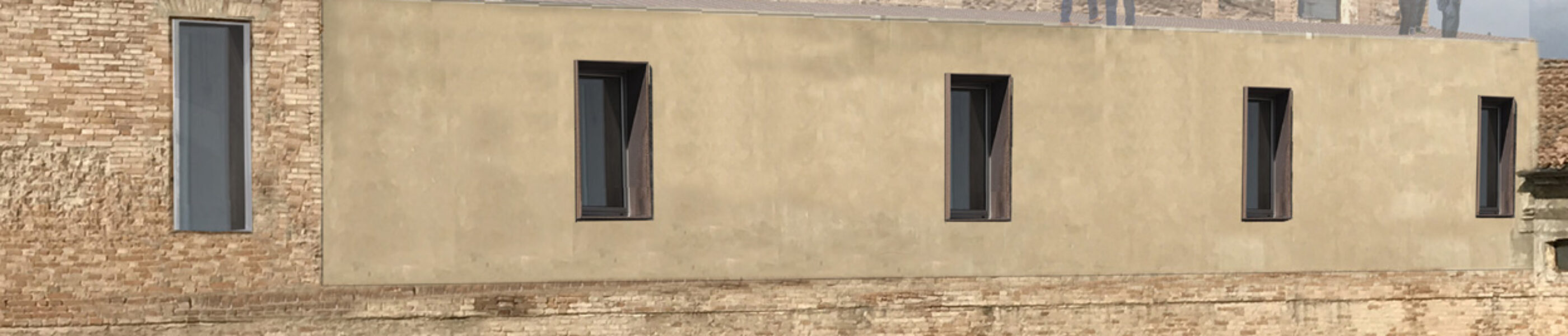
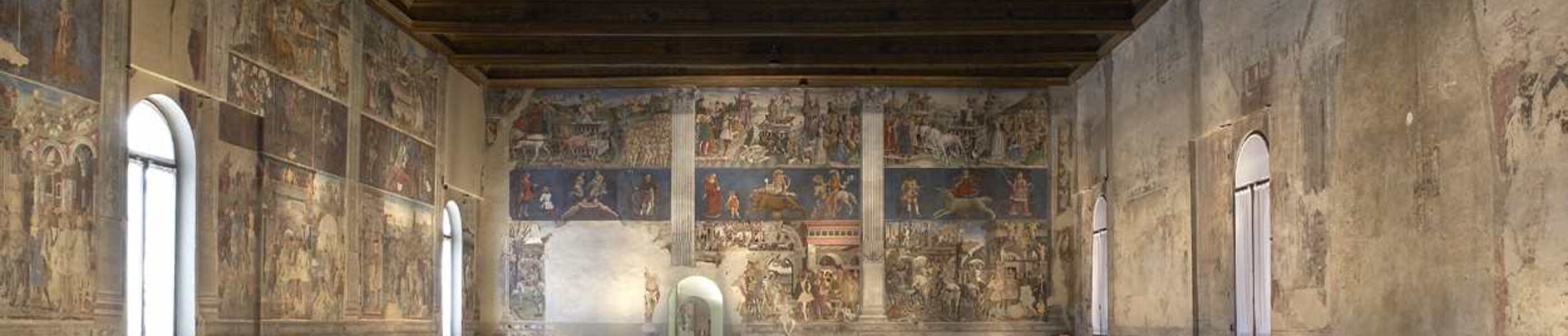
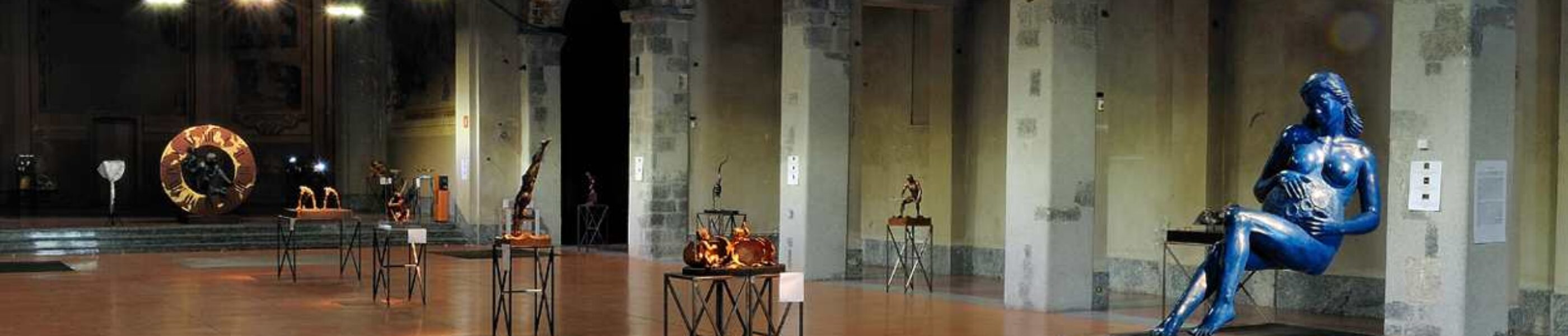
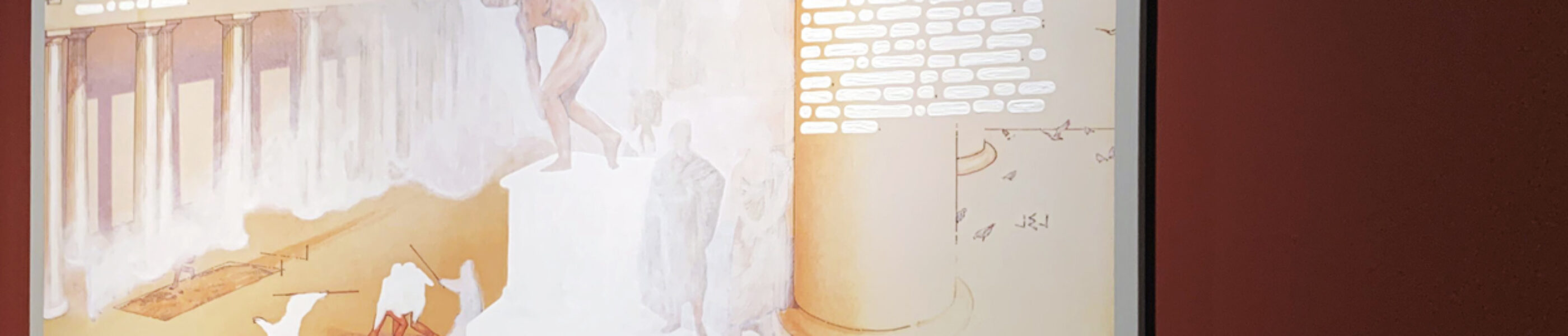
The Abbey of Saint Peter and Saint Paul in Viboldone consists of a church dating back to 1176 and an adjoining Prior house, now partly allocated to guest quarters. Built entirely of terracotta, the abbey has a rectangular hall plan with three aisles, each with five spans framed by ogival transverse arches. The columns marking the aisles are made from bricks, with rounded cube capitals built using the same material. Fourteenth-century frescoes of the Giottesque school cover the walls almost entirely. The lighting design aims to enhance the frescoes, highlighting their colors and scenes. Small, specially designed LED devices with a high color rendering index were thus used, positioned close to the capitals of the individual columns. The devices are equipped with dimmer power supplies so that the artificial light can be adapted to the natural light, also allowing various lighting scenarios to be obtained based on the functions and activities regularly carried out within the abbey.
Client:
Piero Castiglioni
Collaborations:
Mario Botta Architetti
Elisabetta Michelini Architect
Photo Courtesy:
Piero Castiglioni
Year:
2013 - 2017
The Abbey of Saint Peter and Saint Paul in Viboldone consists of a church dating back to 1176 and an adjoining Prior house, now partly allocated to guest quarters. Built entirely of terracotta, the abbey has a rectangular hall plan with three aisles, each with five spans framed by ogival transverse arches. The columns marking the aisles are made from bricks, with rounded cube capitals built using the same material. Fourteenth-century frescoes of the Giottesque school cover the walls almost entirely. The lighting design aims to enhance the frescoes, highlighting their colors and scenes. Small, specially designed LED devices with a high color rendering index were thus used, positioned close to the capitals of the individual columns. The devices are equipped with dimmer power supplies so that the artificial light can be adapted to the natural light, also allowing various lighting scenarios to be obtained based on the functions and activities regularly carried out within the abbey.
Client:
Piero Castiglioni
Collaborations:
Mario Botta Architetti
Elisabetta Michelini Architect
Photo Courtesy:
Piero Castiglioni
Year:
2013 - 2017
Other Projects
Other Projects
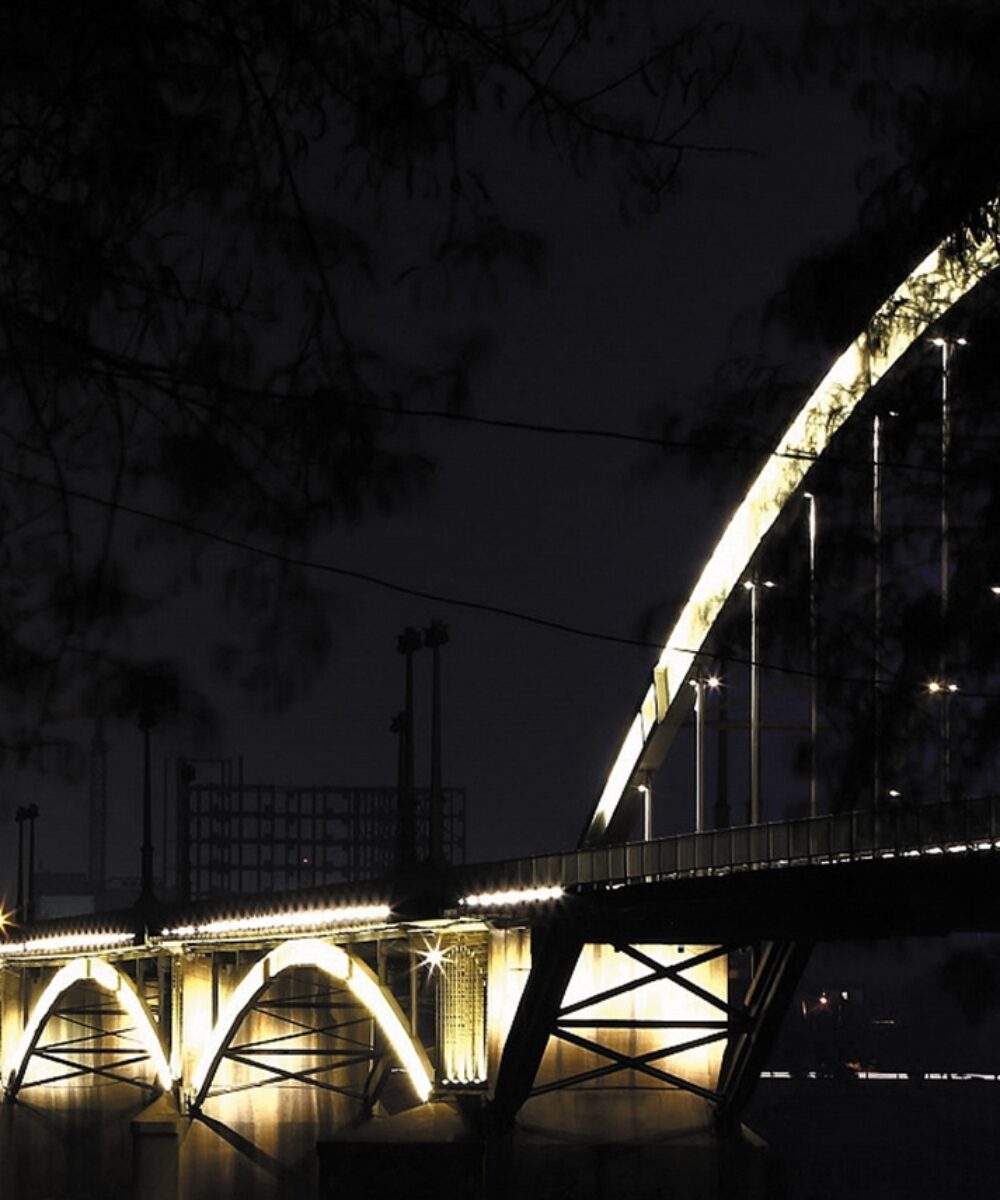
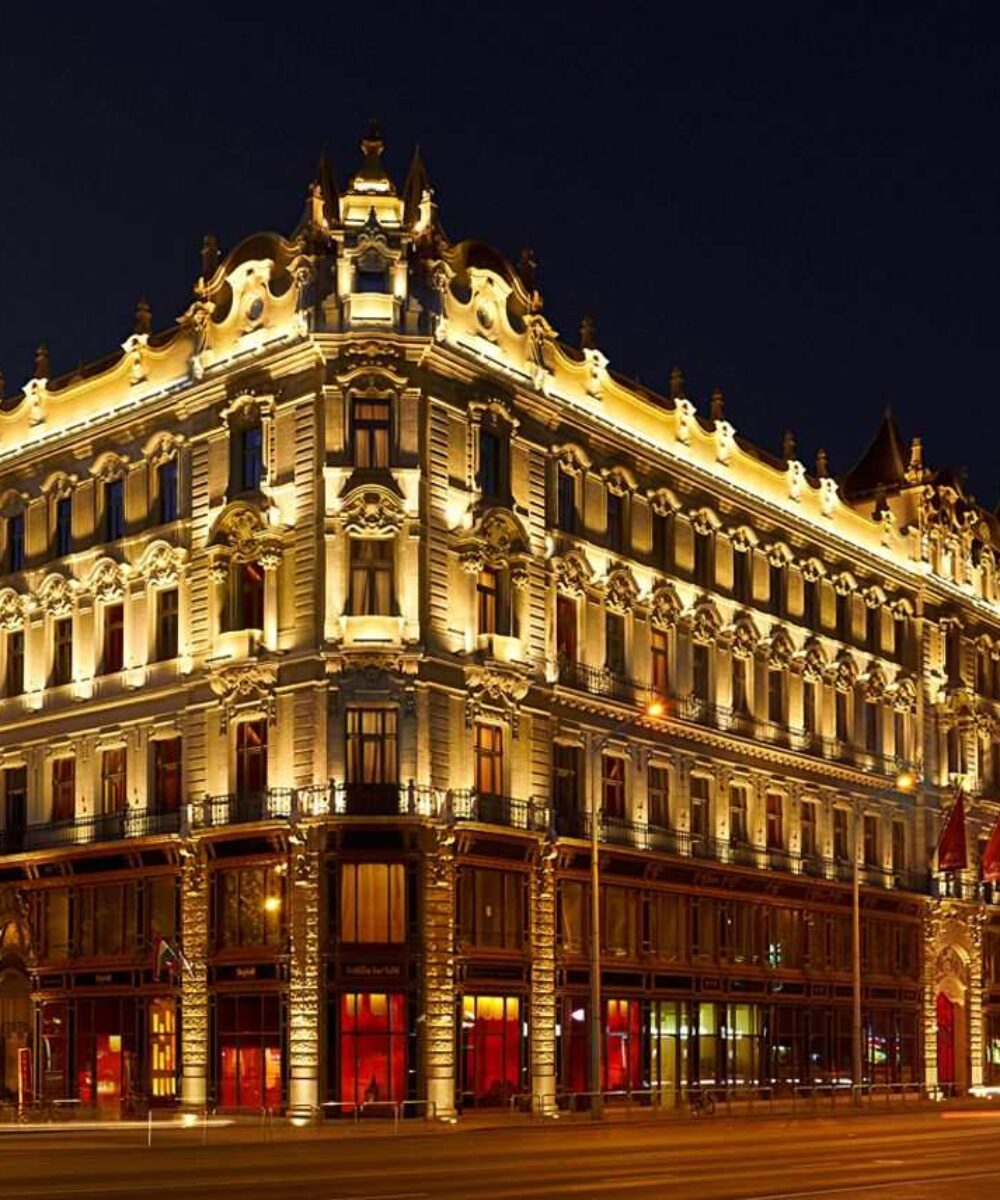
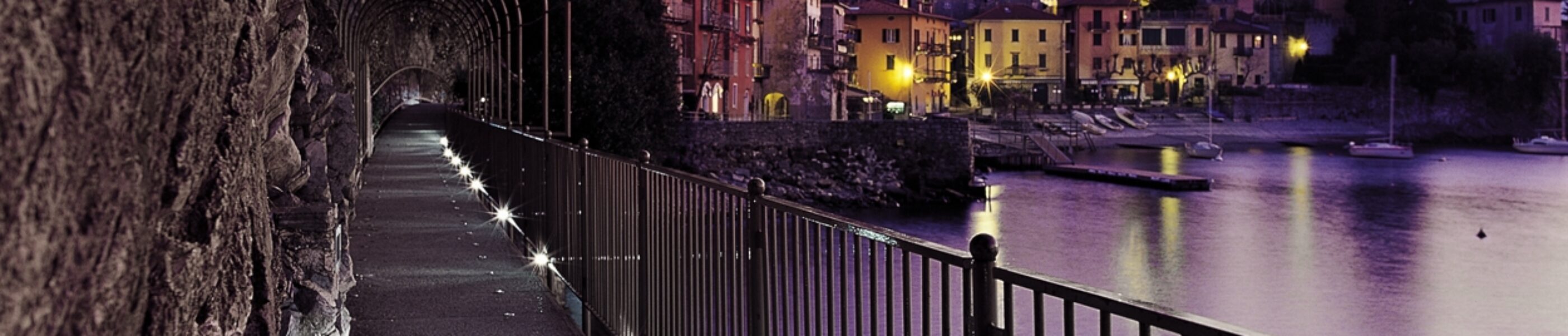
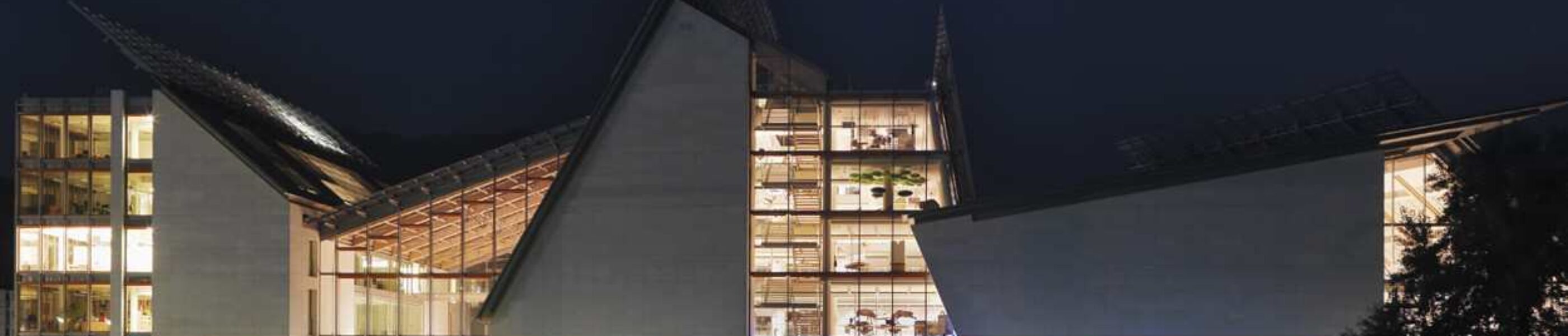
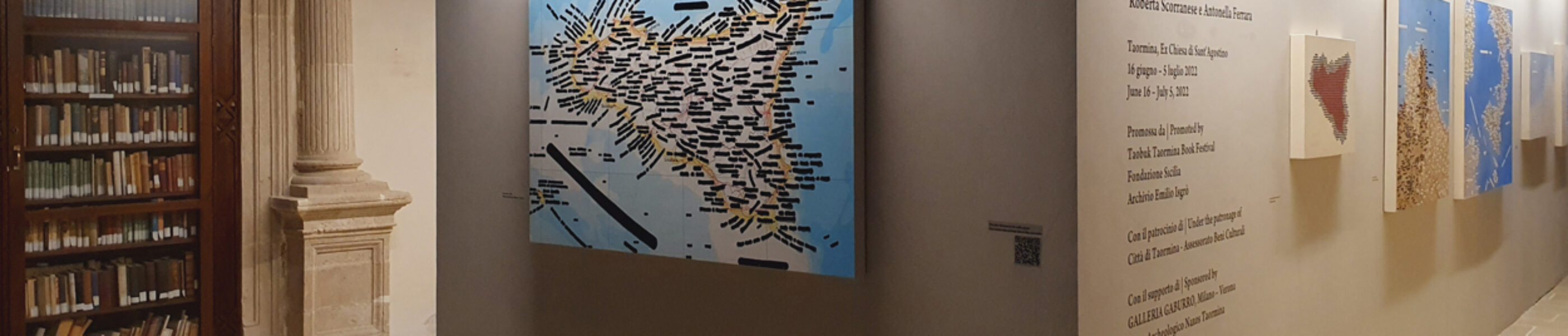
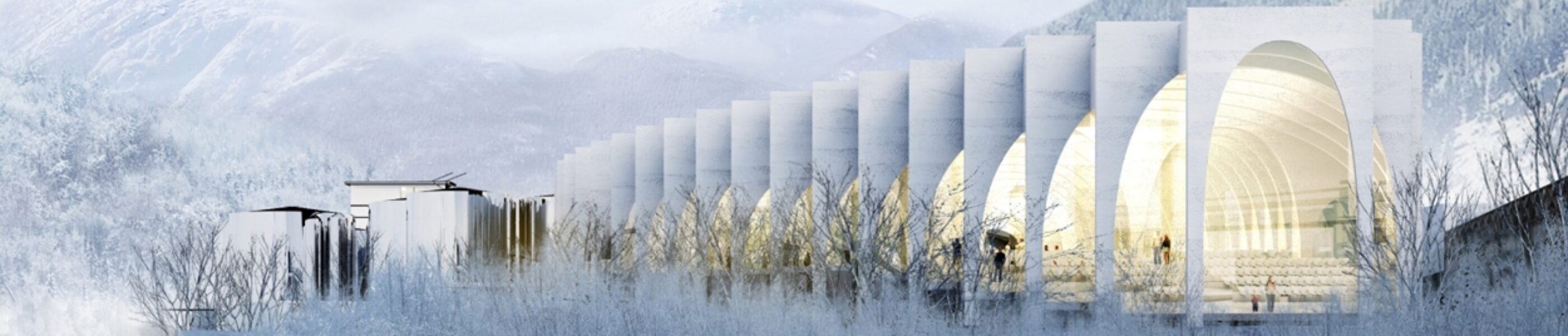
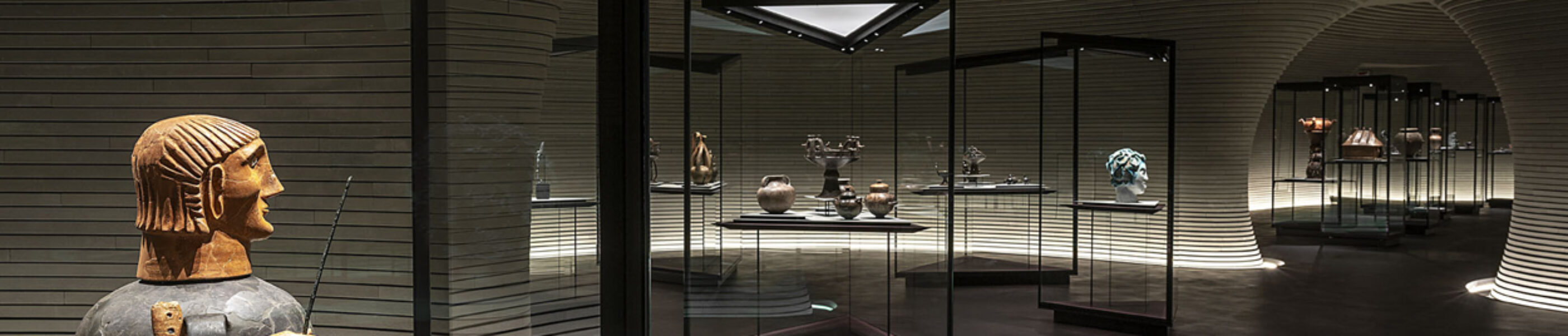
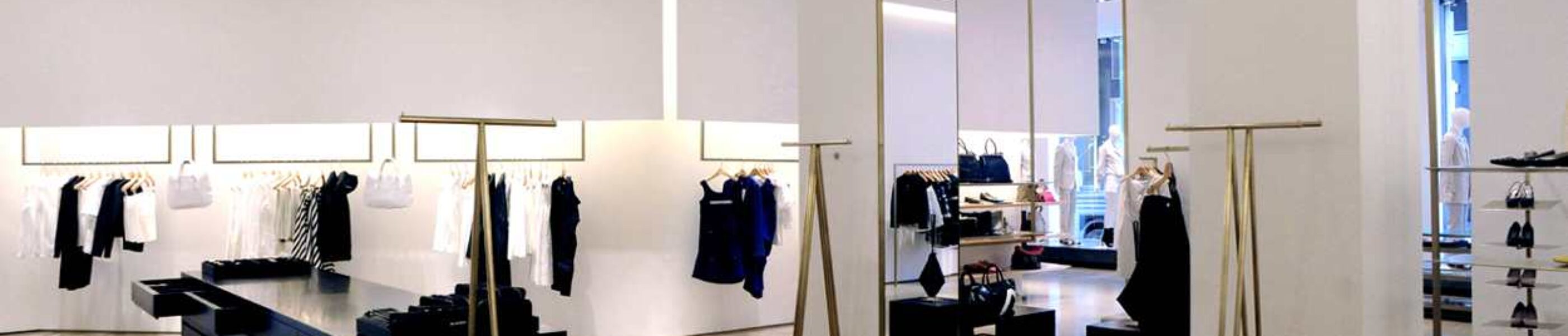
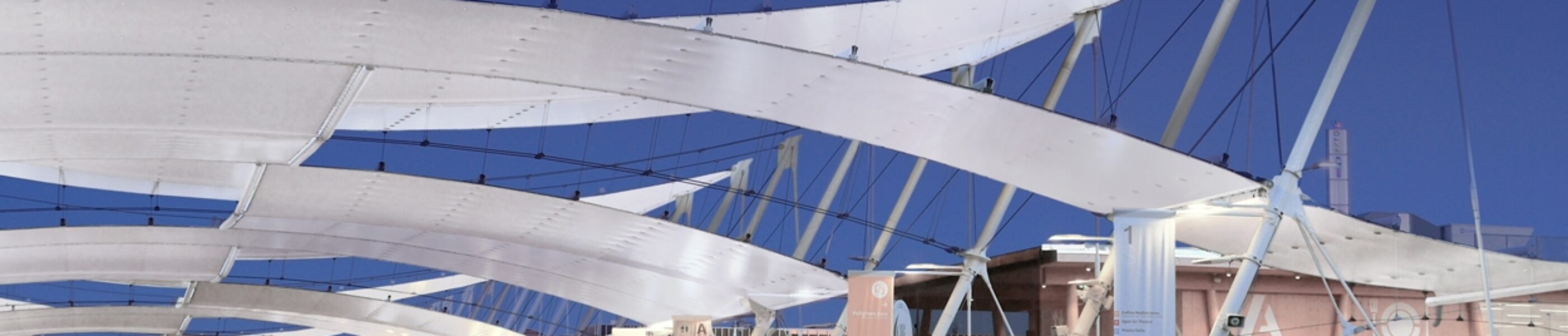
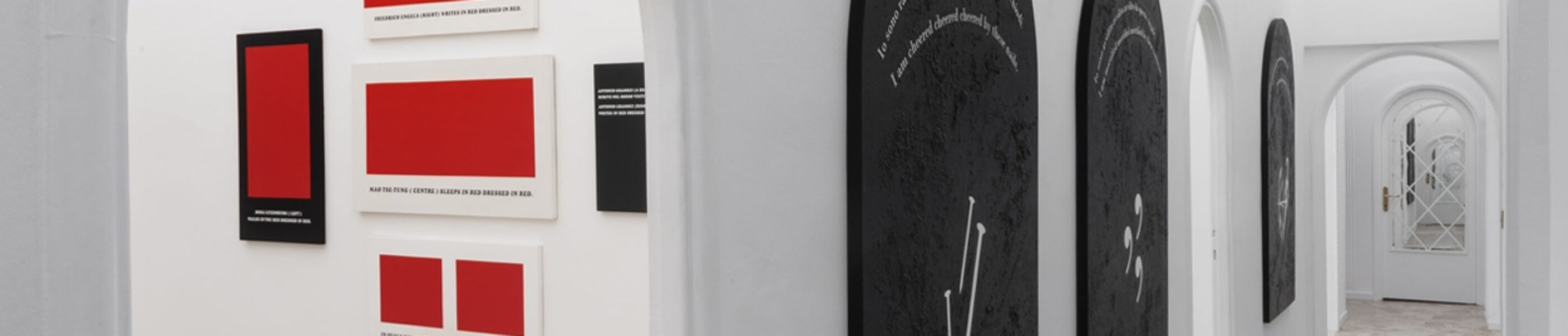
This section brings together a representative selection of lighting design projects in the architectural, museum, urban, cultural, retail, hospitality, and infrastructure sectors, both in Italy and abroad. The gallery documents projects of varying scale, function, and context, all sharing an approach to light as a tool for interpreting space, capable of engaging with architecture, artworks, landscape, and contemporary use.
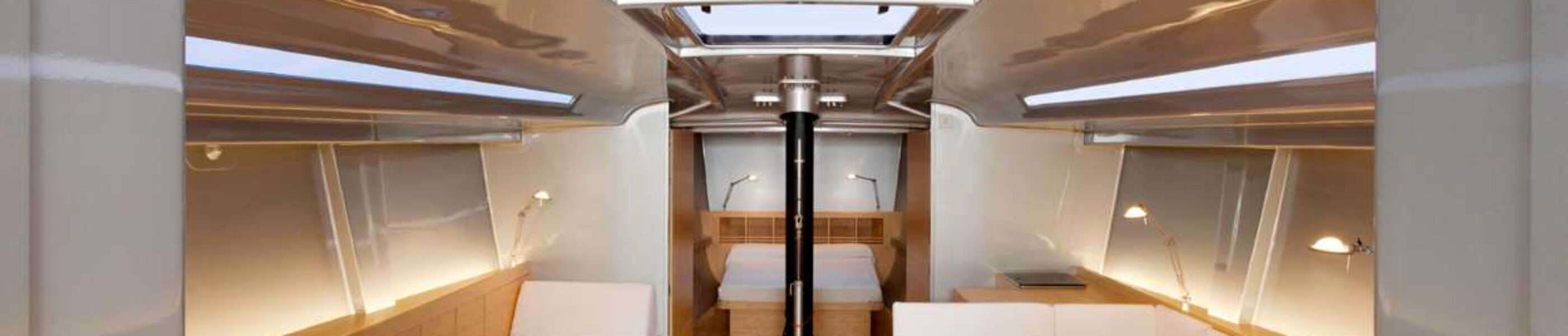
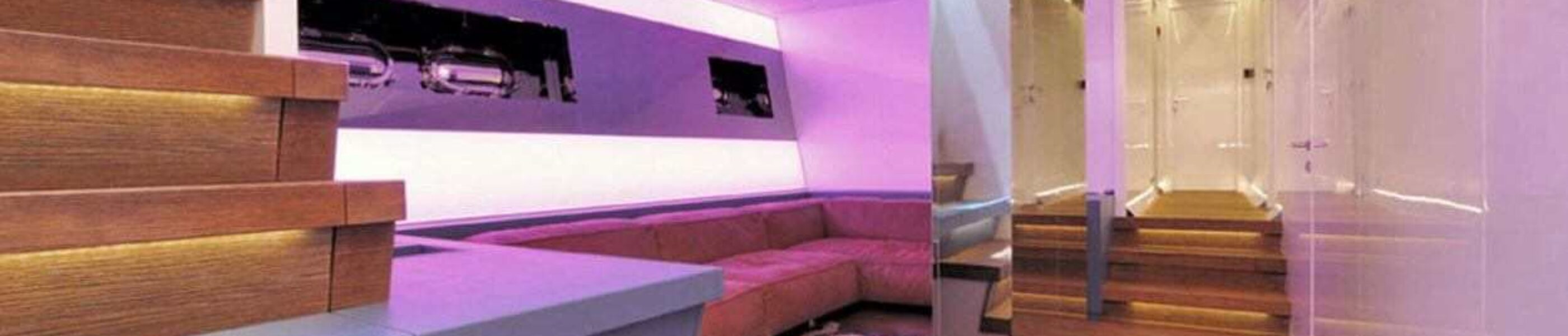
The projects presented range from museums, foundations, and temporary exhibitions to historic buildings, places of worship, public spaces, and urban complexes, including corporate headquarters, private residences, yachts, and lighting masterplans. In each project, light is designed as a controlled material, calibrated to the characteristics of the location, its functional needs, and the perceptual quality of the experience.
Taken together, the collected works convey a vision of lighting design as an integrated process, in which technical rigor, cultural sensitivity, and attention to context contribute to the construction of spatial identity, orientation, and value. The gallery thus takes the form of a design map, capable of demonstrating how light can take on different roles—discrete or declared—while always maintaining coherence, measure, and design awareness.
This section brings together a representative selection of lighting design projects in the architectural, museum, urban, cultural, retail, hospitality, and infrastructure sectors, both in Italy and abroad. The gallery documents projects of varying scale, function, and context, all sharing an approach to light as a tool for interpreting space, capable of engaging with architecture, artworks, landscape, and contemporary use.
The projects presented range from museums, foundations, and temporary exhibitions to historic buildings, places of worship, public spaces, and urban complexes, including corporate headquarters, private residences, yachts, and lighting masterplans. In each project, light is designed as a controlled material, calibrated to the characteristics of the location, its functional needs, and the perceptual quality of the experience.
Taken together, the collected works convey a vision of lighting design as an integrated process, in which technical rigor, cultural sensitivity, and attention to context contribute to the construction of spatial identity, orientation, and value. The gallery thus takes the form of a design map, capable of demonstrating how light can take on different roles—discrete or declared—while always maintaining coherence, measure, and design awareness.