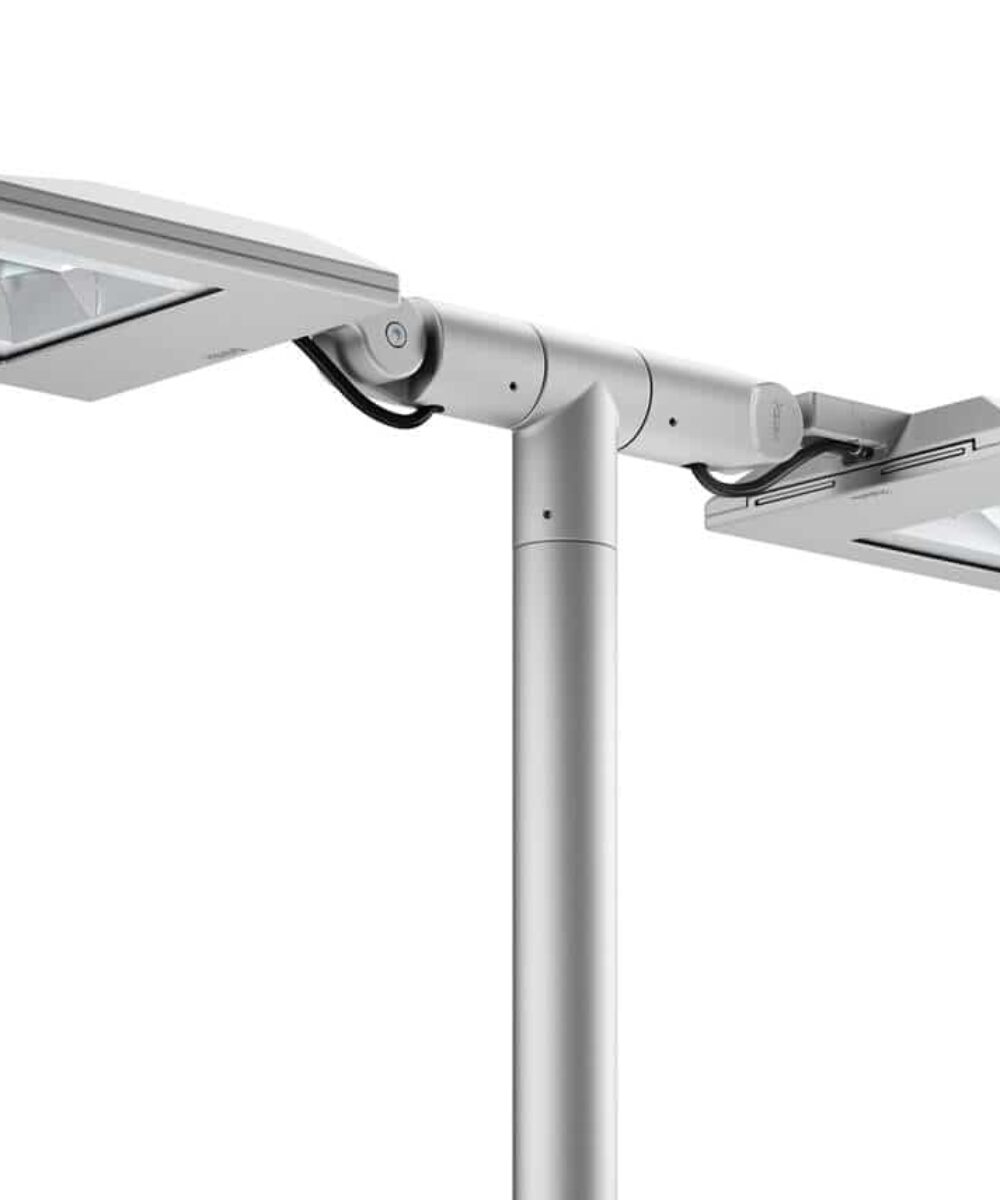
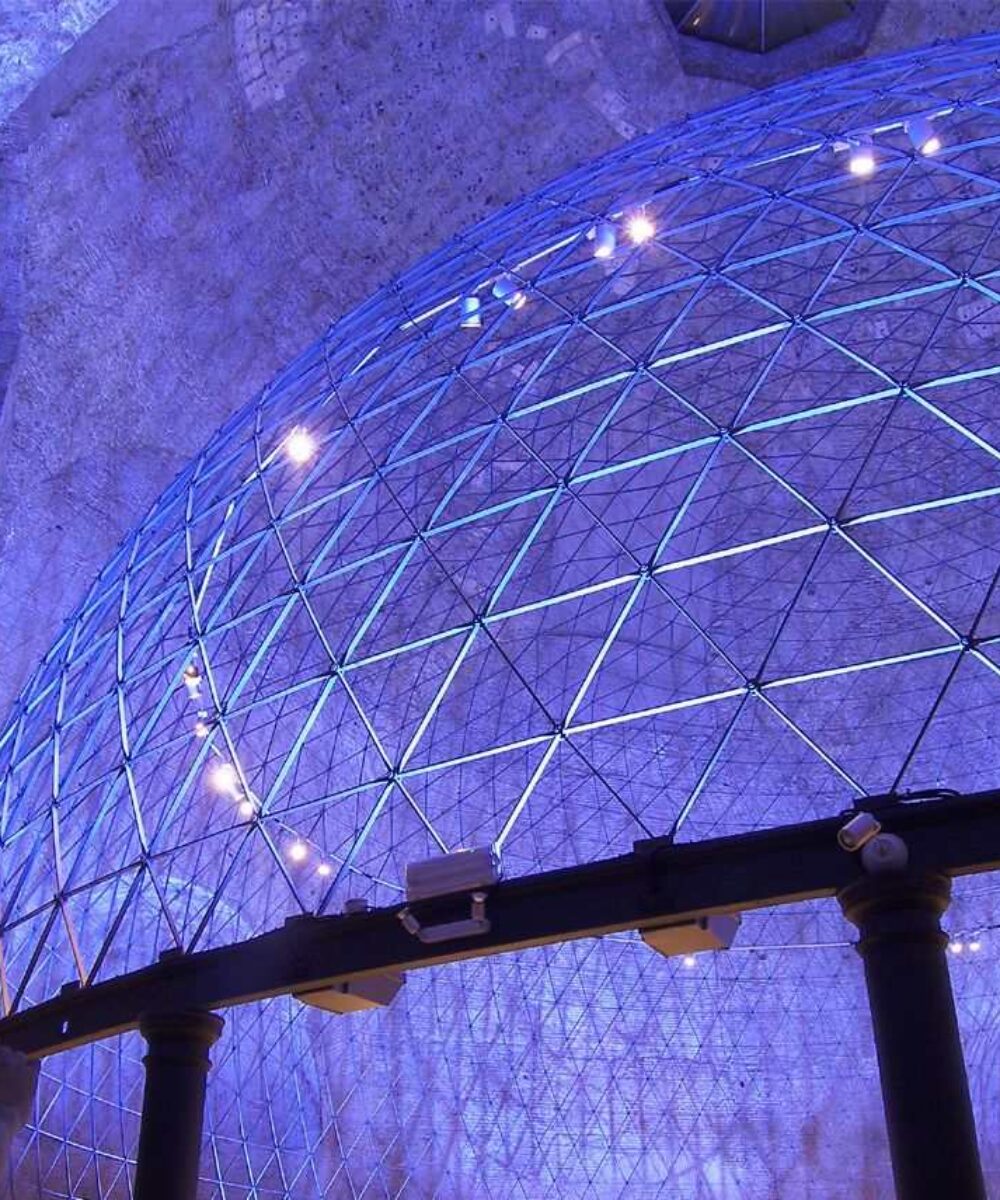
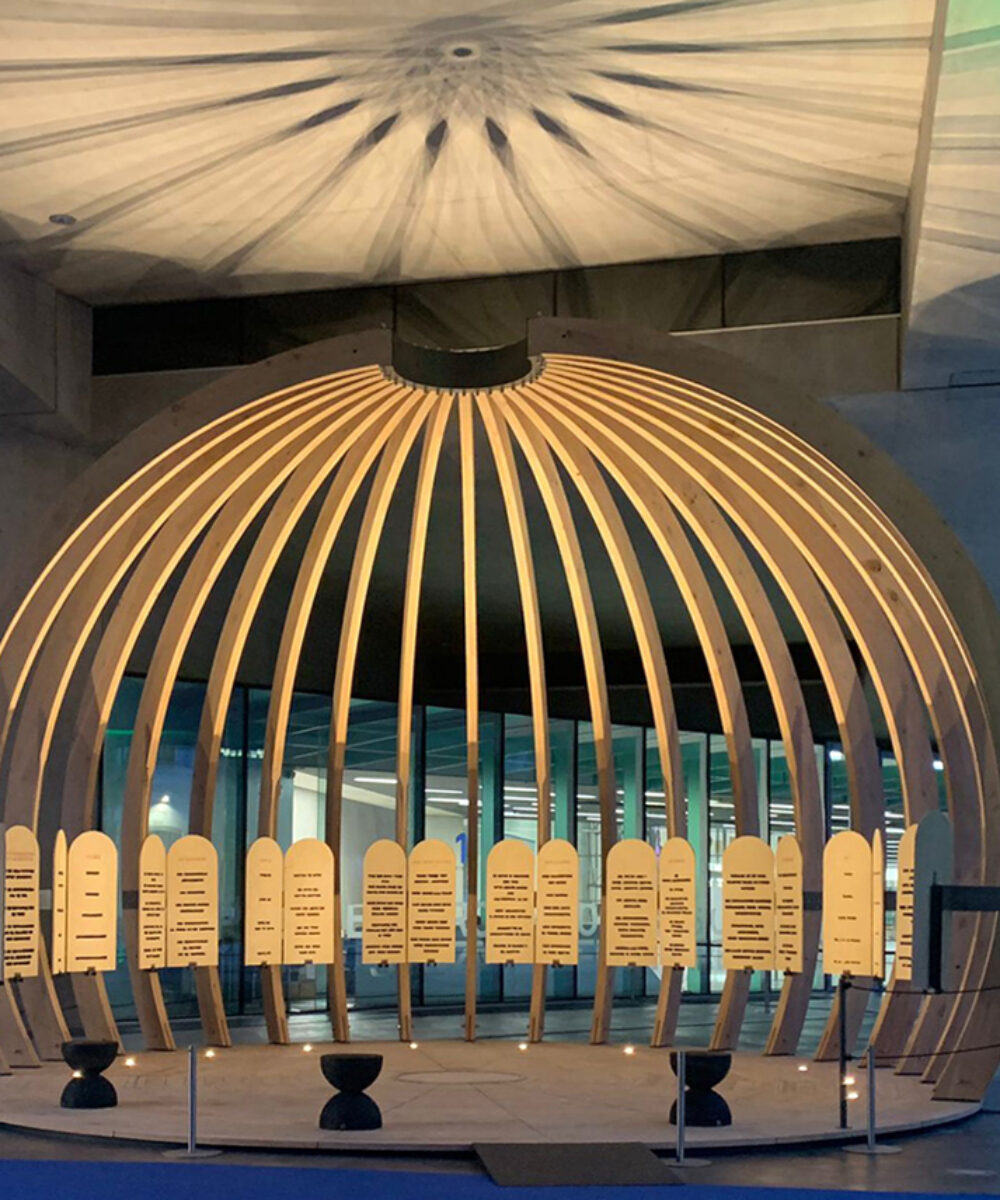
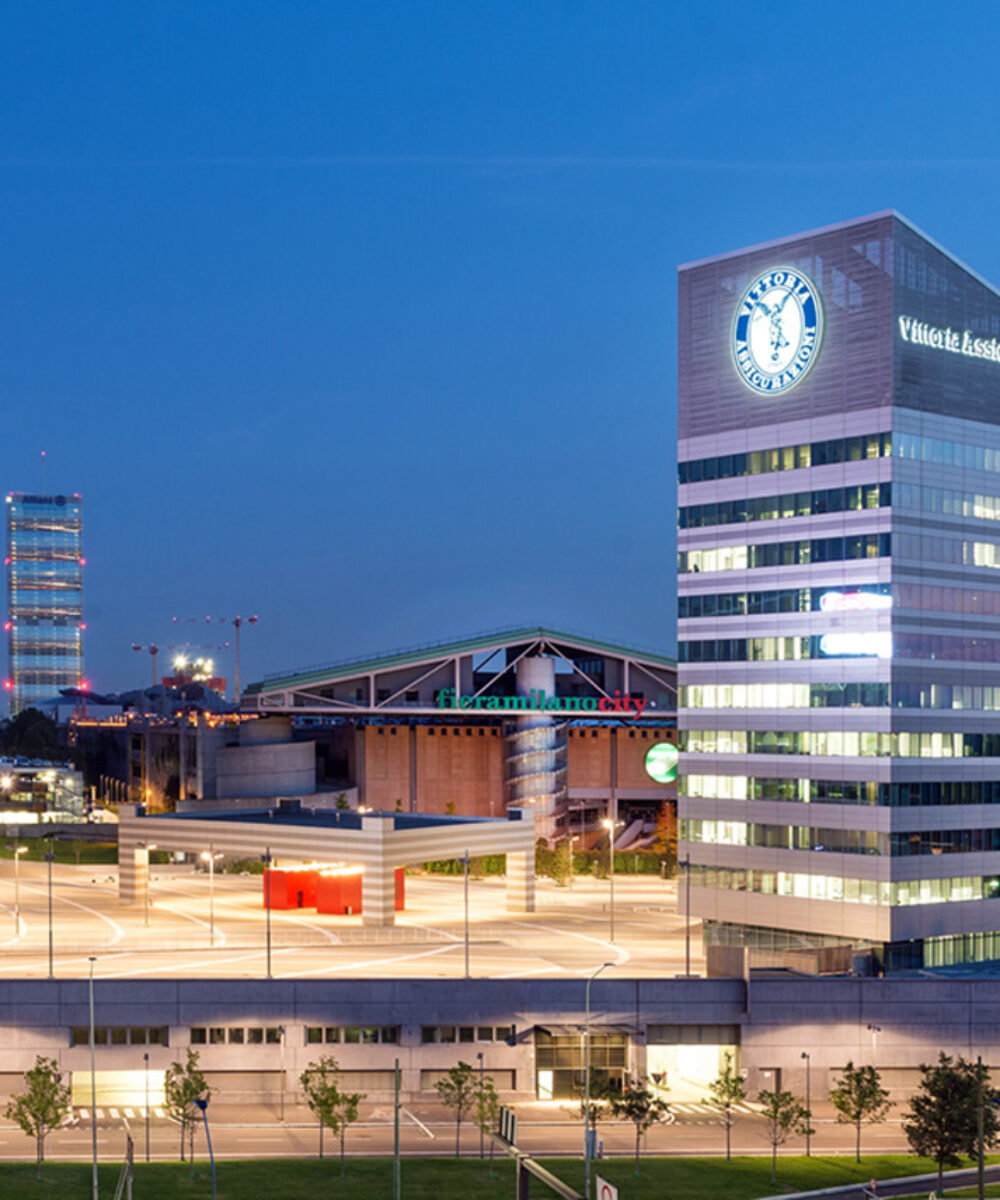
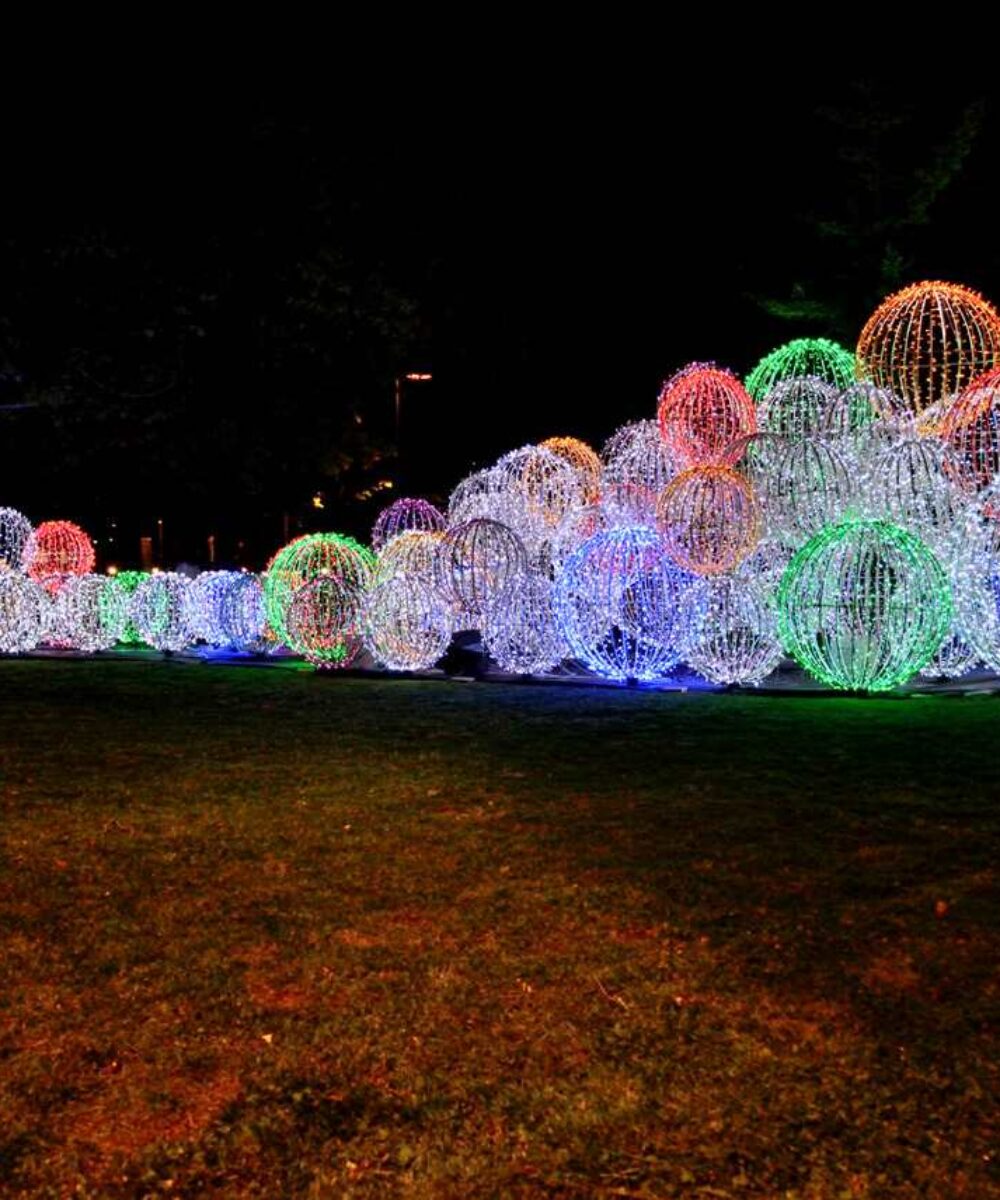
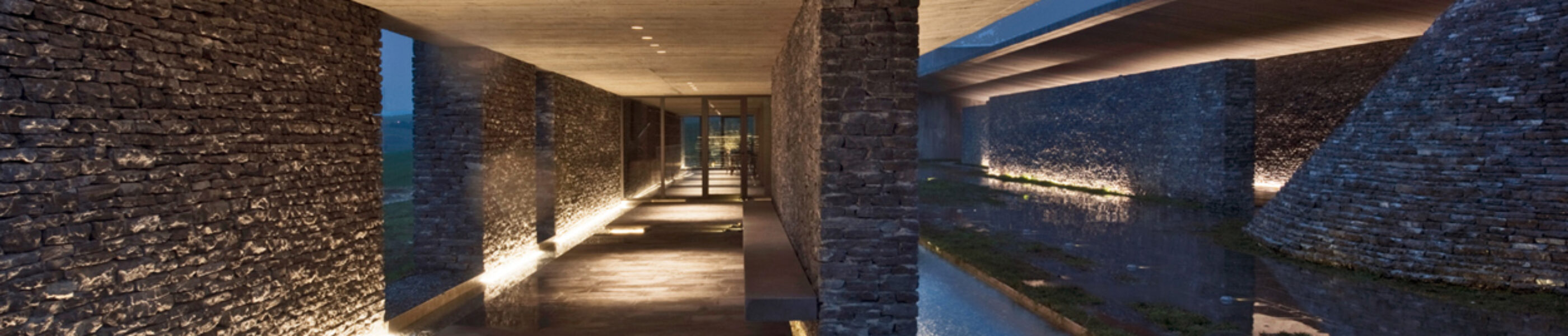
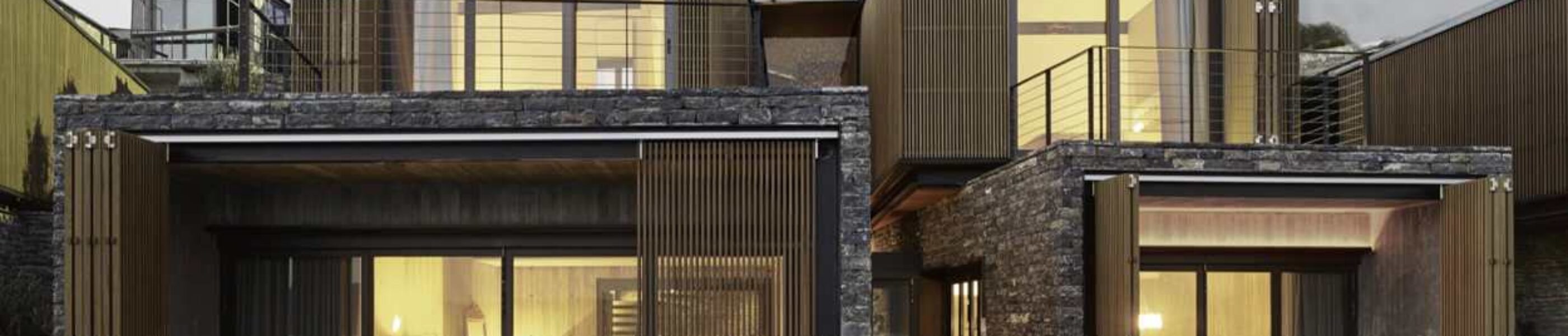
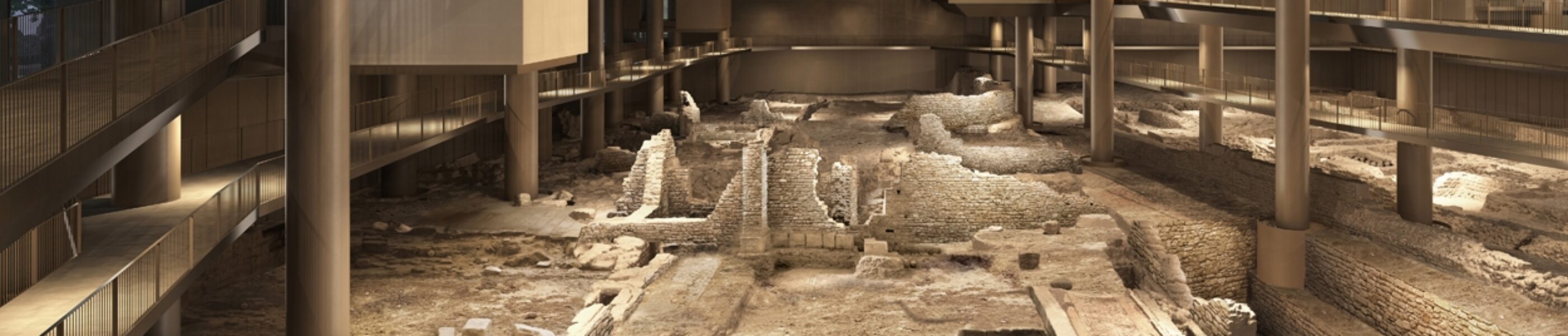
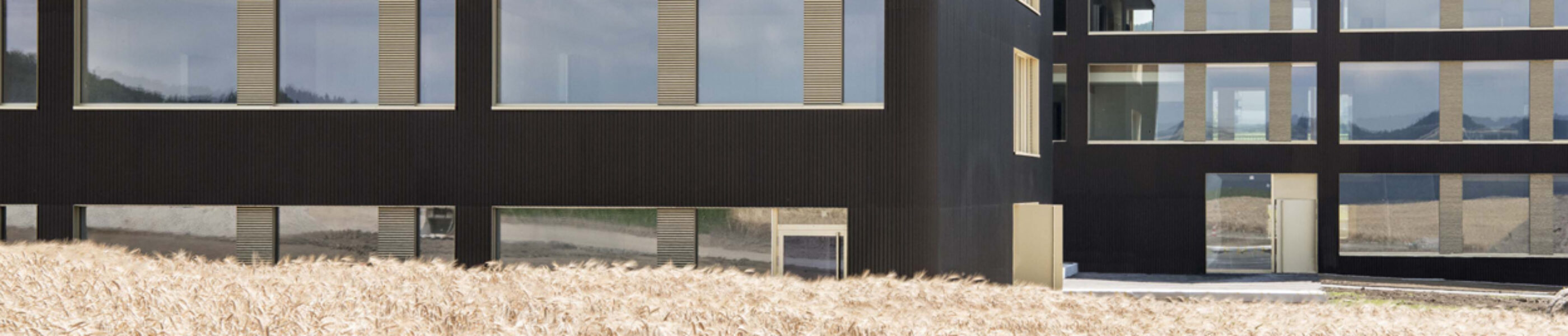
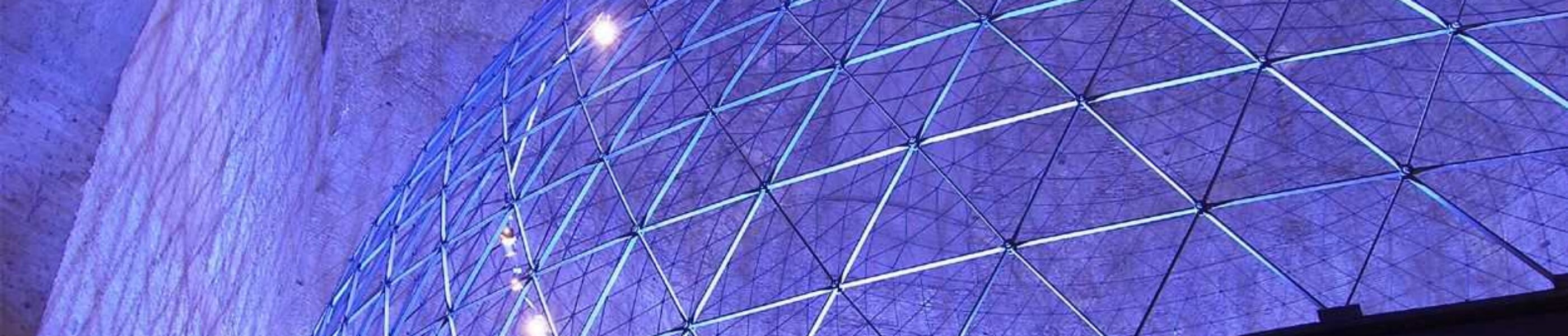
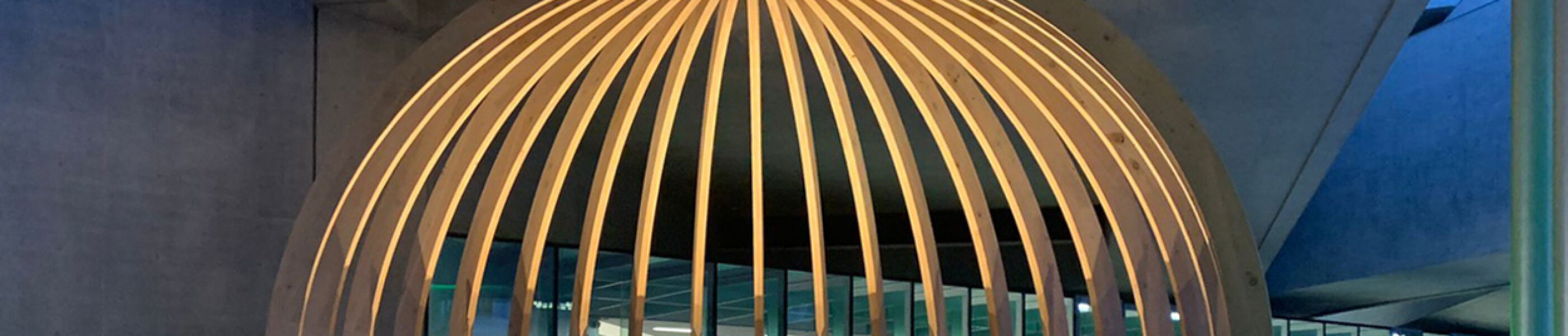
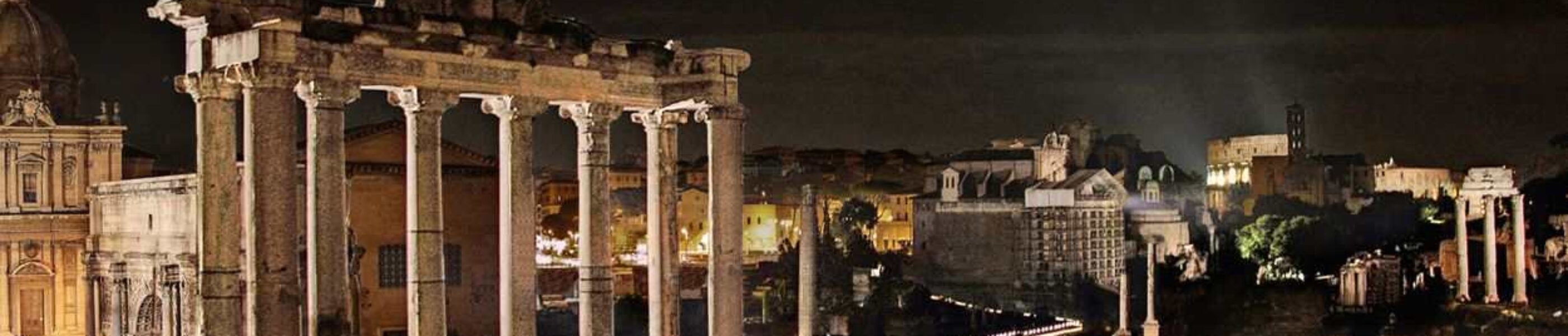
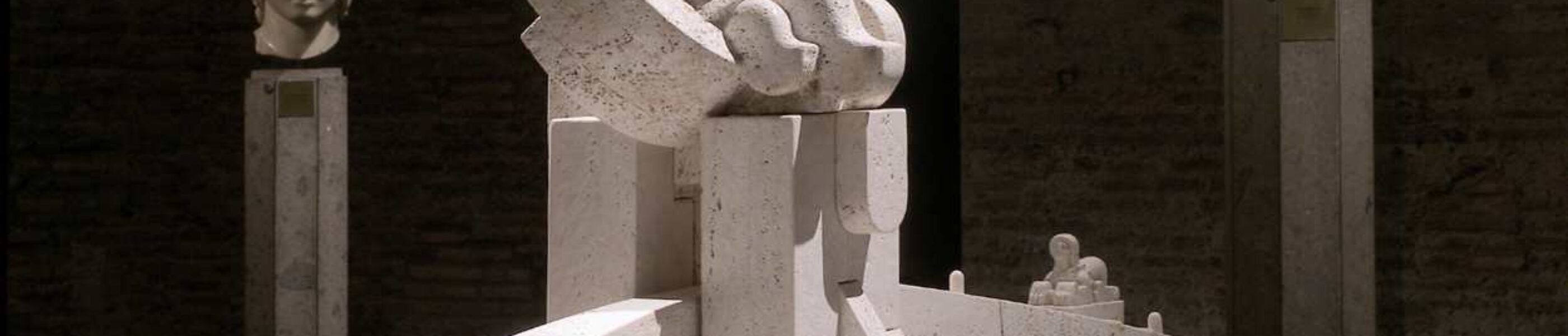
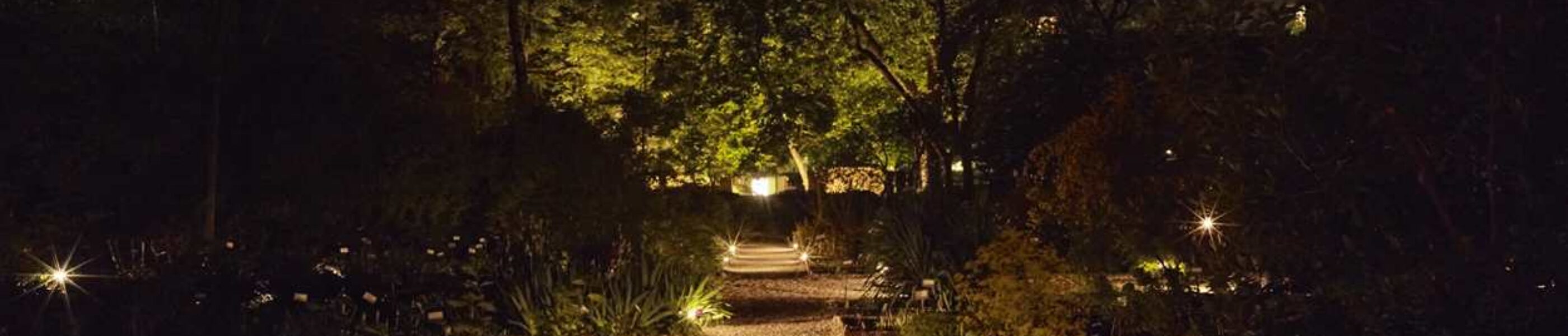
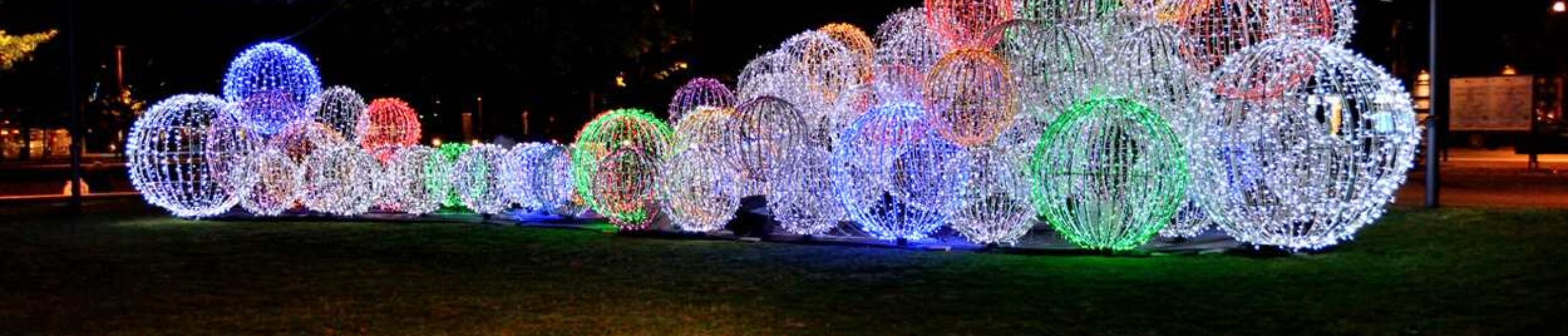
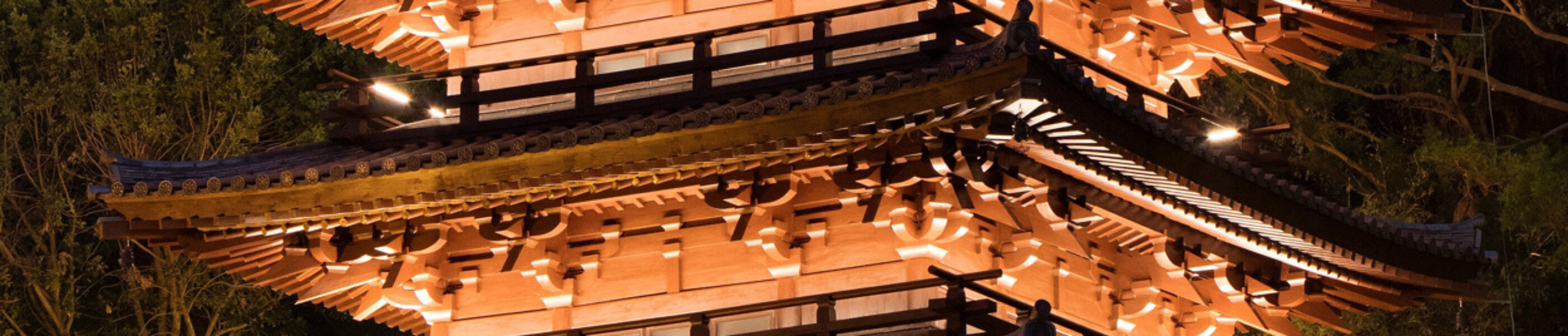
“Feeding the Planet Energy for Life” is the theme of Expo 2015, which will open on May 1 and close on October 30, 2015 in the northwest area of Milan (Rho-Pero). EXPO 2015 will be a real citadel divided into two main axes: the cardo and the decumanus. The lighting design diversifies zones and functions, gives prominence to installations, and emphasizes paths: light is used as a design and scenic language and not only as a service to visual tasks. The lighting fixtures for architectural lighting works are integrated with the structural elements of the installations with a result of minimal visual impact throughout the interior exhibition space (with the exception of the water plaza and the plaza in front of the amphitheater). The absence of pole-mounted fixtures keeps the view free of obstacles and vertical barriers. The hill and its vegetation combine ambient lighting with a dynamic effect with a programmed color and intensity dimmer that will provide changing illuminance levels with a feeling of undulating mobility and color change. Outdoor lighting specialists made of cast aluminum with a special beam emission controlled through a specific optical system and a special high-performance aluminum reflector ensure good illuminance levels on the walking surface and especially a good component on the vertical planes to ensure recognizability to visitors. The lighting design was informed by criteria of energy saving, ease of maintenance, pleasantness of living and thus in environmental, aesthetic, functional and eco-sustainable respect.
The lighting design has taken into account the criteria of energy conservation, ease of maintenance, and enjoyment of living, comfort lighting and thus environment, aesthetics, functionality, and eco-sustainability. The lighting designer will diversify areas and functions, highlight installations and emphasize pathways: light will be used as a design and scenic language and not just as a service to make things visible.
Client:
Piero Castiglioni
Collaborations:
EXPO 2015 S.p.A.
Photo Courtesy:
Fotografia di architettura © 2015 Federico Brunetti
Year:
2011 - 2012
“Feeding the Planet Energy for Life” is the theme of Expo 2015, which will open on May 1 and close on October 30, 2015 in the northwest area of Milan (Rho-Pero). EXPO 2015 will be a real citadel divided into two main axes: the cardo and the decumanus. The lighting design diversifies zones and functions, gives prominence to installations, and emphasizes paths: light is used as a design and scenic language and not only as a service to visual tasks. The lighting fixtures for architectural lighting works are integrated with the structural elements of the installations with a result of minimal visual impact throughout the interior exhibition space (with the exception of the water plaza and the plaza in front of the amphitheater). The absence of pole-mounted fixtures keeps the view free of obstacles and vertical barriers. The hill and its vegetation combine ambient lighting with a dynamic effect with a programmed color and intensity dimmer that will provide changing illuminance levels with a feeling of undulating mobility and color change. Outdoor lighting specialists made of cast aluminum with a special beam emission controlled through a specific optical system and a special high-performance aluminum reflector ensure good illuminance levels on the walking surface and especially a good component on the vertical planes to ensure recognizability to visitors. The lighting design was informed by criteria of energy saving, ease of maintenance, pleasantness of living and thus in environmental, aesthetic, functional and eco-sustainable respect.
The lighting design has taken into account the criteria of energy conservation, ease of maintenance, and enjoyment of living, comfort lighting and thus environment, aesthetics, functionality, and eco-sustainability. The lighting designer will diversify areas and functions, highlight installations and emphasize pathways: light will be used as a design and scenic language and not just as a service to make things visible.
Client:
Piero Castiglioni
Collaborations:
EXPO 2015 S.p.A.
Photo Courtesy:
Fotografia di architettura © 2015 Federico Brunetti
Year:
2011 - 2012
Other Projects
Other Projects
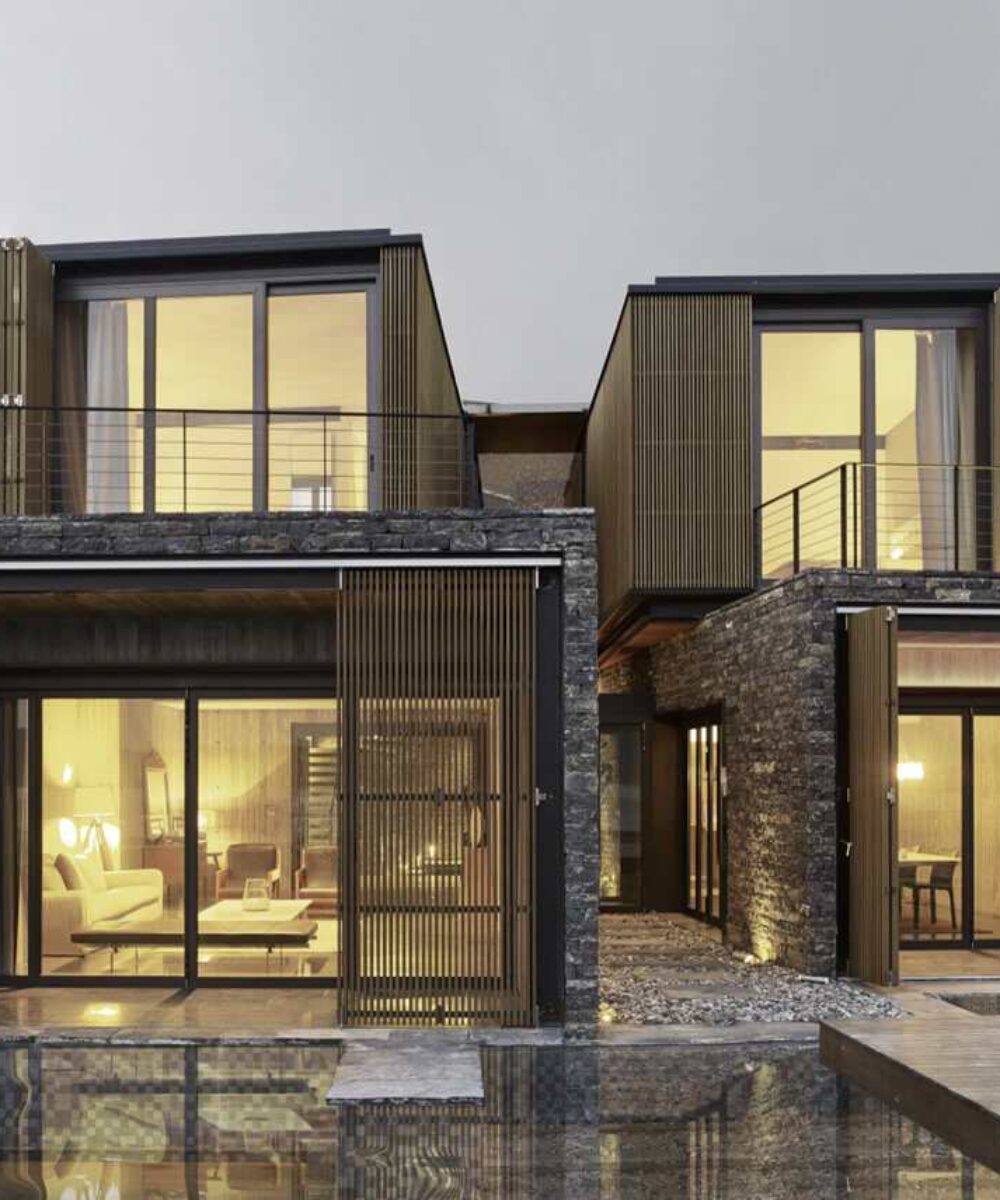
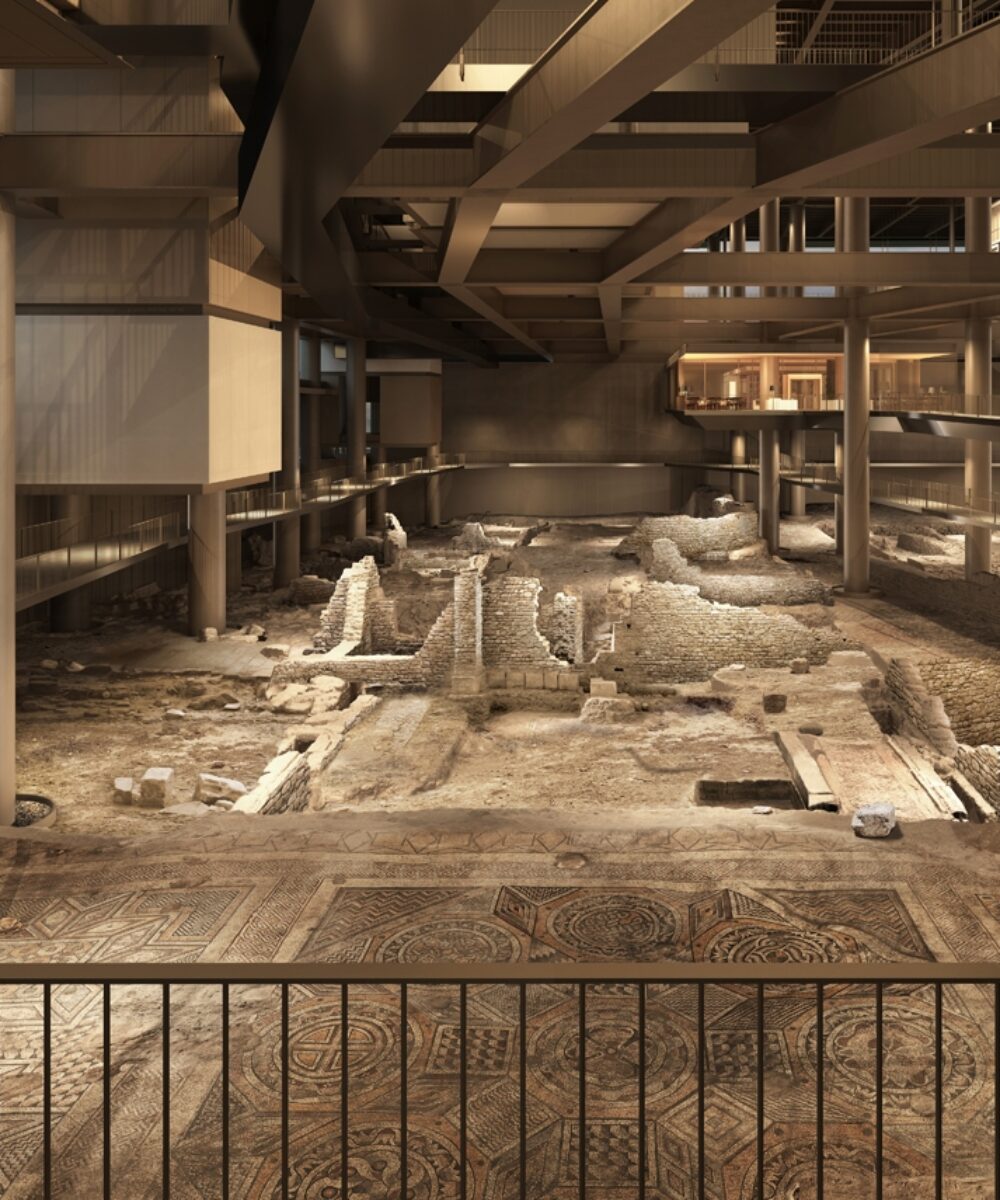
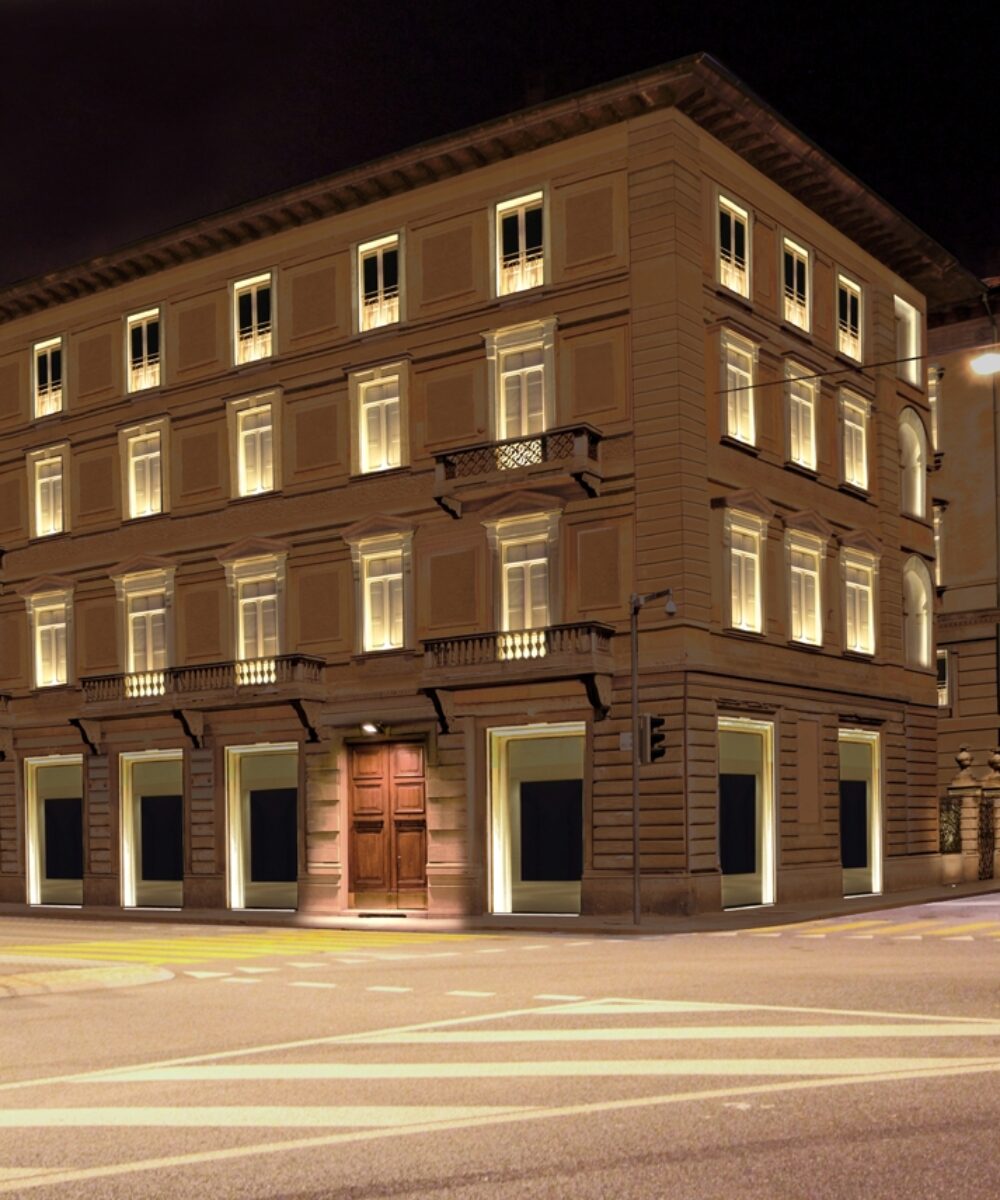
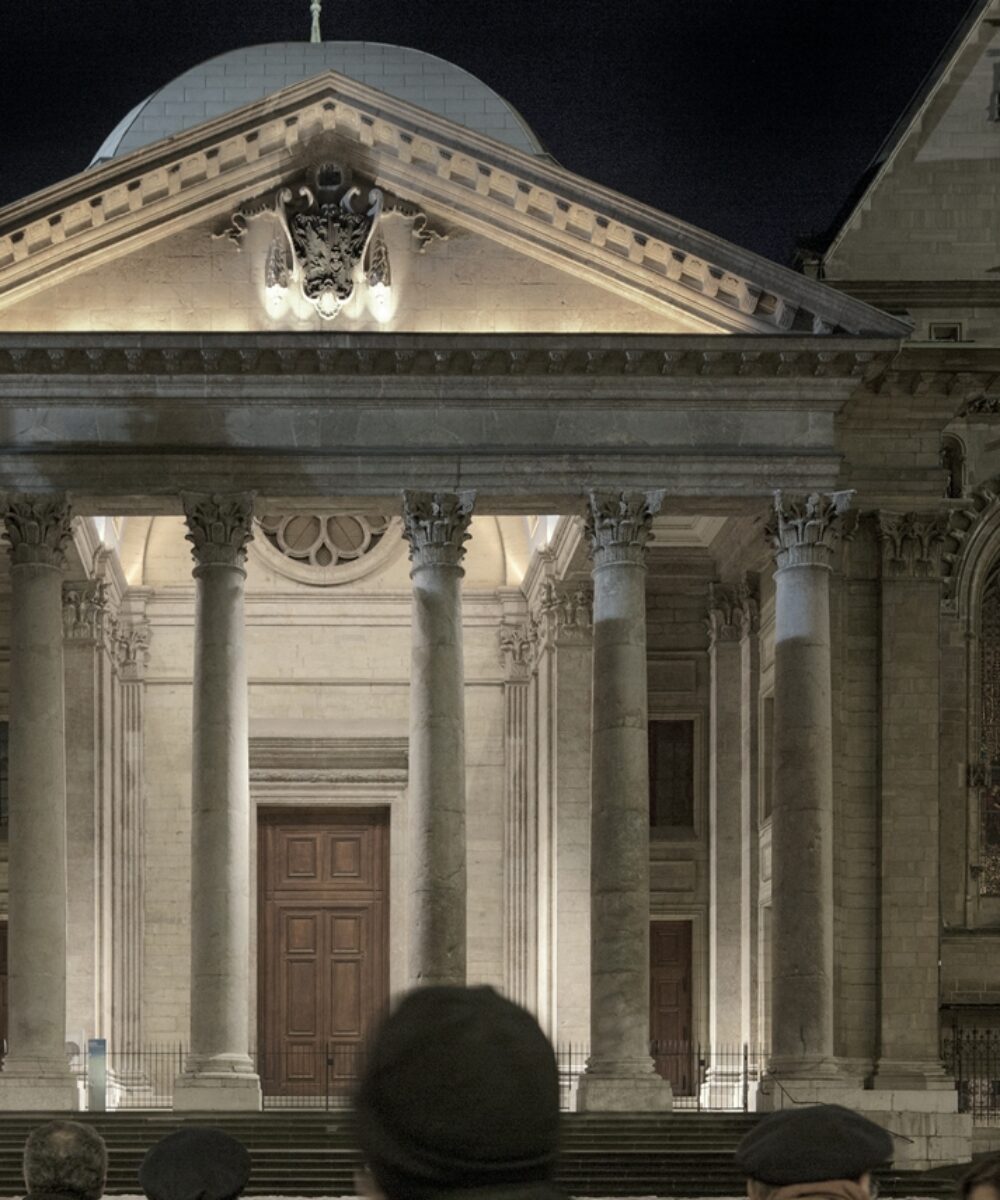
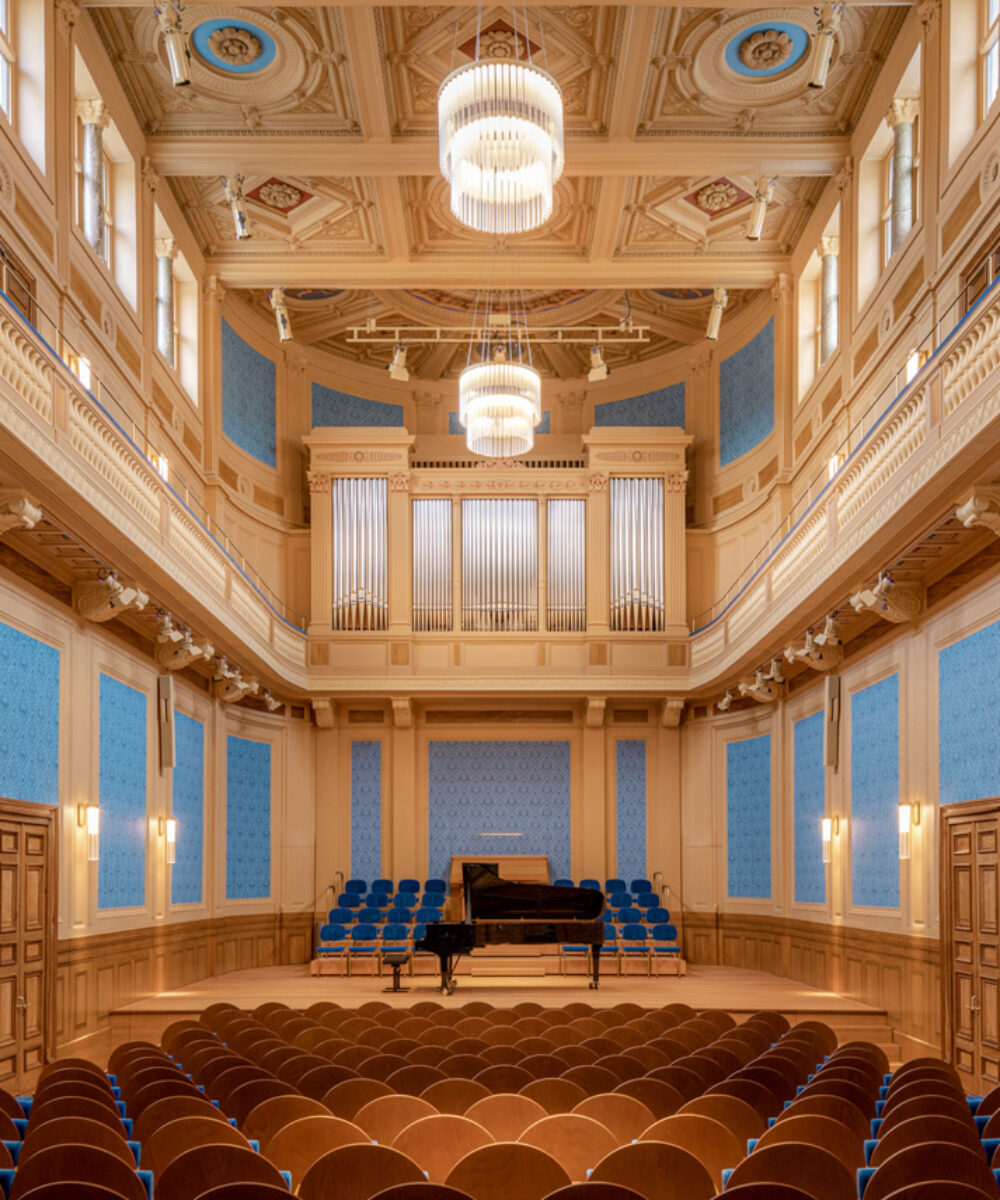
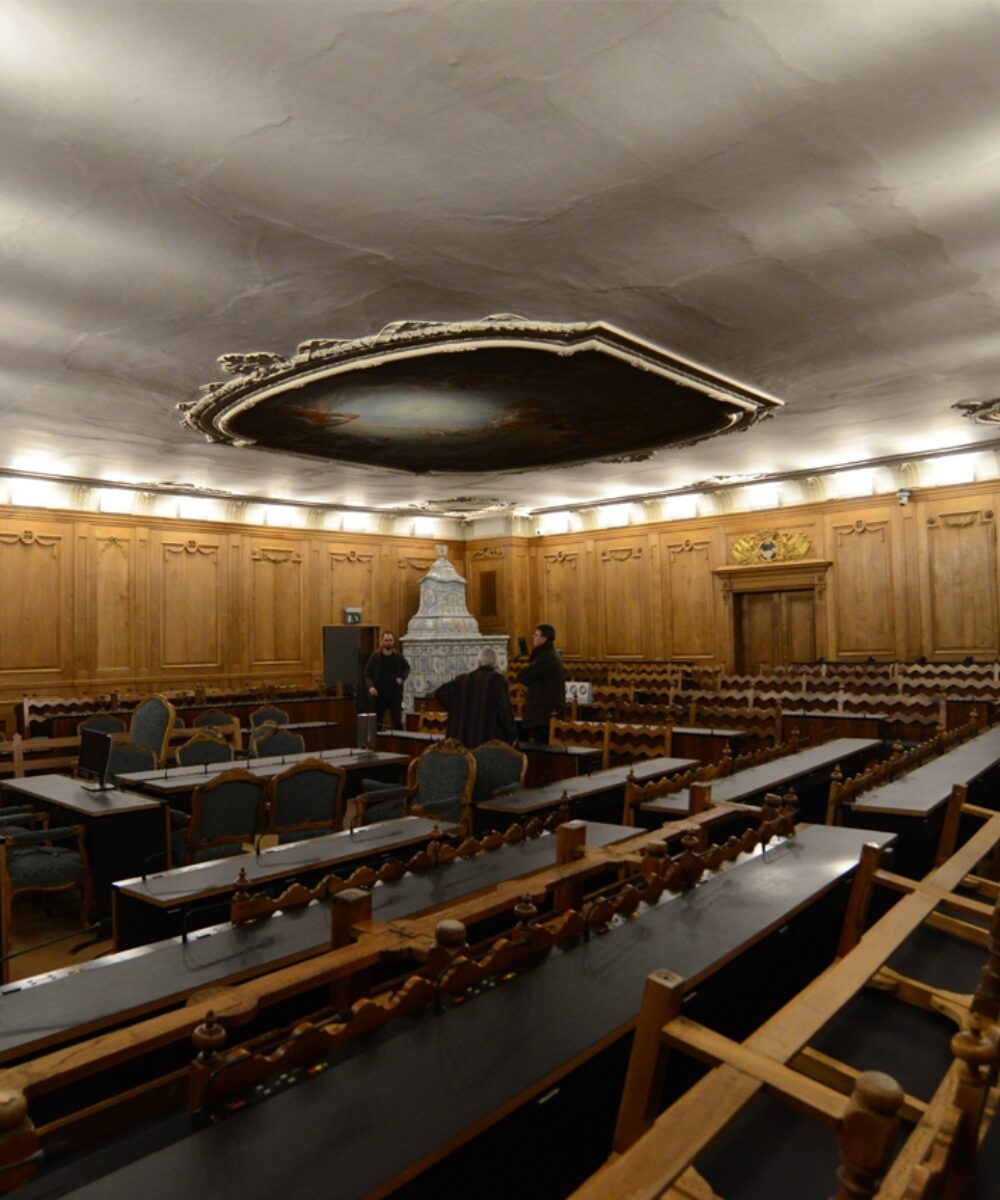
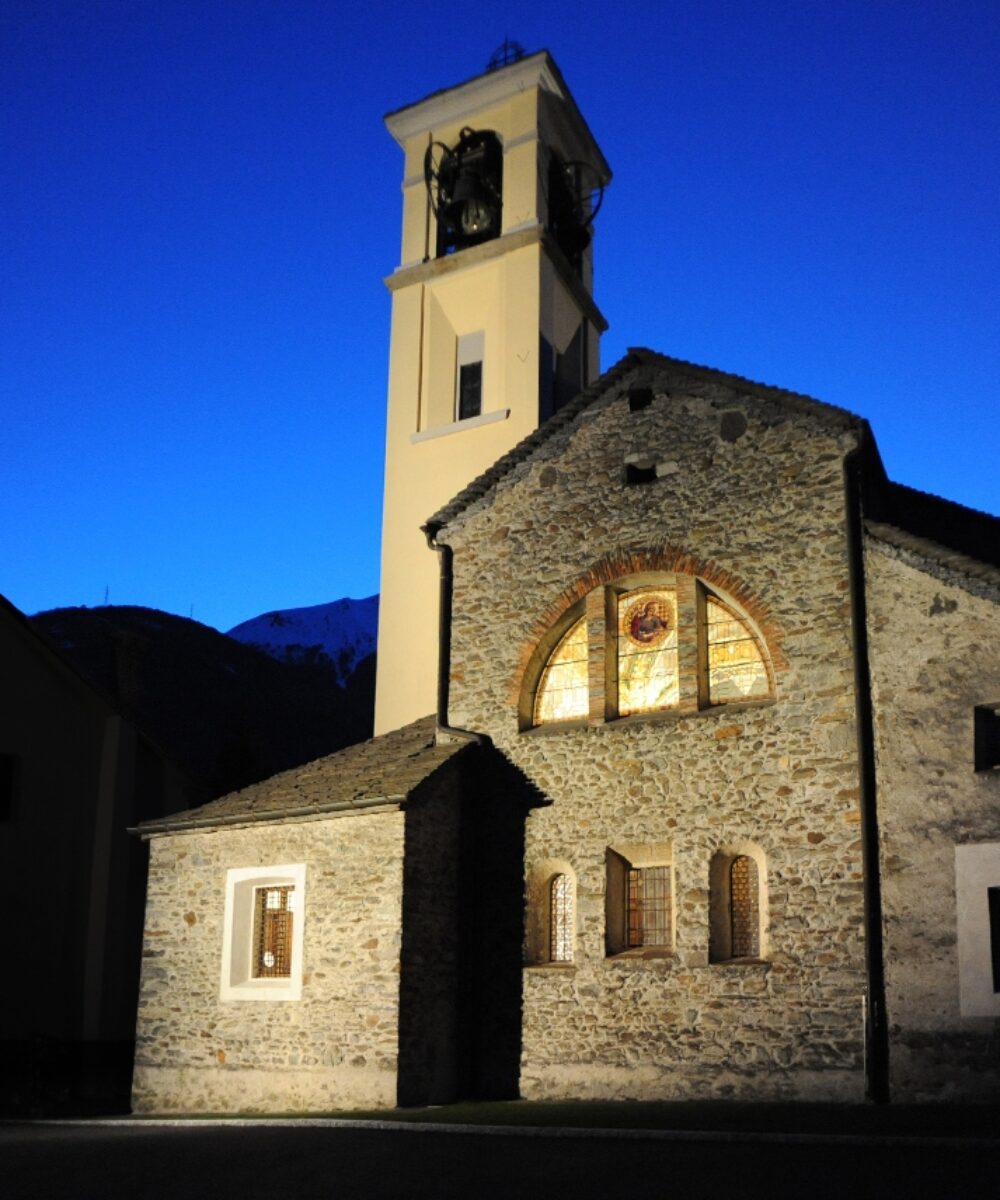
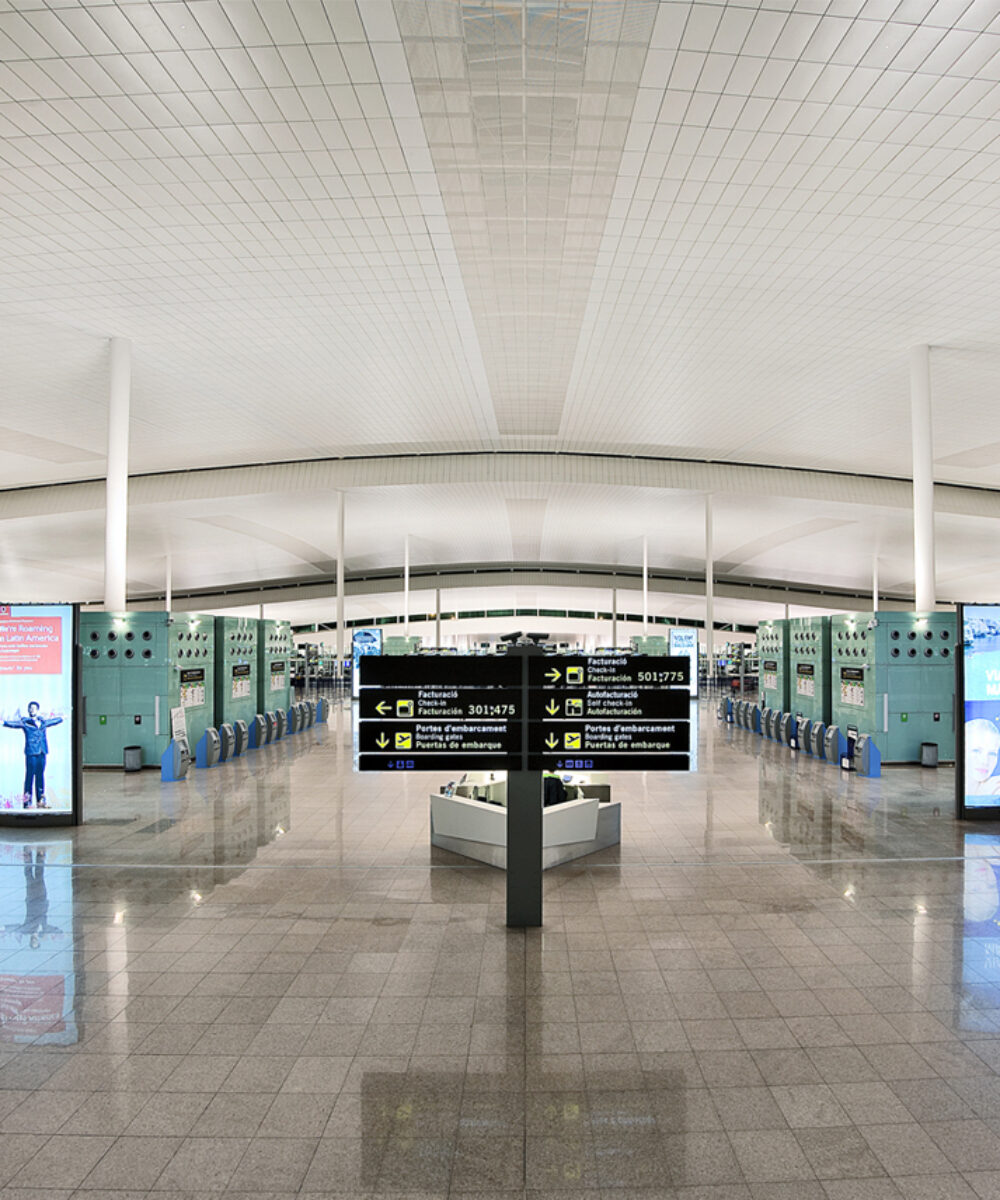
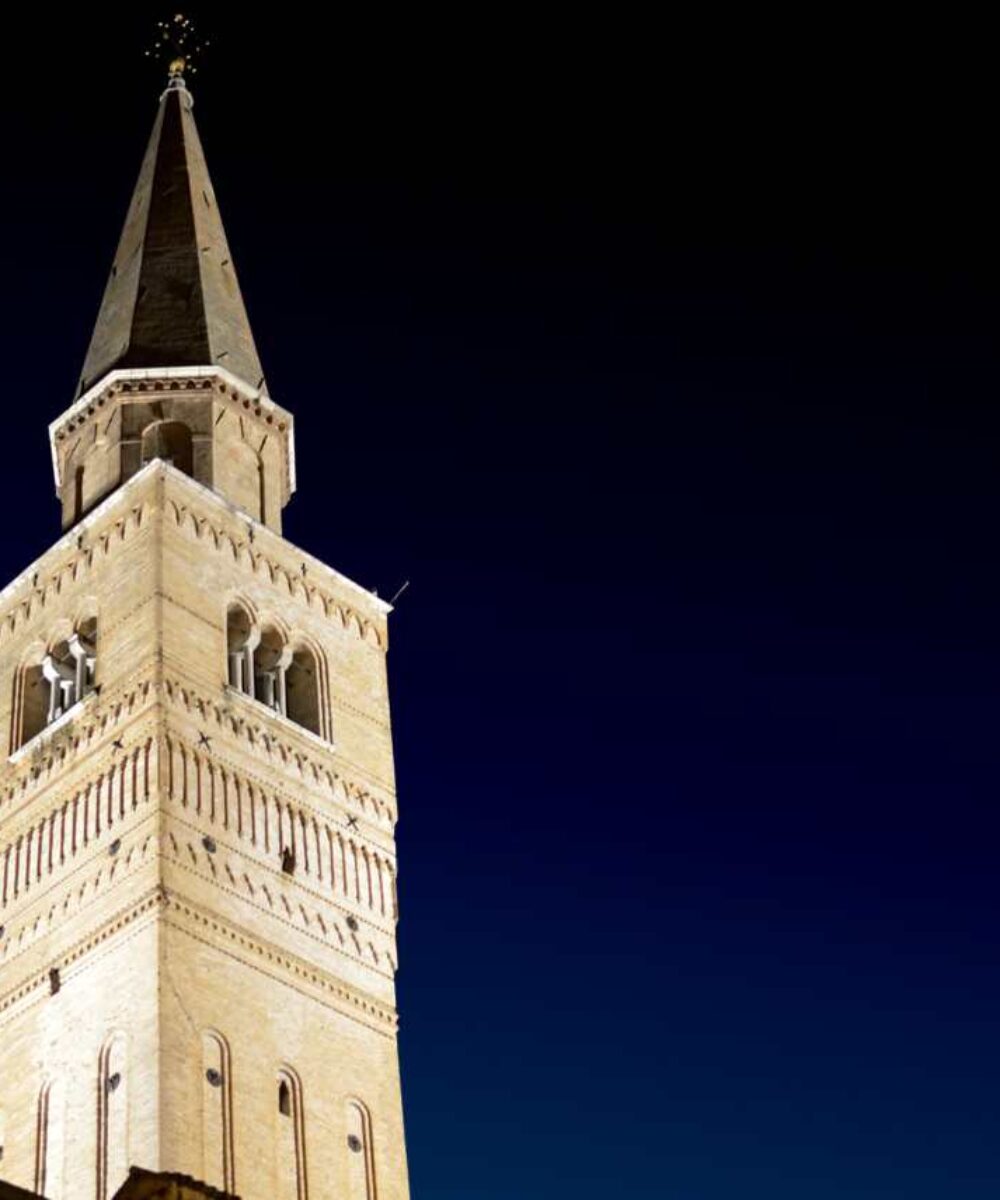
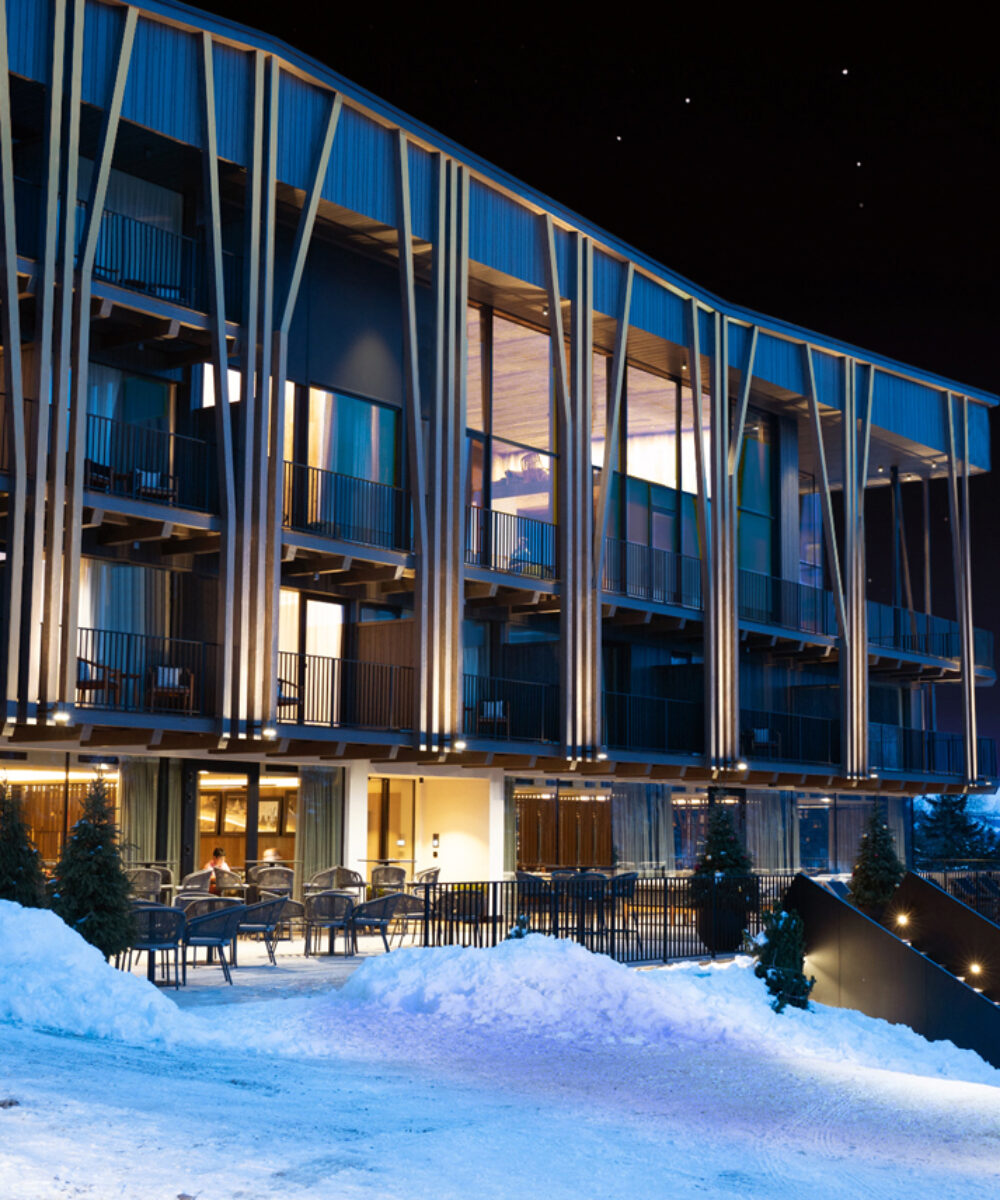
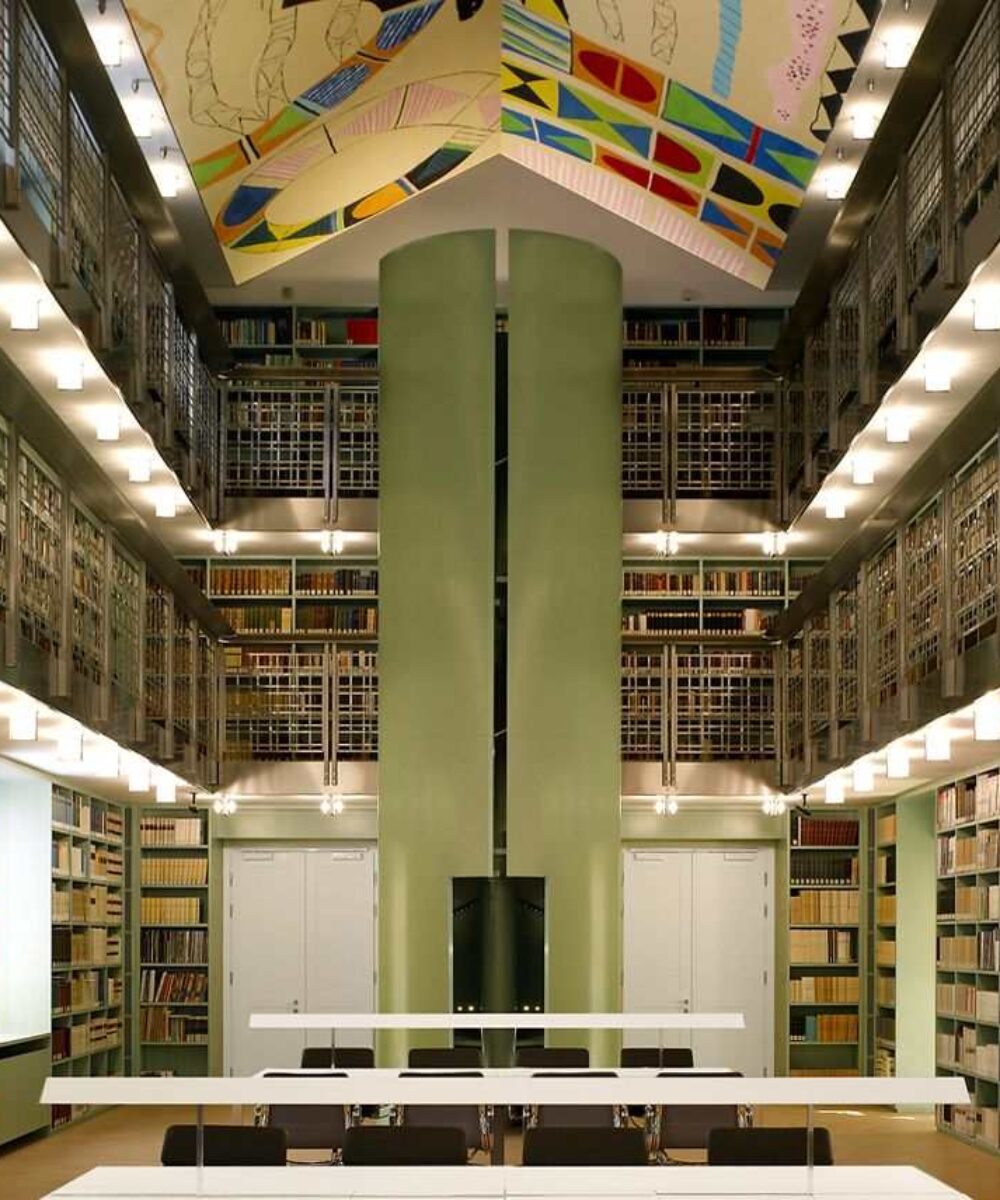
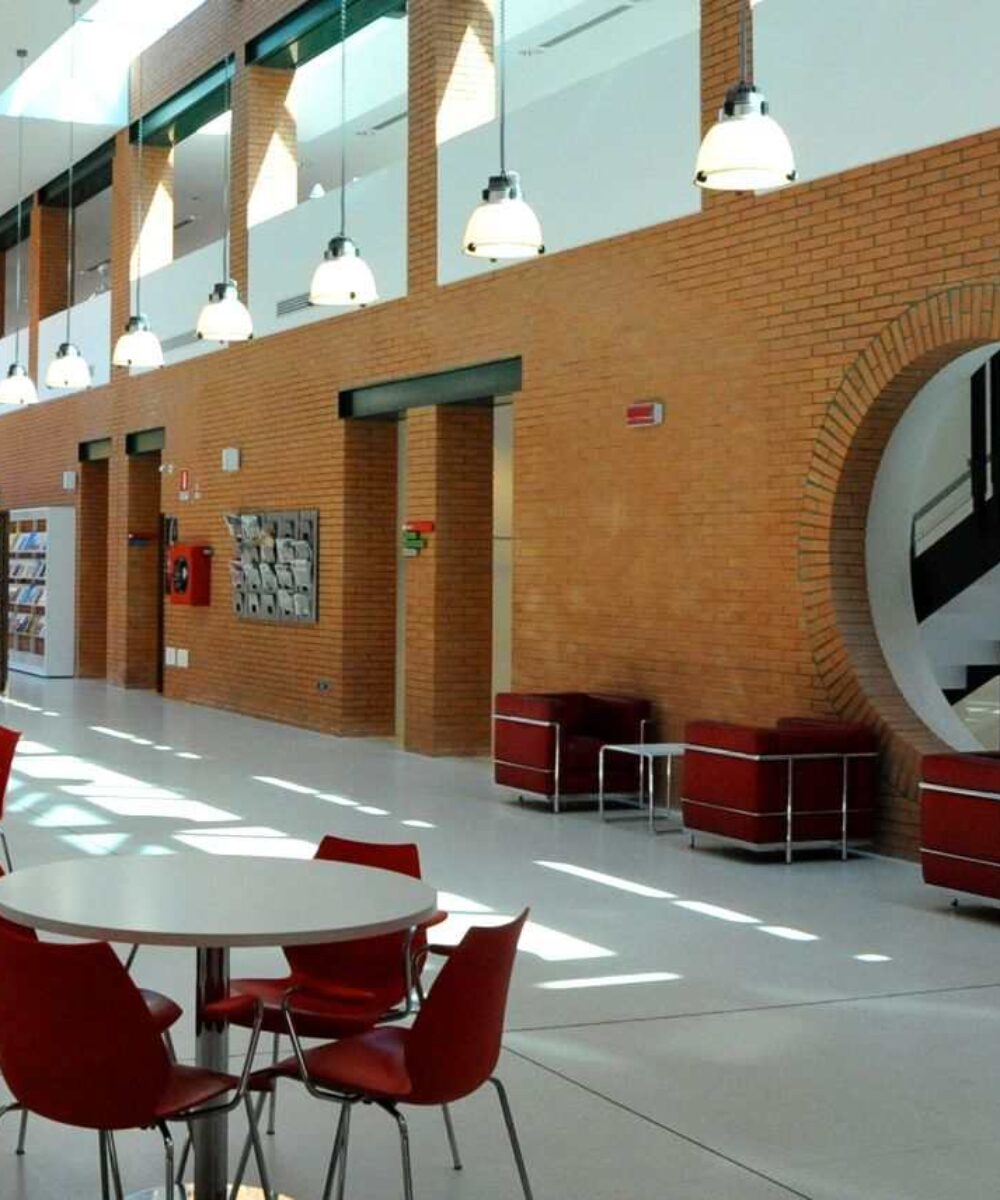
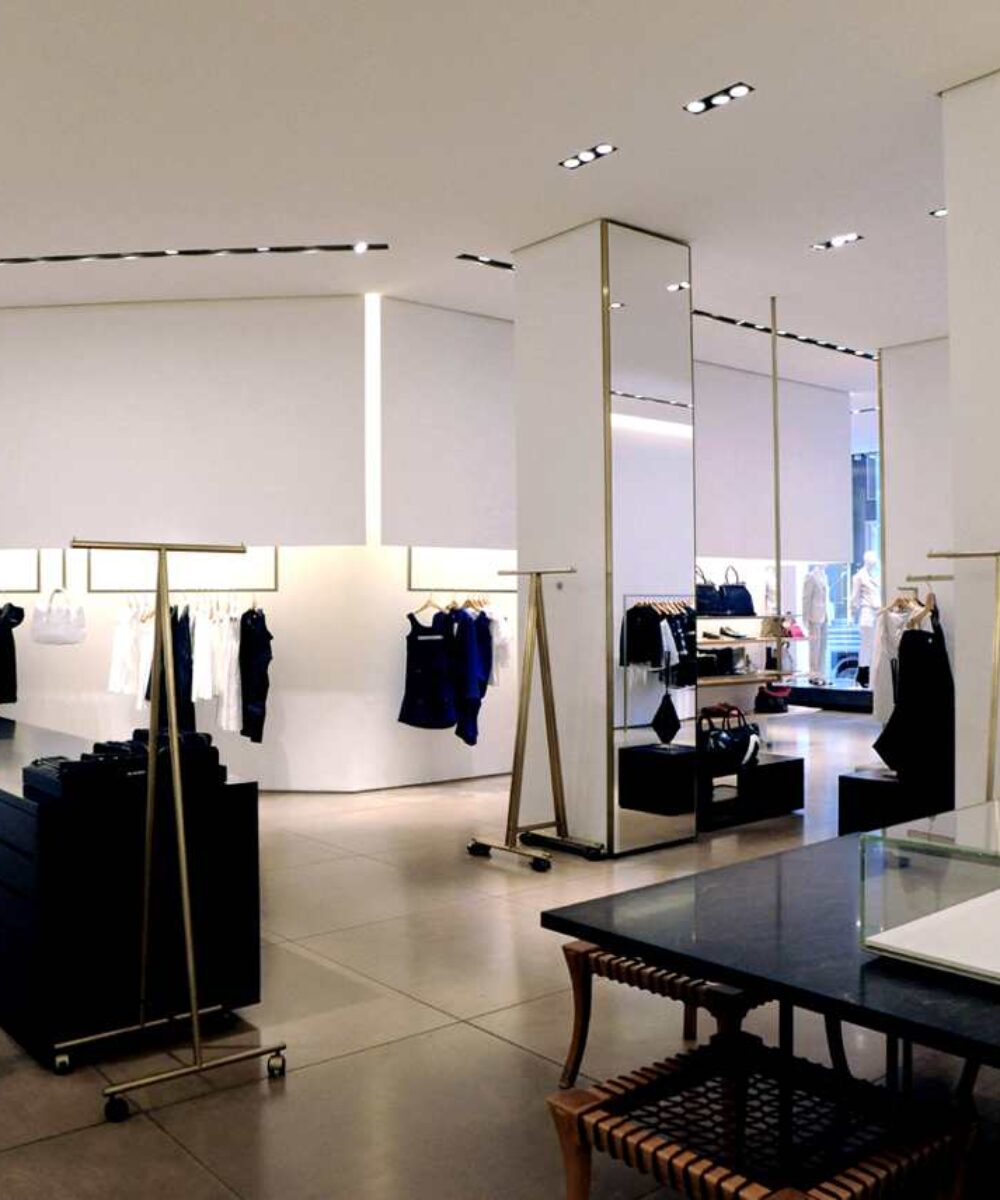
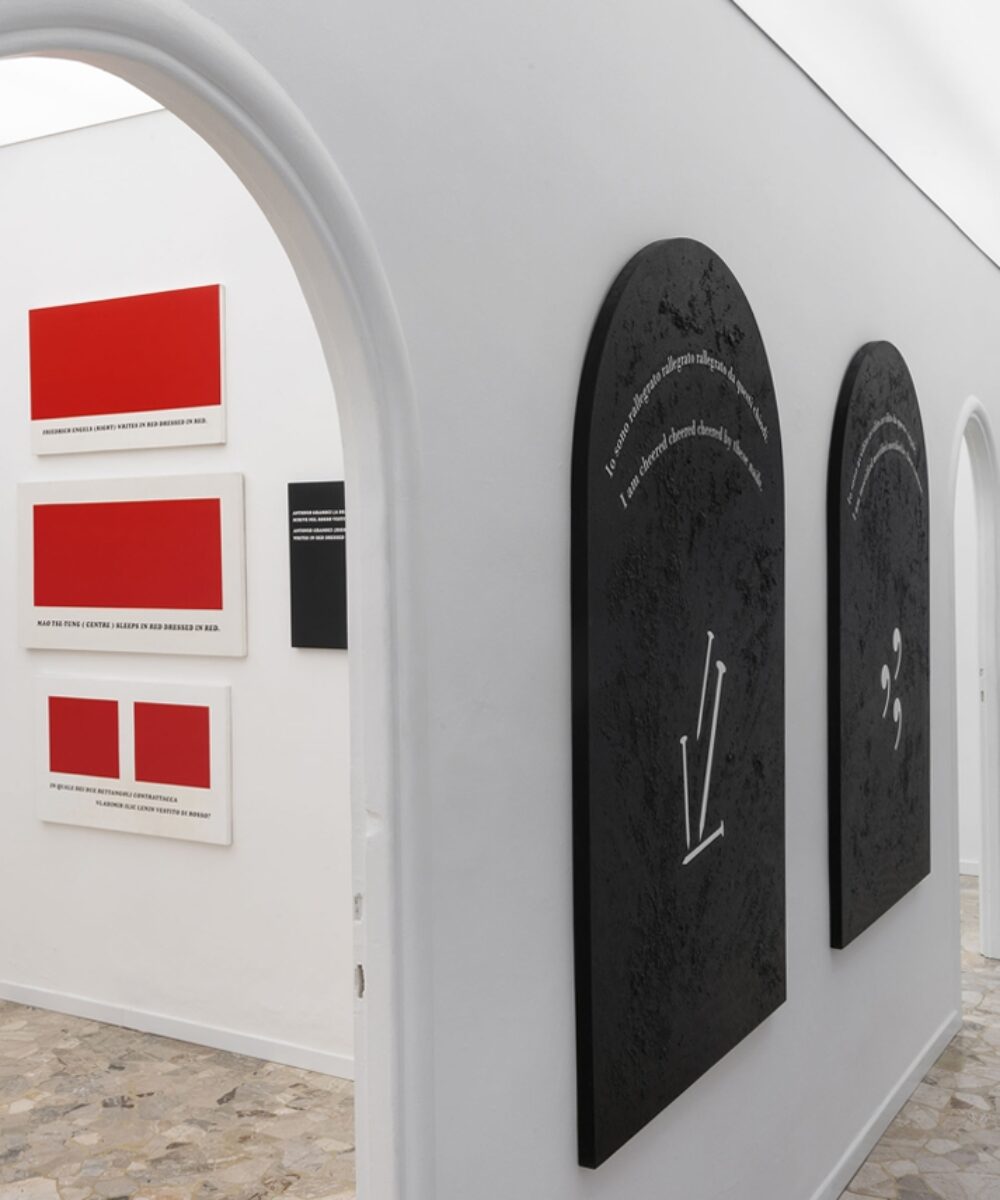
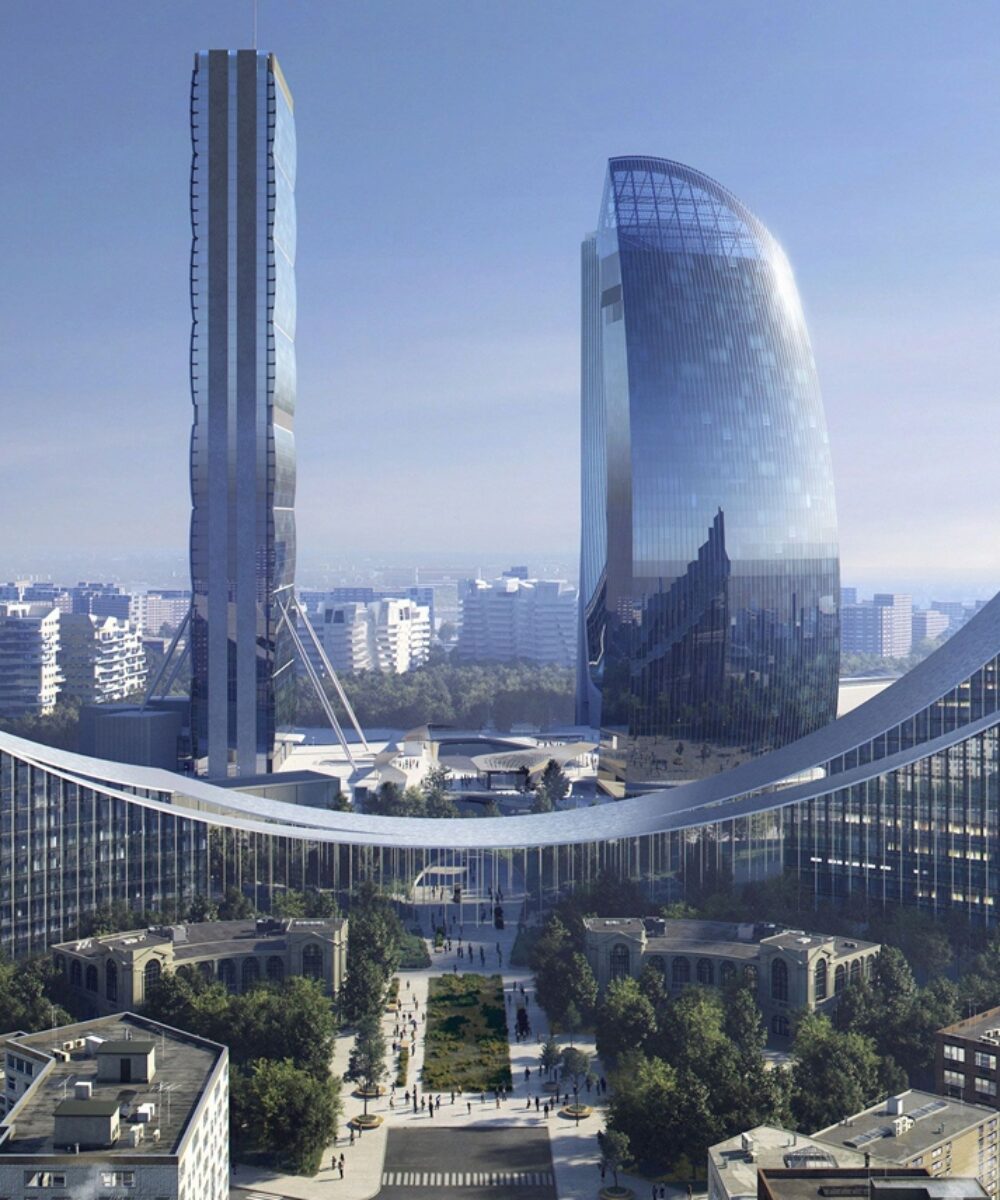
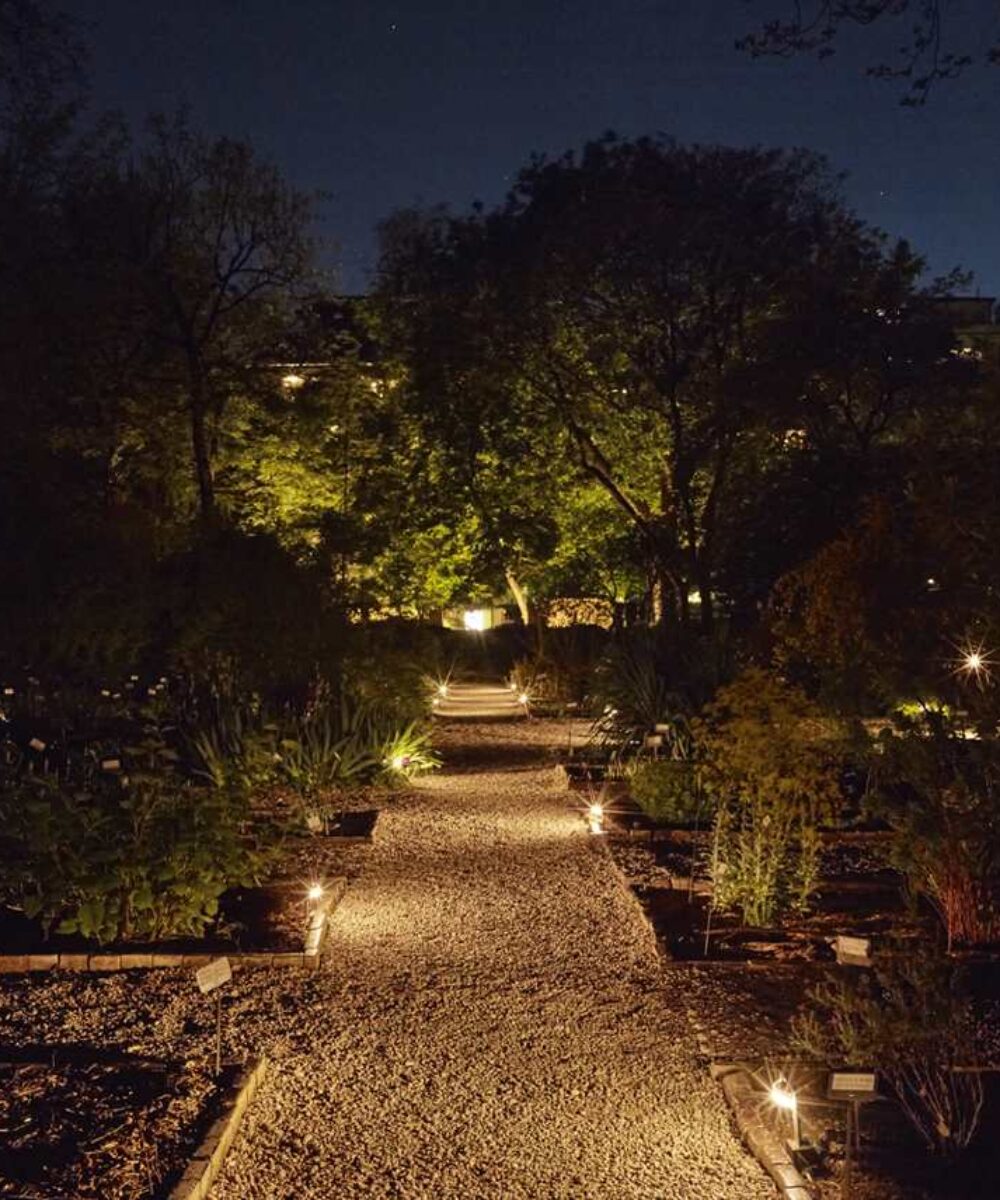
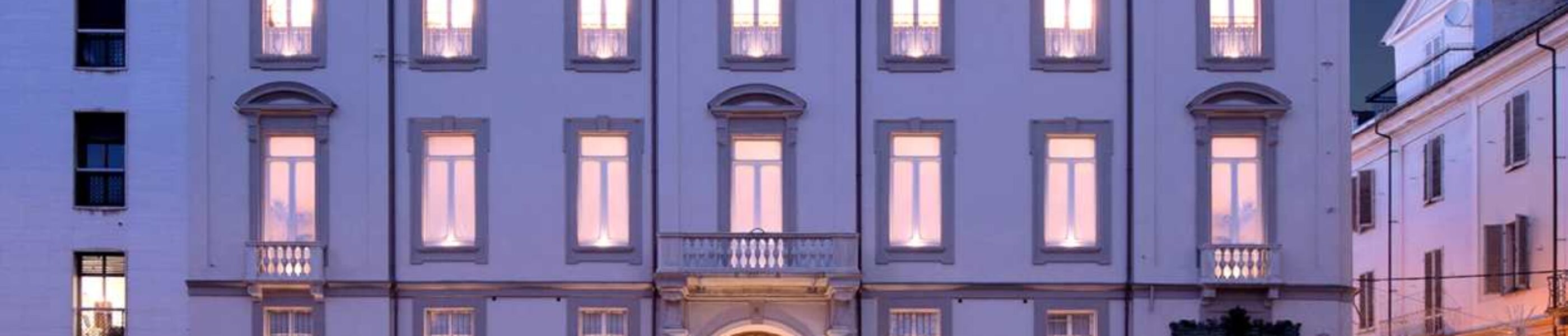
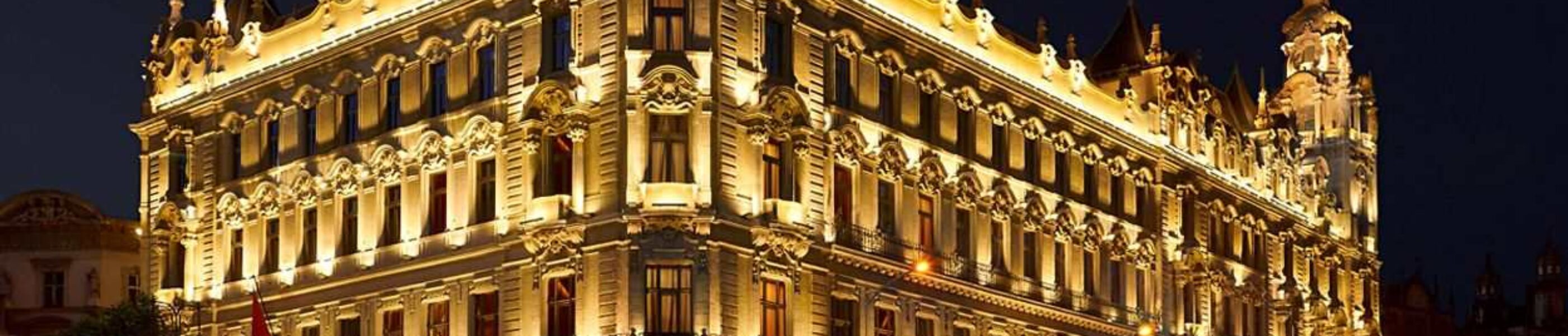
This section brings together a representative selection of lighting design projects in the architectural, museum, urban, cultural, retail, hospitality, and infrastructure sectors, both in Italy and abroad. The gallery documents projects of varying scale, function, and context, all sharing an approach to light as a tool for interpreting space, capable of engaging with architecture, artworks, landscape, and contemporary use.
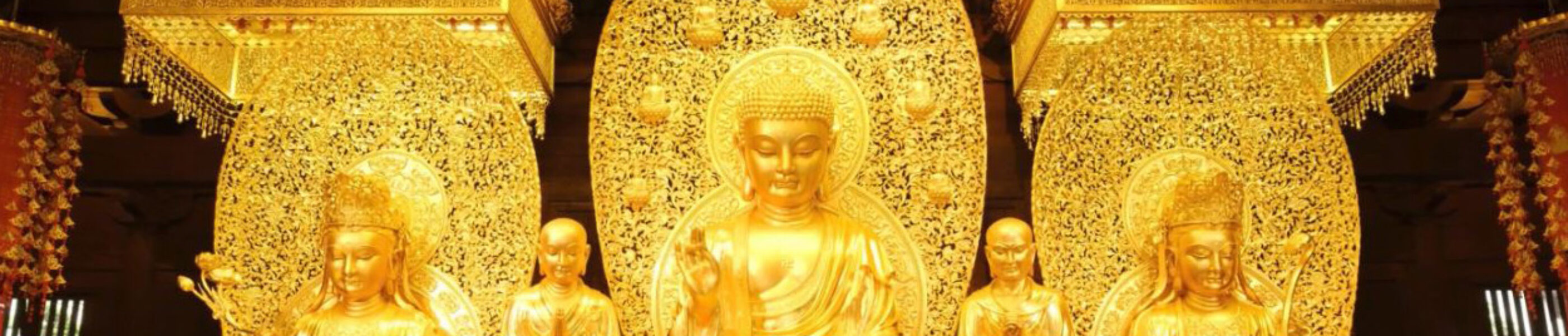
The projects presented range from museums, foundations, and temporary exhibitions to historic buildings, places of worship, public spaces, and urban complexes, including corporate headquarters, private residences, yachts, and lighting masterplans. In each project, light is designed as a controlled material, calibrated to the characteristics of the location, its functional needs, and the perceptual quality of the experience.
Taken together, the collected works convey a vision of lighting design as an integrated process, in which technical rigor, cultural sensitivity, and attention to context contribute to the construction of spatial identity, orientation, and value. The gallery thus takes the form of a design map, capable of demonstrating how light can take on different roles—discrete or declared—while always maintaining coherence, measure, and design awareness.
This section brings together a representative selection of lighting design projects in the architectural, museum, urban, cultural, retail, hospitality, and infrastructure sectors, both in Italy and abroad. The gallery documents projects of varying scale, function, and context, all sharing an approach to light as a tool for interpreting space, capable of engaging with architecture, artworks, landscape, and contemporary use.
The projects presented range from museums, foundations, and temporary exhibitions to historic buildings, places of worship, public spaces, and urban complexes, including corporate headquarters, private residences, yachts, and lighting masterplans. In each project, light is designed as a controlled material, calibrated to the characteristics of the location, its functional needs, and the perceptual quality of the experience.
Taken together, the collected works convey a vision of lighting design as an integrated process, in which technical rigor, cultural sensitivity, and attention to context contribute to the construction of spatial identity, orientation, and value. The gallery thus takes the form of a design map, capable of demonstrating how light can take on different roles—discrete or declared—while always maintaining coherence, measure, and design awareness.