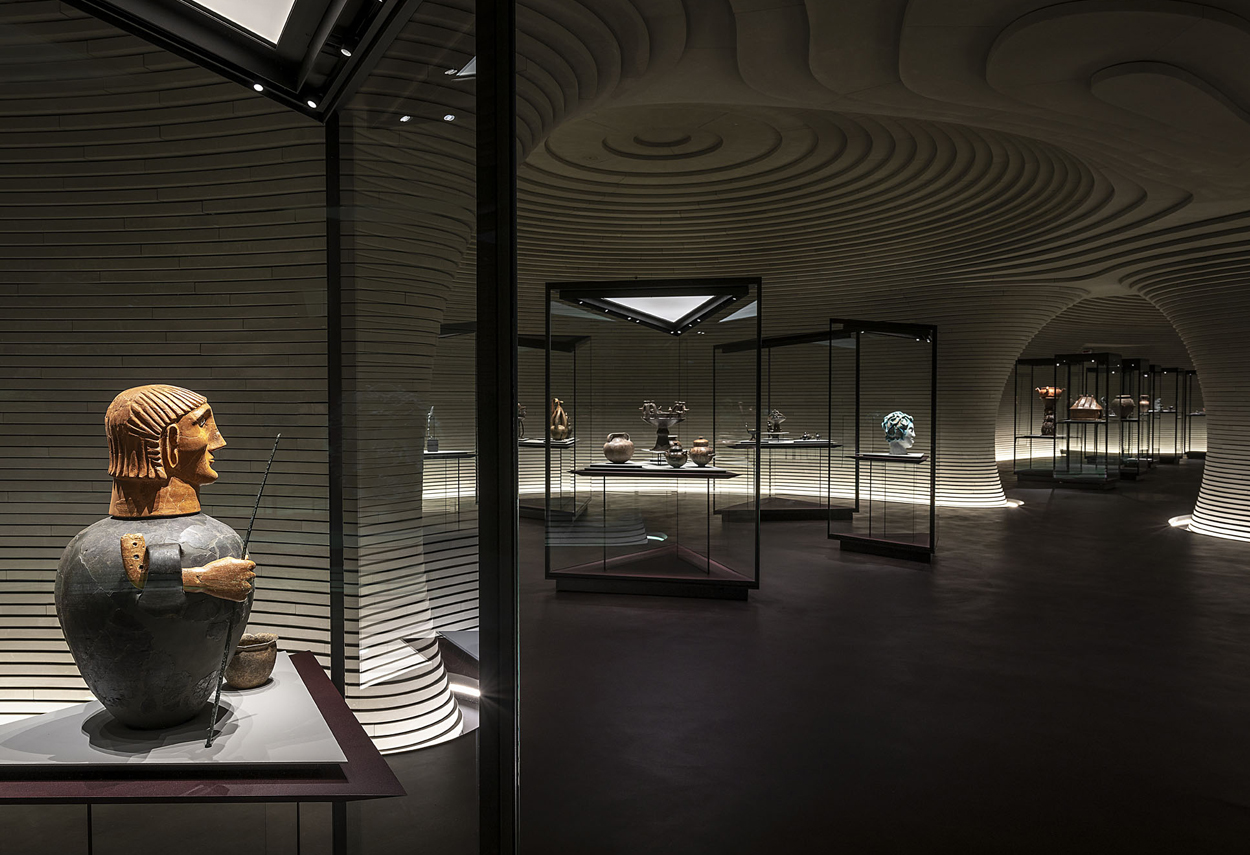
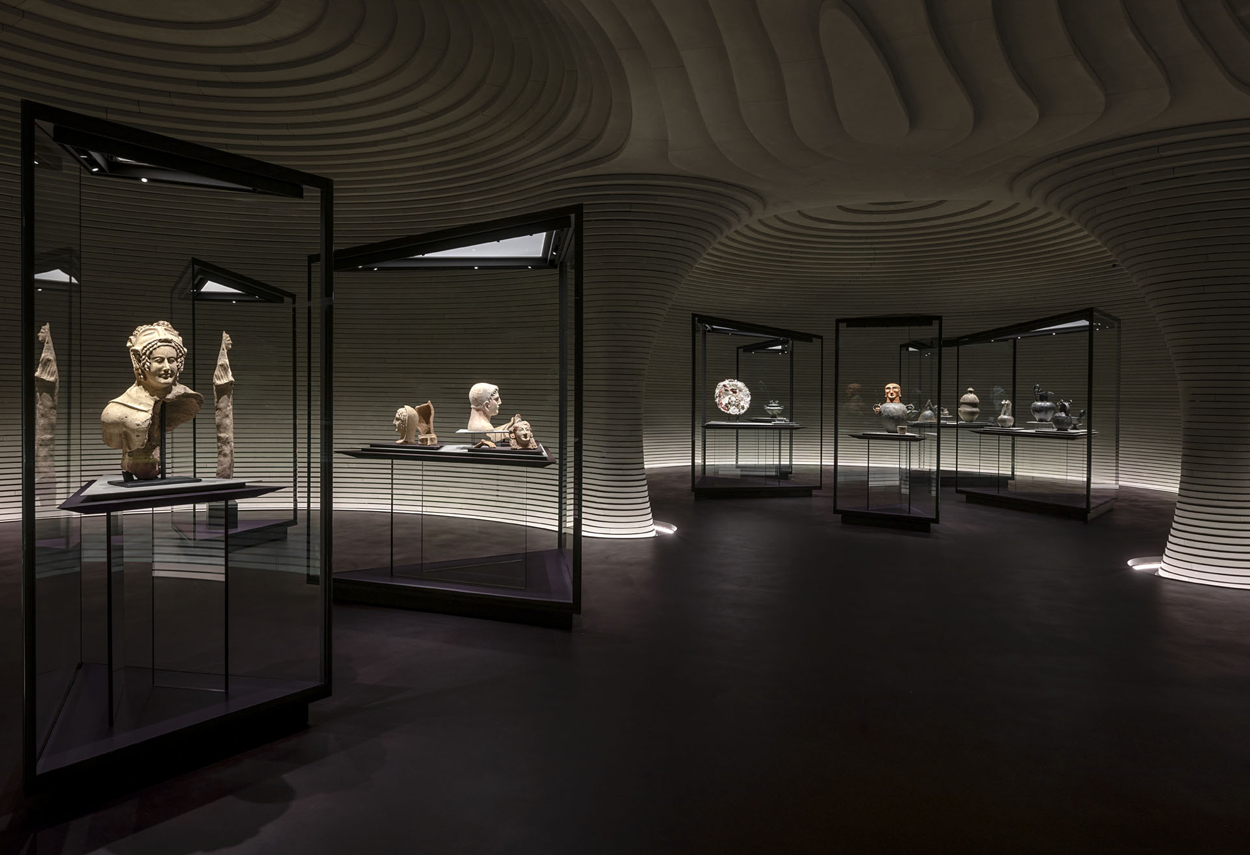
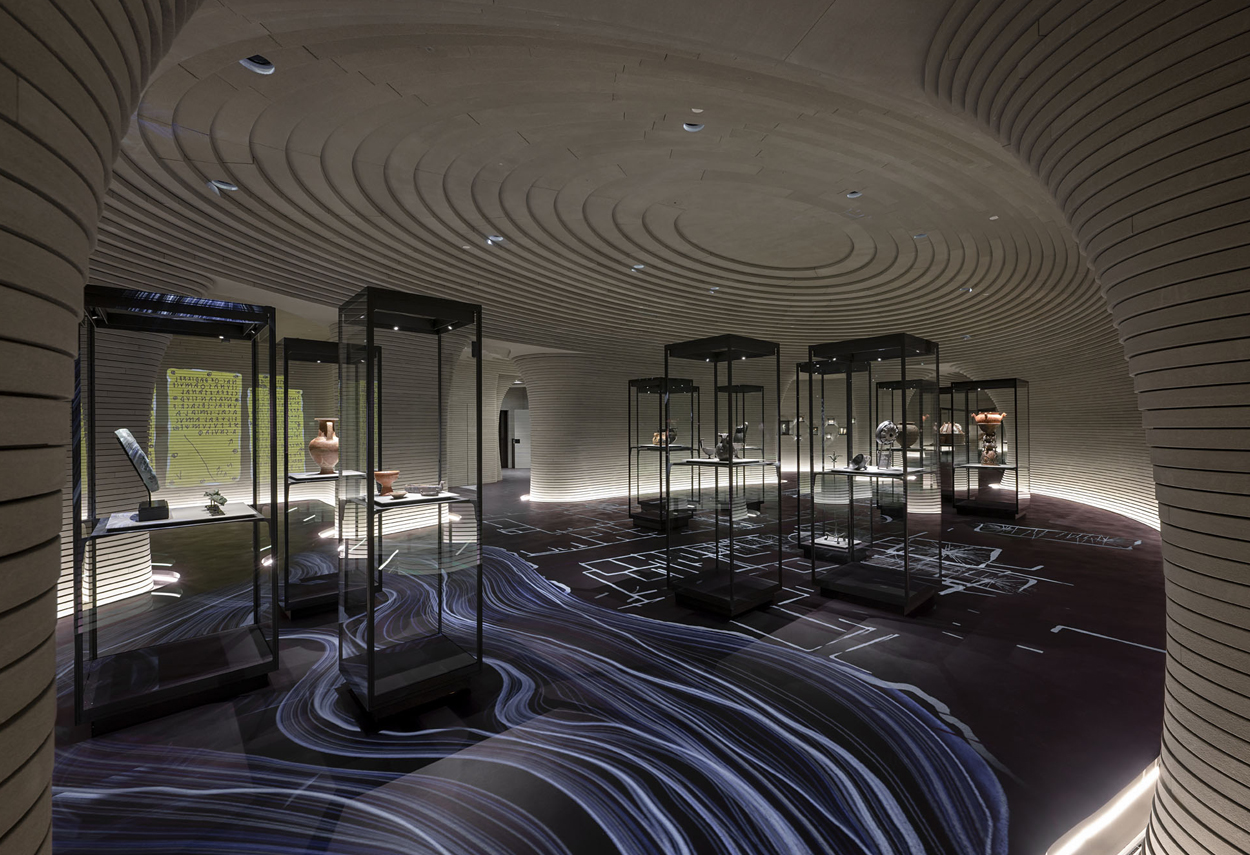
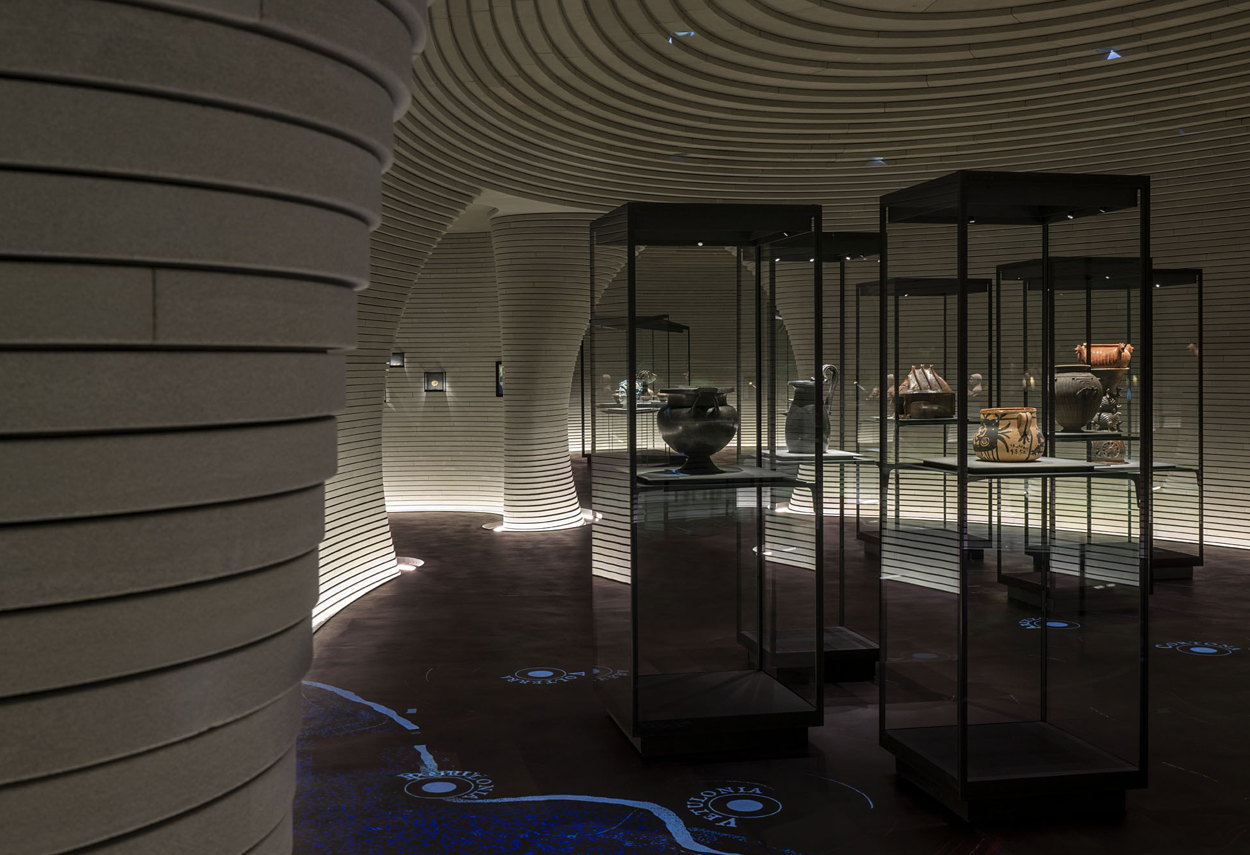
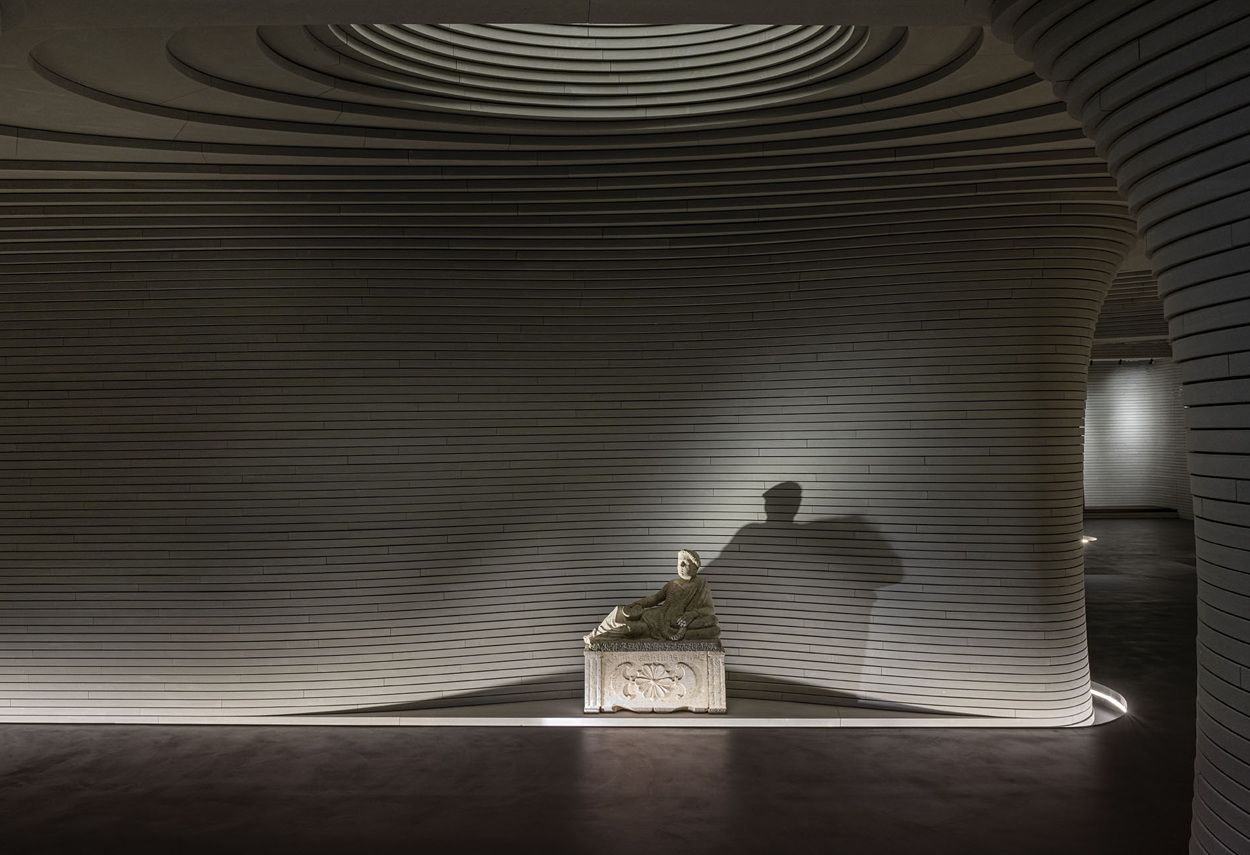
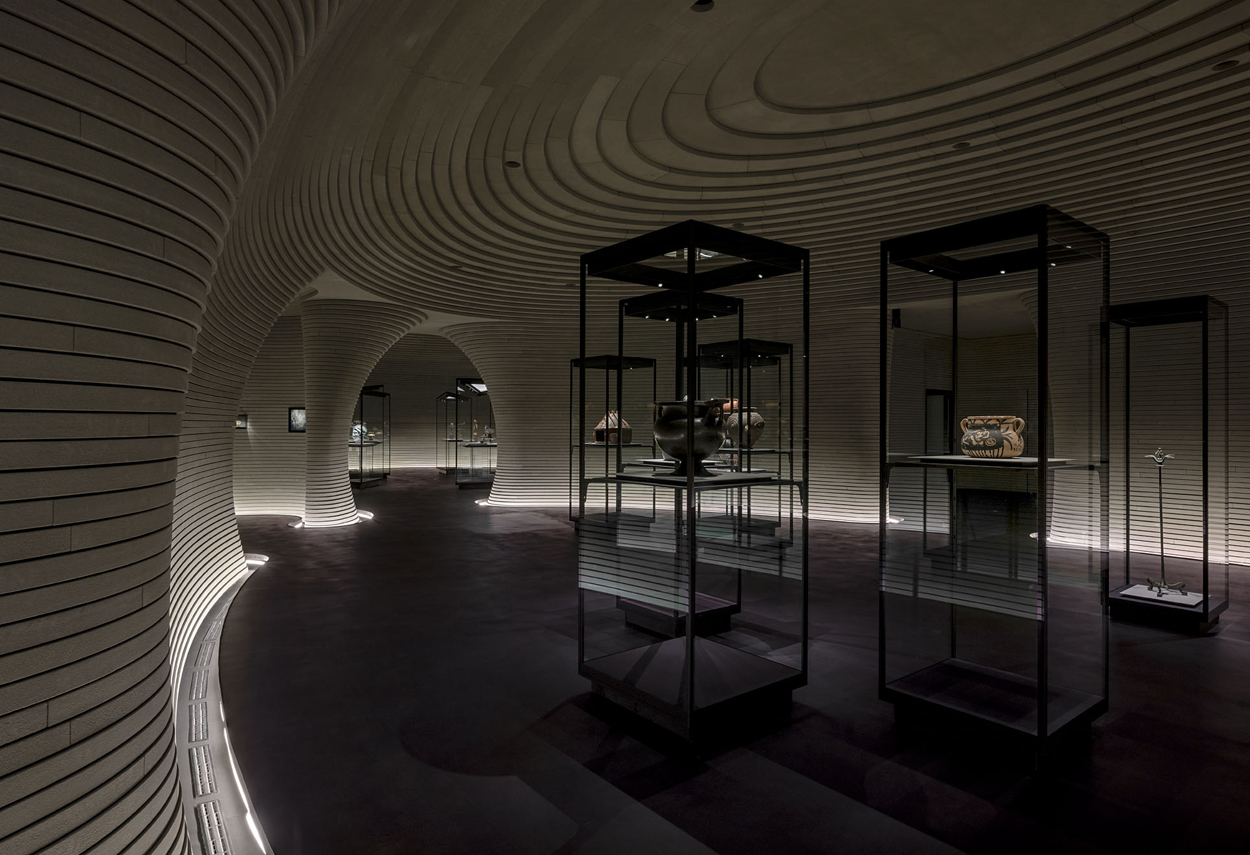
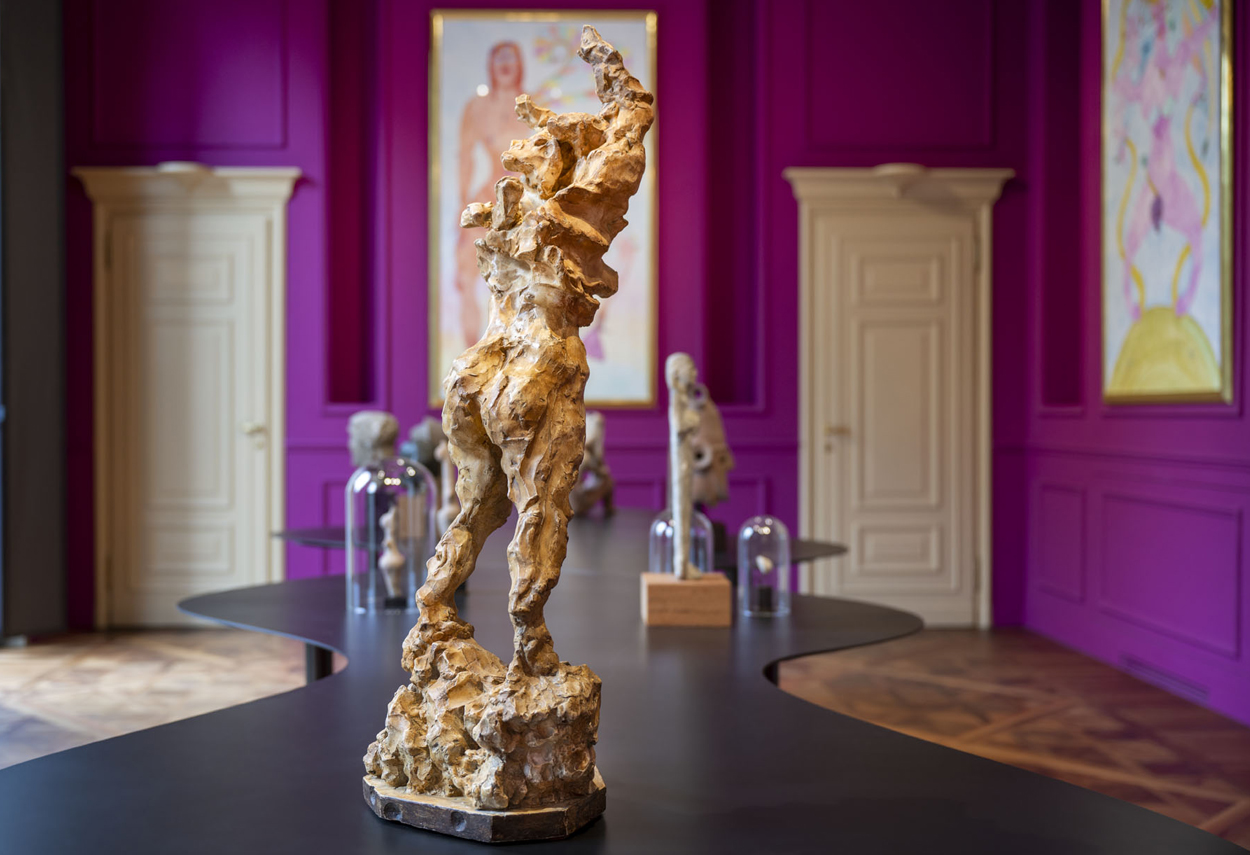
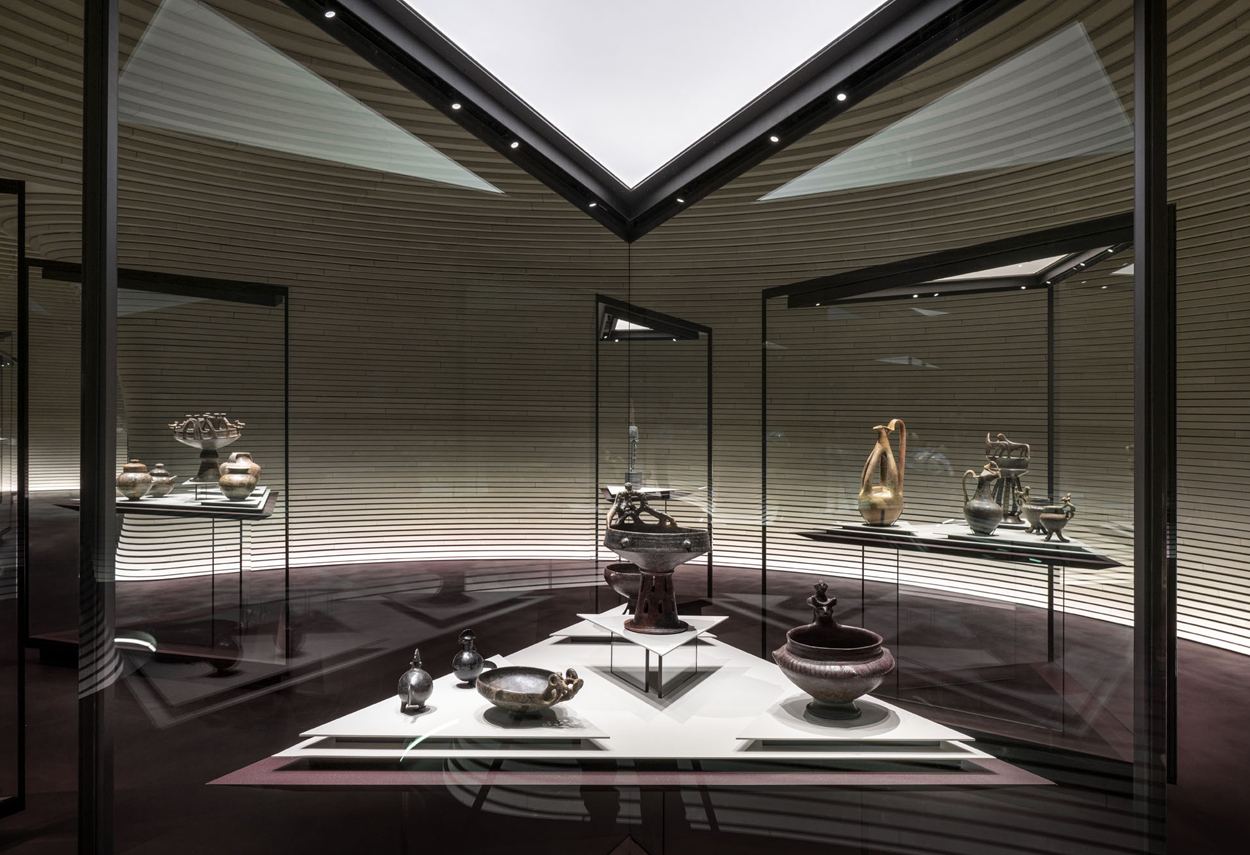
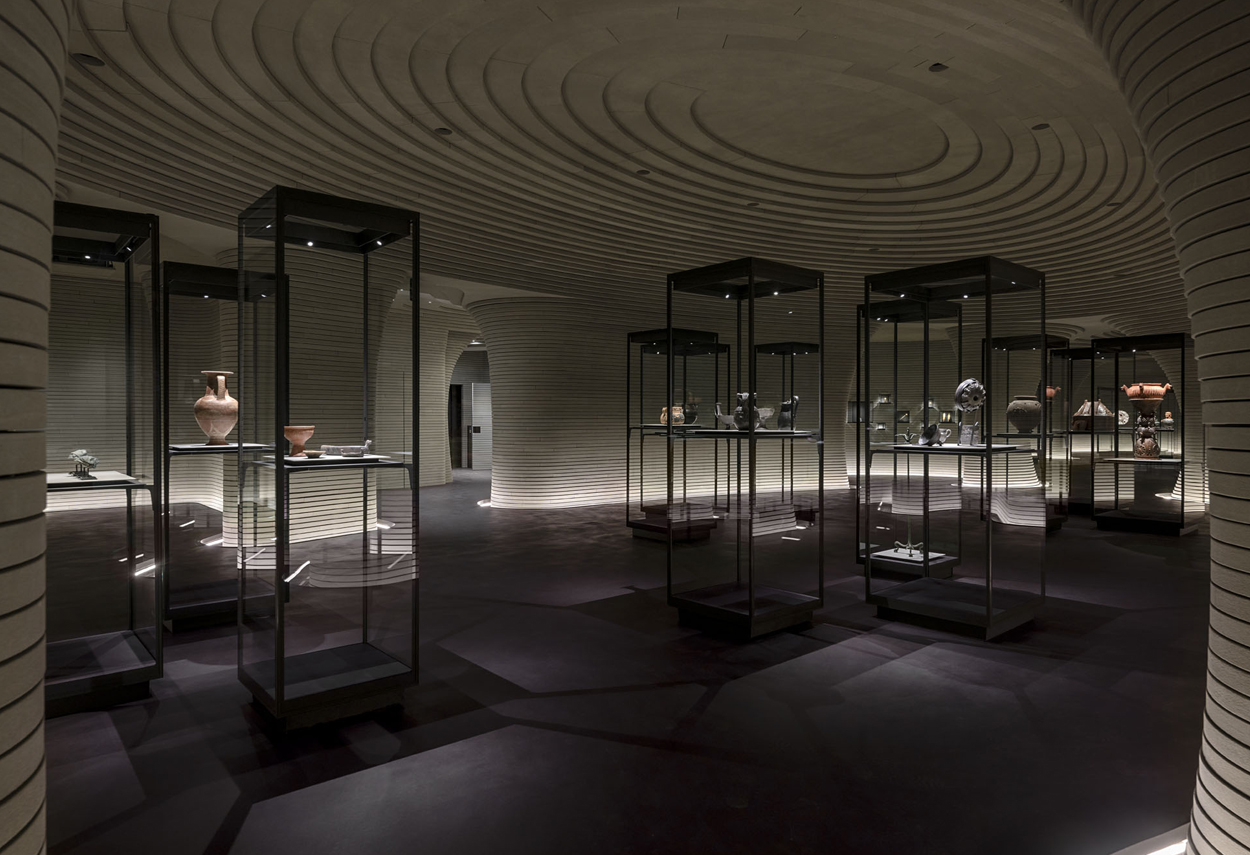
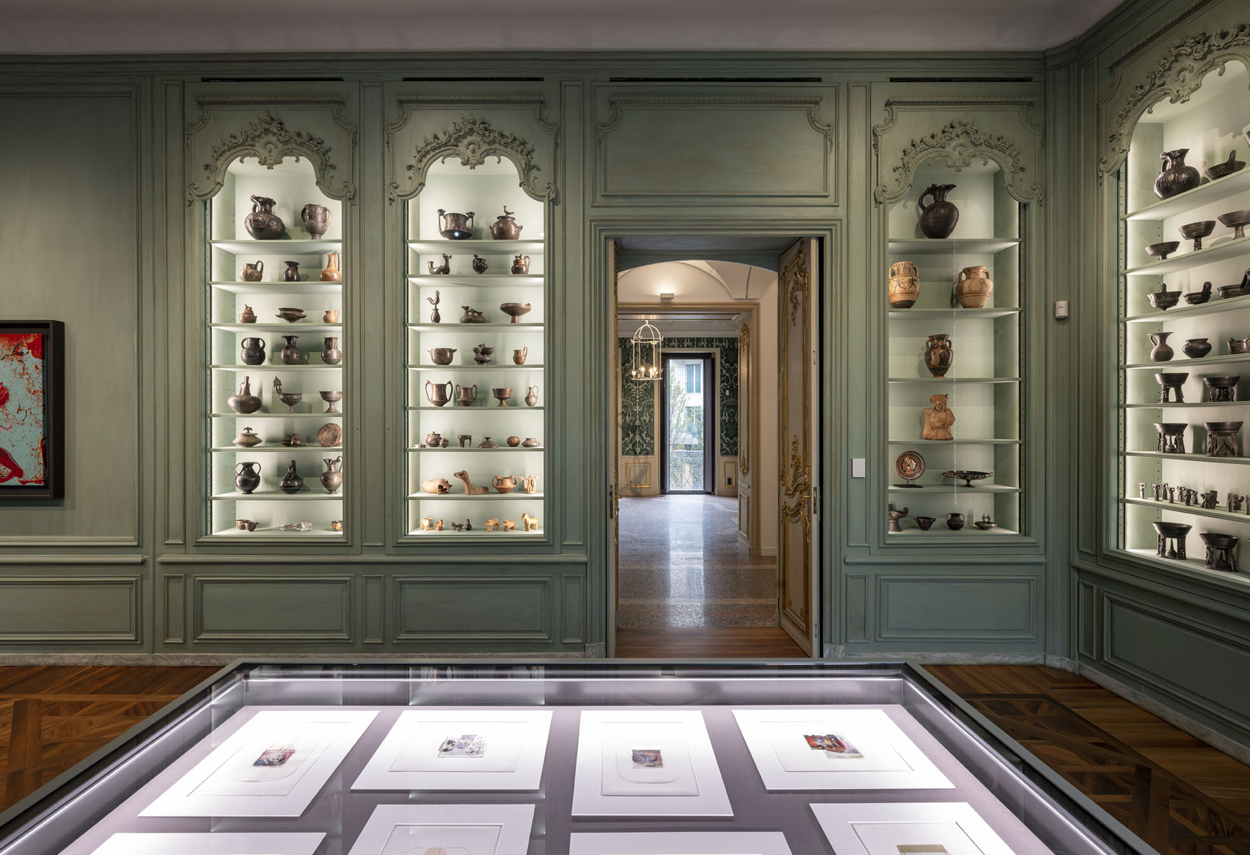
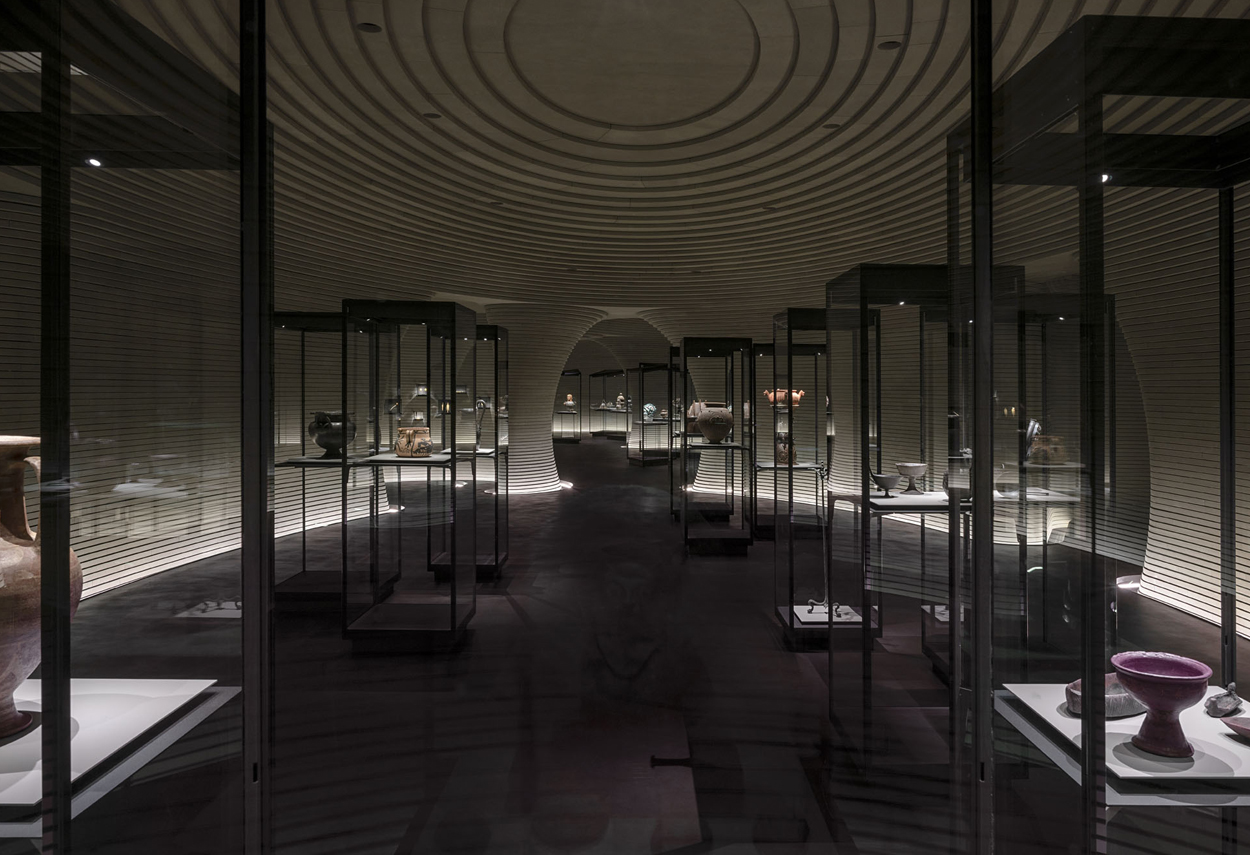
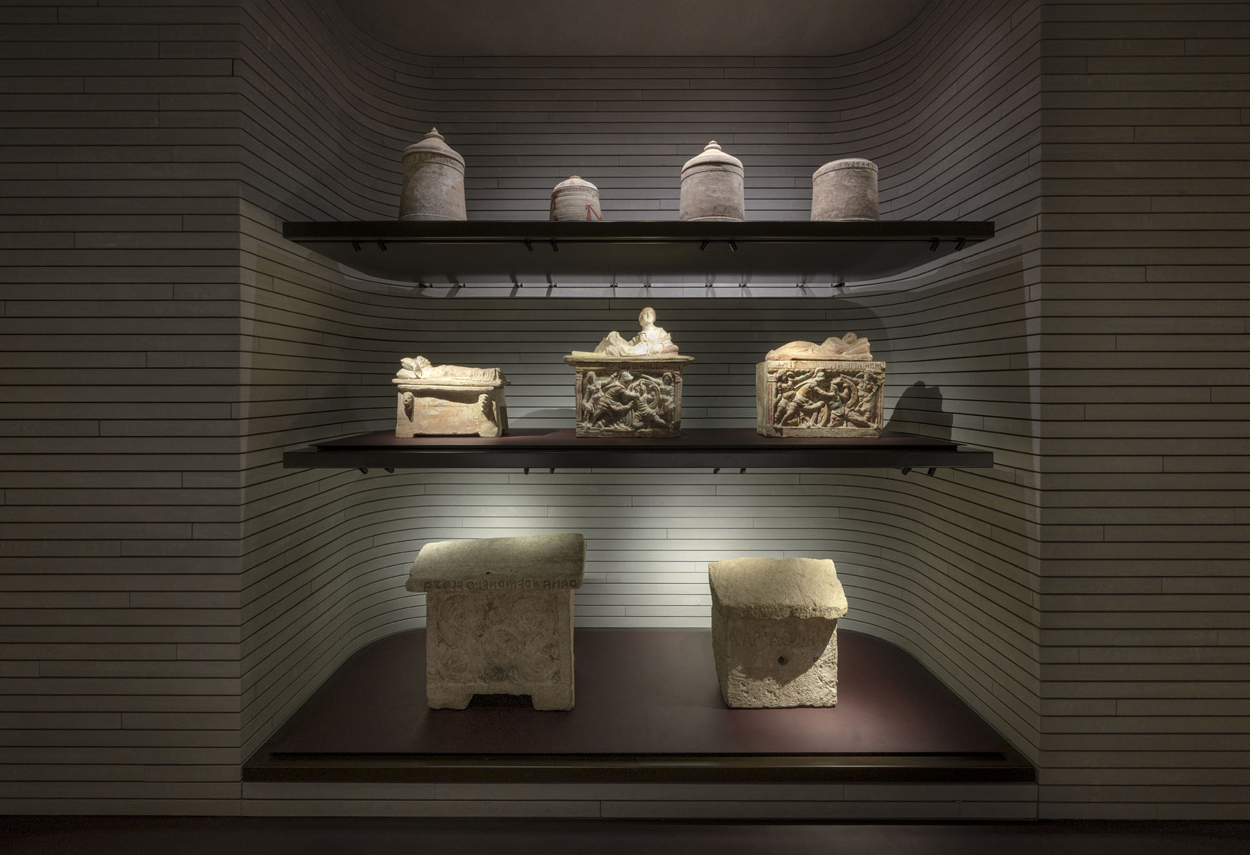
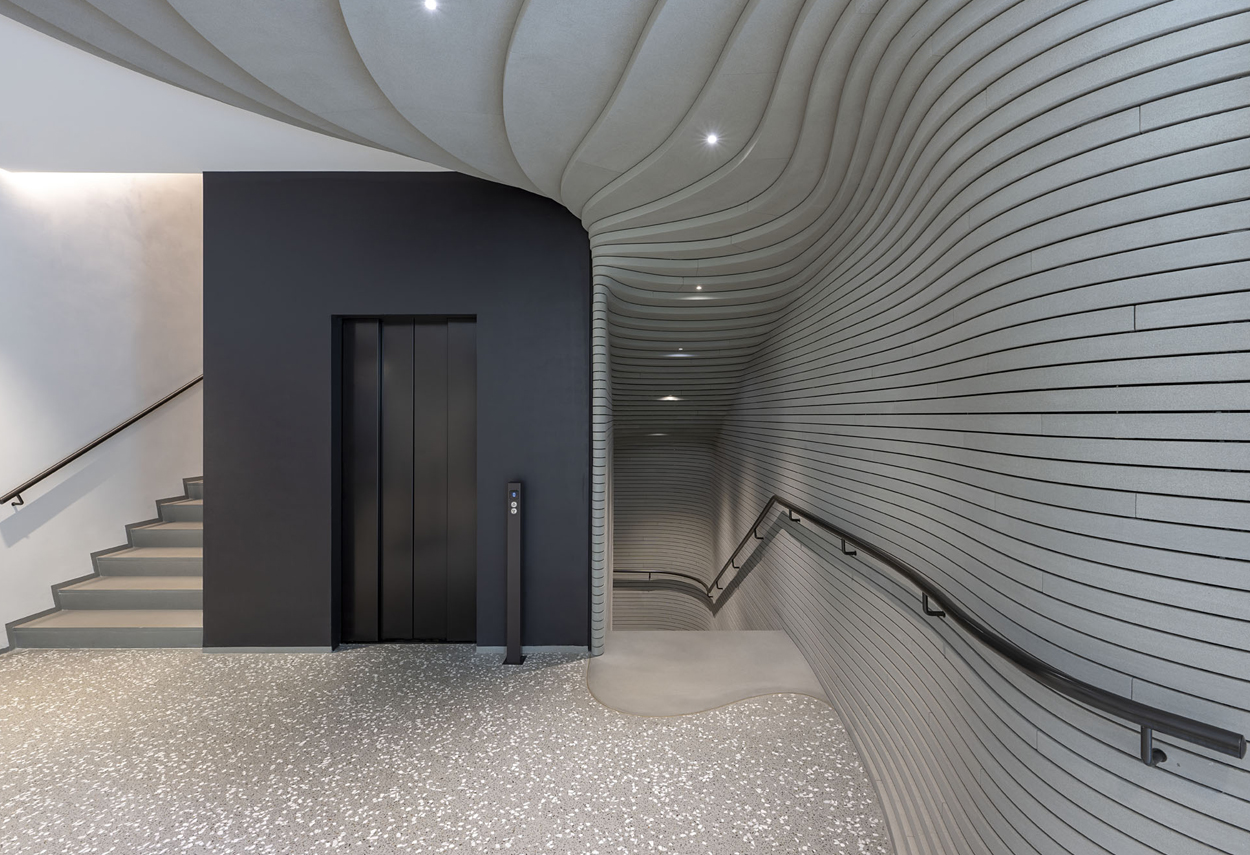
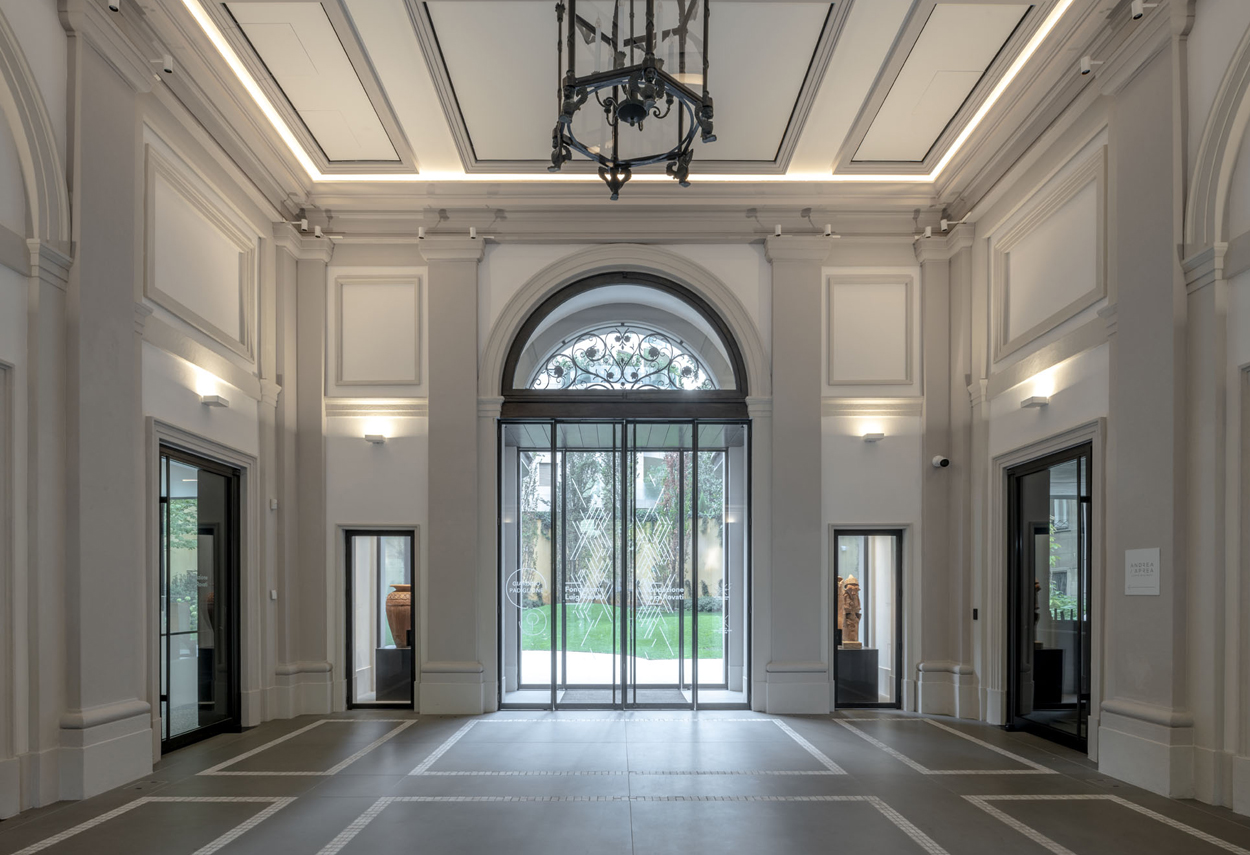
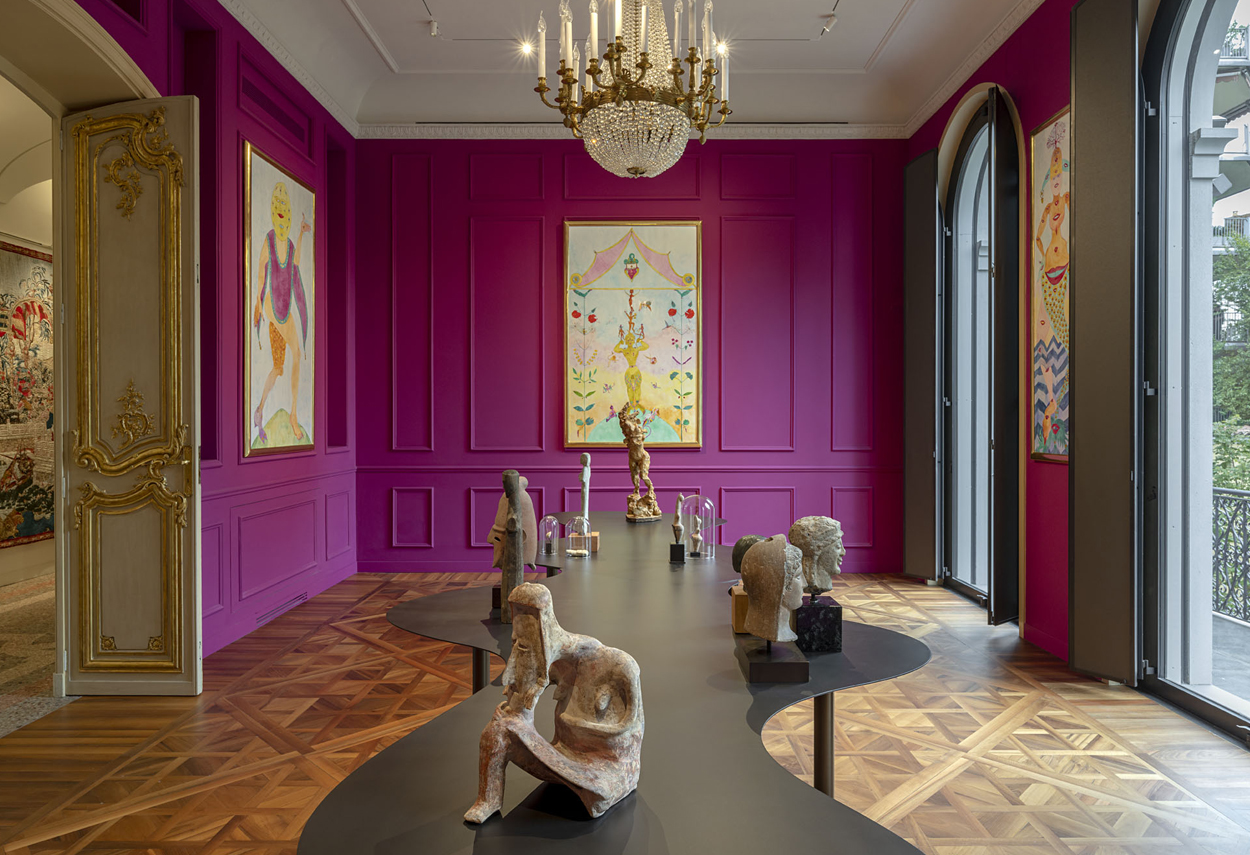
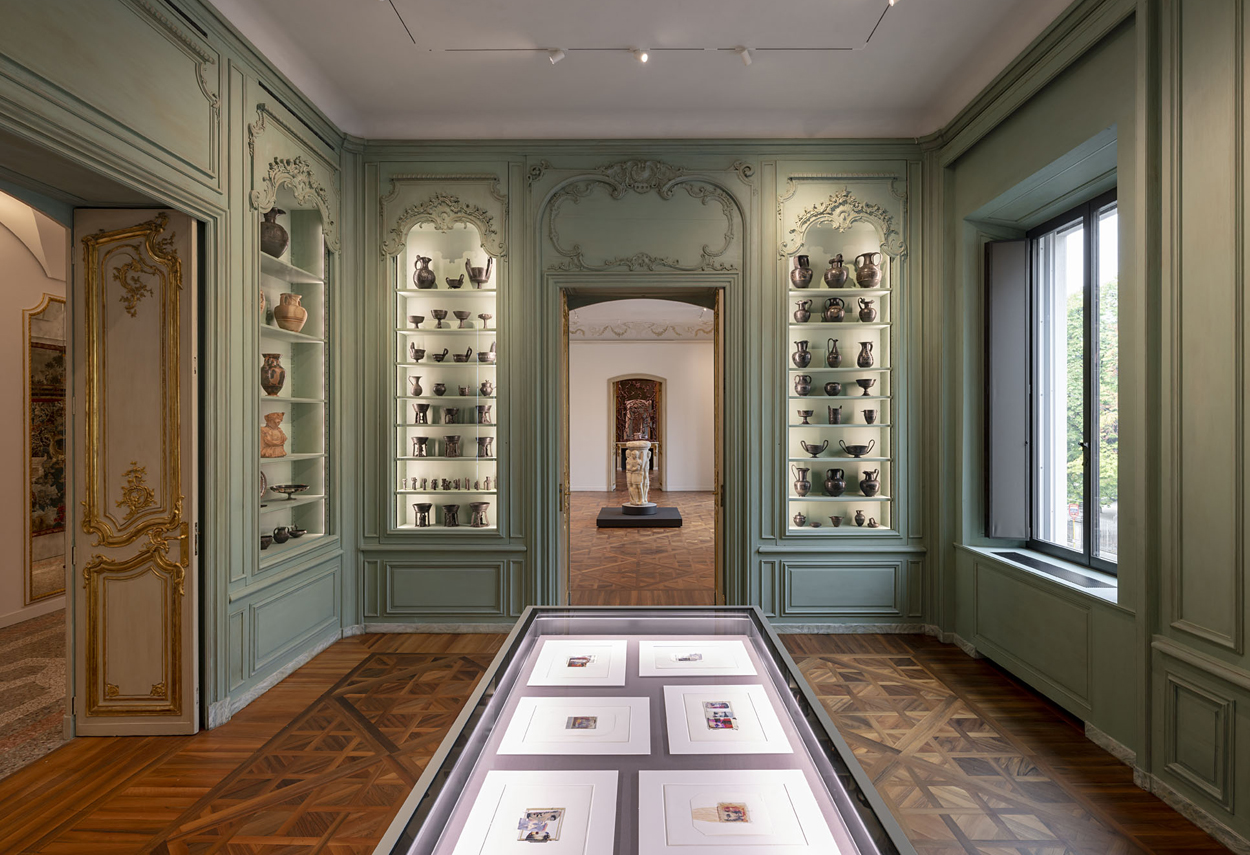
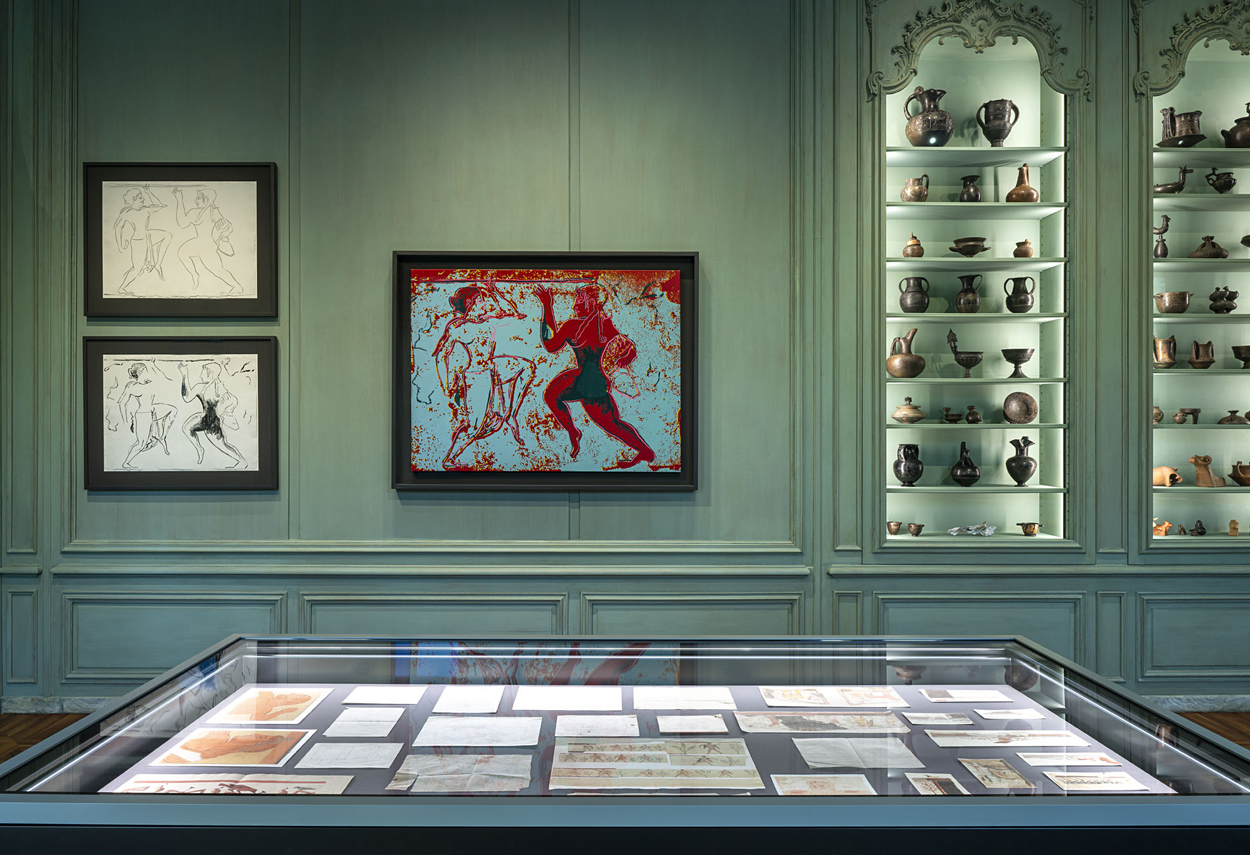
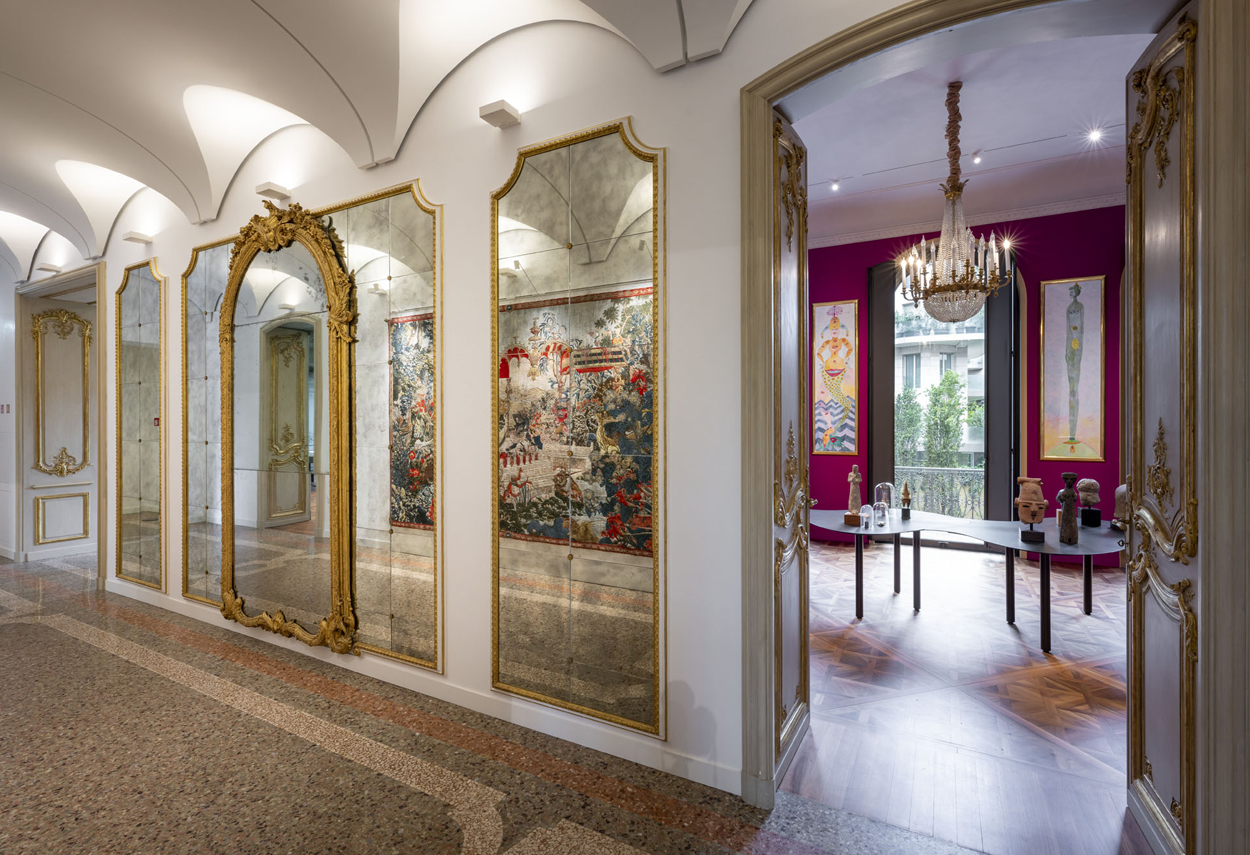
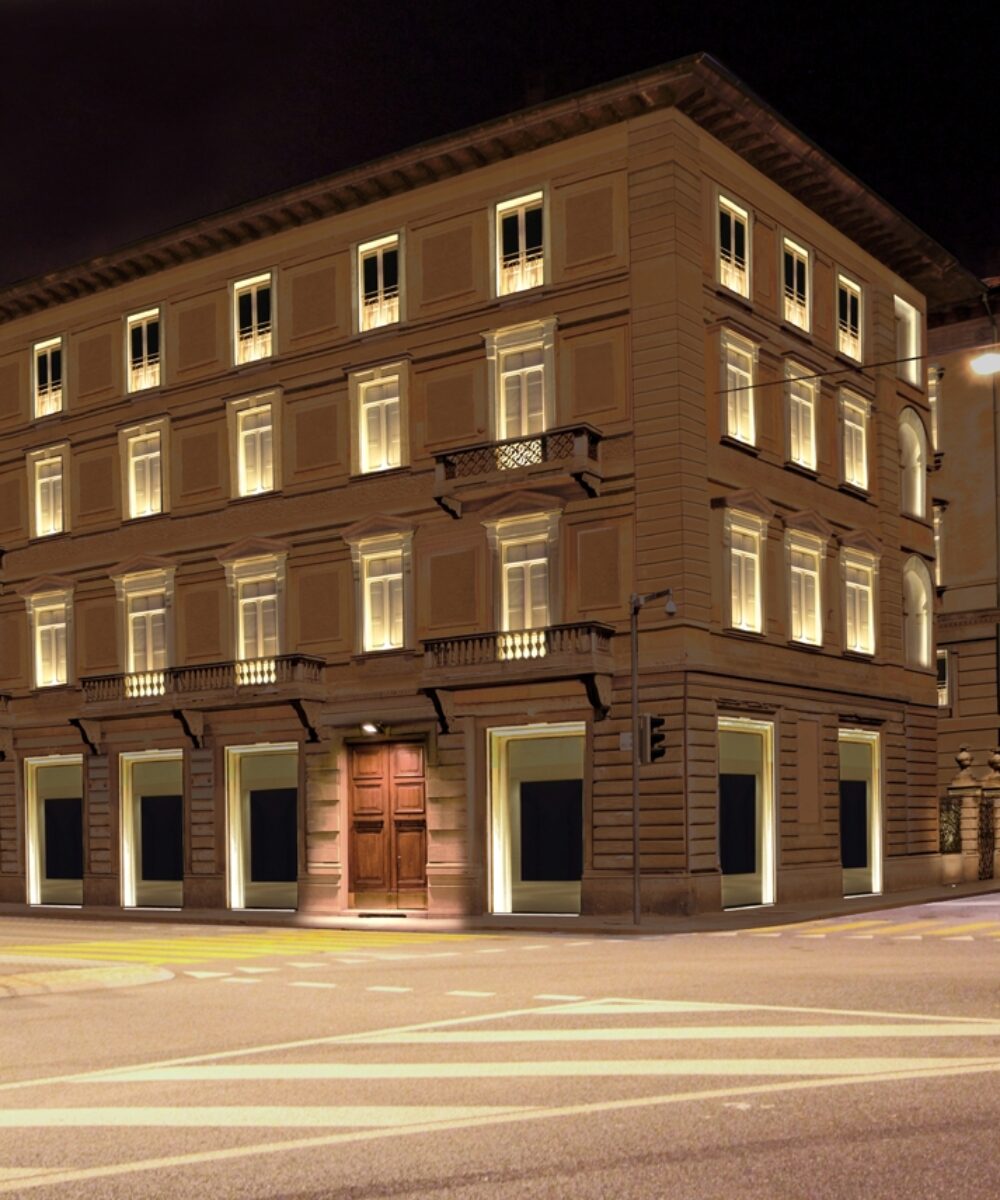
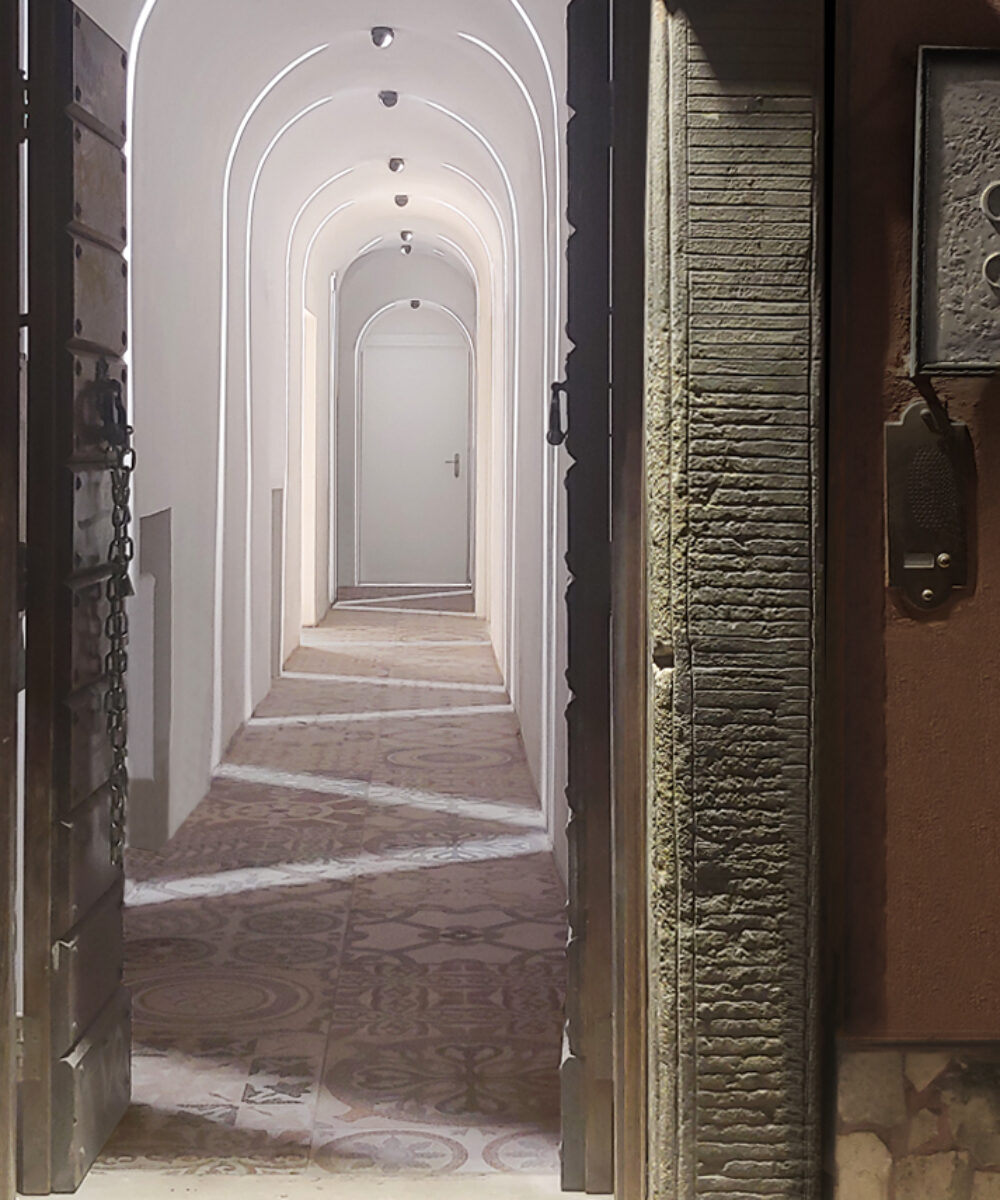
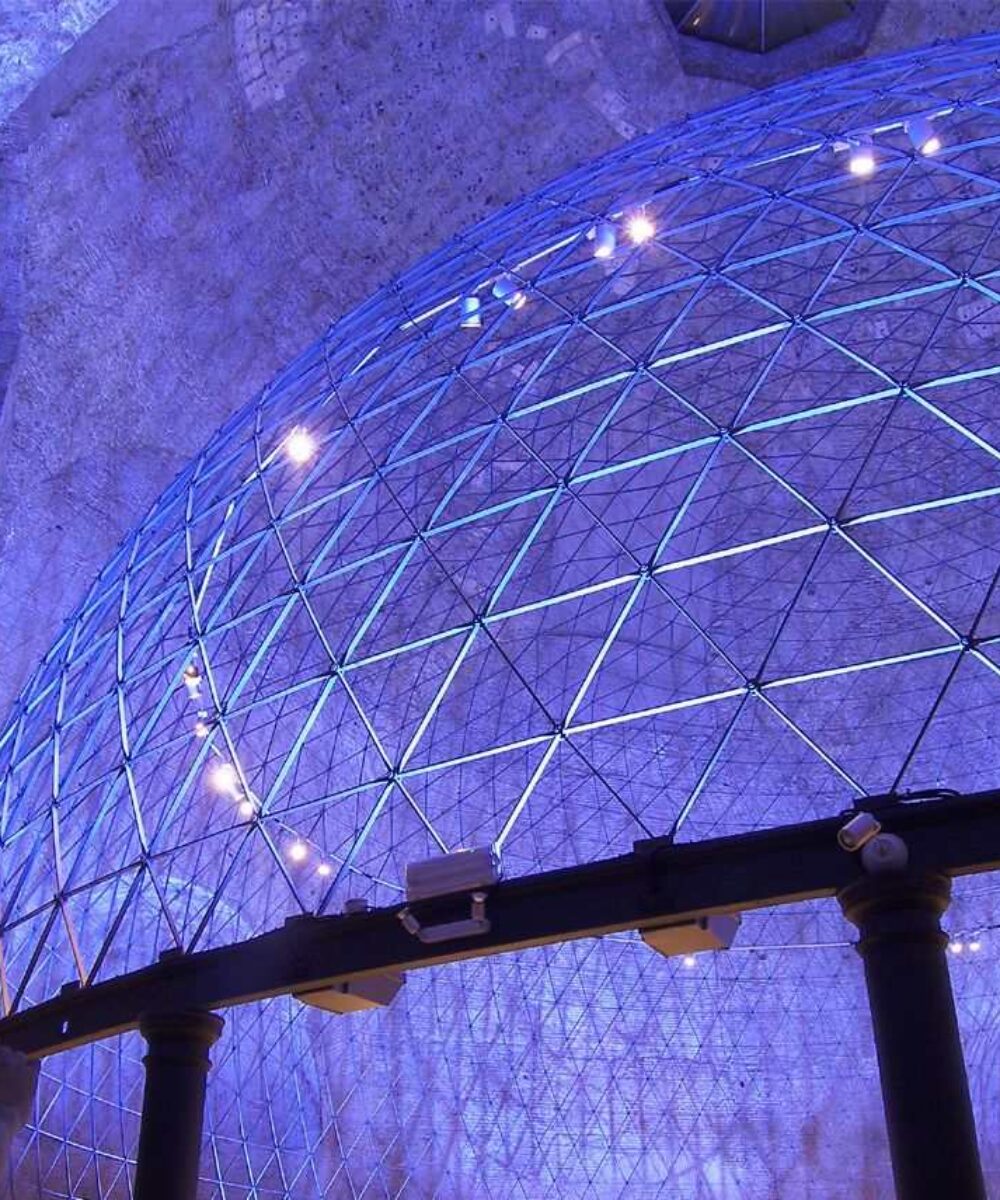
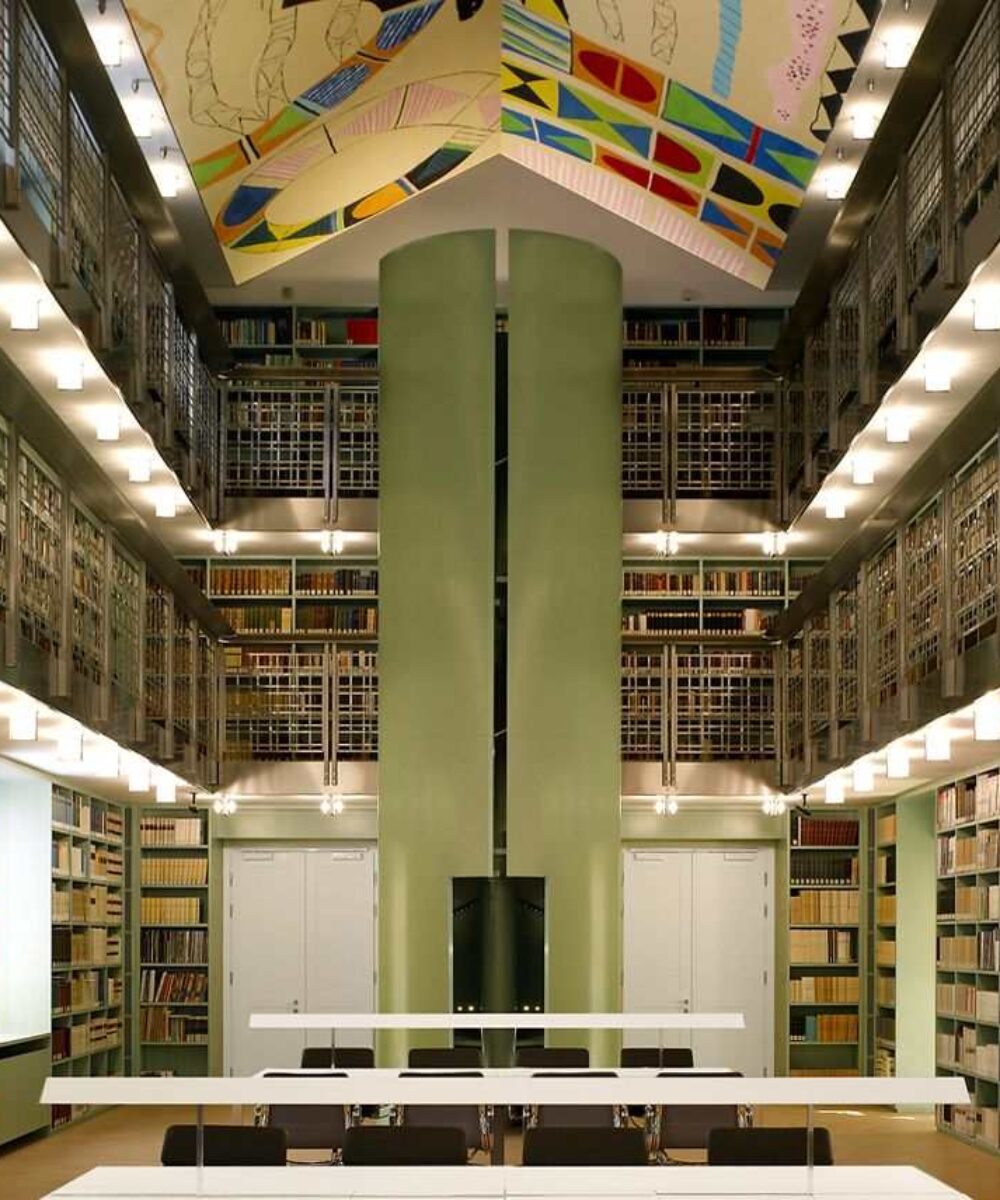
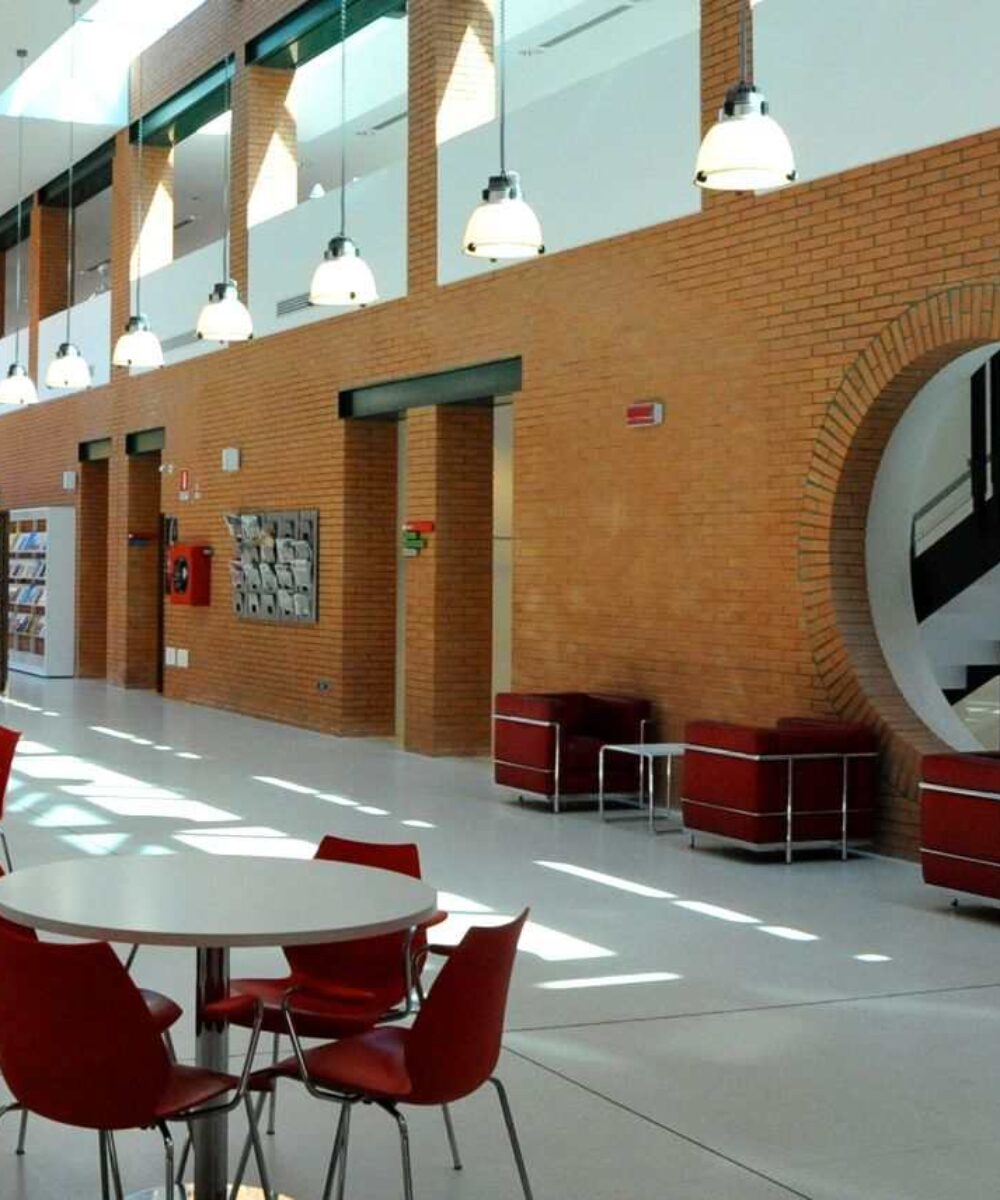
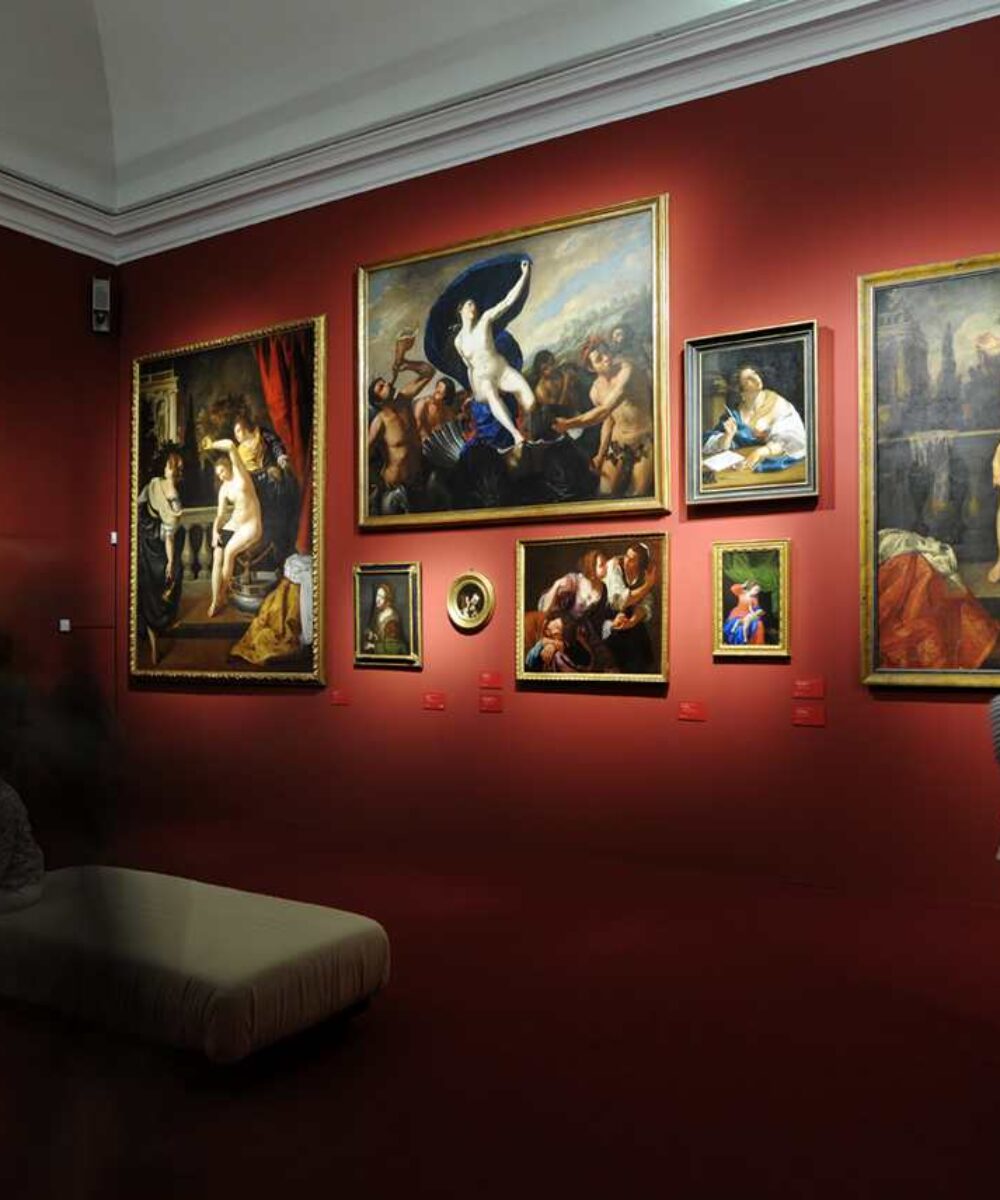
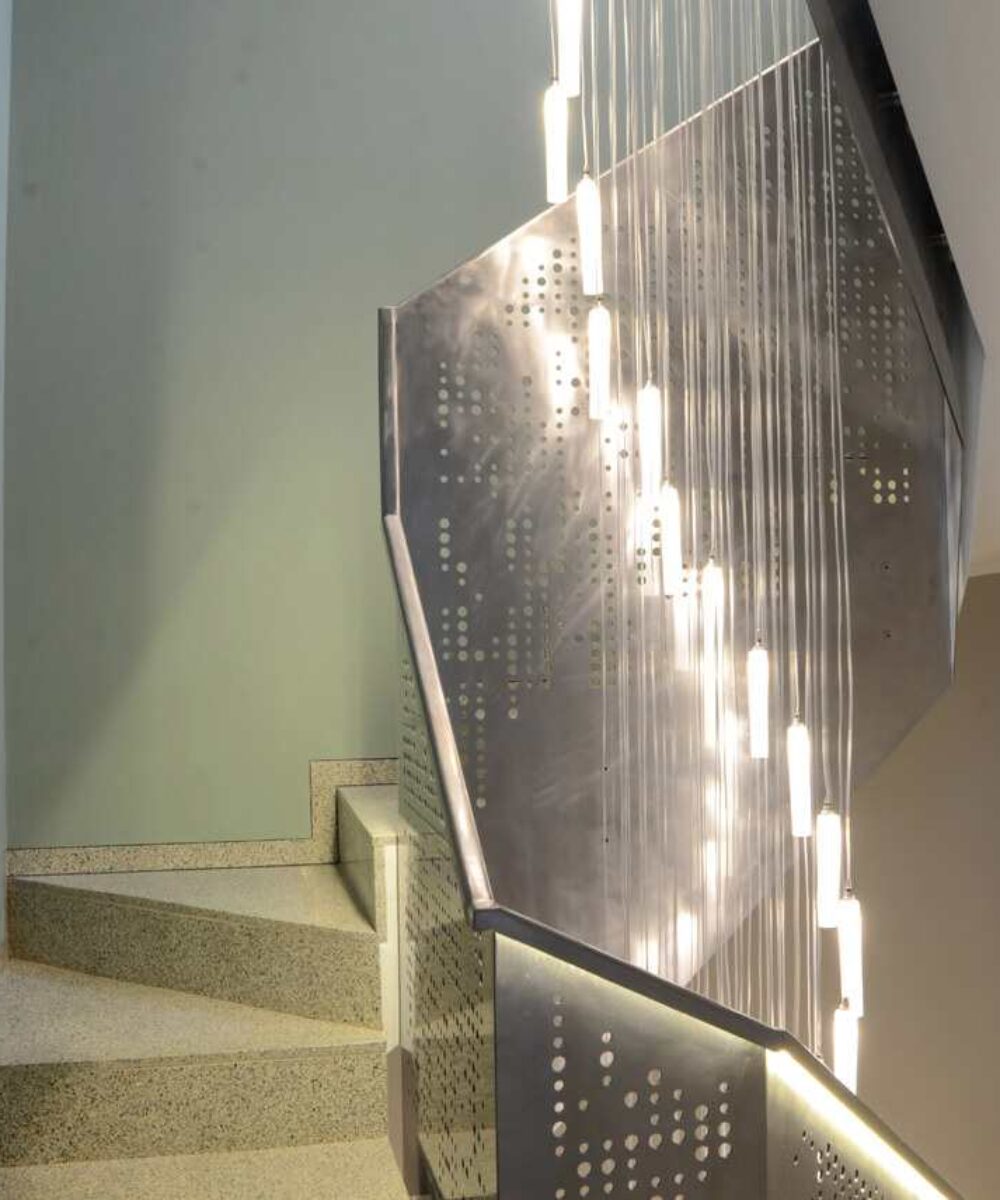
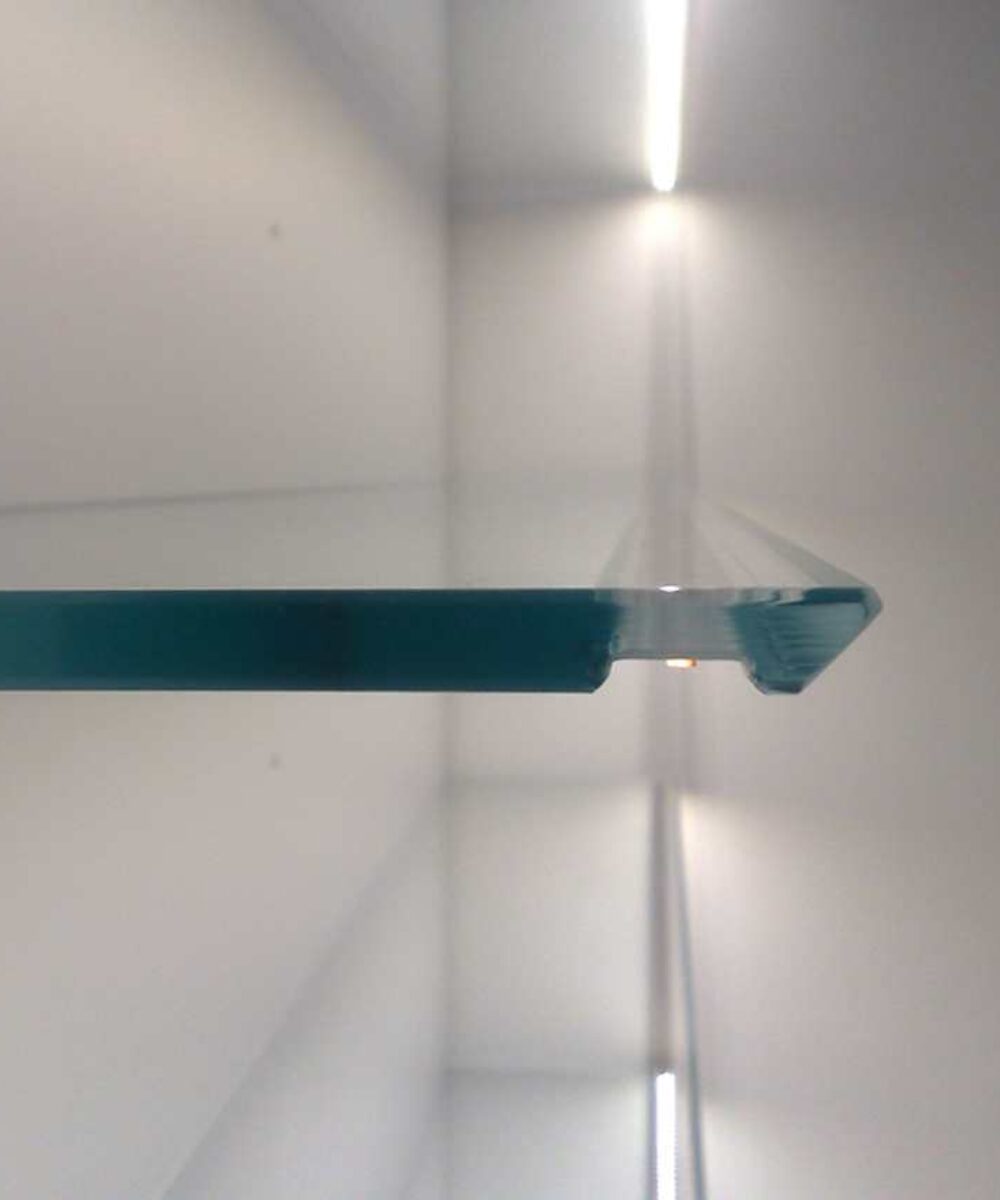
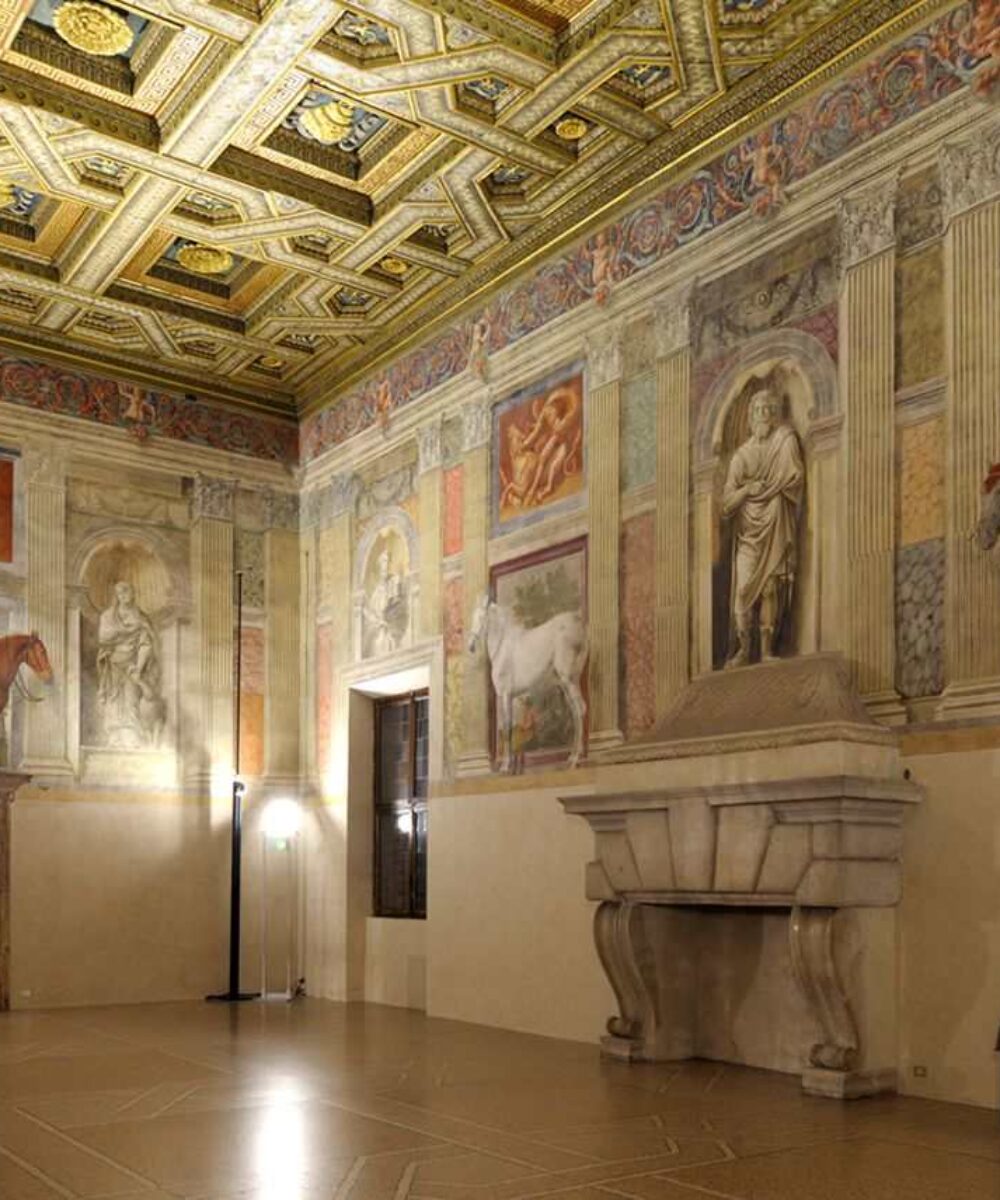
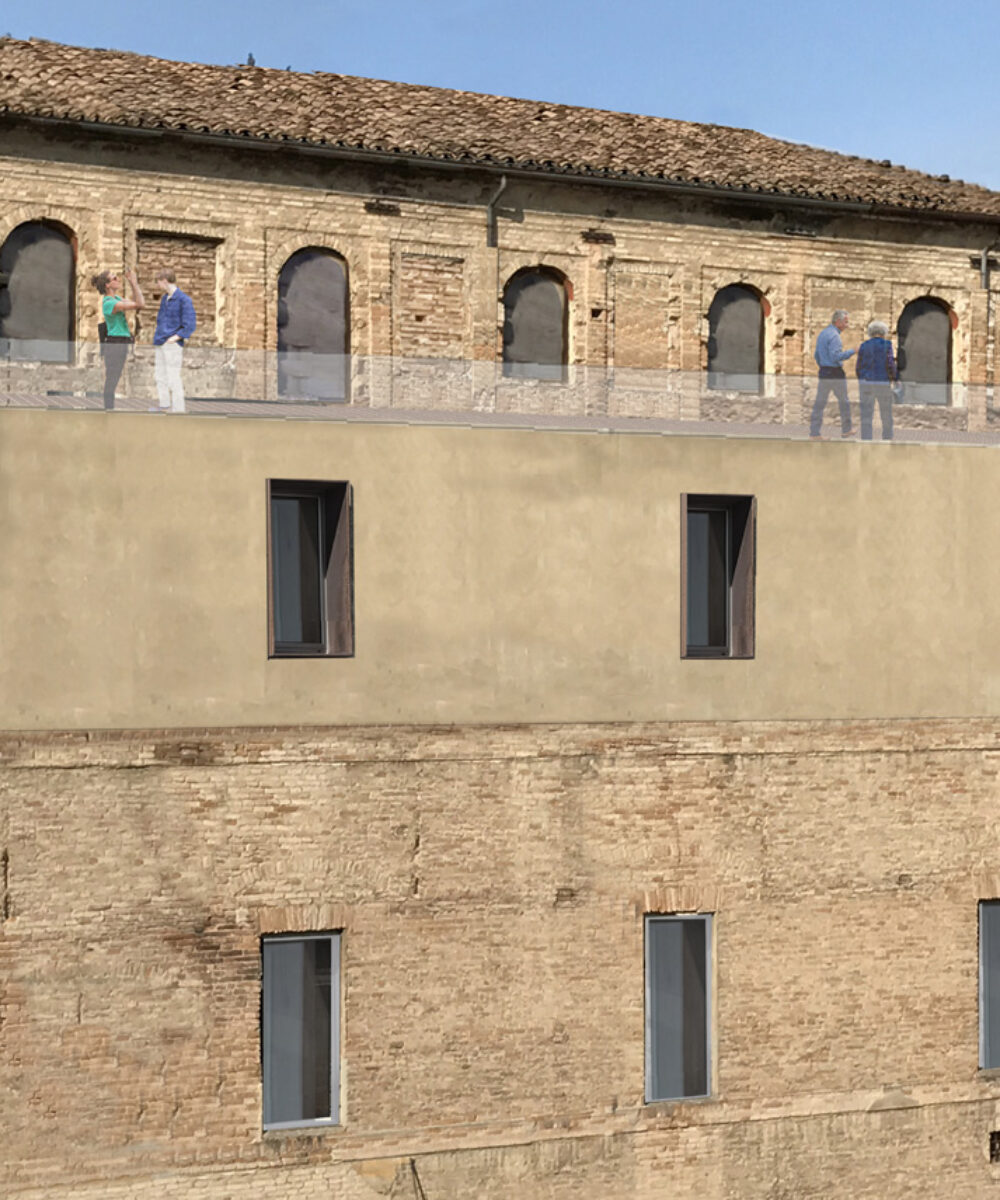
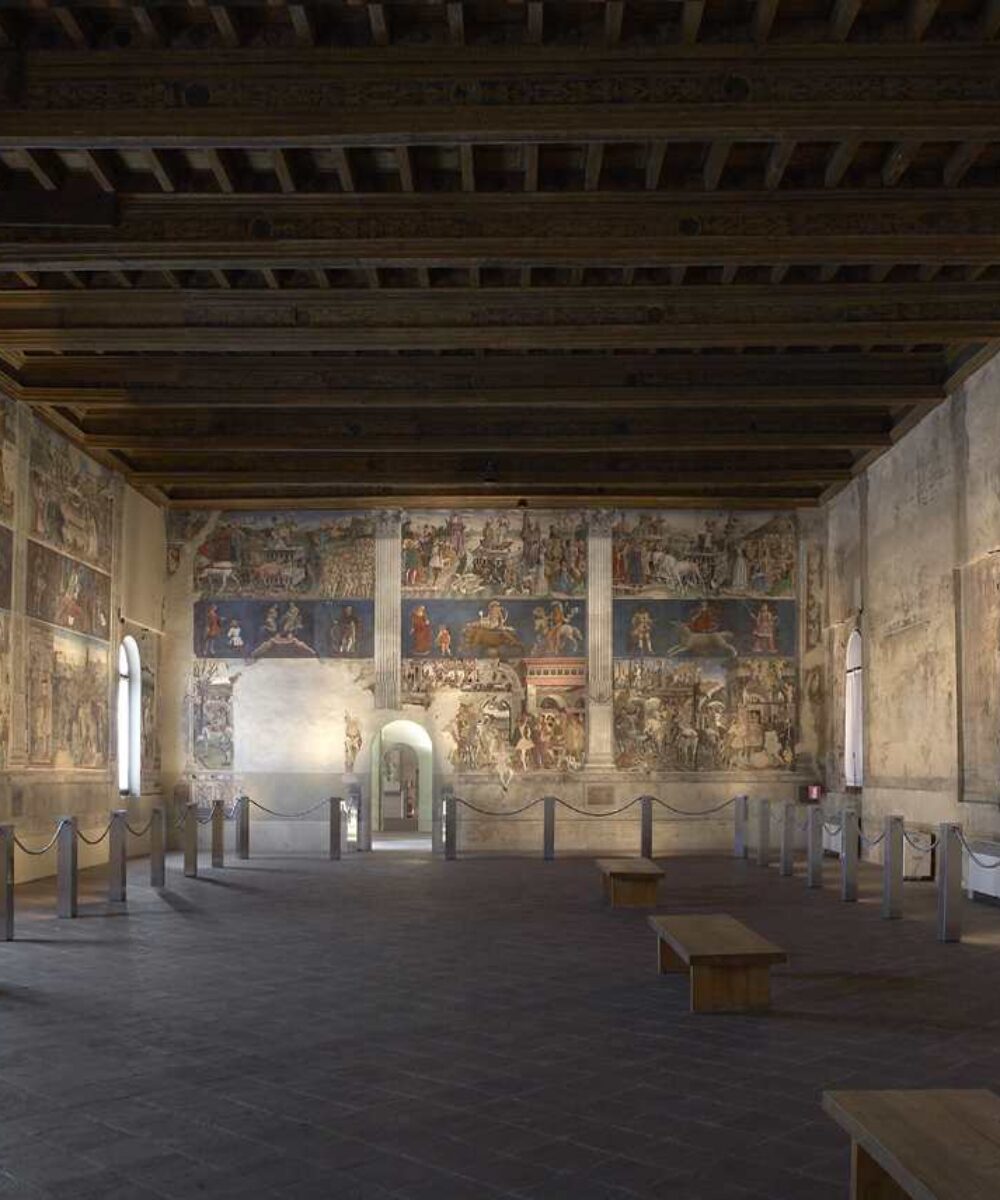
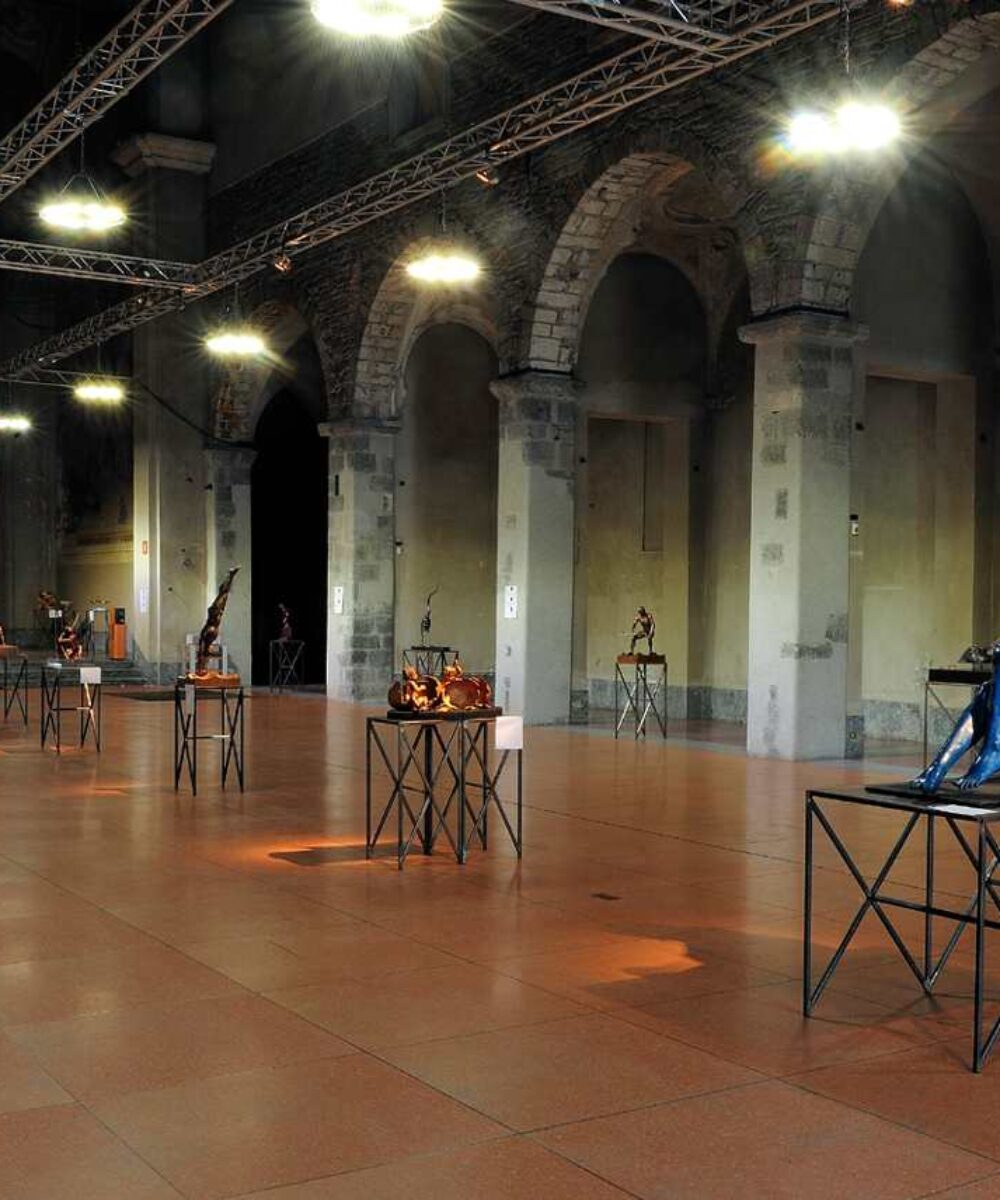
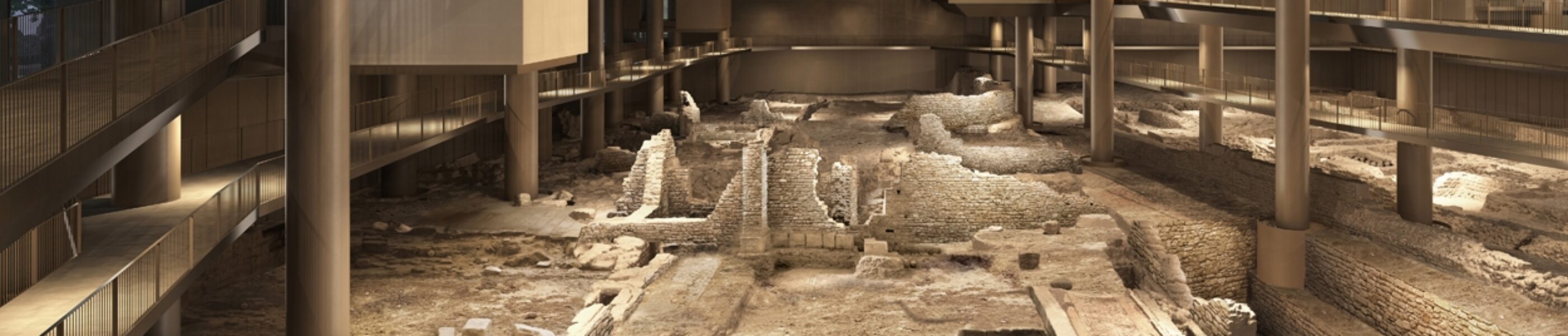
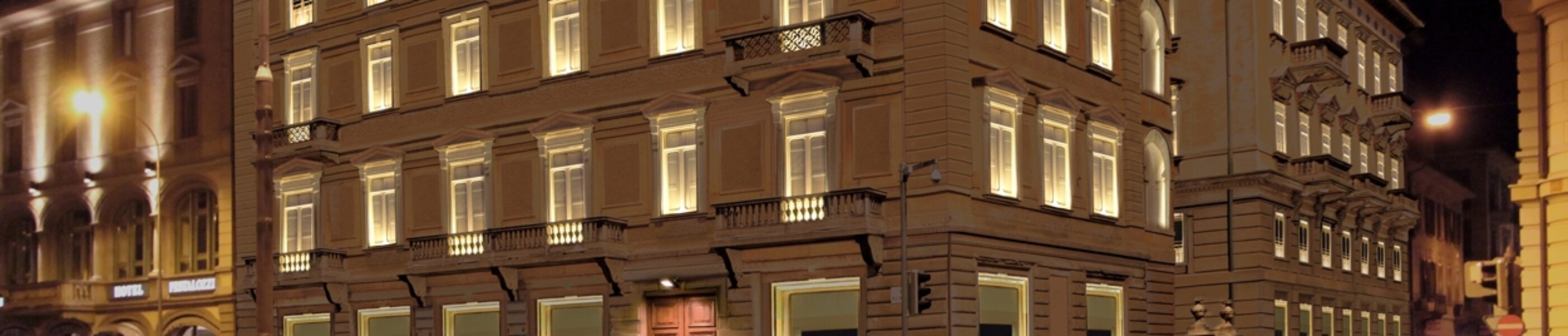
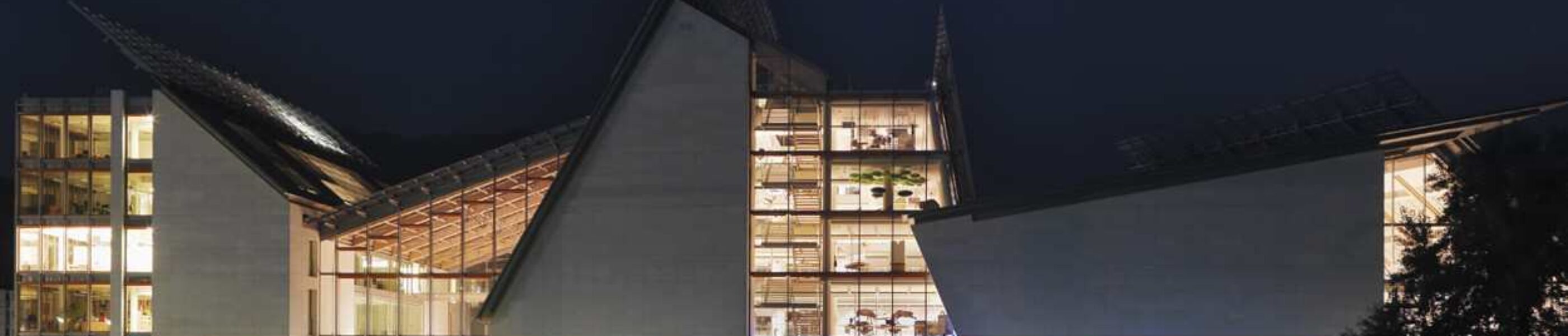
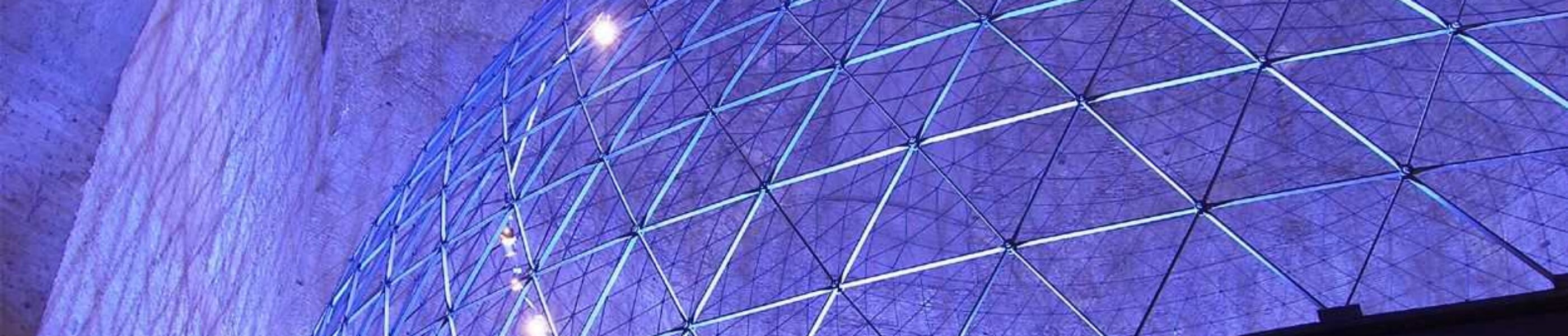
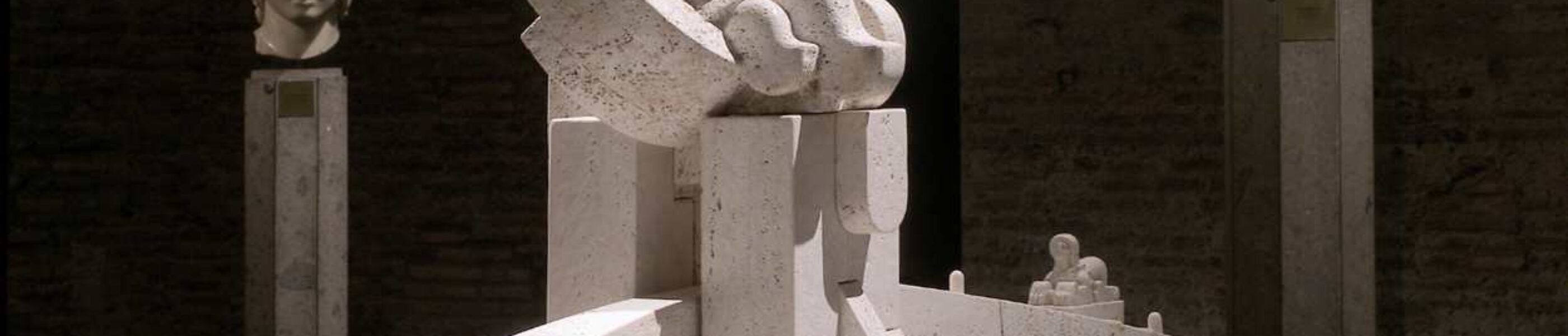
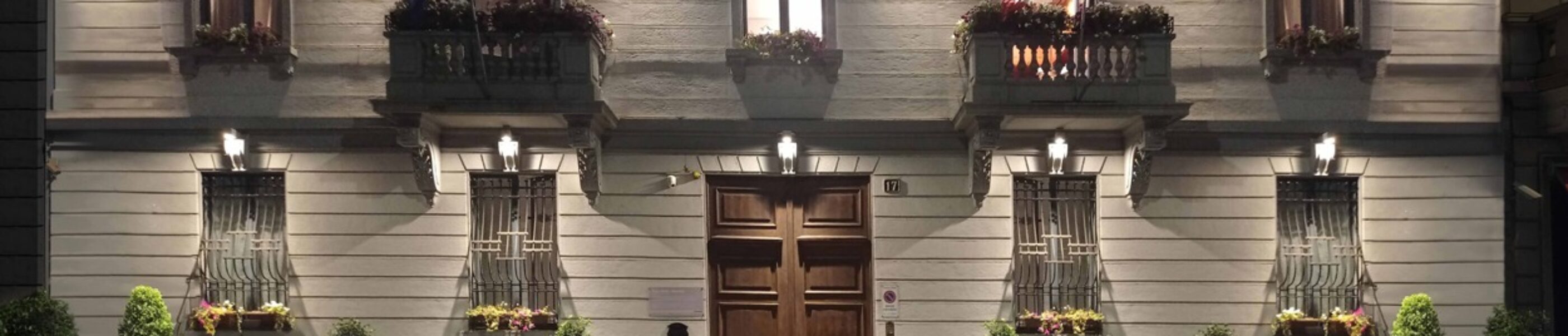
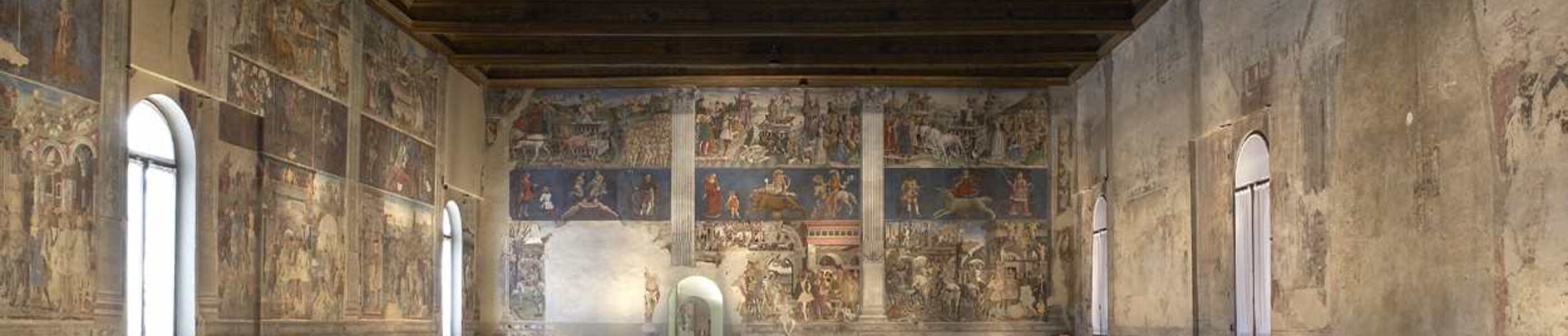
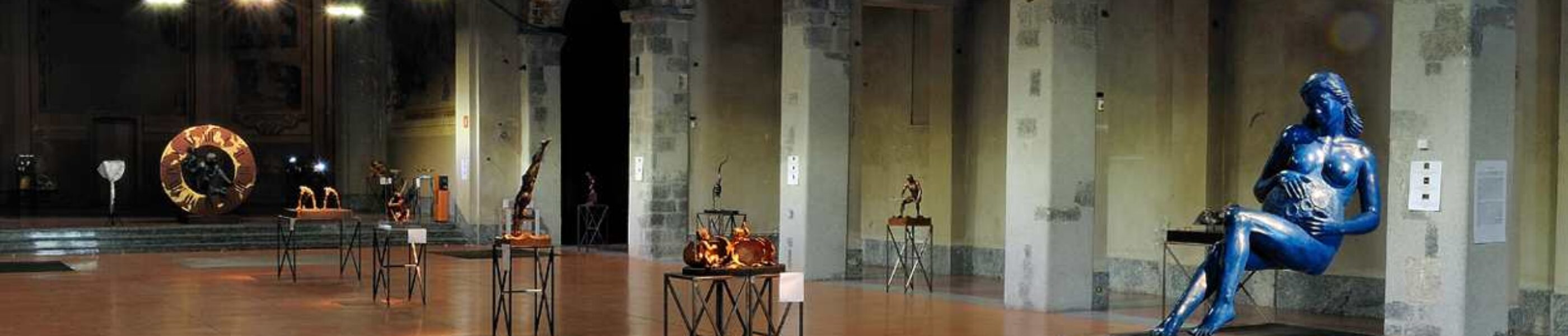
The historic Bocconi-Rizzoli-Carraro building is to be reopened to the public to house a collection of Etruscan artifacts, an extraordinary assortment of 700 vases dating back to the period between the 9th and 6th centuries BC. Part of the architectural project concerns the extension of the building’s basement and the construction and set-up of the underground museum. Architect Cucinella designed stone domes to evoke Etruscan tombs. The contemporary and highly technological space allows visitors to enter the narrative of the exhibition. The museum, which will occupy about 1,500 square meters, will thus extend over three floors. The entrance will become a reception area, consisting of a ticket office, café, and bookshop. Part of the collection - specifically dedicated to funeral objects - will be displayed in highly technological underground spaces, while the rest of the collection will be located on the first floor, in halls conserving the charm of yesteryear. The second floor will house a library, conference hall, and a workshop area for kids. The project lighting system has been designed to improve the quality of the perception of the light within the space and its use. It aims to emphasize the underground dimension of the museum, creating a kind of half-light, like that of underground anthropological constructions, but at the same time, it attempts to highlight the value of the displayed objects through light, literally bringing them to light, while respecting the quality of the wood, materials, colors, and shapes. The light will thus be perfectly integrated with the museum’s technology.
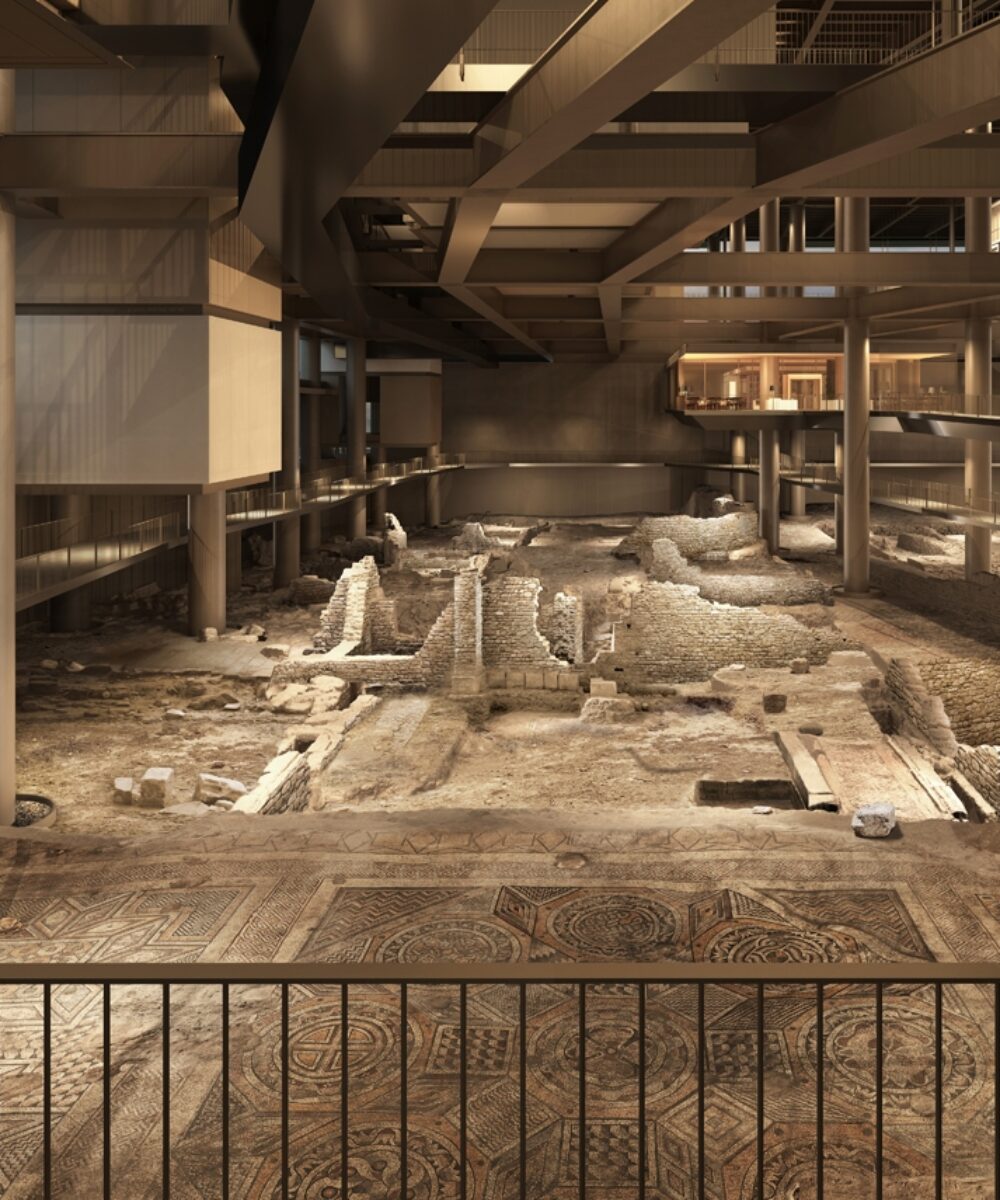
On the underground floor, the aim is to reproduce an underground architecture characterised by three large domes that generate a mystical, suspended atmosphere. While the main floor is transformed into an exhibition space. In museum lighting design projects, the exhibition space is a perceptive environment in which displays, pathways, information systems and lighting come together. Lighting design plays an important role because it contributes to visual comfort by eliminating unpleasant situations. By designing the light, undesirable problems such as non-uniformity of illuminance on exhibits, shadows cast, 'smearing' of light on exhibition surfaces, glare, etc. are avoided.
Client:
Piero Castiglioni
Collaborations:
FIDIM- Fondazione Luigi Rovati
Mario Cucinella Architects
Goppion
Manens–Tifs
Photo Courtesy:
Giovanni de Sandre per Fondazione Luigi Rovati
Year:
2018 - 2021
The historic Bocconi-Rizzoli-Carraro building is to be reopened to the public to house a collection of Etruscan artifacts, an extraordinary assortment of 700 vases dating back to the period between the 9th and 6th centuries BC. Part of the architectural project concerns the extension of the building’s basement and the construction and set-up of the underground museum. Architect Cucinella designed stone domes to evoke Etruscan tombs. The contemporary and highly technological space allows visitors to enter the narrative of the exhibition. The museum, which will occupy about 1,500 square meters, will thus extend over three floors. The entrance will become a reception area, consisting of a ticket office, café, and bookshop. Part of the collection - specifically dedicated to funeral objects - will be displayed in highly technological underground spaces, while the rest of the collection will be located on the first floor, in halls conserving the charm of yesteryear. The second floor will house a library, conference hall, and a workshop area for kids. The project lighting system has been designed to improve the quality of the perception of the light within the space and its use. It aims to emphasize the underground dimension of the museum, creating a kind of half-light, like that of underground anthropological constructions, but at the same time, it attempts to highlight the value of the displayed objects through light, literally bringing them to light, while respecting the quality of the wood, materials, colors, and shapes. The light will thus be perfectly integrated with the museum’s technology.
On the underground floor, the aim is to reproduce an underground architecture characterised by three large domes that generate a mystical, suspended atmosphere. While the main floor is transformed into an exhibition space. In museum lighting design projects, the exhibition space is a perceptive environment in which displays, pathways, information systems and lighting come together. Lighting design plays an important role because it contributes to visual comfort by eliminating unpleasant situations. By designing the light, undesirable problems such as non-uniformity of illuminance on exhibits, shadows cast, 'smearing' of light on exhibition surfaces, glare, etc. are avoided.
Client:
Piero Castiglioni
Collaborations:
FIDIM- Fondazione Luigi Rovati
Mario Cucinella Architects
Goppion
Manens–Tifs
Photo Courtesy:
Giovanni de Sandre per Fondazione Luigi Rovati
Year:
2018 - 2021
Other Projects
Other Projects
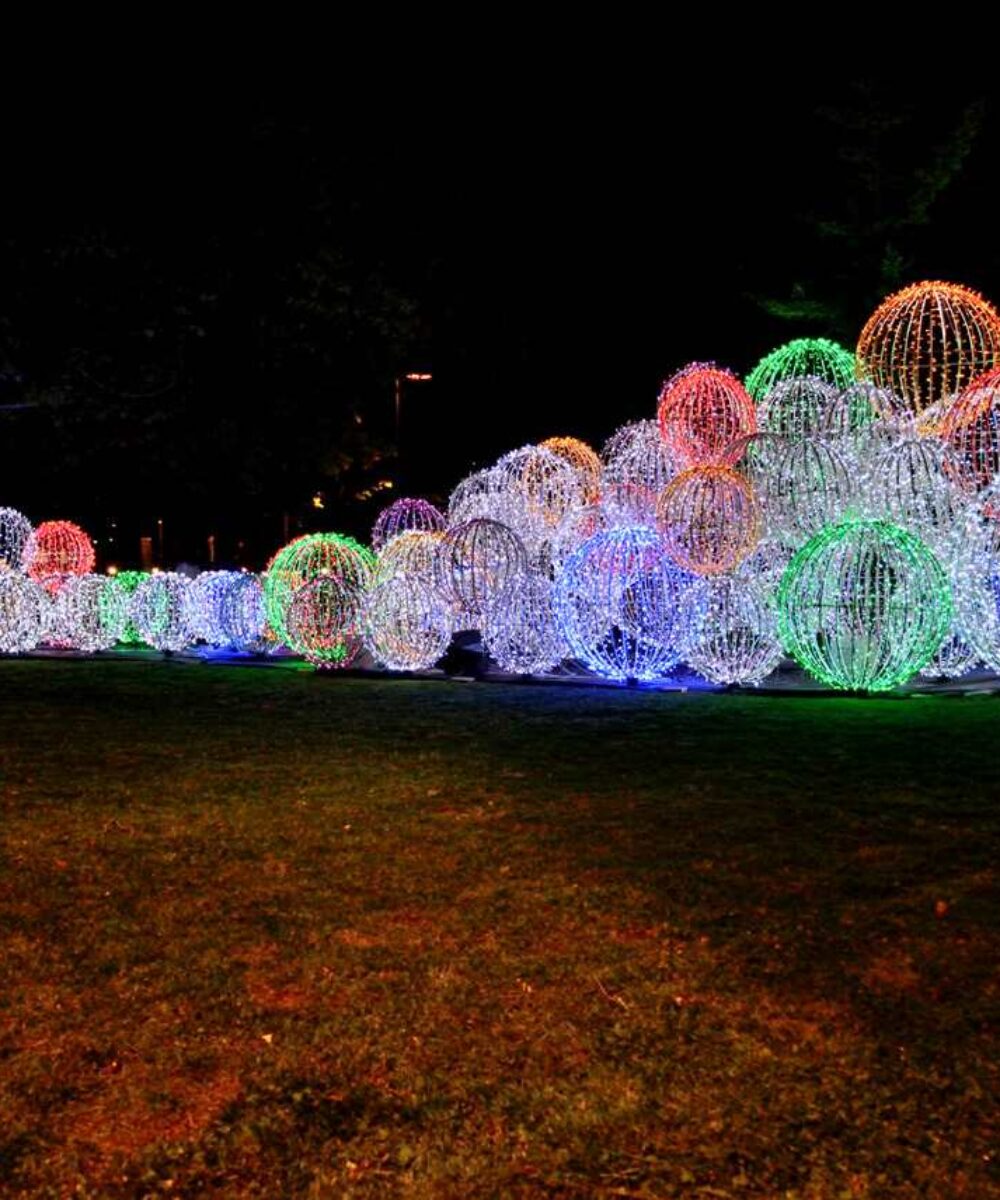
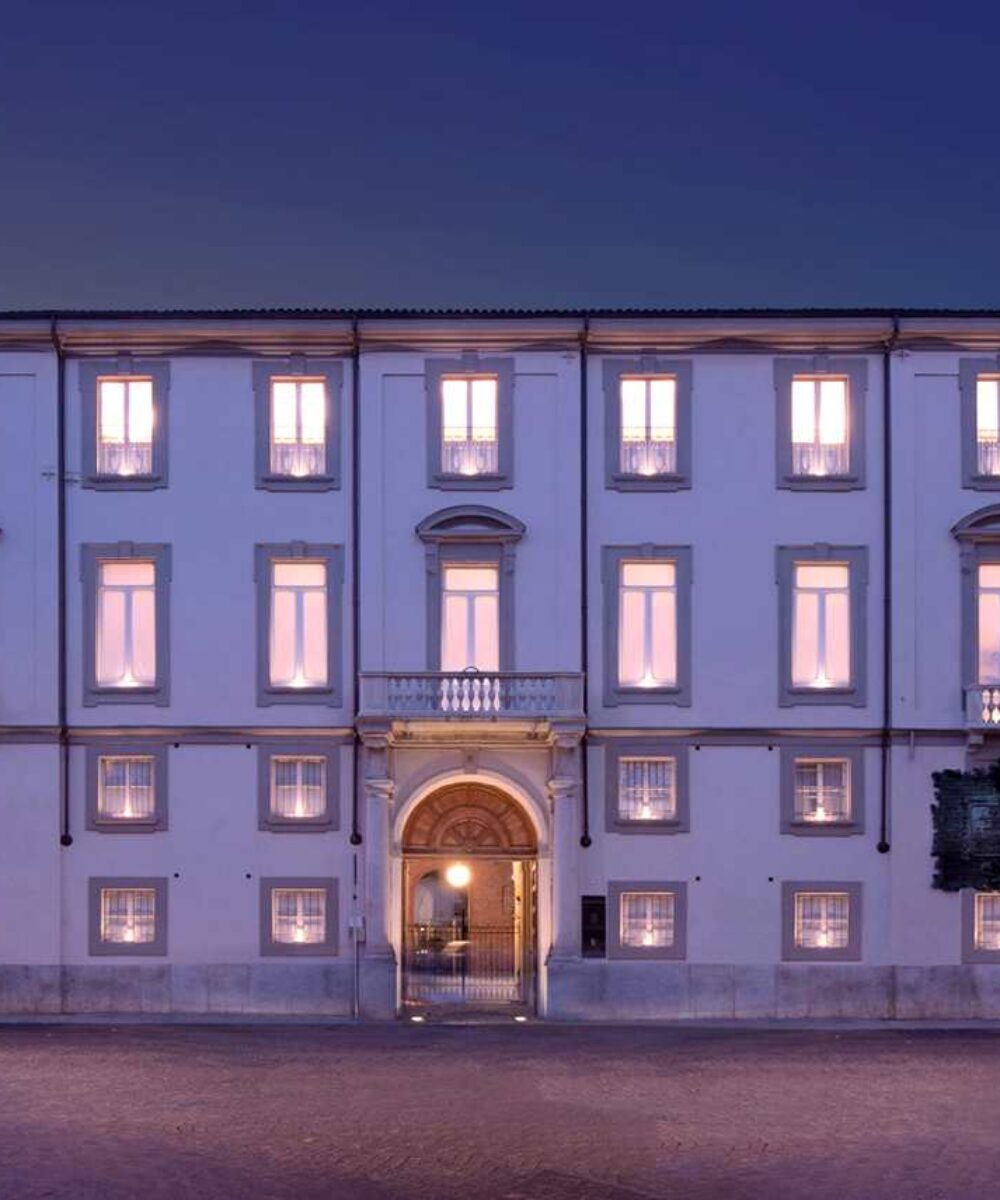
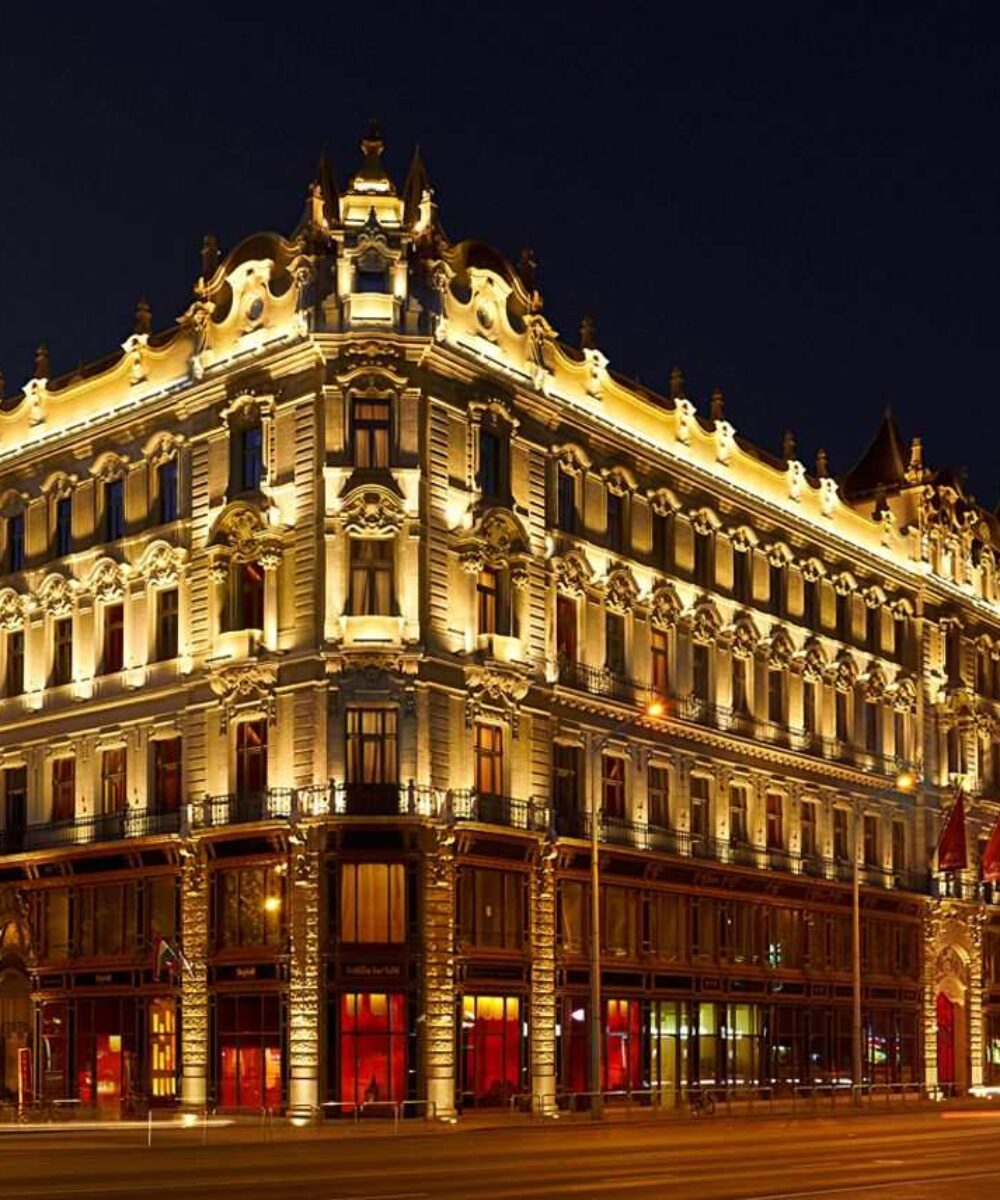
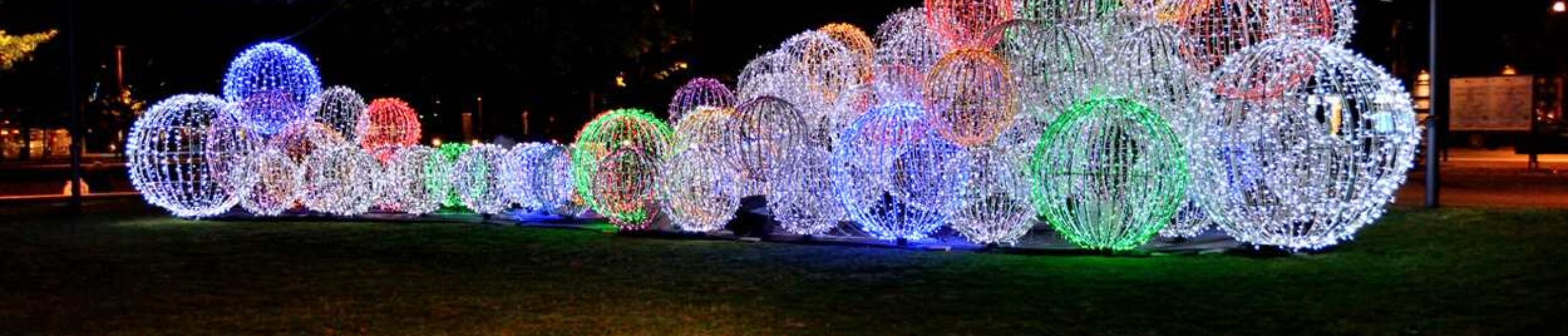
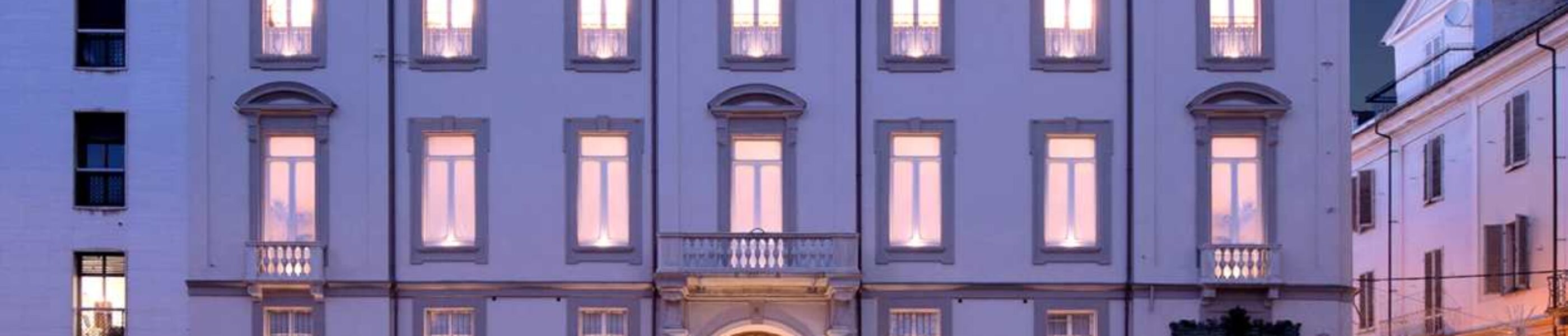
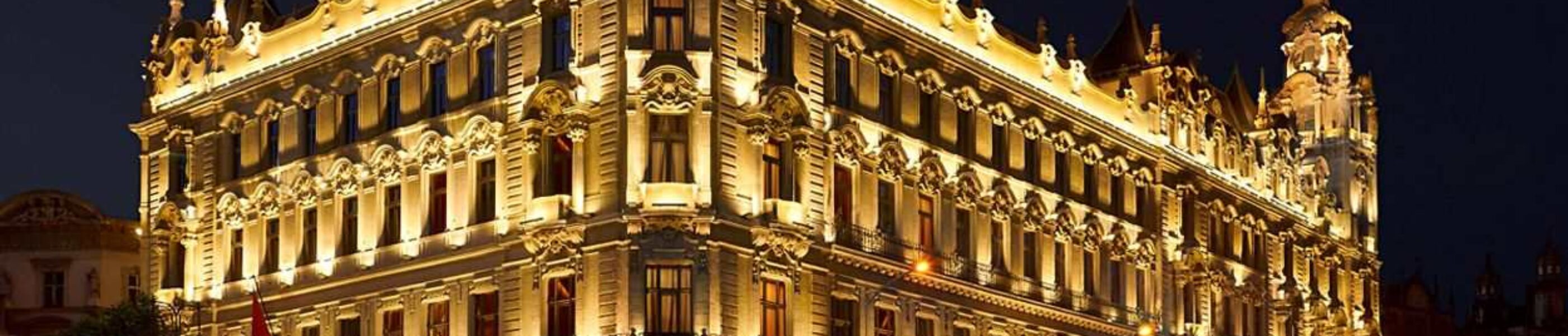
This section brings together a representative selection of lighting design projects in the architectural, museum, urban, cultural, retail, hospitality, and infrastructure sectors, both in Italy and abroad. The gallery documents projects of varying scale, function, and context, all sharing an approach to light as a tool for interpreting space, capable of engaging with architecture, artworks, landscape, and contemporary use.
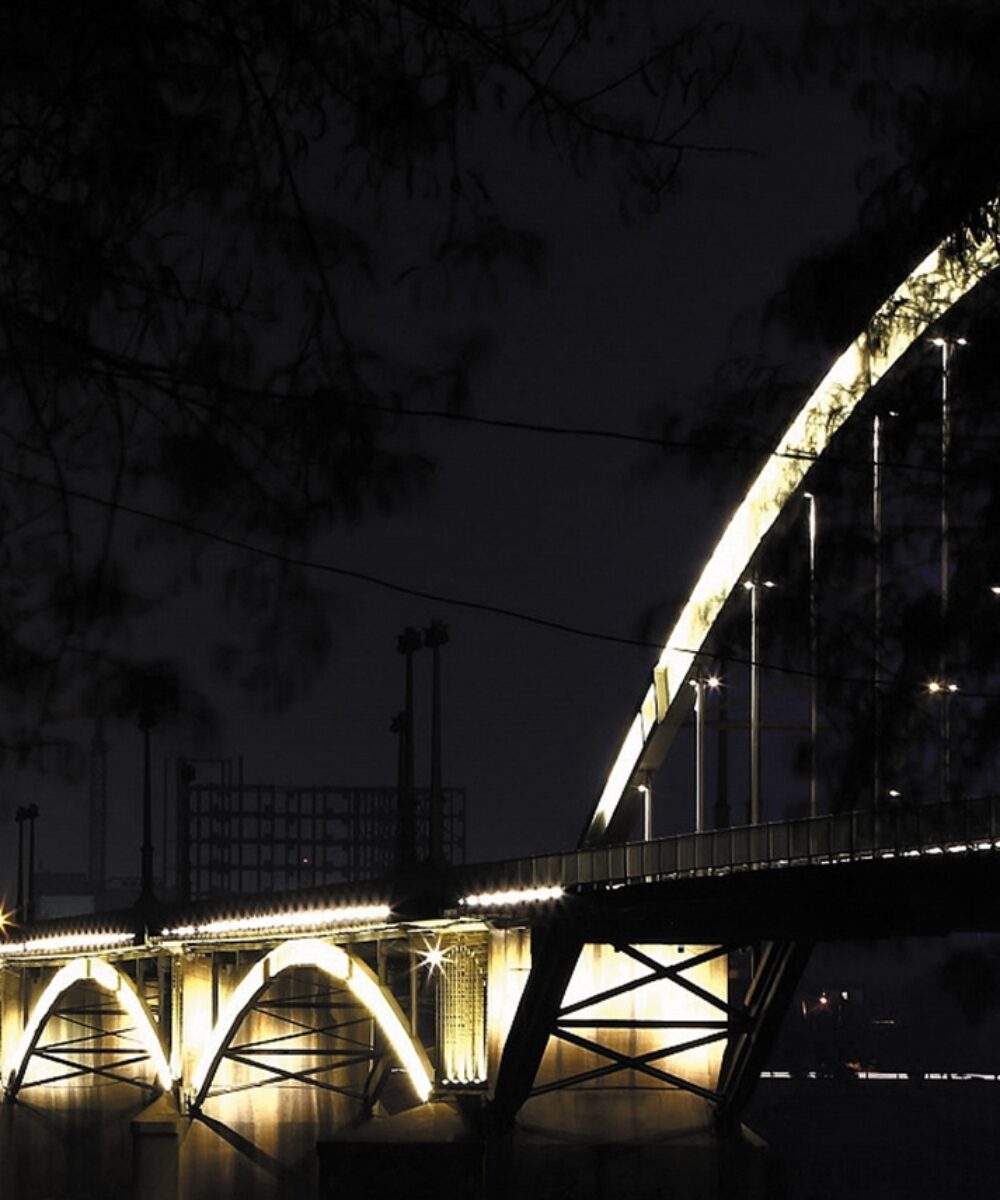
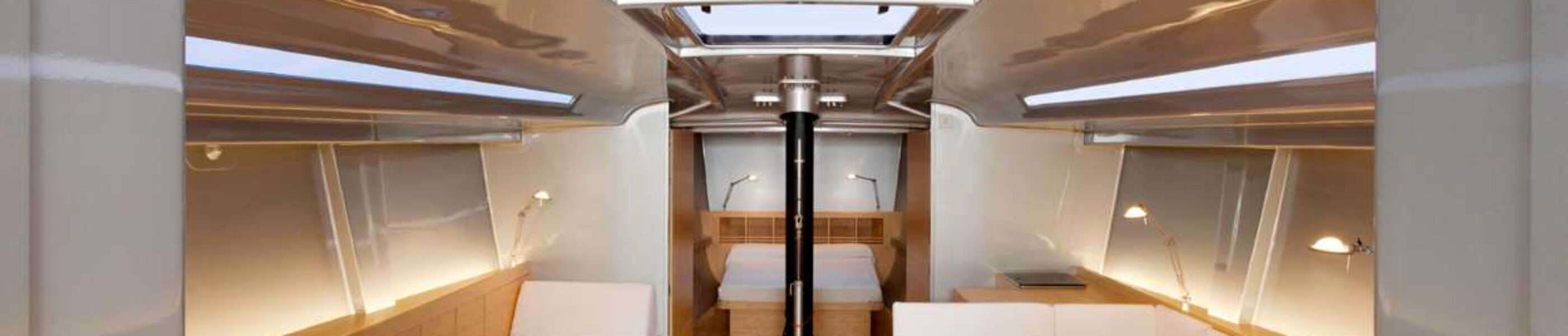
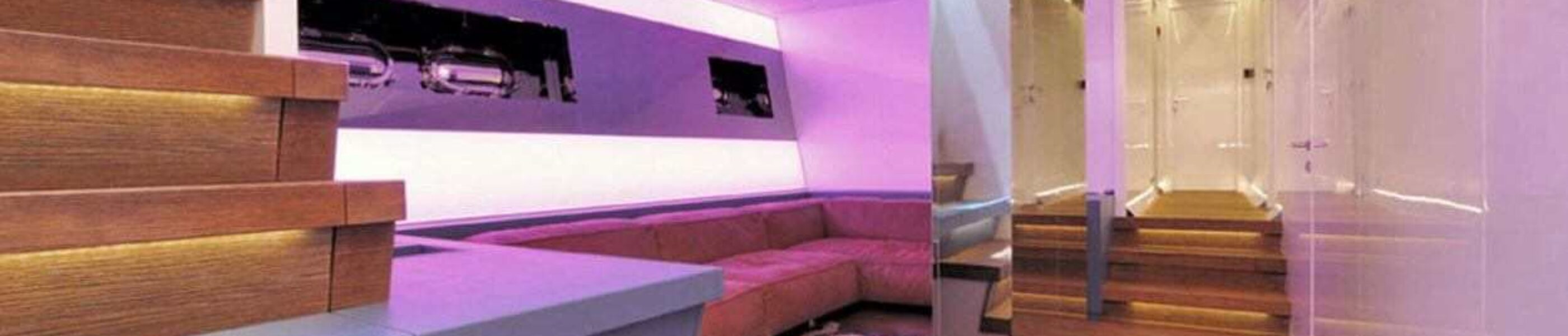
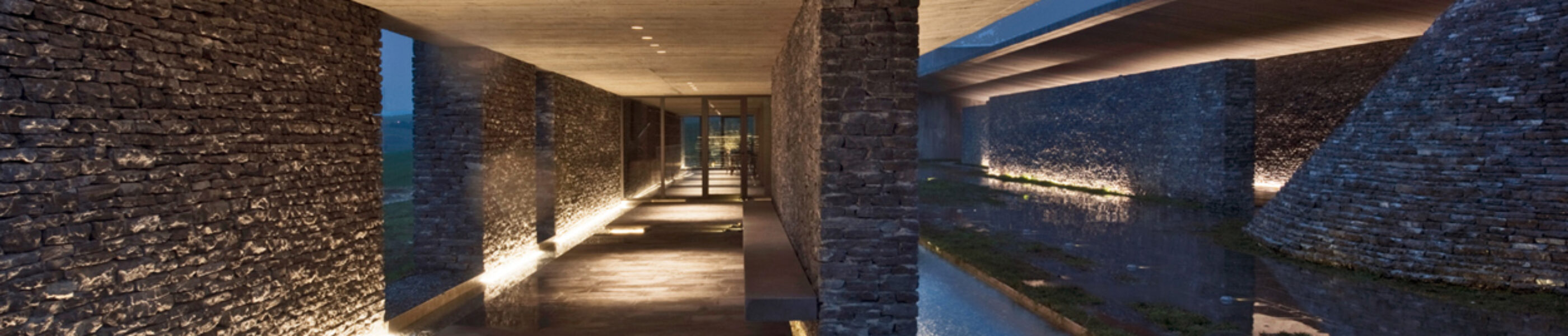
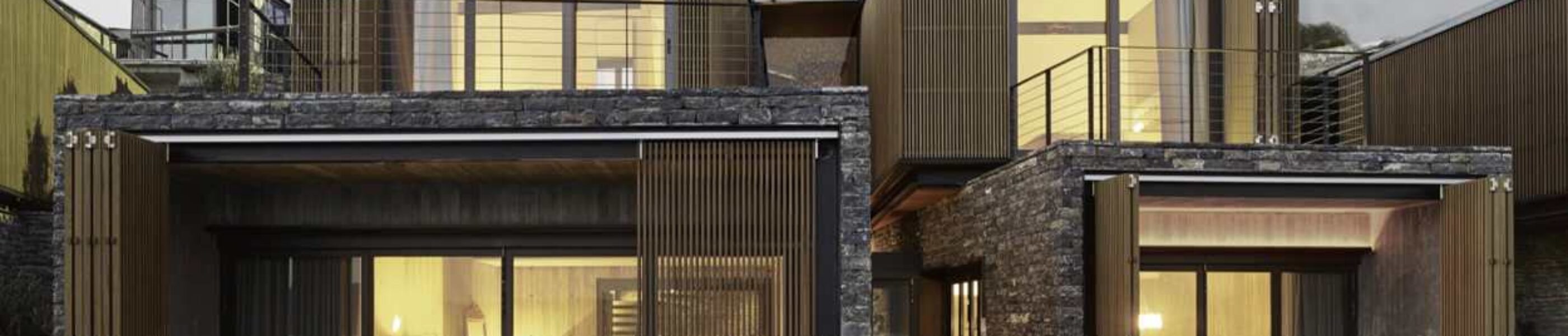
The projects presented range from museums, foundations, and temporary exhibitions to historic buildings, places of worship, public spaces, and urban complexes, including corporate headquarters, private residences, yachts, and lighting masterplans. In each project, light is designed as a controlled material, calibrated to the characteristics of the location, its functional needs, and the perceptual quality of the experience.
Taken together, the collected works convey a vision of lighting design as an integrated process, in which technical rigor, cultural sensitivity, and attention to context contribute to the construction of spatial identity, orientation, and value. The gallery thus takes the form of a design map, capable of demonstrating how light can take on different roles—discrete or declared—while always maintaining coherence, measure, and design awareness.
This section brings together a representative selection of lighting design projects in the architectural, museum, urban, cultural, retail, hospitality, and infrastructure sectors, both in Italy and abroad. The gallery documents projects of varying scale, function, and context, all sharing an approach to light as a tool for interpreting space, capable of engaging with architecture, artworks, landscape, and contemporary use.
The projects presented range from museums, foundations, and temporary exhibitions to historic buildings, places of worship, public spaces, and urban complexes, including corporate headquarters, private residences, yachts, and lighting masterplans. In each project, light is designed as a controlled material, calibrated to the characteristics of the location, its functional needs, and the perceptual quality of the experience.
Taken together, the collected works convey a vision of lighting design as an integrated process, in which technical rigor, cultural sensitivity, and attention to context contribute to the construction of spatial identity, orientation, and value. The gallery thus takes the form of a design map, capable of demonstrating how light can take on different roles—discrete or declared—while always maintaining coherence, measure, and design awareness.