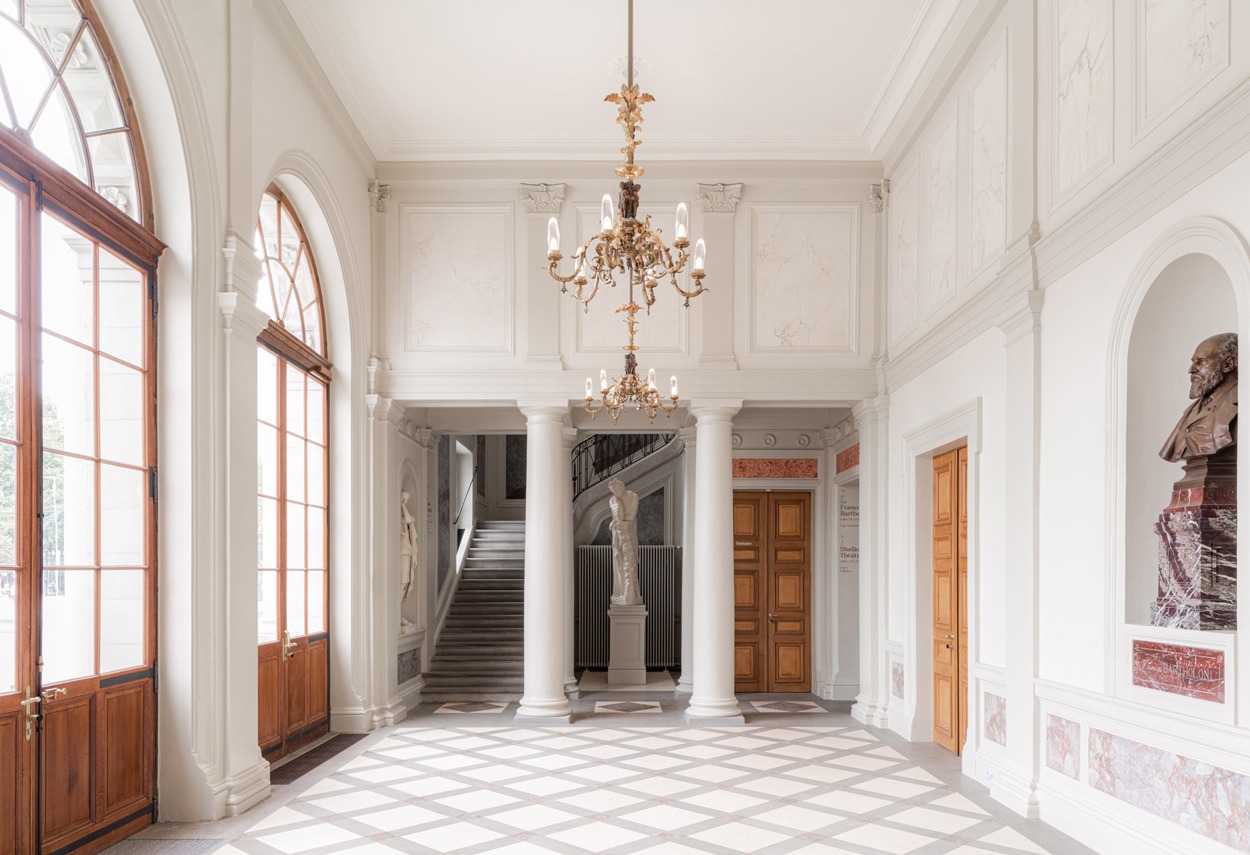
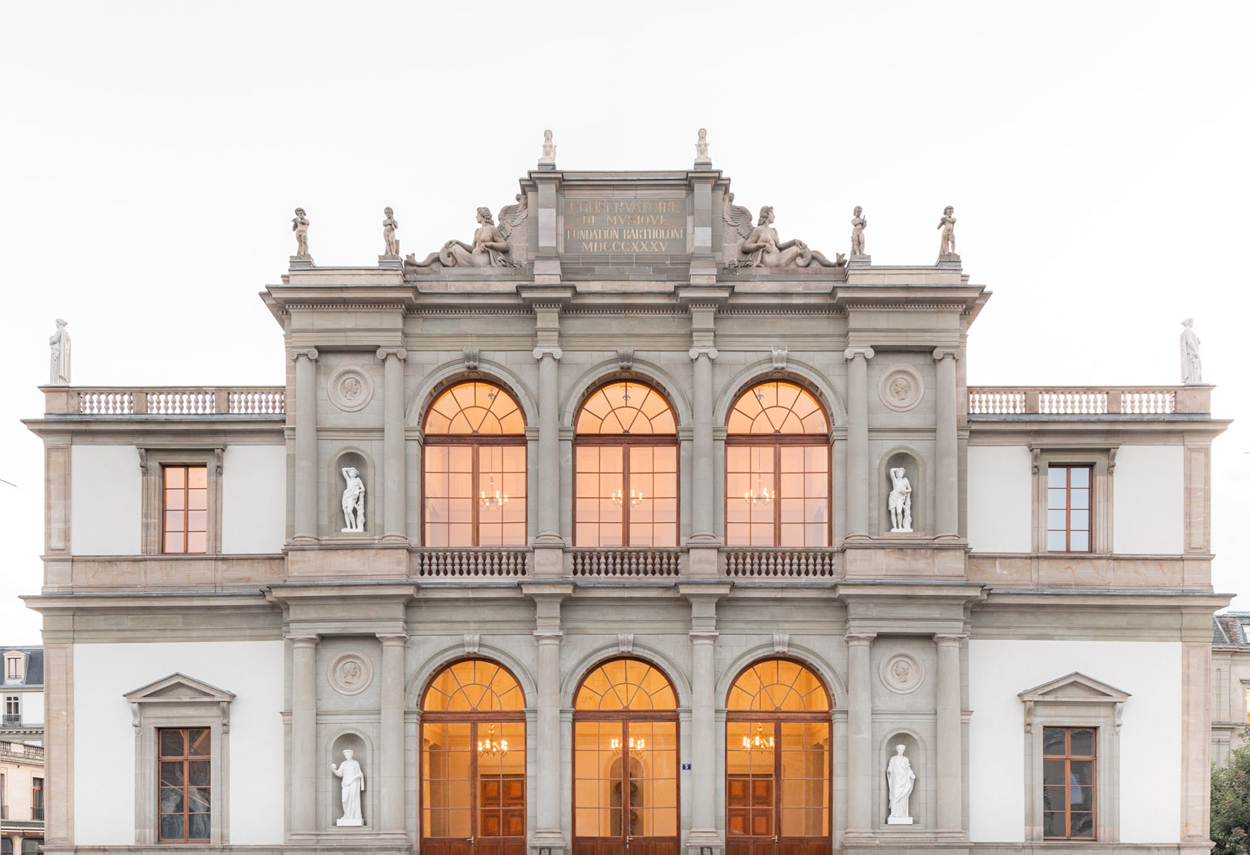
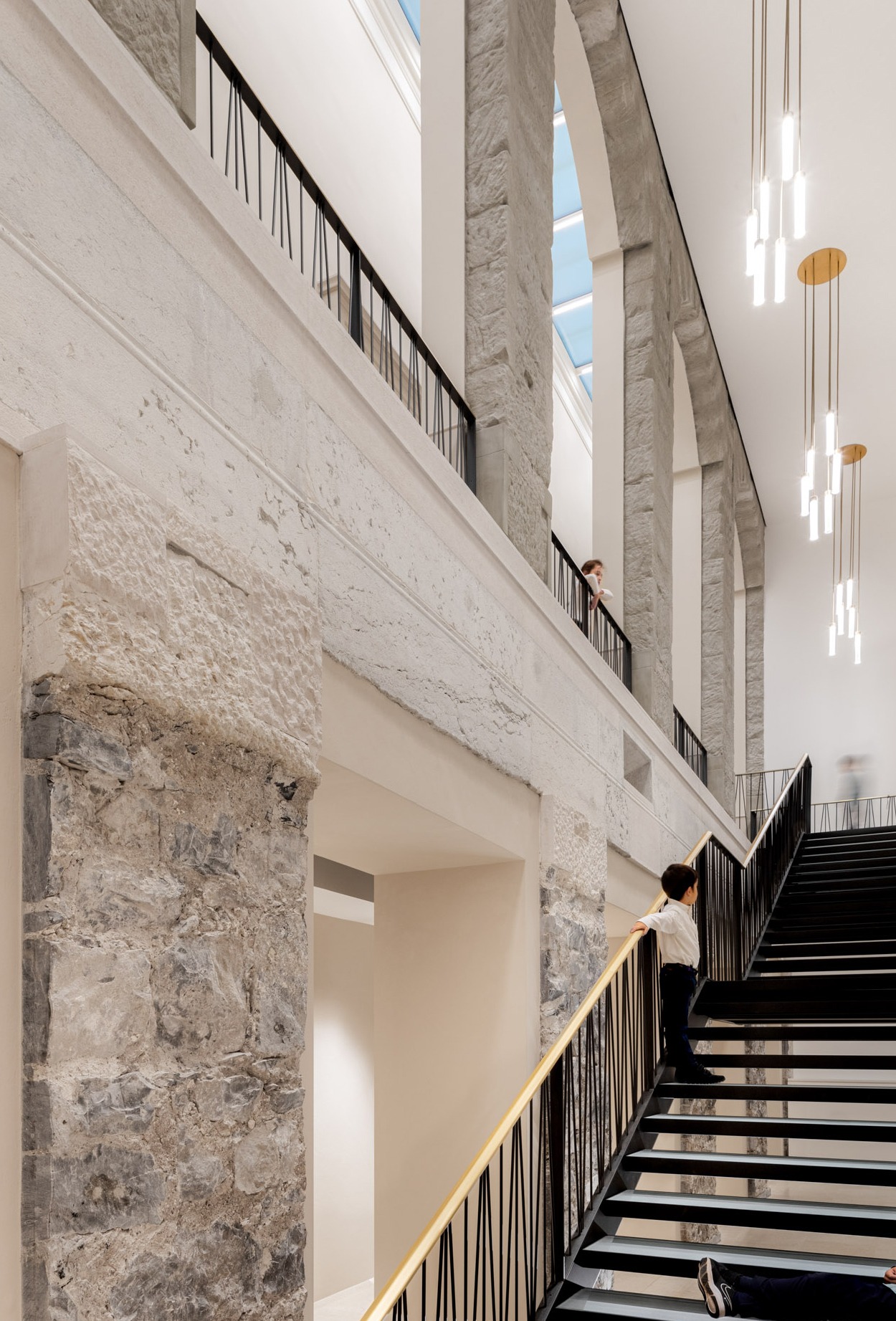
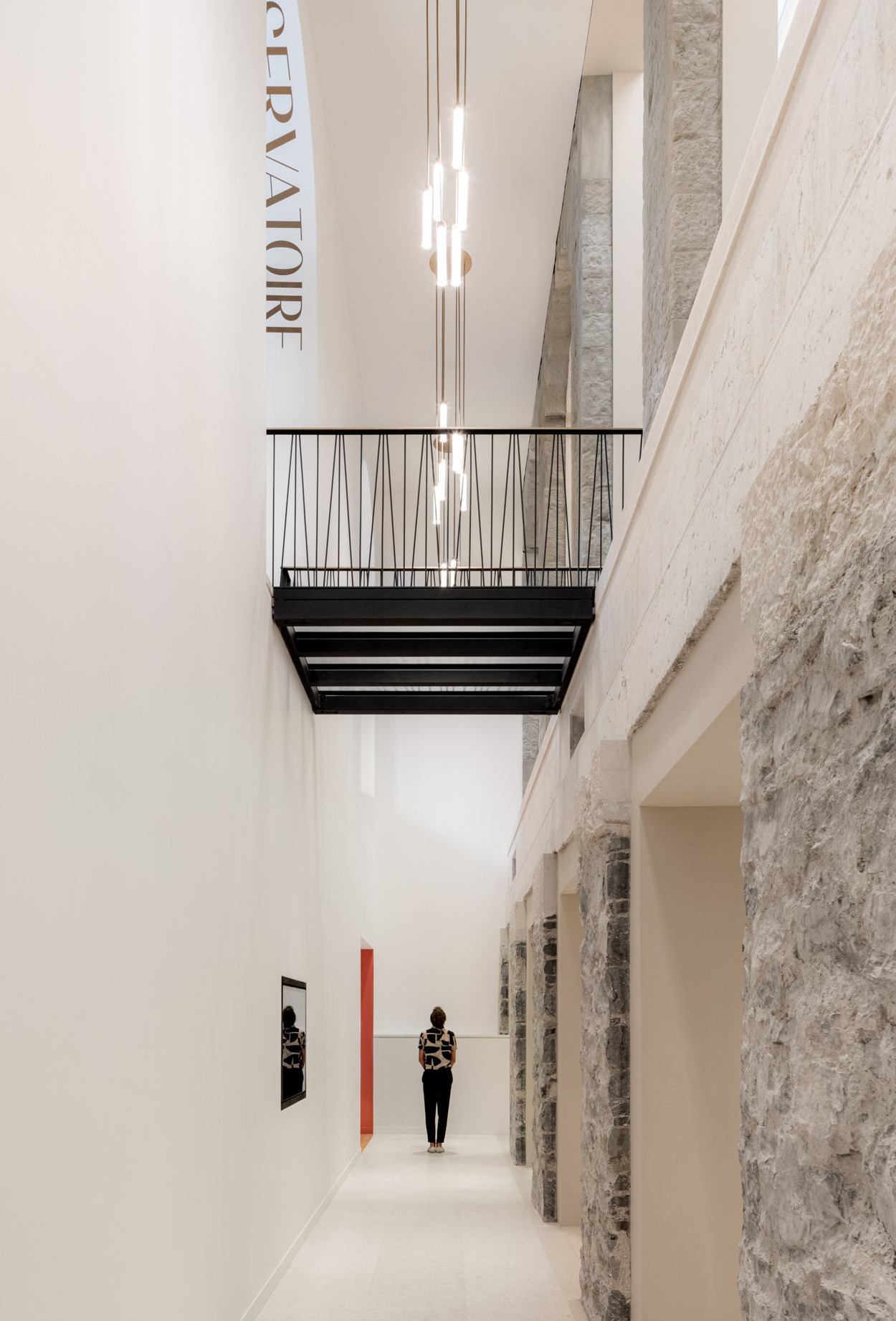
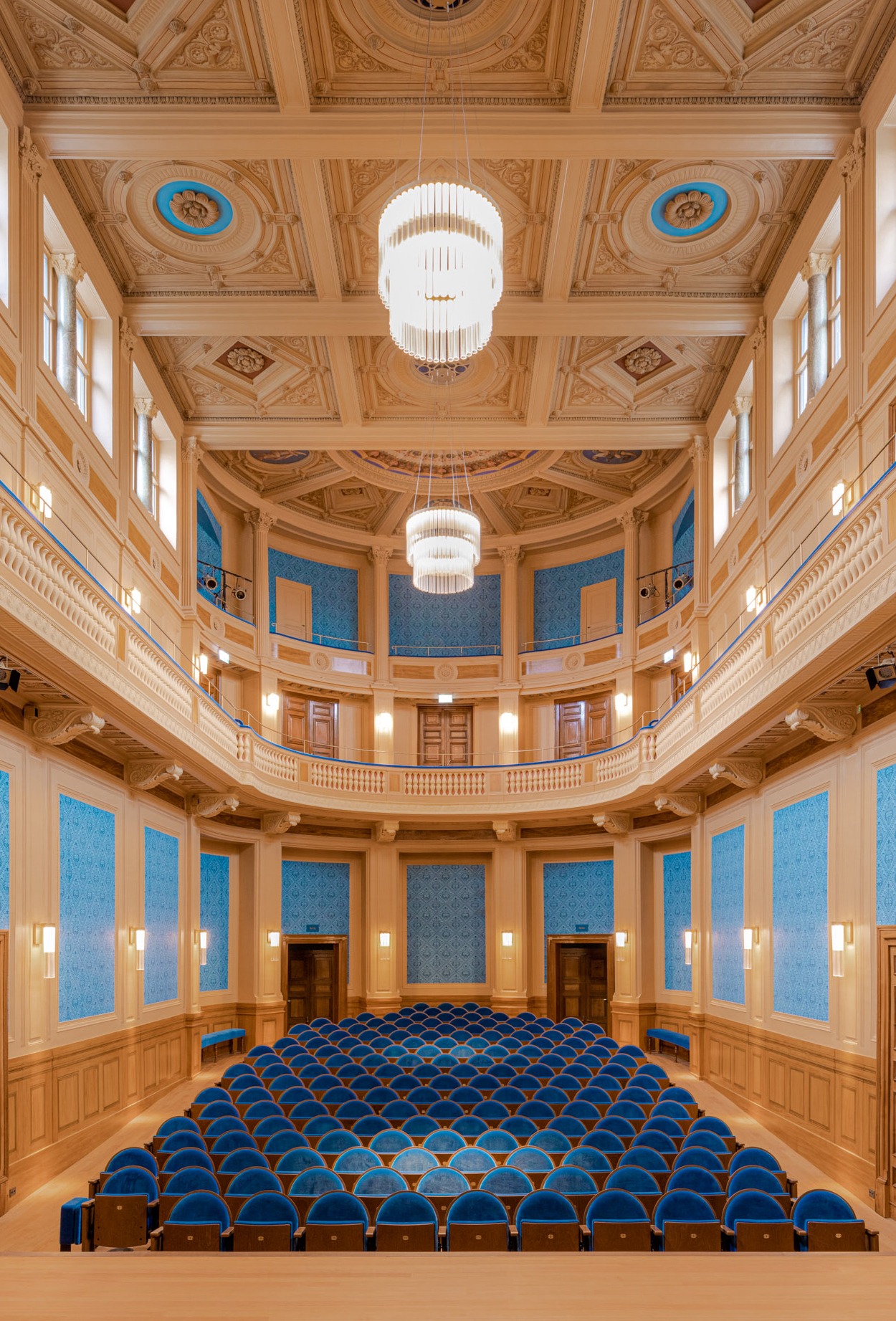
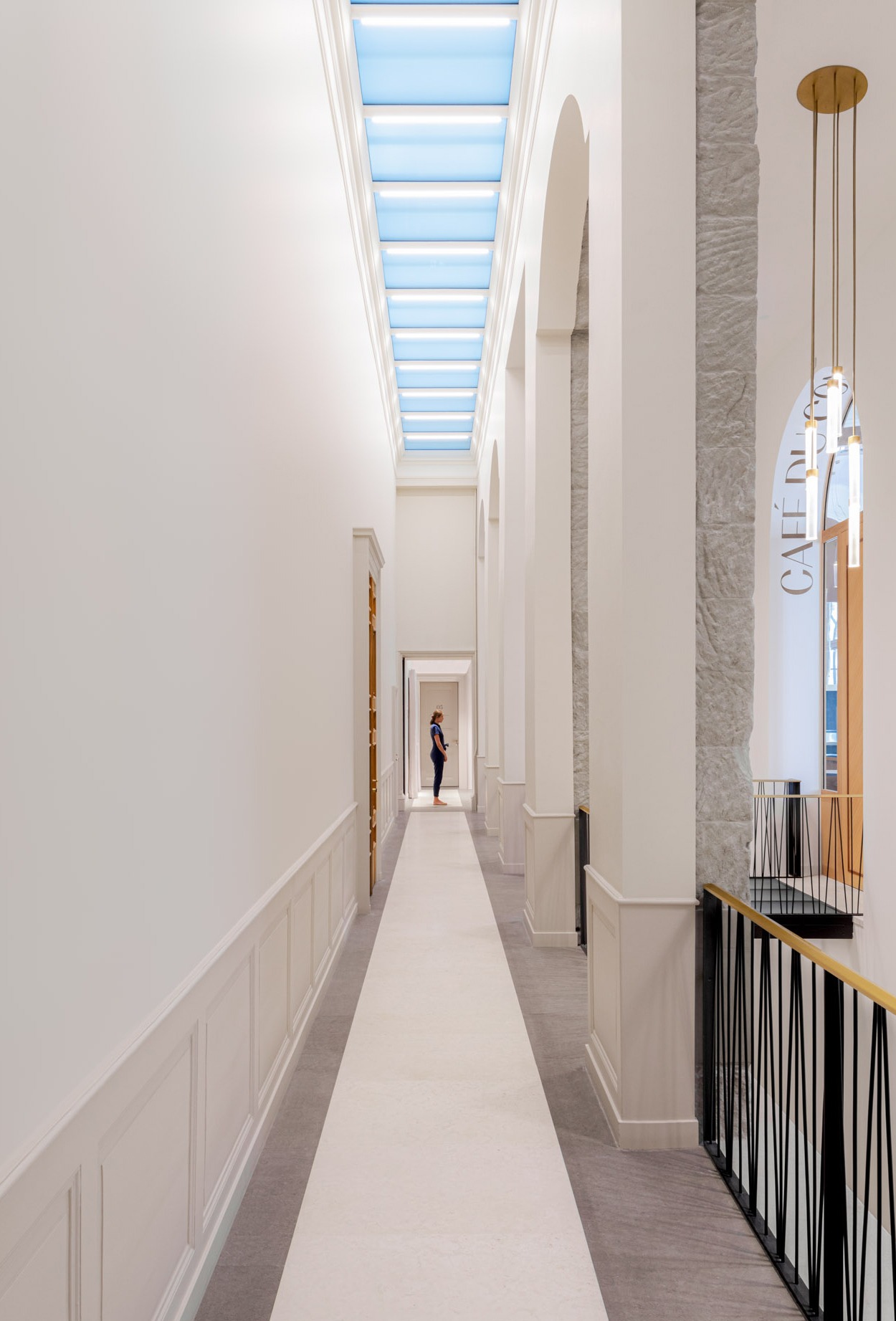
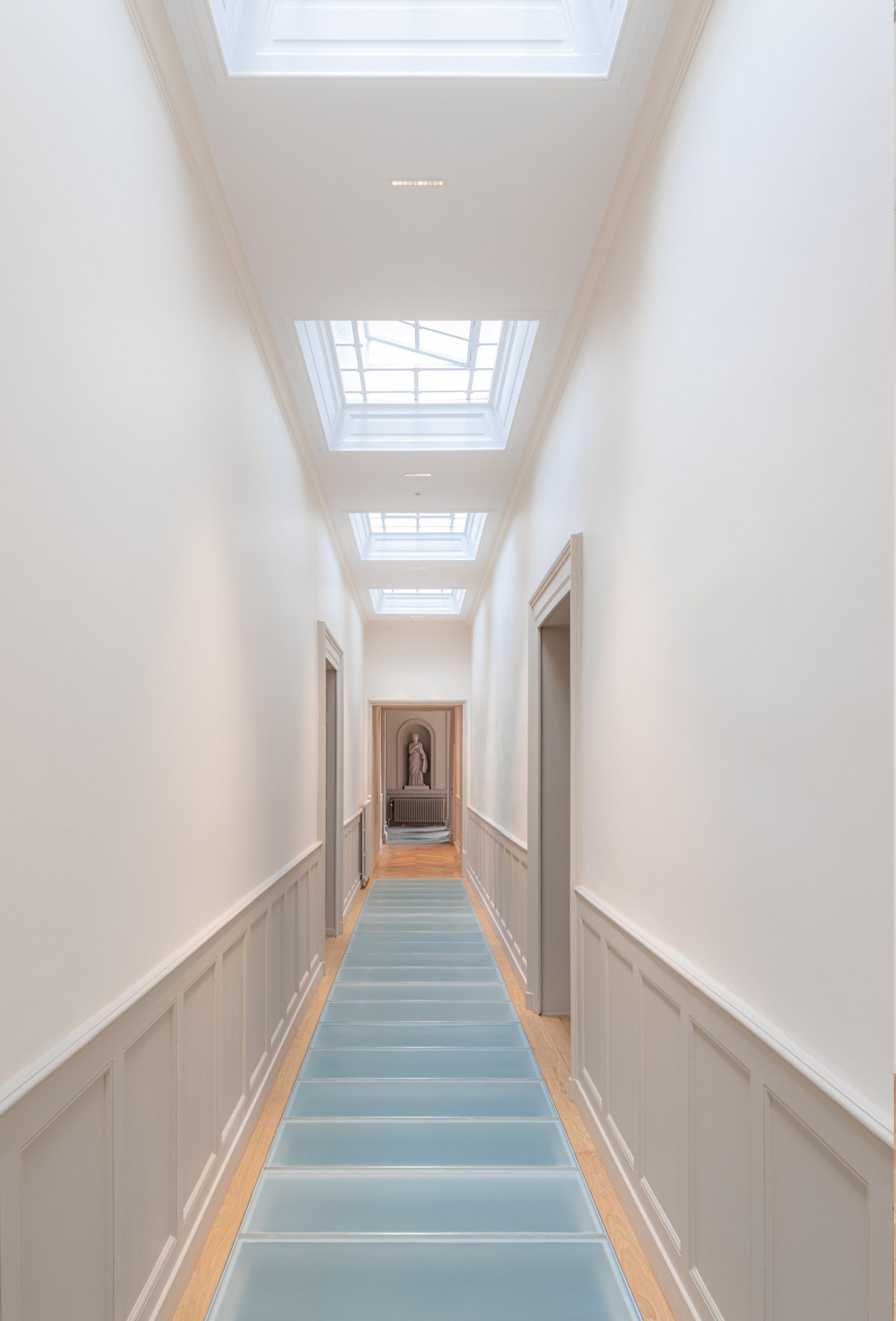
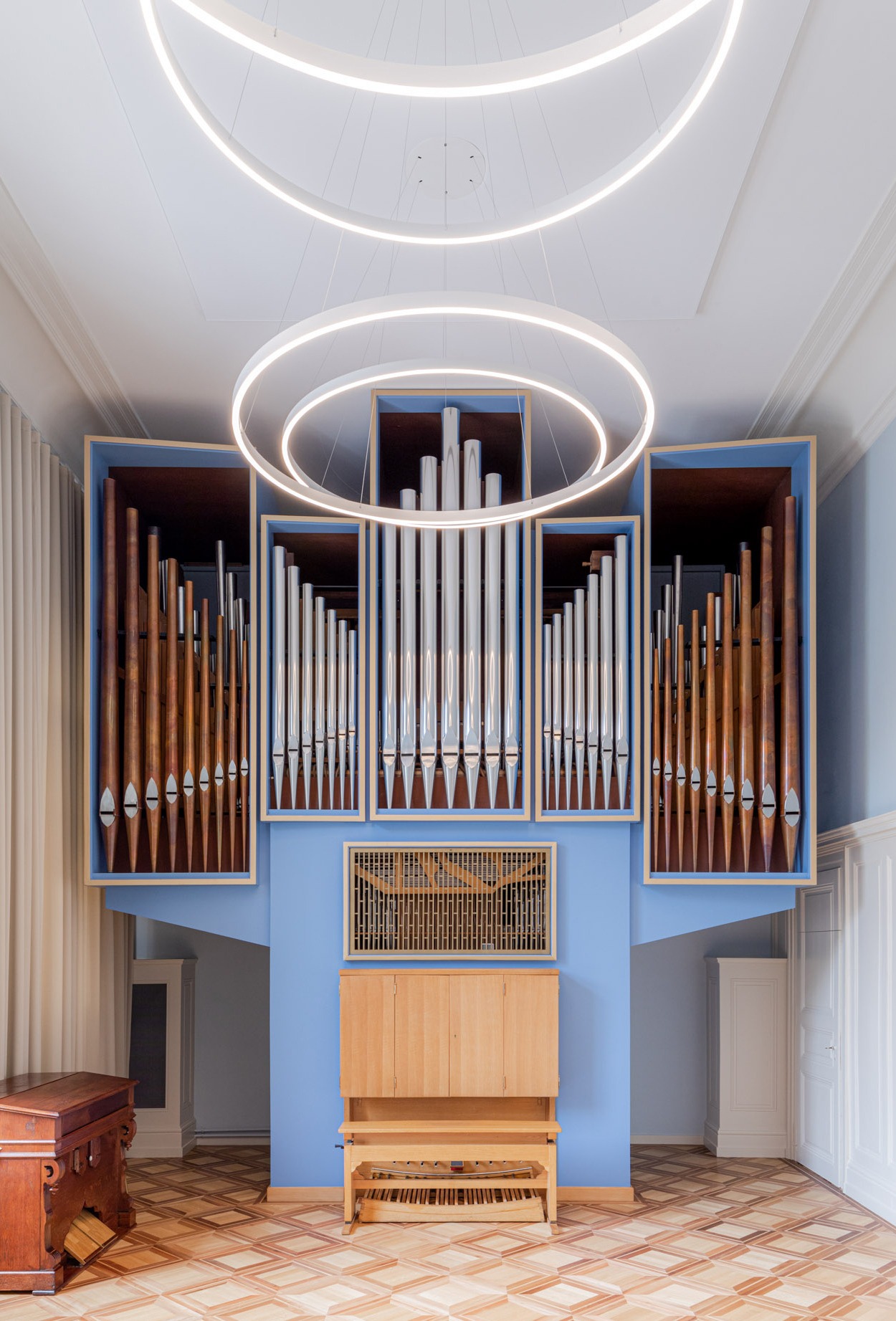
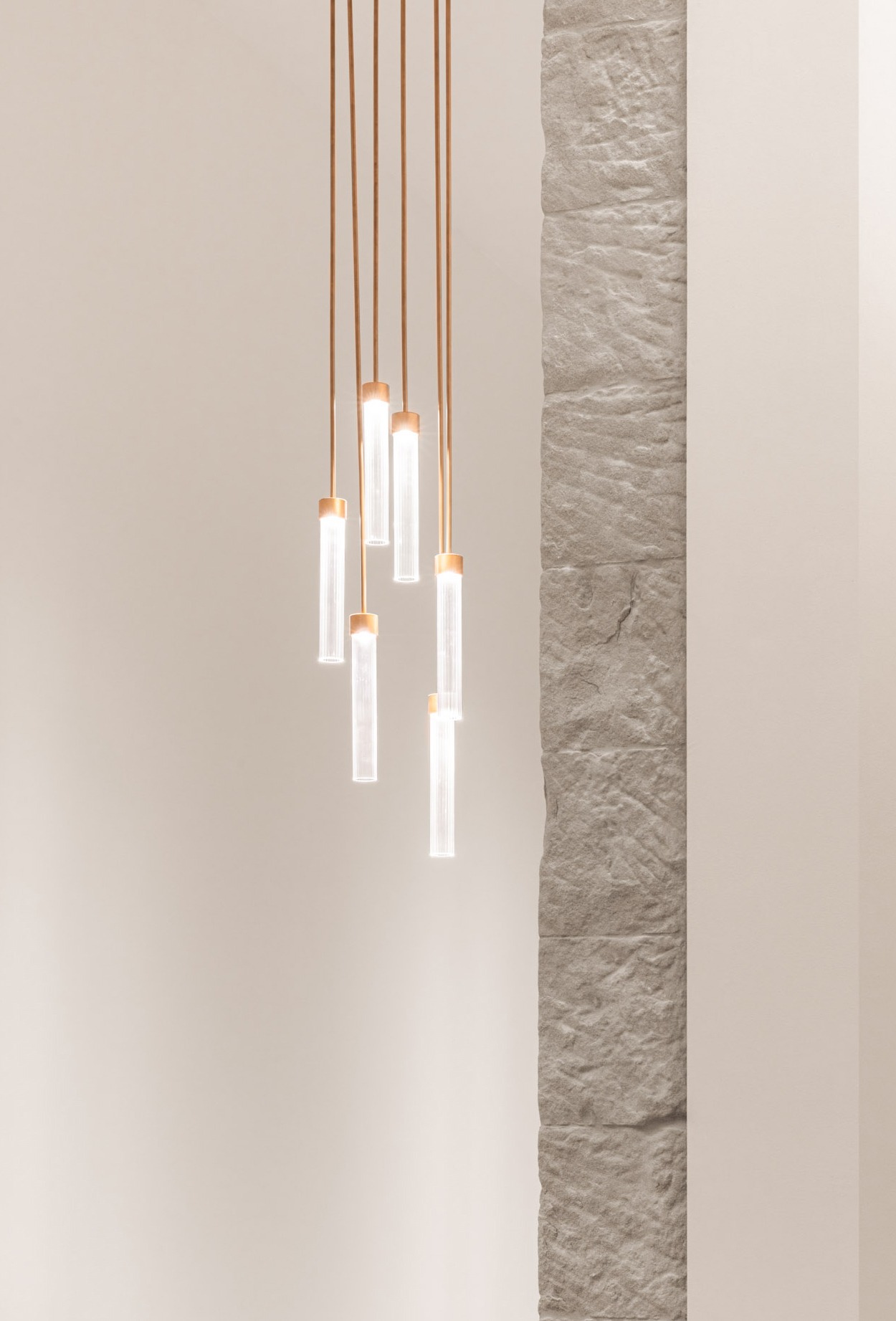
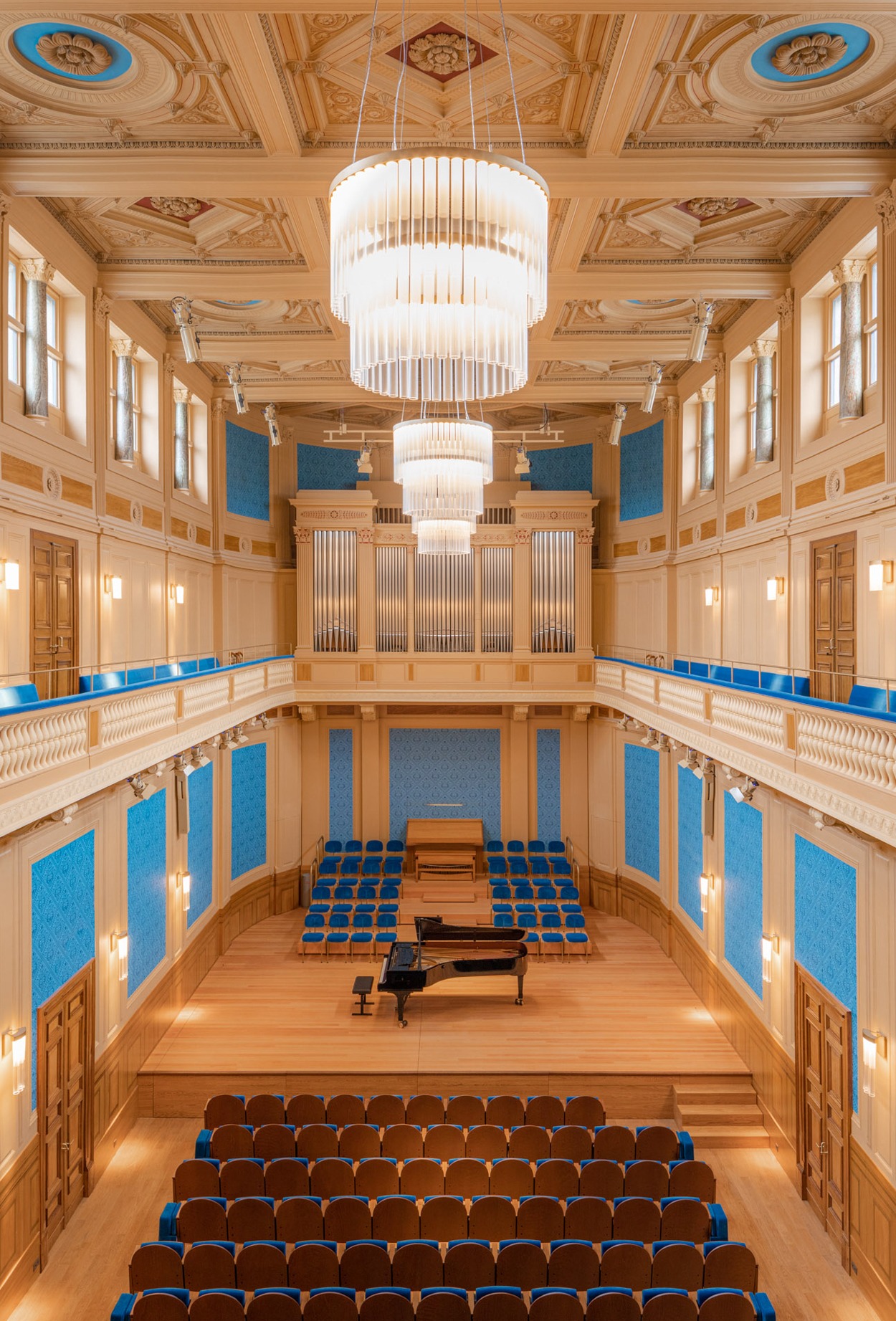
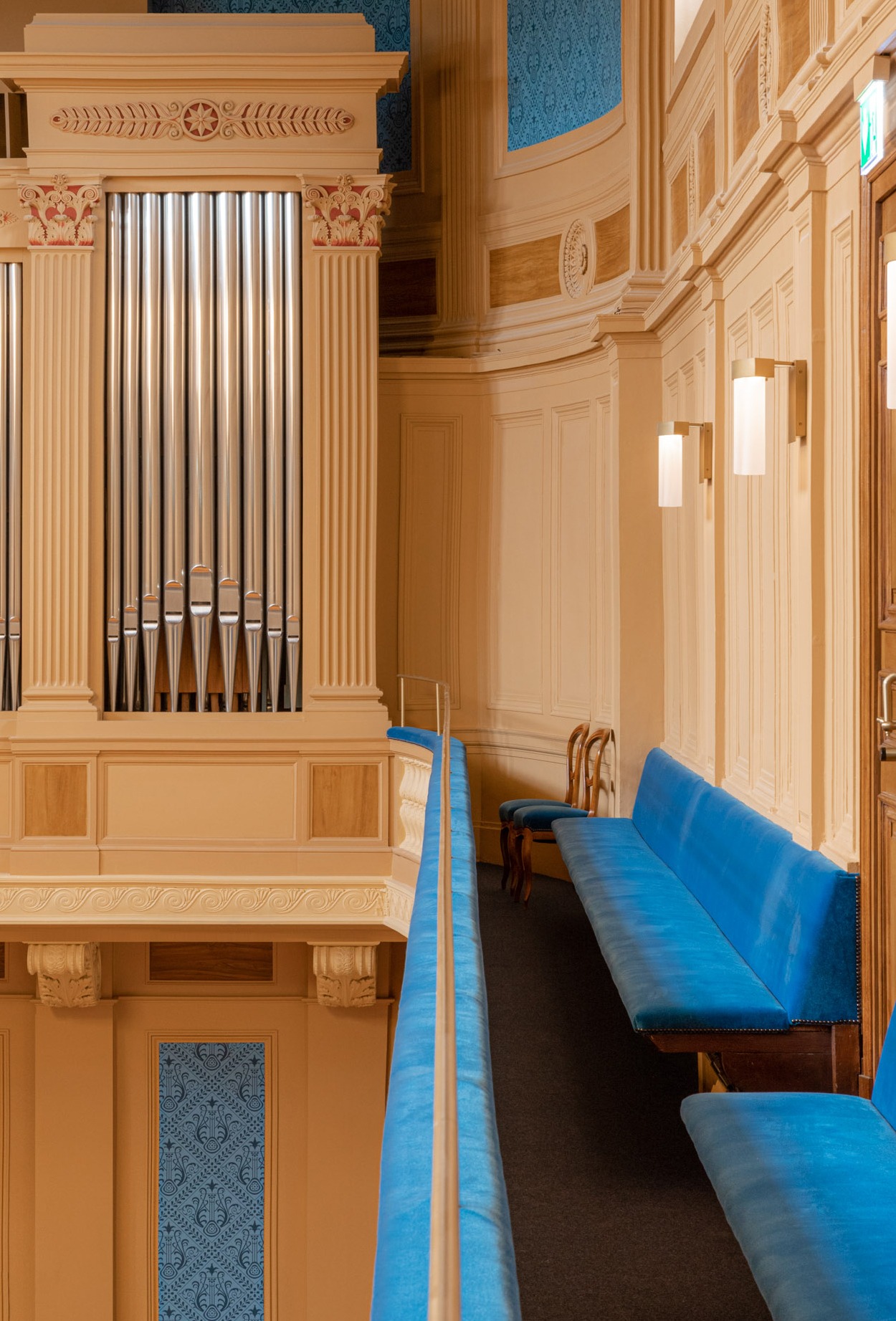
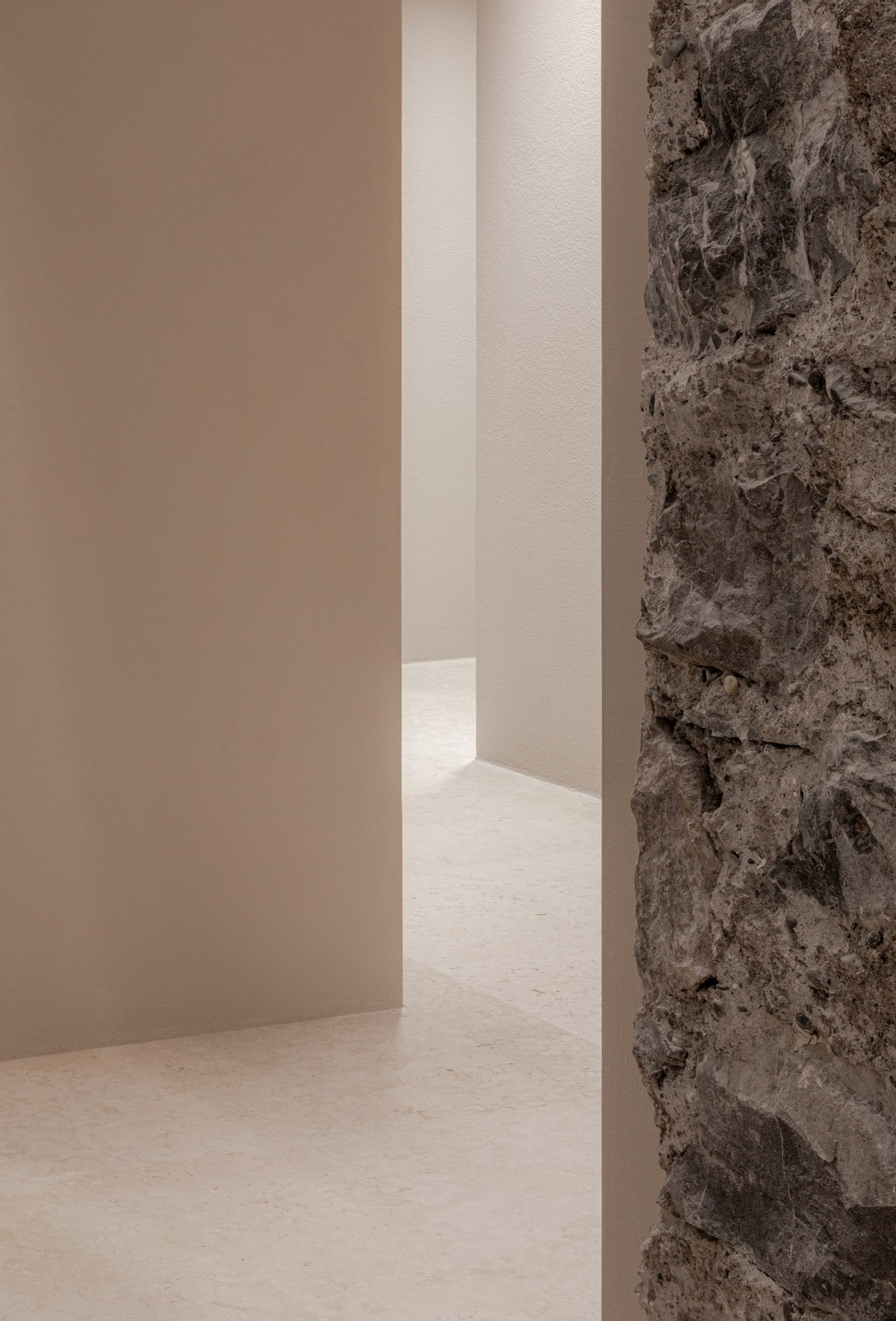
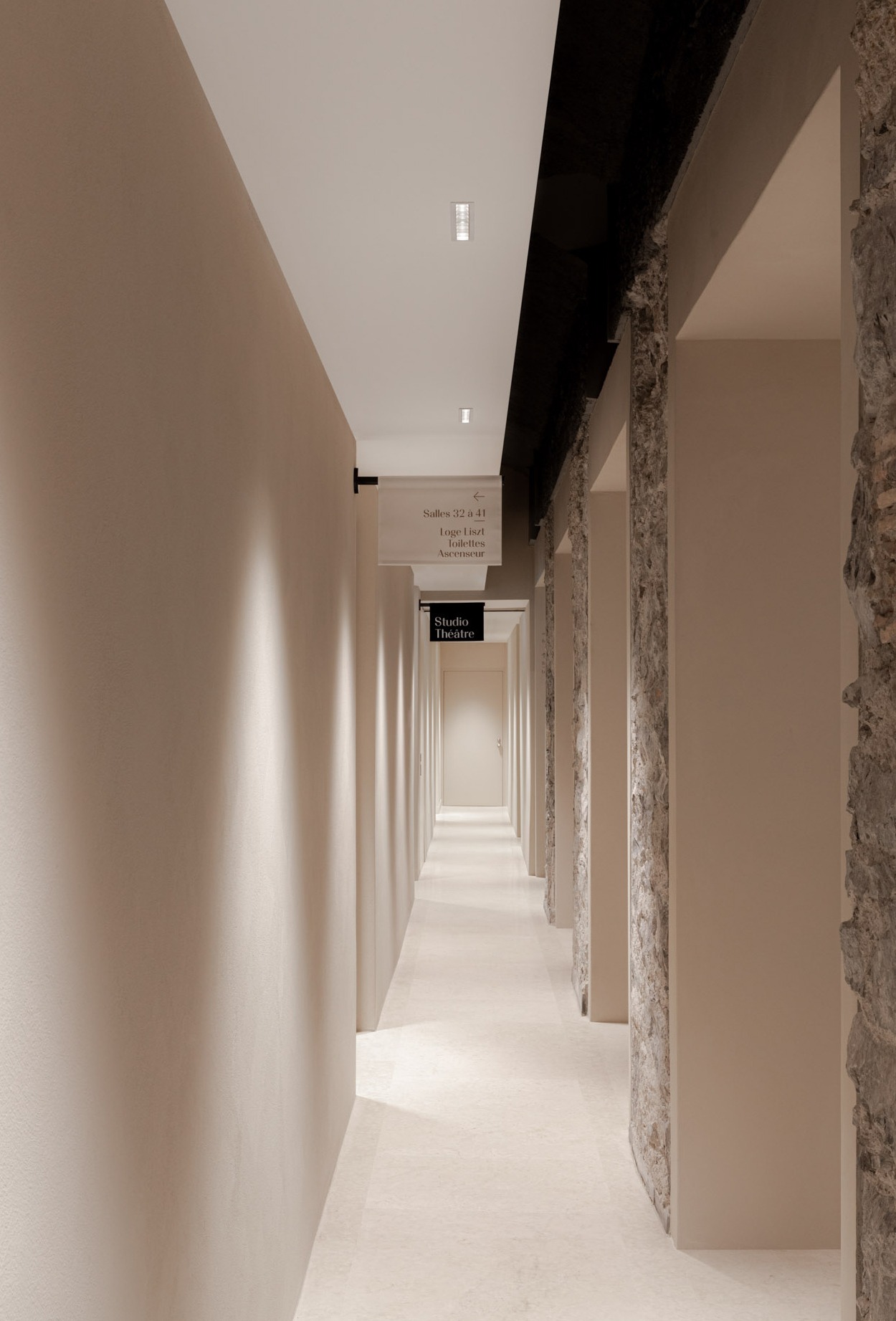
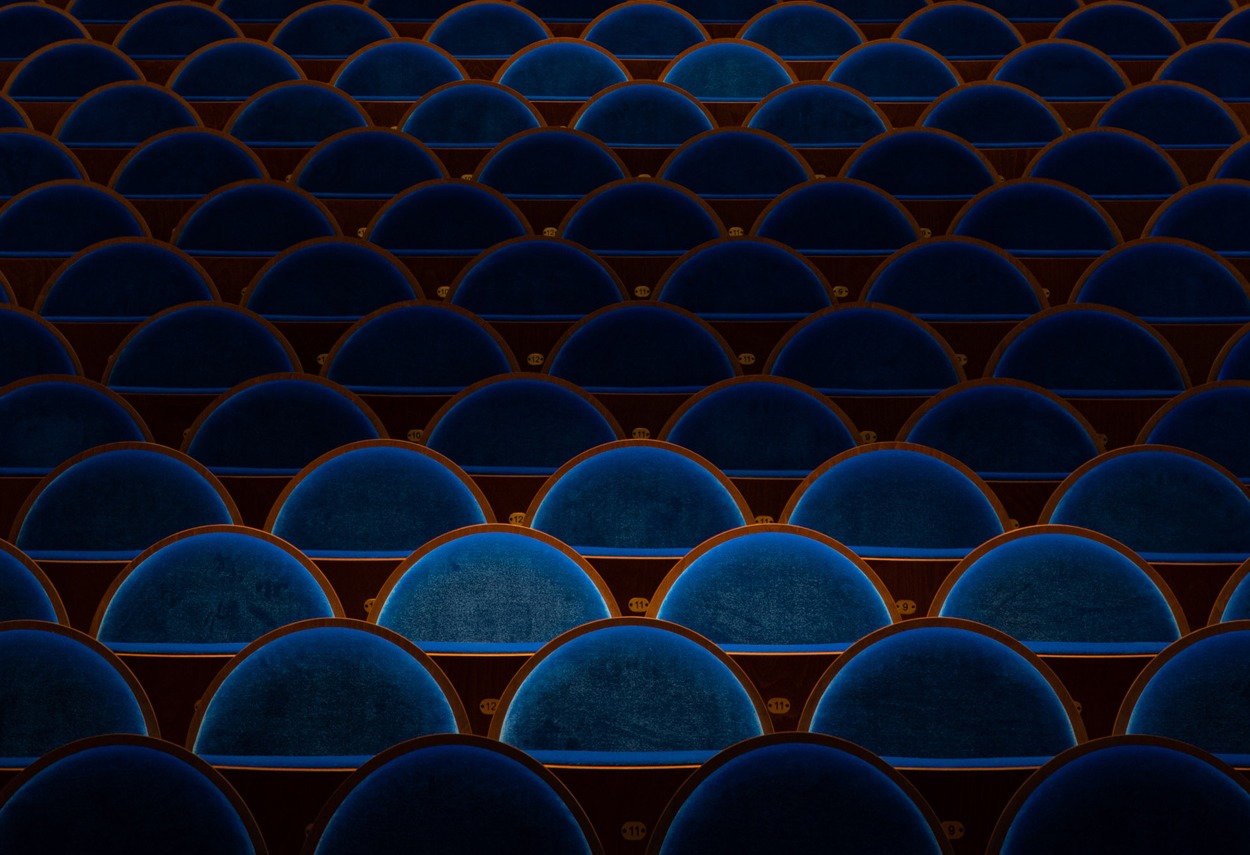
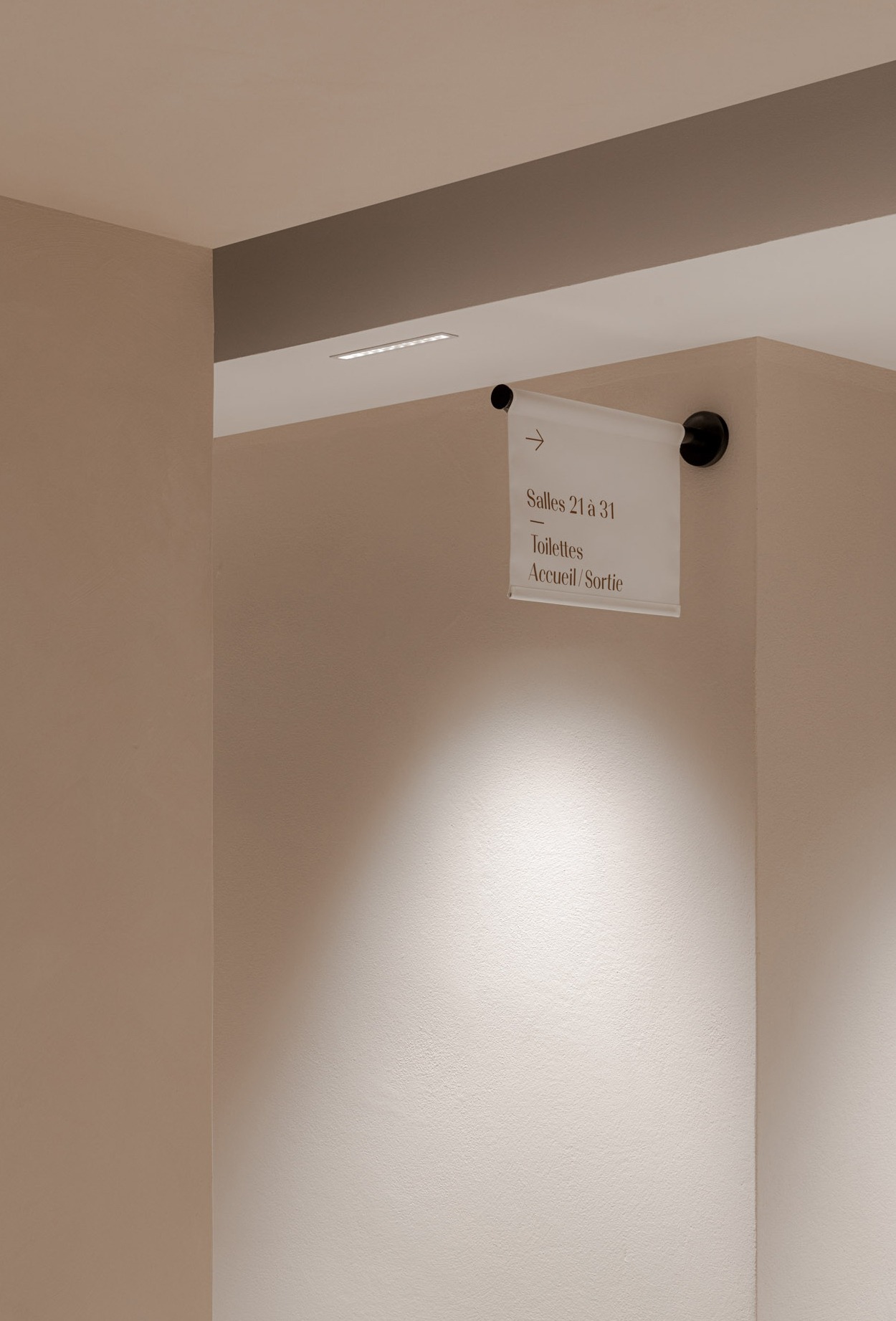
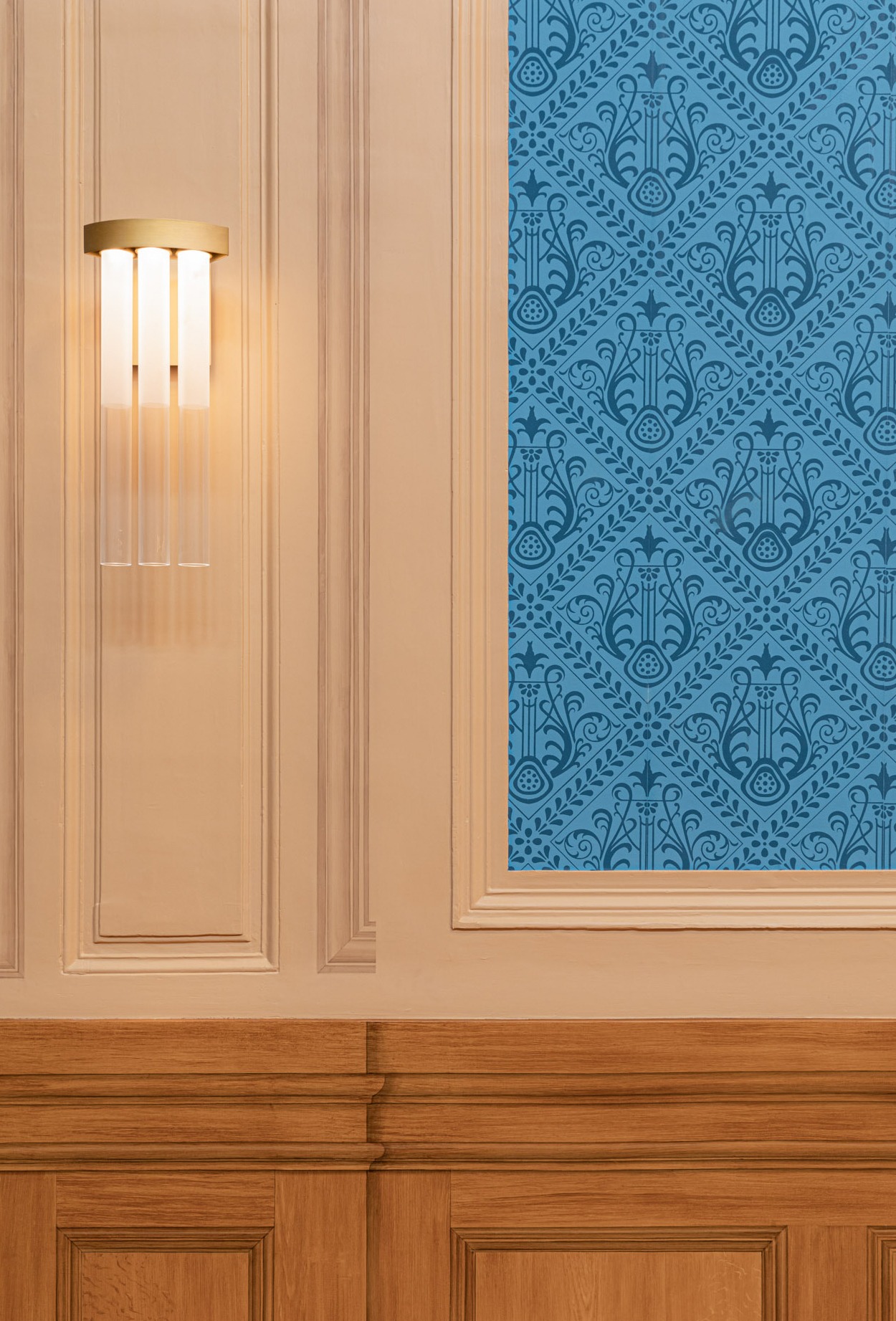
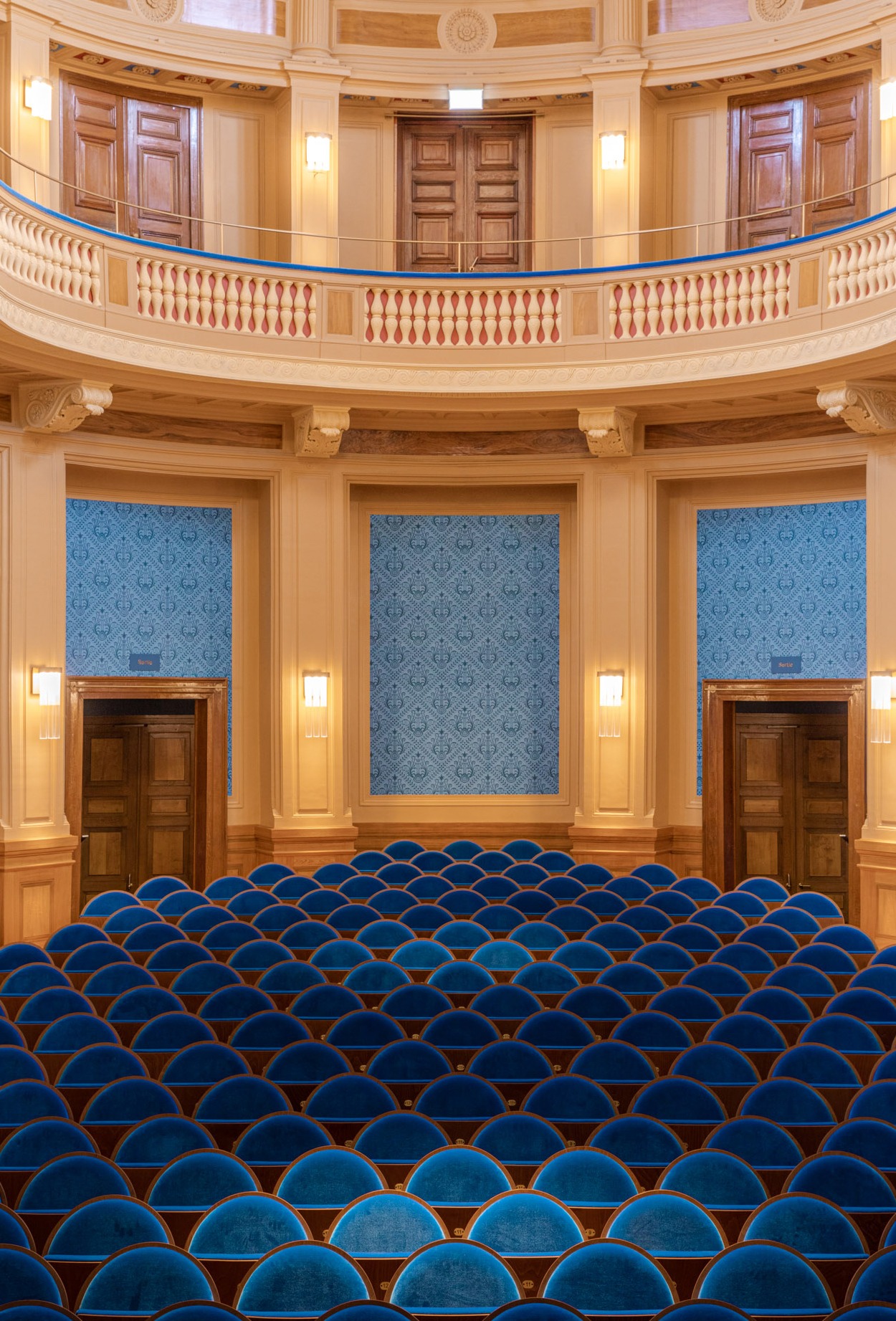
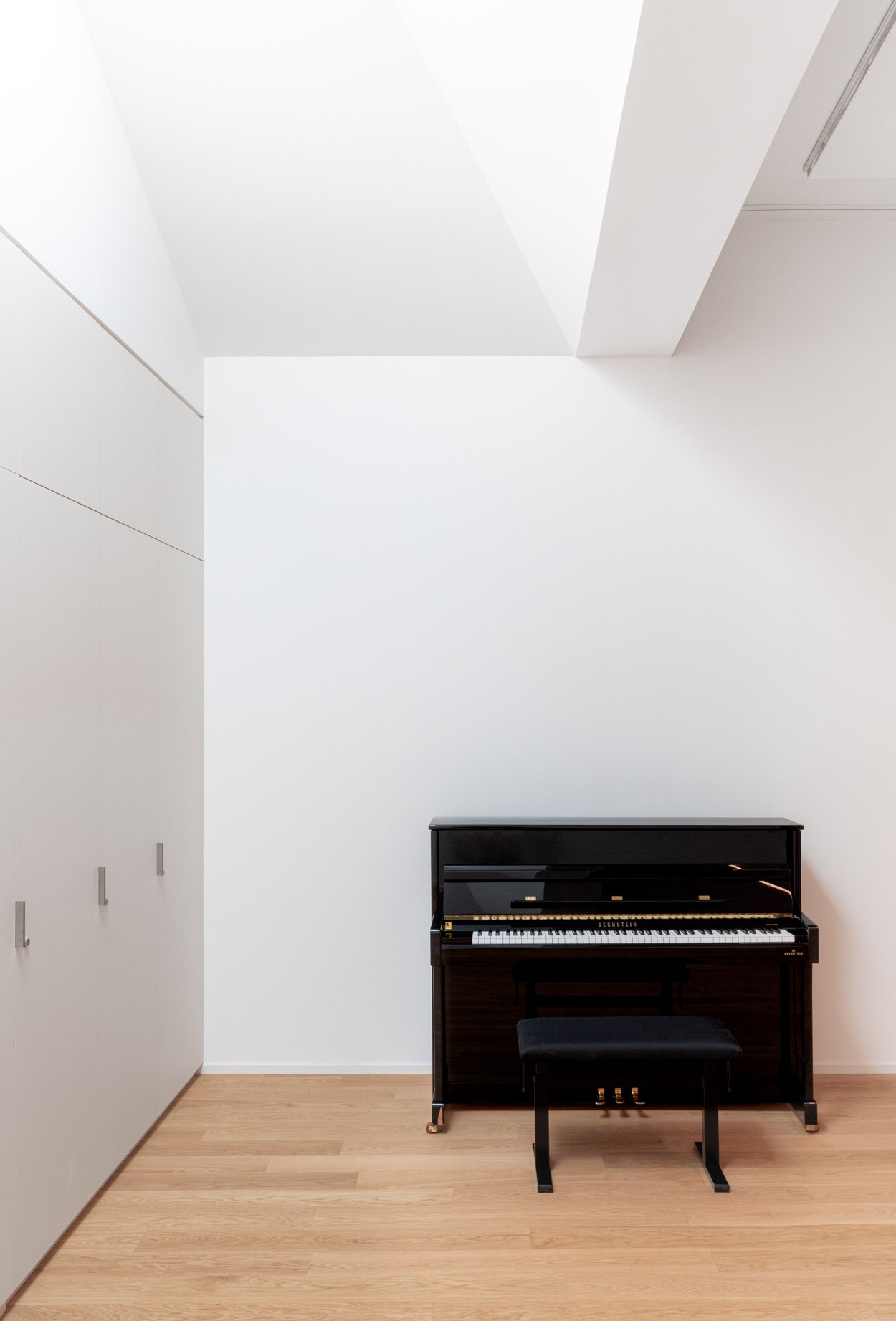
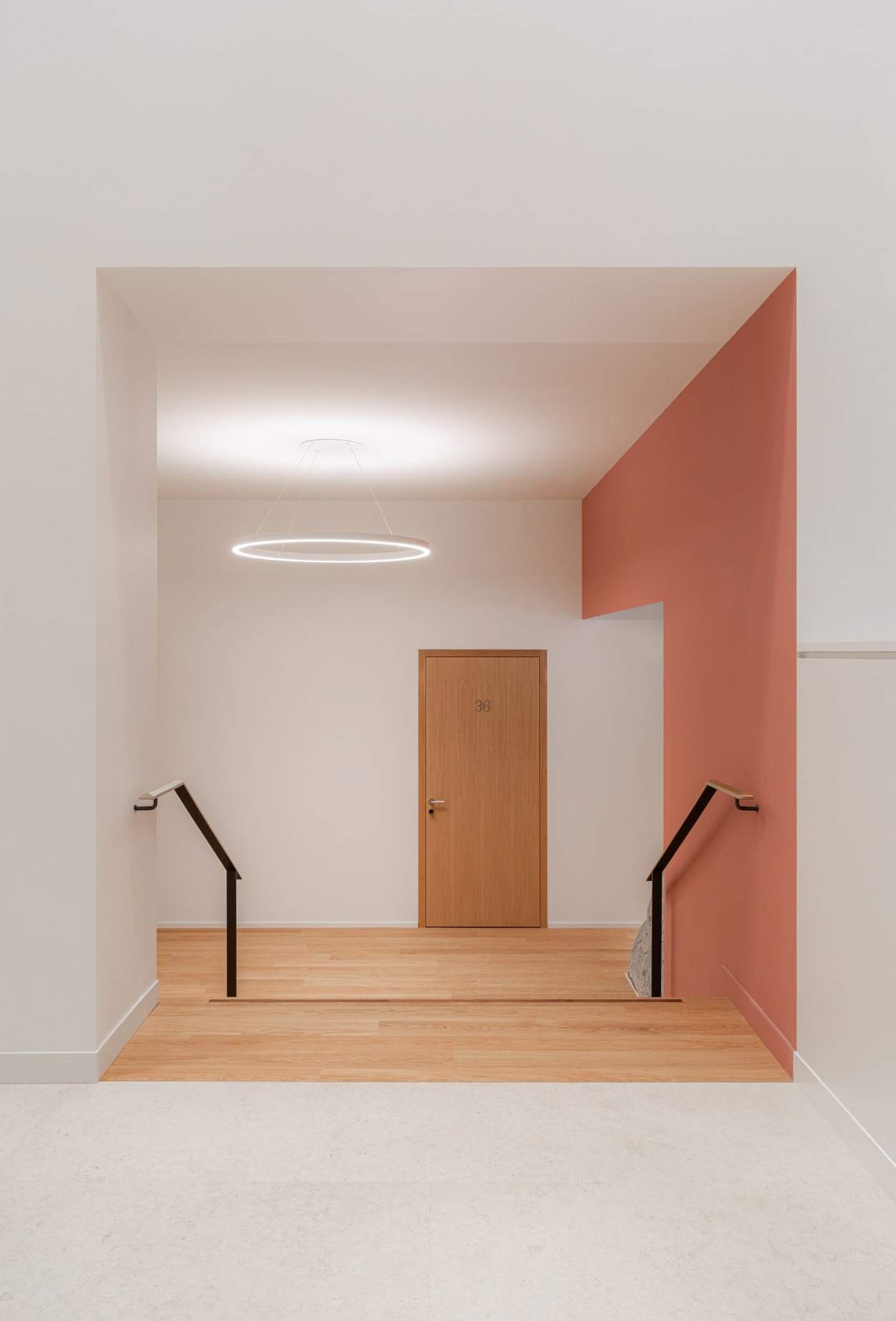
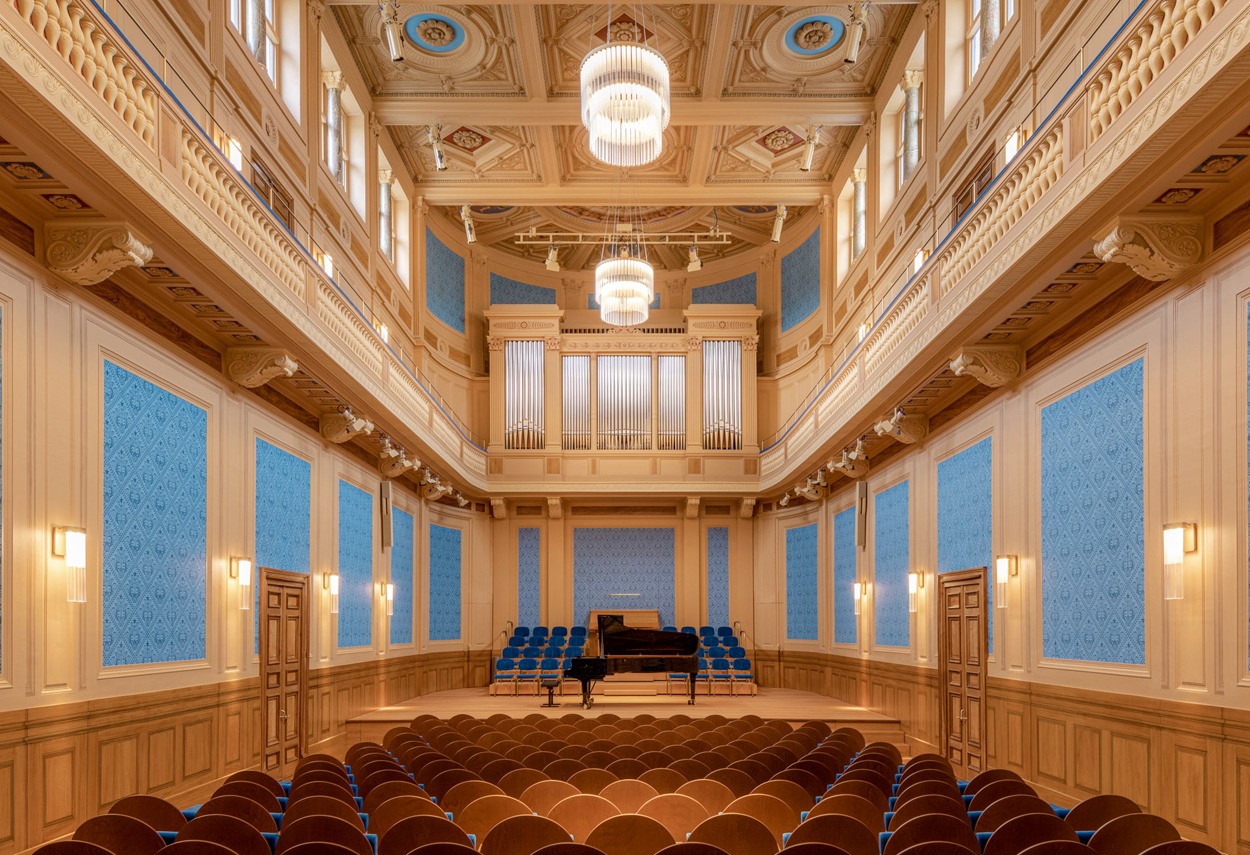
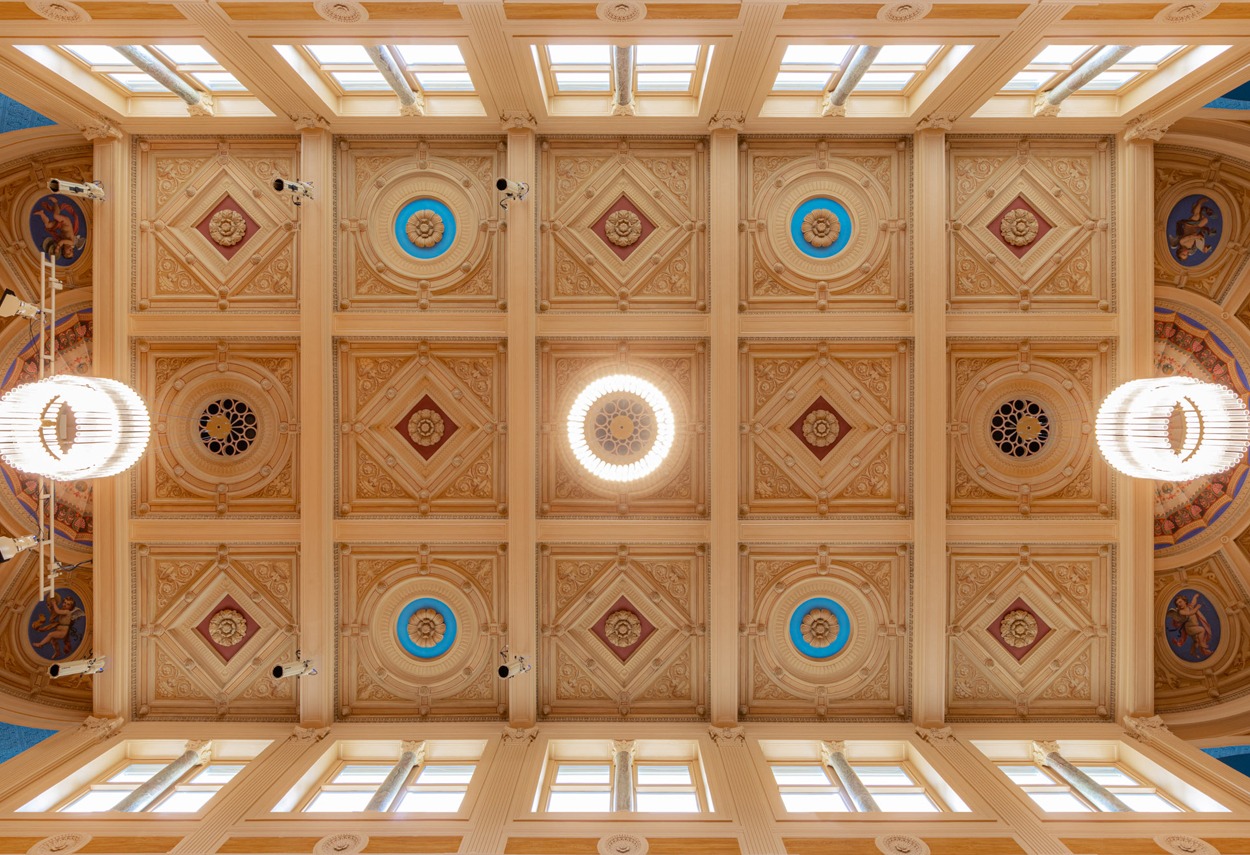
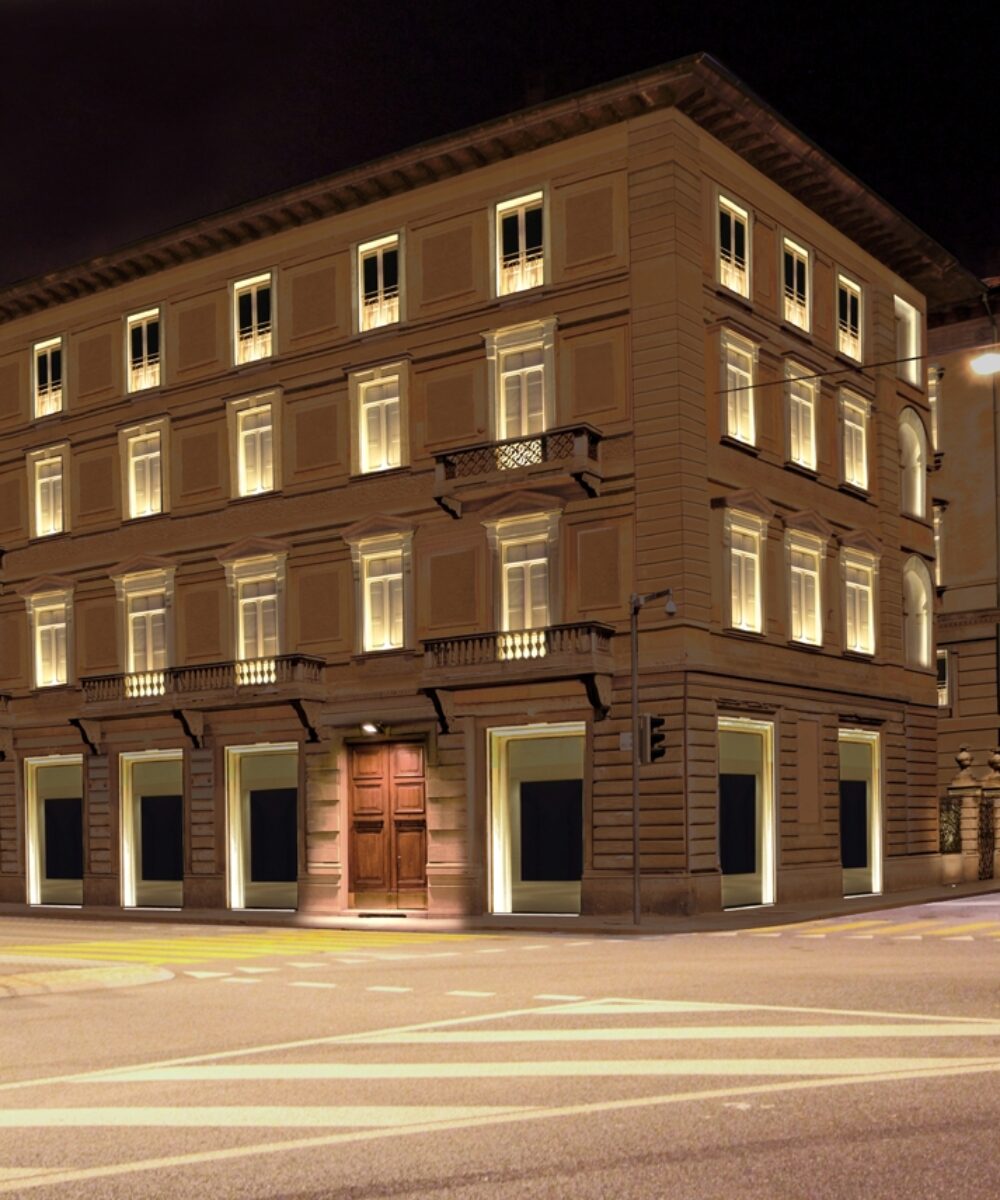
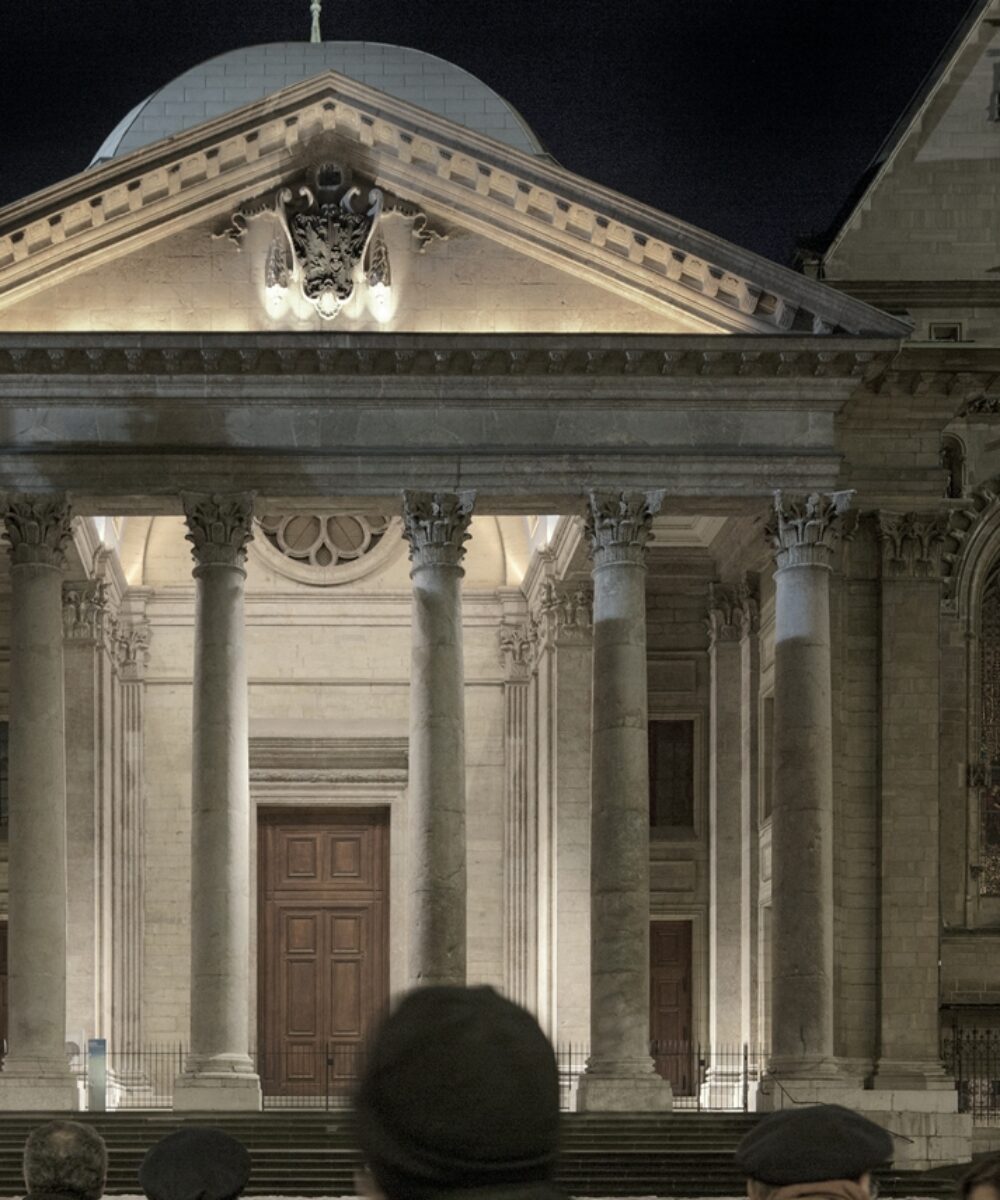
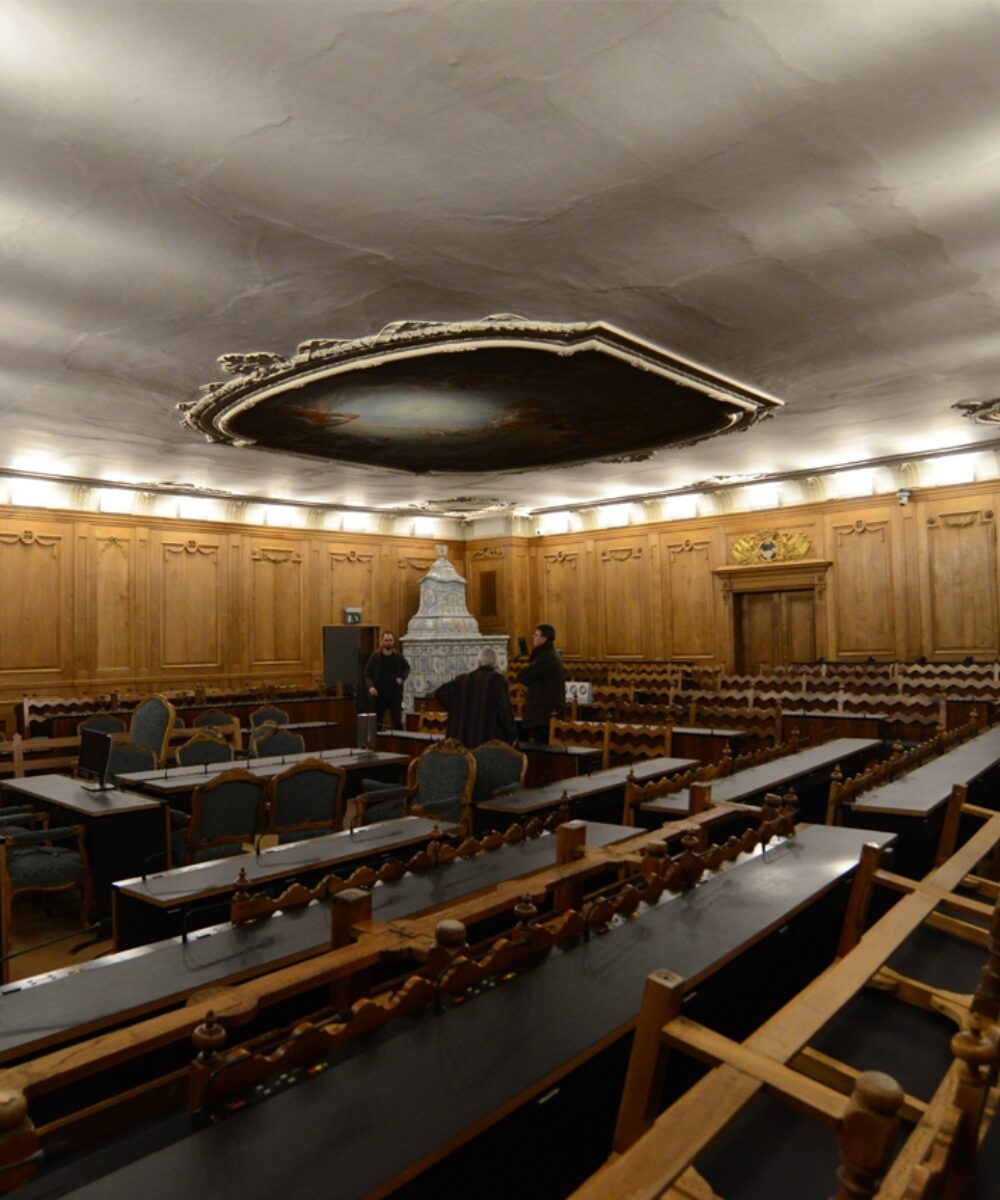
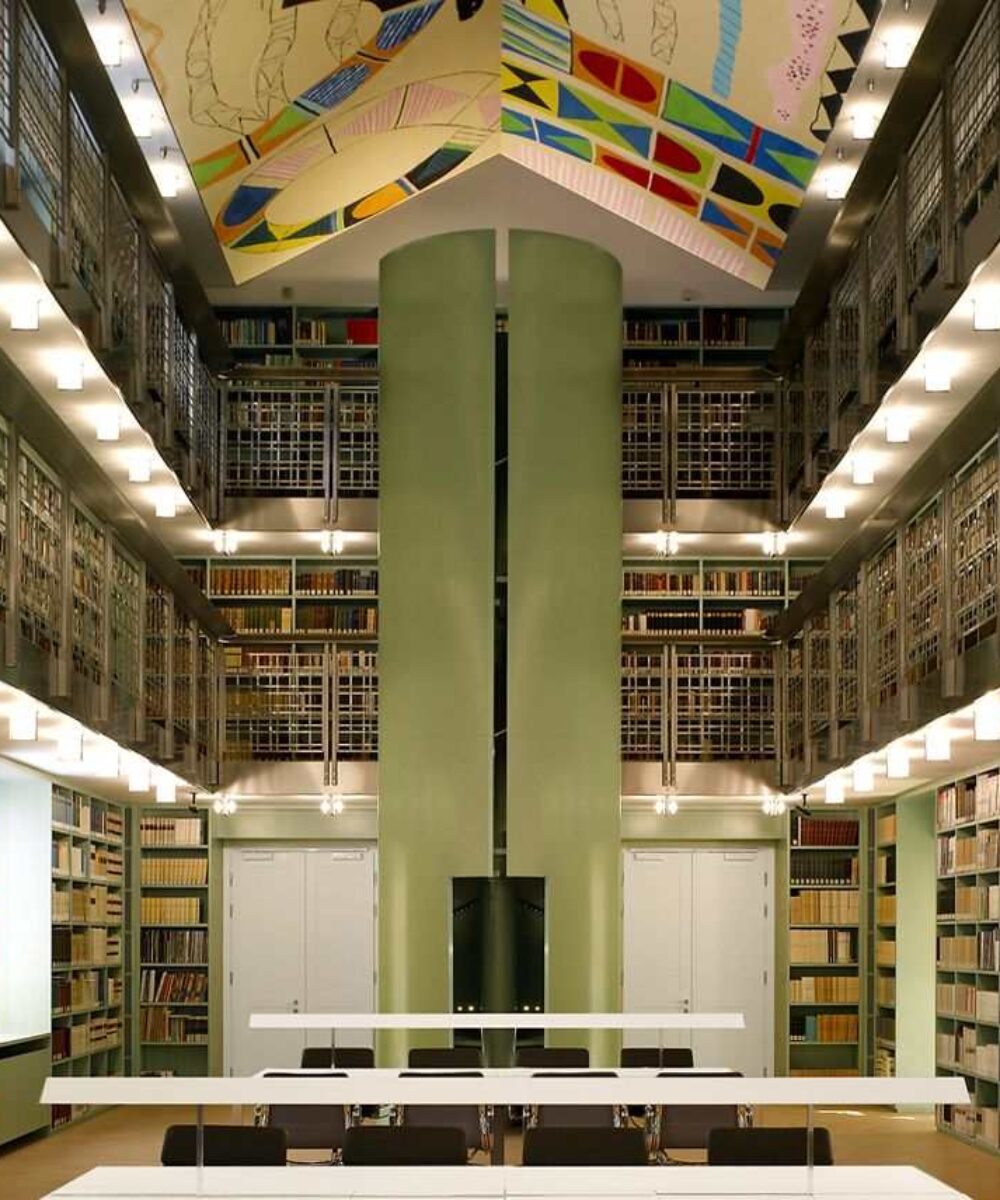
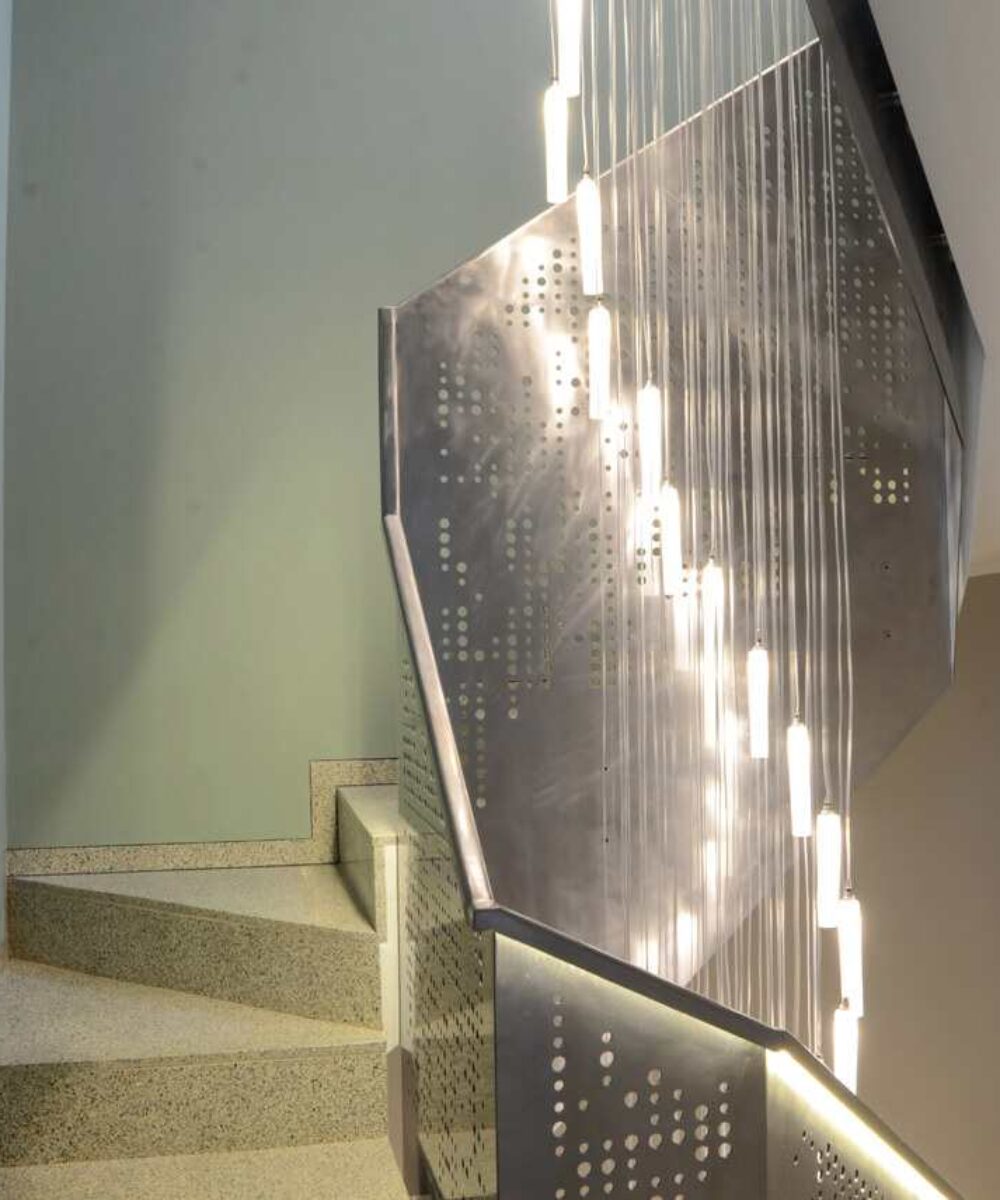
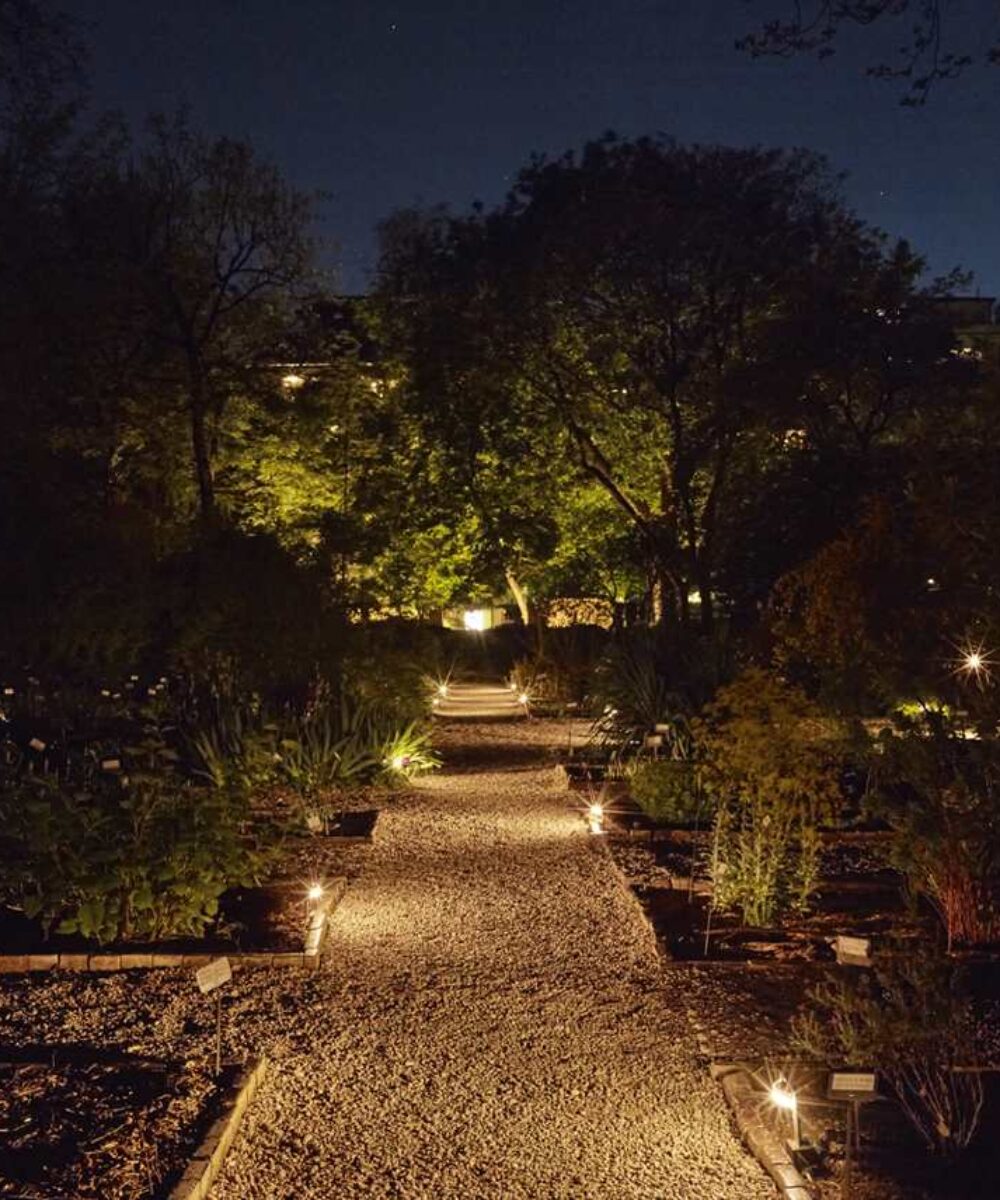
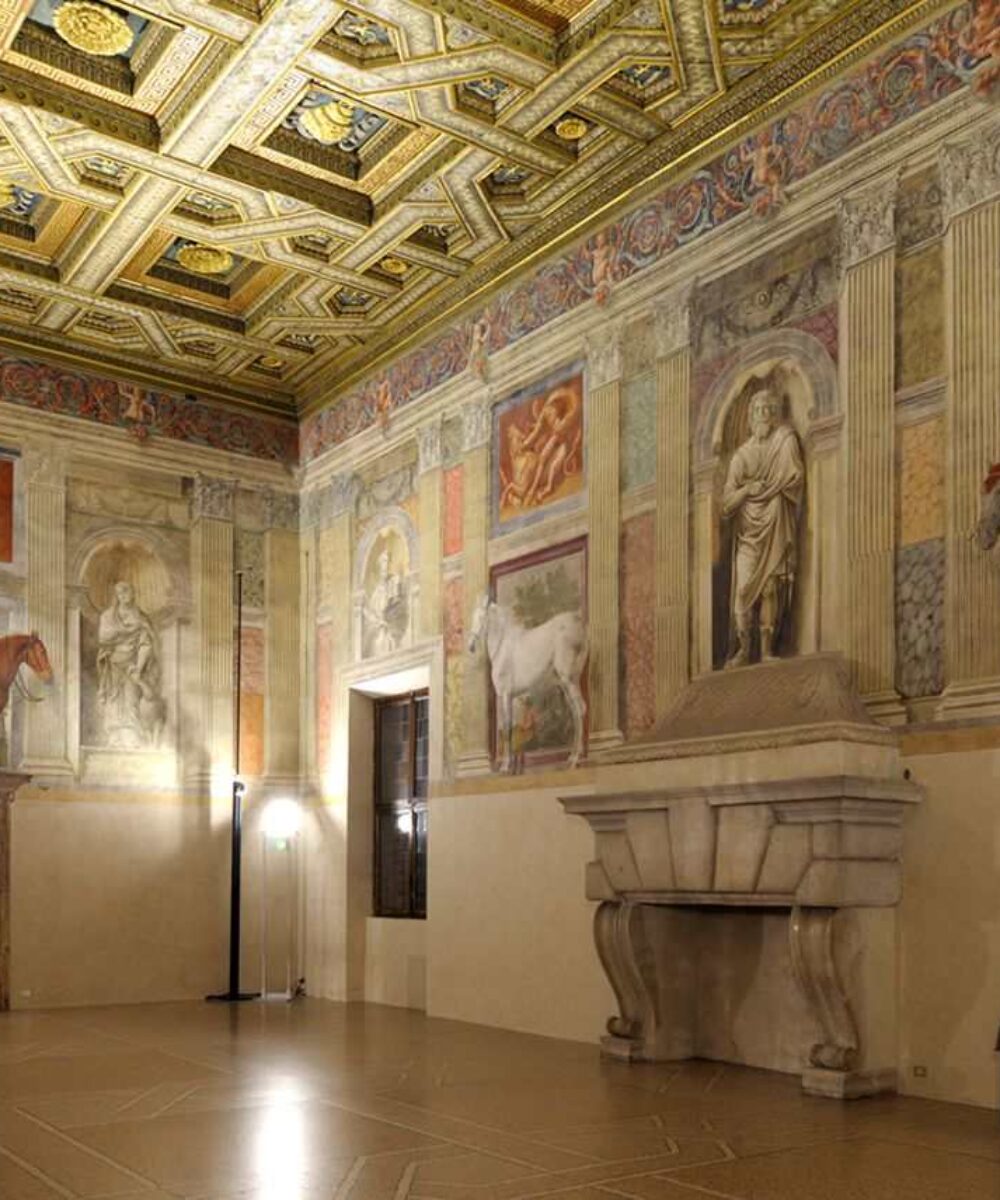
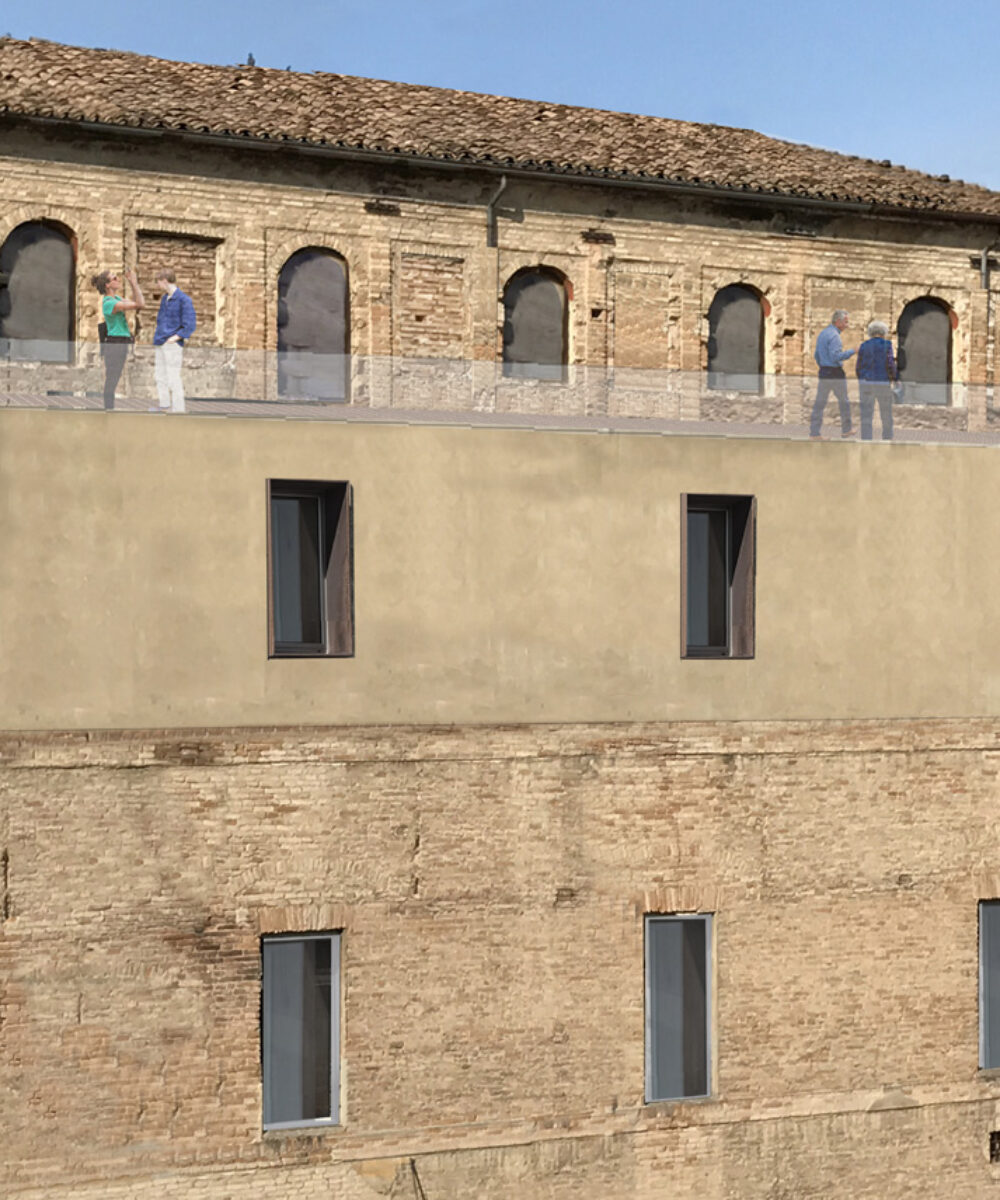
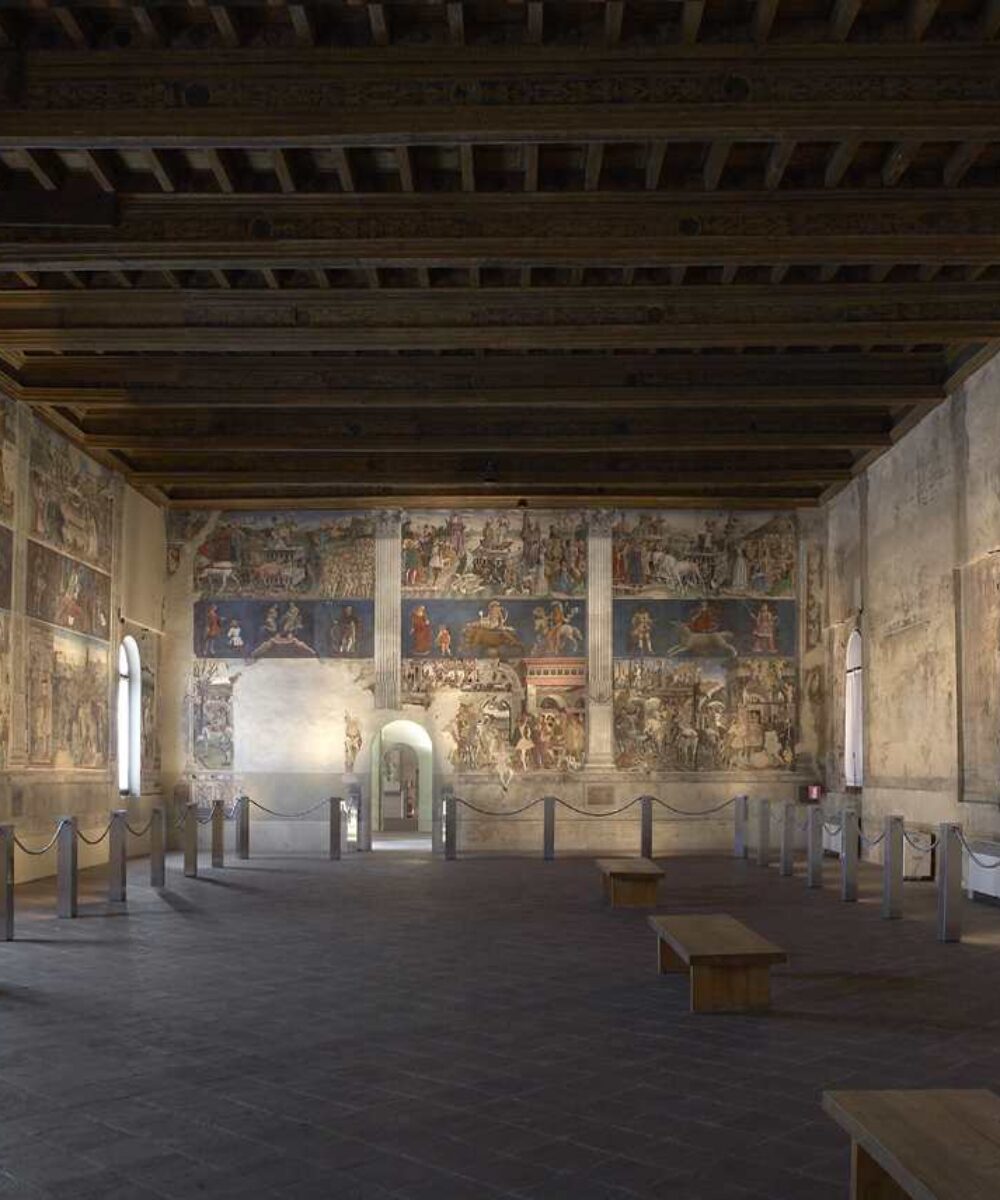
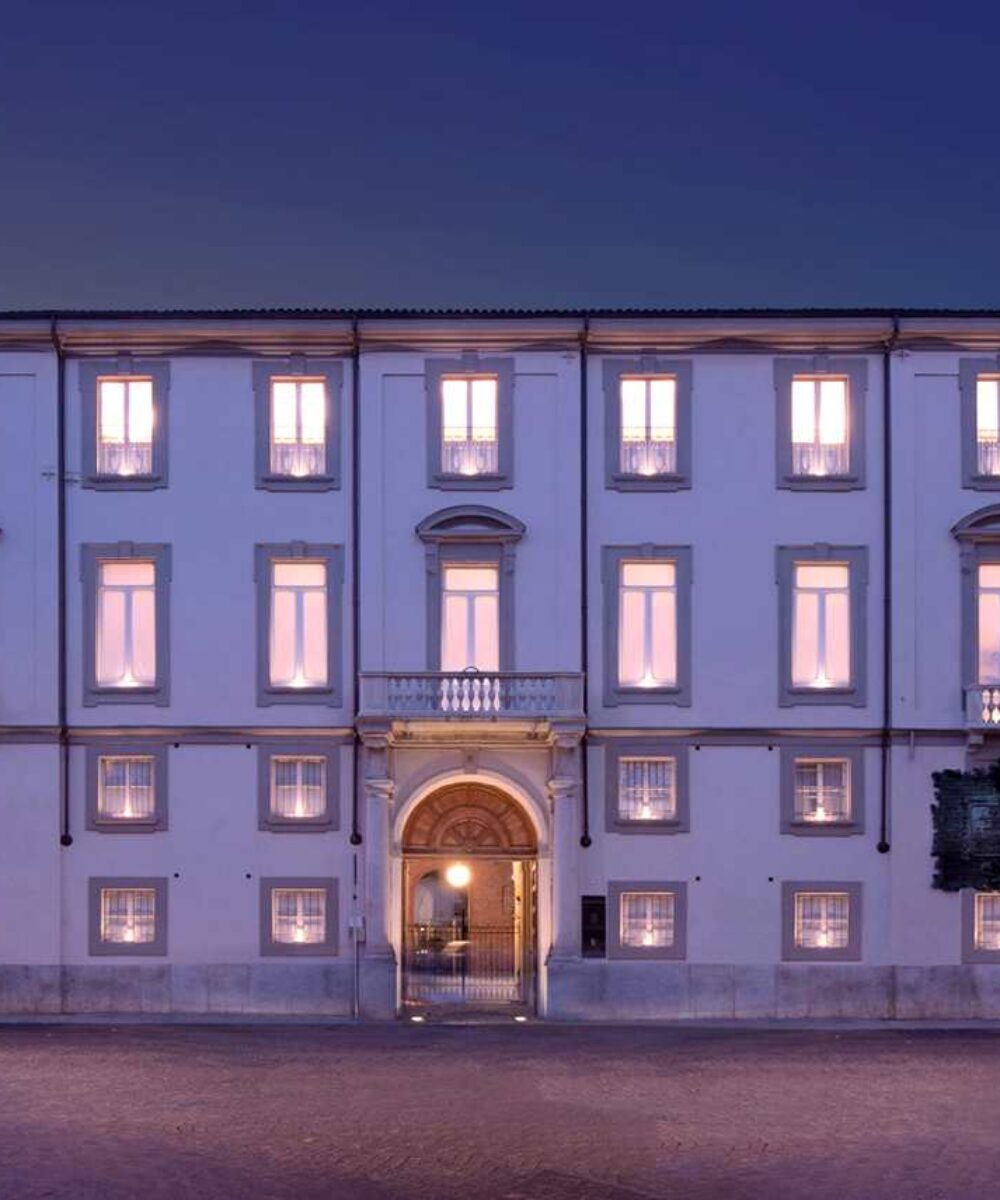
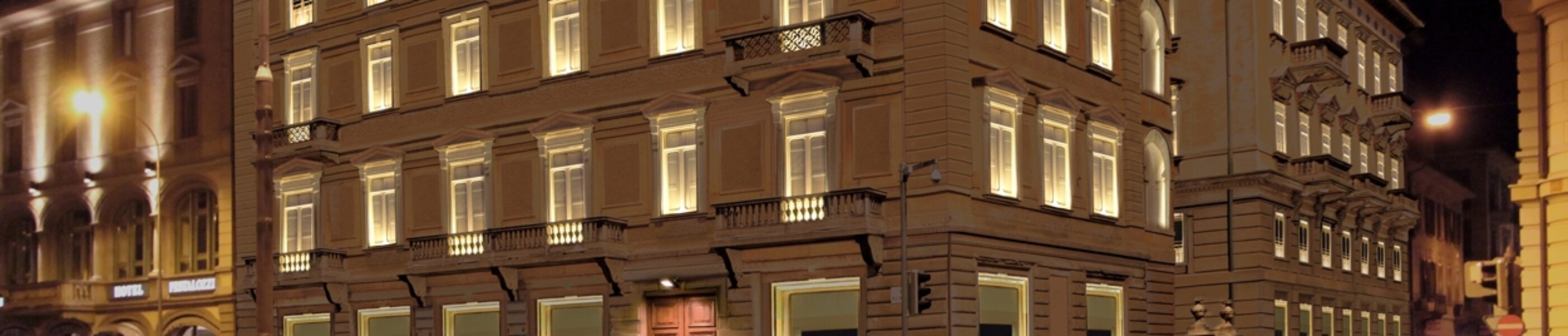
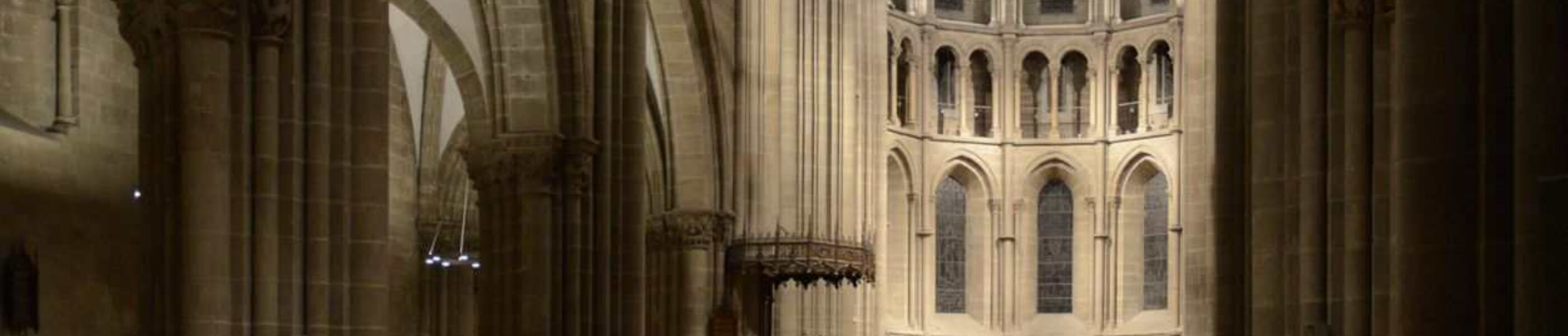
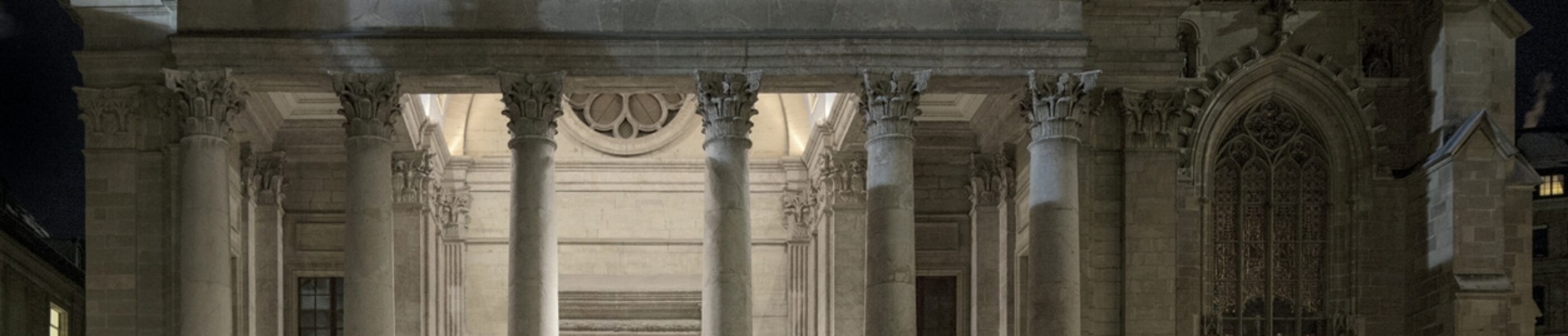
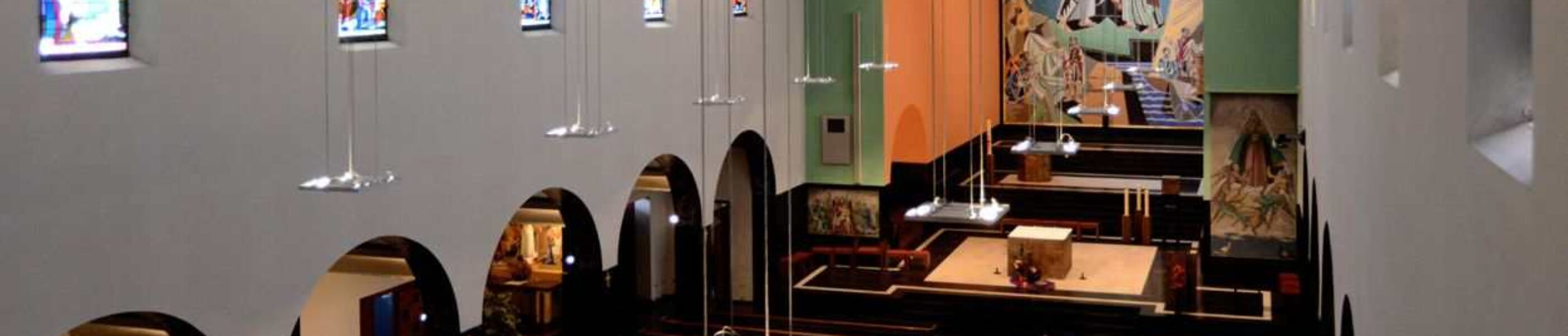
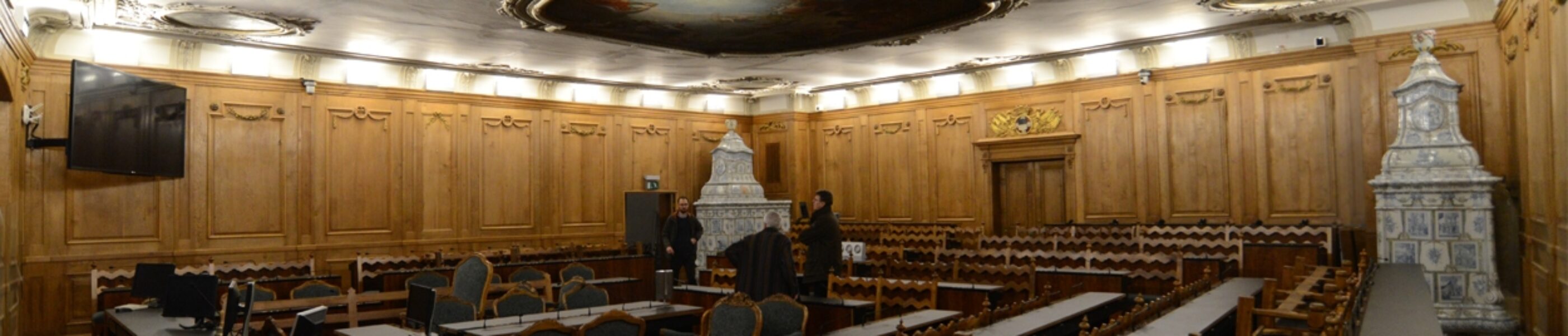
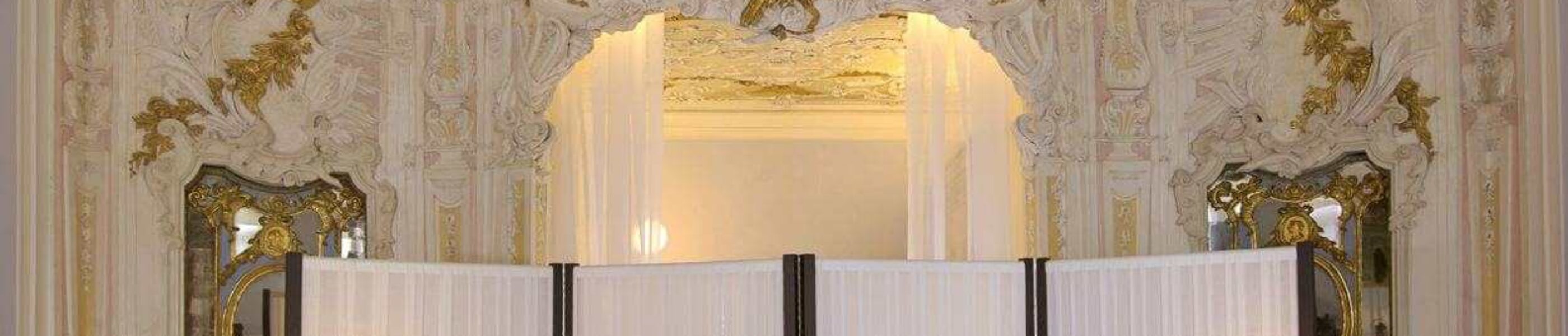
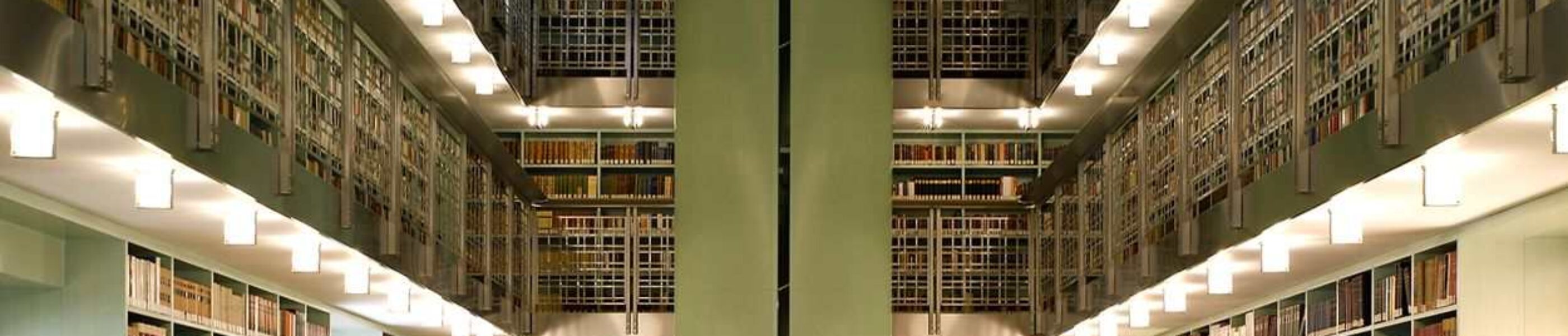
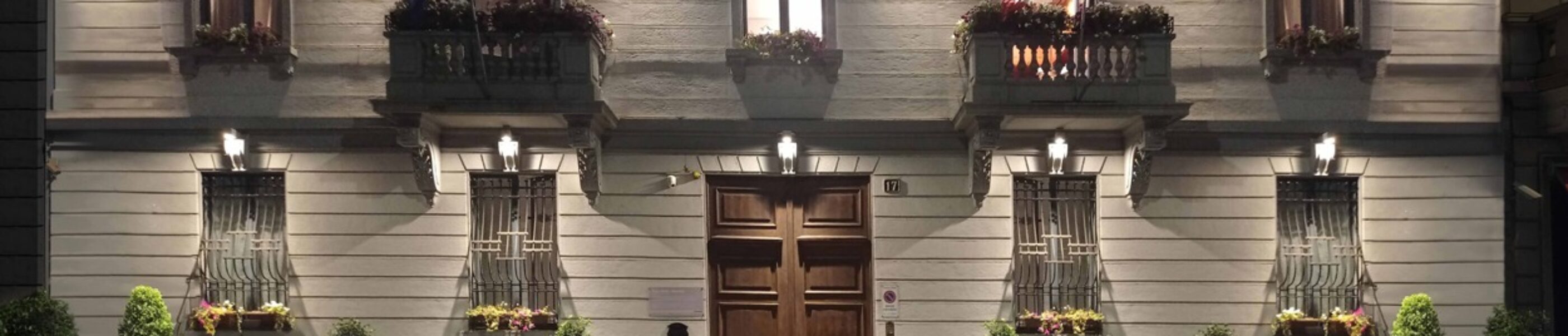
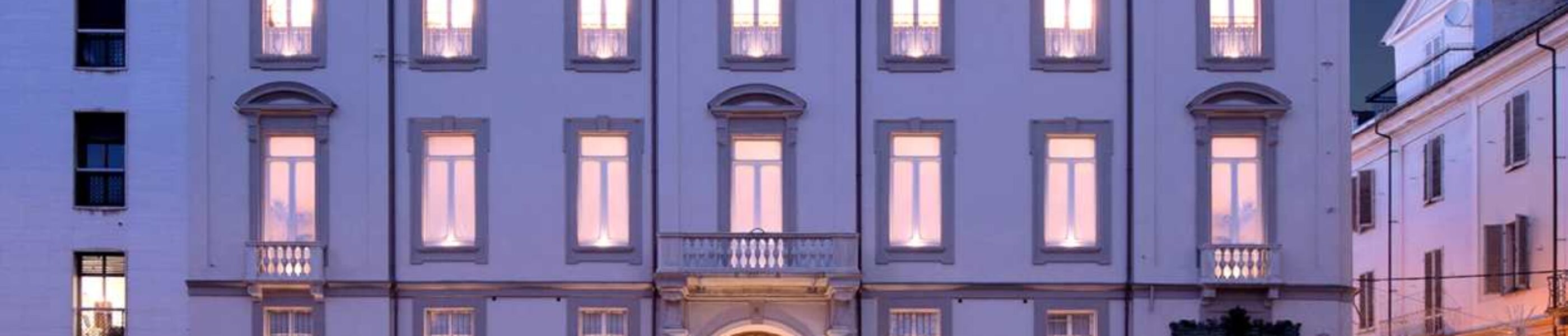
Established in 1835 by a Swiss patron, the conservatory of music is the oldest musical education institute in Switzerland and is today the home of two music schools and a library with over 70,000 books. On the one hand, the restoration work led to the conservation of the architecture, spaces, and functions, and, on the other, to the creation of new classrooms and educational facilities on the basement floor. The architectural lighting works led to the repurposing, where possible, of the existing historic devices, converting them with more modern and efficient light sources, and to the creation of several custom-made suspended fixtures with various structures, sizes, and bulbs. The large auditorium, which is a venue for concerts and opera arranged on three floors, is illuminated by three large chandeliers with LED sources and wall fixtures, while small-sized projector lamps integrated into the windows are entrusted with lighting the stage. The lighting design thus enables respect and usability of all the various activities present in the conservatory.
Light and architecture in the neoclassical building together address the theme of interdisciplinarity. The lighting designer examines the needs of subjects such as musicians, directors, choreographers, sound engineers, conductors and the public (...). Light also takes on emotional as well as functional and scenic significance.
Client:
Piero Castiglioni
Collaborations:
GM Architectes Associes
Photo Courtesy:
GM Architectes Associes
Year:
2016 - 2020
Established in 1835 by a Swiss patron, the conservatory of music is the oldest musical education institute in Switzerland and is today the home of two music schools and a library with over 70,000 books. On the one hand, the restoration work led to the conservation of the architecture, spaces, and functions, and, on the other, to the creation of new classrooms and educational facilities on the basement floor. The architectural lighting works led to the repurposing, where possible, of the existing historic devices, converting them with more modern and efficient light sources, and to the creation of several custom-made suspended fixtures with various structures, sizes, and bulbs. The large auditorium, which is a venue for concerts and opera arranged on three floors, is illuminated by three large chandeliers with LED sources and wall fixtures, while small-sized projector lamps integrated into the windows are entrusted with lighting the stage. The lighting design thus enables respect and usability of all the various activities present in the conservatory.
Light and architecture in the neoclassical building together address the theme of interdisciplinarity. The lighting designer examines the needs of subjects such as musicians, directors, choreographers, sound engineers, conductors and the public (...). Light also takes on emotional as well as functional and scenic significance.
Client:
Piero Castiglioni
Collaborations:
GM Architectes Associes
Photo Courtesy:
GM Architectes Associes
Year:
2016 - 2020
Other Projects
Other Projects
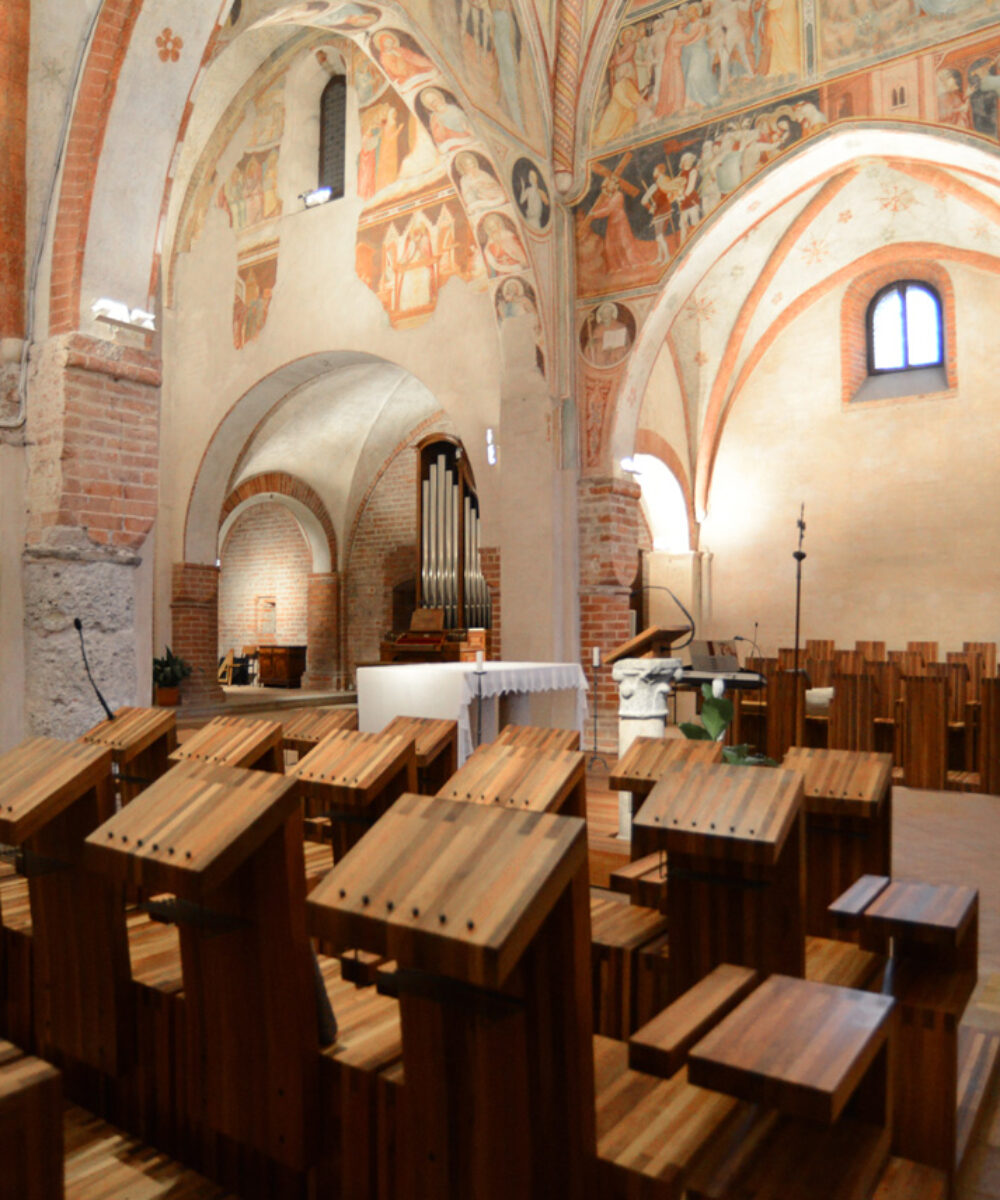
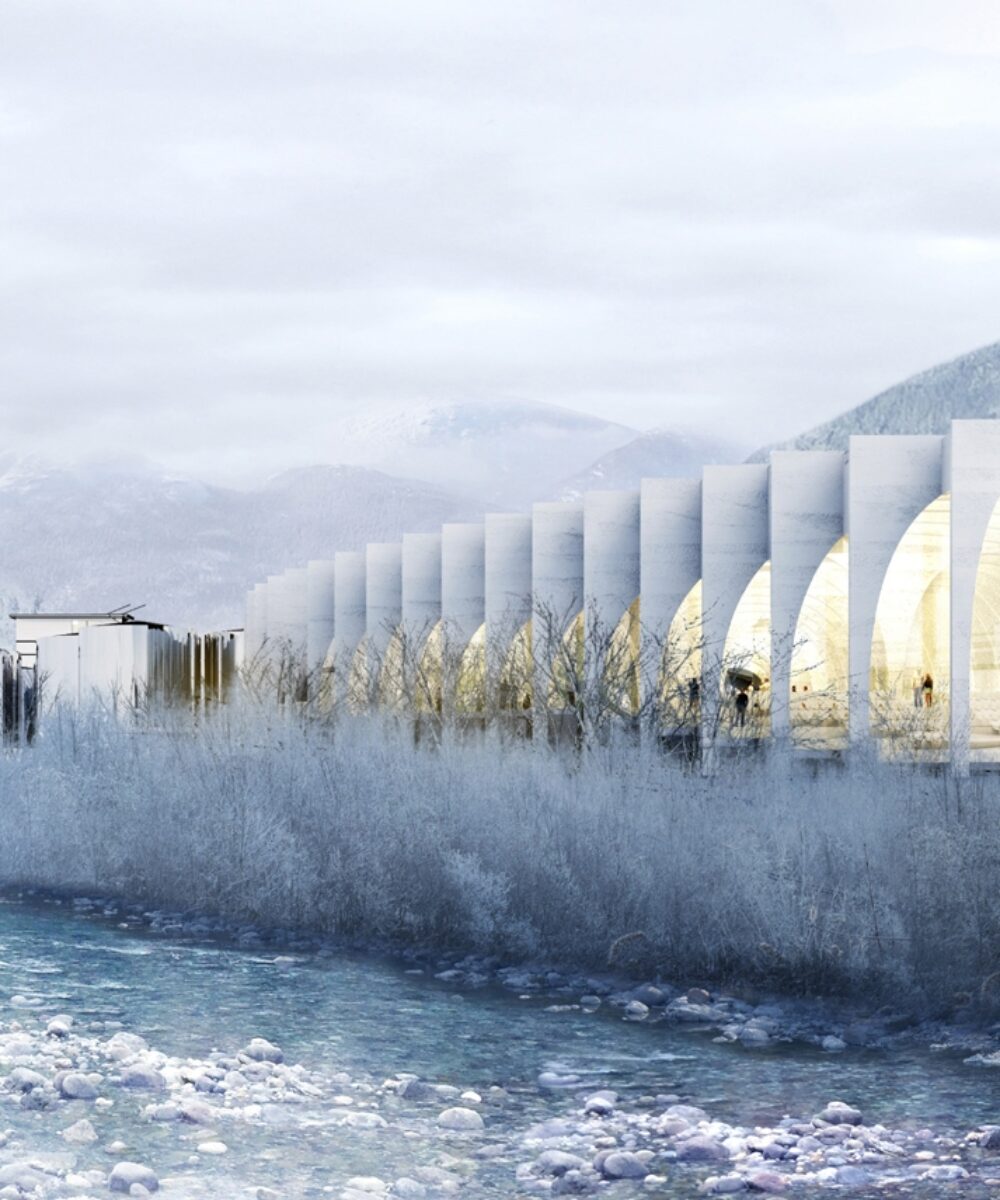
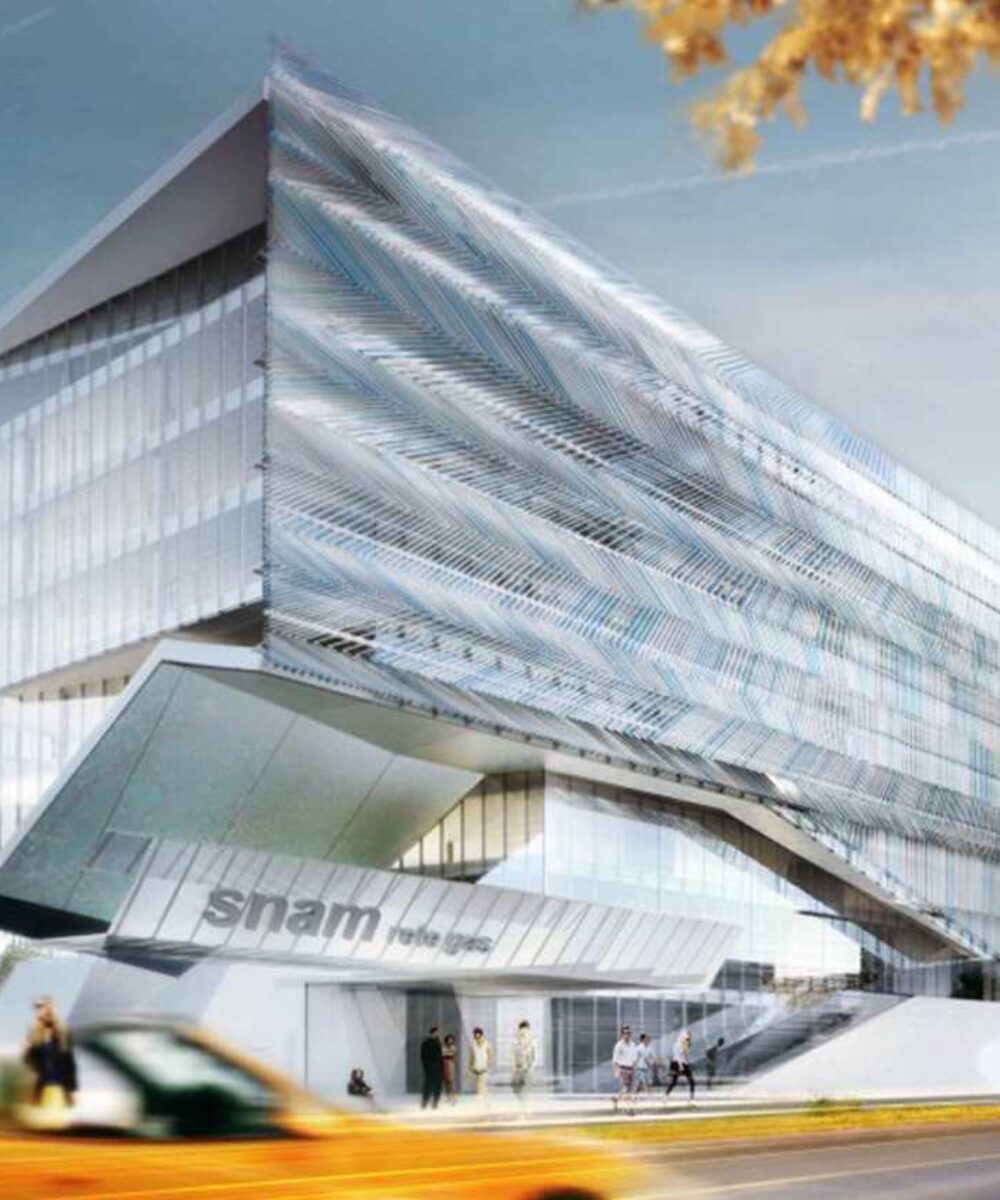
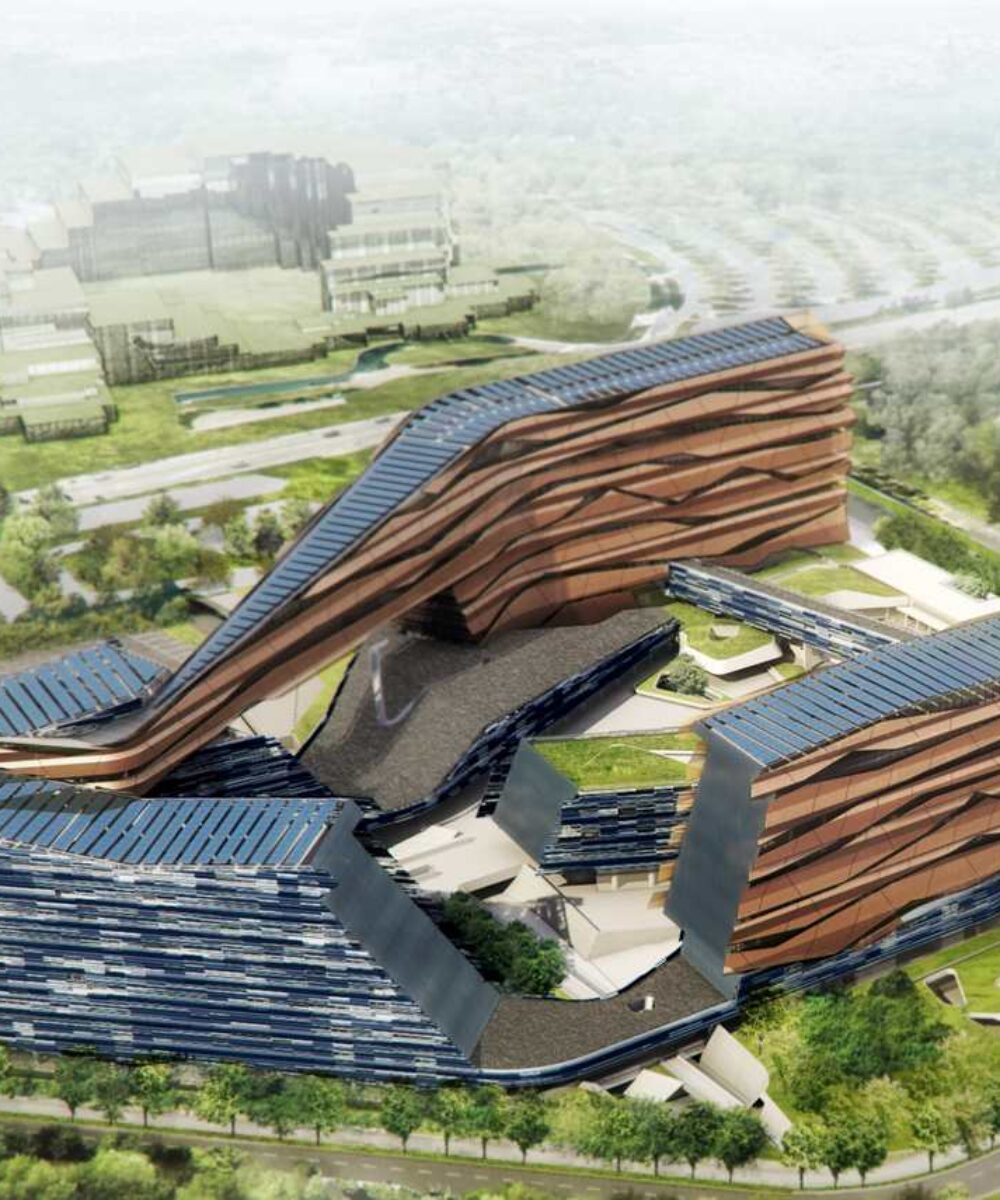
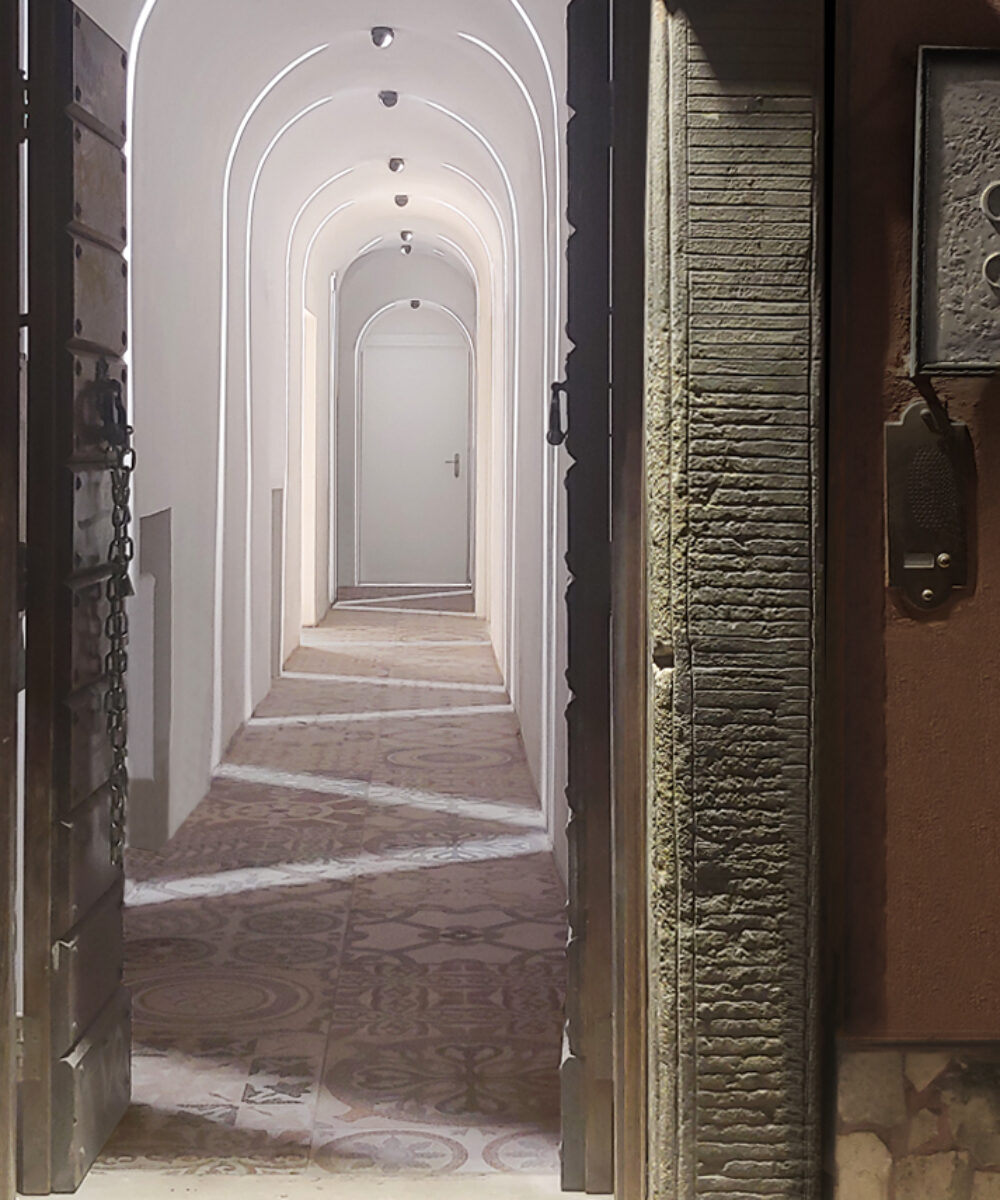
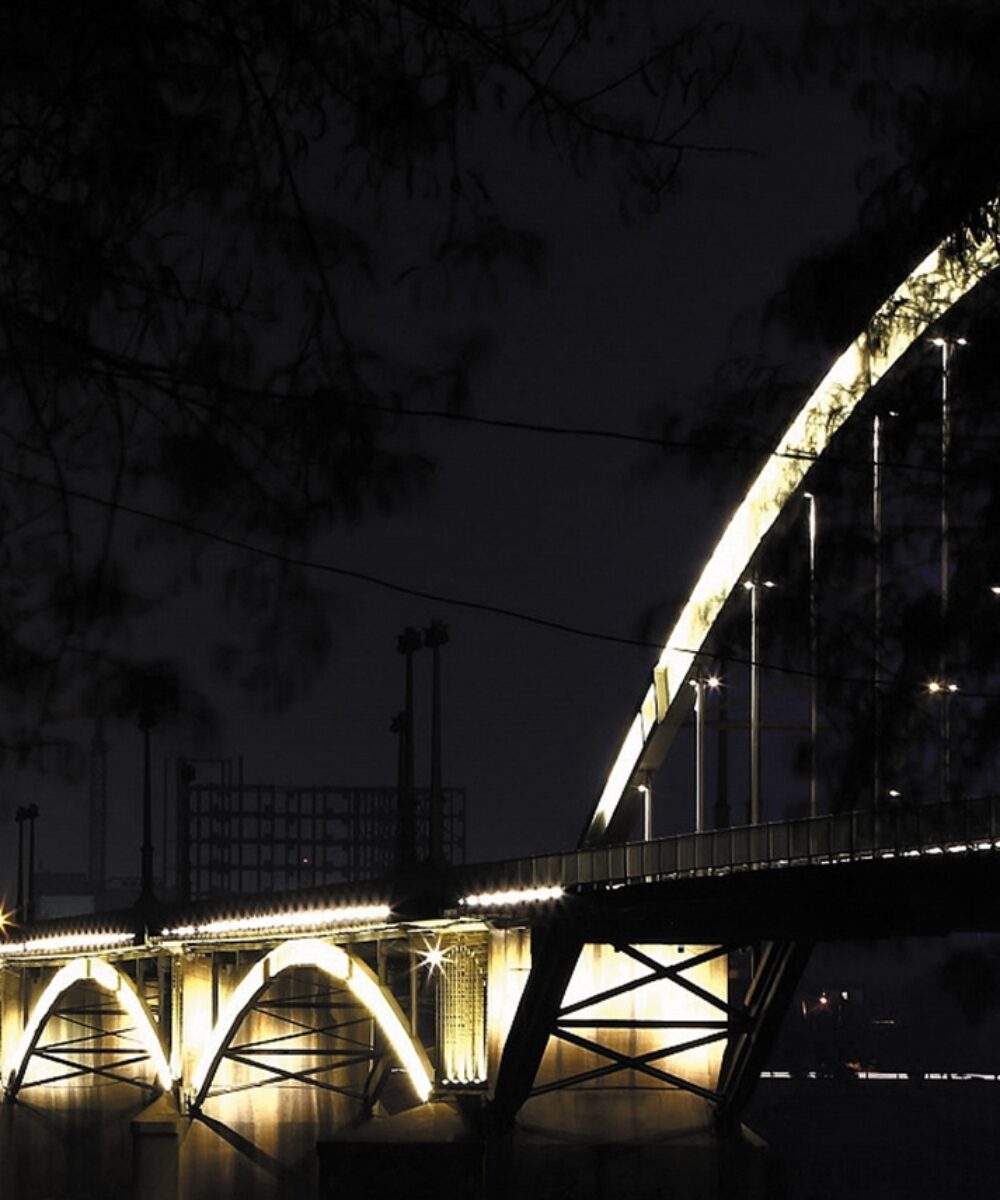
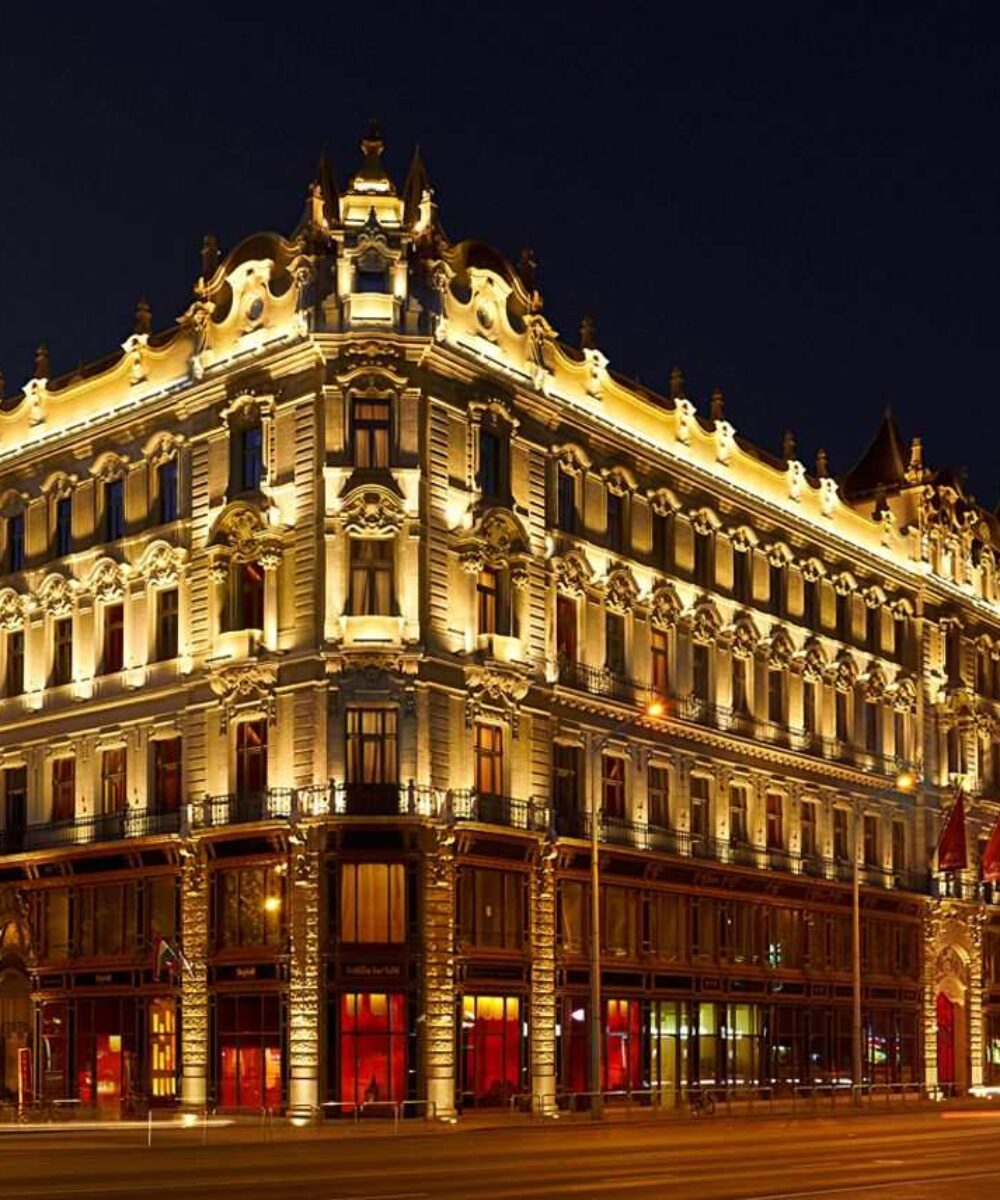
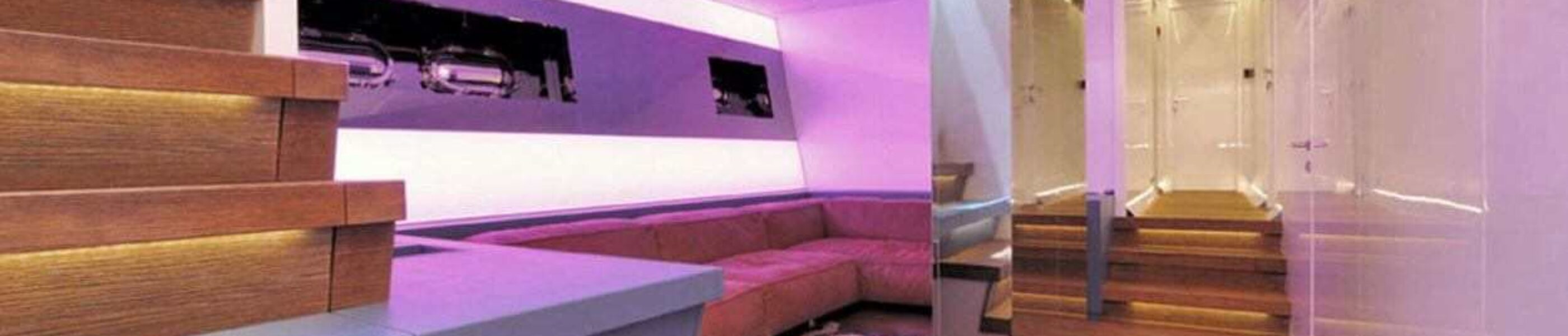
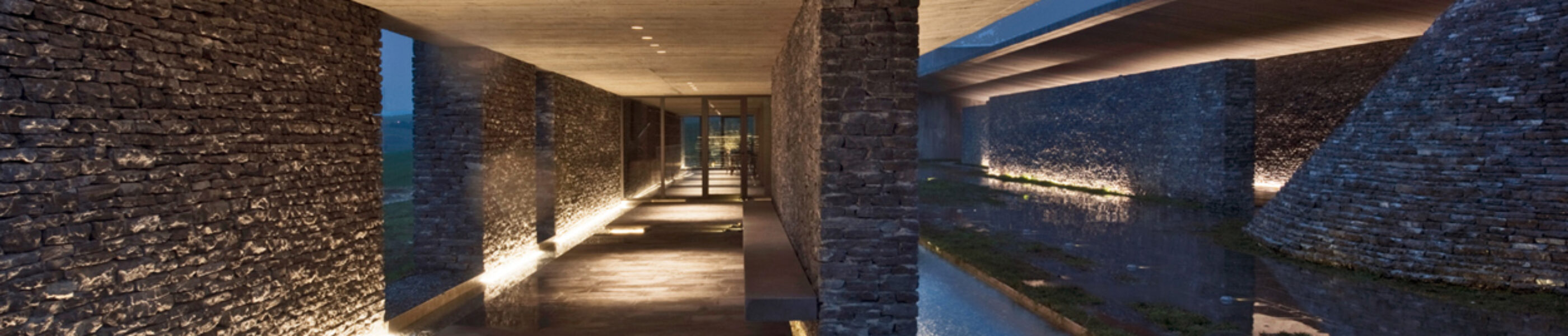
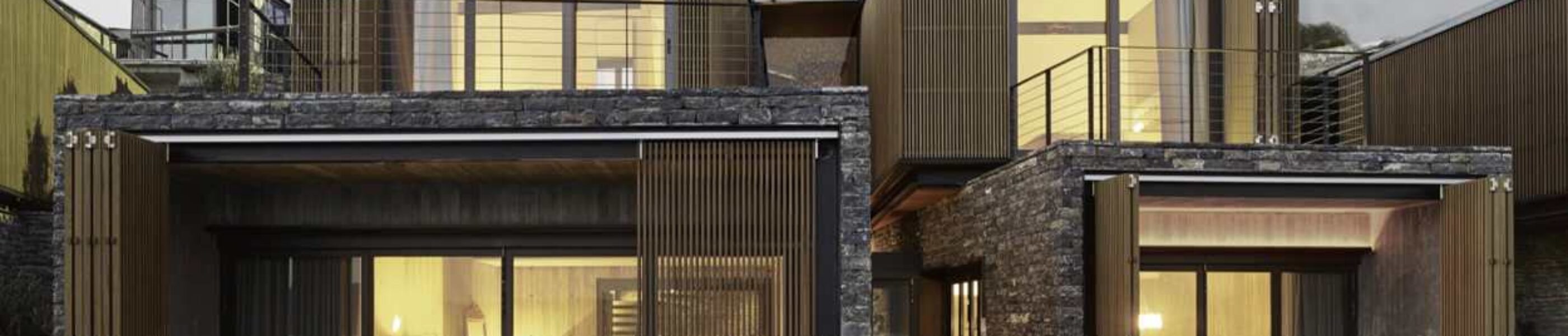
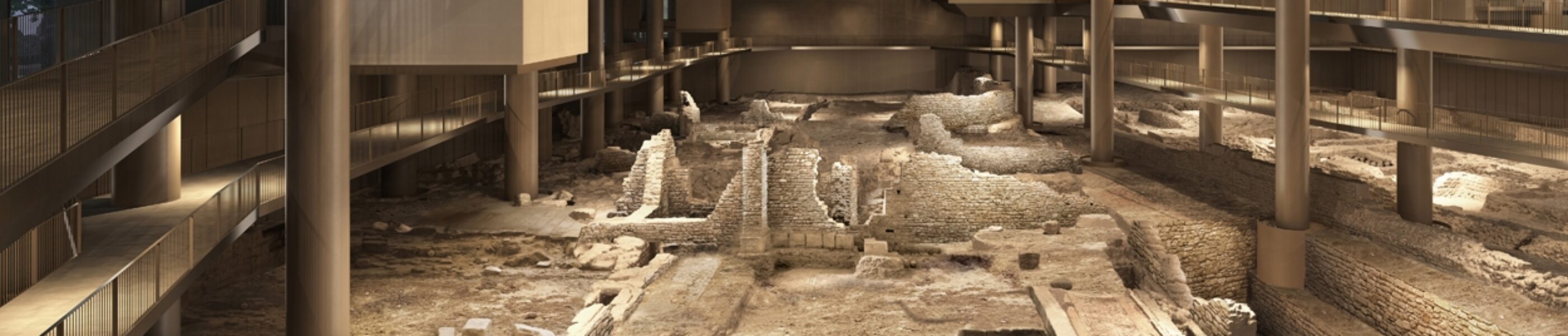
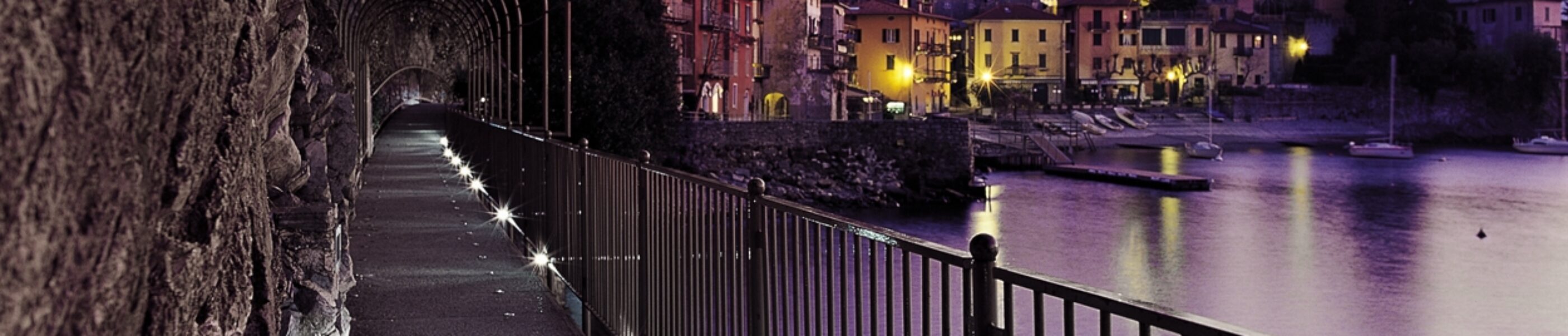
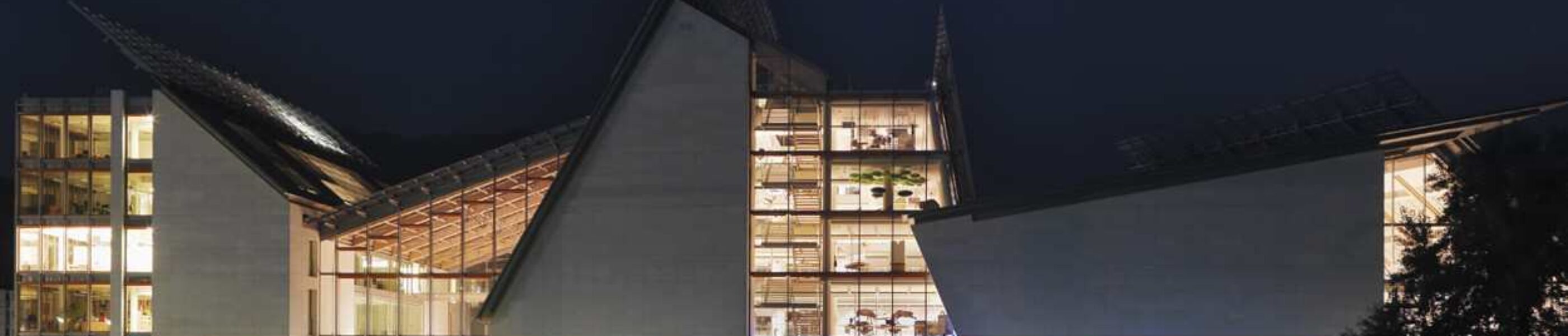
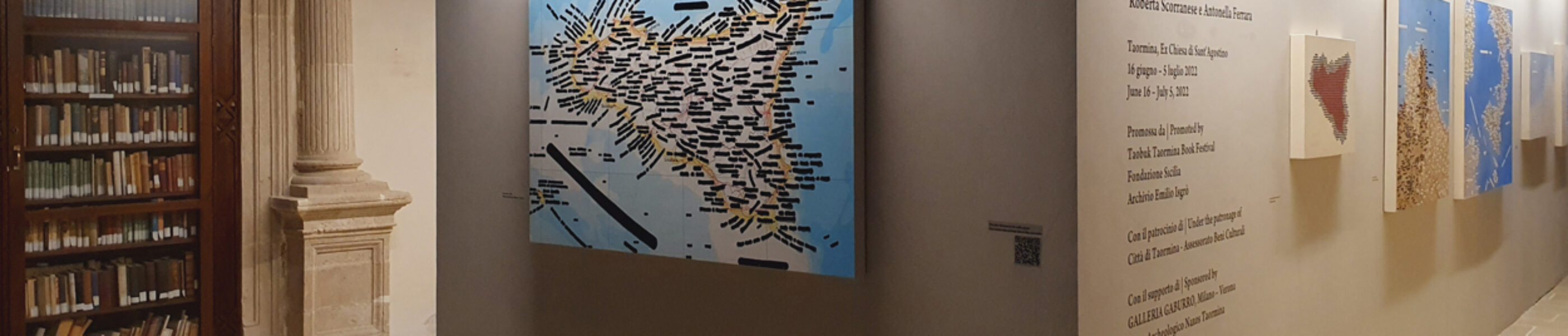
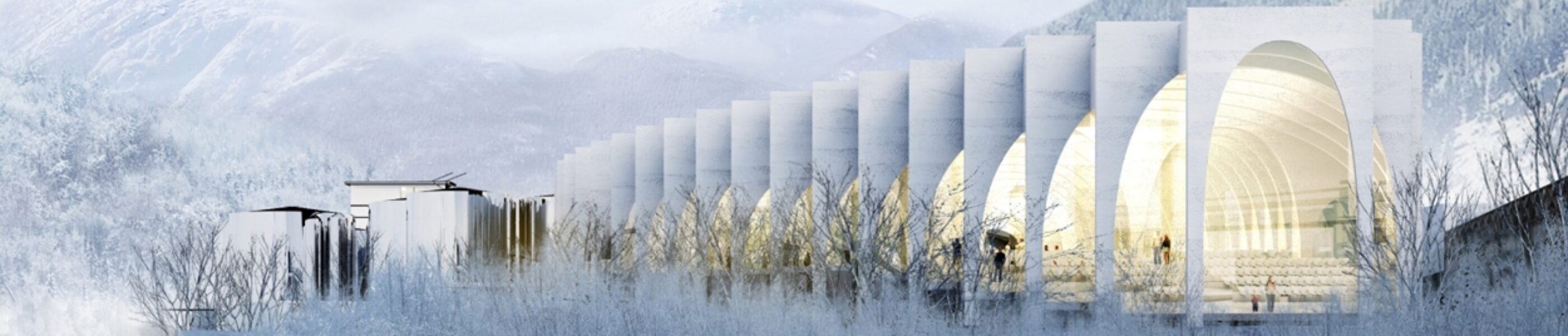
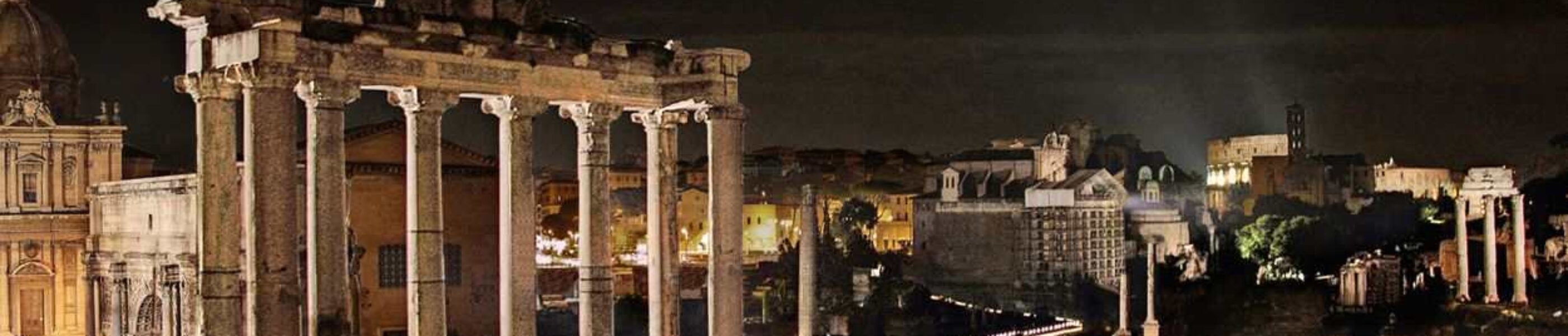
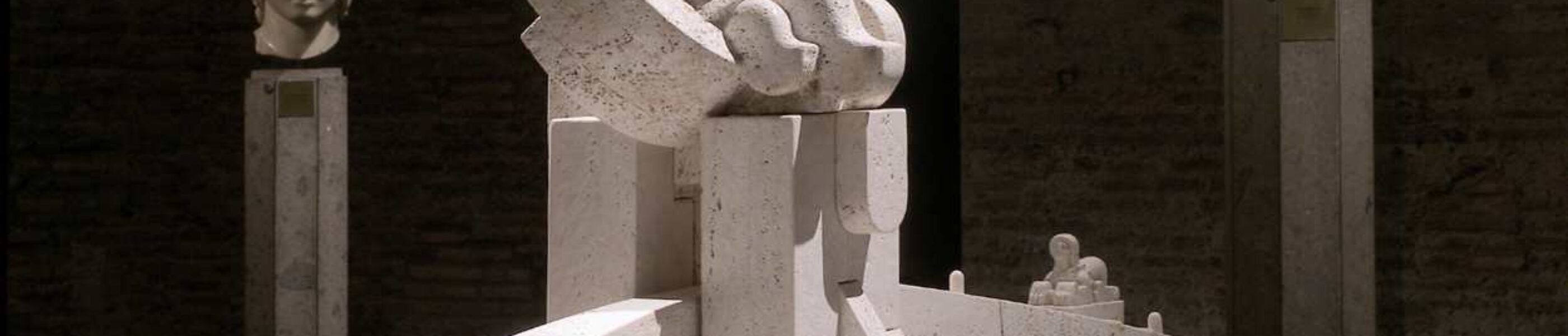
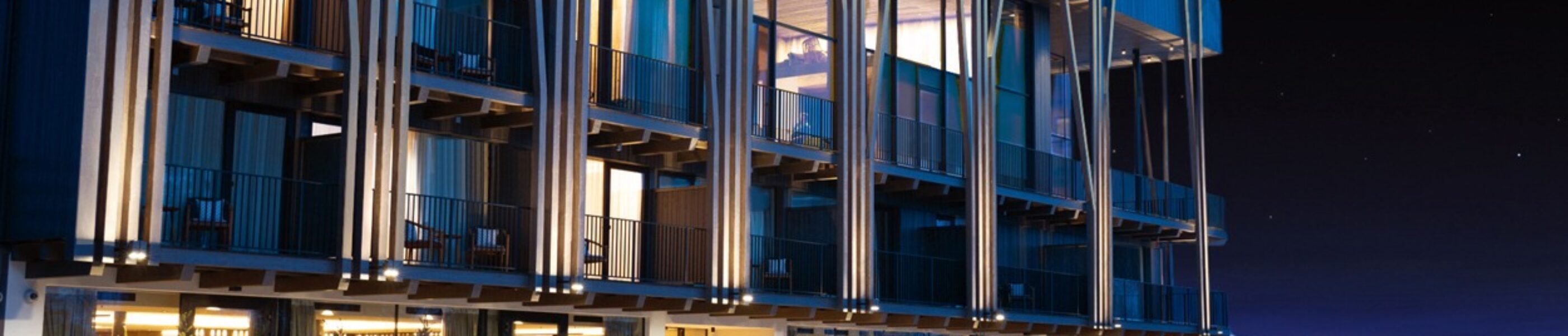
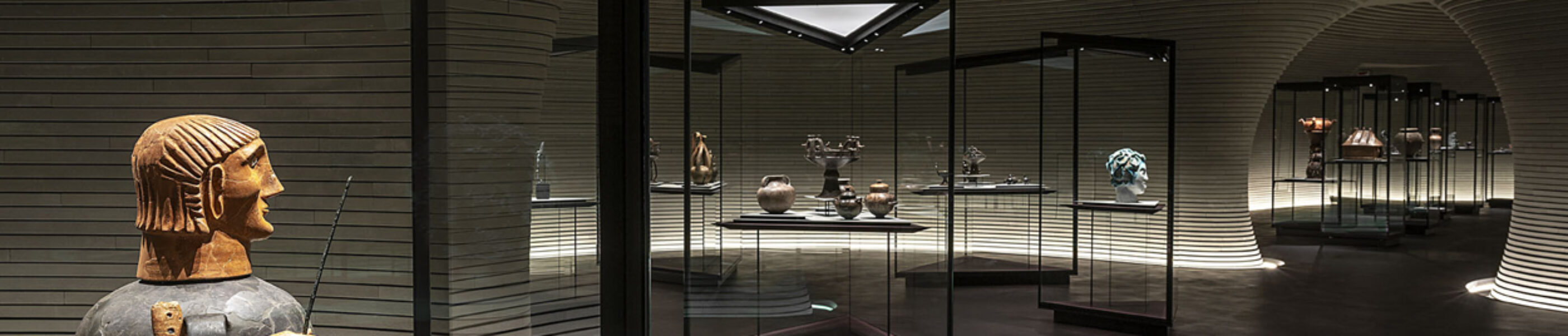
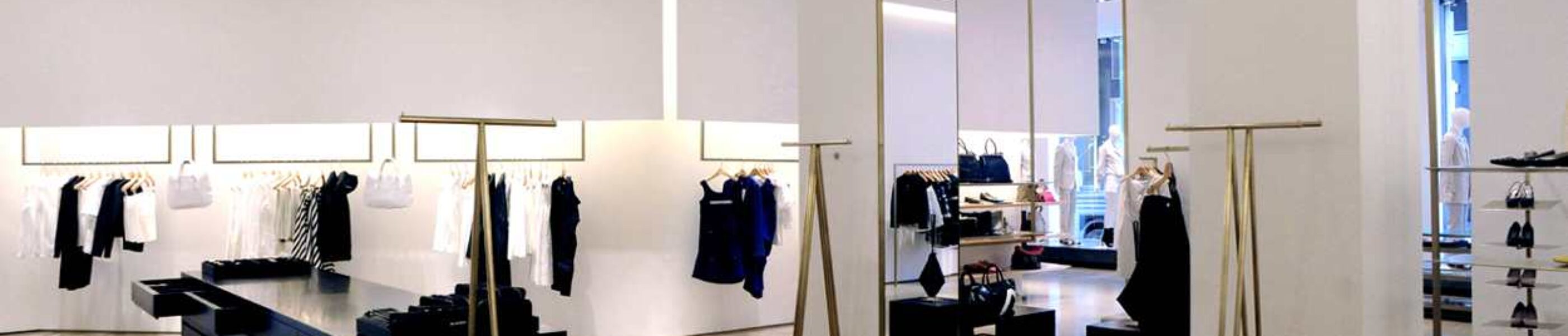
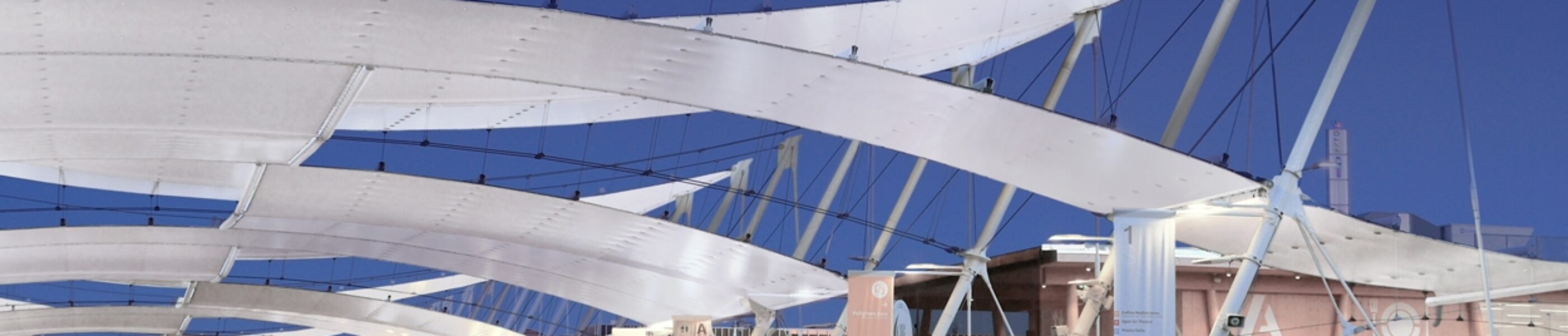
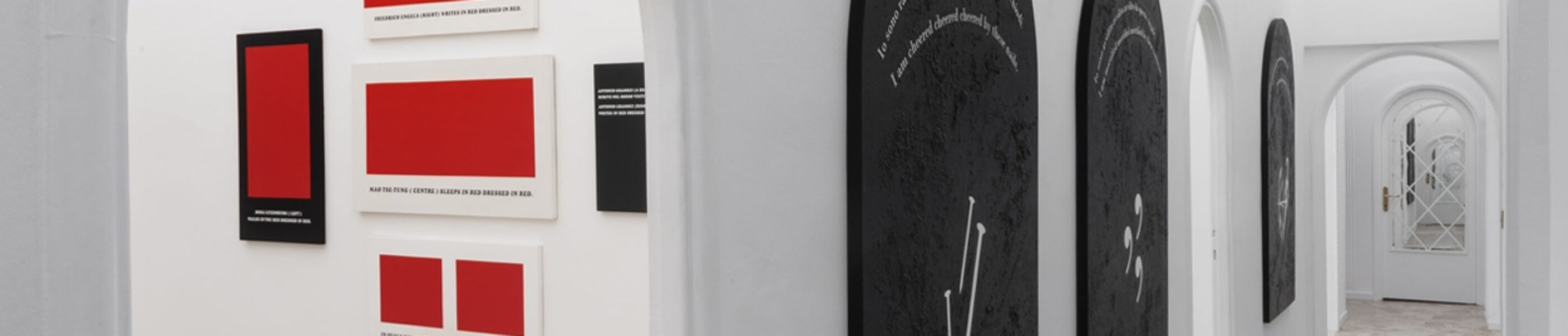
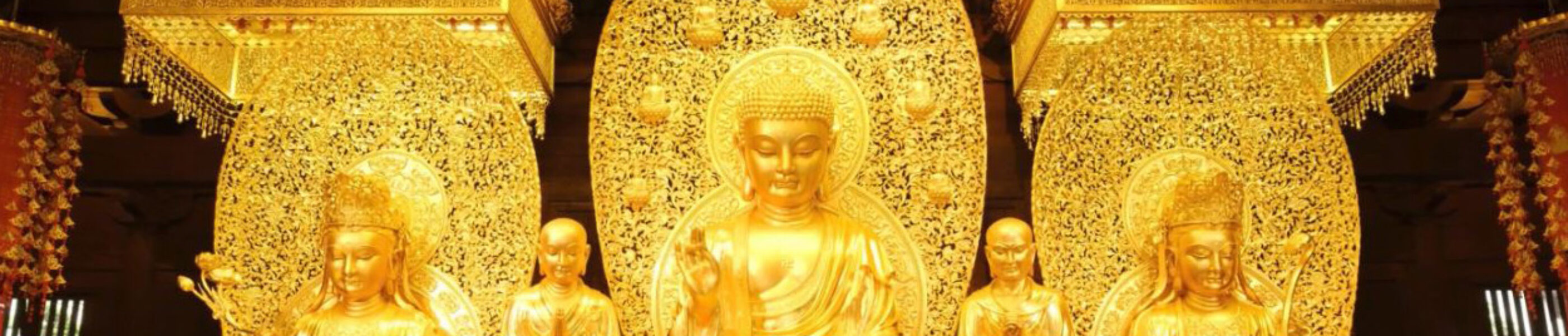
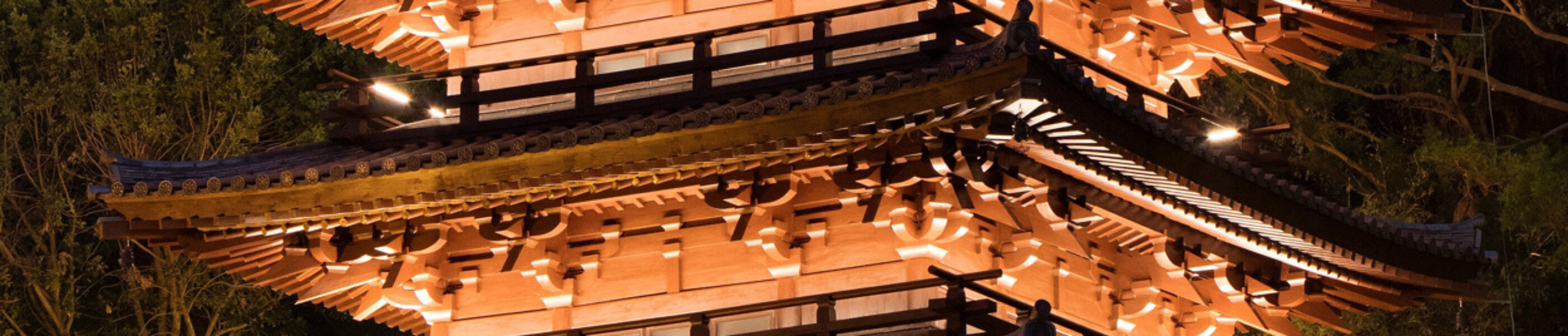
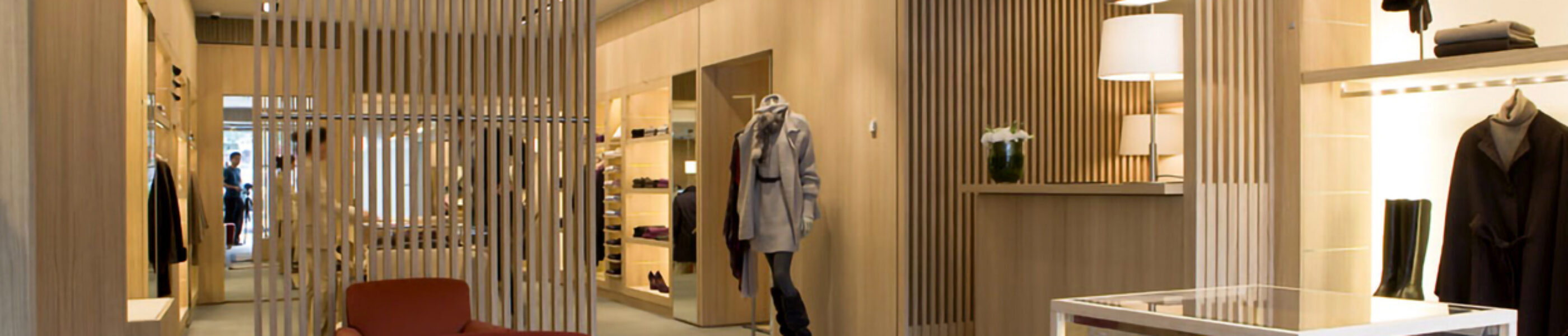
This section brings together a representative selection of lighting design projects in the architectural, museum, urban, cultural, retail, hospitality, and infrastructure sectors, both in Italy and abroad. The gallery documents projects of varying scale, function, and context, all sharing an approach to light as a tool for interpreting space, capable of engaging with architecture, artworks, landscape, and contemporary use.
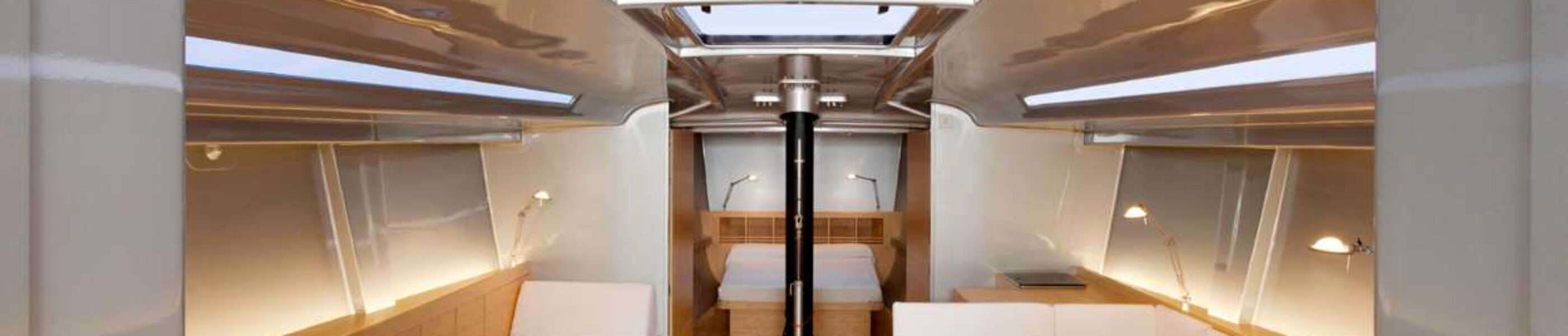
The projects presented range from museums, foundations, and temporary exhibitions to historic buildings, places of worship, public spaces, and urban complexes, including corporate headquarters, private residences, yachts, and lighting masterplans. In each project, light is designed as a controlled material, calibrated to the characteristics of the location, its functional needs, and the perceptual quality of the experience.
Taken together, the collected works convey a vision of lighting design as an integrated process, in which technical rigor, cultural sensitivity, and attention to context contribute to the construction of spatial identity, orientation, and value. The gallery thus takes the form of a design map, capable of demonstrating how light can take on different roles—discrete or declared—while always maintaining coherence, measure, and design awareness.
This section brings together a representative selection of lighting design projects in the architectural, museum, urban, cultural, retail, hospitality, and infrastructure sectors, both in Italy and abroad. The gallery documents projects of varying scale, function, and context, all sharing an approach to light as a tool for interpreting space, capable of engaging with architecture, artworks, landscape, and contemporary use.
The projects presented range from museums, foundations, and temporary exhibitions to historic buildings, places of worship, public spaces, and urban complexes, including corporate headquarters, private residences, yachts, and lighting masterplans. In each project, light is designed as a controlled material, calibrated to the characteristics of the location, its functional needs, and the perceptual quality of the experience.
Taken together, the collected works convey a vision of lighting design as an integrated process, in which technical rigor, cultural sensitivity, and attention to context contribute to the construction of spatial identity, orientation, and value. The gallery thus takes the form of a design map, capable of demonstrating how light can take on different roles—discrete or declared—while always maintaining coherence, measure, and design awareness.