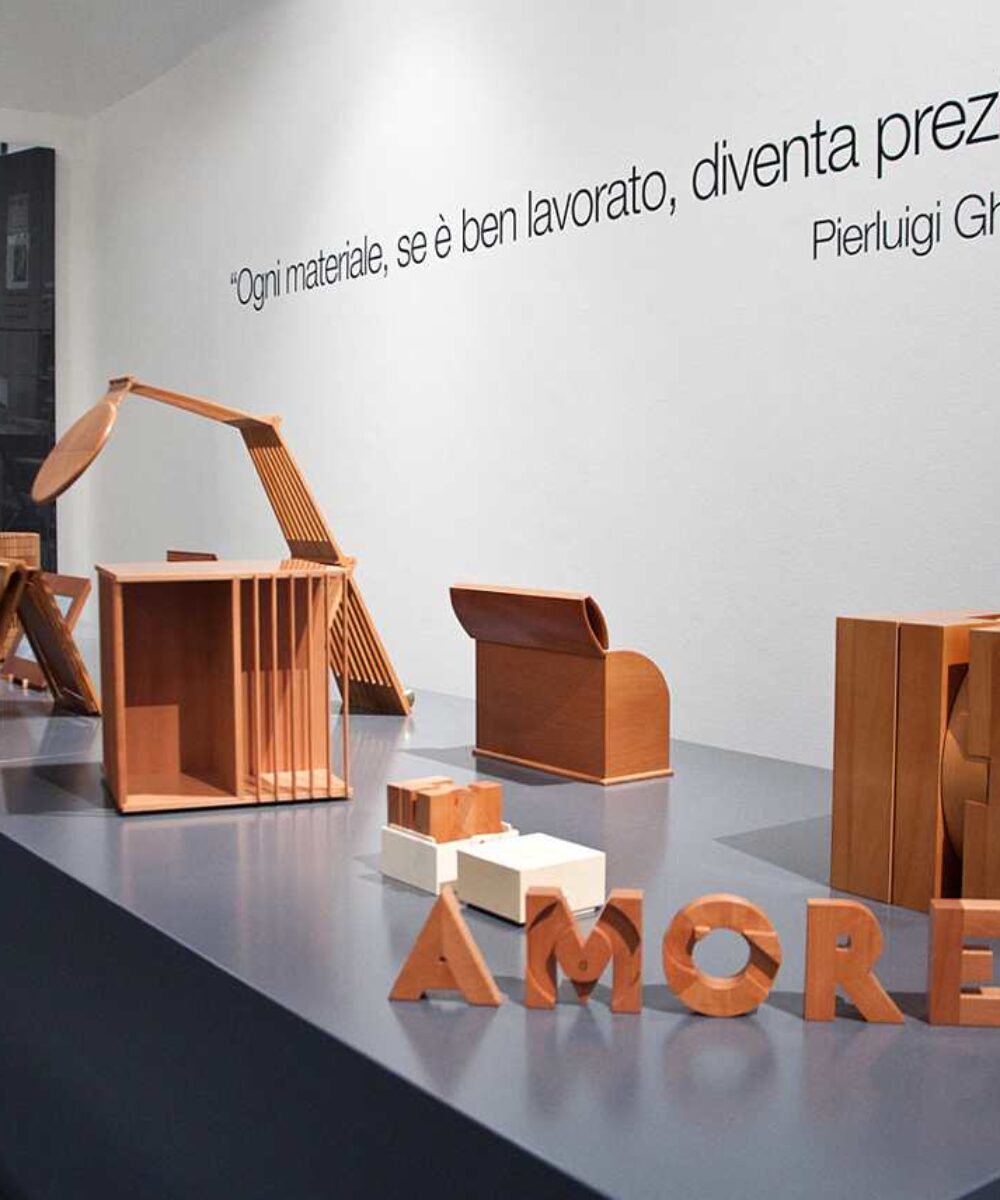
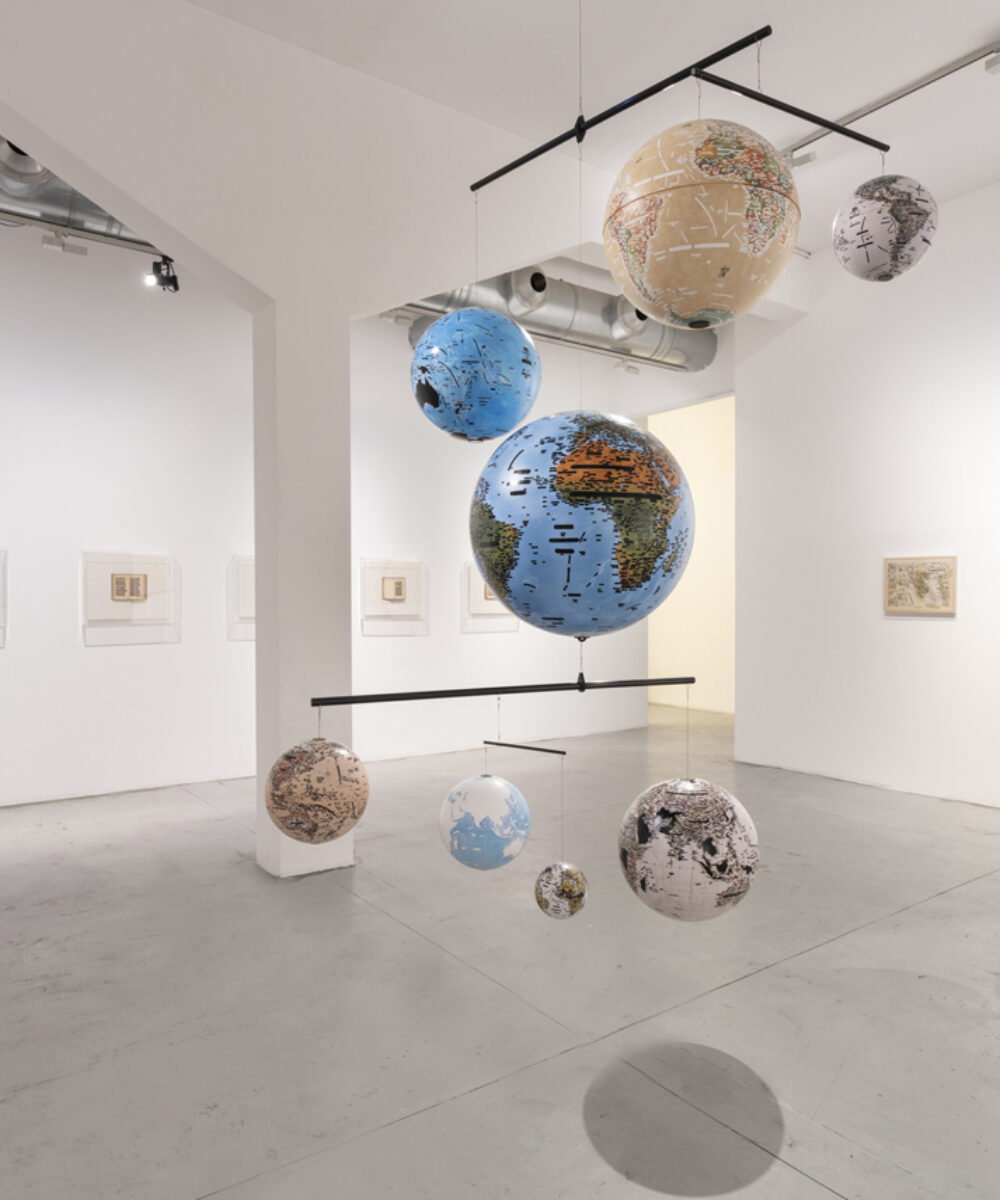
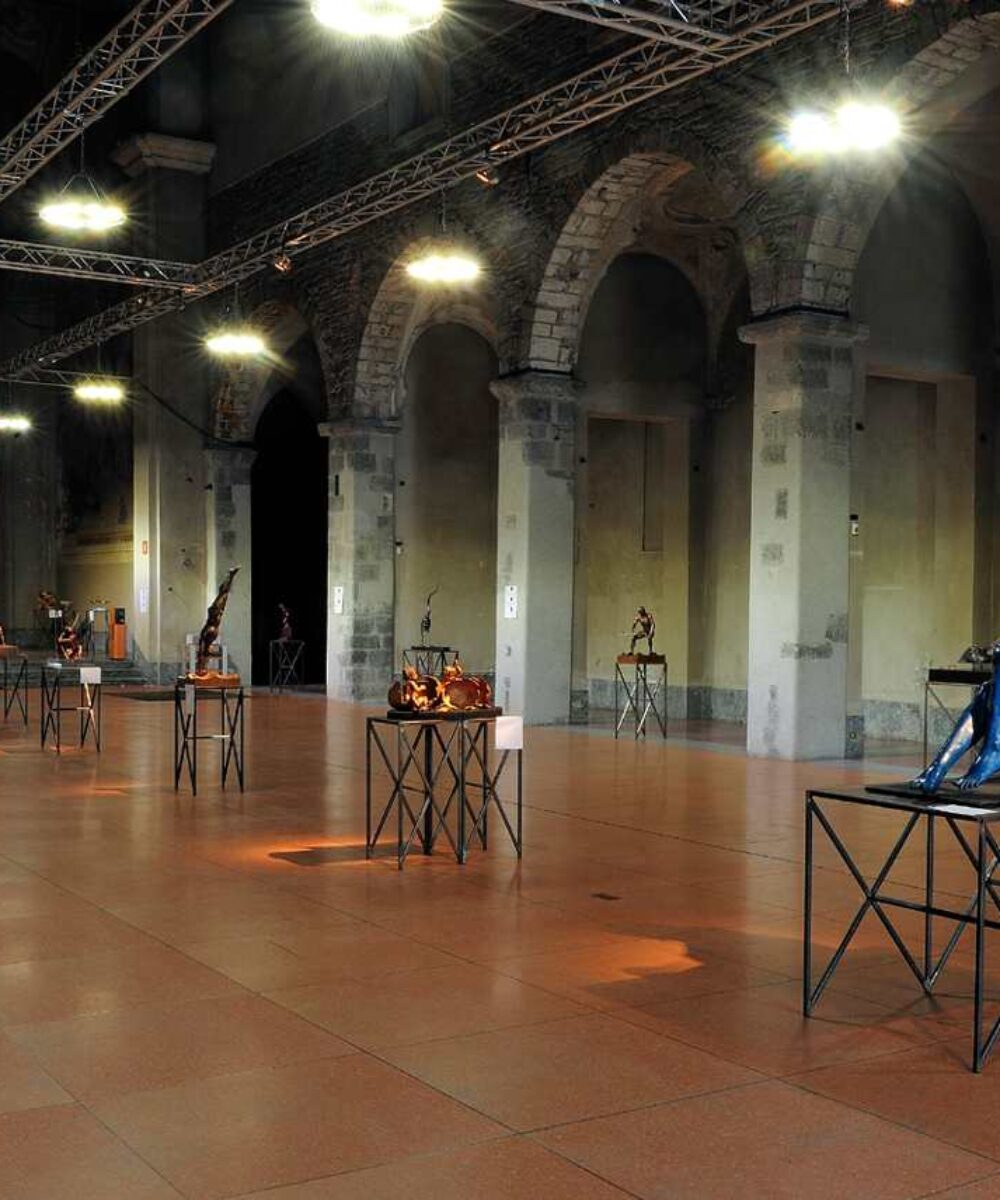
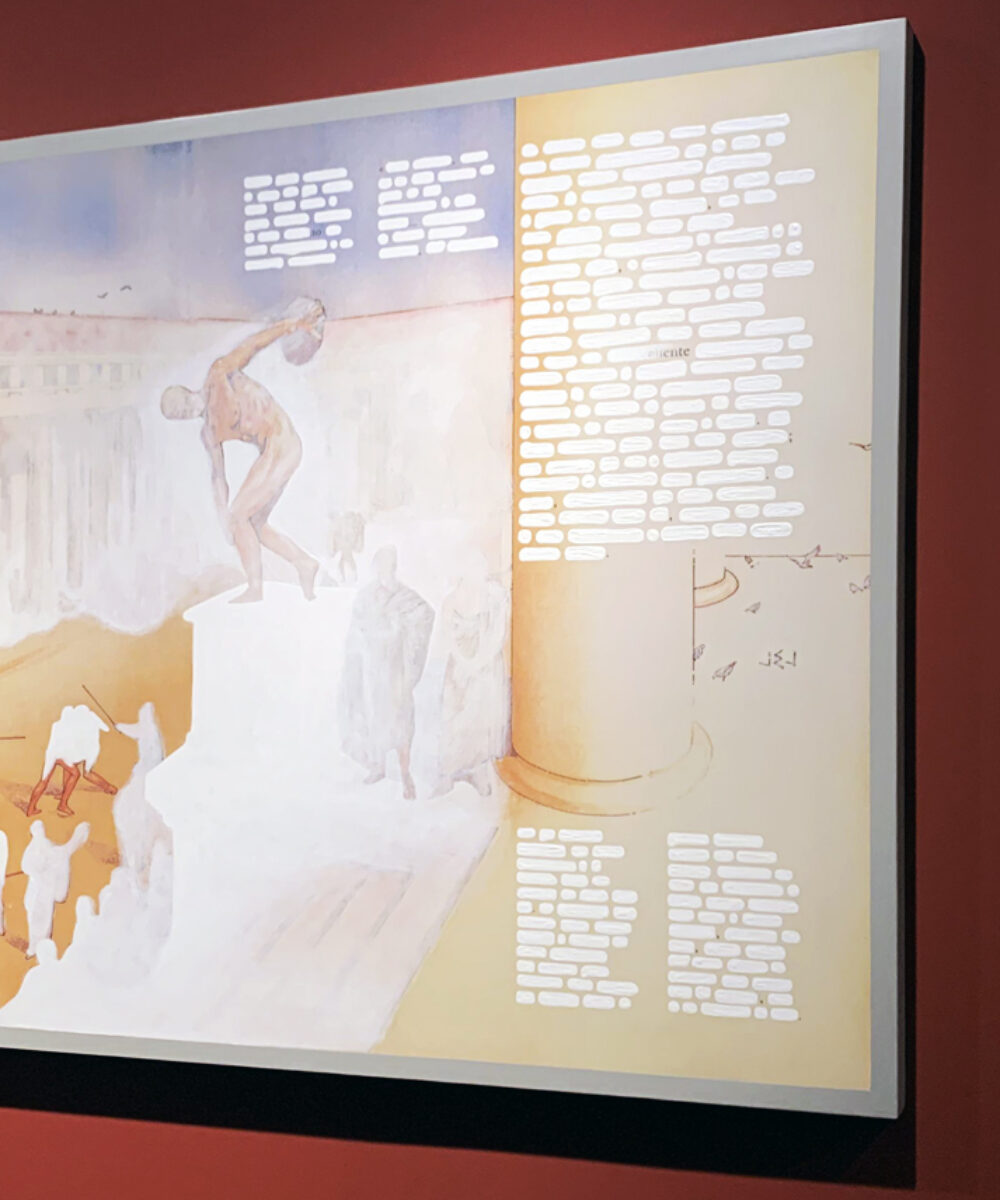
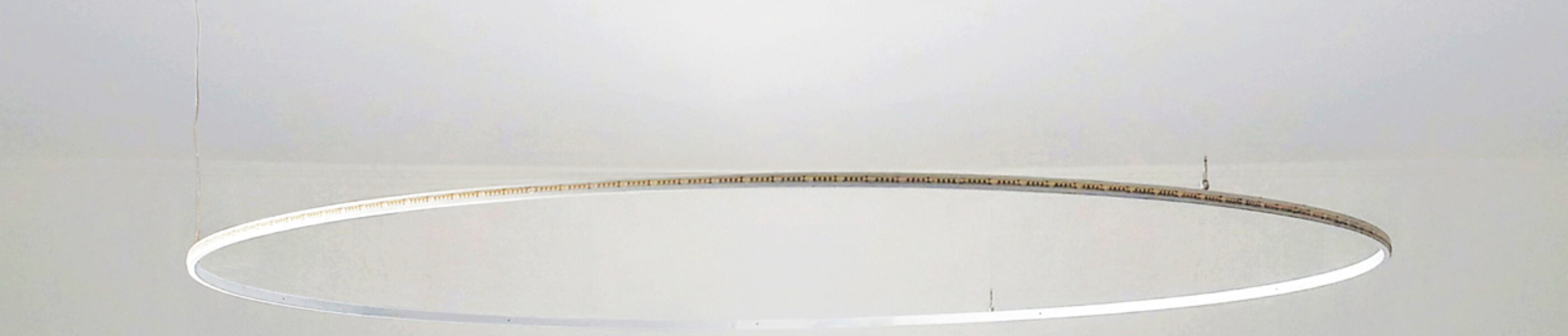
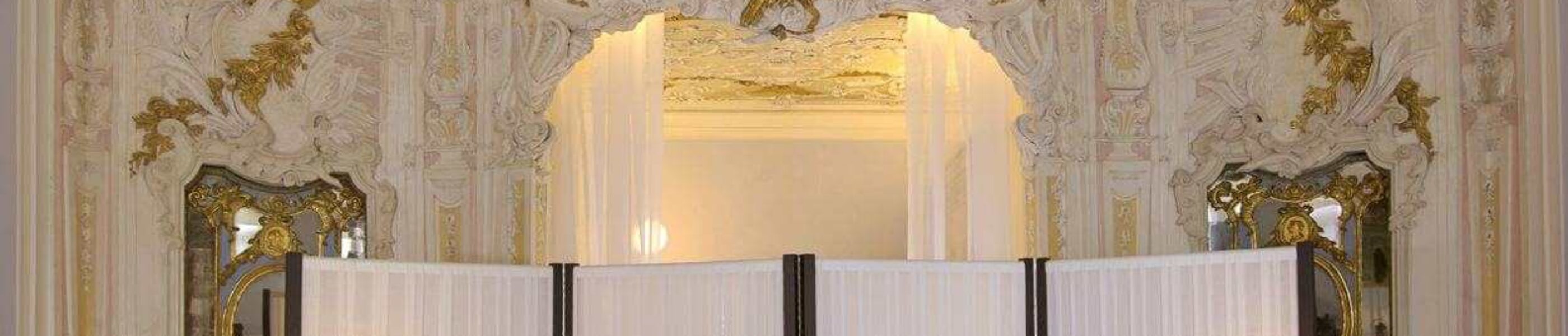
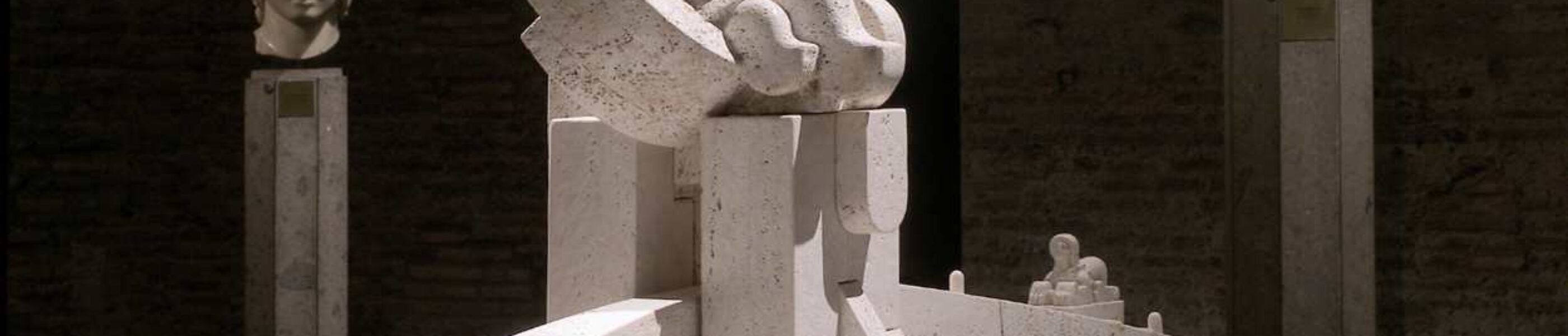
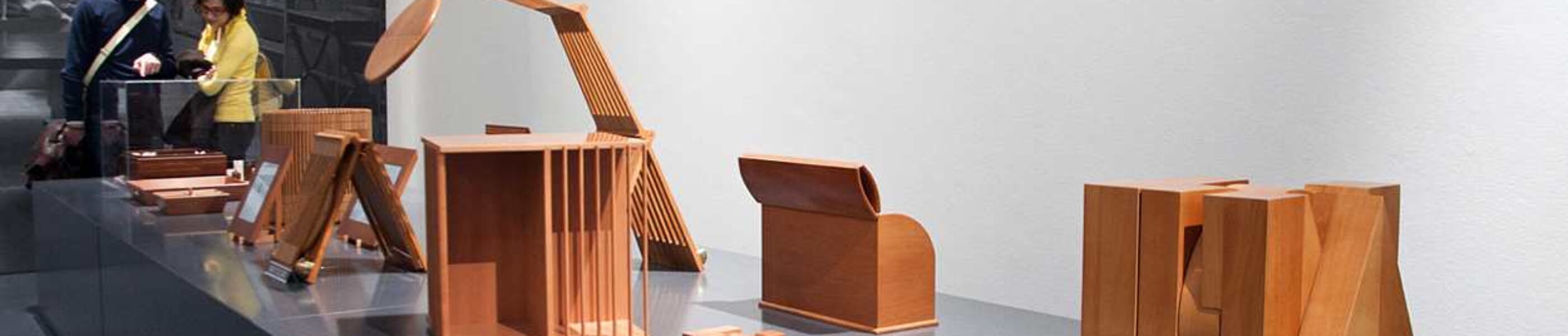
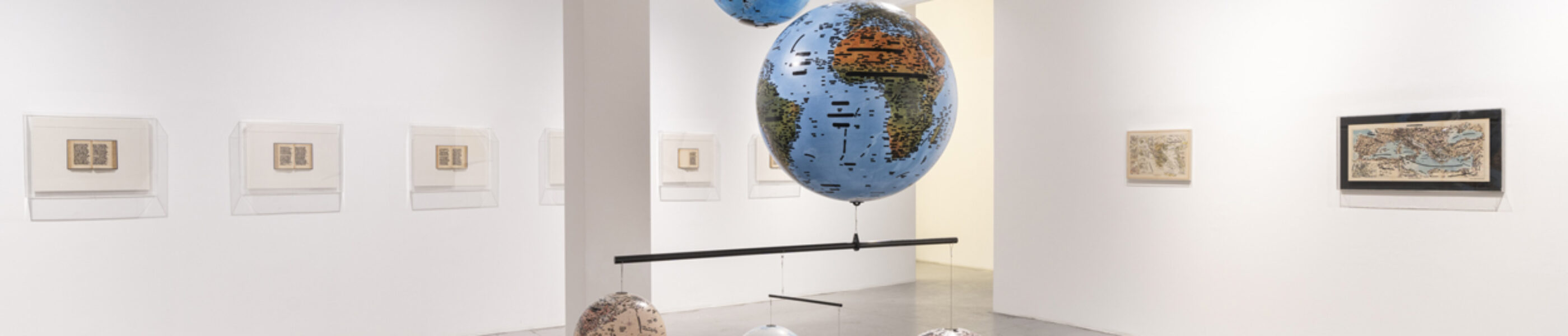
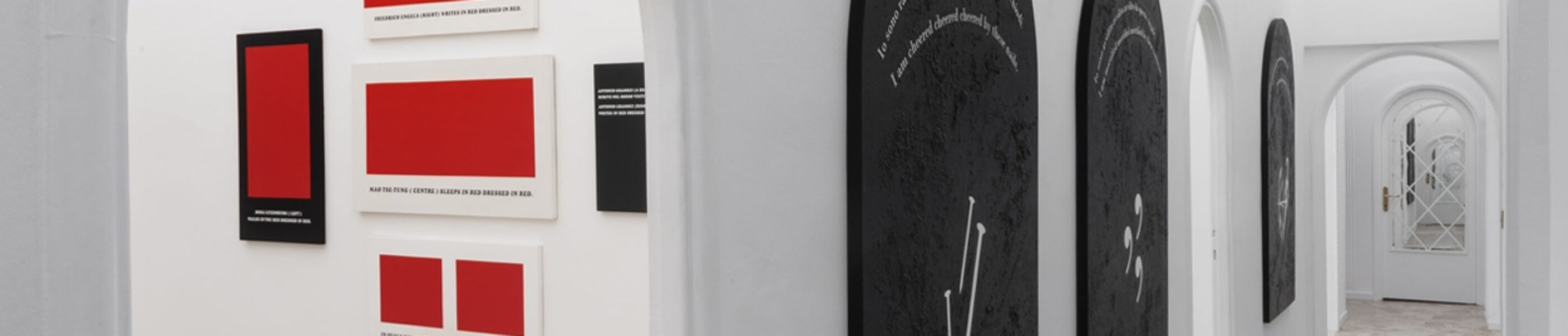
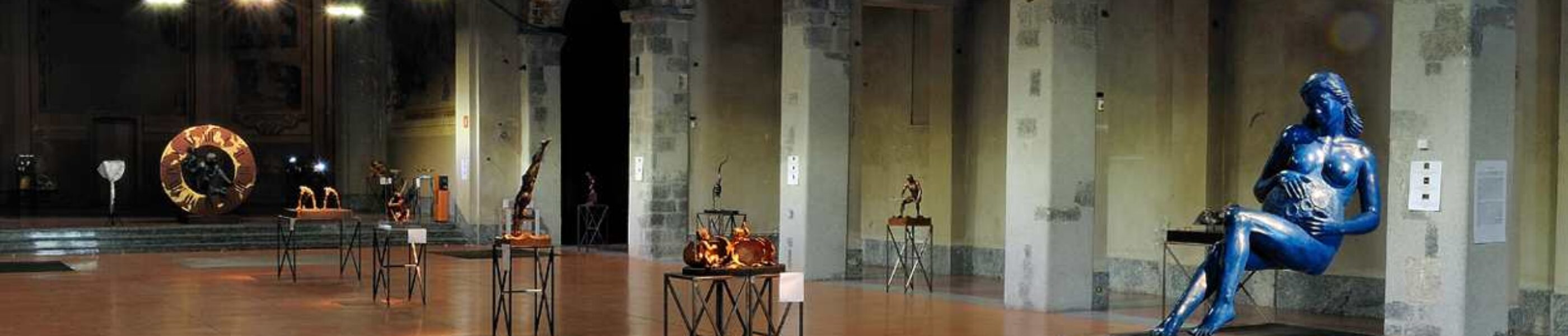
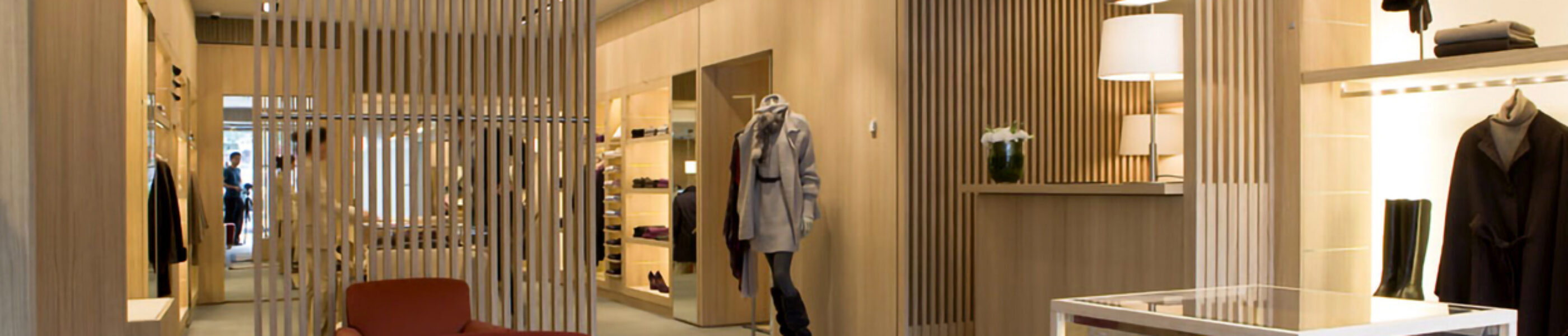
"Gae Aulenti. The objects and spaces" - Triennale Design Museum remembers Gae Aulenti through a selection of his most iconic design objects made from 1962 to 2008, curated by Vanni Pasca with a project for the preparation of the Gae Aulenti Architects. The story of Gae Aulenti’s design, able to look at rationalism and good design through the lens of Neoliberty and Art Deco and to reinvent them with elegance (think of the Pipistrello or Sgarsul) but also able to recover with irony the practice of assemblage and the lesson of the avant-garde (as in the table with wheels). Ernest Nathan Rogers's student, Gae Aulenti deeply absorbed the teaching according to which furnishings and urban planning are the extreme polarities of the activity of a modern architect.
Client:
Piero Castiglioni
Collaborations:
Gae Aulenti Associati
Photo Courtesy:
Marco Petrucci
Year:
2013
"Gae Aulenti. The objects and spaces" - Triennale Design Museum remembers Gae Aulenti through a selection of his most iconic design objects made from 1962 to 2008, curated by Vanni Pasca with a project for the preparation of the Gae Aulenti Architects. The story of Gae Aulenti’s design, able to look at rationalism and good design through the lens of Neoliberty and Art Deco and to reinvent them with elegance (think of the Pipistrello or Sgarsul) but also able to recover with irony the practice of assemblage and the lesson of the avant-garde (as in the table with wheels). Ernest Nathan Rogers's student, Gae Aulenti deeply absorbed the teaching according to which furnishings and urban planning are the extreme polarities of the activity of a modern architect.
Client:
Piero Castiglioni
Collaborations:
Gae Aulenti Associati
Photo Courtesy:
Marco Petrucci
Year:
2013
Other Projects
Other Projects
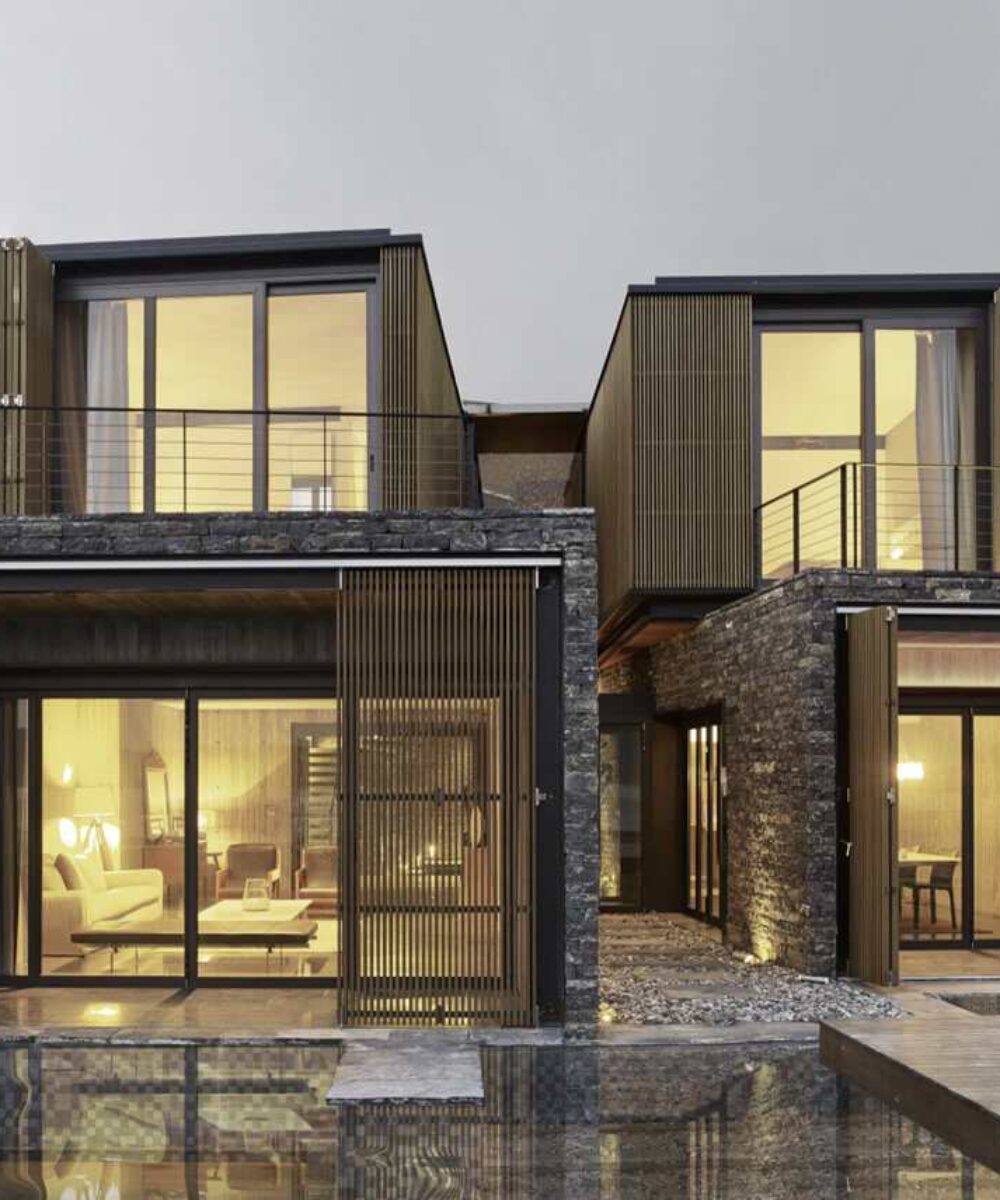
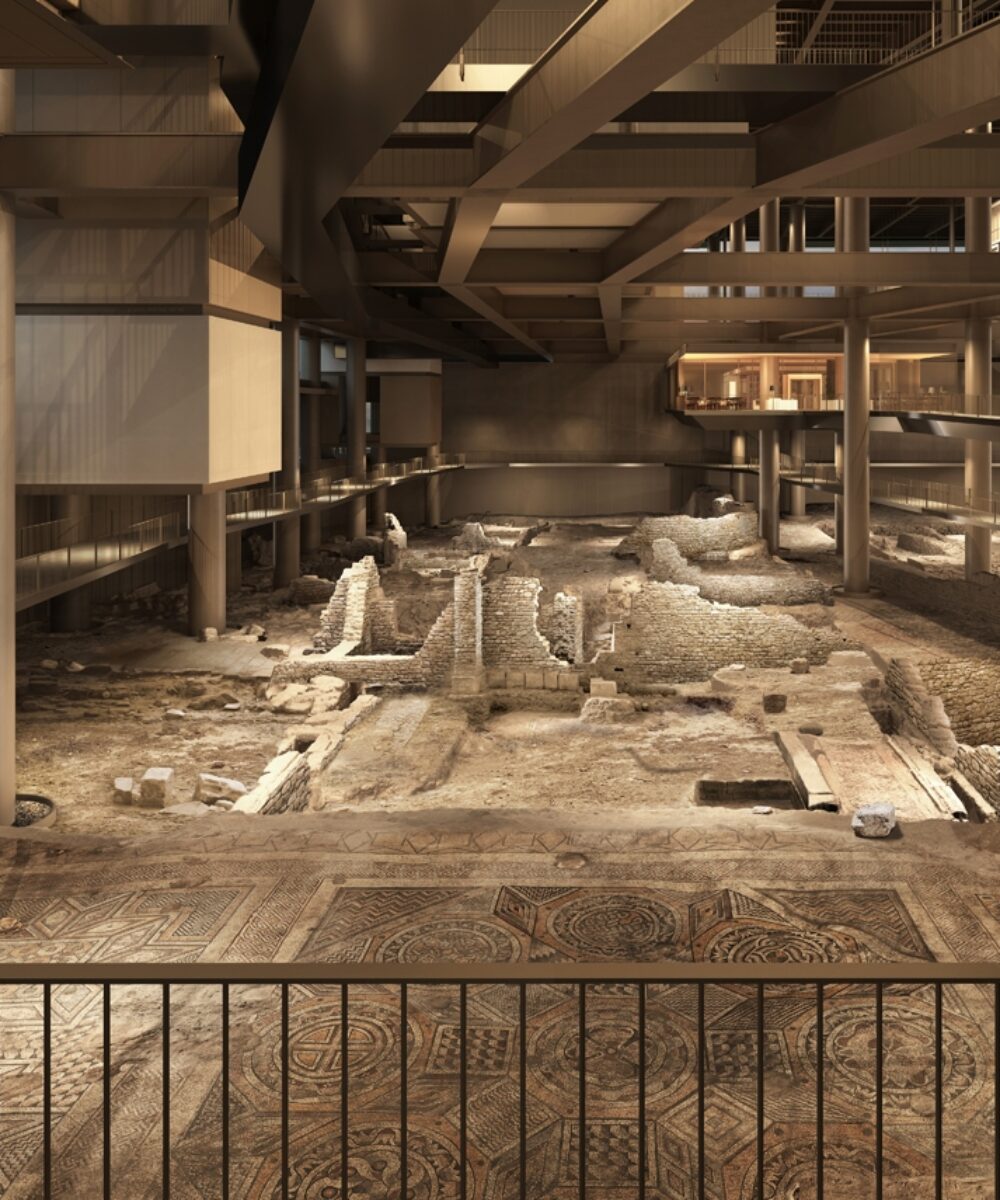
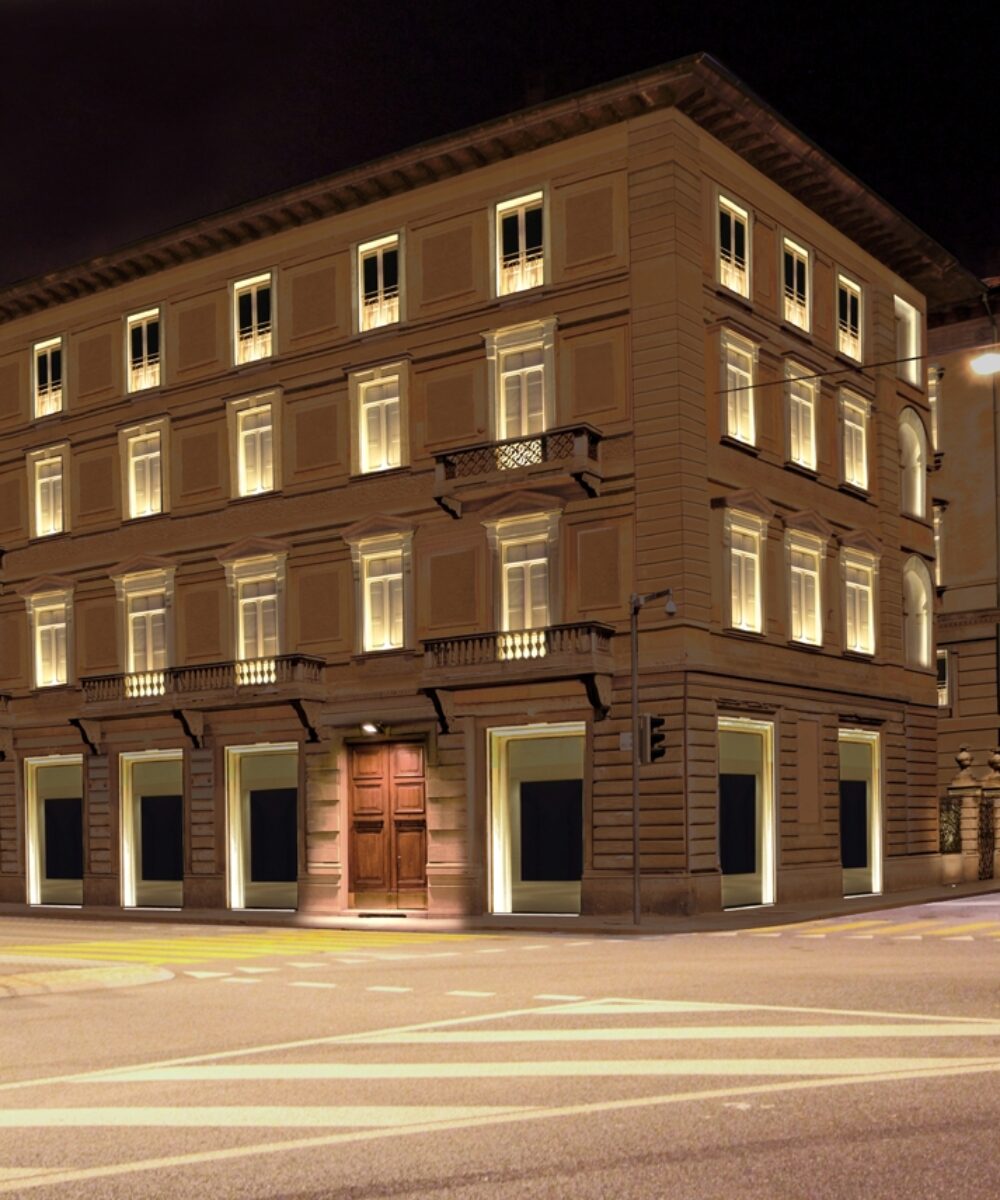
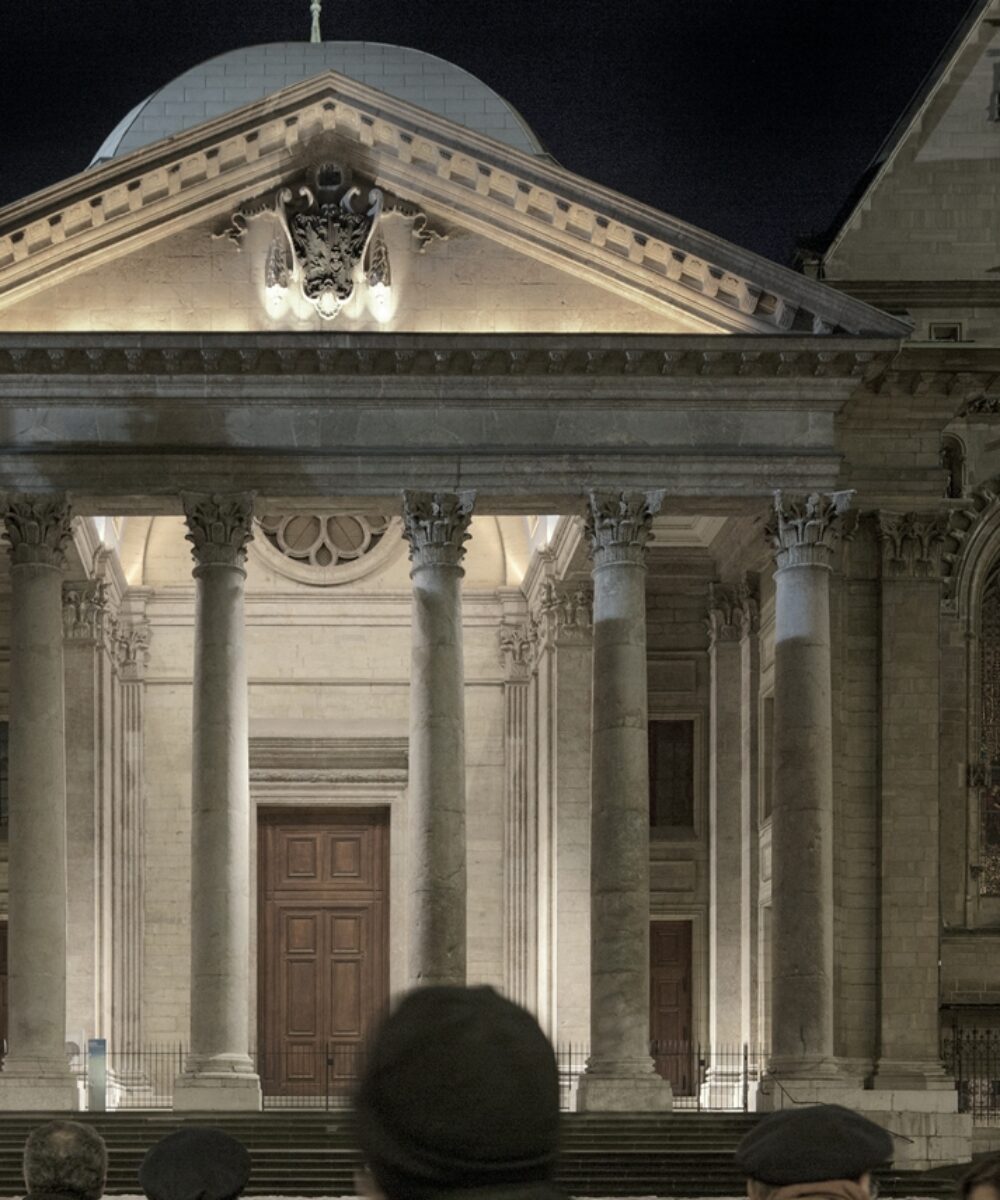
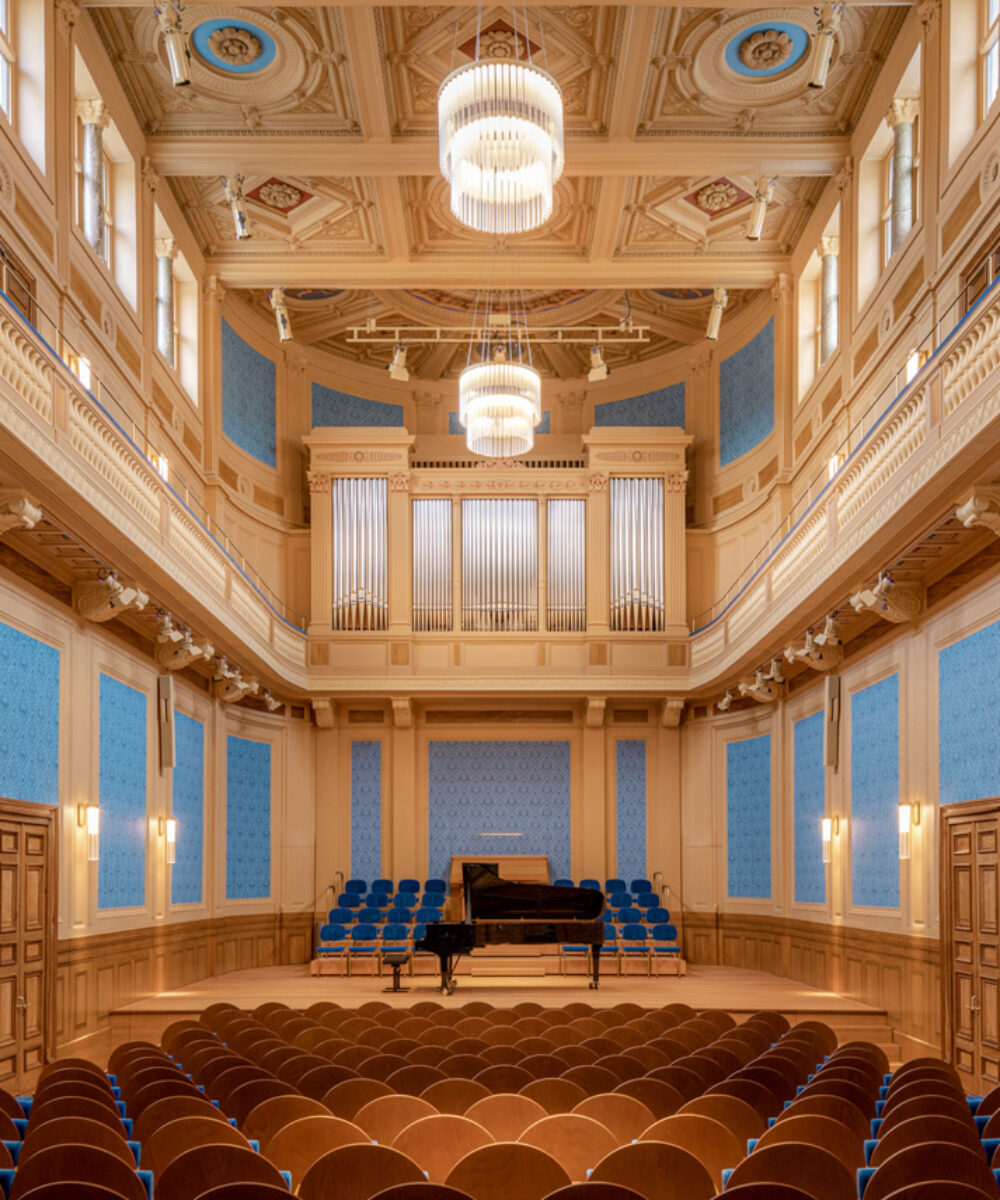
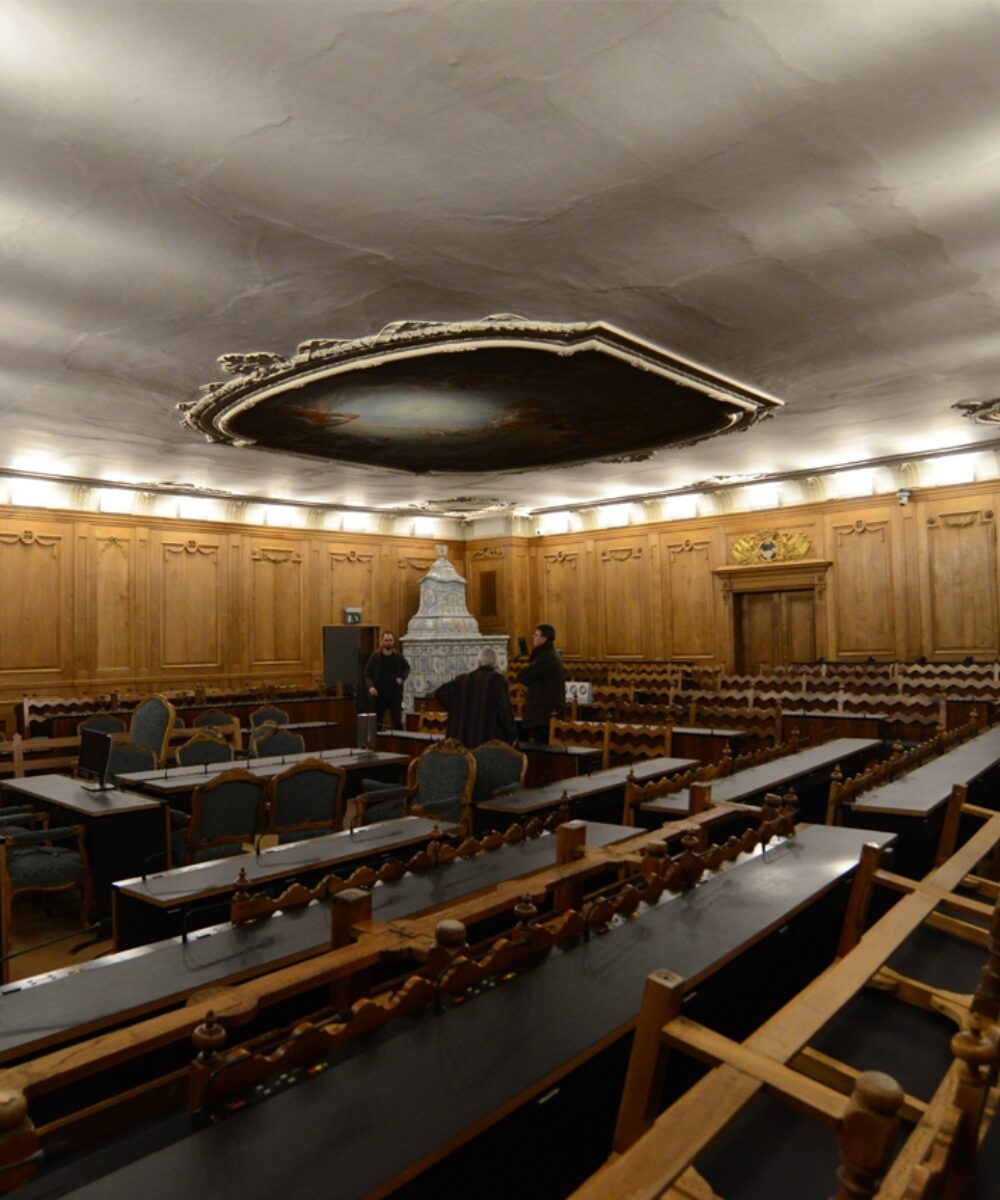
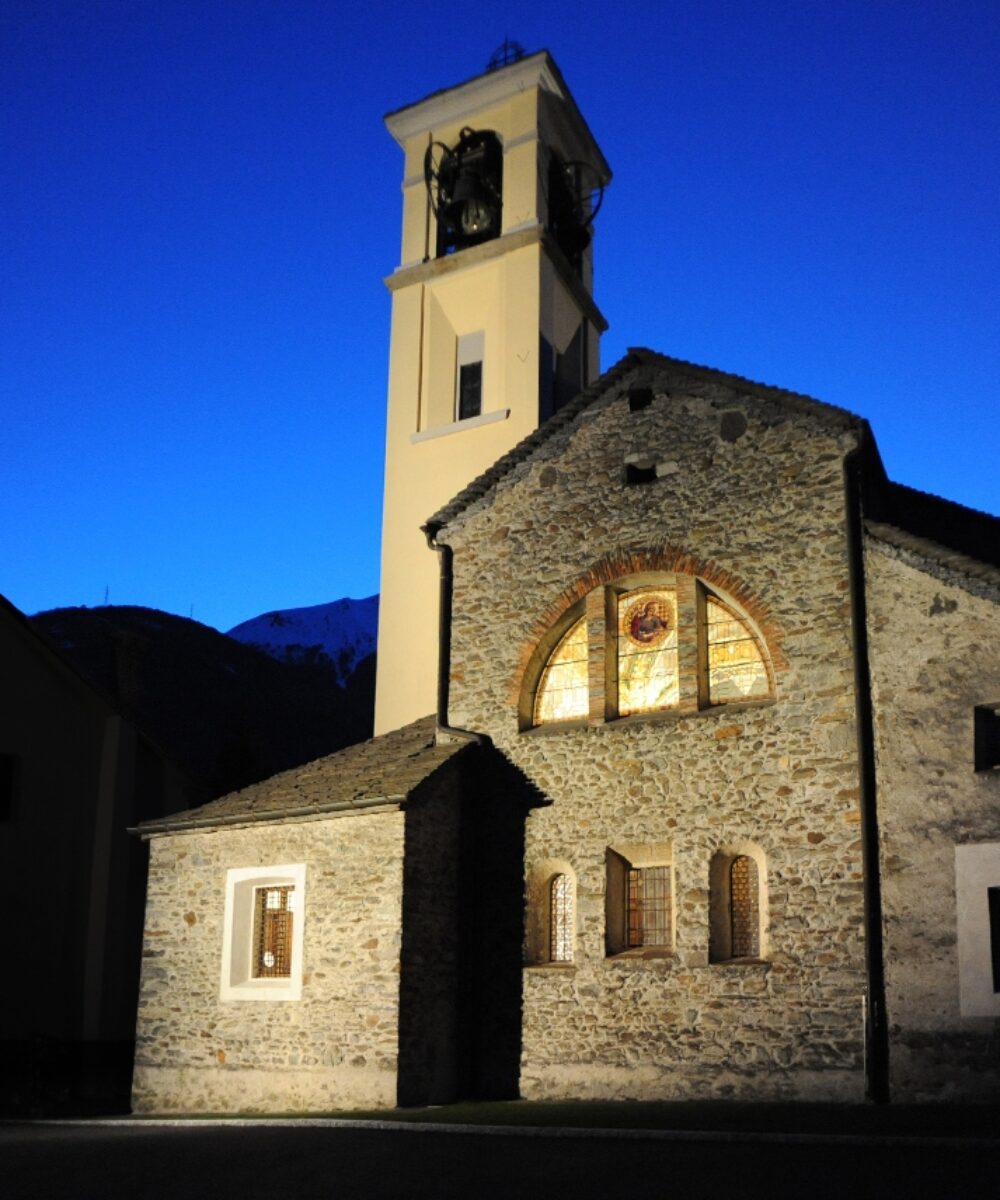
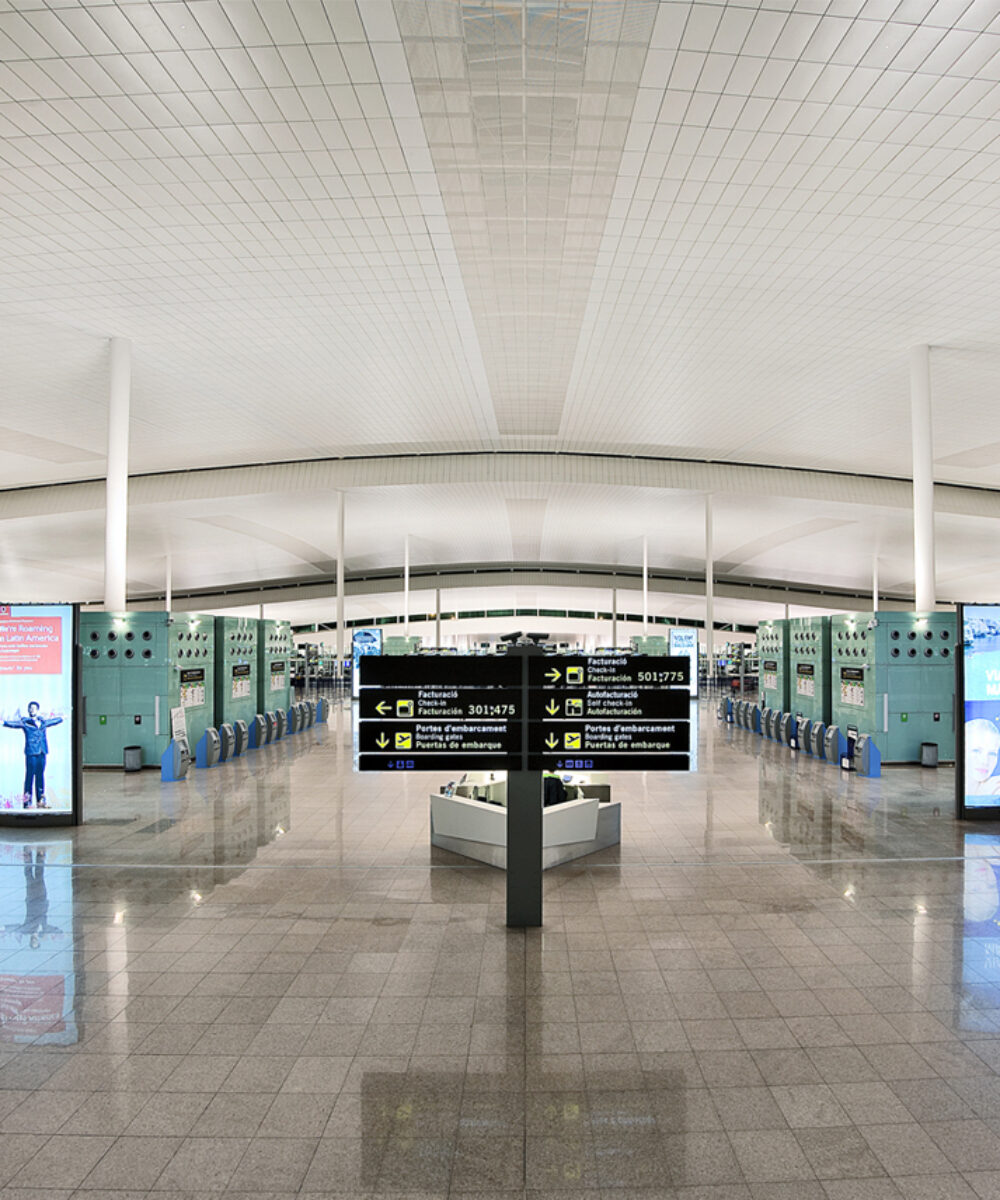
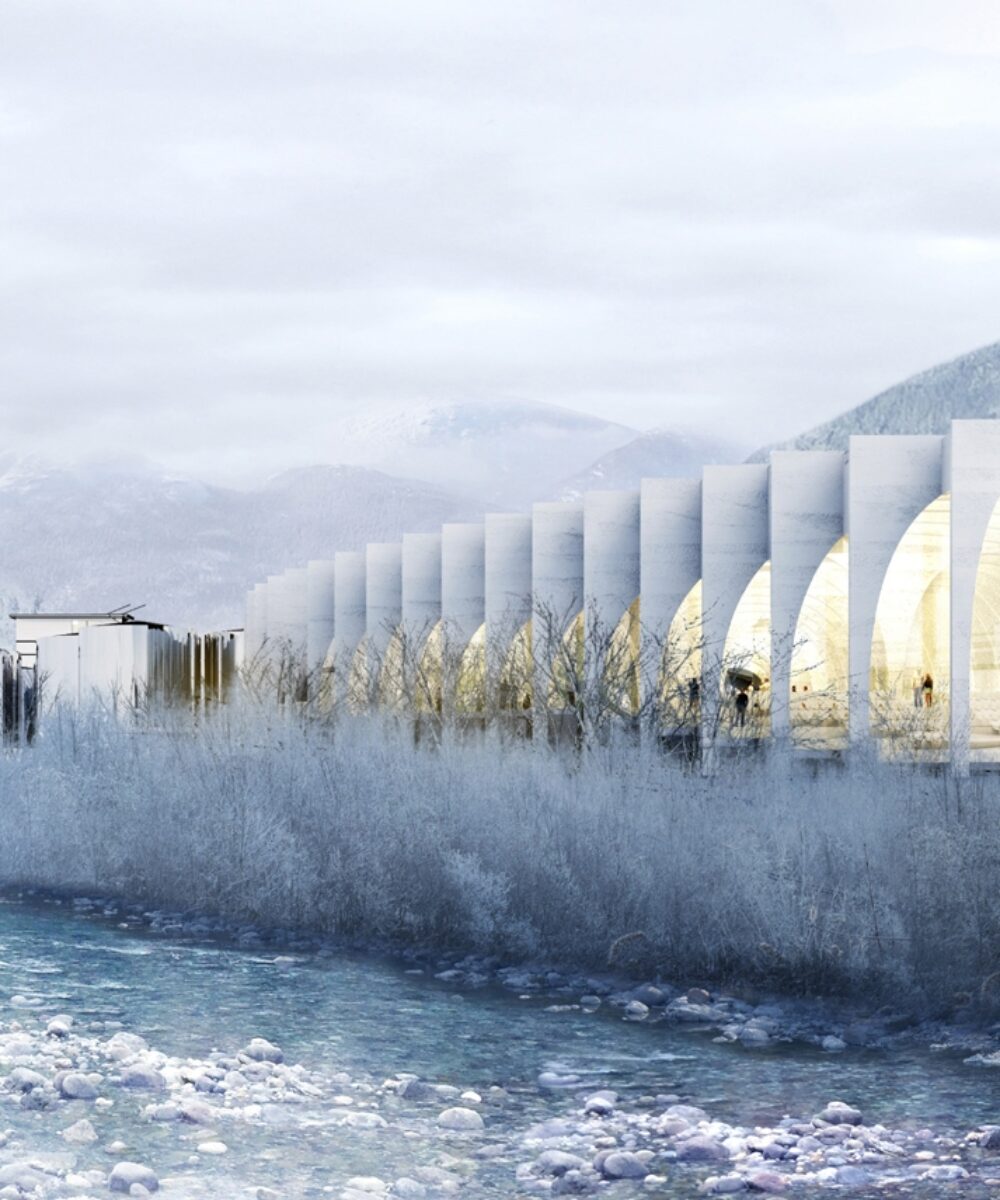
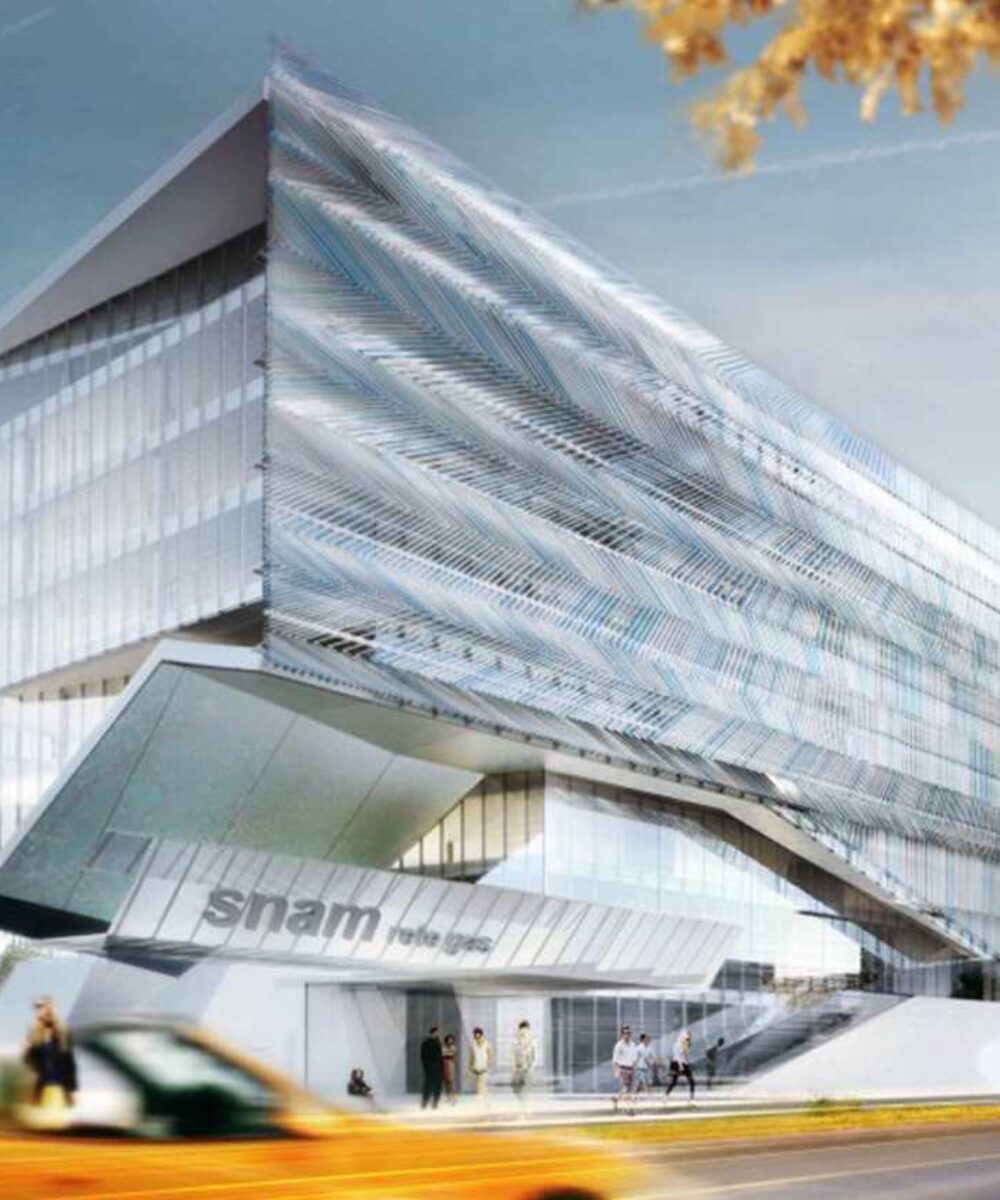
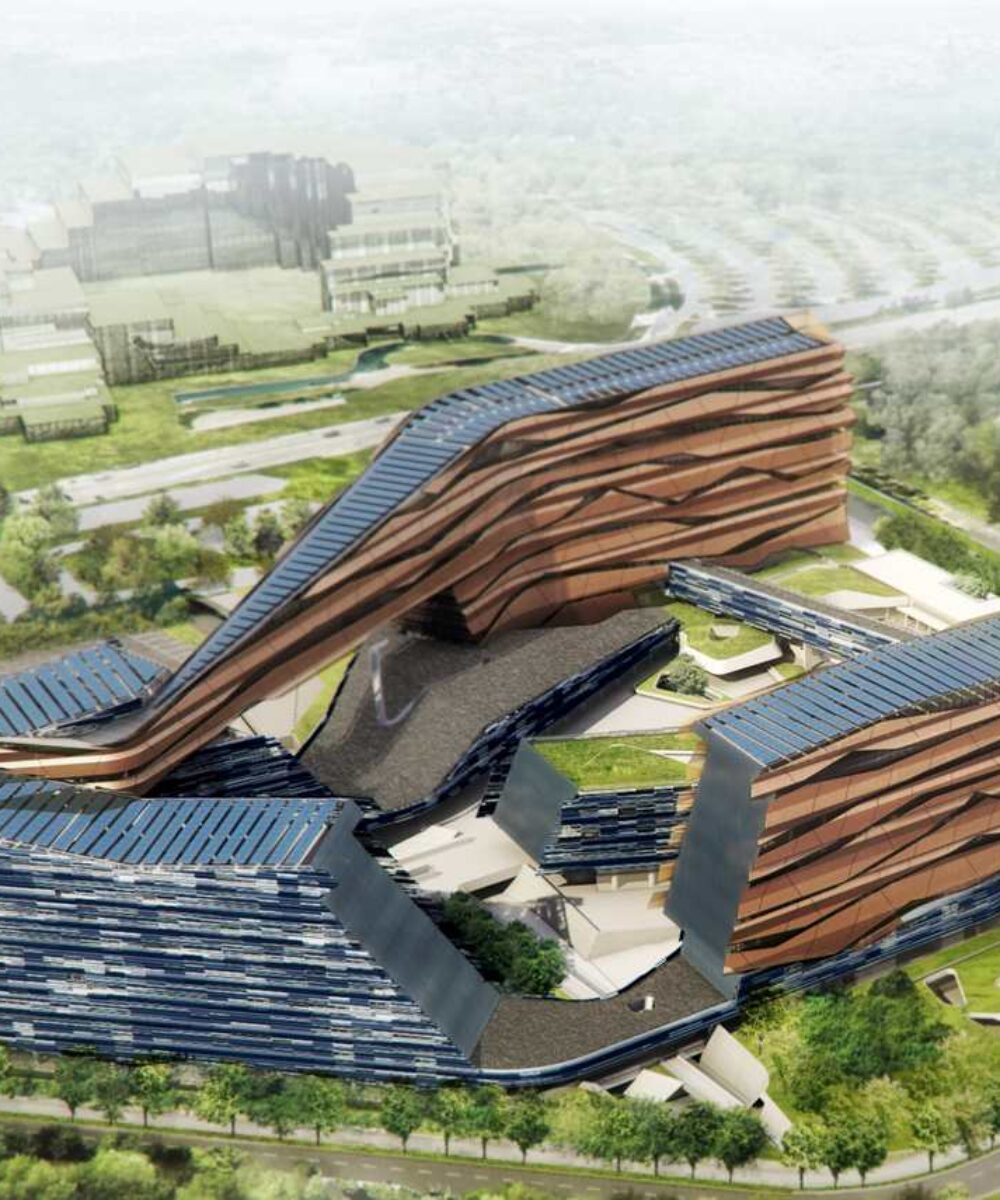
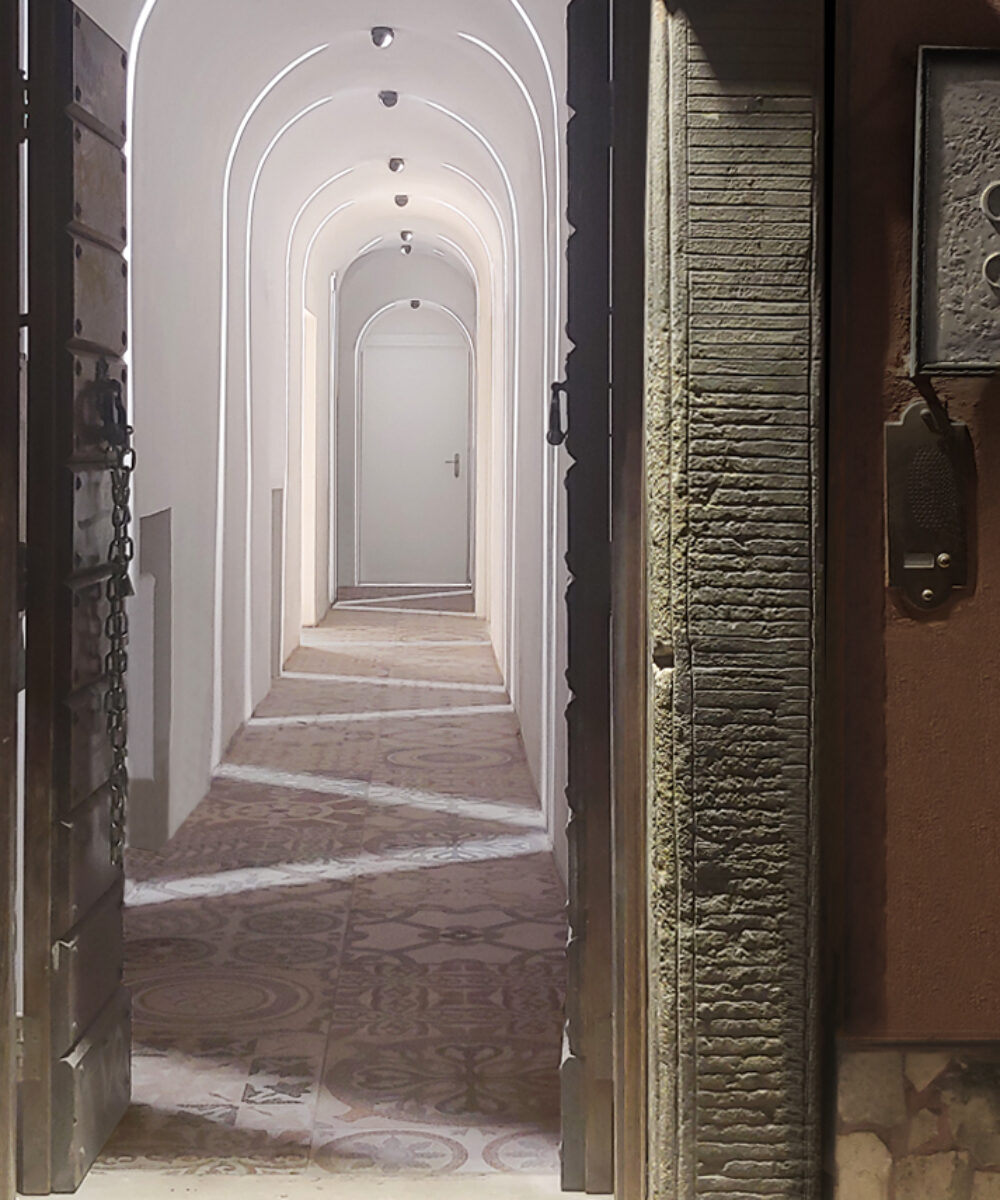
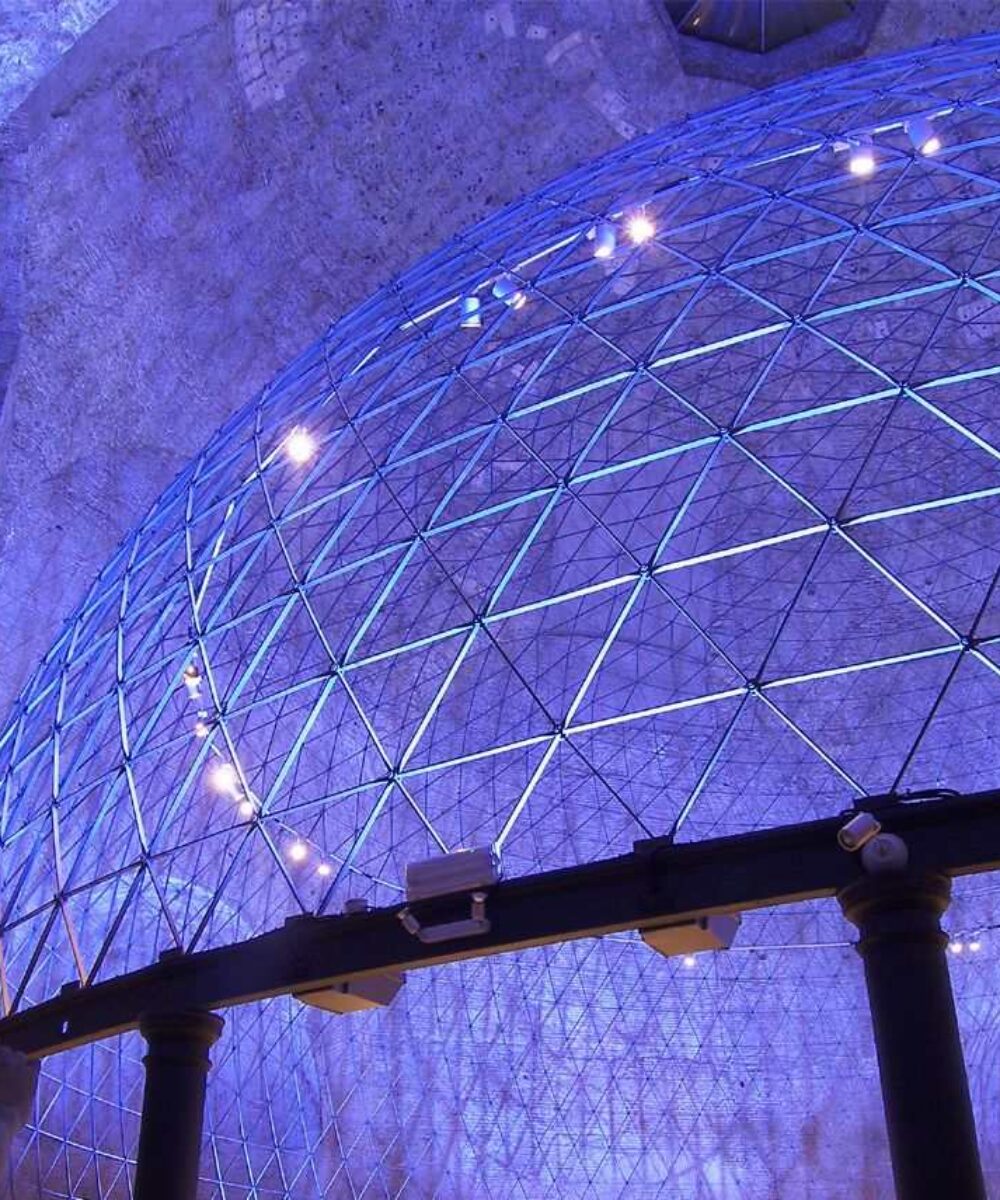
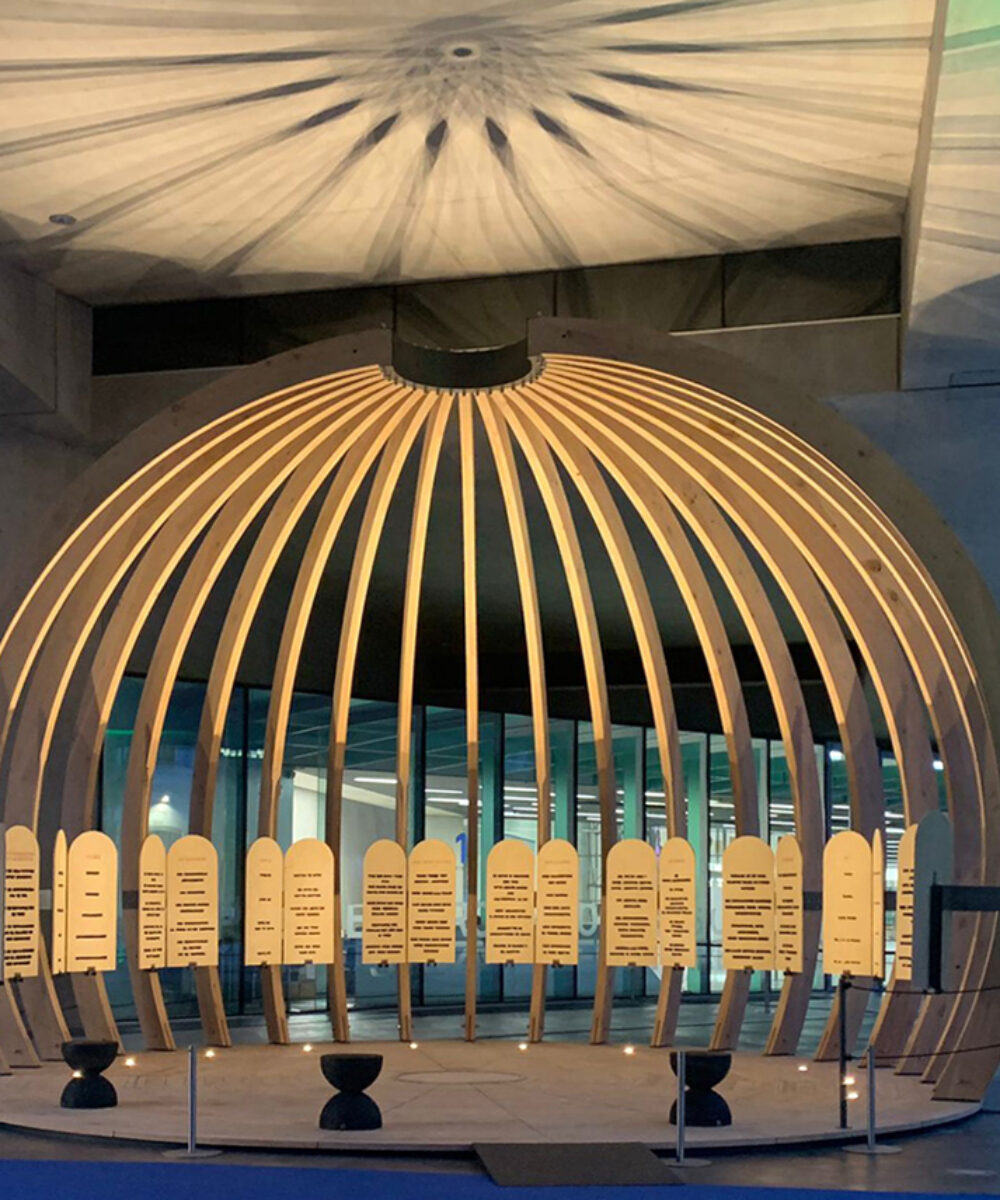
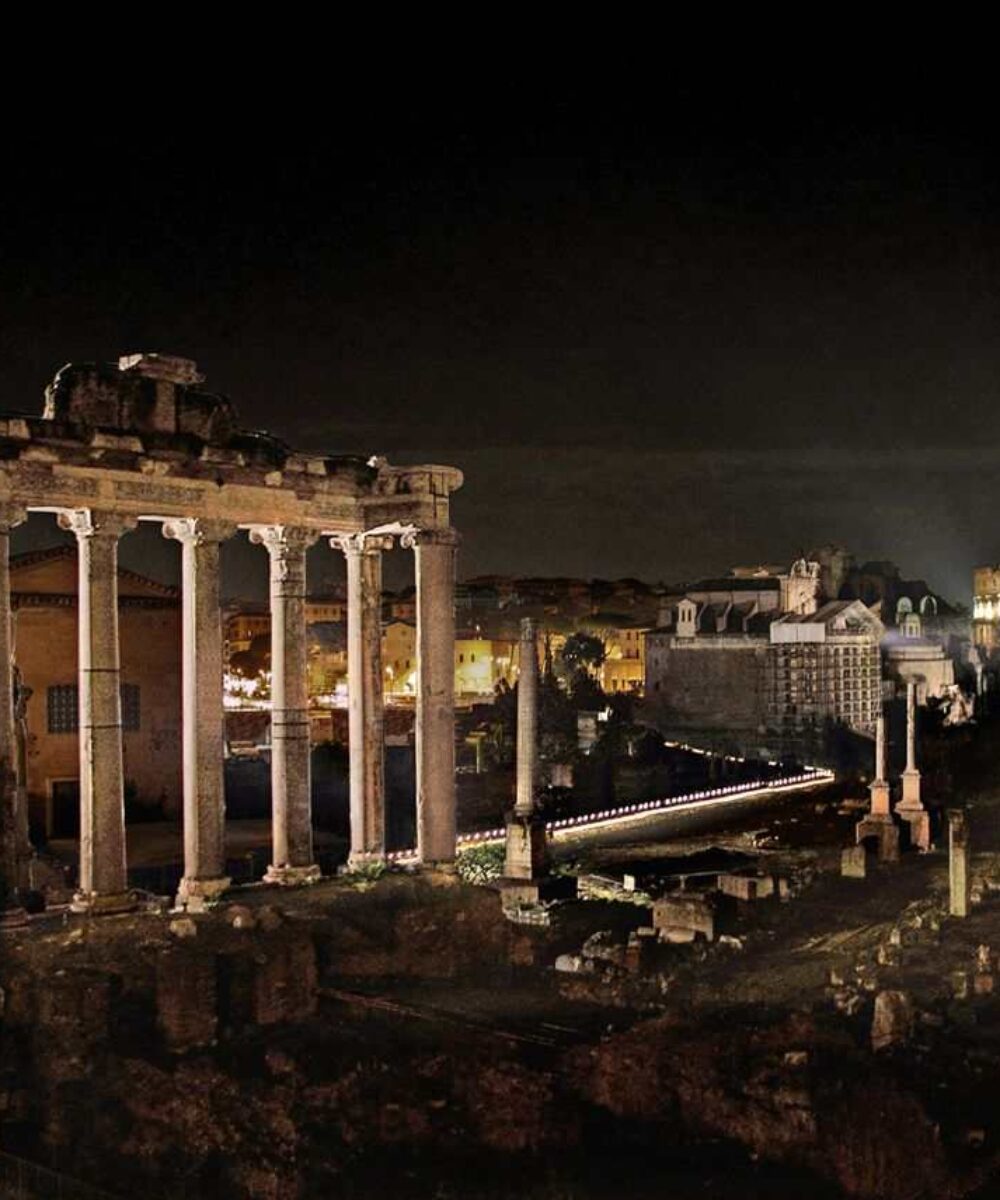
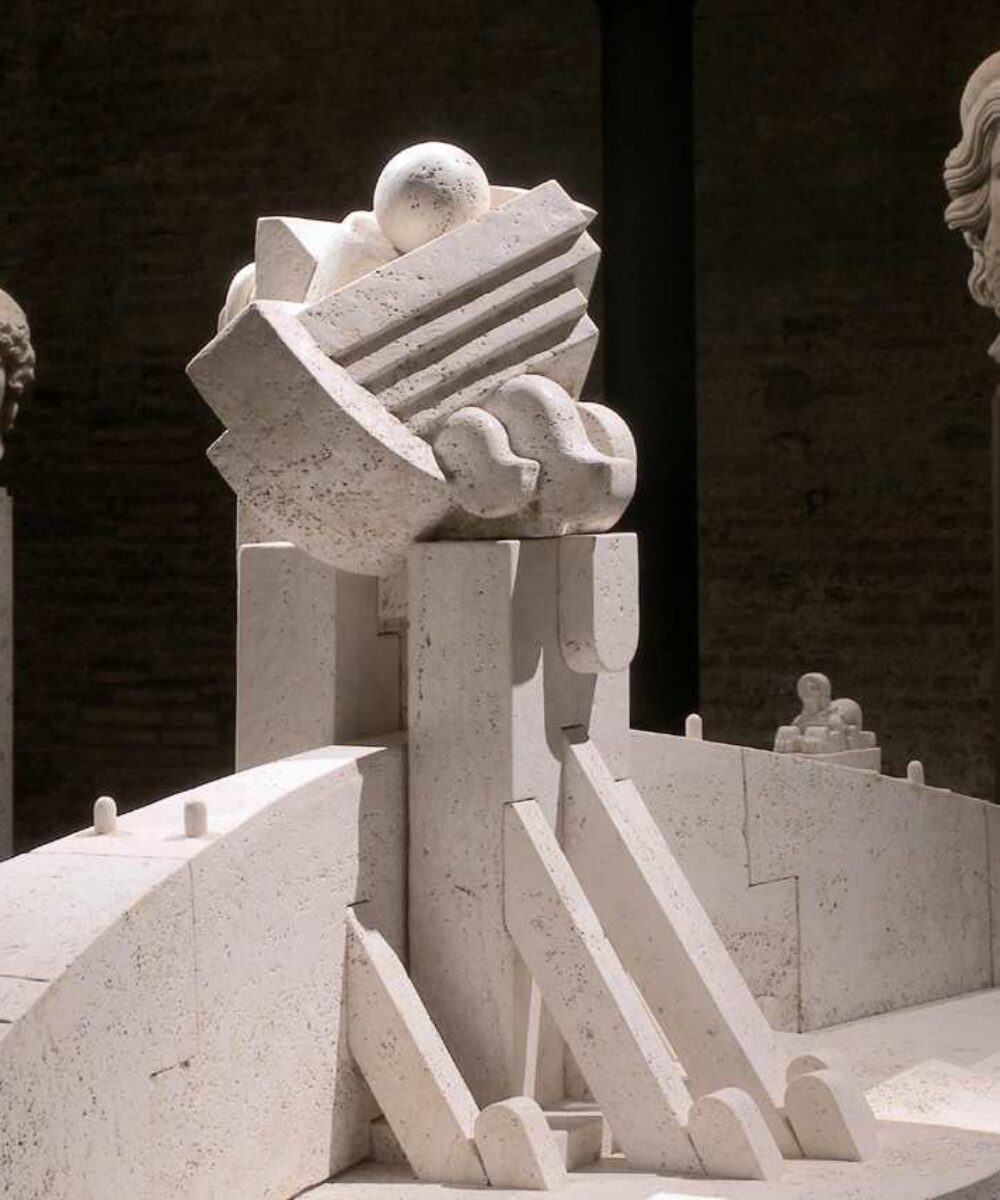
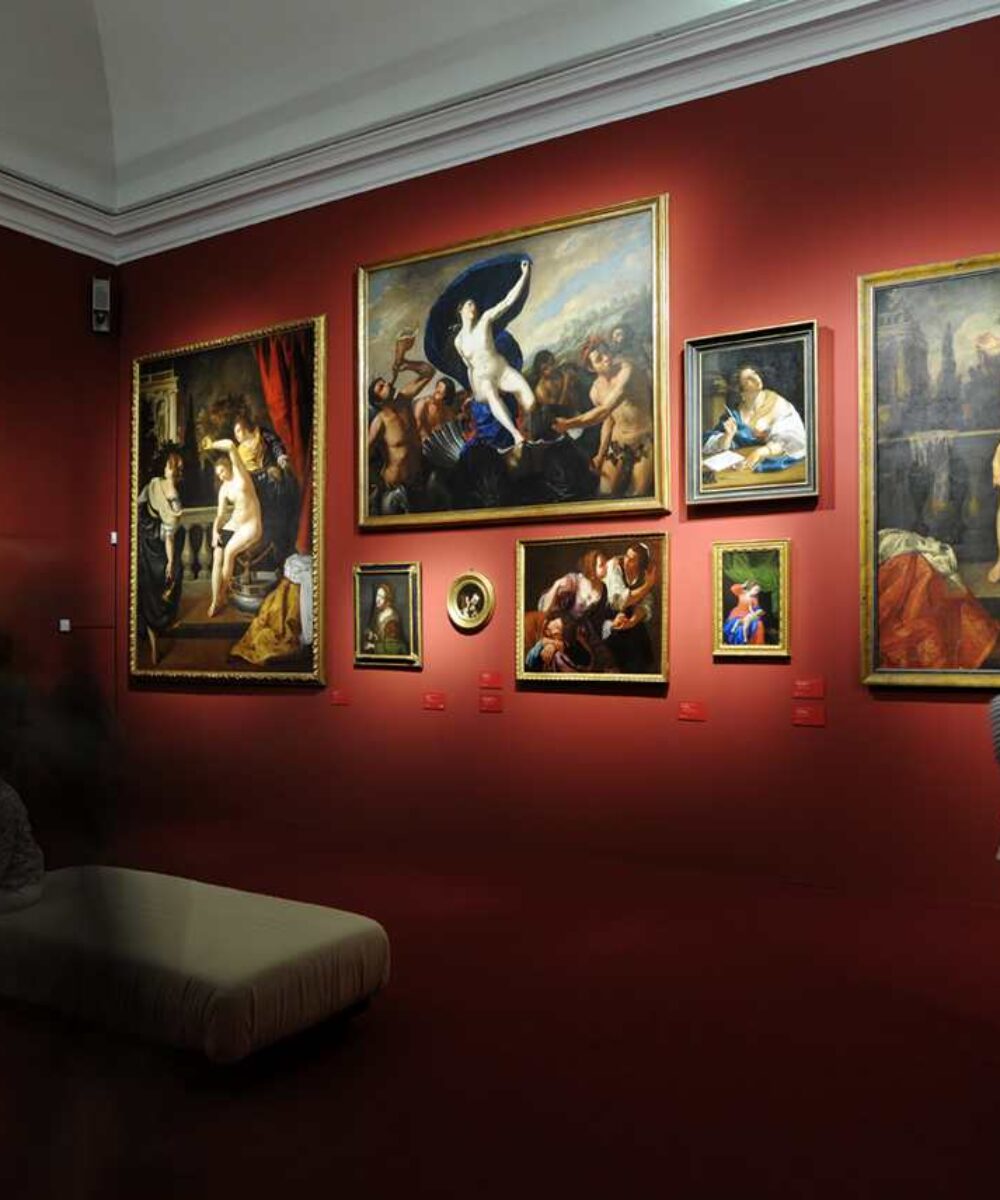
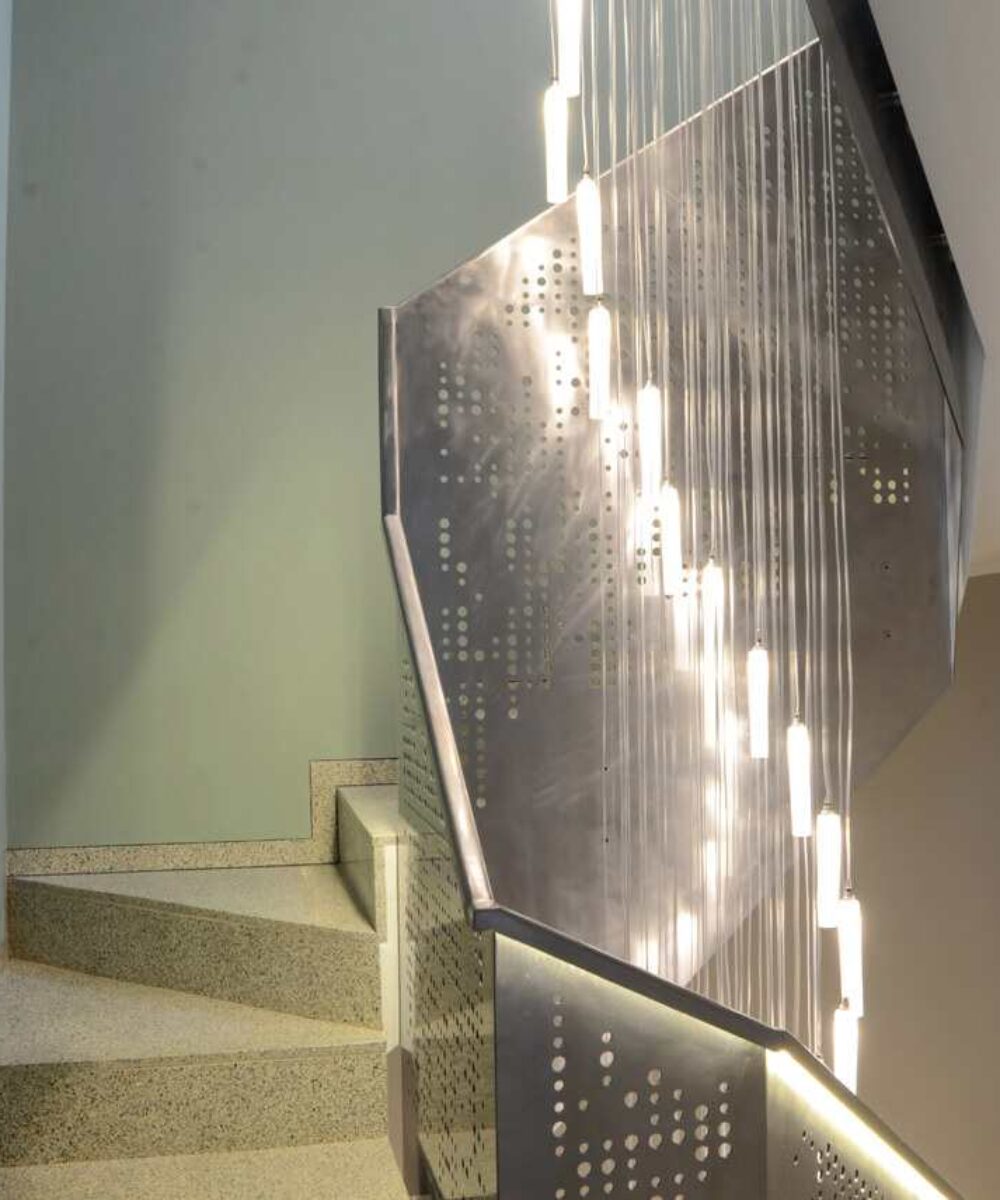
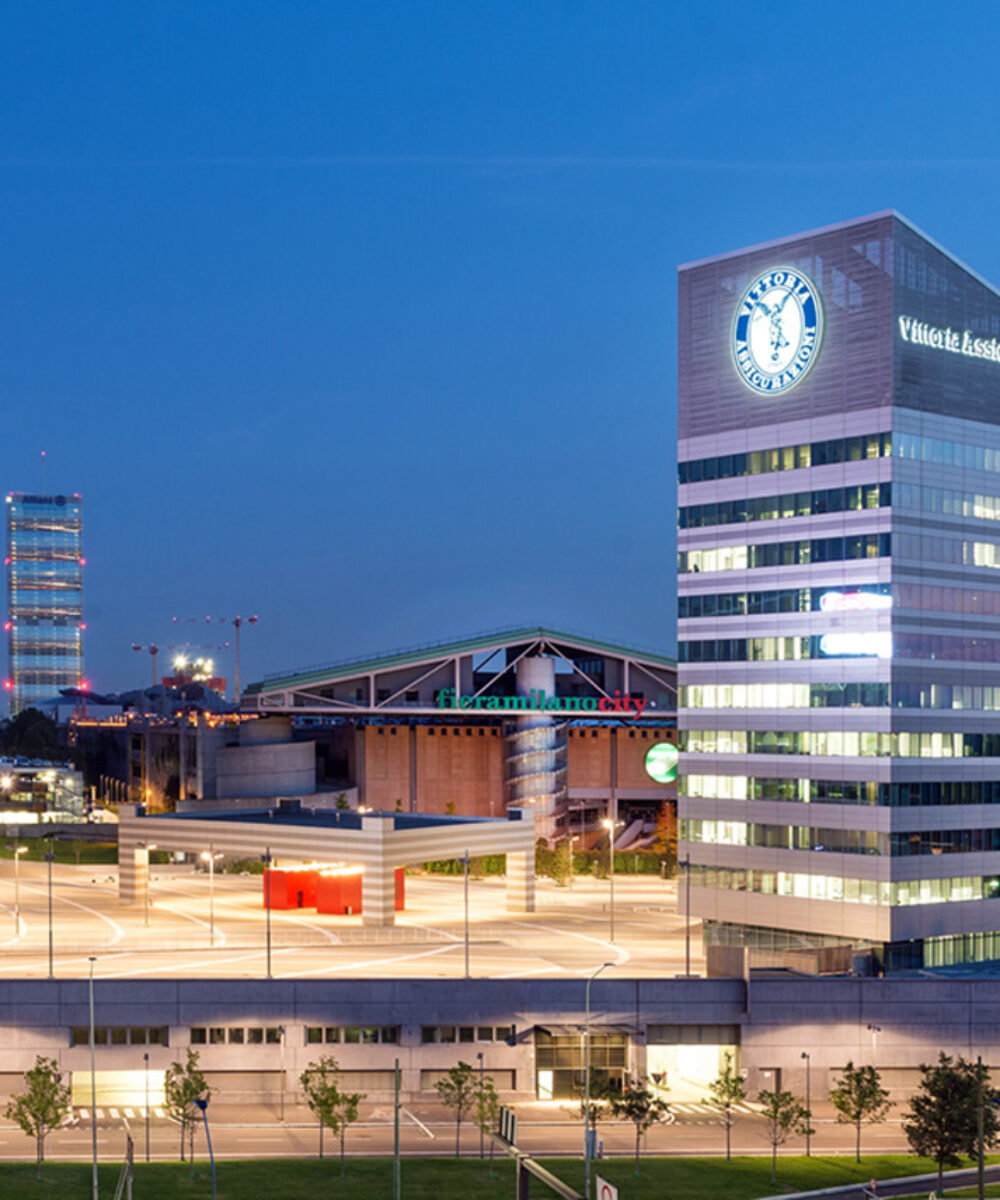
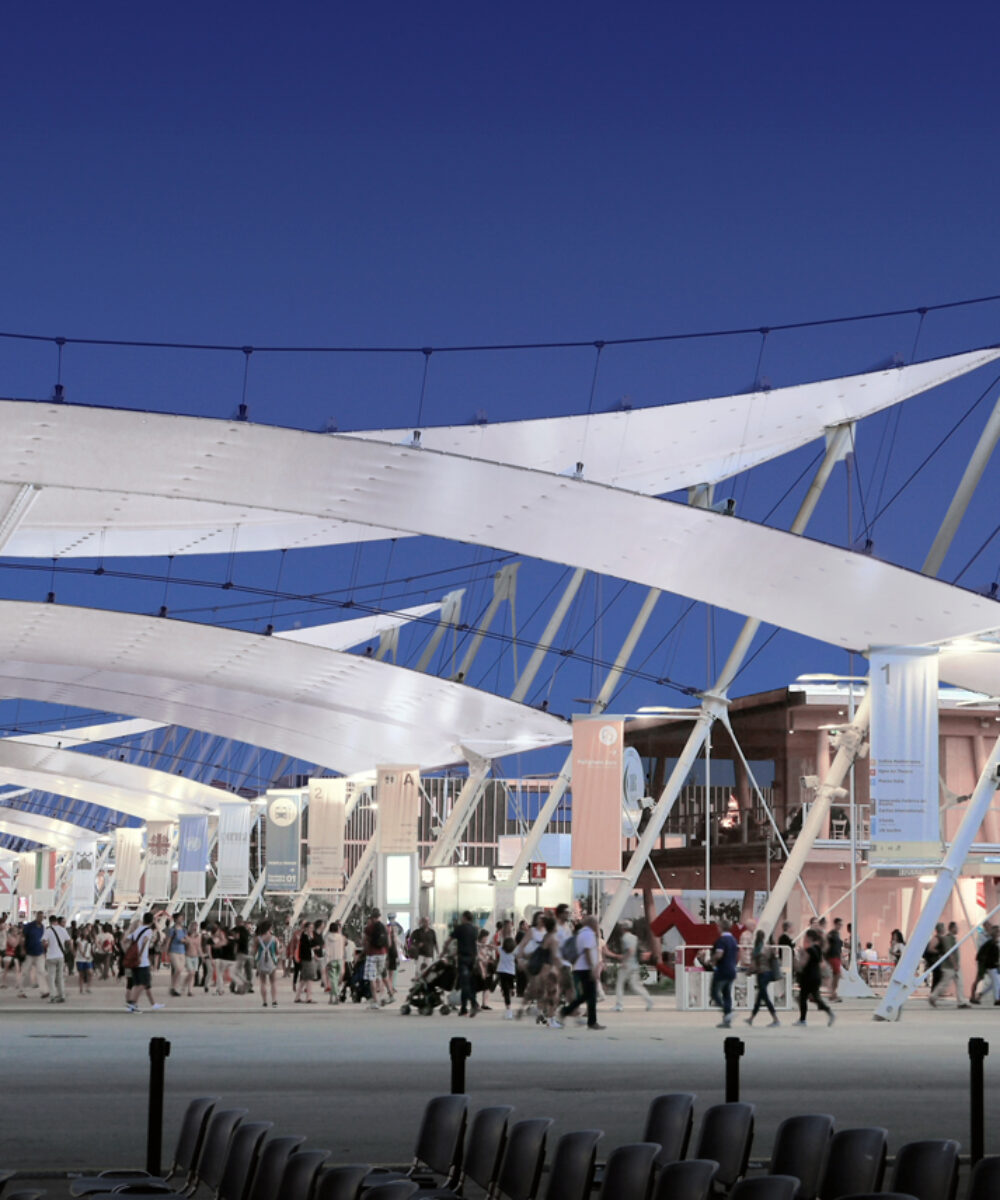
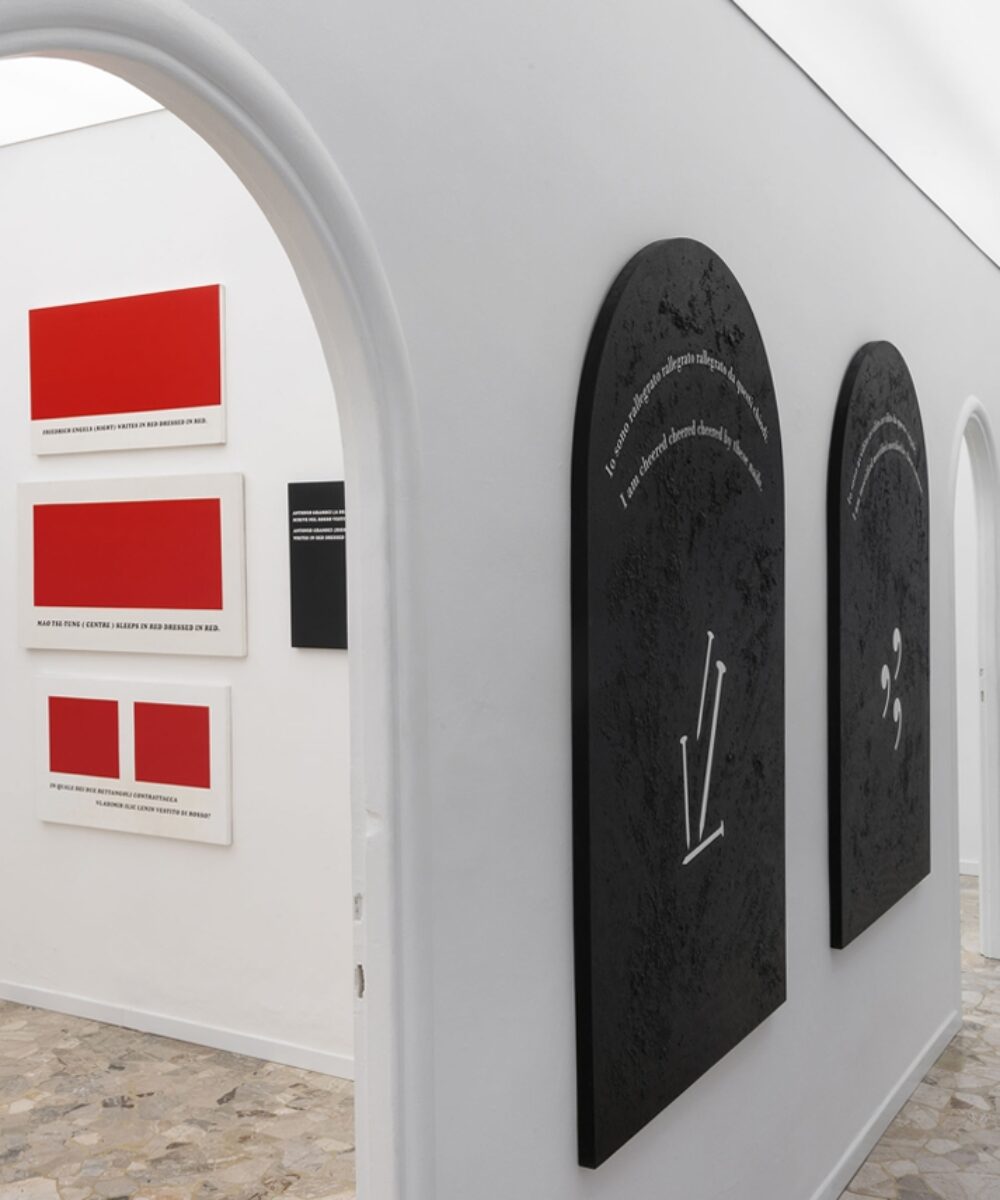
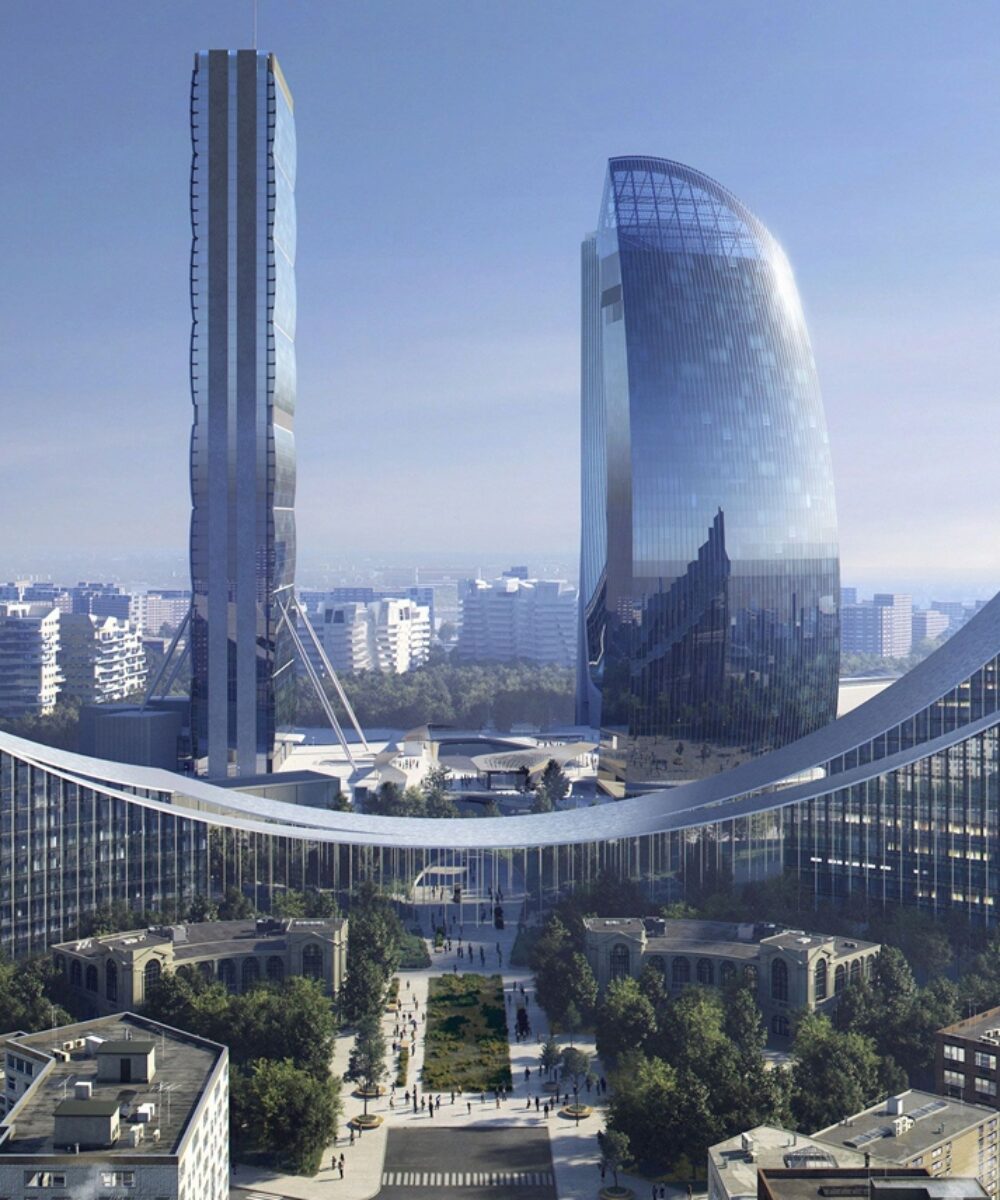
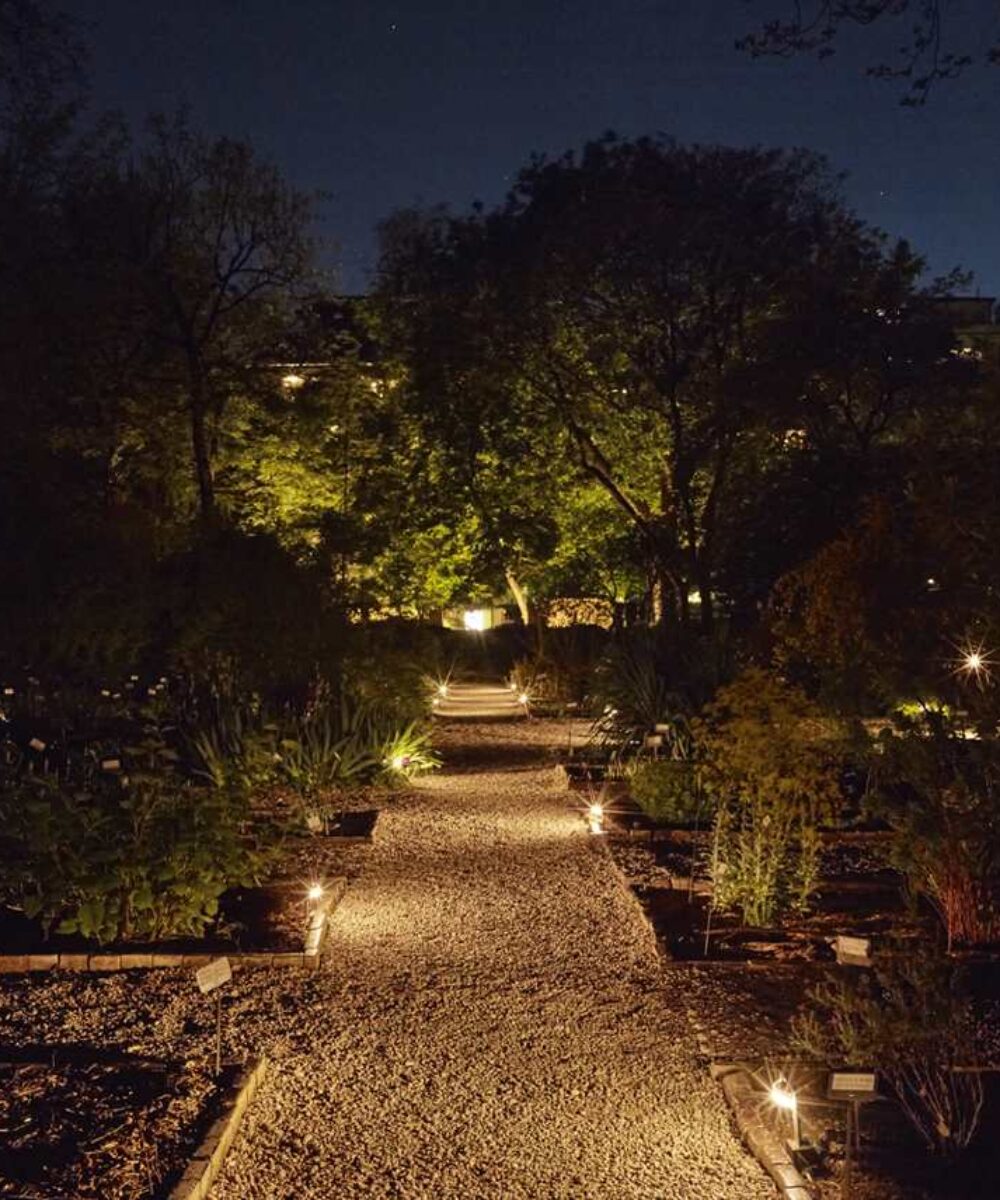
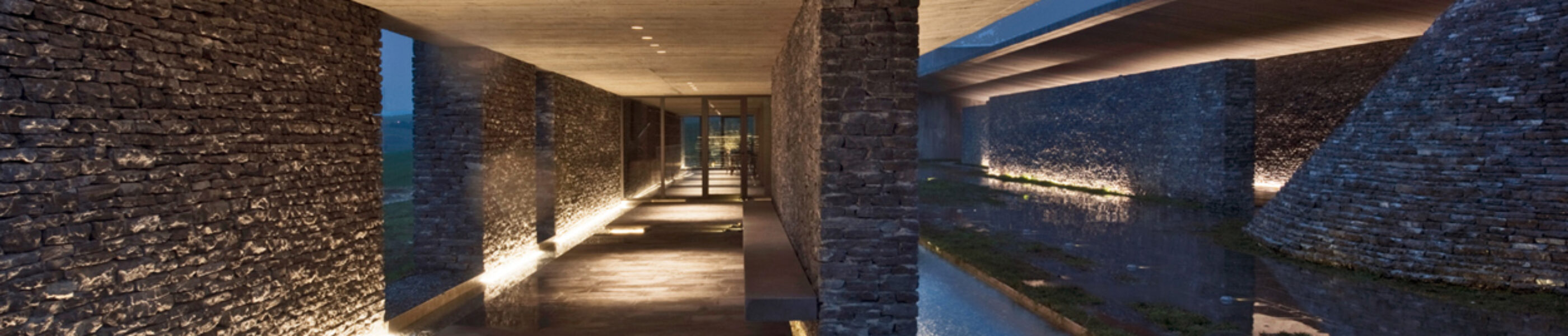
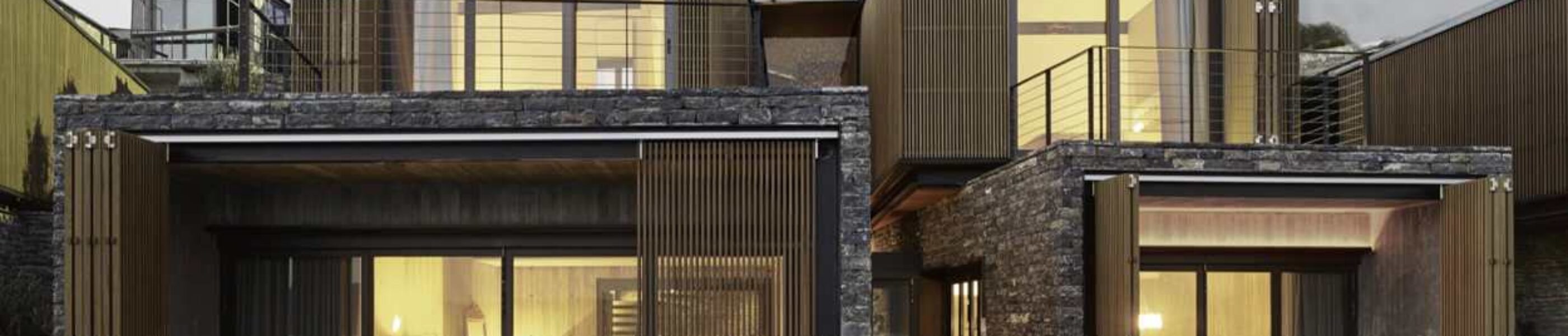
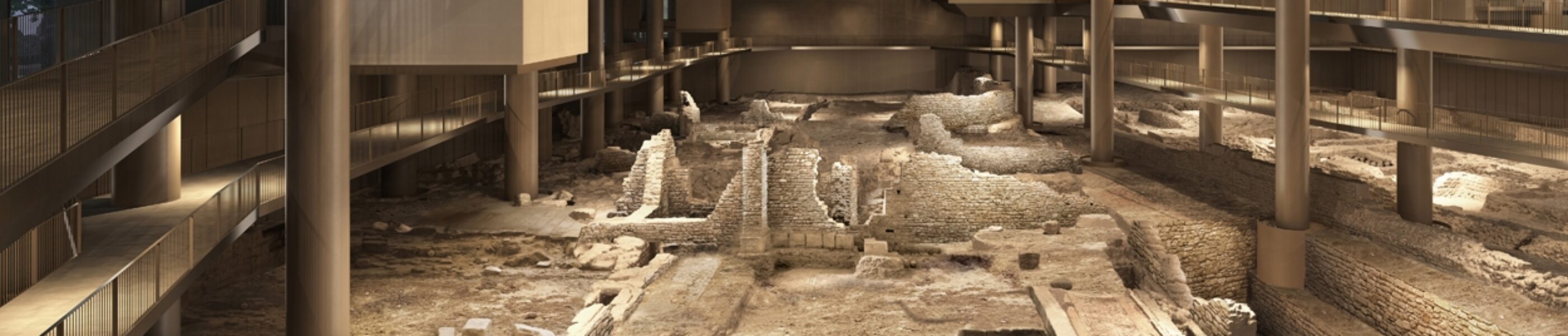
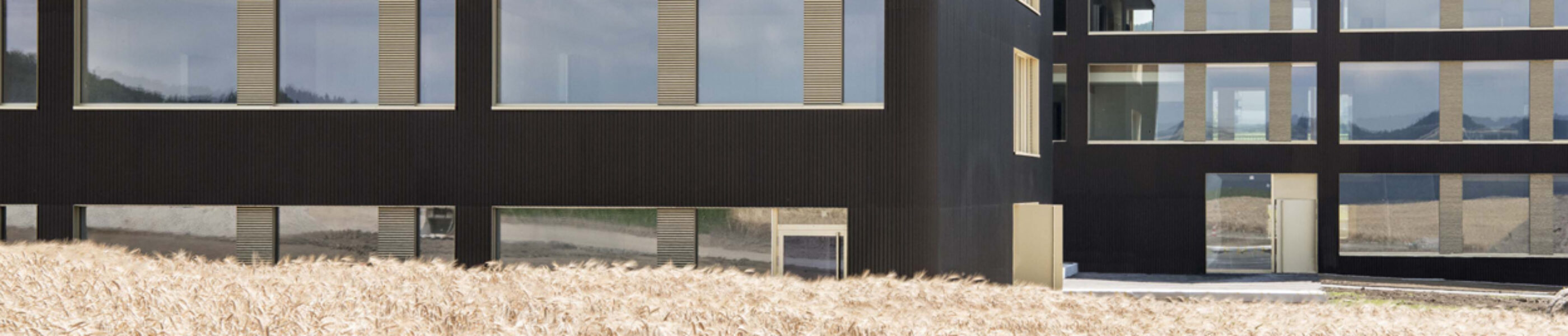
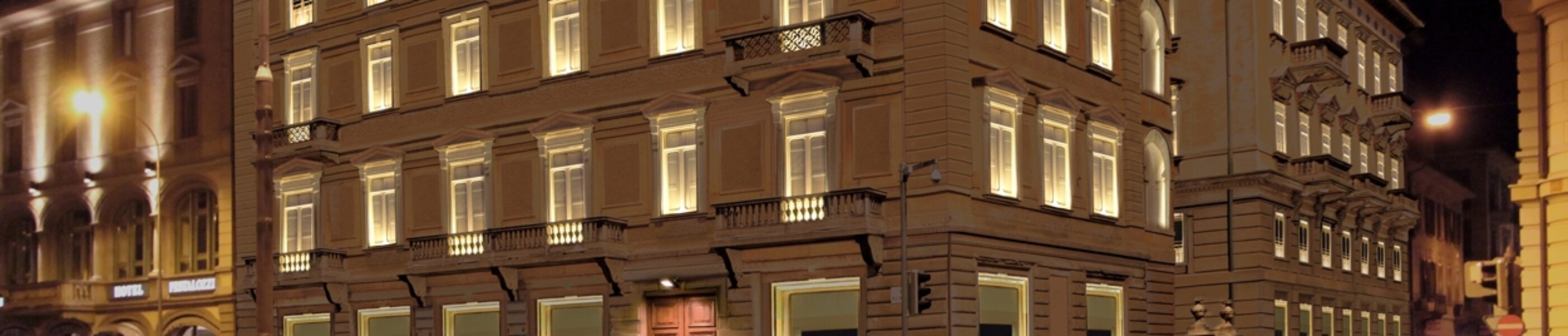
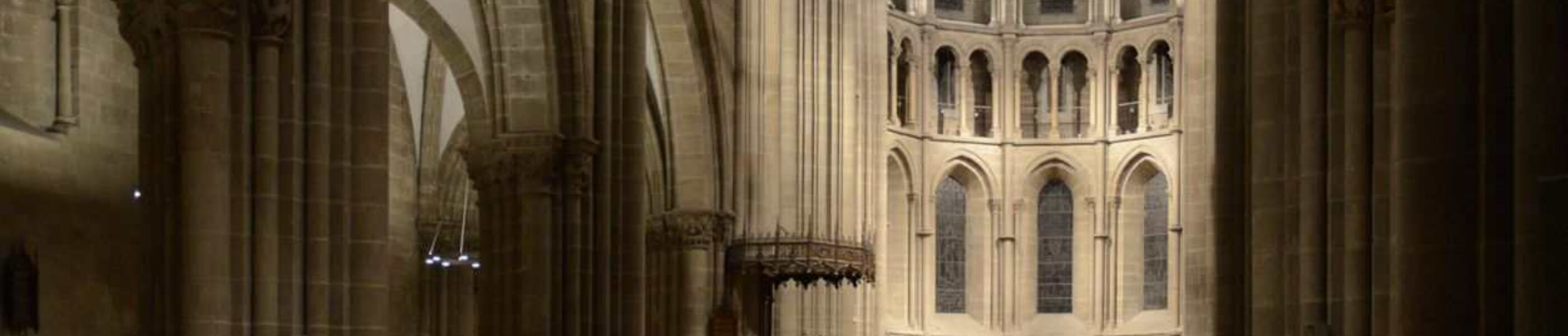
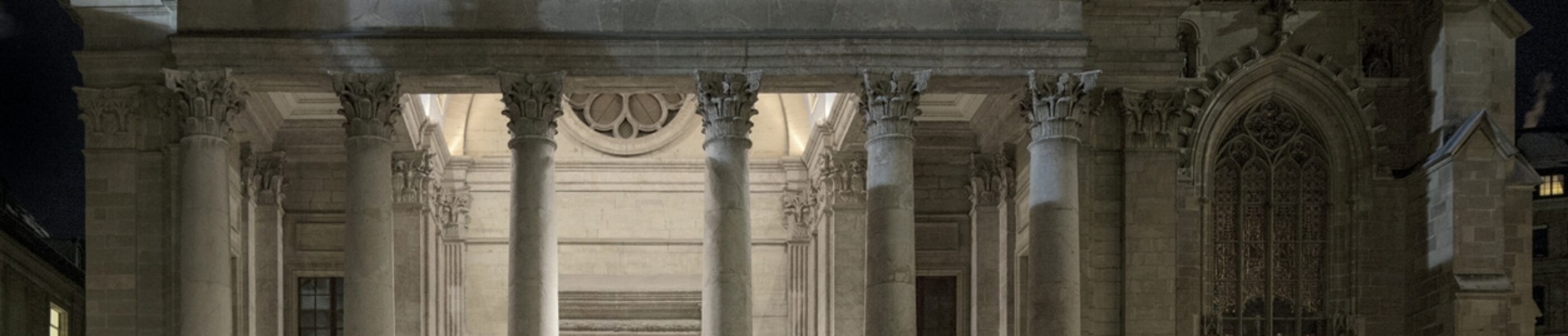
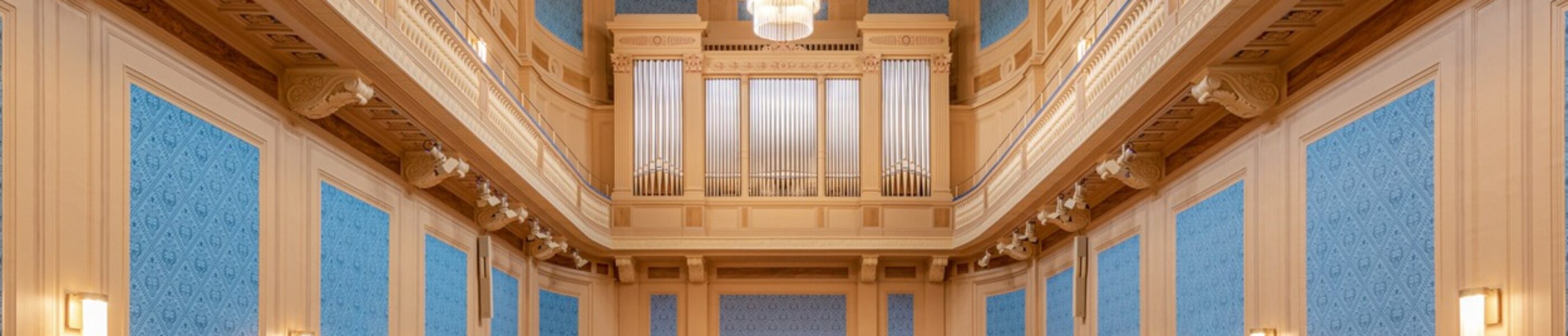
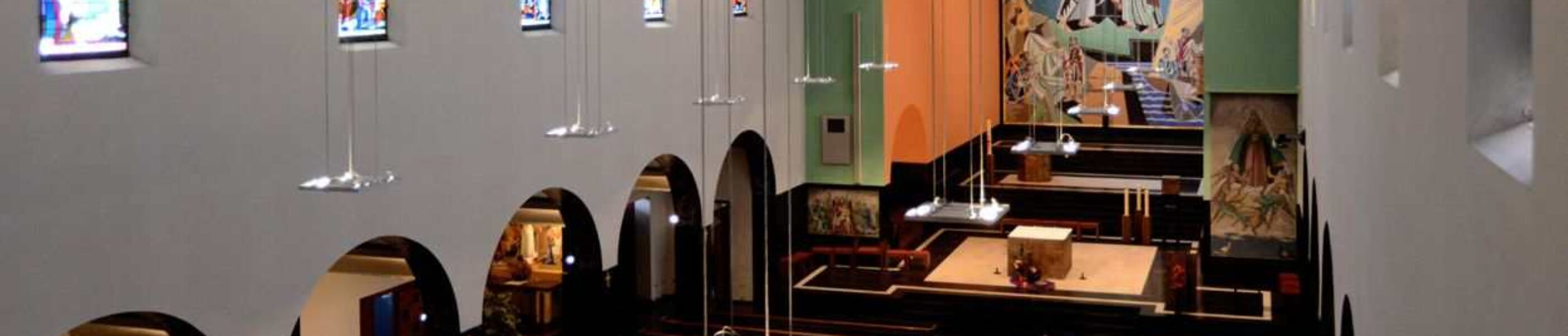
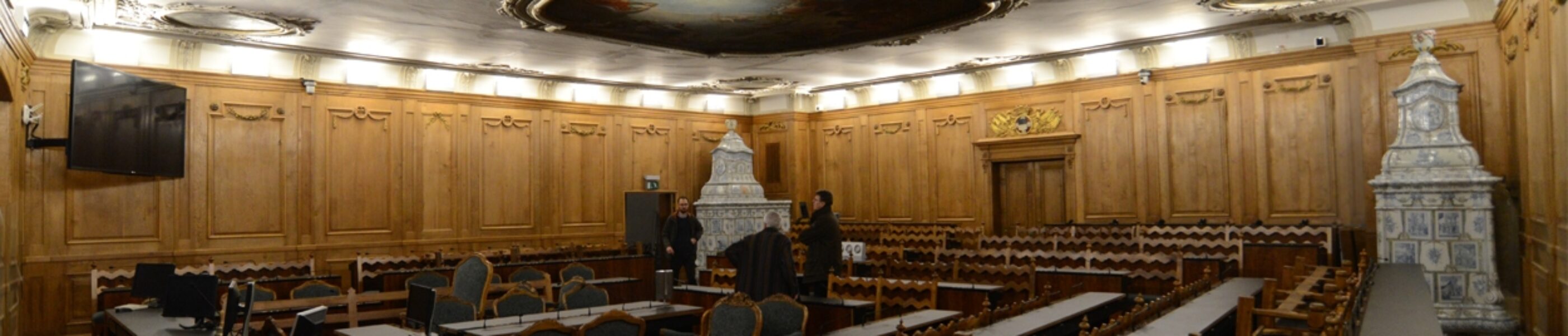
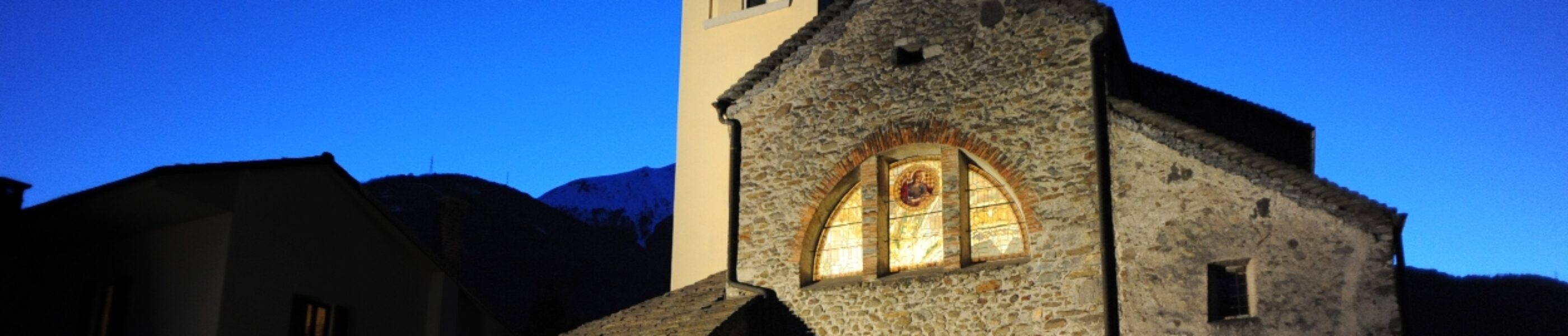
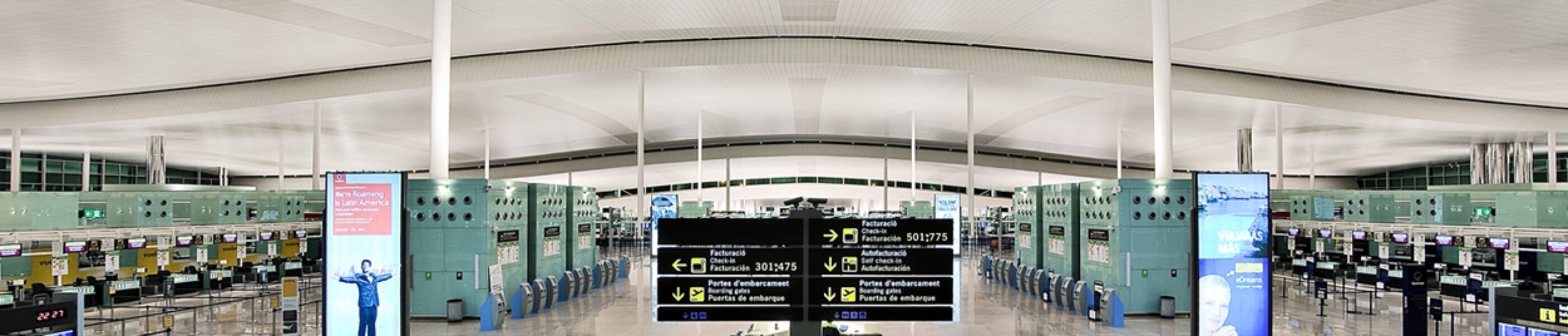
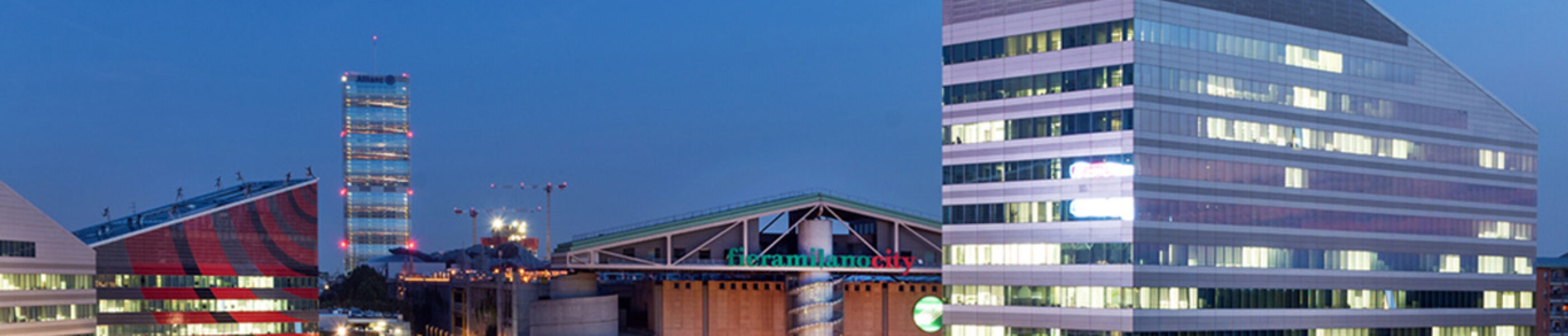
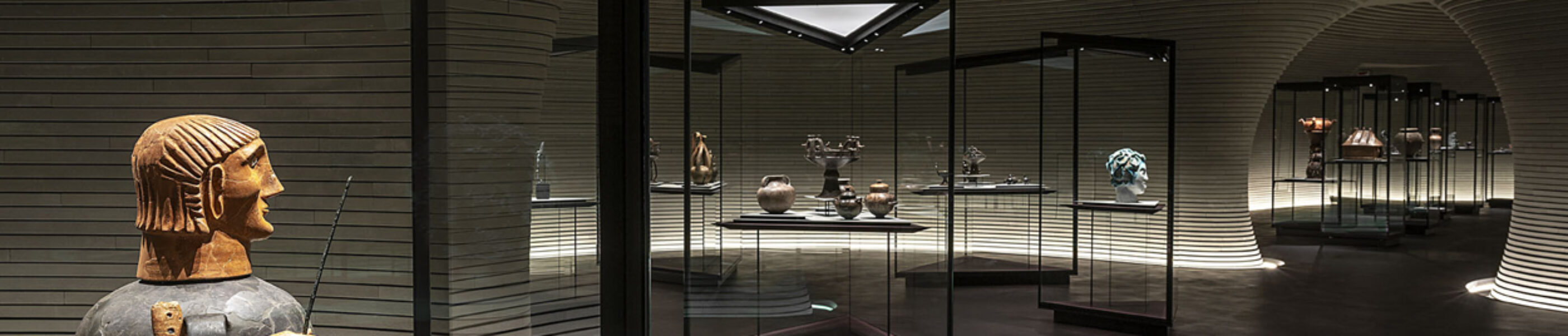
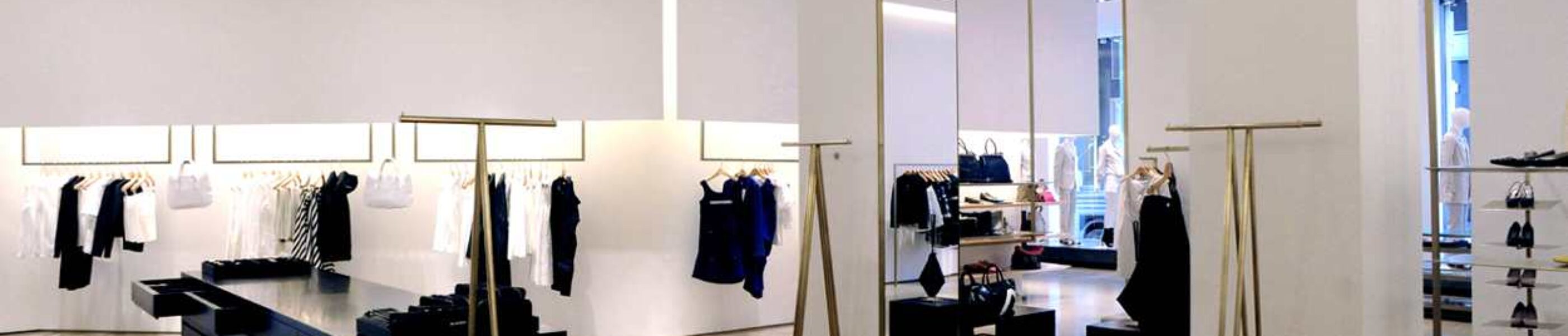
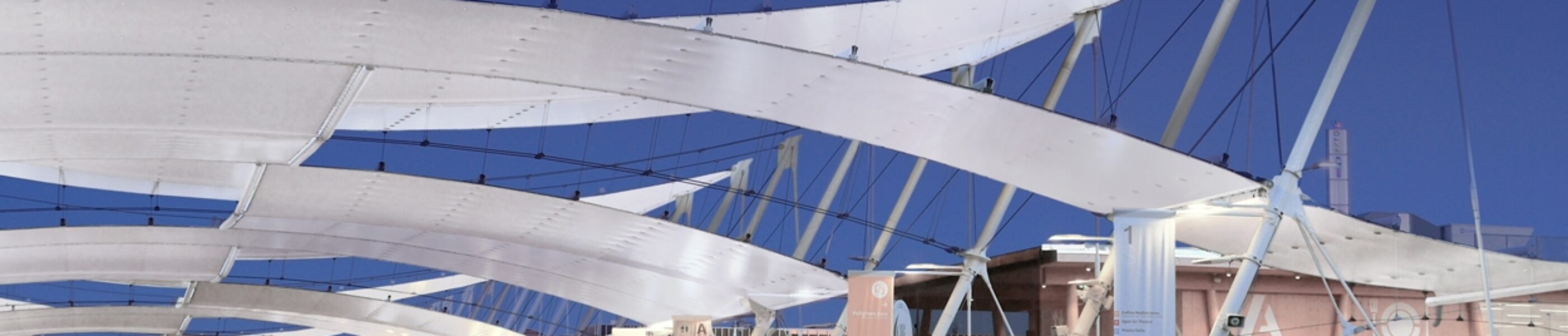
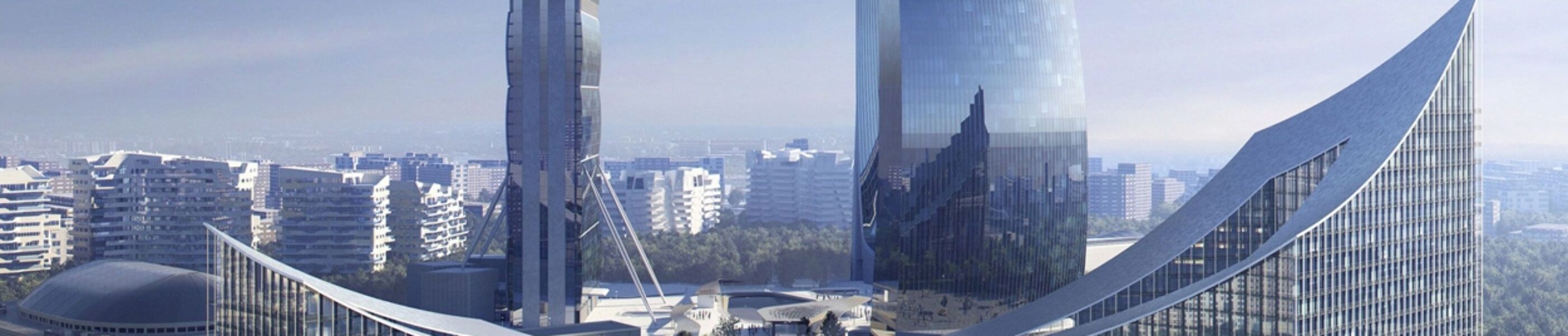
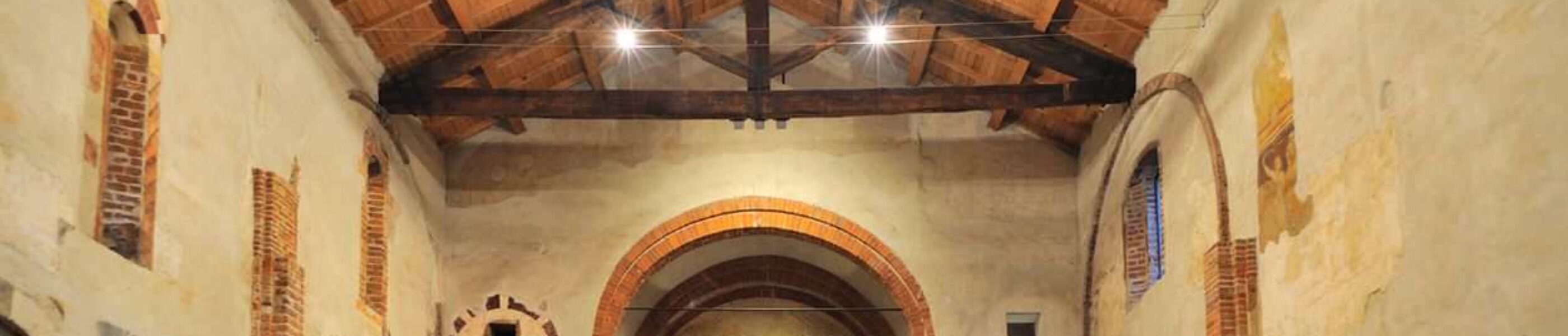
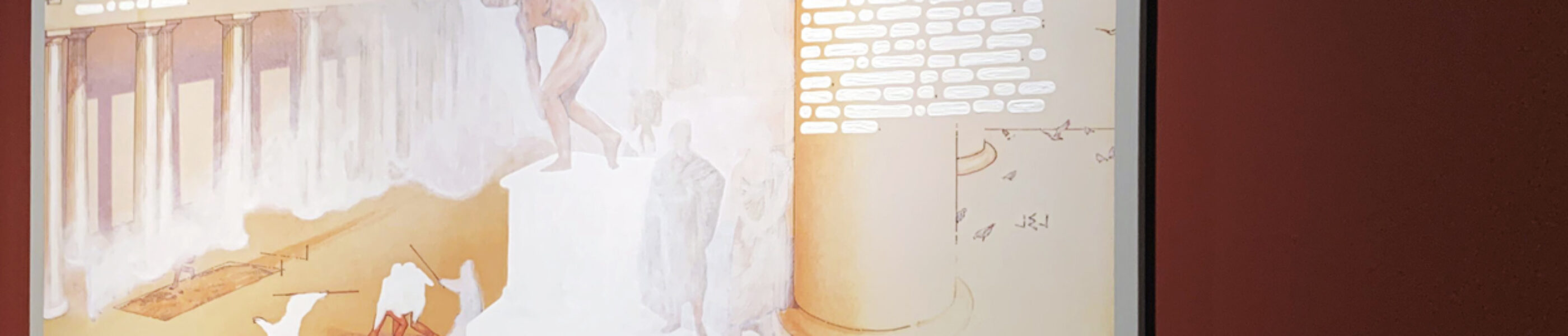
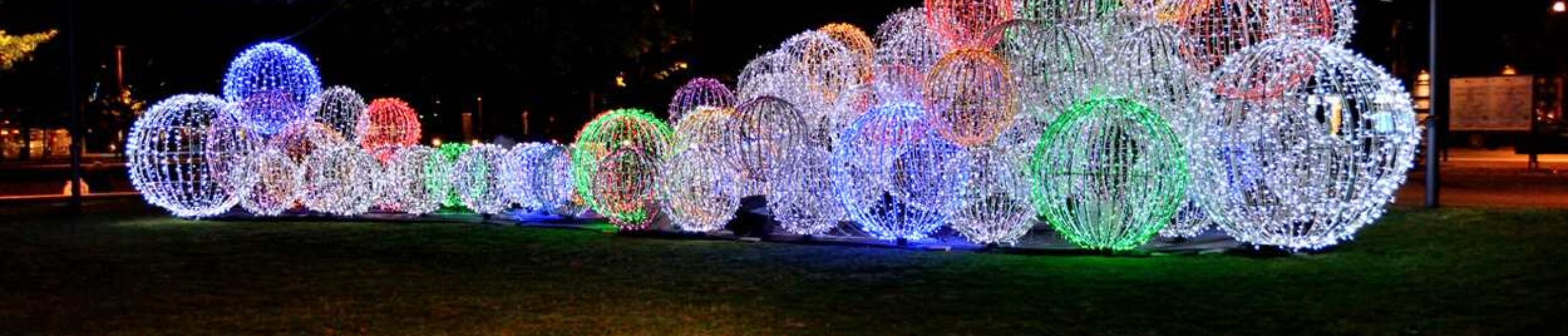
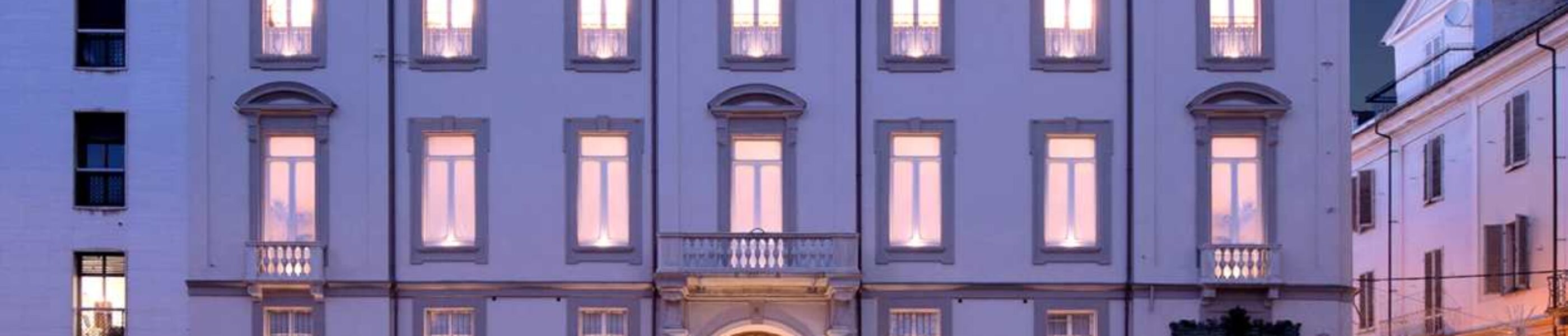
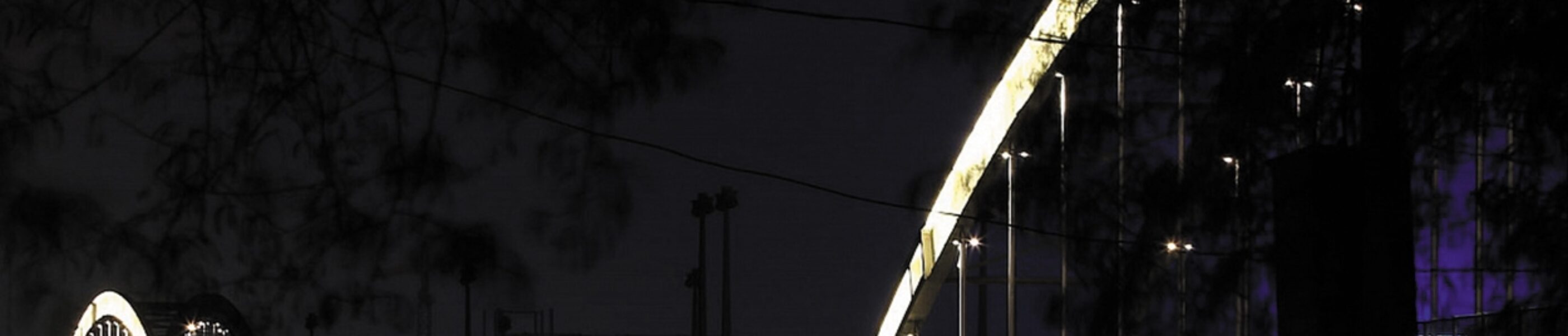
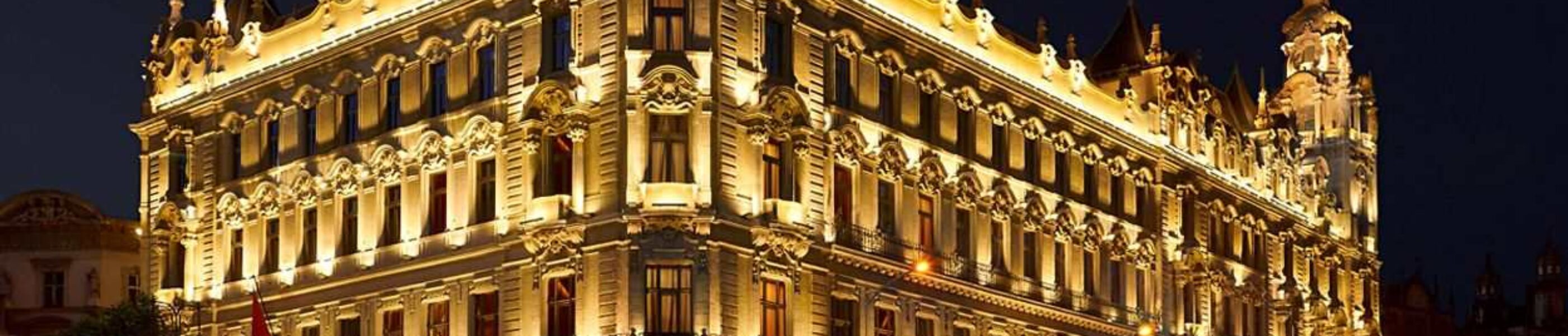
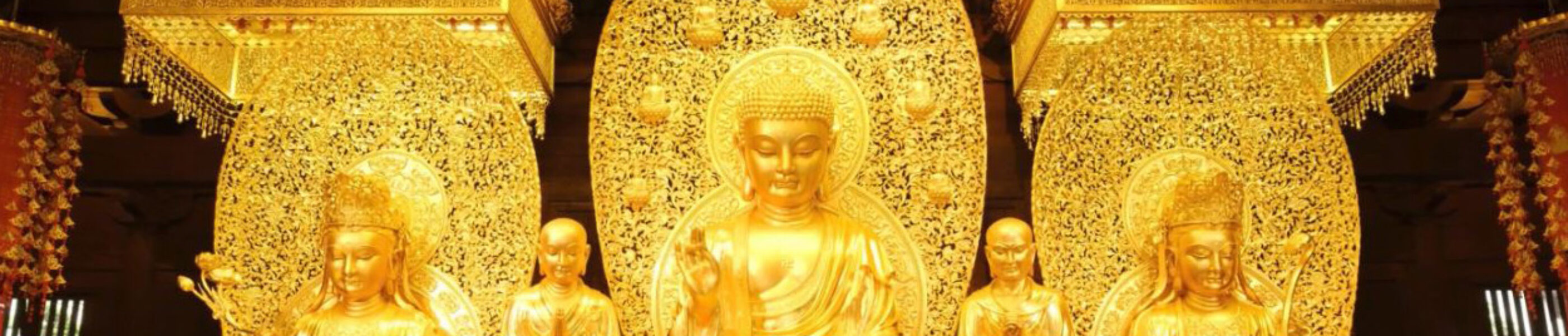
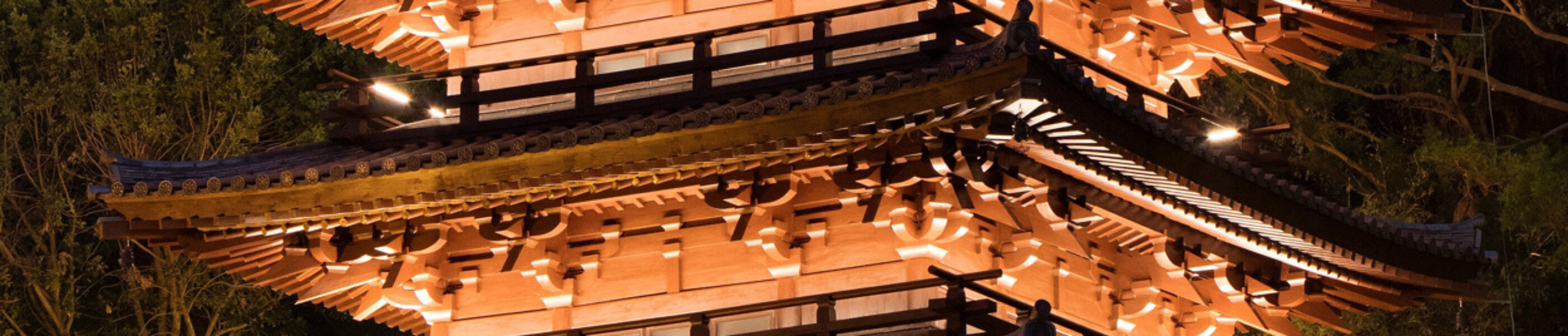
This section brings together a representative selection of lighting design projects in the architectural, museum, urban, cultural, retail, hospitality, and infrastructure sectors, both in Italy and abroad. The gallery documents projects of varying scale, function, and context, all sharing an approach to light as a tool for interpreting space, capable of engaging with architecture, artworks, landscape, and contemporary use.
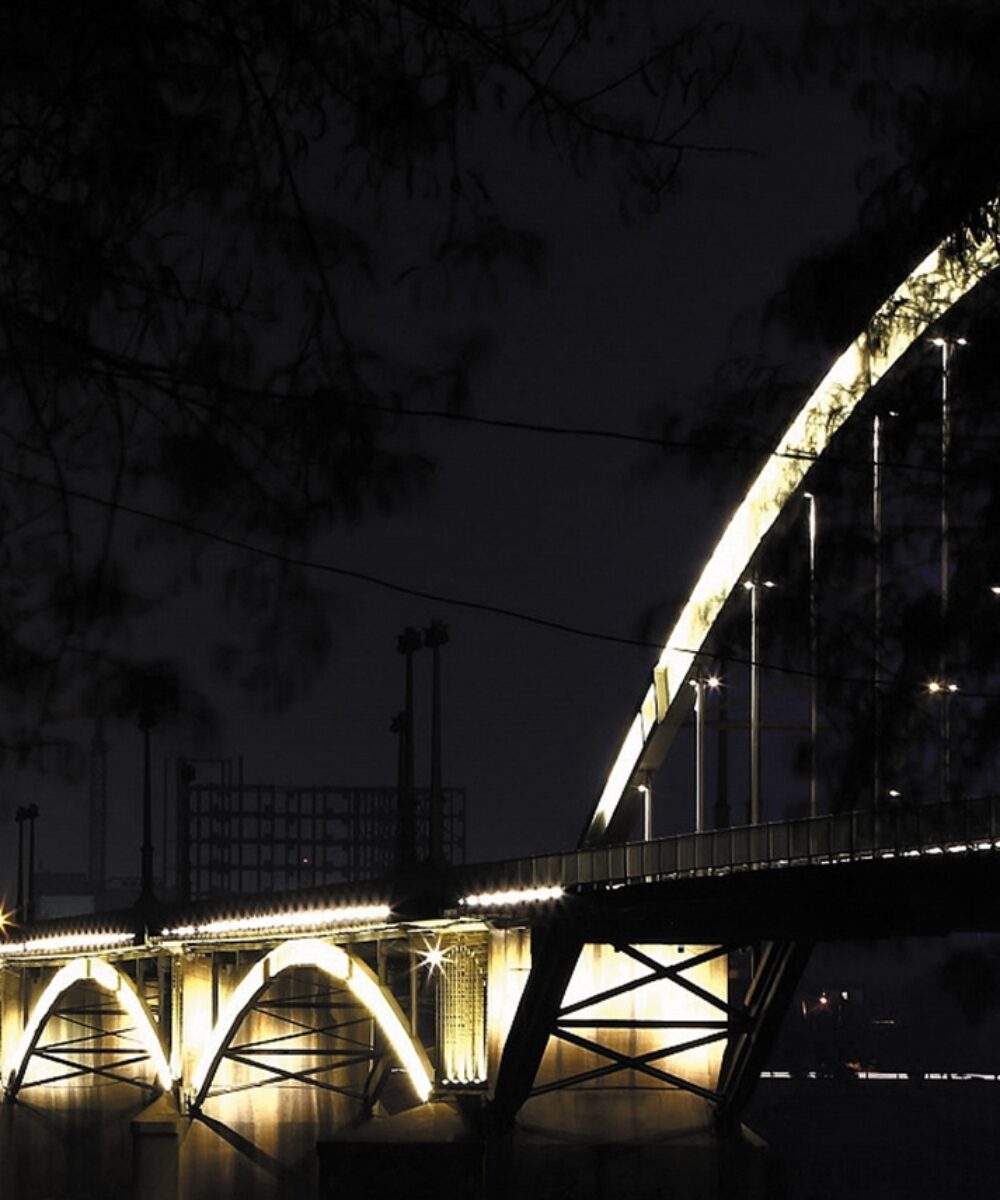
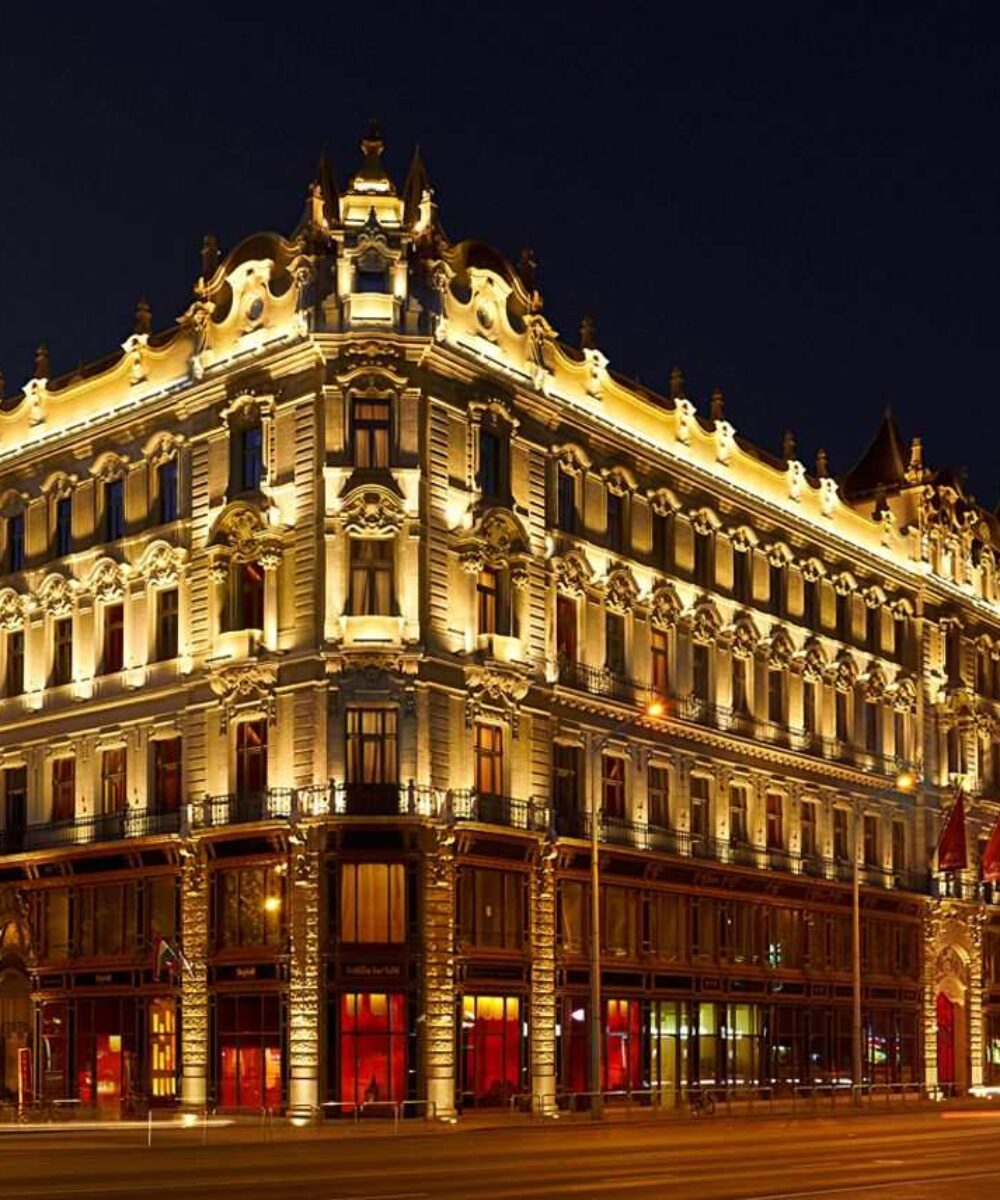
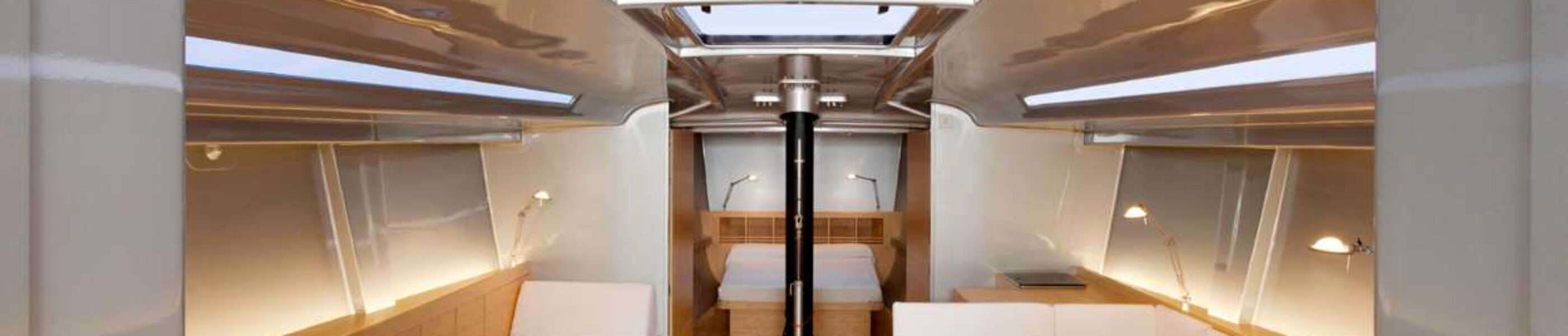
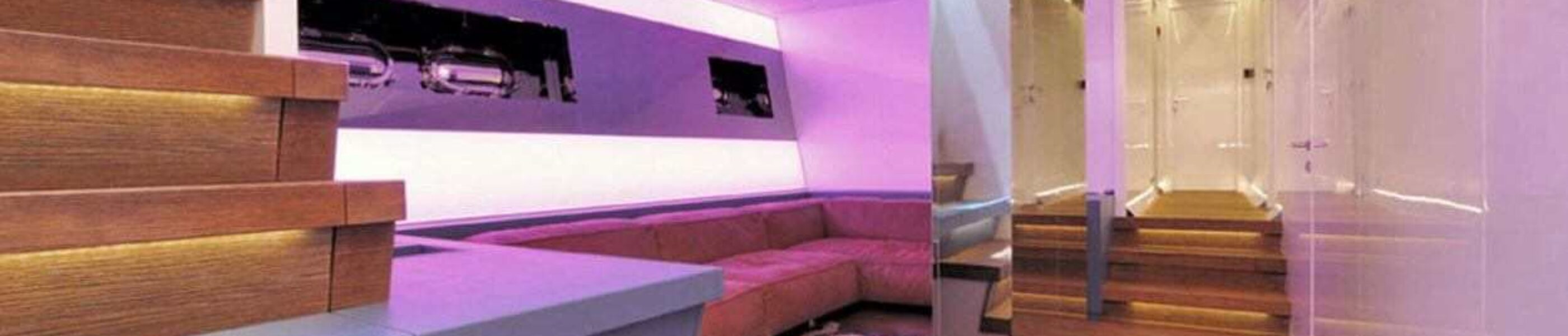
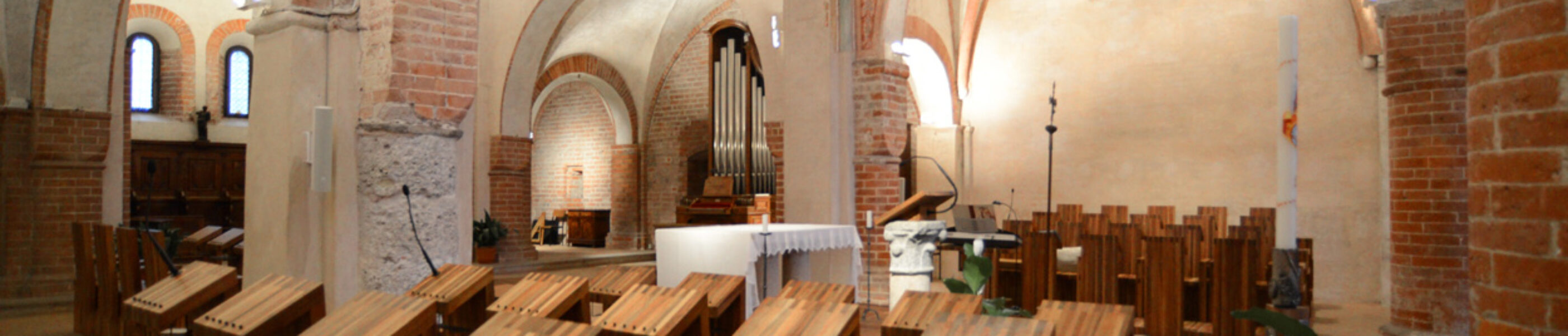
The projects presented range from museums, foundations, and temporary exhibitions to historic buildings, places of worship, public spaces, and urban complexes, including corporate headquarters, private residences, yachts, and lighting masterplans. In each project, light is designed as a controlled material, calibrated to the characteristics of the location, its functional needs, and the perceptual quality of the experience.
Taken together, the collected works convey a vision of lighting design as an integrated process, in which technical rigor, cultural sensitivity, and attention to context contribute to the construction of spatial identity, orientation, and value. The gallery thus takes the form of a design map, capable of demonstrating how light can take on different roles—discrete or declared—while always maintaining coherence, measure, and design awareness.
This section brings together a representative selection of lighting design projects in the architectural, museum, urban, cultural, retail, hospitality, and infrastructure sectors, both in Italy and abroad. The gallery documents projects of varying scale, function, and context, all sharing an approach to light as a tool for interpreting space, capable of engaging with architecture, artworks, landscape, and contemporary use.
The projects presented range from museums, foundations, and temporary exhibitions to historic buildings, places of worship, public spaces, and urban complexes, including corporate headquarters, private residences, yachts, and lighting masterplans. In each project, light is designed as a controlled material, calibrated to the characteristics of the location, its functional needs, and the perceptual quality of the experience.
Taken together, the collected works convey a vision of lighting design as an integrated process, in which technical rigor, cultural sensitivity, and attention to context contribute to the construction of spatial identity, orientation, and value. The gallery thus takes the form of a design map, capable of demonstrating how light can take on different roles—discrete or declared—while always maintaining coherence, measure, and design awareness.