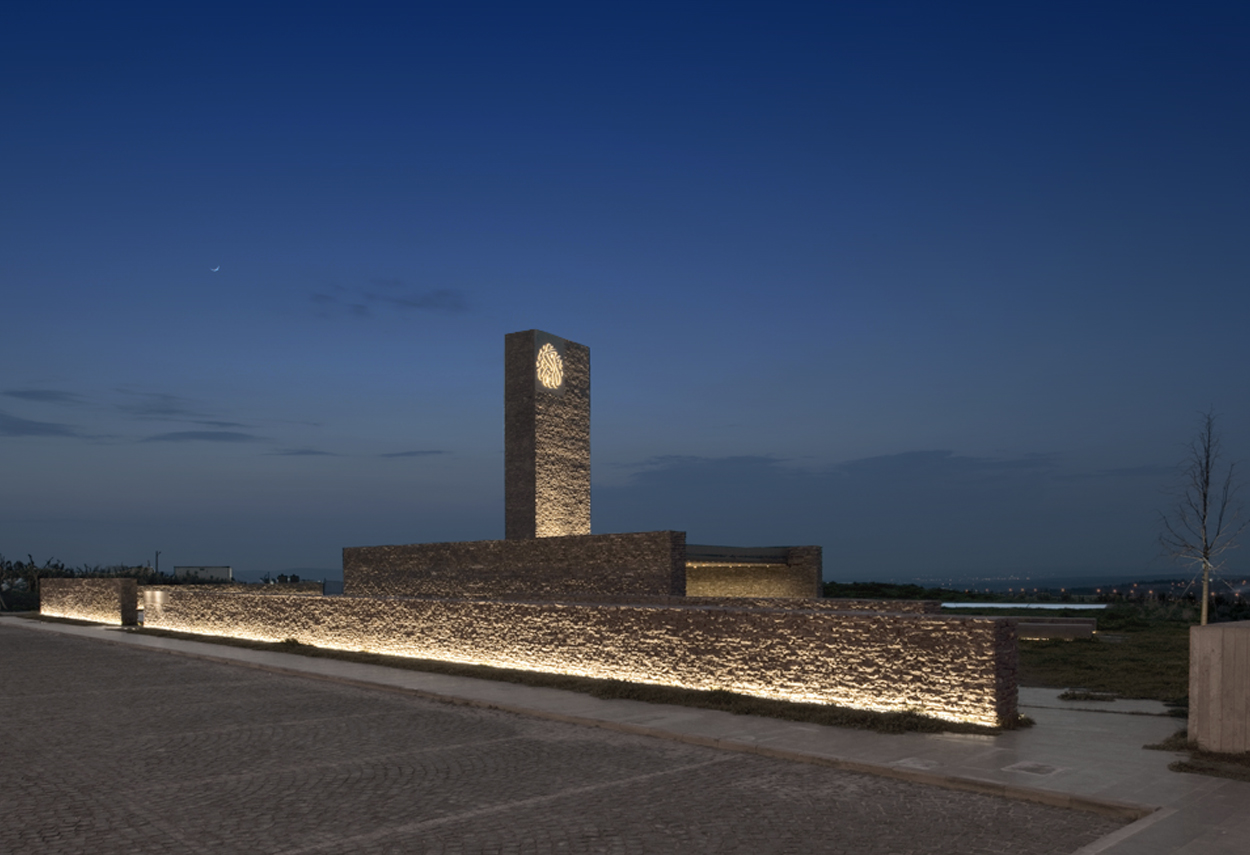
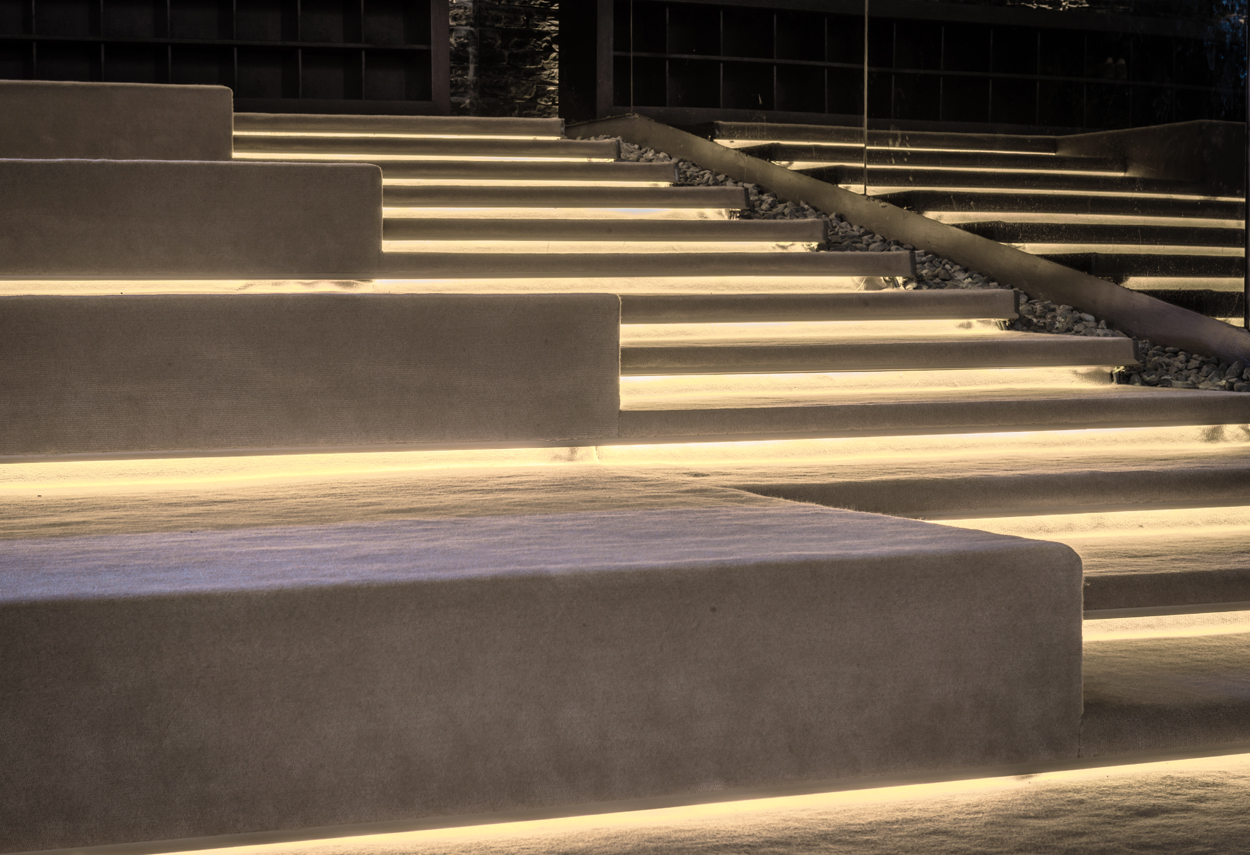
The Sancaklar Mosque project proposes a contemporary vision of the religious space, radically revisiting the typical and consolidated forms of the symbolic place of the Islamic religion. Selected for the "RIBA Award for International Excellence" in 2018. The building is located on a large expanse of grass separated from the surrounding suburban areas by a busy road. The semi-underground structure follows the contour lines of the land. The upper courtyard of the mosque, surrounded by high walls, represents a clear boundary between the chaotic world outside and the serene and sheltered atmosphere of the public park. The mosque interior is a simple space resembling a cave, where stone alternates with concrete, maintaining a contrast between the artificial and natural. Incisions and fissures along the walls allow daylight to filter through. The lighting design follows the sober simplicity of the architecture, embedding lines of LED light into the architectural features. Recessed fixtures illuminate the longitudinal wall in the prayer room when the daylight has waned, maintaining a day-time effect by reflection.
“With their project for the Sancaklar Mosque, Istanbul, Emre Arolat Architects aim to address the fundamental issues of designing a mosque by distancing itself from the current architectural discussions based on form and focusing solely on the essence of religious space.” Domus
Client:
Piero Castiglioni
Collaborations:
Emre Arolat Architects
Sonmez Duygu Cakir
Photo Courtesy:
Emre Arolat Architects
Year:
2011 - 2013
The Sancaklar Mosque project proposes a contemporary vision of the religious space, radically revisiting the typical and consolidated forms of the symbolic place of the Islamic religion. Selected for the "RIBA Award for International Excellence" in 2018. The building is located on a large expanse of grass separated from the surrounding suburban areas by a busy road. The semi-underground structure follows the contour lines of the land. The upper courtyard of the mosque, surrounded by high walls, represents a clear boundary between the chaotic world outside and the serene and sheltered atmosphere of the public park. The mosque interior is a simple space resembling a cave, where stone alternates with concrete, maintaining a contrast between the artificial and natural. Incisions and fissures along the walls allow daylight to filter through. The lighting design follows the sober simplicity of the architecture, embedding lines of LED light into the architectural features. Recessed fixtures illuminate the longitudinal wall in the prayer room when the daylight has waned, maintaining a day-time effect by reflection.
“With their project for the Sancaklar Mosque, Istanbul, Emre Arolat Architects aim to address the fundamental issues of designing a mosque by distancing itself from the current architectural discussions based on form and focusing solely on the essence of religious space.” Domus
Client:
Piero Castiglioni
Collaborations:
Emre Arolat Architects
Sonmez Duygu Cakir
Photo Courtesy:
Emre Arolat Architects
Year:
2011 - 2013
Other Projects
Other Projects
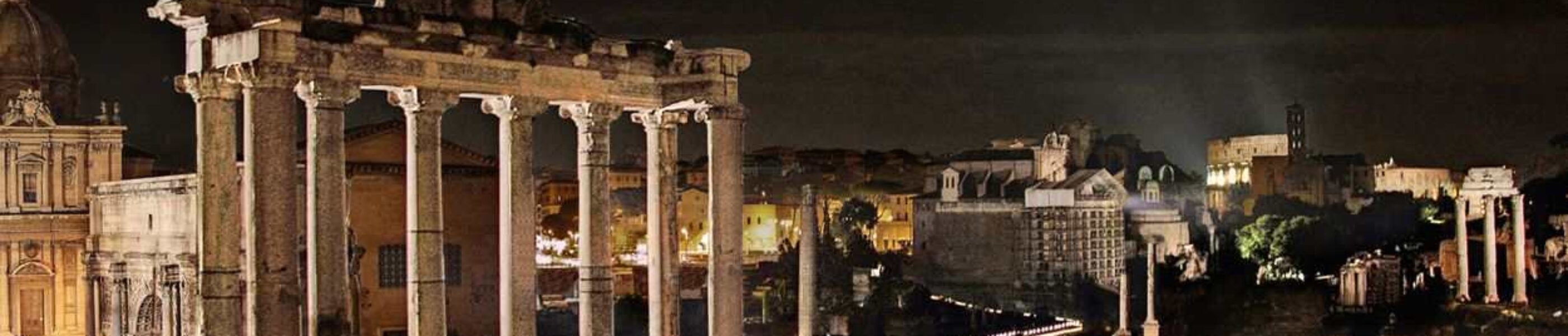
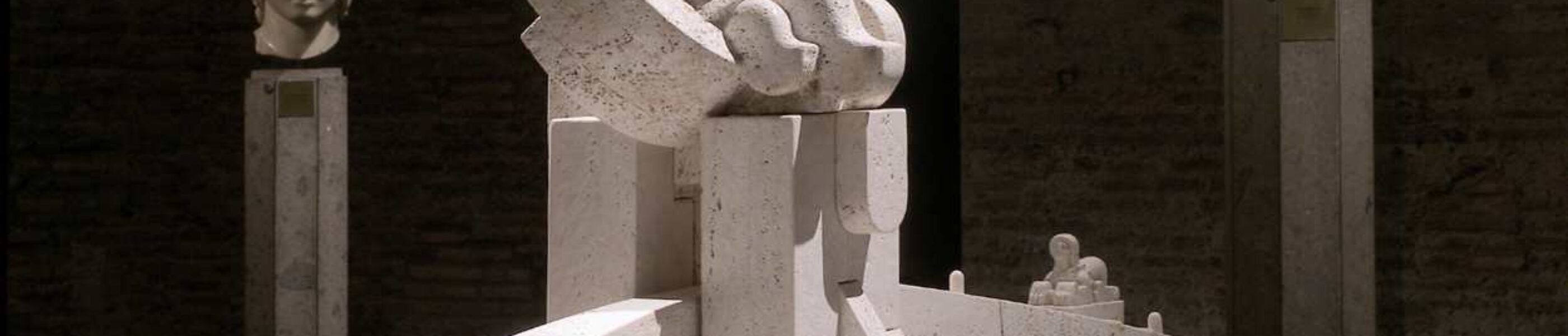
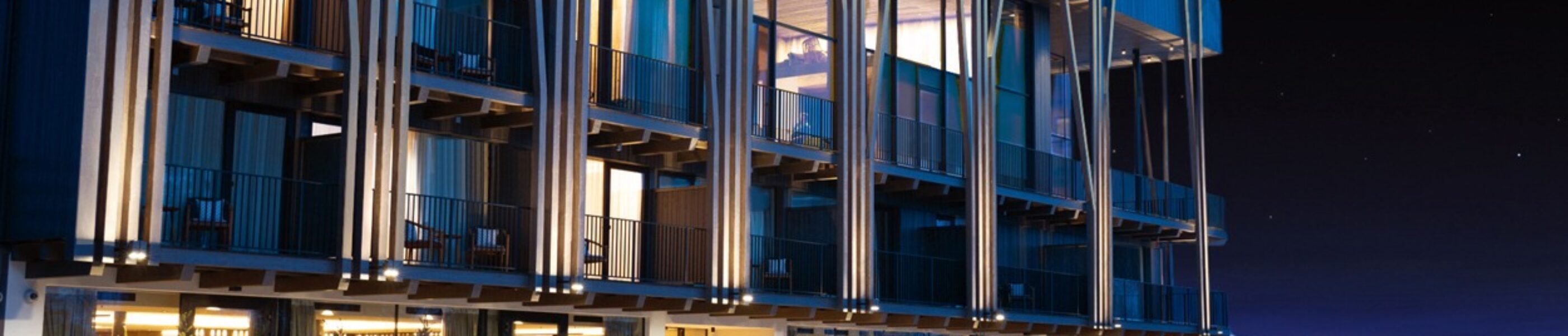
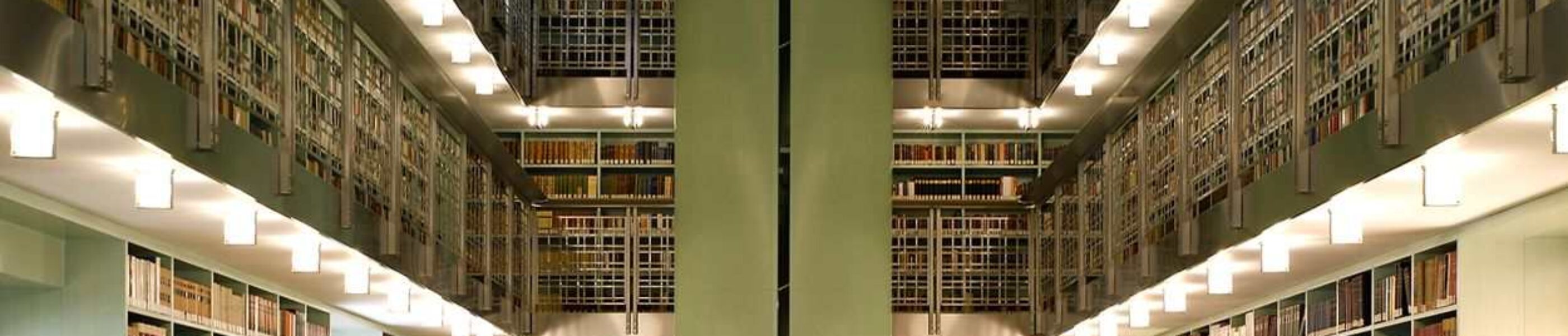
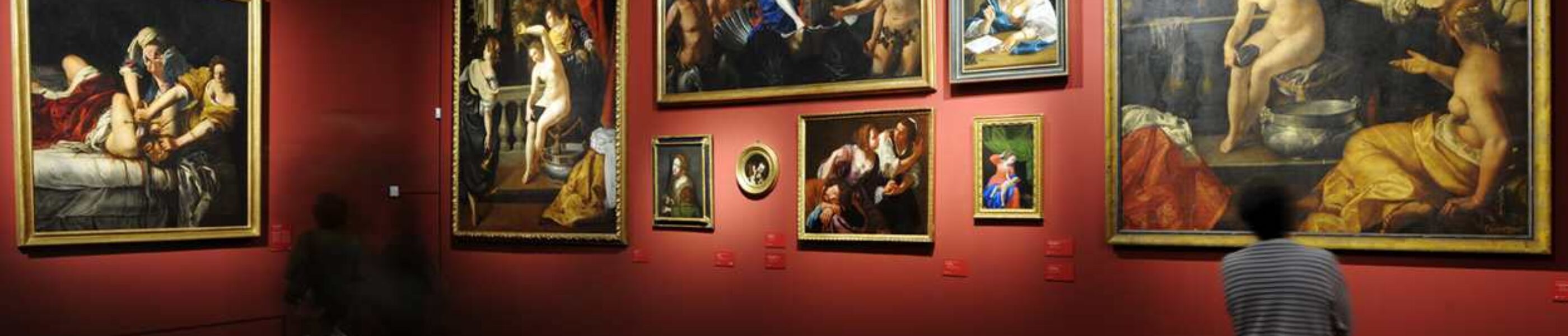
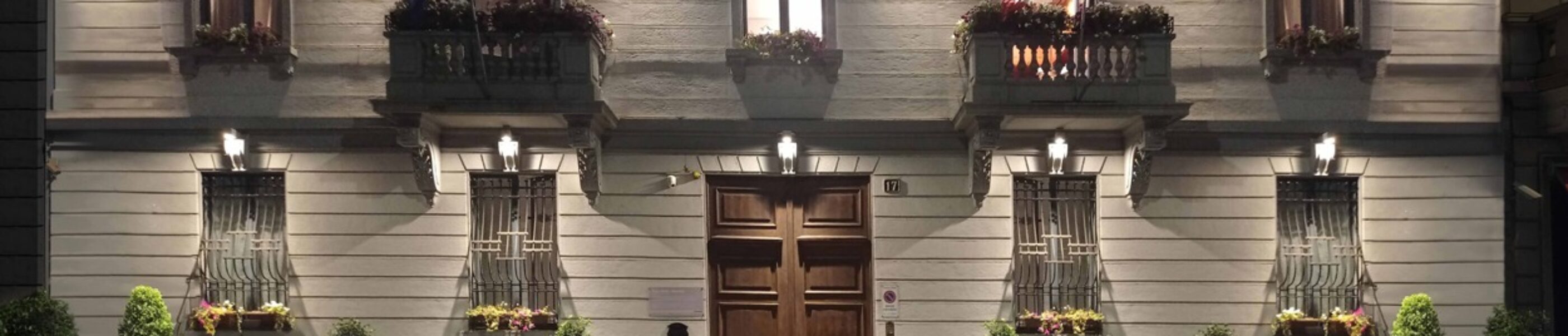
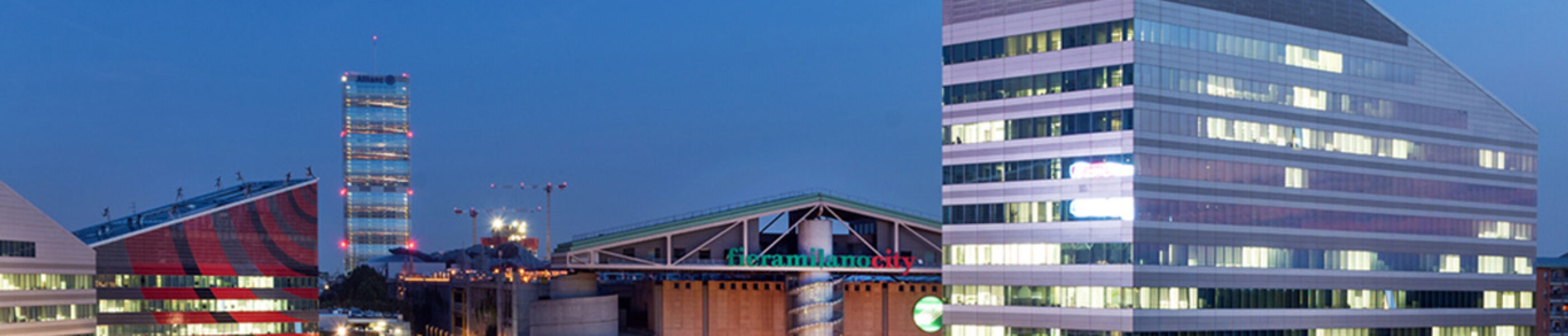
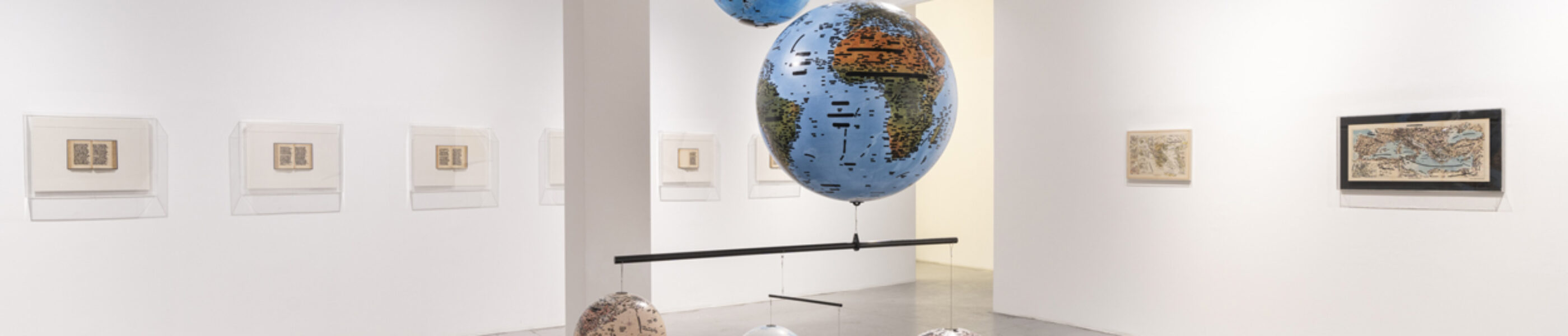
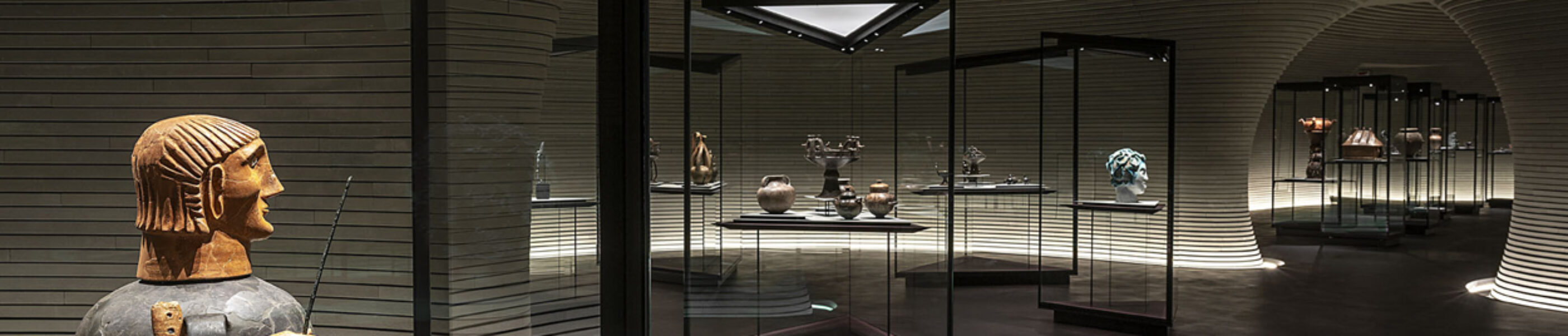
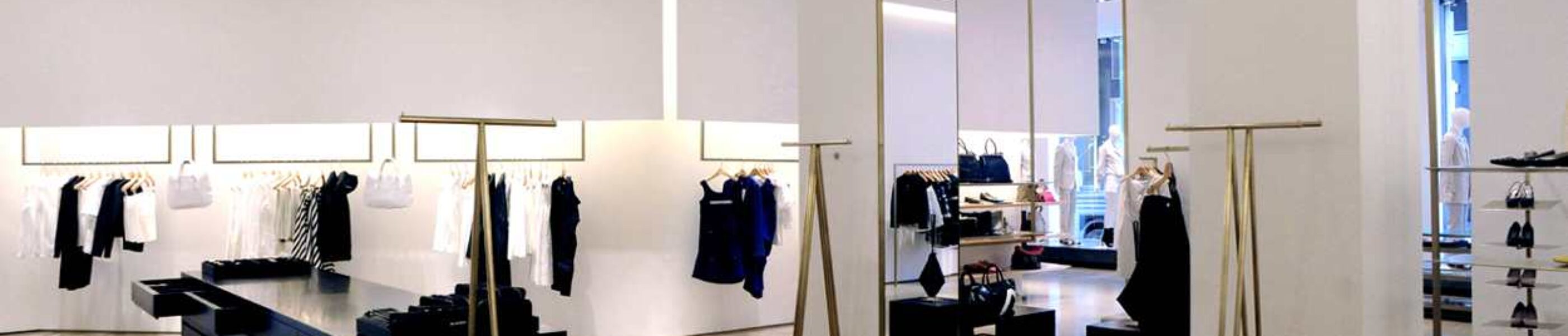
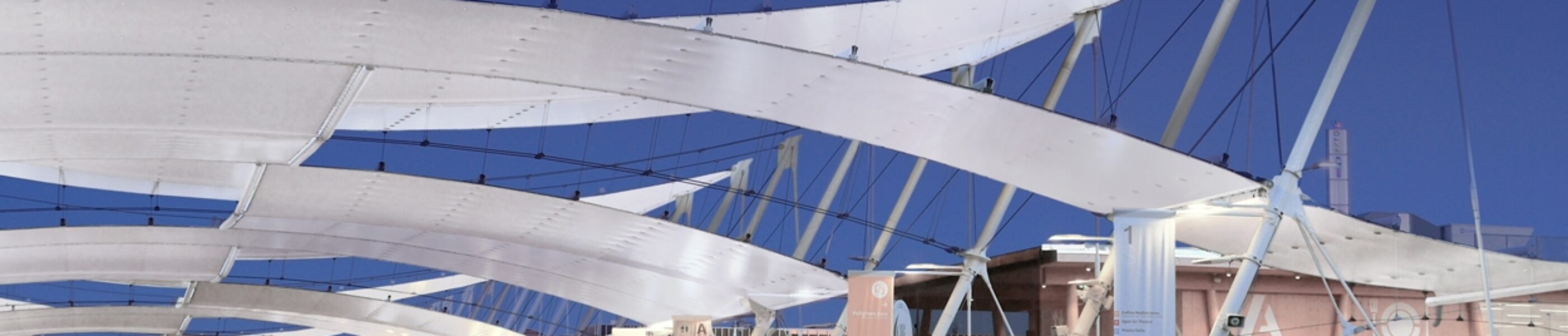
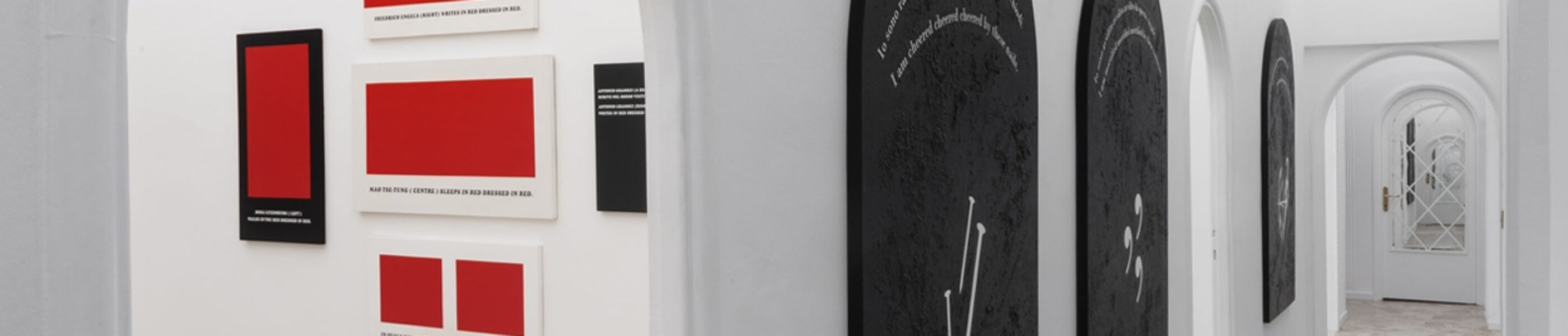
This section brings together a representative selection of lighting design projects in the architectural, museum, urban, cultural, retail, hospitality, and infrastructure sectors, both in Italy and abroad. The gallery documents projects of varying scale, function, and context, all sharing an approach to light as a tool for interpreting space, capable of engaging with architecture, artworks, landscape, and contemporary use.
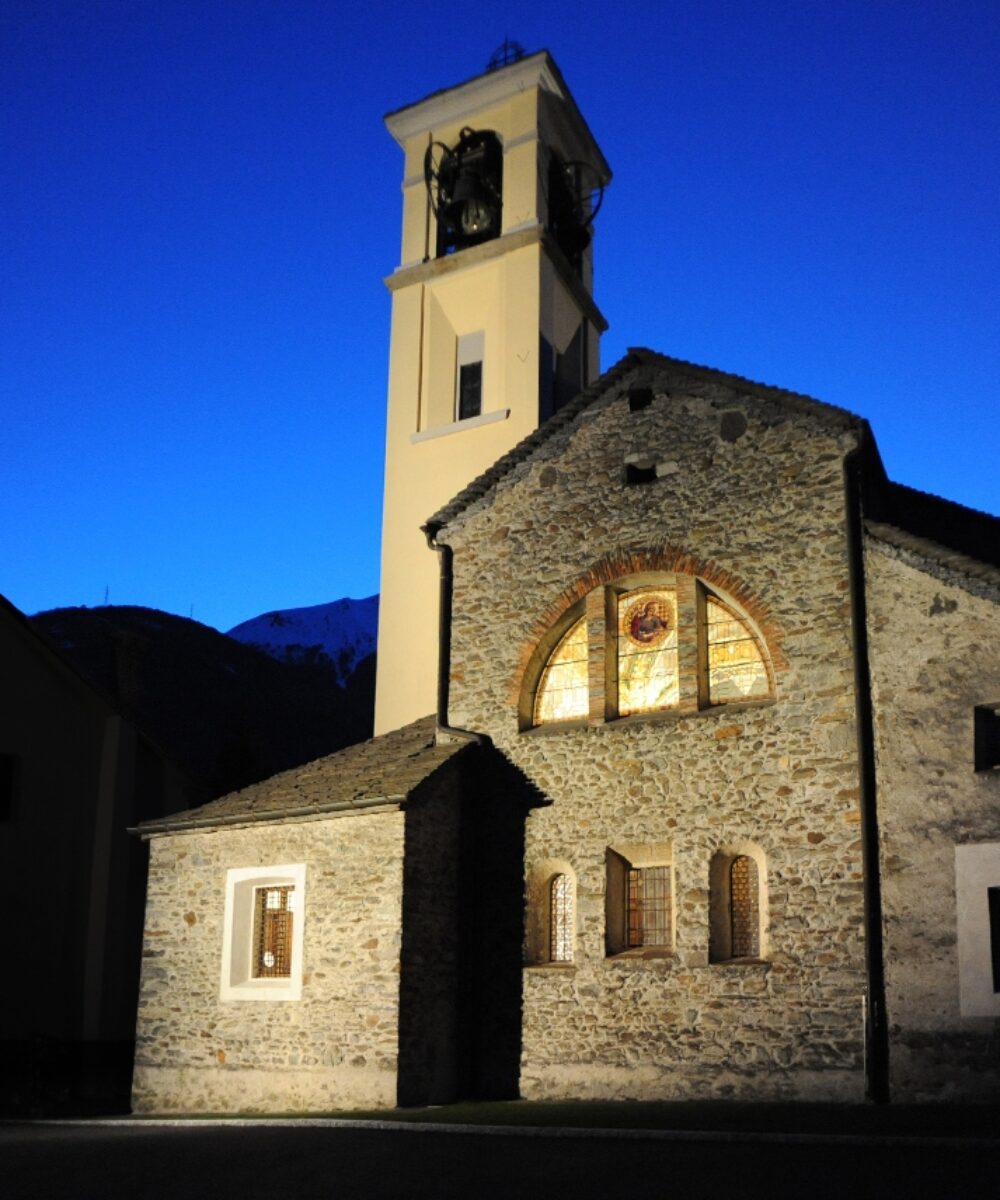
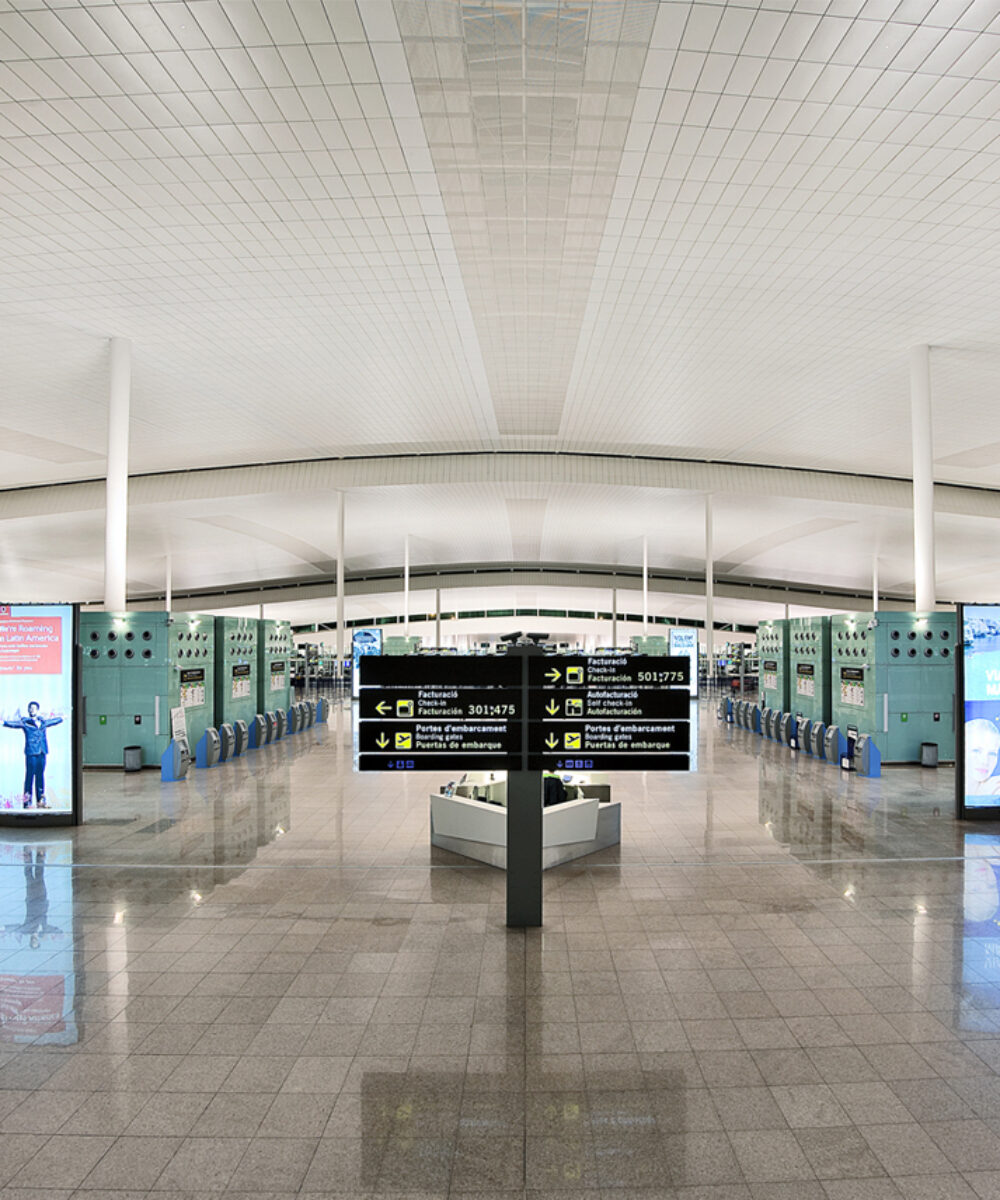
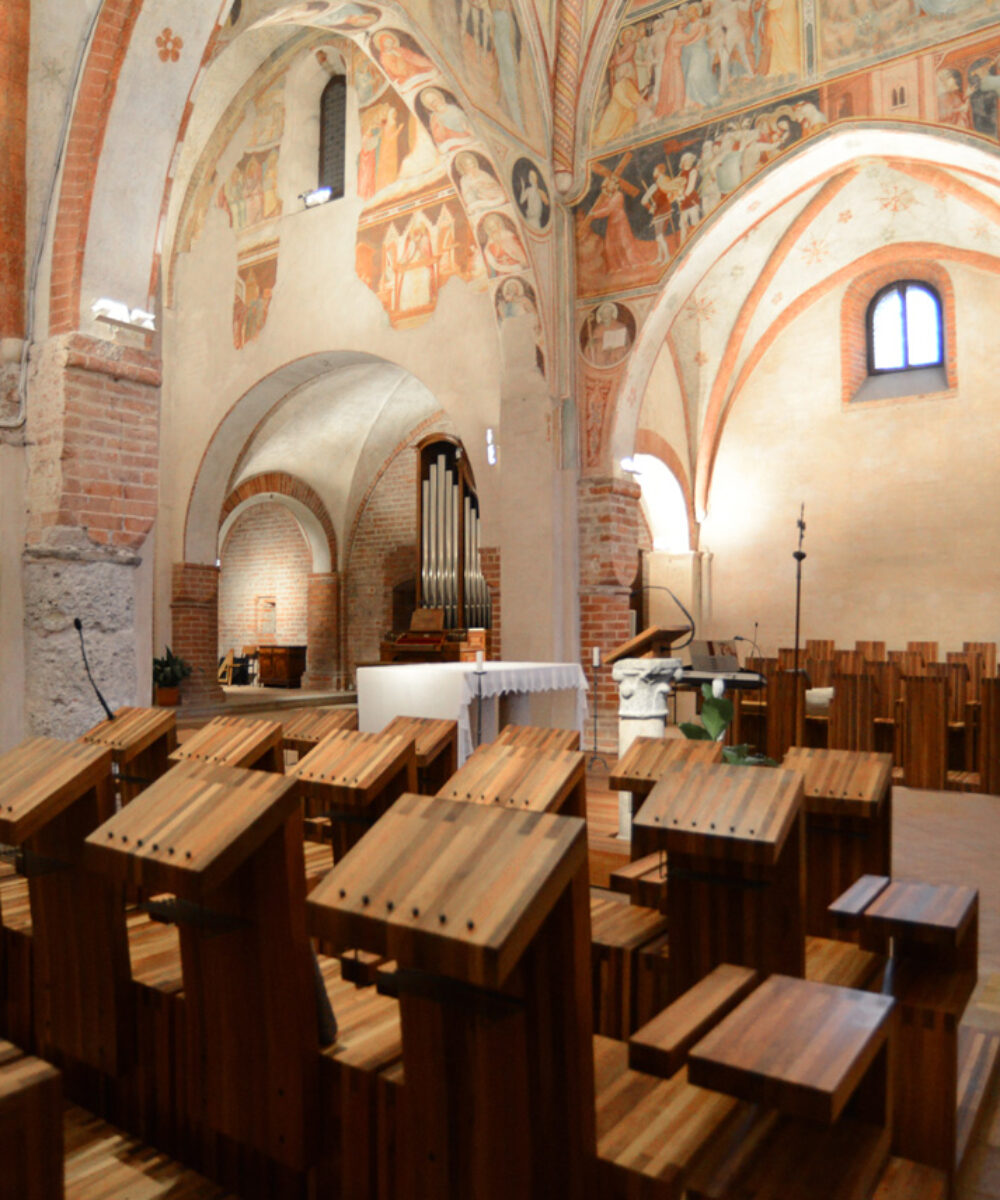
The projects presented range from museums, foundations, and temporary exhibitions to historic buildings, places of worship, public spaces, and urban complexes, including corporate headquarters, private residences, yachts, and lighting masterplans. In each project, light is designed as a controlled material, calibrated to the characteristics of the location, its functional needs, and the perceptual quality of the experience.
Taken together, the collected works convey a vision of lighting design as an integrated process, in which technical rigor, cultural sensitivity, and attention to context contribute to the construction of spatial identity, orientation, and value. The gallery thus takes the form of a design map, capable of demonstrating how light can take on different roles—discrete or declared—while always maintaining coherence, measure, and design awareness.
This section brings together a representative selection of lighting design projects in the architectural, museum, urban, cultural, retail, hospitality, and infrastructure sectors, both in Italy and abroad. The gallery documents projects of varying scale, function, and context, all sharing an approach to light as a tool for interpreting space, capable of engaging with architecture, artworks, landscape, and contemporary use.
The projects presented range from museums, foundations, and temporary exhibitions to historic buildings, places of worship, public spaces, and urban complexes, including corporate headquarters, private residences, yachts, and lighting masterplans. In each project, light is designed as a controlled material, calibrated to the characteristics of the location, its functional needs, and the perceptual quality of the experience.
Taken together, the collected works convey a vision of lighting design as an integrated process, in which technical rigor, cultural sensitivity, and attention to context contribute to the construction of spatial identity, orientation, and value. The gallery thus takes the form of a design map, capable of demonstrating how light can take on different roles—discrete or declared—while always maintaining coherence, measure, and design awareness.