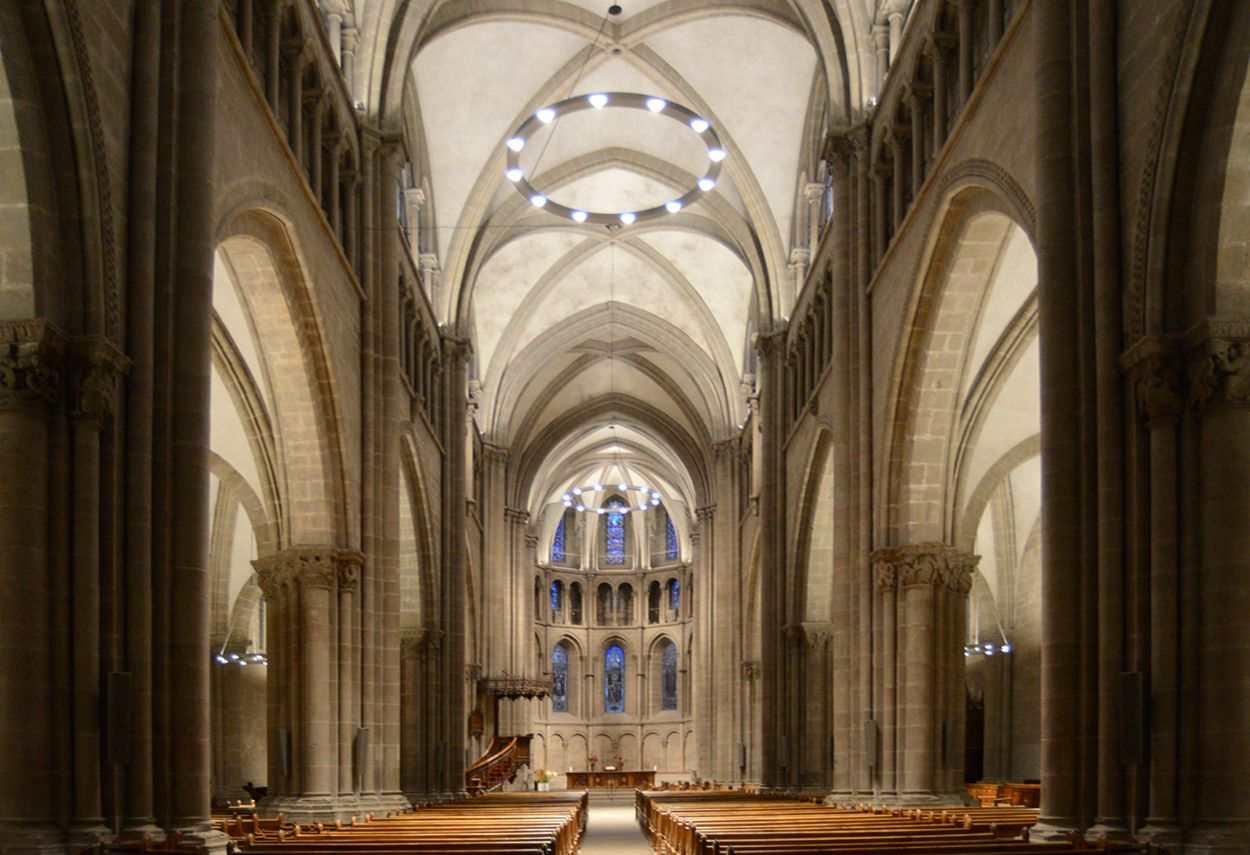
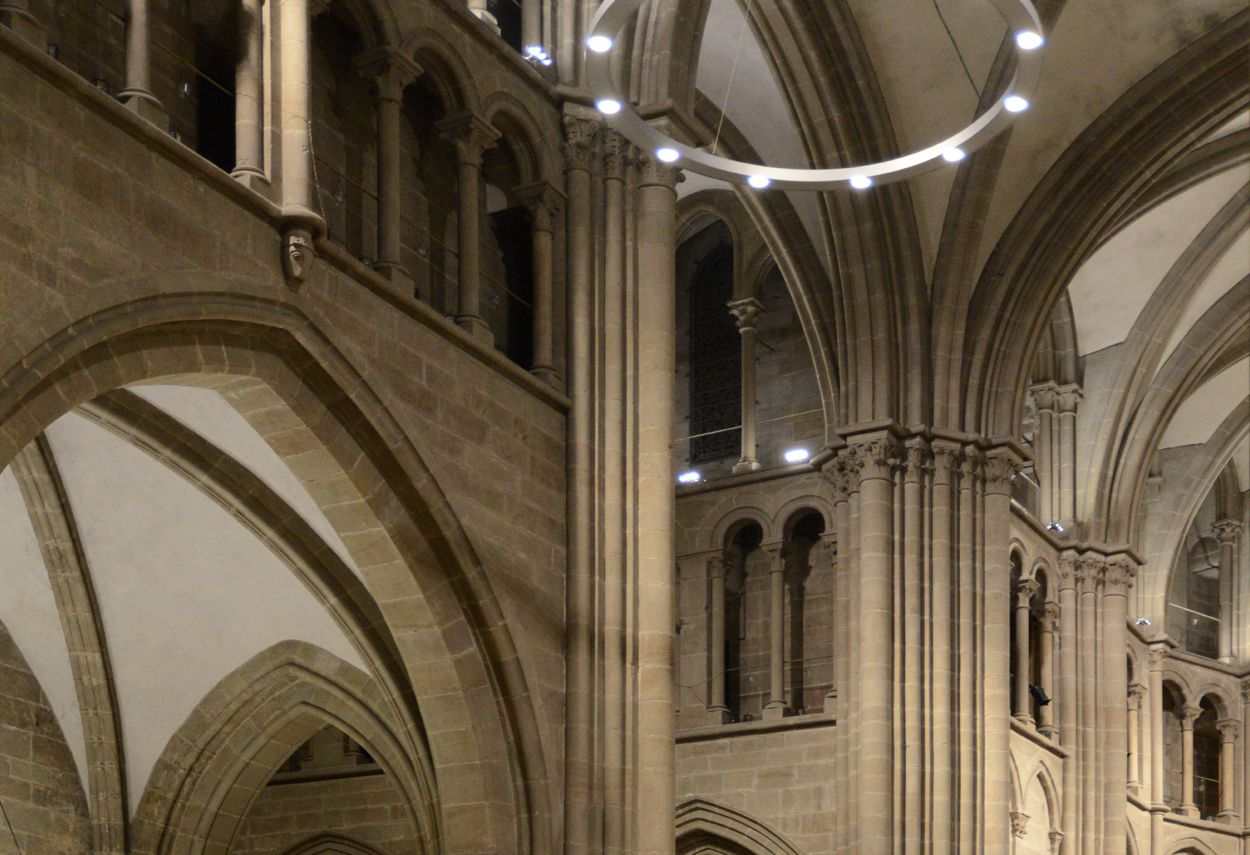
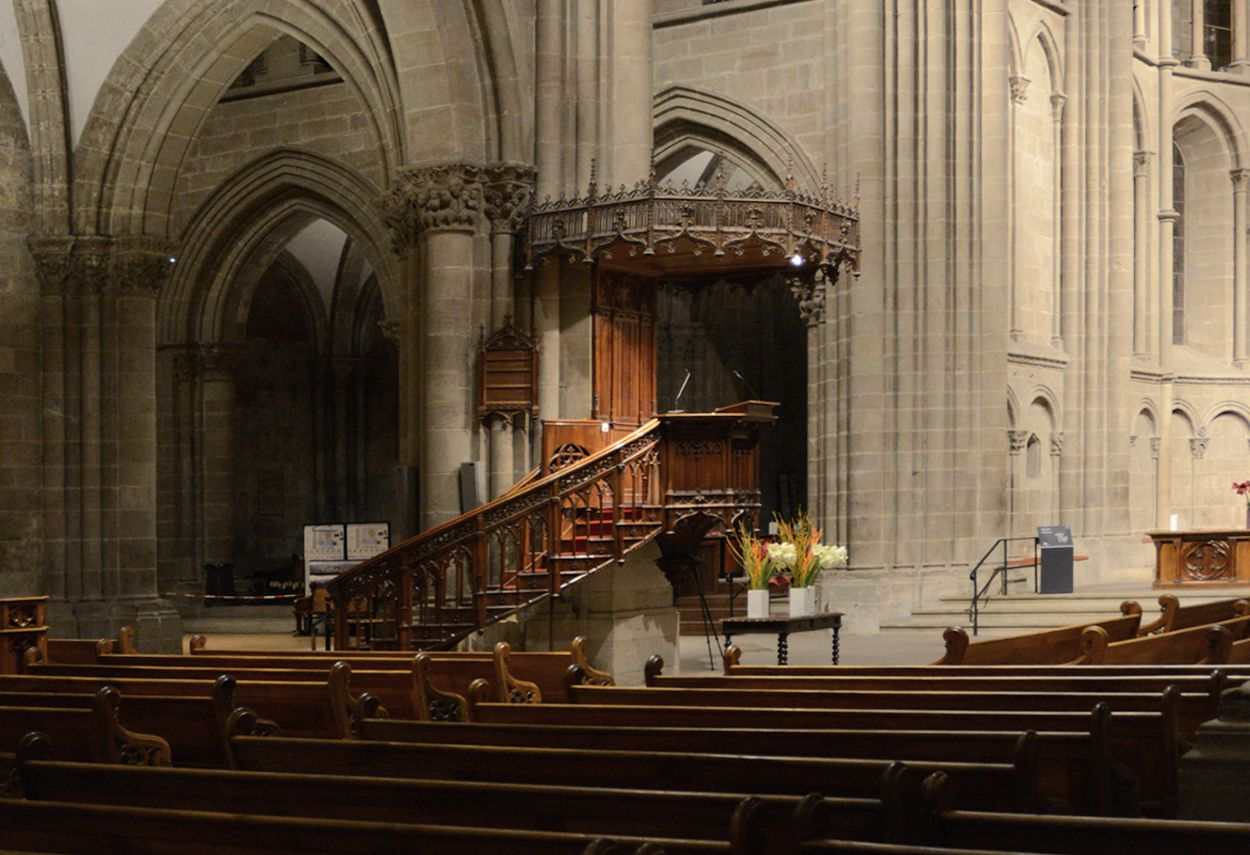
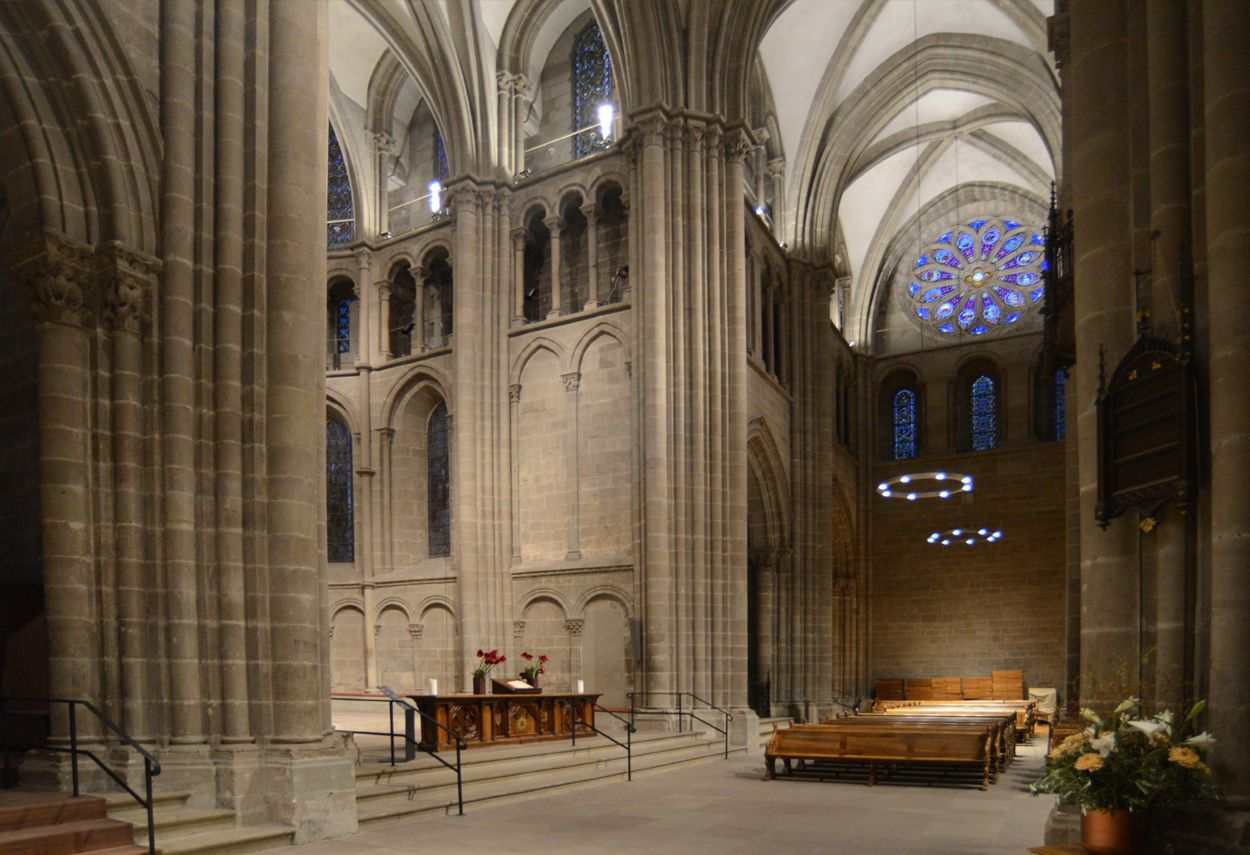
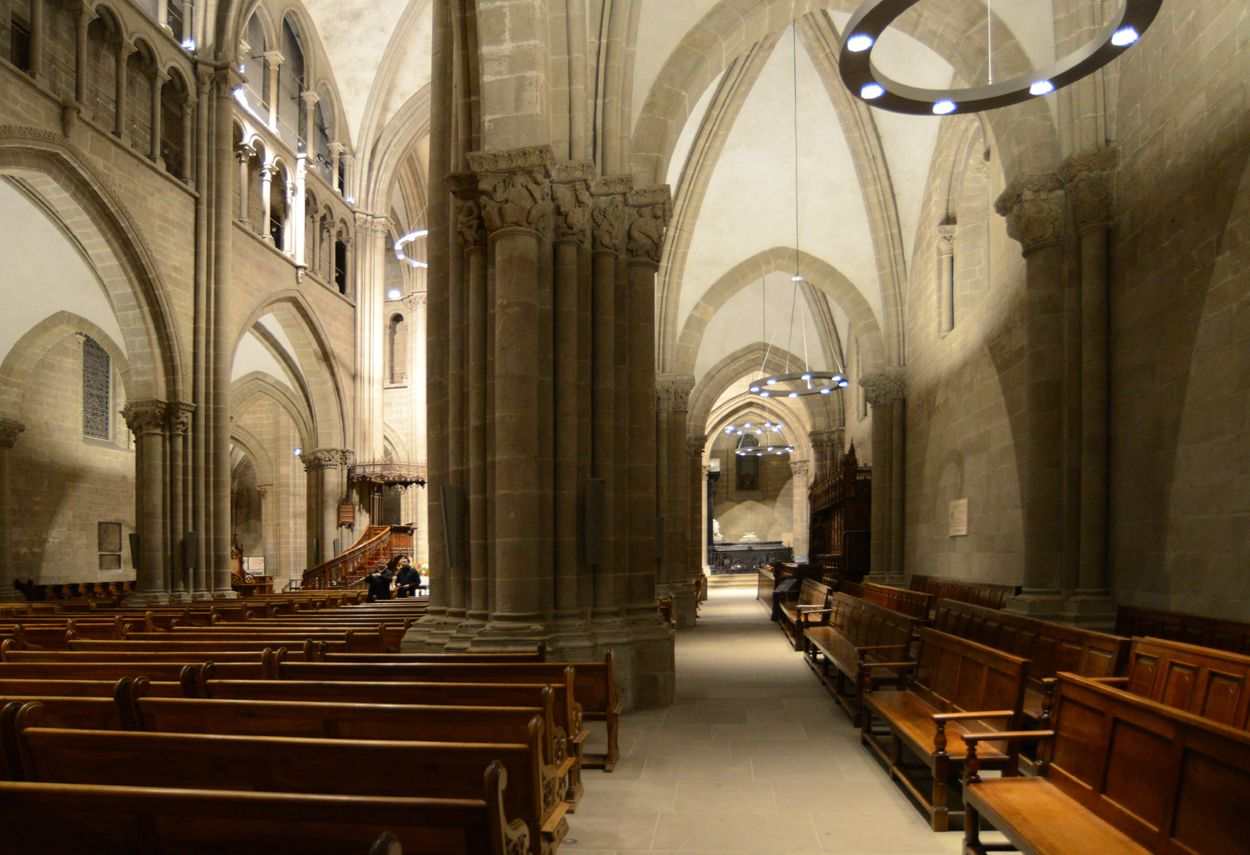
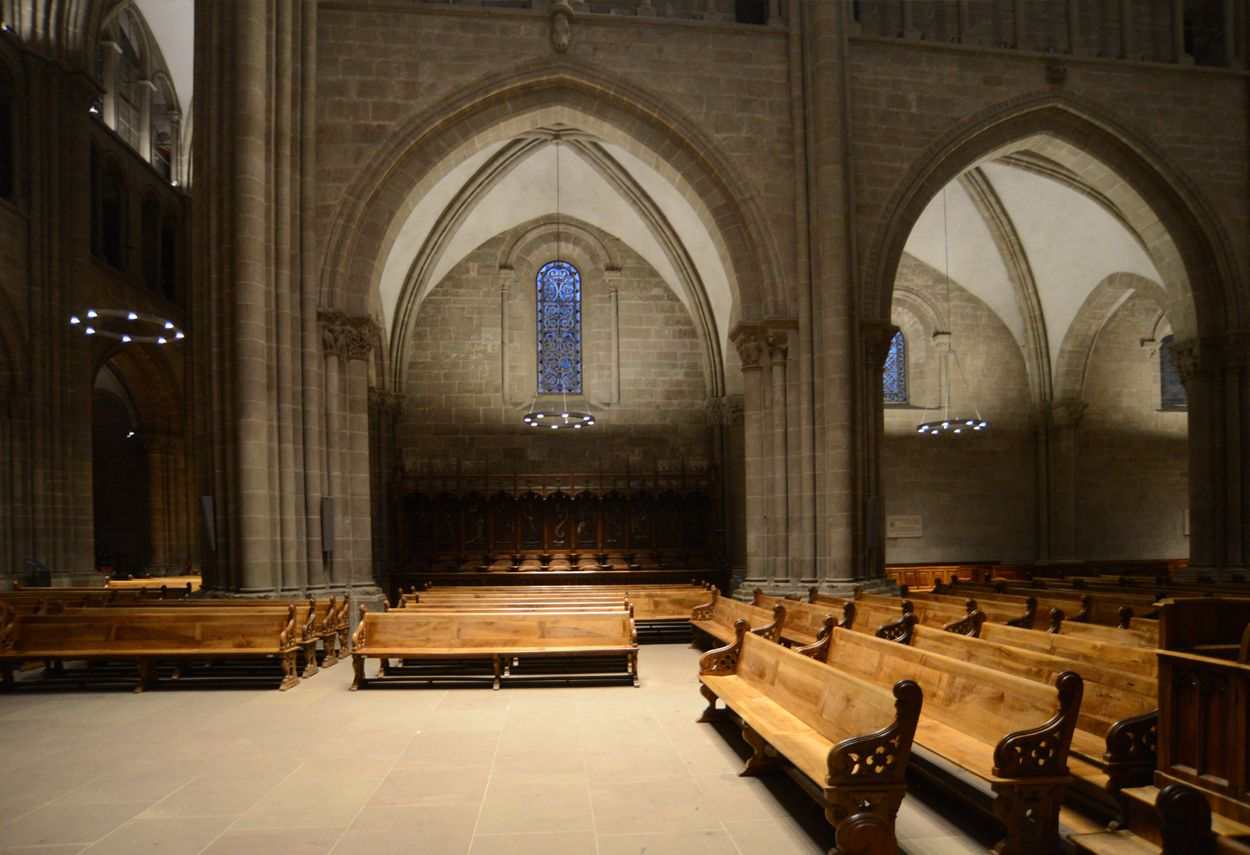
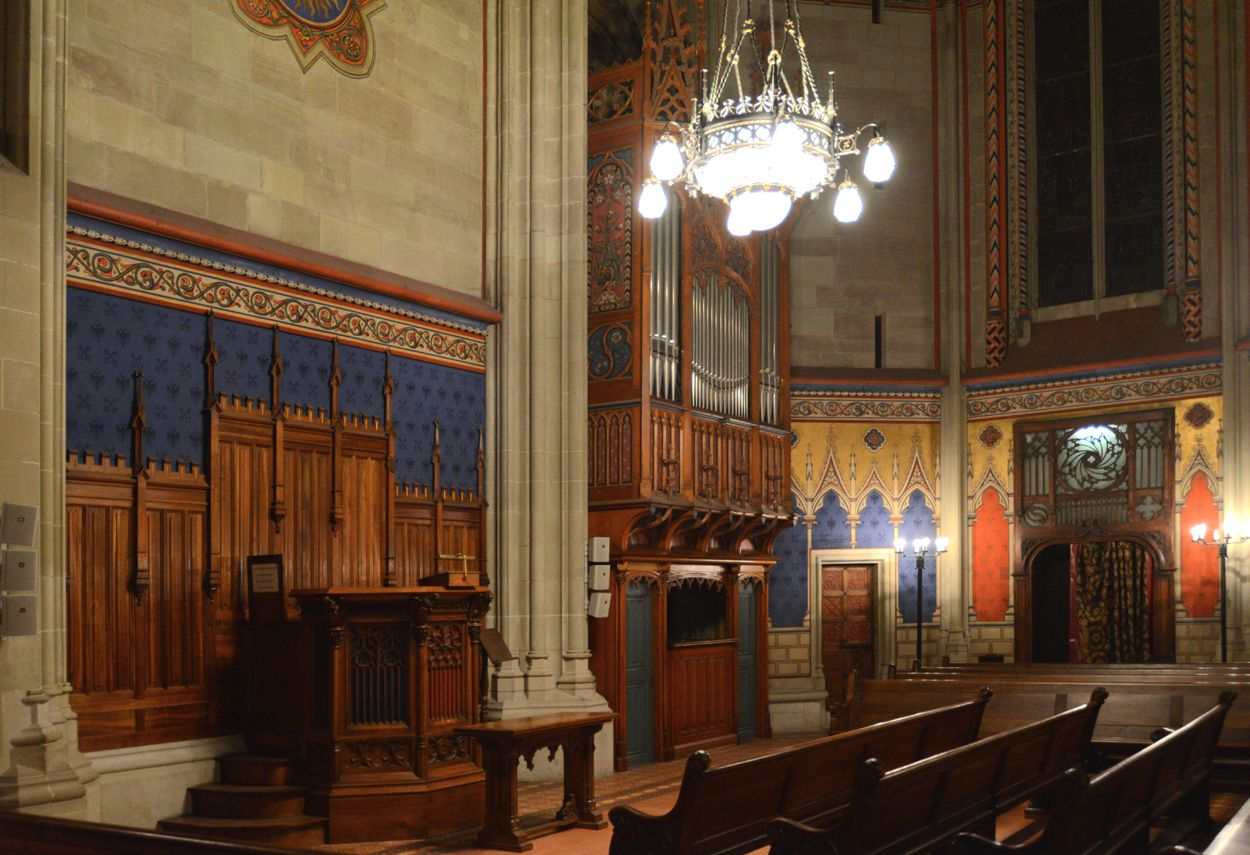
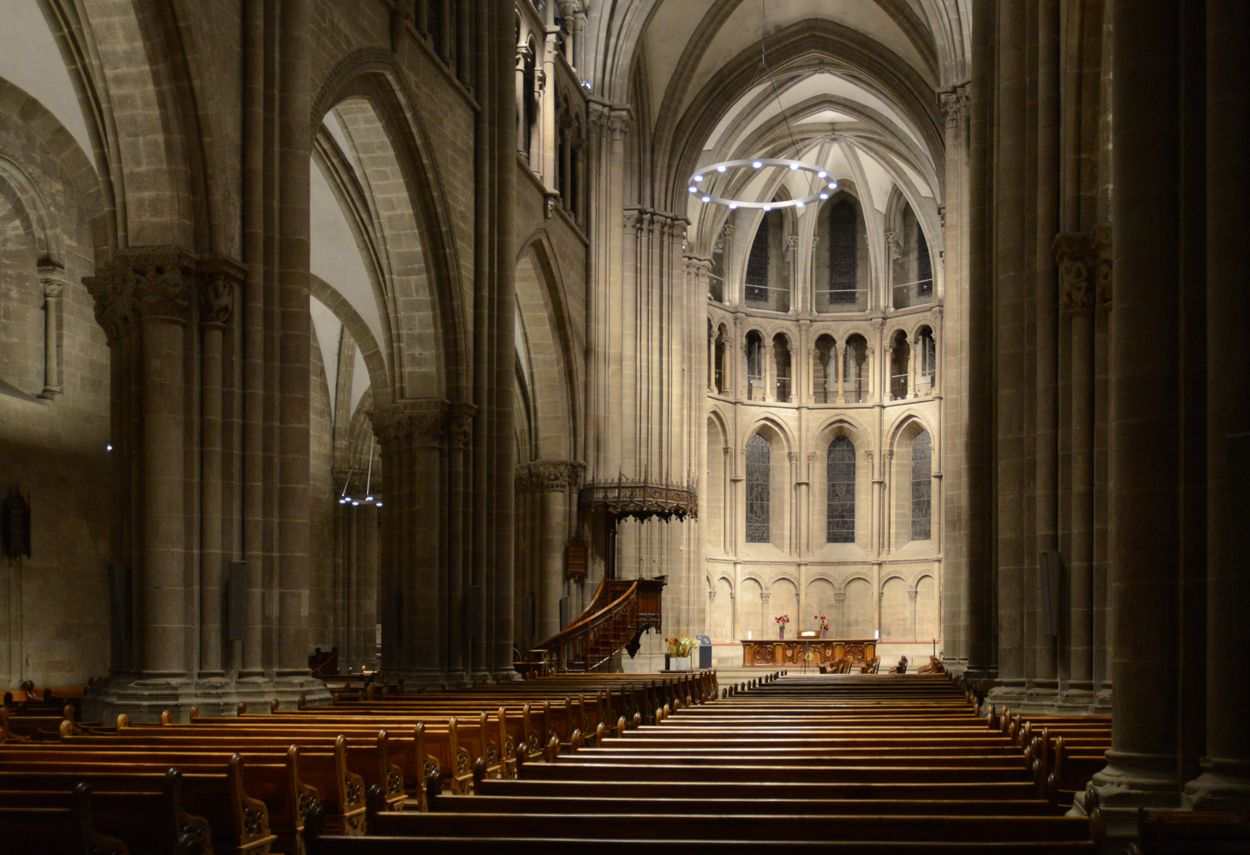
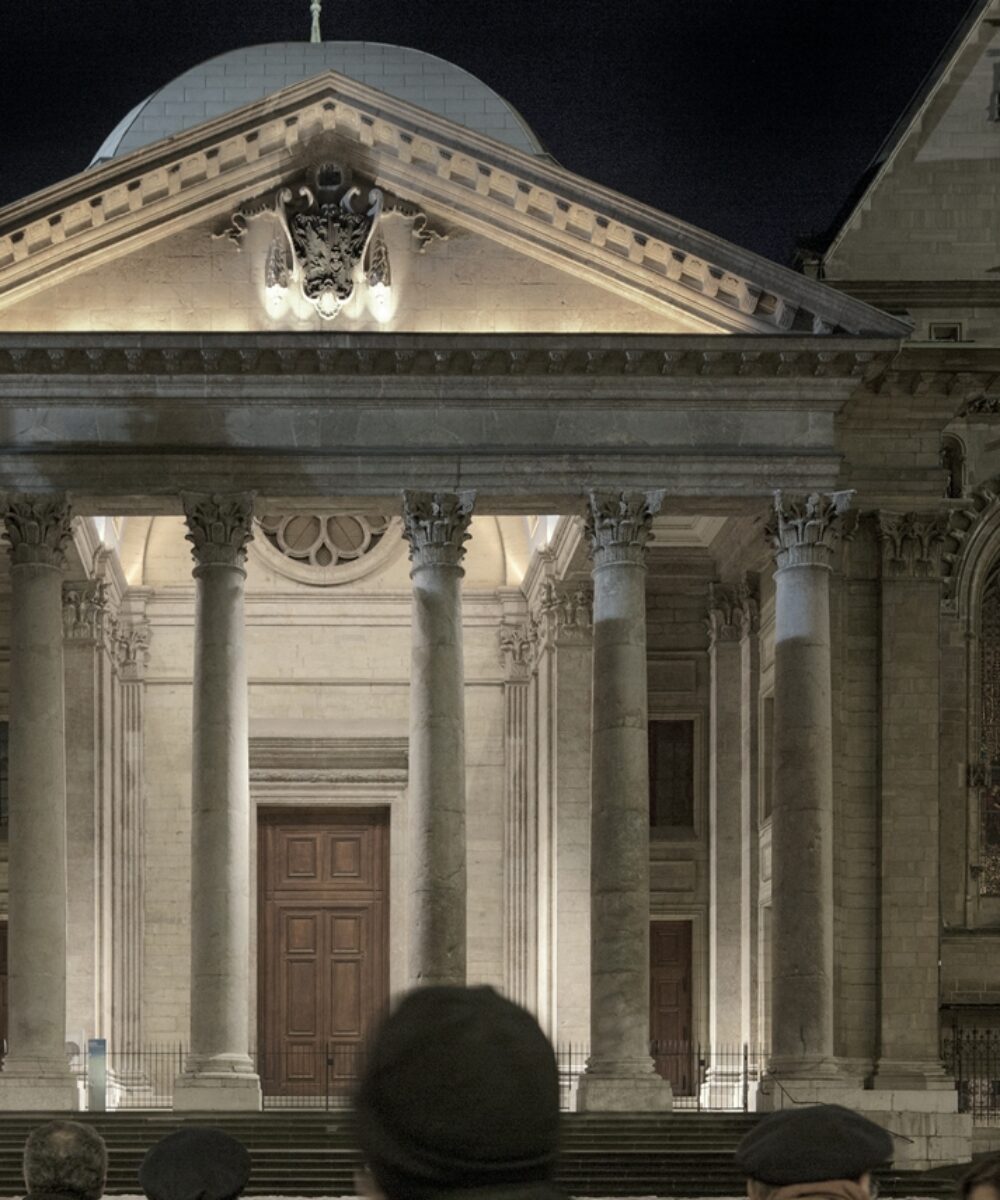
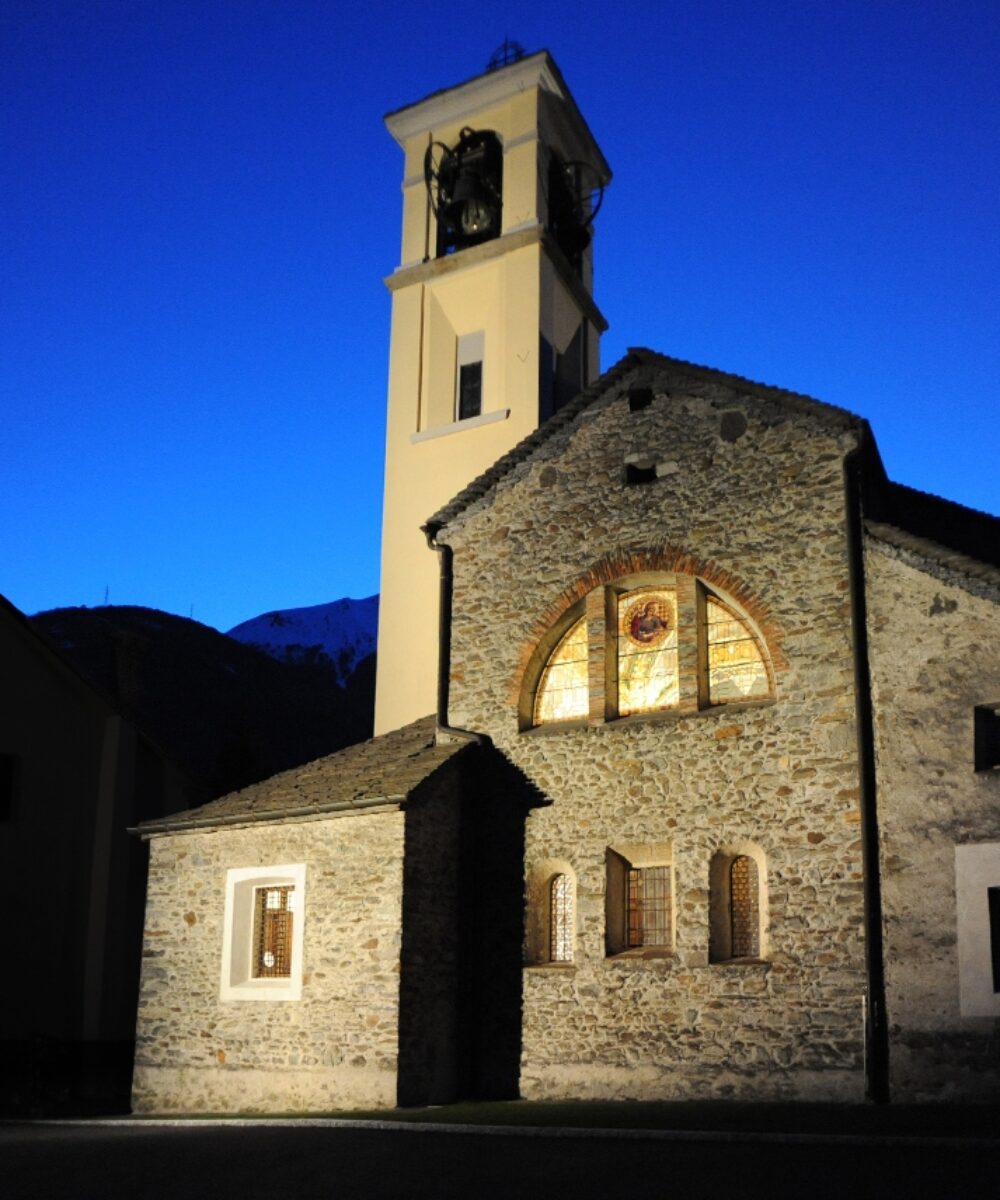
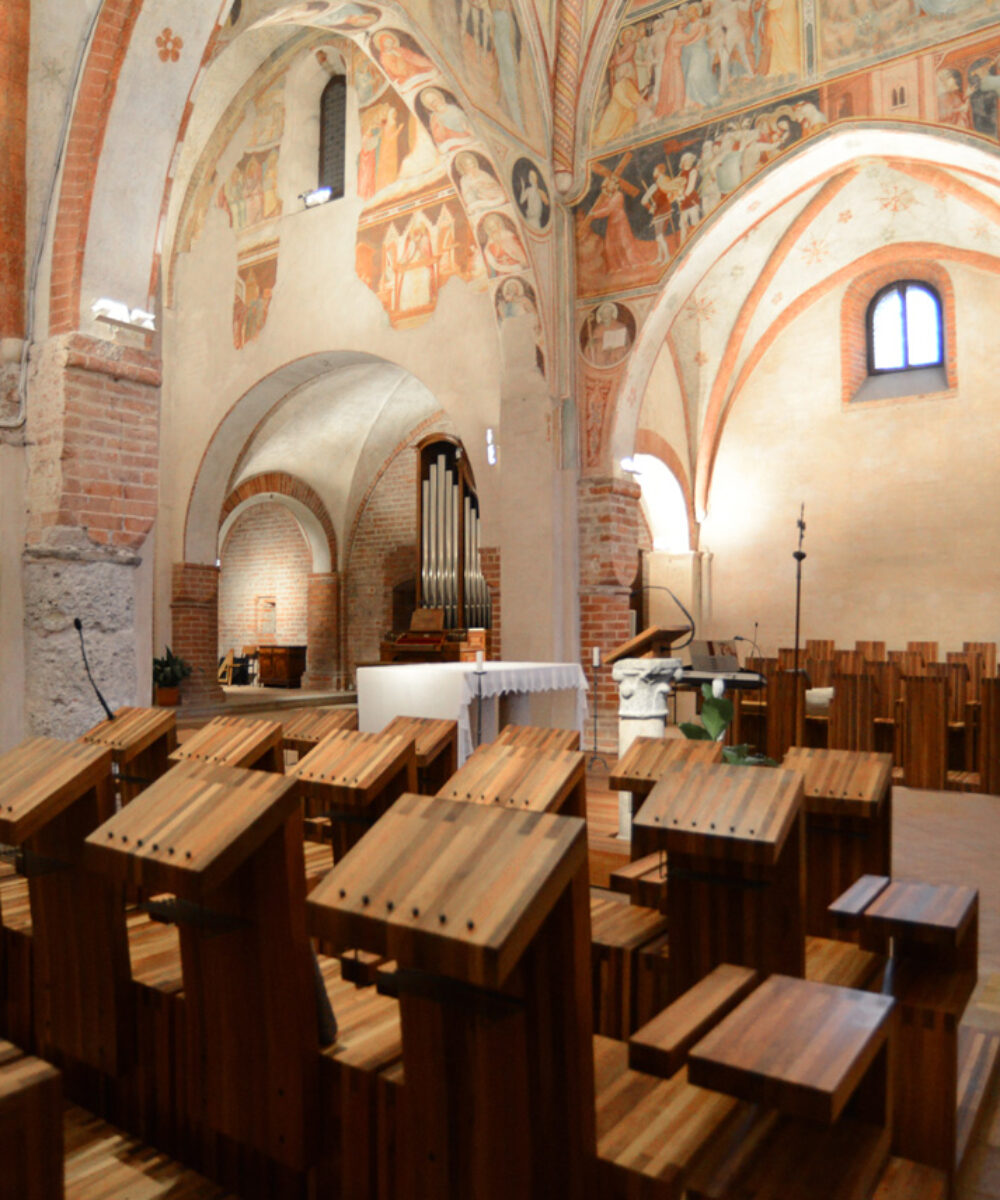
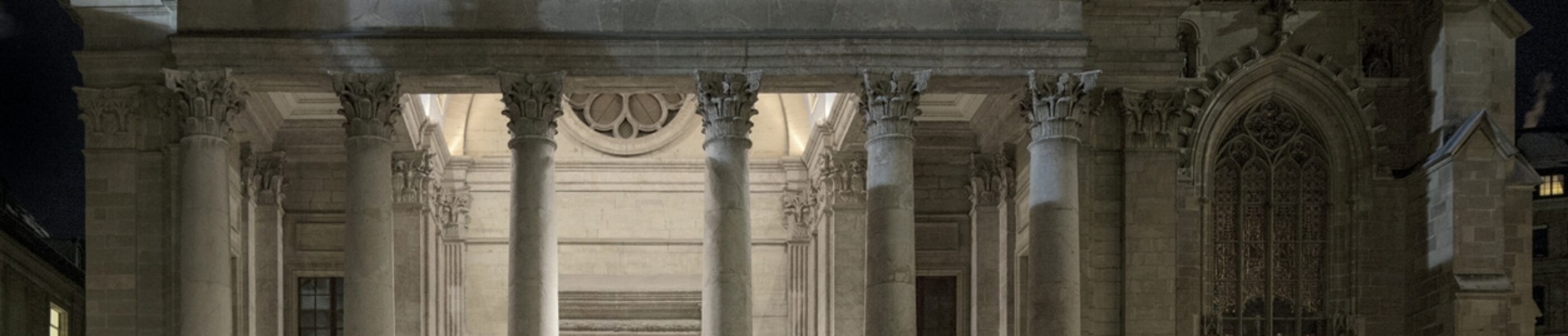
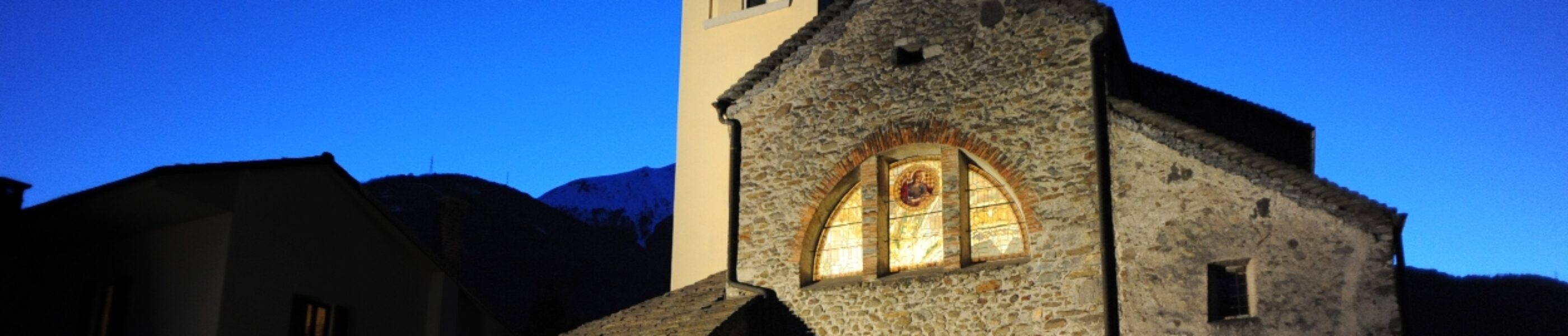
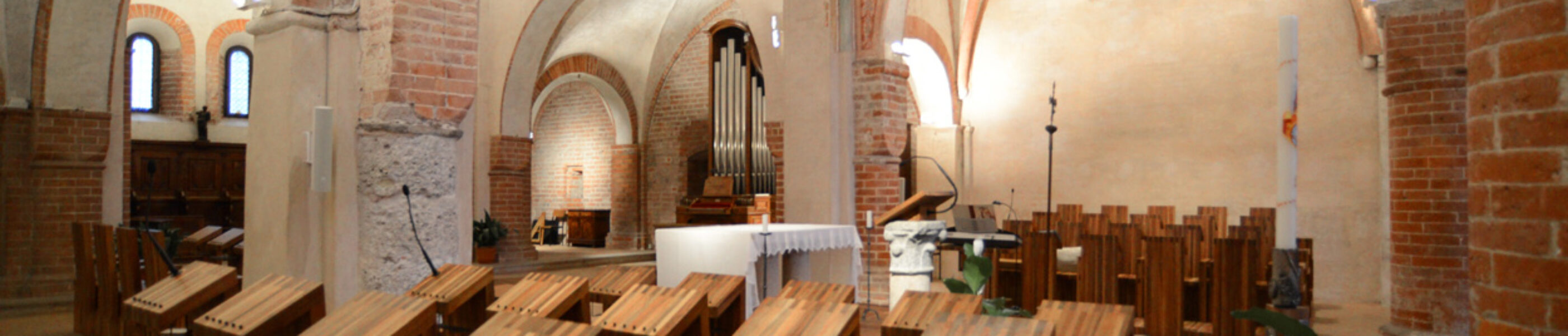
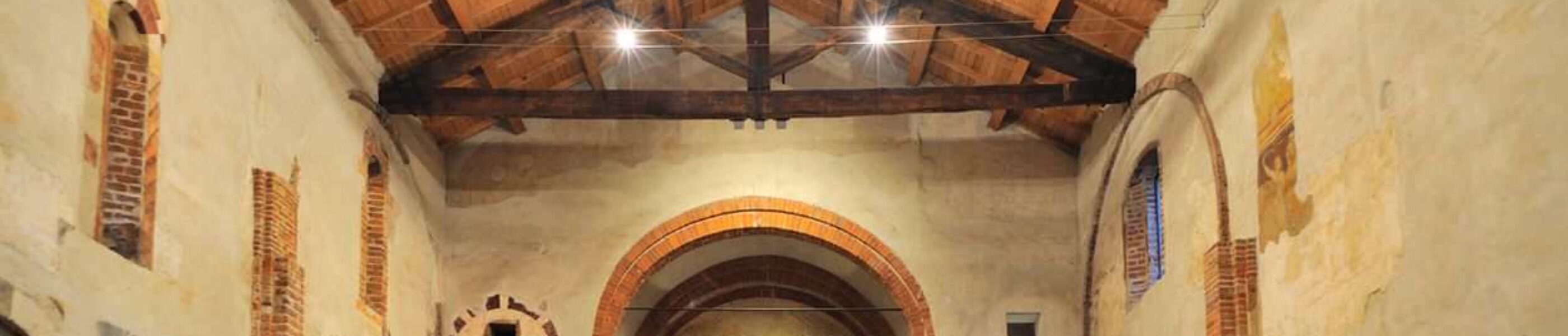
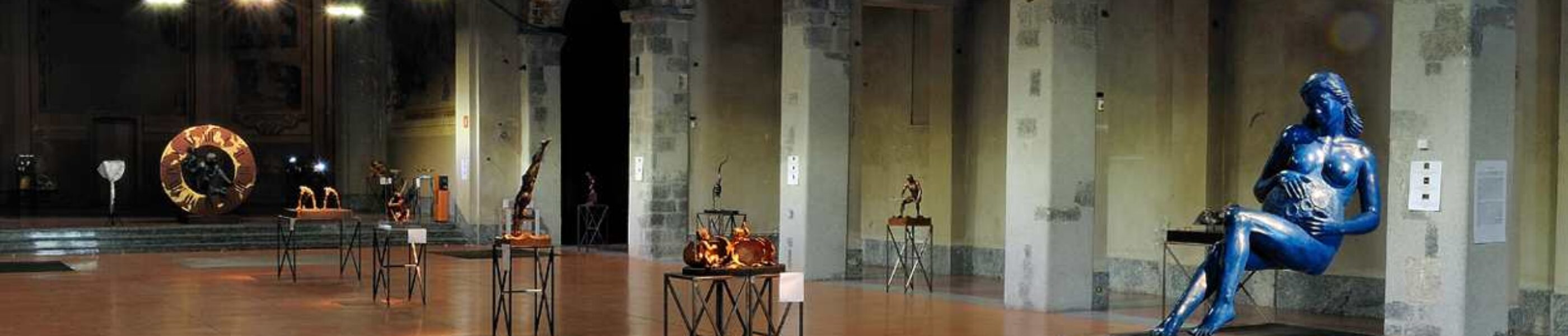
The cathedral stands in the high part of the old city. The prominent façade, with its colonnade and two massive bell towers overlooks a small square. The interior of the church is austere, stark and characterized by the repetition of columns, by stone, and by archaeological finds laid onto the perimeter walls, as well as by a wooden pulpit integrated into a column and accessed via a spiral staircase.
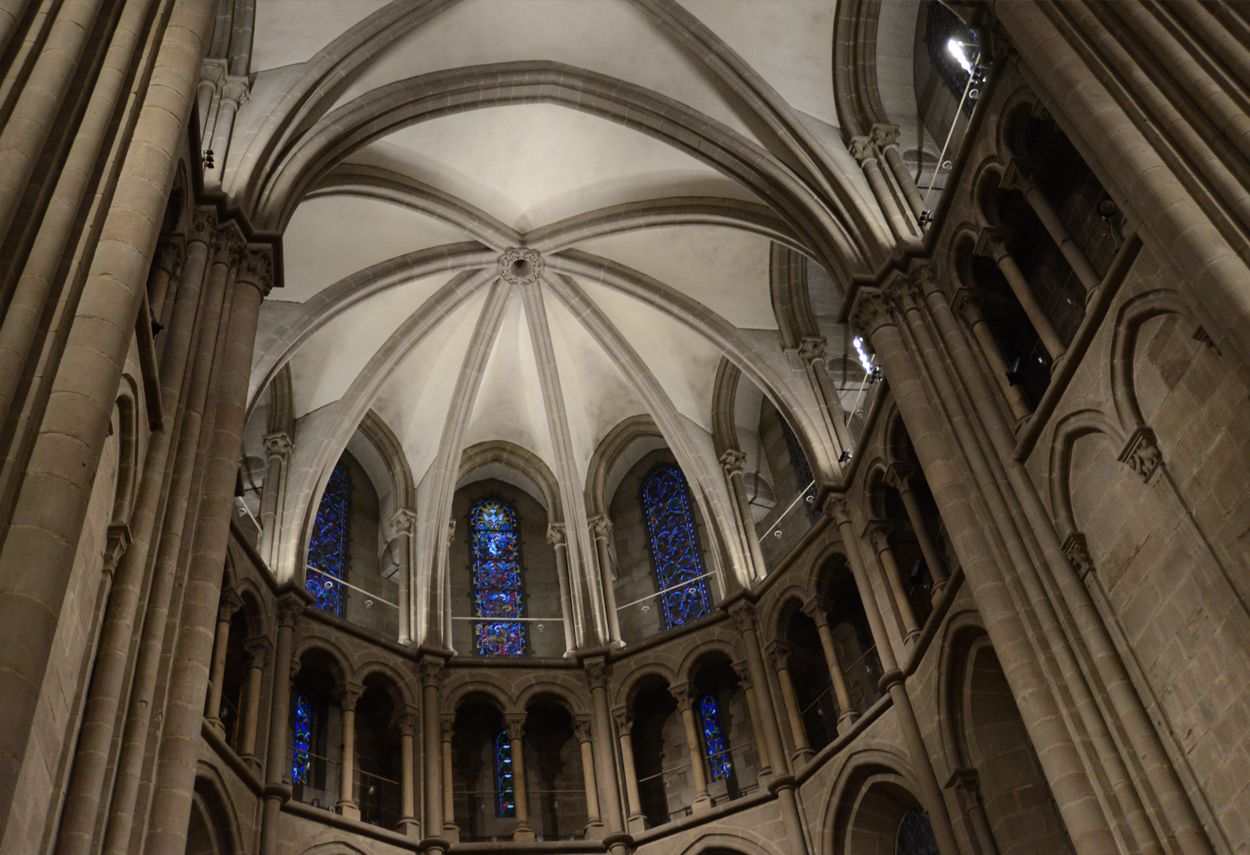
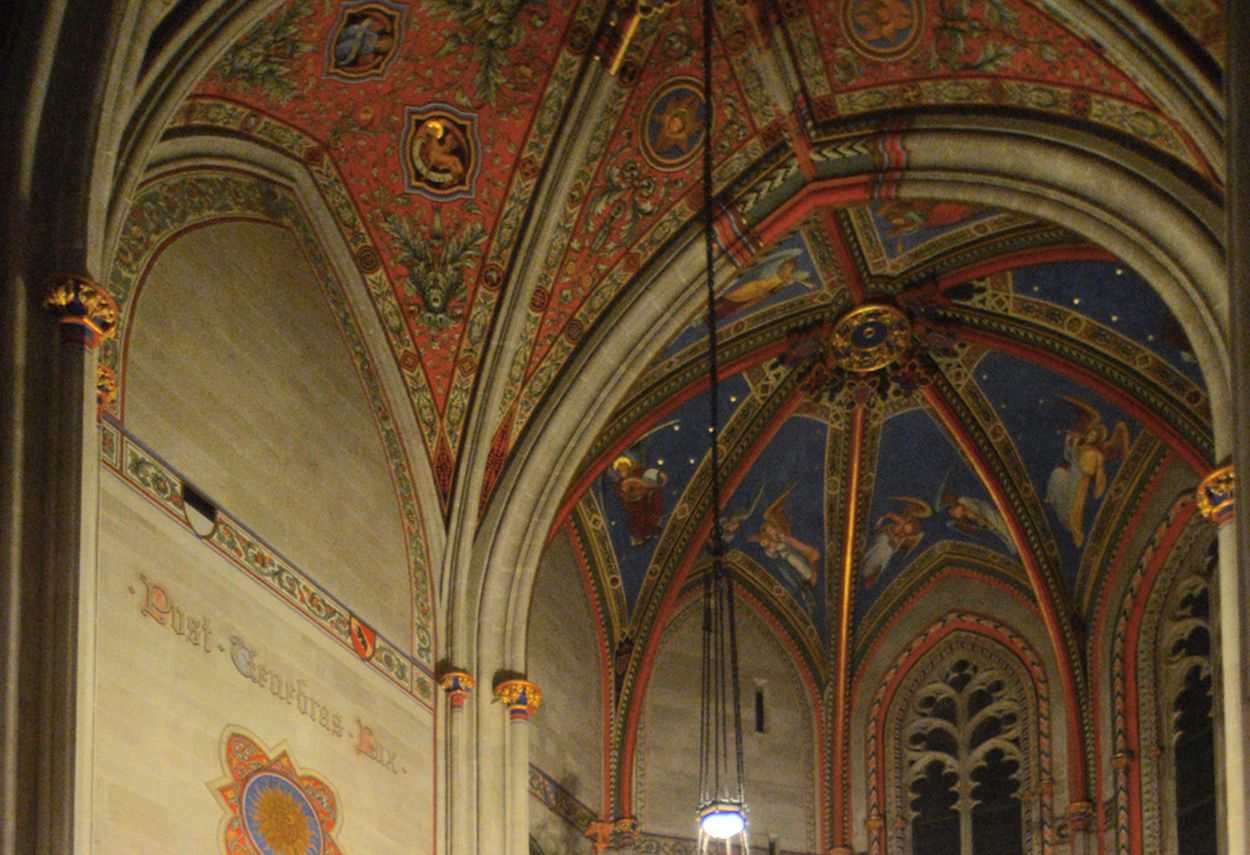
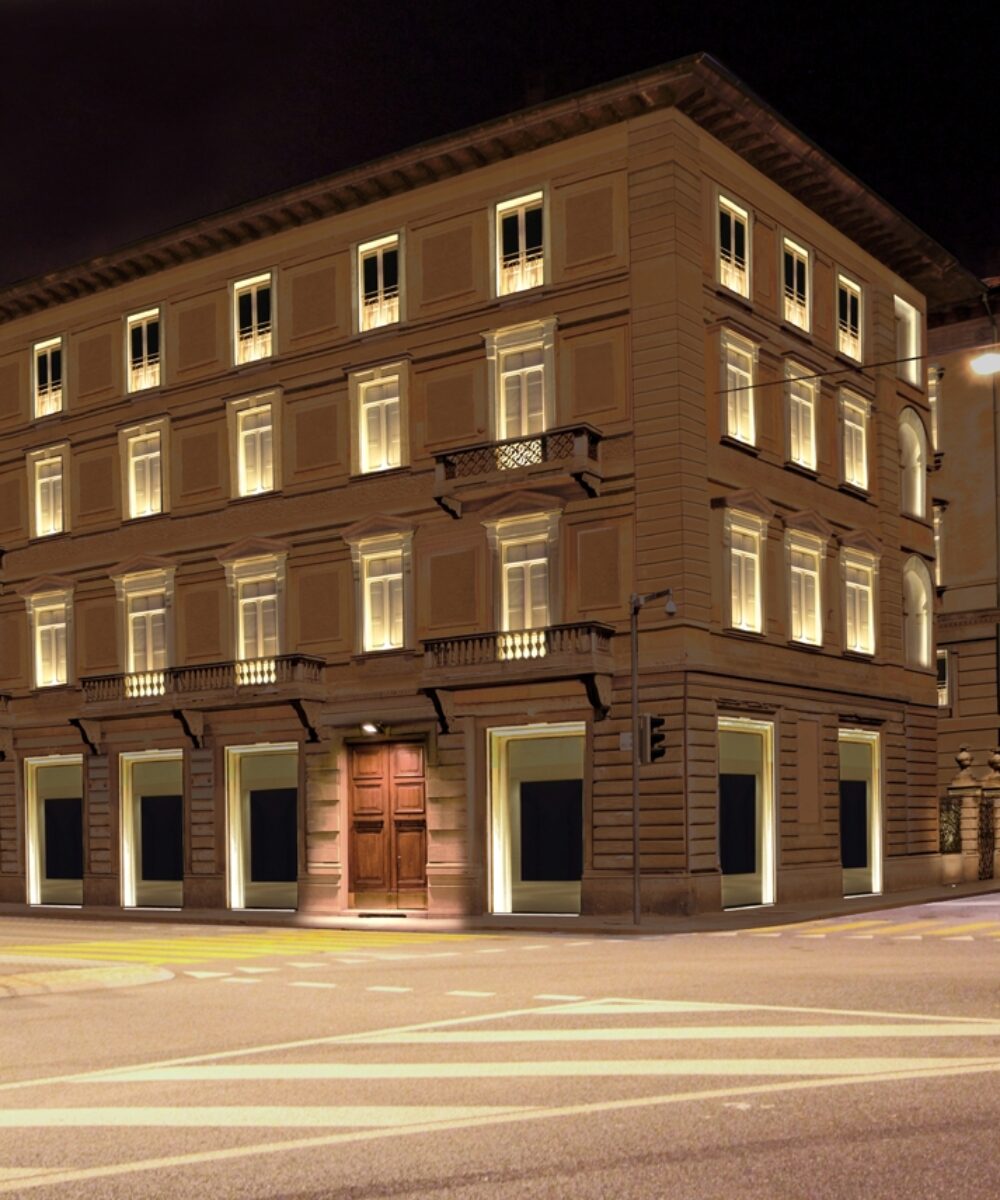
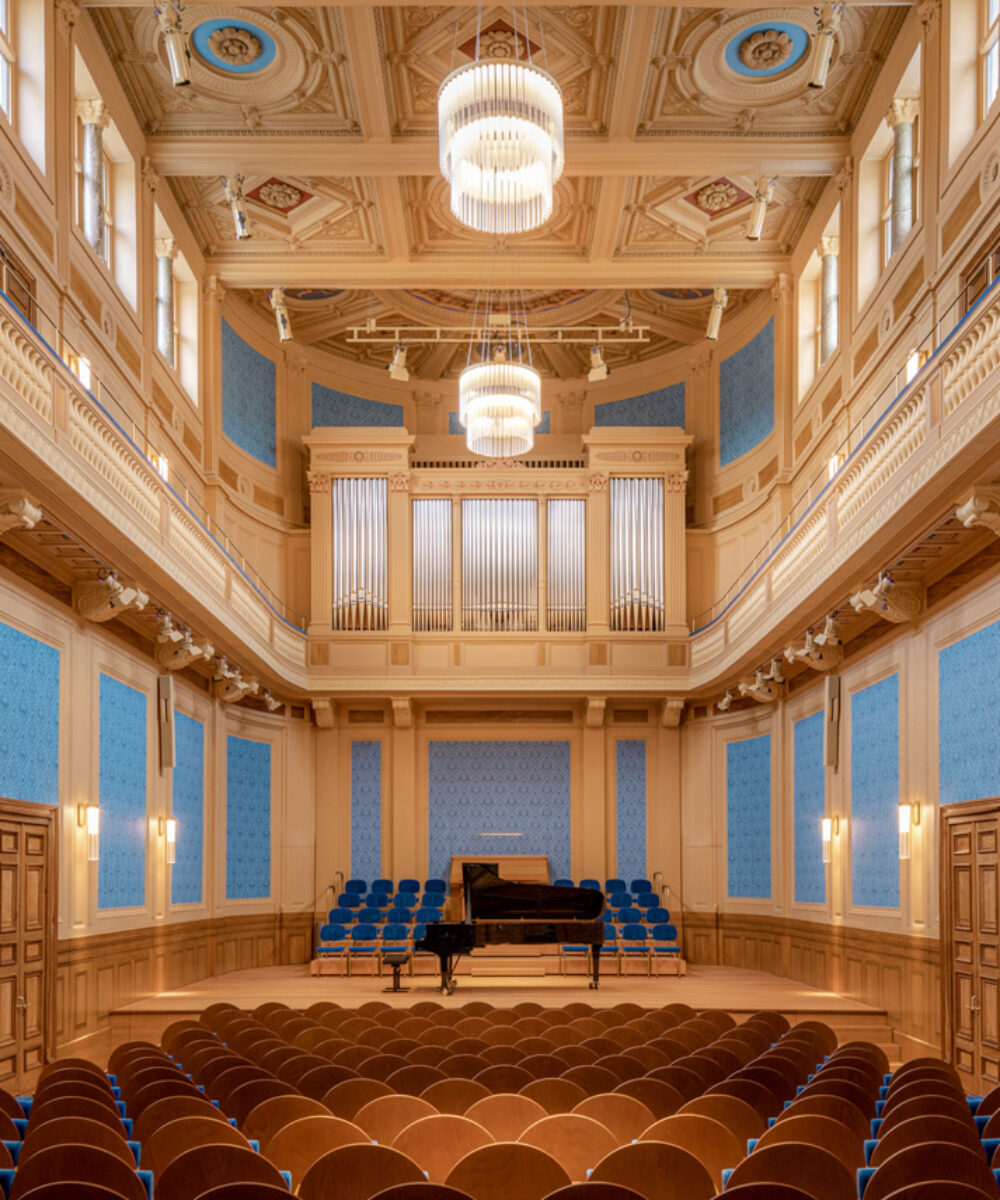
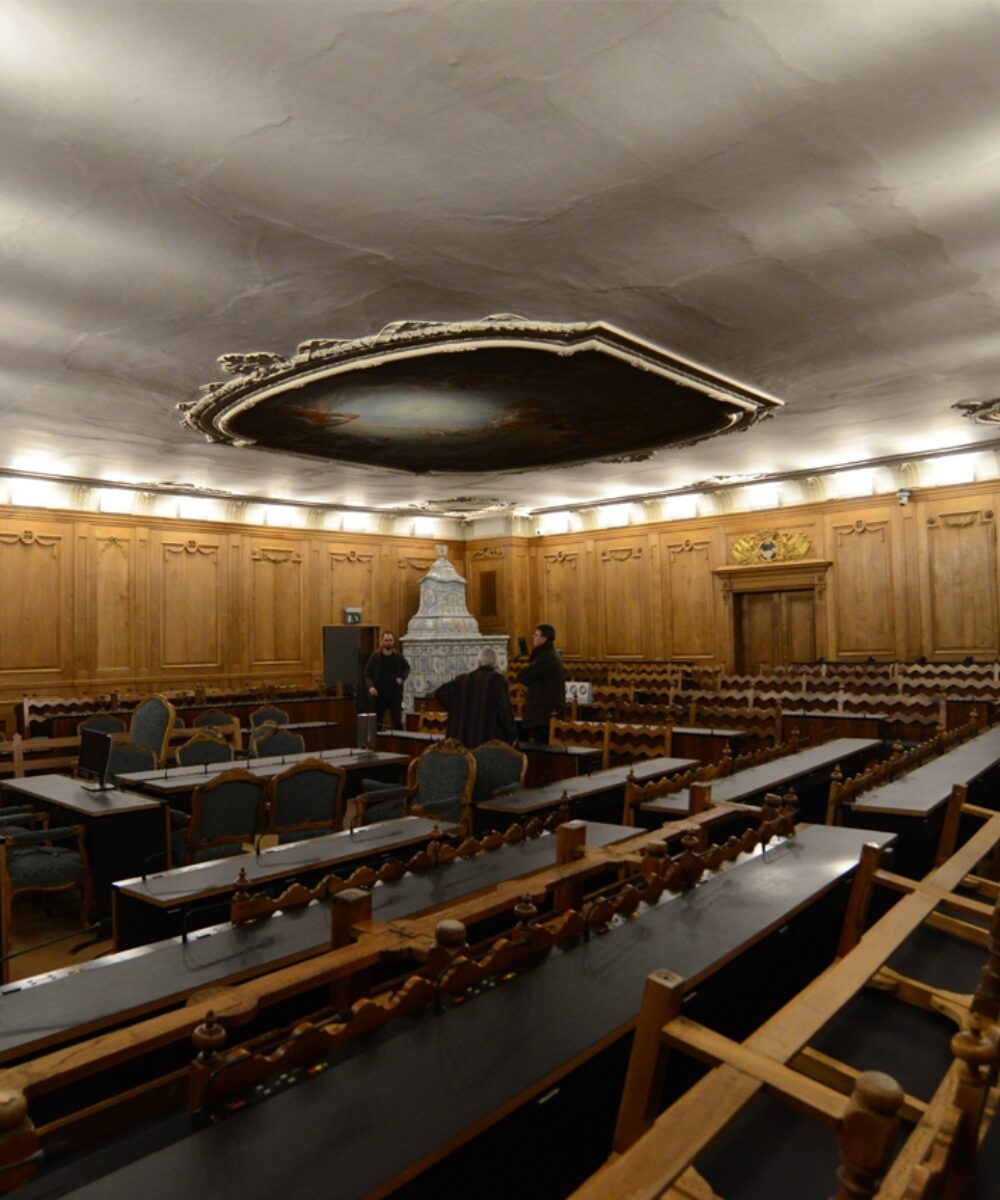
The new lighting project will maintain and respect the architectural appearance and atmosphere of the spaces. The chandeliers, with LED source, substitute the oldest and light the central nave. LED Projectors light the chapels and the roofs.
Client:
Piero Castiglioni
Collaborations:
Ruffieux-Chehab Architects SA
Fondation Clefs St.Pierre
GM Architectes Associes
Photo Courtesy:
Piero Castiglioni
Year:
2012 - 2017
The cathedral stands in the high part of the old city. The prominent façade, with its colonnade and two massive bell towers overlooks a small square. The interior of the church is austere, stark and characterized by the repetition of columns, by stone, and by archaeological finds laid onto the perimeter walls, as well as by a wooden pulpit integrated into a column and accessed via a spiral staircase.
The new lighting project will maintain and respect the architectural appearance and atmosphere of the spaces. The chandeliers, with LED source, substitute the oldest and light the central nave. LED Projectors light the chapels and the roofs.
Client:
Piero Castiglioni
Collaborations:
Ruffieux-Chehab Architects SA
Fondation Clefs St.Pierre
GM Architectes Associes
Photo Courtesy:
Piero Castiglioni
Year:
2012 - 2017
Other Projects
Other Projects
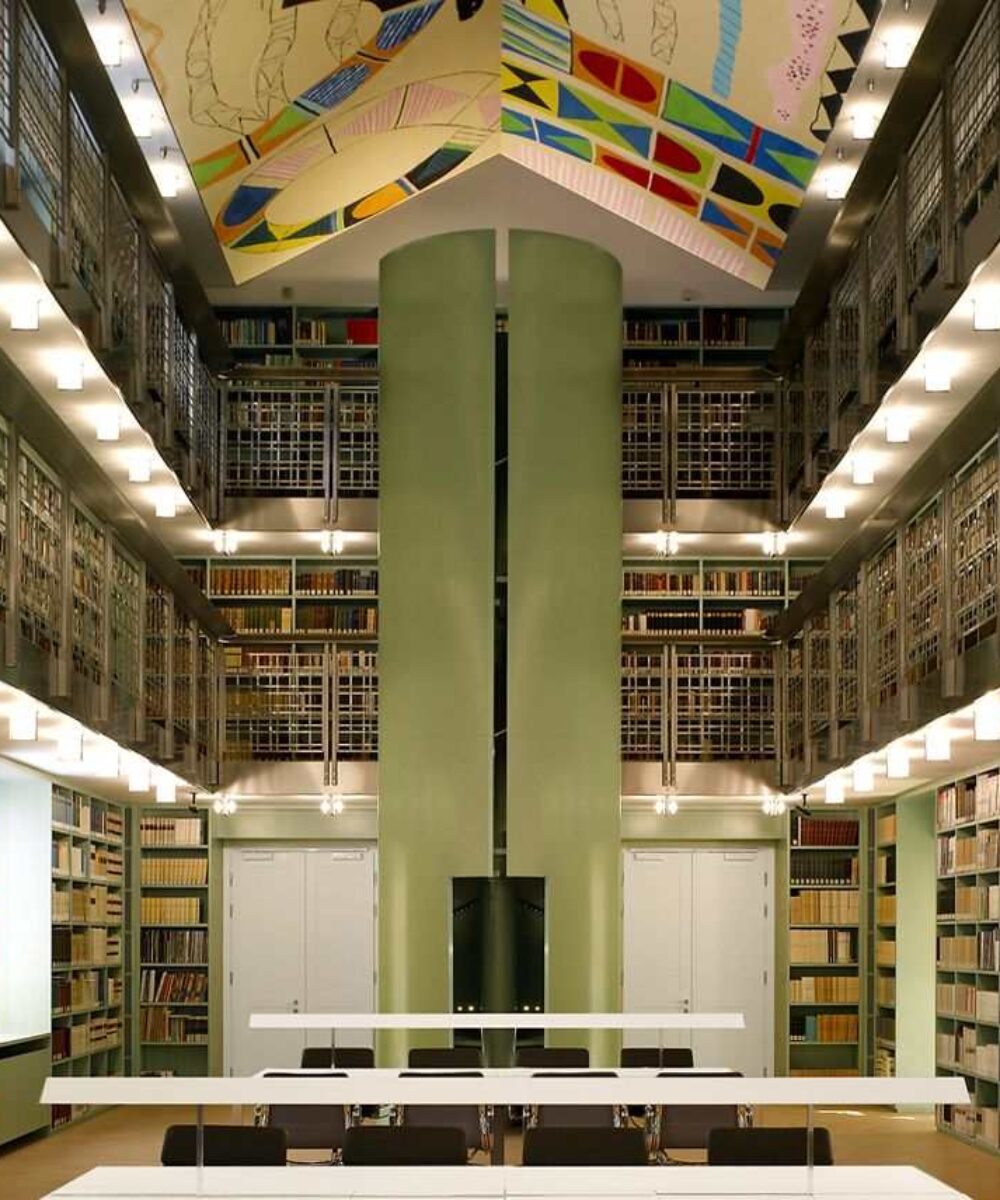
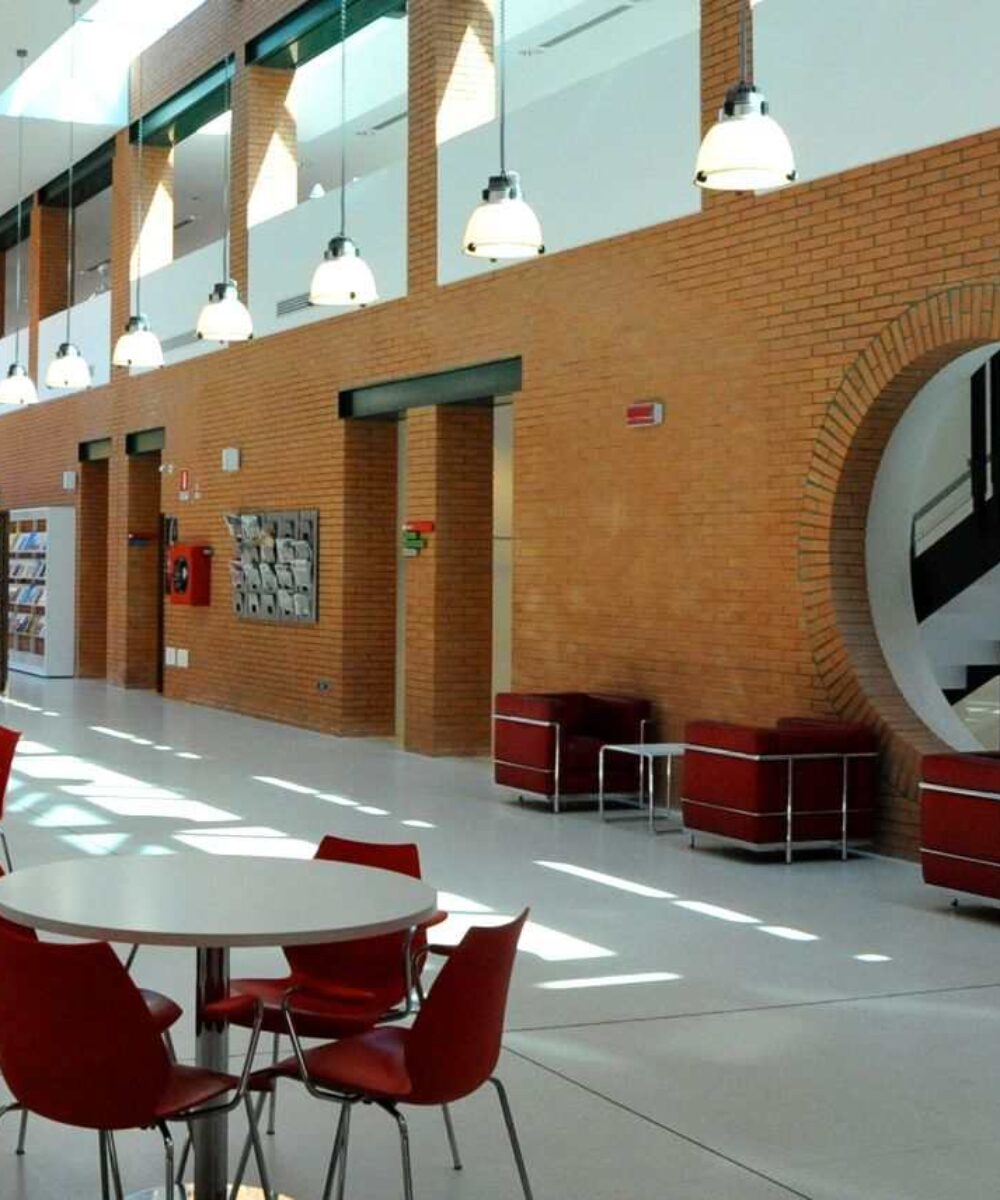
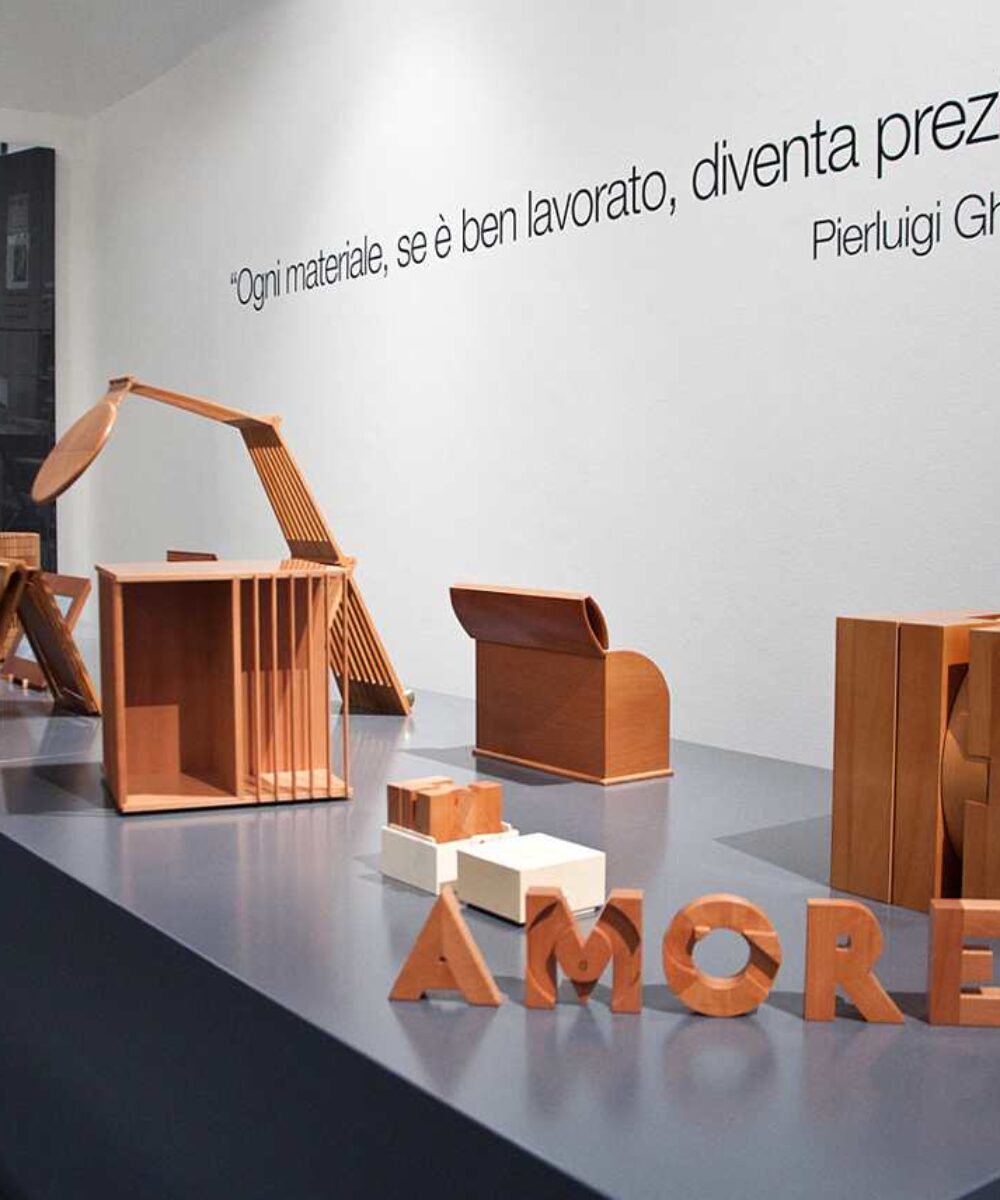
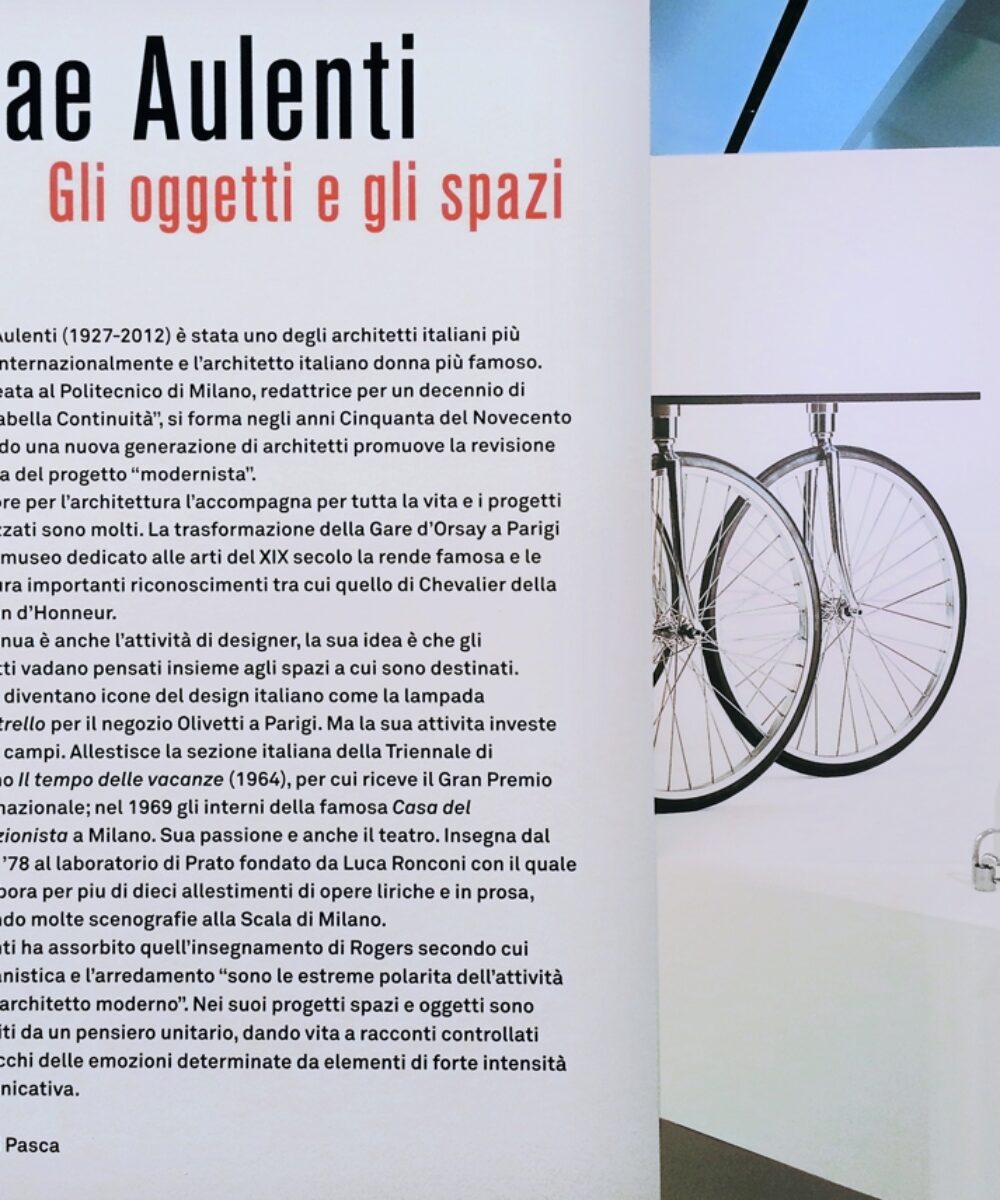
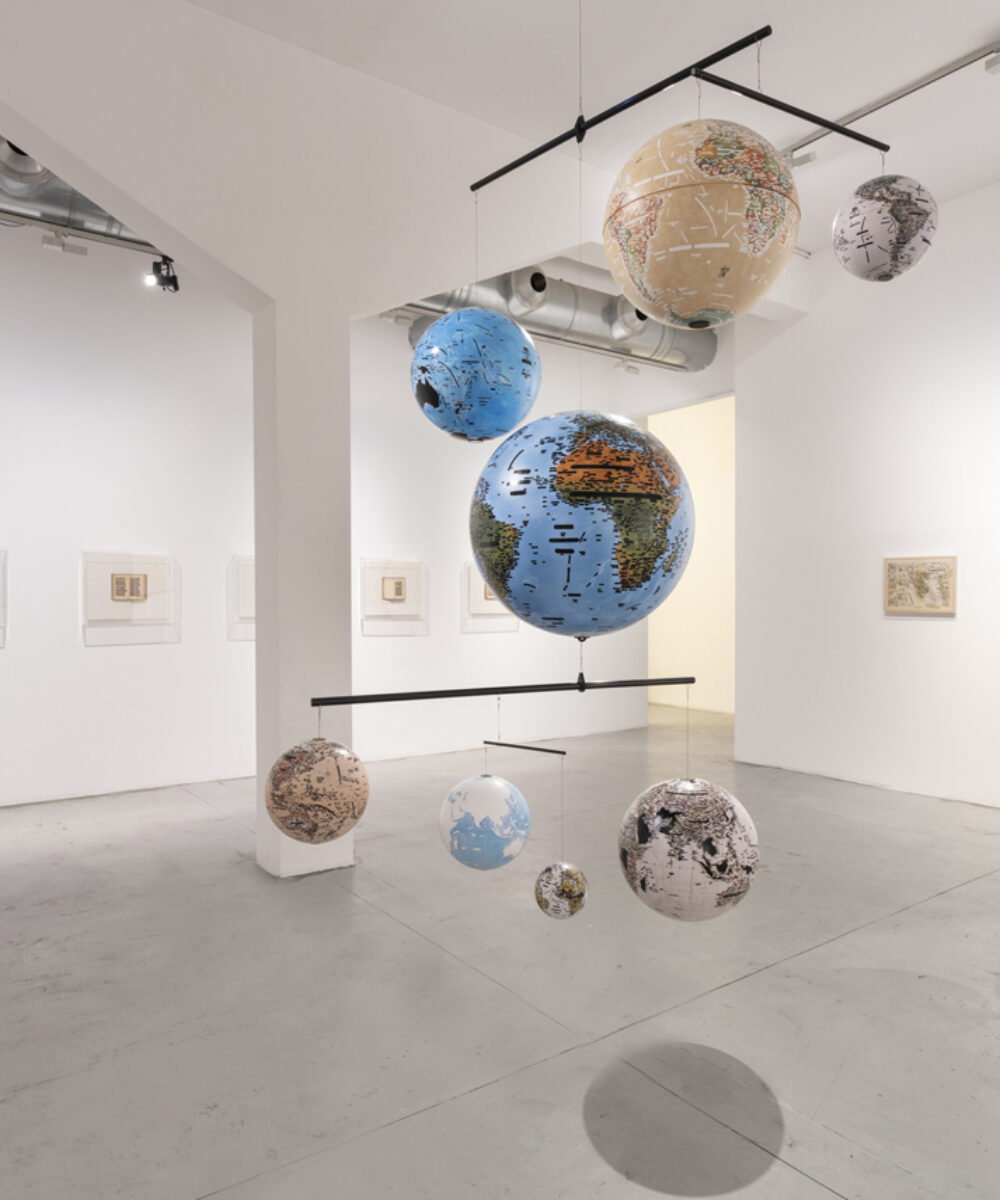
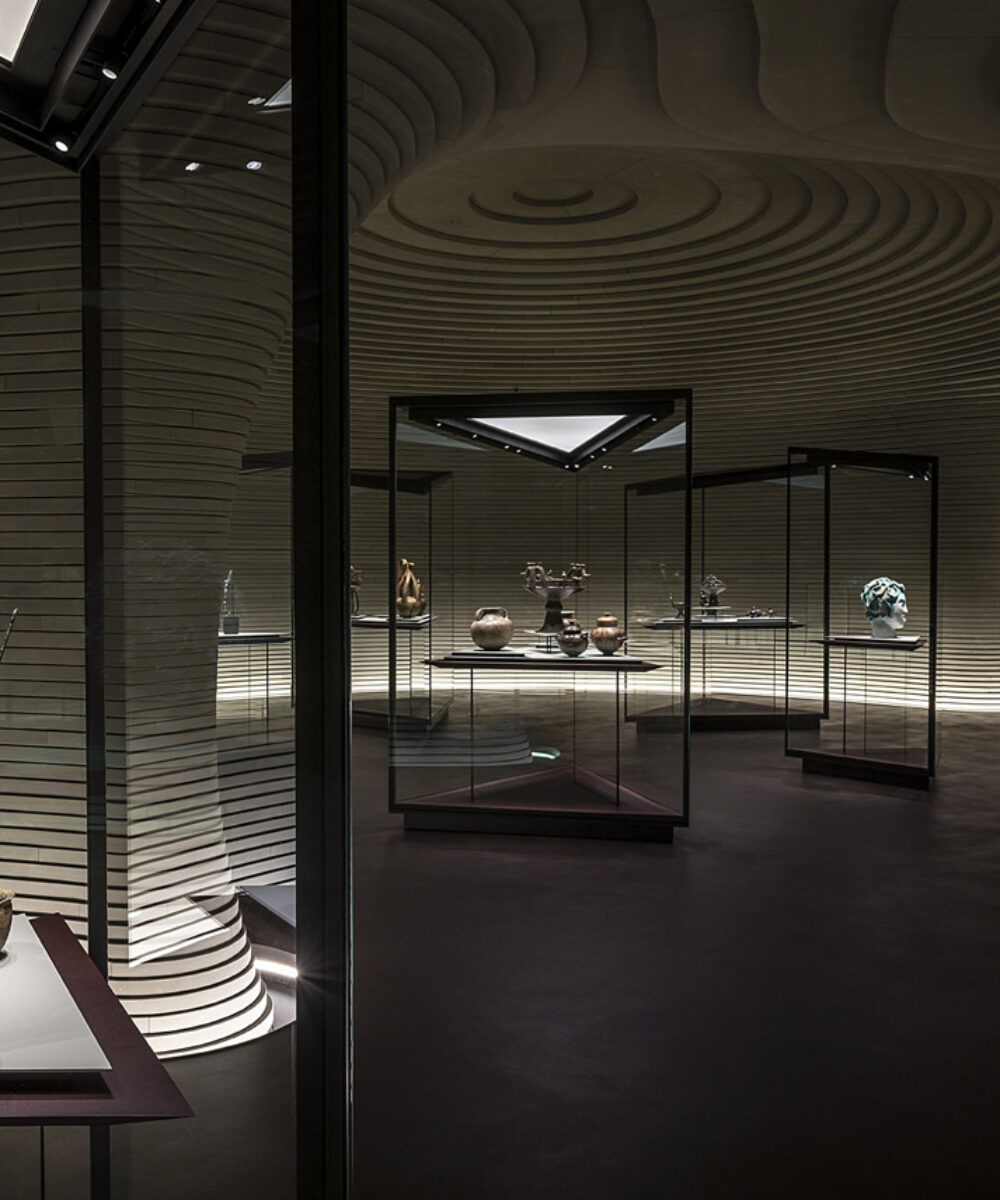
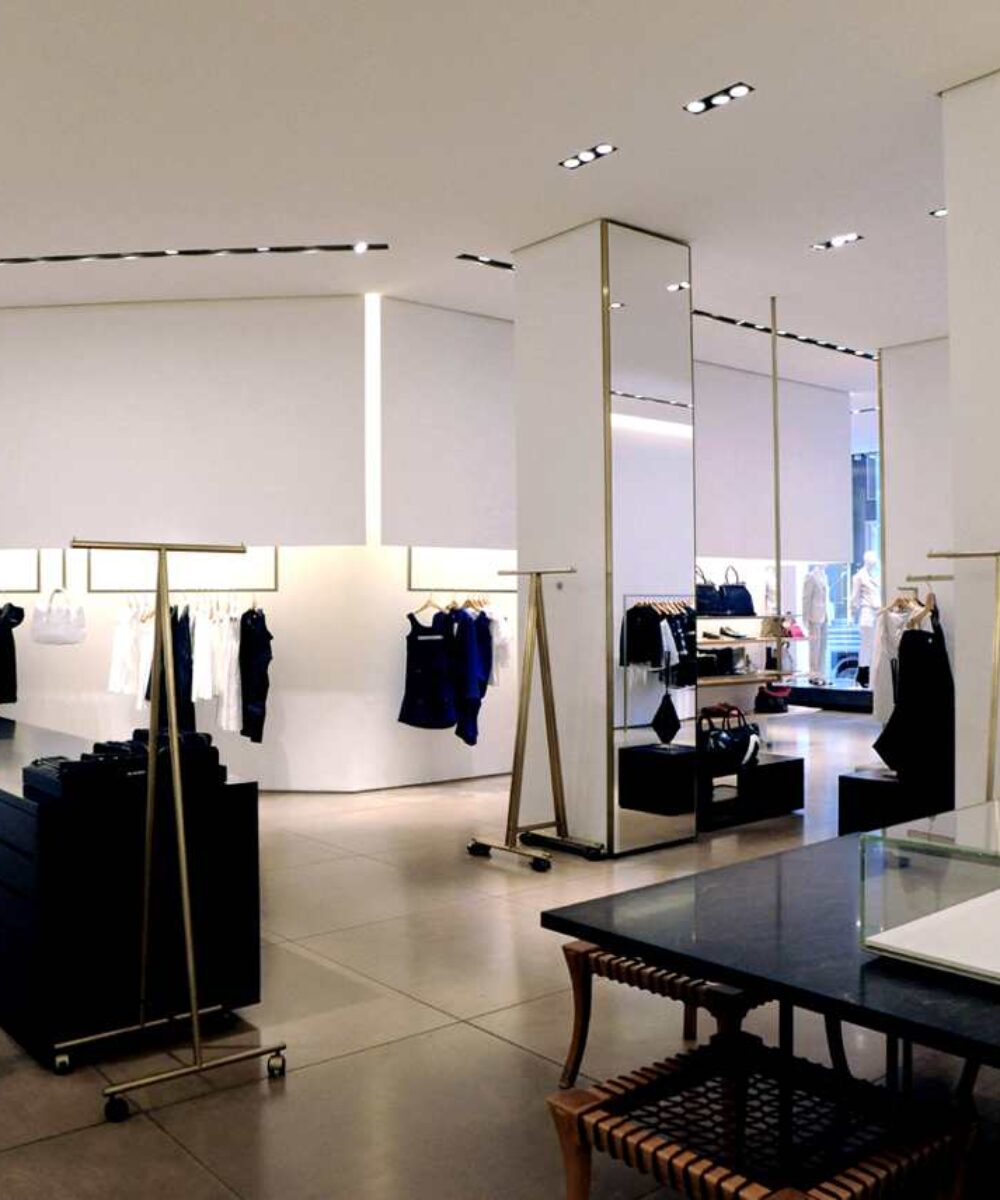
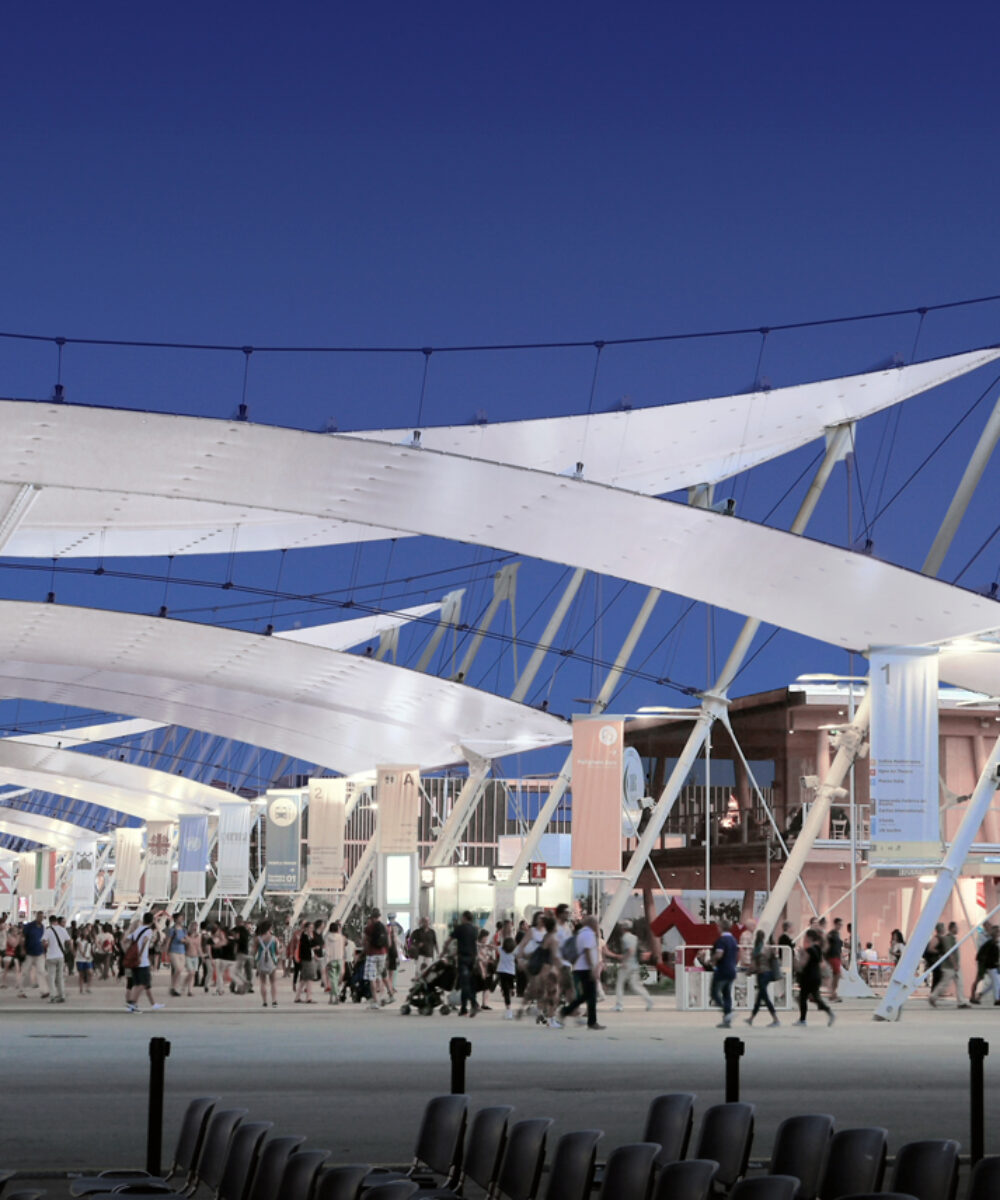
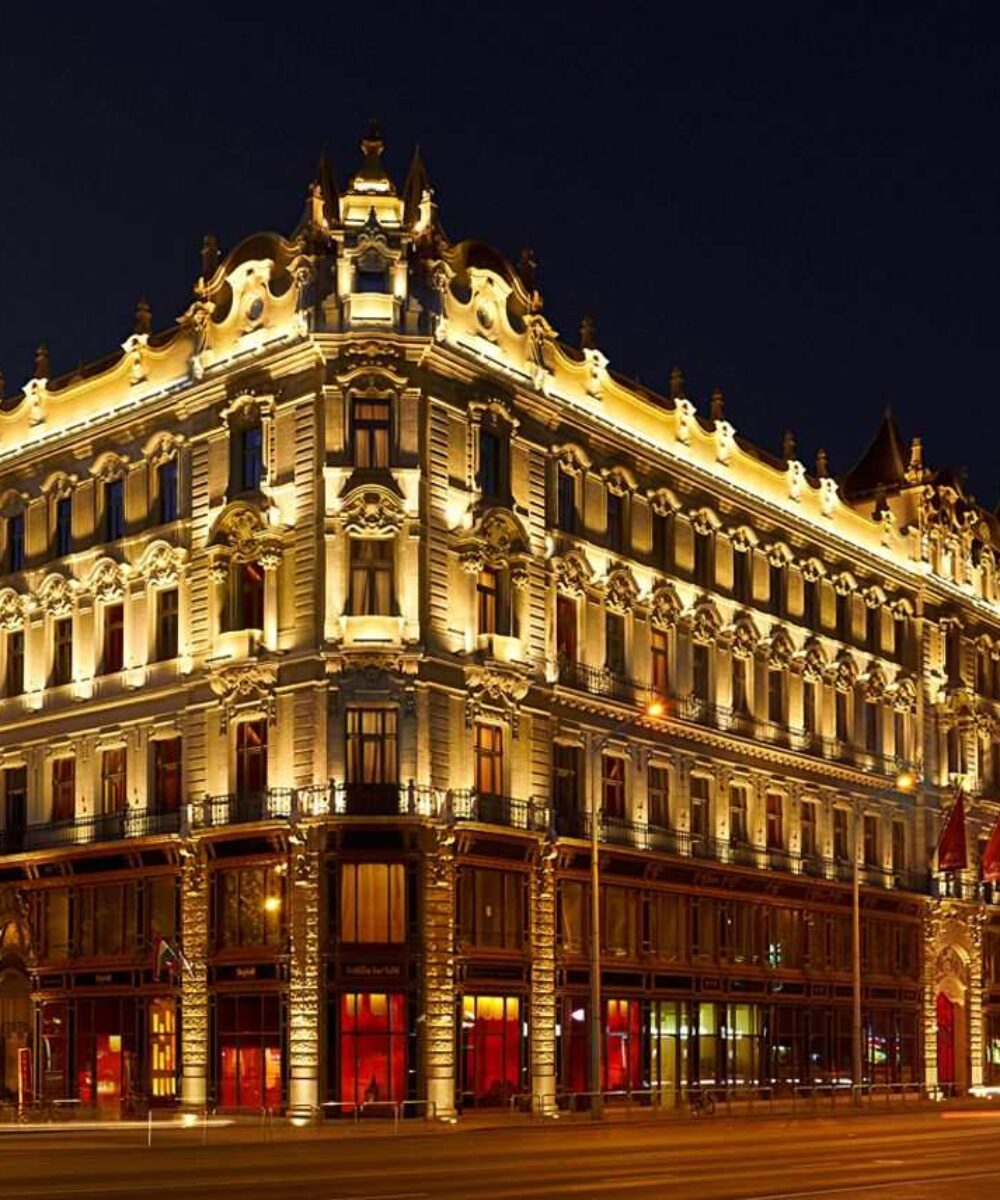
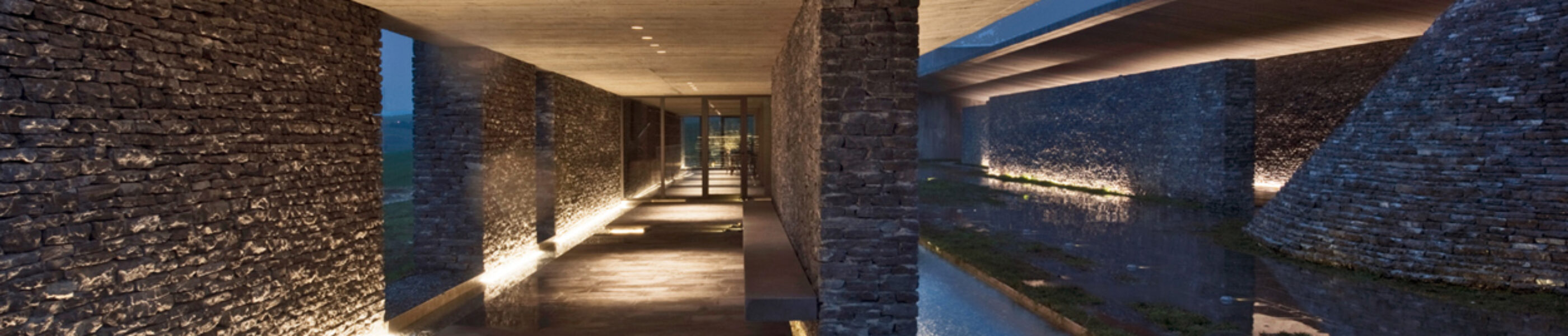
This section brings together a representative selection of lighting design projects in the architectural, museum, urban, cultural, retail, hospitality, and infrastructure sectors, both in Italy and abroad. The gallery documents projects of varying scale, function, and context, all sharing an approach to light as a tool for interpreting space, capable of engaging with architecture, artworks, landscape, and contemporary use.
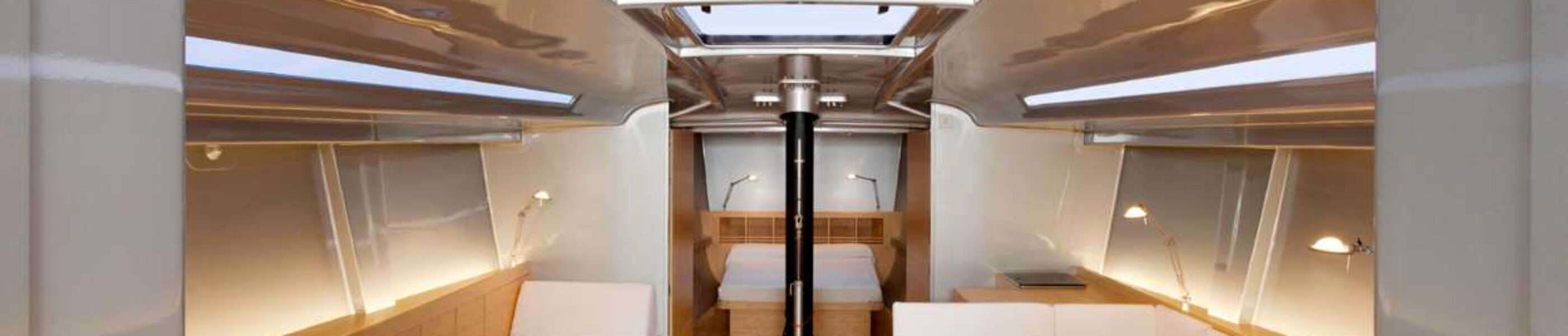
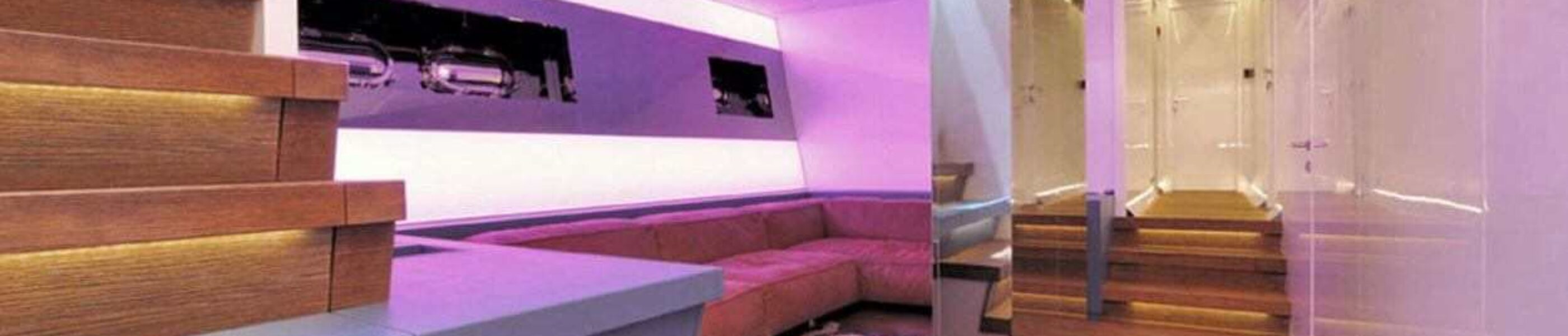
The projects presented range from museums, foundations, and temporary exhibitions to historic buildings, places of worship, public spaces, and urban complexes, including corporate headquarters, private residences, yachts, and lighting masterplans. In each project, light is designed as a controlled material, calibrated to the characteristics of the location, its functional needs, and the perceptual quality of the experience.
Taken together, the collected works convey a vision of lighting design as an integrated process, in which technical rigor, cultural sensitivity, and attention to context contribute to the construction of spatial identity, orientation, and value. The gallery thus takes the form of a design map, capable of demonstrating how light can take on different roles—discrete or declared—while always maintaining coherence, measure, and design awareness.
This section brings together a representative selection of lighting design projects in the architectural, museum, urban, cultural, retail, hospitality, and infrastructure sectors, both in Italy and abroad. The gallery documents projects of varying scale, function, and context, all sharing an approach to light as a tool for interpreting space, capable of engaging with architecture, artworks, landscape, and contemporary use.
The projects presented range from museums, foundations, and temporary exhibitions to historic buildings, places of worship, public spaces, and urban complexes, including corporate headquarters, private residences, yachts, and lighting masterplans. In each project, light is designed as a controlled material, calibrated to the characteristics of the location, its functional needs, and the perceptual quality of the experience.
Taken together, the collected works convey a vision of lighting design as an integrated process, in which technical rigor, cultural sensitivity, and attention to context contribute to the construction of spatial identity, orientation, and value. The gallery thus takes the form of a design map, capable of demonstrating how light can take on different roles—discrete or declared—while always maintaining coherence, measure, and design awareness.