
The Great Masters
From Rationalism to Postmodernism: The Design Legacy That Redefined Living Culture
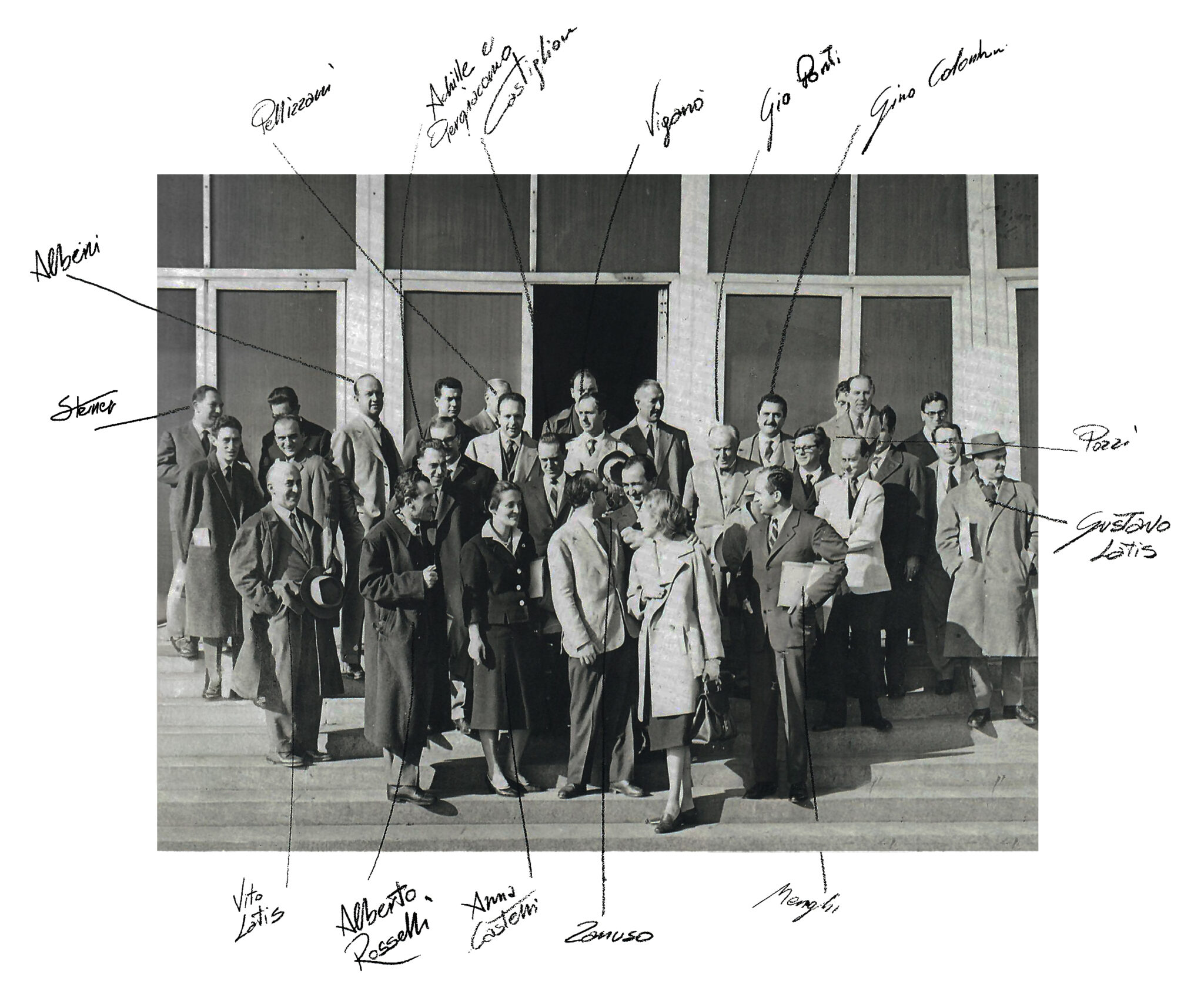
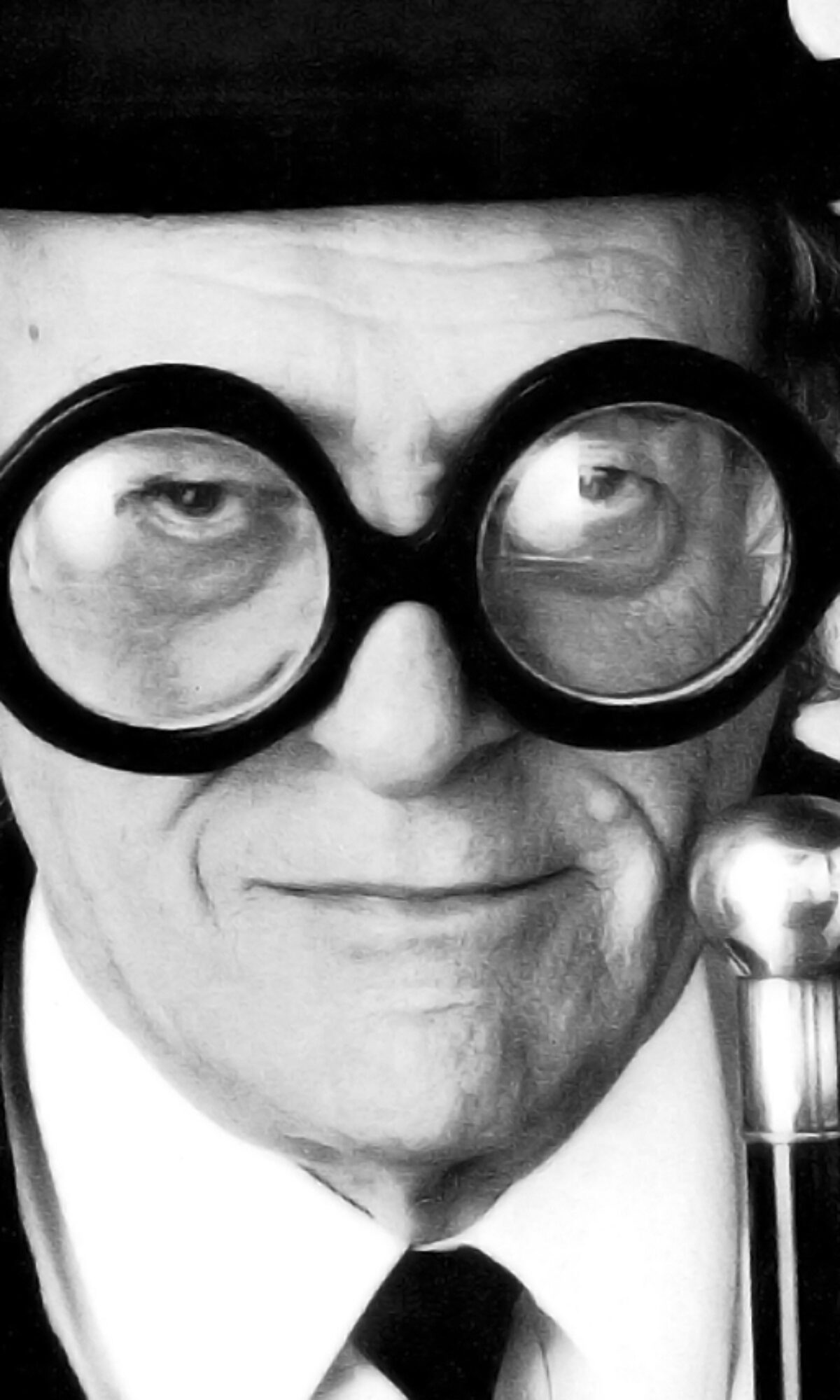
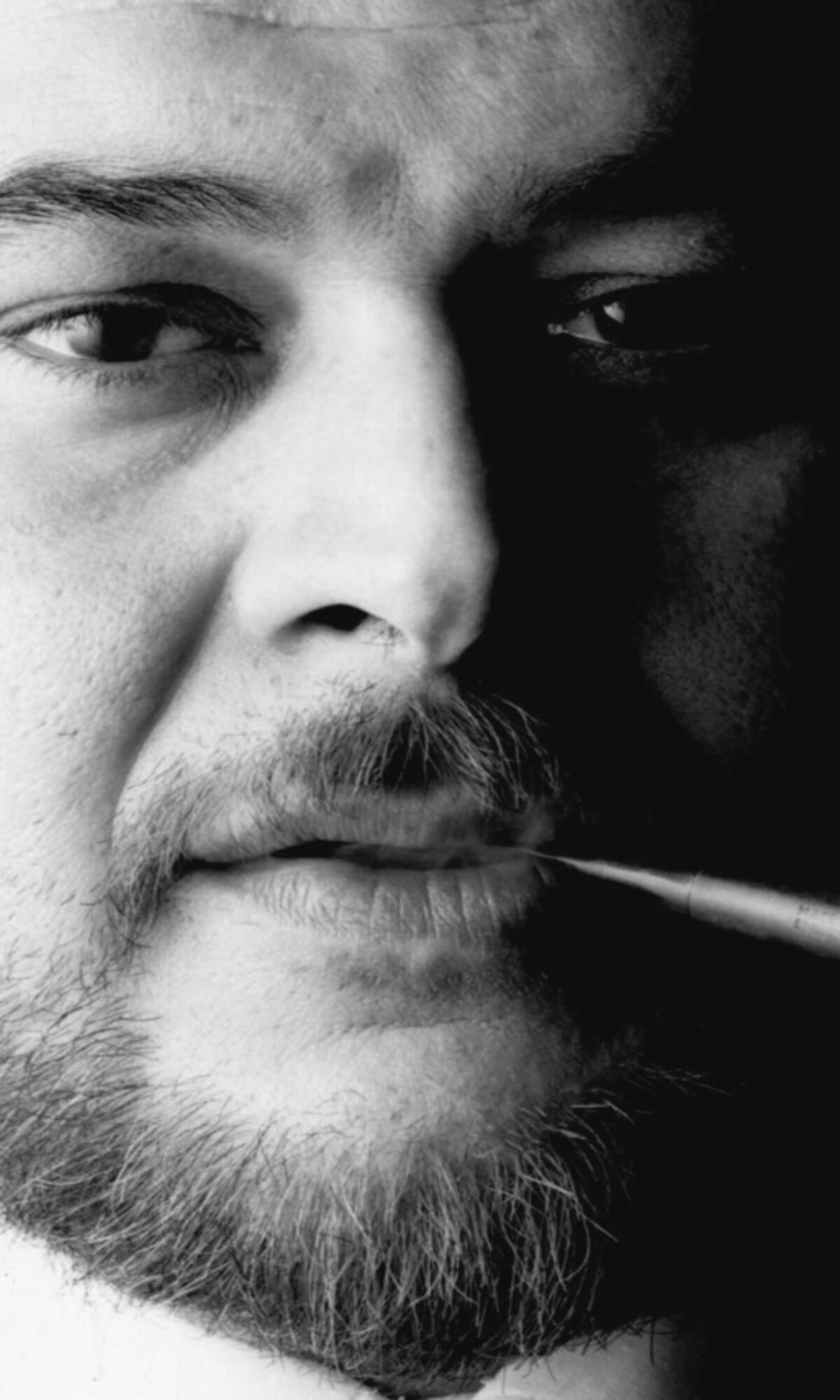
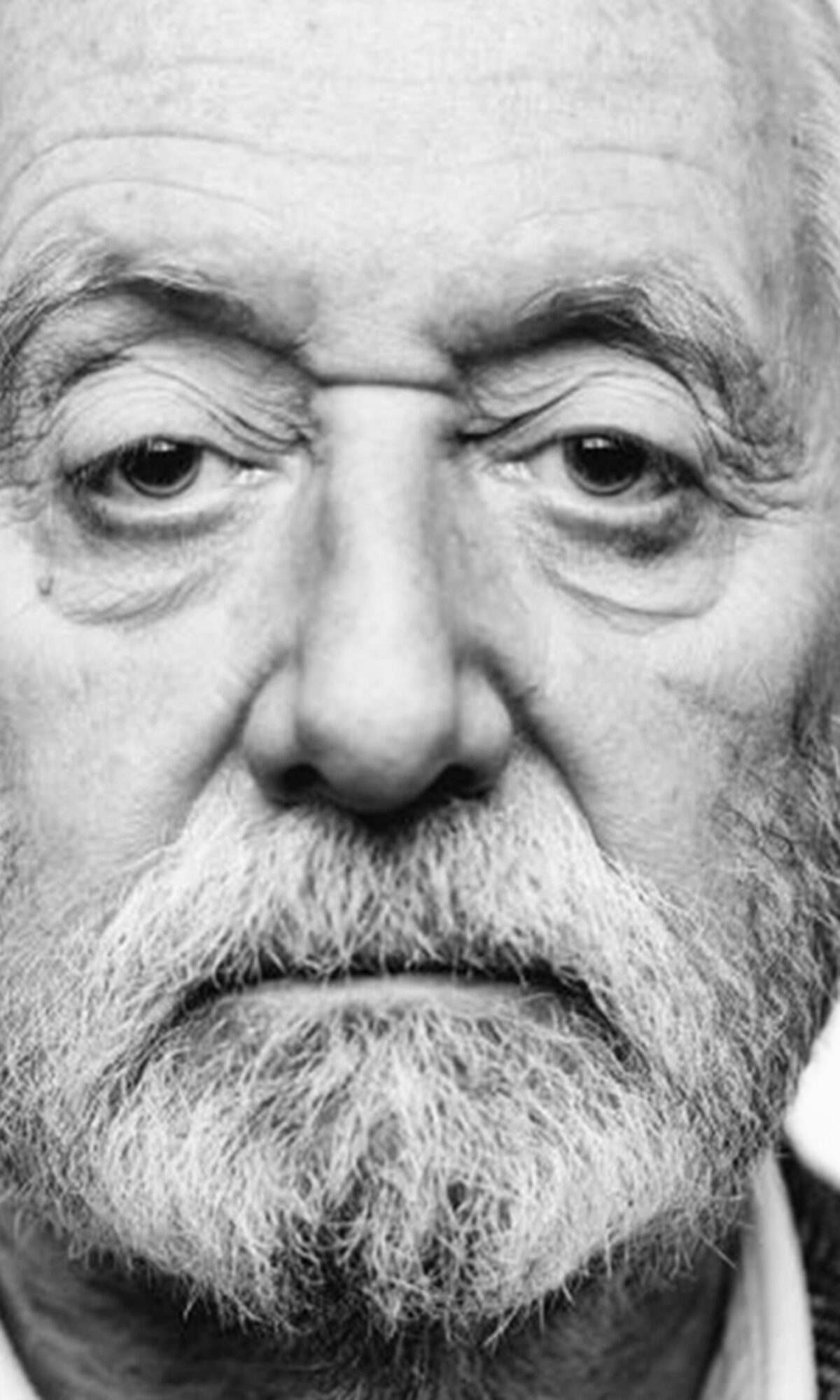
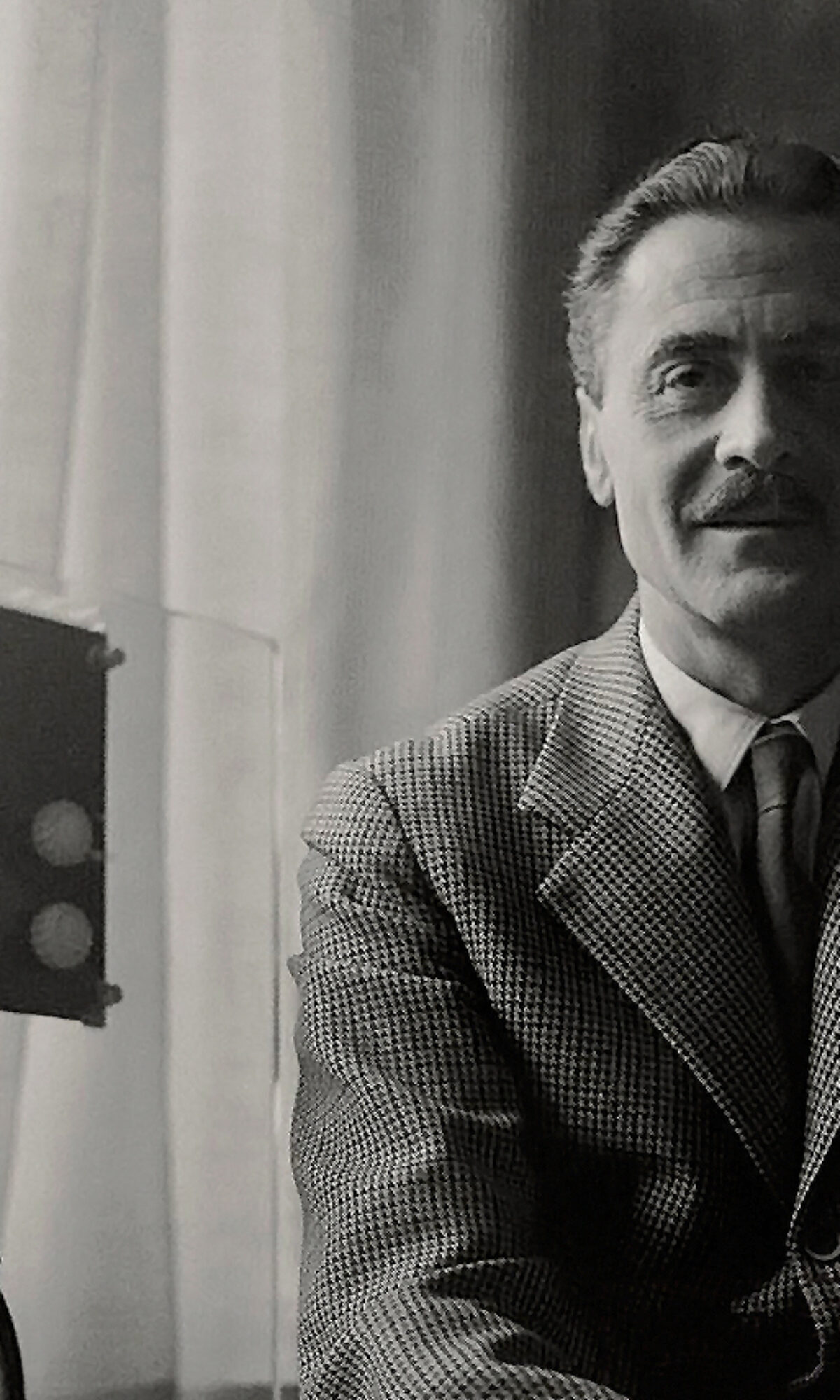
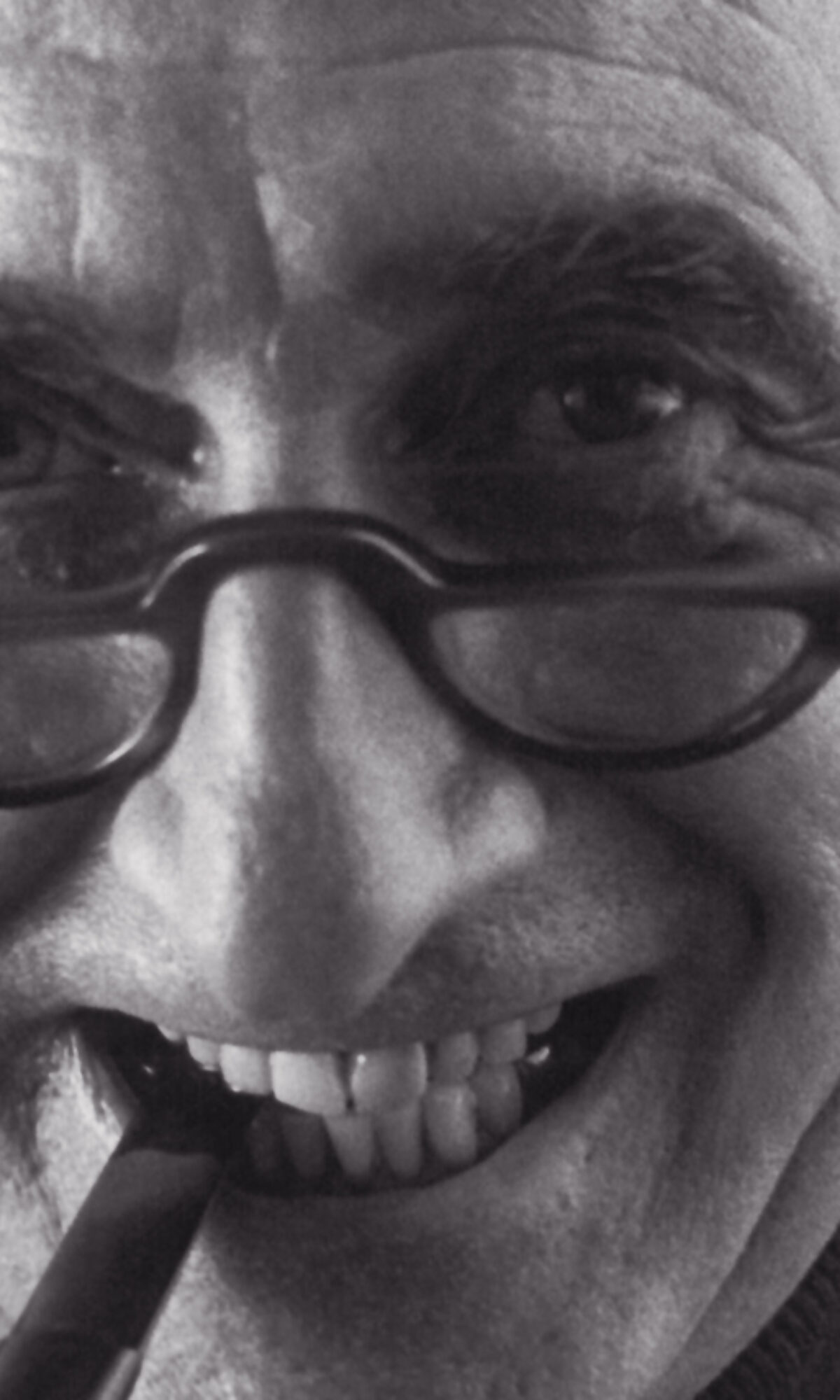
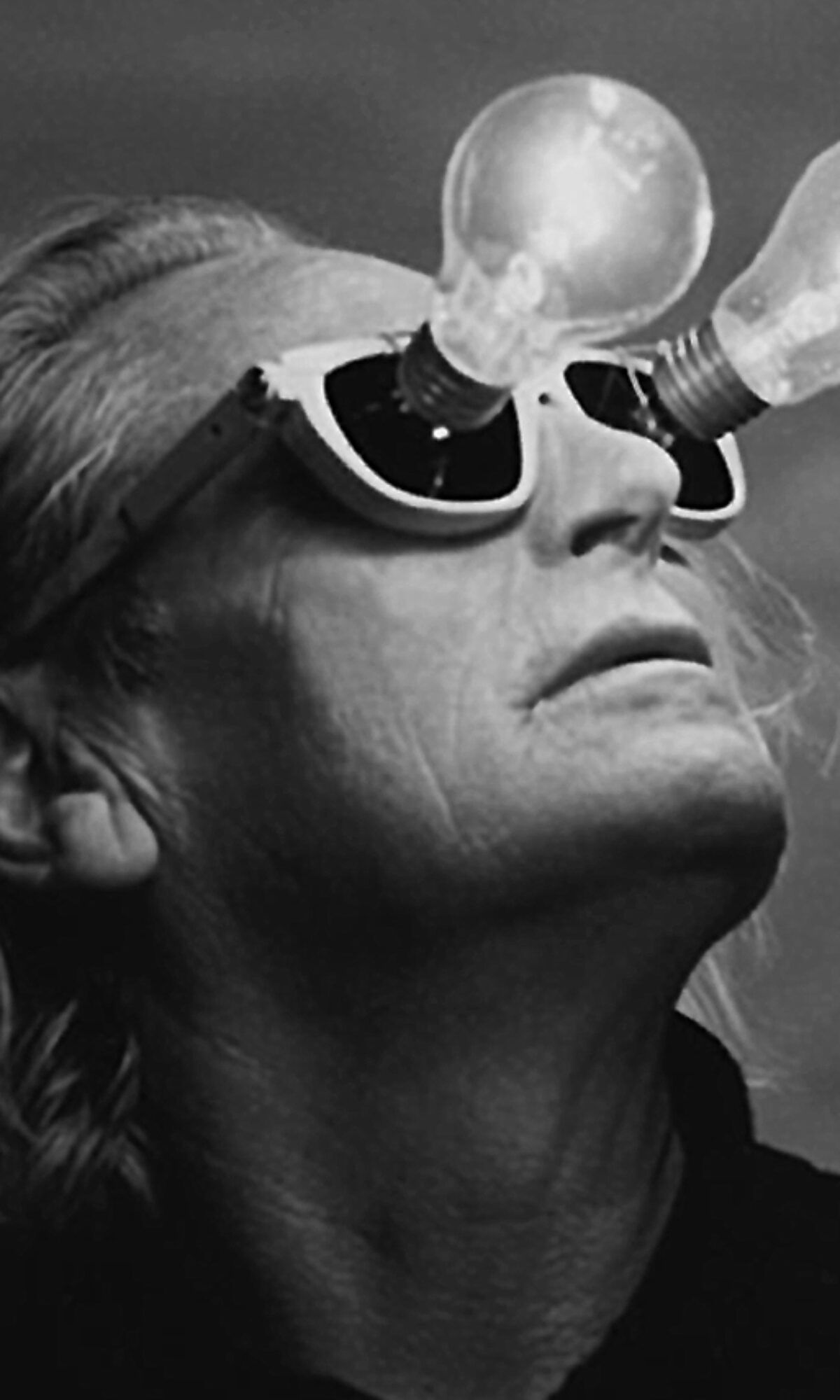
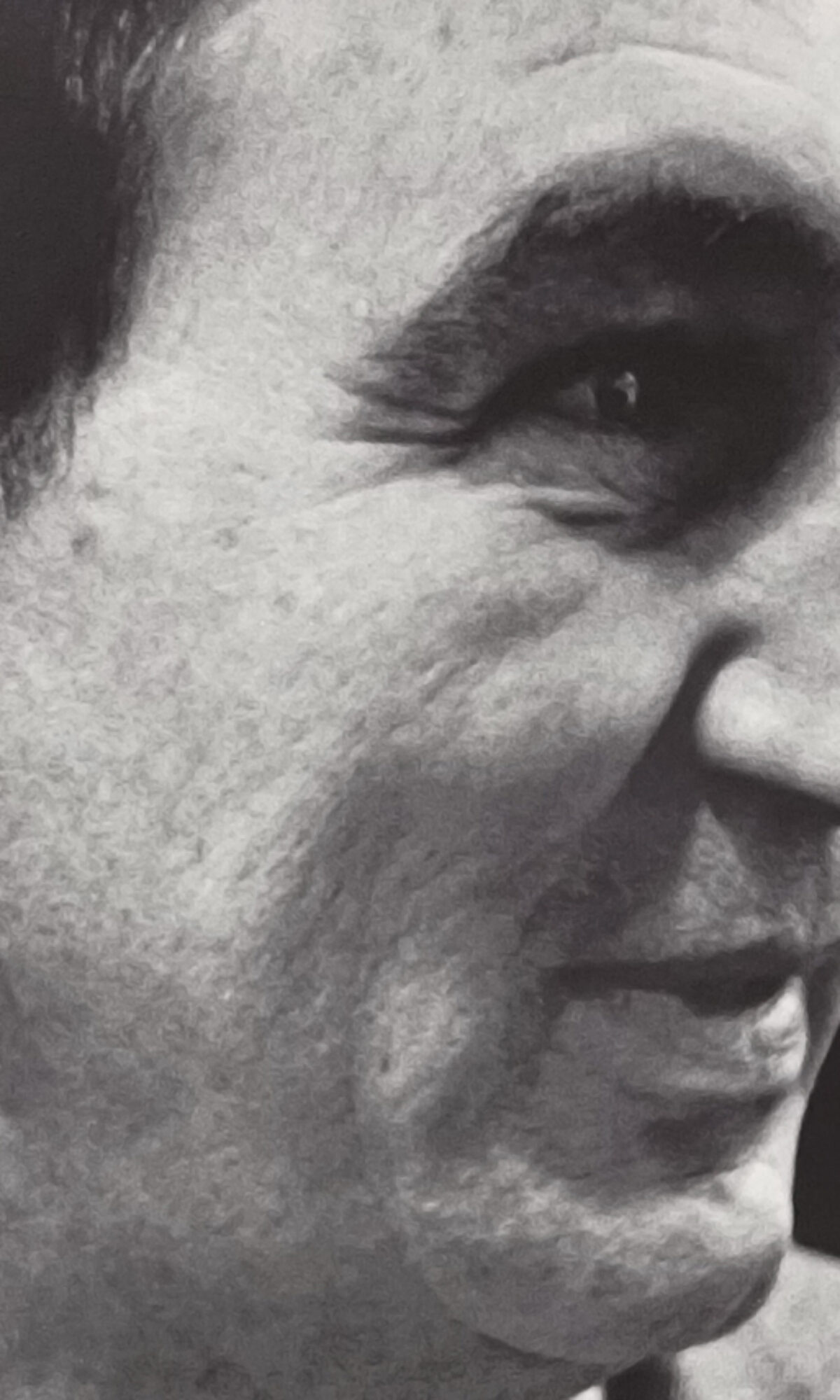
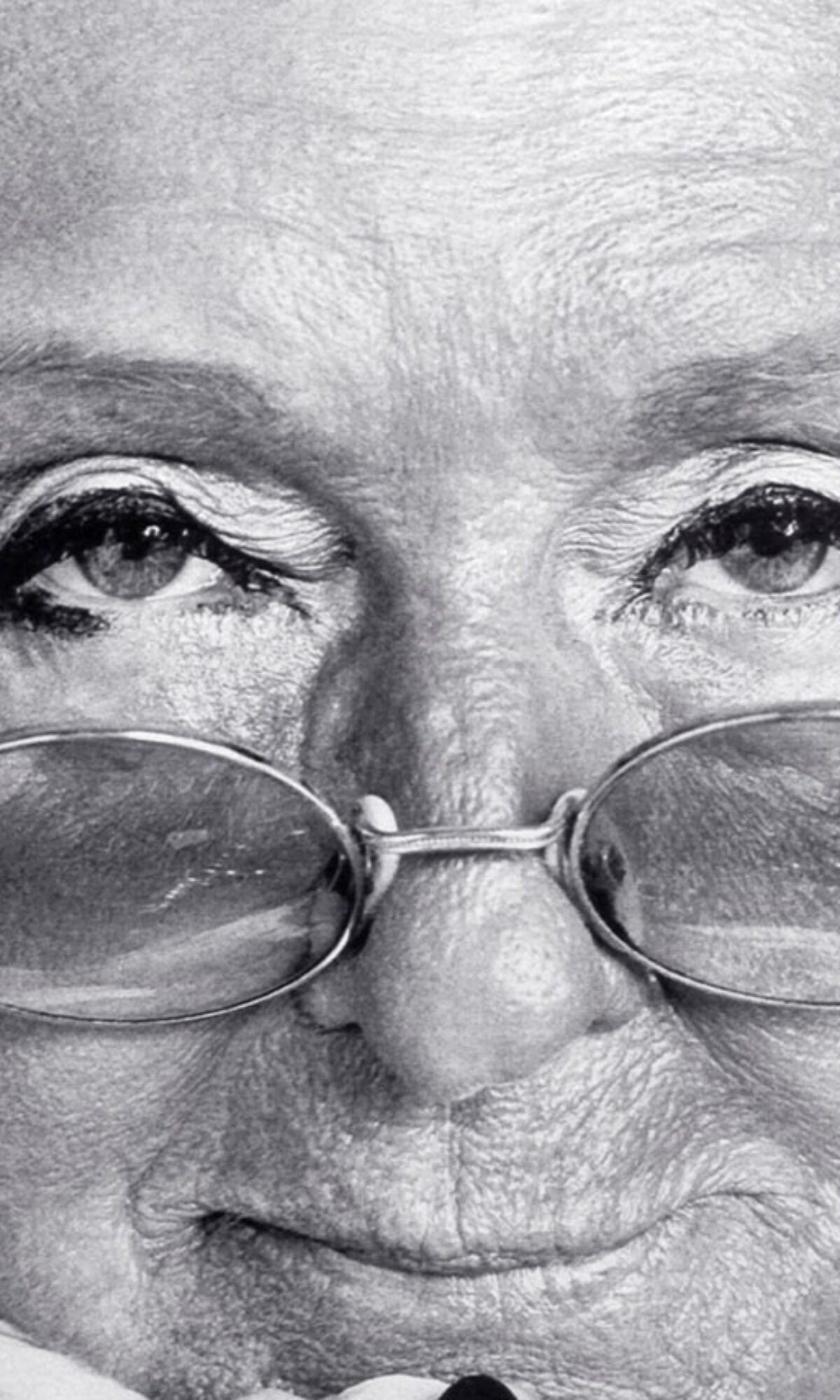
During the twentieth century, Italy underwent profound transformations, marked by social, political, economic, and cultural changes that redefined not only the morphology of its cities but also the very meaning of living. This scenario saw the extraordinary contribution of designers such as Franco Albini, Giò Ponti, Pietro Chiesa, Luigi Caccia Dominioni, Marco Zanuso, Joe Colombo, the Castiglioni brothers, Ettore Sottsass, Enzo Mari, Bruno Munari, Angelo Mangiarotti, Vico Magistretti, and Alessandro Mendini. These great masters of Italian design were not simply creators of iconic objects or innovative architecture: they were conscious interpreters of their time, capable of interpreting society's needs and transforming them into design language.
Since the 1930s and 1940s, at the height of the Rationalist era, some of them developed a vision of living based on functionality, formal rigor, and a synthesis of art and technology, contributing to the creation of a modern material culture that reflected the values of efficiency and order inherent in the society of the time. As Franco Albini declared, "rigour is not a limitation, but a condition for the freedom of design," expressing a poetics of functional sobriety that eschews any purely ornamentalism.
With post-war reconstruction and the subsequent economic boom, Italian design entered a phase of growth and consolidation, marked by confidence in industrial production, serial production, and the potential to improve the quality of life through accessible and well-calibrated design solutions. It is in this context that Marco Zanuso's thinking emerges, for whom "design is not form but method," highlighting the centrality of process as a tool for rationalizing living.
Design thus becomes a language and a provocation, capable not only of solving functional problems but also of stimulating reflection, breaking down established habits, and proposing new behavioral models. "I've never designed a lamp, I've always designed light," Joe Colombo stated, suggesting a vision of domestic space as a dynamic, transformable, and futuristic organism.
With the 1980s and the rise of postmodern thought, design regained a narrative, symbolic, and emotional dimension. Living is no longer merely a rational expression, but becomes a cultural act, a memory and an identity. "Design is a form of narration," wrote Alessandro Mendini, placing imagination, irony, cultured reference, and the emotional dimension at the heart of the project. Similarly, Ettore Sottsass maintained: "I have never thought that objects serve only to solve problems. Objects also serve to communicate emotions."
With the 1980s and the rise of postmodern thought, design regained a narrative, symbolic, and emotional dimension. Living is no longer merely a rational expression, but becomes a cultural act, a memory and an identity. "Design is a form of narration," wrote Alessandro Mendini, placing imagination, irony, cultured reference, and the emotional dimension at the heart of the project. Similarly, Ettore Sottsass maintained: "I have never thought that objects serve only to solve problems. Objects also serve to communicate emotions."
The legacy of the great masters of Italian design proves more relevant today than ever. Their works—born in dialogue with the epochal changes of the twentieth century, from post-war reconstruction to the radical utopias of the 1960s, up until the advent of post-industrial society—tell us of a project understood as an act of civil, cultural, and aesthetic responsibility. Objects, spaces, and visions thus become cultural manifestos, capable of combining ethics and function, industry and art, tradition and avant-garde.
Reflecting on their contribution means rediscovering the value of industrial design as a tool for interpreting the present and consciously planning the future. In an age where technology permeates every gesture and light defines the quality of our daily experience, their teachings prove to be a source of inspiration and critical guidance, capable of shaping behaviors, generating meaning, and building identities.









Other Master pages
This section brings together a series of historical, critical, and cultural insights into the figures and contexts that contributed to the birth and establishment of lighting design as an autonomous discipline. The content explores Piero Castiglioni's role in defining a design approach in which light becomes a structural part of architecture, and the experimental origins of Italian lighting design through the research of Livio Castiglioni, in which light and sound are configured as immaterial languages of the project.
The section also explores the contribution of the Castiglioni brothers, tracing their cultural journey from 1930s Milan to the development of Italian industrial design, and analyzes the central role of the Studio on Via Presolana as a laboratory for experimentation and training for generations of lighting designers.
The overview is rounded out with a reflection on the great masters of design, from rationalism to postmodernism, highlighting the cultural and methodological legacy that has redefined the relationship between light, space, and living in contemporary design.