



Piero Castiglioni: The Lighting Architect
Over fifty years of projects, experiments and integration of light in contemporary architecture
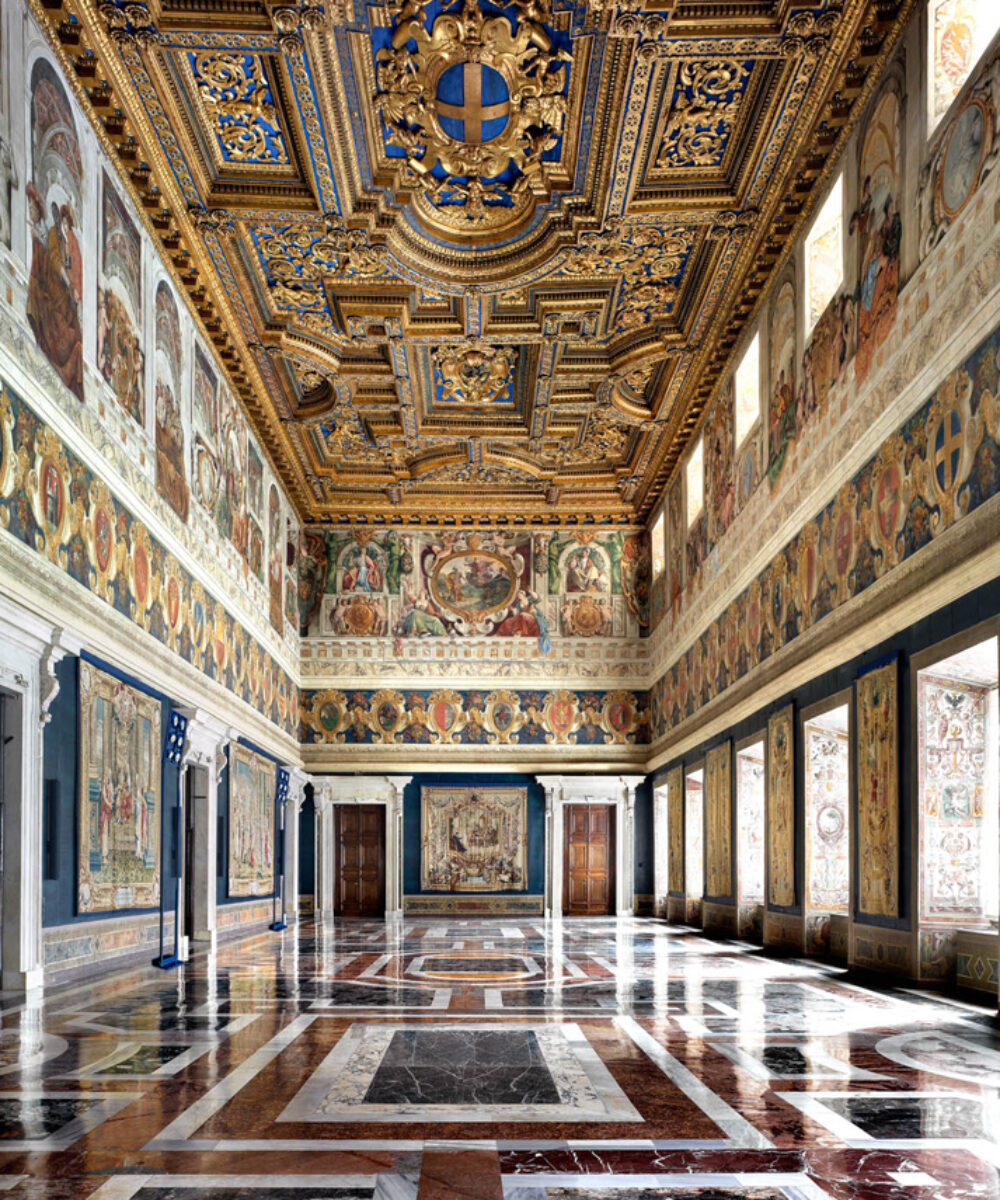
Piero Castiglioni's professional career began in the 1970s in his studio at Via Presolana 5 in Milan. He immediately defined himself as an Architect of Light. It was in this context that he developed a novel design vision, in which artificial light was no longer merely a technical or decorative element, but became an integral part of the architectural language, an active component of the built space, capable of transforming, revealing, and interpreting it. His interest in light translated from the outset into a design practice grounded in experimentation and disciplinary integration, where architecture was interpreted as a reflective surface, an optical structure, and a field of operation for a luminous narrative. The design of light in his work was never artificial or accessory, but rather a cultural and technical device at the service of the perception, function, and meaning of space.
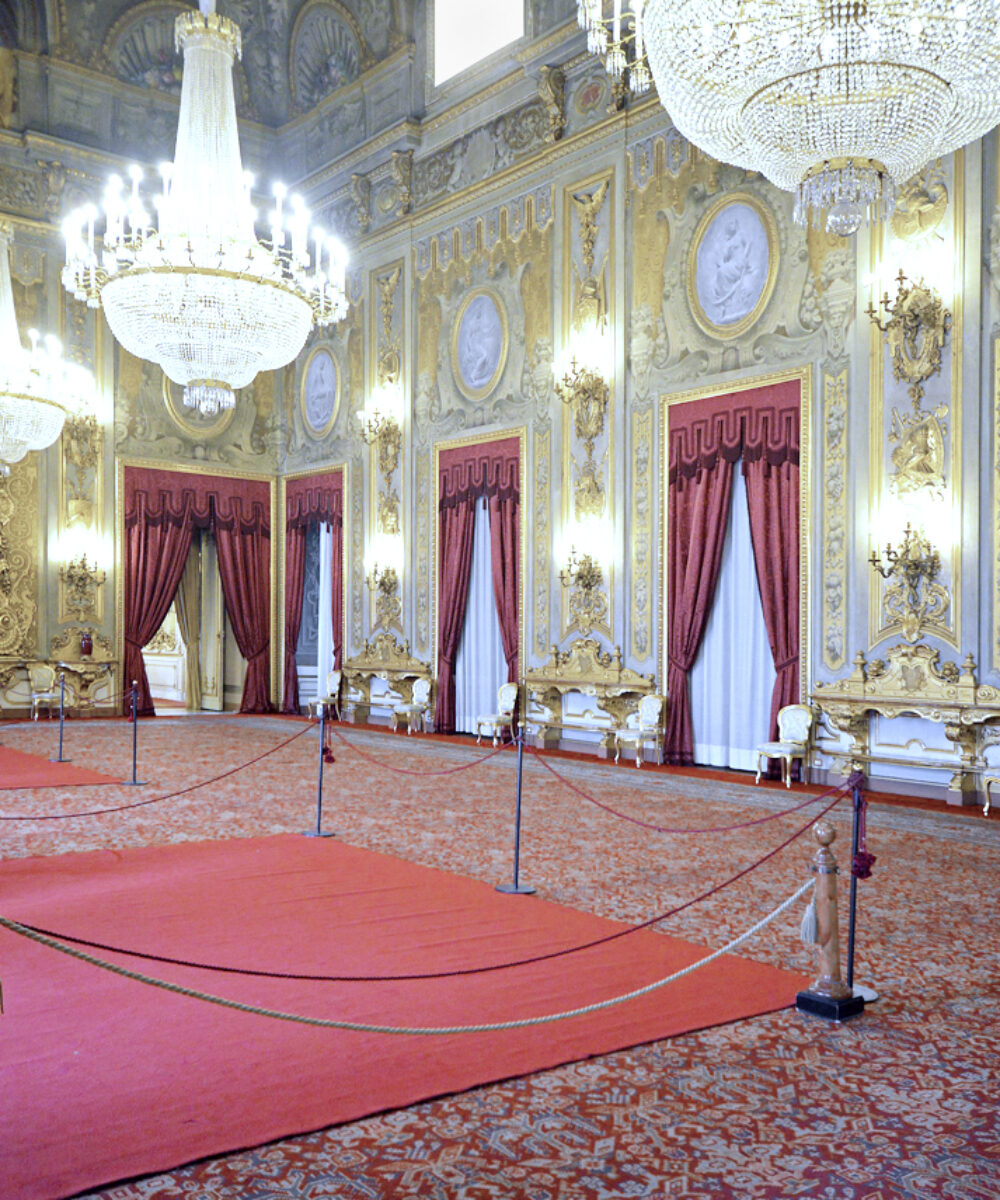
Piero Castiglioni's work clearly delineates methodological guidelines, despite his consistently specific and adaptive design approach. Light, in his work, is never a neutral or decorative element, but rather takes on the role of a critical tool capable of building relationships between architecture, urban space, and perception. Each project stems from a careful analysis of the context and a reflection on how light can alter its interpretation, differentiate spaces, reveal their geometry, or suggest new interpretations. A key aspect is the control of artificial light, understood not as simple functional illumination but as a design element that structures the use of space. The lighting design is the result of a careful study of the relationships between the light source and the reflective surfaces (ceilings, walls, floors), which determine the choice of type, placement, and orientation of the sources. The goal is not simply to illuminate, but to design with light, integrating it into the volumes and architectural grammar. Three emblematic projects are set within this framework, marking a methodological turning point in the conception of the lighting fixture as an architectural device.
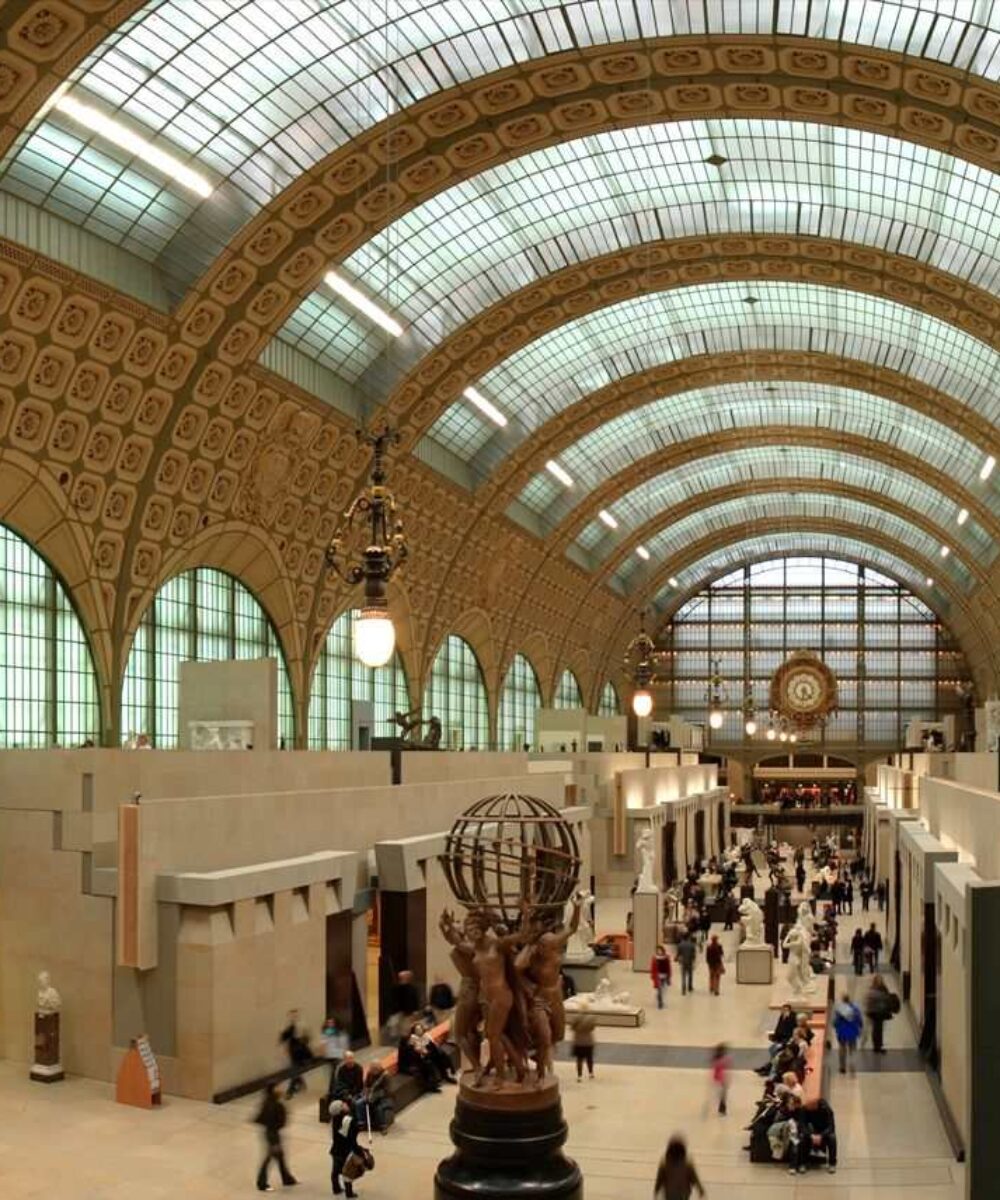
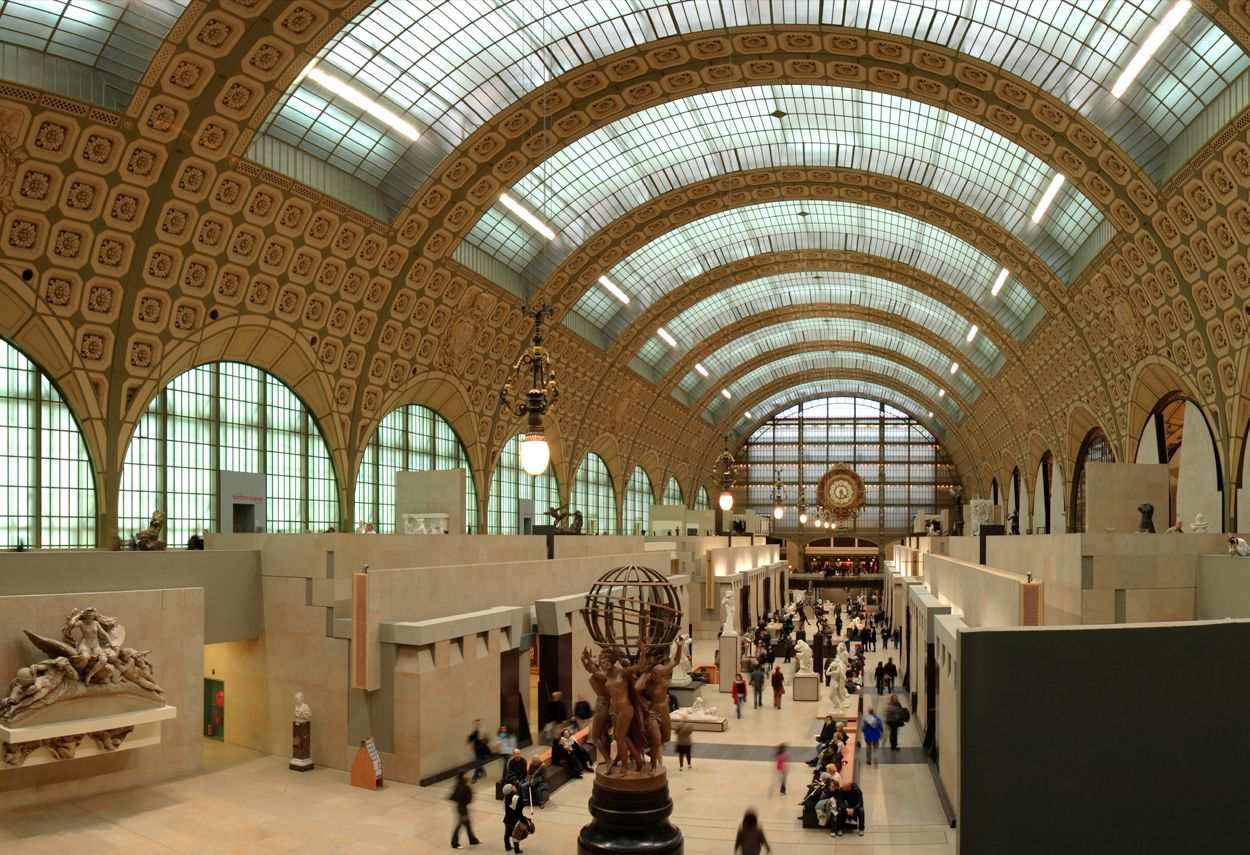
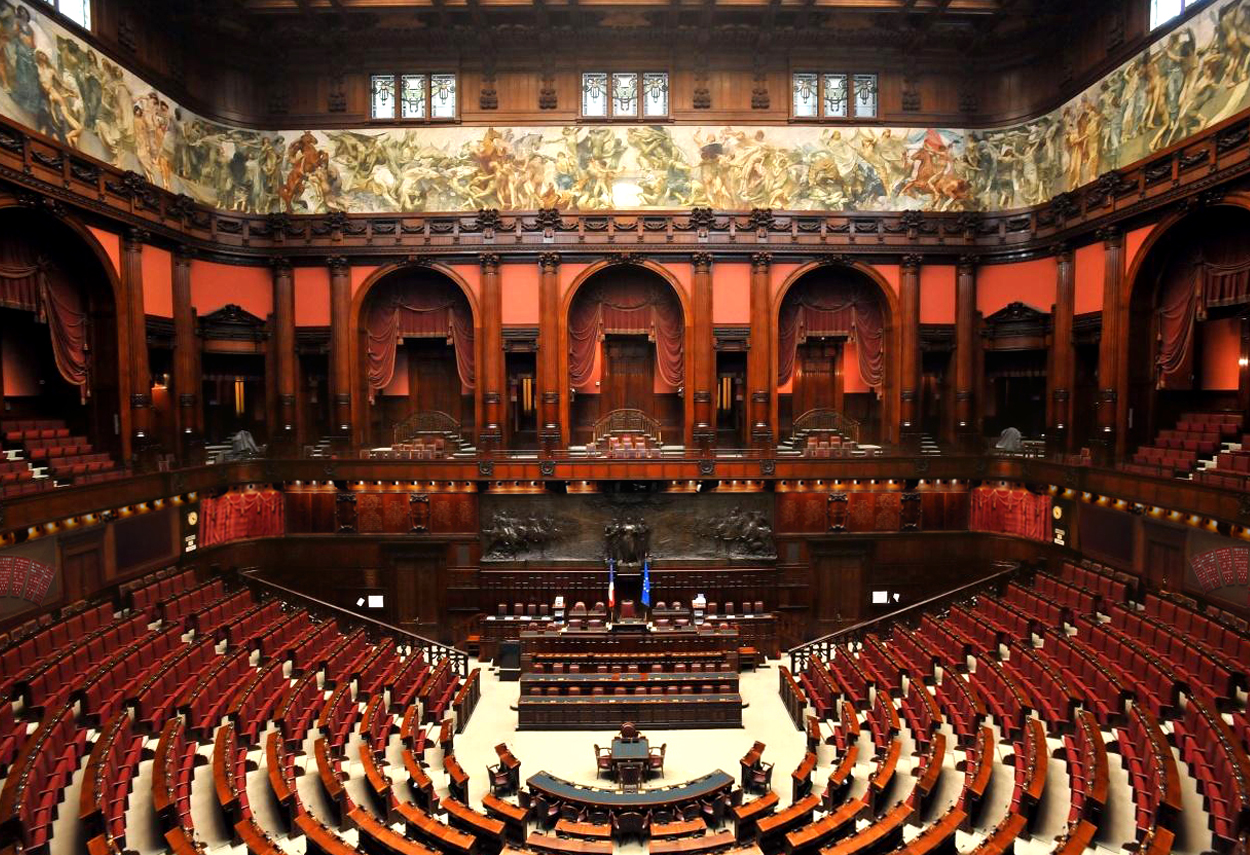
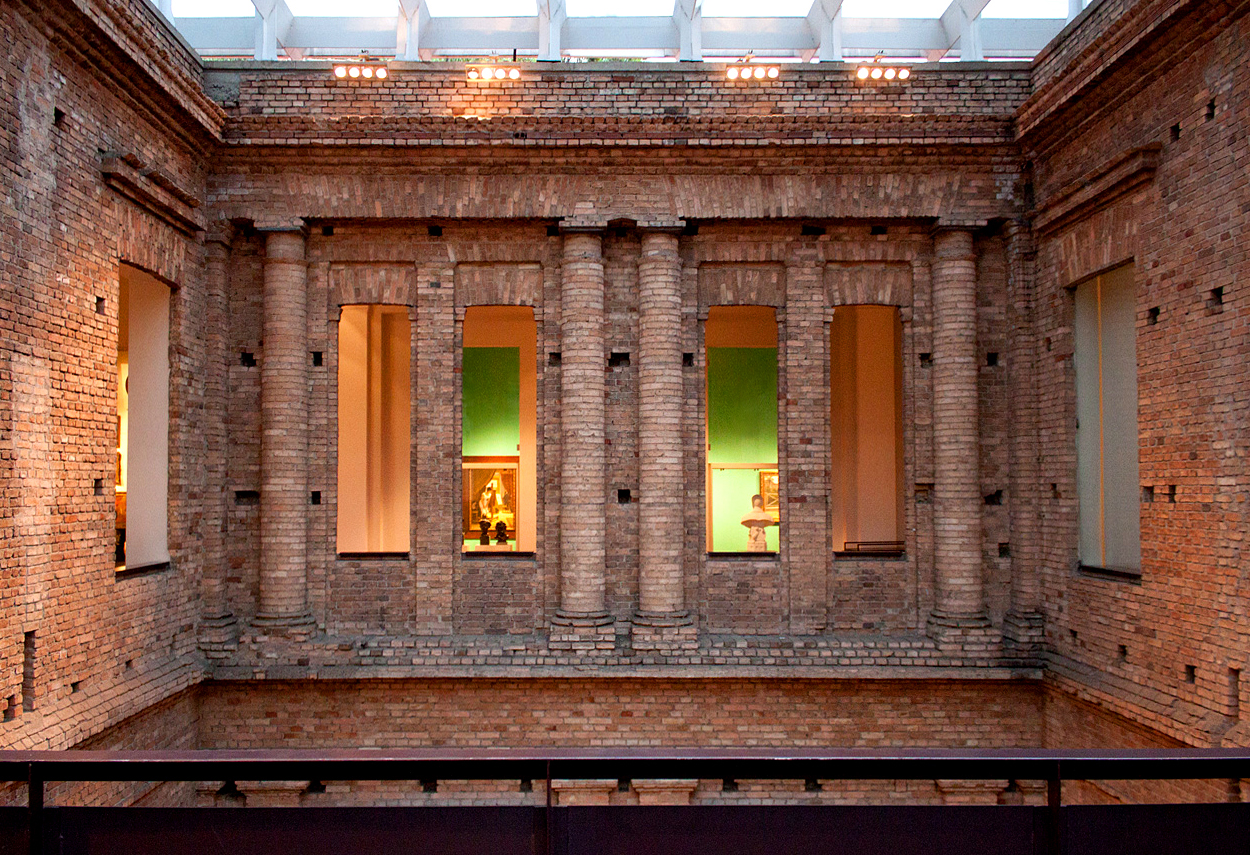
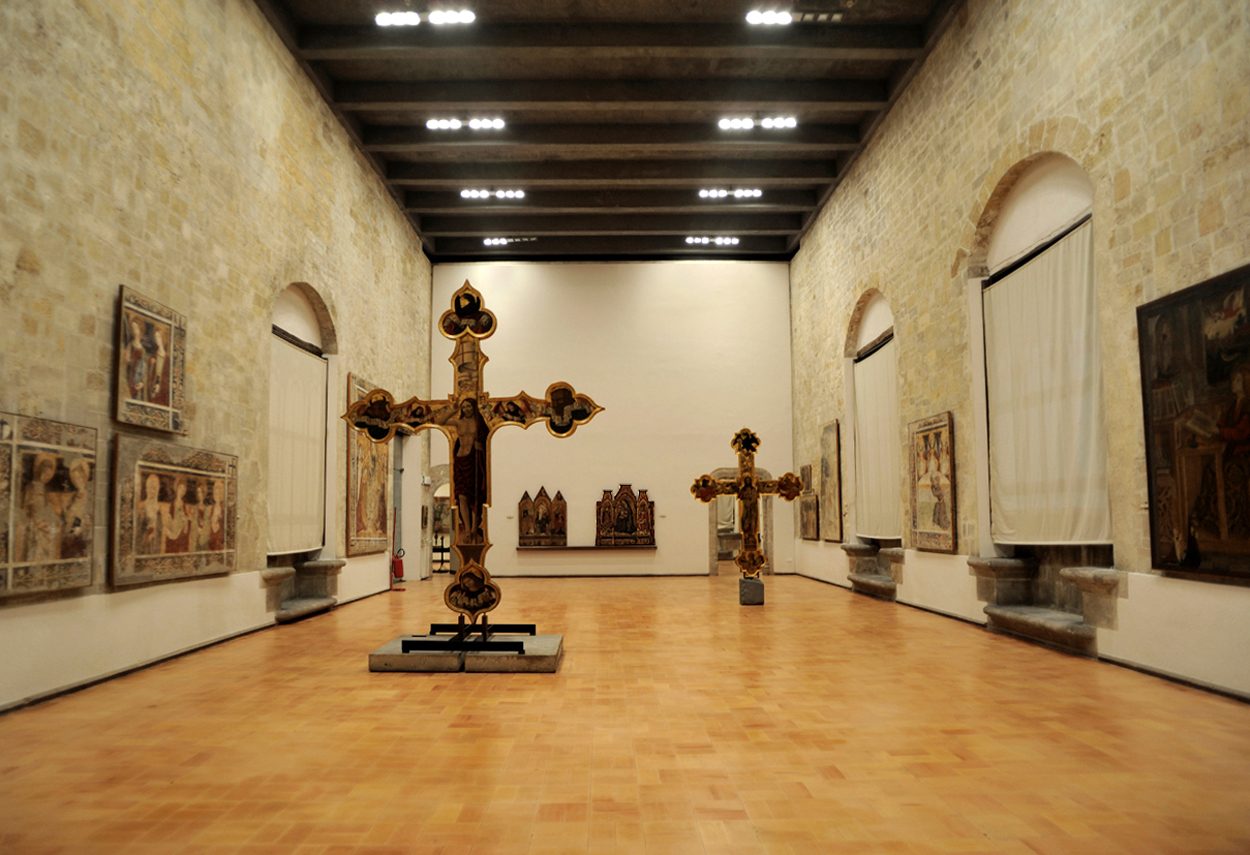
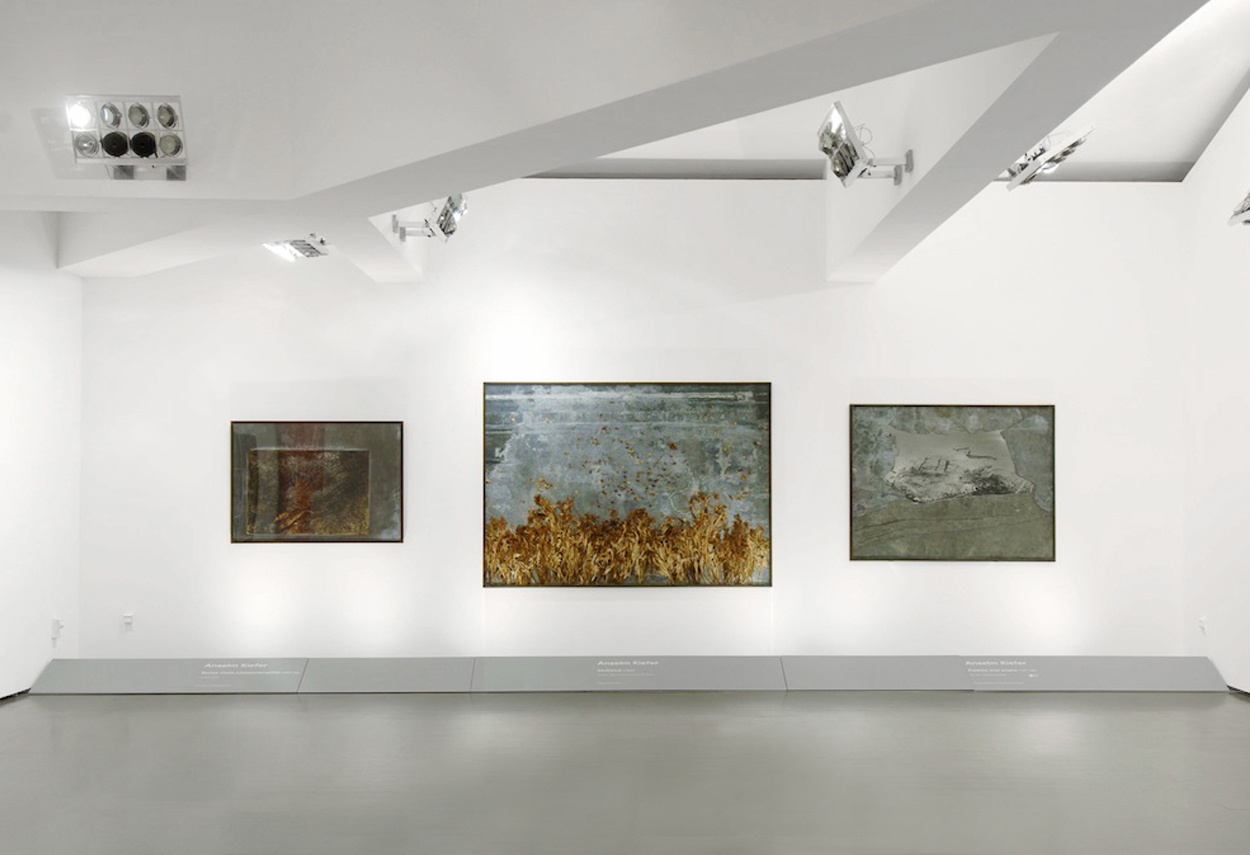
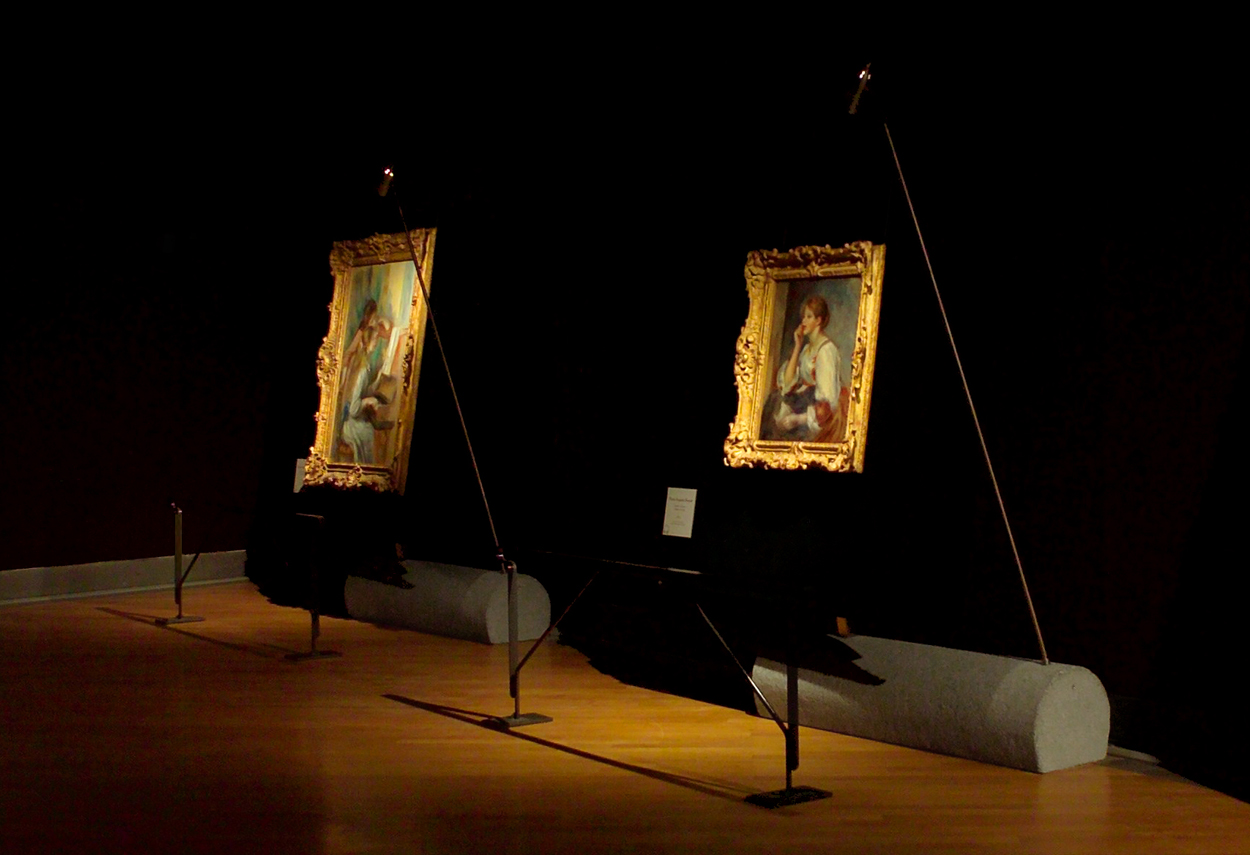
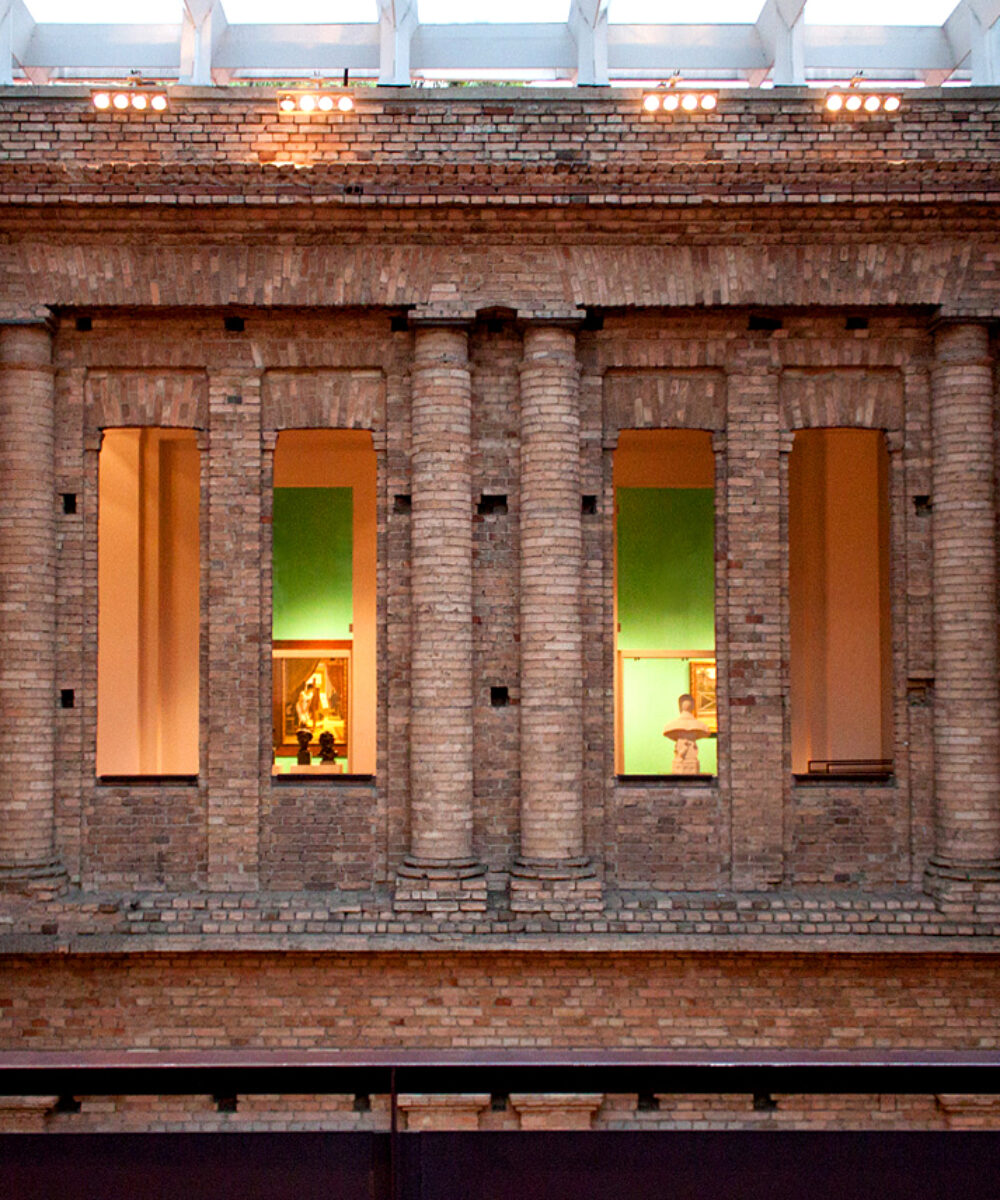
At the Musée d’Orsay in Paris, artificial lighting is designed in symbiosis with the existing architectural structure, in a constant dialogue between illumination and space. Selected portions of walls and architectural surfaces are used as active reflectors, capable of modulating and uniformly reflecting light. Through a careful balance between direct emission and controlled reflection, the lighting diffuses without casting invasive shadows, ensuring perceptual uniformity and enhancing the works without altering their chromatic interpretation. This approach transforms the architecture itself into an optical instrument, capable of controlling light with precision and coherence, in a harmonious synthesis between exhibition function and spatial quality.

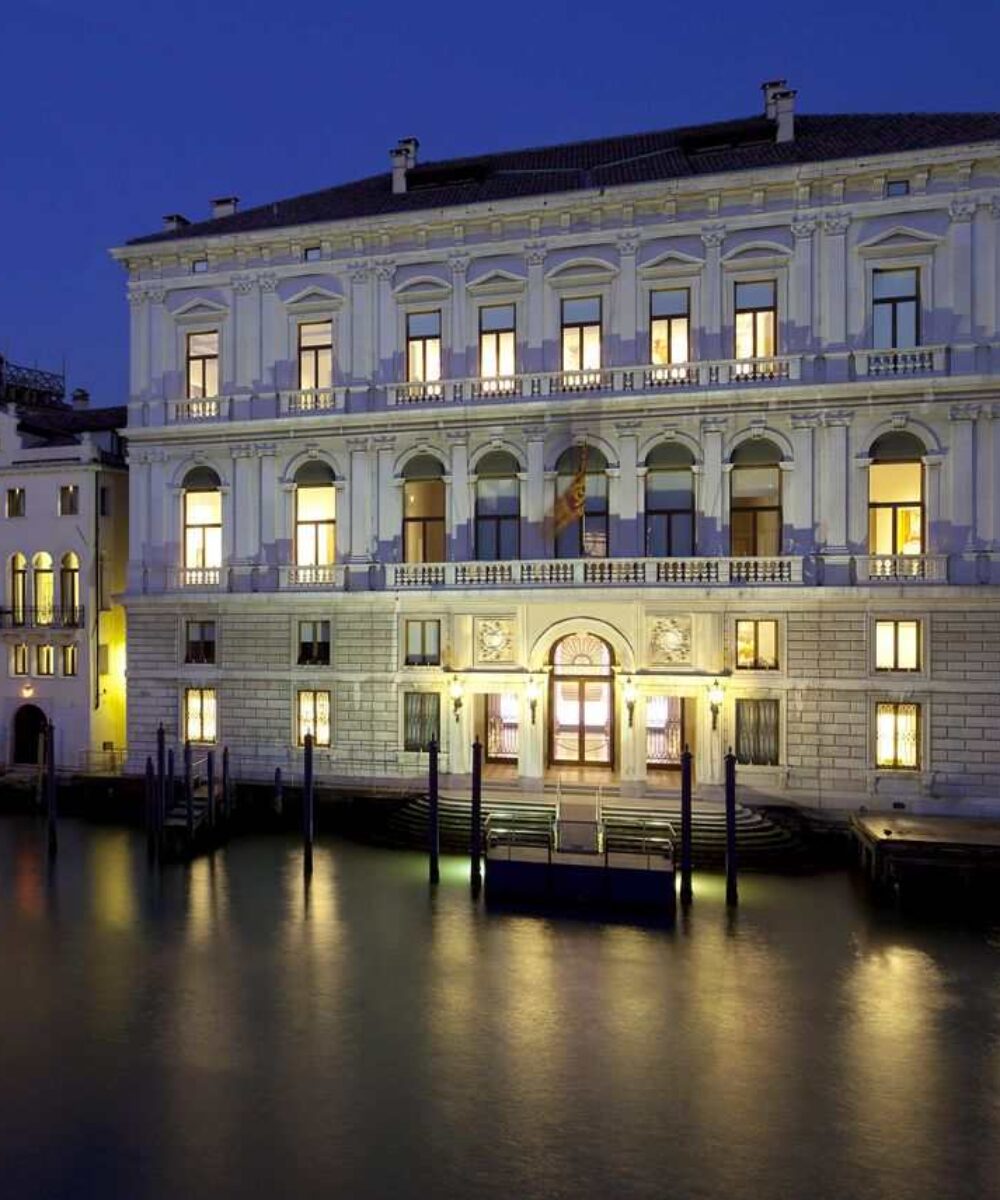
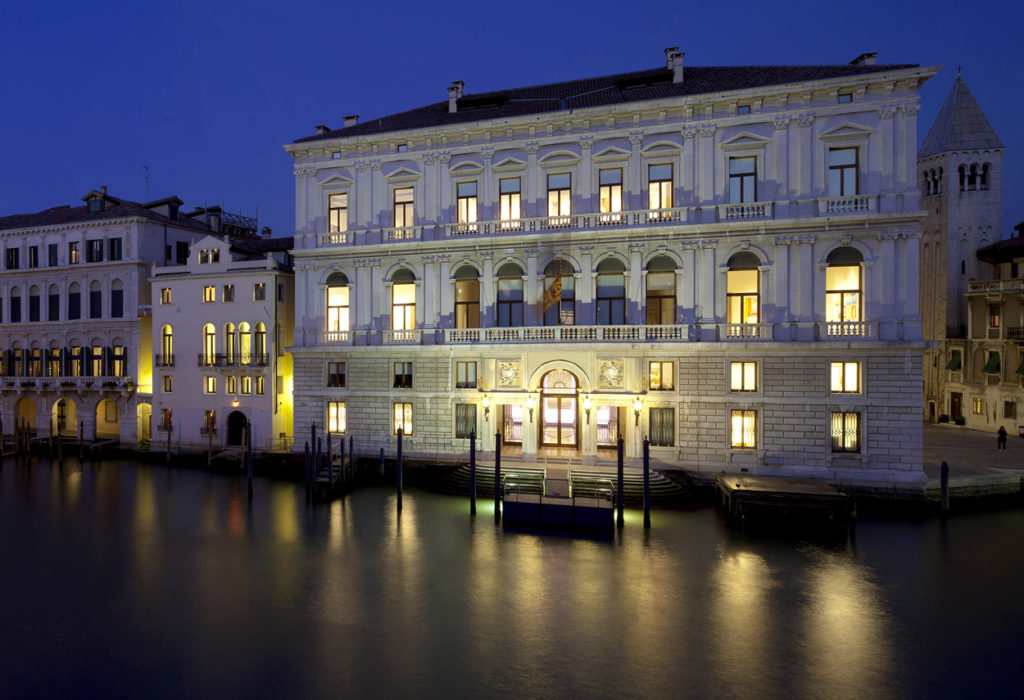
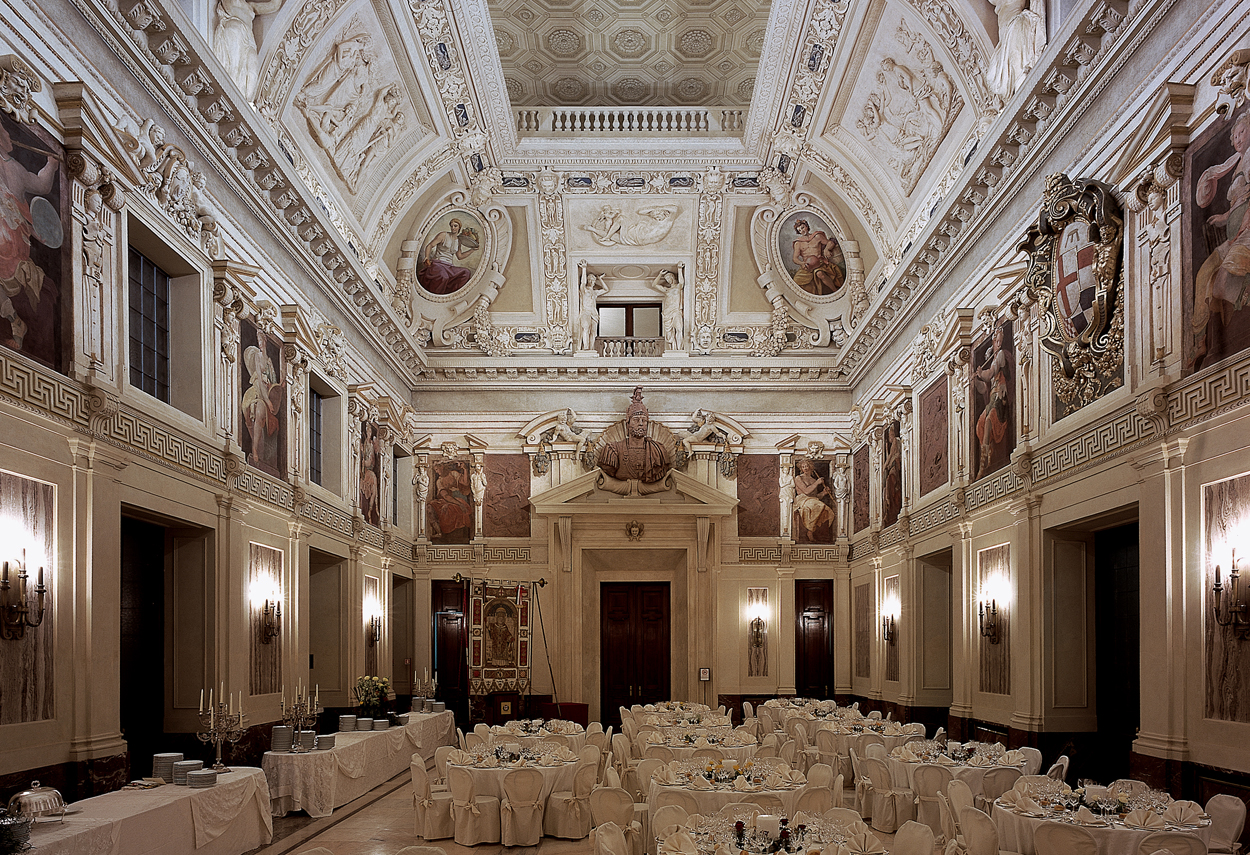
At Palazzo Grassi in Venice, light is used according to a logic derived from sports facilities, where the distribution of lighting occurs in distinct and controllable luminous areas. This principle, adapted to the scale of the museum space, allows for calibrated lighting management, respecting the architectural structure and exhibition requirements. From this vision was born the famous "Cestello" fixture, consisting of groups of individually adjustable lamps, allowing for precise lighting shaping for each portion of the space. A synthesis of functional modularity and formal elegance, the Cestello embodies an approach in which light becomes an active instrument of staging, capable of enhancing the works without imposing itself as an independent presence.
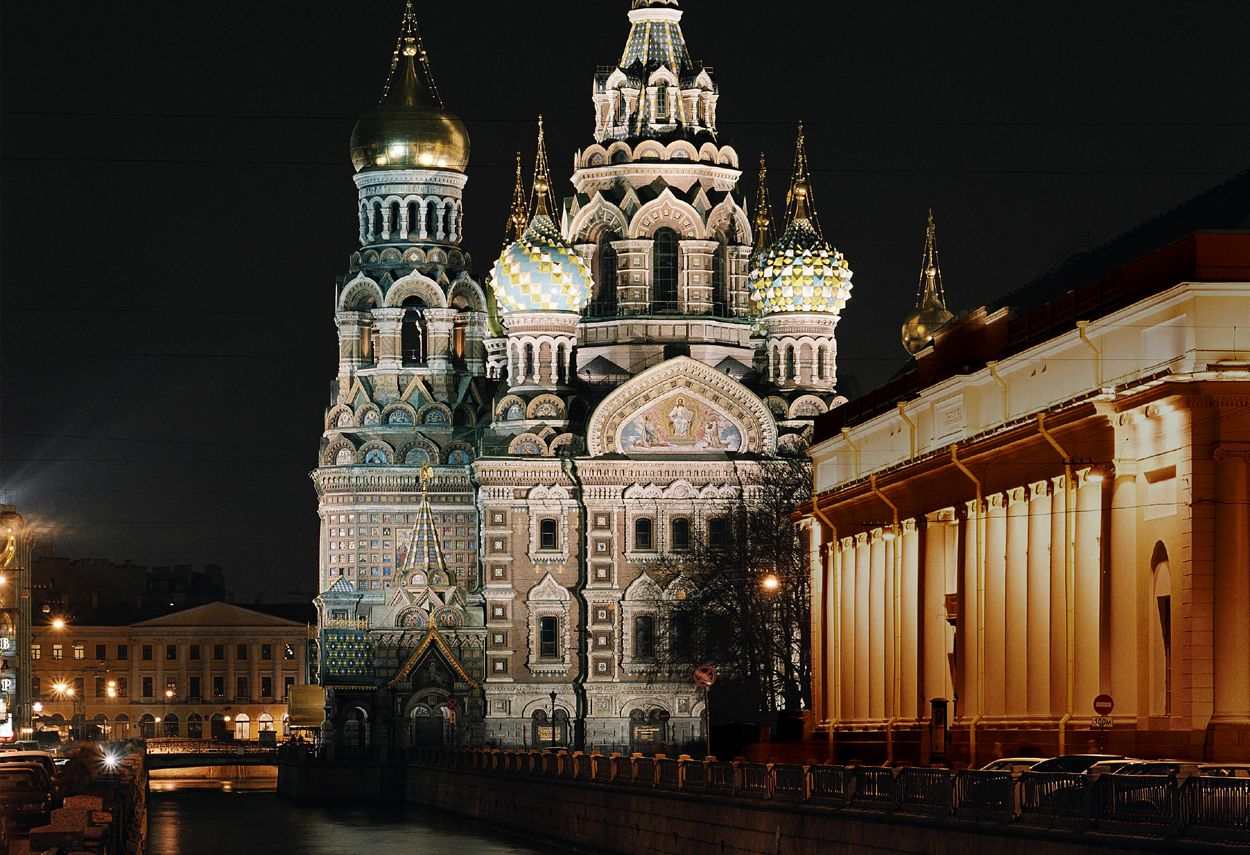
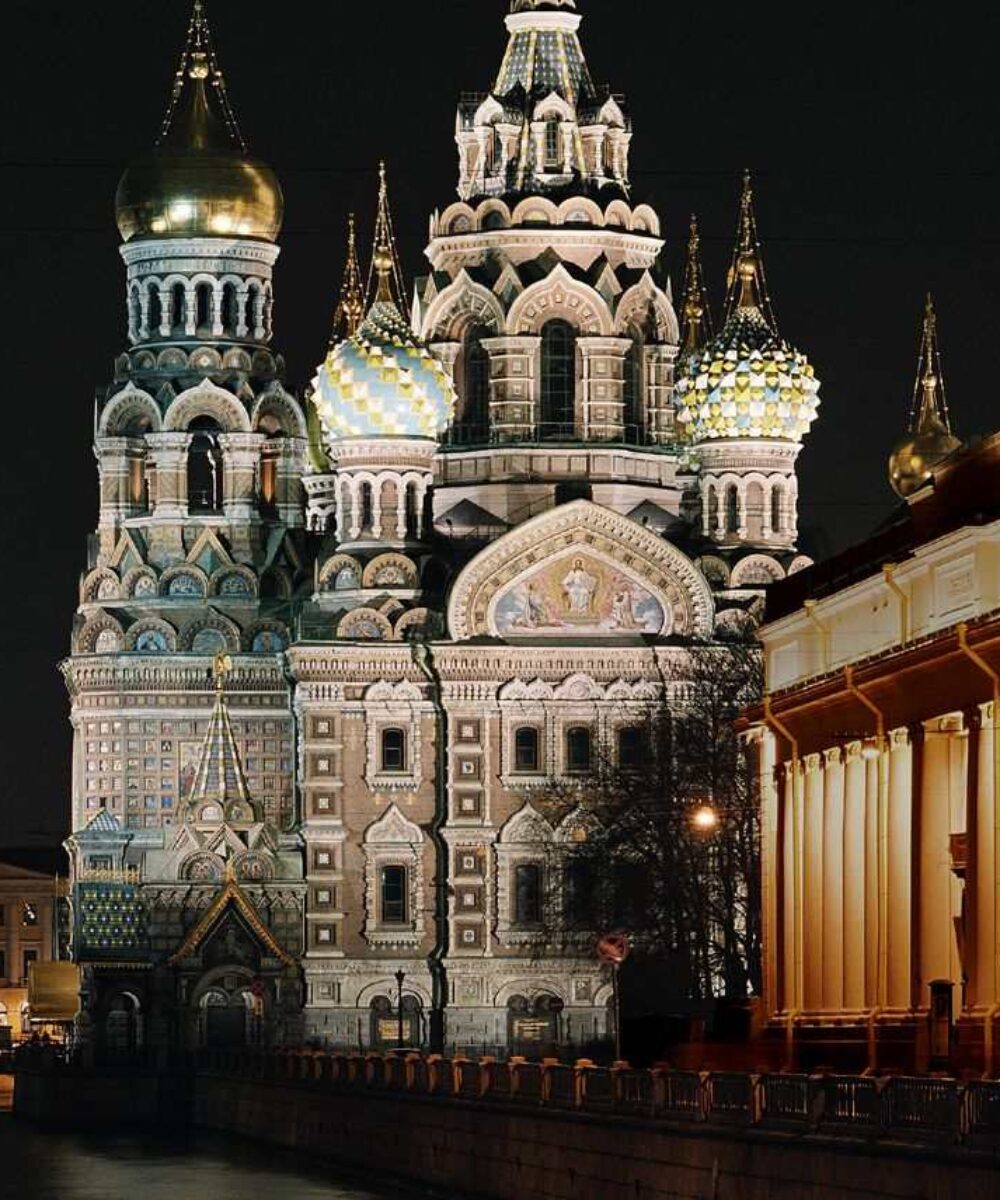
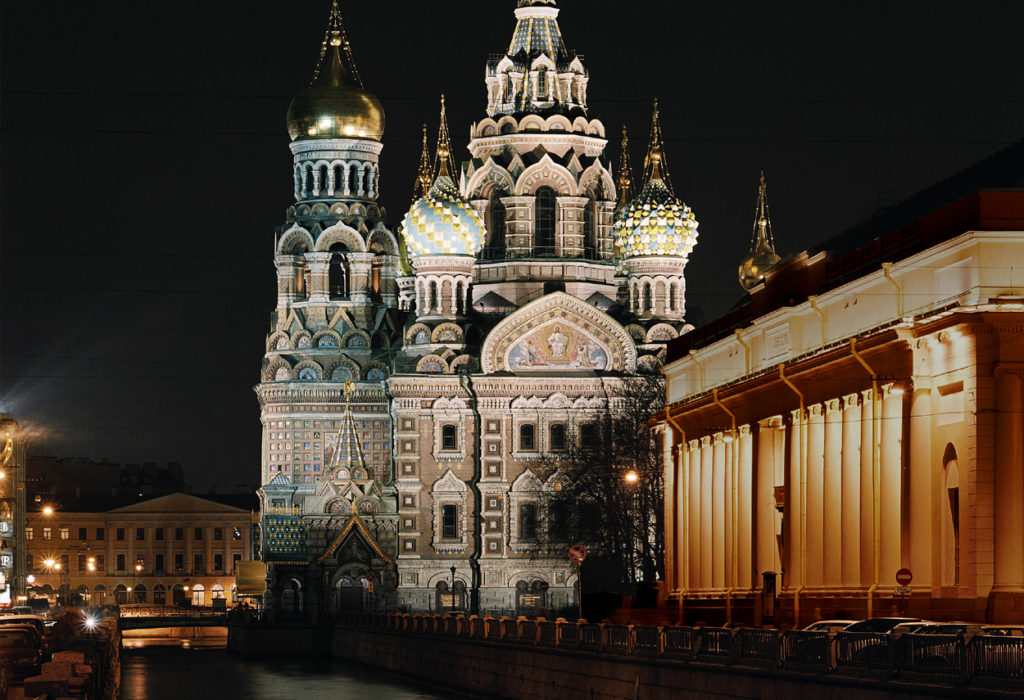
The Church of the Savior on Spilled Blood (Spas Na Krovi) in St. Petersburg features one of the most advanced applications of the method based on the composition of distinct and controlled light beams. The project is based on a fundamental principle: reducing the dimensional proportions of individual projectors while increasing the overall number of sources, thus achieving more uniform and targeted light coverage. This allows each beam to be precisely directed toward the surfaces to be illuminated, avoiding lateral dispersion and minimizing light pollution. The light does not invade the space, but follows it with moderation, respecting the iconographic and material complexity of the façade. The result is a calibrated and discreet system that preserves the integrity of the building and restores its decorative richness with perceptual clarity and environmental control.
In all these cases, the lighting device is no longer conceived as an isolated object, but as an active element of the project, called upon to dialogue with the construction material, its function, and the perceptual rhythm of the space. Light, in Piero Castiglioni's hands, thus becomes a tool for architectural interpretation, capable of activating space, directing the gaze, and restoring environmental and cultural value to the work. In Piero Castiglioni's work, light is never an autonomous presence or an accessory element, but rather constitutes the fulcrum of a complex design method, founded on clearly recognizable operational guidelines.
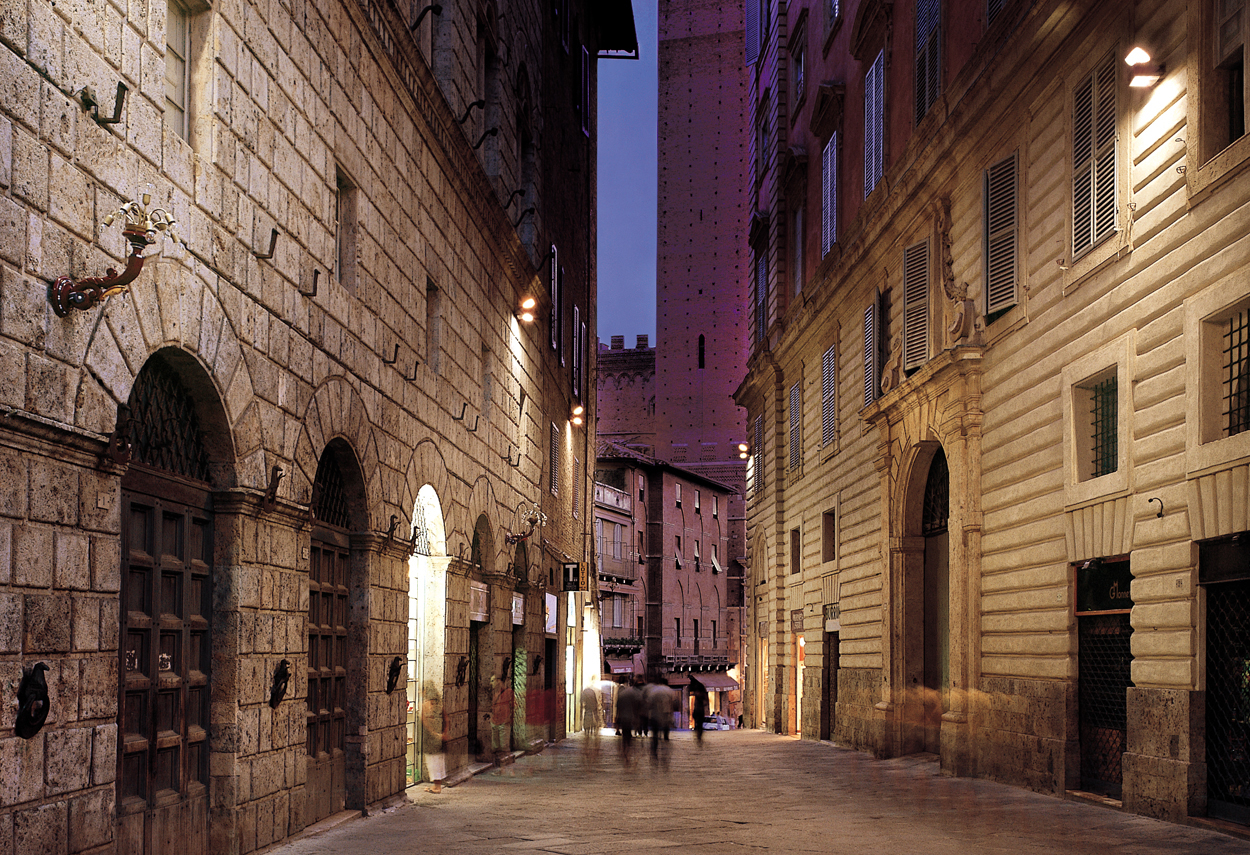
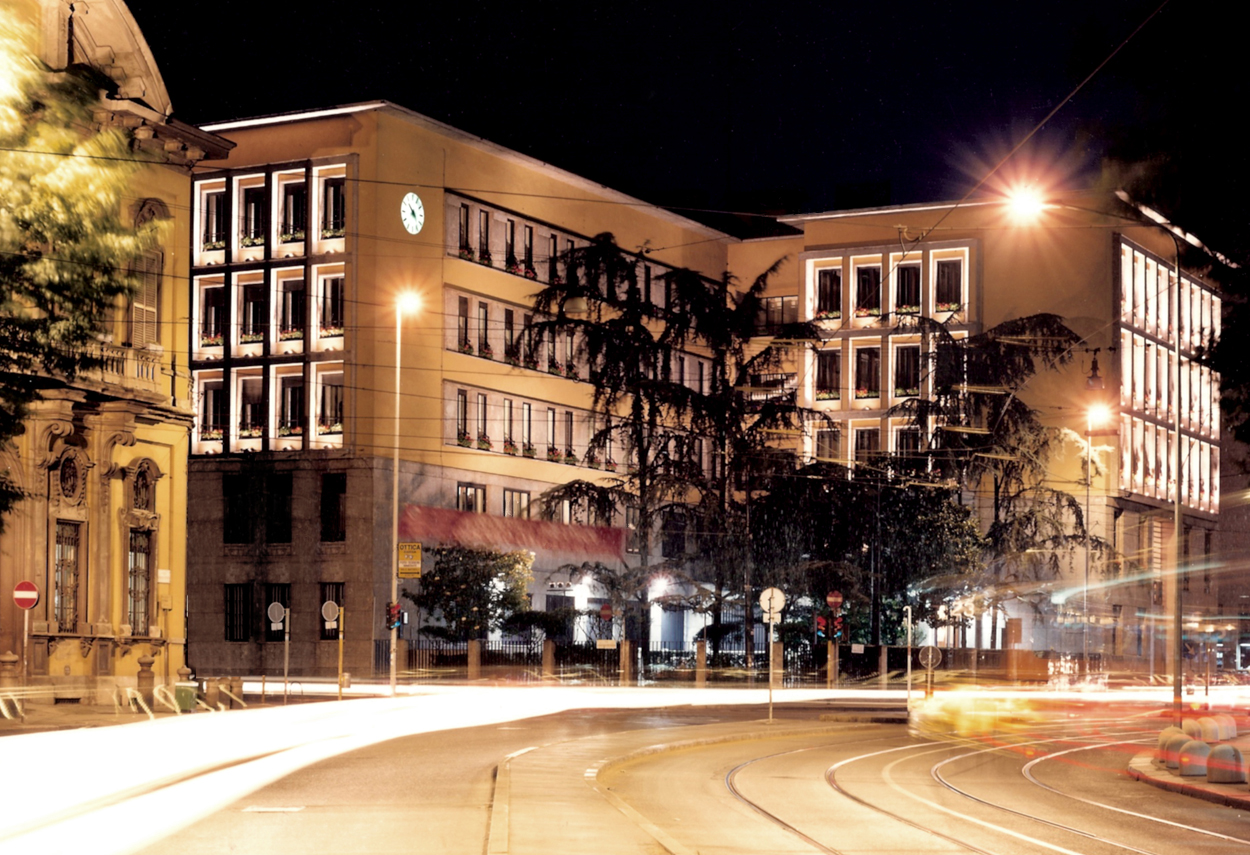
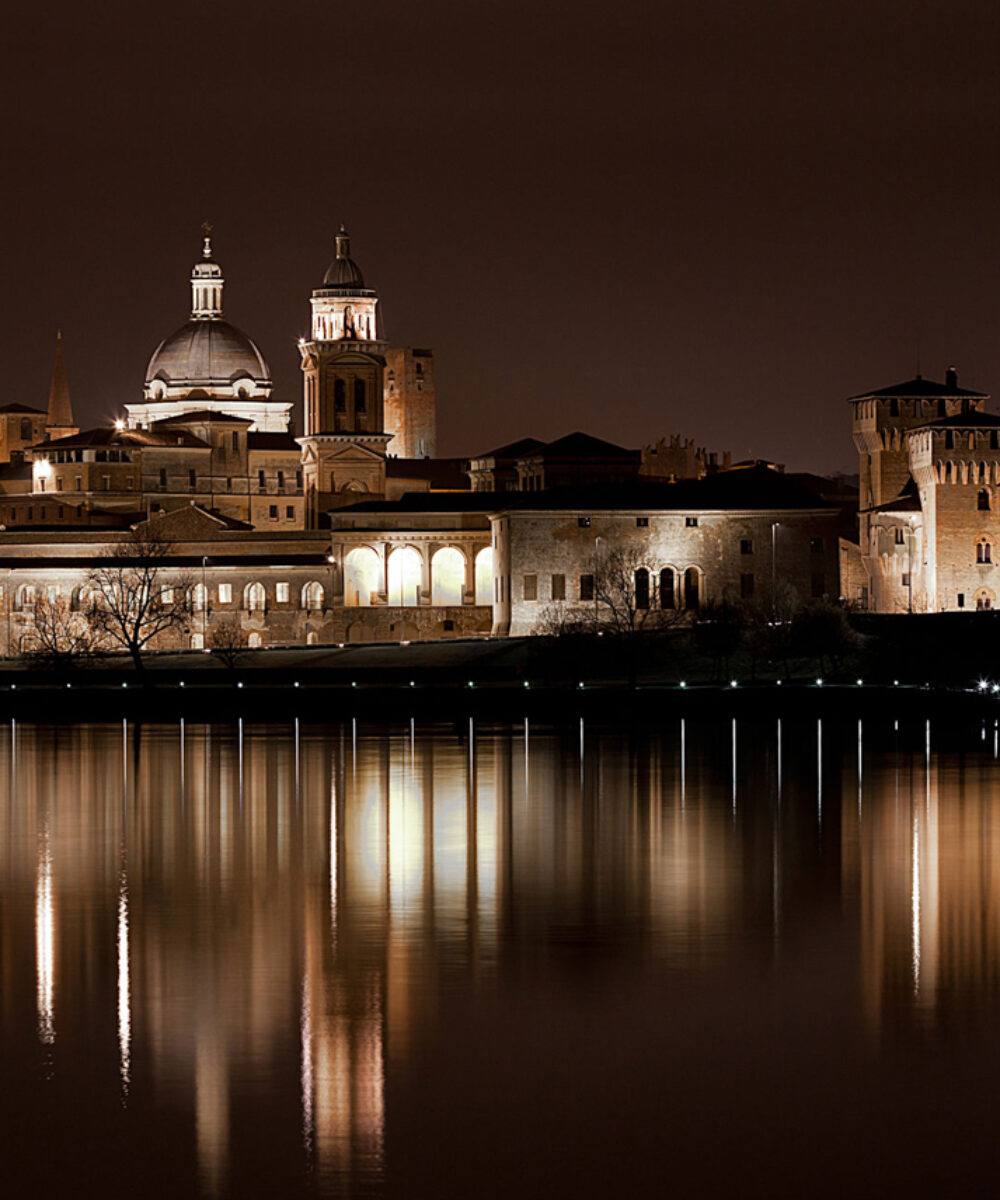
This set of guidelines defines an integrated approach to lighting design, in which light becomes a tool for reading, interpreting, and establishing a relationship between architecture, space, and use. The urban context plays a central role: since the 1980s, Castiglioni has been critically reflecting on the city's nocturnal image, developing projects that prioritize controlled intensity and a dialogue with the context. A prime example is the 1990 project for the AEM headquarters in Milan, where light does not invade but retreats, working on edges, cavities, solids and voids, thanks to the "Edge" projector developed specifically for iGuzzini. A similar logic informs the project on the façade of Palazzo Grassi in Venice, where the subtle, flickering light from submerged projectors reflects the motion of the water, making the architecture a living part of the lagoon landscape.
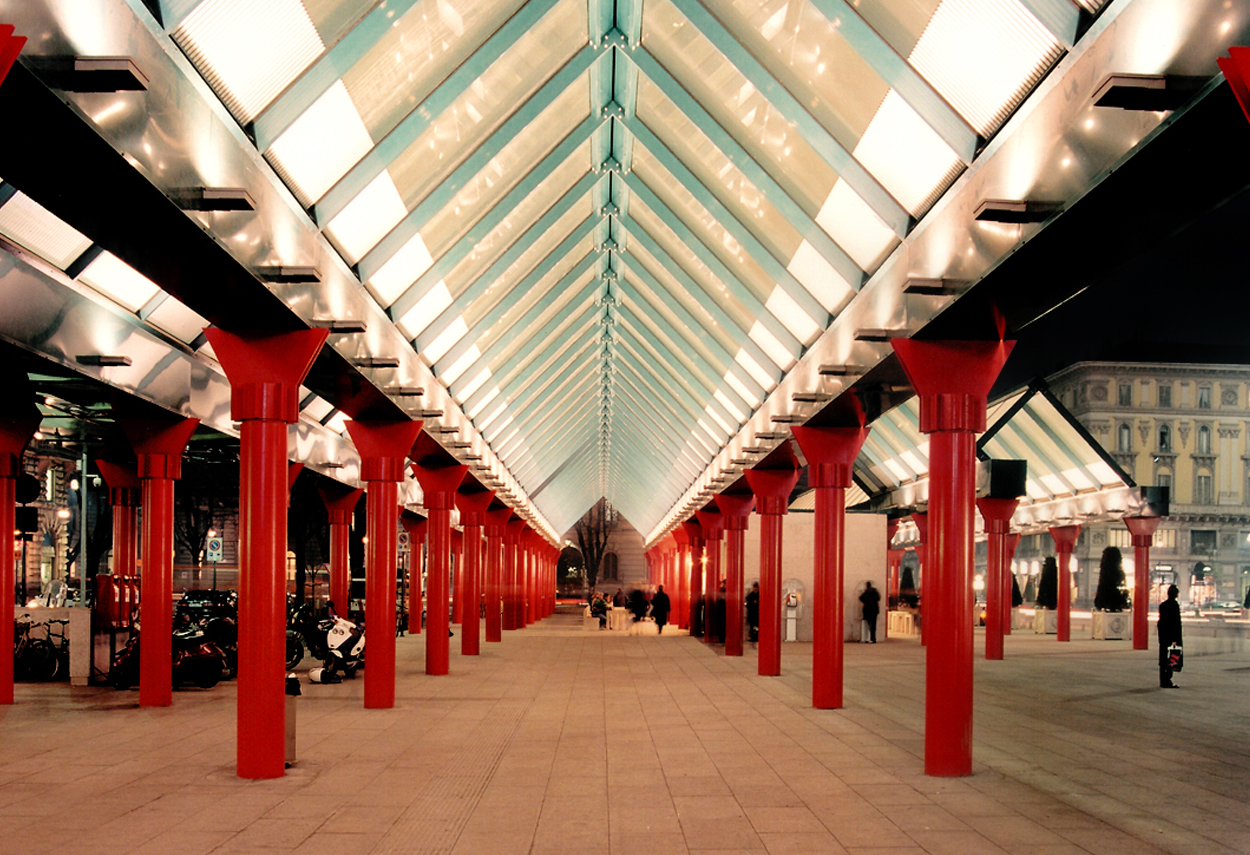
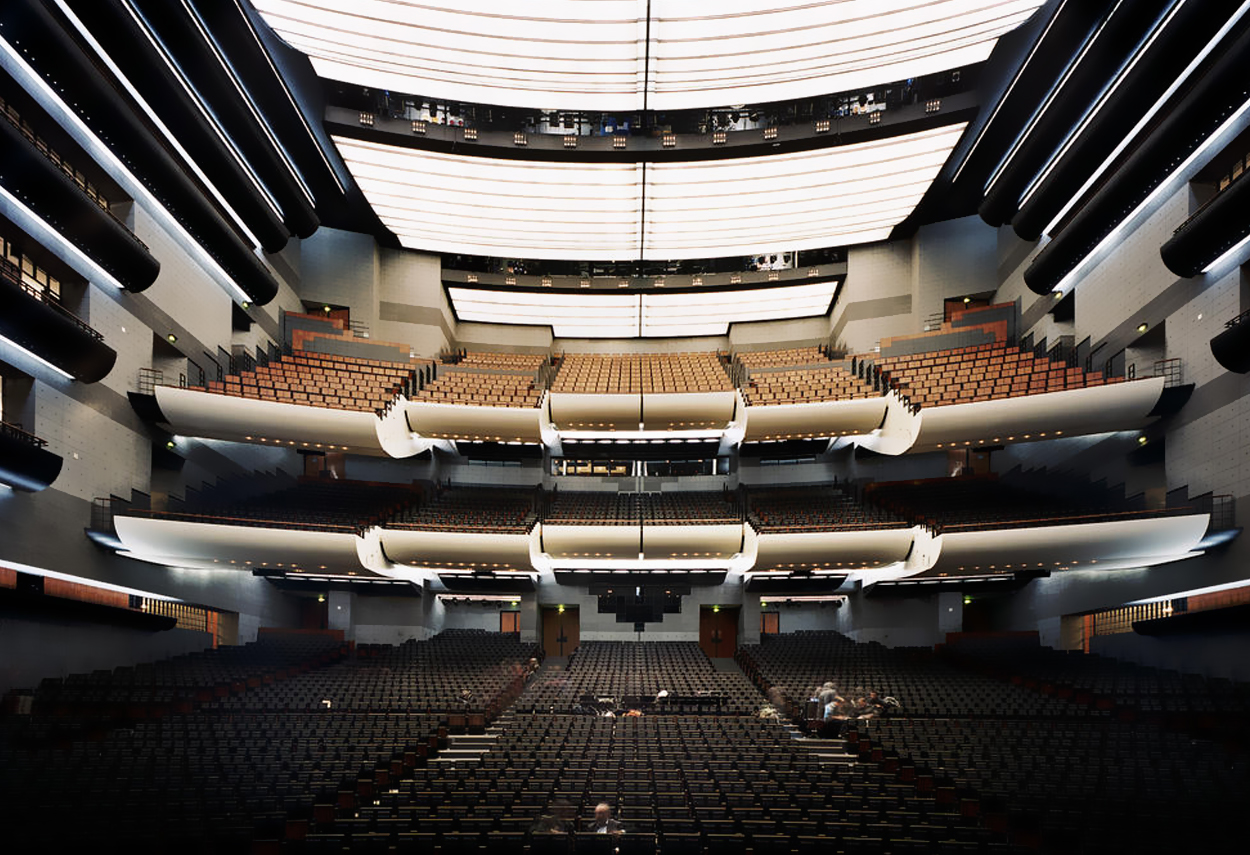
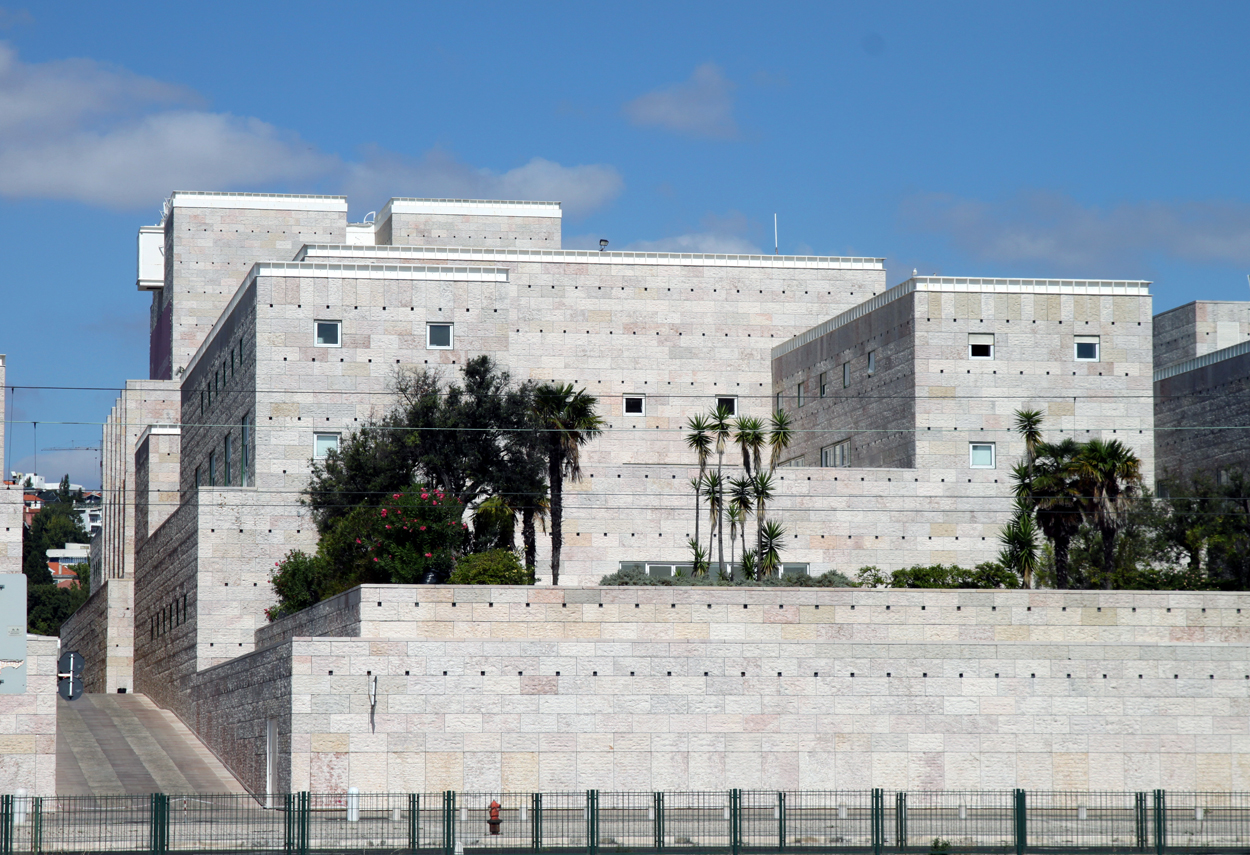
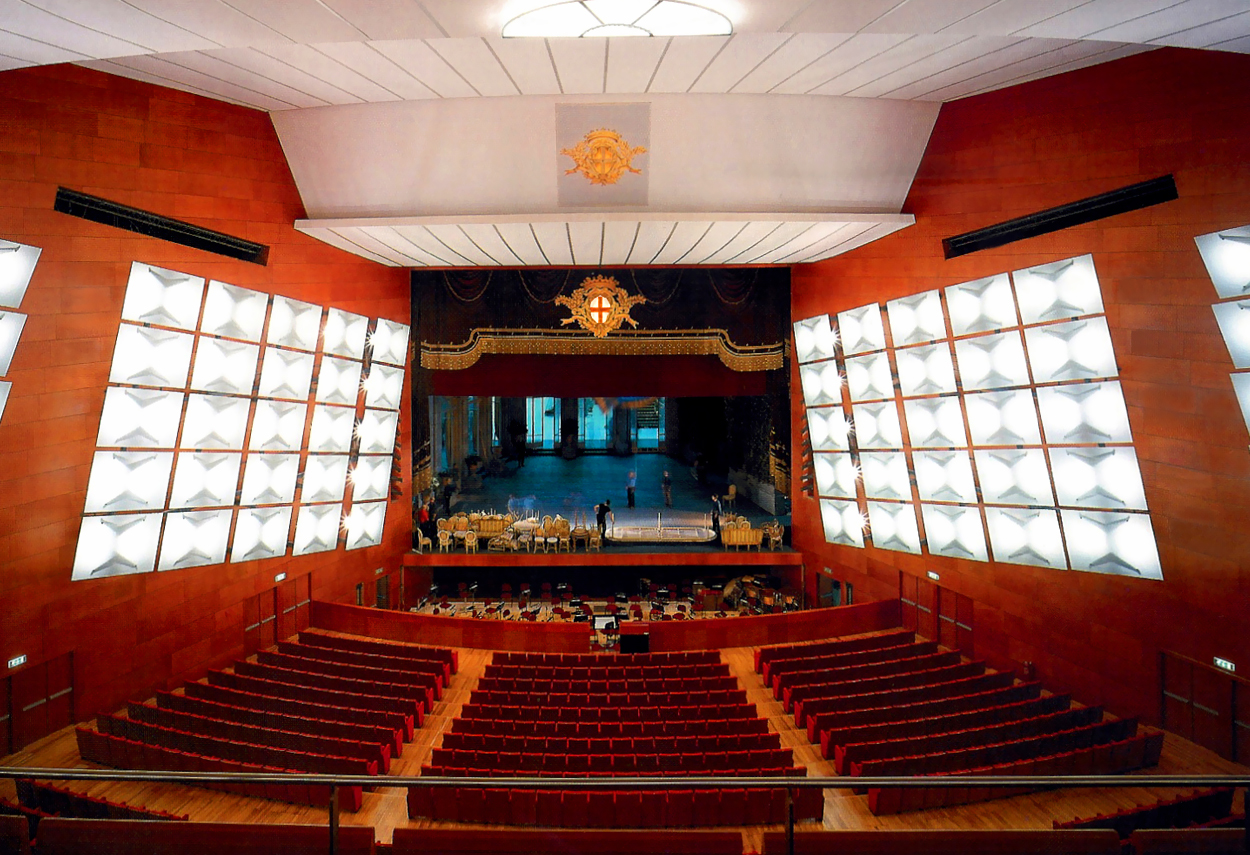
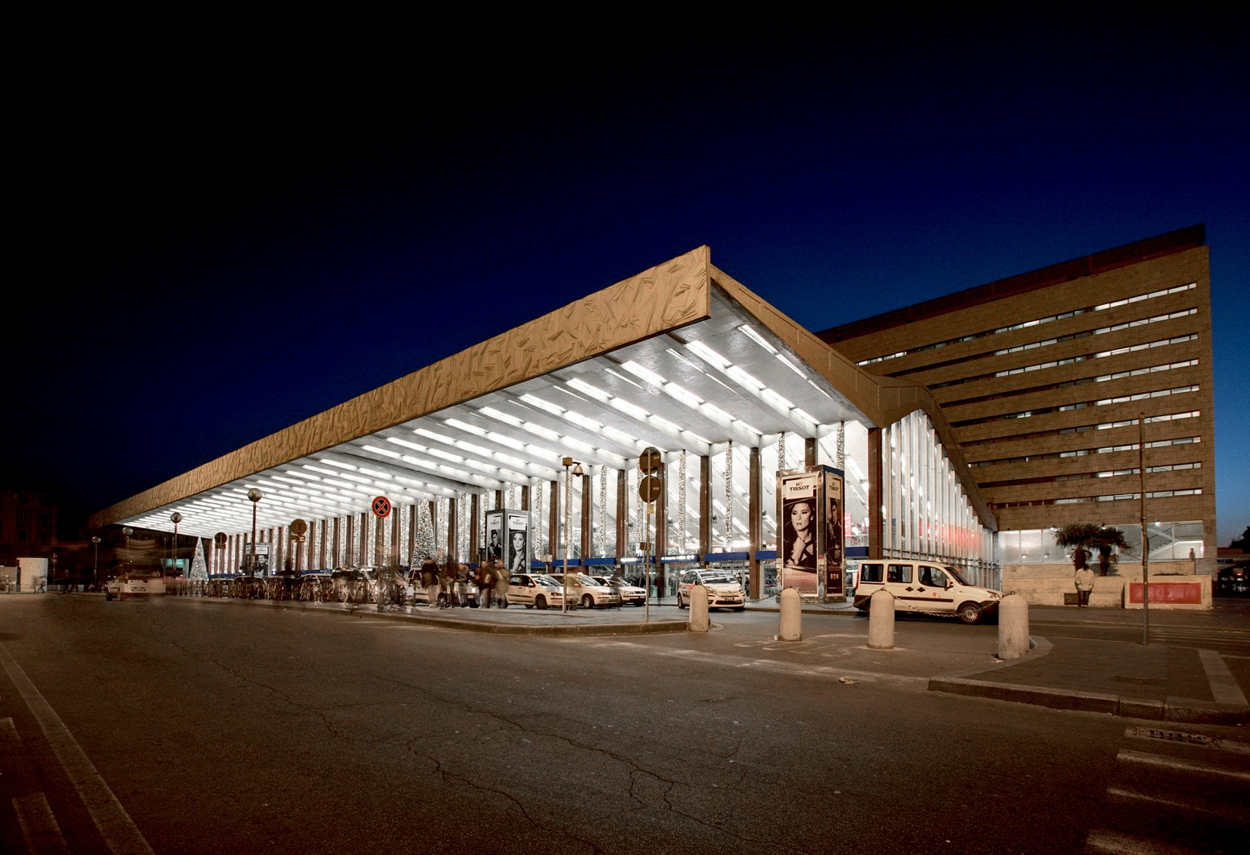
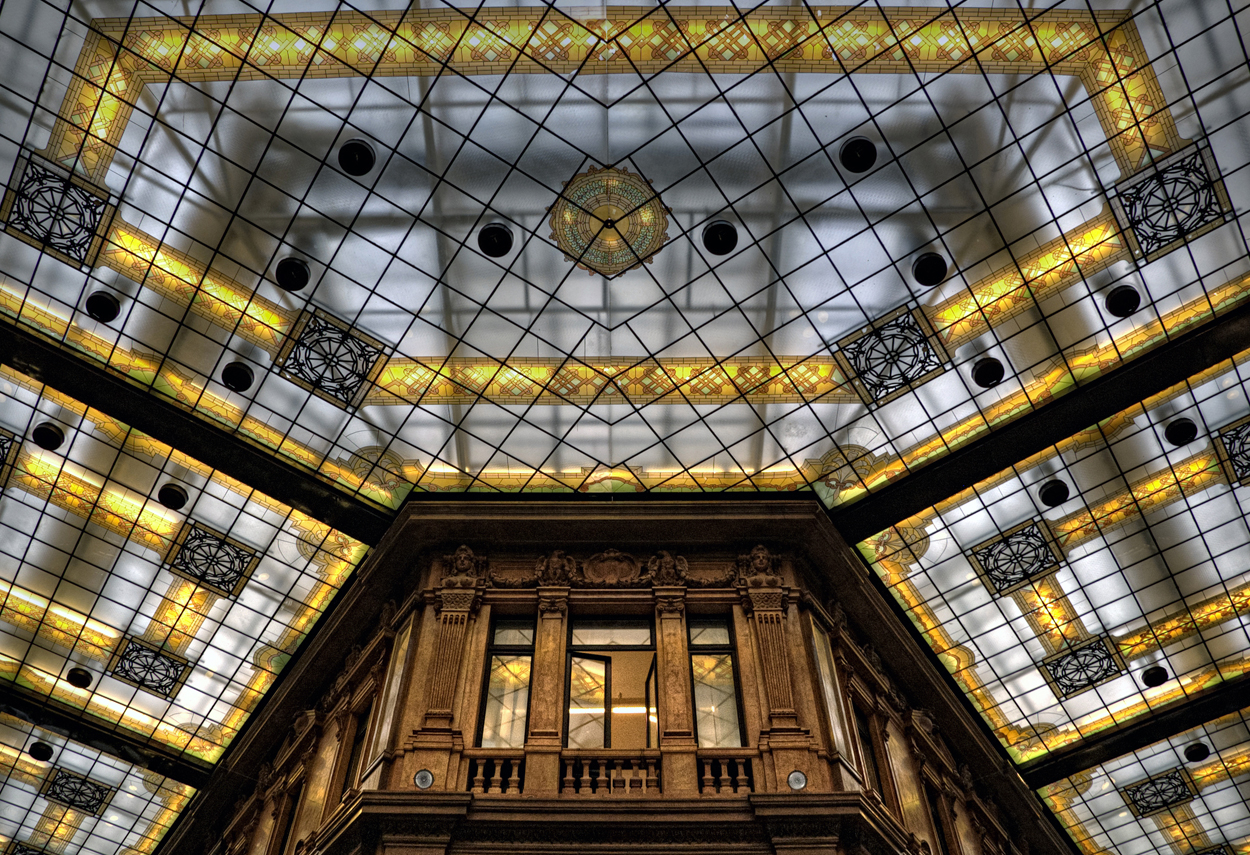
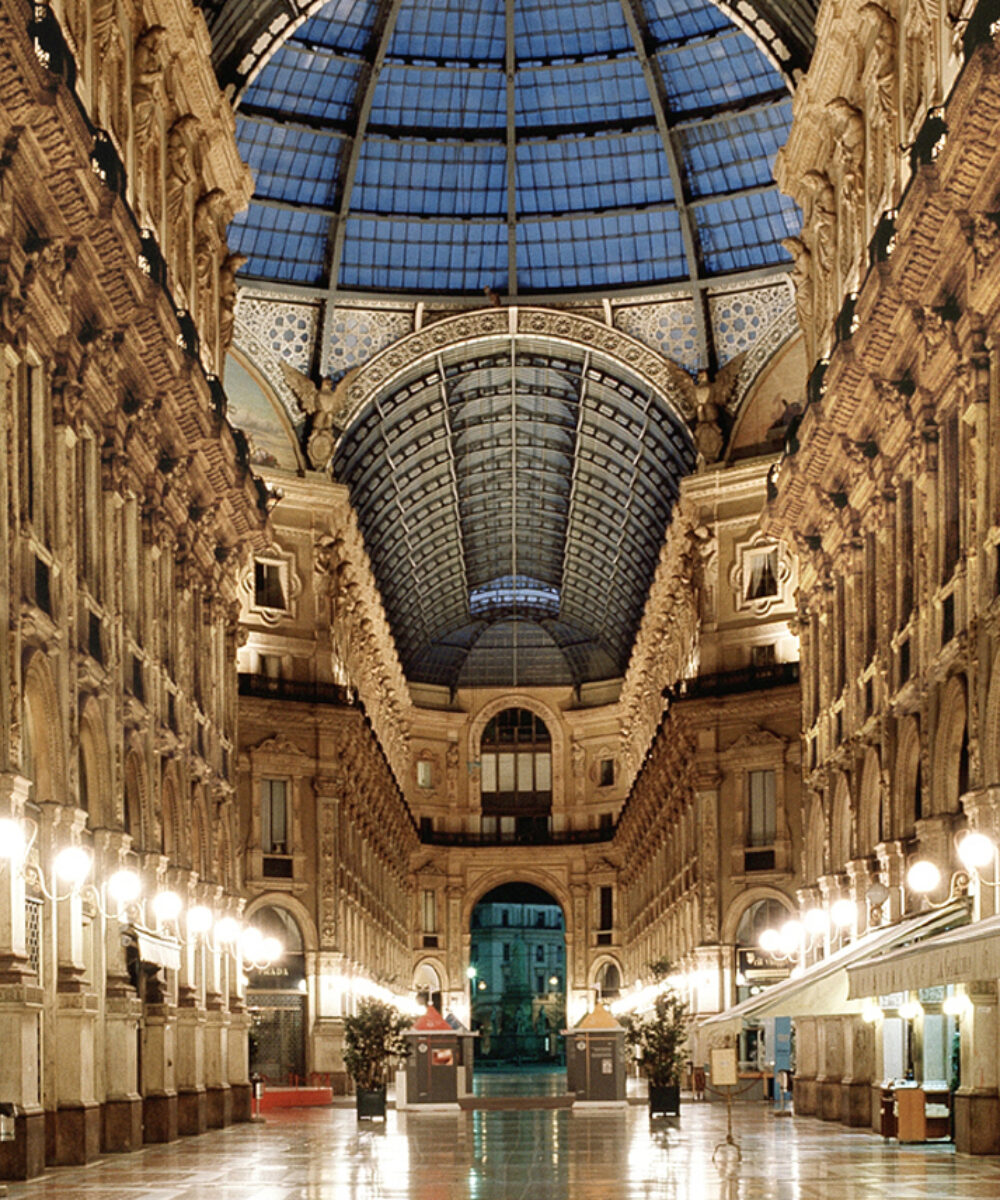
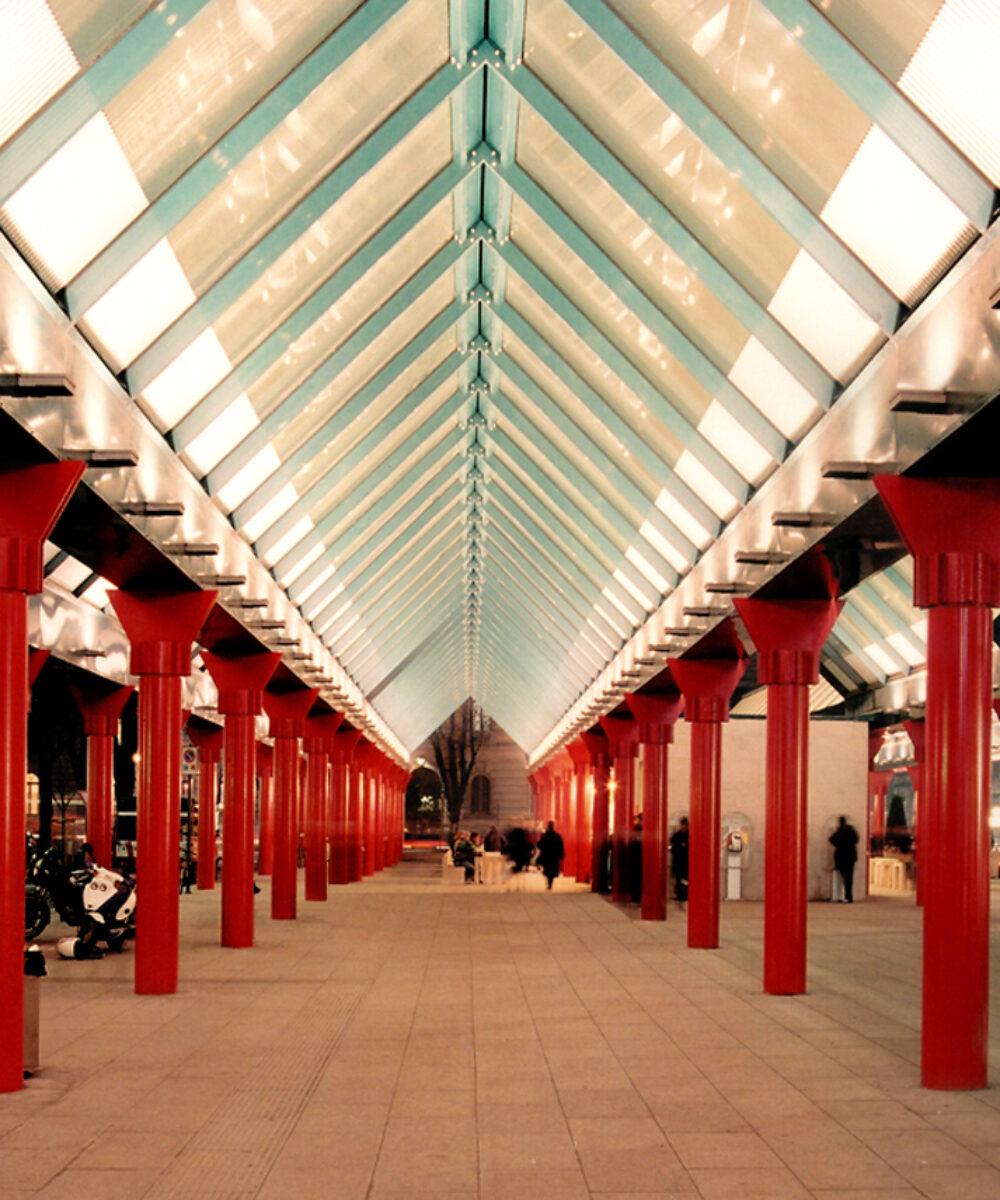
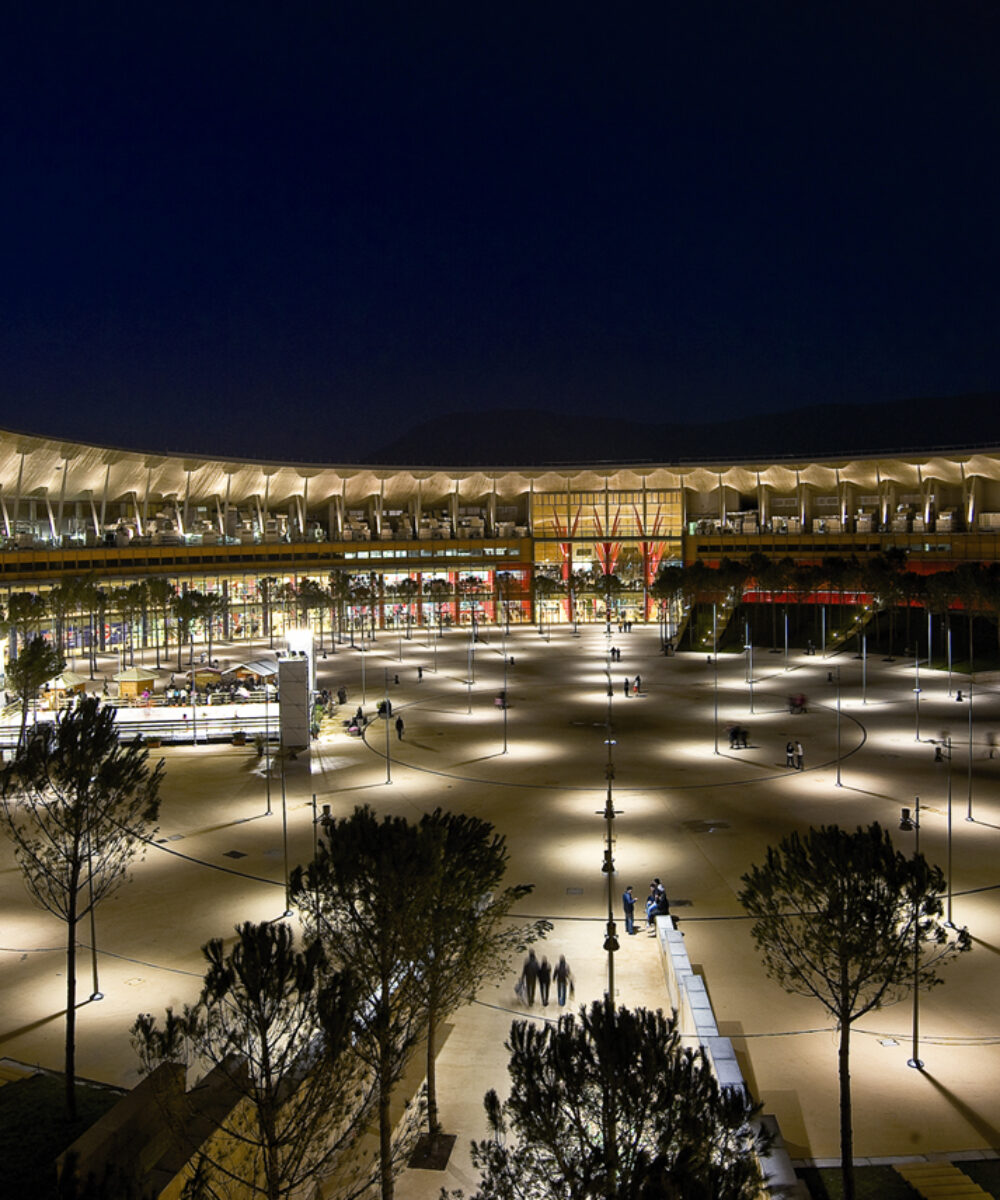
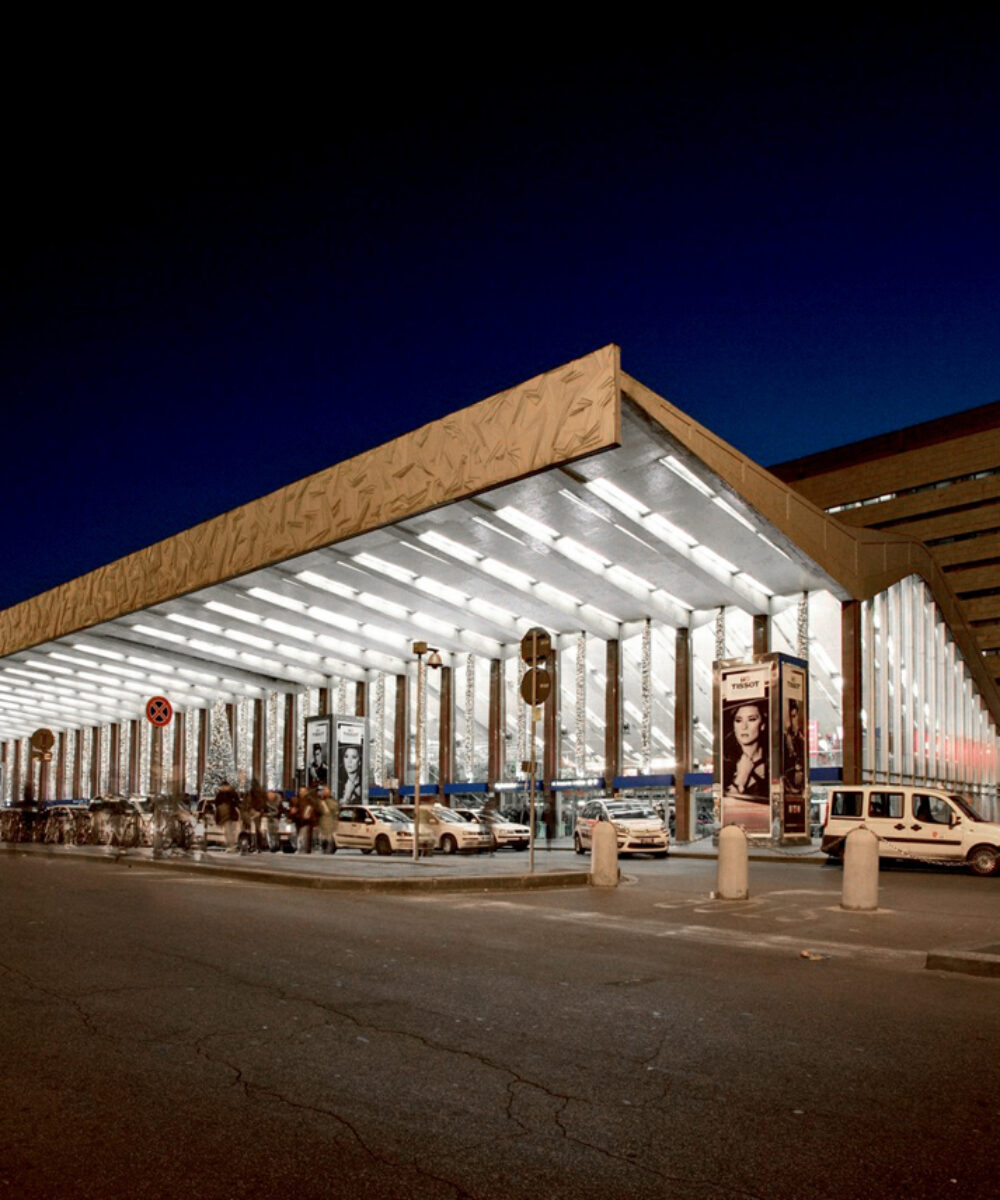
This sensitivity to the environmental value of light recurs in the most recent projects on the Galleria and Corso Vittorio Emanuele in Milan, where light does not assert but accompanies, suggests, and structures. The same principle extends to the relationship with architectural space: in the projects for the Belém Theater, the Banca Popolare di Lodi auditorium, the Opéra de la Bastille, and the Termini station in Rome, light takes on the role of a narrative element. It works on geometries, enhances volumes, articulates paths, and creates depth. It is not simply a support, but a design material capable of expressing the intentions of the architecture.
Finally, in its relationship with function, lighting is shaped by the perceptual and operational needs of users. It is calibrated, discreet yet effective, always capable of adapting to the context. This creates a method that combines technical rigor, aesthetic awareness, and attention to the user experience, transforming light into a cultural device capable of generating meaning, belonging, and quality in the built space.
In these projects, light is neither decoration nor ornamentation: it is architectural material, a means of orientation, hierarchy, and narrative. Its ability to articulate depth, to generate continuity or fractures between parts, to activate relationships between solids and voids, makes it an active and strategic element in defining the interior dimension of the built space.
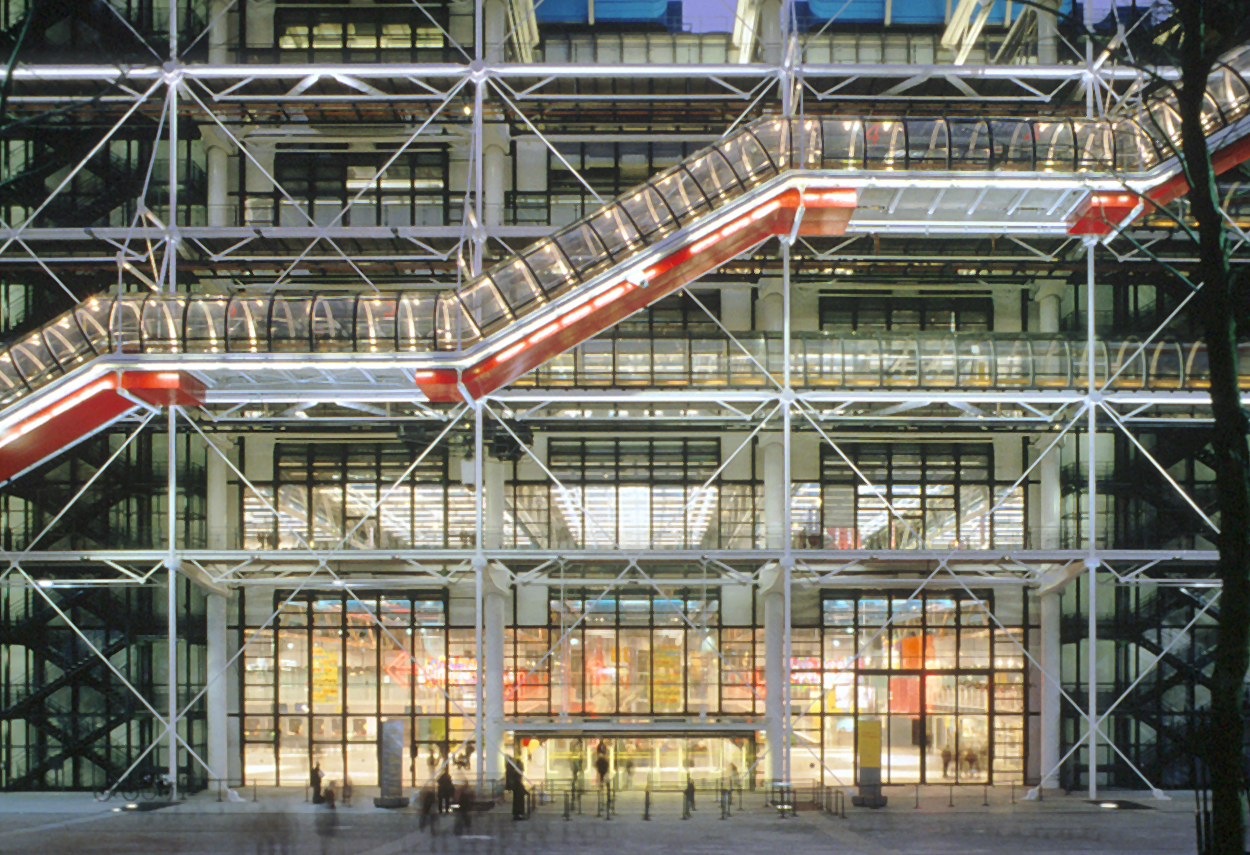
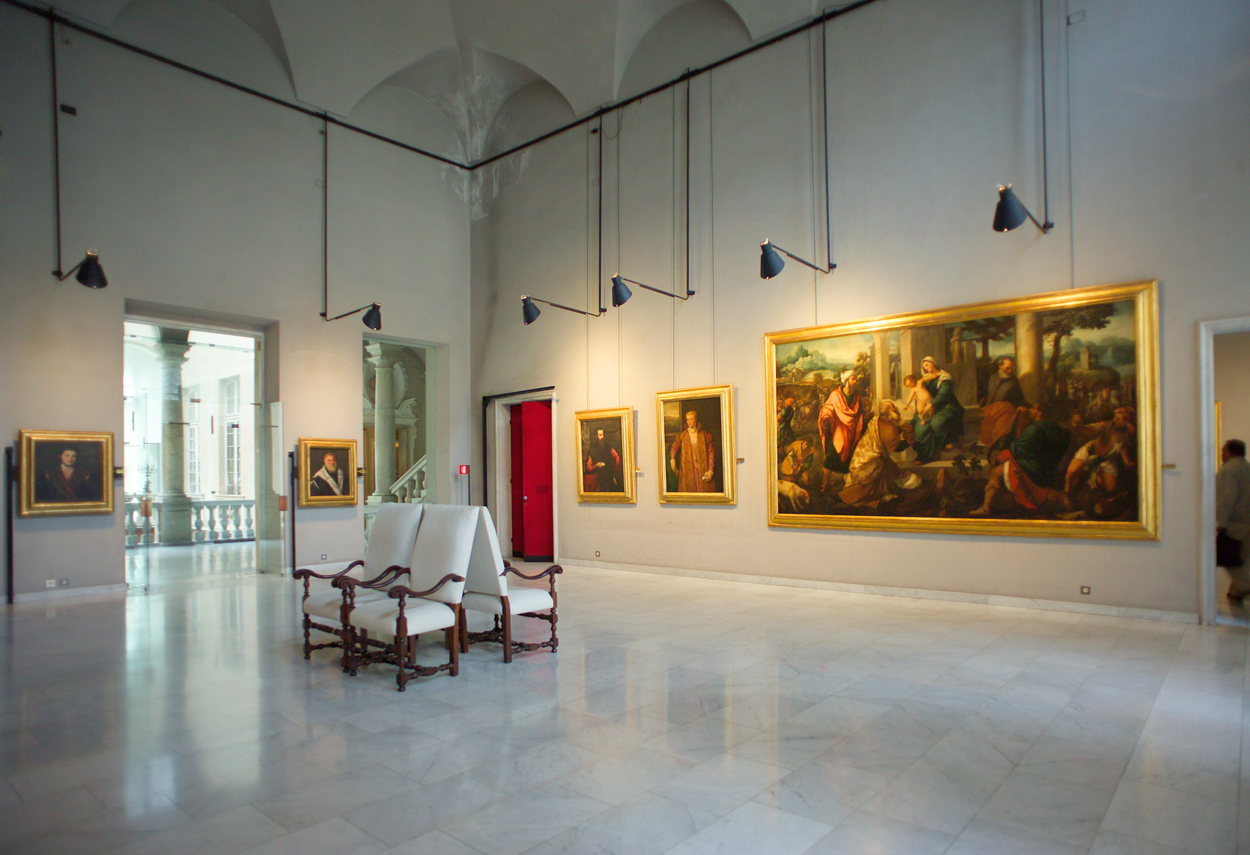
In his approach to lighting design, Piero Castiglioni adopts a critical stance towards any formal excess, favoring a respectful dialogue between illumination, space, and content. This attitude is exemplarily reflected in his approach to light in museum settings, where lighting design engages not only with the architecture, but above all with the artwork and its enjoyment. In the relationship between light and artwork, Piero Castiglioni rejects any form of architectural mannerism. As Dominique Bozo, director of the Musée National d'Art Moderne at the Centre Georges Pompidou, states: "Museum architecture must be modest, at the service of the artwork. In this sense, light becomes a silent presence, a narrative function, a support for vision, without ever imposing itself as an autonomous or spectacular element."
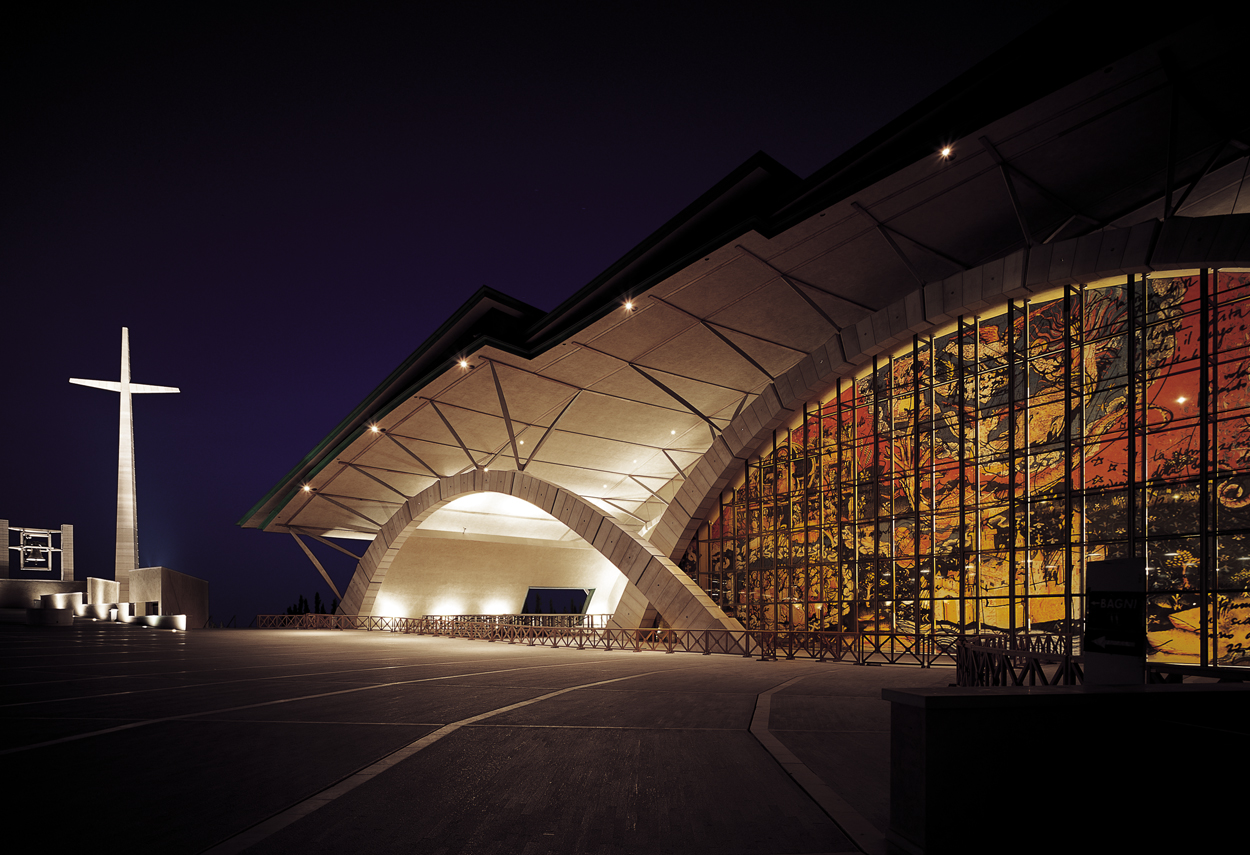
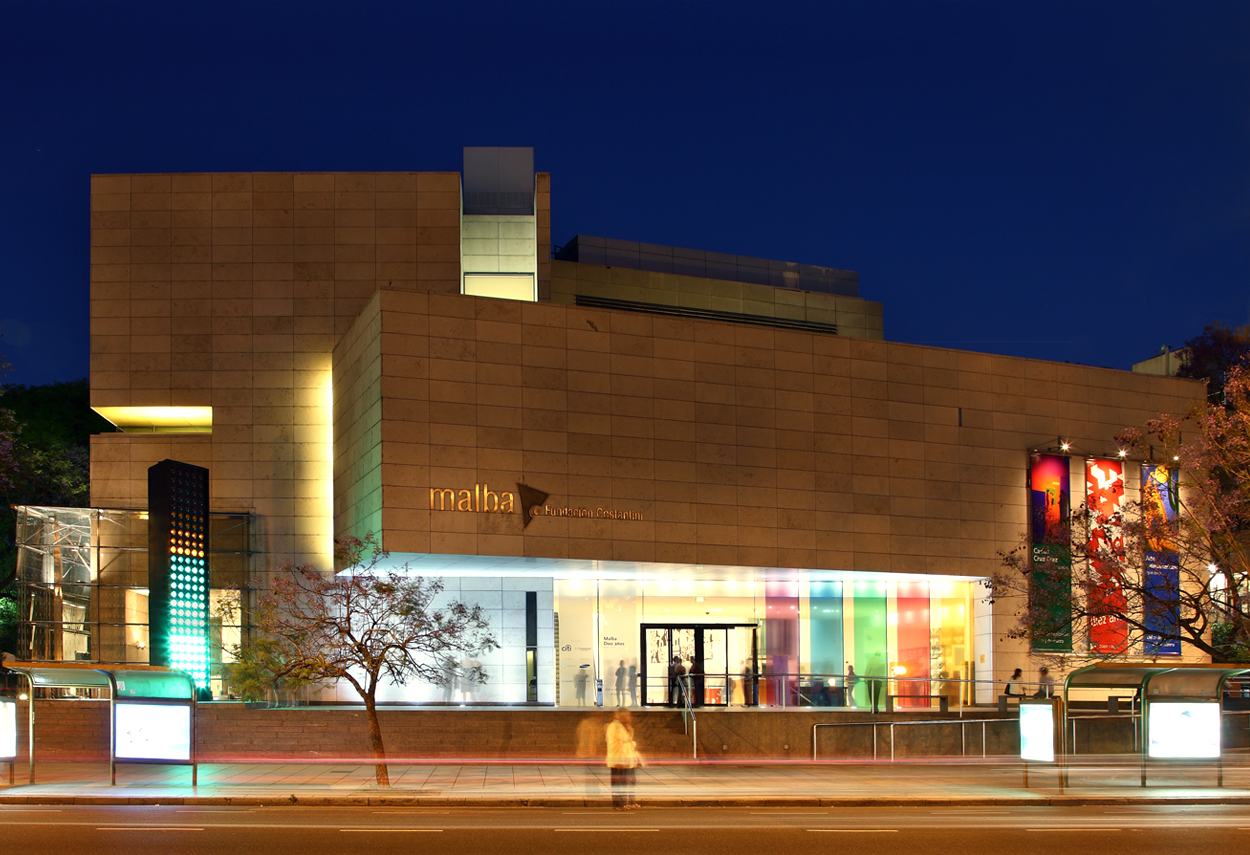
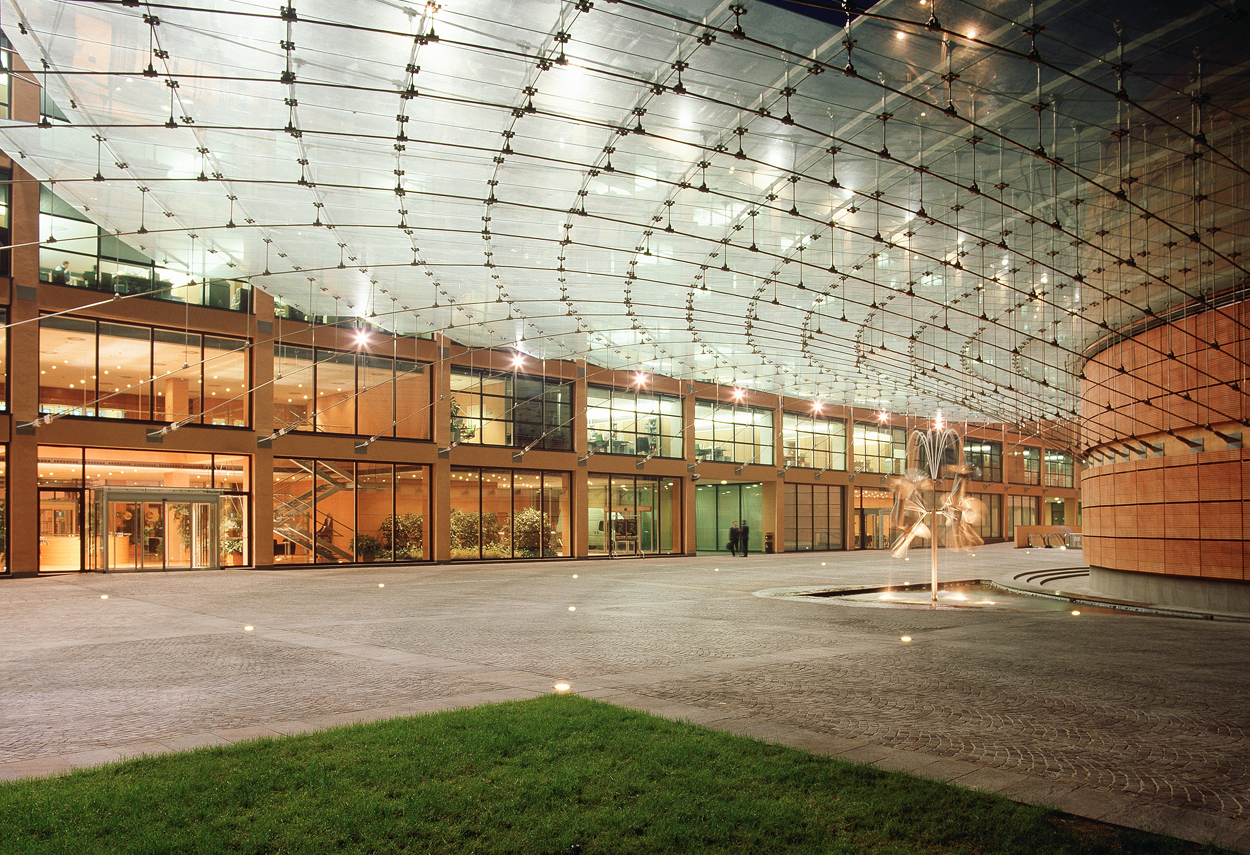
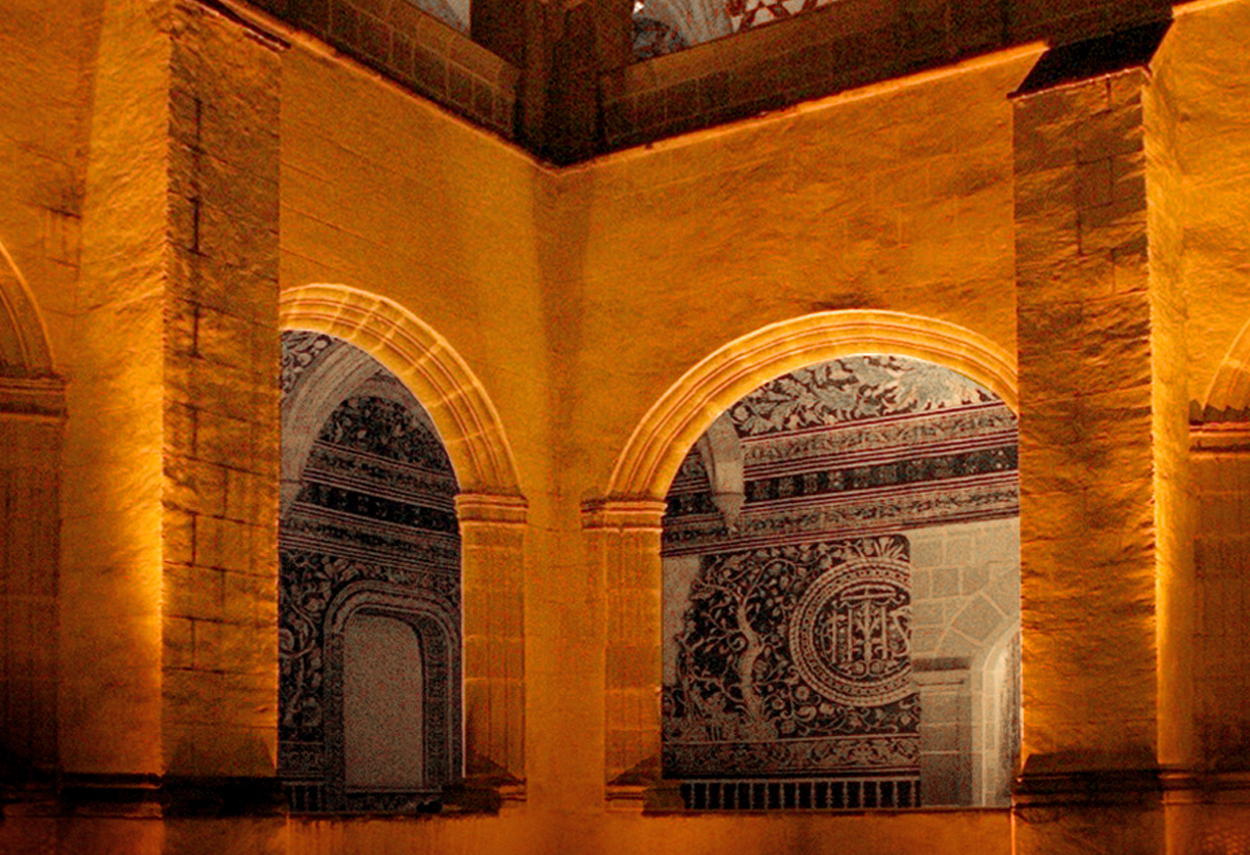
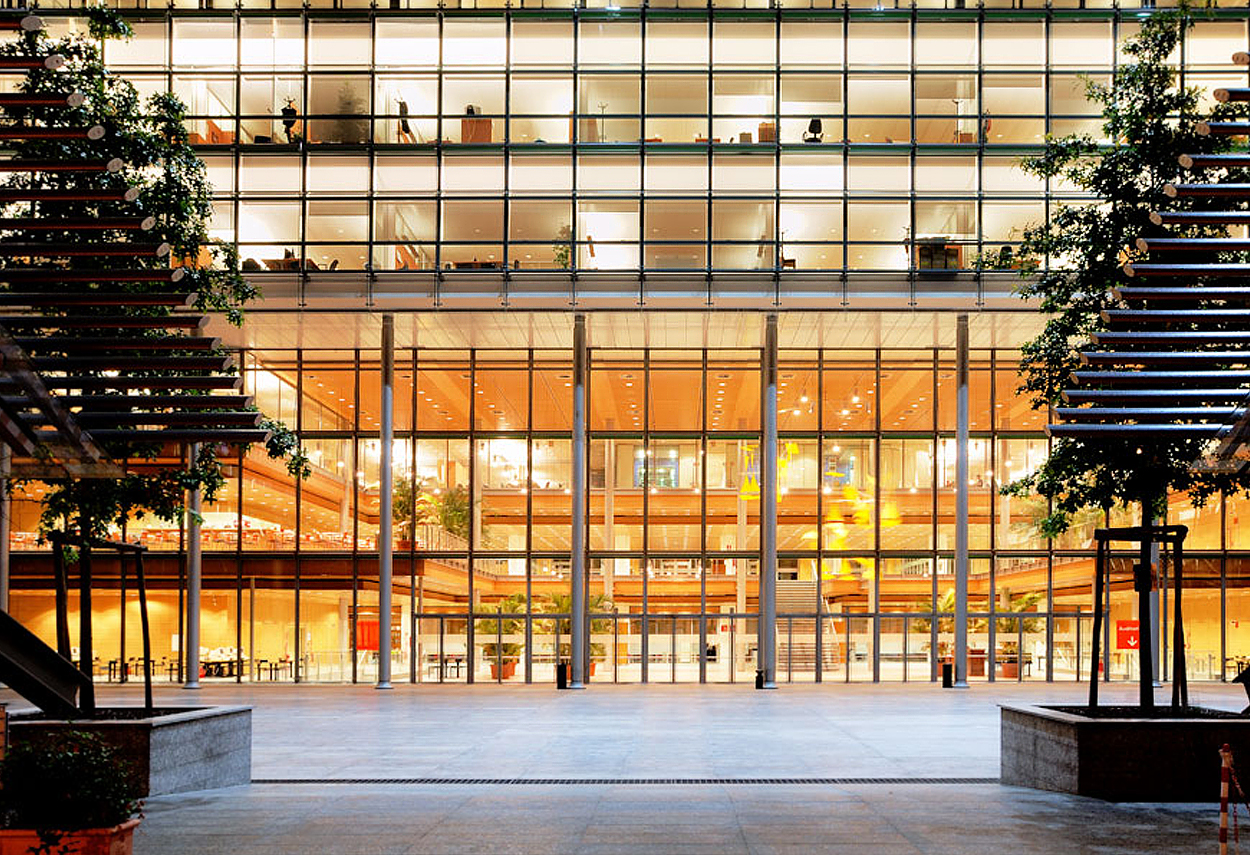
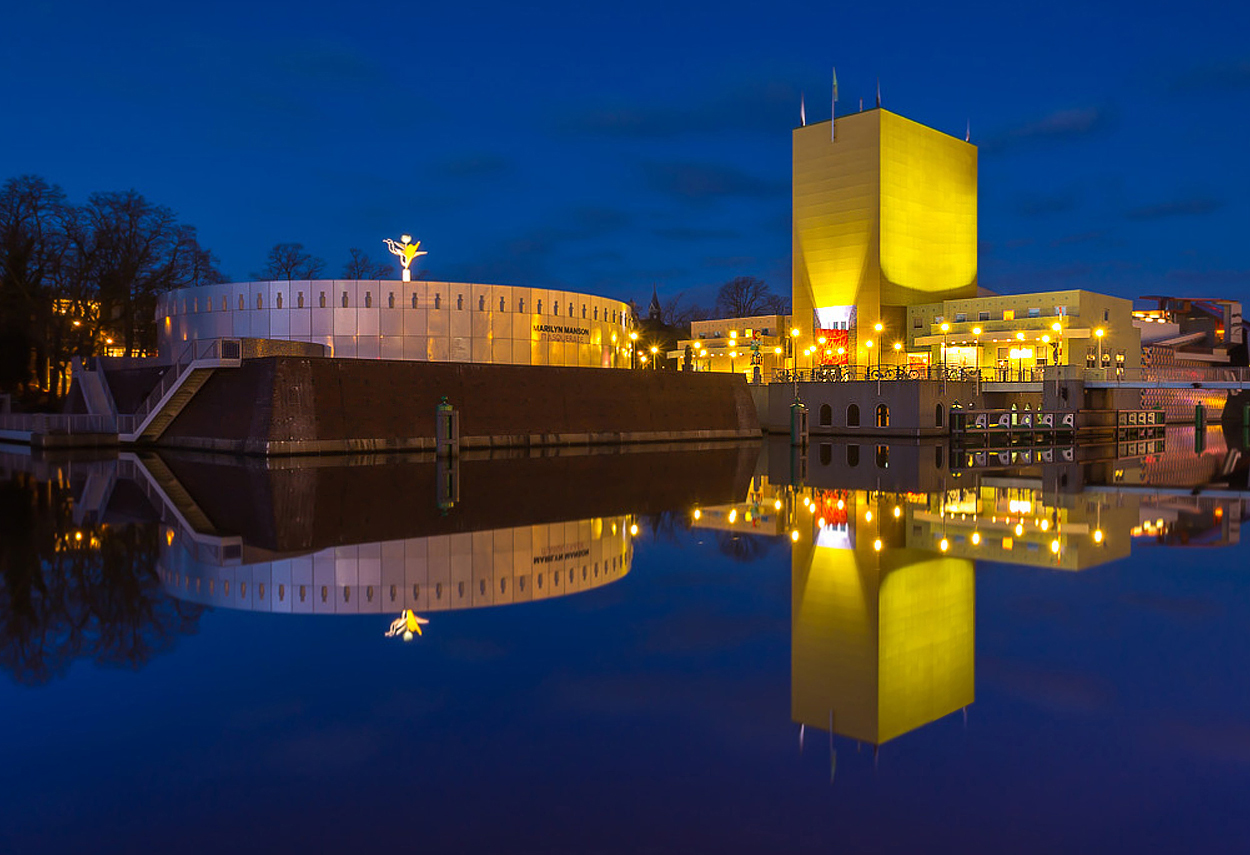
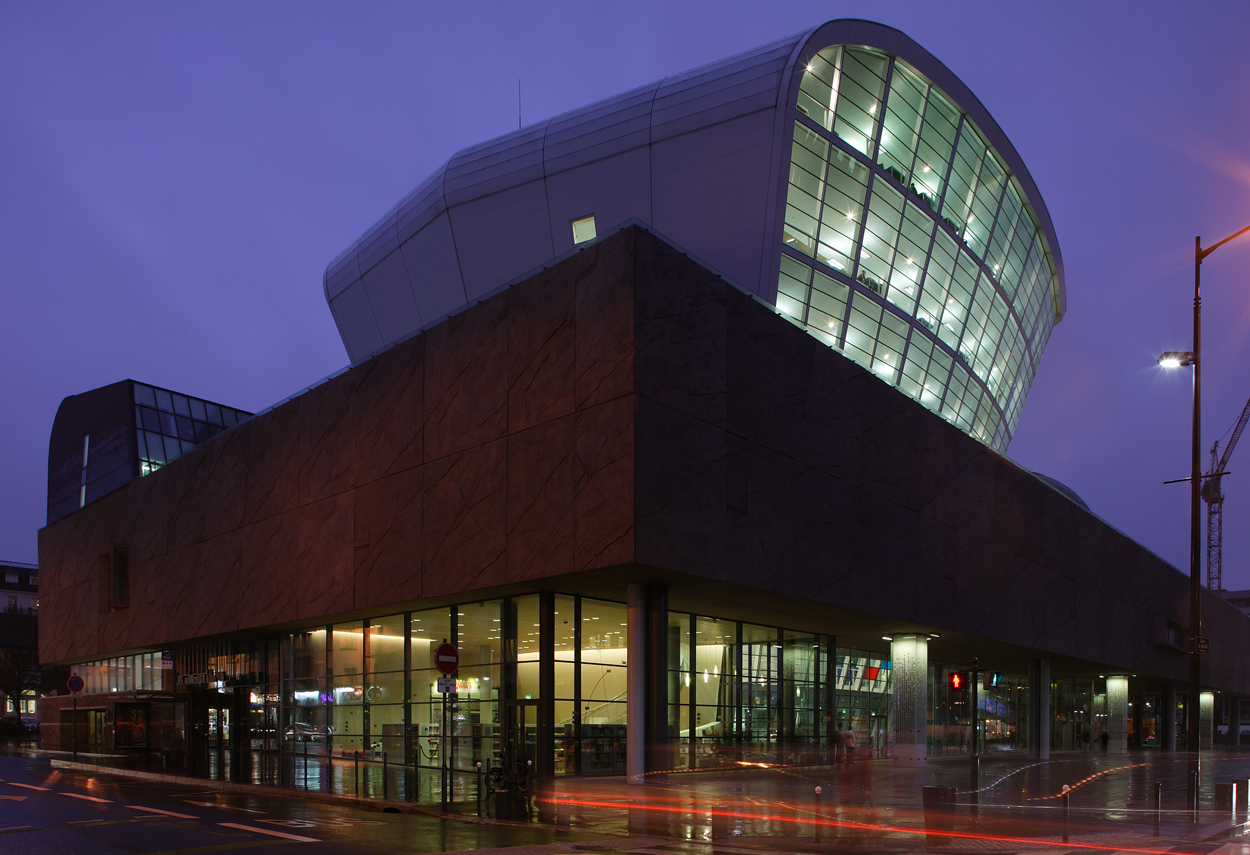
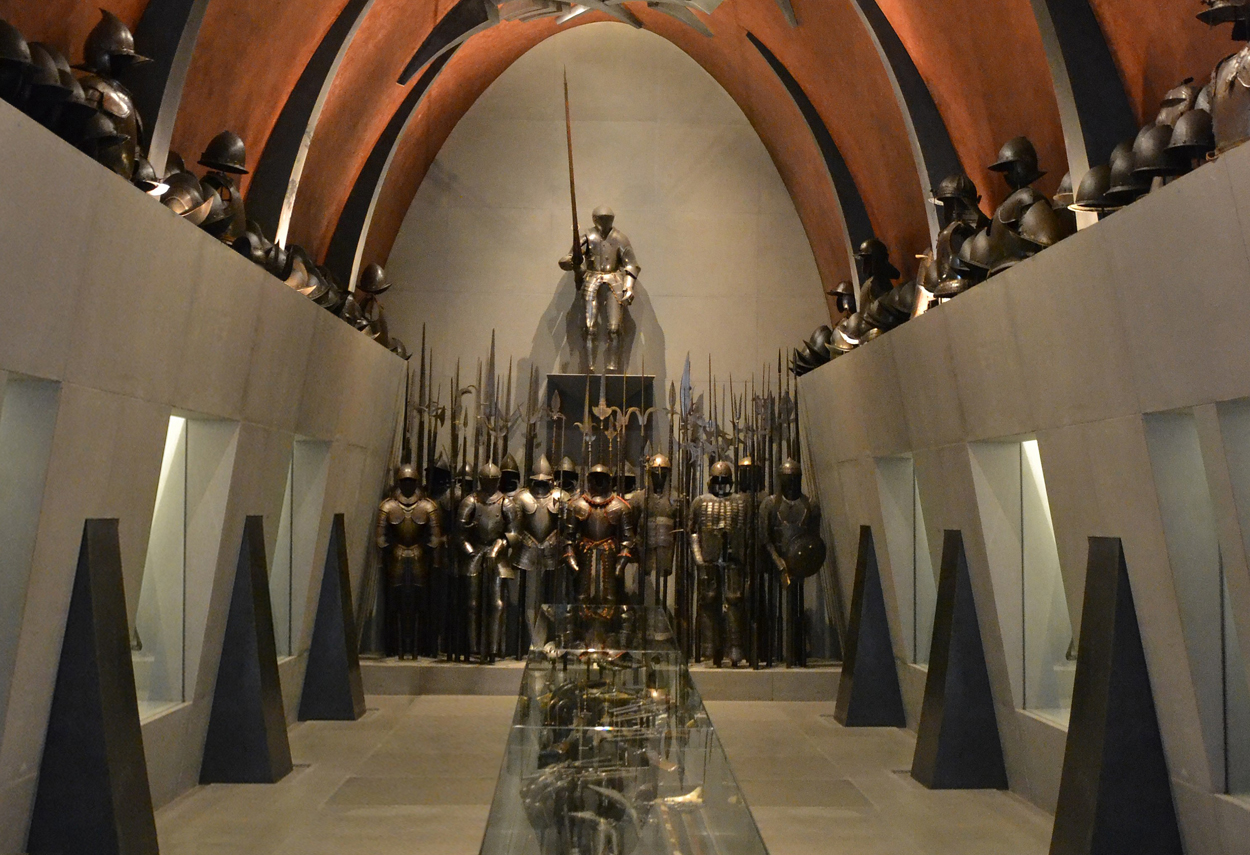
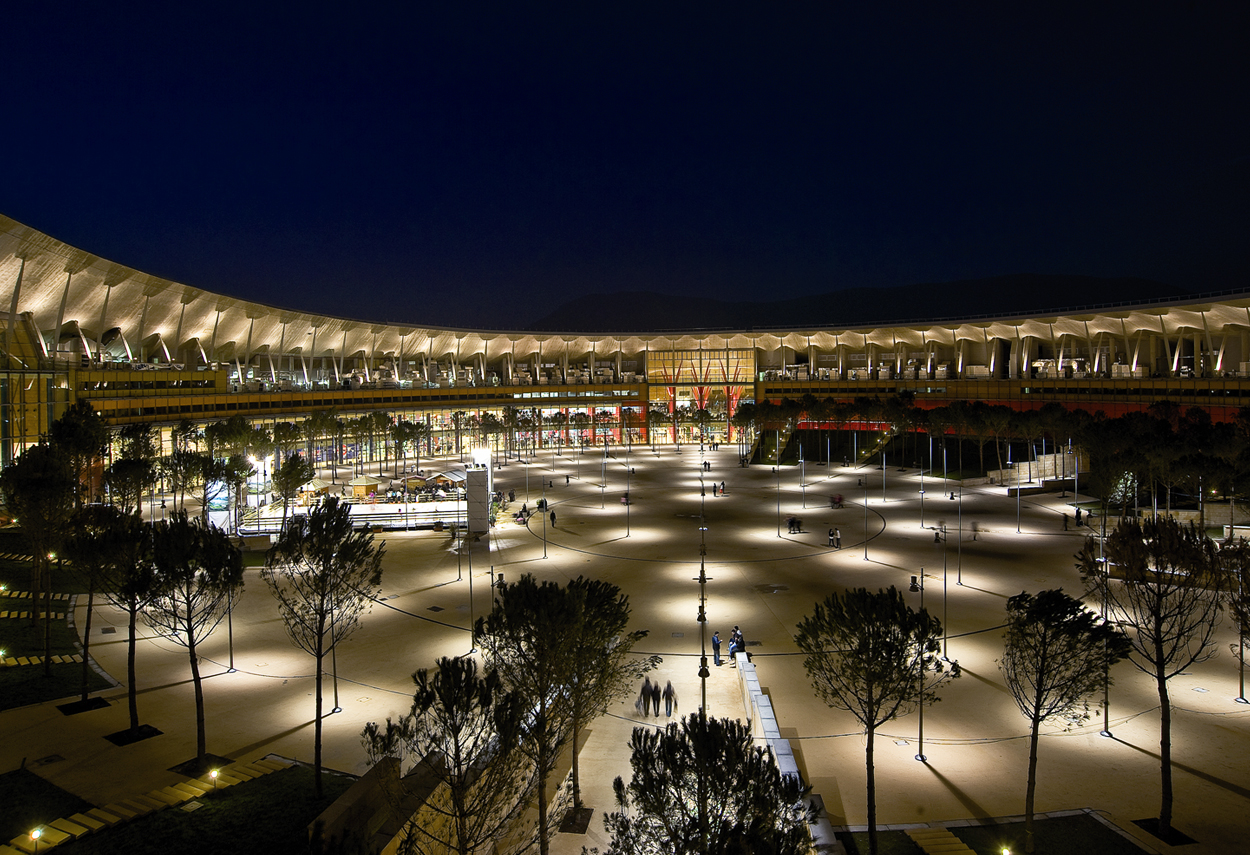
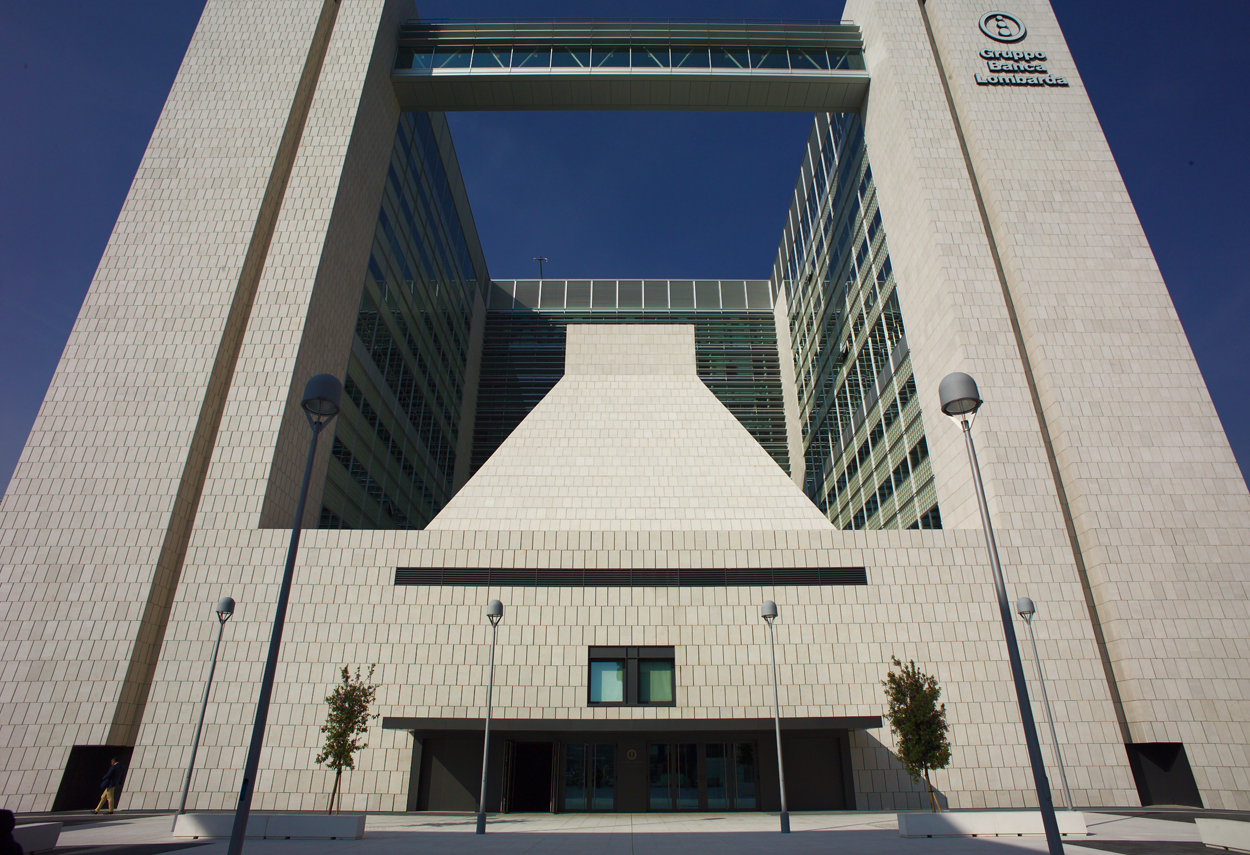
To date, with over a thousand projects completed worldwide, Piero Castiglioni's work encompasses a vast and diverse body of work: exhibition spaces, museums, theaters, public and private buildings, urban infrastructure, restorations, and contemporary architecture. A career spanning over fifty years of continuous activity, marked by a constant dialogue with the technological evolution of light sources and a critical vision of conventional lighting methods.
As evidence of this journey, the studio maintains a project gallery that represents not only a collection of significant interventions but also an operational manifesto of its design method. Each project documents a rigorous yet poetic process, based on spatial analysis, attentiveness to the context, and technical mastery of light, considered as a living, fluid, and structuring material. In Piero Castiglioni's work, each intervention is a critical act, a compositional and ethical choice, restoring light to its fundamental role in the experience of space.
















Piero Castiglioni's work is part of a broader design tradition, deeply rooted in the Italian design culture of the twentieth century, of which he represents one of the most mature and conscious expressions. His vision of light as an architectural material, as a critical tool capable of building meaning, relationships and spatial quality, was not born in isolation, but is grafted onto a shared cultural terrain, fueled by the constant dialogue between architecture, industrial design, applied arts and theoretical reflection on the social role of design.
In this context, light becomes one of the privileged places in which a conception of the project is manifested, understood not as a formal exercise, but as a responsible act, capable of responding to changes in society, to the transformations of living and to new technical and production conditions. Castiglioni's lighting practice, with its balance between methodological rigor and perceptual sensitivity, can thus be read as part of a broader cultural heritage, shared with other masters who have contributed to redefining the relationship between space, object, function and experience.
The transition from the architectural and urban scale to the broader reflection on twentieth-century Italian design allows us to understand how light, far from being a specialized or sectoral theme, has represented – and continues to represent – a transversal device, capable of crossing disciplines, languages and historical periods. It is in this context that the contribution of the great Italian designers is configured as a common heritage, made up of method, ethics and interpretative skills, in which light takes on a central role in the construction of the quality of space and the experience of living.
Other Master pages
This section brings together a series of historical, critical, and cultural insights into the figures and contexts that contributed to the birth and establishment of lighting design as an autonomous discipline. The content explores Piero Castiglioni's role in defining a design approach in which light becomes a structural part of architecture, and the experimental origins of Italian lighting design through the research of Livio Castiglioni, in which light and sound are configured as immaterial languages of the project.
The section also explores the contribution of the Castiglioni brothers, tracing their cultural journey from 1930s Milan to the development of Italian industrial design, and analyzes the central role of the Studio on Via Presolana as a laboratory for experimentation and training for generations of lighting designers.
The overview is rounded out with a reflection on the great masters of design, from rationalism to postmodernism, highlighting the cultural and methodological legacy that has redefined the relationship between light, space, and living in contemporary design.