Lighting and Circadian Rhythm: Scientific Discoveries and Advanced Technologies
Health-oriented lighting design between science, norm and perception
After analyzing the color rendering as a key element for the perceptive and sensory quality of light, it is evident that contemporary lighting design can no longer be limited to the visual representation of objects alone. Light, in fact, is not only a vehicle of visual information, but acts in depth on human biology, modulating fundamental physiological processes. In this context, a new design paradigm is affirmed, in which the percipital and chronobiological dimensions converge.
Today, the design of light must deal with the circadian needs of the human body, recognizing the influence that the light spectrum, intensity and temporal variation of light exert on the neuroendocrine system and on the synchronization of life rhythms. The relationship between light and health thus shifts from the perceptual to the physiological level, making it necessary to integrate visual performance parameters with indicators related to melanopic stimulation and chronobiology. Starting from these premises, a reflection on the functioning of the circadian clock and the role of light in its regulation is now open, with the aim of understanding how lighting can become an active tool for well-being and biological synchronization.
The circadian rhythm is an endogenous biological cycle lasting about 24 hours, deeply rooted in human physiology, which regulates a wide range of vital functions, including the sleep-wake cycle, the secretion of hormones such as melatonin and cortisol, body temperature, metabolism, blood pressure and levels of cognitive alertness. Although generated internally, this rhythm requires constant alignment with the external environment through temporal signals called zeitgeber, among which light is the most powerful and influential. The natural alternation between light and dark therefore acts as a synchronization mechanism between internal biological time and external astronomical time, ensuring the evolutionary adaptation of the human organism to the earth's cycles of rotation and brightness.
The molecular basis of this system has been clarified thanks to the research of Jeffrey C. Hall, Michael Rosbash and Michael W. Young, awarded the Nobel Prize in Medicine in 2017. Through the study of the fruit fly, Drosophila melanogaster, the three scientists isolated the period gene (per) and subsequently discovered the role of other key genes such as timeless (tim), clock (clk) and cycle (cyc). The proteins encoded by these genes interact with each other in a negative feedback regulatory circuit known as the Transcription-Translation Feedback Loop (TTFL), generating cyclic oscillations in gene expression with a periodicity close to 24 hours. This mechanism allows organisms to anticipate environmental changes and adapt their biological functions to external rhythms, even in the absence of direct light stimuli.
In humans, circadian rhythms are generated at the cellular level in all tissues, but are orchestrated by a central control center located in the suprachiasmatic nucleus (SCN) of the anterior hypothalamus. This small aggregate of about twenty thousand neurons acts as a biological metronome, receiving light information from the retina through the retino-hypothalamic tract and distributing synchronising temporal signals to the rest of the body via neuroendocrine and autonomic mechanisms. The SCN modulates the secretion of melatonin by the pineal gland, inhibiting it in the presence of light and promoting it during darkness, thus determining the consolidation of the nocturnal phase of the circadian rhythm.
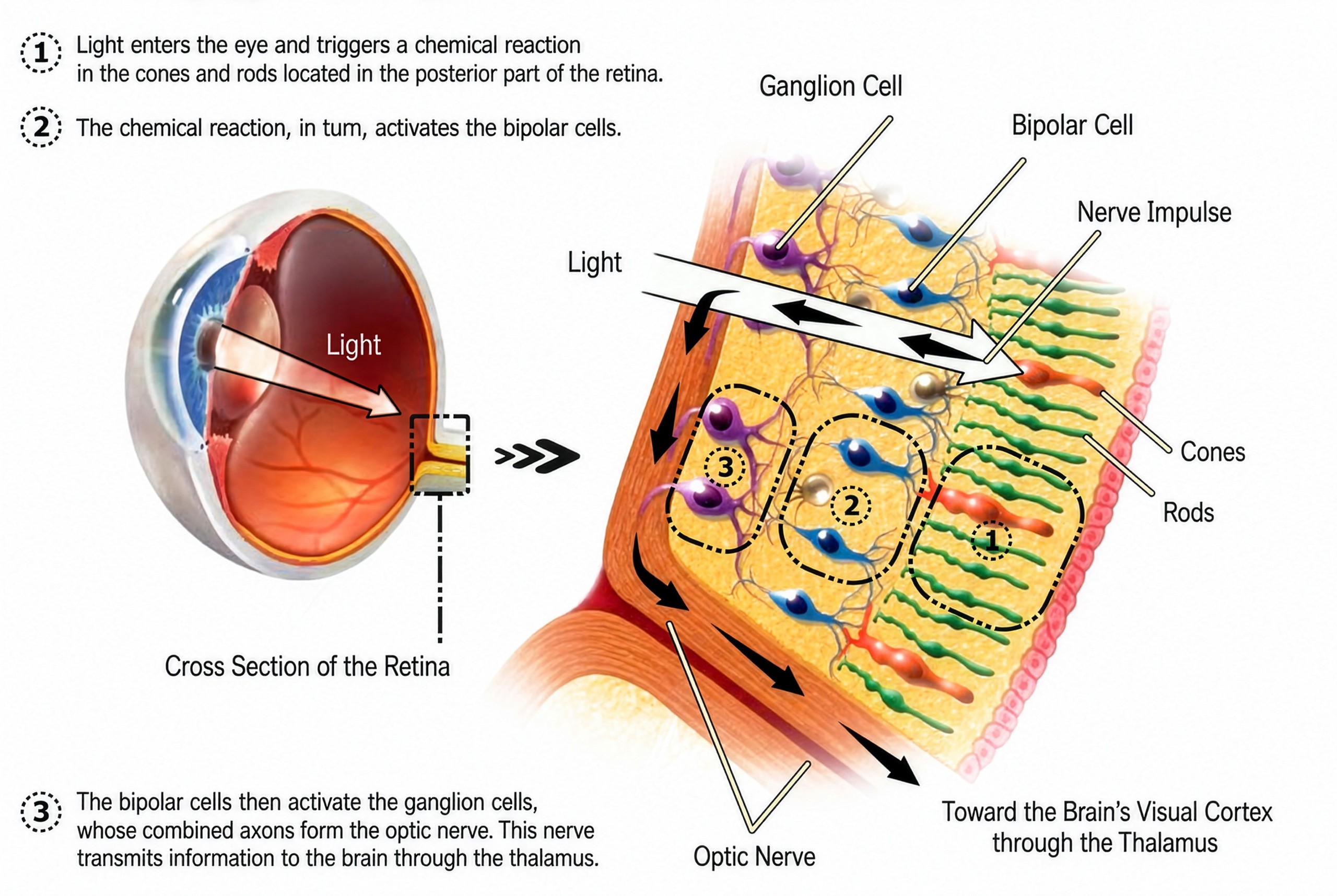
A decisive element in understanding the relationship between light and biological regulation is the discovery, in 1998, of particular intrinsically photosensitive retinal ganglion cells (ipRGCs), which do not contribute to conscious vision but are responsible for light transduction for non-visual purposes. These cells express a photopigment called melanopsin, which is particularly sensitive to blue light centered around 480 nanometers. The activation of ipRGCs by light induces a cascade of neurophysiological signals that reach the suprachiasmatic nucleus, directly influencing the production of hormones that regulate the sleep-wake cycle. Unlike cones and rods, these cells are less sensitive to light intensity and more active in response to the duration and spectral composition of ambient lighting. This means that a light source with a high blue component, even at low intensity, can have a significant impact on melatonin suppression and wakefulness stimulation, especially if exposure occurs in the evening hours.
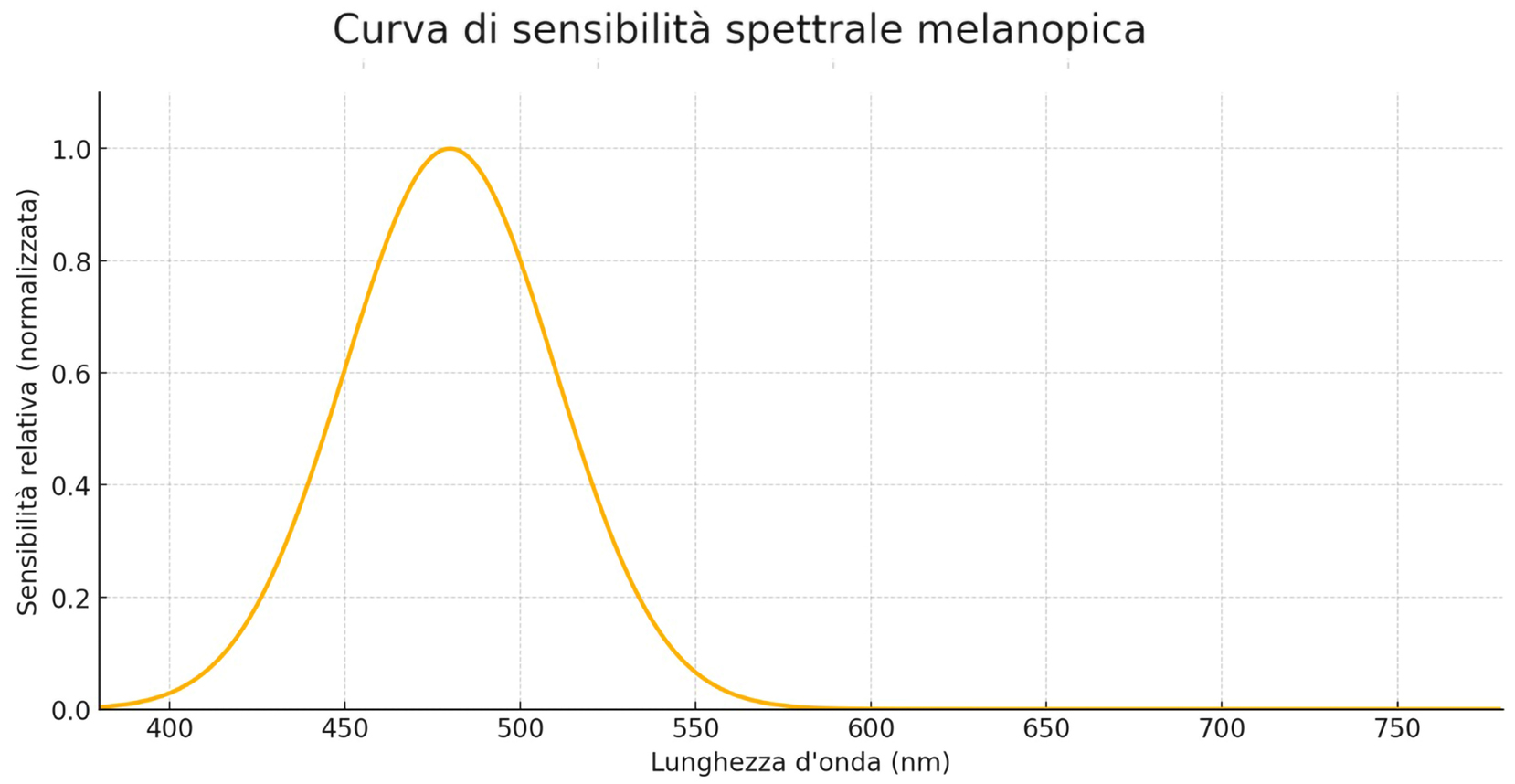
The melanopic spectral sensitivity curve, based on the model defined by CIE S 026/E:2018. The peak is around 480 nm, corresponding to blue-cyan light, to which melanopsin photoreceptors (ipRGCs) are more sensitive. This curve is critical for assessing the circadian efficacy of a light source and is used in the calculation of melanopic EDI (Equivalent Daylight Illuminance).
The implications of these findings for lighting design are profound. Artificial light, if poorly calibrated in terms of spectrum, intensity or timing, can interfere with biological processes and compromise the psycho-physical well-being of individuals. It has been shown that chronic exposure to cold, bright light in the evening hours, or insufficient lighting conditions during the day, can lead to a progressive misalignment of internal circadian rhythms, a phenomenon known as circadian misalignment. This imbalance, if prolonged over time, has been associated with a number of clinical and functional disorders: sleep alterations, cognitive deficits, social jet lag syndrome, mood disorders, reduced immune function, dysmetabolism, obesity and, in extreme cases, increased oncogenic risk. The World Health Organization has in fact classified the disruption of circadian rhythms in night workers as probably carcinogenic to humans (class 2A IARC).
Conversely, a lighting design that respects circadian physiology can produce measurable and positive effects. Clinical studies conducted in a hospital environment have shown that the reduction of the blue component in evening light – through warm spectrum sources and progressive dimming systems – leads to a significant reduction in melatonin suppression, with improved latency and sleep quality. In some cases, a decrease in melatonin suppression from 45% to 15% was observed, resulting in an increase in the duration of REM sleep and the perceived quality of rest. Other research conducted in educational and work settings has shown that adequate exposure to natural light in the early hours of the morning helps to improve mood, concentration, productivity and general psychophysical tone, confirming the importance of light as a neurophysiological regulator as well as perceptive.
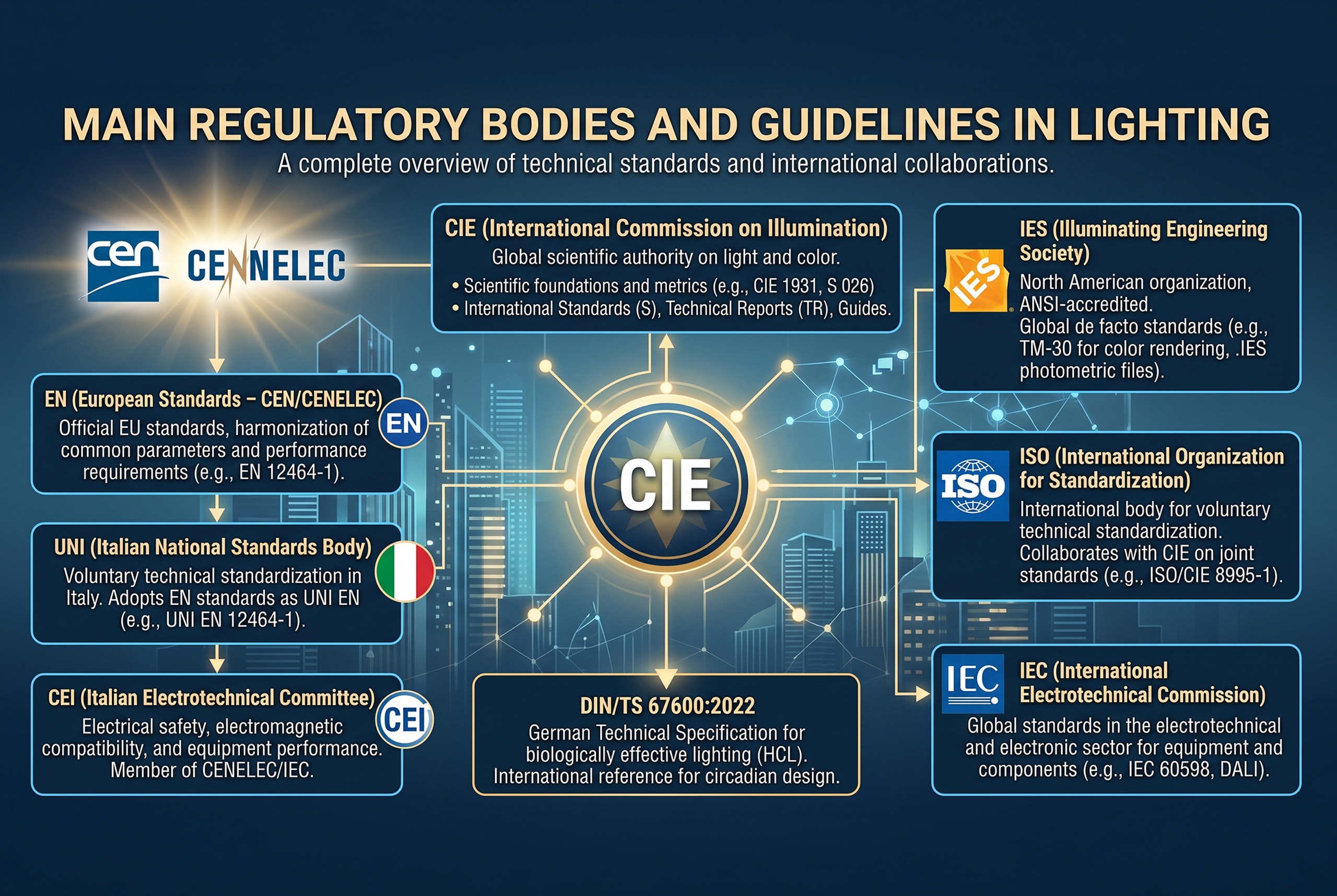
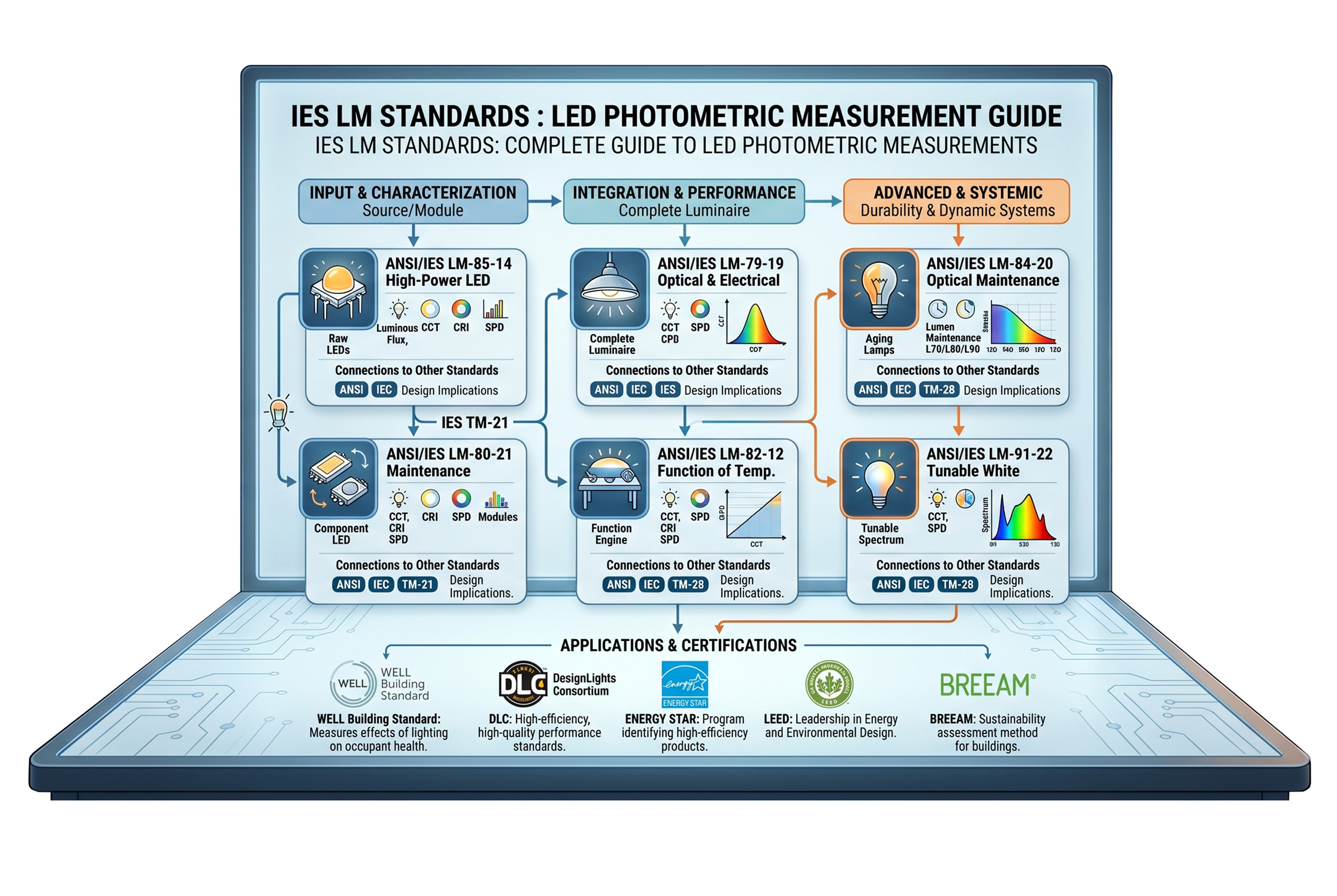
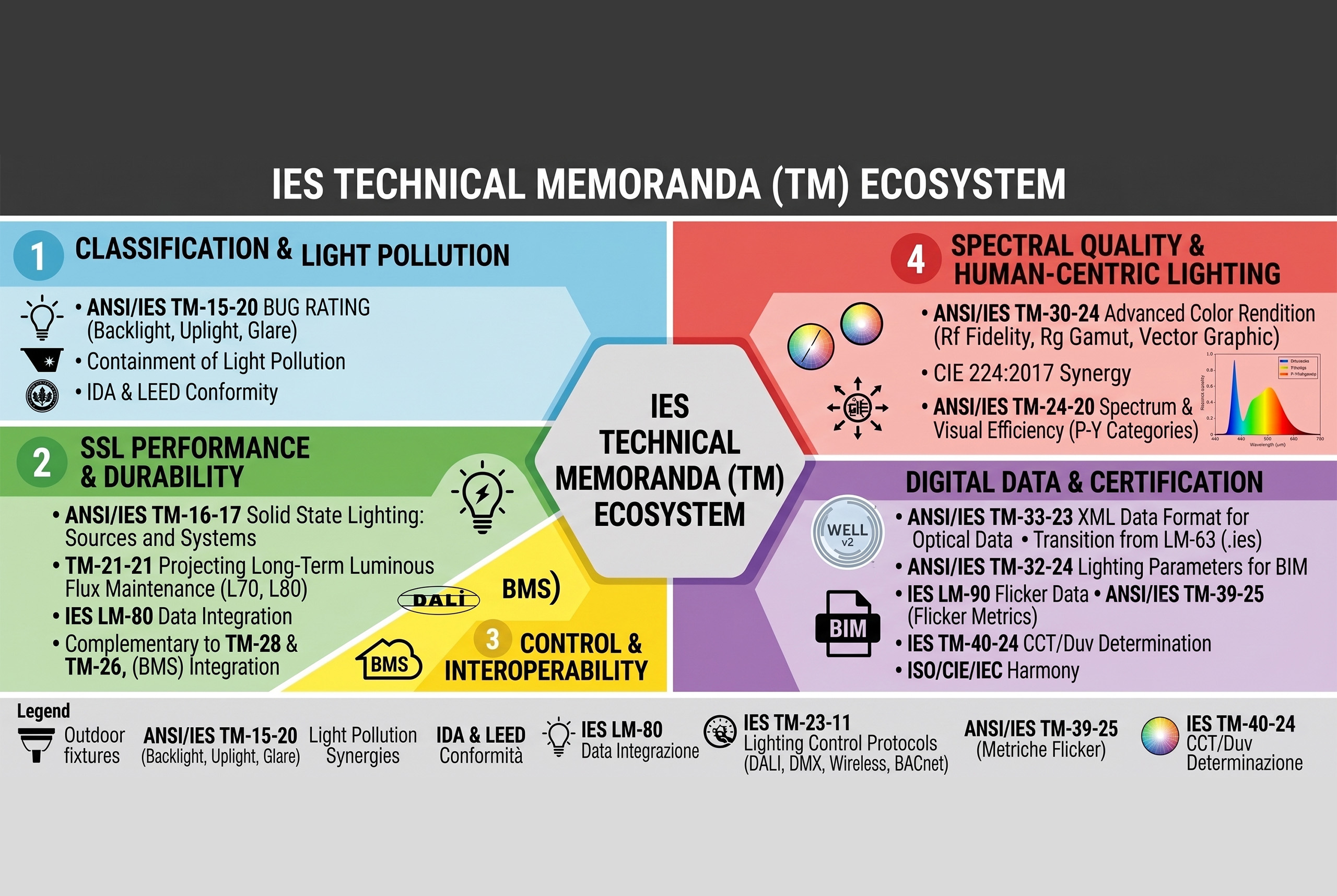
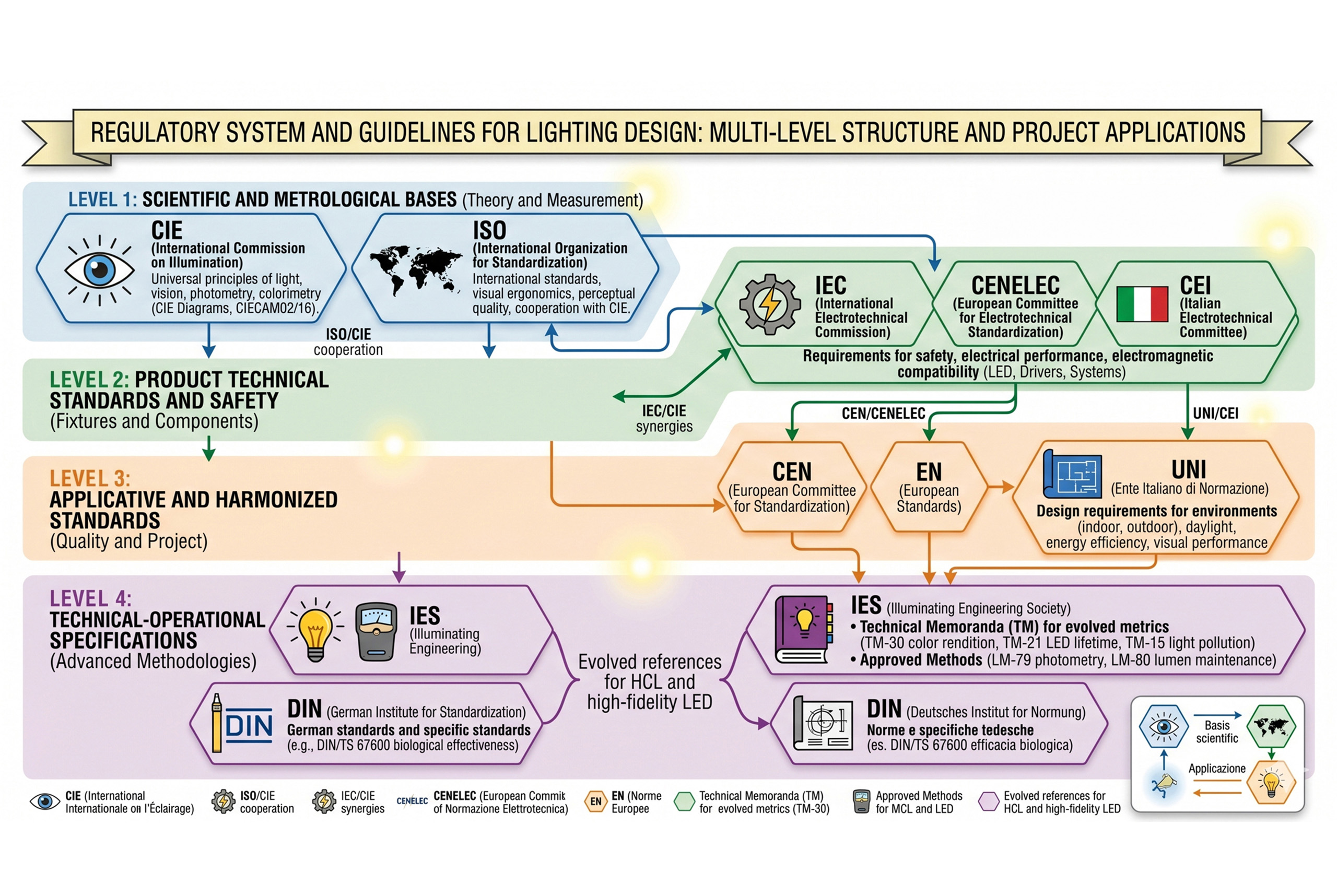
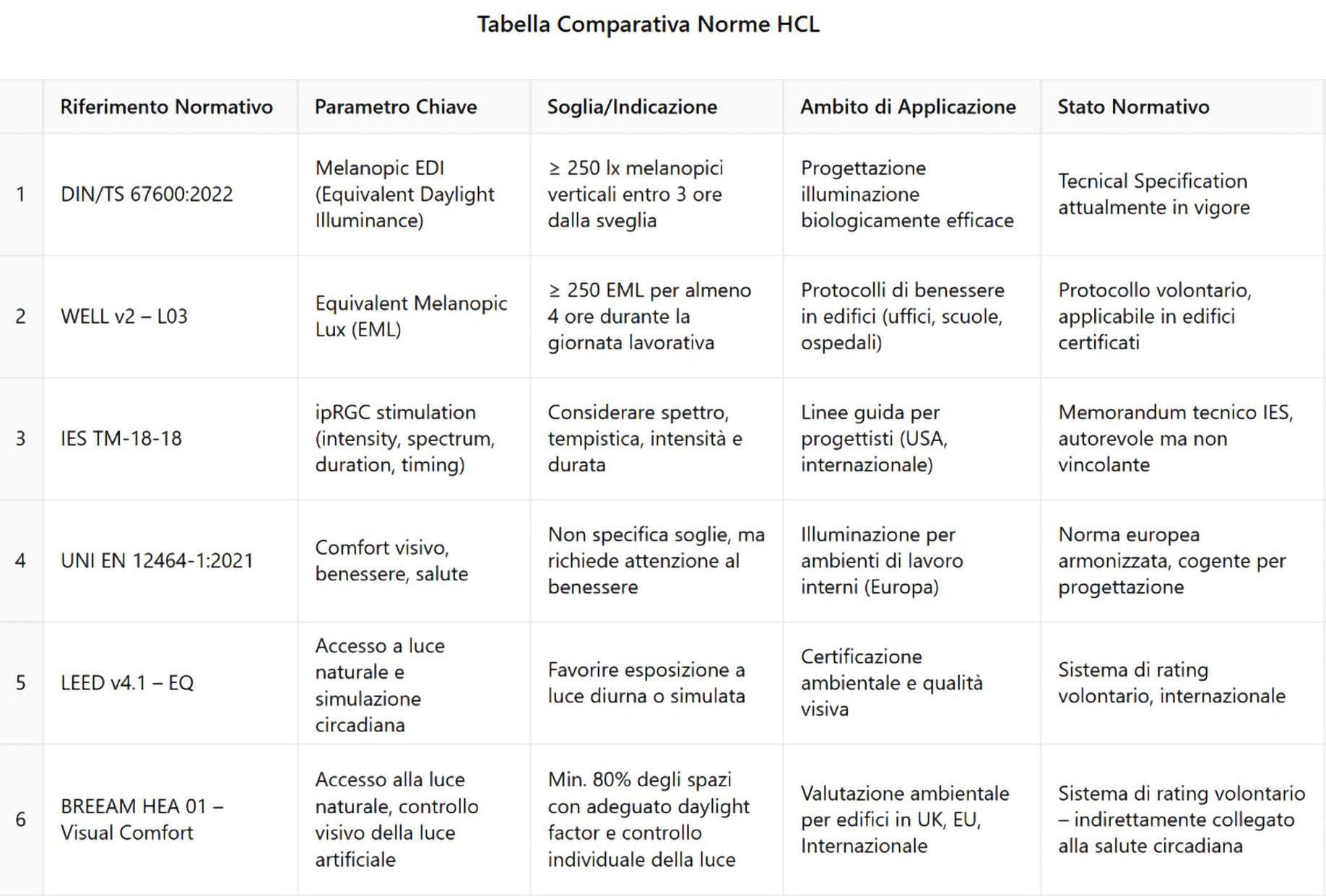
These results have given impetus to the development of the concept of Human-Centric Lighting (HCL), a design approach that integrates the visual, biological and emotional needs of the human being. To support this perspective, regulatory standards and guidelines have been developed that formalize the minimum requirements for effective circadian lighting. The technical document DIN/TS 67600:2022, for example, defines criteria for biologically oriented design, introducing parameters such as melanopic Equivalent Daylight Illuminance (melanopic EDI) for the evaluation of light as a function of its potential chronobiological impact. Similarly, the WELL Building Standard v2 protocol dedicates specific requirements (Lighting Features L03–L06) to the design of light according to circadian health, requiring the availability of natural light or artificial sources with a dynamic spectrum controlled according to the time of day. The LEED v4.1 and BREEAM HEA 01 protocols also recognize the importance of light exposure for the user's well-being and recommend design strategies based on chronobiological criteria.
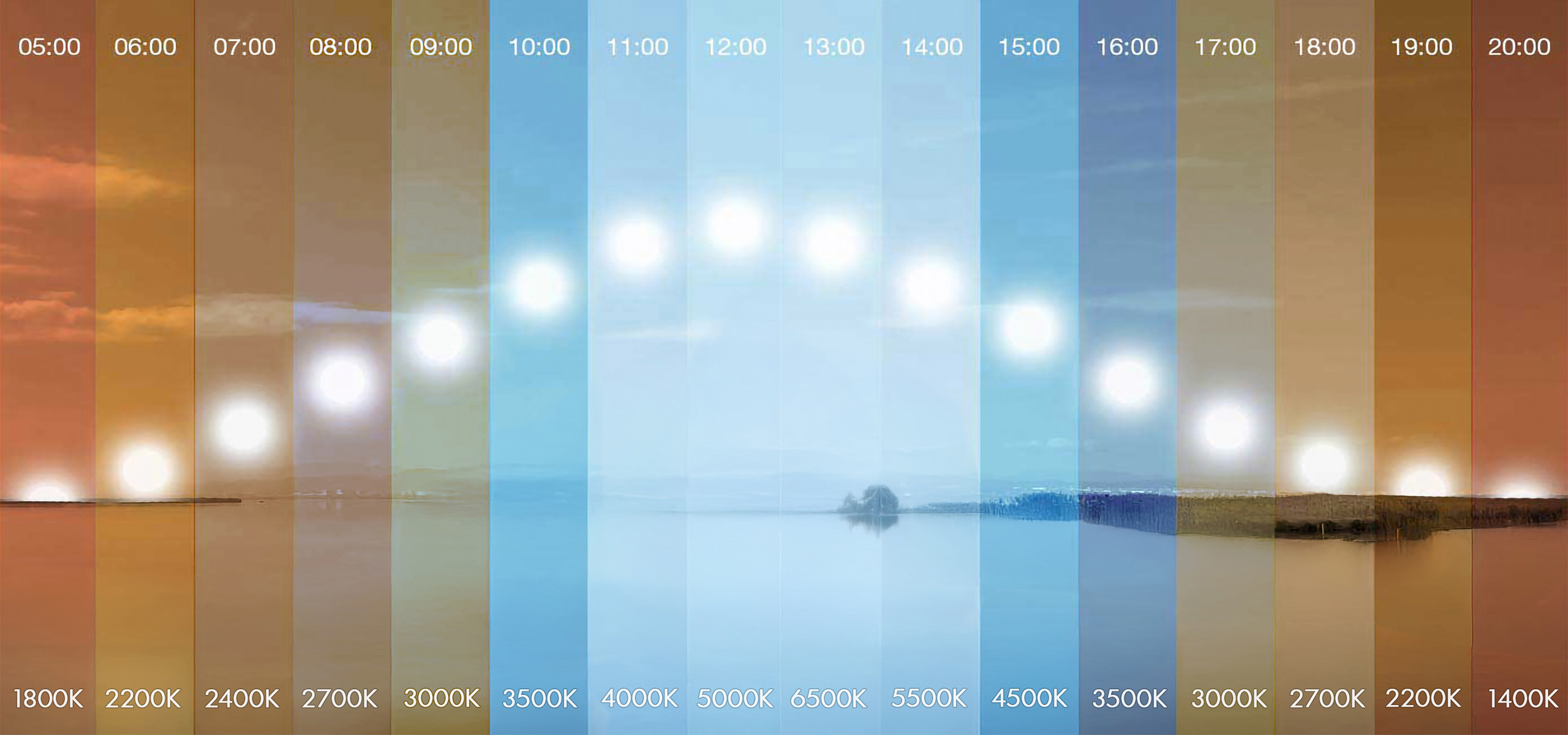
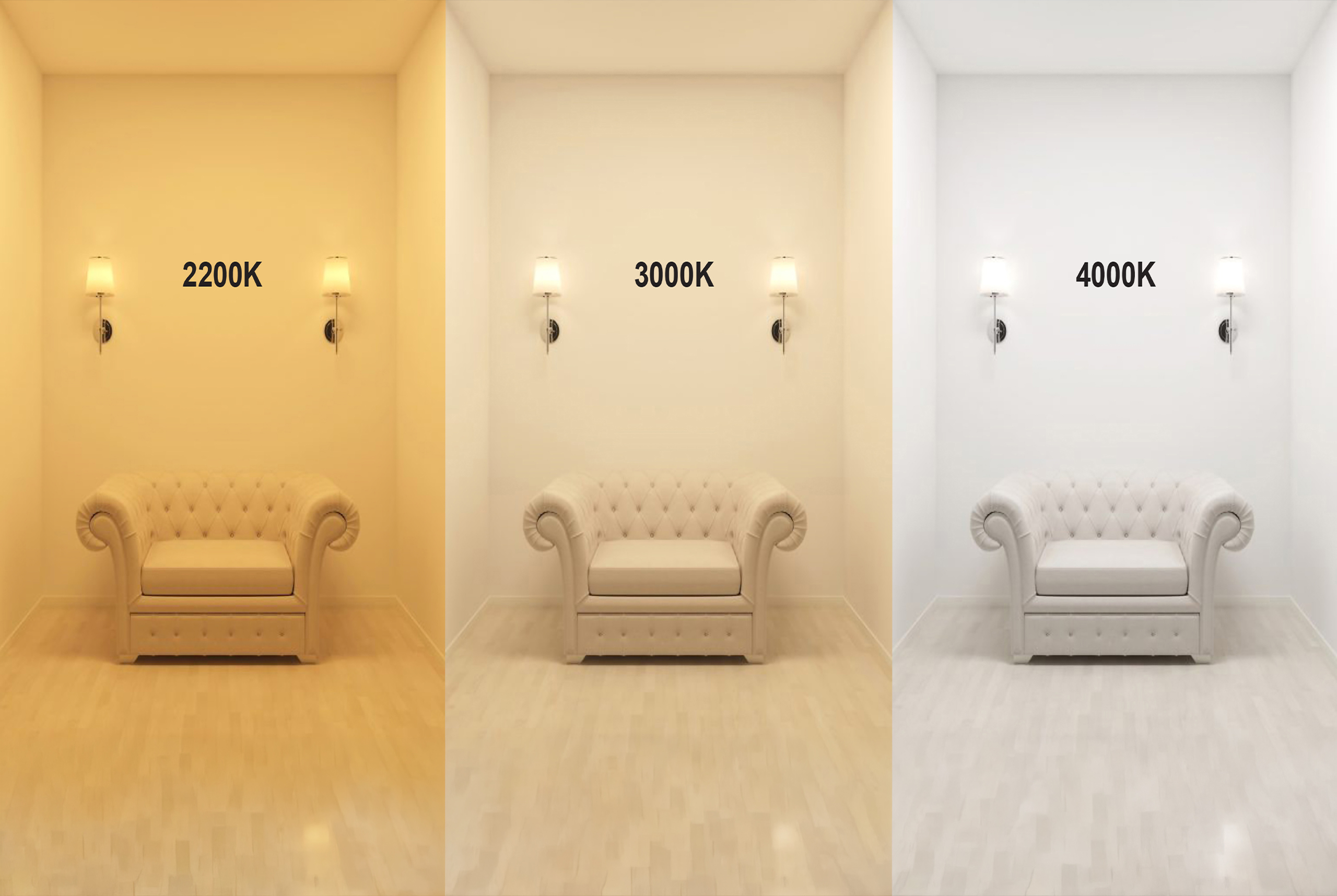
From a technical point of view, the creation of circadian lighting systems is based on the ability to dynamically modulate color temperature, spectral distribution and illuminance levels over time. The use of variable spectrum luminaires (tunable white) in combination with intelligent controls makes it possible to simulate variations in natural light, adapting the quality of indoor light to daily rhythms. The most effective strategies involve a consistent progression: cool, intense light during the early hours of the day to stimulate wakefulness and alertness, neutral light during active hours, and warm, soft light in the evening hours to promote the physiological transition to rest.
In short, the lighting design of the future can no longer ignore the awareness of the systemic impact of light on the human body. Integrating knowledge of chronobiology into design criteria does not mean adding an aesthetic variable, but redefining the very role of light as a regulatory agent of health and behavior. In this scenario, light becomes a living, sensitive material, capable of accompanying the body and mind along the cycle of the day, modulating the built environment in harmony with the profound rhythms of human biology. The lighting designer, in this perspective, is no longer just a modeler of space, but an interpreter of lived time, called upon to design light as a temporal architecture of well-being.

Lighting and Circadian Rhythm: Scientific Discoveries and Advanced Technologies
Health-oriented lighting design between science, norm and perception
After analyzing the color rendering as a key element for the perceptive and sensory quality of light, it is evident that contemporary lighting design can no longer be limited to the visual representation of objects alone. Light, in fact, is not only a vehicle of visual information, but acts in depth on human biology, modulating fundamental physiological processes. In this context, a new design paradigm is affirmed, in which the percipital and chronobiological dimensions converge.
Today, the design of light must deal with the circadian needs of the human body, recognizing the influence that the light spectrum, intensity and temporal variation of light exert on the neuroendocrine system and on the synchronization of life rhythms. The relationship between light and health thus shifts from the perceptual to the physiological level, making it necessary to integrate visual performance parameters with indicators related to melanopic stimulation and chronobiology. Starting from these premises, a reflection on the functioning of the circadian clock and the role of light in its regulation is now open, with the aim of understanding how lighting can become an active tool for well-being and biological synchronization.
The circadian rhythm is an endogenous biological cycle lasting about 24 hours, deeply rooted in human physiology, which regulates a wide range of vital functions, including the sleep-wake cycle, the secretion of hormones such as melatonin and cortisol, body temperature, metabolism, blood pressure and levels of cognitive alertness. Although generated internally, this rhythm requires constant alignment with the external environment through temporal signals called zeitgeber, among which light is the most powerful and influential. The natural alternation between light and dark therefore acts as a synchronization mechanism between internal biological time and external astronomical time, ensuring the evolutionary adaptation of the human organism to the earth's cycles of rotation and brightness.
The molecular basis of this system has been clarified thanks to the research of Jeffrey C. Hall, Michael Rosbash and Michael W. Young, awarded the Nobel Prize in Medicine in 2017. Through the study of the fruit fly, Drosophila melanogaster, the three scientists isolated the period gene (per) and subsequently discovered the role of other key genes such as timeless (tim), clock (clk) and cycle (cyc). The proteins encoded by these genes interact with each other in a negative feedback regulatory circuit known as the Transcription-Translation Feedback Loop (TTFL), generating cyclic oscillations in gene expression with a periodicity close to 24 hours. This mechanism allows organisms to anticipate environmental changes and adapt their biological functions to external rhythms, even in the absence of direct light stimuli.
In humans, circadian rhythms are generated at the cellular level in all tissues, but are orchestrated by a central control center located in the suprachiasmatic nucleus (SCN) of the anterior hypothalamus. This small aggregate of about twenty thousand neurons acts as a biological metronome, receiving light information from the retina through the retino-hypothalamic tract and distributing synchronising temporal signals to the rest of the body via neuroendocrine and autonomic mechanisms. The SCN modulates the secretion of melatonin by the pineal gland, inhibiting it in the presence of light and promoting it during darkness, thus determining the consolidation of the nocturnal phase of the circadian rhythm.
A decisive element in understanding the relationship between light and biological regulation is the discovery, in 1998, of particular intrinsically photosensitive retinal ganglion cells (ipRGCs), which do not contribute to conscious vision but are responsible for light transduction for non-visual purposes. These cells express a photopigment called melanopsin, which is particularly sensitive to blue light centered around 480 nanometers. The activation of ipRGCs by light induces a cascade of neurophysiological signals that reach the suprachiasmatic nucleus, directly influencing the production of hormones that regulate the sleep-wake cycle. Unlike cones and rods, these cells are less sensitive to light intensity and more active in response to the duration and spectral composition of ambient lighting. This means that a light source with a high blue component, even at low intensity, can have a significant impact on melatonin suppression and wakefulness stimulation, especially if exposure occurs in the evening hours.

The melanopic spectral sensitivity curve, based on the model defined by CIE S 026/E:2018. The peak is around 480 nm, corresponding to blue-cyan light, to which melanopsin photoreceptors (ipRGCs) are more sensitive. This curve is critical for assessing the circadian efficacy of a light source and is used in the calculation of melanopic EDI (Equivalent Daylight Illuminance).
The implications of these findings for lighting design are profound. Artificial light, if poorly calibrated in terms of spectrum, intensity or timing, can interfere with biological processes and compromise the psycho-physical well-being of individuals. It has been shown that chronic exposure to cold, bright light in the evening hours, or insufficient lighting conditions during the day, can lead to a progressive misalignment of internal circadian rhythms, a phenomenon known as circadian misalignment. This imbalance, if prolonged over time, has been associated with a number of clinical and functional disorders: sleep alterations, cognitive deficits, social jet lag syndrome, mood disorders, reduced immune function, dysmetabolism, obesity and, in extreme cases, increased oncogenic risk. The World Health Organization has in fact classified the disruption of circadian rhythms in night workers as probably carcinogenic to humans (class 2A IARC).
Conversely, a lighting design that respects circadian physiology can produce measurable and positive effects. Clinical studies conducted in a hospital environment have shown that the reduction of the blue component in evening light – through warm spectrum sources and progressive dimming systems – leads to a significant reduction in melatonin suppression, with improved latency and sleep quality. In some cases, a decrease in melatonin suppression from 45% to 15% was observed, resulting in an increase in the duration of REM sleep and the perceived quality of rest. Other research conducted in educational and work settings has shown that adequate exposure to natural light in the early hours of the morning helps to improve mood, concentration, productivity and general psychophysical tone, confirming the importance of light as a neurophysiological regulator as well as perceptive.
These results have given impetus to the development of the concept of Human-Centric Lighting (HCL), a design approach that integrates the visual, biological and emotional needs of the human being. To support this perspective, regulatory standards and guidelines have been developed that formalize the minimum requirements for effective circadian lighting. The technical document DIN/TS 67600:2022, for example, defines criteria for biologically oriented design, introducing parameters such as melanopic Equivalent Daylight Illuminance (melanopic EDI) for the evaluation of light as a function of its potential chronobiological impact. Similarly, the WELL Building Standard v2 protocol dedicates specific requirements (Lighting Features L03–L06) to the design of light according to circadian health, requiring the availability of natural light or artificial sources with a dynamic spectrum controlled according to the time of day. The LEED v4.1 and BREEAM HEA 01 protocols also recognize the importance of light exposure for the user's well-being and recommend design strategies based on chronobiological criteria.

From a technical point of view, the creation of circadian lighting systems is based on the ability to dynamically modulate color temperature, spectral distribution and illuminance levels over time. The use of variable spectrum luminaires (tunable white) in combination with intelligent controls makes it possible to simulate variations in natural light, adapting the quality of indoor light to daily rhythms. The most effective strategies involve a consistent progression: cool, intense light during the early hours of the day to stimulate wakefulness and alertness, neutral light during active hours, and warm, soft light in the evening hours to promote the physiological transition to rest.
In short, the lighting design of the future can no longer ignore the awareness of the systemic impact of light on the human body. Integrating knowledge of chronobiology into design criteria does not mean adding an aesthetic variable, but redefining the very role of light as a regulatory agent of health and behavior. In this scenario, light becomes a living, sensitive material, capable of accompanying the body and mind along the cycle of the day, modulating the built environment in harmony with the profound rhythms of human biology. The lighting designer, in this perspective, is no longer just a modeler of space, but an interpreter of lived time, called upon to design light as a temporal architecture of well-being.
Other Lighting Post
Other Lighting Post
This section brings together a comprehensive body of theoretical, scientific, and design insights into the theory of light applied to lighting design, systematically addressing the complex relationship between light, visual perception, and spatial design. The content develops the physical foundations of light, an understanding of the mechanisms of human vision, the differences between photopic and melanopic illuminance, and the biological impact of artificial light, integrating advanced metrics and contemporary interpretation criteria.
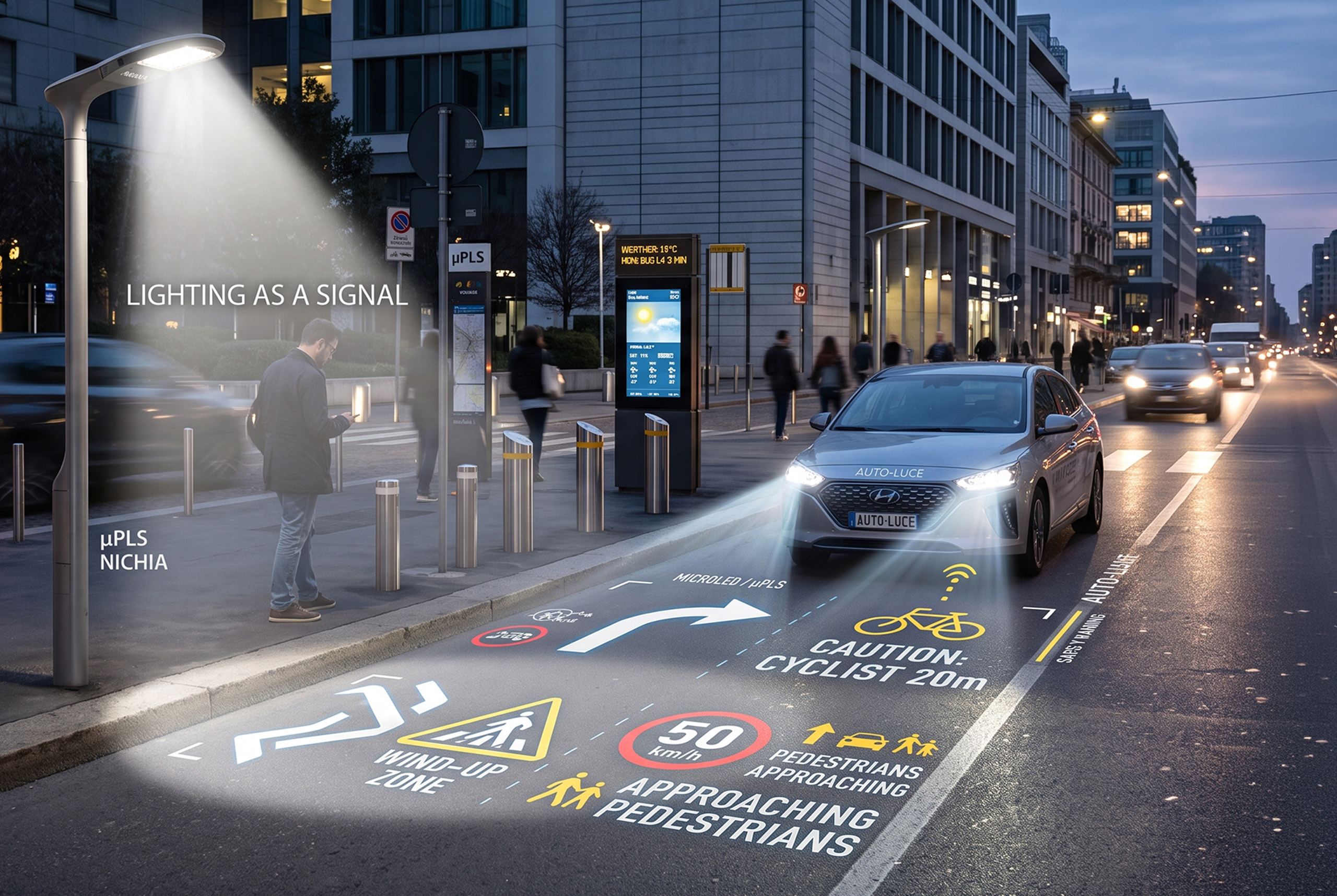
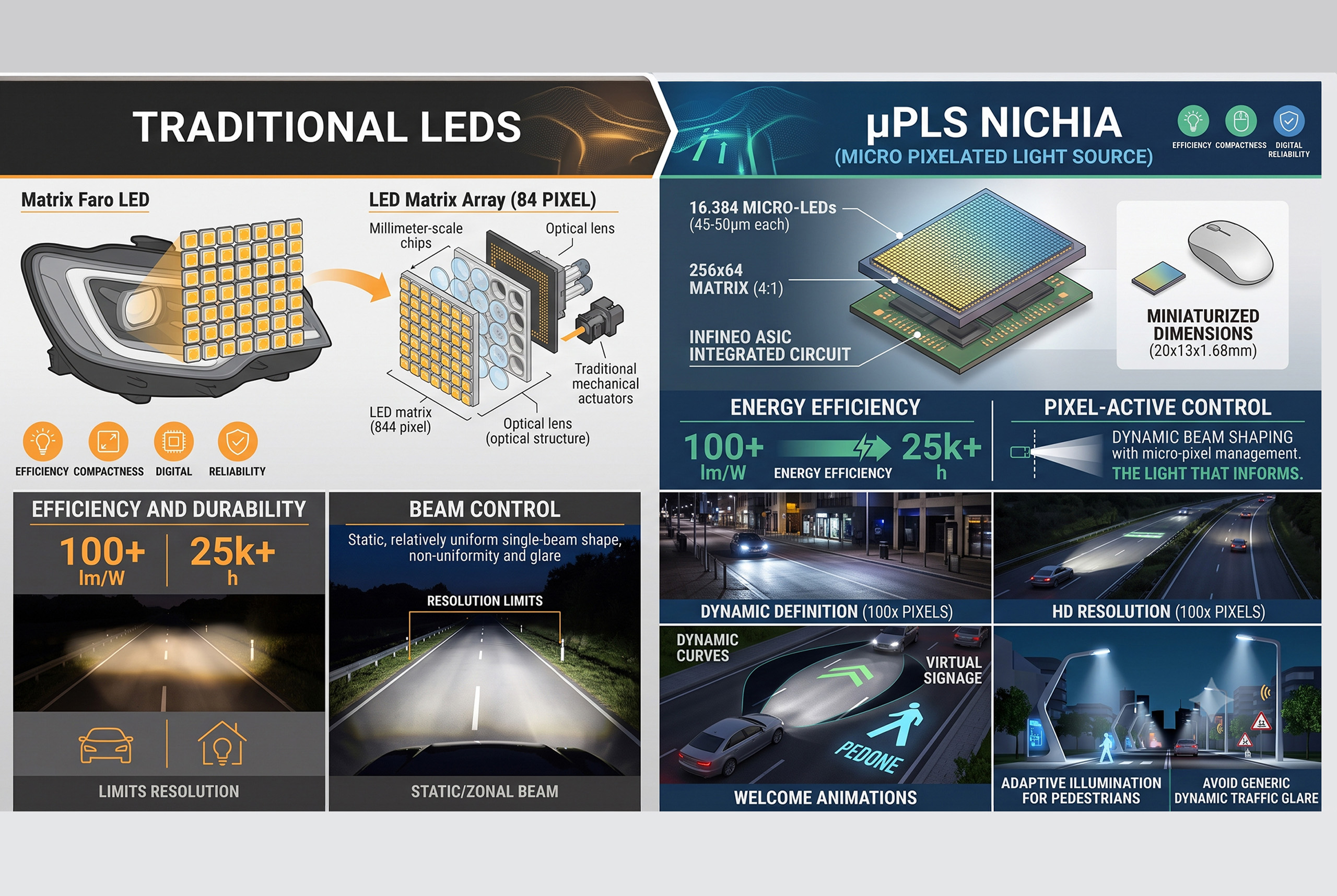
The page also explores the functioning of LED sources, the spectral and perceptual implications of solid-state light, the evolution of color rendering criteria, and the growing role of light as an informational and perceptual system, capable of influencing behavior, comfort, and the quality of spatial experience.
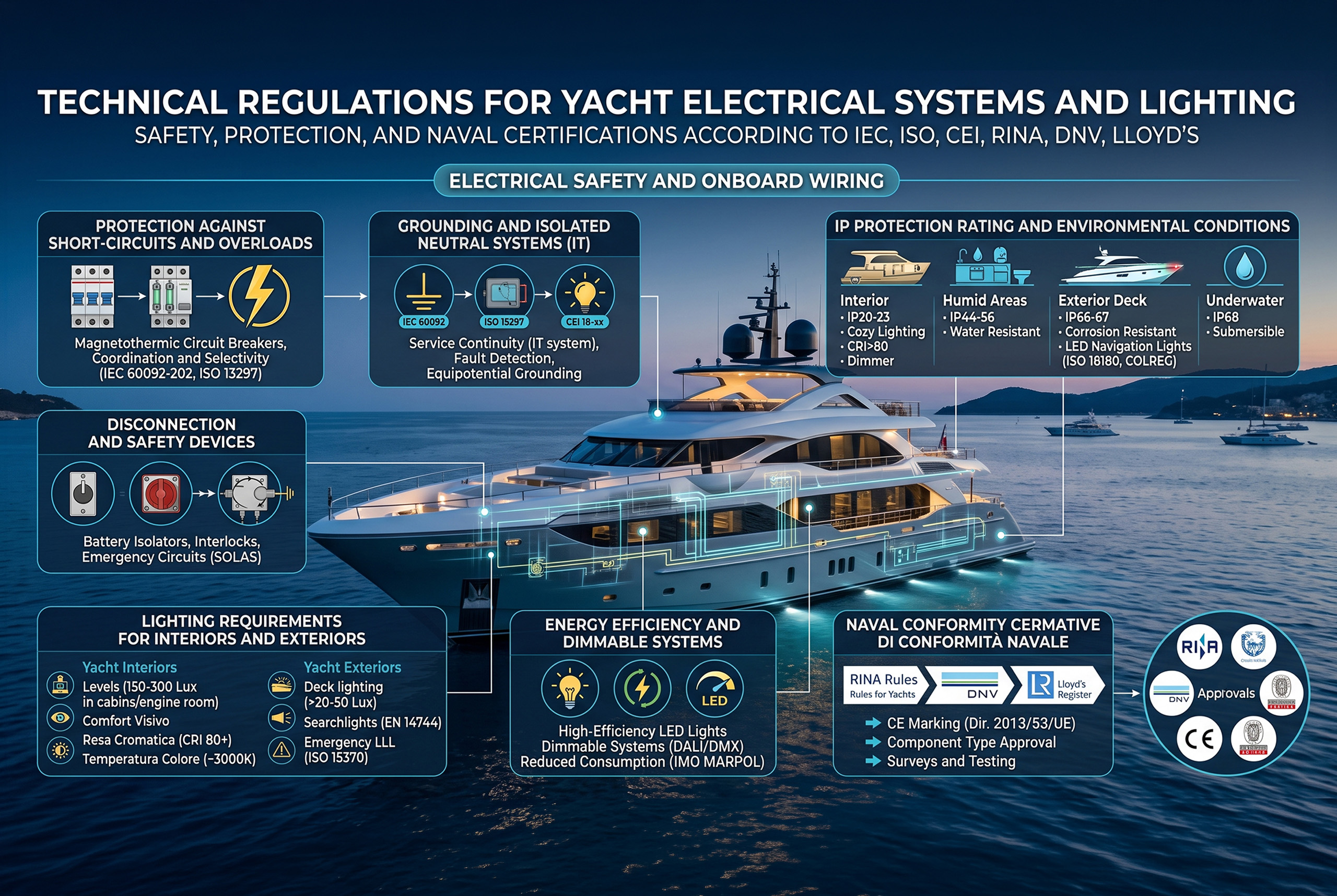
Ample space is dedicated to the relevant regulatory and technical framework, international standards, sustainability protocols, and control systems, understood as essential tools for rigorous, measurable, and consistent design.
Overall, the section provides a vision of the theory of light as the cultural and operational basis of lighting design, in which scientific knowledge, perceptual awareness, and design method converge to guide the lighting designer in the construction of balanced, legible, and qualitatively significant spaces.
This section brings together a comprehensive body of theoretical, scientific, and design insights into the theory of light applied to lighting design, systematically addressing the complex relationship between light, visual perception, and spatial design. The content develops the physical foundations of light, an understanding of the mechanisms of human vision, the differences between photopic and melanopic illuminance, and the biological impact of artificial light, integrating advanced metrics and contemporary interpretation criteria.
The page also explores the functioning of LED sources, the spectral and perceptual implications of solid-state light, the evolution of color rendering criteria, and the growing role of light as an informational and perceptual system, capable of influencing behavior, comfort, and the quality of spatial experience.
Ample space is dedicated to the relevant regulatory and technical framework, international standards, sustainability protocols, and control systems, understood as essential tools for rigorous, measurable, and consistent design.
Overall, the section provides a vision of the theory of light as the cultural and operational basis of lighting design, in which scientific knowledge, perceptual awareness, and design method converge to guide the lighting designer in the construction of balanced, legible, and qualitatively significant spaces.