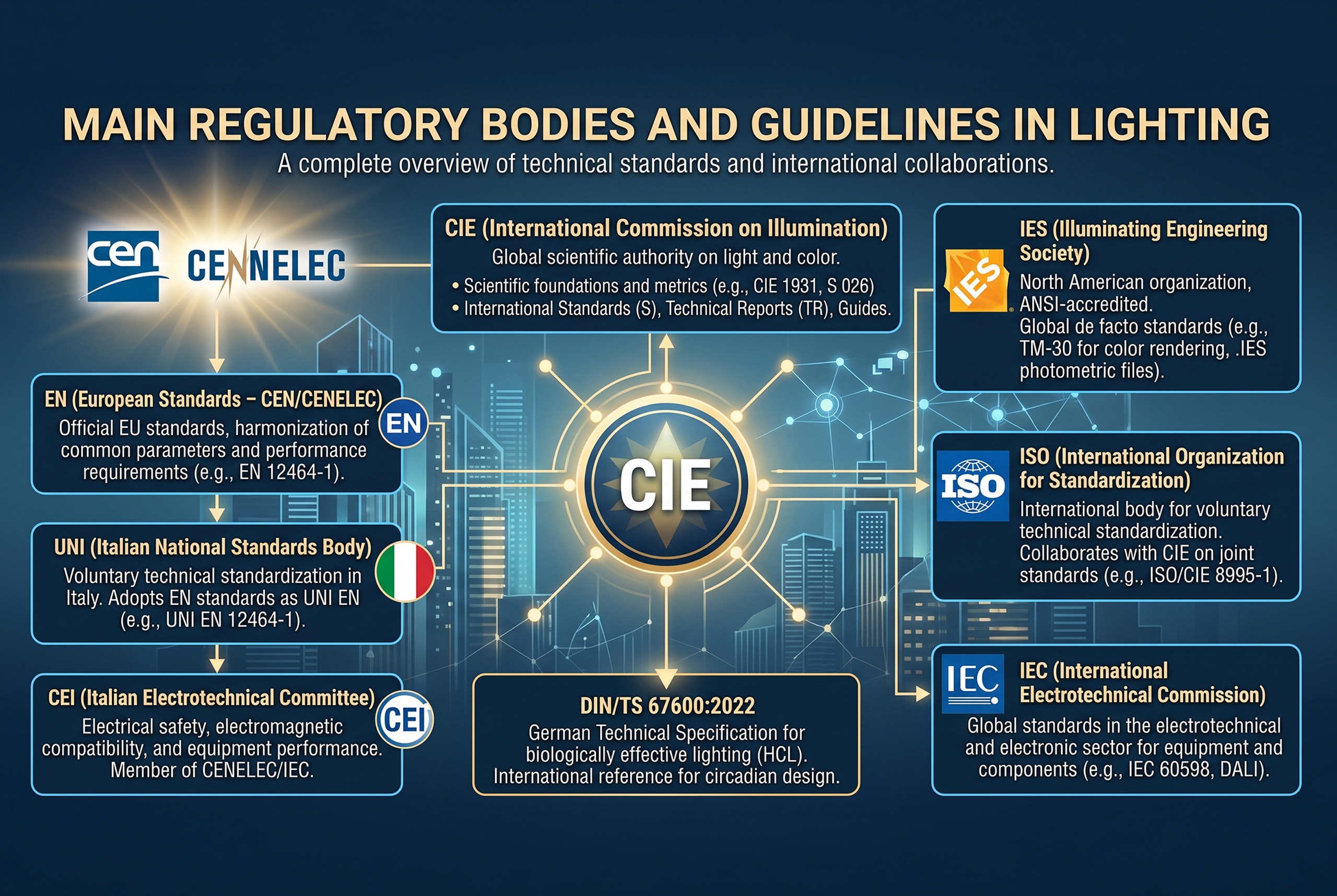
Main Regulatory Bodies and Guidelines in Lighting Technology

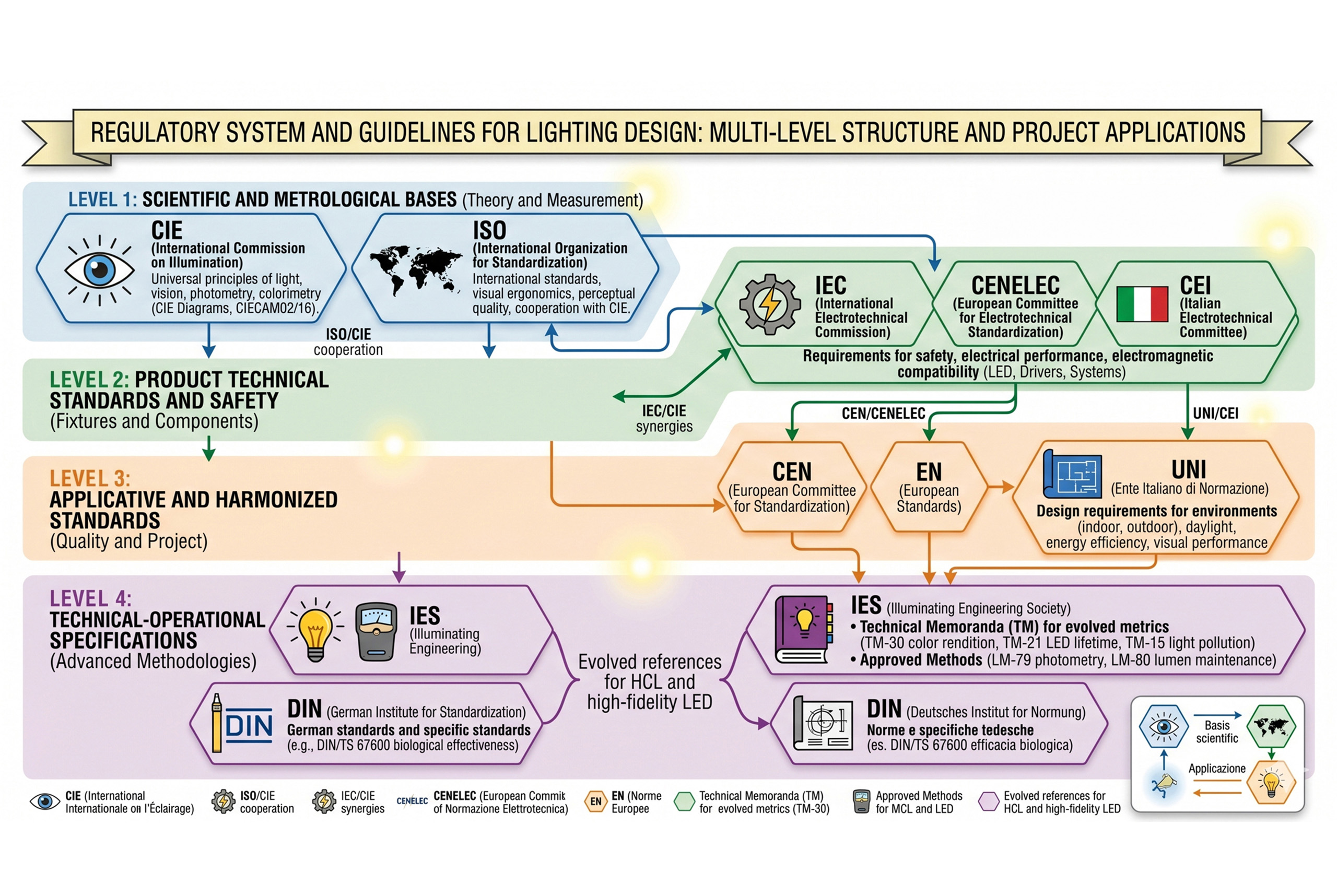
A comprehensive framework on technical standards, international collaborations and key documents for designing light according to scientific and performance criteria.

CIE (International Commission on Enlightenment)

  • Regulatory role and authority - The CIE (Commission Internationale de l'Éclairage) is recognized as the leading international scientific authority in the field of light, color and lighting. Founded in 1913, it is an independent, non-governmental, non-profit organization that operates as a global reference body for the definition of scientific, metric and regulatory bases in the lighting sector. Its influence extends globally, representing the point of convergence between research, technical application and regulatory harmonization.
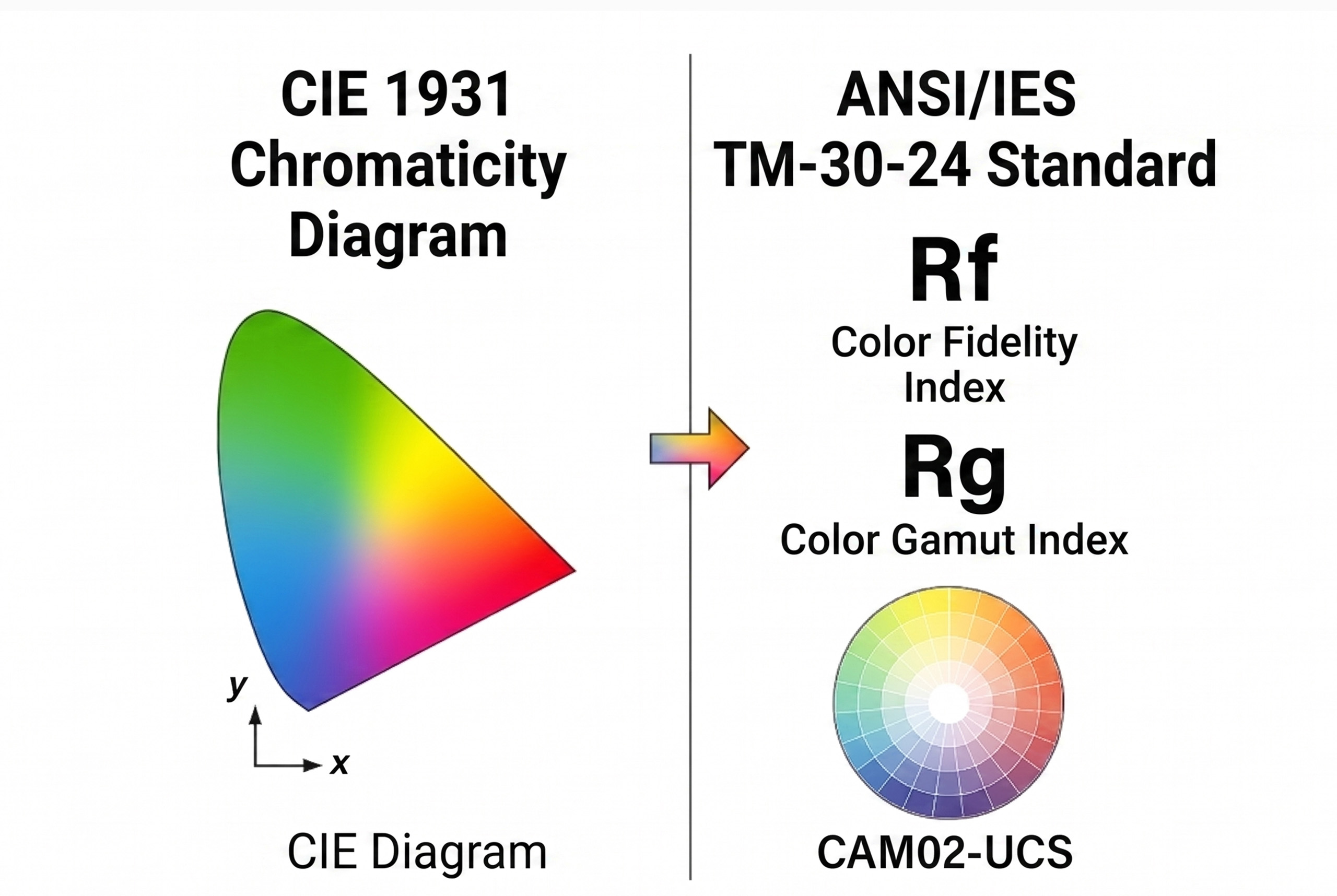
  • Documents issued - The CIE prepares and publishes a structured set of technical documents, including: International Standards (CIE S): they constitute recognized normative documents, often co-published with ISO and IEC (e.g. CIE S 026:2018 for the melanopic efficacy of light); Technical Reports (CIE Technical Reports): descriptive documents, based on scientific evidence and validated by international expert groups (e.g. CIE 112:2023 on the photometry of road environments); Technical Guides (CIE Guides): provide practical guidelines for the design, evaluation or measurement of light in specific applications (e.g. CIE 234:2019 on museum lighting). Each document is the result of an international review process and adopts a structured numbering, with periodic updates reflecting advances in research and technology (e.g. updates on colour rendering, such as the transition from CRI to Rf/Rg with IES TM-30, to which the CIE actively contributes in theoretical terms).
  • Sectors of application - The regulatory activity of the CIE embraces the entire spectrum of lighting applications, with a structure organized into thematic divisions: Division 1 – Vision and Colour: visual functions, perception, color models, colorimetric spaces (e.g. CIE 1931, CIECAM02, CAM16); Division 2 – Physical Measurement of Light and Radiation: photometry, radiometry, measuring and calibration instruments; Division 3 – Interior Environment and Lighting Design: indoor design, visual comfort, glare, circadian lighting; Division 4 – Transportation and Exterior Applications: street lighting, urban environments, light pollution; Division 6 – Photobiology and Photochemistry: photobiological safety, UV and IR radiation, health effects; Division 8 – Image Technology: visual reproduction, HDR, multispectral imaging. In every area, the CIE provides definitions, algorithms, coordinate systems, performance thresholds and test methods that constitute the reference standard for the professional and regulatory community.
  • International harmonization - The CIE is formally recognized by ISO as the body responsible for standardization in light and color. Many joint ISO/CIE standards (e.g. ISO/CIE 8995-1:2019 – Lighting of indoor workplaces) represent the regulatory translation of the CIE technical recommendations. At the European level, CIE publications constitute the scientific basis of numerous EN standards implemented in the Member States (e.g. UNI EN 12464-1, EN 13201, EN 62778). This cooperation ensures terminological and methodological consistency between national, European and international standards, facilitating the application of common criteria between designers, manufacturers, standards bodies and regulatory authorities. The CIE thus acts as a central harmonization node, which is fundamental for the definition of universal parameters in an increasingly global, digital lighting market oriented towards visual and biological quality.

UNI (Italian Standardization Body)

  • Role and regulatory authority - UNI (Italian Standardization Body) is the recognized national body for voluntary technical standardization in Italy, active since 1921 and accredited at European and international level (member of CEN and ISO). It is a private non-profit association, which operates on behalf of the State to define shared technical standards to support innovation, safety, quality and sustainability in the various production and professional sectors. In the lighting sector, UNI plays a central role in defining design criteria, performance requirements and methodologies for verifying light in indoor and outdoor environments, acting as a regulatory reference for designers, manufacturers, installers, public administrations and certifiers.
  • Types of documents - UNI issues UNI Technical Standards, Technical Specifications (UNI/TS) and Technical Reports (UNI/TR). The documents can be: National (UNI), developed internally (e.g. UNI 10819 on the containment of the luminous flux upwards); European Standards (UNI EN), which derive from CEN standards (e.g. UNI EN 12464-1:2021 on indoor workplace lighting); International standards (UNI ISO, UNI EN ISO), to ensure alignment with the global standard (e.g. UNI EN ISO 8995-1). In addition, UNI can publish experimental or pre-normative documents such as Technical Specifications (UNI/TS), often developed in collaboration with public bodies and industrial stakeholders. A recent and relevant example is UNI/TS 11826:2021, which defines qualitative and quantitative criteria for the lighting of residences according to visual comfort and living usability.
  • Sectors of application - The UNI standards applicable to light and lighting cover a wide range of areas: 1) Indoor lighting: work, school, health, museum, commercial and residential environments; 2) Outdoor lighting: streets, squares, parks, galleries, sports facilities, historic and monumental buildings; 3) Emergency lighting: references integrated with the CEI EN 60598-2-22 standard and checks on illuminated signs; 4) Energy efficiency and sustainability: standards such as UNI EN 15193-1:2017 ("Energy requirements for lighting") define LENI (Lighting Energy Numeric Indicator) calculation methods, crucial for CAM Construction and environmental certifications (LEED, BREEAM); 5) Environmental protection: regulations on the containment of light pollution, such as UNI 10819, are particularly relevant in light of Lombardy Regional Law no. 31/2015 and the EU Directive on the energy performance of buildings (EPBD). The standards precisely define minimum and maximum values of illuminance, uniformity, glare (UGR), color rendering (CRI or TM-30), photometric distribution, helping to ensure visual comfort, safety and perceptual quality.
  • Connections and harmonizations - UNI is an active part in European and international technical standardization committees, participating in the drafting of CEN and ISO standards. Each EN standard implemented automatically becomes UNI EN: this allows perfect harmonization with European standards, ensuring consistency between Italian, continental and global regulations. In the lighting sector, this translates into the full adoption and updating of fundamental standards such as: UNI EN 12464-1:2021 (lighting of indoor work environments); UNI EN 13201 (public street lighting); UNI EN 13032-1 (measurement and presentation of photometric data); UNI EN 62722-2-1 (performance of LED lighting equipment). UNI regularly collaborates with CEI (Italian Electrotechnical Committee), especially for documents located at the intersection of lighting and electrical systems, contributing to hybrid standards (e.g. UNI/CEI). Finally, UNI standards are often based on CIE recommendations, such as visual sensitivity curves, vision models, or colorimetric coordinate systems, incorporating with scientific rigor the foundations on which the entire lighting discipline rests.

EN (European Standards – CEN/CENELEC)

  • Regulatory role and authority - The EN Standards (European Norms) represent the official technical standard of the European Union, developed by CEN (European Committee for Standardization) for general aspects and by CENELEC (European Committee for Electrotechnical Standardization) for electrical and electronic aspects. Once approved, EN standards must be compulsorily transposed as identical national standards by all member bodies (e.g. UNI in Italy, DIN in Germany, AFNOR in France), replacing any pre-existing standards in conflict. In the field of lighting technology, EN standards provide a harmonised technical framework at European level, defining common parameters, measurement methods, performance requirements and safety criteria for the design and evaluation of lighting installations, equipment and components.
  • Types of documents - EN standards are divided into different thematic series and formats: Standard EN standards (EN + number): mandatory and harmonized (e.g. EN 12464-1:2021 for indoor work environments); Technical Specifications (CEN/TS, CENELEC/TS): transitional or technical pre-standardization documents; Technical Reports (CEN/TR, CLC/TR): informative texts, often descriptive, based on best practices or scientific findings. In the field of lighting engineering, EN standards apply both to light quality requirements (illuminance levels, UGR, colour rendering) and to the electrotechnical and mechanical aspects of products (e.g. efficiency, safety, durability, EMC compatibility).
  • Areas of application - The main EN standard series currently in force cover the following sectors: EN 12464-1:2021 – Lighting of indoor work environments (offices, schools, laboratories, hospitals); EN 12464-2:2014 – Lighting of outdoor workplaces; EN 13201 (series) – Public and street lighting, including tunnels; EN 12193:2019 – Lighting for indoor and outdoor sports facilities; EN 1838:2025 – Emergency lighting in buildings (latest version with AEELS adaptive systems); EN 15193-1:2017 – Energy performance for lighting in buildings (LENI – Lighting Energy Numeric Indicator); EN 60598 (series) – Safety and photometric performance of luminaires (derived from IEC 60598); EN 62722 / EN 62031 / EN 62471 – Photobiological, thermal and electrical performance of modules and LEDs. These standards contain prescriptive values, calculation and testing methods that can be used for regulatory verification, certification and design according to CAM, LEED, WELL and other international protocols.
  • Links with other regulatory bodies - EN standards are closely coordinated with international standards: CEN collaborates with ISO (International Organization for Standardization); CENELEC harmonizes IEC (International Electrotechnical Commission) standards, which result in many product standards (e.g. EN IEC 60598, EN IEC 62471); The EN standards  take into account the scientific recommendations of the CIE (Commission Internationale de l'Éclairage), integrating definitions, colorimetric models and standard visual curves; Some documents exist in triple versions, with the same technical structure but different issuing bodies: for example, ISO/CIE 8995-1:2019 (lighting in the workplace) corresponds exactly to EN 12464-1:2021 and is published in Italy as UNI EN 12464-1:2021. This system ensures a common technical language between manufacturers, designers, verifiers and legislators, facilitating the circulation of products and expertise within the European single market and ensuring compliance with EU directives (such as the Ecodesign Directive, EPBD or EMC).

CEI (Italian Electrotechnical Committee)

  • Role and regulatory authority - The CEI (Italian Electrotechnical Committee) is the national technical standardization body for the electrotechnical, electronic and telecommunications sectors, legally recognized by the Italian State. It is a private non-profit association that represents Italy in the international standardization committees IEC (International Electrotechnical Commission) and CENELEC (European Committee for Electrotechnical Standardization). In the field of lighting engineering, the CEI has specific regulatory competence on everything related to electrical safety, electromagnetic compatibility, the technical performance of lighting fixtures and components and plant requirements. The CEI standards are complementary to the UNI standards, which focus on  the photometric and design aspects of lighting.
  • Documents issued - The CEI mainly publishes: CEI EN standards, which incorporate the European CENELEC or international IEC standards; CEI UNI/CEI standards, issued jointly for transversal themes; CEI Technical Guides (GT) and CEI Technical Reports (TR), which deepen the application of harmonized standards or address emerging aspects. Among the relevant documents for the lighting sector are: CEI EN 60598-1 / -2-XX: safety of lighting fixtures (derived from IEC 60598); CEI EN 62471: assessment of the photobiological risk of light sources (blue light, UV); CEI EN IEC 62031: safety requirements for LED modules; CEI EN 61347-1 / -2-13: safety requirements for power supplies and electronic drivers for LEDs; CEI 34-189:2020 Guide: interpolation of photometric/electrical parameters from measurements on LED luminaires; Technical Report CEI 34-141: blue light risk assessment and classification of LED products; CEI 34-22: autonomous luminaires for emergency lighting, with criteria for verification and installation. These documents precisely define construction requirements, type tests, installation conditions, supporting both manufacturers and electrical and lighting designers.
  • Sectors of application - CEI standards cover the following areas of lighting extensively: Lighting fixtures: electrical safety, insulation, IP, heat protection, photometry (CEI EN 60598 series); Light sources and LED modules: photobiological safety, thermal emission, marking requirements (CEI EN 62471, CEI EN IEC 62031); Drivers and electronic components: CEI EN 61347 for electronic ballasts, CEI EN 62384 for dimmable controls; Lighting systems: within the CEI 64-8 (low voltage user systems standard), in particular in the sections dedicated to general, emergency and scenographic lighting; Special applications: theatres, television studios, high-risk industrial environments, sports facilities, with specific regulatory references and additional checks. In each sector, the CEI sets parameters to ensure plant safety, energy efficiency, durability of components, EMC compatibility and compliance with the requirements of European Directives (LVD, EMC, RoHS, Ecodesign).
  • National connections and national cooperation - The CEI actively participates in the international technical committees IEC TC34 (Lighting), IEC TC64 (Electrical installations), IEC TC76 (Optical radiation safety), contributing to the definition of harmonized standards that were later implemented as CEI EN. At the same time, CEI collaborates closely with UNI to ensure regulatory consistency between lighting and plant engineering aspects. A compliant project must in fact comply with: the UNI standards (minimum illuminance, visual comfort, UGR, Ra/TM-30); and the CEI standards (safety of the equipment, circuit disconnection, compliance with EU directives). The synergy between these two bodies makes it possible to create safe, legally solid and up-to-date projects according to the technological evolution of the sector, particularly in emerging fields such as LED lighting, smart lighting systems, DALI control, and photobiology.

IES (Illuminating Engineering Society)

  • Regulatory Role and Authority - The IES (Illuminating Engineering Society), formerly known as IESNA – Illuminating Engineering Society of North America, is North America's leading technical-professional organization in the lighting and lighting industry. Founded in the United States in 1906, it is formally accredited by ANSI (American National Standards Institute) as a national standards body. The name IESNA was officially used until about 2010, and is still present in numerous historical reference documents – such as ANSI/IESNA RP-8 (street lighting), ANSI/IESNA RP-1 (offices), LM-79, LM-80 – which continue to be valid, although they are updated today under the acronym ANSI/IES. The transition from IESNA to IES reflects an identity and institutional evolution that has not changed the regulatory structure, but has simplified the official name for greater international recognition. The IES brings together a wide spectrum of professionals – lighting designers, engineers, architects, researchers, manufacturers – and performs a dual function: 1) To develop technical standards and recommended practices, following formalized procedures according to the ANSI Essential Requirements, which ensure their validity as American National Standards; 2) To promote design excellence and the adoption of innovative solutions through research, technical training, publications and dissemination of lighting culture. Thanks to its authoritativeness and highly interdisciplinary approach, the IES represents one of the most influential interlocutors at international level, especially in technologically advanced sectors or sectors not yet fully regulated by ISO/CIE. In this context, the IES (formerly IESNA) has introduced and promoted pioneering metrics, such as the TM-30 system (Rf, Rg), specifications for circadian lighting (e.g. CS – Circadian Stimulus), flicker measurement methods (TM-35) and specifications on photometric digital formats (.ies), which are now de facto standards at a global level.
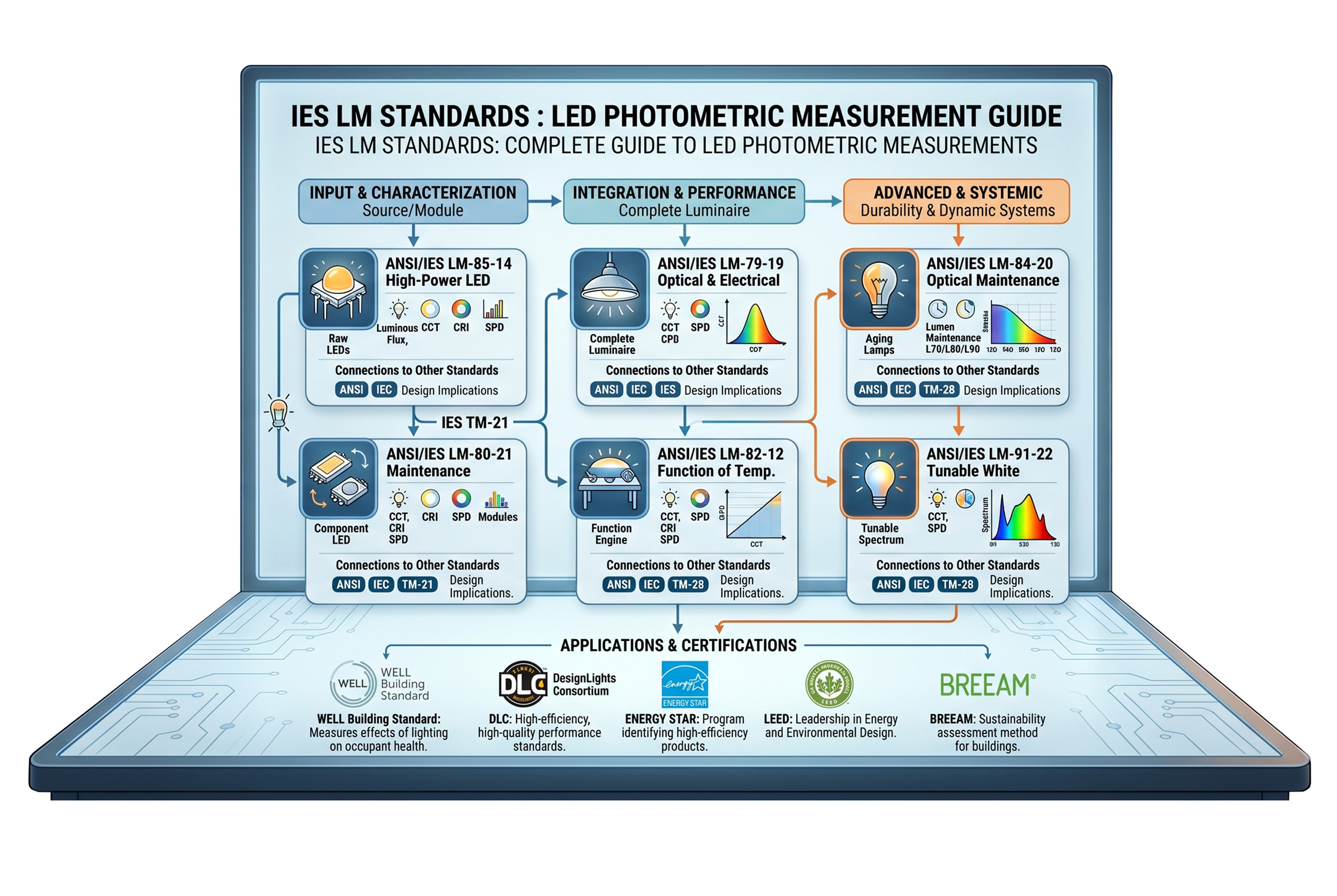
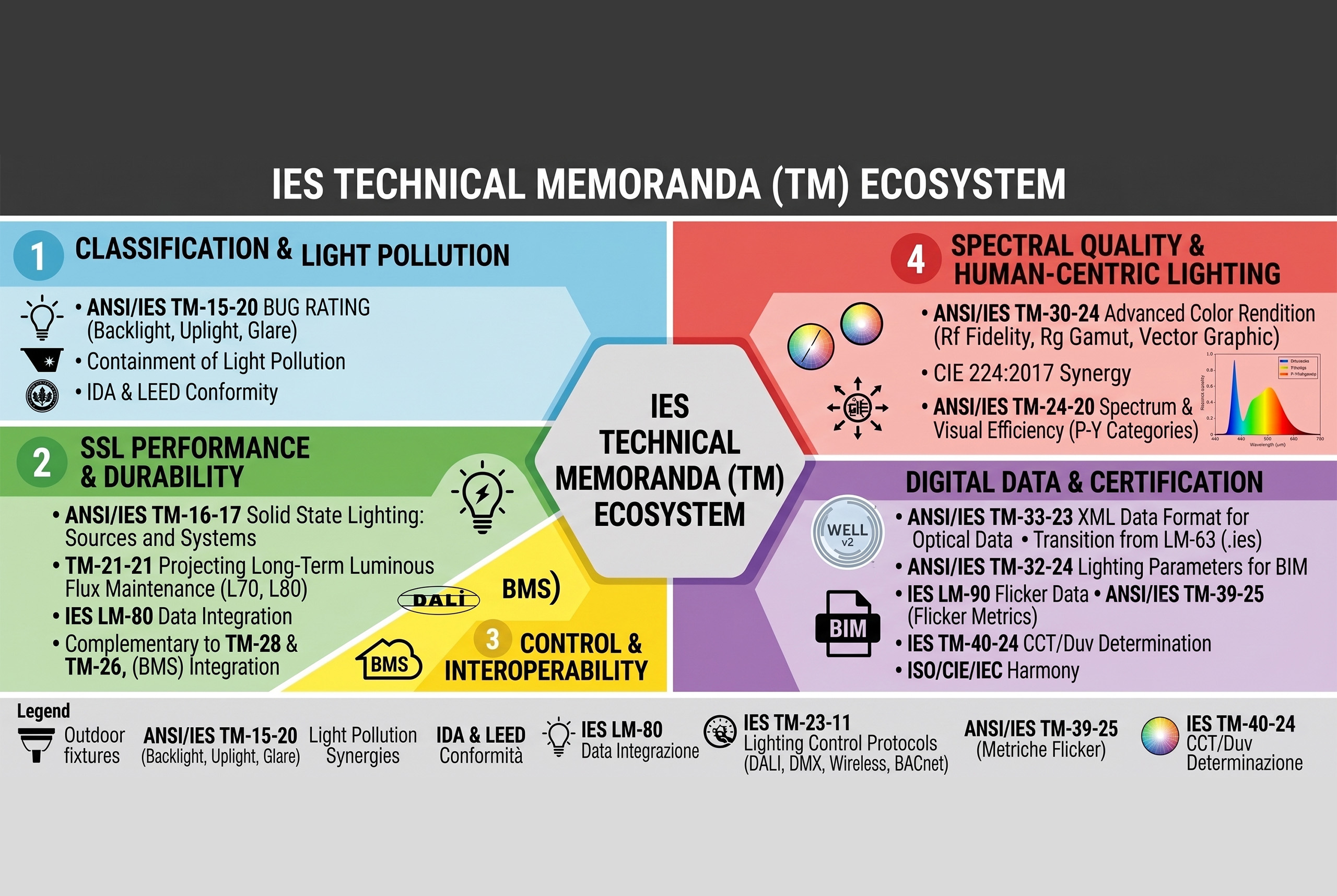
  • Types of documents - The IES publishes a regulatory corpus divided into several document categories, with over 100 active and periodically updated titles. The main formats include: Recommended Practices (RP): design guidelines for specific environments and intended uses (e.g. RP-1 for offices, RP-8 for road traffic, RP-30 for museum environments); Design Guides (DGs): practical documents geared towards integrated design; Lighting Measurements (LM): approved methods for photometric, electrical and performance measurement (e.g. IES LM-79 for measurements on LED luminaires, LM-80 for flux maintenance, LM-91 for tunable white luminaires); Technical Memoranda (TM): advanced studies and emerging methods for qualitative and quantitative analyses (e.g. TM-30-24 for advanced color rendering, TM-21 for light decay projection, TM-35 for flicker); ANSI/IES Standards: documents formally approved as American national standards, especially those related to energy, safety and computing; IES Lighting Handbook: systematic and multidisciplinary reference manual (latest edition: 10th, 2022). All documents are subject to a five-yearly review according to ANSI criteria, ensuring consistency with the state of the art and scientific validity.
  • Sectors of application - The IES guidelines cover a complete range of application areas: Lighting of environments: offices, schools, hospitals, places of worship, museums, retail, airports, theaters, sports facilities; Outdoor spaces: roads, parking lots, pedestrian environments, urban areas; Specialist applications: horticultural lighting (HCLP), human-centred lighting (TM-18), high colour perception environments (TM-30), adaptive control environments (lighting controls); Cross-cutting themes: energy efficiency, environmental sustainability, visual comfort, biological compatibility, photobiological safety, flicker, SPD, light pollution. In particular, IES has distinguished itself in the development of advanced metrics for light quality, such as: Rf and Rg (TM-30): to overcome the limits of traditional CRI; Flicker Percent & Flicker Index (TM-35): Comprehensive methods for assessing perceptual flicker; Circadian Stimulus (CS): Developed in collaboration with the Lighting Research Center. These tools make the IES a point of reference in lighting design with high perceptual, visual and biological value.
  • Links and international recognition - Despite being a US body, the IES has a strong international outlook, thanks to: Active participation in CIE committees (especially Div. 1, 3 and 6): IES contributions influence the development of global standards; International adoption of its formats: the photometric file. IES is recognized as a de facto standard in simulation software (DIALux, AGi32, Relux); Structured collaborations with: ASHRAE (e.g. ASHRAE/IES 90.1 for energy performance of buildings); IEEE (e.g. TM-35 and flicker standard); International Dark-Sky Association (IDA) for environmental criteria and reduction of scattered light; IESANZ, IESNA, CIBSE for regulatory and research exchanges. Several IES documents are considered by CIE, ISO, IEC for future updates. An emblematic example of this is the TM-30, already used as the basis for the new CIE 224:2017 colorimetric metric and currently included in proposals to revise the concept of universal color fidelity.

ISO (International Organization for Standardization)

  • Regulatory role and authority - ISO (International Organization for Standardization) is the leading international voluntary technical standardization body, active in over 160 countries. Founded in 1947, it operates through a network of national member bodies (in Italy, UNI), with the aim of developing harmonized standards to improve quality, safety, efficiency, sustainability and interoperability in the various industrial, scientific and professional sectors. In the field of lighting, ISO acts in close collaboration with the CIE and the IEC, and makes use in particular of the ISO/TC 274 "Light and lighting" Technical Committee, active since 2012. This committee coordinates regulatory activities in areas including photometry, colorimetry, visual health, wellness, sustainability, and emerging technologies.
  • Types of documents - ISO publishes: ISO International Standards: approved through a multilateral process among all ISO members; Joint ISO/CIE standards: developed in cooperation with the Commission Internationale de l'Éclairage to integrate the scientific basis of the CIE with the ISO standard format; Technical Specifications (ISO/TS) and Technical Reports (ISO/TR): used for technologies under development or for non-binding guidelines. These documents are often transposed as European (EN ISO) and national (e.g. UNI EN ISO), constituting the technical basis for environmental, energy and product regulations. Some representative examples: ISO/CIE 8995-1:2019 – Indoor workplace lighting (corresponding to EN 12464-1:2021); ISO/CIE S 026/E:2018 – Methodology for melanopic illuminance (introduction of the concept of MEDI – Melanopic Equivalent Daylight Illuminance); ISO/CIE 11664 (series) – Colorimetric standards (color coordinates, color spaces, visual tolerances, CIECAM02, CAM16).
  • Areas of application - The ISO standards applicable to the lighting sector cover a wide range of areas, including: Lighting of indoor and outdoor work environments: definition of lighting levels, visual comfort, uniformity, permissible glare; Light and radiation metrology: procedures for the measurement of photometric and radiometric quantities; Colorimetry and visual perception: definition of chromatic coordinates, vision models, color rendering, tolerances; Human-centered lighting and chronobiology: light applications for circadian well-being, visual safety, and melanopic stimulation; Energy efficiency and sustainability: performance indicators for buildings and products, in synergy with ISO 50001 (energy management systems) and EN 15193-1 (LENI) standards. All these documents are particularly relevant for lighting design integrated with environmental certification requirements (LEED, WELL, BREEAM) and European policies for the energy and digital transition.
  • International links and synergies - ISO works in close cooperation with the CIE and IEC, according to an integrated coding model. ISO/CIE standards derive directly from the joint work of technical committees (e.g. ISO/TC 274 – CIE Div. 3), ensuring: scientific alignment with the photometric and colorimetric metrics of the CIE; terminological and methodological consistency with IEC technical standards for products and equipment; direct traceability for national standardization (e.g. UNI, DIN, BSI, AFNOR) and reception in UNI EN ISO or CEI EN IEC form. In addition, ISO/CIE standards are frequently adopted as the regulatory basis for European EN standards, becoming fundamental tools for the technical regulation of projects, products and processes in the lighting sector.

IEC (International Electrotechnical Commission)

  • Regulatory Role and Authority - The International Electrotechnical Commission (IEC) is the international technical standardization body responsible for developing global standards in the field of electroengineering, electronics and related technologies, including lighting systems and components. Founded in 1906, the IEC defines specifications for safety, compatibility, performance, and interoperability of electrical and electronic equipment in more than 170 countries. In Italy, the IEC is represented by the CEI – Italian Electrotechnical Committee, which transposes and adapts IEC standards such as CEI EN through the European CENELEC The technical committee of reference for the lighting sector is IEC/TC 34 – Lamps and related equipment, divided into subgroups covering luminaires, sources, LEDs, modules, power supplies and digital control systems.
  • Types of documents - The IEC publishes: IEC International Standards: binding technical standards for industrial and commercial applications; IEC/TR Technical Reports: non-binding in-depth documents, useful for the interpretation or adoption of emerging technologies; IEC/TS Technical Specifications: used to regulate aspects that are still in the process of evolution or technological consolidation. Among the most relevant documents for lighting design and the production of lighting equipment, we note: IEC 60598 (series)Safety of lighting equipment, basis for CEI EN 60598; IEC 62722-1 / -2-1Photometric and functional performance of LED luminaires; IEC 62717Performance of LED modules, including color stability, durability, and flux maintenance; IEC TR 62778Assessment of photobiological risk from blue light, with criteria and limits for the different risk categories; IEC 62386 (series)DALI system for digital lighting control, now upgraded to DALI-2 and D4i versions; IEC 62031Safety requirements for LED modules; IEC 61347-2-13Safety of electronic ballasts for LEDs; IEC 62471Photobiological classification of lamps and lamp systems, still reference for high-risk light assessments.
  • Areas of application - IEC standards cover the entire spectrum of the life cycle and use of a lighting system, including: Luminaires: electrical safety, IP protection, insulation, construction requirements and type testing; Light sources: LED modules, retrofits, filaments, with performance parameters (lumen output, CCT, Ra, Rf/Rg, color stability); Power supplies and electronic drivers: efficiency, surge protection, dimmability, integrated controls; Control systems: protocols such as DALI – Digital Addressable Lighting Interface (standardised in IEC 62386), luminaire compatibility, interoperability; Photobiological safety and electromagnetic compatibility (EMC): in relation to visible, UV, IR and flicker radiation. These standards form the mandatory basis for CE marking and compliance with European Directives (LVD – Low Voltage Directive, EMC – Electromagnetic Compatibility, RoHS, Ecodesign), and are therefore essential for placing products on the European and international market.
  • Connections and harmonizations - IEC standards are systematically harmonized at European level by CENELEC, and implemented in Italy as CEI EN IEC, ensuring consistency between the international and national regulatory In addition: Some documents communicate with IES metrics: for example, IEC 63158 treats flicker in a complementary way to IES TM-35; IEC photobiological classifications (e.g. IEC 62471, TR 62778) are also considered by CIE, IES and UNI in LED risk assessments; The DALI protocol, born as an IEC standard, is now managed by DiiA (Digital Illumination Interface Alliance) according to IEC 62386 specifications, and integrated into projects compliant with BMS and automation systems. The adoption of IEC standards is therefore a fundamental requirement for luminaire manufacturers, lighting designers, system integrators and regulatory verifiers.

DIN/TS 67600:2022 – Biologically Effective Lighting

  • Regulatory Role and Authority - DIN/TS 67600:2022, published by the Deutsches Institut für Normung (DIN), is a Technical Specification (TS) that defines design criteria for human-centered lighting, with a focus on the biological and non-visual effects of light. Although it is not yet a harmonized European standard (EN), it is widely recognized as an internationally authoritative reference for circadian lighting design, especially in indoor environments intended for daily well-being. This document stands out for its scientifically based and multidisciplinary approach, which integrates elements of chronobiology, neuroscience and architectural design, representing one of the most comprehensive standards for light as a biological stimulus, as well as a visual phenomenon.
  • Types of documents - Being a Technical Specification (DIN/TS), DIN 67600 does not have mandatory regulatory value, but is configured as a structured technical document that: collects scientifically validated design recommendations; proposes quantitative parameters and qualitative criteria for the creation of biologically effective lighting schemes; is based on the advanced spectral metrology introduced by CIE S 026:2018, including the use of melanopic efficacy coefficients for the five photoreceptor classes of the human eye. Unlike standard standards (e.g. DIN EN 12464-1), this specification focuses on neurophysiological aspects, with an emphasis on the relationship between light and the circadian system.
  • Areas of application - DIN/TS 67600:2022 applies to all indoor environments where light can contribute to well-being, alertness, sleep quality and the synchronization of biological rhythms. The main areas of use include: Offices and workspaces (to increase performance and reduce fatigue); Schools and educational environments (to support attention and learning); Health facilities and residences for the elderly (to counteract disorientation and sleep disorders); Domestic spaces and hospitality (depending on circadian comfort). The standard distinguishes between light for the active phase (morning and day) and light for the evening or night phase, precisely defining: target values in EML – Equivalent Melanopic Lux, calculated on the basis of the melanopic vertical illuminance; optimal spectrum of action, favoring wavelengths in the blue-cyan region (460–490 nm) for the activation of hypothalamic photoreceptors; timing and duration of light exposure to promote circadian synchronization.
  • Links with other international standards and protocols - DIN/TS 67600:2022 derives directly from the metrological criteria established in CIE S 026:2018, adopting in full: the spectral action curves for photoreceptors (S-cones, M-cones, L-cones, rods, melanopsin); the melanopic efficacy coefficient (m-EEDI) for the evaluation of the biological impact of light; the definitions of MEDI (Melanopic Equivalent Daylight Illuminance) as an alternative parameter to photopic illuminance. In addition, the DIN/TS 67600 is fully compatible with the WELL v2 protocol, in particular with the L03 – Circadian Lighting Design Feature, which requires minimum levels of circadian stimulation (expressed in EML) depending on the time and type of activity. It is also adopted in projects that comply with the Human Centric Lighting (HCL) standards promoted by LightingEurope, where it represents the most advanced technical reference in the absence of an equivalent harmonized EN standard.

Main Regulatory Bodies and Guidelines in Lighting Technology

A comprehensive framework on technical standards, international collaborations and key documents for designing light according to scientific and performance criteria.

CIE (International Commission on Enlightenment)

  • Regulatory role and authority - The CIE (Commission Internationale de l'Éclairage) is recognized as the leading international scientific authority in the field of light, color and lighting. Founded in 1913, it is an independent, non-governmental, non-profit organization that operates as a global reference body for the definition of scientific, metric and regulatory bases in the lighting sector. Its influence extends globally, representing the point of convergence between research, technical application and regulatory harmonization.
  • Documents issued - The CIE prepares and publishes a structured set of technical documents, including: International Standards (CIE S): they constitute recognized normative documents, often co-published with ISO and IEC (e.g. CIE S 026:2018 for the melanopic efficacy of light); Technical Reports (CIE Technical Reports): descriptive documents, based on scientific evidence and validated by international expert groups (e.g. CIE 112:2023 on the photometry of road environments); Technical Guides (CIE Guides): provide practical guidelines for the design, evaluation or measurement of light in specific applications (e.g. CIE 234:2019 on museum lighting). Each document is the result of an international review process and adopts a structured numbering, with periodic updates reflecting advances in research and technology (e.g. updates on colour rendering, such as the transition from CRI to Rf/Rg with IES TM-30, to which the CIE actively contributes in theoretical terms).
  • Sectors of application - The regulatory activity of the CIE embraces the entire spectrum of lighting applications, with a structure organized into thematic divisions: Division 1 – Vision and Colour: visual functions, perception, color models, colorimetric spaces (e.g. CIE 1931, CIECAM02, CAM16); Division 2 – Physical Measurement of Light and Radiation: photometry, radiometry, measuring and calibration instruments; Division 3 – Interior Environment and Lighting Design: indoor design, visual comfort, glare, circadian lighting; Division 4 – Transportation and Exterior Applications: street lighting, urban environments, light pollution; Division 6 – Photobiology and Photochemistry: photobiological safety, UV and IR radiation, health effects; Division 8 – Image Technology: visual reproduction, HDR, multispectral imaging. In every area, the CIE provides definitions, algorithms, coordinate systems, performance thresholds and test methods that constitute the reference standard for the professional and regulatory community.
  • International harmonization - The CIE is formally recognized by ISO as the body responsible for standardization in light and color. Many joint ISO/CIE standards (e.g. ISO/CIE 8995-1:2019 – Lighting of indoor workplaces) represent the regulatory translation of the CIE technical recommendations. At the European level, CIE publications constitute the scientific basis of numerous EN standards implemented in the Member States (e.g. UNI EN 12464-1, EN 13201, EN 62778). This cooperation ensures terminological and methodological consistency between national, European and international standards, facilitating the application of common criteria between designers, manufacturers, standards bodies and regulatory authorities. The CIE thus acts as a central harmonization node, which is fundamental for the definition of universal parameters in an increasingly global, digital lighting market oriented towards visual and biological quality.

UNI (Italian Standardization Body)

  • Role and regulatory authority - UNI (Italian Standardization Body) is the recognized national body for voluntary technical standardization in Italy, active since 1921 and accredited at European and international level (member of CEN and ISO). It is a private non-profit association, which operates on behalf of the State to define shared technical standards to support innovation, safety, quality and sustainability in the various production and professional sectors. In the lighting sector, UNI plays a central role in defining design criteria, performance requirements and methodologies for verifying light in indoor and outdoor environments, acting as a regulatory reference for designers, manufacturers, installers, public administrations and certifiers.
  • Types of documents - UNI issues UNI Technical Standards, Technical Specifications (UNI/TS) and Technical Reports (UNI/TR). The documents can be: National (UNI), developed internally (e.g. UNI 10819 on the containment of the luminous flux upwards); European Standards (UNI EN), which derive from CEN standards (e.g. UNI EN 12464-1:2021 on indoor workplace lighting); International standards (UNI ISO, UNI EN ISO), to ensure alignment with the global standard (e.g. UNI EN ISO 8995-1). In addition, UNI can publish experimental or pre-normative documents such as Technical Specifications (UNI/TS), often developed in collaboration with public bodies and industrial stakeholders. A recent and relevant example is UNI/TS 11826:2021, which defines qualitative and quantitative criteria for the lighting of residences according to visual comfort and living usability.
  • Sectors of application - The UNI standards applicable to light and lighting cover a wide range of areas: 1) Indoor lighting: work, school, health, museum, commercial and residential environments; 2) Outdoor lighting: streets, squares, parks, galleries, sports facilities, historic and monumental buildings; 3) Emergency lighting: references integrated with the CEI EN 60598-2-22 standard and checks on illuminated signs; 4) Energy efficiency and sustainability: standards such as UNI EN 15193-1:2017 ("Energy requirements for lighting") define LENI (Lighting Energy Numeric Indicator) calculation methods, crucial for CAM Construction and environmental certifications (LEED, BREEAM); 5) Environmental protection: regulations on the containment of light pollution, such as UNI 10819, are particularly relevant in light of Lombardy Regional Law no. 31/2015 and the EU Directive on the energy performance of buildings (EPBD). The standards precisely define minimum and maximum values of illuminance, uniformity, glare (UGR), color rendering (CRI or TM-30), photometric distribution, helping to ensure visual comfort, safety and perceptual quality.
  • Connections and harmonizations - UNI is an active part in European and international technical standardization committees, participating in the drafting of CEN and ISO standards. Each EN standard implemented automatically becomes UNI EN: this allows perfect harmonization with European standards, ensuring consistency between Italian, continental and global regulations. In the lighting sector, this translates into the full adoption and updating of fundamental standards such as: UNI EN 12464-1:2021 (lighting of indoor work environments); UNI EN 13201 (public street lighting); UNI EN 13032-1 (measurement and presentation of photometric data); UNI EN 62722-2-1 (performance of LED lighting equipment). UNI regularly collaborates with CEI (Italian Electrotechnical Committee), especially for documents located at the intersection of lighting and electrical systems, contributing to hybrid standards (e.g. UNI/CEI). Finally, UNI standards are often based on CIE recommendations, such as visual sensitivity curves, vision models, or colorimetric coordinate systems, incorporating with scientific rigor the foundations on which the entire lighting discipline rests.

EN (European Standards – CEN/CENELEC)

  • Regulatory role and authority - The EN Standards (European Norms) represent the official technical standard of the European Union, developed by CEN (European Committee for Standardization) for general aspects and by CENELEC (European Committee for Electrotechnical Standardization) for electrical and electronic aspects. Once approved, EN standards must be compulsorily transposed as identical national standards by all member bodies (e.g. UNI in Italy, DIN in Germany, AFNOR in France), replacing any pre-existing standards in conflict. In the field of lighting technology, EN standards provide a harmonised technical framework at European level, defining common parameters, measurement methods, performance requirements and safety criteria for the design and evaluation of lighting installations, equipment and components.
  • Types of documents - EN standards are divided into different thematic series and formats: Standard EN standards (EN + number): mandatory and harmonized (e.g. EN 12464-1:2021 for indoor work environments); Technical Specifications (CEN/TS, CENELEC/TS): transitional or technical pre-standardization documents; Technical Reports (CEN/TR, CLC/TR): informative texts, often descriptive, based on best practices or scientific findings. In the field of lighting engineering, EN standards apply both to light quality requirements (illuminance levels, UGR, colour rendering) and to the electrotechnical and mechanical aspects of products (e.g. efficiency, safety, durability, EMC compatibility).
  • Areas of application - The main EN standard series currently in force cover the following sectors: EN 12464-1:2021 – Lighting of indoor work environments (offices, schools, laboratories, hospitals); EN 12464-2:2014 – Lighting of outdoor workplaces; EN 13201 (series) – Public and street lighting, including tunnels; EN 12193:2019 – Lighting for indoor and outdoor sports facilities; EN 1838:2025 – Emergency lighting in buildings (latest version with AEELS adaptive systems); EN 15193-1:2017 – Energy performance for lighting in buildings (LENI – Lighting Energy Numeric Indicator); EN 60598 (series) – Safety and photometric performance of luminaires (derived from IEC 60598); EN 62722 / EN 62031 / EN 62471 – Photobiological, thermal and electrical performance of modules and LEDs. These standards contain prescriptive values, calculation and testing methods that can be used for regulatory verification, certification and design according to CAM, LEED, WELL and other international protocols.
  • Links with other regulatory bodies - EN standards are closely coordinated with international standards: CEN collaborates with ISO (International Organization for Standardization); CENELEC harmonizes IEC (International Electrotechnical Commission) standards, which result in many product standards (e.g. EN IEC 60598, EN IEC 62471); The EN standards  take into account the scientific recommendations of the CIE (Commission Internationale de l'Éclairage), integrating definitions, colorimetric models and standard visual curves; Some documents exist in triple versions, with the same technical structure but different issuing bodies: for example, ISO/CIE 8995-1:2019 (lighting in the workplace) corresponds exactly to EN 12464-1:2021 and is published in Italy as UNI EN 12464-1:2021. This system ensures a common technical language between manufacturers, designers, verifiers and legislators, facilitating the circulation of products and expertise within the European single market and ensuring compliance with EU directives (such as the Ecodesign Directive, EPBD or EMC).

CEI (Italian Electrotechnical Committee)

  • Role and regulatory authority - The CEI (Italian Electrotechnical Committee) is the national technical standardization body for the electrotechnical, electronic and telecommunications sectors, legally recognized by the Italian State. It is a private non-profit association that represents Italy in the international standardization committees IEC (International Electrotechnical Commission) and CENELEC (European Committee for Electrotechnical Standardization). In the field of lighting engineering, the CEI has specific regulatory competence on everything related to electrical safety, electromagnetic compatibility, the technical performance of lighting fixtures and components and plant requirements. The CEI standards are complementary to the UNI standards, which focus on  the photometric and design aspects of lighting.
  • Documents issued - The CEI mainly publishes: CEI EN standards, which incorporate the European CENELEC or international IEC standards; CEI UNI/CEI standards, issued jointly for transversal themes; CEI Technical Guides (GT) and CEI Technical Reports (TR), which deepen the application of harmonized standards or address emerging aspects. Among the relevant documents for the lighting sector are: CEI EN 60598-1 / -2-XX: safety of lighting fixtures (derived from IEC 60598); CEI EN 62471: assessment of the photobiological risk of light sources (blue light, UV); CEI EN IEC 62031: safety requirements for LED modules; CEI EN 61347-1 / -2-13: safety requirements for power supplies and electronic drivers for LEDs; CEI 34-189:2020 Guide: interpolation of photometric/electrical parameters from measurements on LED luminaires; Technical Report CEI 34-141: blue light risk assessment and classification of LED products; CEI 34-22: autonomous luminaires for emergency lighting, with criteria for verification and installation. These documents precisely define construction requirements, type tests, installation conditions, supporting both manufacturers and electrical and lighting designers.
  • Sectors of application - CEI standards cover the following areas of lighting extensively: Lighting fixtures: electrical safety, insulation, IP, heat protection, photometry (CEI EN 60598 series); Light sources and LED modules: photobiological safety, thermal emission, marking requirements (CEI EN 62471, CEI EN IEC 62031); Drivers and electronic components: CEI EN 61347 for electronic ballasts, CEI EN 62384 for dimmable controls; Lighting systems: within the CEI 64-8 (low voltage user systems standard), in particular in the sections dedicated to general, emergency and scenographic lighting; Special applications: theatres, television studios, high-risk industrial environments, sports facilities, with specific regulatory references and additional checks. In each sector, the CEI sets parameters to ensure plant safety, energy efficiency, durability of components, EMC compatibility and compliance with the requirements of European Directives (LVD, EMC, RoHS, Ecodesign).
  • National connections and national cooperation - The CEI actively participates in the international technical committees IEC TC34 (Lighting), IEC TC64 (Electrical installations), IEC TC76 (Optical radiation safety), contributing to the definition of harmonized standards that were later implemented as CEI EN. At the same time, CEI collaborates closely with UNI to ensure regulatory consistency between lighting and plant engineering aspects. A compliant project must in fact comply with: the UNI standards (minimum illuminance, visual comfort, UGR, Ra/TM-30); and the CEI standards (safety of the equipment, circuit disconnection, compliance with EU directives). The synergy between these two bodies makes it possible to create safe, legally solid and up-to-date projects according to the technological evolution of the sector, particularly in emerging fields such as LED lighting, smart lighting systems, DALI control, and photobiology.

IES (Illuminating Engineering Society)

  • Regulatory Role and Authority - The IES (Illuminating Engineering Society), formerly known as IESNA – Illuminating Engineering Society of North America, is North America's leading technical-professional organization in the lighting and lighting industry. Founded in the United States in 1906, it is formally accredited by ANSI (American National Standards Institute) as a national standards body. The name IESNA was officially used until about 2010, and is still present in numerous historical reference documents – such as ANSI/IESNA RP-8 (street lighting), ANSI/IESNA RP-1 (offices), LM-79, LM-80 – which continue to be valid, although they are updated today under the acronym ANSI/IES. The transition from IESNA to IES reflects an identity and institutional evolution that has not changed the regulatory structure, but has simplified the official name for greater international recognition. The IES brings together a wide spectrum of professionals – lighting designers, engineers, architects, researchers, manufacturers – and performs a dual function: 1) To develop technical standards and recommended practices, following formalized procedures according to the ANSI Essential Requirements, which ensure their validity as American National Standards; 2) To promote design excellence and the adoption of innovative solutions through research, technical training, publications and dissemination of lighting culture. Thanks to its authoritativeness and highly interdisciplinary approach, the IES represents one of the most influential interlocutors at international level, especially in technologically advanced sectors or sectors not yet fully regulated by ISO/CIE. In this context, the IES (formerly IESNA) has introduced and promoted pioneering metrics, such as the TM-30 system (Rf, Rg), specifications for circadian lighting (e.g. CS – Circadian Stimulus), flicker measurement methods (TM-35) and specifications on photometric digital formats (.ies), which are now de facto standards at a global level.
  • Types of documents - The IES publishes a regulatory corpus divided into several document categories, with over 100 active and periodically updated titles. The main formats include: Recommended Practices (RP): design guidelines for specific environments and intended uses (e.g. RP-1 for offices, RP-8 for road traffic, RP-30 for museum environments); Design Guides (DGs): practical documents geared towards integrated design; Lighting Measurements (LM): approved methods for photometric, electrical and performance measurement (e.g. IES LM-79 for measurements on LED luminaires, LM-80 for flux maintenance, LM-91 for tunable white luminaires); Technical Memoranda (TM): advanced studies and emerging methods for qualitative and quantitative analyses (e.g. TM-30-24 for advanced color rendering, TM-21 for light decay projection, TM-35 for flicker); ANSI/IES Standards: documents formally approved as American national standards, especially those related to energy, safety and computing; IES Lighting Handbook: systematic and multidisciplinary reference manual (latest edition: 10th, 2022). All documents are subject to a five-yearly review according to ANSI criteria, ensuring consistency with the state of the art and scientific validity.
  • Sectors of application - The IES guidelines cover a complete range of application areas: Lighting of environments: offices, schools, hospitals, places of worship, museums, retail, airports, theaters, sports facilities; Outdoor spaces: roads, parking lots, pedestrian environments, urban areas; Specialist applications: horticultural lighting (HCLP), human-centred lighting (TM-18), high colour perception environments (TM-30), adaptive control environments (lighting controls); Cross-cutting themes: energy efficiency, environmental sustainability, visual comfort, biological compatibility, photobiological safety, flicker, SPD, light pollution. In particular, IES has distinguished itself in the development of advanced metrics for light quality, such as: Rf and Rg (TM-30): to overcome the limits of traditional CRI; Flicker Percent & Flicker Index (TM-35): Comprehensive methods for assessing perceptual flicker; Circadian Stimulus (CS): Developed in collaboration with the Lighting Research Center. These tools make the IES a point of reference in lighting design with high perceptual, visual and biological value.
  • Links and international recognition - Despite being a US body, the IES has a strong international outlook, thanks to: Active participation in CIE committees (especially Div. 1, 3 and 6): IES contributions influence the development of global standards; International adoption of its formats: the photometric file. IES is recognized as a de facto standard in simulation software (DIALux, AGi32, Relux); Structured collaborations with: ASHRAE (e.g. ASHRAE/IES 90.1 for energy performance of buildings); IEEE (e.g. TM-35 and flicker standard); International Dark-Sky Association (IDA) for environmental criteria and reduction of scattered light; IESANZ, IESNA, CIBSE for regulatory and research exchanges. Several IES documents are considered by CIE, ISO, IEC for future updates. An emblematic example of this is the TM-30, already used as the basis for the new CIE 224:2017 colorimetric metric and currently included in proposals to revise the concept of universal color fidelity.

ISO (International Organization for Standardization)

  • Regulatory role and authority - ISO (International Organization for Standardization) is the leading international voluntary technical standardization body, active in over 160 countries. Founded in 1947, it operates through a network of national member bodies (in Italy, UNI), with the aim of developing harmonized standards to improve quality, safety, efficiency, sustainability and interoperability in the various industrial, scientific and professional sectors. In the field of lighting, ISO acts in close collaboration with the CIE and the IEC, and makes use in particular of the ISO/TC 274 "Light and lighting" Technical Committee, active since 2012. This committee coordinates regulatory activities in areas including photometry, colorimetry, visual health, wellness, sustainability, and emerging technologies.
  • Types of documents - ISO publishes: ISO International Standards: approved through a multilateral process among all ISO members; Joint ISO/CIE standards: developed in cooperation with the Commission Internationale de l'Éclairage to integrate the scientific basis of the CIE with the ISO standard format; Technical Specifications (ISO/TS) and Technical Reports (ISO/TR): used for technologies under development or for non-binding guidelines. These documents are often transposed as European (EN ISO) and national (e.g. UNI EN ISO), constituting the technical basis for environmental, energy and product regulations. Some representative examples: ISO/CIE 8995-1:2019 – Indoor workplace lighting (corresponding to EN 12464-1:2021); ISO/CIE S 026/E:2018 – Methodology for melanopic illuminance (introduction of the concept of MEDI – Melanopic Equivalent Daylight Illuminance); ISO/CIE 11664 (series) – Colorimetric standards (color coordinates, color spaces, visual tolerances, CIECAM02, CAM16).
  • Areas of application - The ISO standards applicable to the lighting sector cover a wide range of areas, including: Lighting of indoor and outdoor work environments: definition of lighting levels, visual comfort, uniformity, permissible glare; Light and radiation metrology: procedures for the measurement of photometric and radiometric quantities; Colorimetry and visual perception: definition of chromatic coordinates, vision models, color rendering, tolerances; Human-centered lighting and chronobiology: light applications for circadian well-being, visual safety, and melanopic stimulation; Energy efficiency and sustainability: performance indicators for buildings and products, in synergy with ISO 50001 (energy management systems) and EN 15193-1 (LENI) standards. All these documents are particularly relevant for lighting design integrated with environmental certification requirements (LEED, WELL, BREEAM) and European policies for the energy and digital transition.
  • International links and synergies - ISO works in close cooperation with the CIE and IEC, according to an integrated coding model. ISO/CIE standards derive directly from the joint work of technical committees (e.g. ISO/TC 274 – CIE Div. 3), ensuring: scientific alignment with the photometric and colorimetric metrics of the CIE; terminological and methodological consistency with IEC technical standards for products and equipment; direct traceability for national standardization (e.g. UNI, DIN, BSI, AFNOR) and reception in UNI EN ISO or CEI EN IEC form. In addition, ISO/CIE standards are frequently adopted as the regulatory basis for European EN standards, becoming fundamental tools for the technical regulation of projects, products and processes in the lighting sector.

IEC (International Electrotechnical Commission)

  • Regulatory Role and Authority - The International Electrotechnical Commission (IEC) is the international technical standardization body responsible for developing global standards in the field of electroengineering, electronics and related technologies, including lighting systems and components. Founded in 1906, the IEC defines specifications for safety, compatibility, performance, and interoperability of electrical and electronic equipment in more than 170 countries. In Italy, the IEC is represented by the CEI – Italian Electrotechnical Committee, which transposes and adapts IEC standards such as CEI EN through the European CENELEC The technical committee of reference for the lighting sector is IEC/TC 34 – Lamps and related equipment, divided into subgroups covering luminaires, sources, LEDs, modules, power supplies and digital control systems.
  • Types of documents - The IEC publishes: IEC International Standards: binding technical standards for industrial and commercial applications; IEC/TR Technical Reports: non-binding in-depth documents, useful for the interpretation or adoption of emerging technologies; IEC/TS Technical Specifications: used to regulate aspects that are still in the process of evolution or technological consolidation. Among the most relevant documents for lighting design and the production of lighting equipment, we note: IEC 60598 (series)Safety of lighting equipment, basis for CEI EN 60598; IEC 62722-1 / -2-1Photometric and functional performance of LED luminaires; IEC 62717Performance of LED modules, including color stability, durability, and flux maintenance; IEC TR 62778Assessment of photobiological risk from blue light, with criteria and limits for the different risk categories; IEC 62386 (series)DALI system for digital lighting control, now upgraded to DALI-2 and D4i versions; IEC 62031Safety requirements for LED modules; IEC 61347-2-13Safety of electronic ballasts for LEDs; IEC 62471Photobiological classification of lamps and lamp systems, still reference for high-risk light assessments.
  • Areas of application - IEC standards cover the entire spectrum of the life cycle and use of a lighting system, including: Luminaires: electrical safety, IP protection, insulation, construction requirements and type testing; Light sources: LED modules, retrofits, filaments, with performance parameters (lumen output, CCT, Ra, Rf/Rg, color stability); Power supplies and electronic drivers: efficiency, surge protection, dimmability, integrated controls; Control systems: protocols such as DALI – Digital Addressable Lighting Interface (standardised in IEC 62386), luminaire compatibility, interoperability; Photobiological safety and electromagnetic compatibility (EMC): in relation to visible, UV, IR and flicker radiation. These standards form the mandatory basis for CE marking and compliance with European Directives (LVD – Low Voltage Directive, EMC – Electromagnetic Compatibility, RoHS, Ecodesign), and are therefore essential for placing products on the European and international market.
  • Connections and harmonizations - IEC standards are systematically harmonized at European level by CENELEC, and implemented in Italy as CEI EN IEC, ensuring consistency between the international and national regulatory In addition: Some documents communicate with IES metrics: for example, IEC 63158 treats flicker in a complementary way to IES TM-35; IEC photobiological classifications (e.g. IEC 62471, TR 62778) are also considered by CIE, IES and UNI in LED risk assessments; The DALI protocol, born as an IEC standard, is now managed by DiiA (Digital Illumination Interface Alliance) according to IEC 62386 specifications, and integrated into projects compliant with BMS and automation systems. The adoption of IEC standards is therefore a fundamental requirement for luminaire manufacturers, lighting designers, system integrators and regulatory verifiers.

DIN/TS 67600:2022 – Biologically Effective Lighting

  • Regulatory Role and Authority - DIN/TS 67600:2022, published by the Deutsches Institut für Normung (DIN), is a Technical Specification (TS) that defines design criteria for human-centered lighting, with a focus on the biological and non-visual effects of light. Although it is not yet a harmonized European standard (EN), it is widely recognized as an internationally authoritative reference for circadian lighting design, especially in indoor environments intended for daily well-being. This document stands out for its scientifically based and multidisciplinary approach, which integrates elements of chronobiology, neuroscience and architectural design, representing one of the most comprehensive standards for light as a biological stimulus, as well as a visual phenomenon.
  • Types of documents - Being a Technical Specification (DIN/TS), DIN 67600 does not have mandatory regulatory value, but is configured as a structured technical document that: collects scientifically validated design recommendations; proposes quantitative parameters and qualitative criteria for the creation of biologically effective lighting schemes; is based on the advanced spectral metrology introduced by CIE S 026:2018, including the use of melanopic efficacy coefficients for the five photoreceptor classes of the human eye. Unlike standard standards (e.g. DIN EN 12464-1), this specification focuses on neurophysiological aspects, with an emphasis on the relationship between light and the circadian system.
  • Areas of application - DIN/TS 67600:2022 applies to all indoor environments where light can contribute to well-being, alertness, sleep quality and the synchronization of biological rhythms. The main areas of use include: Offices and workspaces (to increase performance and reduce fatigue); Schools and educational environments (to support attention and learning); Health facilities and residences for the elderly (to counteract disorientation and sleep disorders); Domestic spaces and hospitality (depending on circadian comfort). The standard distinguishes between light for the active phase (morning and day) and light for the evening or night phase, precisely defining: target values in EML – Equivalent Melanopic Lux, calculated on the basis of the melanopic vertical illuminance; optimal spectrum of action, favoring wavelengths in the blue-cyan region (460–490 nm) for the activation of hypothalamic photoreceptors; timing and duration of light exposure to promote circadian synchronization.
  • Links with other international standards and protocols - DIN/TS 67600:2022 derives directly from the metrological criteria established in CIE S 026:2018, adopting in full: the spectral action curves for photoreceptors (S-cones, M-cones, L-cones, rods, melanopsin); the melanopic efficacy coefficient (m-EEDI) for the evaluation of the biological impact of light; the definitions of MEDI (Melanopic Equivalent Daylight Illuminance) as an alternative parameter to photopic illuminance. In addition, the DIN/TS 67600 is fully compatible with the WELL v2 protocol, in particular with the L03 – Circadian Lighting Design Feature, which requires minimum levels of circadian stimulation (expressed in EML) depending on the time and type of activity. It is also adopted in projects that comply with the Human Centric Lighting (HCL) standards promoted by LightingEurope, where it represents the most advanced technical reference in the absence of an equivalent harmonized EN standard.

Other Lighting Post

Other Lighting Post

This section brings together a comprehensive body of theoretical, scientific, and design insights into the theory of light applied to lighting design, systematically addressing the complex relationship between light, visual perception, and spatial design. The content develops the physical foundations of light, an understanding of the mechanisms of human vision, the differences between photopic and melanopic illuminance, and the biological impact of artificial light, integrating advanced metrics and contemporary interpretation criteria.

The page also explores the functioning of LED sources, the spectral and perceptual implications of solid-state light, the evolution of color rendering criteria, and the growing role of light as an informational and perceptual system, capable of influencing behavior, comfort, and the quality of spatial experience.

Ample space is dedicated to the relevant regulatory and technical framework, international standards, sustainability protocols, and control systems, understood as essential tools for rigorous, measurable, and consistent design.

Overall, the section provides a vision of the theory of light as the cultural and operational basis of lighting design, in which scientific knowledge, perceptual awareness, and design method converge to guide the lighting designer in the construction of balanced, legible, and qualitatively significant spaces.
This section brings together a comprehensive body of theoretical, scientific, and design insights into the theory of light applied to lighting design, systematically addressing the complex relationship between light, visual perception, and spatial design. The content develops the physical foundations of light, an understanding of the mechanisms of human vision, the differences between photopic and melanopic illuminance, and the biological impact of artificial light, integrating advanced metrics and contemporary interpretation criteria.

The page also explores the functioning of LED sources, the spectral and perceptual implications of solid-state light, the evolution of color rendering criteria, and the growing role of light as an informational and perceptual system, capable of influencing behavior, comfort, and the quality of spatial experience.

Ample space is dedicated to the relevant regulatory and technical framework, international standards, sustainability protocols, and control systems, understood as essential tools for rigorous, measurable, and consistent design.

Overall, the section provides a vision of the theory of light as the cultural and operational basis of lighting design, in which scientific knowledge, perceptual awareness, and design method converge to guide the lighting designer in the construction of balanced, legible, and qualitatively significant spaces.
Beyond the CRI: The New Era of Colour Rendering in Architectural Light How Rf and Rg redefine color rendering for a light designed on the visual experience Continuing the analysis…
Dalla-Percezione-alla-Funzione-L’Influenza-della-Temperatura-di-Colore-sullo-Spazio-Illuminato-copertina
From Perception to Function: The Influence of Color Temperature on Illuminated Space Color temperature as a perceptual language: designing atmospheres, guiding vision and shaping space After exploring the scientific bases,…
La-luce-che-informa-rivoluzione-o-rischio-per-il-futuro-dell’illuminazione-copertina-eng
The Light That Informs: Revolution or Risk for the Future of Lighting? μPLS and microLED between innovation and danger of visual excess Historically, we are used to thinking of artificial…
Differences Between Traditional LEDs and μPLS by Nichia: From the Car to the City, the Path of the Digital Light Engine From road safety to smart city: μPLS and high-resolution…
The Silent Revolution of LEDs: The Crisis of Seeing in the Age of Solid-State Lighting From Daylight to Electrical Simulation, Digital Lighting Redefines Perception, Dissolving the Link Between Visual Experience…
Technical Regulations for Electrical Systems and Lighting in Yachts Electrical safety, visual comfort and ship compliance according to IEC, ISO, CEI, RINA and DNV standards. Electrical Safety and Wiring in…
Standard-Lighting-Measurements-(LM)-dell’IES-Codici,-Struttura-e-Implicazioni-Progettuali_Copertina-eng
IES Standard Lighting Measurements (LM): Codes, Structure, and Design Implications Technical guide to LM standards for measuring the photometric, chromatic, and electrical performance of LEDs, modules, and luminaires. After having…
Standard-Technical-Memoranda-(TM)-dell’IES-Codici,-Struttura-e-Implicazioni-Progettuali_Copertina-eng
IES Standard Technical Memoranda (TM): Codes, Structure, and Design Implications A technical guide to the use and interpretation of TM documents in lighting design The following insight is dedicated to…
Authoritative Standards and Guidelines in Lighting Technology: Multilevel Structure and Design Applications A complex regulatory system for designing light with technical rigor and application coherence The evolution of light sources…
With the advent of LED sources, can we define the 1931 CIE diagram as obsolete? Formally no, but practically yes, in many application contexts. Now that we have understood how…
digital light and perceived thresholds - cover
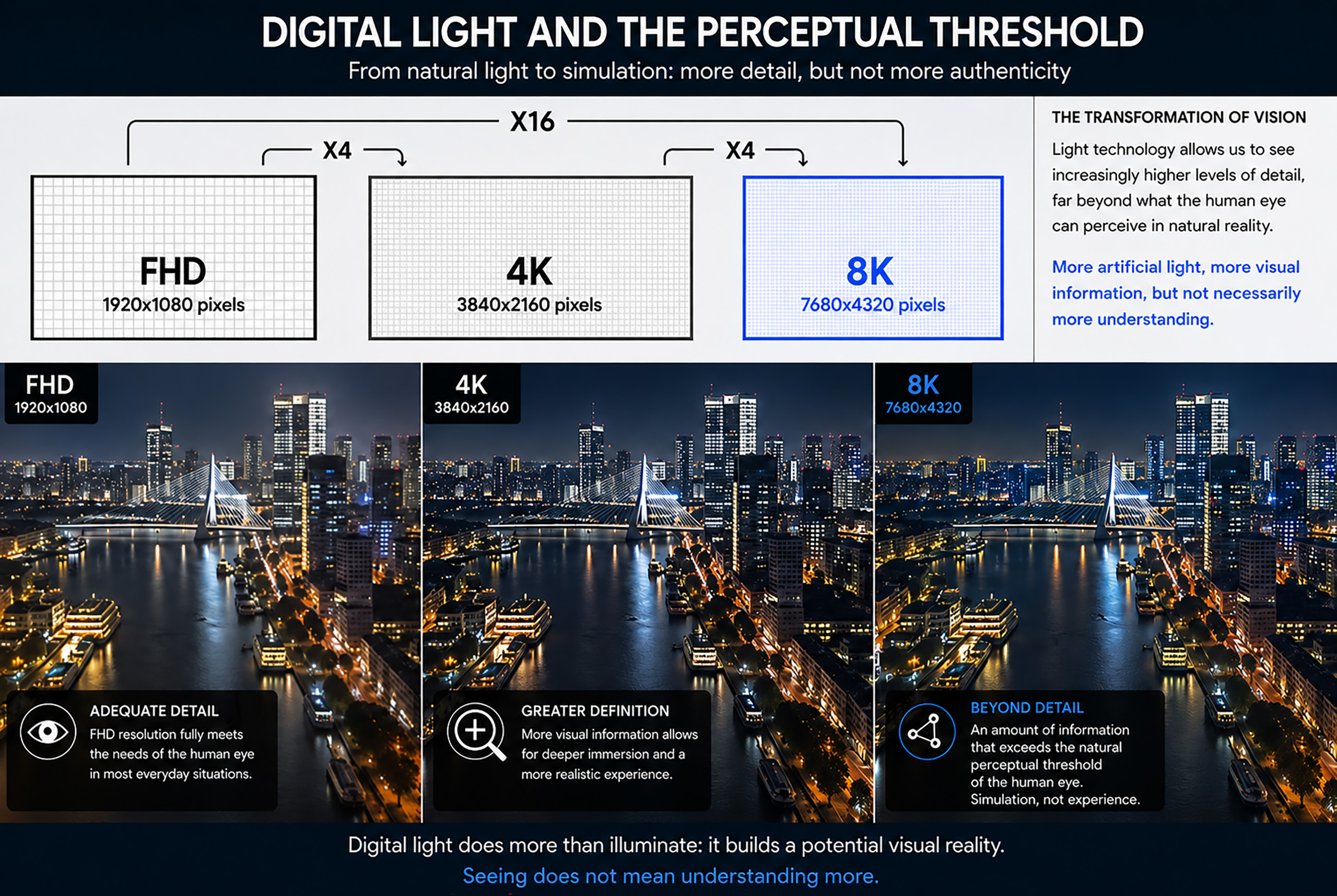
Digital Lighting and Visual Perception: the Dissolution of the See/Understand Relationship How electric light is changing the relationship between seeing, experiencing, and understanding the world In today's era of digital…
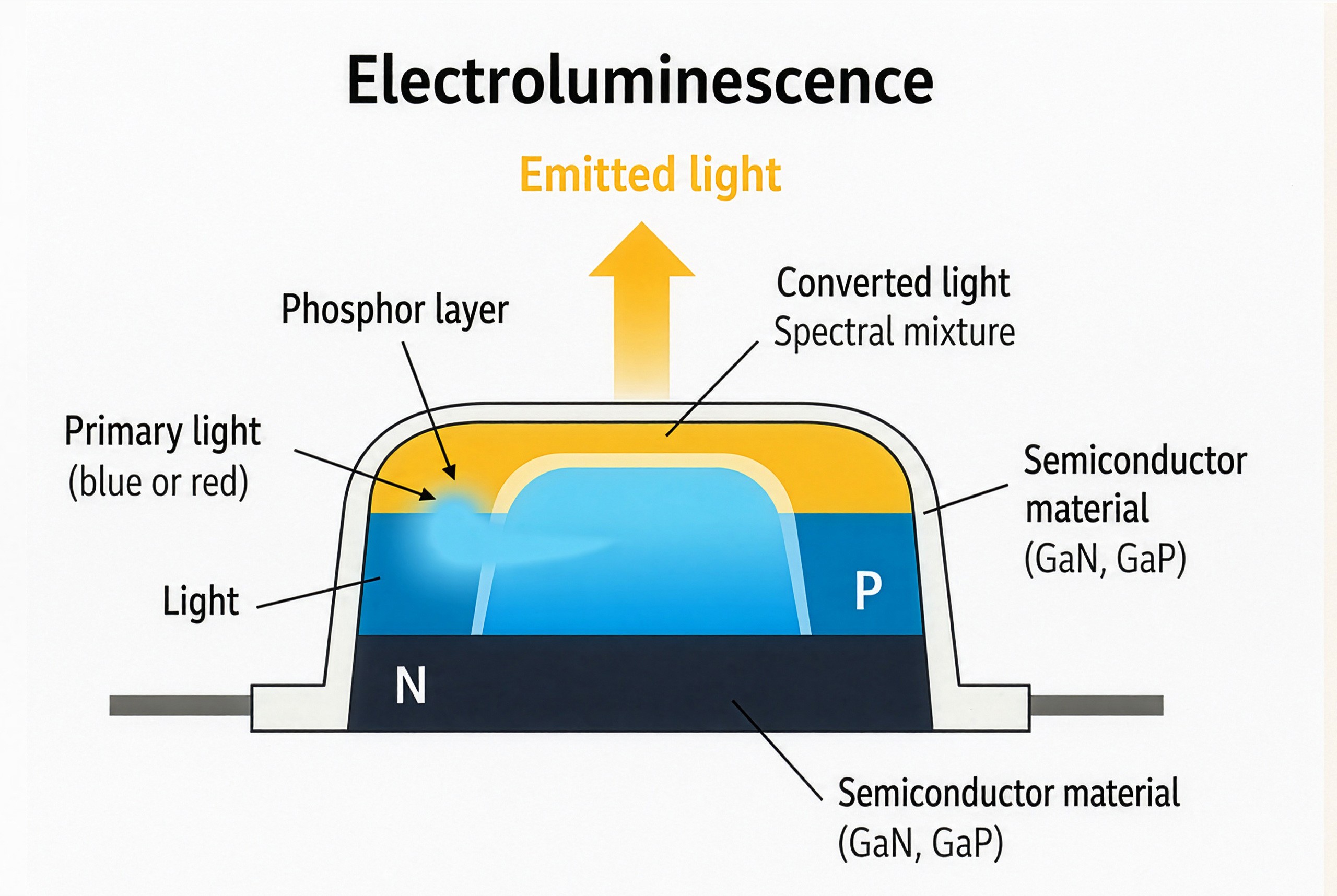
Electroluminescence Process in LED Semiconductor Devices
How LEDs Work: Electroluminescence, Materials, and the Light Spectrum From semiconductor structure to color rendering: how LED light takes shape Visible light, although perceived as a continuous and unified phenomenon,…
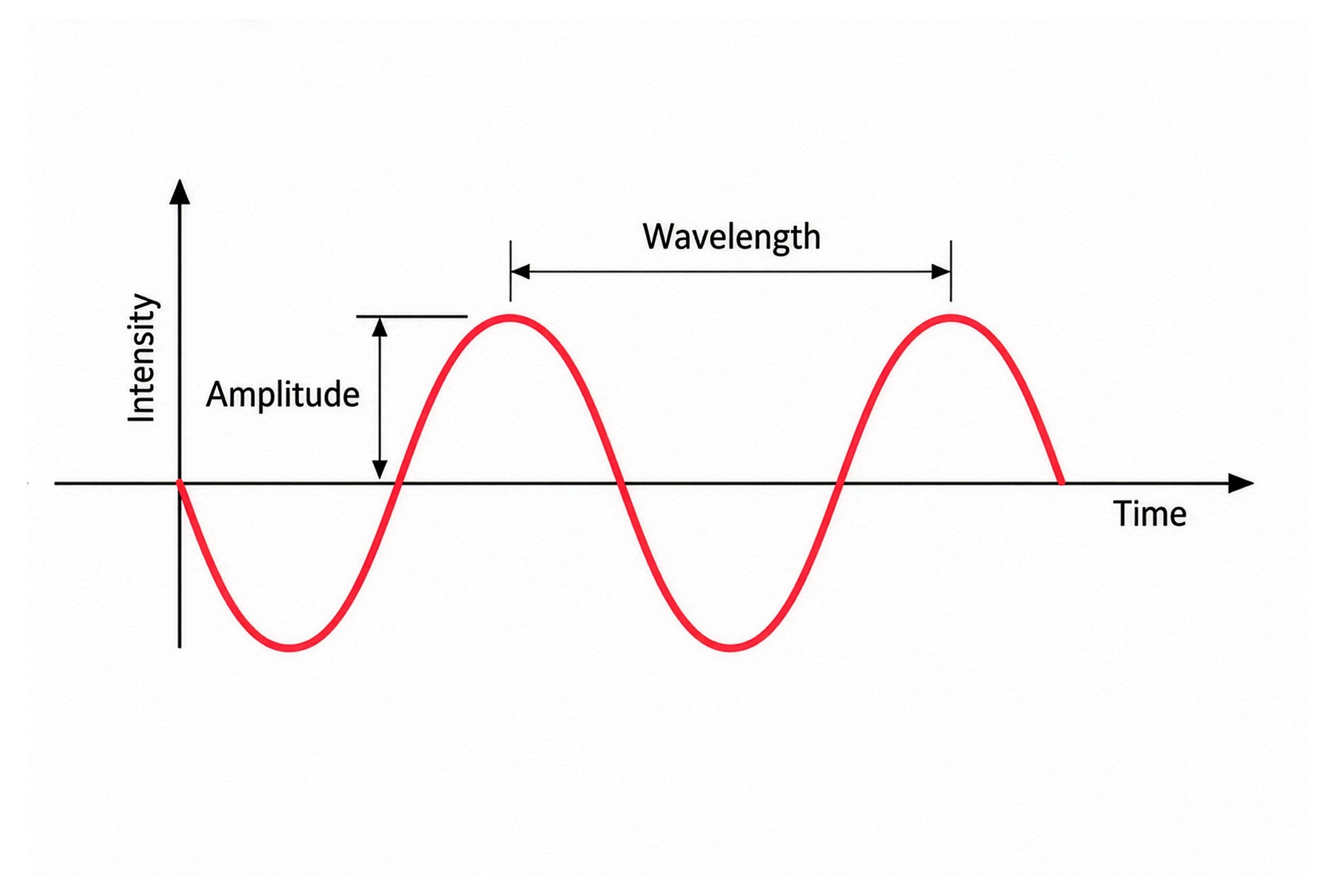
Fundamental Properties of Electromagnetic-Waves Amplitude and Wavelength
Visible Light and the Electromagnetic Spectrum: Physical Principles for Lighting Design How wavelengths influence perception, color, and light design After examining how the human eye adapts to different illumination levels…
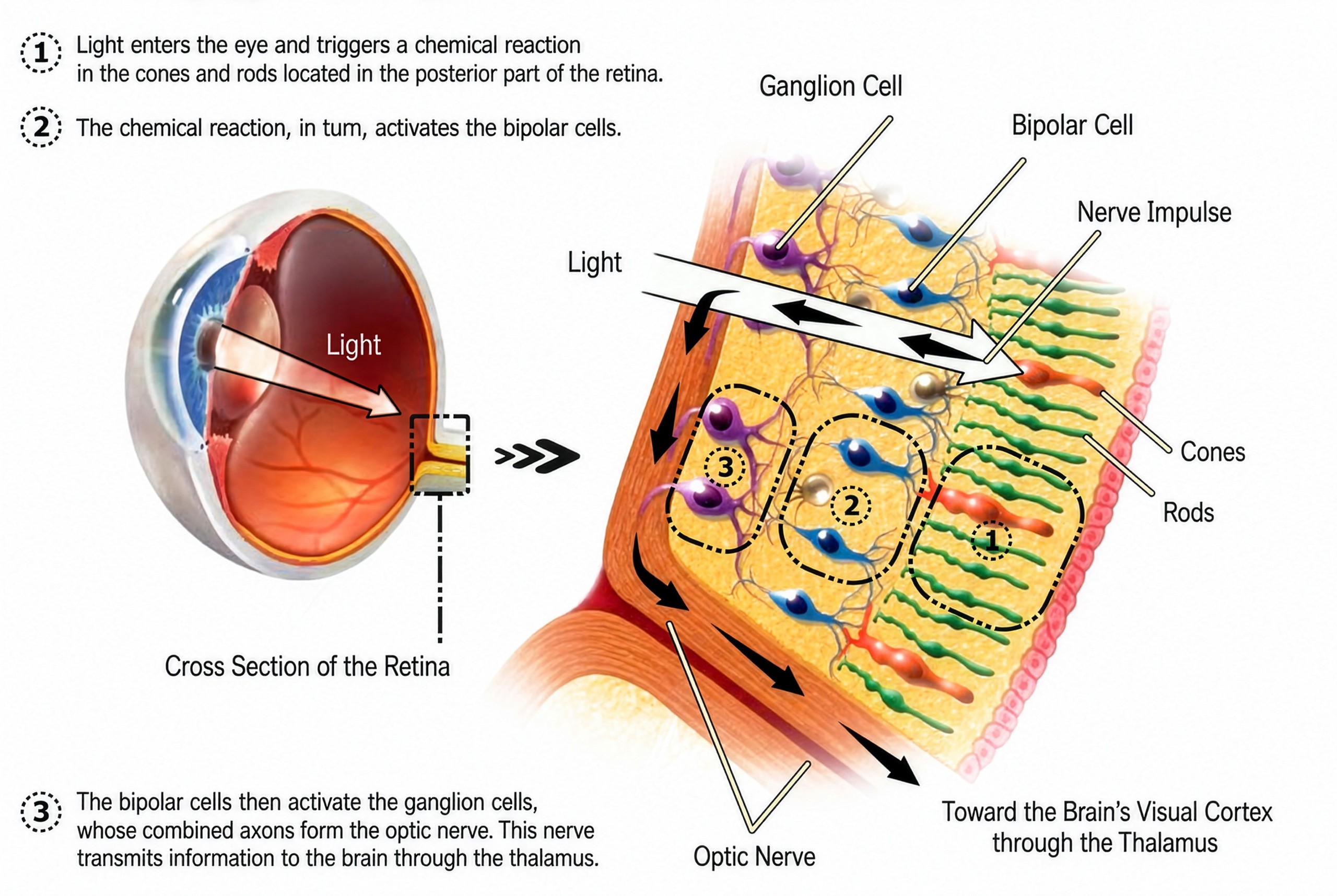
Visual Signal Transmission Pathway in the Human Retina
Photopic vs Melanopic Illuminance: Definition and Spectral Sensitivity MEDI, EML, and CS. Three essential indicators for measuring the circadian impact of artificial light The perception of light varies according to…
Light Perception Human Eye Capabilities and Limitations
Light Perception: Capabilities and Limits of the Human Eye Understanding how the human eye works is the first step toward designing light with awareness  The human eye is a highly…
Lighting-Design-e-Teoria-della-Luce
Lighting Design and Light Theory Complexity in the relationship between light, perception, and design   How does a lighting designer develop a lighting project? Which disciplines should a rigorous lighting…
MENU