Fundamental Properties of Electromagnetic Waves Amplitude and Wavelength

Visible Light and the Electromagnetic Spectrum: Physical Principles for Lighting Design

How wavelengths influence perception, color, and light design

After examining how the human eye adapts to different illumination levels through photopic, scotopic, and mesopic visual modes, and after exploring the non-visual effects of light on the melanopic system and circadian balance, it is now necessary to take a step back in order to understand the physical nature of light.

To design light correctly, in fact, it is not enough to understand its effects on perception or physiological well-being: one must begin with its physical foundations, namely electromagnetic radiation. This is the true source of the luminous phenomenon, the point of connection between wave physics and the biology of vision.

Understanding how luminous energy is generated, transmitted, and modulated across different wavelengths is essential for correctly interpreting the visible spectrum, the spectral composition of a light source, and its perceptual and biological implications.

In the next section, we will therefore analyze what electromagnetic radiation is, how it relates to visible light, and how its characteristics — such as wavelength — influence color perception, spectrum formation, and the quality of white light encountered in everyday environments.

Electromagnetic radiation is the physical phenomenon through which the Sun and other luminous sources emit energy in the form of waves, propagating simultaneously as oscillating electric and magnetic fields.

These waves travel in straight lines and, although they obey the same physical laws — such as reflection, refraction, and diffraction — they produce different effects depending on their energy level.

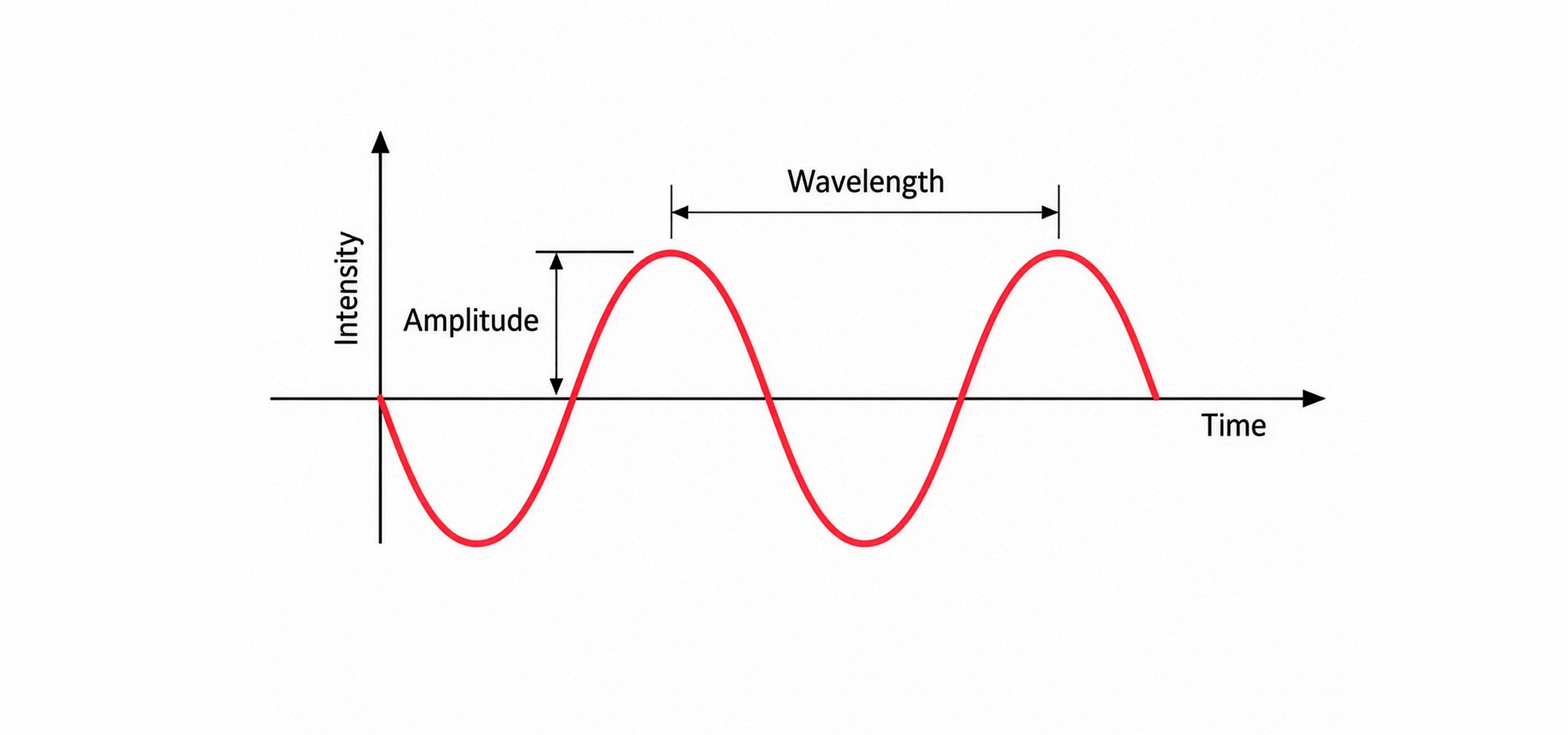
This energy is determined by wavelength (λ): the shorter the wavelength, the greater the energy carried by the electromagnetic wave.

Within the electromagnetic spectrum, only a small portion is perceivable by the human eye, and this is defined as visible light, ranging approximately from 380 nanometers (nm) to 780 nm. This band represents the portion of the spectrum that human beings interpret as colors. Each wavelength corresponds to a specific color: for example, radiation at 700 nm appears red, while radiation at 400 nm appears blue. When monochromatic wavelengths are observed individually, they generate pure colors.

However, in most cases, these waves combine in different proportions, generating a continuous spectrum. This occurs in what is defined as white light, which contains all visible wavelengths. White light is perceived as a harmonious whole, in which colors merge gradually without sharp interruptions, transitioning uniformly from red to violet.
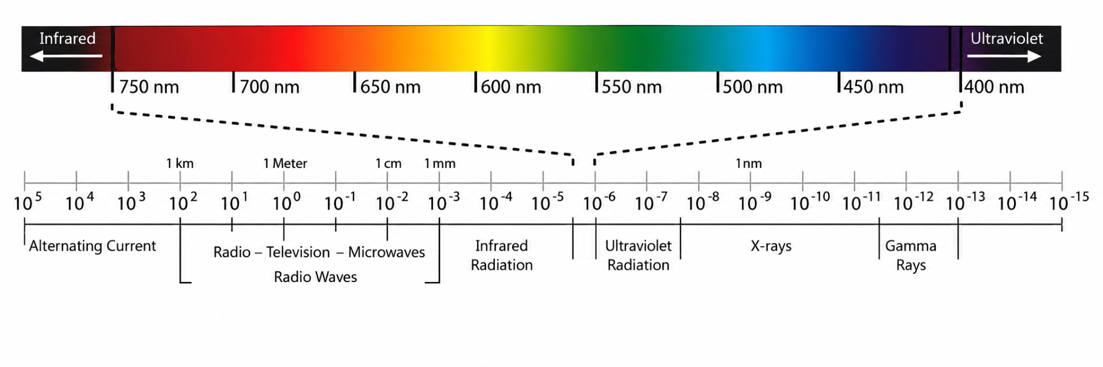
infrared and ultraviolet

Light radiation also differs in terms of frequency and the number of oscillations per second. Short-wavelength radiations, such as blue light, oscillate more rapidly than long-wavelength radiations, such as red light. This difference influences not only color perception, but also the interaction between radiation and the objects and materials it encounters.

Daylight, emitted by the Sun, consists of a combination of luminous radiations with varying wavelengths, covering the entire visible spectrum as well as part of the non-visible spectra, such as infrared and ultraviolet radiation. Similarly, artificial light — produced by incandescent lamps or LEDs — is also composed of a mixture of electromagnetic radiations.

The perception of color depends on the wavelength reflected by an object. For example, an object appears red because it absorbs all the wavelengths of white light except those around 700 nm, which are reflected toward the observer. White light, on the other hand, is formed when all visible wavelengths are reflected in a balanced manner. Conversely, a black object absorbs almost all visible wavelengths, reflecting very little light.

In summary, light, in its physical essence, is an electromagnetic radiation that, when it falls within the visible range between 380 and 780 nanometers, becomes perceivable by the human eye in the form of colors.

Each wavelength carries a different amount of energy and produces a specific chromatic sensation, which may vary depending on the spectral composition of the light source.

This physical foundation is essential for understanding the relationship between the properties of luminous radiation and perceptual mechanisms, but also for evaluating the effects that light exerts on the visual system and human metabolism.

The spectral distribution of light, in fact, does not only affect color rendering and object visibility, but also profoundly influences physiological processes, such as activation of the melanopic system and regulation of circadian rhythms.

For a lighting designer, mastering the concepts of the visible spectrum, wavelength, and the interaction between light and matter is not merely a theoretical exercise, but an essential requirement for designing lighting systems consistent with the visual, perceptual, and biological needs of users.

Only by integrating the principles of the physics of light with those of the neurophysiology of vision is it possible to create environments in which light is not merely functional, but also scientifically calibrated to promote well-being, efficiency, and perceptual quality.

Fundamental Properties of Electromagnetic Waves Amplitude and Wavelength

Visible Light and the Electromagnetic Spectrum: Physical Principles for Lighting Design

How wavelengths influence perception, color, and light design

After examining how the human eye adapts to different illumination levels through photopic, scotopic, and mesopic visual modes, and after exploring the non-visual effects of light on the melanopic system and circadian balance, it is now necessary to take a step back in order to understand the physical nature of light.

To design light correctly, in fact, it is not enough to understand its effects on perception or physiological well-being: one must begin with its physical foundations, namely electromagnetic radiation. This is the true source of the luminous phenomenon, the point of connection between wave physics and the biology of vision.

Understanding how luminous energy is generated, transmitted, and modulated across different wavelengths is essential for correctly interpreting the visible spectrum, the spectral composition of a light source, and its perceptual and biological implications.

In the next section, we will therefore analyze what electromagnetic radiation is, how it relates to visible light, and how its characteristics — such as wavelength — influence color perception, spectrum formation, and the quality of white light encountered in everyday environments.

Electromagnetic radiation is the physical phenomenon through which the Sun and other luminous sources emit energy in the form of waves, propagating simultaneously as oscillating electric and magnetic fields.

These waves travel in straight lines and, although they obey the same physical laws — such as reflection, refraction, and diffraction — they produce different effects depending on their energy level.

This energy is determined by wavelength (λ): the shorter the wavelength, the greater the energy carried by the electromagnetic wave.

Within the electromagnetic spectrum, only a small portion is perceivable by the human eye, and this is defined as visible light, ranging approximately from 380 nanometers (nm) to 780 nm. This band represents the portion of the spectrum that human beings interpret as colors. Each wavelength corresponds to a specific color: for example, radiation at 700 nm appears red, while radiation at 400 nm appears blue. When monochromatic wavelengths are observed individually, they generate pure colors.

However, in most cases, these waves combine in different proportions, generating a continuous spectrum. This occurs in what is defined as white light, which contains all visible wavelengths. White light is perceived as a harmonious whole, in which colors merge gradually without sharp interruptions, transitioning uniformly from red to violet.

infrared and ultraviolet

Light radiation also differs in terms of frequency and the number of oscillations per second. Short-wavelength radiations, such as blue light, oscillate more rapidly than long-wavelength radiations, such as red light. This difference influences not only color perception, but also the interaction between radiation and the objects and materials it encounters.

Daylight, emitted by the Sun, consists of a combination of luminous radiations with varying wavelengths, covering the entire visible spectrum as well as part of the non-visible spectra, such as infrared and ultraviolet radiation. Similarly, artificial light — produced by incandescent lamps or LEDs — is also composed of a mixture of electromagnetic radiations.

The perception of color depends on the wavelength reflected by an object. For example, an object appears red because it absorbs all the wavelengths of white light except those around 700 nm, which are reflected toward the observer. White light, on the other hand, is formed when all visible wavelengths are reflected in a balanced manner. Conversely, a black object absorbs almost all visible wavelengths, reflecting very little light.

In summary, light, in its physical essence, is an electromagnetic radiation that, when it falls within the visible range between 380 and 780 nanometers, becomes perceivable by the human eye in the form of colors.

Each wavelength carries a different amount of energy and produces a specific chromatic sensation, which may vary depending on the spectral composition of the light source.

This physical foundation is essential for understanding the relationship between the properties of luminous radiation and perceptual mechanisms, but also for evaluating the effects that light exerts on the visual system and human metabolism.

The spectral distribution of light, in fact, does not only affect color rendering and object visibility, but also profoundly influences physiological processes, such as activation of the melanopic system and regulation of circadian rhythms.

For a lighting designer, mastering the concepts of the visible spectrum, wavelength, and the interaction between light and matter is not merely a theoretical exercise, but an essential requirement for designing lighting systems consistent with the visual, perceptual, and biological needs of users.

Only by integrating the principles of the physics of light with those of the neurophysiology of vision is it possible to create environments in which light is not merely functional, but also scientifically calibrated to promote well-being, efficiency, and perceptual quality.
Other Lighting Post

Other Lighting Post

This section brings together a comprehensive body of theoretical, scientific, and design insights into the theory of light applied to lighting design, systematically addressing the complex relationship between light, visual perception, and spatial design. The content develops the physical foundations of light, an understanding of the mechanisms of human vision, the differences between photopic and melanopic illuminance, and the biological impact of artificial light, integrating advanced metrics and contemporary interpretation criteria.

The page also explores the functioning of LED sources, the spectral and perceptual implications of solid-state light, the evolution of color rendering criteria, and the growing role of light as an informational and perceptual system, capable of influencing behavior, comfort, and the quality of spatial experience.

Ample space is dedicated to the relevant regulatory and technical framework, international standards, sustainability protocols, and control systems, understood as essential tools for rigorous, measurable, and consistent design.

Overall, the section provides a vision of the theory of light as the cultural and operational basis of lighting design, in which scientific knowledge, perceptual awareness, and design method converge to guide the lighting designer in the construction of balanced, legible, and qualitatively significant spaces.

This section brings together a comprehensive body of theoretical, scientific, and design insights into the theory of light applied to lighting design, systematically addressing the complex relationship between light, visual perception, and spatial design. The content develops the physical foundations of light, an understanding of the mechanisms of human vision, the differences between photopic and melanopic illuminance, and the biological impact of artificial light, integrating advanced metrics and contemporary interpretation criteria.

The page also explores the functioning of LED sources, the spectral and perceptual implications of solid-state light, the evolution of color rendering criteria, and the growing role of light as an informational and perceptual system, capable of influencing behavior, comfort, and the quality of spatial experience.

Ample space is dedicated to the relevant regulatory and technical framework, international standards, sustainability protocols, and control systems, understood as essential tools for rigorous, measurable, and consistent design.

Overall, the section provides a vision of the theory of light as the cultural and operational basis of lighting design, in which scientific knowledge, perceptual awareness, and design method converge to guide the lighting designer in the construction of balanced, legible, and qualitatively significant spaces.

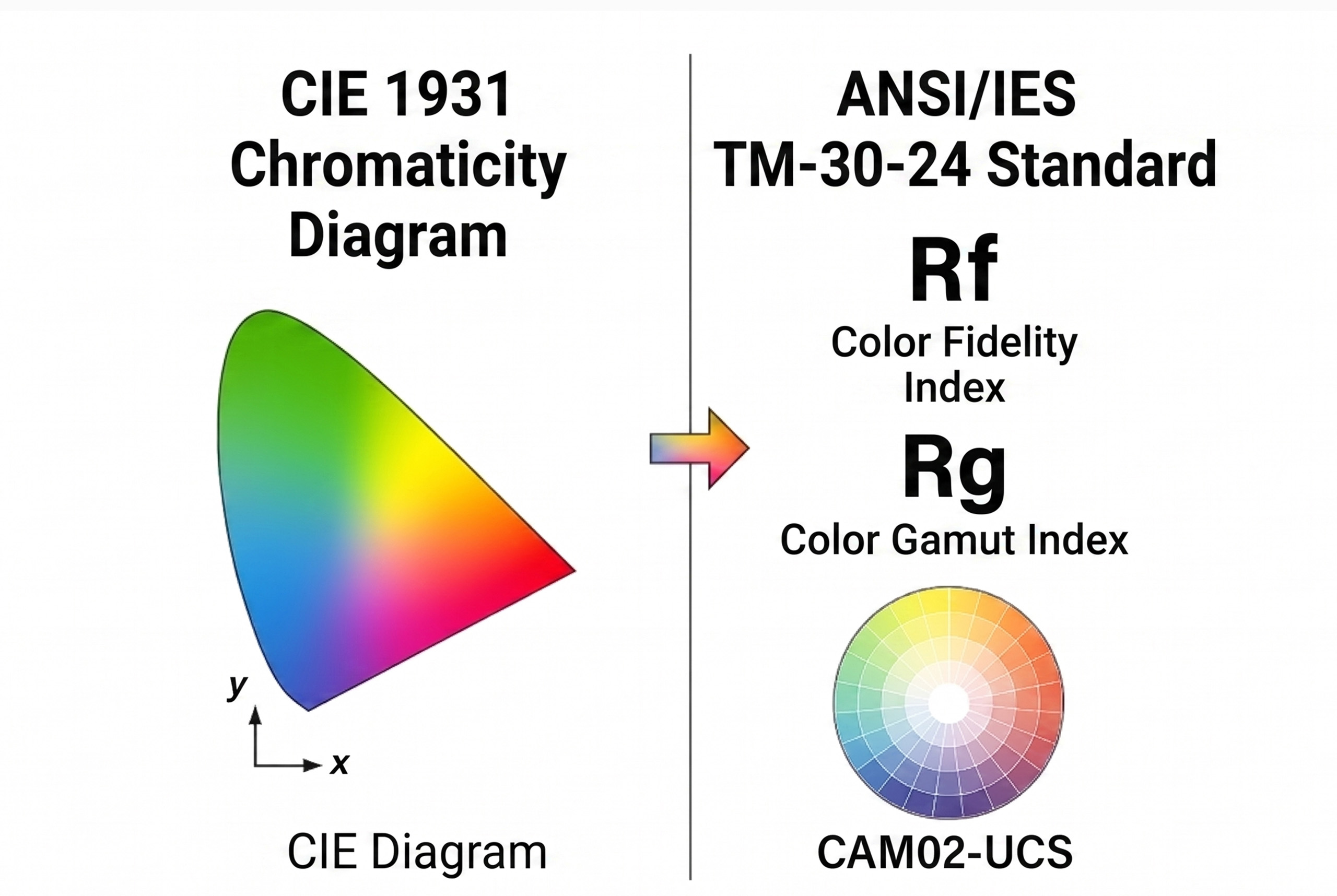
Beyond the CRI: The New Era of Colour Rendering in Architectural Light How Rf and Rg redefine color rendering for a light designed on the visual experience Continuing the analysis…
Dalla-Percezione-alla-Funzione-L’Influenza-della-Temperatura-di-Colore-sullo-Spazio-Illuminato-copertina
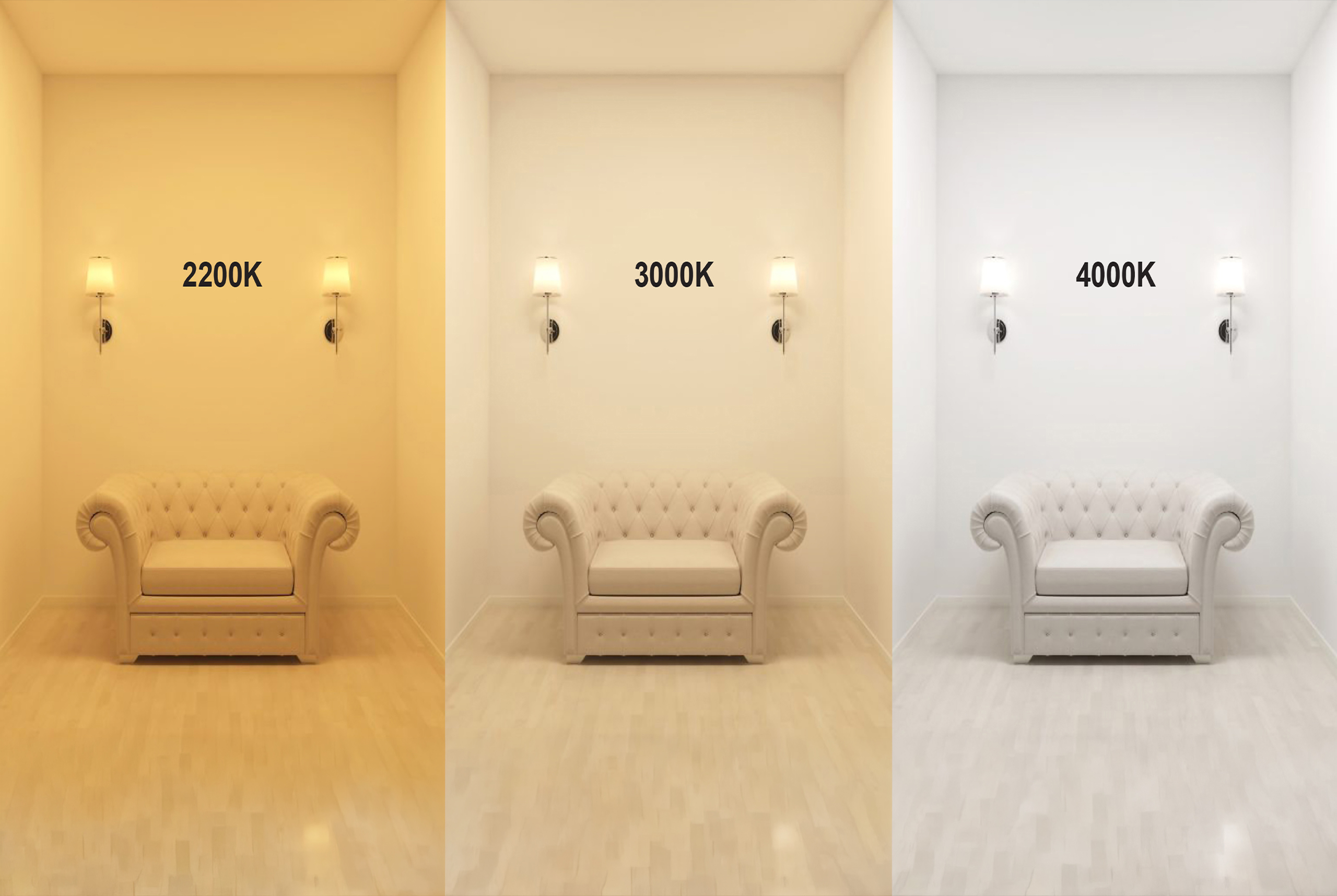
From Perception to Function: The Influence of Color Temperature on Illuminated Space Color temperature as a perceptual language: designing atmospheres, guiding vision and shaping space After exploring the scientific bases,…
La-luce-che-informa-rivoluzione-o-rischio-per-il-futuro-dell’illuminazione-copertina-eng
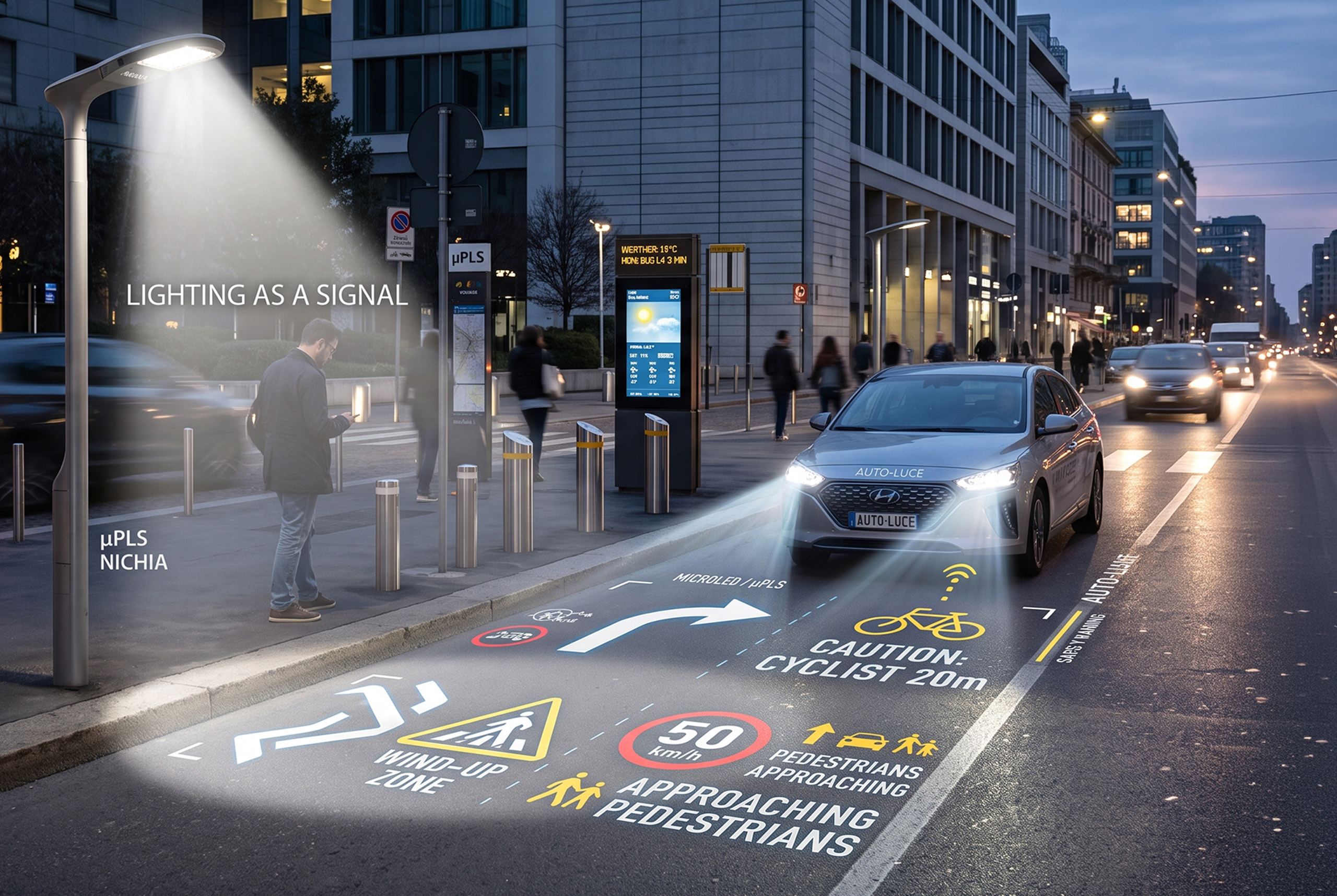
The Light That Informs: Revolution or Risk for the Future of Lighting? μPLS and microLED between innovation and danger of visual excess Historically, we are used to thinking of artificial…
Differences Between Traditional LEDs and μPLS by Nichia: From the Car to the City, the Path of the Digital Light Engine From road safety to smart city: μPLS and high-resolution…
The Silent Revolution of LEDs: The Crisis of Seeing in the Age of Solid-State Lighting From Daylight to Electrical Simulation, Digital Lighting Redefines Perception, Dissolving the Link Between Visual Experience…
Technical Regulations for Electrical Systems and Lighting in Yachts Electrical safety, visual comfort and ship compliance according to IEC, ISO, CEI, RINA and DNV standards. Electrical Safety and Wiring in…
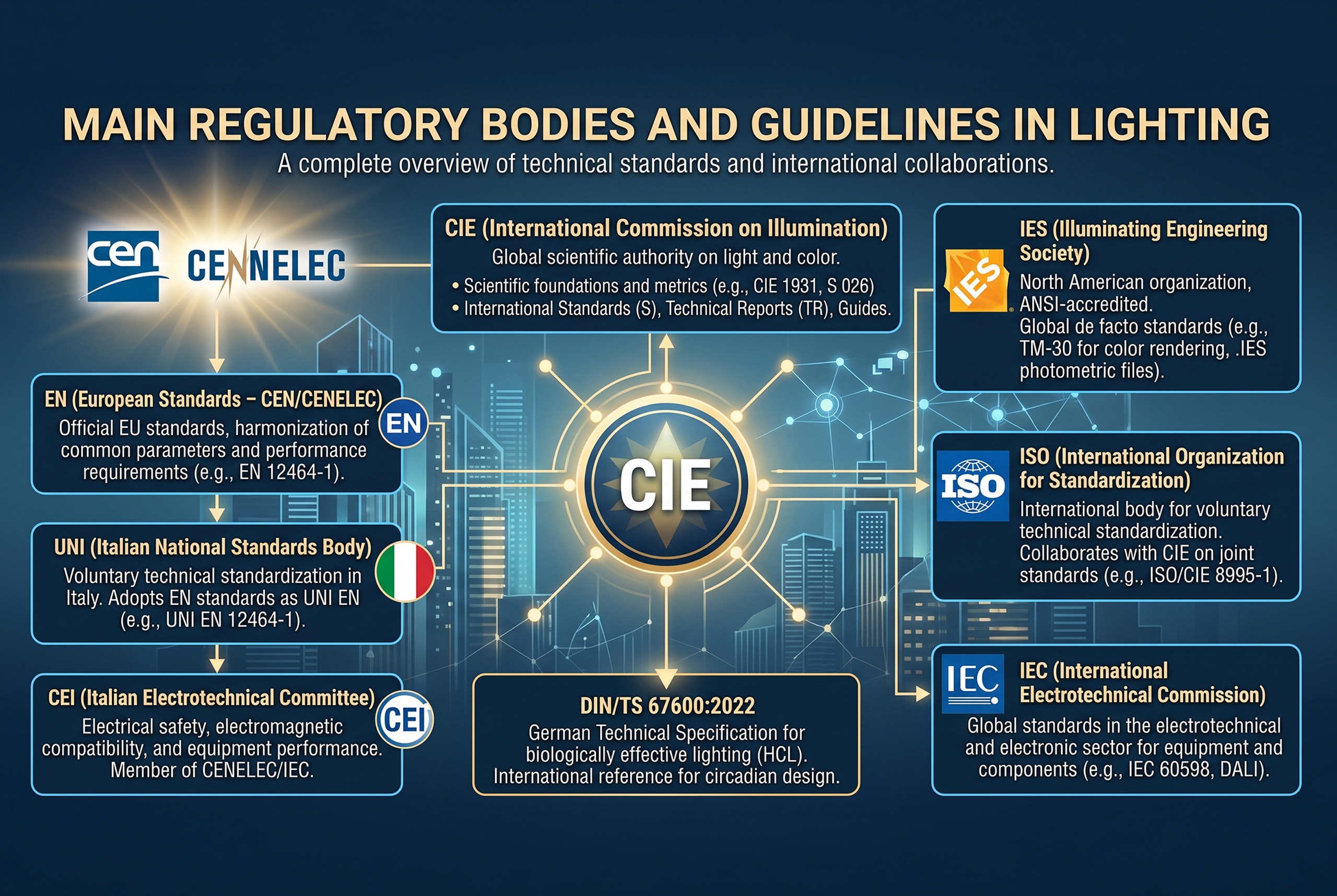
Main Regulatory Bodies and Guidelines in Lighting Technology A comprehensive framework on technical standards, international collaborations and key documents for designing light according to scientific and performance criteria. CIE (International…
Standard-Lighting-Measurements-(LM)-dell’IES-Codici,-Struttura-e-Implicazioni-Progettuali_Copertina-eng
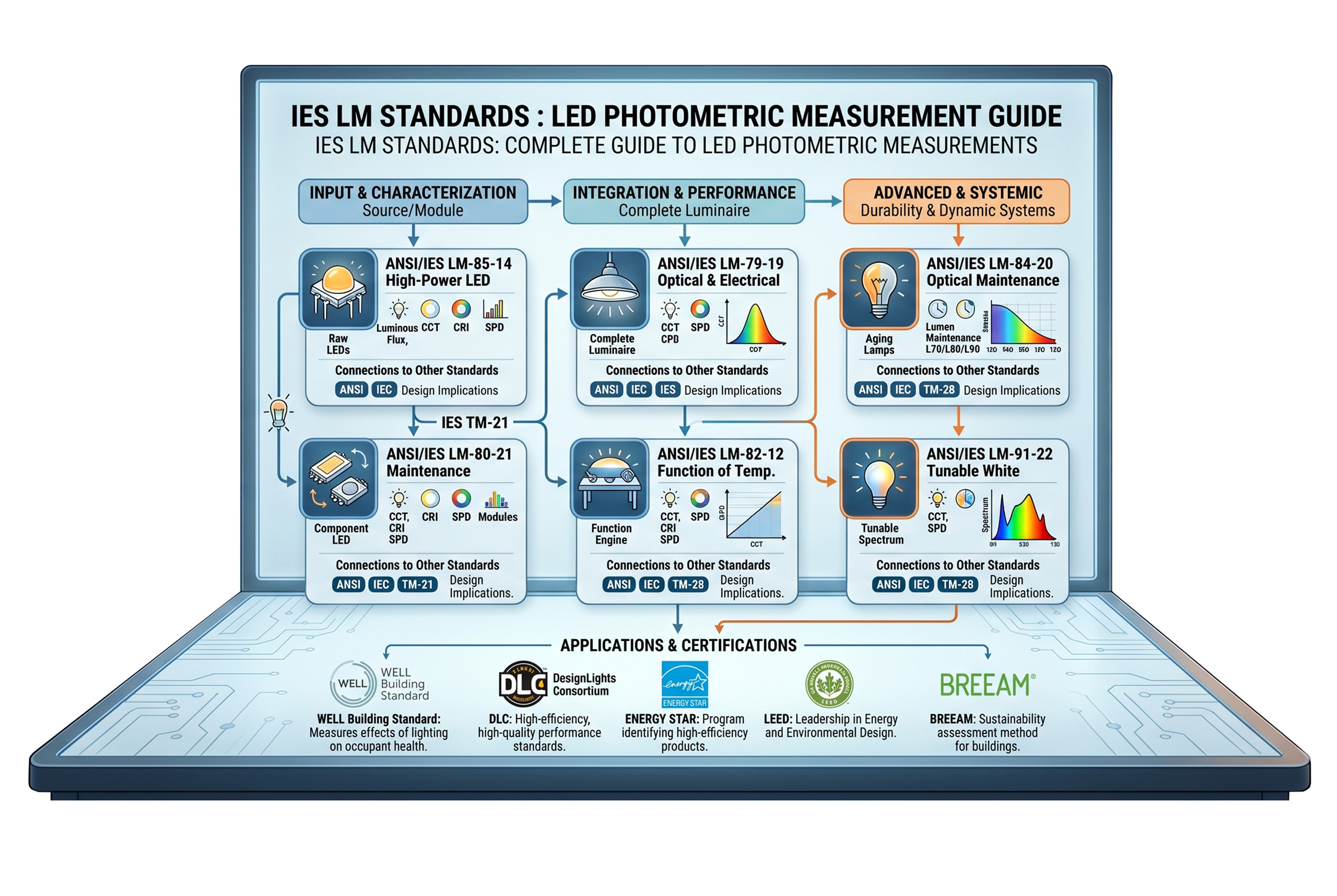
IES Standard Lighting Measurements (LM): Codes, Structure, and Design Implications Technical guide to LM standards for measuring the photometric, chromatic, and electrical performance of LEDs, modules, and luminaires. After having…
Standard-Technical-Memoranda-(TM)-dell’IES-Codici,-Struttura-e-Implicazioni-Progettuali_Copertina-eng
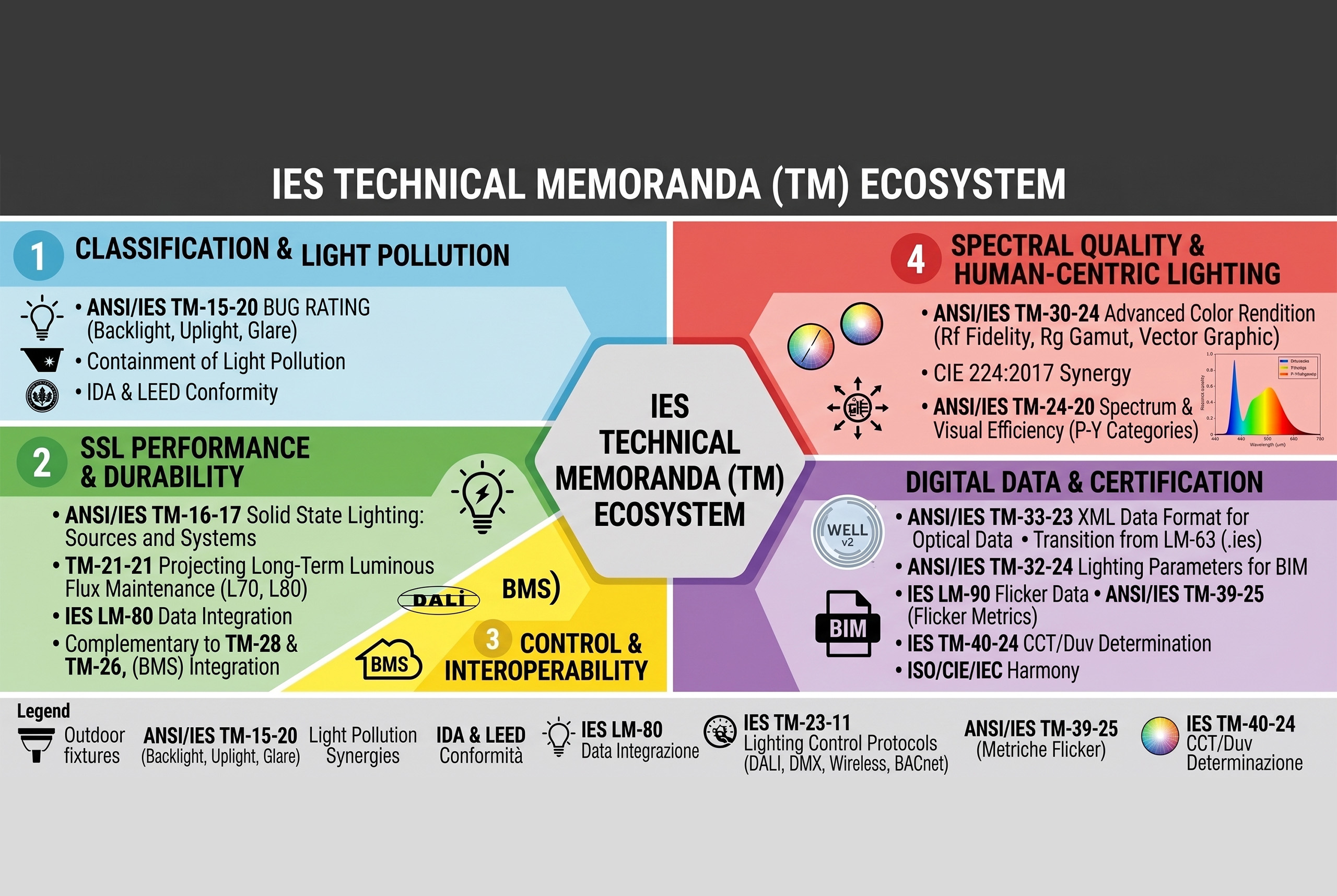
IES Standard Technical Memoranda (TM): Codes, Structure, and Design Implications A technical guide to the use and interpretation of TM documents in lighting design The following insight is dedicated to…
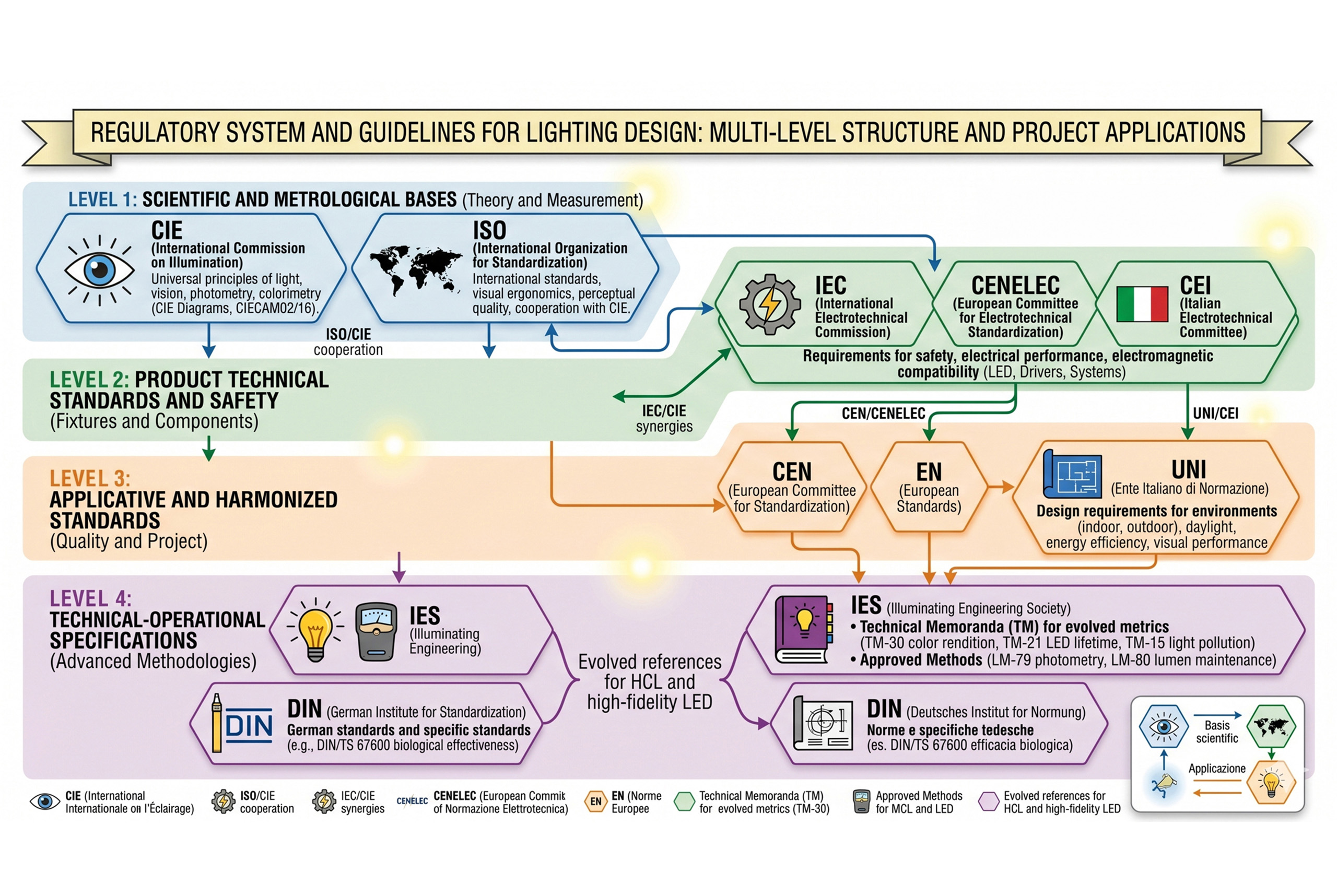
Authoritative Standards and Guidelines in Lighting Technology: Multilevel Structure and Design Applications A complex regulatory system for designing light with technical rigor and application coherence The evolution of light sources…
With the advent of LED sources, can we define the 1931 CIE diagram as obsolete? Formally no, but practically yes, in many application contexts. Now that we have understood how…
digital light and perceived thresholds - cover
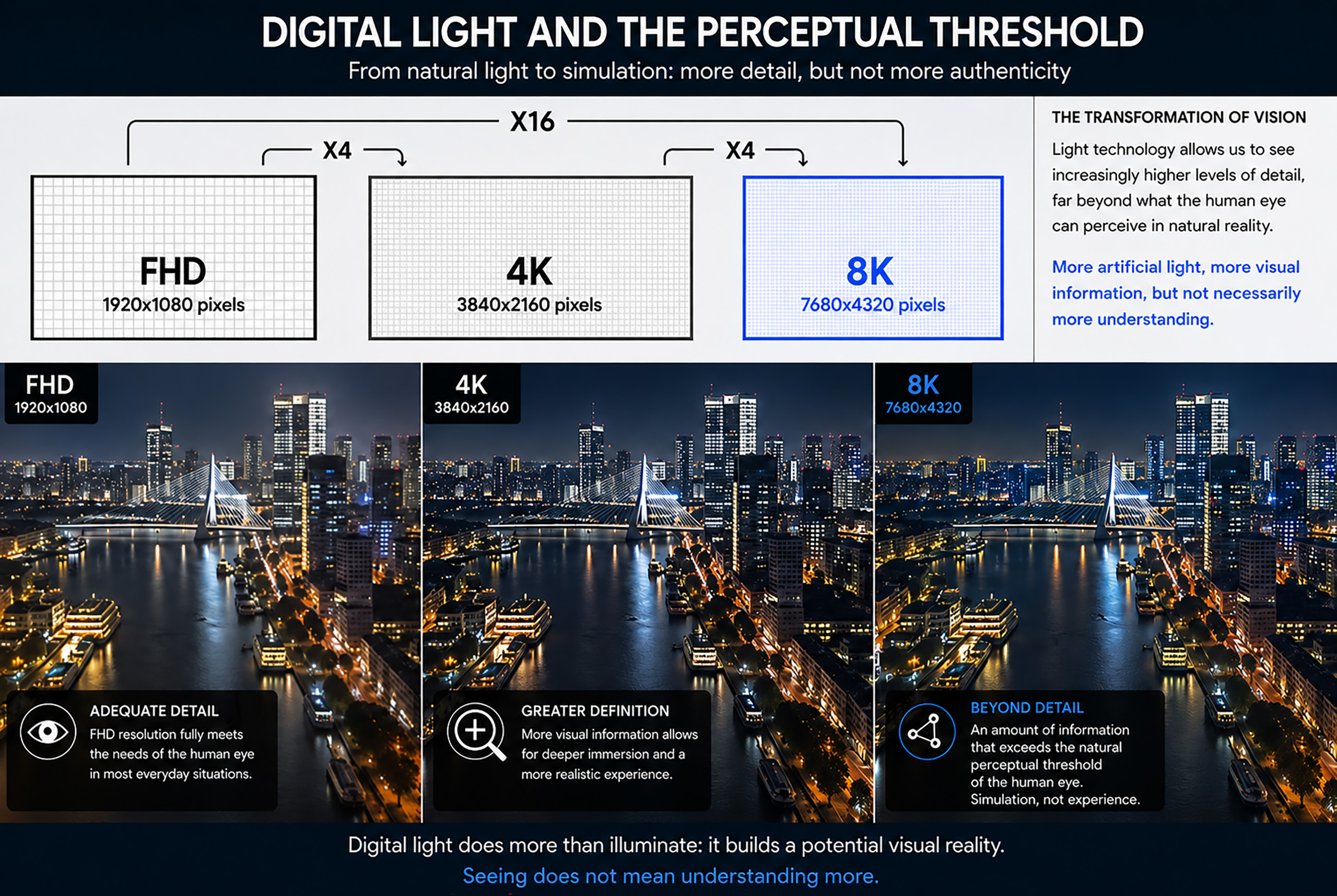
Digital Lighting and Visual Perception: the Dissolution of the See/Understand Relationship How electric light is changing the relationship between seeing, experiencing, and understanding the world In today's era of digital…
Electroluminescence Process in LED Semiconductor Devices
How LEDs Work: Electroluminescence, Materials, and the Light Spectrum From semiconductor structure to color rendering: how LED light takes shape Visible light, although perceived as a continuous and unified phenomenon,…
Visual Signal Transmission Pathway in the Human Retina
Photopic vs Melanopic Illuminance: Definition and Spectral Sensitivity MEDI, EML, and CS. Three essential indicators for measuring the circadian impact of artificial light The perception of light varies according to…
Light Perception Human Eye Capabilities and Limitations
Light Perception: Capabilities and Limits of the Human Eye Understanding how the human eye works is the first step toward designing light with awareness  The human eye is a highly…
Lighting-Design-e-Teoria-della-Luce
Lighting Design and Light Theory Complexity in the relationship between light, perception, and design   How does a lighting designer develop a lighting project? Which disciplines should a rigorous lighting…
MENU