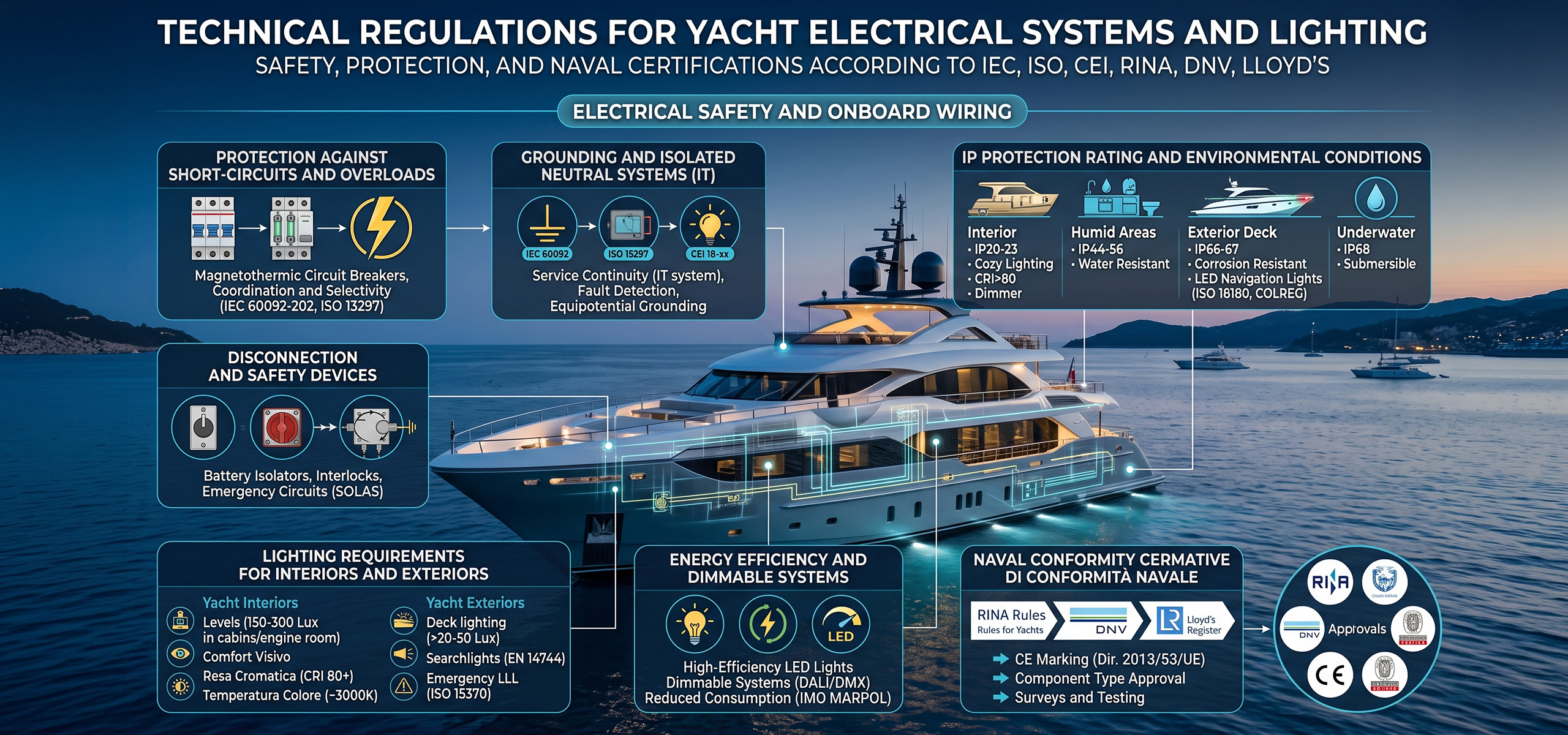
Electrical Safety and Wiring in On-Board Systems The electrical systems on board yachts must meet strict international regulations to ensure safety against electrocution, fire and breakdowns. The IEC 60092 series (adopted in Italy as **CEI 18-**xx) is the main reference for naval installations, providing general design requirements and protection criteria in line with international conventions (e.g. SOLAS). These standards cover key aspects such as short-circuit protection, on-board earthing systems, IP ratings of equipment, circuit disconnection and the use of appropriate safety devices. These key aspects and their applicable regulations are detailed below.
Short Circuit and Overload Protection On-board electrical systems must be protected against short-circuit currents and overload by means of coordinated protective devices. IEC 60092-202 (CEI 18-45) defines the design criteria for protection systems on ships, for example by requiring that each circuit be equipped with circuit breakers or fuses sized to interrupt the maximum expected fault current. It is critical to ensure coordination and selectivity between upstream and downstream devices, so that a fault is isolated without interrupting power to other consumers. Switching and protection equipment (circuit breakers, fuses, relays) must comply with IEC/EN standards (e.g. IEC 60947 series for industrial switches) and withstand marine electrodynamic and thermal stresses. For small (recreational) yachts, ISO 13297 (AC Electrical Systems) requires, for example, protections on each branch circuit with suitable switches/fuses. In addition, an overload protection system must be provided on generators and transformers, according to the rules of the classification bodies and IEC standards, to avoid dangerous overheating.
Grounding and On-Board Isolation Systems (IT) The management of grounding on yachts differs from traditional land-based systems. Medium-large ships often adopt an isolated neutral system (IT system), in which the neutral of the generator is not connected to the shore: this means that at the first ground failure a protection is not immediately triggered, ensuring continuity of service on board. In such systems, safety against indirect contact is ensured by two measures: the limitation of ground fault currents (e.g. through impedances or isolation transformers) and an Insulation Monitoring Device that signals the first fault. This philosophy, codified in IEC 60092 standards and implemented by the Naval Registers, replaces the extensive use of residual current circuit breakers as the primary protection from indirect contacts on on-board IT systems. On small pleasure boats, on the other hand, the electrical systems can be grounded neutral (TN systems) or equipped with negative grounding for direct current circuits: in these cases, ISO 10133 (ultra-low voltage DC systems) and ISO 13297 (AC systems) require high-sensitivity residual current protection (RCD). For example, ISO 13297 requires that a main residual current circuit breaker with a sensitivity of no more than 30 mA be installed on the main power supply circuit, or 10 mA residual current circuit breakers on sockets in humid environments (bathrooms, bilges, manholes). In general, all accessible metal components (grounds) must be connected to a common protective conductor (grounding) to avoid dangerous potential differences; these conductors and earths must meet IEC requirements (minimum cross-sections, yellow-green identification, dedicated connections). The CEI and IEC standards also define the need to connect the electrical mass to the metal structure of the hull (when present) in a single point (earth star point), to ensure equipotential and minimize eddy currents (e.g. galvanic currents).
IP Degree of Protection and Environmental Conditions On-board electrical equipment and components must be adequately protected from external agents typical of the marine environment: water (splashes, rain, temporary immersion), salt, humidity and dust. The IP degree of protection of enclosures, defined by the general standard IEC 60529, is often explicitly required by nautical regulations for specific areas of the boat. For example, ISO 13297 requires that all electrical connections exposed to atmospheric agents must be contained in at least enclosures with a minimum IP55 rating (protected against dust and water jets). For electrical connections located on deck, subject to possible intermittent immersion (e.g. areas that can get wet with waves or bilge water), an even higher degree of protection is required, typically IP67 (watertight and temporary immersion in water). Similarly, plug sockets installed outdoors or in floodable areas must be equipped with watertight covers: ISO 13297 specifies that sockets not in use must be closed with plugs guaranteeing IP55, and when connected to their plug they must still maintain the seal. These measures ensure that splashing, rain, or momentary flooding does not compromise the systems by causing short circuits. In addition to water protection, equipment must resist salt corrosion: product regulations (e.g. IEC 60092-201 and IEC 60092-306 for lighting equipment and accessories) require the use of suitable materials or anti-corrosion protective treatments. Resistance to vibration and shock is also crucial on board: marine electrical equipment generally must be certified according to specific test standards (e.g. IACS E10 for environmental testing of marine components) that include vibration, shock, salt spray, temperature excursions, etc. Therefore, an electrical panel, control device or lamp to be used on yachts must have an IP rating appropriate to the location (IP20-23 for dry interiors, IP44-56 for wet rooms or covered exteriors, IP66-68 for exposed and underwater exteriors) and robust construction that complies with the IEC standards applicable to the naval context.
Disconnecting and Safety Devices The ability to section and isolate parts of the system is crucial for safe maintenance and emergency management. Regulations require the installation of battery master switches and mains disconnectors in easily accessible locations, to quickly disconnect power supplies if necessary. On yachts equipped with both on-board generator power and shore power, an interlock is mandatory to prevent unauthorized parallels between the two sources: typically a dual-power mains switch or a transfer switch compliant with IEC 60092. In addition, disconnecting devices must be clearly labeled and constructed according to IEC/EN standards (IEC 60947-3 for disconnectors, for example) to ensure adequate breaking capacity and visible isolation. Particular attention should be paid to emergency circuits: if the yacht has an emergency switchboard powered by an auxiliary source (generator or emergency battery), this must be able to be automatically or manually isolated from the rest of the main system in the event of a blackout, as required by RINA and SOLAS rules for units above certain sizes. On the front of safety towards people, in addition to the differentials already mentioned for ground-based neutral systems, safety devices such as portable circuit breakers on mobile users and alarm systems in the presence of gases (e.g. smoke or hydrogen detectors at batteries) are adopted. The CEI-IEC regulations also require that all circuits supplying essential services (bilge pumps, navigation systems, VHF emergency radios, emergency lighting) have dedicated protections and separate disconnectors, often collected in an emergency switchboard. In the recreational sector, the EU Directive 2013/53/EU (Recreational Craft Directive) requires electrical systems to have devices to prevent power returns to the shore network (anti-island) and ensure safety at sea. In summary, a designer must provide: main switch (or disconnector) on the generator, battery switch on each service or starter battery, safe mains/gen-set switches, protection switches on each line, differentials where required, and possibly emergency release contactors activated by detectors (e.g. battery disconnection in the event of fire). All of these devices must comply with IEC/EN regulations and be installed in accordance with the applicable Rules of the Art (CEI).
Reference Standards for Electrical Safety
Lighting Requirements for Yacht Interiors and Exteriors The lighting system on a yacht must meet both safety and visual comfort criteria, in accordance with technical regulations and the guidelines of the shipping registers. A distinction is made between requirements for interior lighting (living quarters, work areas, technical rooms) and exterior lighting (deck, deck, navigation and signalling lighting). International standards specific to marine lighting include dedicated IEC and ISO standards, as well as guidance from general lighting standards. For example, IEC 60092-306 is specific for naval lighting fixtures and defines their construction requirements (robustness, temperatures, tightness). In addition, classification societies and bodies such as RINA, DNV, Lloyd's provide in their regulations criteria on the minimum lighting levels in different areas and on the characteristics that lighting systems must have in order to obtain certification. The main lighting specifications to be respected for yachts are analysed below.
Interior Illuminance Levels (Lux) To ensure operational safety and comfort, regulations and good practices indicate minimum lighting levels (measured in lux) for the various interior environments of the yacht. For example, the rules deriving from the Maritime Labour Convention (MLC 2006) and implemented by bodies such as ClassNK or Lloyd's suggest that in crew quarters and reading areas the illuminance is not less than about 150 lux on the work or reading surfaces. In operational areas such as the engine room or helm station, where it is crucial to distinguish details and colors of cables/instruments, the requirements typically rise to an average of 300 lux. In fact, according to marine standards cited by the industry, lighting in the engine room must provide around 300 lux on the worktop to ensure a safe and comfortable working environment, although the precise values may vary slightly depending on the classification register. In passenger or crew cabins, which are rest areas but also reading areas, a level of around 150 lux is considered adequate to ensure sufficient visibility without glare. It should be noted that these levels tend to be higher than the minimum levels of equivalent civilian environments, due to the movement of the ship and the absence of natural light in certain areas: for example, in an interior cabin without portholes, at least 150 uniform lux is recommended to compensate for the lack of daylight. For corridors and stairwells on board, which are important for escape and safe transit, international regulations (e.g. SOLAS for passenger ships) require sufficient emergency and ordinary lighting (usually > 50-100 lux in normal operation, with a minimum of ~10 lux in emergency). In the recreational yacht field, there are no strict lux laws, but a lighting designer will follow general standards (e.g. UNI EN 12464-1 for indoor work environments) adapting them to the yacht: for example, ~200 lux in the galley/galley, ~100-150 lux in saloons and dinette (relaxing atmosphere), ~300 lux on chart tables or on-board workshops. These values ensure visual comfort, preventing both fatigue and dangerous shaded areas. It is always advisable to set up an emergency lighting system with an independent power supply (batteries) that guarantees at least 10-30 lux along escape routes and in critical points, in accordance with ISO emergency lighting guides and the UNI EN 1838 standard on safety lighting.
Exterior Lighting, Floodlights and Degree of Protection The exterior lights of a yacht include various systems: navigation lights (navigation lights), deck lighting (external decks, sunbathing areas), search searchlights and underwater lighting (if present). This equipment must meet both functional and regulatory criteria. First of all, navigation lights (navigation lights, anchor lights, signalling) are strictly regulated by IMO COLREG 72 and standards such as ISO 16180:2013 (installation and visibility of navigation lights). This standard establishes requirements for position, visibility angles, colors and light intensity to ensure that the yacht is visible and recognizable at night according to international conventions. For example, for yachts <50 m ISO 16180 and related EN standards require certified navigation lights that emit light with sufficient intensity for the required range (2-3 miles for pleasure boats) and precise colors (white, red, green) with chromaticity that complies with COLREG rules. In addition, there are specific standards for modern LED navigation lights, such as ISO 19009:2015 (performance of LED navigation lights), which manufacturers must comply with in order to obtain approvals (e.g. RINA/MED mark for navigation lights).
For deck and outdoor lighting, IEC/IEC standards recommend adequate illuminance levels to operate safely in the dark. For example, classification regulations often require outdoor work areas (such as rope manoeuvring areas, winches) to have lighting of at least 20–50 lux. In addition, search searchlights (useful for night navigation or emergencies) must comply with standards such as EN 14744 (European standard for navigation and signal lights) or military equivalents if applicable, ensuring resistance to marine agents and adequate range of the light beam. Underwater or water-light lights, which are increasingly popular on yachts, must have an IP68 rating and materials that are resistant to corrosion in seawater; although there is no specific ISO for such decorative lights, the general IEC 60598 standards on floodlights apply (e.g. requirements similar to those for pool lights, adapted to marine use).
A crucial aspect is the IP protection of the external lights: similarly to the electrical components treated above, at least IP56 (protected from dust and powerful water jets) or higher is also required for the external lighting fixtures, since they will be exposed to rain, sea spray and cleaning with a pressure washer. Standards such as IEC 60598-2-18 (luminaires for swimming pools) and IEC 60092-306 require that external headlights and ceiling lights have suitable seals and cable glands to prevent water ingress. On deck, lamps with anti-UV and anti-shock glass (often shockproof IK10 ) and made of anodized aluminum alloy or stainless steel to resist salt should be preferred. The RINA and Lloyd's regulations also require that lights in hazardous areas (e.g. light in the engine compartment if petrol, or near tank ventilation) be of the explosion-proof type (Ex-proof, compliant with IEC 60079) if there is a danger of flammable mixtures.
Finally, external emergency lighting should be mentioned: passenger ships and mega-yachts must have emergency lights on the deck for evacuation (powered by the emergency system), as well as any photoluminescent or LED Low Location Lighting (LLL) systems to indicate escape routes on the floor level, in line with the IMO/ISO 15370:2021 standard for low-level lighting systems in ships. Although such systems are not mandatory on private pleasure yachts, designers often adopt similar solutions to increase safety.
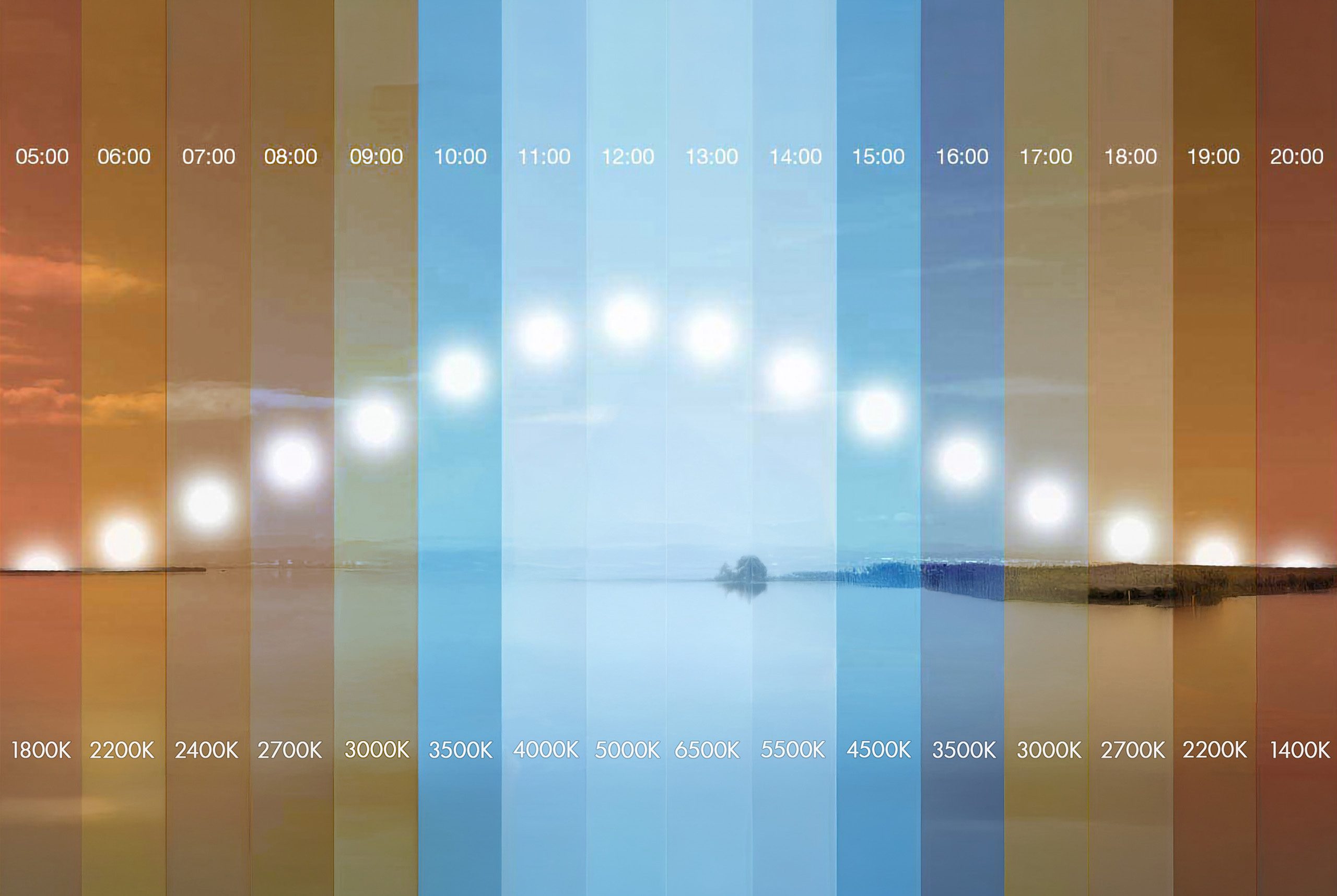
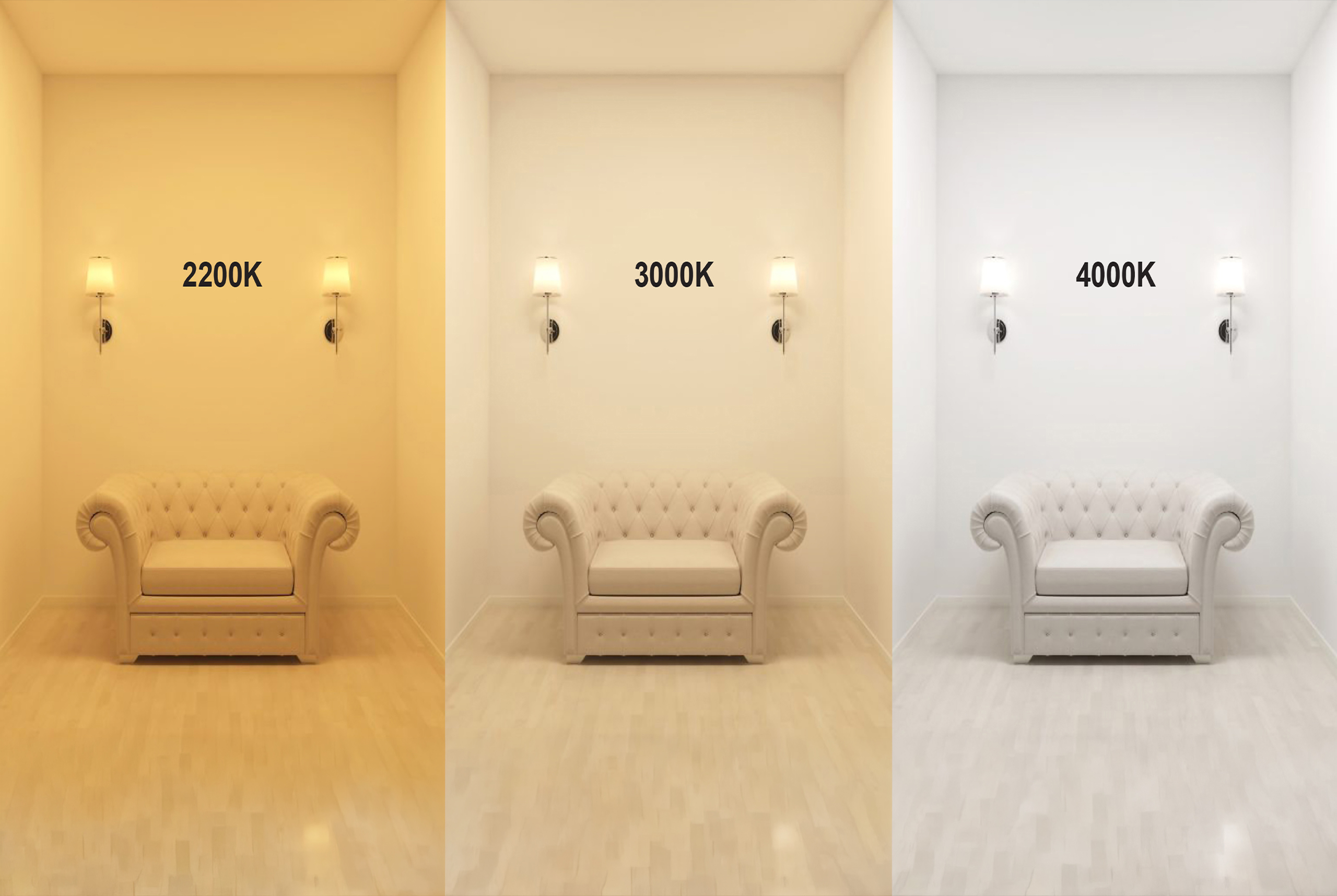
Color Temperature and Color Rendering (CRI) The qualitative characteristics of light – in particular color temperature (expressed in Kelvin) and color rendering (CRI, Color Rendering Index) – are important in yacht lighting for both aesthetic and functional reasons. There are no stringent regulatory limits on these parameters in the technical regulations, but there are recommendations and requirements for good lighting design. For interiors dedicated to life on board (saloons, cabins, lounges), warm or neutral colour temperatures (around 2700–3200 K) are generally preferred, which produce a warm, welcoming and relaxing white light. This is not mandated by a specific standard, but is supported by industry guidelines (e.g. general lighting standards such as UNI 12464 and CIE recommendations) that suggest warm lights for residential or resting environments. Conversely, in technical work areas (engine room, ship's galley, wheelhouse during the day) a colder shade (4000–5000 K, neutral or cool white) can be useful, which increases visual contrast and better simulates daylight, helping concentration. However, it is important to avoid excessive differences in shades between adjacent rooms, so as not to strain the eyes in adaptation.
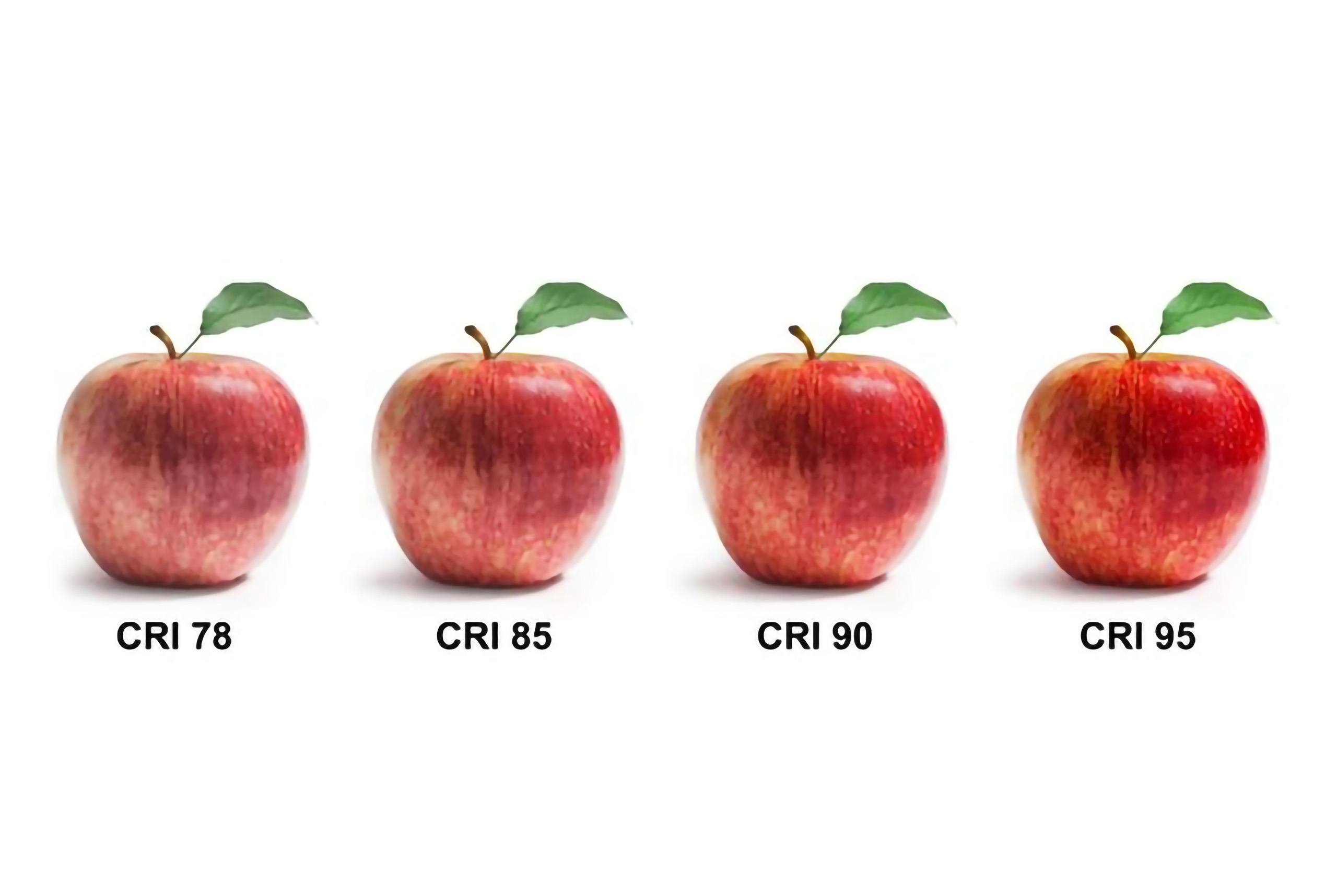
As for color rendering (CRI), the light sources used should have a high CRI to allow a correct distinction of colors – essential for example in recognizing colored cables in an electrical panel, in evaluating the color of navigation lights, or simply in making the environment pleasant. Technical guidelines recommend a CRI of at least 80 for the interior lighting of ships, a value that ensures good color fidelity (fluorescent or LED lamps used in the naval sector today generally exceed this index). For example, the manufacturer Glamox, which specialises in marine lighting, indicates that it is advisable to have CRI>80 in the cabin in order to correctly perceive the colours of objects and alarms. In on-board medical environments (e.g. small infirmary) or in kitchens where the distinction of food colors is critical, an even higher CRI (90+) would be appropriate, similar to what is required by the land regulations for hospitals. Classification regulations do not typically specify the minimum CRI, but to meet quality criteria many naval lighting projects adopt land-based standards (e.g. EN 12464-1 suggests CRI ≥ 80 for normal indoor environments, ≥90 for sanitary environments).
Another related aspect is glare: although there are no specific regulations for the Unified Glare Rating (UGR) on board, it is good practice to keep the luminances low and to use luminaires with anti-glare screens in the control rooms and relaxation areas. For example, on the bridge during night navigation, low-intensity dimmable red lights are used to preserve night vision and reduce glare (often following military or classification guidelines). Even in luxury yacht salons, designers often consider UGR to create comfortable environments free of disturbing direct lights.
In summary, there are no mandatory regulations on color temperature and CRI in yachts, but adherence to quality standards suggests: interior lights ~3000K CRI 80+, technical lights ~4000K CRI 80-90, special night lights (red/blue) where necessary. These parameters, combined with a correct positioning of the light sources, guarantee high visual comfort and functionality, aspects particularly appreciated by the Classification Societies when evaluating "on-board comfort" (some bodies assign additional notations for Yacht Comfort where lighting is also considered).
Energy Efficiency and Dimmable Systems In recent years, the energy efficiency of the lighting system has become an important criterion also in the nautical sector. Although safety regulations do not impose minimum yields, IEC and ISO promote the adoption of energy-efficient technologies, such as LED lighting, in order to reduce on-board electrical loads and environmental impact. The use of high-efficiency LED lamps makes it possible to contain the installed power and, consequently, the size of the generators or the consumption of batteries, in line with the IMO emission reduction objectives (MARPOL Annex VI). For example, a 20W LED deck light can provide the same light as an older 100W halogen light light, resulting in significant energy savings and less heat dissipation. Some voluntary standards (such as ISO 19009 cited, which in addition to navigation LEDs supports global sustainability efforts) encourage the transition to LEDs. The classification registers do not require the use of LEDs, but now in the RINA/DNV Rules there are recommendations on the use of energy-saving lights and on the preparation of LED emergency lighting systems for their greater reliability.
Dimmable systems (variation of light intensity) have also become a standard in yacht lighting design, for reasons of comfort and versatility of use. From a regulatory point of view, dimmers must be designed so as not to introduce flicker or electromagnetic disturbances: IEC standards on EMC (Electromagnetic Compatibility) in the naval field, such as IEC 60533 or IEC 61000-6-1/2, also apply to light control devices. On the bridge, dimmability is essential: military standards and some classification guidelines require that all wheelhouse lighting be dimmed and that it is possible to switch to dimmed red light for glare-free night cruising. In passenger spaces, dimmability is not mandatory but is an integral part of the scenographic lighting design on luxury yachts, allowing different atmospheres to be created. The control systems can be similar to civil ones (DMX, DALI – with attention to the use of protocols approved for naval use, see IEC 62386-DALI adapted in marine versions) or proprietary systems of the shipyard; in any case, they must guarantee reliability and return to full brightness in emergency conditions. Please note that for yachts subject to SOLAS/LSA regulations, the hazard warning lights must not be dimmable (they must always turn on at full nominal intensity in the event of a blackout). Nonetheless, efficiency and intelligent management of lights (e.g. presence sensors, centralized control) can be considered in modern projects: although they are not explicitly required by IEC/ISO standards, they contribute to compliance with environmental standards (see "Green Yacht" certifications). In some cases, the registers issue additional "Energy Efficiency Design" notations if the yacht implements energy-saving solutions, including LED lighting with dimming as a positive measure.
Standards and Reference Guidelines for Lighting
Naval Compliance Certifications and Regulations (RINA, DNV, LR, BV, etc.) Designing electrical and lighting systems for a yacht requires not only compliance with IEC/ISO technical standards, but also obtaining naval certifications issued by appropriate bodies. Classification Bodies – including RINA (Italian Naval Register), DNV (Det Norske Veritas), Lloyd's Register, Bureau Veritas, ABS (American Bureau of Shipping) and other IACS members – promulgate regulations establishing safety and quality requirements for naval units, including commercial or pleasure yachts subject to classification. These classification regulations cover all on-board systems (hull, stability, machinery, electrical systems) and, if complied with, allow the yacht to obtain the Class Certificate, certifying compliance with the standards of the body. This section outlines the role of these bodies and the main compliance regulations applicable to the electrical/lighting design of yachts.
Classification and Certification Bodies such as RINA, DNV, Lloyd's, BV, ABS are internationally recognized authorities (many united in the IACS, International Association of Classification Societies) that develop technical rules for the construction and safe operation of ships. For yachts, there are specific classification rules: for example, RINA publishes the "Rules for the Classification of Yachts" (divided into sections by hull, systems, equipment) and DNV has dedicated standards for "Yachts" and "High Speed Light Craft". Certification by these bodies, if required by the shipowner or mandatory for flag/commercial use, implies that the design of the electrical and lighting system is subjected to technical verification and that materials and installations are surveyed (inspected) by engineers of the class during construction. In practice, the Lighting Designer and the Electrical Engineer must ensure that every design aspect meets the requirements of the chosen class regulation. It should be emphasized that the Classification Standards often expressly refer to the IEC/ISO standards: as stated, for example, by RINA, the technical requirements of its Regulation derive from the IEC 60092 series and generally coincide with them. Therefore, by complying with the relevant IEC/ISO, the classification rules are also largely complied with. However, institutions may add additional or more restrictive requirements based on their experience and the type of vessel (the "increasing severity" criterion mentioned by RINA and RINAMIL). For example, RINA may require additional safety tests on switchboards, DNV may have specific rules on load management systems, Lloyd's on fire risk areas, etc.
An important aspect of ship certifications concerns the components: many electrical equipment (panels, cables, lighting fixtures, projectors) must be approved or Type-Approved by the register in order to be installed on units in the classroom. This means that the manufacturer must have subjected the product to a series of standard tests (often the IACS UR E10 for environment, and IEC product standards) and obtained a certificate from the body (e.g. a research beacon with RINA Type Approval certificate, indicating compliance with IEC 60598-2-3 and vibration test). In a classroom yacht electrical system project, the designer must select components with the necessary naval certifications and prepare all the technical documentation (single-line diagrams, lighting calculations, load list, short-circuit analysis, etc.) to be submitted to the body for design approval. Only after the analysis and any requests for modifications, the class approves the project and allows the site to proceed with the installation. On site, the surveyors will check the assembly in a workmanlike manner (wiring, tightening, cable routing) and will participate in the final tests (insulation measurement, functional tests, blackout tests and emergency activation, illuminance measurement where required, etc.). Passing these steps leads to the issuance of the class certificate for electrical and lighting installations.
For private pleasure yachts not in class, there is no obligation to go through classification societies; however, legal obligations remain applicable (e.g. CE marking according to the Recreational Craft Directive, see §3.3) and it is still recommended to follow the recognized standards. Many shipyards voluntarily use RINA or DNV standards as a quality reference even on yachts not formally in class, to ensure safety and resale value.
Class Requirements for Electrical and Lighting Systems In the regulations of the classification bodies, the specific requirements for electrical and lighting systems are generally covered in specific sections (e.g., RINA: Part C – Electrical Systems, Lloyd's: Section on Electrical Installations, DNV: Part 4 Chapter 8 Electrical Systems). Some highlights common to many classes are:
Obtaining the compliance of an electrical/lighting system with class regulations therefore means strictly following both the IEC/ISO and the additional requirements listed above. A point of attention: traditional classification regulations in some cases exclude pleasure boats from their direct scope of application (e.g. RINA explicitly excludes non-commercial pleasure craft, delegating them to the Recreational Yachting Directive), but in any case voluntarily provide useful specifications for those who want safety levels comparable to merchant ones.
Statutory Regulations and EU Directives In addition to voluntary class certifications, there are mandatory compliance regulations for yachts depending on size and use. In Europe, Directive 2013/53/EU (Recreational boats and personal watercraft) is fundamental, which establishes the essential safety requirements for boats up to 24 meters intended for sport and pleasure. This directive also covers on-board electrical systems: to obtain the CE marking, a new <24 m yacht must have a system that complies with the requirements of Annex I of the Directive, including electrical safety (protection against shocks, engine starting systems, well-installed batteries, fire prevention from short courts). The EU Commission publishes the list of harmonised standards that confer presumption of conformity with these requirements: these include EN ISO 10133, EN ISO 13297 and also EN 60092-507 for electrical installations. This means that by following these standards, the construction site meets legal obligations and CE certification is facilitated. In addition, the Yachting Directive requires that certain equipment (e.g. on-board LPG systems) comply with specific standards (EN 15609 for LPG systems on boats) and that critical electrical components are suitable for the purpose (e.g. alternators, starters compliant with ISO 8846 so as not to ignite vapours).
For larger yachts (>24 m or >500 GT) used for passenger transport or charter, SOLAS (Safety of Life at Sea) regulations and related National Rules apply. For example, an Italian-flagged passenger yacht with >12 passengers must comply with Legislative Decree No. 45/2000 (SOLAS Implementation for National Passenger Ships) which includes requirements on emergency lighting, safety power supplies, etc. Similarly, the LY3/LY4 Code (Large Commercial Yacht Code) may apply. issued by the UK Maritime and Coastguard Agency, also often adopted by other commercial yacht flags, detailing standards on lighting (e.g. levels in passenger areas, night lighting on the helicopter deck if the yacht has helipad, etc.).
Another area is the certification of individual components under specific Directives: for example, navigation lights and some safety equipment fall under the MED – Marine Equipment Directive (Directive 2014/90/EU, "Wheelmark"). SOLAS ship navigation lights must be MED certified (the rudder mark), which implies compliance with regulations such as COLREG, IEC 60945 (EMC for marine equipment) and environmental tests. Although MED is not mandatory for recreational yachts, the use of Wheelmark components is considered good practice for quality.
Finally, the role of IACS (Unified Requirements) and Italian military standards (p.es) should be mentioned.NAVAIR for military ships) which, however, are outside the strictly recreational scope, except in the case where a yacht is built according to military standards for government use.
Recognized technical standards in the ranking area We summarize some supporting standards that a designer should know when working in the yacht sector with naval certification constraints:
In conclusion, the regulatory horizon for those who design electrical and lighting systems for a yacht is wide: it is necessary to integrate the IEC/ISO/CEI technical standards (which ensure the "rule of the art" and basic safety) with the specific requirements of the naval regulations (which guarantee robustness and reliability at sea, as well as legal compliance where required). All this, without neglecting the aesthetic-functional aspect peculiar to luxury yachts, which often goes beyond the minimum regulatory level to offer a comfortable and scenic lighting experience.
Electrical Safety and Wiring in On-Board Systems The electrical systems on board yachts must meet strict international regulations to ensure safety against electrocution, fire and breakdowns. The IEC 60092 series (adopted in Italy as **CEI 18-**xx) is the main reference for naval installations, providing general design requirements and protection criteria in line with international conventions (e.g. SOLAS). These standards cover key aspects such as short-circuit protection, on-board earthing systems, IP ratings of equipment, circuit disconnection and the use of appropriate safety devices. These key aspects and their applicable regulations are detailed below.
Short Circuit and Overload Protection On-board electrical systems must be protected against short-circuit currents and overload by means of coordinated protective devices. IEC 60092-202 (CEI 18-45) defines the design criteria for protection systems on ships, for example by requiring that each circuit be equipped with circuit breakers or fuses sized to interrupt the maximum expected fault current. It is critical to ensure coordination and selectivity between upstream and downstream devices, so that a fault is isolated without interrupting power to other consumers. Switching and protection equipment (circuit breakers, fuses, relays) must comply with IEC/EN standards (e.g. IEC 60947 series for industrial switches) and withstand marine electrodynamic and thermal stresses. For small (recreational) yachts, ISO 13297 (AC Electrical Systems) requires, for example, protections on each branch circuit with suitable switches/fuses. In addition, an overload protection system must be provided on generators and transformers, according to the rules of the classification bodies and IEC standards, to avoid dangerous overheating.
Grounding and On-Board Isolation Systems (IT) The management of grounding on yachts differs from traditional land-based systems. Medium-large ships often adopt an isolated neutral system (IT system), in which the neutral of the generator is not connected to the shore: this means that at the first ground failure a protection is not immediately triggered, ensuring continuity of service on board. In such systems, safety against indirect contact is ensured by two measures: the limitation of ground fault currents (e.g. through impedances or isolation transformers) and an Insulation Monitoring Device that signals the first fault. This philosophy, codified in IEC 60092 standards and implemented by the Naval Registers, replaces the extensive use of residual current circuit breakers as the primary protection from indirect contacts on on-board IT systems. On small pleasure boats, on the other hand, the electrical systems can be grounded neutral (TN systems) or equipped with negative grounding for direct current circuits: in these cases, ISO 10133 (ultra-low voltage DC systems) and ISO 13297 (AC systems) require high-sensitivity residual current protection (RCD). For example, ISO 13297 requires that a main residual current circuit breaker with a sensitivity of no more than 30 mA be installed on the main power supply circuit, or 10 mA residual current circuit breakers on sockets in humid environments (bathrooms, bilges, manholes). In general, all accessible metal components (grounds) must be connected to a common protective conductor (grounding) to avoid dangerous potential differences; these conductors and earths must meet IEC requirements (minimum cross-sections, yellow-green identification, dedicated connections). The CEI and IEC standards also define the need to connect the electrical mass to the metal structure of the hull (when present) in a single point (earth star point), to ensure equipotential and minimize eddy currents (e.g. galvanic currents).
IP Degree of Protection and Environmental Conditions On-board electrical equipment and components must be adequately protected from external agents typical of the marine environment: water (splashes, rain, temporary immersion), salt, humidity and dust. The IP degree of protection of enclosures, defined by the general standard IEC 60529, is often explicitly required by nautical regulations for specific areas of the boat. For example, ISO 13297 requires that all electrical connections exposed to atmospheric agents must be contained in at least enclosures with a minimum IP55 rating (protected against dust and water jets). For electrical connections located on deck, subject to possible intermittent immersion (e.g. areas that can get wet with waves or bilge water), an even higher degree of protection is required, typically IP67 (watertight and temporary immersion in water). Similarly, plug sockets installed outdoors or in floodable areas must be equipped with watertight covers: ISO 13297 specifies that sockets not in use must be closed with plugs guaranteeing IP55, and when connected to their plug they must still maintain the seal. These measures ensure that splashing, rain, or momentary flooding does not compromise the systems by causing short circuits. In addition to water protection, equipment must resist salt corrosion: product regulations (e.g. IEC 60092-201 and IEC 60092-306 for lighting equipment and accessories) require the use of suitable materials or anti-corrosion protective treatments. Resistance to vibration and shock is also crucial on board: marine electrical equipment generally must be certified according to specific test standards (e.g. IACS E10 for environmental testing of marine components) that include vibration, shock, salt spray, temperature excursions, etc. Therefore, an electrical panel, control device or lamp to be used on yachts must have an IP rating appropriate to the location (IP20-23 for dry interiors, IP44-56 for wet rooms or covered exteriors, IP66-68 for exposed and underwater exteriors) and robust construction that complies with the IEC standards applicable to the naval context.
Disconnecting and Safety Devices The ability to section and isolate parts of the system is crucial for safe maintenance and emergency management. Regulations require the installation of battery master switches and mains disconnectors in easily accessible locations, to quickly disconnect power supplies if necessary. On yachts equipped with both on-board generator power and shore power, an interlock is mandatory to prevent unauthorized parallels between the two sources: typically a dual-power mains switch or a transfer switch compliant with IEC 60092. In addition, disconnecting devices must be clearly labeled and constructed according to IEC/EN standards (IEC 60947-3 for disconnectors, for example) to ensure adequate breaking capacity and visible isolation. Particular attention should be paid to emergency circuits: if the yacht has an emergency switchboard powered by an auxiliary source (generator or emergency battery), this must be able to be automatically or manually isolated from the rest of the main system in the event of a blackout, as required by RINA and SOLAS rules for units above certain sizes. On the front of safety towards people, in addition to the differentials already mentioned for ground-based neutral systems, safety devices such as portable circuit breakers on mobile users and alarm systems in the presence of gases (e.g. smoke or hydrogen detectors at batteries) are adopted. The CEI-IEC regulations also require that all circuits supplying essential services (bilge pumps, navigation systems, VHF emergency radios, emergency lighting) have dedicated protections and separate disconnectors, often collected in an emergency switchboard. In the recreational sector, the EU Directive 2013/53/EU (Recreational Craft Directive) requires electrical systems to have devices to prevent power returns to the shore network (anti-island) and ensure safety at sea. In summary, a designer must provide: main switch (or disconnector) on the generator, battery switch on each service or starter battery, safe mains/gen-set switches, protection switches on each line, differentials where required, and possibly emergency release contactors activated by detectors (e.g. battery disconnection in the event of fire). All of these devices must comply with IEC/EN regulations and be installed in accordance with the applicable Rules of the Art (CEI).
Reference Standards for Electrical Safety
Lighting Requirements for Yacht Interiors and Exteriors The lighting system on a yacht must meet both safety and visual comfort criteria, in accordance with technical regulations and the guidelines of the shipping registers. A distinction is made between requirements for interior lighting (living quarters, work areas, technical rooms) and exterior lighting (deck, deck, navigation and signalling lighting). International standards specific to marine lighting include dedicated IEC and ISO standards, as well as guidance from general lighting standards. For example, IEC 60092-306 is specific for naval lighting fixtures and defines their construction requirements (robustness, temperatures, tightness). In addition, classification societies and bodies such as RINA, DNV, Lloyd's provide in their regulations criteria on the minimum lighting levels in different areas and on the characteristics that lighting systems must have in order to obtain certification. The main lighting specifications to be respected for yachts are analysed below.
Interior Illuminance Levels (Lux) To ensure operational safety and comfort, regulations and good practices indicate minimum lighting levels (measured in lux) for the various interior environments of the yacht. For example, the rules deriving from the Maritime Labour Convention (MLC 2006) and implemented by bodies such as ClassNK or Lloyd's suggest that in crew quarters and reading areas the illuminance is not less than about 150 lux on the work or reading surfaces. In operational areas such as the engine room or helm station, where it is crucial to distinguish details and colors of cables/instruments, the requirements typically rise to an average of 300 lux. In fact, according to marine standards cited by the industry, lighting in the engine room must provide around 300 lux on the worktop to ensure a safe and comfortable working environment, although the precise values may vary slightly depending on the classification register. In passenger or crew cabins, which are rest areas but also reading areas, a level of around 150 lux is considered adequate to ensure sufficient visibility without glare. It should be noted that these levels tend to be higher than the minimum levels of equivalent civilian environments, due to the movement of the ship and the absence of natural light in certain areas: for example, in an interior cabin without portholes, at least 150 uniform lux is recommended to compensate for the lack of daylight. For corridors and stairwells on board, which are important for escape and safe transit, international regulations (e.g. SOLAS for passenger ships) require sufficient emergency and ordinary lighting (usually > 50-100 lux in normal operation, with a minimum of ~10 lux in emergency). In the recreational yacht field, there are no strict lux laws, but a lighting designer will follow general standards (e.g. UNI EN 12464-1 for indoor work environments) adapting them to the yacht: for example, ~200 lux in the galley/galley, ~100-150 lux in saloons and dinette (relaxing atmosphere), ~300 lux on chart tables or on-board workshops. These values ensure visual comfort, preventing both fatigue and dangerous shaded areas. It is always advisable to set up an emergency lighting system with an independent power supply (batteries) that guarantees at least 10-30 lux along escape routes and in critical points, in accordance with ISO emergency lighting guides and the UNI EN 1838 standard on safety lighting.
Exterior Lighting, Floodlights and Degree of Protection The exterior lights of a yacht include various systems: navigation lights (navigation lights), deck lighting (external decks, sunbathing areas), search searchlights and underwater lighting (if present). This equipment must meet both functional and regulatory criteria. First of all, navigation lights (navigation lights, anchor lights, signalling) are strictly regulated by IMO COLREG 72 and standards such as ISO 16180:2013 (installation and visibility of navigation lights). This standard establishes requirements for position, visibility angles, colors and light intensity to ensure that the yacht is visible and recognizable at night according to international conventions. For example, for yachts <50 m ISO 16180 and related EN standards require certified navigation lights that emit light with sufficient intensity for the required range (2-3 miles for pleasure boats) and precise colors (white, red, green) with chromaticity that complies with COLREG rules. In addition, there are specific standards for modern LED navigation lights, such as ISO 19009:2015 (performance of LED navigation lights), which manufacturers must comply with in order to obtain approvals (e.g. RINA/MED mark for navigation lights).
For deck and outdoor lighting, IEC/IEC standards recommend adequate illuminance levels to operate safely in the dark. For example, classification regulations often require outdoor work areas (such as rope manoeuvring areas, winches) to have lighting of at least 20–50 lux. In addition, search searchlights (useful for night navigation or emergencies) must comply with standards such as EN 14744 (European standard for navigation and signal lights) or military equivalents if applicable, ensuring resistance to marine agents and adequate range of the light beam. Underwater or water-light lights, which are increasingly popular on yachts, must have an IP68 rating and materials that are resistant to corrosion in seawater; although there is no specific ISO for such decorative lights, the general IEC 60598 standards on floodlights apply (e.g. requirements similar to those for pool lights, adapted to marine use).
A crucial aspect is the IP protection of the external lights: similarly to the electrical components treated above, at least IP56 (protected from dust and powerful water jets) or higher is also required for the external lighting fixtures, since they will be exposed to rain, sea spray and cleaning with a pressure washer. Standards such as IEC 60598-2-18 (luminaires for swimming pools) and IEC 60092-306 require that external headlights and ceiling lights have suitable seals and cable glands to prevent water ingress. On deck, lamps with anti-UV and anti-shock glass (often shockproof IK10 ) and made of anodized aluminum alloy or stainless steel to resist salt should be preferred. The RINA and Lloyd's regulations also require that lights in hazardous areas (e.g. light in the engine compartment if petrol, or near tank ventilation) be of the explosion-proof type (Ex-proof, compliant with IEC 60079) if there is a danger of flammable mixtures.
Finally, external emergency lighting should be mentioned: passenger ships and mega-yachts must have emergency lights on the deck for evacuation (powered by the emergency system), as well as any photoluminescent or LED Low Location Lighting (LLL) systems to indicate escape routes on the floor level, in line with the IMO/ISO 15370:2021 standard for low-level lighting systems in ships. Although such systems are not mandatory on private pleasure yachts, designers often adopt similar solutions to increase safety.
Color Temperature and Color Rendering (CRI) The qualitative characteristics of light – in particular color temperature (expressed in Kelvin) and color rendering (CRI, Color Rendering Index) – are important in yacht lighting for both aesthetic and functional reasons. There are no stringent regulatory limits on these parameters in the technical regulations, but there are recommendations and requirements for good lighting design. For interiors dedicated to life on board (saloons, cabins, lounges), warm or neutral colour temperatures (around 2700–3200 K) are generally preferred, which produce a warm, welcoming and relaxing white light. This is not mandated by a specific standard, but is supported by industry guidelines (e.g. general lighting standards such as UNI 12464 and CIE recommendations) that suggest warm lights for residential or resting environments. Conversely, in technical work areas (engine room, ship's galley, wheelhouse during the day) a colder shade (4000–5000 K, neutral or cool white) can be useful, which increases visual contrast and better simulates daylight, helping concentration. However, it is important to avoid excessive differences in shades between adjacent rooms, so as not to strain the eyes in adaptation.
As for color rendering (CRI), the light sources used should have a high CRI to allow a correct distinction of colors – essential for example in recognizing colored cables in an electrical panel, in evaluating the color of navigation lights, or simply in making the environment pleasant. Technical guidelines recommend a CRI of at least 80 for the interior lighting of ships, a value that ensures good color fidelity (fluorescent or LED lamps used in the naval sector today generally exceed this index). For example, the manufacturer Glamox, which specialises in marine lighting, indicates that it is advisable to have CRI>80 in the cabin in order to correctly perceive the colours of objects and alarms. In on-board medical environments (e.g. small infirmary) or in kitchens where the distinction of food colors is critical, an even higher CRI (90+) would be appropriate, similar to what is required by the land regulations for hospitals. Classification regulations do not typically specify the minimum CRI, but to meet quality criteria many naval lighting projects adopt land-based standards (e.g. EN 12464-1 suggests CRI ≥ 80 for normal indoor environments, ≥90 for sanitary environments).
Another related aspect is glare: although there are no specific regulations for the Unified Glare Rating (UGR) on board, it is good practice to keep the luminances low and to use luminaires with anti-glare screens in the control rooms and relaxation areas. For example, on the bridge during night navigation, low-intensity dimmable red lights are used to preserve night vision and reduce glare (often following military or classification guidelines). Even in luxury yacht salons, designers often consider UGR to create comfortable environments free of disturbing direct lights.
In summary, there are no mandatory regulations on color temperature and CRI in yachts, but adherence to quality standards suggests: interior lights ~3000K CRI 80+, technical lights ~4000K CRI 80-90, special night lights (red/blue) where necessary. These parameters, combined with a correct positioning of the light sources, guarantee high visual comfort and functionality, aspects particularly appreciated by the Classification Societies when evaluating "on-board comfort" (some bodies assign additional notations for Yacht Comfort where lighting is also considered).
Energy Efficiency and Dimmable Systems In recent years, the energy efficiency of the lighting system has become an important criterion also in the nautical sector. Although safety regulations do not impose minimum yields, IEC and ISO promote the adoption of energy-efficient technologies, such as LED lighting, in order to reduce on-board electrical loads and environmental impact. The use of high-efficiency LED lamps makes it possible to contain the installed power and, consequently, the size of the generators or the consumption of batteries, in line with the IMO emission reduction objectives (MARPOL Annex VI). For example, a 20W LED deck light can provide the same light as an older 100W halogen light light, resulting in significant energy savings and less heat dissipation. Some voluntary standards (such as ISO 19009 cited, which in addition to navigation LEDs supports global sustainability efforts) encourage the transition to LEDs. The classification registers do not require the use of LEDs, but now in the RINA/DNV Rules there are recommendations on the use of energy-saving lights and on the preparation of LED emergency lighting systems for their greater reliability.
Dimmable systems (variation of light intensity) have also become a standard in yacht lighting design, for reasons of comfort and versatility of use. From a regulatory point of view, dimmers must be designed so as not to introduce flicker or electromagnetic disturbances: IEC standards on EMC (Electromagnetic Compatibility) in the naval field, such as IEC 60533 or IEC 61000-6-1/2, also apply to light control devices. On the bridge, dimmability is essential: military standards and some classification guidelines require that all wheelhouse lighting be dimmed and that it is possible to switch to dimmed red light for glare-free night cruising. In passenger spaces, dimmability is not mandatory but is an integral part of the scenographic lighting design on luxury yachts, allowing different atmospheres to be created. The control systems can be similar to civil ones (DMX, DALI – with attention to the use of protocols approved for naval use, see IEC 62386-DALI adapted in marine versions) or proprietary systems of the shipyard; in any case, they must guarantee reliability and return to full brightness in emergency conditions. Please note that for yachts subject to SOLAS/LSA regulations, the hazard warning lights must not be dimmable (they must always turn on at full nominal intensity in the event of a blackout). Nonetheless, efficiency and intelligent management of lights (e.g. presence sensors, centralized control) can be considered in modern projects: although they are not explicitly required by IEC/ISO standards, they contribute to compliance with environmental standards (see "Green Yacht" certifications). In some cases, the registers issue additional "Energy Efficiency Design" notations if the yacht implements energy-saving solutions, including LED lighting with dimming as a positive measure.
Standards and Reference Guidelines for Lighting
Naval Compliance Certifications and Regulations (RINA, DNV, LR, BV, etc.) Designing electrical and lighting systems for a yacht requires not only compliance with IEC/ISO technical standards, but also obtaining naval certifications issued by appropriate bodies. Classification Bodies – including RINA (Italian Naval Register), DNV (Det Norske Veritas), Lloyd's Register, Bureau Veritas, ABS (American Bureau of Shipping) and other IACS members – promulgate regulations establishing safety and quality requirements for naval units, including commercial or pleasure yachts subject to classification. These classification regulations cover all on-board systems (hull, stability, machinery, electrical systems) and, if complied with, allow the yacht to obtain the Class Certificate, certifying compliance with the standards of the body. This section outlines the role of these bodies and the main compliance regulations applicable to the electrical/lighting design of yachts.
Classification and Certification Bodies such as RINA, DNV, Lloyd's, BV, ABS are internationally recognized authorities (many united in the IACS, International Association of Classification Societies) that develop technical rules for the construction and safe operation of ships. For yachts, there are specific classification rules: for example, RINA publishes the "Rules for the Classification of Yachts" (divided into sections by hull, systems, equipment) and DNV has dedicated standards for "Yachts" and "High Speed Light Craft". Certification by these bodies, if required by the shipowner or mandatory for flag/commercial use, implies that the design of the electrical and lighting system is subjected to technical verification and that materials and installations are surveyed (inspected) by engineers of the class during construction. In practice, the Lighting Designer and the Electrical Engineer must ensure that every design aspect meets the requirements of the chosen class regulation. It should be emphasized that the Classification Standards often expressly refer to the IEC/ISO standards: as stated, for example, by RINA, the technical requirements of its Regulation derive from the IEC 60092 series and generally coincide with them. Therefore, by complying with the relevant IEC/ISO, the classification rules are also largely complied with. However, institutions may add additional or more restrictive requirements based on their experience and the type of vessel (the "increasing severity" criterion mentioned by RINA and RINAMIL). For example, RINA may require additional safety tests on switchboards, DNV may have specific rules on load management systems, Lloyd's on fire risk areas, etc.
An important aspect of ship certifications concerns the components: many electrical equipment (panels, cables, lighting fixtures, projectors) must be approved or Type-Approved by the register in order to be installed on units in the classroom. This means that the manufacturer must have subjected the product to a series of standard tests (often the IACS UR E10 for environment, and IEC product standards) and obtained a certificate from the body (e.g. a research beacon with RINA Type Approval certificate, indicating compliance with IEC 60598-2-3 and vibration test). In a classroom yacht electrical system project, the designer must select components with the necessary naval certifications and prepare all the technical documentation (single-line diagrams, lighting calculations, load list, short-circuit analysis, etc.) to be submitted to the body for design approval. Only after the analysis and any requests for modifications, the class approves the project and allows the site to proceed with the installation. On site, the surveyors will check the assembly in a workmanlike manner (wiring, tightening, cable routing) and will participate in the final tests (insulation measurement, functional tests, blackout tests and emergency activation, illuminance measurement where required, etc.). Passing these steps leads to the issuance of the class certificate for electrical and lighting installations.
For private pleasure yachts not in class, there is no obligation to go through classification societies; however, legal obligations remain applicable (e.g. CE marking according to the Recreational Craft Directive, see §3.3) and it is still recommended to follow the recognized standards. Many shipyards voluntarily use RINA or DNV standards as a quality reference even on yachts not formally in class, to ensure safety and resale value.
Class Requirements for Electrical and Lighting Systems In the regulations of the classification bodies, the specific requirements for electrical and lighting systems are generally covered in specific sections (e.g., RINA: Part C – Electrical Systems, Lloyd's: Section on Electrical Installations, DNV: Part 4 Chapter 8 Electrical Systems). Some highlights common to many classes are:
Obtaining the compliance of an electrical/lighting system with class regulations therefore means strictly following both the IEC/ISO and the additional requirements listed above. A point of attention: traditional classification regulations in some cases exclude pleasure boats from their direct scope of application (e.g. RINA explicitly excludes non-commercial pleasure craft, delegating them to the Recreational Yachting Directive), but in any case voluntarily provide useful specifications for those who want safety levels comparable to merchant ones.
Statutory Regulations and EU Directives In addition to voluntary class certifications, there are mandatory compliance regulations for yachts depending on size and use. In Europe, Directive 2013/53/EU (Recreational boats and personal watercraft) is fundamental, which establishes the essential safety requirements for boats up to 24 meters intended for sport and pleasure. This directive also covers on-board electrical systems: to obtain the CE marking, a new <24 m yacht must have a system that complies with the requirements of Annex I of the Directive, including electrical safety (protection against shocks, engine starting systems, well-installed batteries, fire prevention from short courts). The EU Commission publishes the list of harmonised standards that confer presumption of conformity with these requirements: these include EN ISO 10133, EN ISO 13297 and also EN 60092-507 for electrical installations. This means that by following these standards, the construction site meets legal obligations and CE certification is facilitated. In addition, the Yachting Directive requires that certain equipment (e.g. on-board LPG systems) comply with specific standards (EN 15609 for LPG systems on boats) and that critical electrical components are suitable for the purpose (e.g. alternators, starters compliant with ISO 8846 so as not to ignite vapours).
For larger yachts (>24 m or >500 GT) used for passenger transport or charter, SOLAS (Safety of Life at Sea) regulations and related National Rules apply. For example, an Italian-flagged passenger yacht with >12 passengers must comply with Legislative Decree No. 45/2000 (SOLAS Implementation for National Passenger Ships) which includes requirements on emergency lighting, safety power supplies, etc. Similarly, the LY3/LY4 Code (Large Commercial Yacht Code) may apply. issued by the UK Maritime and Coastguard Agency, also often adopted by other commercial yacht flags, detailing standards on lighting (e.g. levels in passenger areas, night lighting on the helicopter deck if the yacht has helipad, etc.).
Another area is the certification of individual components under specific Directives: for example, navigation lights and some safety equipment fall under the MED – Marine Equipment Directive (Directive 2014/90/EU, "Wheelmark"). SOLAS ship navigation lights must be MED certified (the rudder mark), which implies compliance with regulations such as COLREG, IEC 60945 (EMC for marine equipment) and environmental tests. Although MED is not mandatory for recreational yachts, the use of Wheelmark components is considered good practice for quality.
Finally, the role of IACS (Unified Requirements) and Italian military standards (p.es) should be mentioned.NAVAIR for military ships) which, however, are outside the strictly recreational scope, except in the case where a yacht is built according to military standards for government use.
Recognized technical standards in the ranking area We summarize some supporting standards that a designer should know when working in the yacht sector with naval certification constraints:
In conclusion, the regulatory horizon for those who design electrical and lighting systems for a yacht is wide: it is necessary to integrate the IEC/ISO/CEI technical standards (which ensure the "rule of the art" and basic safety) with the specific requirements of the naval regulations (which guarantee robustness and reliability at sea, as well as legal compliance where required). All this, without neglecting the aesthetic-functional aspect peculiar to luxury yachts, which often goes beyond the minimum regulatory level to offer a comfortable and scenic lighting experience.
Other Lighting Post
Other Lighting Post
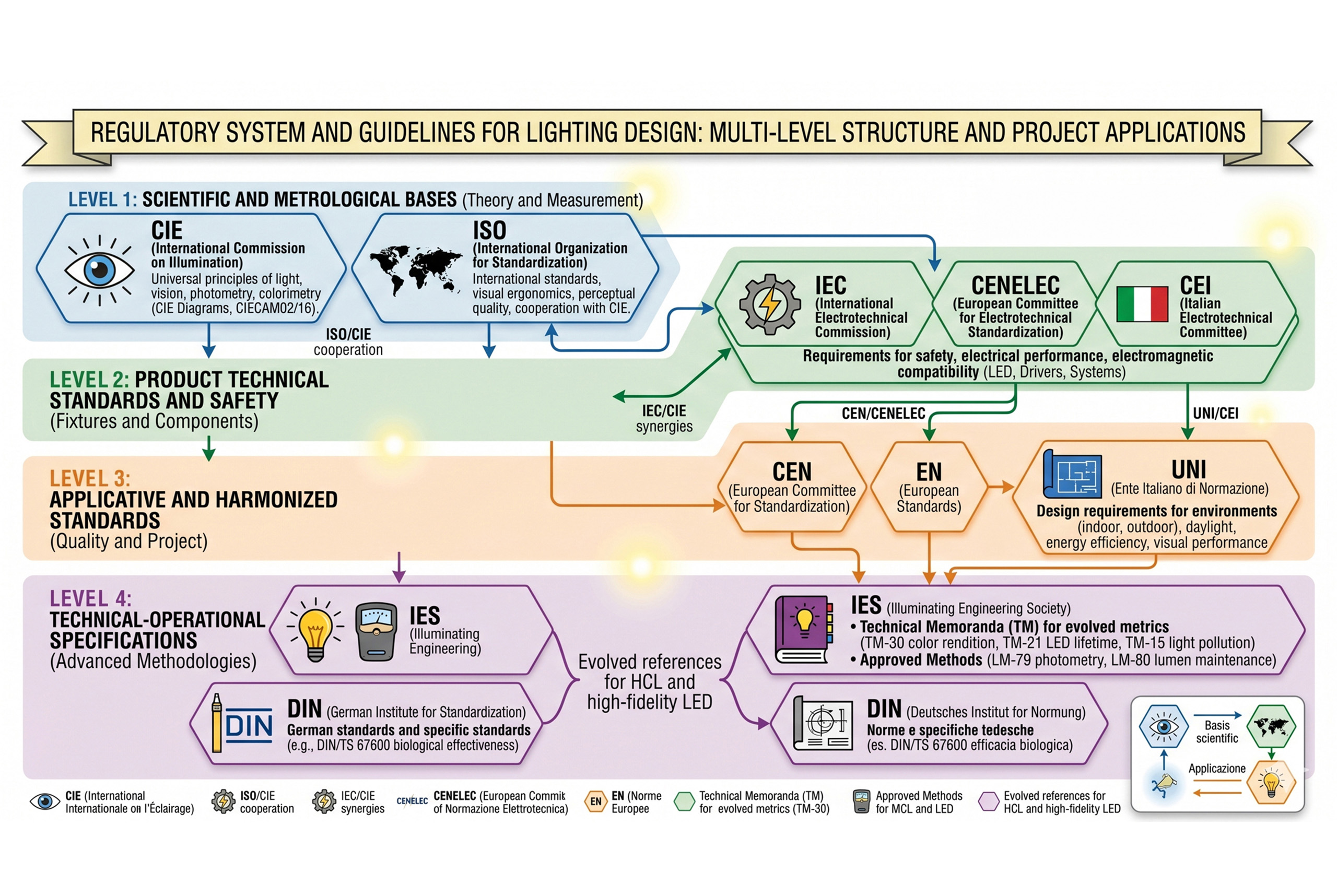
This section brings together a comprehensive body of theoretical, scientific, and design insights into the theory of light applied to lighting design, systematically addressing the complex relationship between light, visual perception, and spatial design. The content develops the physical foundations of light, an understanding of the mechanisms of human vision, the differences between photopic and melanopic illuminance, and the biological impact of artificial light, integrating advanced metrics and contemporary interpretation criteria.
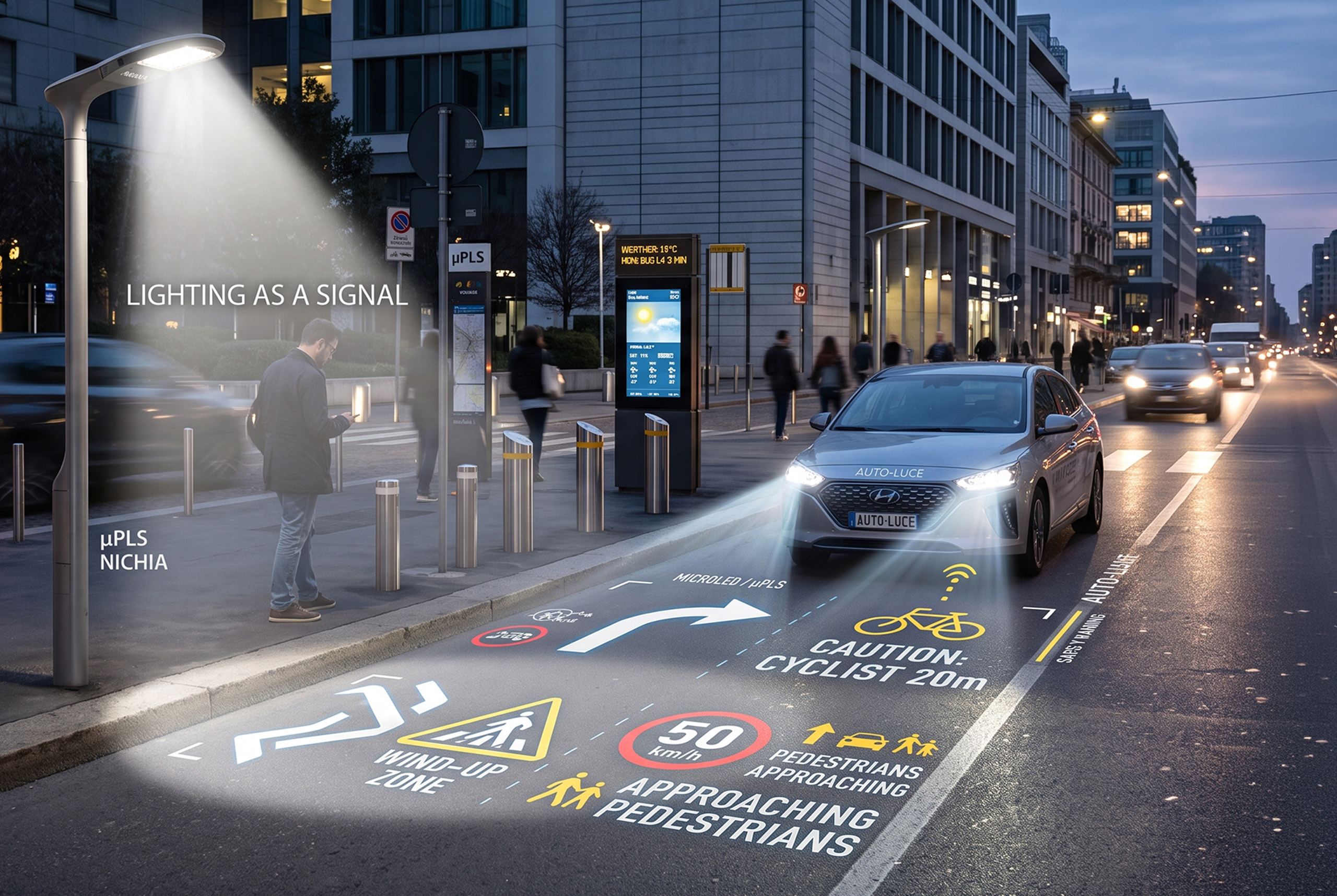
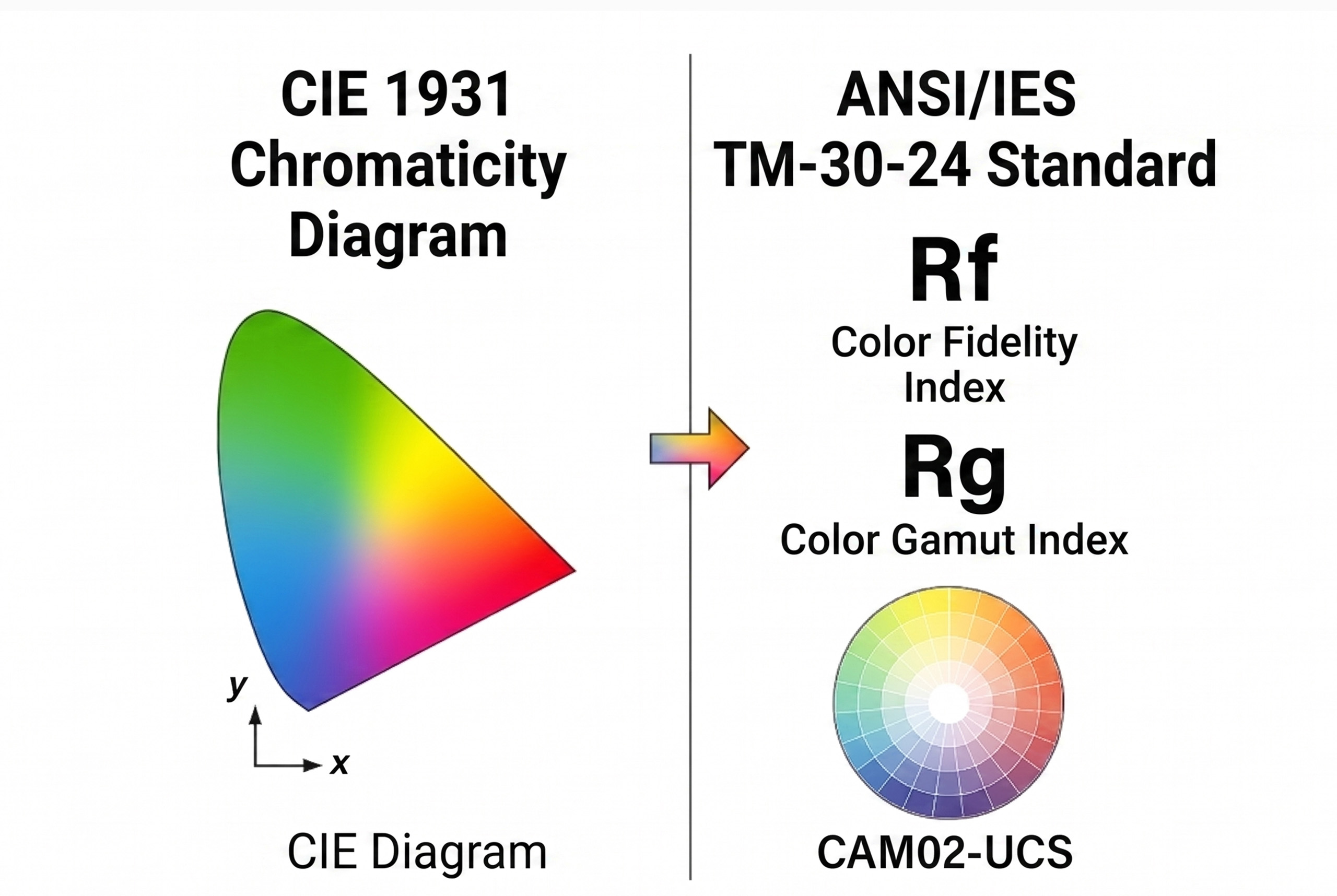
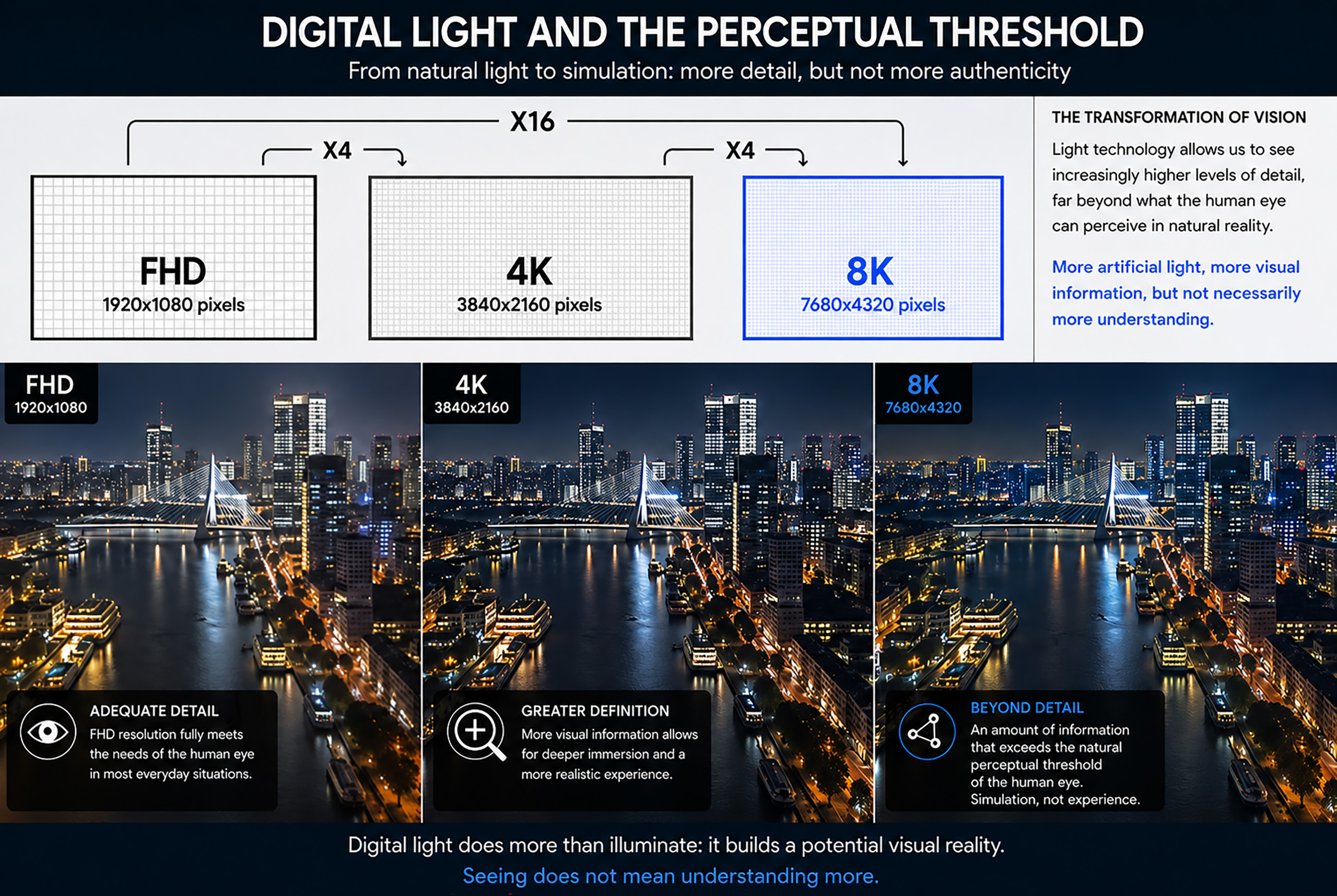
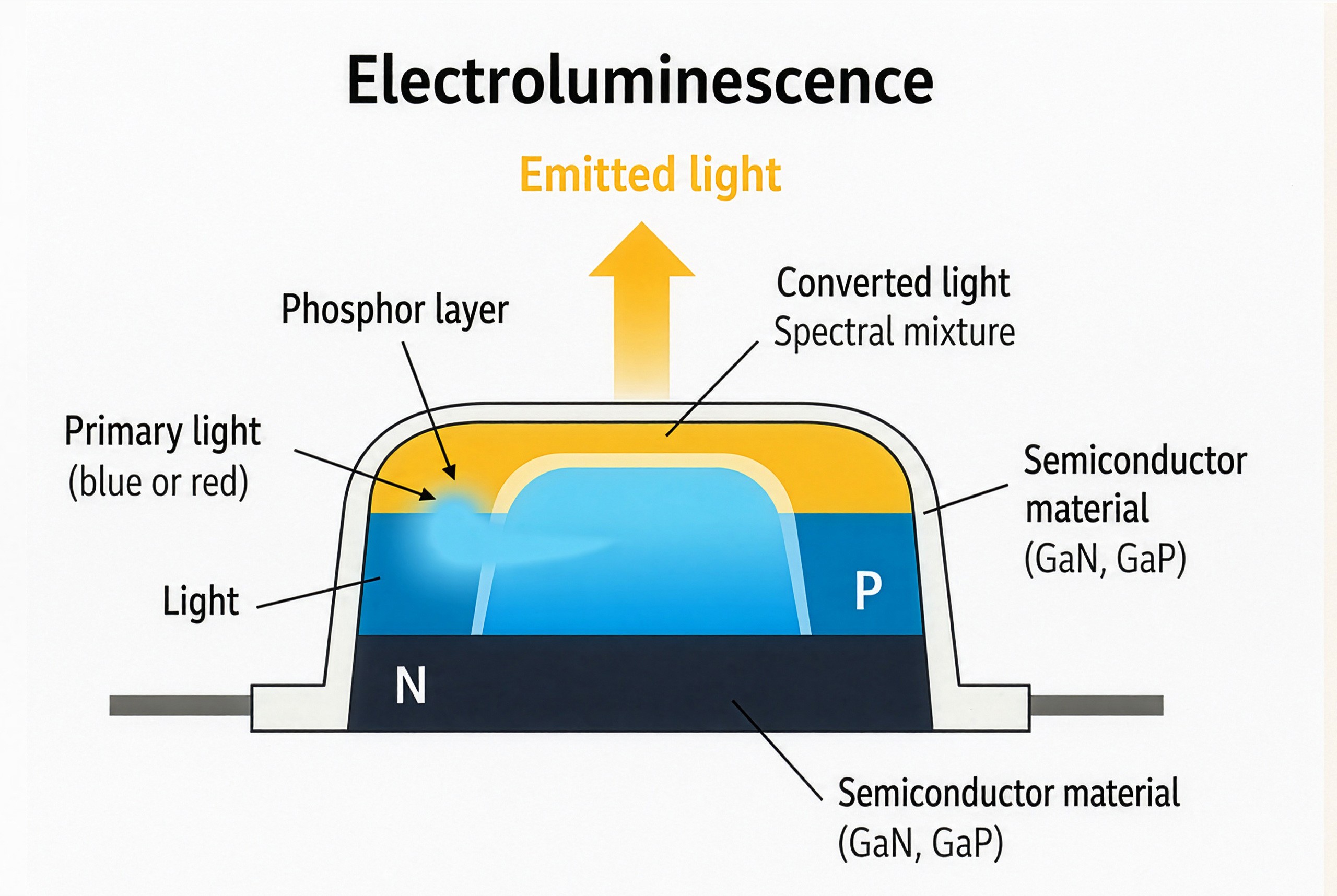
The page also explores the functioning of LED sources, the spectral and perceptual implications of solid-state light, the evolution of color rendering criteria, and the growing role of light as an informational and perceptual system, capable of influencing behavior, comfort, and the quality of spatial experience.
Ample space is dedicated to the relevant regulatory and technical framework, international standards, sustainability protocols, and control systems, understood as essential tools for rigorous, measurable, and consistent design.
Overall, the section provides a vision of the theory of light as the cultural and operational basis of lighting design, in which scientific knowledge, perceptual awareness, and design method converge to guide the lighting designer in the construction of balanced, legible, and qualitatively significant spaces.
This section brings together a comprehensive body of theoretical, scientific, and design insights into the theory of light applied to lighting design, systematically addressing the complex relationship between light, visual perception, and spatial design. The content develops the physical foundations of light, an understanding of the mechanisms of human vision, the differences between photopic and melanopic illuminance, and the biological impact of artificial light, integrating advanced metrics and contemporary interpretation criteria.
The page also explores the functioning of LED sources, the spectral and perceptual implications of solid-state light, the evolution of color rendering criteria, and the growing role of light as an informational and perceptual system, capable of influencing behavior, comfort, and the quality of spatial experience.
Ample space is dedicated to the relevant regulatory and technical framework, international standards, sustainability protocols, and control systems, understood as essential tools for rigorous, measurable, and consistent design.
Overall, the section provides a vision of the theory of light as the cultural and operational basis of lighting design, in which scientific knowledge, perceptual awareness, and design method converge to guide the lighting designer in the construction of balanced, legible, and qualitatively significant spaces.