How does a lighting designer develop a lighting project? Which disciplines should a rigorous lighting design study rely upon? How can lighting design improve visual comfort, reduce energy consumption, and enhance the value of a space? Why is it essential for light to be designed in relation to the different activities and functions taking place within an environment?
To address these questions, understanding only the physical principles governing light is not enough. It is essential to shift the focus toward the subjective experience of the observer. Light, in fact, is not merely a measurable phenomenon, but a language interacting with visual perception in a complex way, influenced by physiological, psychological, and cultural factors. Within this broader framework, the role of the lighting designer becomes central: the task is not simply to manage technical parameters, but to transform light into experience, understanding how it is perceived, interpreted, and lived by users within architectural space.
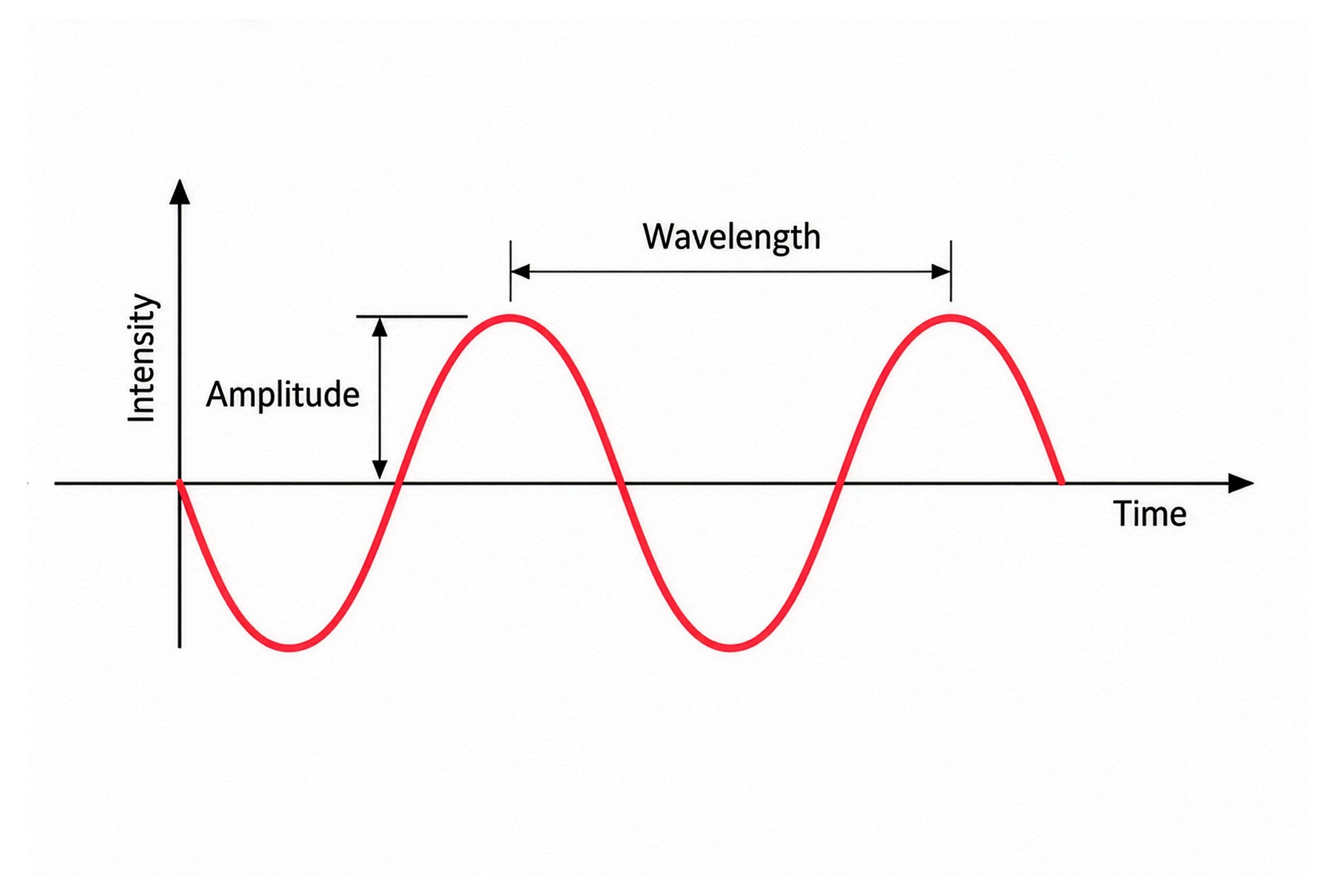
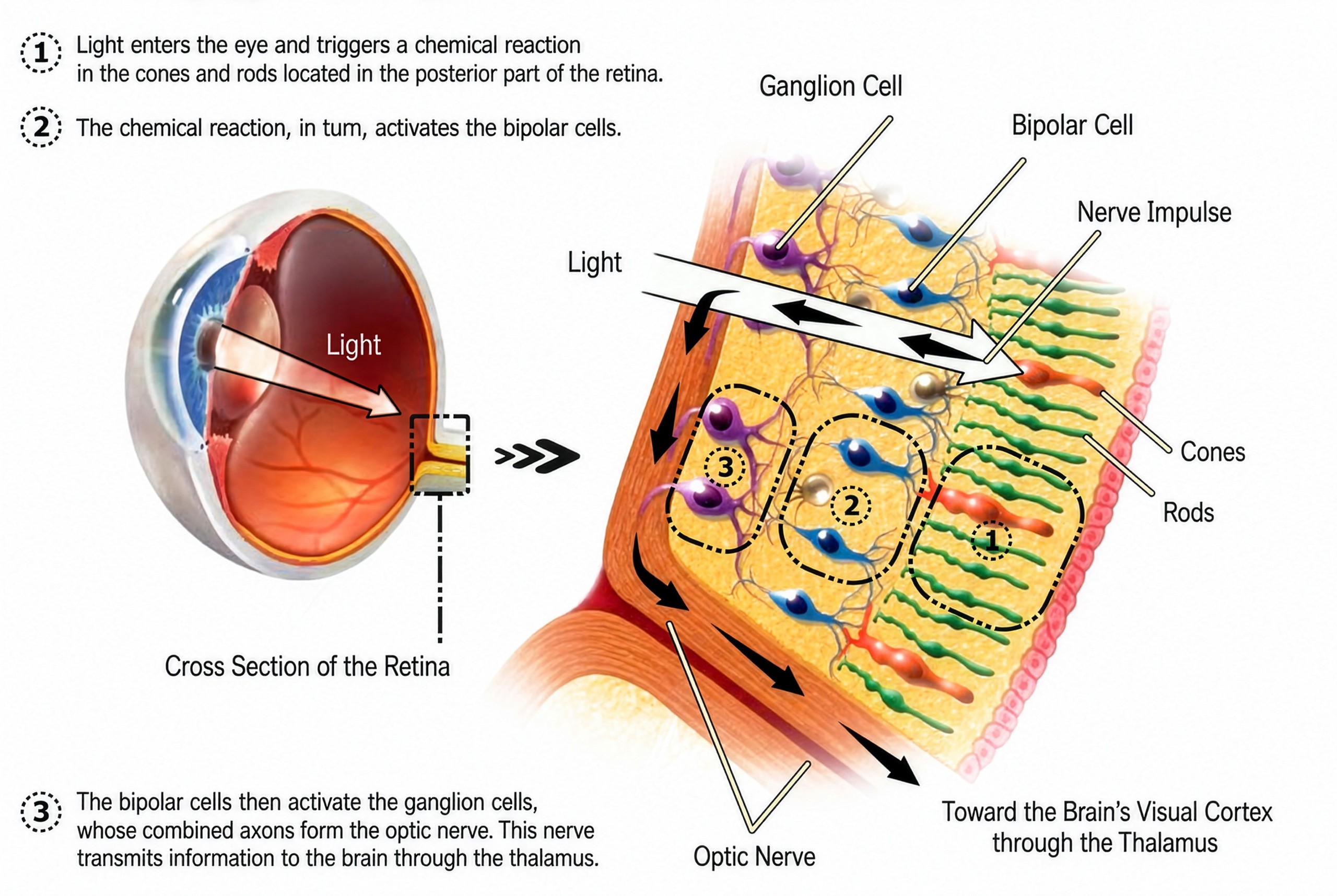
First of all, the perception of light is a complex phenomenon arising from the interaction between physical stimuli and neuro-sensory responses. From a technical and physical perspective, light consists of electromagnetic waves within the visible spectrum (approximately 380–780 nanometers), which the visual system processes by transforming them into subjective sensations of intensity and color. These transformations do not always follow a linear relationship. According to the Weber-Fechner law, for example, the perception of luminous intensity behaves logarithmically. In other words, under low-light conditions, even a small increase in illumination is perceived significantly, whereas in highly illuminated environments, much greater variations are required to produce the same perceptual effect. This explains the importance of visual adaptation, namely the eye’s ability to modulate its sensitivity according to ambient luminance, thereby avoiding glare phenomena or, conversely, insufficient visibility.
The distribution of lighting — whether direct or indirect — also profoundly affects perception. Direct light emphasizes details and textures, while indirect distribution creates a more uniform yet less contrasted environment. The eye is particularly sensitive to these variations, where luminance and color contrasts play a determining role. Excessive or overly weak contrasts may generate visual discomfort, reduce readability, and compromise perceptual comfort.
However, perception is never purely physical: it is strongly shaped by individual factors. The observer’s age, for instance, influences lens transparency and contrast sensitivity, with a natural tendency toward reduced perception of cooler tones in older subjects. Likewise, visual fatigue, stress, or psycho-physical imbalances alter adaptation capacity and responsiveness to luminous stimuli, significantly modifying perception.
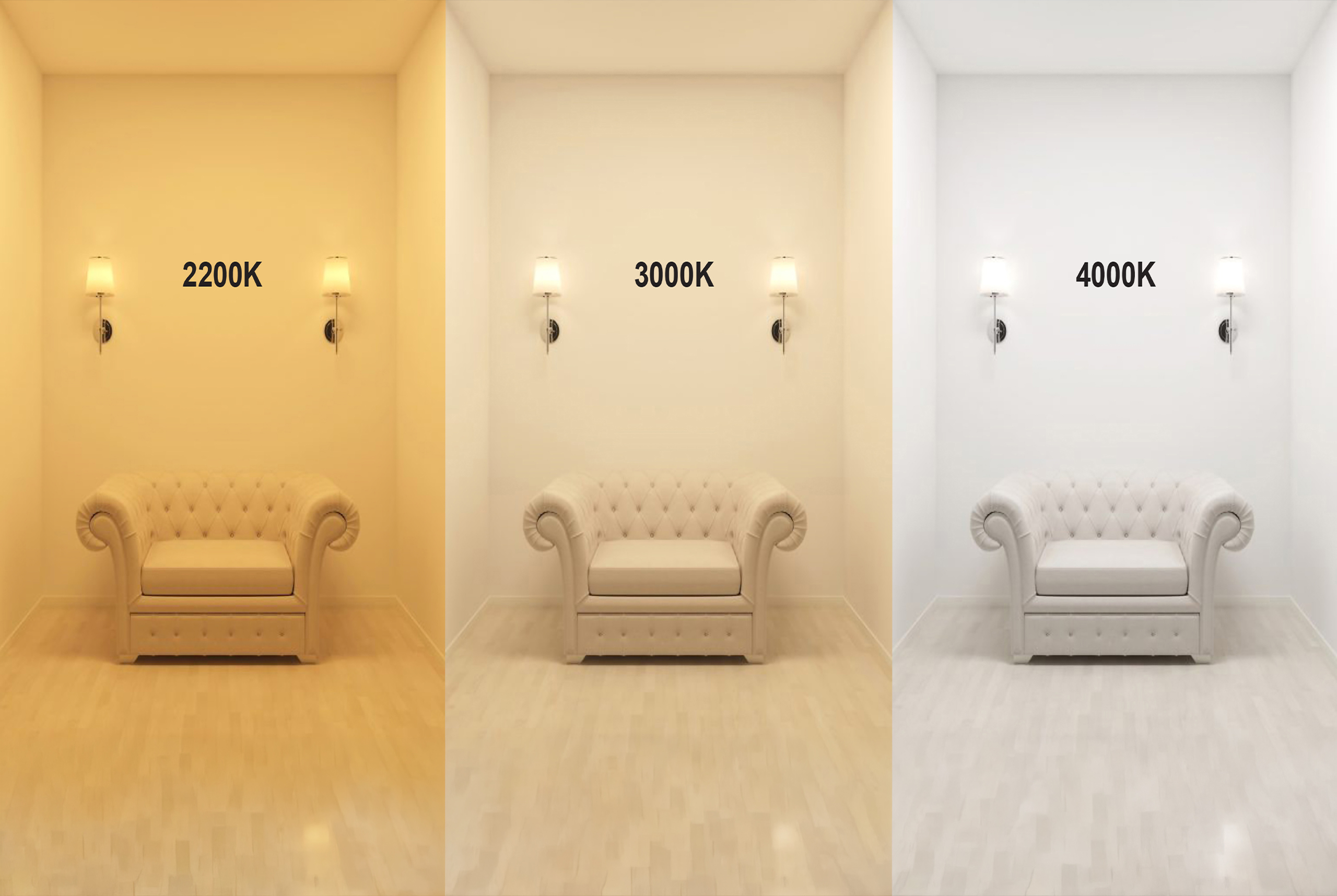
Finally, light is also a cultural and symbolic phenomenon. Luminous perception is structured through learned cognitive patterns, aesthetic traditions, sensory memories, and anthropological references. In some cultures, warm light is associated with conviviality and intimacy, while in others it evokes sacredness or spirituality. The meaning attributed to colors also varies greatly: what is perceived as relaxing in one context may be interpreted as gloomy or inhospitable in another. The same space, even when illuminated according to objective technical criteria, can therefore be interpreted and experienced in very different ways depending on the observer’s cultural and perceptual background.
In summary, vision is not merely a reaction to an external stimulus, but an active, adaptive, and profoundly human process shaped by the interaction between eye, mind, and environmental context. Designing light therefore means going beyond physical parameters alone. Only a conscious and multidisciplinary lighting design approach can transform built space into a meaningful sensory experience, capable not only of meeting regulatory requirements, but also of enhancing perceptual well-being, the identity of places, and the quality of life of those who inhabit them.
Within this balance between science and sensitivity, light becomes both a design tool and a universal language.
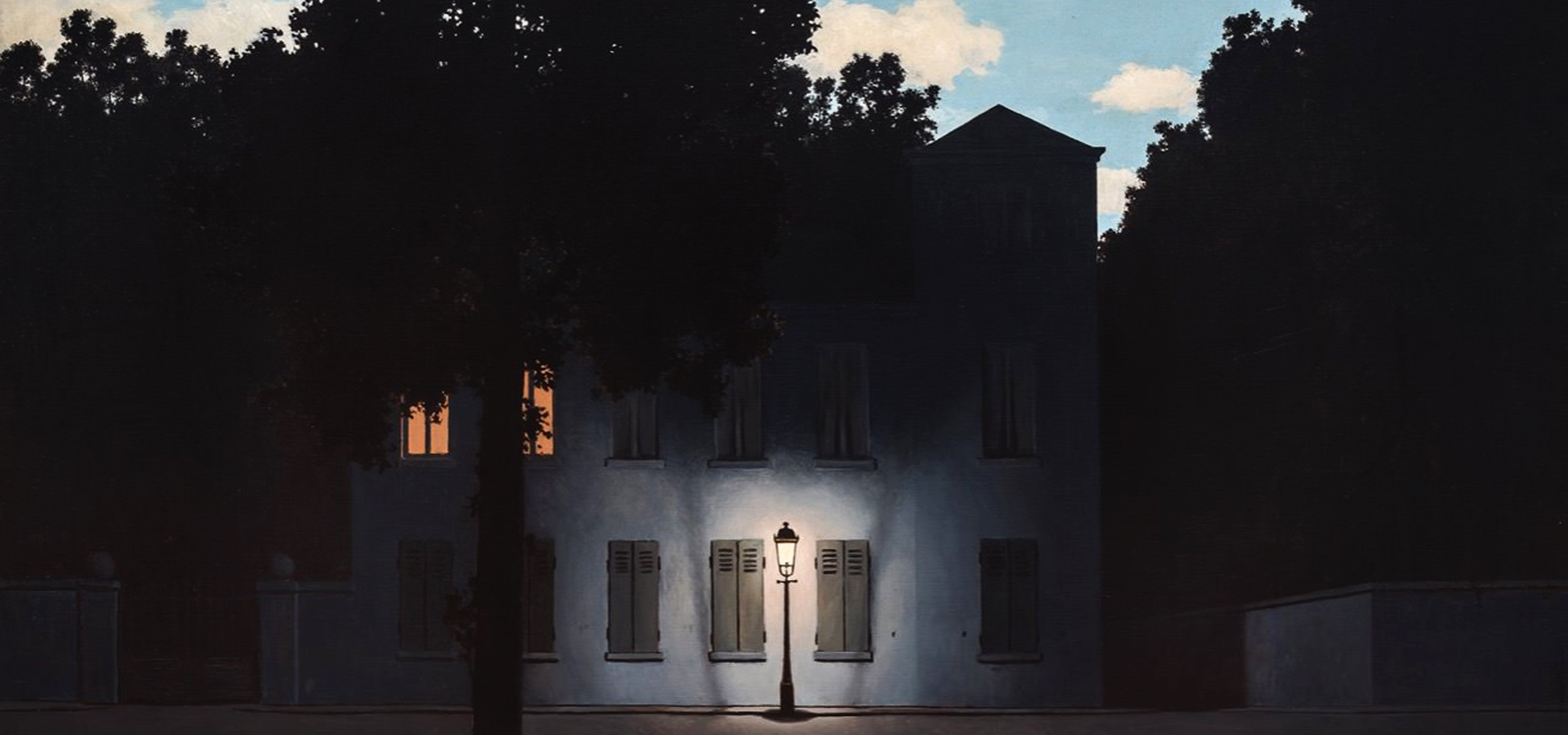
René Magritte’s painting The Empire of Light (1954) becomes the starting point for a profound and articulated reflection on the fundamental role of light in the construction of space, on visual perception, and on the relationship between light and darkness. Light is what reveals space, but it is also what shapes it, imbues it with meaning, and returns it to the lived experience in all its complexity.
In Magritte’s work, the coexistence of daylight and nocturnal darkness, of a clear sky and an illuminated streetlamp, breaks every natural reference and transforms space into a suspended dimension governed by an anti-narrative visual logic. This perceptual discontinuity, which fragments time and place, generates intense tension: the environment is no longer recognizable, but instead becomes an evocation, producing fascination while simultaneously creating unease, ultimately appearing as an enigma to be deciphered. Light does not describe, but questions; it does not clarify, but draws the observer into an ambivalent atmosphere where reality ceases to be objective and becomes a sensitive and symbolic experience.
The mind, accustomed to the coherence generated by light sources and temporal context, undergoes a kind of cognitive short circuit. In lighting design terms, one could say that the work challenges the logic of “coherent luminance,” a concept which, in lighting design, implies consistency between the luminous emission of sources and the light actually perceived within the environment — namely, the luminance reflected by surfaces toward the observer.
Magritte’s work, in this sense, highlights how profoundly light determines the “narrative” of an environment: light is simultaneously a physical phenomenon, a perceptual tool, and a symbolic language. It does not merely “illuminate” what already exists, but actively contributes to defining visual reality by shaping forms, volumes, depth, directions, and above all, meanings.

How does a lighting designer develop a lighting project? Which disciplines should a rigorous lighting design study rely upon? How can lighting design improve visual comfort, reduce energy consumption, and enhance the value of a space? Why is it essential for light to be designed in relation to the different activities and functions taking place within an environment?
To address these questions, understanding only the physical principles governing light is not enough. It is essential to shift the focus toward the subjective experience of the observer. Light, in fact, is not merely a measurable phenomenon, but a language interacting with visual perception in a complex way, influenced by physiological, psychological, and cultural factors. Within this broader framework, the role of the lighting designer becomes central: the task is not simply to manage technical parameters, but to transform light into experience, understanding how it is perceived, interpreted, and lived by users within architectural space.
First of all, the perception of light is a complex phenomenon arising from the interaction between physical stimuli and neuro-sensory responses. From a technical and physical perspective, light consists of electromagnetic waves within the visible spectrum (approximately 380–780 nanometers), which the visual system processes by transforming them into subjective sensations of intensity and color. These transformations do not always follow a linear relationship. According to the Weber-Fechner law, for example, the perception of luminous intensity behaves logarithmically. In other words, under low-light conditions, even a small increase in illumination is perceived significantly, whereas in highly illuminated environments, much greater variations are required to produce the same perceptual effect. This explains the importance of visual adaptation, namely the eye’s ability to modulate its sensitivity according to ambient luminance, thereby avoiding glare phenomena or, conversely, insufficient visibility.
The distribution of lighting — whether direct or indirect — also profoundly affects perception. Direct light emphasizes details and textures, while indirect distribution creates a more uniform yet less contrasted environment. The eye is particularly sensitive to these variations, where luminance and color contrasts play a determining role. Excessive or overly weak contrasts may generate visual discomfort, reduce readability, and compromise perceptual comfort.
However, perception is never purely physical: it is strongly shaped by individual factors. The observer’s age, for instance, influences lens transparency and contrast sensitivity, with a natural tendency toward reduced perception of cooler tones in older subjects. Likewise, visual fatigue, stress, or psycho-physical imbalances alter adaptation capacity and responsiveness to luminous stimuli, significantly modifying perception.
Finally, light is also a cultural and symbolic phenomenon. Luminous perception is structured through learned cognitive patterns, aesthetic traditions, sensory memories, and anthropological references. In some cultures, warm light is associated with conviviality and intimacy, while in others it evokes sacredness or spirituality. The meaning attributed to colors also varies greatly: what is perceived as relaxing in one context may be interpreted as gloomy or inhospitable in another. The same space, even when illuminated according to objective technical criteria, can therefore be interpreted and experienced in very different ways depending on the observer’s cultural and perceptual background.
In summary, vision is not merely a reaction to an external stimulus, but an active, adaptive, and profoundly human process shaped by the interaction between eye, mind, and environmental context. Designing light therefore means going beyond physical parameters alone. Only a conscious and multidisciplinary lighting design approach can transform built space into a meaningful sensory experience, capable not only of meeting regulatory requirements, but also of enhancing perceptual well-being, the identity of places, and the quality of life of those who inhabit them.
Within this balance between science and sensitivity, light becomes both a design tool and a universal language.
René Magritte’s painting The Empire of Light (1954) becomes the starting point for a profound and articulated reflection on the fundamental role of light in the construction of space, on visual perception, and on the relationship between light and darkness. Light is what reveals space, but it is also what shapes it, imbues it with meaning, and returns it to the lived experience in all its complexity.
In Magritte’s work, the coexistence of daylight and nocturnal darkness, of a clear sky and an illuminated streetlamp, breaks every natural reference and transforms space into a suspended dimension governed by an anti-narrative visual logic. This perceptual discontinuity, which fragments time and place, generates intense tension: the environment is no longer recognizable, but instead becomes an evocation, producing fascination while simultaneously creating unease, ultimately appearing as an enigma to be deciphered. Light does not describe, but questions; it does not clarify, but draws the observer into an ambivalent atmosphere where reality ceases to be objective and becomes a sensitive and symbolic experience.
The mind, accustomed to the coherence generated by light sources and temporal context, undergoes a kind of cognitive short circuit. In lighting design terms, one could say that the work challenges the logic of “coherent luminance,” a concept which, in lighting design, implies consistency between the luminous emission of sources and the light actually perceived within the environment — namely, the luminance reflected by surfaces toward the observer.
Magritte’s work, in this sense, highlights how profoundly light determines the “narrative” of an environment: light is simultaneously a physical phenomenon, a perceptual tool, and a symbolic language. It does not merely “illuminate” what already exists, but actively contributes to defining visual reality by shaping forms, volumes, depth, directions, and above all, meanings.
Other Lighting Post
Other Lighting Post
This section brings together a comprehensive body of theoretical, scientific, and design insights into the theory of light applied to lighting design, systematically addressing the complex relationship between light, visual perception, and spatial design. The content develops the physical foundations of light, an understanding of the mechanisms of human vision, the differences between photopic and melanopic illuminance, and the biological impact of artificial light, integrating advanced metrics and contemporary interpretation criteria.
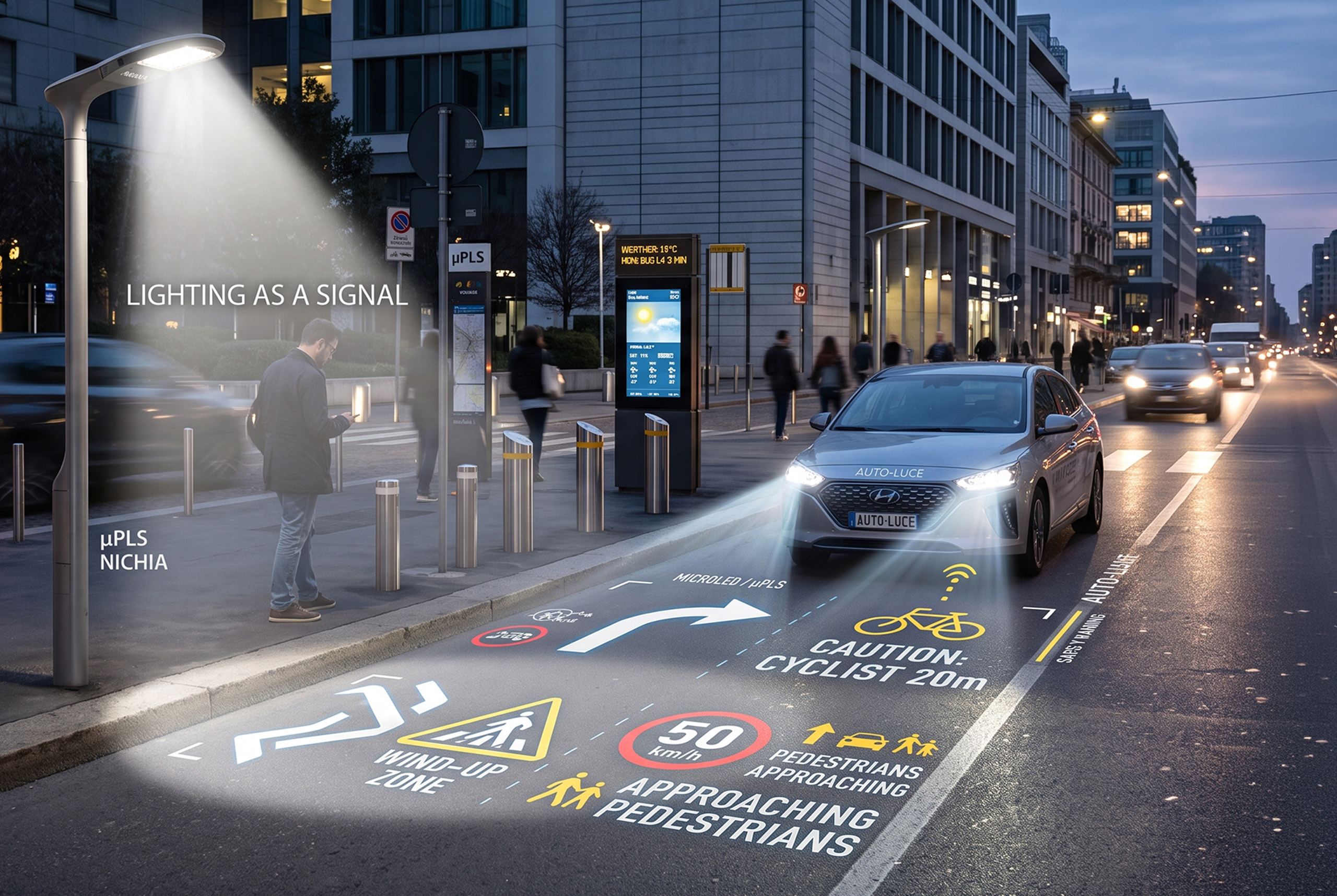
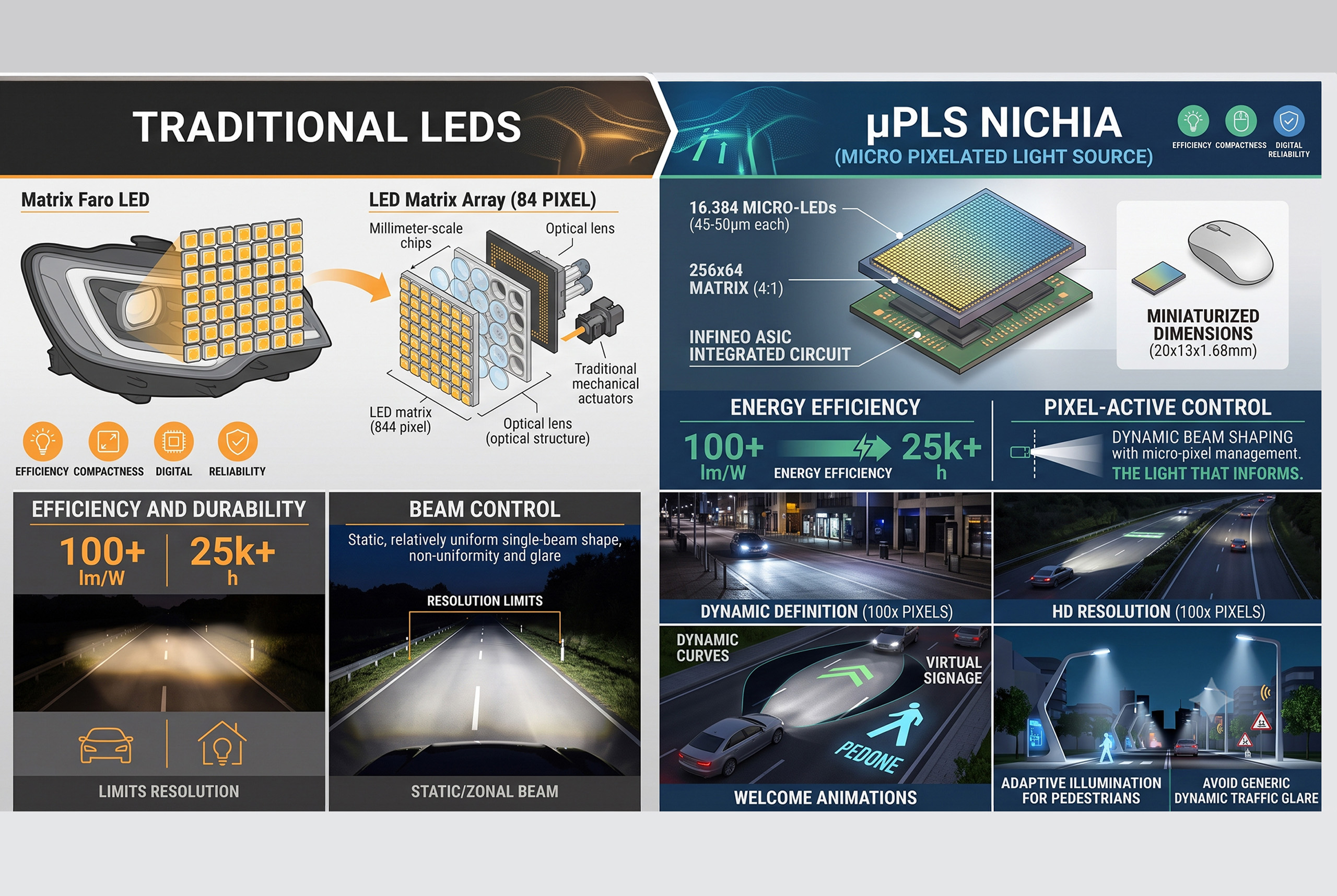
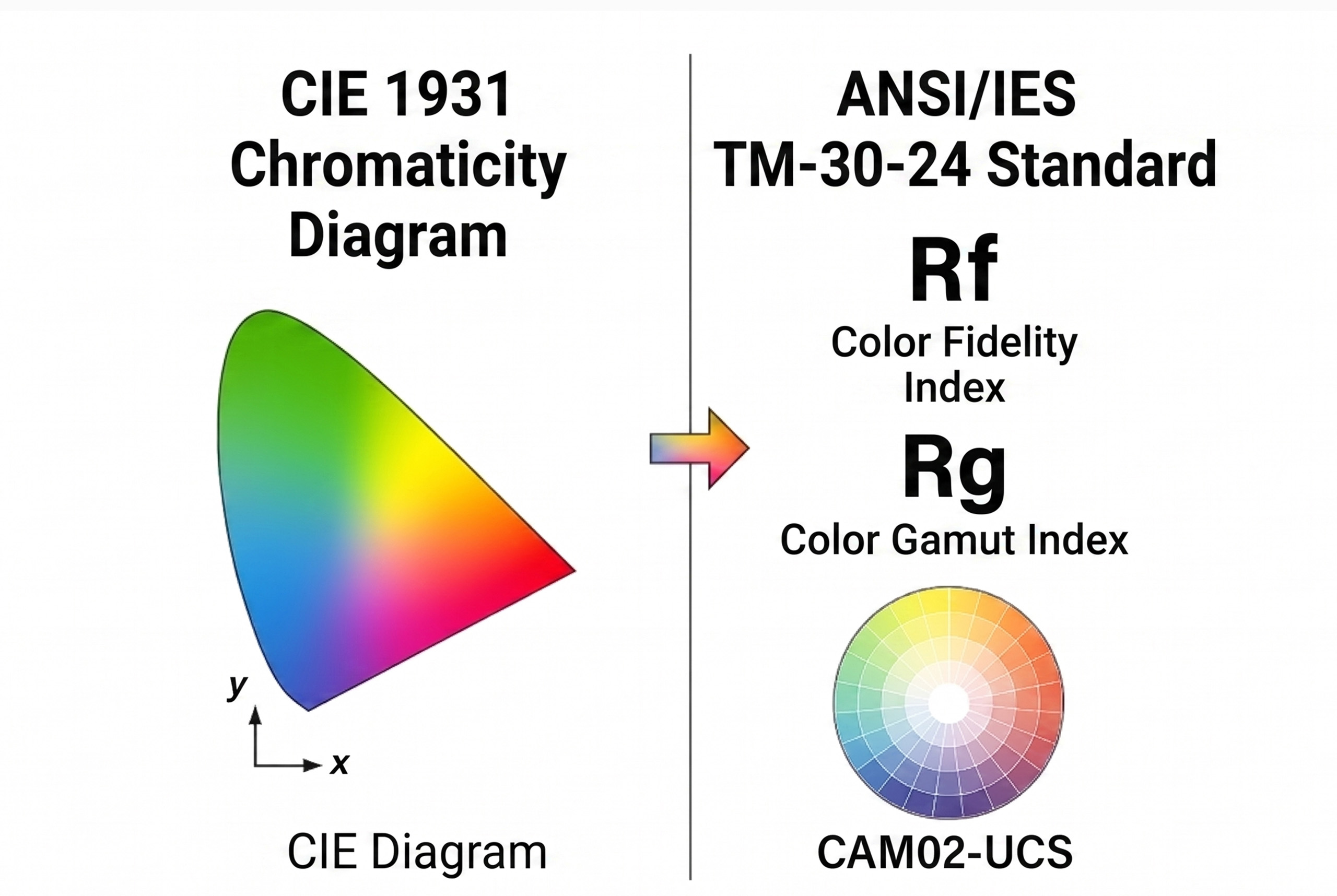
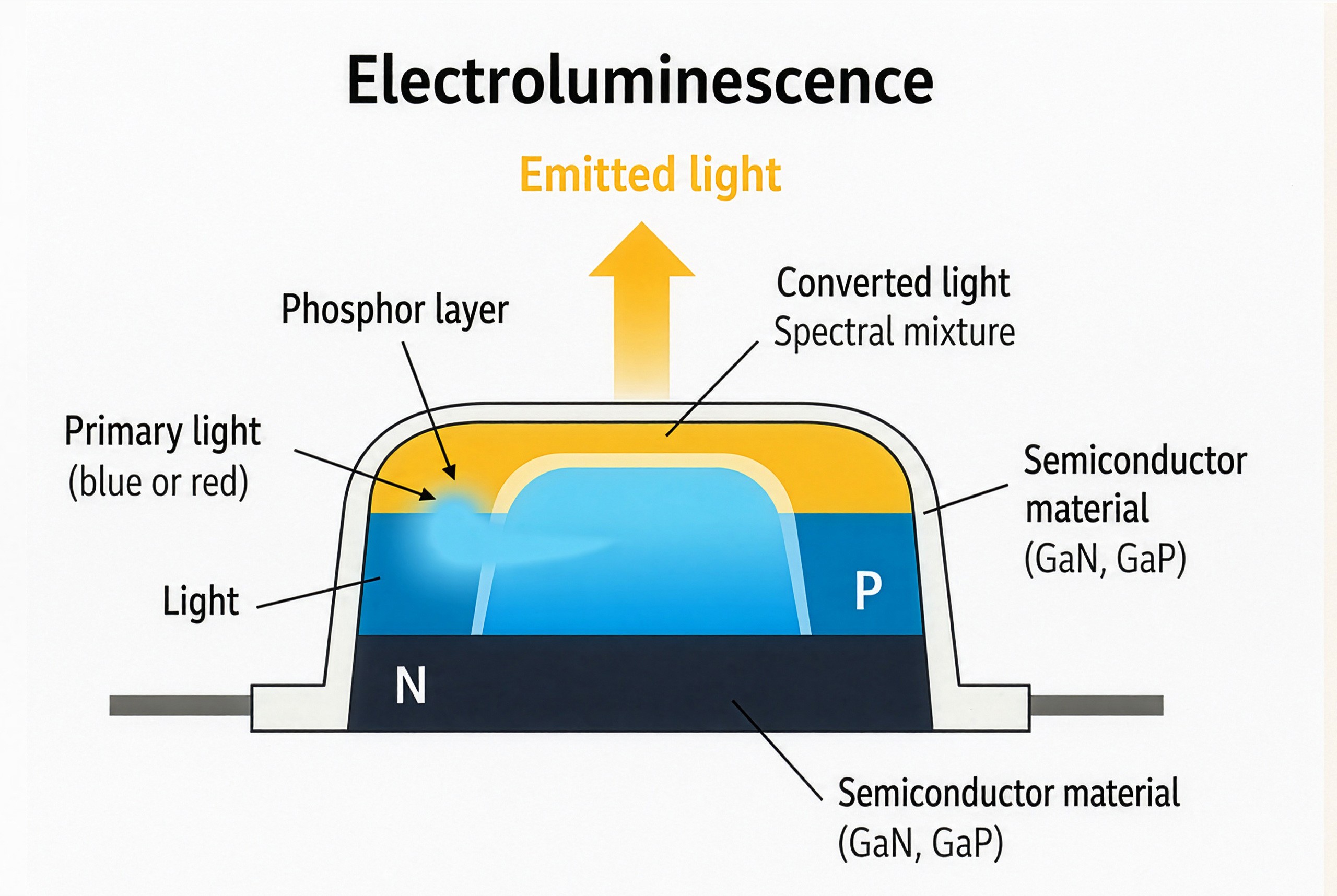
The page also explores the functioning of LED sources, the spectral and perceptual implications of solid-state light, the evolution of color rendering criteria, and the growing role of light as an informational and perceptual system, capable of influencing behavior, comfort, and the quality of spatial experience.
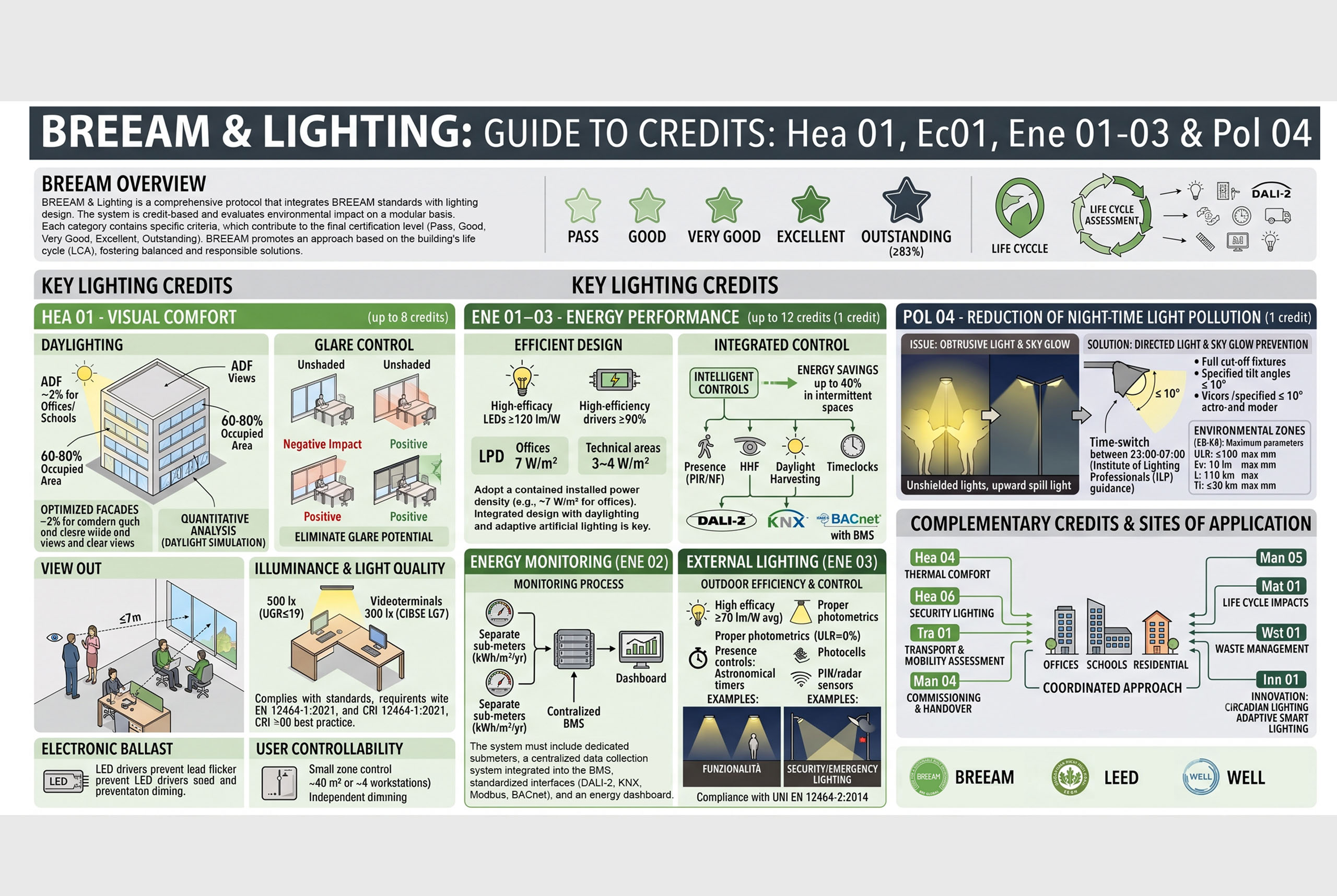
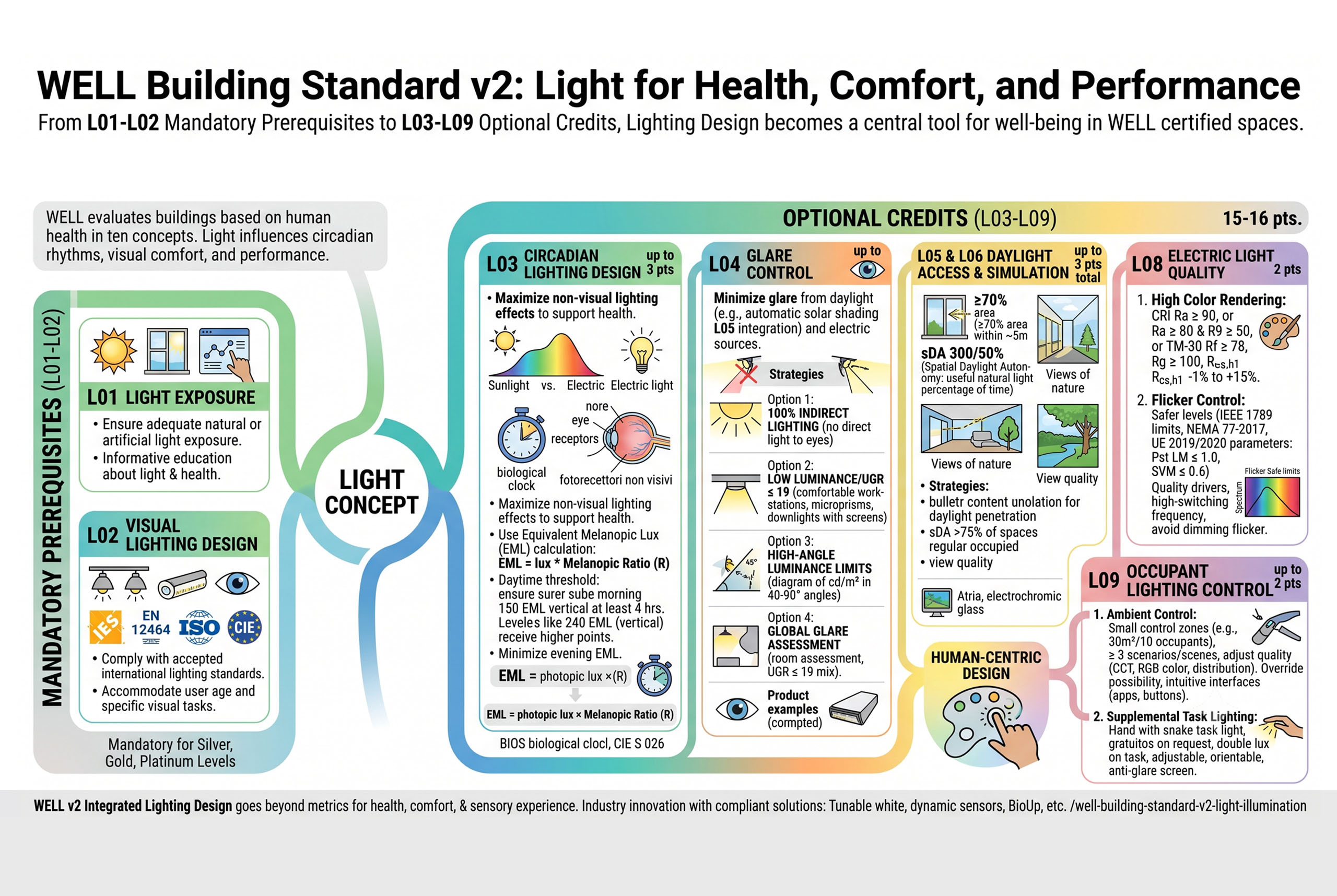
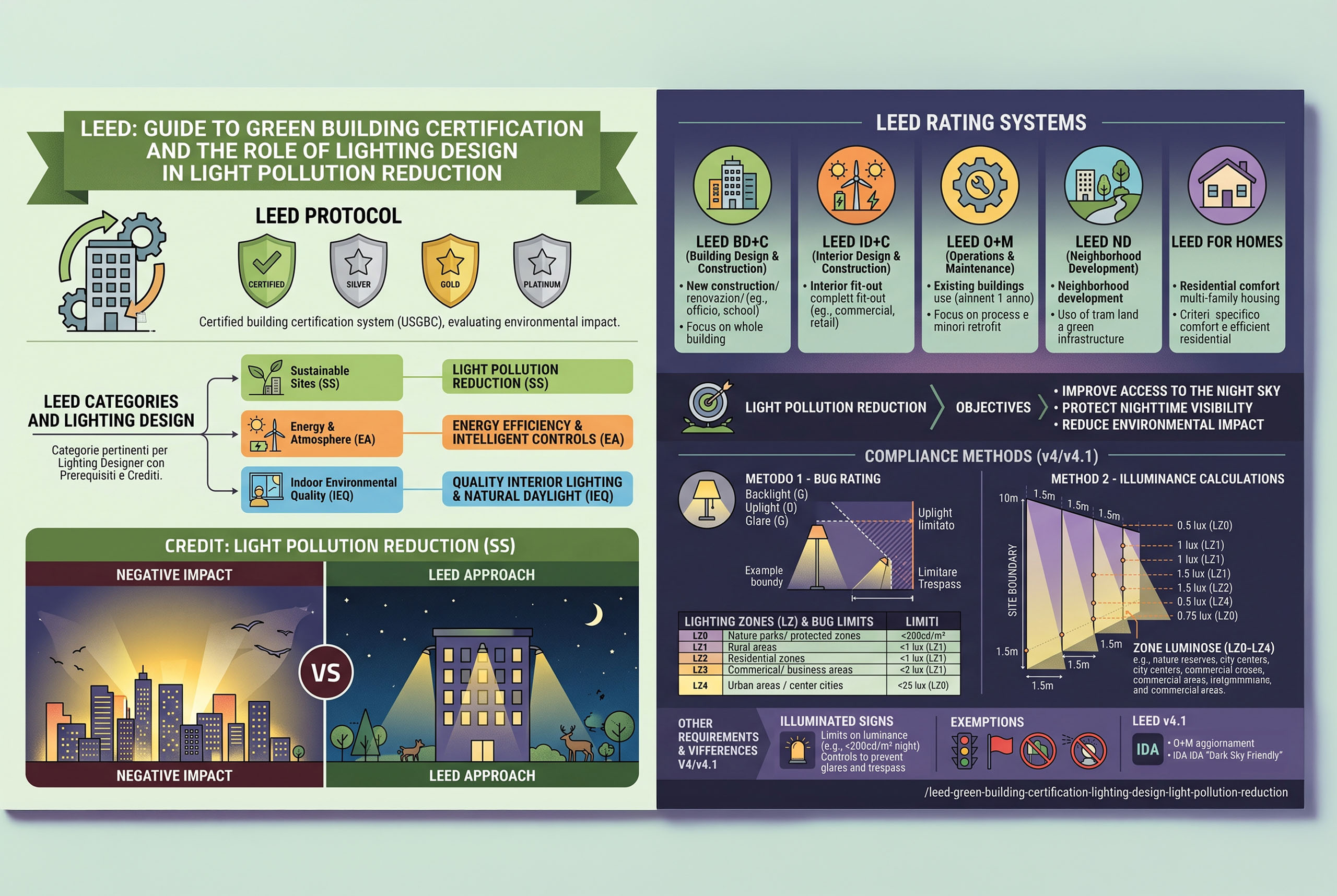
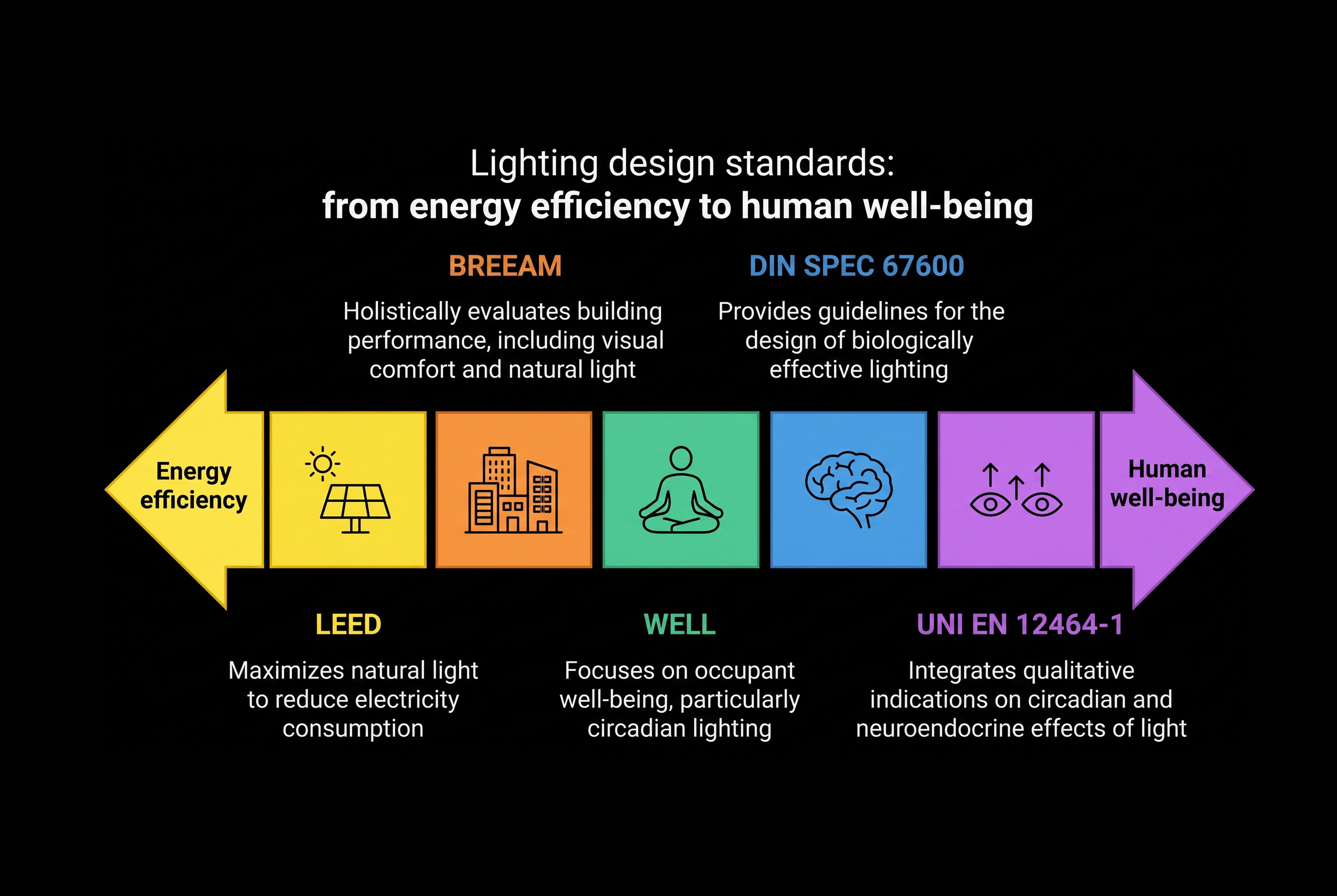
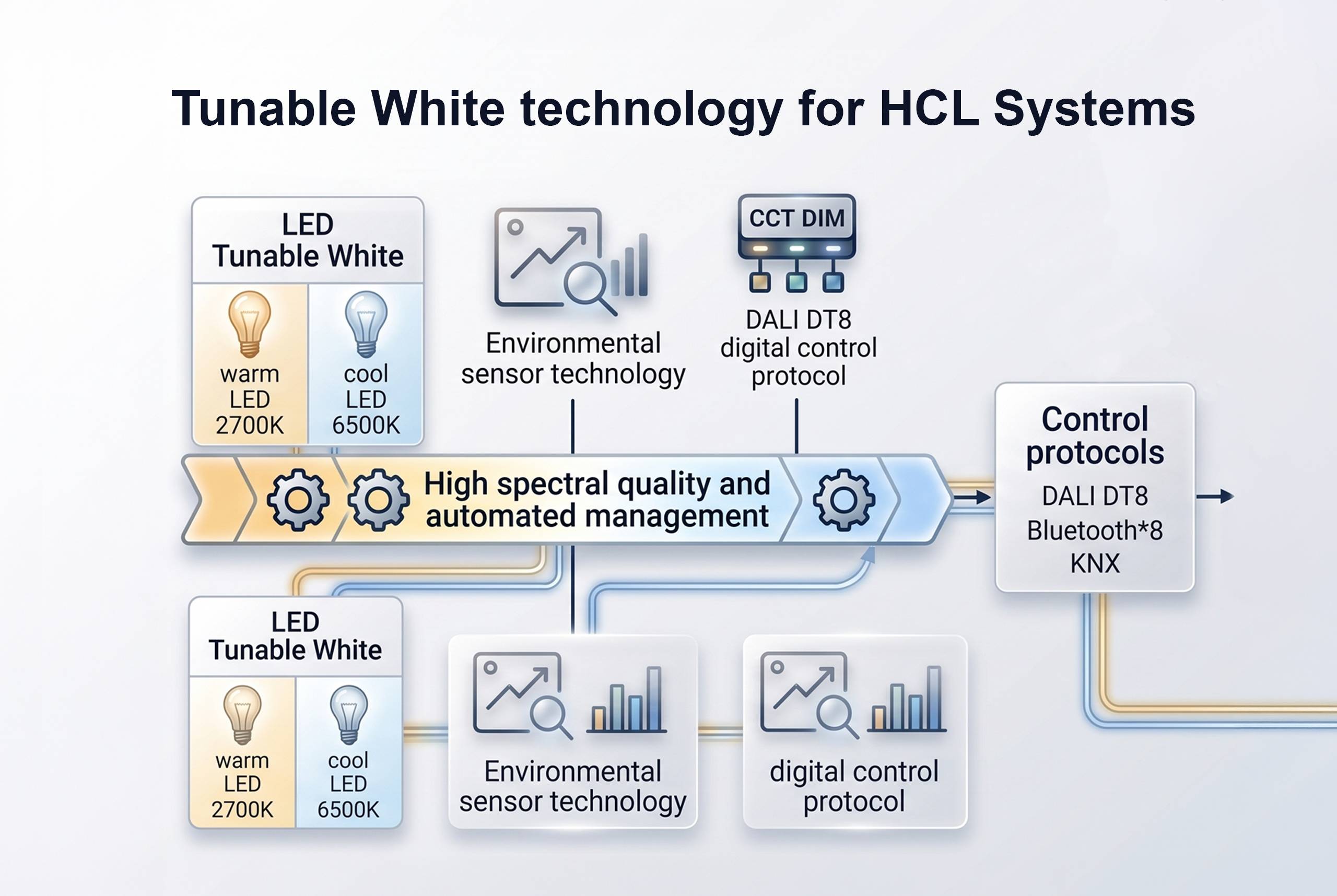
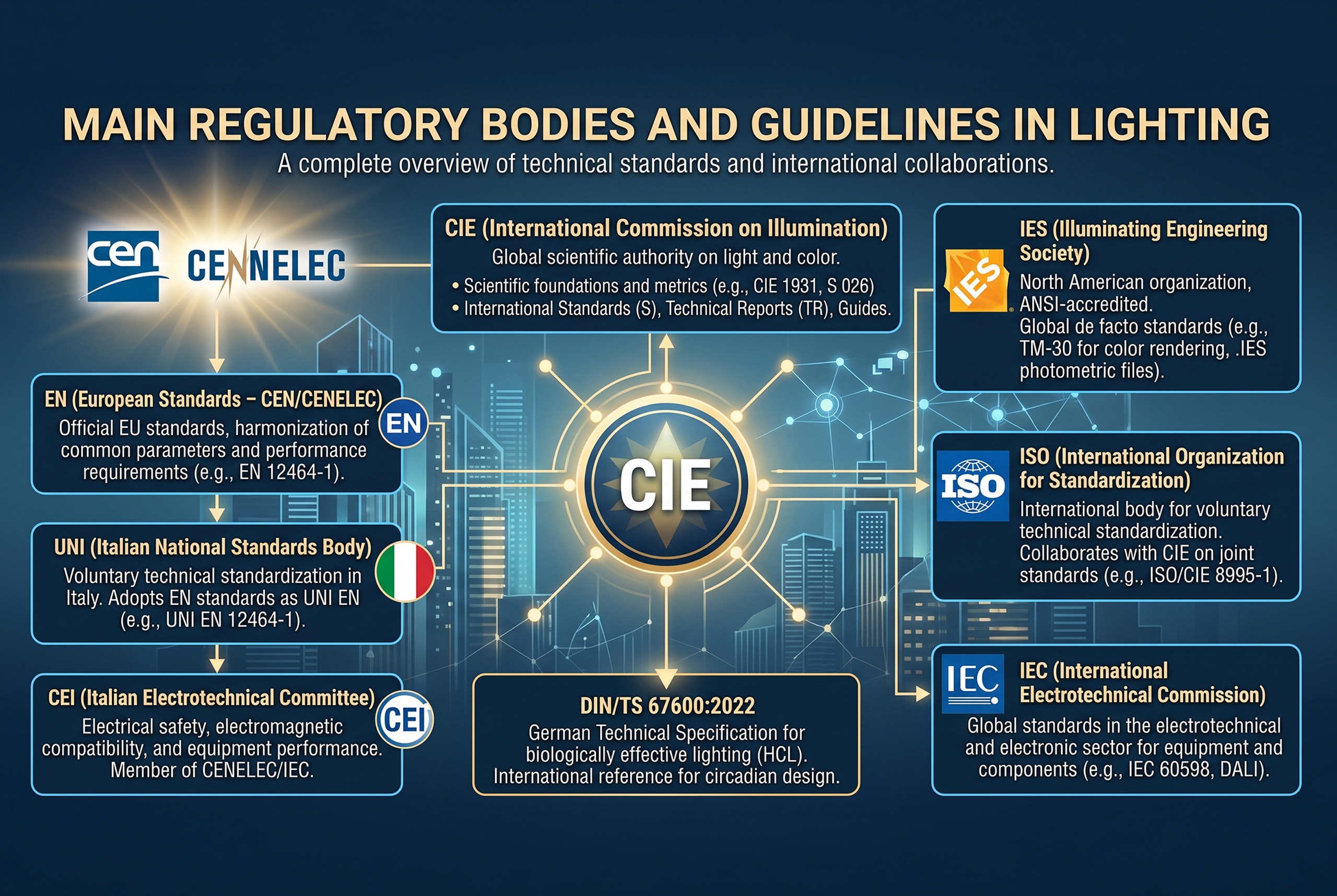
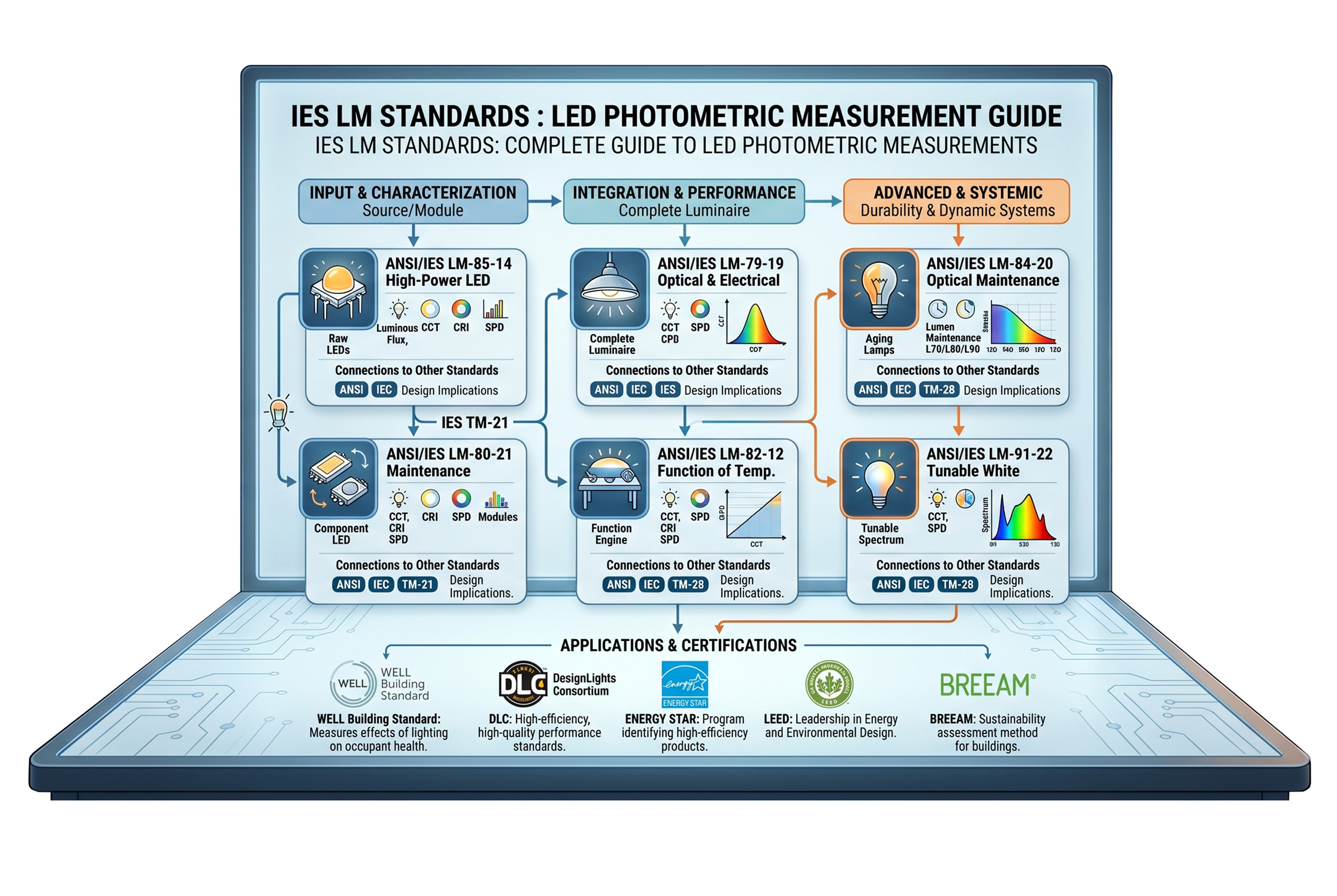
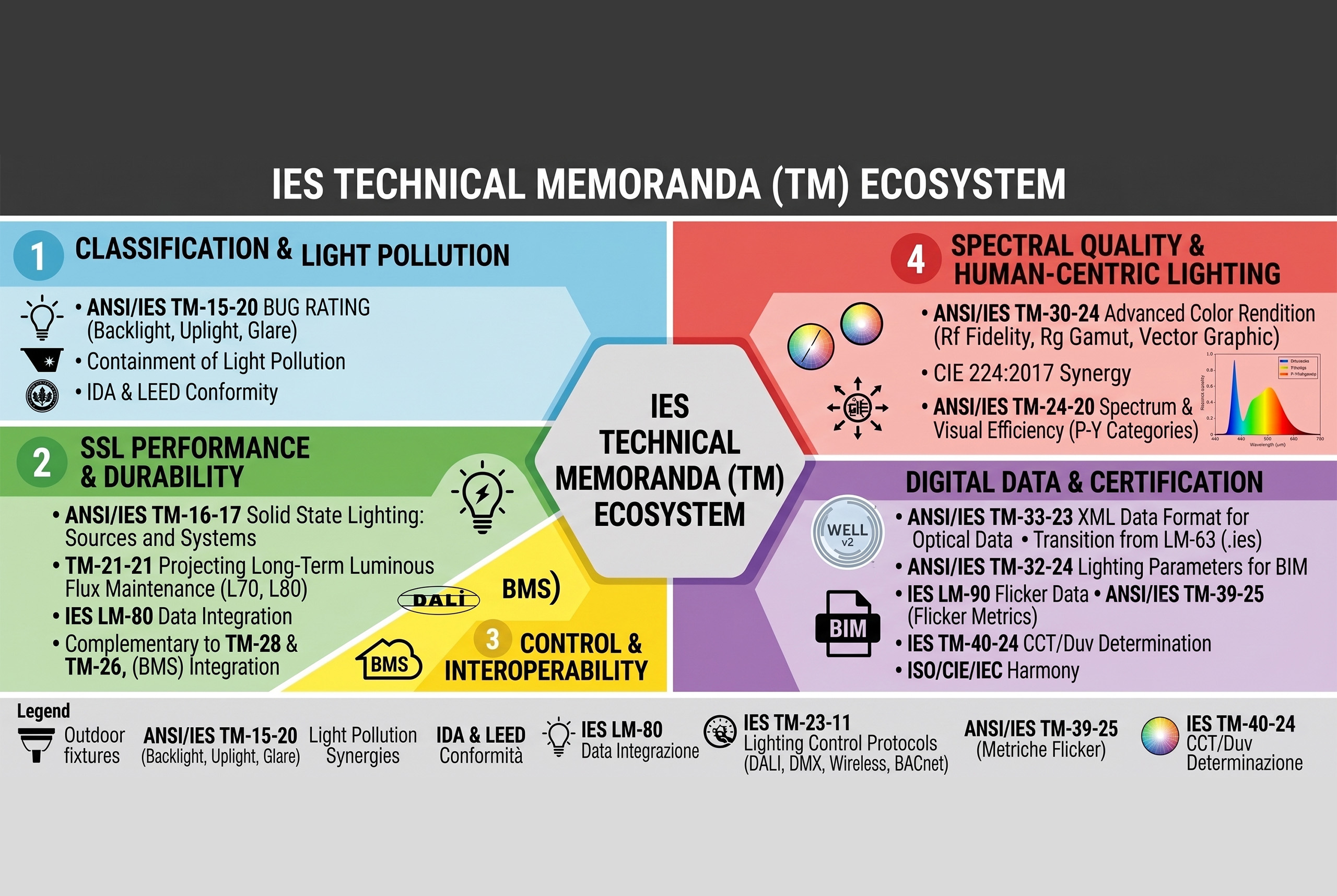
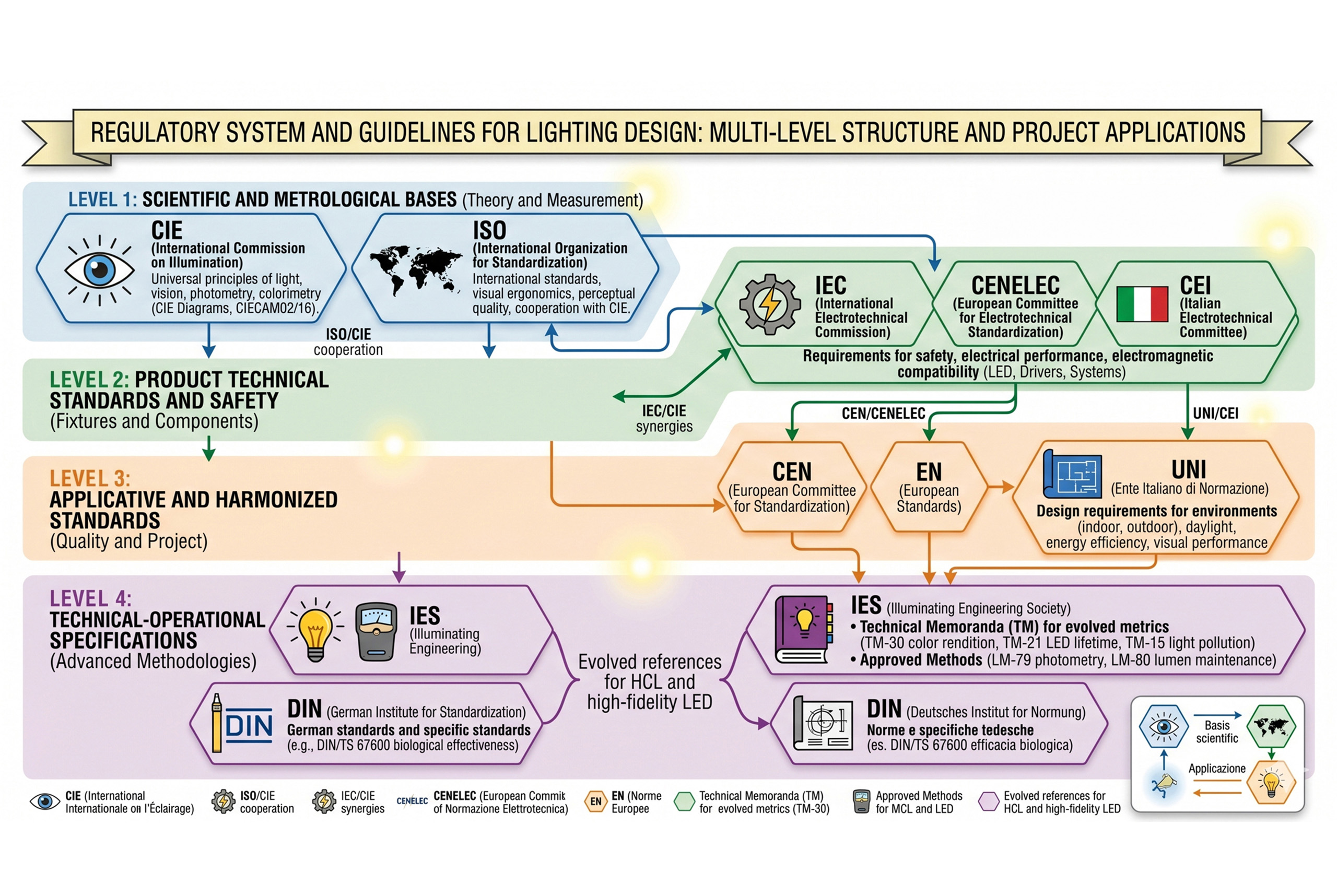
Ample space is dedicated to the relevant regulatory and technical framework, international standards, sustainability protocols, and control systems, understood as essential tools for rigorous, measurable, and consistent design.
Overall, the section provides a vision of the theory of light as the cultural and operational basis of lighting design, in which scientific knowledge, perceptual awareness, and design method converge to guide the lighting designer in the construction of balanced, legible, and qualitatively significant spaces.
This section brings together a comprehensive body of theoretical, scientific, and design insights into the theory of light applied to lighting design, systematically addressing the complex relationship between light, visual perception, and spatial design. The content develops the physical foundations of light, an understanding of the mechanisms of human vision, the differences between photopic and melanopic illuminance, and the biological impact of artificial light, integrating advanced metrics and contemporary interpretation criteria.
The page also explores the functioning of LED sources, the spectral and perceptual implications of solid-state light, the evolution of color rendering criteria, and the growing role of light as an informational and perceptual system, capable of influencing behavior, comfort, and the quality of spatial experience.
Ample space is dedicated to the relevant regulatory and technical framework, international standards, sustainability protocols, and control systems, understood as essential tools for rigorous, measurable, and consistent design.
Overall, the section provides a vision of the theory of light as the cultural and operational basis of lighting design, in which scientific knowledge, perceptual awareness, and design method converge to guide the lighting designer in the construction of balanced, legible, and qualitatively significant spaces.