Lighting designer
At a distance of 20 years from the article of Paola Antonelli Associate Curator, Department of Architecture and Design (© 1997 The Museum of Modern Art in New York) today the Castiglioni family continues to be the protagonist.
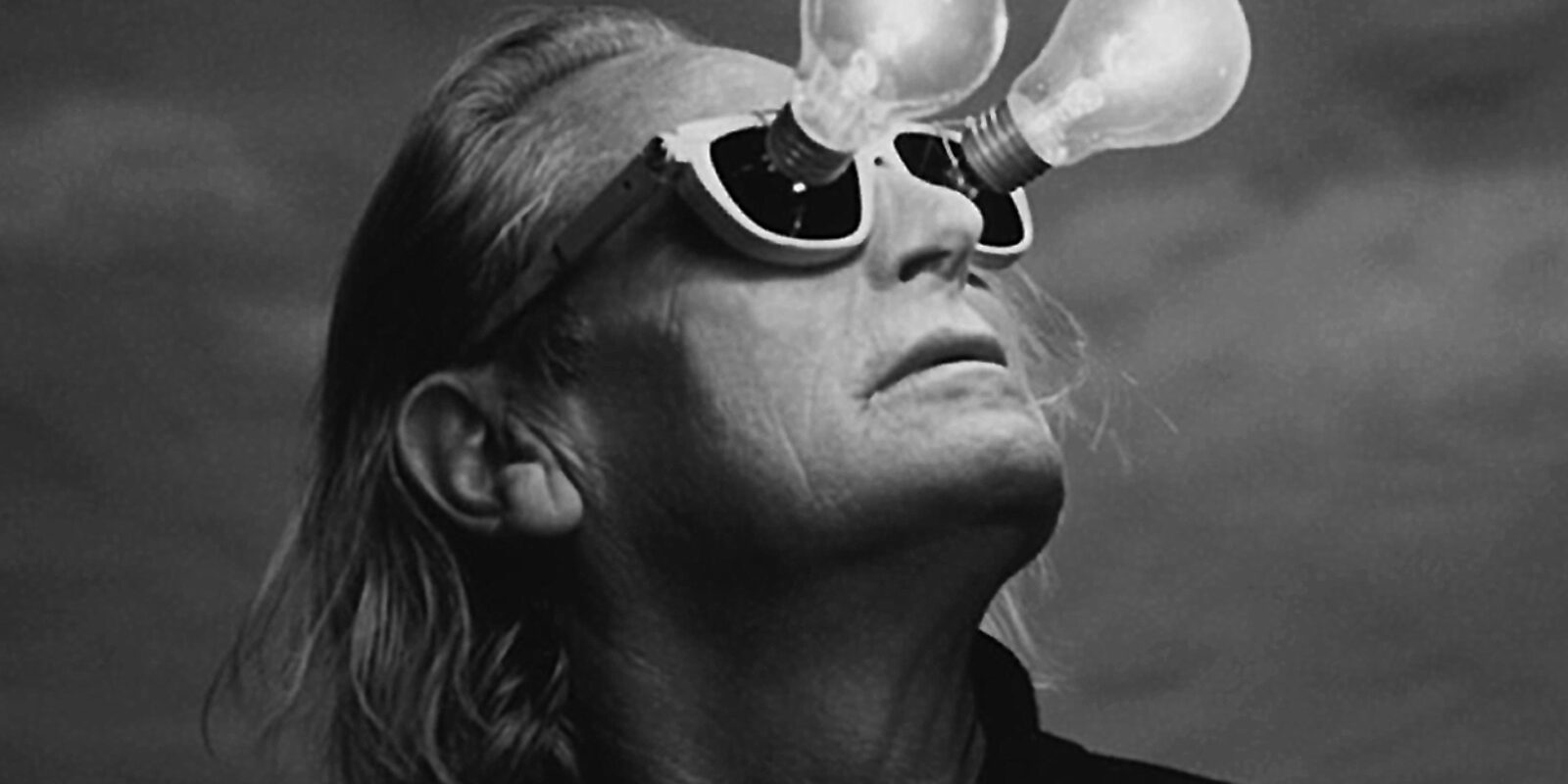
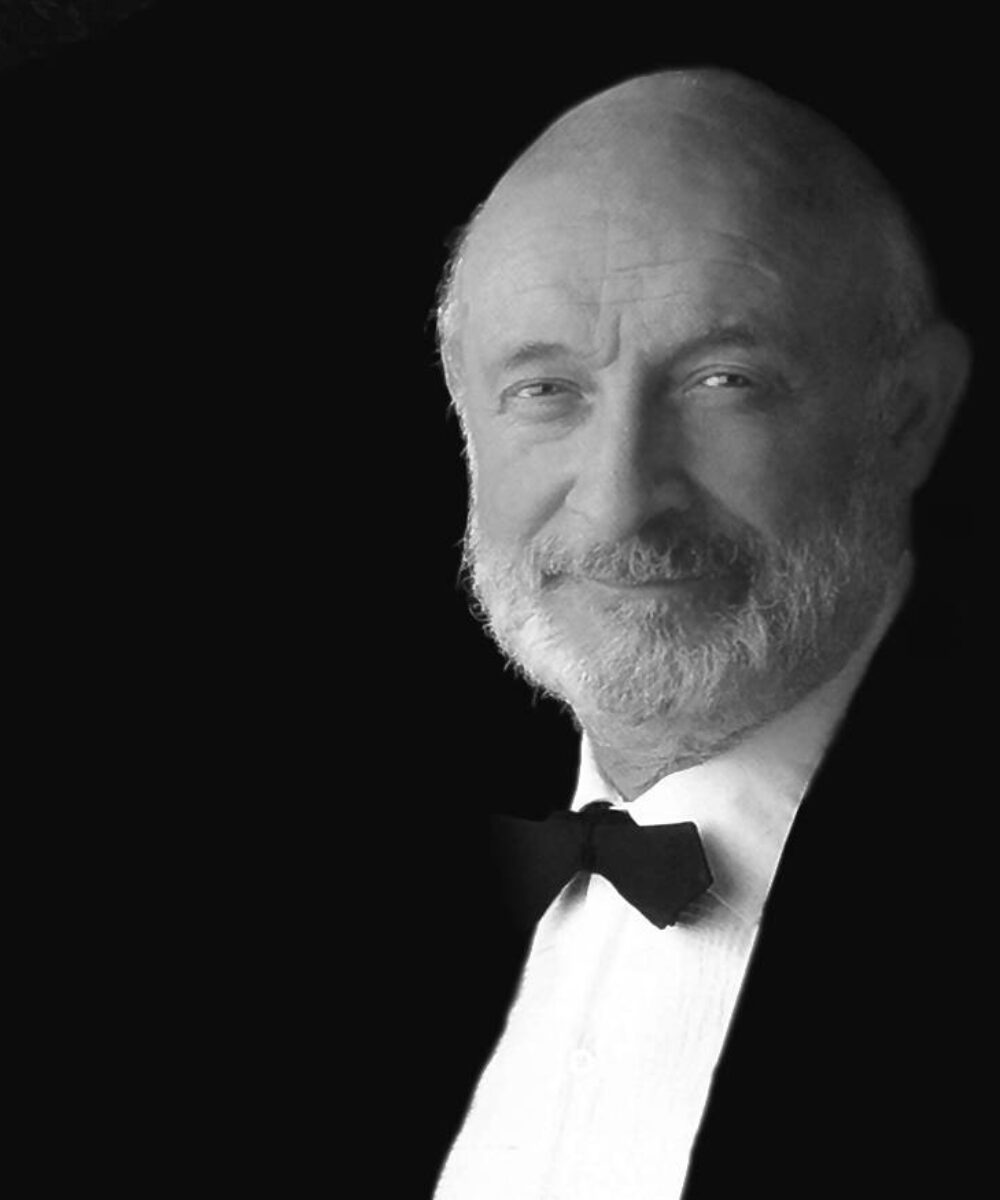
Piero Castiglioni was born in Lierna on Como Lake, in January 1944, eldest son of Livio works in sign of Italian design. Piero experiments of light sources and his life dedicated exclusively to the study of lighting. The project meets the light and born the figure of the lighting designer.With the architect Gae Aulenti and Renzo Piano marking its path dedicated to architects' service.
With their he study the design of the device and the distribution of light in space.The profession, the experimental research, the curiosity is always on top and the analysis of the world around him is constant and non-judgmental. Tradition and culture are present and alive in his works, the approach is the same and follows the family philosophy - contextualize an object and give it new life and function as needed.
Strong and light must be an object; the light is a service (cit. Architect Piero Castiglioni).
The relationships and humility are the basis of this evolutionary process, listening and being proactive makes him a master, a bearer of knowledge, an enlightened.
Photo courtesy: Historical archive