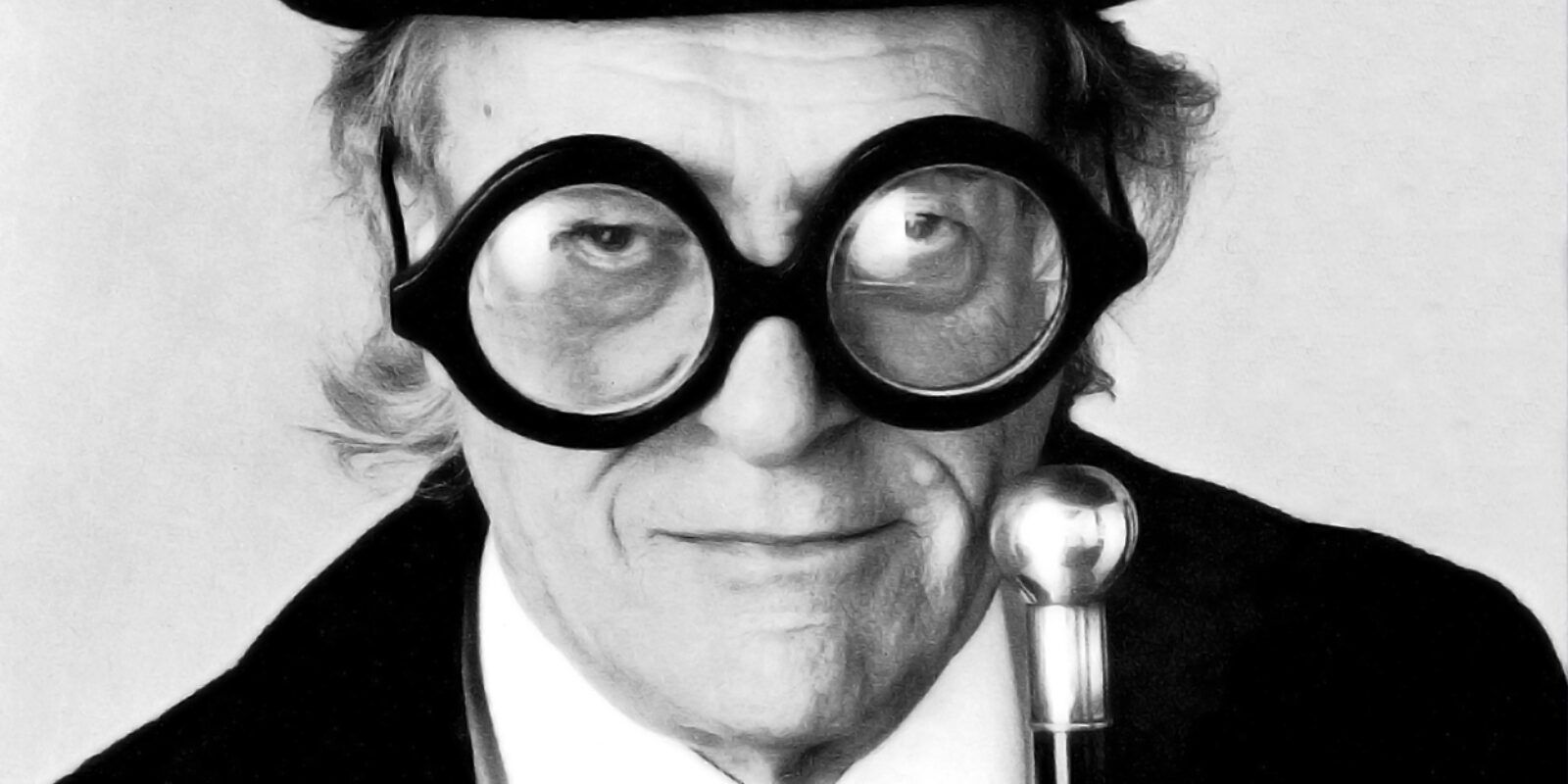
(Comparing light sources - Photo courtesy of Petrucci Marco Lighting Design)
Energy efficiency is mostly based on purely quantitative considerations. Banning halogen bulbs will significantly lower the quality of light in our homes.
In halogen lamps, light is emitted by a metal filament which is made incandescent by the passage of electric current. The Scintilla lamp designed in 1972 and produced by Fontana Arte, with its minimalist design and maximum light output, is the epitome of the sparkling light concept. In this case, what would happen if we changed the source? The result would be a different design, lower colour rendering, and consequently less light. The Parantesi lamp, designed in 1971 for Flos, the Arco lamp from 1962, and other design icons would be deprived of their identity.
A LED (the acronym for Light Emitting Diode) is a semiconductor device capable of emitting light radiation. Its special feature is the miniaturization and control of the single point of light emission. An increase in the amount of light emitted is directly proportional to the increase in the amount of heat produced, a relationship to which the durability of the device is closely linked.
LEDs are increasingly being used in lighting technology to replace almost all conventional light sources. From an application point of view, the standards require long service life, low maintenance costs, high efficiency, cold start, absence of IR and UV components, and insensitivity to humidity and vibrations, which is why the choice of LED fixtures now occupies an important place in the global market.
Certainly, LEDs make it possible to create scenarios with continuous small lines of light (a solution that would be unthinkable with halogen lamps), they allow the miniaturization of fixtures, allowing maximum integration of the fixture into the architecture and, for many other uses, they are very high performing.
Halogen lamps have a colour rendering factor of 100, whereas most LEDs (luminaire-integrated sources) have a CRI of around 80, with exceptions of up to CRI >95. However, colour rendering should not be confused with the visible emission spectrum of light sources. The LEDs normally used for lighting have a continuous spectrum characterized by good emission between 400 and 600 nanometres, i.e. from violet to orange but, above all, they are characterized by low emission in the red range of 600 to 700 nanometres.
One source should not exclude the other— everything has its place and every place its thing. Are we prepared to give up light quality for the sake of hypothetical energy savings in the home?