Designing with circadian light: the potential of Tunable White in HCL
Technology, intelligent control and perceptual layout for adaptive lighting that follows biological rhythms
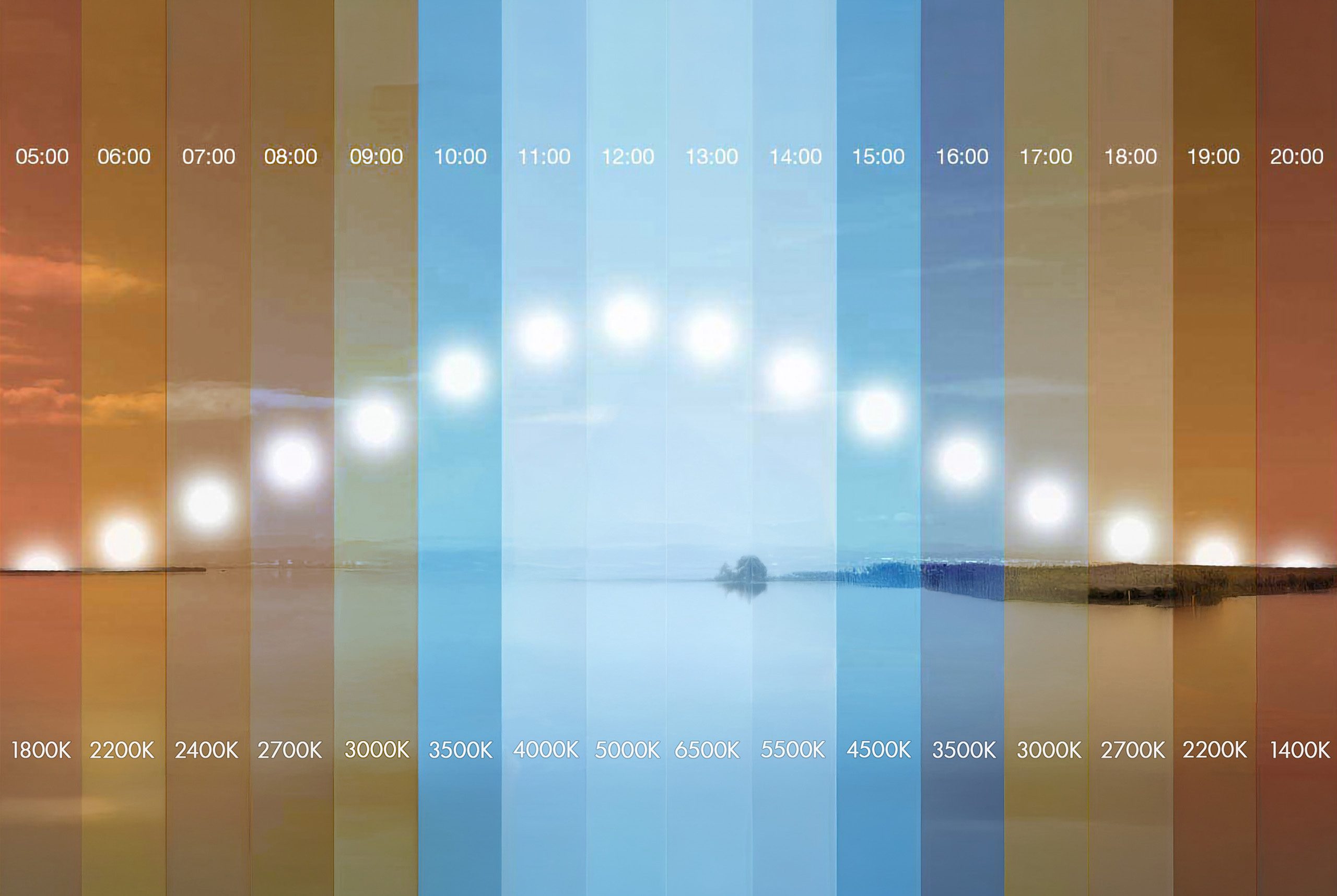
The regulatory evolution on energy efficiency in buildings is constantly evolving. The practical implementation of an HCL project requires the use of advanced lighting technologies and adherence to specific design strategies dictated by regulations and guidelines. Tunable White technology represents one of the fundamental innovations in dynamic lighting, allowing the continuous and flexible adjustment of the color temperature of white light within a predefined range. This system allows artificial lighting to be adapted to circadian, functional and aesthetic needs, approaching the natural variations of daylight.
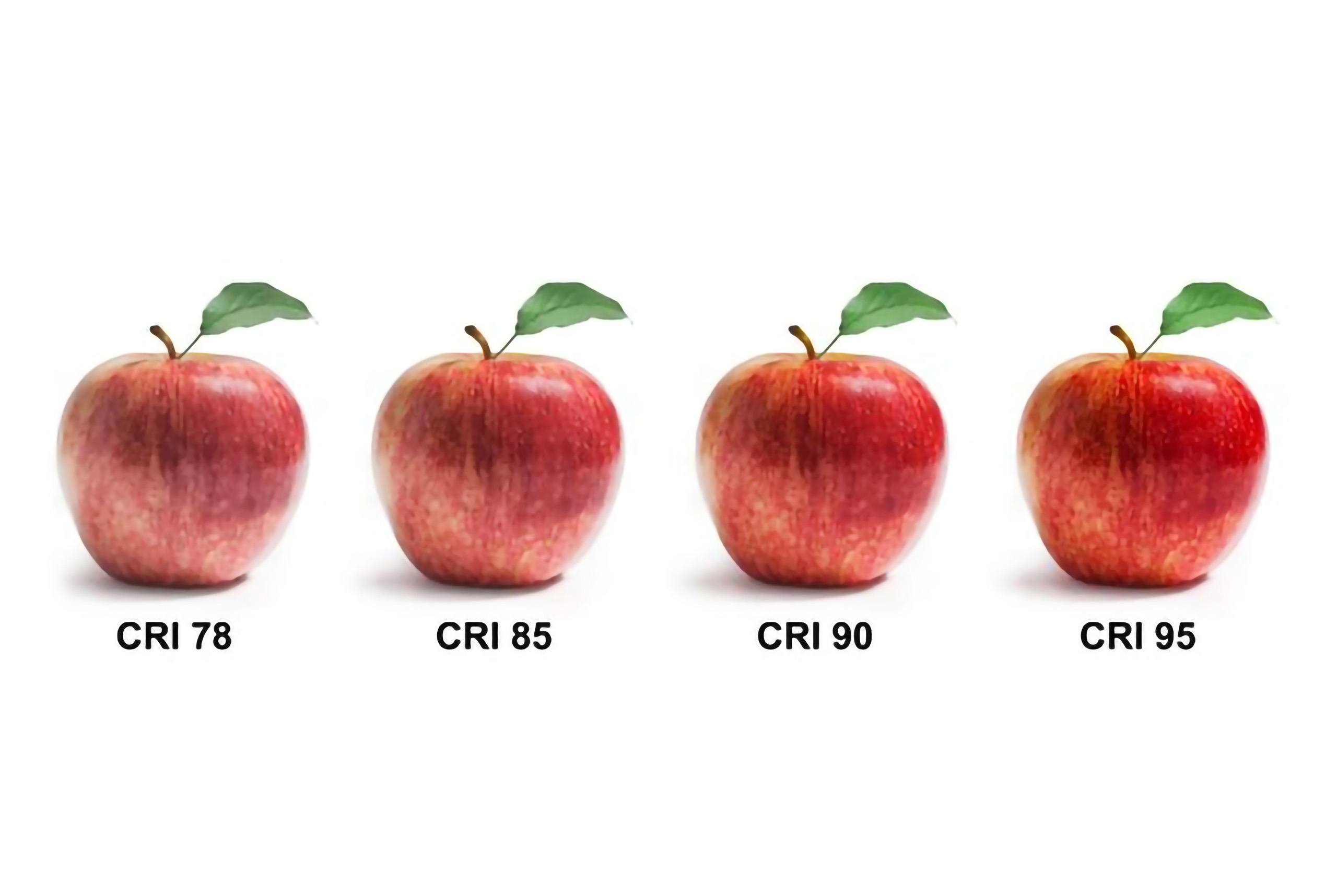
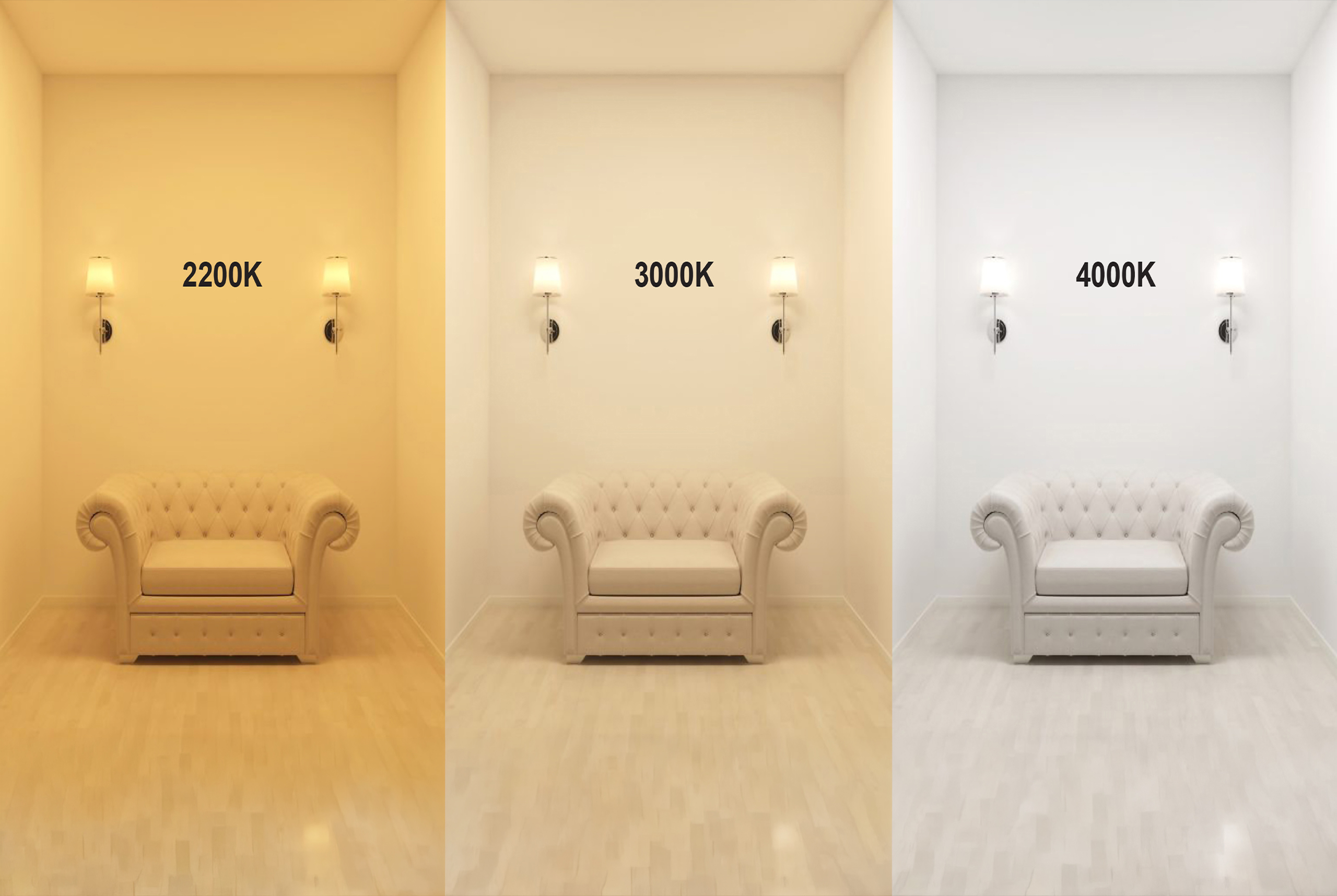
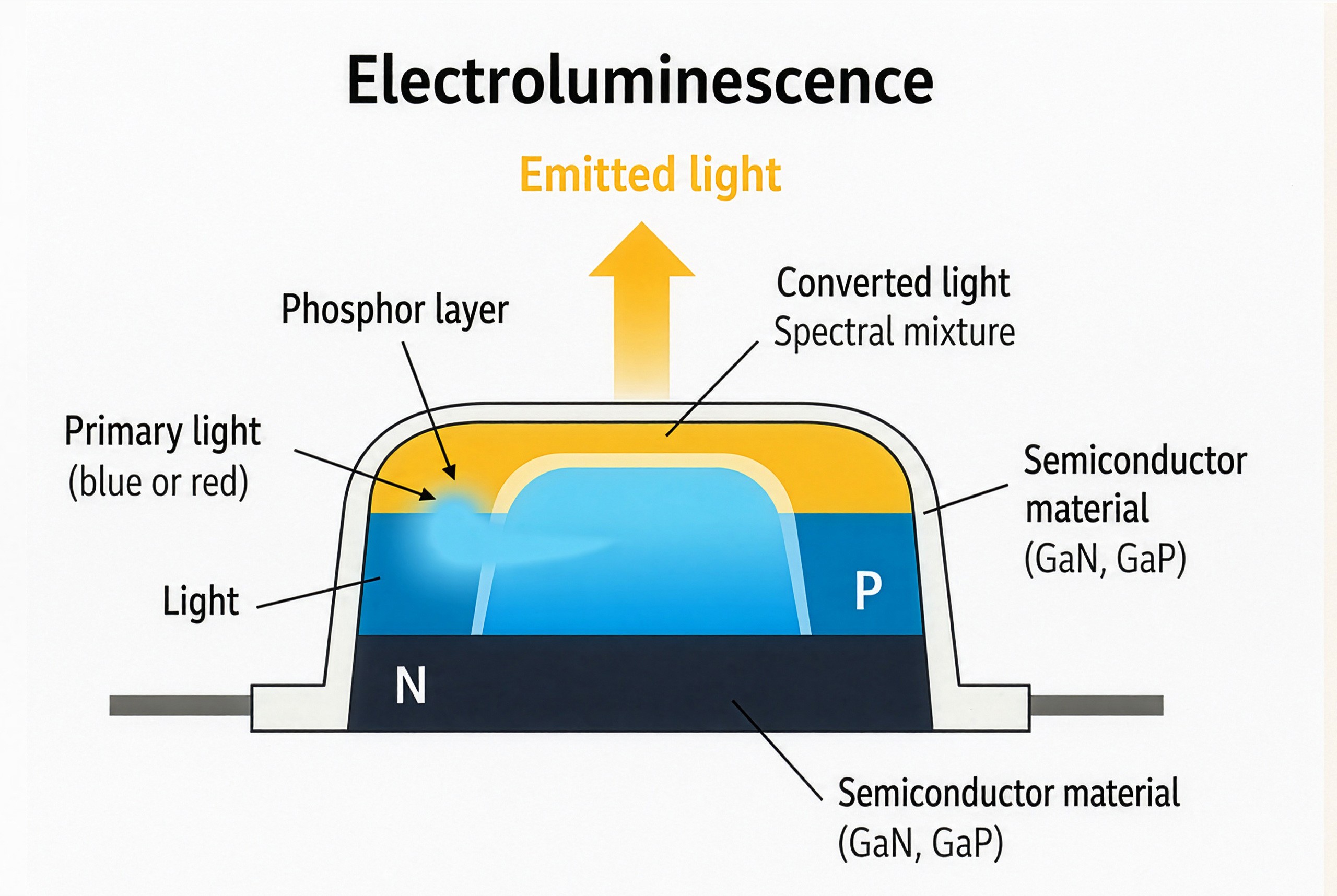
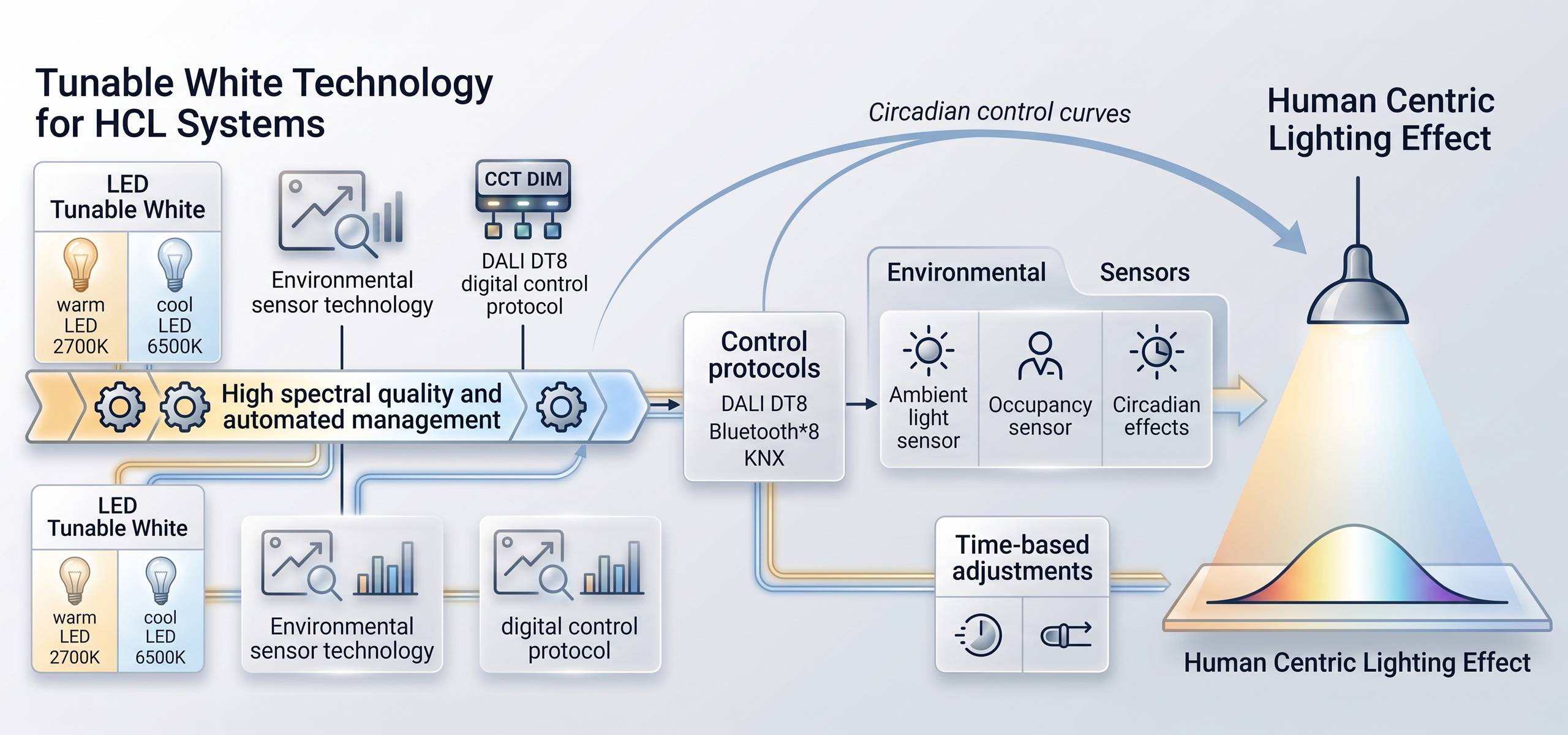
A Tunable White LED luminaire is designed to emit white light with varying hues, mixing two or more groups of LEDs with different colour temperatures. Typically, these systems integrate: "warm" LEDs (e.g. 2700K or 3000K) with a more amber/yellow colour component, similar to sunset light. "Cool" LEDs (e.g. 5000K or 6500K) with a higher blue component, similar to daytime skylight. Some advanced systems also include extended-spectrum LEDs to improve color rendering and biological efficacy of light, avoiding excessive spikes in blue wavelengths.
The adjustment of the color temperature is done by modulating the relative intensity of the different LED groups: by increasing the percentage of cold LEDs, the light becomes cooler; conversely, by increasing that of warm LEDs, the light takes on a warmer hue. This transition can be done manually or through automatic systems that vary the hue throughout the day. A key aspect of Tunable White is that it is not a simple color change, but a real modulation of the quality of light, with significant effects on visual comfort, psychological well-being and circadian regulation.
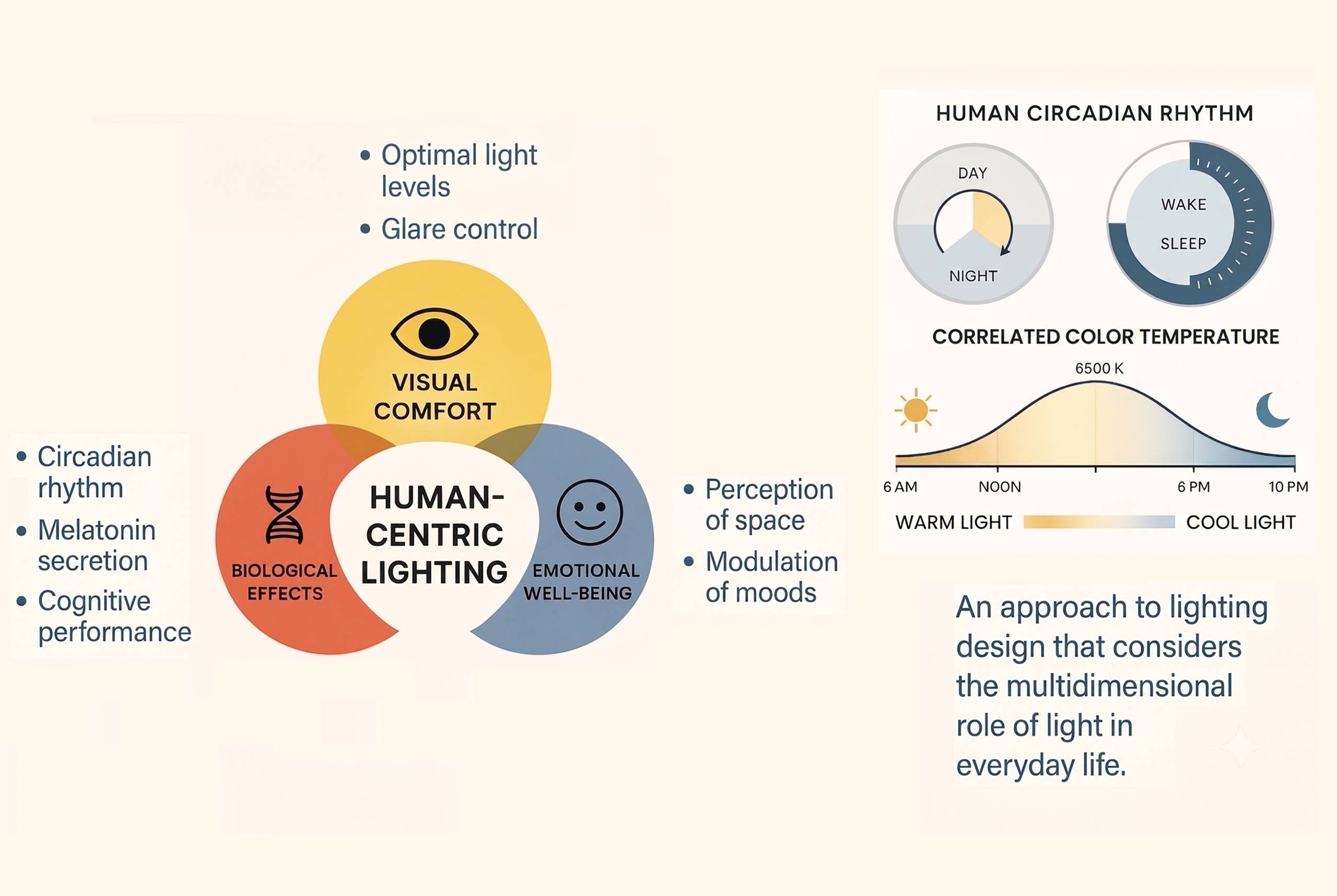
Although Tunable White technology allows for color adjustment of light, it alone is not enough to ensure effective circadian lighting. In fact, if the color temperature is manually set to a fixed value, a dynamic effect that supports the human biological rhythm is not achieved. To exploit the potential of Tunable White in a Human-Centric Lighting (HCL) system, it is necessary to integrate:
- Intelligent control systems, capable of automatically adjusting color temperature and light intensity according to the time of day.
- Circadian regulation curves, which emulate the variations in sunlight over time, increasing the cold component and illuminance during the day and reducing them in the evening hours.
- Environmental sensors, which allow artificial light to be adapted according to the amount of natural light present, optimising energy consumption and improving comfort.
To implement a dynamic Tunable White system, control boxes and communication protocols are used that allow light scenarios to be pre-programmed or light to be adjusted in real time. The most common solutions include:
- DALI DT8 (Digital Addressable Lighting Interface – Device Type 8): international standard for lighting control, which allows precise management of color temperature and intensity in Tunable White LED luminaires. With DALI DT8 it is possible to create programmed circadian light sequences, customizing the light transition in the different time slots.
- IoT protocols and cloud-based systems: They use connected lighting management platforms, enabling dynamic control based on environmental sensors and predictive analytics. These systems can automatically adjust the light based on user habits, weather conditions, and available daylight.
- KNX, DMX and Bluetooth Mesh systems: adopted in commercial and residential environments for advanced control of lighting scenarios and for integration with home automation.
The use of these technologies makes it possible to move from static lighting to a dynamic and adaptive system, capable of improving the visual and biological well-being of users. In addition to Tunable White LEDs, RGBW luminaires (which add colored components for chromotherapy scenarios or emotional accent lighting) are also used in some advanced HCL applications, for example to simulate the color of the sky at sunrise/sunset in particular environments. In the lighting design phase, HCL strategies include the optimization of the spatial distribution of light: it is important to provide an indirect lighting component towards ceilings and walls, in order to increase the vertical illuminance on the eyes without directly dazzling.
This translates, for example, into the use of ceiling light panels, wall-washers on the walls or uplight posts in offices, which raise the levels of light in the environment and especially on the retina (a crucial parameter for circadian effects). This diffused light improves the biological effectiveness of lighting (melanopic effectiveness) because it stimulates the non-visual receptors of the eye more, while maintaining high standards of visual comfort (avoiding excessive contrasts and glare). At the same time, the spectral quality of the sources is taken care of: to obtain marked biological effects, spectra with an adequate short-wavelength component (blue-cyan) are needed, especially during the day. However, these aspects are balanced with visual and energy needs: for example, at night, very warm or amber-tending lights (almost without blue) are preferred to illuminate without interfering with sleep, and HCL systems often integrate night safety modes (very low level lighting in red/amber tones). The use of environmental sensors (lux meters and color sensors) also allows the HCL system to be adjusted in real time according to the natural light present, avoiding over-lighting and ensuring that target levels (melanopic lux, etc.) are reached at all times.
In summary, the success of an HCL project depends on the combination of: adaptable light sources, timed control systems, intelligent sensors and algorithms, and lighting design that considers layout, surface reflectance, shielding and integration with daylight. It is important to note that to achieve real biological benefits, it is not enough to change the color of light: calibrated spectra and adequate illuminance levels are needed according to the circadian rhythm. Tunable white systems must therefore be integrated with intelligent sensors and controls (e.g. astronomical clocks, daylight and presence sensors) capable of implementing circadian-mimetic lighting patterns and providing sufficient light in the morning and darkness in the evening. The best design practices recommend, for example, at least 250 melanopic lux to the eye during the day and less than 10 melanopic lux in the 3 hours before sleeping, parameters that can be obtained by combining natural and dynamic artificial light. In summary, Tunable White dynamic lighting, if well designed, combines LED technology and chronobiology, offering a luminous environment that follows the natural circadian "curve" of our body.