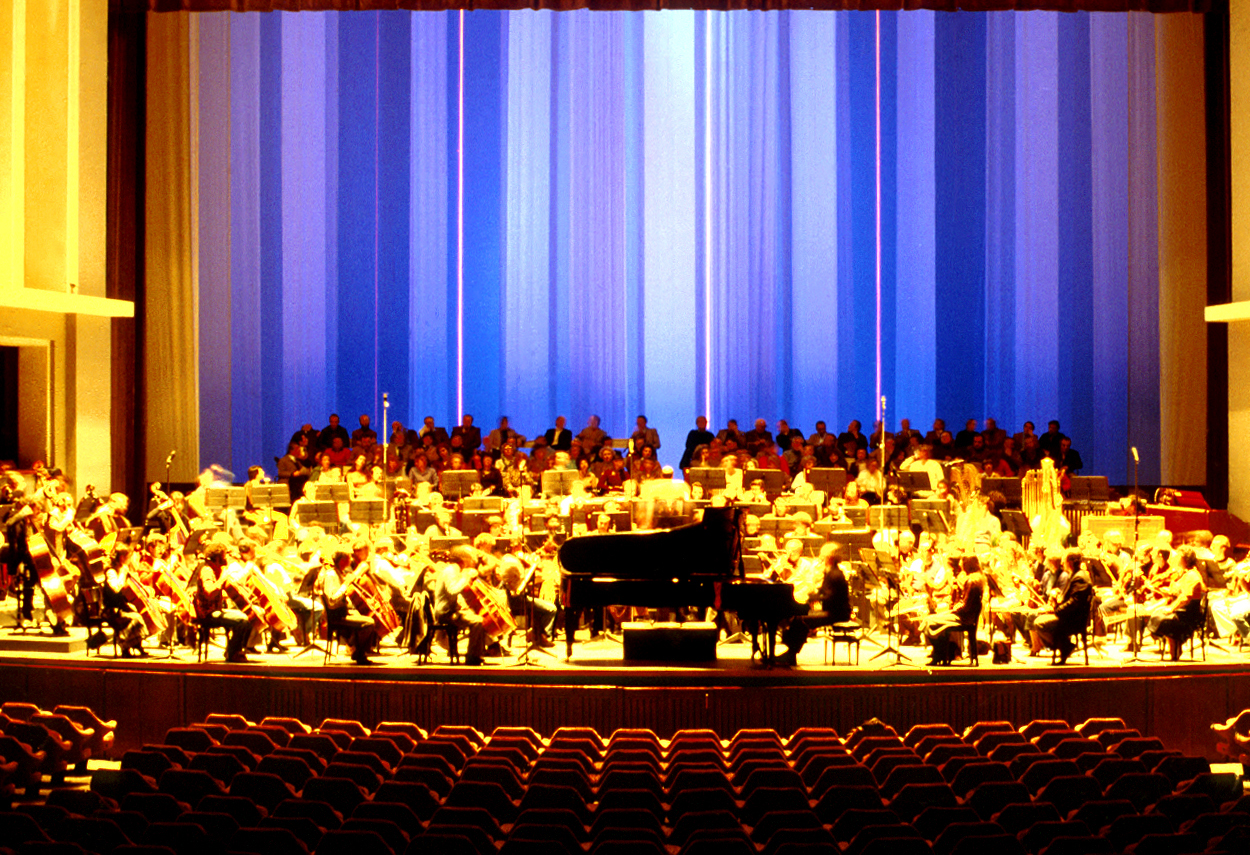
In December 1979 the Teatro Comunale in Florence commissioned Bruno Munari to design a light show for Scriabin's Prometeo concert, which was to be performed in the same theatre in March 1980. "Considering this request as a design project, Munari calls on Davide Mosconi, musician, and Piero Castiglioni, lighting designer expert, to participate in the design. The participation of experts is essential to the success of a project. In Scriabin's intentions, sound and light should simultaneously provoke a "different attention" in the audience, as he notes. The violently yellow light of the sodium vapour lamp. The so-called black light, or Wood's light, is actually a beautiful dark colour and makes the atmosphere like a purple fog. Strobe lamps like so many flashes of lightning all the time, electric arc welders and finally nikelchrome glow wires, first used by Livio Castiglioni in the high ceiling of the staircase at the Triennale in Milan. Each of the light sources was used for its own colour. The technology marked the time of the chromatic modification of the light'. From the book "Uno spettacolo di luce", Piero Castiglioni, Davide Mosconi, Bruno Munari, quaderni di design, 1984, Zanichelli, Bologna. The architectural lighting works in the field of theatrical scenography underlines two interesting aspects: the first one, that the light in theatre belongs to an eminently technical dimension; the second one, that it belongs to an eminently visual dimension. Fundamental qualities of light from a theatrical point of view are its ability to build in a dramatic and poetic sense, to produce meaning, to create actions, emotions, reactions.
Project:
Lighting Design Piero Castiglioni
Collaborations:
Bruno Munari
Davide Mosconi
Photo Courtesy:
Piero Castiglioni
Year:
1980
In December 1979 the Teatro Comunale in Florence commissioned Bruno Munari to design a light show for Scriabin's Prometeo concert, which was to be performed in the same theatre in March 1980. "Considering this request as a design project, Munari calls on Davide Mosconi, musician, and Piero Castiglioni, lighting designer expert, to participate in the design. The participation of experts is essential to the success of a project. In Scriabin's intentions, sound and light should simultaneously provoke a "different attention" in the audience, as he notes. The violently yellow light of the sodium vapour lamp. The so-called black light, or Wood's light, is actually a beautiful dark colour and makes the atmosphere like a purple fog. Strobe lamps like so many flashes of lightning all the time, electric arc welders and finally nikelchrome glow wires, first used by Livio Castiglioni in the high ceiling of the staircase at the Triennale in Milan. Each of the light sources was used for its own colour. The technology marked the time of the chromatic modification of the light'. From the book "Uno spettacolo di luce", Piero Castiglioni, Davide Mosconi, Bruno Munari, quaderni di design, 1984, Zanichelli, Bologna. The architectural lighting works in the field of theatrical scenography underlines two interesting aspects: the first one, that the light in theatre belongs to an eminently technical dimension; the second one, that it belongs to an eminently visual dimension. Fundamental qualities of light from a theatrical point of view are its ability to build in a dramatic and poetic sense, to produce meaning, to create actions, emotions, reactions.
Project:
Lighting Design Piero Castiglioni
Collaborations:
Bruno Munari
Davide Mosconi
Photo Courtesy:
Piero Castiglioni
Year:
1980
Other Projects
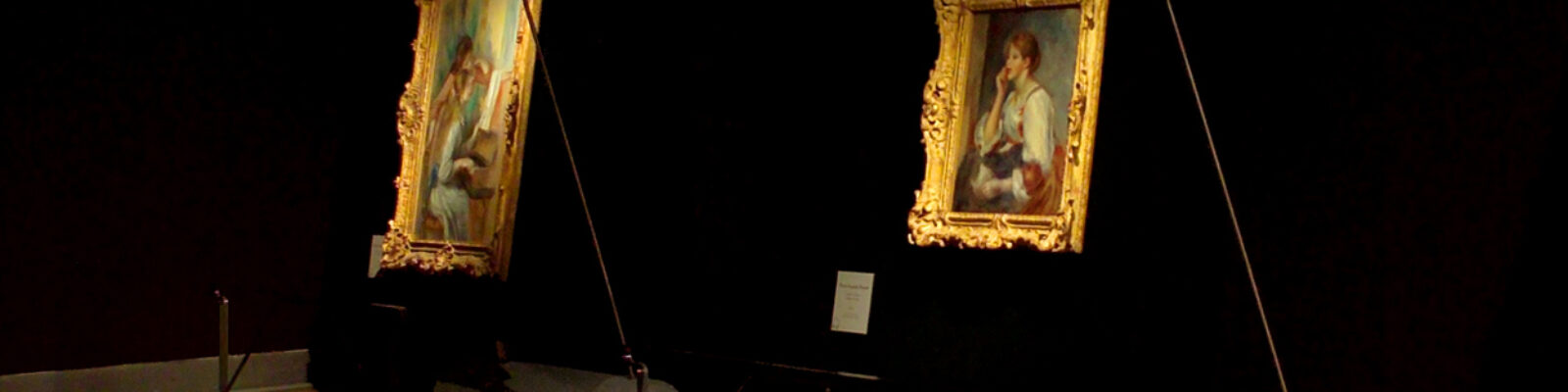
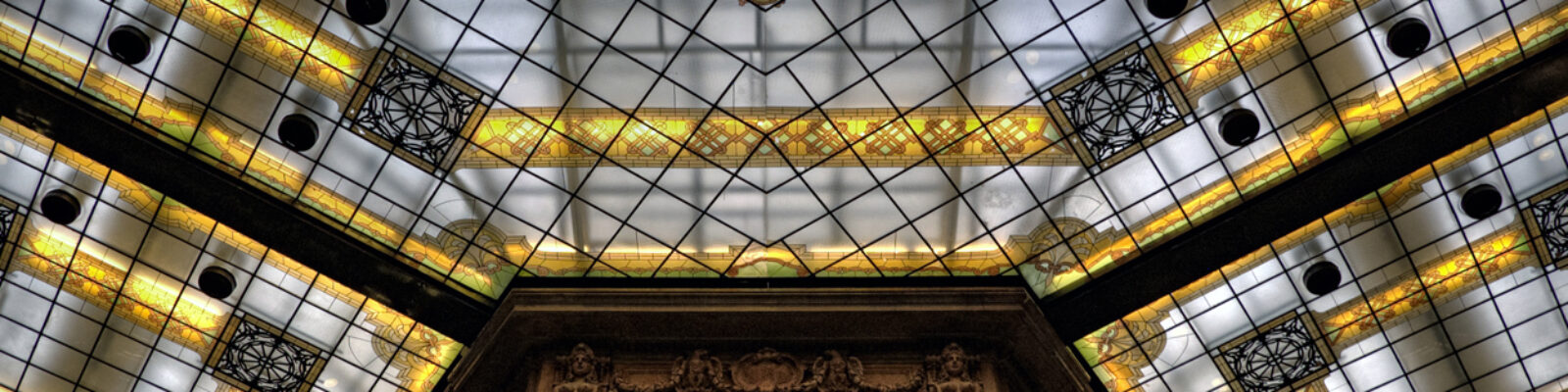
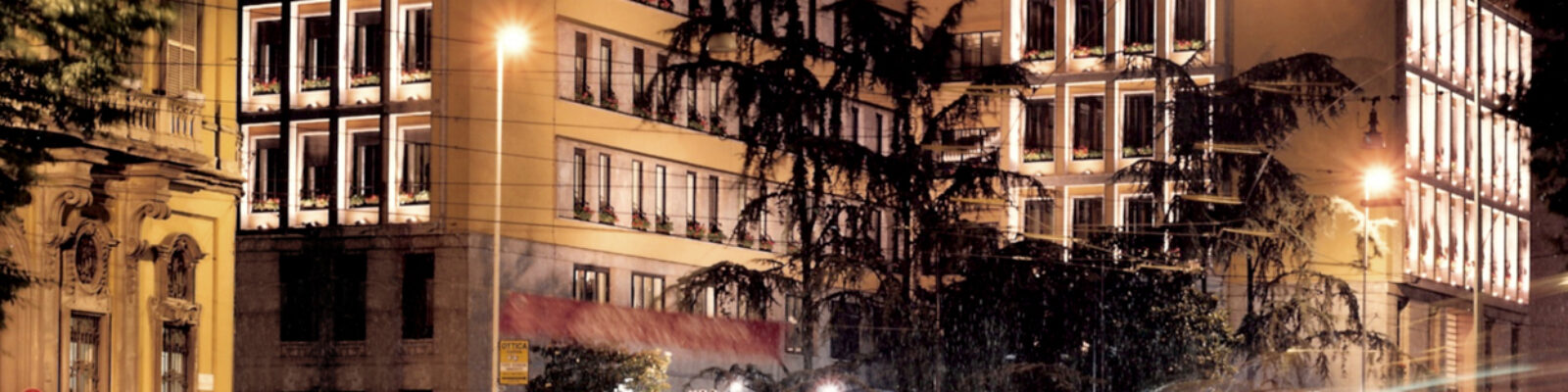
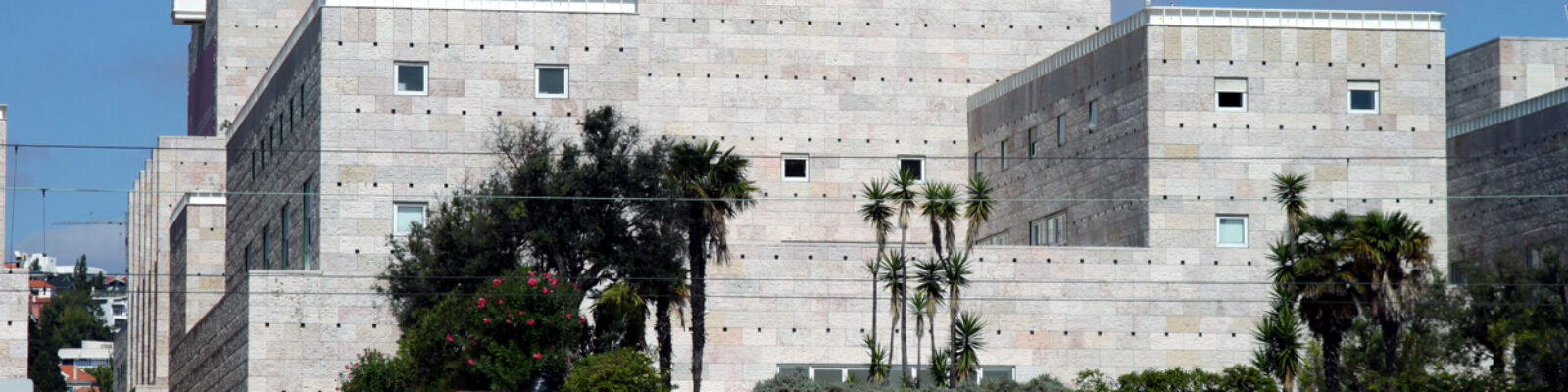
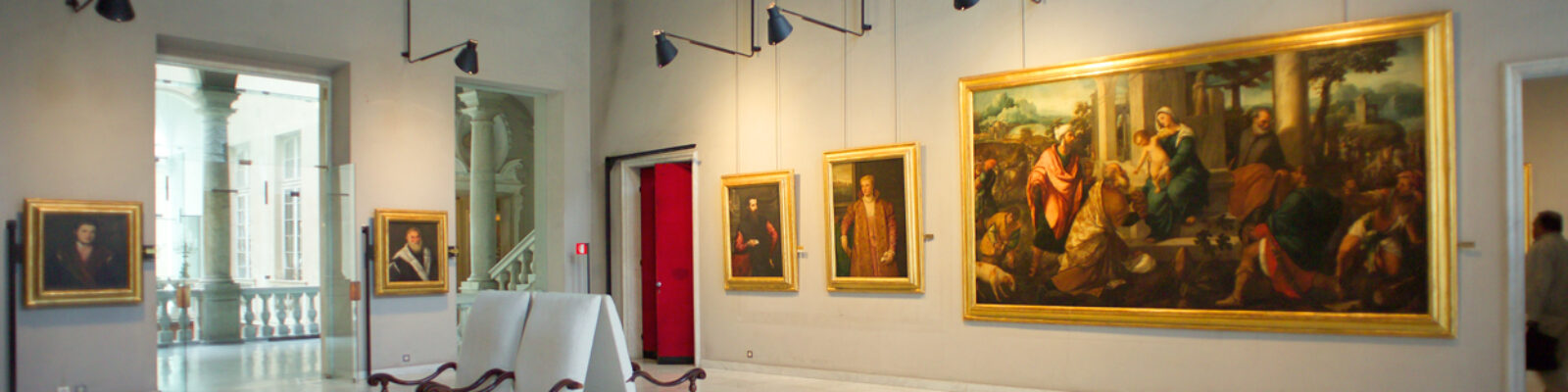
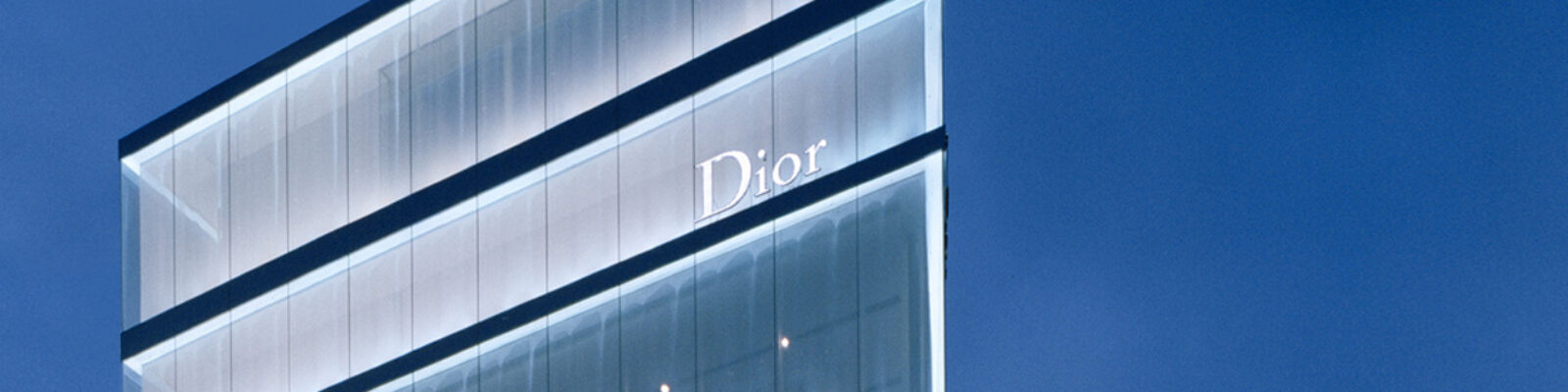
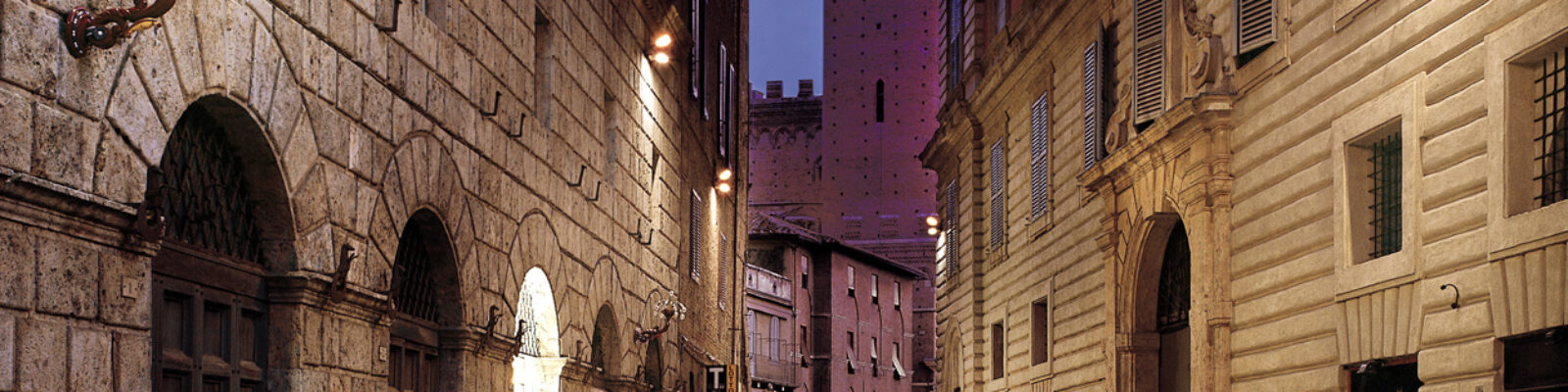
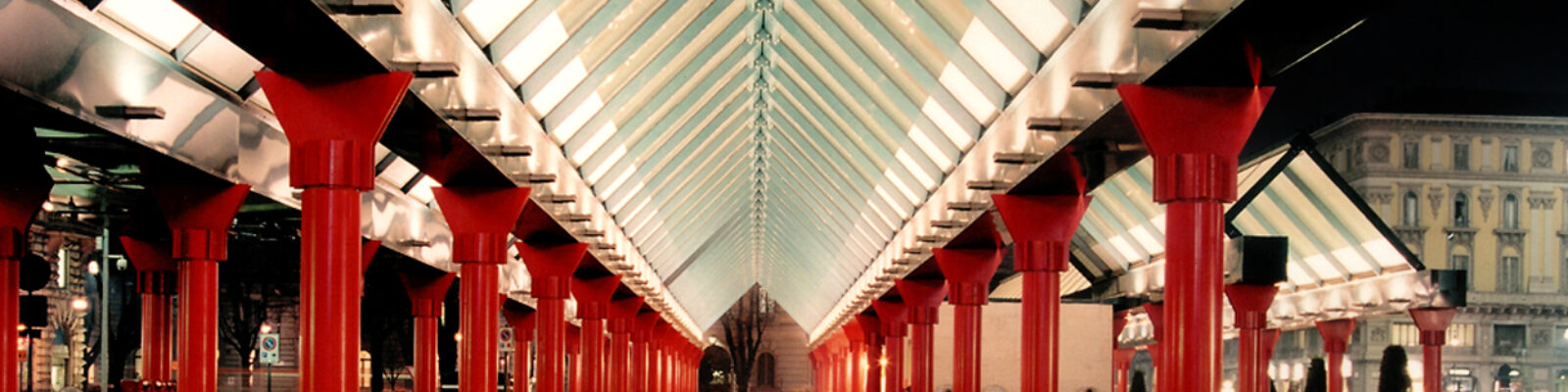
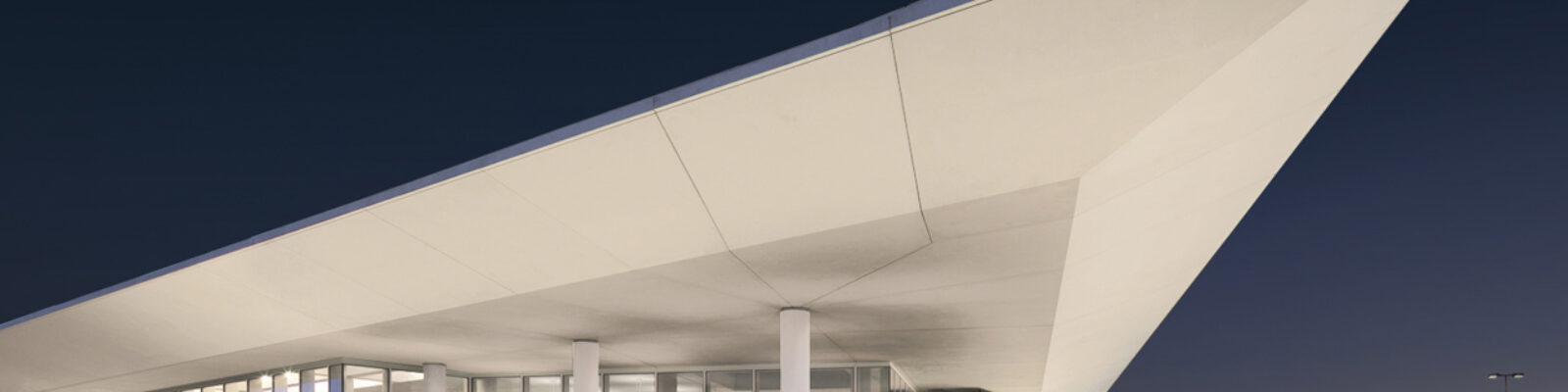
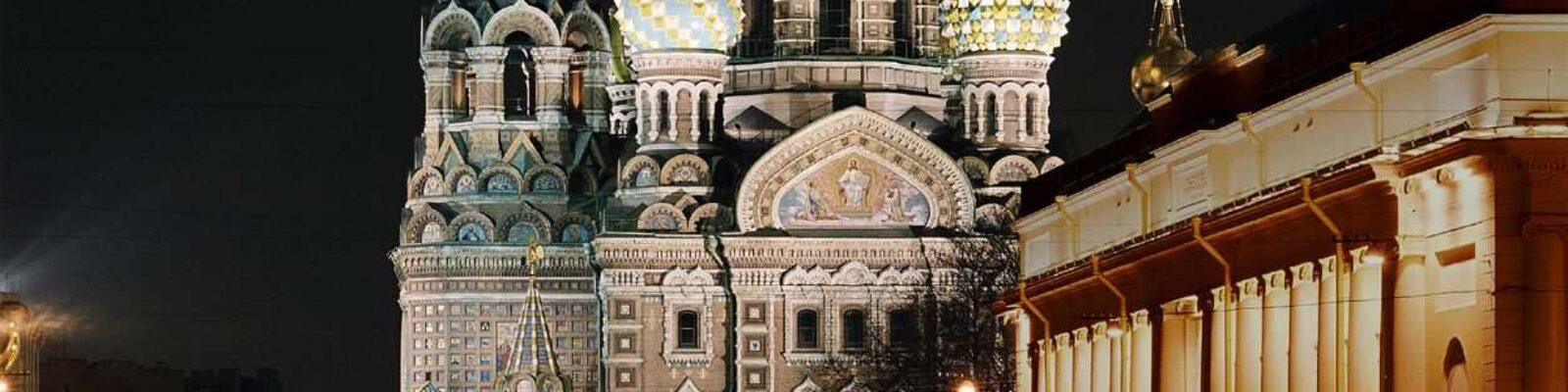
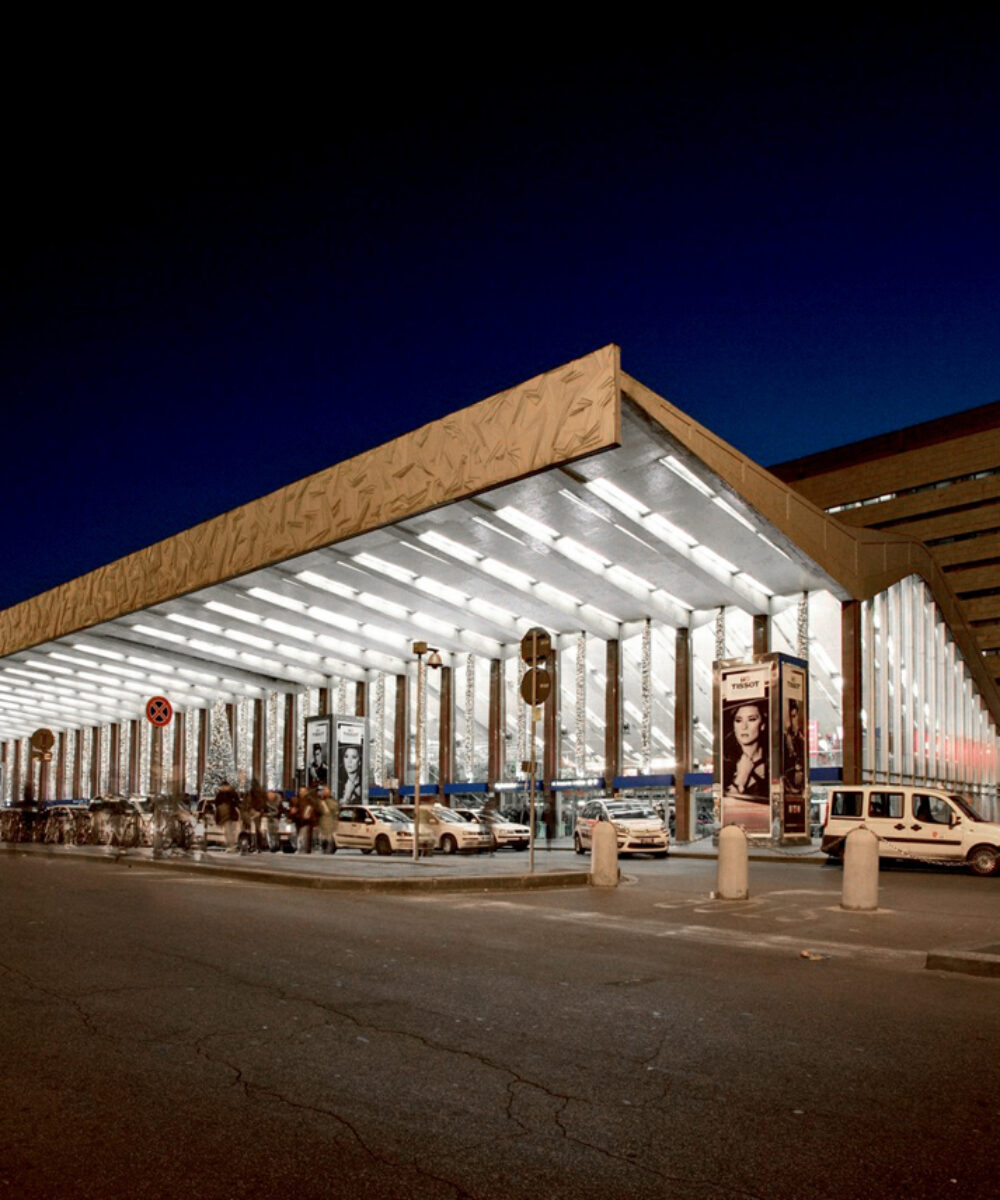
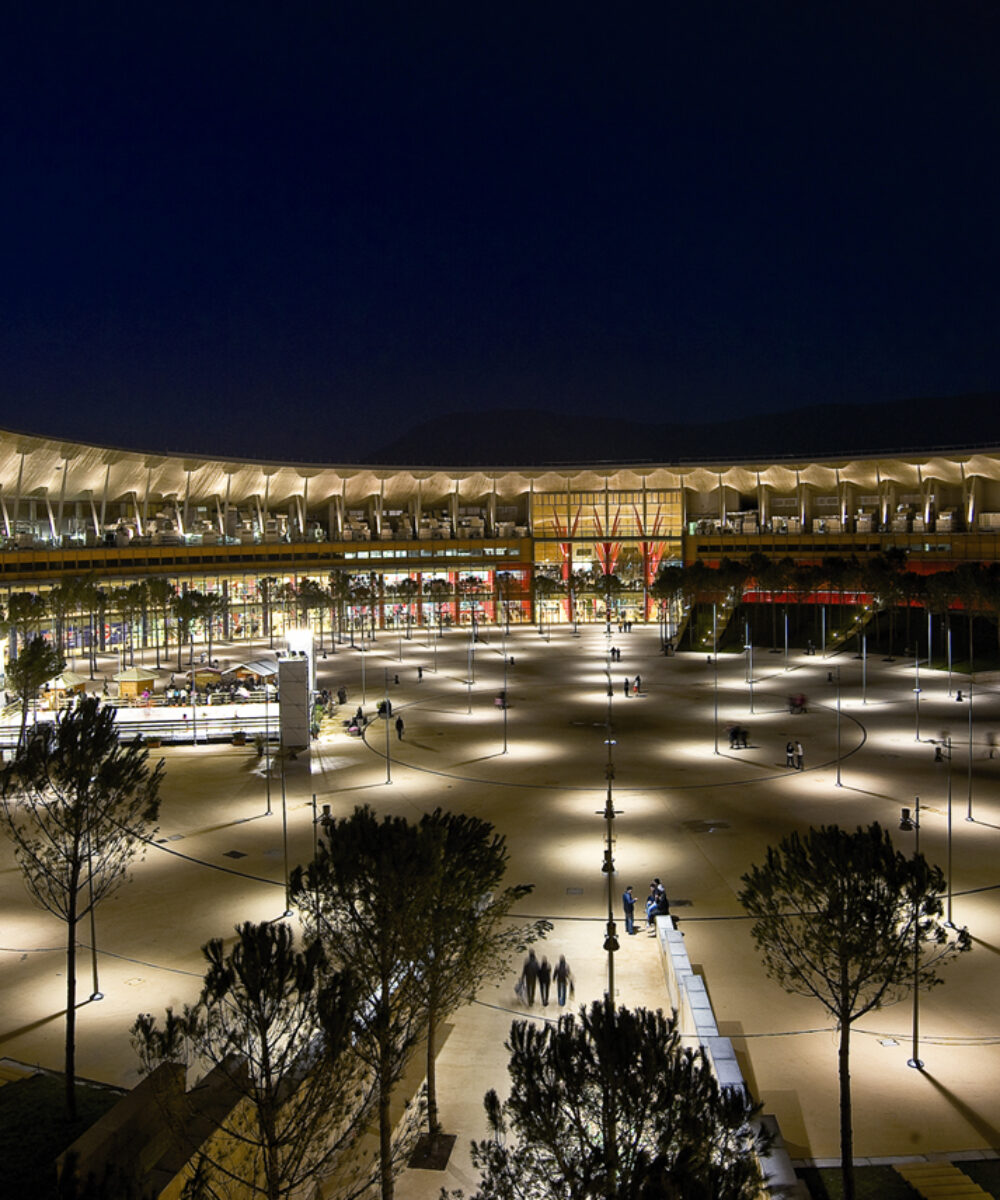
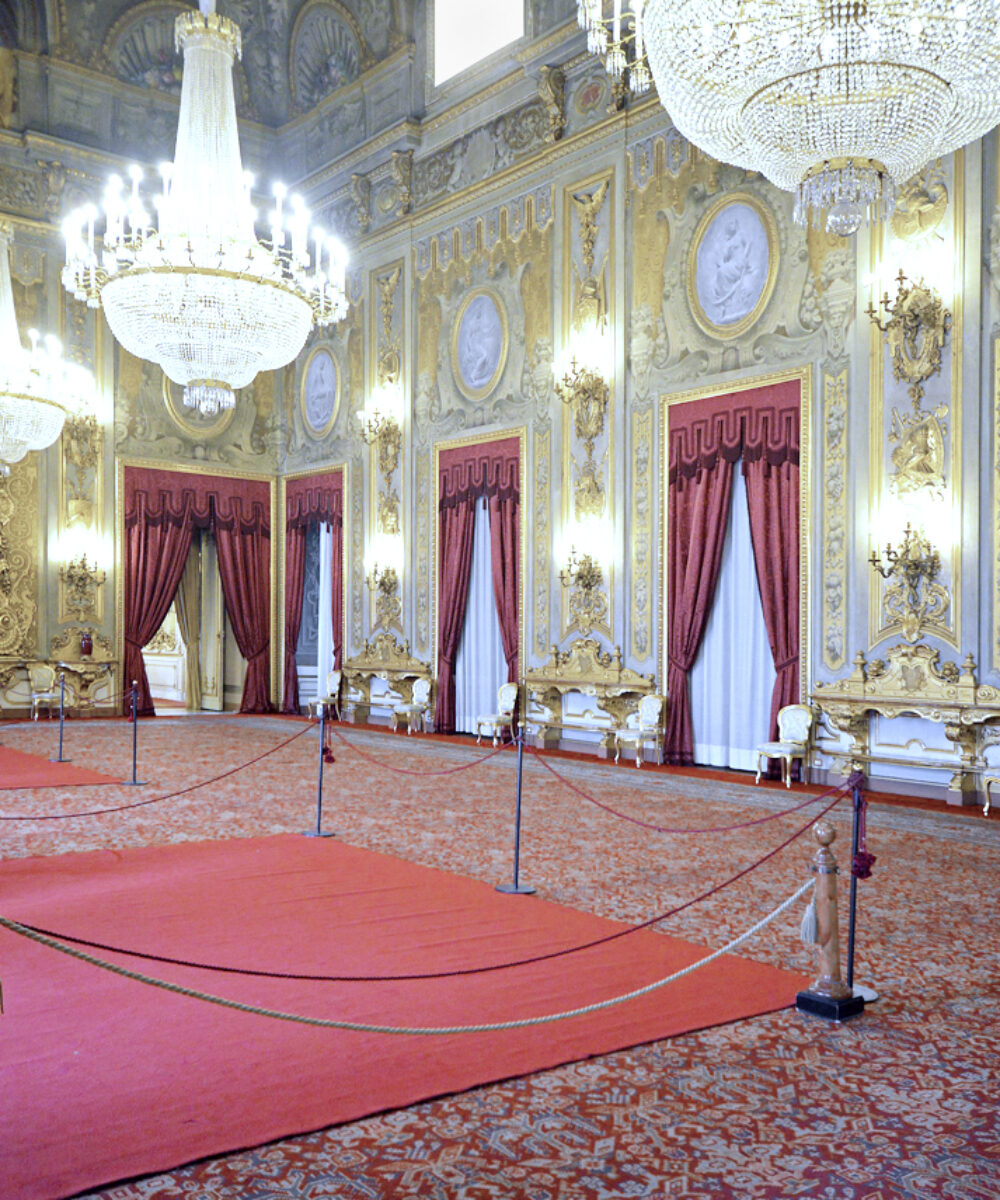
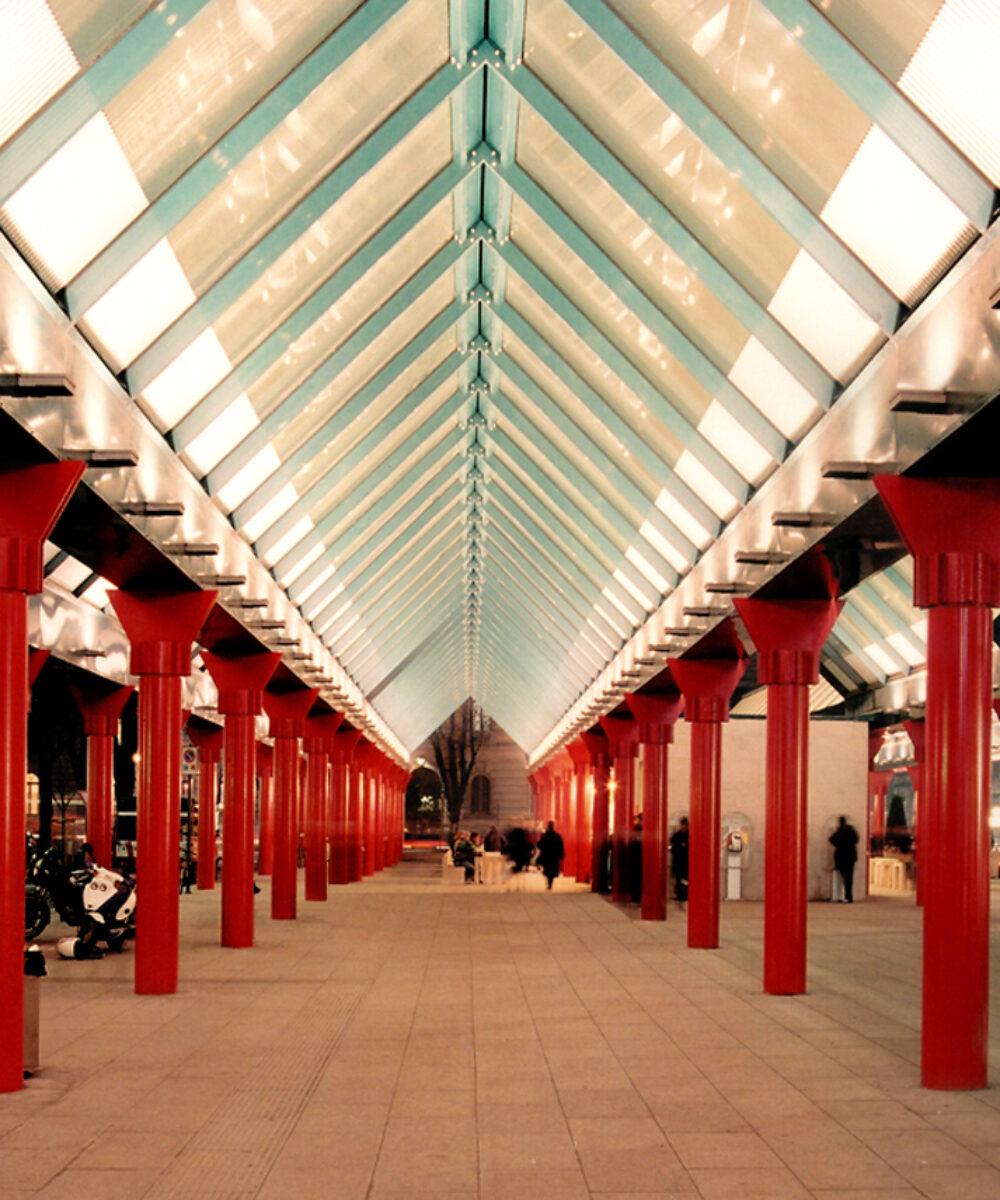
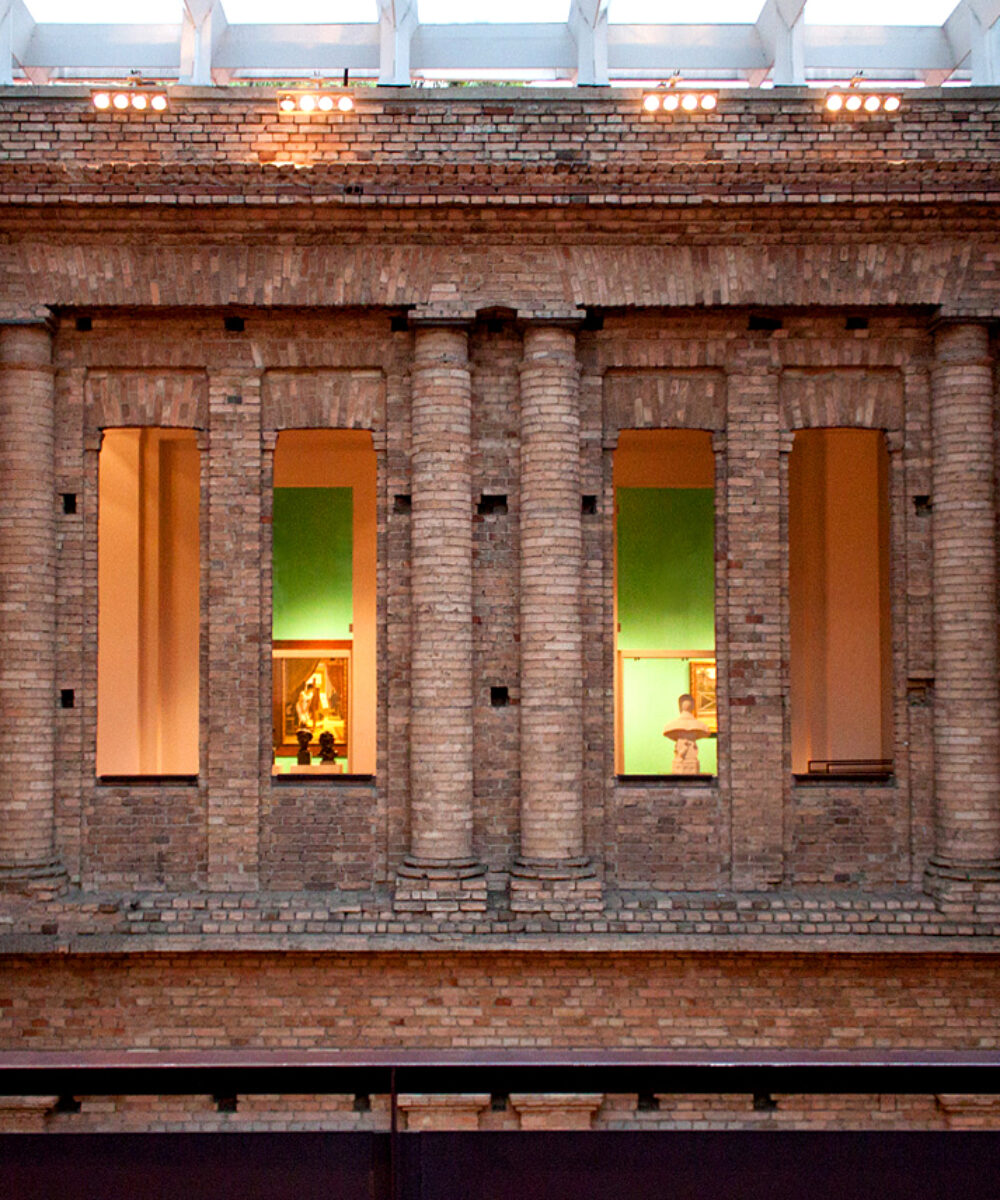
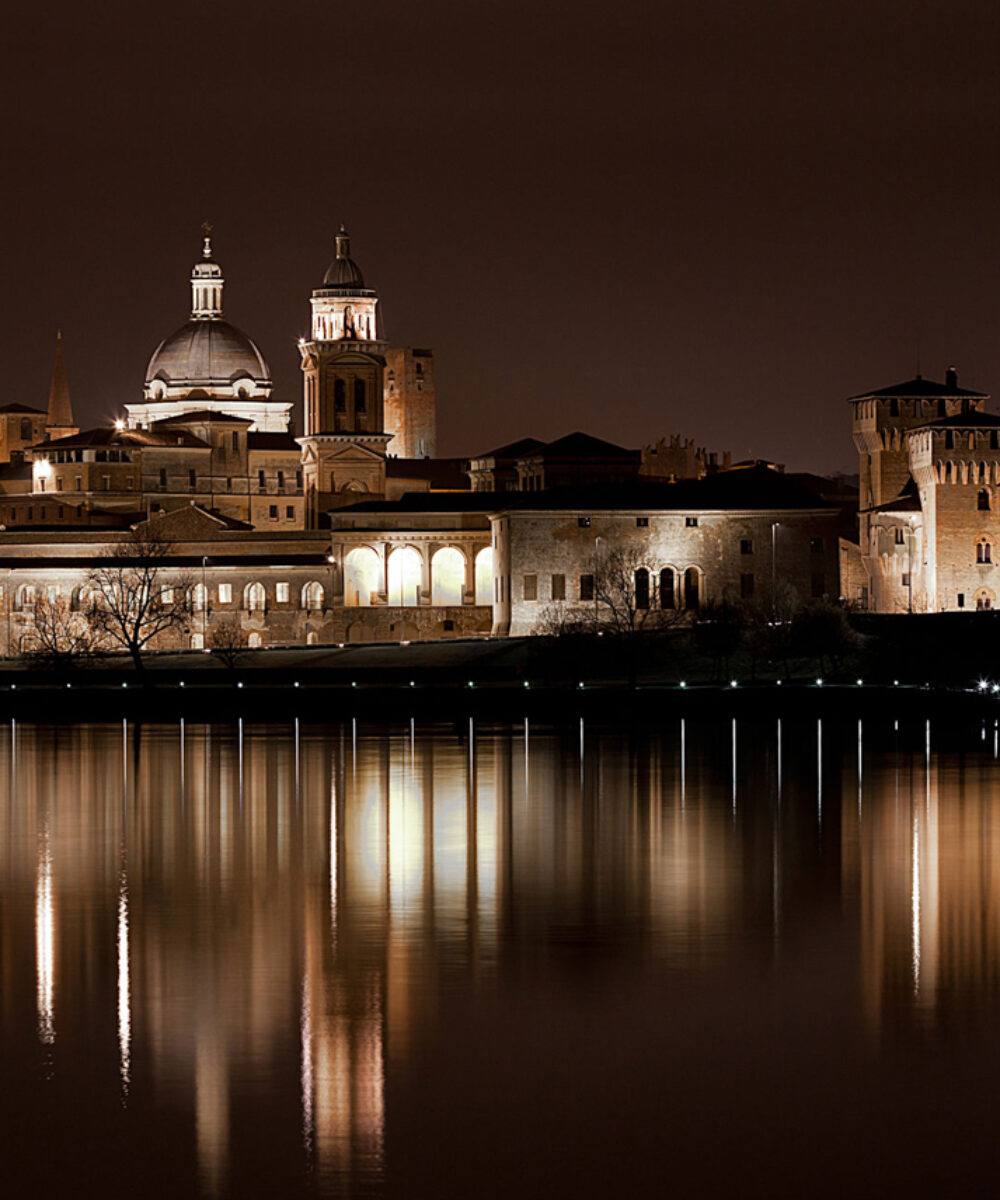
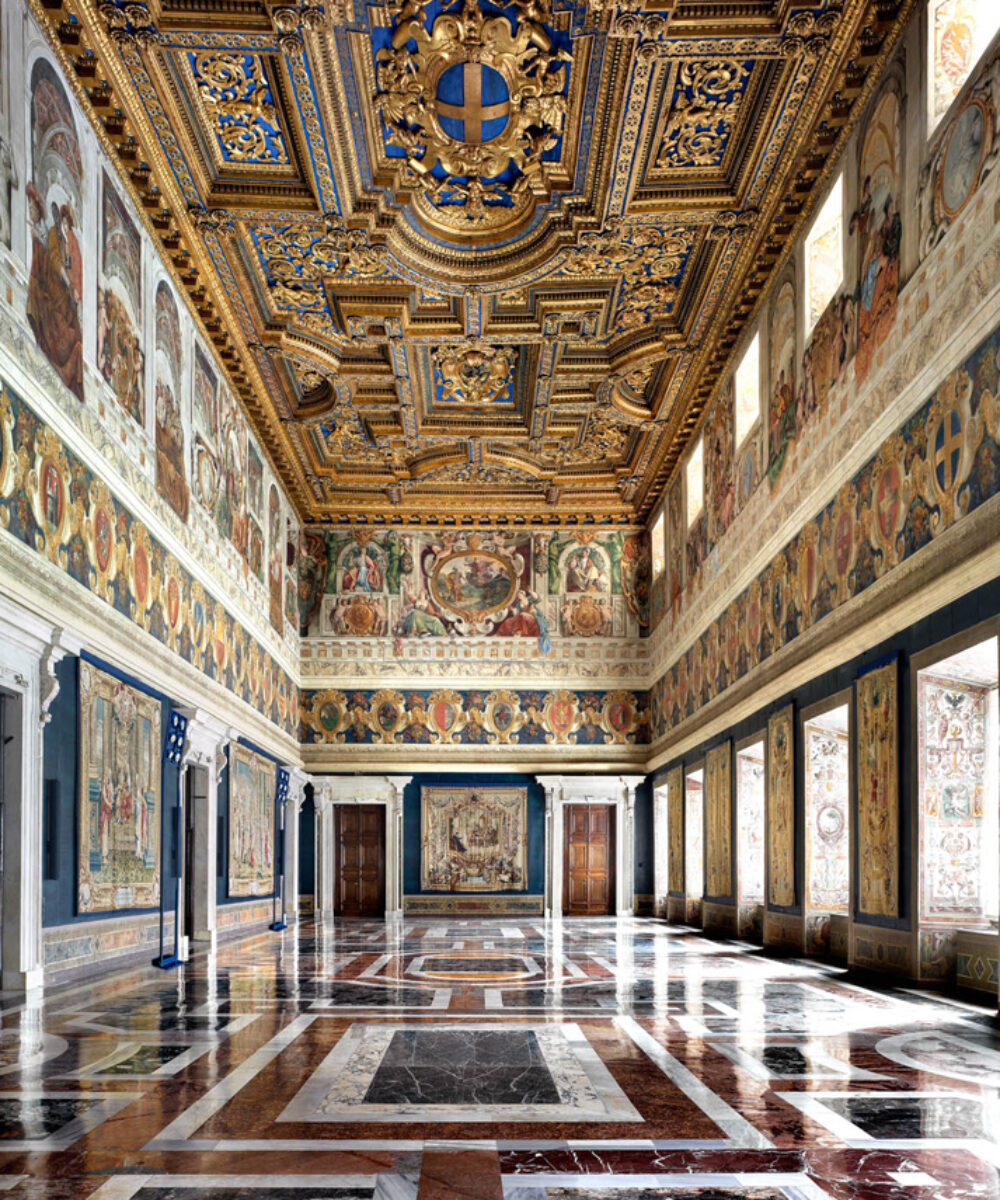
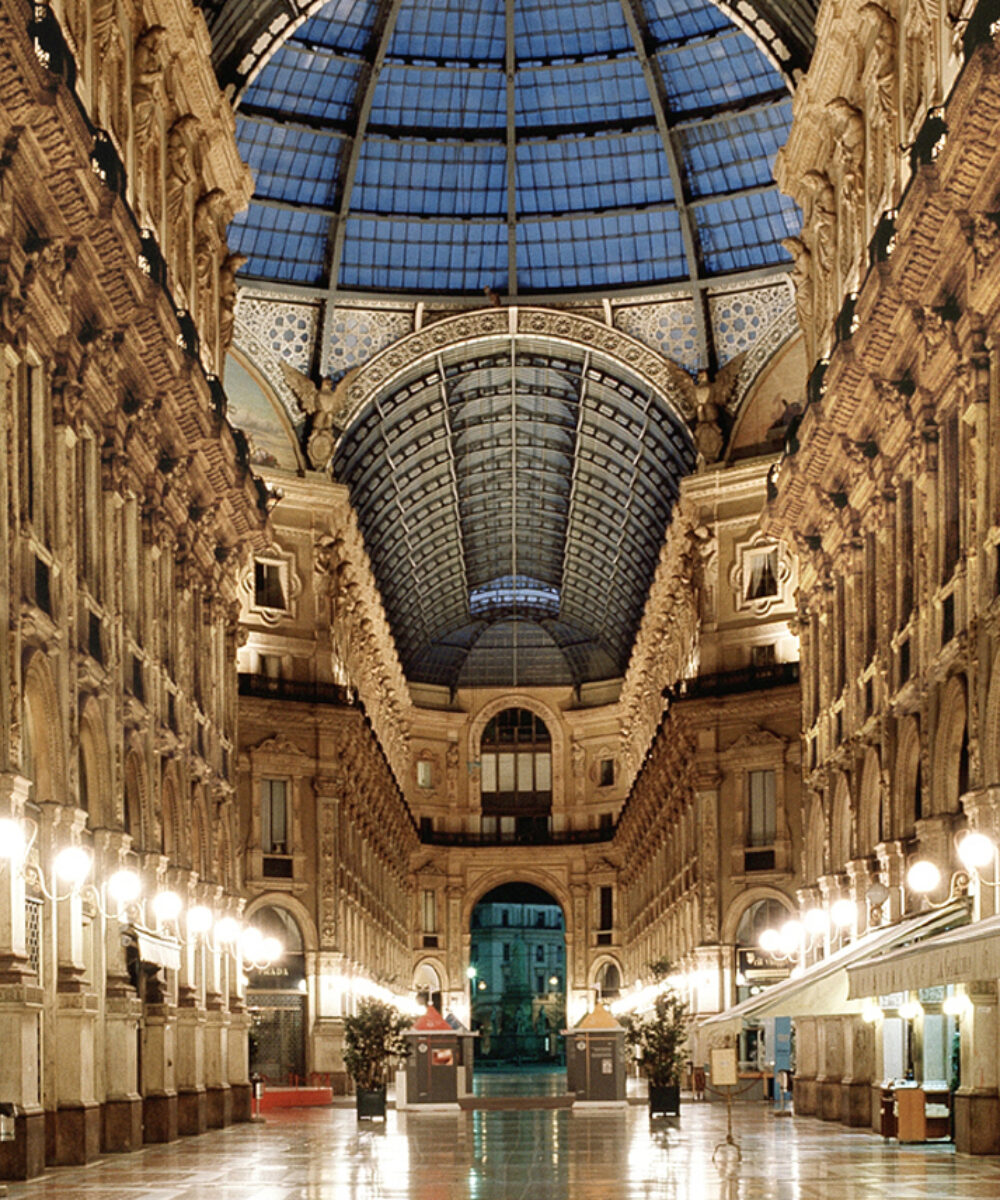
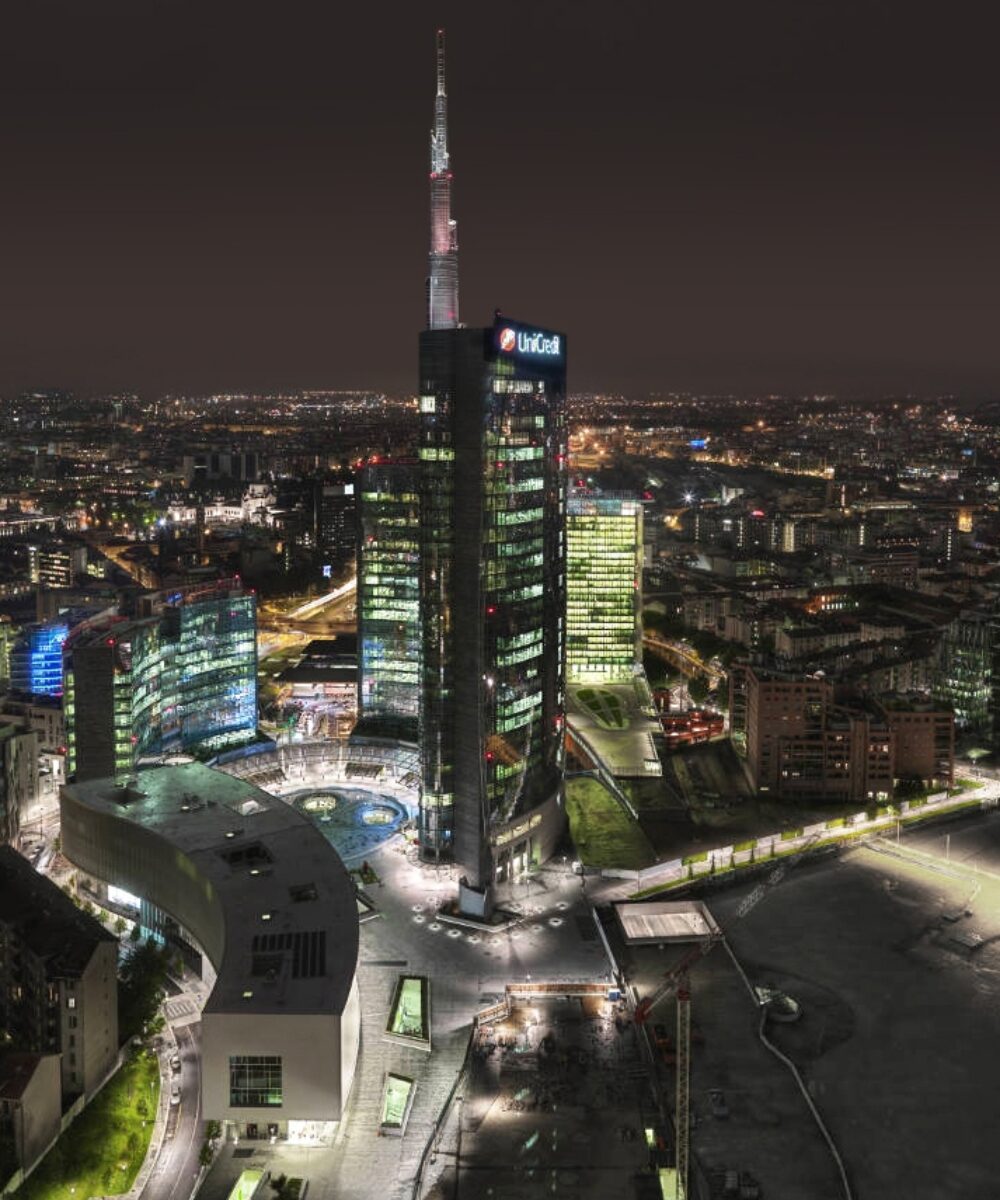
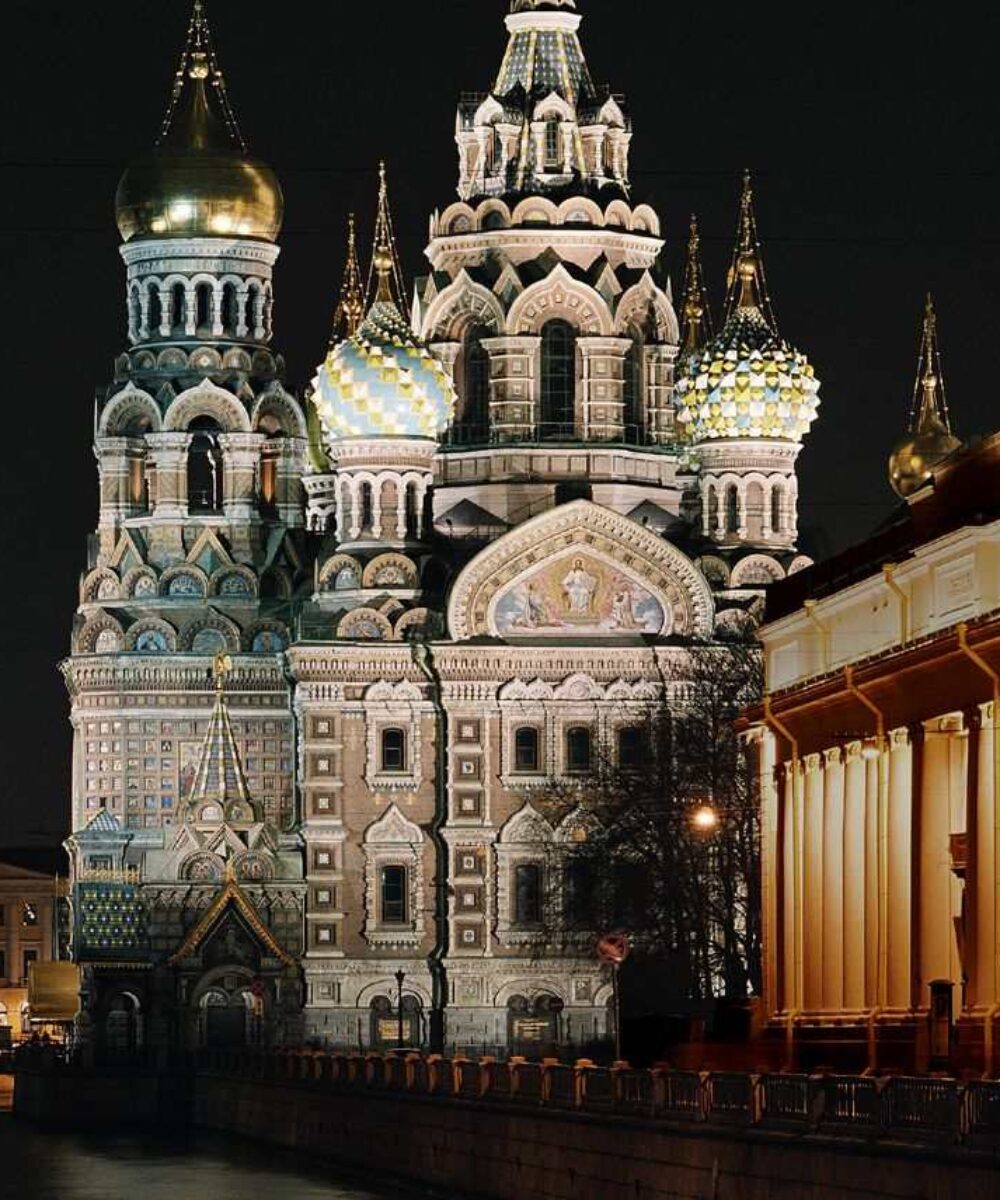
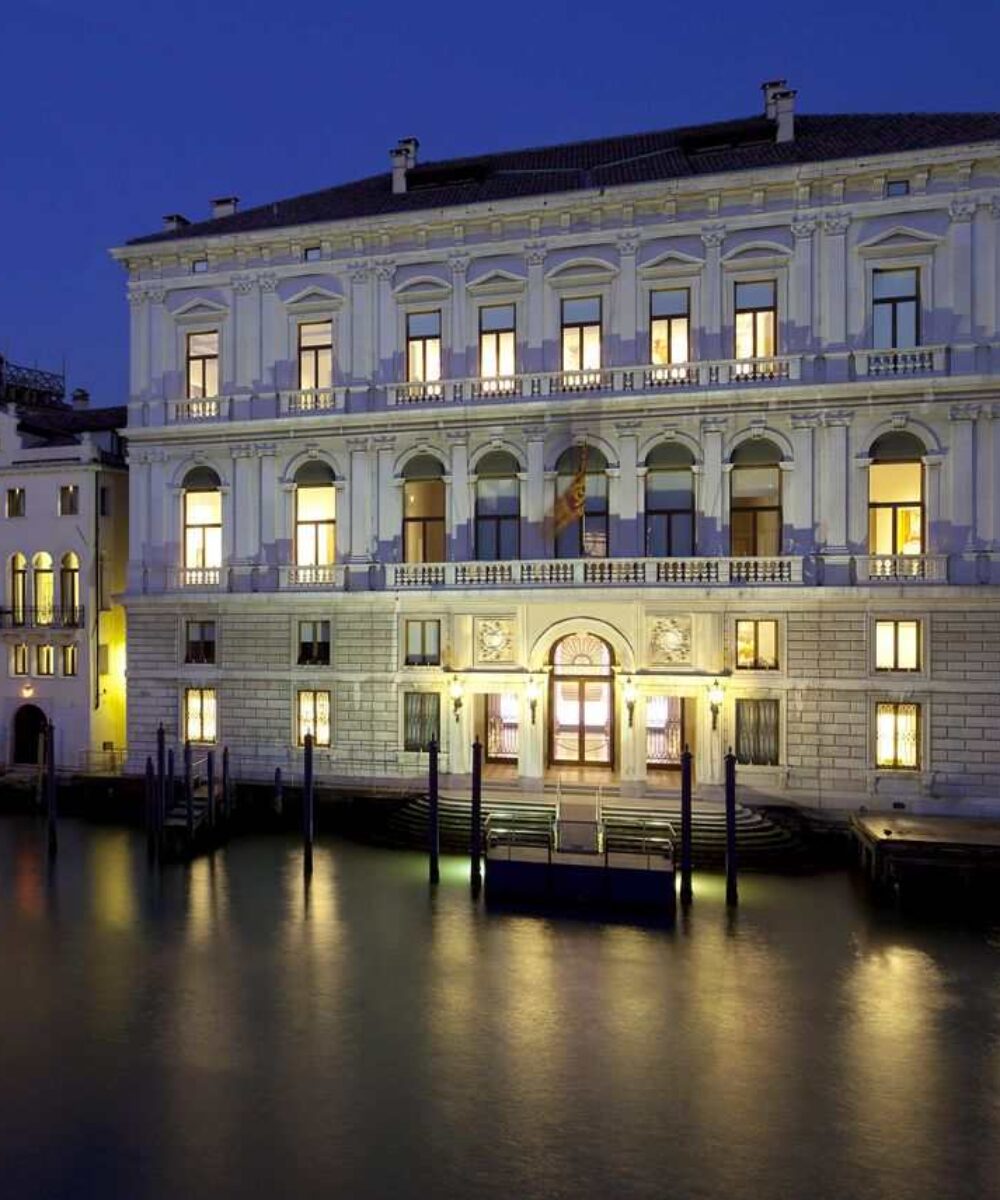
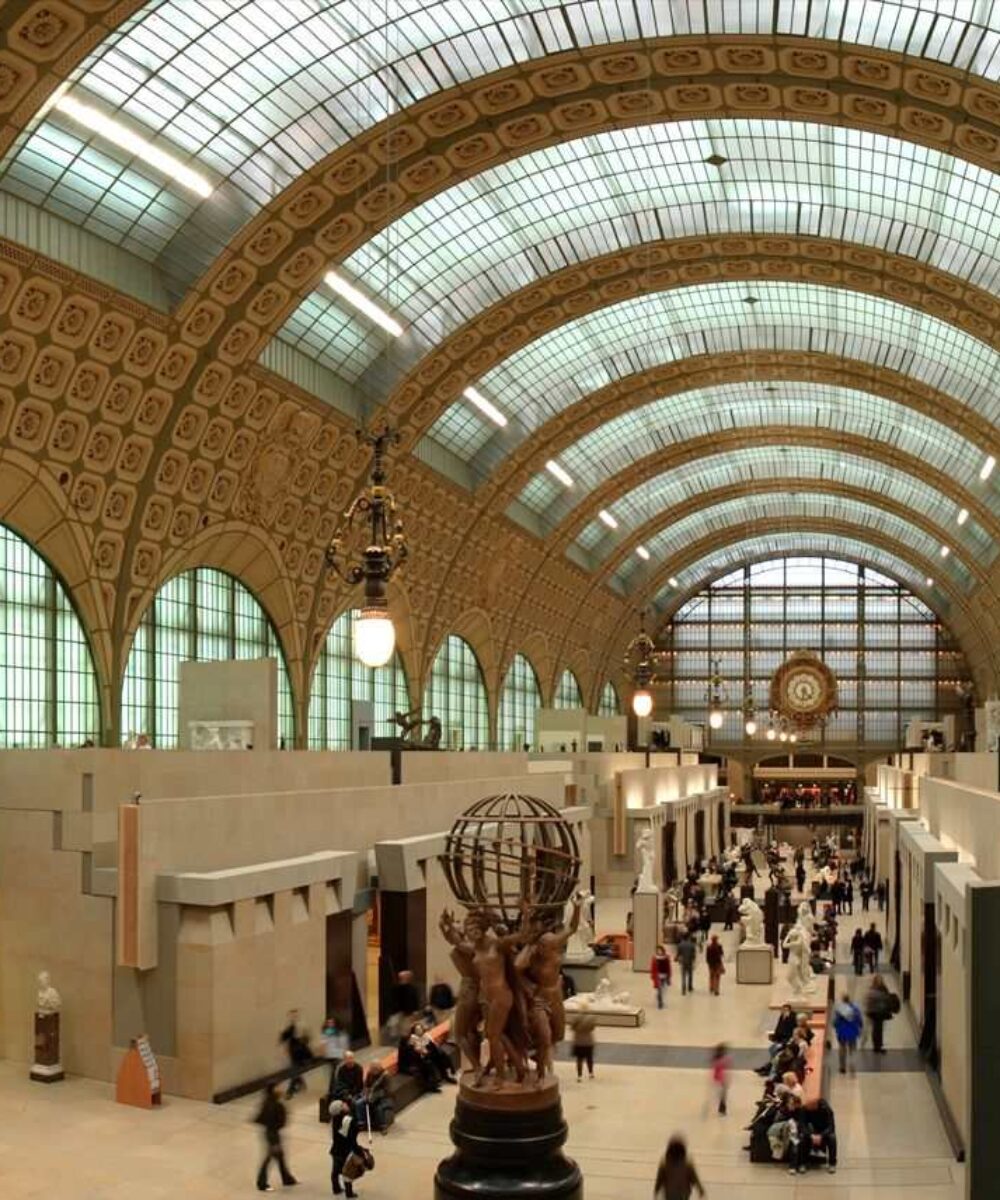
This section presents a representative selection of lighting design projects by Piero Castiglioni, developed across architectural, museum, urban, cultural, retail, hospitality, and infrastructural contexts, both in Italy and internationally. The gallery documents a range of interventions differing in scale, function, and context, united by an approach to light as a tool for interpreting space—capable of engaging with architecture, artworks, landscape, and contemporary use.
The featured projects span museums, foundations, and temporary exhibitions, as well as historic buildings, places of worship, public spaces, and urban complexes, extending to corporate headquarters, private residences, yachts, and lighting masterplans. In each project, light is conceived as a design material—carefully controlled and calibrated in relation to the specific characteristics of the site, functional requirements, and the perceptual quality of the experience.
Taken together, these works outline a vision of lighting design as an integrated process, where technical rigor, cultural sensitivity, and contextual awareness contribute to shaping identity, orientation, and spatial value. The gallery thus becomes a design map, illustrating how light can assume different roles—subtle or expressive—while consistently maintaining coherence, precision, and design awareness.
Other Projects
This section presents a representative selection of lighting design projects by Piero Castiglioni, developed across architectural, museum, urban, cultural, retail, hospitality, and infrastructural contexts, both in Italy and internationally. The gallery documents a range of interventions differing in scale, function, and context, united by an approach to light as a tool for interpreting space—capable of engaging with architecture, artworks, landscape, and contemporary use.
The featured projects span museums, foundations, and temporary exhibitions, as well as historic buildings, places of worship, public spaces, and urban complexes, extending to corporate headquarters, private residences, yachts, and lighting masterplans. In each project, light is conceived as a design material—carefully controlled and calibrated in relation to the specific characteristics of the site, functional requirements, and the perceptual quality of the experience.
Taken together, these works outline a vision of lighting design as an integrated process, where technical rigor, cultural sensitivity, and contextual awareness contribute to shaping identity, orientation, and spatial value. The gallery thus becomes a design map, illustrating how light can assume different roles—subtle or expressive—while consistently maintaining coherence, precision, and design awareness.