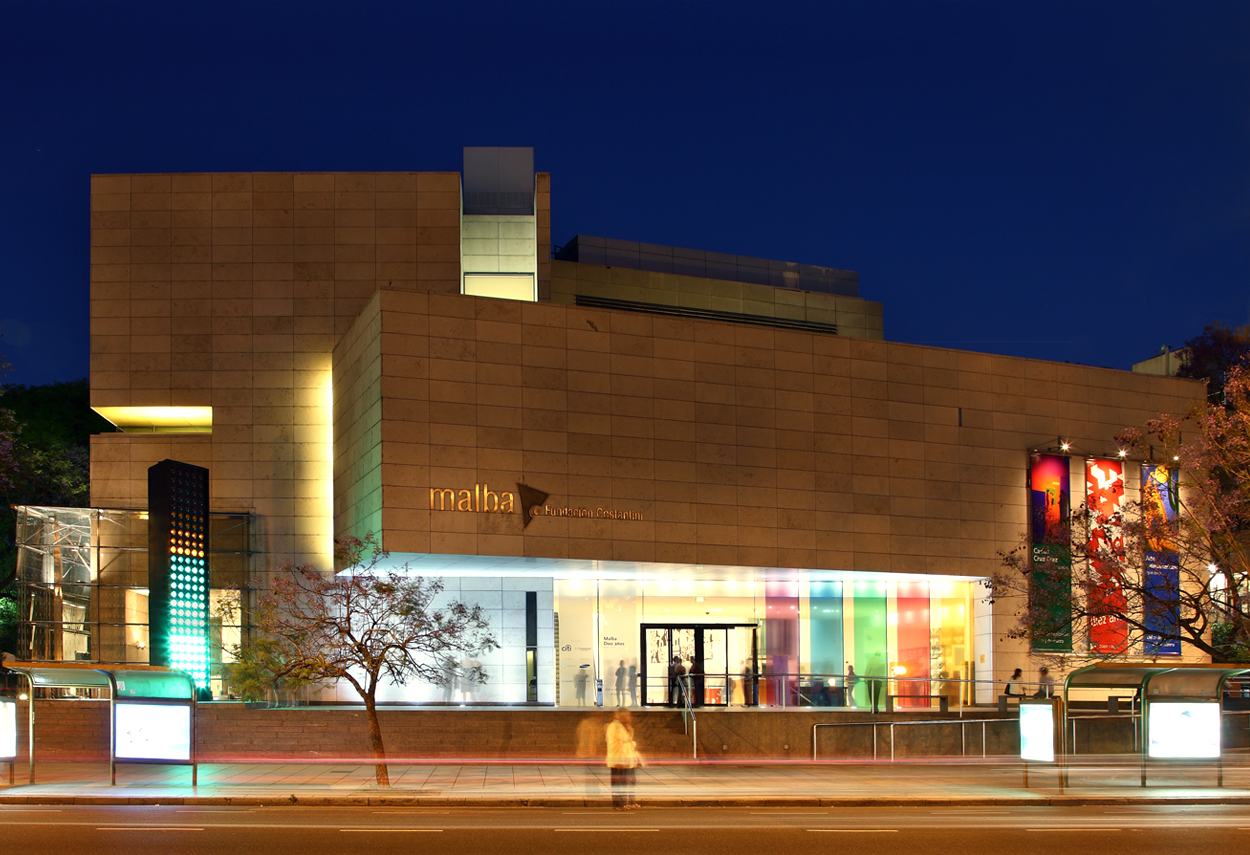
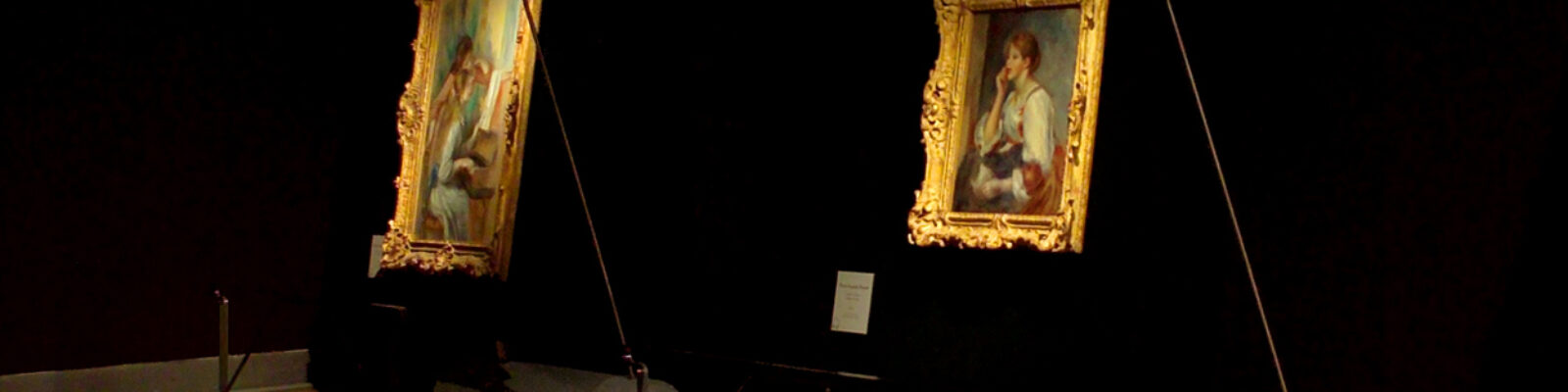
Malba - Costantini Foundation is a cultural space where temporary exhibitions (on many occasions together with other museums in the world, international collections and related foundations) and works of Argentinean and Latin American contemporary art . A place for meetings with writers, courses, seminars, literary conferences and book presentations.
The museum is the result of an international competition held as part of the Biennale Architettura/BA ‘97 for the construction of a new building to house Eduardo Costantini’s private collection of important works from various art movements in Latin America and Mexico. The first prize was awarded to the Argentinean studio AFT Arquitectos, chosen among more than 450 proposals from 35 countries.
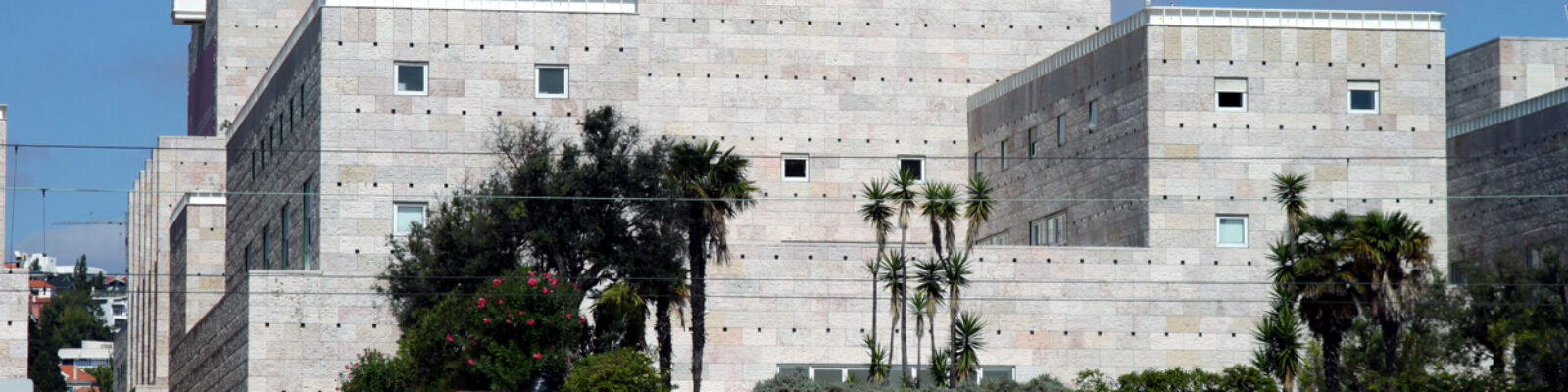
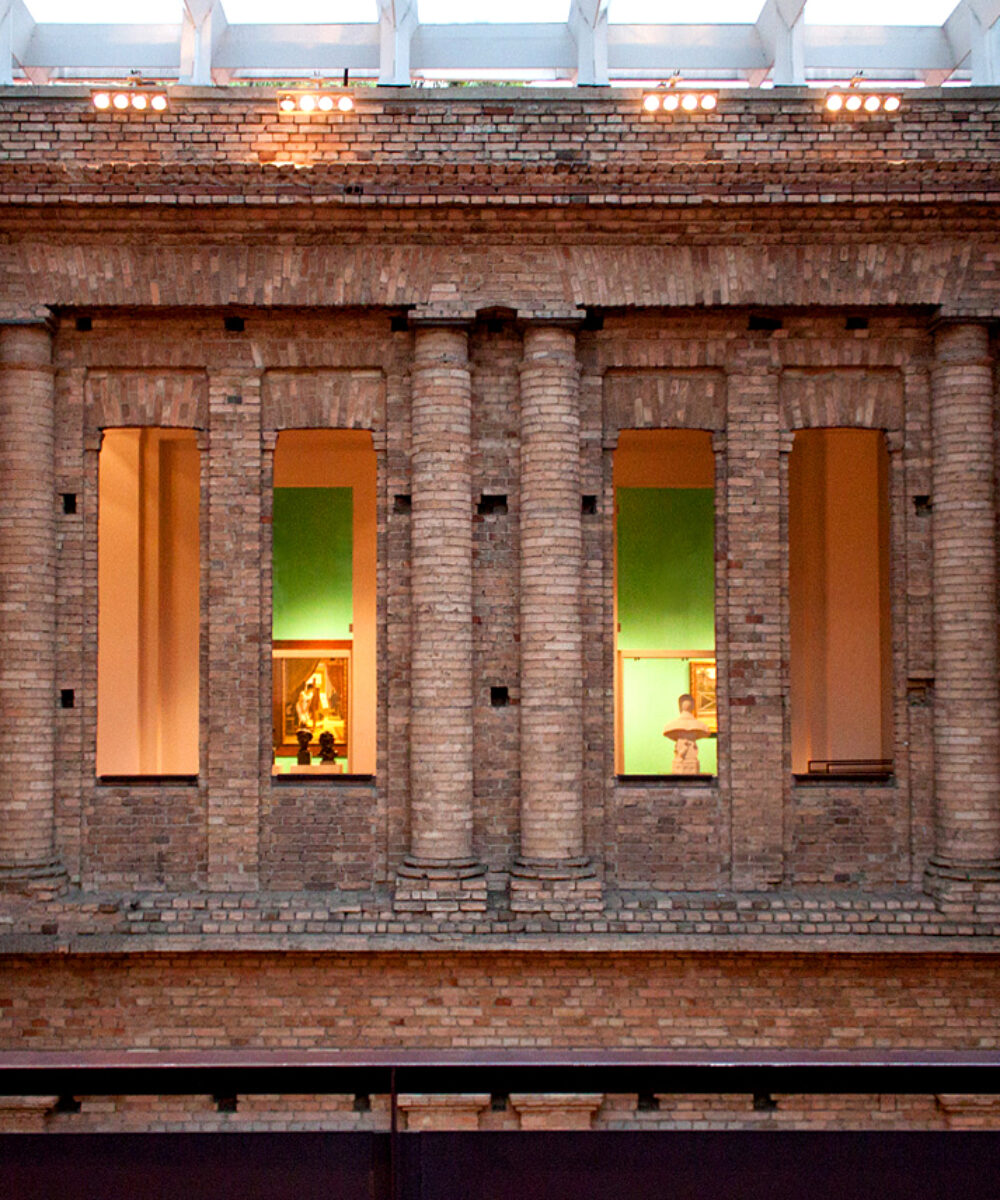
The project includes a number of large rooms that can be divided up into various galleries to adapt to the changing conditions of a constantly expanding collection. Plenty of “white boxes” with openings placed in such a way as to control the entrance of natural light form an ideal setting for contemplating works of art. The alternation of exhibition and resting spaces and the various openings that provide views of the surrounding environment, both inside the museum and outside, give it its unique spirit. Light plays an important part in the overall design of the building: it is a fundamental element linking "the container and its contents".
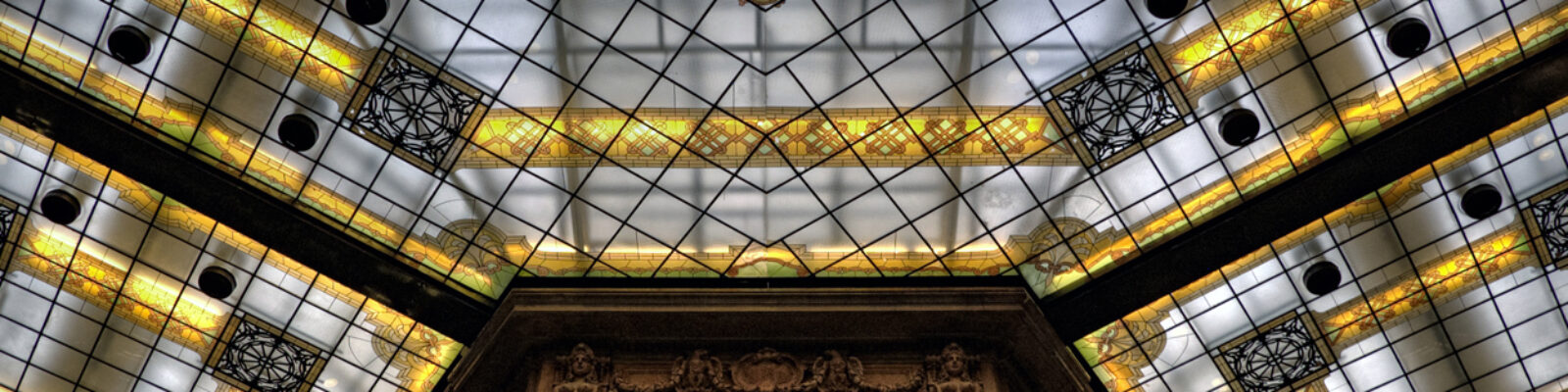
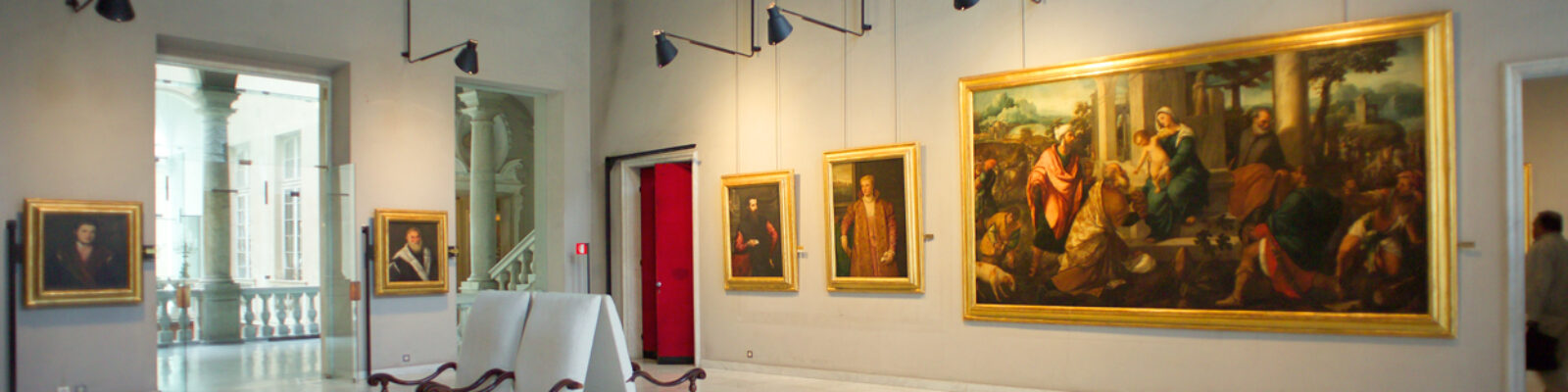
The lighting design was based on the integration between lighting and architecture. The works of art on display have been taken as absolute protagonists of the place, the direct lighting converges on the narrow range of lamps able to give back the maximum fidelity to the perception of the colours, whose emission spectrum is therefore continuous, with the possibility of total shielding of the highly harmful ultraviolet emission for the correct conservation of the works. The presence of natural light in all areas of the building is a constant factor. Long, narrow slots project light onto the walls while large skylights and small dormer windows let in daylight, controlled by a set of multiple “layers” which act both as filters and diffusers.
Project:
Lighting Design Piero Castiglioni
Collaborations:
Gaston Atelmann Architects
Martin Fourcade Architects
Alfredo Tapia Architects
Photo Courtesy:
Sergio Magnano
Year:
2001
Malba - Costantini Foundation is a cultural space where temporary exhibitions (on many occasions together with other museums in the world, international collections and related foundations) and works of Argentinean and Latin American contemporary art . A place for meetings with writers, courses, seminars, literary conferences and book presentations.
The museum is the result of an international competition held as part of the Biennale Architettura/BA ‘97 for the construction of a new building to house Eduardo Costantini’s private collection of important works from various art movements in Latin America and Mexico. The first prize was awarded to the Argentinean studio AFT Arquitectos, chosen among more than 450 proposals from 35 countries.
The project includes a number of large rooms that can be divided up into various galleries to adapt to the changing conditions of a constantly expanding collection. Plenty of “white boxes” with openings placed in such a way as to control the entrance of natural light form an ideal setting for contemplating works of art. The alternation of exhibition and resting spaces and the various openings that provide views of the surrounding environment, both inside the museum and outside, give it its unique spirit. Light plays an important part in the overall design of the building: it is a fundamental element linking "the container and its contents".
The lighting design was based on the integration between lighting and architecture. The works of art on display have been taken as absolute protagonists of the place, the direct lighting converges on the narrow range of lamps able to give back the maximum fidelity to the perception of the colours, whose emission spectrum is therefore continuous, with the possibility of total shielding of the highly harmful ultraviolet emission for the correct conservation of the works. The presence of natural light in all areas of the building is a constant factor. Long, narrow slots project light onto the walls while large skylights and small dormer windows let in daylight, controlled by a set of multiple “layers” which act both as filters and diffusers.
Project:
Lighting Design Piero Castiglioni
Collaborations:
Gaston Atelmann Architects
Martin Fourcade Architects
Alfredo Tapia Architects
Photo Courtesy:
Sergio Magnano
Year:
2001
Other Projects
This section presents a representative selection of lighting design projects by Piero Castiglioni, developed across architectural, museum, urban, cultural, retail, hospitality, and infrastructural contexts, both in Italy and internationally. The gallery documents a range of interventions differing in scale, function, and context, united by an approach to light as a tool for interpreting space—capable of engaging with architecture, artworks, landscape, and contemporary use.
The featured projects span museums, foundations, and temporary exhibitions, as well as historic buildings, places of worship, public spaces, and urban complexes, extending to corporate headquarters, private residences, yachts, and lighting masterplans. In each project, light is conceived as a design material—carefully controlled and calibrated in relation to the specific characteristics of the site, functional requirements, and the perceptual quality of the experience.
Taken together, these works outline a vision of lighting design as an integrated process, where technical rigor, cultural sensitivity, and contextual awareness contribute to shaping identity, orientation, and spatial value. The gallery thus becomes a design map, illustrating how light can assume different roles—subtle or expressive—while consistently maintaining coherence, precision, and design awareness.
Other Projects
This section presents a representative selection of lighting design projects by Piero Castiglioni, developed across architectural, museum, urban, cultural, retail, hospitality, and infrastructural contexts, both in Italy and internationally. The gallery documents a range of interventions differing in scale, function, and context, united by an approach to light as a tool for interpreting space—capable of engaging with architecture, artworks, landscape, and contemporary use.
The featured projects span museums, foundations, and temporary exhibitions, as well as historic buildings, places of worship, public spaces, and urban complexes, extending to corporate headquarters, private residences, yachts, and lighting masterplans. In each project, light is conceived as a design material—carefully controlled and calibrated in relation to the specific characteristics of the site, functional requirements, and the perceptual quality of the experience.
Taken together, these works outline a vision of lighting design as an integrated process, where technical rigor, cultural sensitivity, and contextual awareness contribute to shaping identity, orientation, and spatial value. The gallery thus becomes a design map, illustrating how light can assume different roles—subtle or expressive—while consistently maintaining coherence, precision, and design awareness.